

ROV Cable Entanglement Prevention: Tether Management Tips for Structure-Heavy Sites
The dive brief said thirty minutes inside the jacket structure. The ROV was back on deck in nine — not because the inspection was finished, but because the tether had wrapped around a diagonal brace at 22 m depth and the pilot had run out of slack. Freeing it took two hours and a second vehicle. ROV cable entanglement is not a fringe scenario at structure-heavy sites. It is a routine operational hazard that determines mission success or failure before the first survey frame is captured.
This article is written for pilots, supervisors, and project engineers who plan and execute inspections at jacket platforms, wind turbine foundations, bridge piers, dam structures, and port infrastructure. It covers how entanglement happens, how to assess risk before the dive, and how to configure your tether management system to prevent it.
01 How Entanglement Happens at Structural Sites
The mechanics of a wrap
Tether entanglement follows a predictable sequence. The vehicle navigates around or through a structural element. The tether follows a different path — a straighter one, constrained by its stiffness and the current direction. As the vehicle continues, the angle between the tether and the structural element decreases. At some point the tether contacts the structure and the vehicle’s thrust holds it there.
From that moment, every maneuver the pilot makes to continue the inspection adds more wrap. The situation is often invisible from the surface — the tether tension may feel normal because the vehicle is still moving. The problem only becomes apparent when the pilot tries to reverse and finds the tether cannot be recovered.
The role of current
Current is the factor that converts a manageable tether into an entanglement risk. A tether hanging vertically in still water presents a predictable, controllable shape. The same tether in a 1.5-knot current bows downstream into a curve that pushes against every structural element between the vehicle and the surface.
The downstream bow creates a moment arm. Any structural element that the tether contacts under current loading acts as a fulcrum. The vehicle’s thrust then acts at the end of that moment arm, progressively tightening the wrap rather than freeing it.
This is why entanglement is more common at tidal sites and in locations with persistent current — not because the structures are different, but because the tether geometry is fundamentally different under load.
Site types and their specific hazards
Different structure types create distinct entanglement geometries. Understanding the specific hazard at your site is the starting point for prevention.
|
Site type |
Primary entanglement hazard |
Characteristic tether behavior |
|
Offshore jacket platform |
Diagonal braces — create X-patterns the tether routes through |
Tether wraps around brace at acute angles under current |
|
Wind turbine monopile / jacket |
J-tubes, cable hang-offs, and anodes on the foundation leg |
Tether snagged on protruding fittings during approach |
|
Bridge pier / abutment |
Scour protection rock armor and rebar exposure |
Tether drags across irregular rock surface and jams in voids |
|
Dam face / intake structure |
Grating, trash racks, and embedded steel fittings |
Tether threads through grating mesh under suction flow |
|
Port quay / sheet pile wall |
Discarded mooring gear, chains, and debris on seabed |
Tether picks up debris and wraps around it |
|
Shipwreck / confined space |
All edges are entanglement points — no clear path |
Any entry creates a wrap that cannot be reversed |
Table 1. Site-specific entanglement hazards. The tether behavior column describes how the wrap develops — understanding the mechanism is the first step in preventing it.
02 Pre-Dive Entanglement Risk Assessment
The five risk factors
Every structural inspection dive carries some level of ROV cable entanglement risk. Quantifying that risk before the dive allows you to configure your mitigation measures proportionally. Five factors determine the risk level:
|
Risk factor |
Low risk |
High risk |
Assessment method |
|
Structure density |
Open frame, wide member spacing |
Dense brace pattern, <2 m clearance |
As-built drawings + pre-dive survey |
|
Current speed |
< 0.5 knots |
> 1.5 knots |
ADCP measurement or tide table |
|
Tether length deployed |
< 50 m |
> 150 m |
Calculate from depth + lateral range |
|
Vehicle size vs clearance |
Vehicle < 50% of smallest opening |
Vehicle > 70% of smallest opening |
Vehicle dimensions vs drawing |
|
Pilot structural experience |
20+ dives in similar structure type |
First time at this structure type |
Pilot logbook review |
Table 2. Five-factor entanglement risk assessment. Score each factor and configure mitigation intensity accordingly. Two or more high-risk factors require active tether management during the dive.
What the risk score tells you
A site with one high-risk factor is manageable with standard tether management practices. Two or more high-risk factors require active mitigation: a shorter tether, a tether tender on deck, a route plan reviewed before entry, and abort criteria established in advance.
Three or more high-risk factors should prompt a mission architecture review. Can the survey be broken into shorter segments from different entry points? Can a smaller vehicle be deployed? Can the dive be timed to coincide with the slack water period? The answer to at least one of these questions is almost always yes — and it is always easier to ask them before the vehicle is in the water.
Field note: A wind farm inspection contract in the German Bight required survey of 22 monopile foundations in a single mobilization. Initial planning called for circumnavigation of each foundation at three depth intervals. Pre-dive risk assessment showed current speeds of 1.8–2.4 knots during working hours. The mission was redesigned to use slack water windows of 40–60 minutes per foundation, with shorter tether deployments and defined abort criteria at 0.8 knots increasing current. All 22 foundations were surveyed without a single entanglement event. The assessment took 90 minutes. The redesign took 20 minutes.
03 Tether Configuration for Structure-Heavy Sites
Tether length discipline
The single most effective prevention measure is deploying the minimum tether length required for the dive. Every extra meter of free tether in the water column is a potential wrap waiting for a structural element to catch it.
Calculate the required tether length before each dive: maximum depth plus maximum lateral offset from the deployment point, multiplied by 1.3 for the catenary factor. Do not add a generous reserve on top of this — reserve creates the slack that enables entanglement.
If the site requires lateral travel beyond what the calculated length allows, move the deployment point. Repositioning the vessel or the deployment frame is operationally inconvenient. It is less inconvenient than a two-hour entanglement recovery operation.
Neutral buoyancy tether vs negative tether
Tether buoyancy has a direct effect on entanglement risk at structural sites.
|
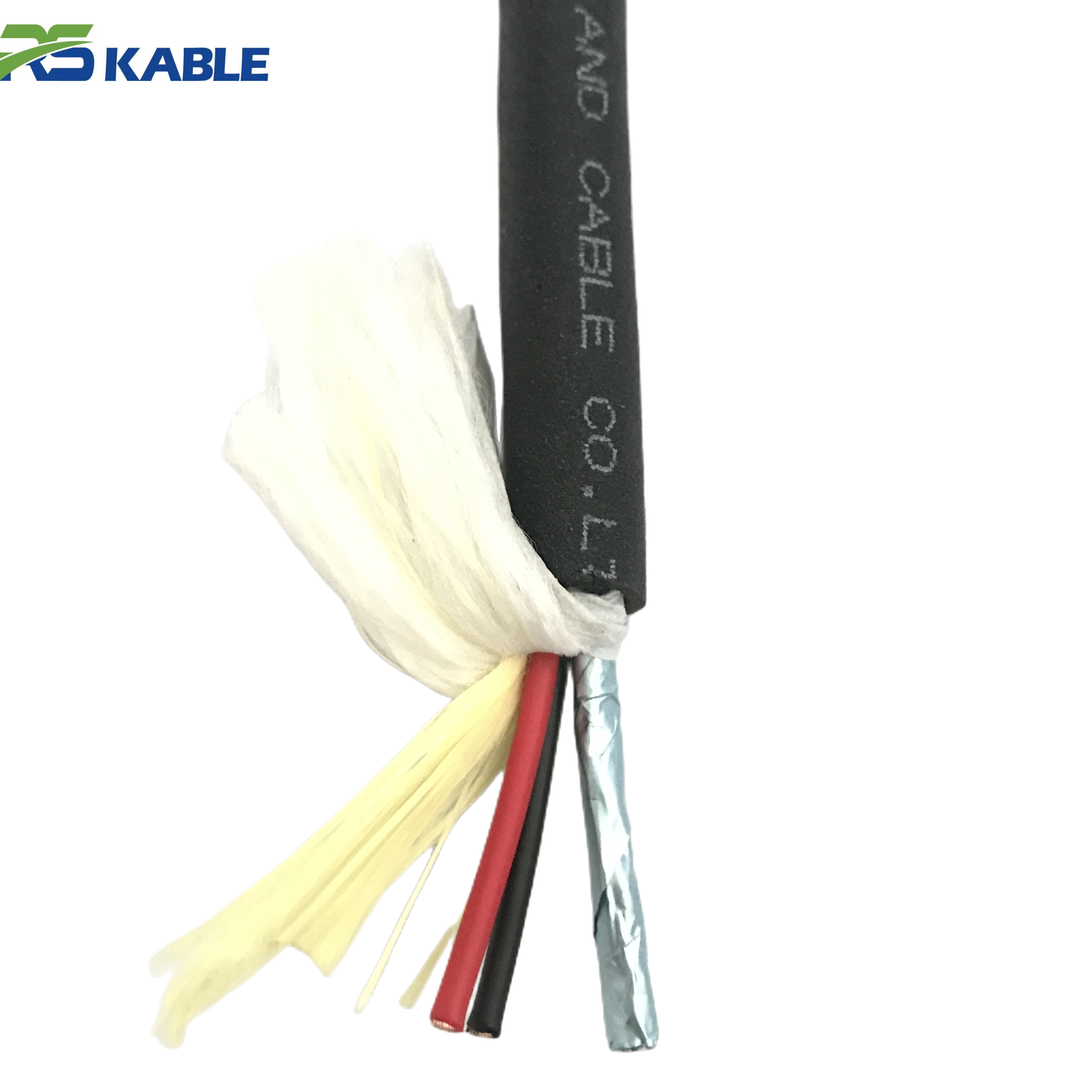
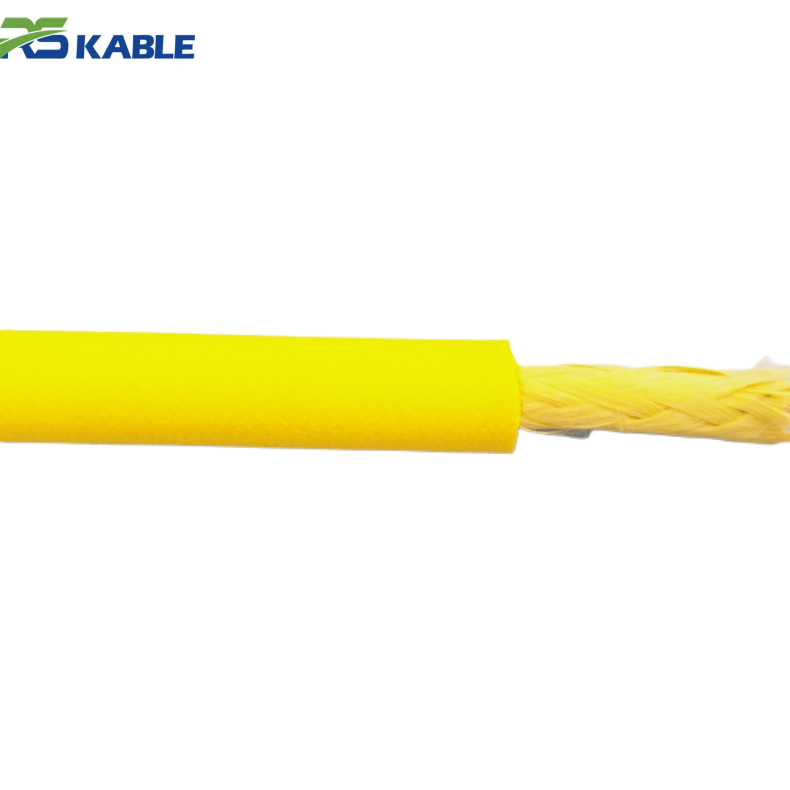
Neutral buoyancy tether • Hangs in the water column without draping on structures • Does not drag across lower members when vehicle moves up • Reduces the bow effect under current • Higher cost — requires foam-filled or syntactic jacket • Best choice for jacket platform and confined space work |
Negative (sinking) tether • Drapes onto horizontal members below the vehicle • Creates progressive wrap as vehicle maneuvers • Increases drag force on vehicle in current • Lower cost — standard construction • Acceptable only for open-water and shallow structure work |
Comparison: neutral vs negative buoyancy tether at structural sites. For any site with a density score of medium or above on Table 2, neutral buoyancy is the recommended tether specification.
Tether stiffness and minimum bend radius
A stiffer tether resists wrapping around small-diameter structural members. If the tether cannot conform to the curve of a brace, it is less likely to complete a wrap around it.
This does not mean specifying the stiffest possible cable. A tether that is too stiff creates its own problems — it fights the vehicle’s movement, transmits dynamic loads poorly, and can kink at the fairlead. The target is a tether with a minimum bend radius larger than the smallest structural member diameter at the site. On a jacket platform with 200 mm diagonal braces, a tether with a minimum bend radius of 250 mm will tend to slide off a brace rather than conform to it.
Tether cross-section and profile
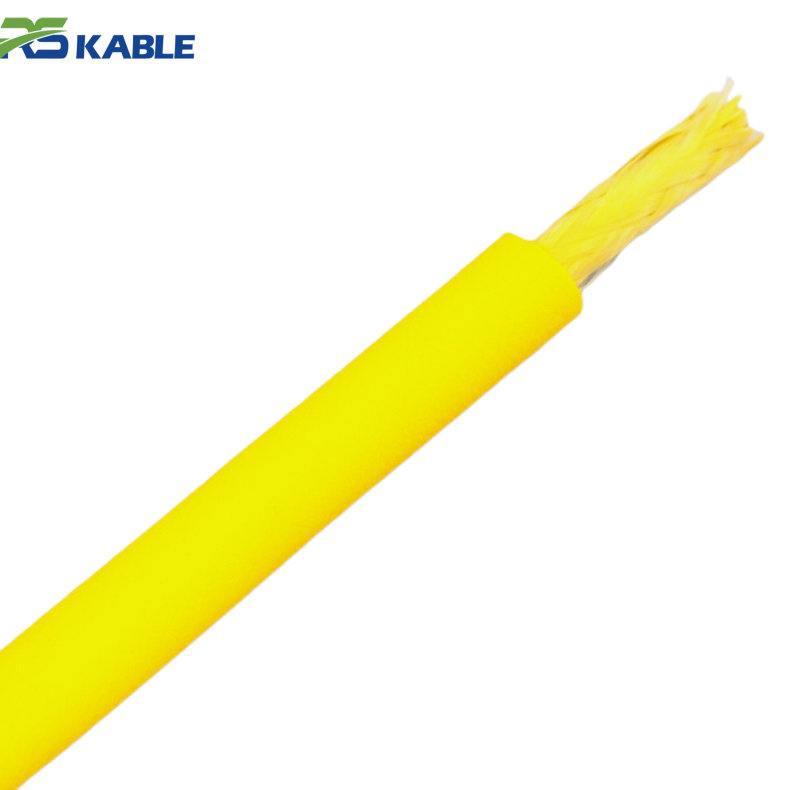
Round tether cross-sections rotate freely around a structural contact point. This rotation allows the tether to work its way around a member under vehicle thrust, completing a wrap that a flat or oval tether would resist.
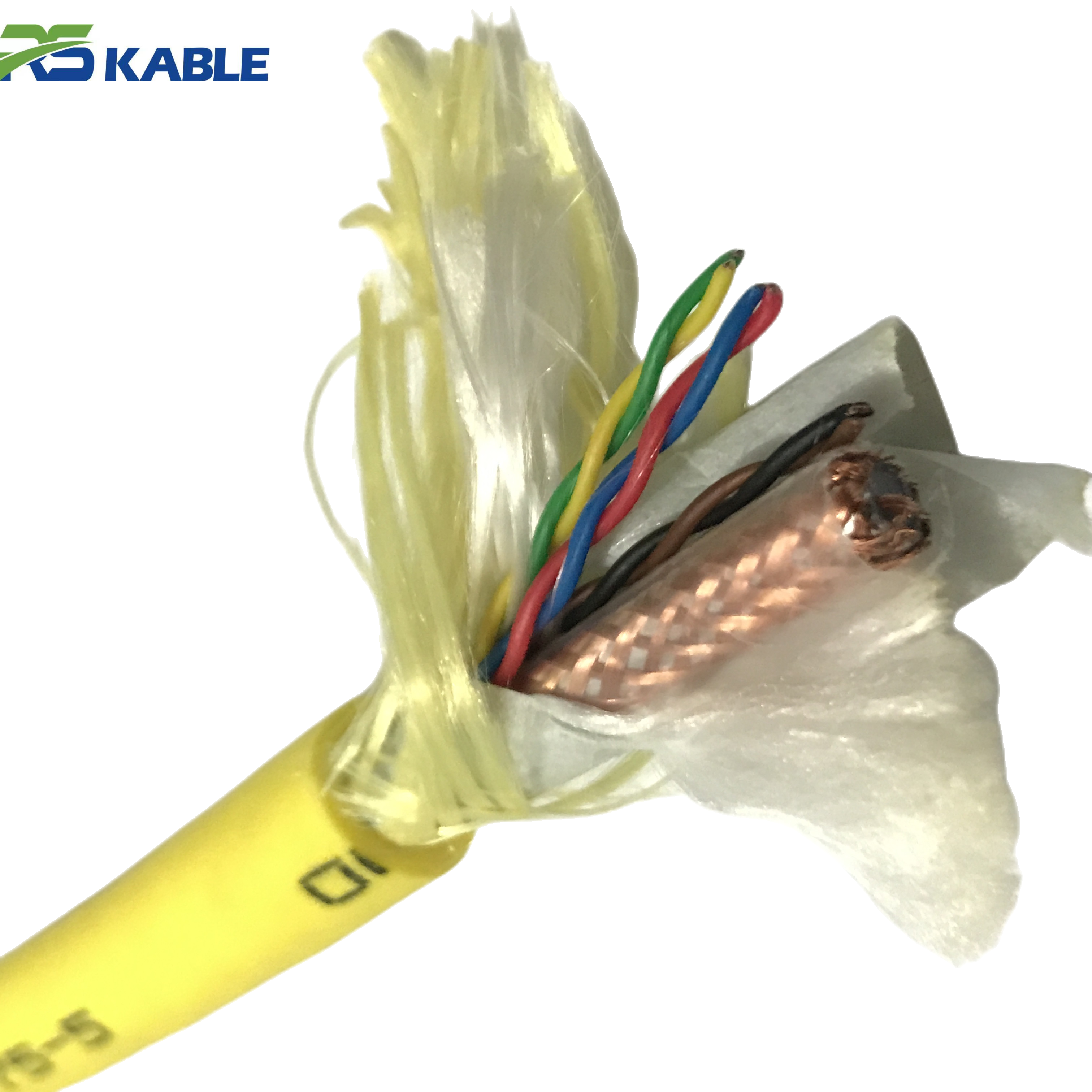
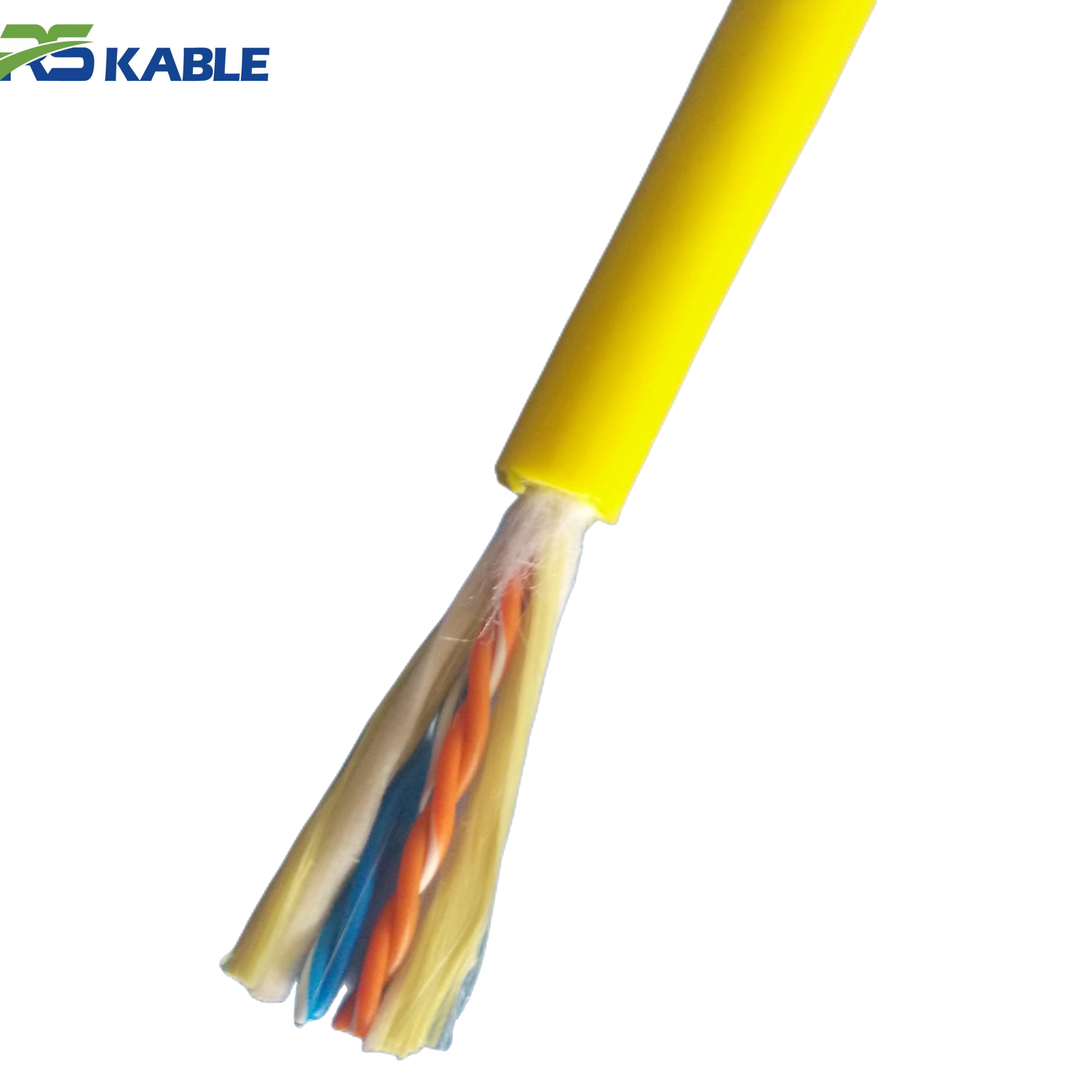
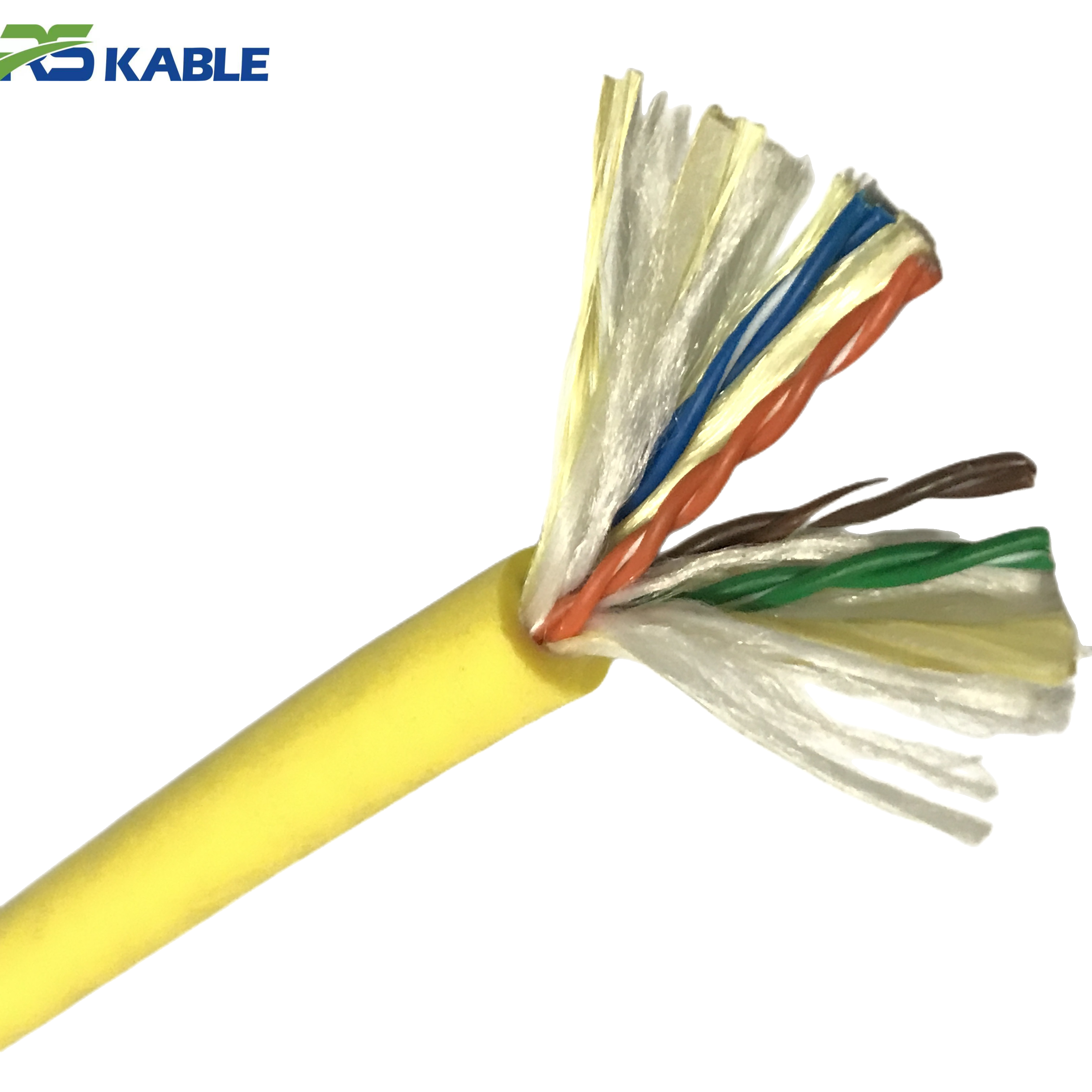
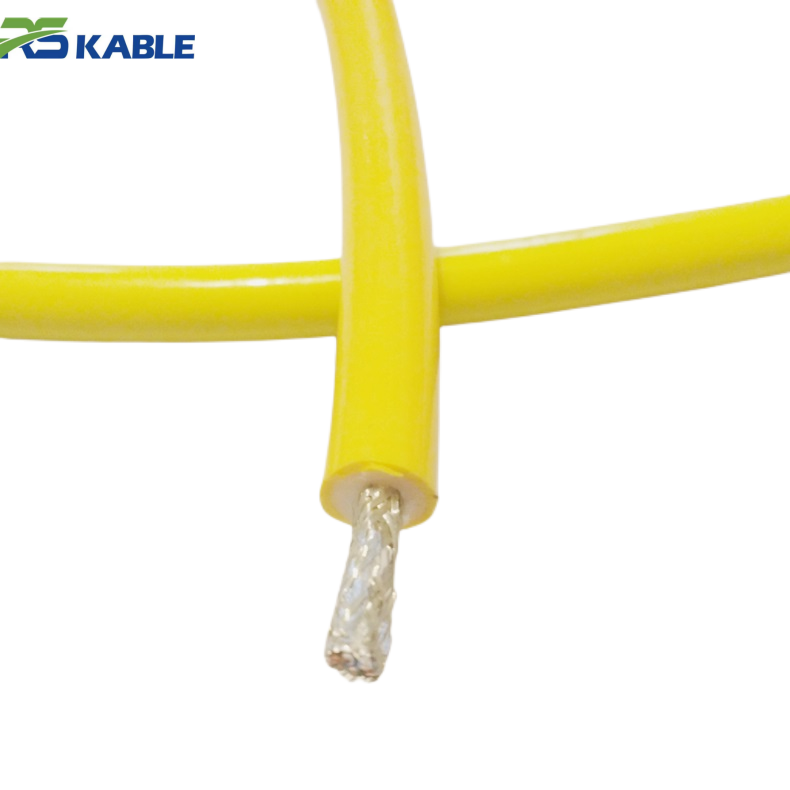
Flat tether designs — used primarily in elevator and drag chain applications — have significantly lower entanglement risk when the flat face contacts the structure, because the flat face cannot rotate into a wrap position. Some specialist ROV operators working in dense jacket environments have adopted oval-section tethers for exactly this reason.
04 Operational Tether Management Techniques
The tether tender role
A tether tender is a crew member assigned exclusively to monitoring and managing the deployed tether from the surface during a structural dive. This role is standard practice on offshore work-class operations but is routinely omitted on observation-class and survey ROV deployments where the ROV pilot is also managing the tether.
The tender’s job is to maintain the minimum required tether scope, observe the tether angle and tension, and communicate tether condition to the pilot continuously throughout the dive. A tender who notices the tether angle changing sharply can call an abort before the wrap completes. A pilot managing the tether alone is focused on the video feed and the vehicle position — they are the last person to notice a developing entanglement.
Route planning before entry
Any dive that takes the vehicle inside or around a structural element should have a route plan. The route plan identifies the intended vehicle path, the expected tether path, all structural elements that could contact the tether, and the exit route from each position.
Route plans for jacket platforms are most effective when based on a top-down schematic of the structure at each depth interval. Mark the vehicle’s planned track and trace the tether path from the deployment point. Identify any location where the tether path crosses a structural member. Each crossing is a potential entanglement point. Plan to approach it in a direction that keeps the tether contact angle greater than 90 degrees — contact at an acute angle is the geometry that completes a wrap.
The clock face technique
When the vehicle must circumnavigate a structural element — a jacket leg, a monopile, a pier — the clock face technique minimizes tether wrap risk. Treat the structural element as a clock face. Begin the circumnavigation at 12 o’clock and proceed clockwise. Limit the circumnavigation to 270 degrees. Return to the start before proceeding to the next depth interval.
Completing a full 360-degree circumnavigation in one direction wraps the tether once around the structure. The first 270 degrees can be unwound by reversing the circumnavigation route. A full 360-degree wrap cannot be unwound without moving the deployment point — and is frequently not recoverable without diver intervention.
Abort criteria and emergency recovery
Establish abort criteria before every structural dive. The abort trigger should be specific and measurable — not “if it gets difficult.” Standard abort criteria for structural sites:
- Tether tension exceeds 30% of rated working load at any point during the dive
- Tether angle at the deployment point exceeds 45 degrees from vertical
- Vehicle cannot make forward progress with 50% thrust applied
- Current speed at depth exceeds the site-specific threshold established in the risk assessment
- Visual confirmation of tether contact with any structural member during vehicle movement
When an abort is triggered, the pilot should immediately stop lateral movement and attempt a direct vertical recovery — ascending straight up rather than retracing the horizontal route. A vertical ascent clears most partial wraps by lifting the tether off the structural element rather than trying to pull it backward through the geometry that created the wrap.
05 When Entanglement Has Already Occurred
First response — stop, do not pull
The instinctive response to a snagged tether is to apply thrust and pull. This is the wrong action in almost every case. Additional thrust tightens the wrap, embeds the tether deeper into the contact geometry, and risks breaking the cable under the combined tension.
The correct first response is to stop all lateral movement immediately. Hold the vehicle stationary. Assess the situation before taking any recovery action. Determine which direction of movement created the wrap — the recovery will require movement in the opposite direction.
Systematic unwrap procedure
Work through the following sequence:
- Reduce scope. If there is slack tether between the vehicle and the wrap point, recover it to the surface drum. Slack enables additional wrapping during recovery maneuvers.
- Identify the wrap point. Use the vehicle camera to locate where the tether is in contact with the structure. Note the orientation of the contact.
- Reverse the entry route. If the vehicle entered the structure from the north and turned west, return east and exit north. Retrace the exact path that created the wrap, in reverse.
- Ascend vertically if retracing fails. A slow vertical ascent lifts the tether over horizontal structural elements and clears most partial wraps. Maintain zero lateral movement during the ascent.
- Accept tether sacrifice if complete. A complete 360-degree wrap around a structural member cannot be undone without physical access to the wrap point. If the vehicle cannot be recovered without risking tether parting, assess the cost of controlled tether severance versus vehicle abandonment versus diver intervention.
Recovery cost benchmark: Diver intervention to free an entangled ROV at 25 m depth on a North Sea jacket: 4 hours dive preparation + 45-minute dive = approximately USD 12,000–18,000 in diving contractor costs, not including vessel time. A two-hour ROV recovery attempt before calling the diver costs nothing and should always be the first option.
06 Pre-Dive Operations Card for Structural Sites
Print and complete this card before every structural inspection dive. File the completed card with the dive record.
|
|
Pre-dive check item |
Required condition / action |
|
|
Structural drawing reviewed |
All members within operating depth range identified |
|
|
Current speed measured at operational depth |
Below site-specific abort threshold |
|
|
Tether length calculated |
Depth + lateral offset × 1.3, no reserve added |
|
|
Route plan completed |
Vehicle path and tether path traced on structure schematic |
|
|
Abort criteria defined and communicated |
Specific thresholds — tension, angle, current, visual |
|
|
Tether buoyancy confirmed |
Neutral buoyancy for medium/high-risk sites |
|
|
Tether tender assigned |
Dedicated person — not the pilot |
|
|
Tether scope control confirmed |
Drum brake set for controlled pay-out under tension |
|
|
Recovery line rigged |
Independent retrieval line attached to vehicle — not tether |
|
|
Vehicle position logged at structure entry |
GPS or relative bearing noted for recovery reference |
|
|
Tether angle monitored continuously |
Tender calls pilot if angle exceeds 45 degrees |
|
|
Circumnavigation limited to 270 degrees |
Return to start before proceeding |
Operations card: pre-dive checklist for structural inspection dives. Tick each item before vehicle entry. A partially completed card is a decision to accept unmeasured risk.
Prevention Is a Planning Discipline, Not a Piloting Skill
Where the work happens
Most ROV cable entanglement events at structural sites are not caused by poor piloting. They are caused by poor planning. The vehicle enters a space without a route plan, in current conditions that were not assessed, with more tether deployed than the site geometry required.
The techniques in this article are planning tools first and operational tools second. The risk assessment happens before the vehicle enters the water. The route plan is drawn before the briefing. The abort criteria are set before the first meter of tether is deployed.
A pilot working with a pre-assessed site, a defined route, minimum tether scope, and a dedicated tender can navigate most structural inspection sites without an entanglement event — even in challenging current conditions. A pilot working without those inputs is managing risk in real time, with the video feed as their primary information source. That is a harder problem than it needs to be.
The relationship between site complexity and preparation time
The preparation time required scales with site complexity. An open monopile at slack water needs 10 minutes of preparation. A dense jacket platform in 1.5-knot current needs 2 hours — structural drawing review, current measurement, route planning, tether configuration check, tender briefing, and abort criteria documentation.
The two hours of preparation for a complex site returns more survey data per dive hour than any amount of real-time improvisation. It is also the difference between a completed inspection program and a mobilization that ends with a recovery operation on day two.
Specifying a tether for a structural inspection program? Our applications team helps operators select tether configurations — buoyancy, stiffness, diameter, and length — matched to specific site conditions. Send your site description and operating profile. We will provide a written tether recommendation with entanglement risk considerations.
Frequently Asked Questions
Q1: How much tether slack should I leave during a structural inspection dive?
The target is zero free slack. Calculate the minimum tether length needed — depth plus lateral range multiplied by 1.3 for the catenary — and deploy exactly that amount. Every meter of free slack is a potential wrap. In practice, some operational margin is unavoidable, but the mindset should be minimum necessary scope, not generous reserve. For sites with dense structure or strong current, a tether tender controlling the drum is the most reliable way to maintain minimum scope throughout the dive.
Q2: Is a neutral buoyancy tether always better for structural work?
Neutral buoyancy tether significantly reduces entanglement risk at structural sites, but it is not always better in every dimension. It costs more than standard negative tether. It is also less effective in very strong current — the tether bows in the current regardless of buoyancy. At low current speeds and medium structure density, neutral buoyancy is the clear choice. In very strong current, the benefit diminishes and the priority shifts to tether length management and route planning. For shallow open-structure work at slack water, standard tether with good length discipline is often adequate and more economical.
Q3: Can I use a tether depressor or weight to control the tether shape?
Yes — a tether depressor (a weight or hydrodynamic device attached to the tether at a calculated midpoint) pulls the tether downward and reduces the bow under current. This reduces the lateral contact area between the tether and the structure. Depressors are commonly used on long deployments in significant current. The trade-off is that the depressor adds a snag point of its own — it must be sized so it cannot thread through any structural opening at the site. Hydrodynamic depressors are preferred over dead weights for this reason: they are streamlined and present a smaller contact profile against structural members.
Q4: The vehicle is entangled and I cannot recover it. When do I call a diver?
Attempt ROV self-recovery for no more than 30 minutes before making the diver call. Extended self-recovery attempts risk tightening the wrap to the point where diver intervention becomes more difficult. The call criteria are: the vehicle cannot move in any direction under 75% thrust without tether resistance, or the tether tension has reached 50% of the rated working load. Document the last known vehicle position, depth, and the direction of the wrap before the diver enters the water. A diver working from that information can free most entanglements in under 30 minutes.
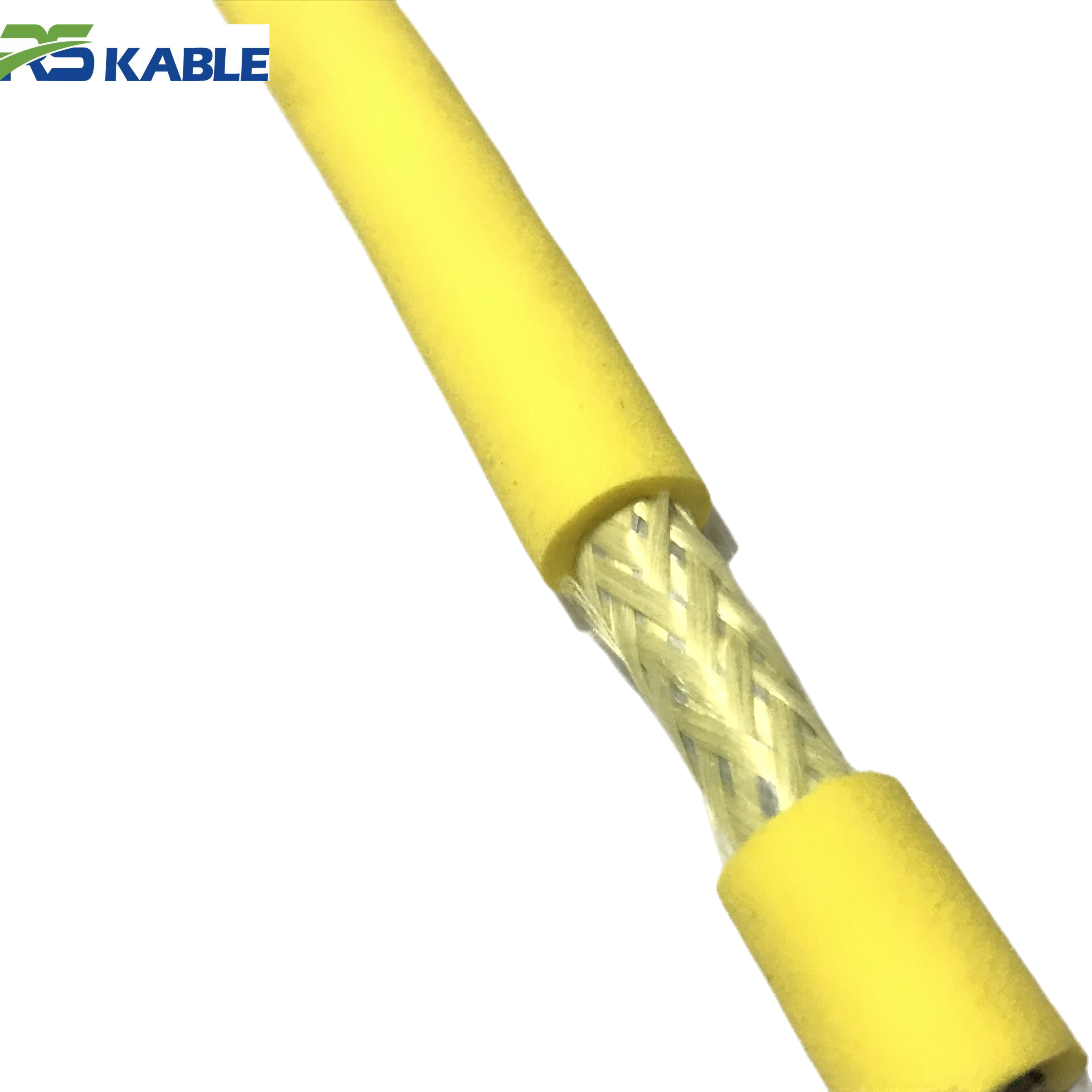
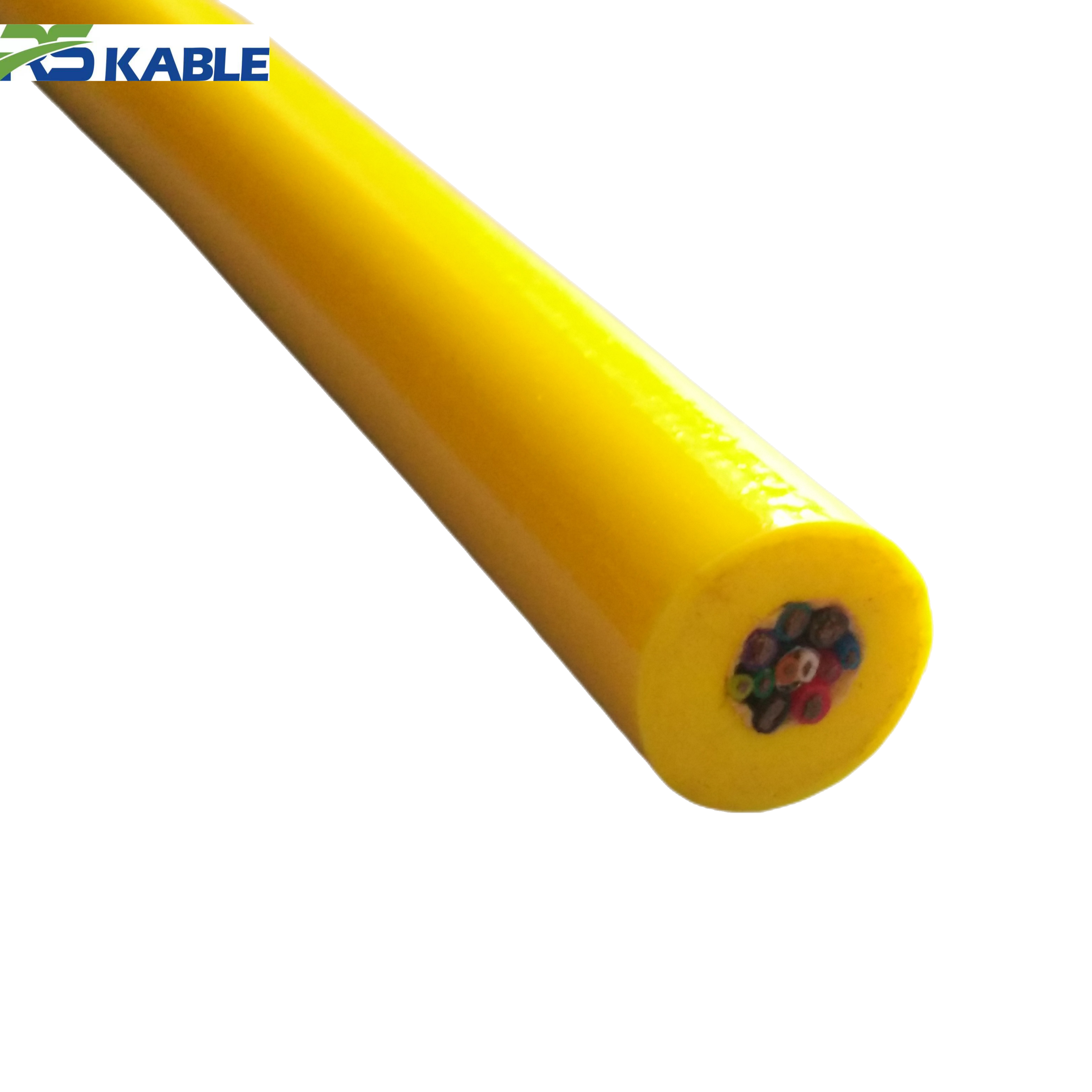
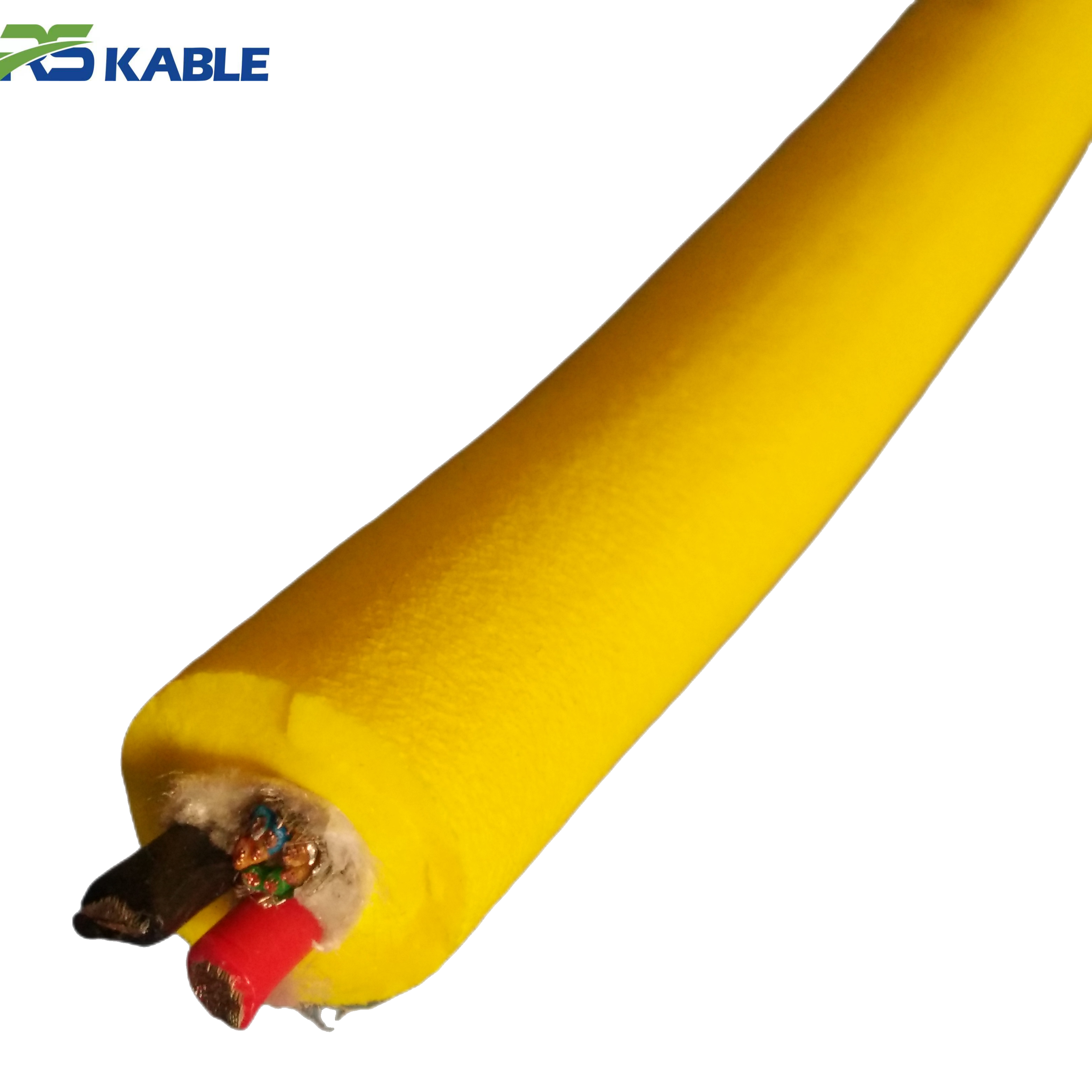
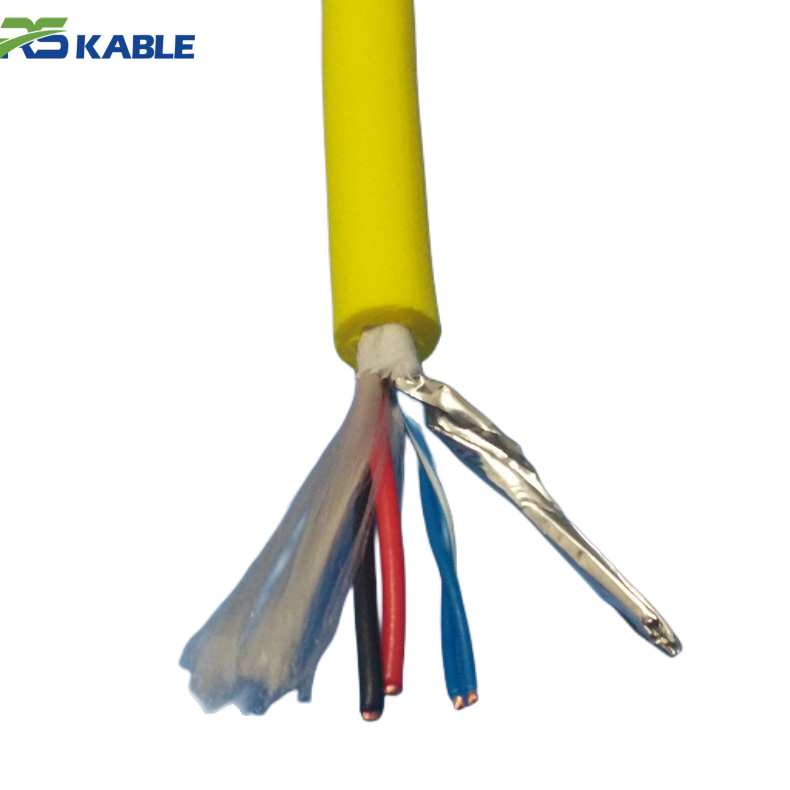
Q5: Does tether color affect entanglement risk?
Not directly — tether color does not change the physics of entanglement. However, high-visibility tether color (yellow or orange) makes the tether visible to the pilot and tender on the surface during recovery and in the vehicle camera feed during the dive. This visual feedback improves situational awareness and allows earlier detection of developing contact with a structural member. Low-visibility tether — black or dark green — is harder to track visually and makes the pre-wrap situation harder to identify in time to prevent it. For structural inspection work, high-visibility tether color is a practical operational advantage.