

ROV Cable Diameter vs Drag: How to Reduce Pilot Workload in Strong Currents
In strong currents, many “piloting problems” are tether problems. When the tether carries most of the side load, the vehicle spends thrust just to stay in place, turns feel slow and springy, and the work zone becomes harder to keep clean near structures. The quickest improvement is often not a new thruster package—it’s reducing the amount of drag the tether generates.
Diameter is the most visible drag driver because it increases the area exposed to flow. Add a long suspended length and changing current direction, and the tether becomes a moving sail. This guide explains how tether diameter creates drag, how that drag turns into pilot workload, and how to reduce it without creating new risks in power delivery, data stability, or safety margin. You’ll also find field checks and an RFQ template designed for current-heavy missions.
The “drag signature”: how to know the tether is the workload
If your operation is drag-limited, the symptoms are usually consistent across vehicles and crews:
-
station-keeping requires sustained high thrust even in moderate current
-
the tether sweeps into the inspection zone during turns
-
small current changes produce large changes in vehicle feel
-
pilots slow down near structures because the sweep zone isn’t predictable
-
jacket scuffs appear in the same places because the tether touches more often
-
“good piloting” still feels like constant correction
These symptoms matter because they point to the same root: the tether is generating loads the vehicle must constantly cancel.
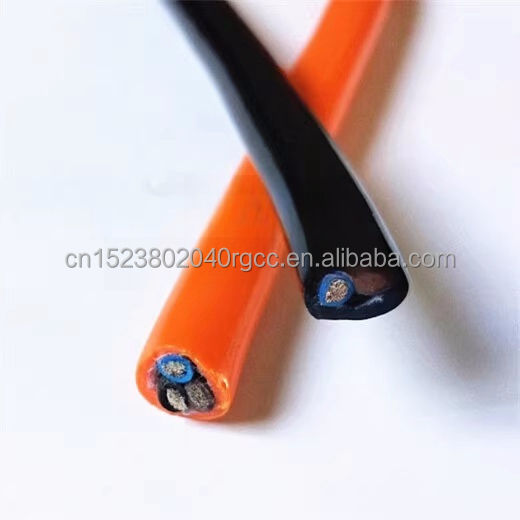
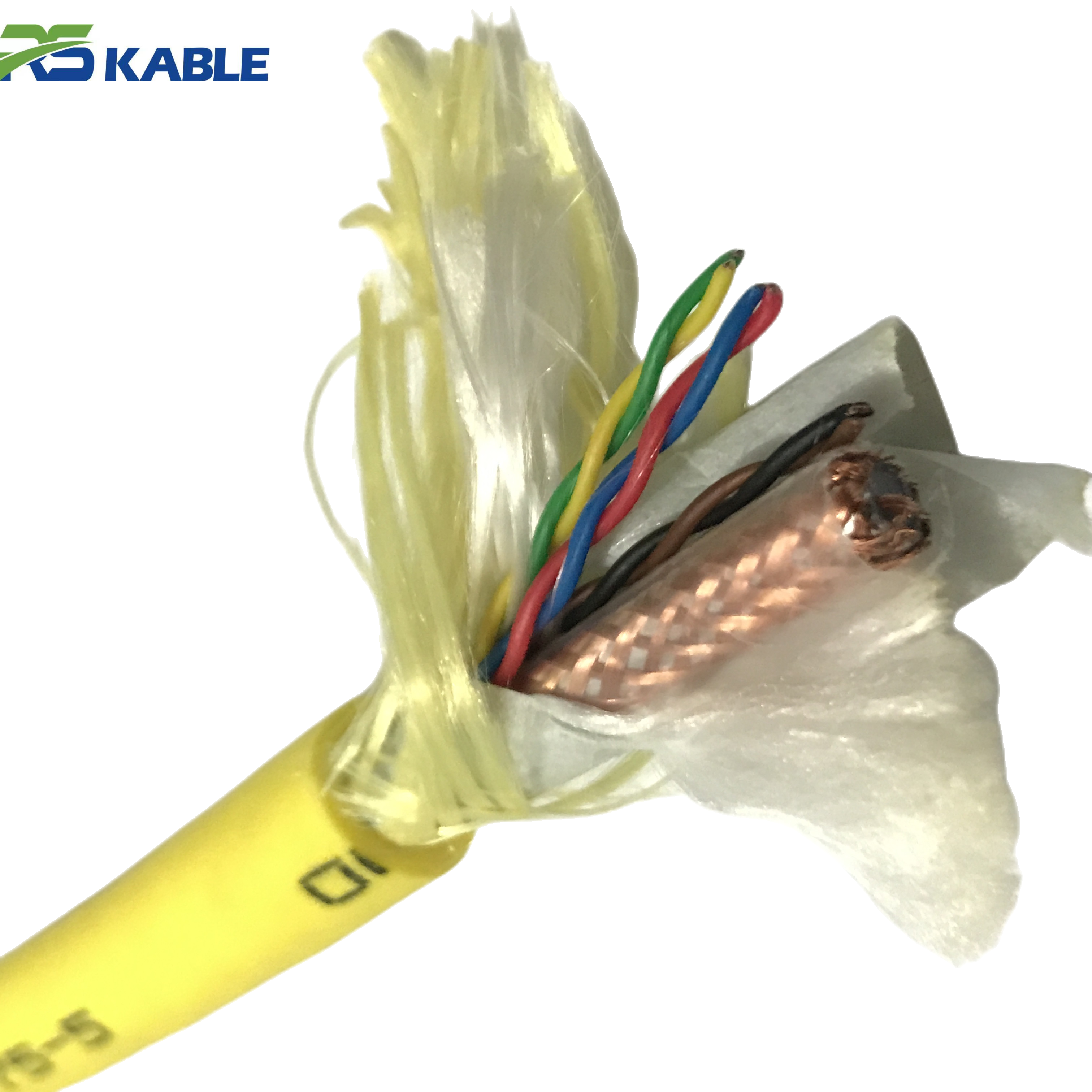
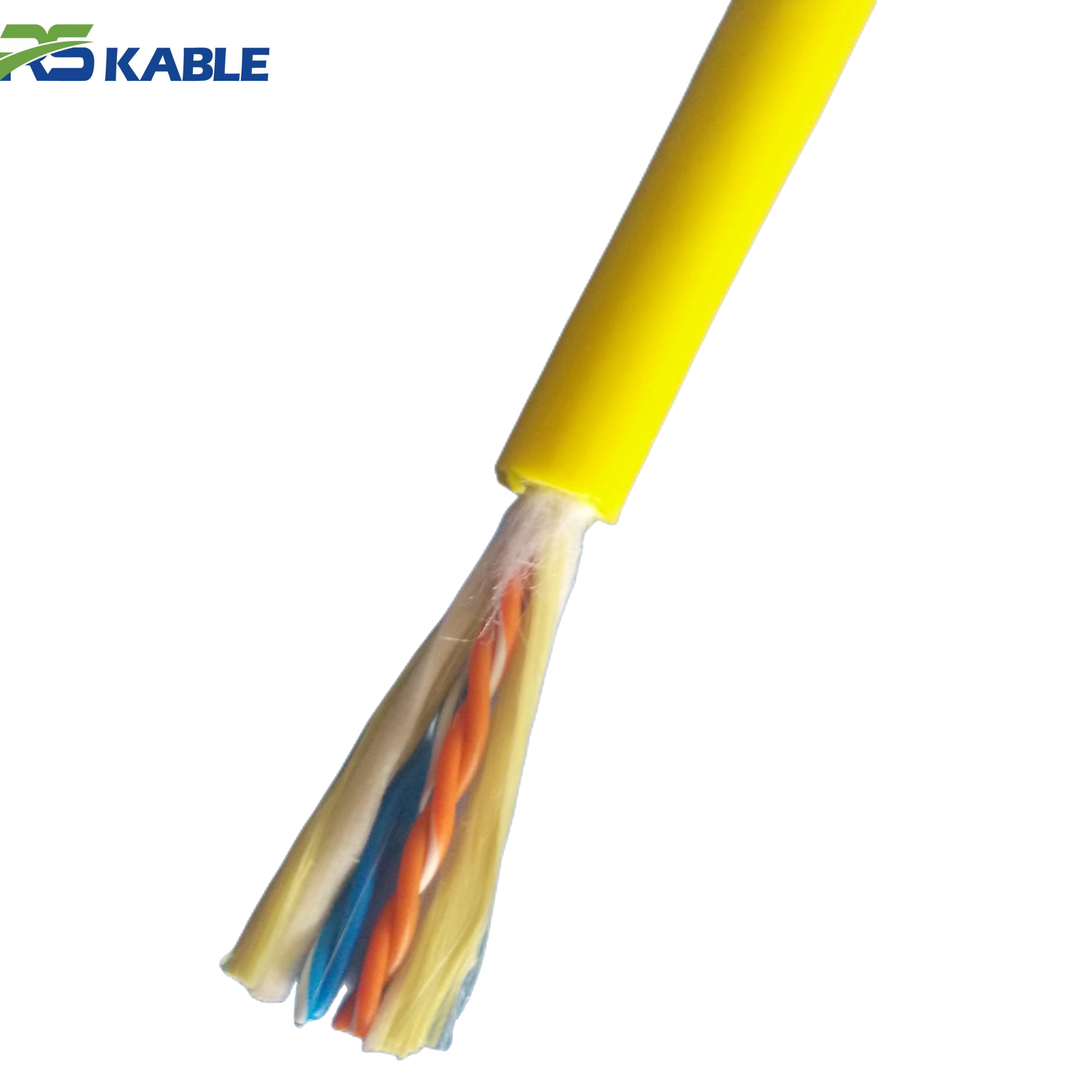
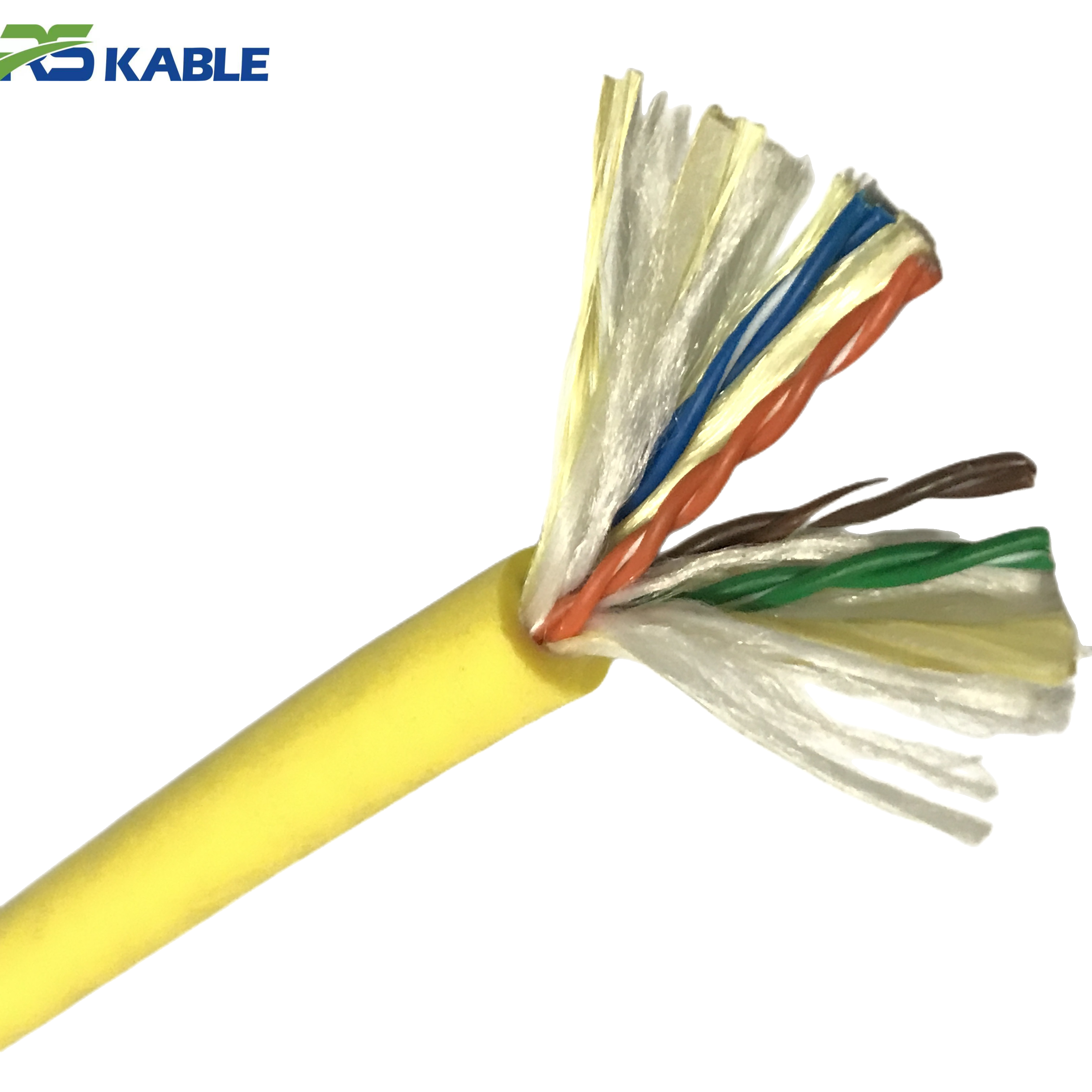
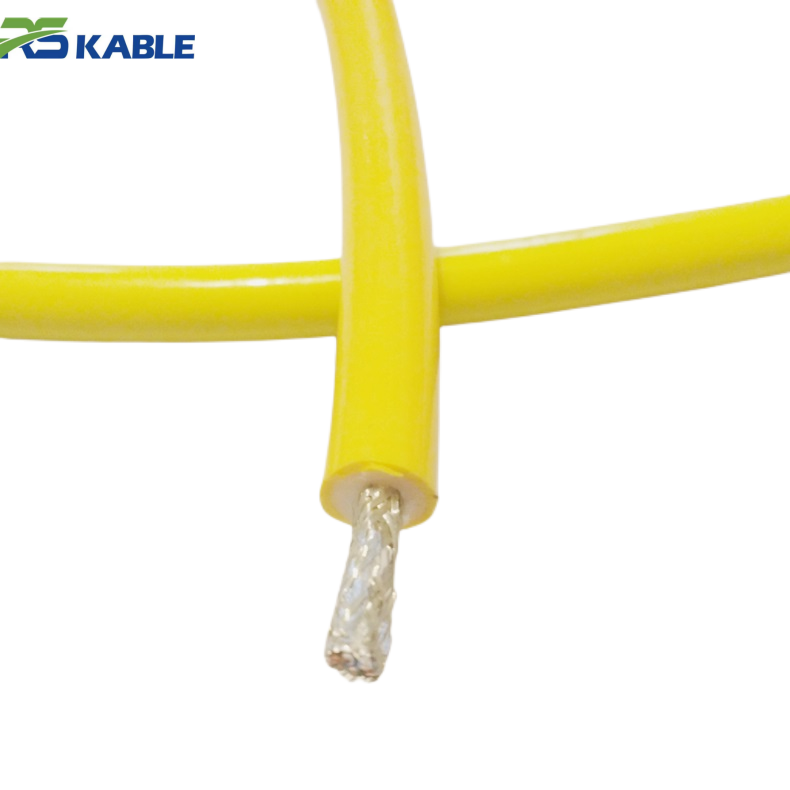
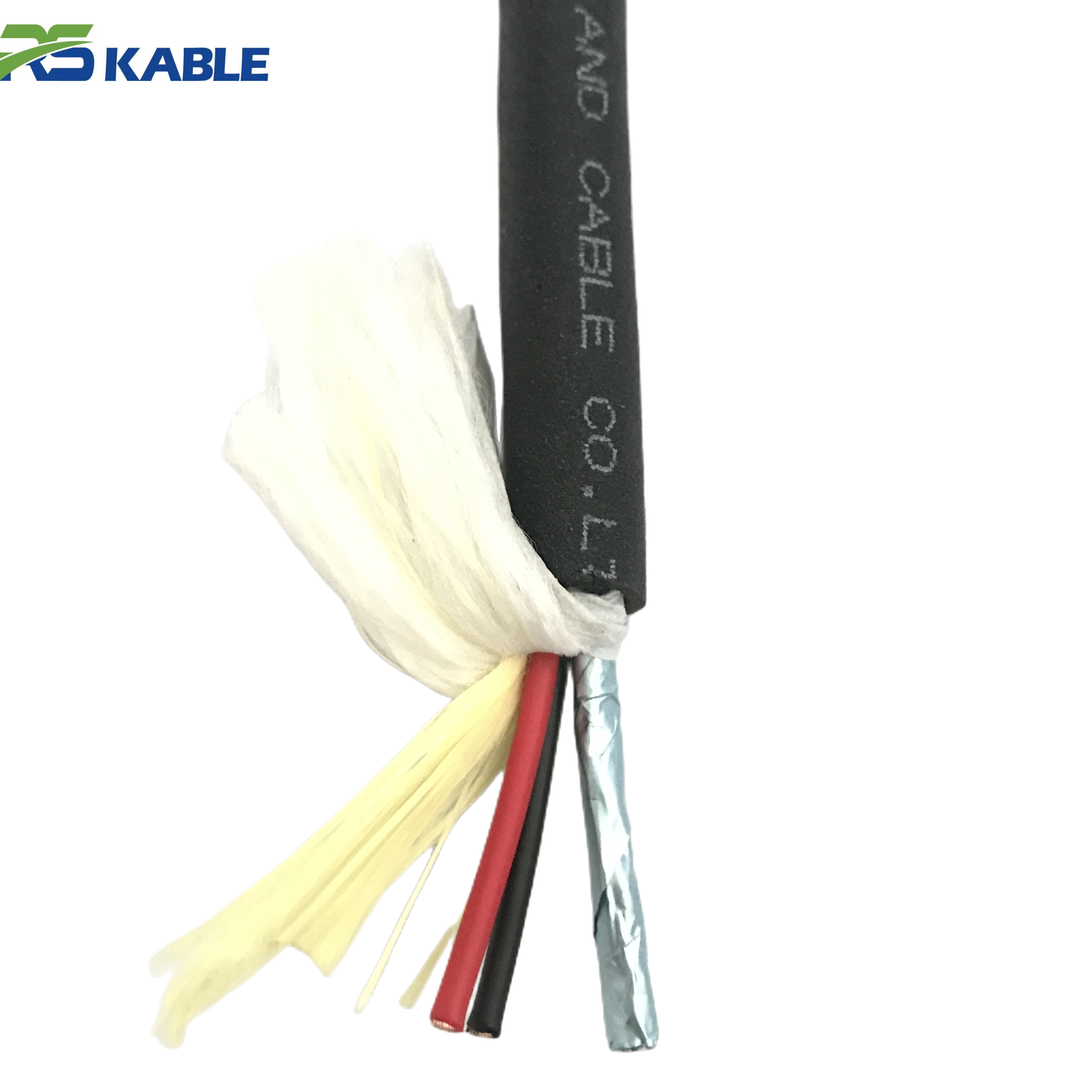
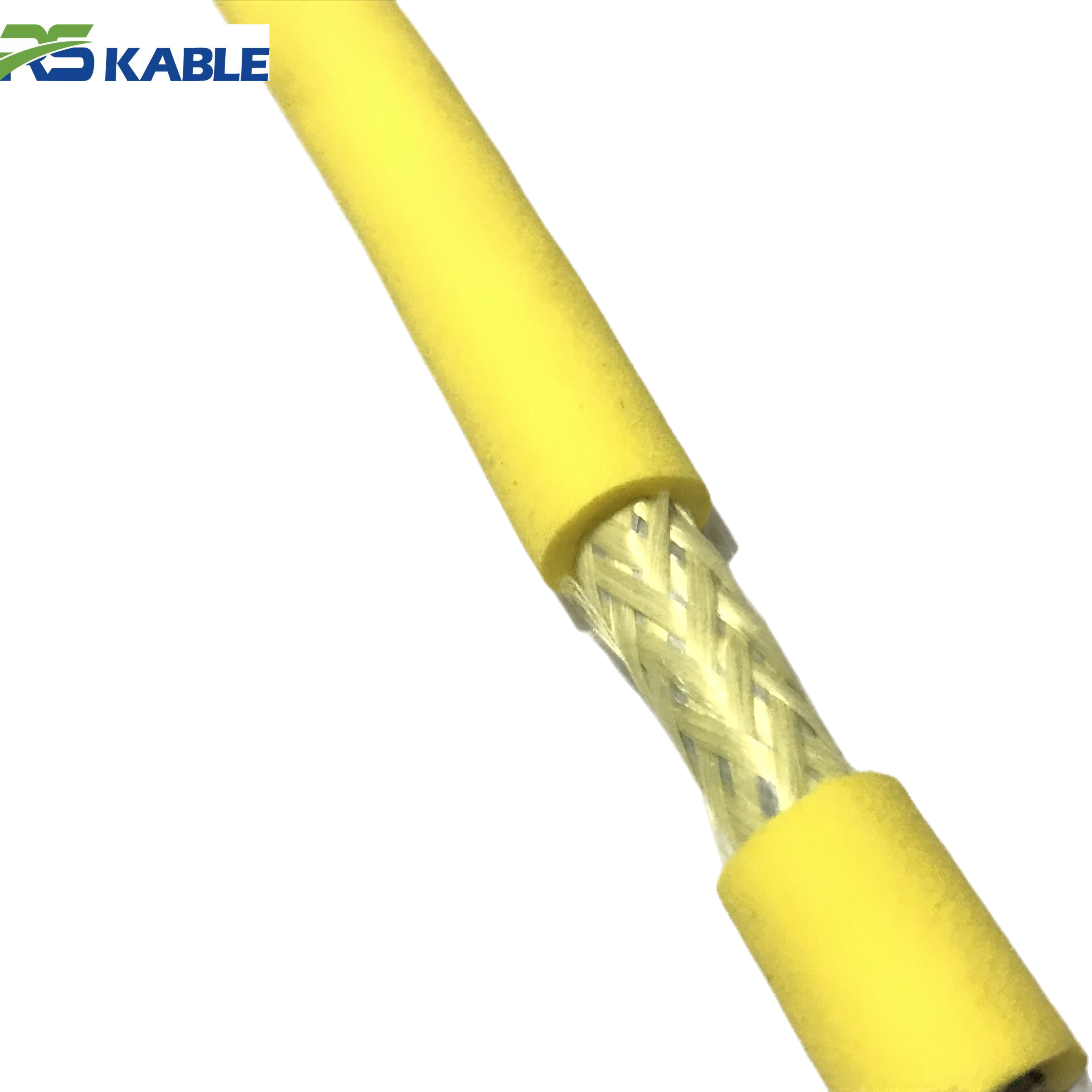
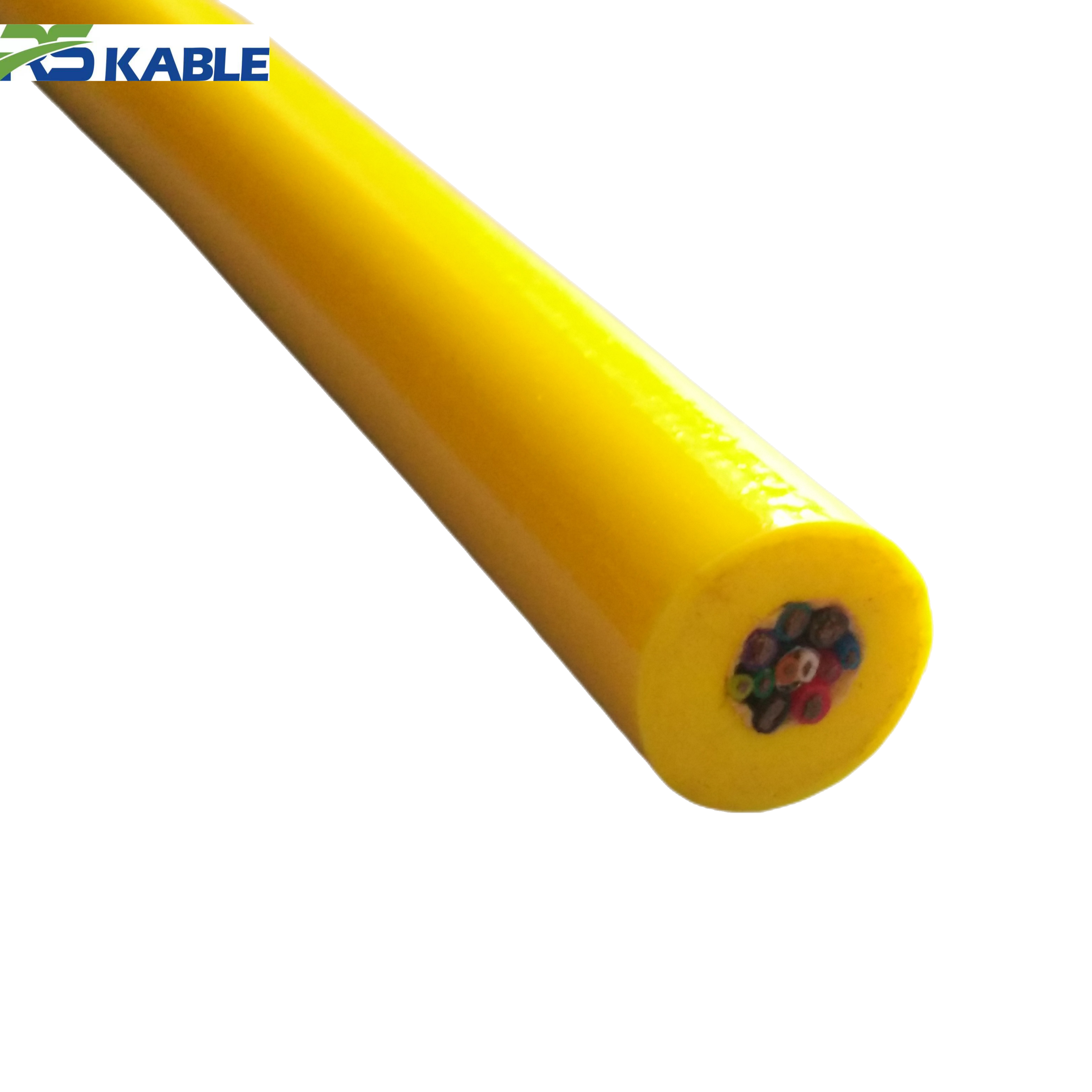
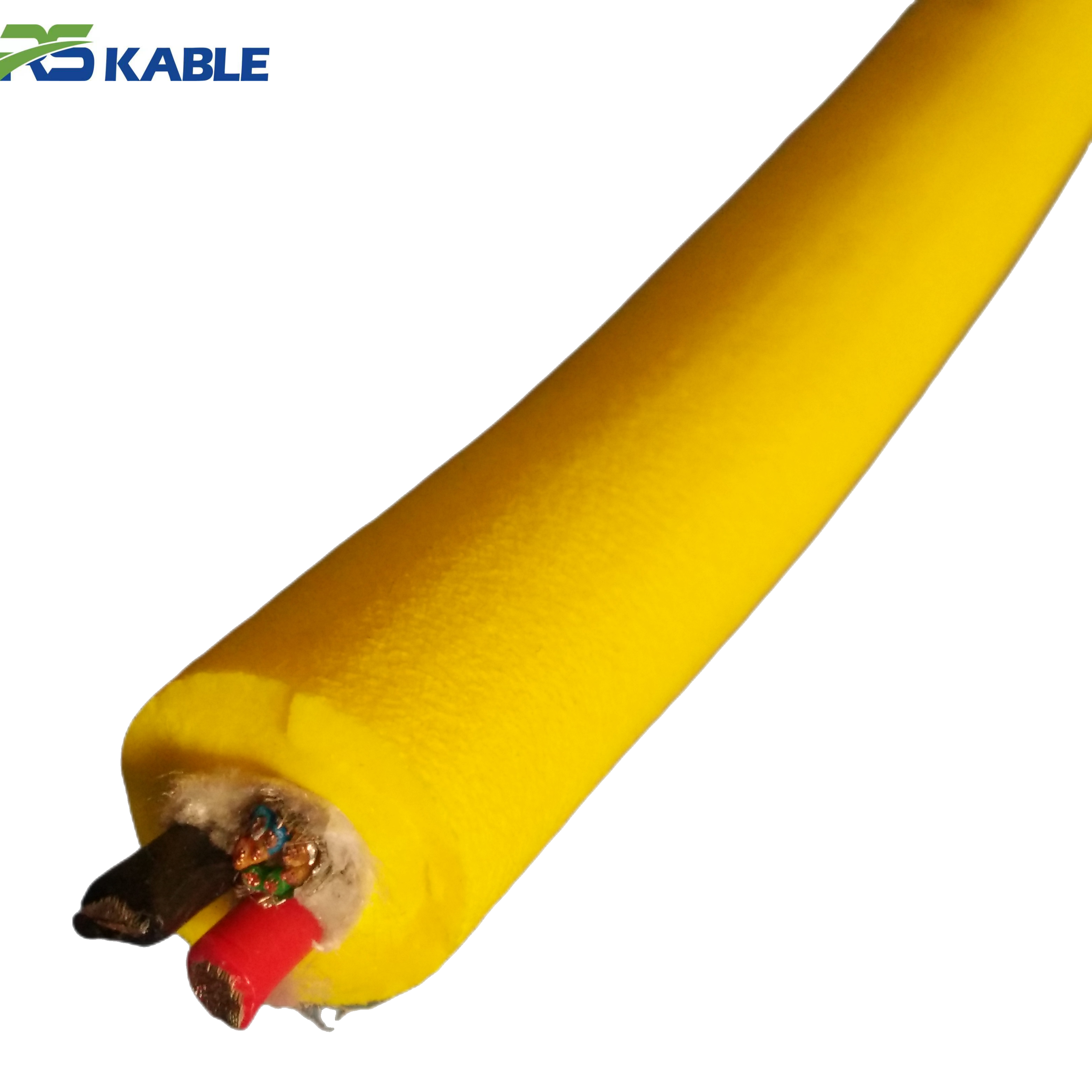
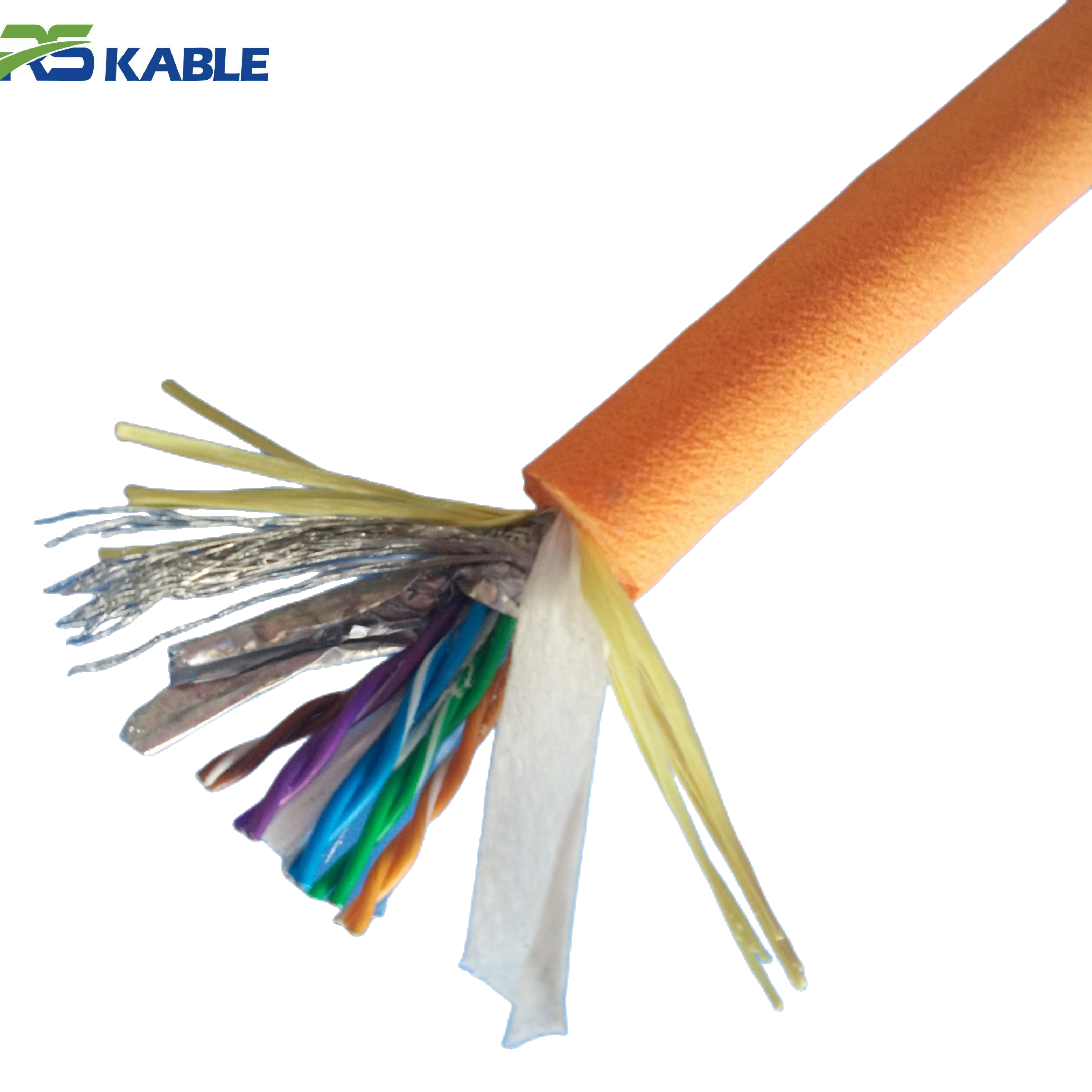
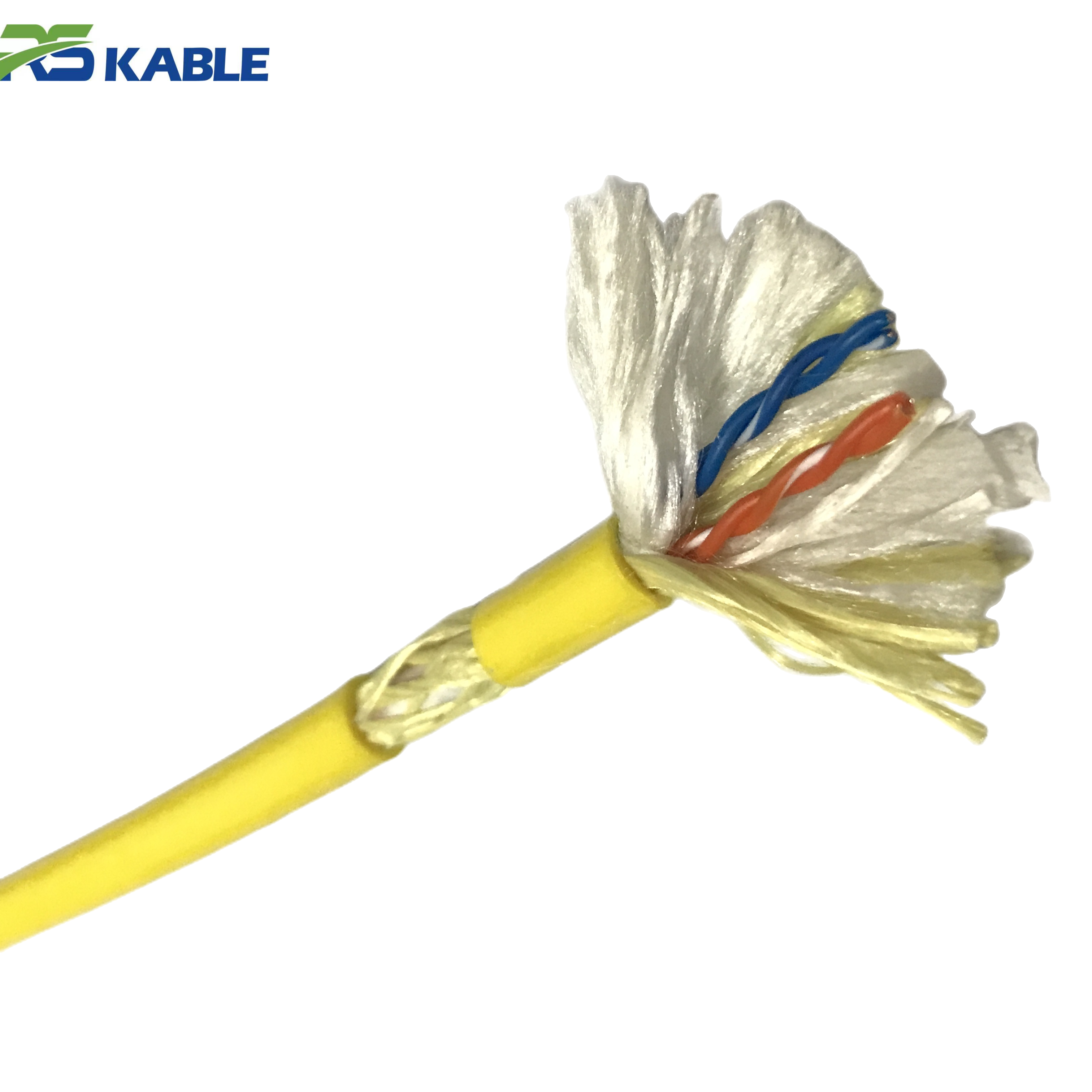
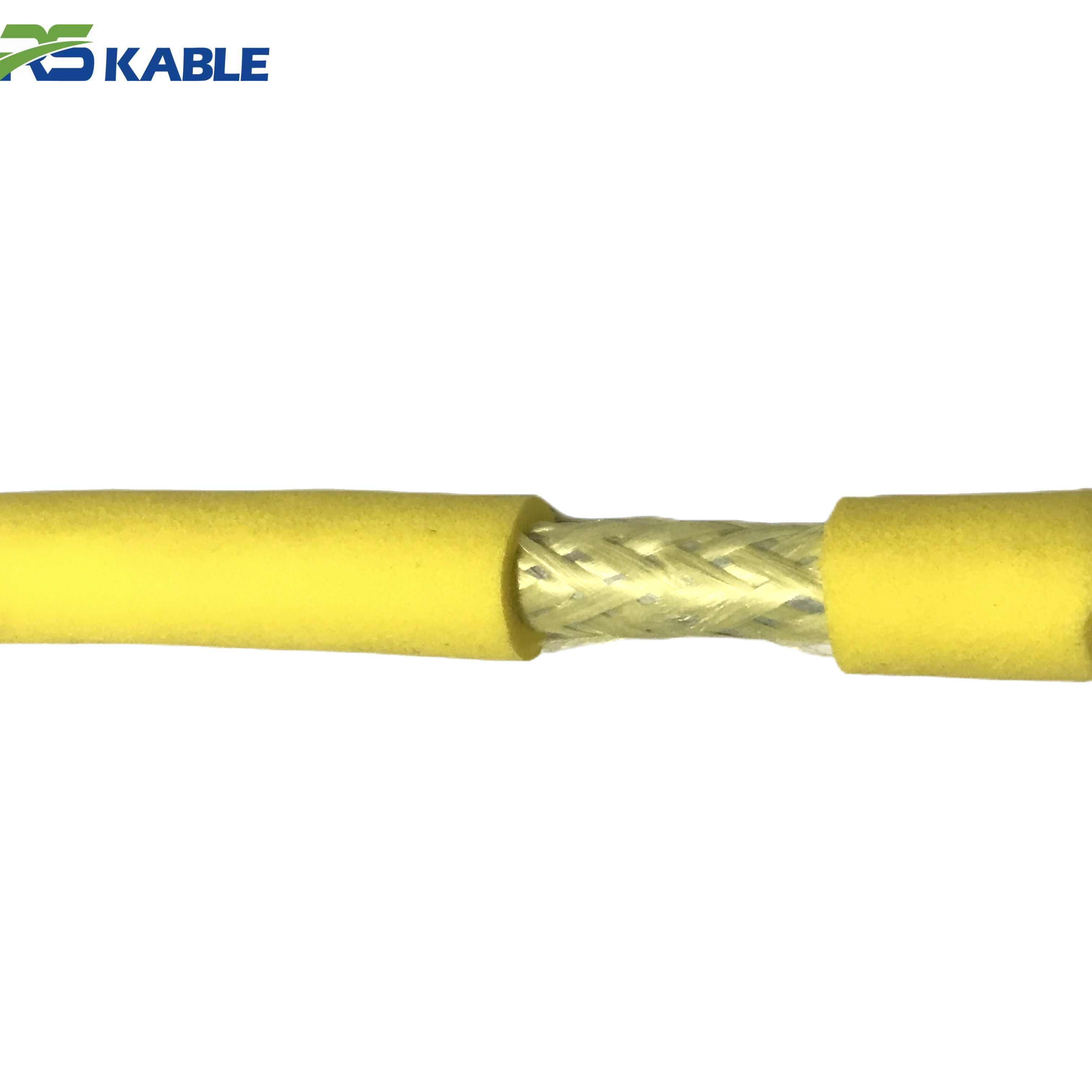
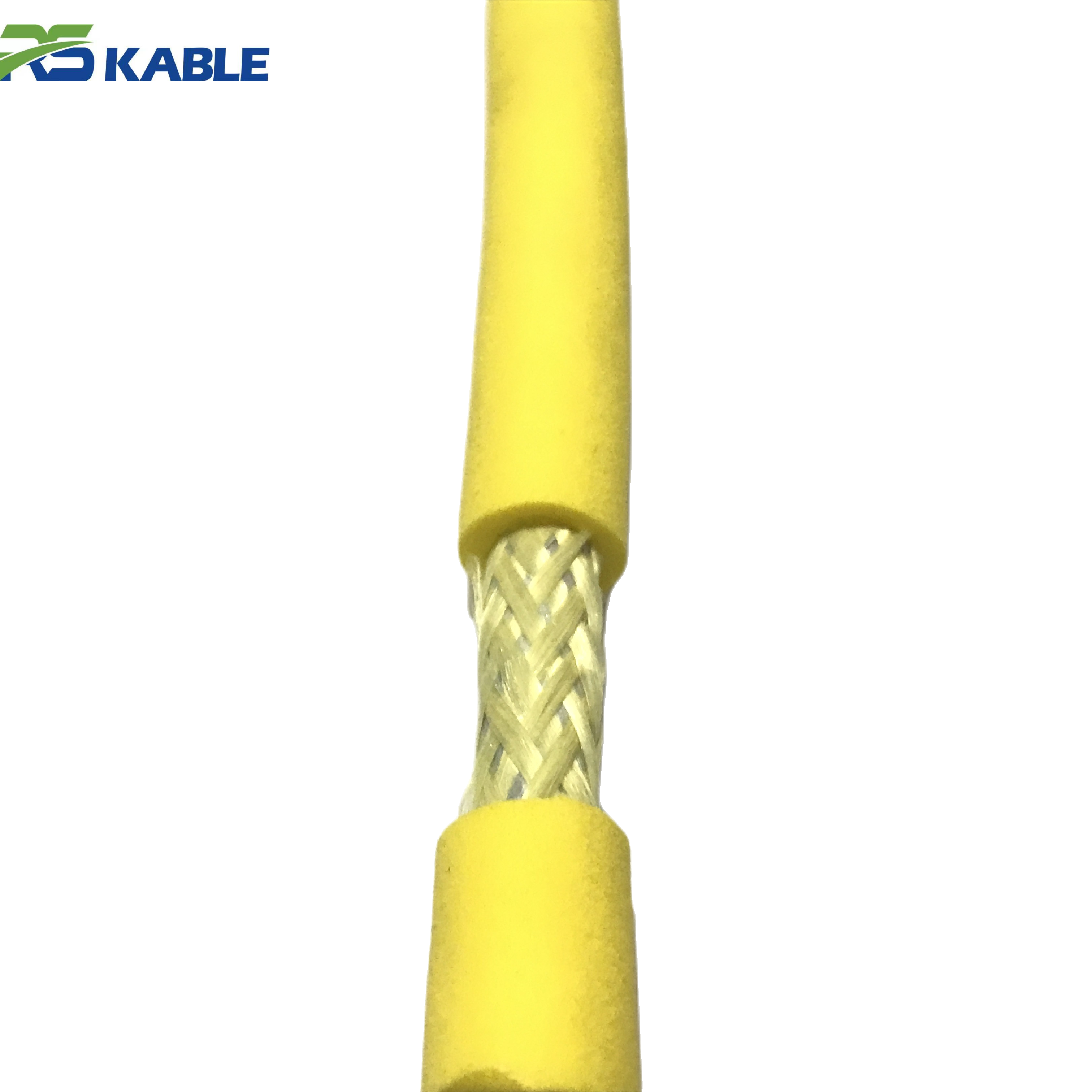
Underwater ROV Power & Signal Cable | High-Flex Subsea Robotic Cable with PUR Jacket & PE Insulation
Engineered for demanding **underwater robotic systems**, this **high-flex ROV cable** features a robust **PUR outer jacket** and **Polyethylene (PE) insulation**. It provides a perfect balance of electrical performance and mechanical durability, offering excellent resistance to hydrolysis, microbes, and abrasion during continuous subsea operations.
Why diameter becomes a control problem (not just an engineering spec)
Drag in current is driven by three things you can’t ignore:
-
Flow speed (current)
-
Exposed length (how much tether is actually in moving water)
-
Projected area (diameter and surface condition)
Current and exposure length are often dictated by the site and mission. Diameter is the lever you choose at procurement time. If the diameter is high, you’re effectively buying a wider sail—one that increases side load and expands the sweep zone.
This is where a mission-fit ROV Cable matters: it’s not only about power and data. It’s about how the tether behaves as a hydrodynamic object.
The workload chain: how drag turns into pilot fatigue
1) Drag creates side load on the tether
The tether is pulled sideways, and that load transmits down to the vehicle and into the water-column geometry.
2) Side load expands the sweep zone
A high-drag tether forms a wider arc. That wider arc is what touches pipelines, frames, debris, and seabed features when you turn or reposition.
3) The pilot pays for it with thrust and attention
To keep position, the pilot increases thrust. Increased thrust reduces fine control margin and increases the mental workload of constant correction.
Over time, this is what makes current-heavy shifts feel exhausting and slow, even when the ROV itself is healthy.
Where diameter comes from (and why overbuilt designs are common)
Tether OD usually grows because of one or more of these choices:
-
power conductors sized for worst-case assumptions rather than real peak duty
-
extra copper pairs and shielding added “just in case”
-
armor added by default even when cut risk is low
-
thick jackets chosen as a blanket solution instead of targeted protection
-
reinforcement choices that add stiffness and size without improving mission outcomes
Overbuilding often feels safe, but in strong current it can reduce safety by increasing sweep and contact risk. A larger tether can force slower operations near structures and increase snag probability.
A current-first approach to choosing tether OD
Instead of starting from electrical specs, start from current and controllability.
Step 1: Define the “current reality”
Document:
-
typical current and peak current windows
-
whether current direction shifts during the shift
-
whether currents differ along depth (common offshore)
-
how close the work must be to structures or seabed
Step 2: Declare the mission “drag sensitivity”
If you work near structures or require stable hover, drag sensitivity is high. That means OD must be treated as a performance constraint.
Step 3: Set an OD target before you ask for quotes
A practical method is to define “maximum preferred OD” for current-driven missions, then allow vendors to optimize conductor sizing and data architecture inside that limit.
This is the simplest way to prevent overbuilt proposals.
How to reduce drag without breaking the system
1) Right-size power using real peak load, not fear
Oversized conductors increase OD. The better approach is:
-
measure or estimate peak current under real operations (thrusters + tools + lighting)
-
specify working length and maximum deployed length
-
ask for delivered voltage at the vehicle under peak load at working length
This reduces OD without sacrificing performance. It also reduces “mystery instability” caused by borderline power delivery.
2) Avoid default armor if the mission is inspection-first
Armor can be necessary in cut-risk environments. In many current-heavy inspection jobs, the bigger risk is sweep-zone contact, not cutting. When armor is added by default:
-
OD rises
-
drag rises
-
sweep-zone contact risk rises
-
piloting workload rises
A more efficient pattern is:
-
abrasion-resistant jacket
-
targeted protective sleeves in known contact zones
-
routing discipline that reduces repeated rubbing
3) Reduce exposed length with payout discipline
Excess slack increases exposed area and encourages wide arcs. The fastest “free” drag reduction is controlled payout:
-
avoid “just in case” slack near structures
-
keep a clean catenary instead of a wide arc
-
re-position before turning tightly with slack present
Slack management won’t fix an oversized tether, but it can prevent drag from becoming worse than it needs to be.
4) Use buoyancy strategy to reduce bottom friction (not drag)
Buoyancy doesn’t reduce hydrodynamic drag directly, but it can reduce bottom contact. Bottom contact adds friction and creates “sticky” behavior during turns, which pilots experience as unpredictable control.
Field test: how to validate OD/drag improvements without special tools
You don’t need a lab to confirm whether a tether is too draggy. Use a simple A/B operational check:
-
Choose a repeatable station-keeping point in current.
-
Record a qualitative “thrust demand” snapshot: high/medium/low continuous correction.
-
Observe the sweep zone: how often the tether enters the work envelope during turns.
-
After any tether change (OD reduction, payout discipline, routing change), repeat the same steps.
You’re looking for fewer corrections and a smaller sweep footprint. If those improve, workload improves.
The “too thick” indicators crews notice first
These are strong signs OD is costing you time and control:
-
the vehicle feels stable only when “overpowered”
-
turns overshoot because the tether keeps pushing after the command
-
the tether regularly contacts structure in cross-current
-
jacket wear accelerates in current operations
-
recovery feels harder because the tether is stiff and loads route points
If these appear, reducing OD (or reducing overbuilt features that increase OD) is usually the highest-impact change.
RFQ template for strong-current missions (copy/paste)
Include these lines to get mission-fit quotes:
-
Current profile: typical ___, peak ___, variable direction yes/no
-
Working length in water: ___; maximum deployed length: ___
-
Mission type: inspection / survey / intervention (describe proximity to structures)
-
Power: operating voltage ___; peak current ___; duty cycle ___
-
Data: fiber count ___; video streams ___; bandwidth/latency sensitivity ___
-
Maximum preferred OD: ___ (drag-sensitive requirement)
-
Tensile requirement + safety margin expectation
-
Minimum bend radius and handling method (drum/LARS/TMS/manual)
-
Jacket environment: abrasion/cut risk description
-
Termination and strain relief requirements
-
Acceptance tests: electrical baseline; fiber baseline if fiber exists
This forces optimization around controllability rather than “maximum capacity at any size.”
Acceptance checks that prevent “overbuilt but unmanageable”
Before deployment, verify:
-
OD and stiffness are consistent along length (no hard spots)
-
routing plan maintains minimum bend radius
-
termination strain relief transitions smoothly (no abrupt stiffness change)
-
jacket condition is clean with no crush damage from transport
-
payout plan exists for current (who controls slack, when adjustments happen)
A well-specified ROV Cable should behave predictably in current and keep the sweep zone manageable.
FAQ
Does smaller diameter always improve control?
In current, often yes—because drag decreases. But OD must still support power, data, tensile margin, and fatigue life.
How do I reduce drag if I can’t change the tether?
Reduce exposed length with payout discipline, improve routing to reduce wide arcs, and minimize bottom contact that adds friction.
Why does a thick tether increase snag risk?
Because it sweeps wider in current and contacts structures more often, creating more opportunities for wrap and friction holds.
Is armor worth it in strong current inspection work?
Only if cut risk is real and documented. Otherwise armor can increase OD and drag, making the job slower and sometimes less safe near structures.
What should I measure to prove improvement?
Repeatable station-keeping thrust demand, sweep-zone behavior near structures, and reduced contact marks on the tether.