

ROV Cable Bend Radius: How to Prevent Fatigue and Intermittent Signal Loss
Few things waste offshore time like intermittent faults. Video glitches that only appear during turns. Telemetry that flickers only when the tether is moving. A system that passes dock checks and then misbehaves in current. In many operations, the underlying cause is simple and repeatable: the tether has been bent tighter than it can tolerate—often in the same place, day after day.
Bend radius is the most controllable reliability factor crews regularly overlook. It doesn’t usually fail loudly. It fails quietly, through accumulated fatigue and micro-damage. This guide explains what bend radius means in real work, where violations happen, how they turn into intermittent signal loss, and what procedures prevent repeat damage. If you treat bend control as a deck-routing standard, you can extend tether life and reduce “movement-only” troubleshooting dramatically.
Two short cases that show how bend radius damage develops
Case 1: The “small sheave” problem
A crew routed the tether over a compact guide wheel because it fit the deck layout. No obvious damage appeared at first. Two weeks later, video began to flicker during turns and stabilized when hovering.
What happened: the same tight bend point repeated every deployment, creating fatigue and micro-bending stress near the end of the tether.
What fixed it: larger-radius routing hardware, plus moving the first bend away from the termination zone.
Case 2: One kink, then “random” faults
A kink occurred during a rushed recovery. The jacket looked mostly fine after straightening. Later, the system began showing intermittent dropouts during motion.
What happened: internal deformation created a high-stress zone that revealed itself only when the cable flexed.
What fixed it: isolating the kink zone, correcting routing, and re-testing before returning to service.
These cases share the same pattern: damage occurs first, symptoms show later, and the trigger is often routing or handling—not electronics.
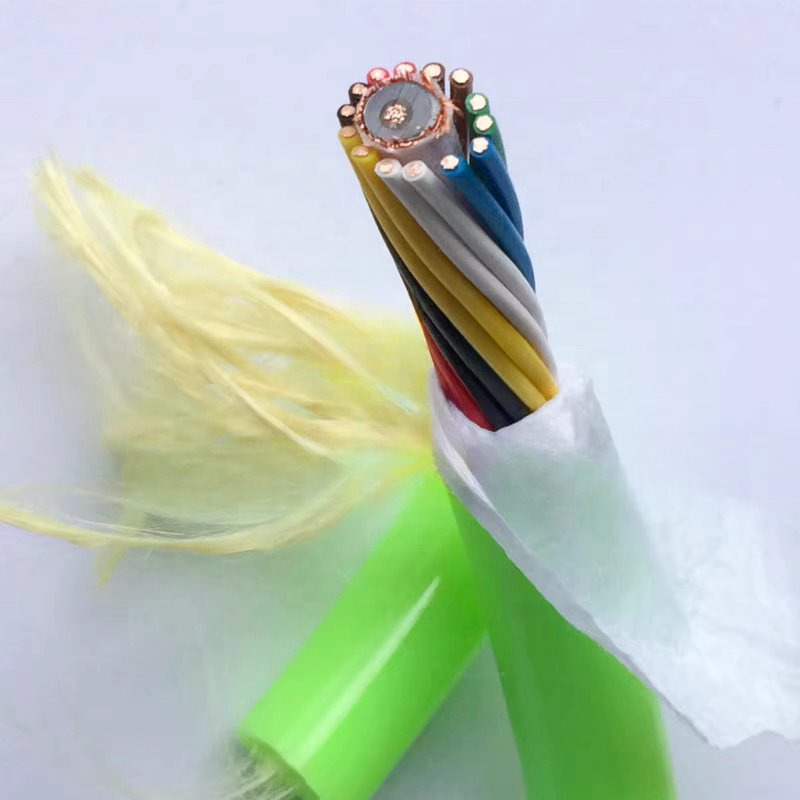
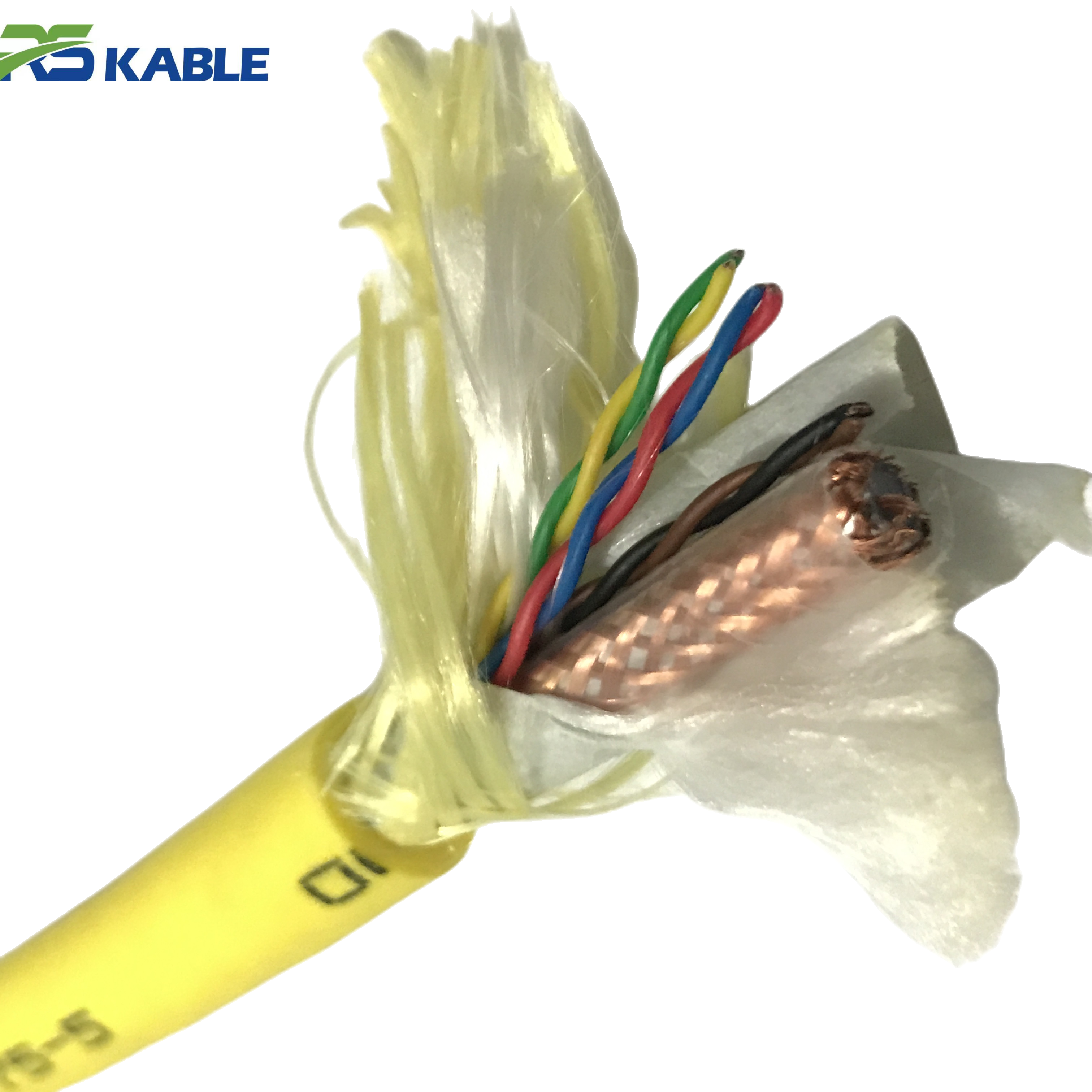
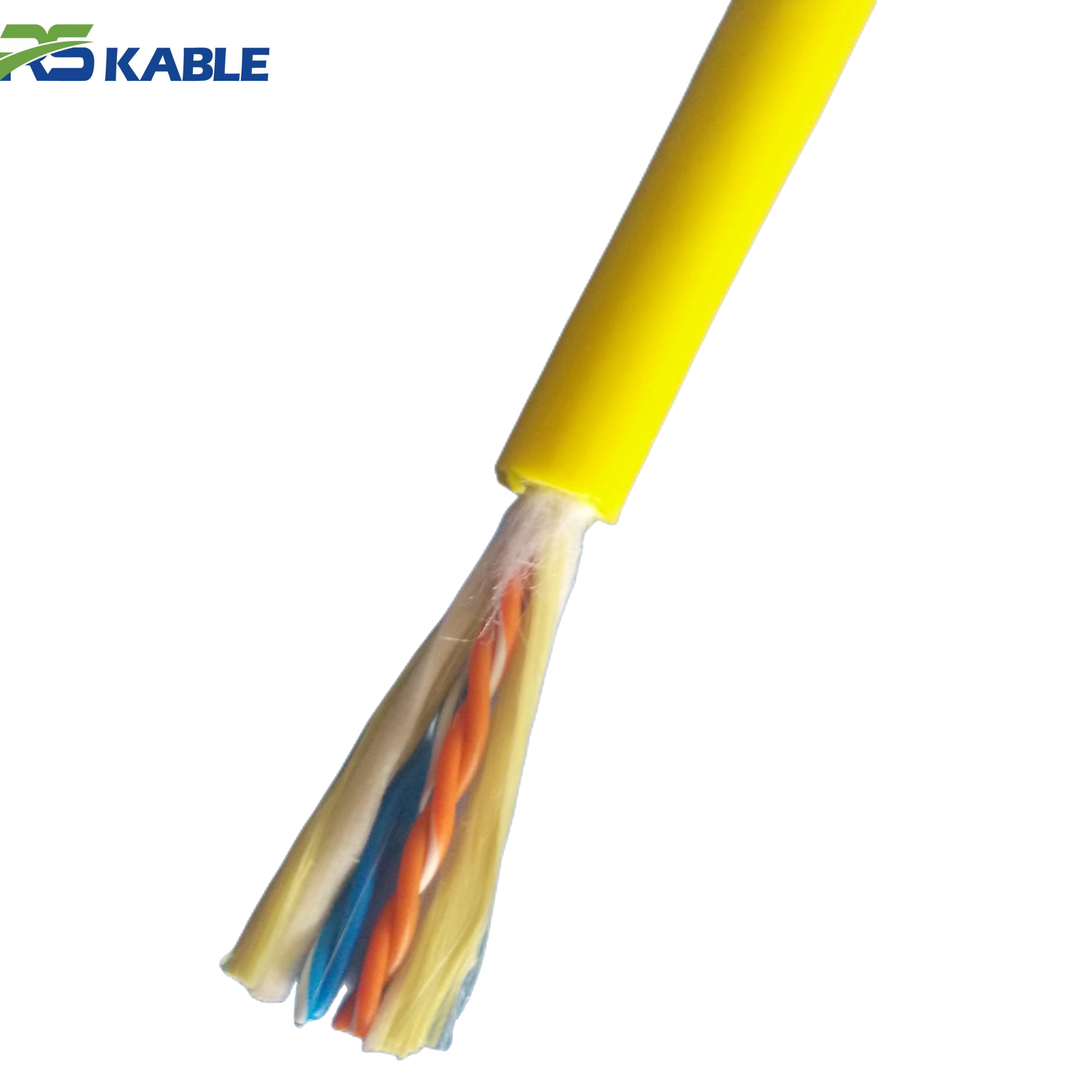
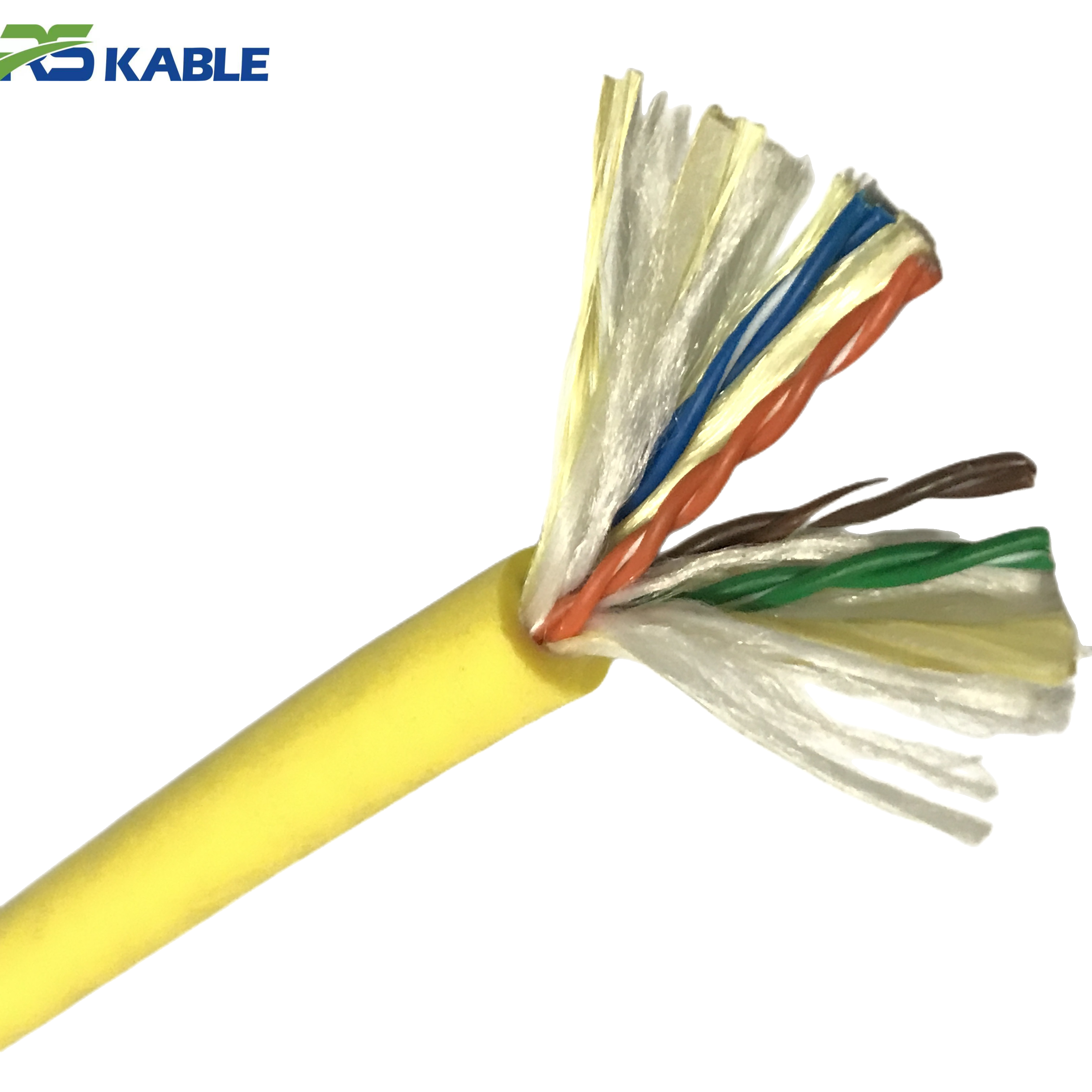
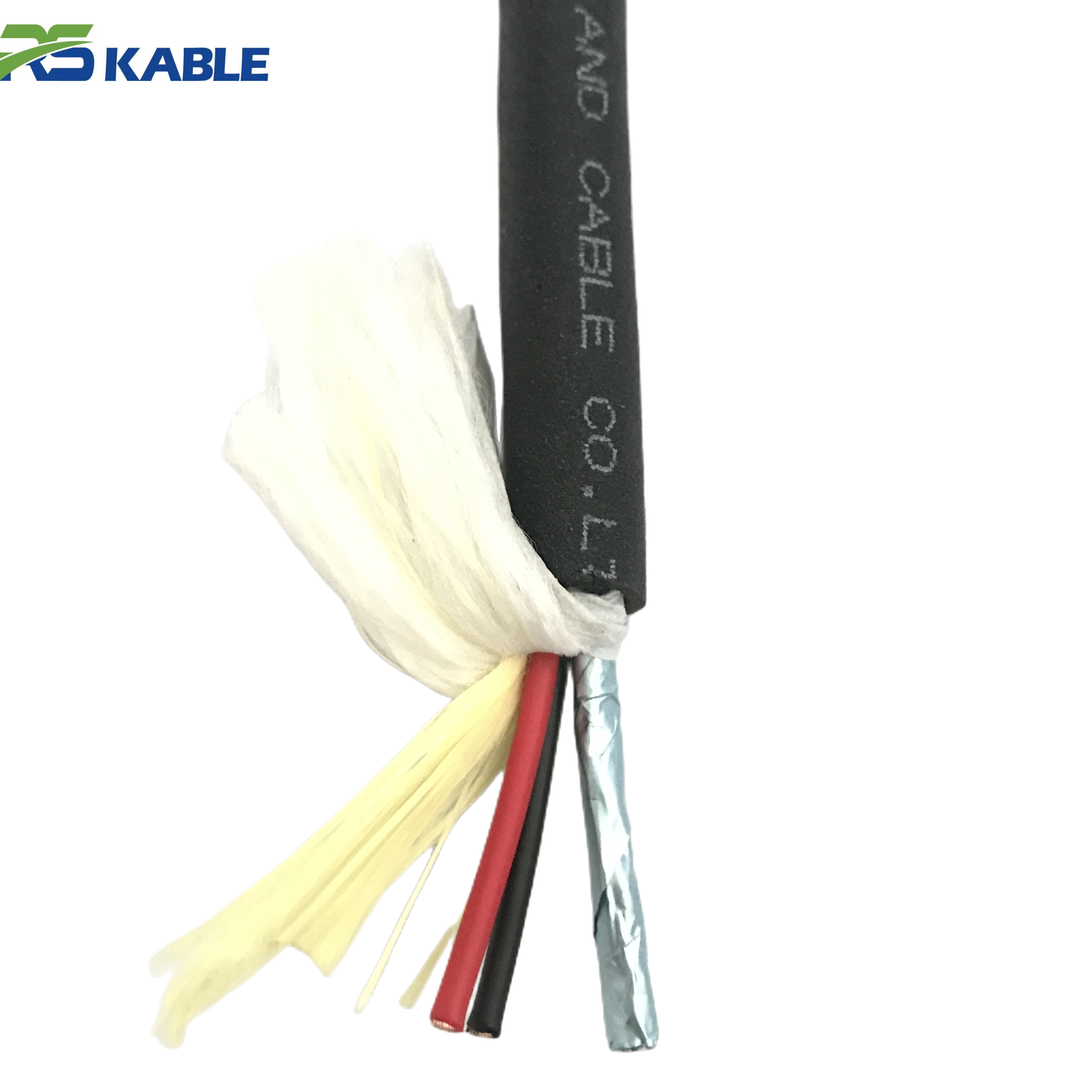
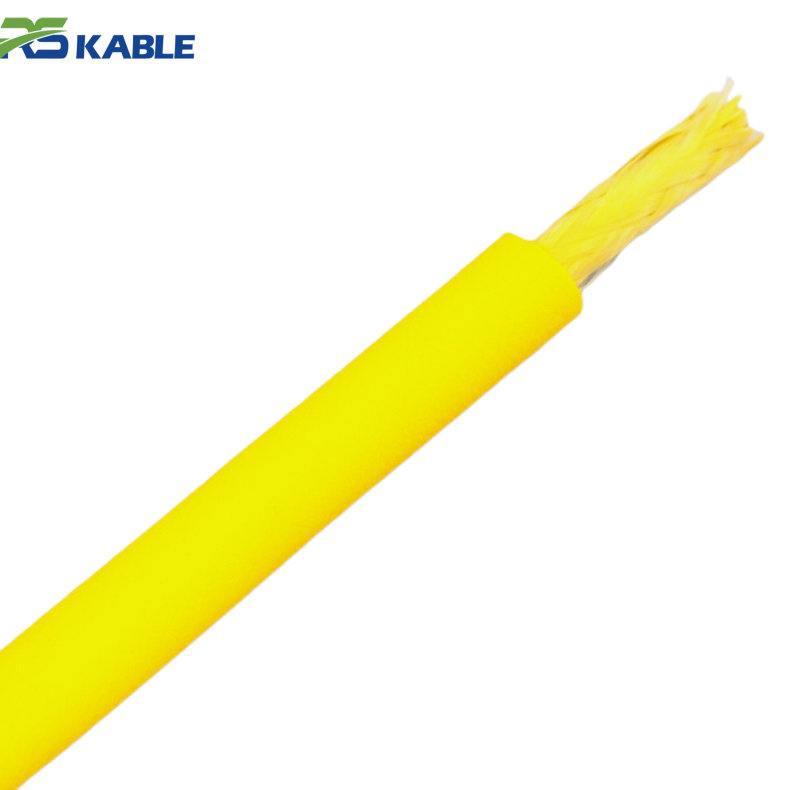
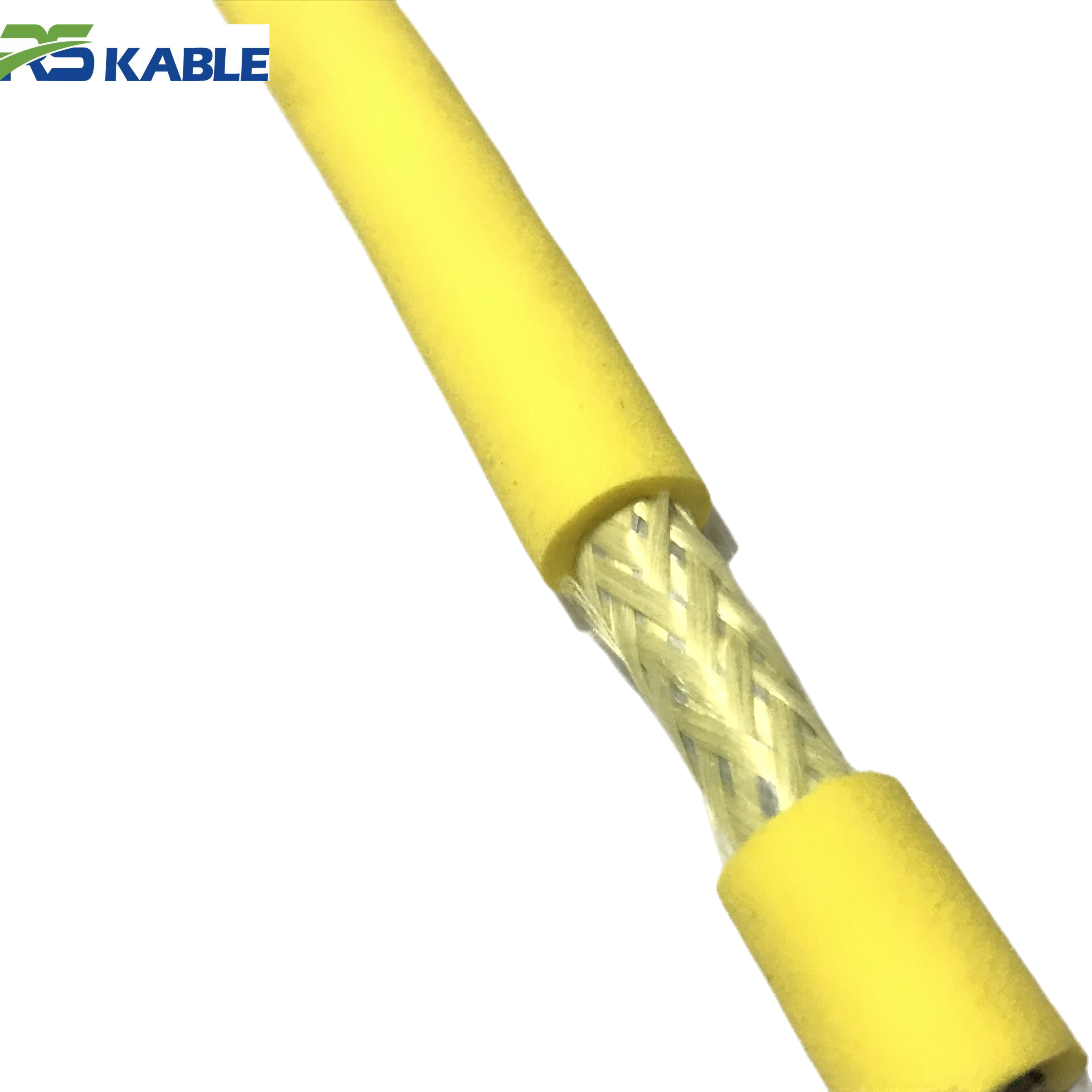
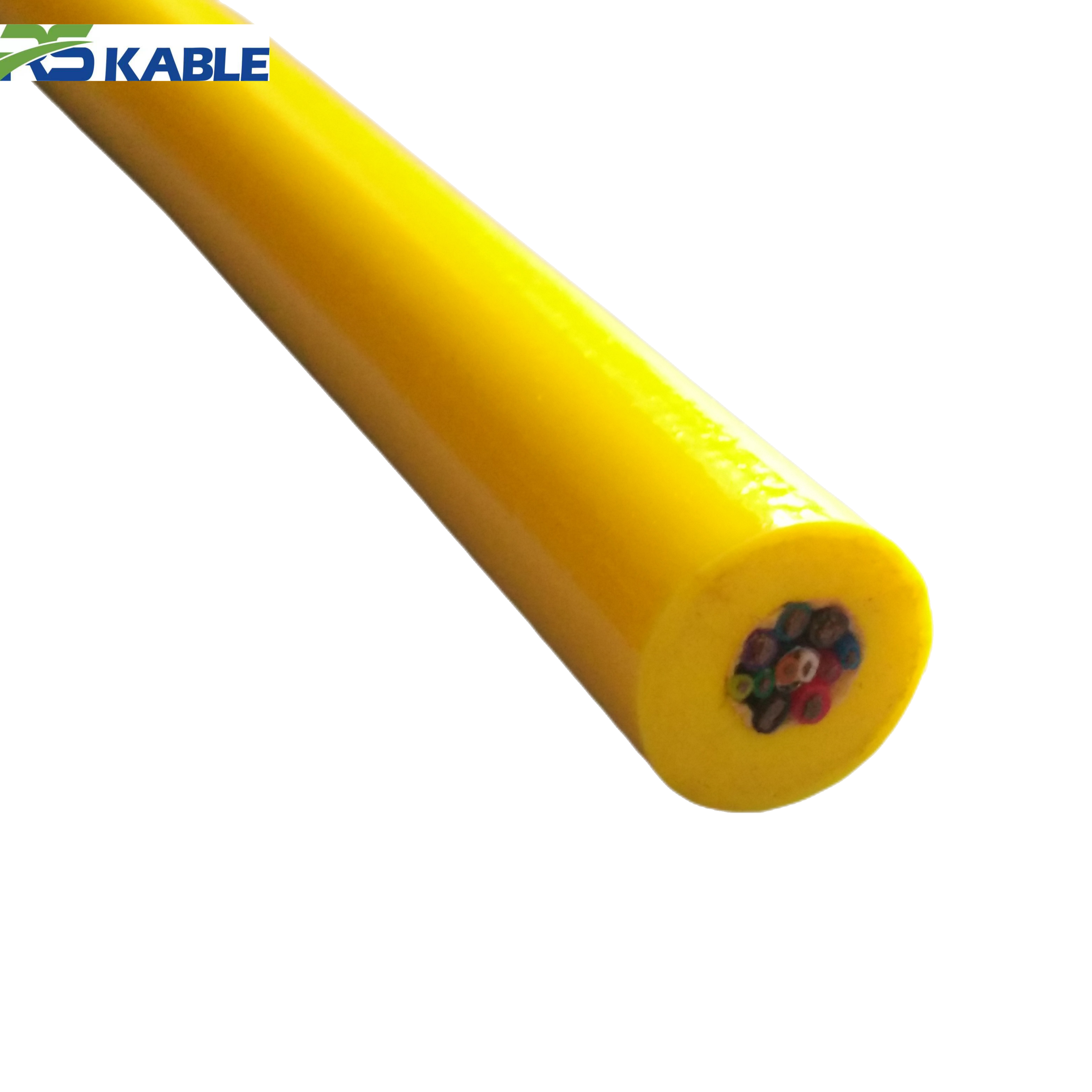
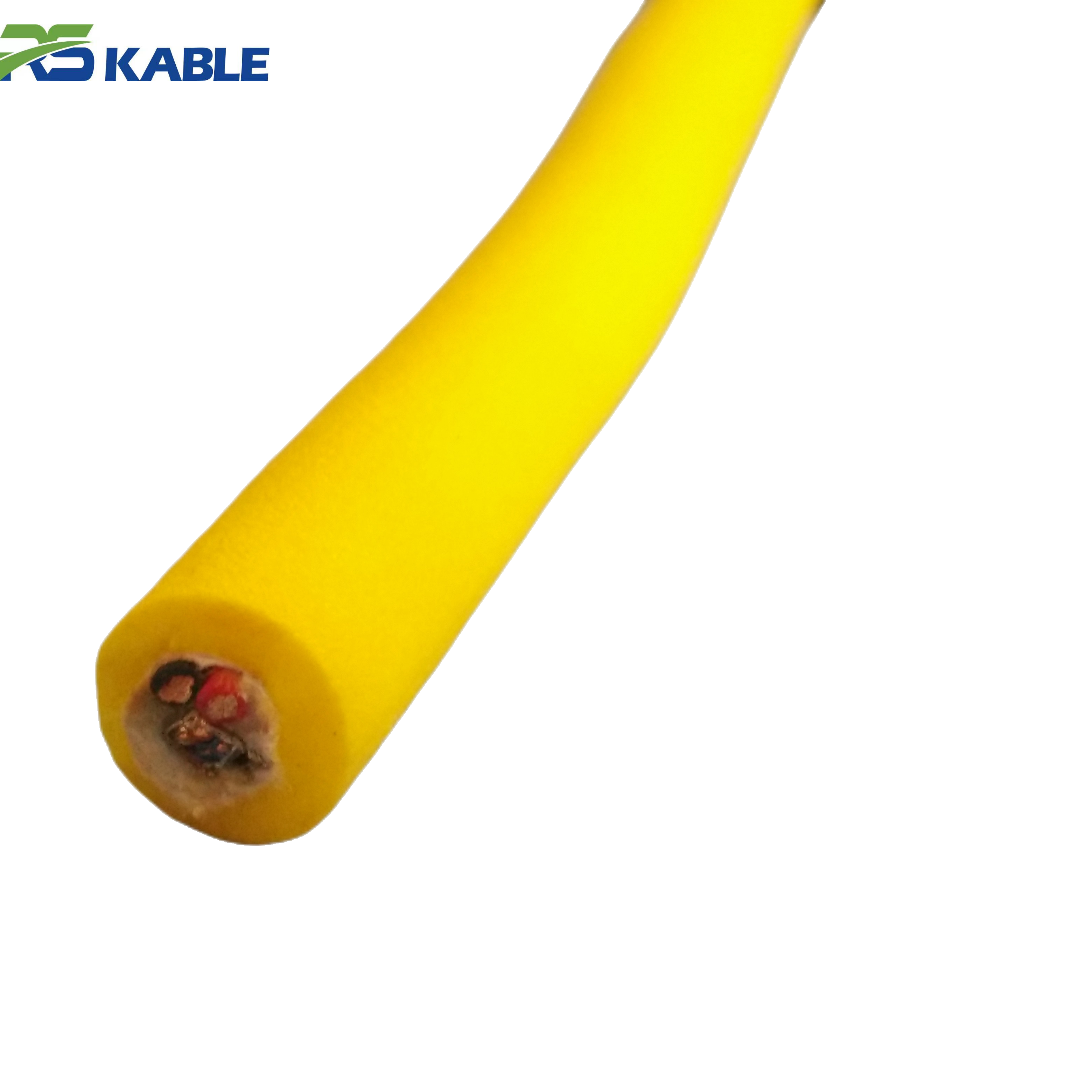
Custom 2/3/4-Core Fiber Optic Power Cable | ROV Zero Buoyancy Composite Cable for Underwater Drones
Optimized for **underwater drones and HD camera systems**, this **custom zero buoyancy composite cable** integrates **2/3/4-core fiber optics** with robust power conductors. It enables ultra-high-speed data transmission and reliable power delivery in a single, lightweight tether, ensuring neutral buoyancy and exceptional maneuverability for advanced subsea exploration.
Bend radius in practical terms (and why “minimum” is a red line)
Every tether has a minimum bend radius: the tightest curve it can tolerate without permanent damage. Treat that value as a limit, not a working target.
A useful rule for operations:
-
Minimum bend radius: do not exceed under any circumstance
-
Operational bend radius: stay comfortably larger, especially at repeat bend points
Repeated bending near the minimum accelerates fatigue even if the tether “seems fine” at first.
How tight bends create intermittent faults
A tight bend stresses internal layers unevenly:
-
the outside of the bend stretches
-
the inside compresses
-
layers shift relative to each other
-
conductors fatigue at fixed stress locations
-
fibers develop micro-bending loss (even without a visible break)
-
terminations and seals experience repeated stress at their most vulnerable boundary
This is why the most common symptom is not “dead cable.” It’s instability that appears only when the tether flexes.
The two failure signatures that point to bend-radius damage
Signature A: Works when still, glitches when moving
-
video dropouts during turns or depth changes
-
telemetry flicker during motion
-
stable performance while hovering
This usually indicates a fixed bend point that is being stressed repeatedly.
Signature B: Worse after an incident
-
the issue begins after a snag, pinch event, or hard recovery
-
symptoms appear days later
This often points to a kink/crush zone that becomes a fatigue hotspot.
These signatures are reliable indicators because bend stress changes with motion and reveals weak zones.
Where bend-radius violations happen most often
Most violations occur in the same places across many projects:
1) The first bend behind the connector
If the tether bends immediately at the connector exit, you create a hinge point at the termination boundary—exactly where sealing and load transfer are already concentrated.
2) Deck corners and improvised routing
Temporary routing in weather windows often produces the tightest bends, especially near pinch points and sharp edges.
3) Small fairleads and guide wheels
If the hardware diameter is too small, fatigue becomes inevitable because the tether repeats the same bend every cycle.
4) Drum and cross-over zones
Over-tight spooling and crossovers can force unnatural curvature and create hard spots that later produce intermittent faults.
A high-quality ROV cable will still fail early if the handling path forces repeated tight bends.
Fiber tethers: why bend control matters even more
If your tether includes fiber, bend-radius violations can cause:
-
micro-bending loss (attenuation increases without visible damage)
-
motion-sensitive video instability
-
gradual degradation after a crush or kink event
Fiber does not need to “snap” to become unreliable. That’s why baseline fiber measurements are valuable and why bend compliance must be strict around terminations and routing points.
Practical routing rules that prevent most bend-related failures
Rule 1: Make the first bend happen away from the termination exit
Use strain relief and routing so the cable does not hinge at the connector boundary. The goal is a distributed flex zone.
Rule 2: Stop using undersized hardware for convenience
If a guide wheel is too small, it will shorten tether life. Replace it or reroute. “Fits the deck” is not a valid reason to violate bend limits.
Rule 3: Eliminate fixed bend points where possible
If the tether bends at the same point every deployment, fatigue accumulates faster. Adjust routing slightly to distribute stress over time.
Rule 4: Control slack to prevent snap-tight events
Slack that tightens suddenly creates shock bending at routing points. Good payout discipline reduces both bending stress and tension spikes.
Rule 5: Treat kinks as service events, not inconveniences
A kink should trigger inspection and re-test. Straightening it and continuing often leads to intermittent faults later.
A bend-radius risk audit you can do on deck in minutes
Walk the tether path and identify the tightest curve. Then:
-
confirm the tightest curve is safely above the minimum bend radius
-
check the first bend behind the connector: it should not be a hinge
-
inspect for whitening, cracks, or stiffness steps near strain relief
-
feel for hard spots during payout and recovery
-
check sheaves/fairleads for smooth surfaces (no sharp edges)
-
verify the routing path is repeatable, not improvised
This audit prevents most repeat failures because it targets the zones where bending is concentrated.
Stop/Go rules after kinks, snags, and hard recoveries
Stop immediately if:
-
a kink occurred
-
the tether was pinched or crushed
-
the cable was pulled tight around a corner under load
-
movement-only dropouts begin after an event
Service or isolate if:
-
you feel a new hard spot
-
a stiffness step appears near the termination
-
whitening/cracking appears at a repeated bend zone
-
dropouts correlate with a specific bend direction
Continue only if:
-
routing is corrected to remove tight bends
-
inspection shows no new hard spots or termination damage
-
baseline checks (electrical/fiber where applicable) remain stable
These rules are how teams avoid “one more dive” turning into a full failure.
What to specify in an RFQ so bend radius is actually respected
If you’re sourcing a tether or upgrading a system, include:
-
minimum bend radius requirement (and preference to operate above it)
-
handling method and reel-cycle expectations
-
routing hardware constraints (sheave sizes, fairlead layout, drum type)
-
termination strain relief expectations (no hinge at connector exit)
-
acceptance expectations (mechanical inspection + baseline electrical/fiber checks)
A tether specification that ignores deck routing hardware is incomplete.
FAQ
Why do dropouts happen only during turns or motion?
Because motion changes bending stress and exposes weak zones. Tight routing points and termination hinge points are common causes.
Is minimum bend radius safe to use routinely?
No. Minimum is a limit. Repeating bends near minimum accelerates fatigue and shortens service life.
What is the most common bend violation point?
The first bend behind the connector and the first deck routing point—especially if the hardware diameter is too small.
What should I do after a kink event?
Treat it as a service event: inspect for hard spots, correct routing, and re-test if performance changed before redeploying.
Do fiber tethers require stricter bend control?
Yes. Micro-bending loss can cause motion-only video instability without visible external damage.