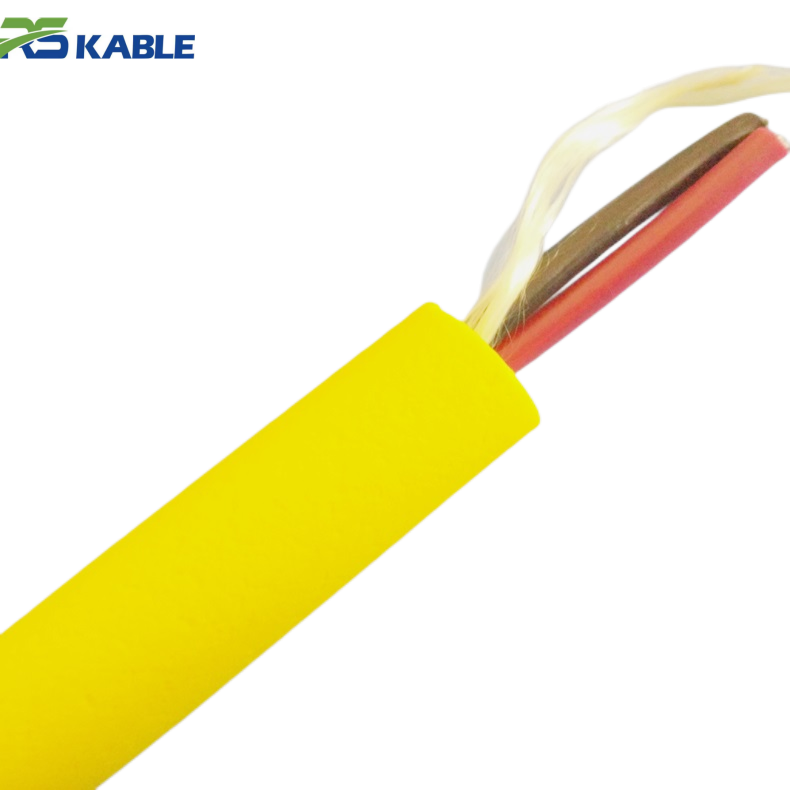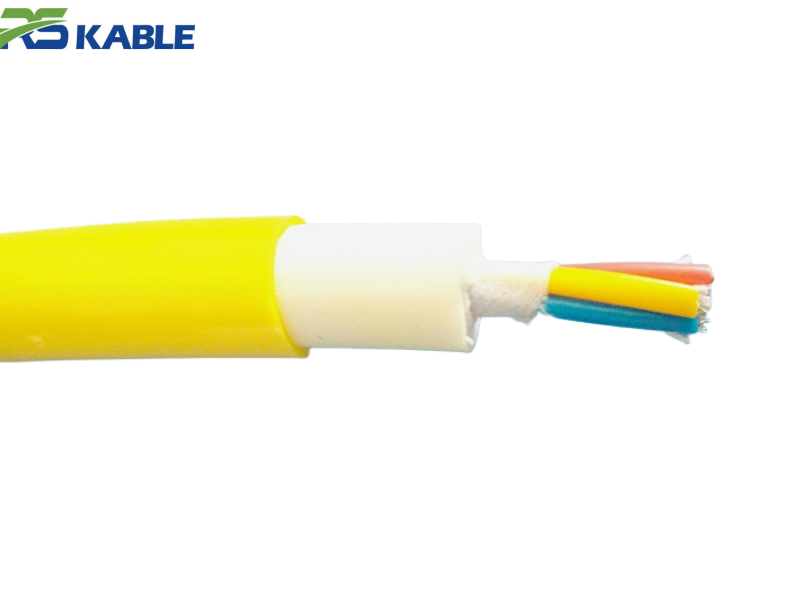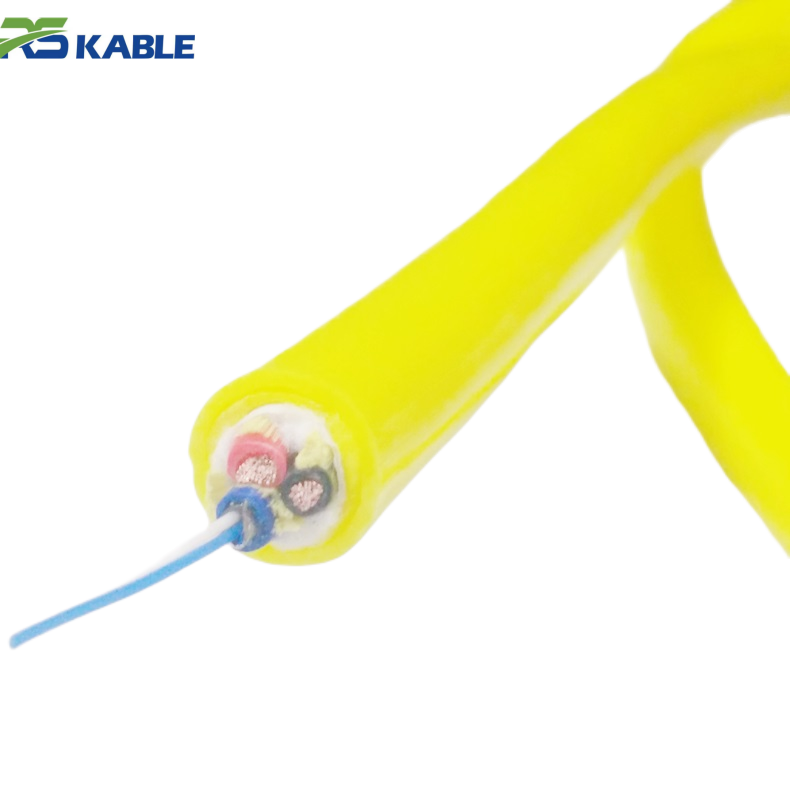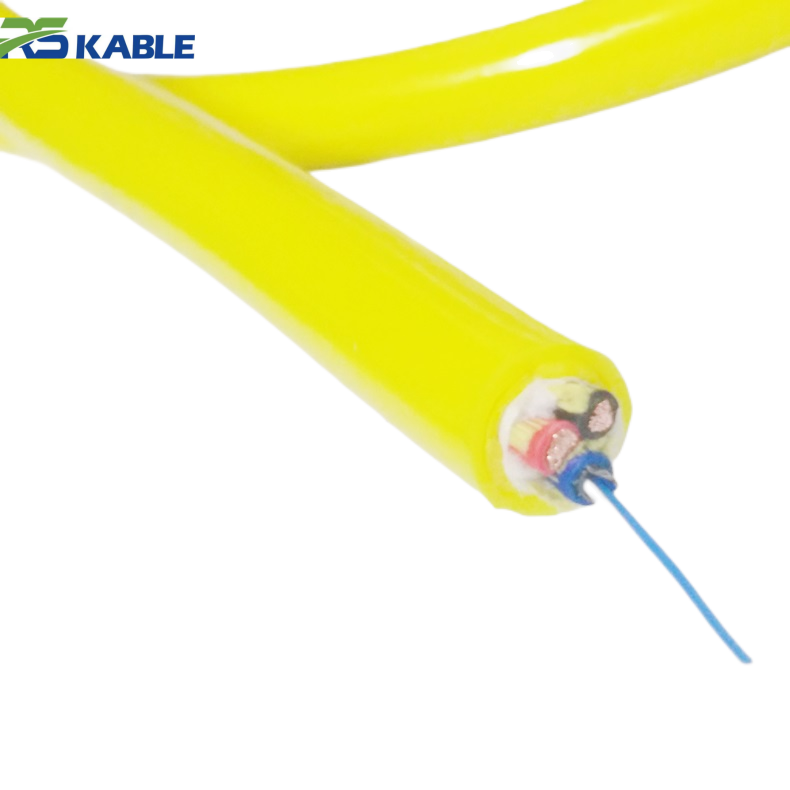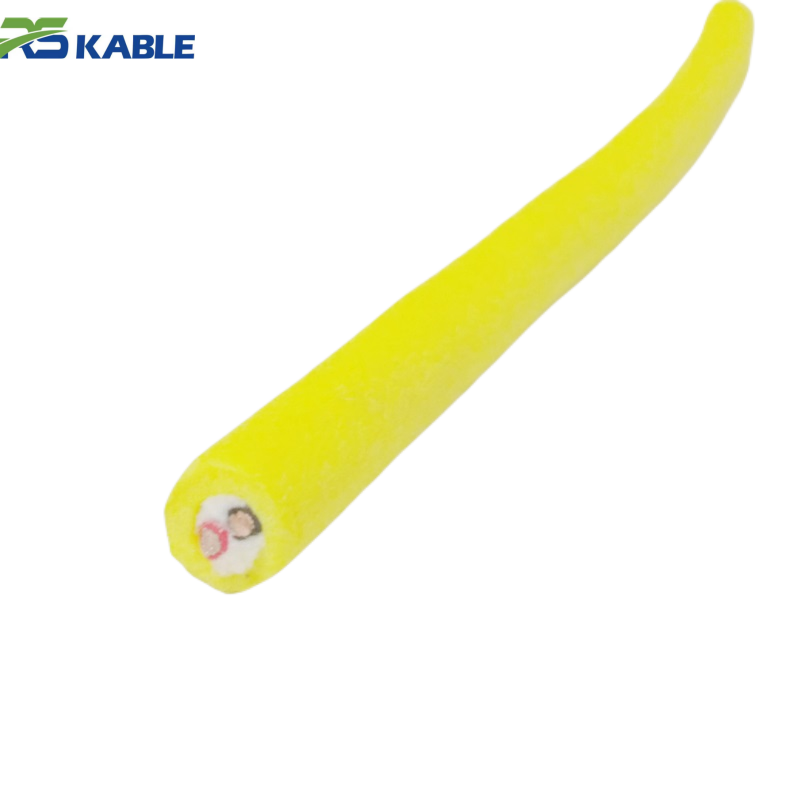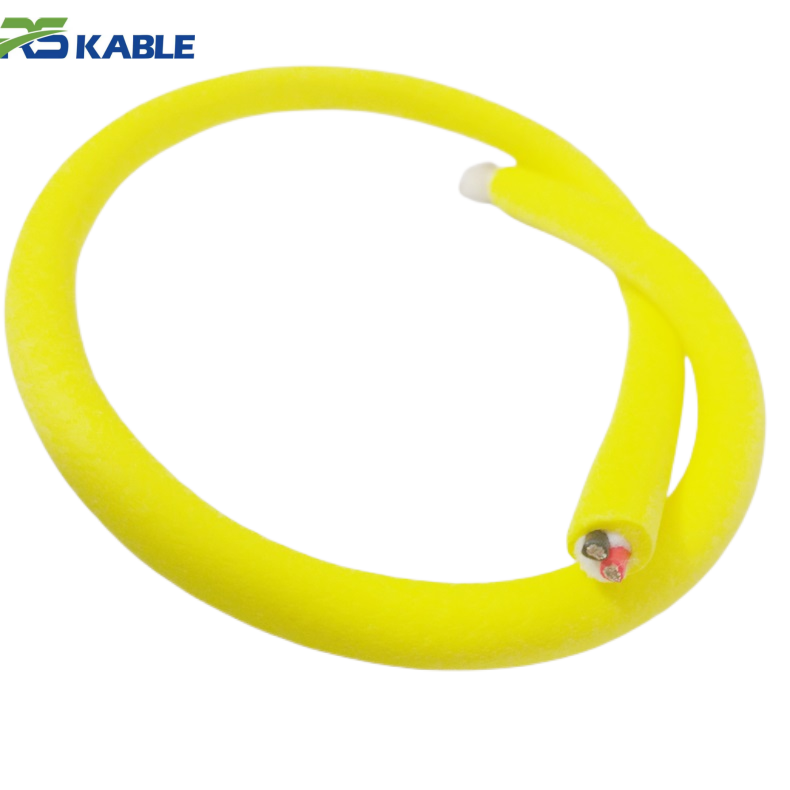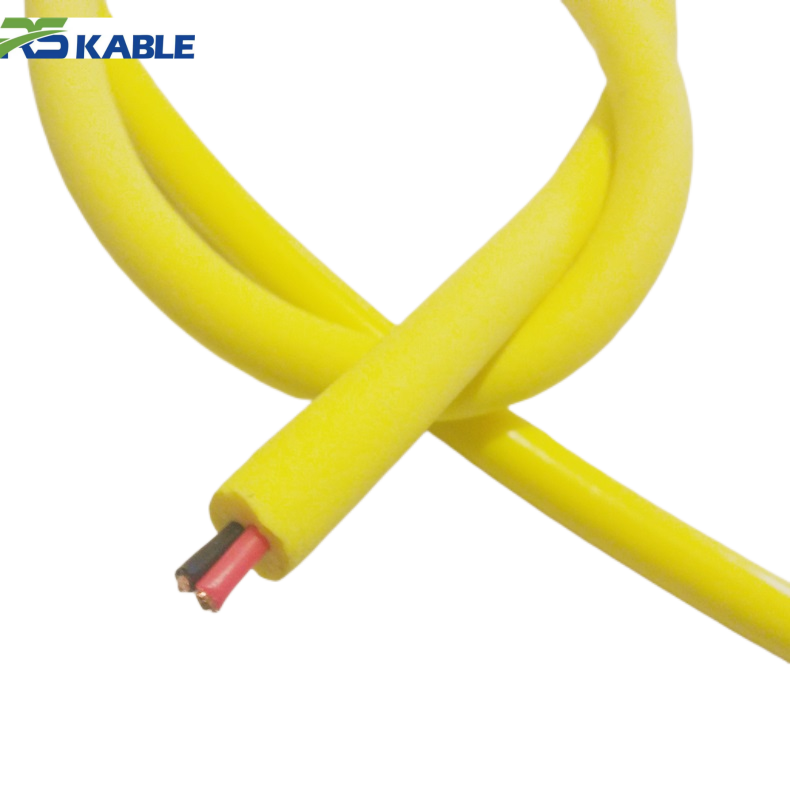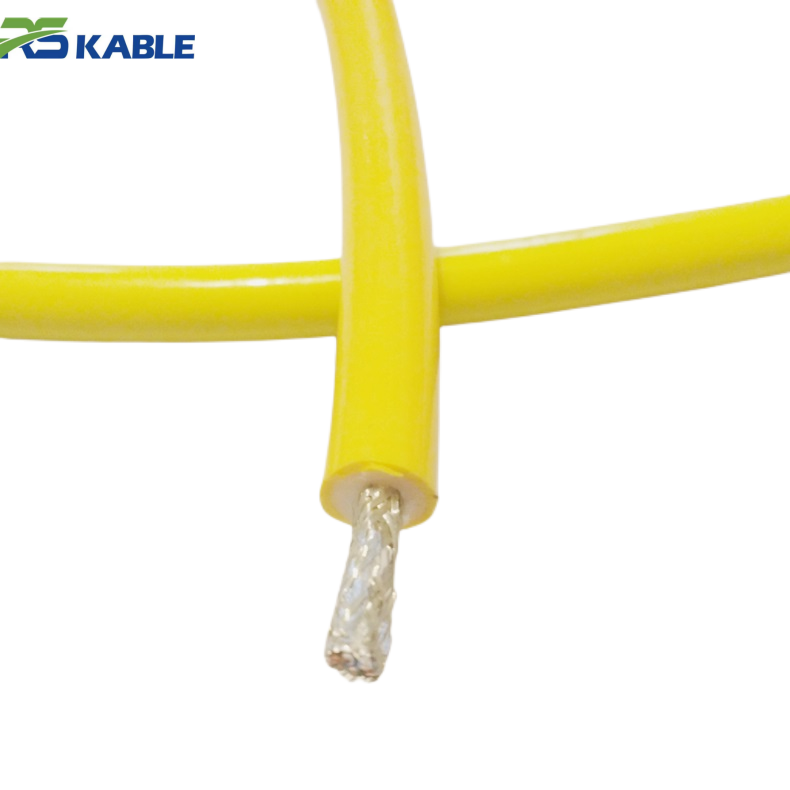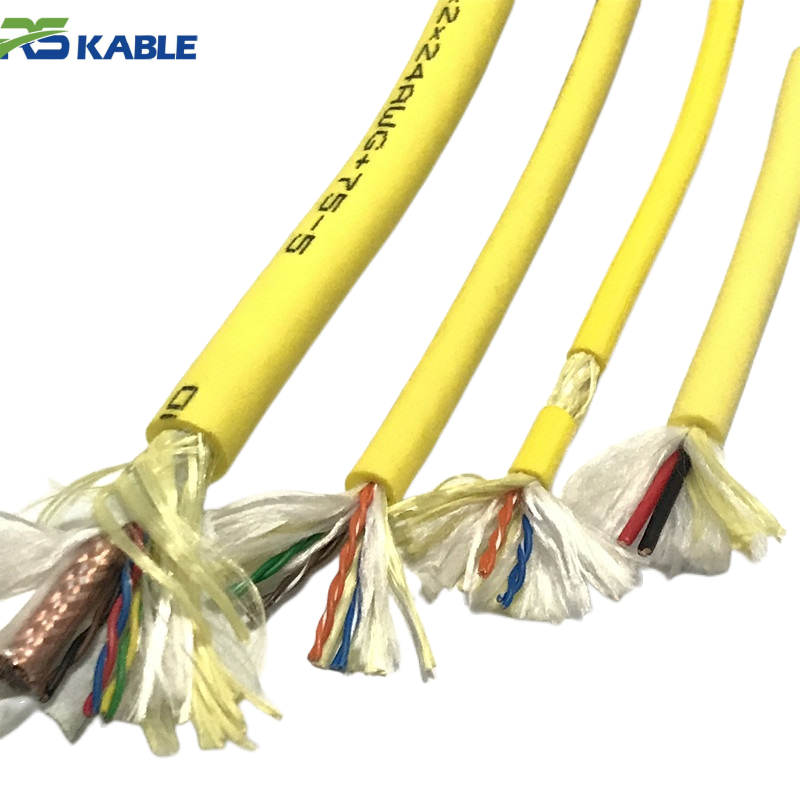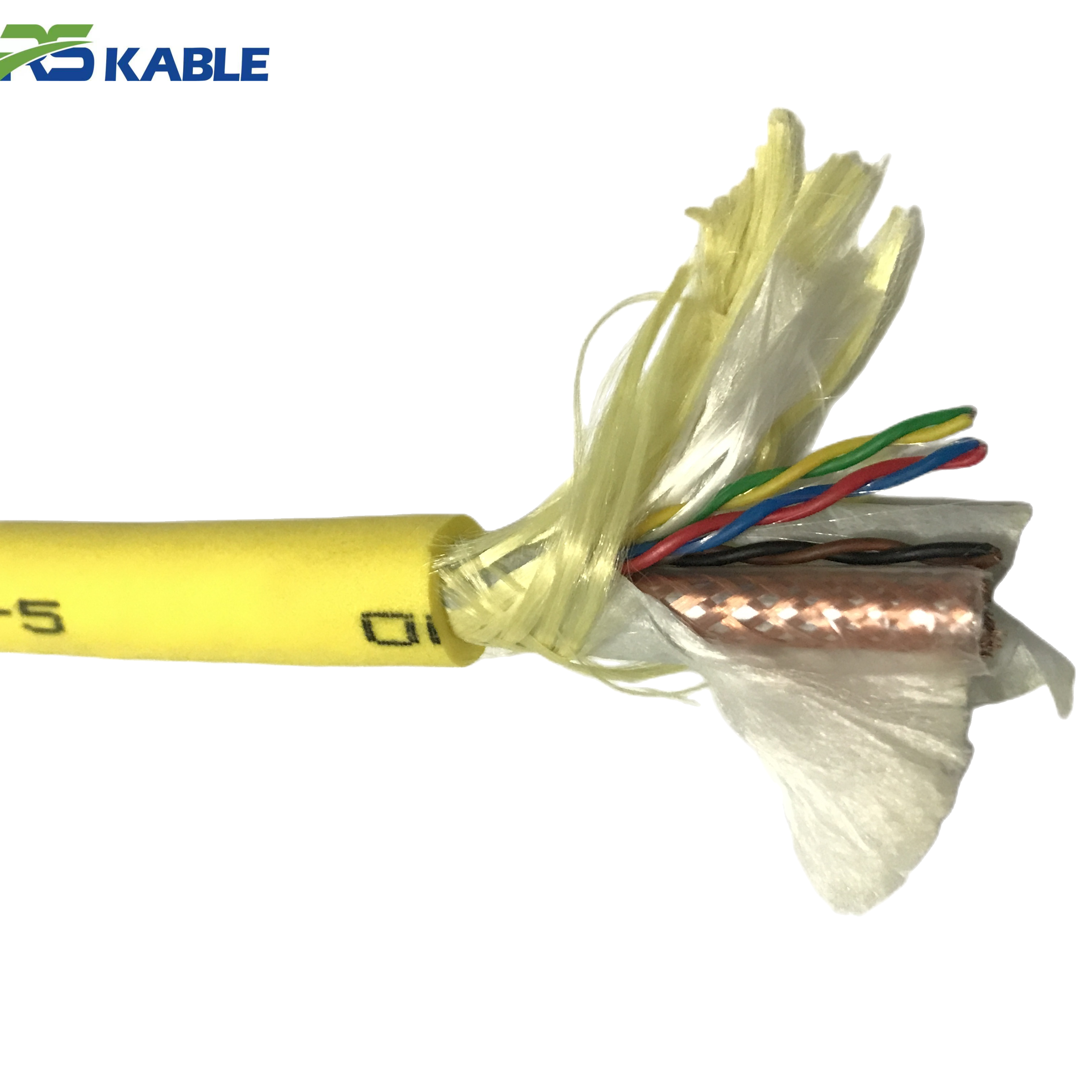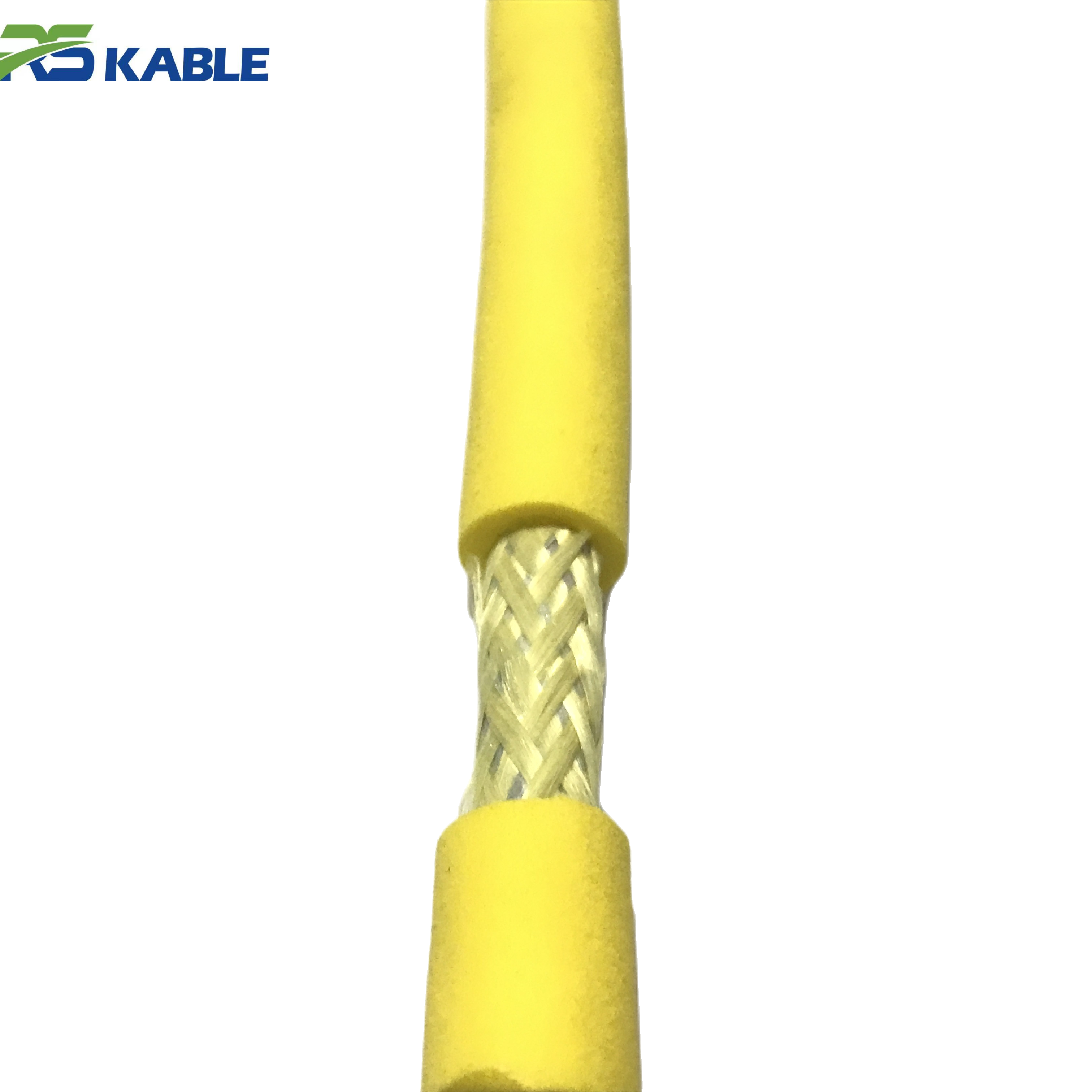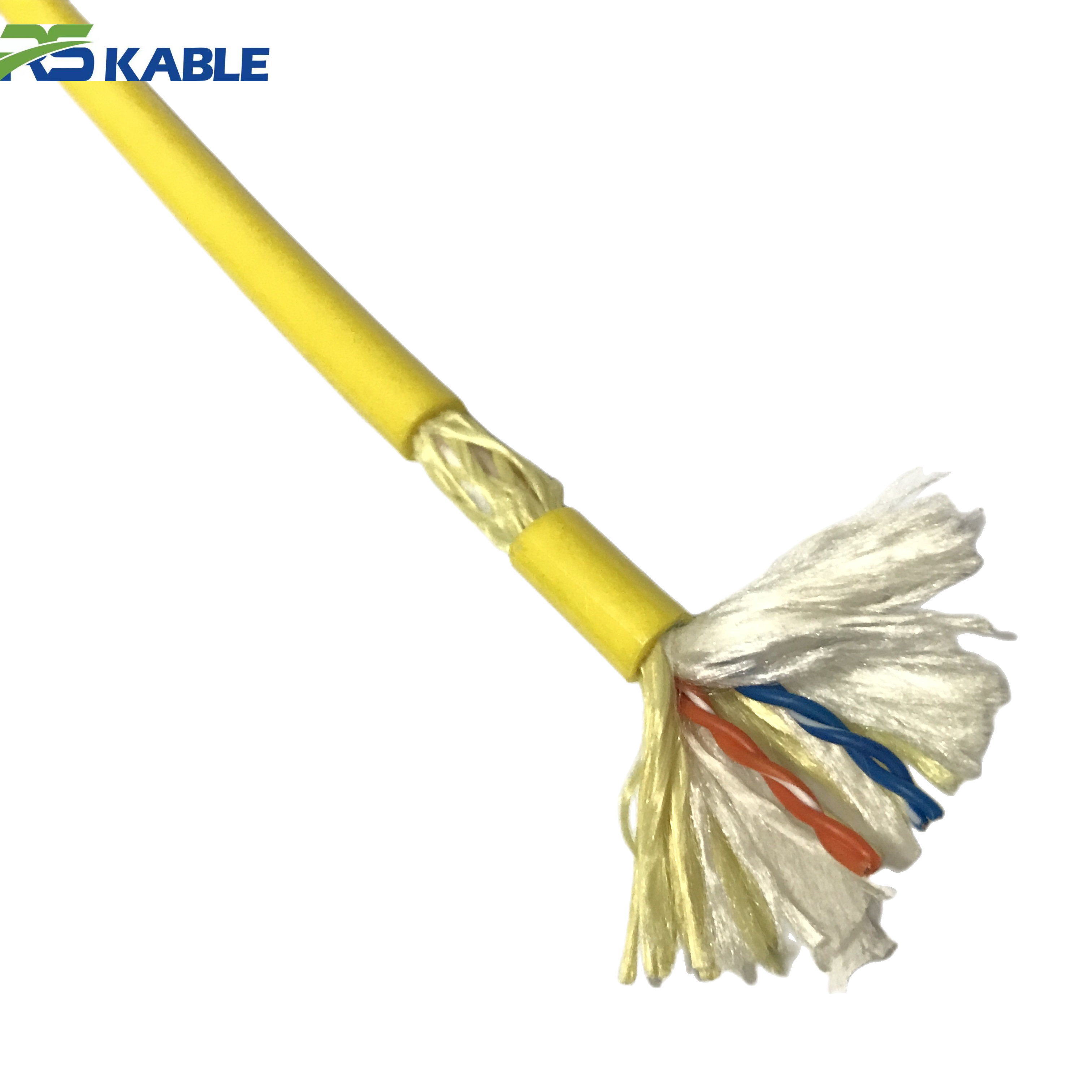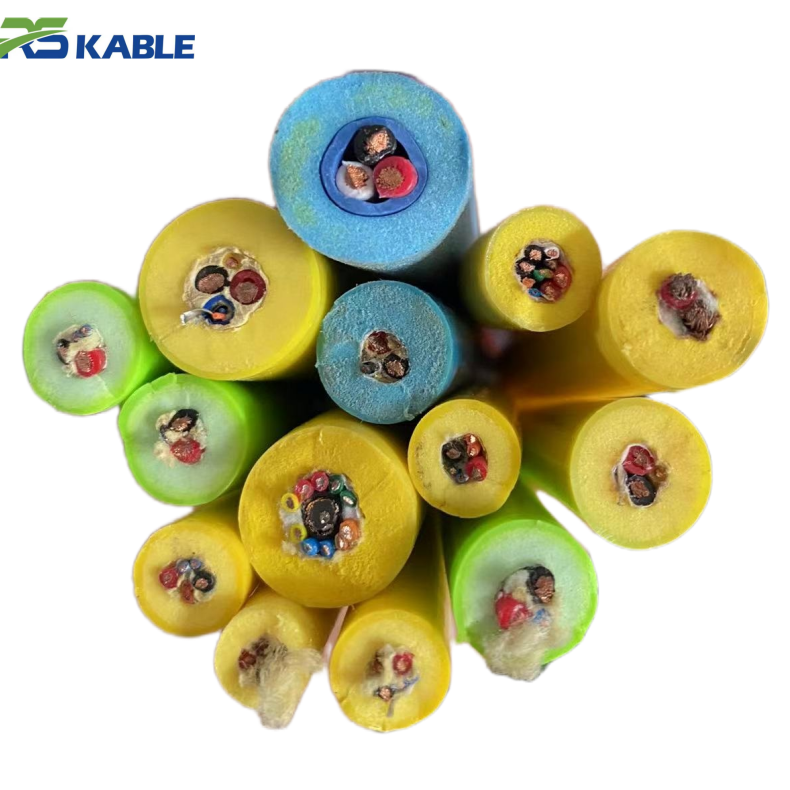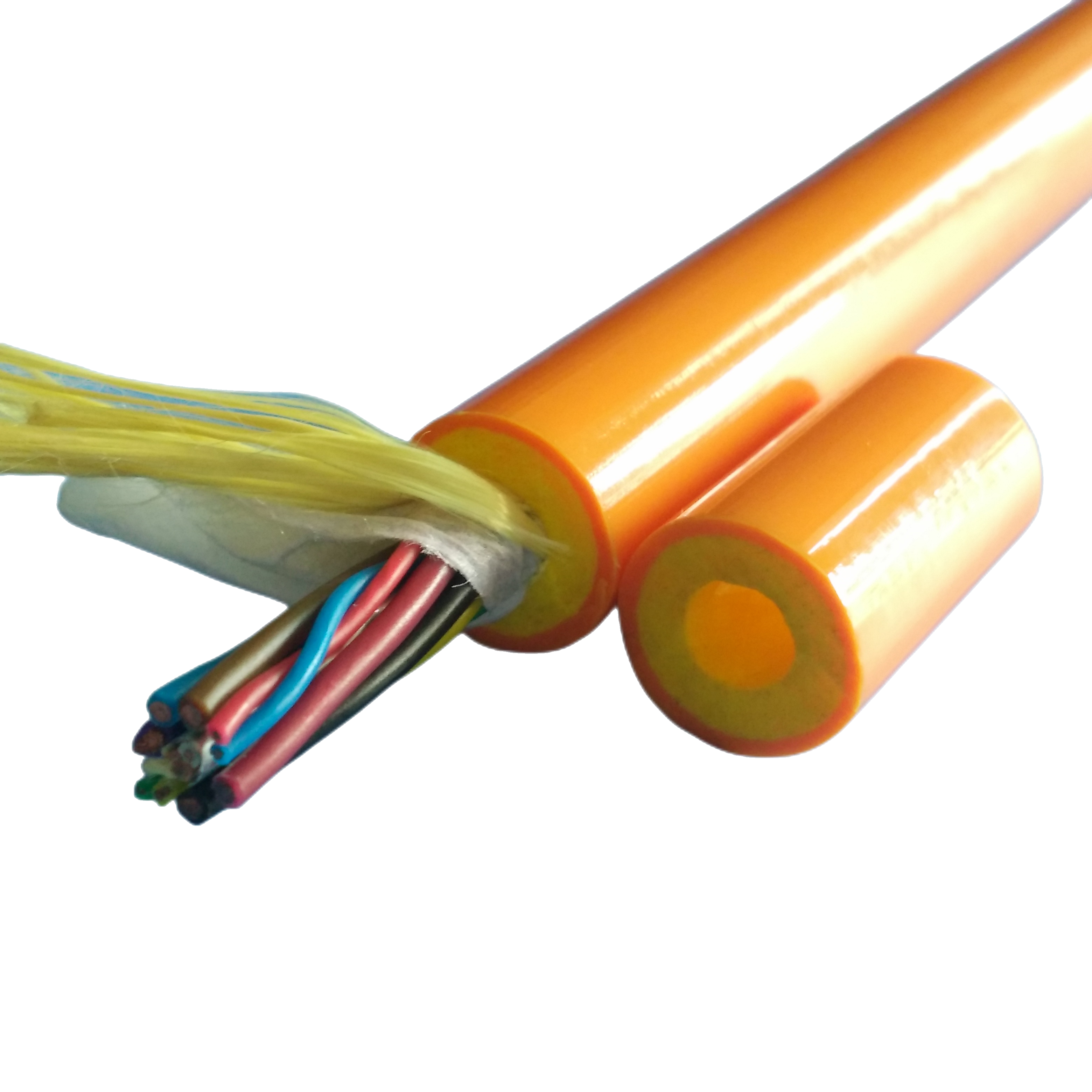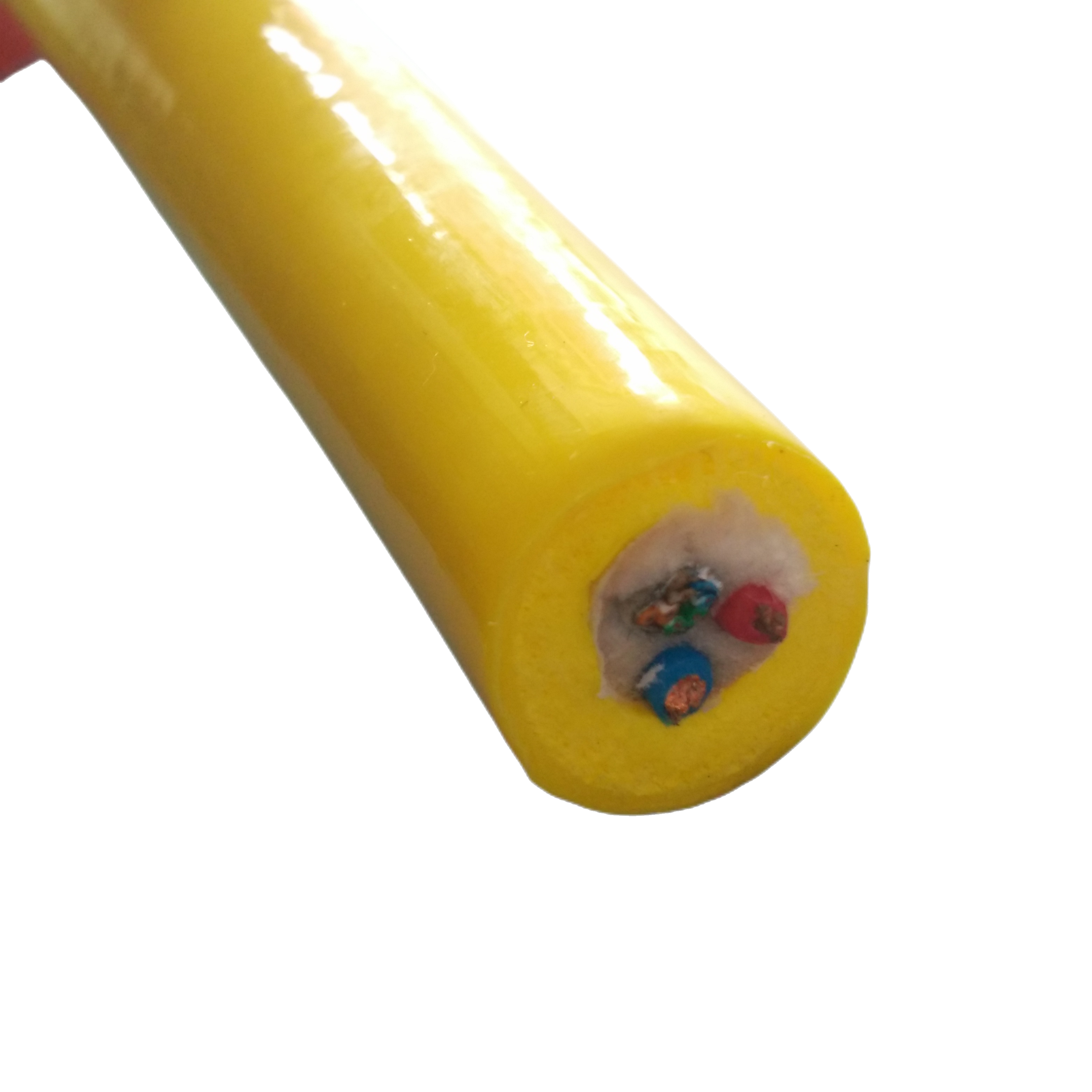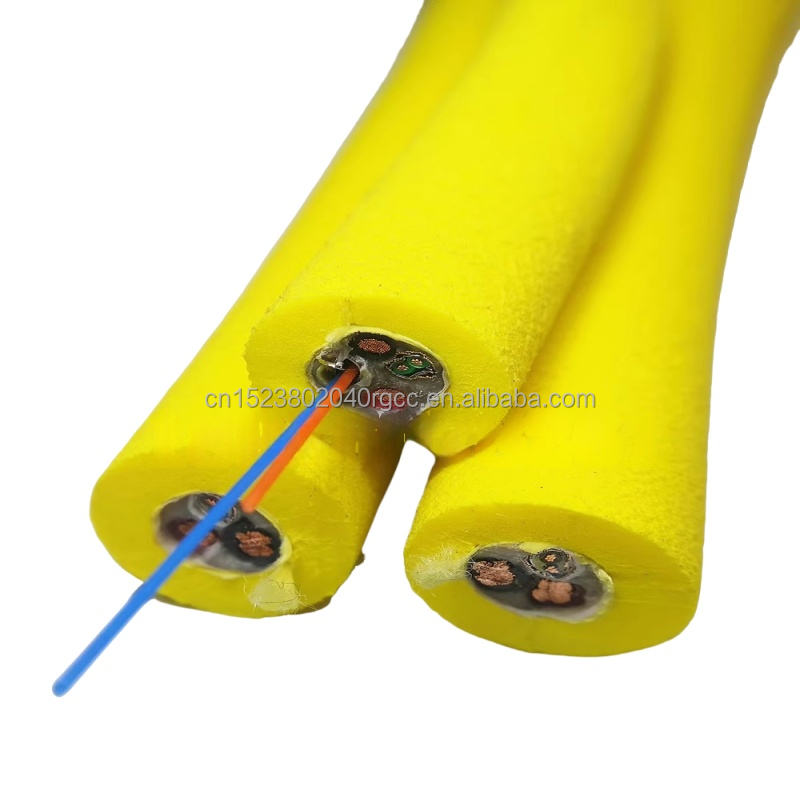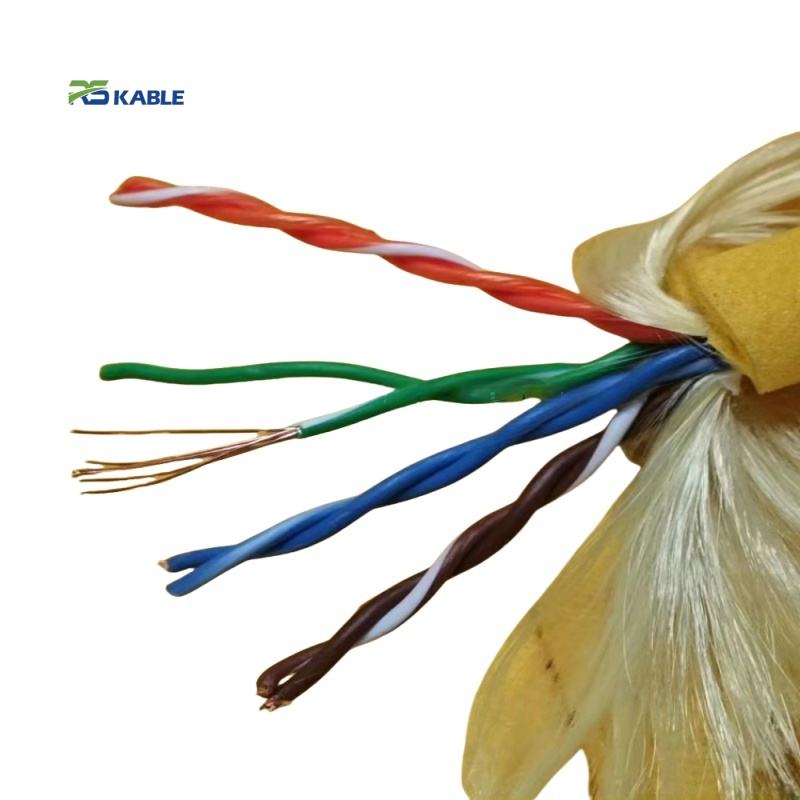



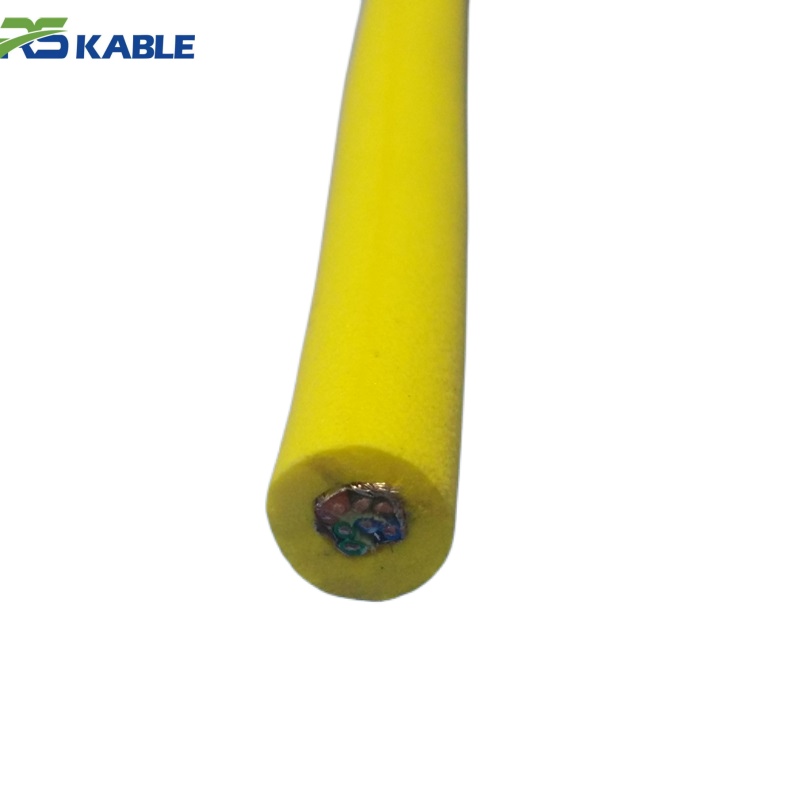
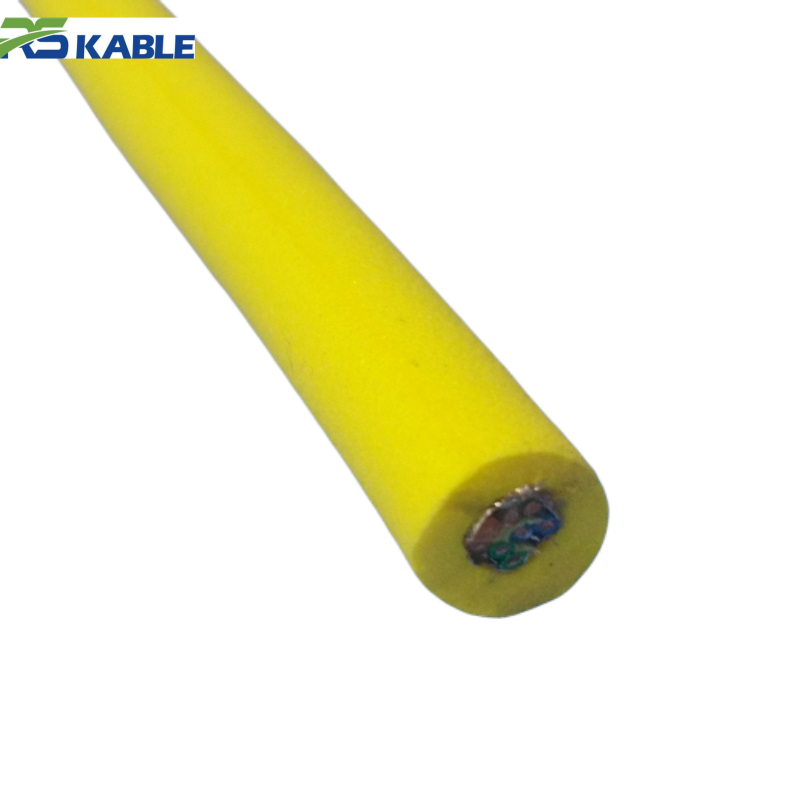
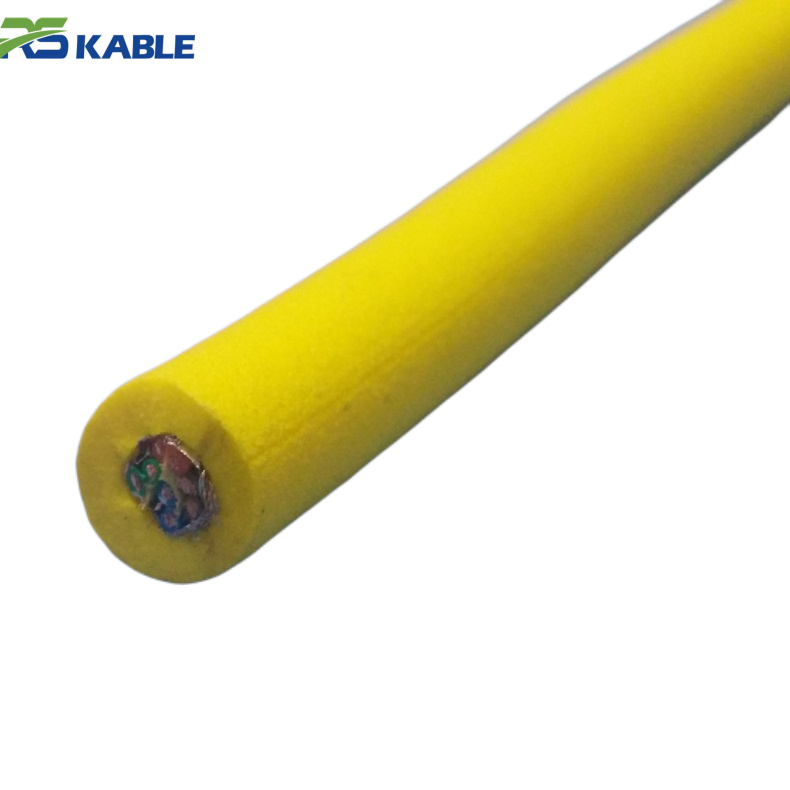
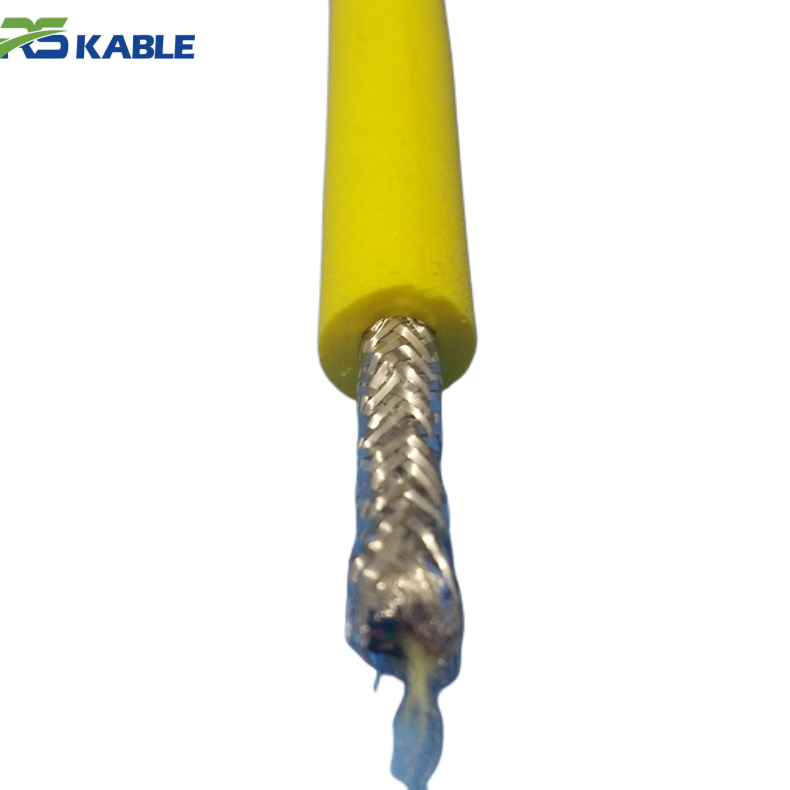
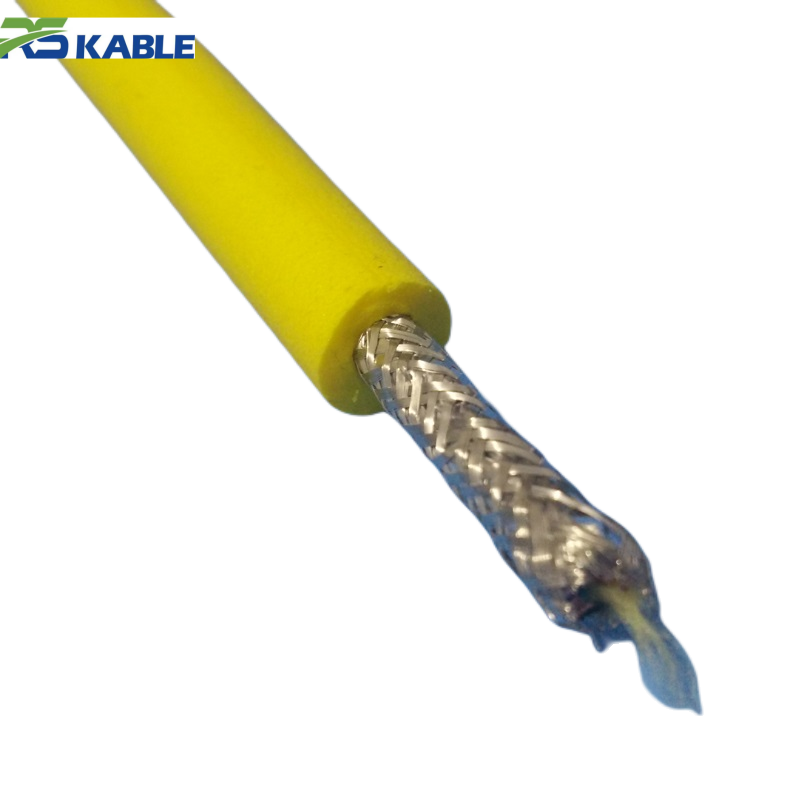
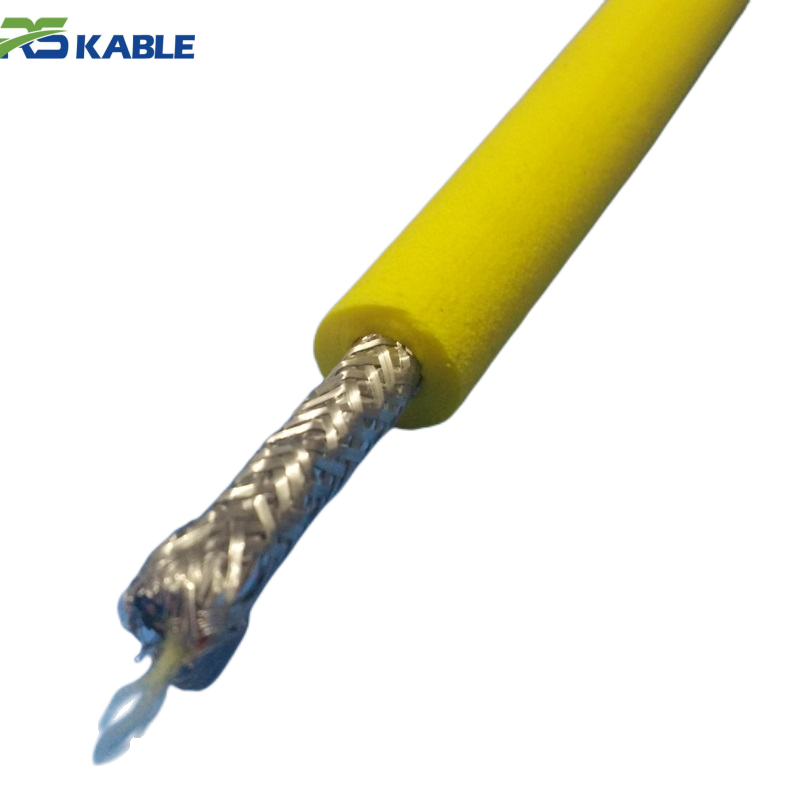
Underwater Scientific Devices | Neutral Buoyancy Cable | Precision Performance | Stable Electrical Parameters
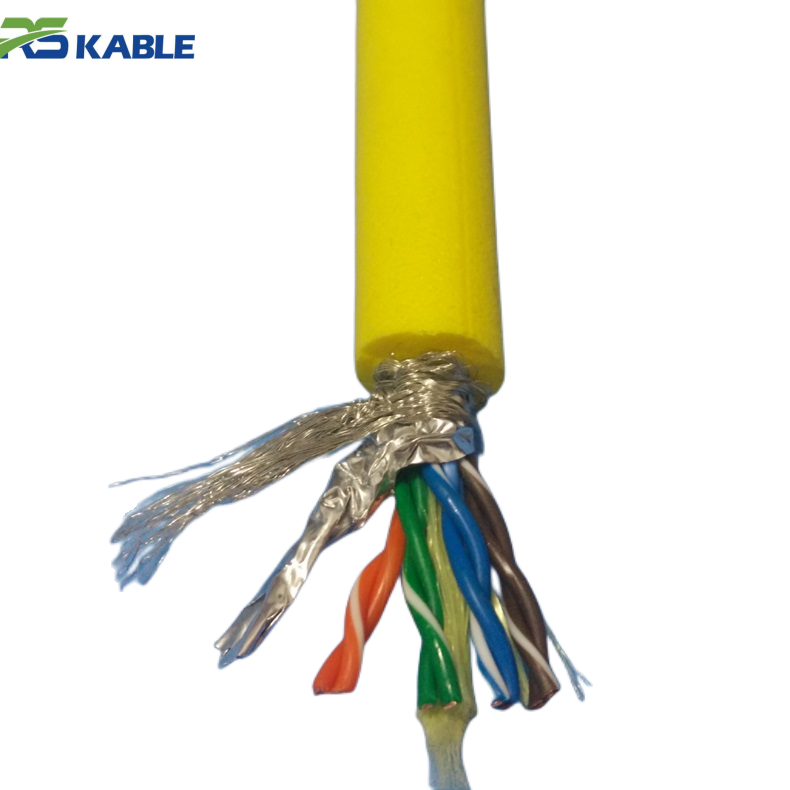
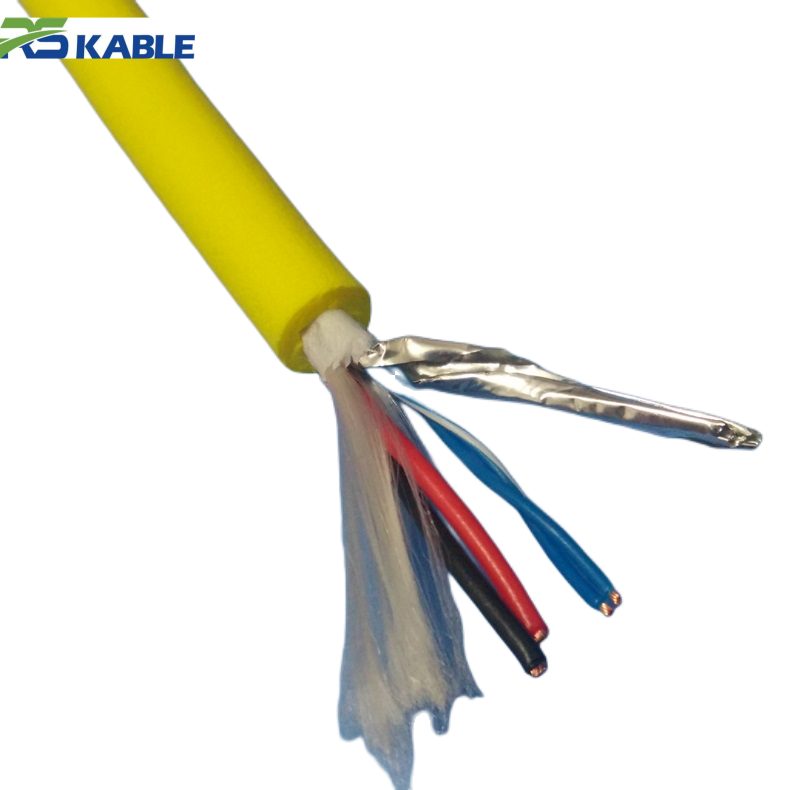
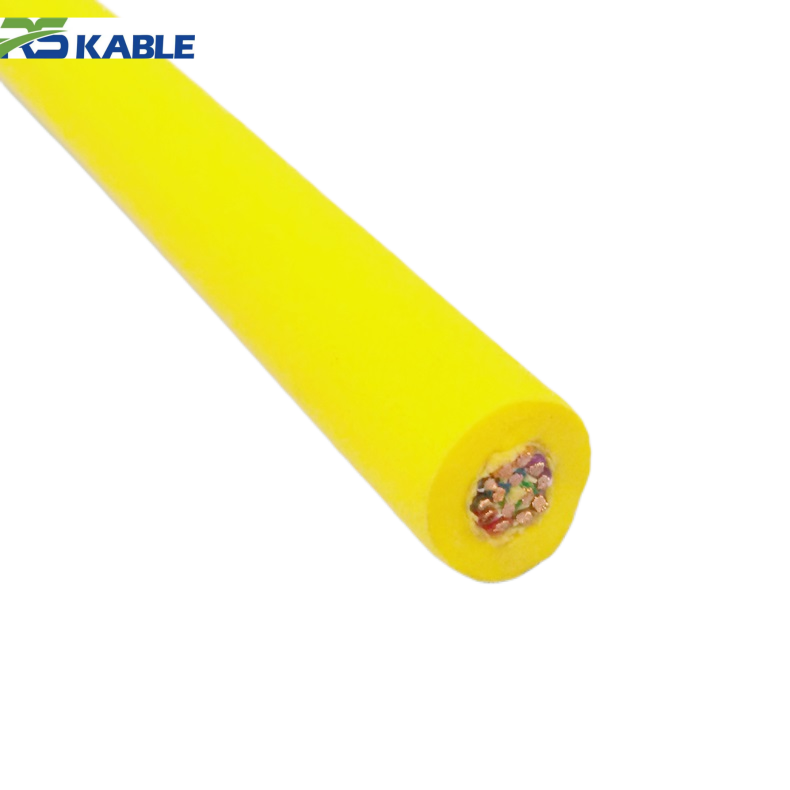
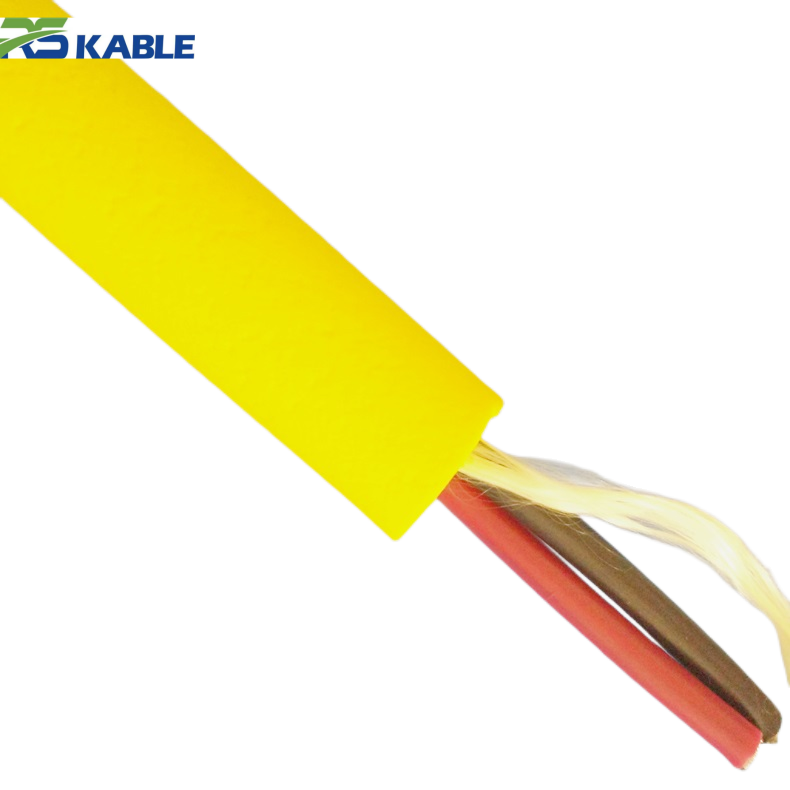
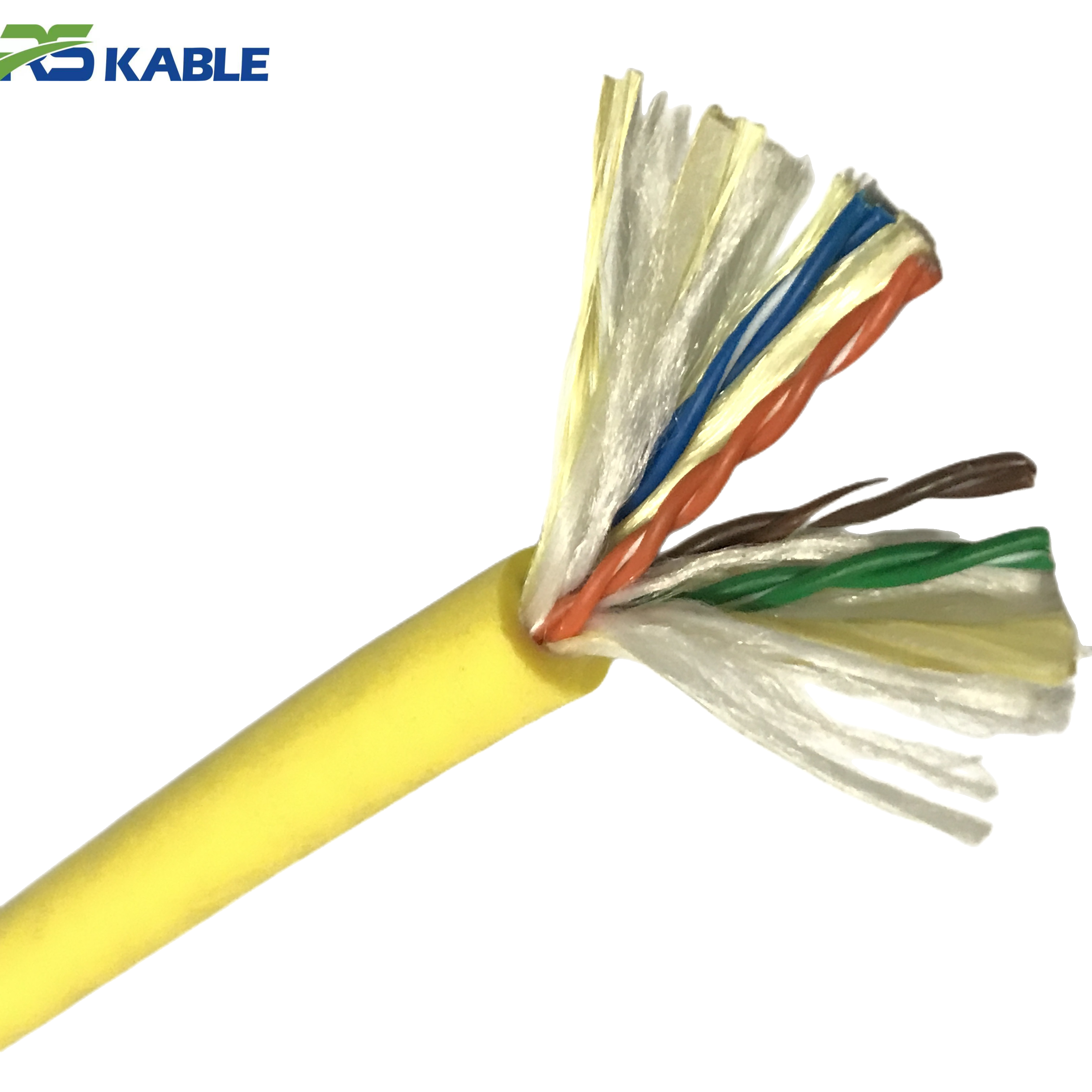
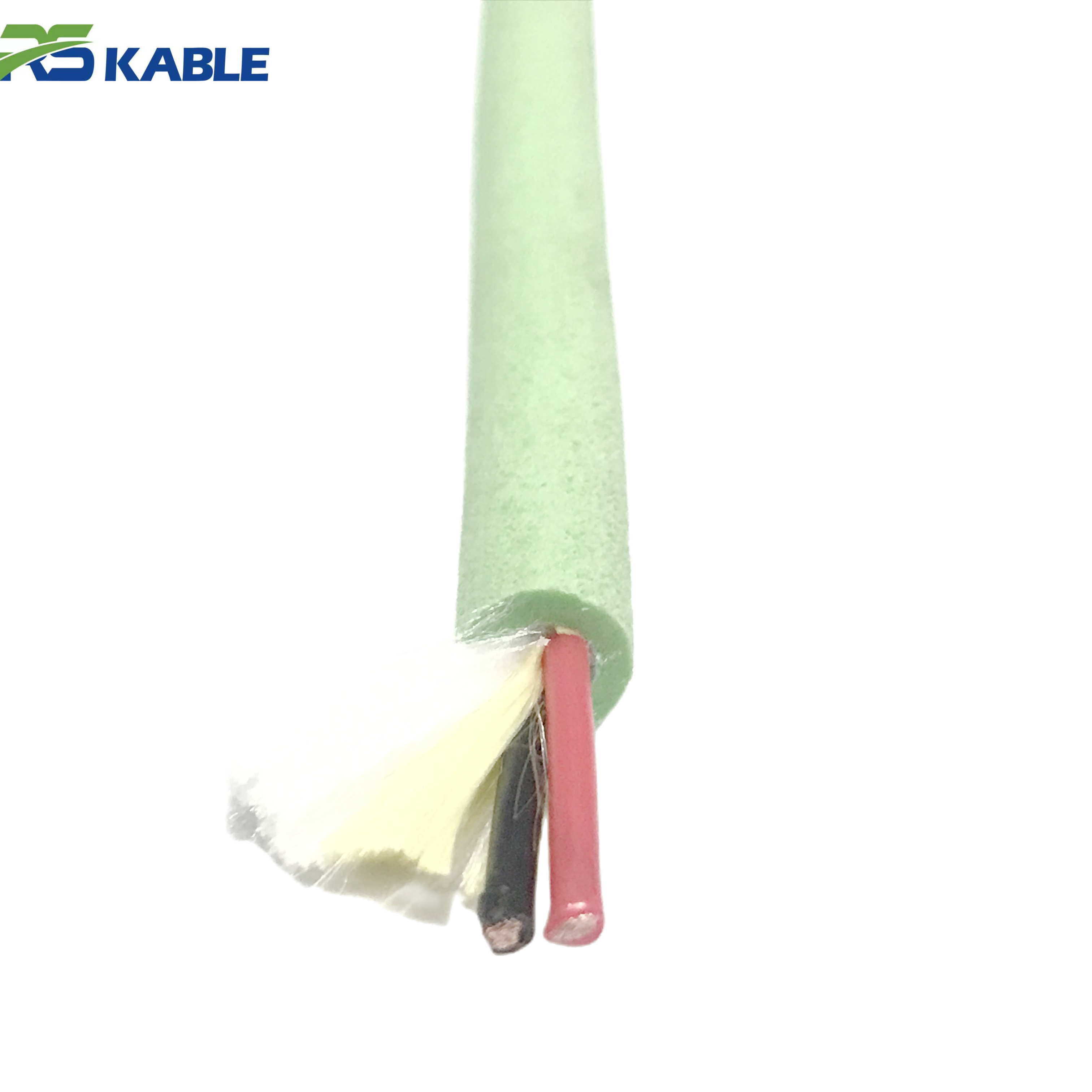
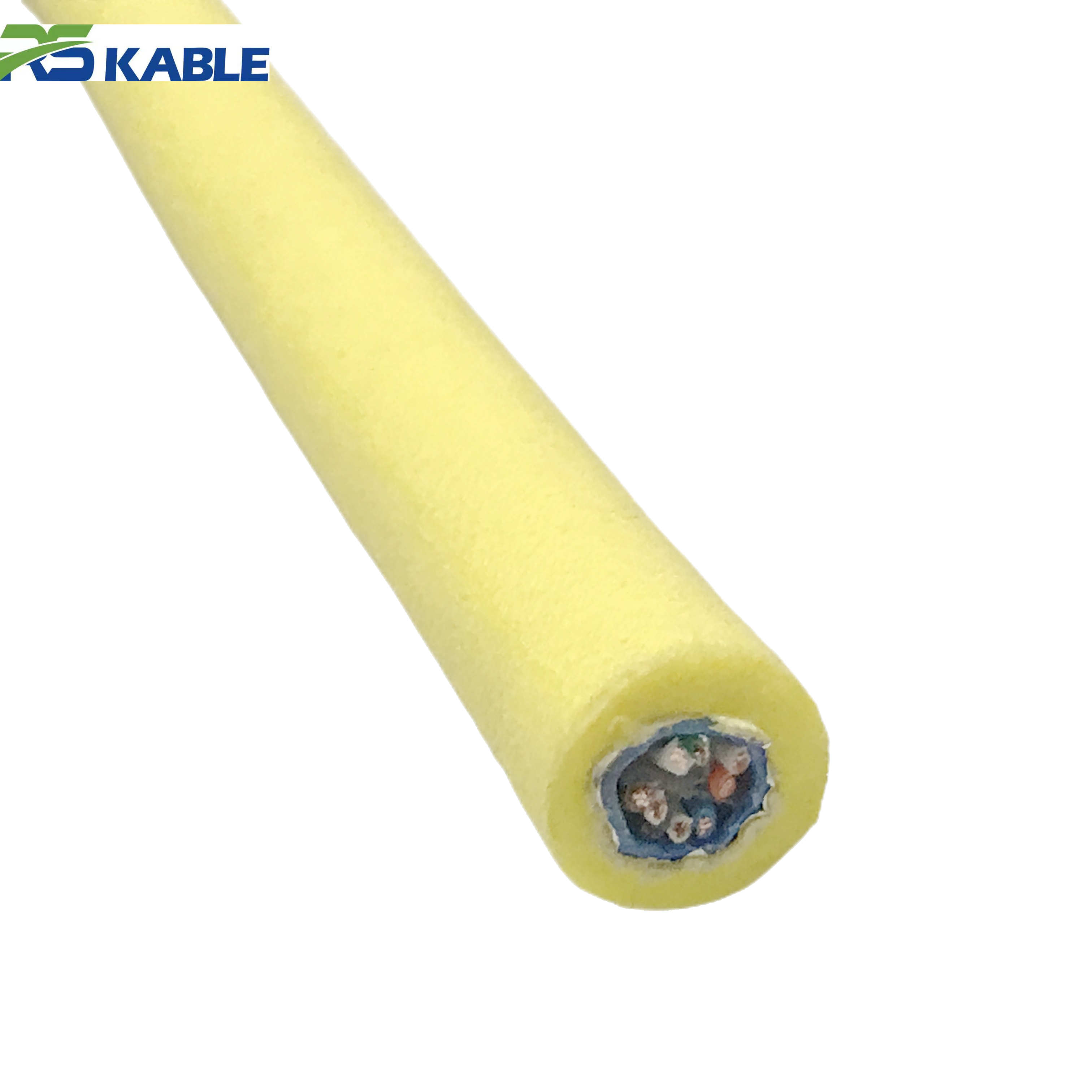
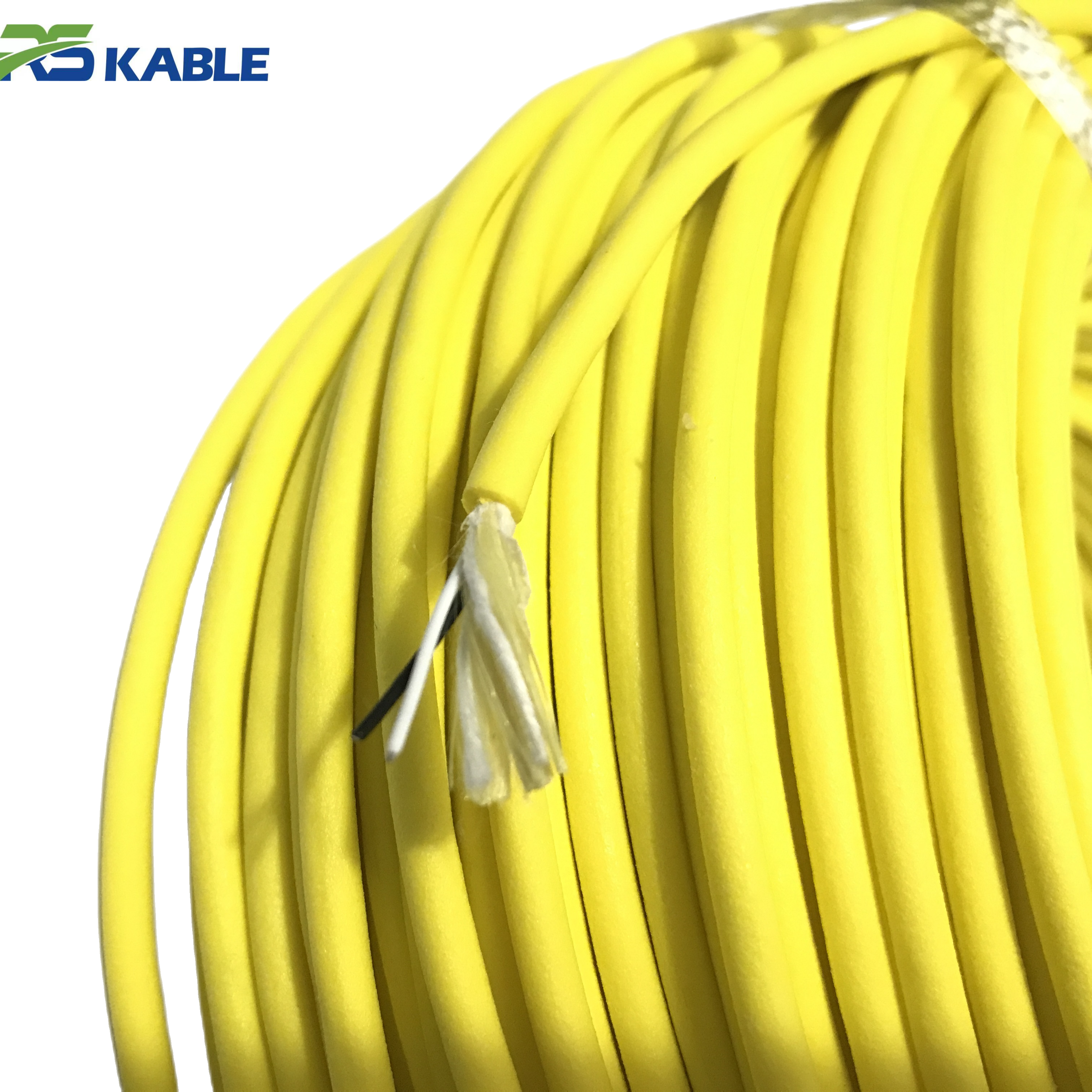
This Neutral Buoyancy Cable is designed for underwater scientific devices requiring precision performance and stable electrical parameters. Its load-balanced structure and research-grade electrical design support accurate, repeatable measurements in long-term underwater studies.
Underwater Scientific Devices | Neutral Buoyancy Cable | Precision Performance | Stable Electrical Parameters
Underwater scientific devices rely on consistent electrical behavior to ensure data accuracy and repeatable results. This Neutral Buoyancy Cable is engineered to deliver precision performance by maintaining stable electrical parameters while minimizing mechanical influence on sensitive scientific instruments during underwater operation.
By balancing buoyancy and electrical structure, it supports high-fidelity data acquisition in demanding research environments.
Scientific Measurement Starts With Electrical Stability
In underwater research systems, even small variations in electrical parameters can directly affect measurement outcomes. Common challenges include:
-
Signal drift caused by mechanical tension or cable movement
-
Impedance variation under changing underwater loads
-
Noise affecting low-level sensor outputs
-
Long-term parameter deviation during extended deployments
A research-grade Neutral Buoyancy Cable helps stabilize the physical and electrical environment around scientific devices, forming a reliable foundation for precision measurement.
Design Logic: Separating Measurement From Mechanical Influence
This cable is developed around a clear principle:
mechanical neutrality supports electrical consistency.
Key design elements include:
-
Controlled buoyancy to reduce tensile stress on connectors
-
Uniform conductor geometry for predictable resistance and impedance
-
Stable insulation materials to maintain electrical constants over time
-
Balanced internal structure to prevent deformation during deployment
This approach allows underwater scientific devices to operate without cable-induced measurement interference.
Typical Scientific Applications & Use Scenarios
This cable is widely used in underwater research and scientific monitoring systems, such as:
-
Chemical and biological underwater sensors
-
Precision oceanographic measurement instruments
-
Long-term scientific monitoring platforms
-
Subsea laboratory and experimental setups
-
Environmental data collection and validation systems
It is often specified as a precision underwater sensor cable, scientific-grade subsea cable, or neutral buoyancy measurement cable.
Product Configuration Overview
| Product Name / Model | Core Attributes |
|---|---|
| NB-SC Series Neutral Buoyancy Cable | Precision electrical performance, stable parameters, research-grade |
Key Technical Parameters
| Parameter | Specification Details |
|---|---|
| Core Configuration | Signal cores or hybrid signal & low-power supply |
| Conductor Material | High-purity tinned copper |
| Insulation | PE / XLPE with stable dielectric properties |
| Electrical Stability Focus | Designed for consistent resistance and impedance |
| Buoyancy Structure | Integrated fillers for near-neutral buoyancy |
| Outer Jacket | Marine-grade polyurethane |
| Application Orientation | Underwater scientific and research devices |
Electrical targets, core layout, and buoyancy balance can be adjusted based on sensor sensitivity and deployment depth.
Precision Performance in Long-Term Research Deployments
During extended underwater experiments, this Neutral Buoyancy Cable helps ensure:
-
Consistent sensor readings over time
-
Reduced recalibration frequency
-
Lower risk of data anomalies caused by cable stress
-
Higher confidence in scientific conclusions
This makes it particularly suitable for long-duration scientific observation and validation projects.
Benefits for Research Institutions & System Developers
By integrating this cable into scientific systems, users gain:
-
Improved data repeatability and integrity
-
Reduced mechanical influence on measurement devices
-
Enhanced system-level reliability
-
Lower lifecycle risk for high-value research equipment
These advantages are critical in academic research, government monitoring, and advanced marine science programs.
Engineering Credibility & Quality Assurance (E-E-A-T)
-
Designed by engineers with experience in scientific instrumentation cabling
-
Manufactured under ISO-certified quality management systems
-
Evaluated for electrical parameter consistency and buoyancy balance
-
Materials selected based on long-term research deployment requirements
Design validation emphasizes measurement accuracy rather than generic industrial performance.
Custom Engineering & Technical Support
We support scientific users with:
-
Electrical parameter optimization for sensitive sensors
-
Custom signal and low-power configurations
-
Deployment-specific buoyancy and load analysis
-
Technical documentation for research projects and tenders
👉 Contact our technical team to specify a cable for your underwater scientific devices.
FAQ
Why is electrical parameter stability critical for scientific devices?
Because unstable resistance or impedance can directly affect measurement accuracy.
Does neutral buoyancy improve measurement precision?
Yes. It reduces mechanical stress that can influence sensor outputs.
Is this cable suitable for long-term scientific research?
Yes. It is designed for extended underwater deployment.
Can it be customized for different sensor types?
Yes. Core configuration and electrical targets can be tailored.