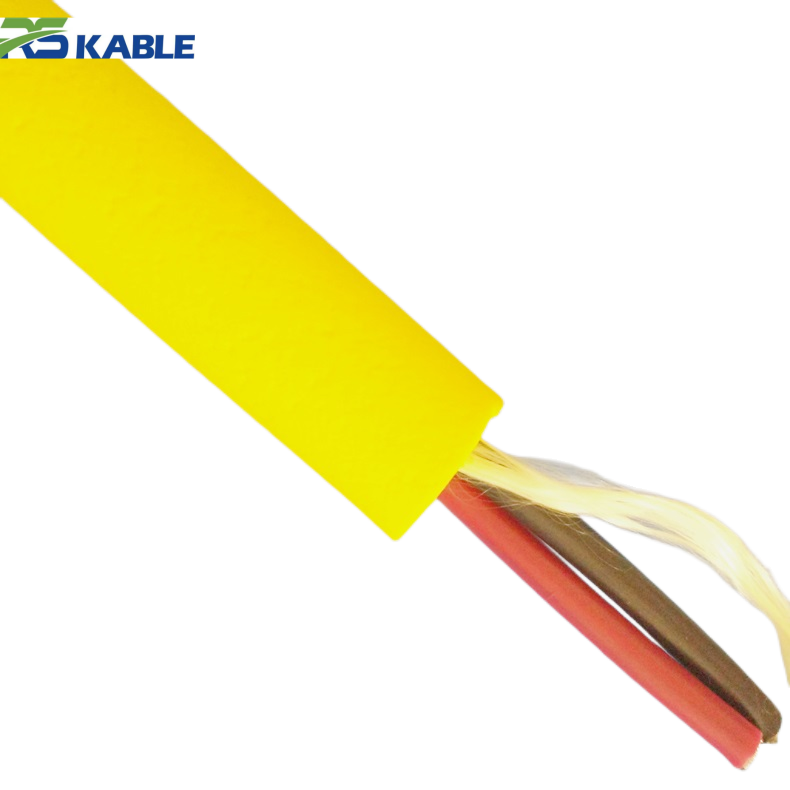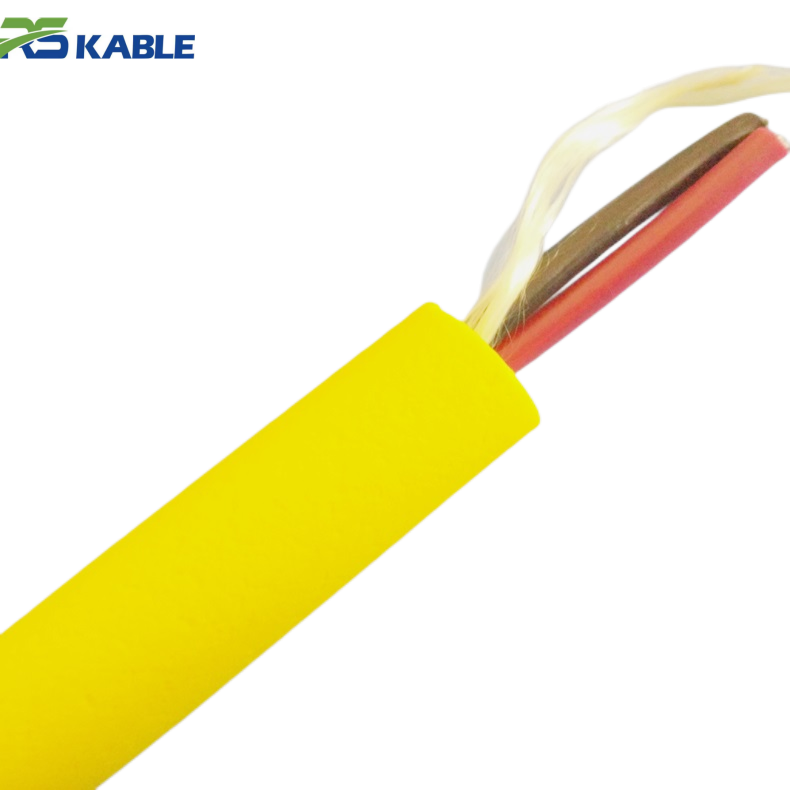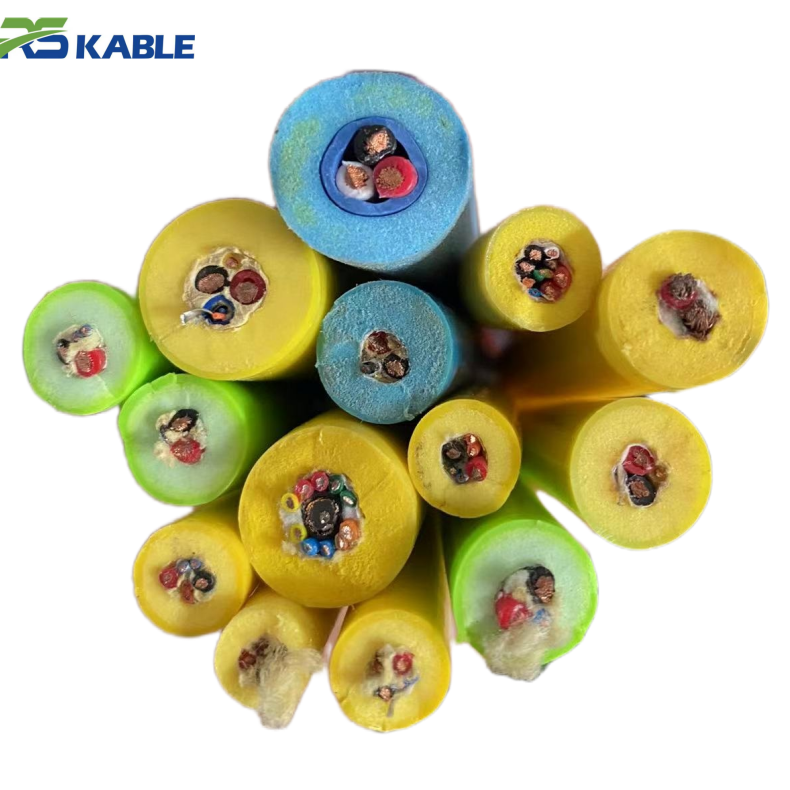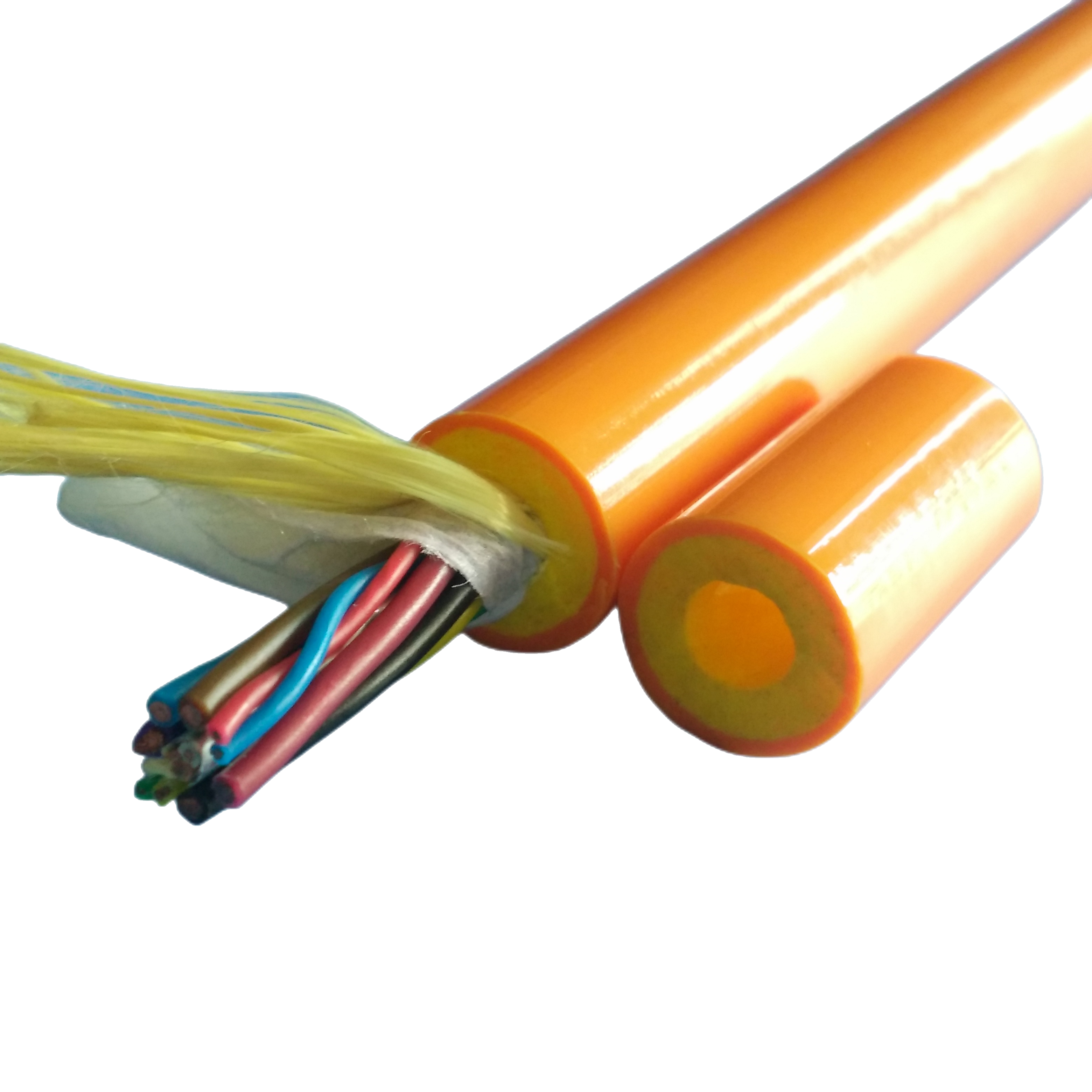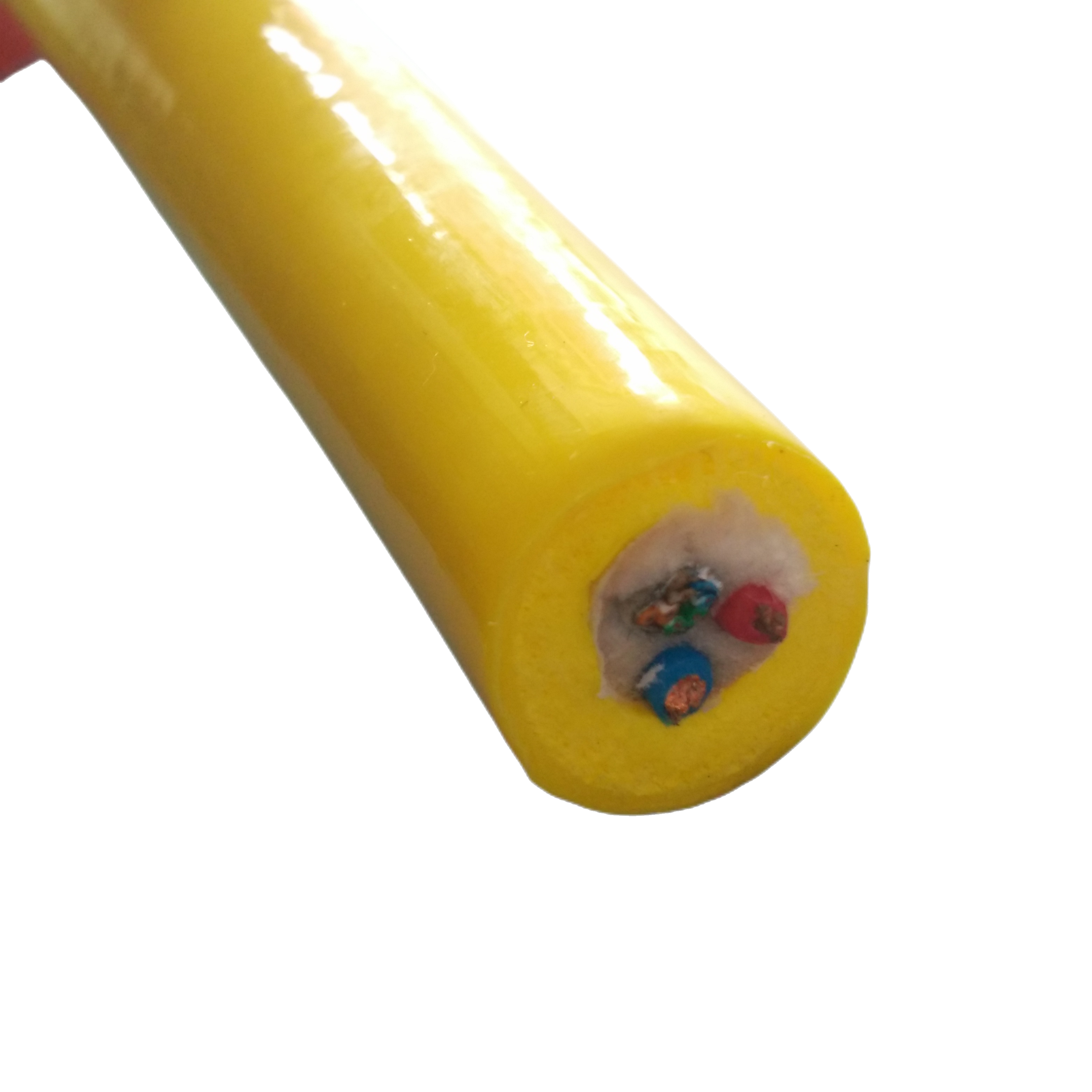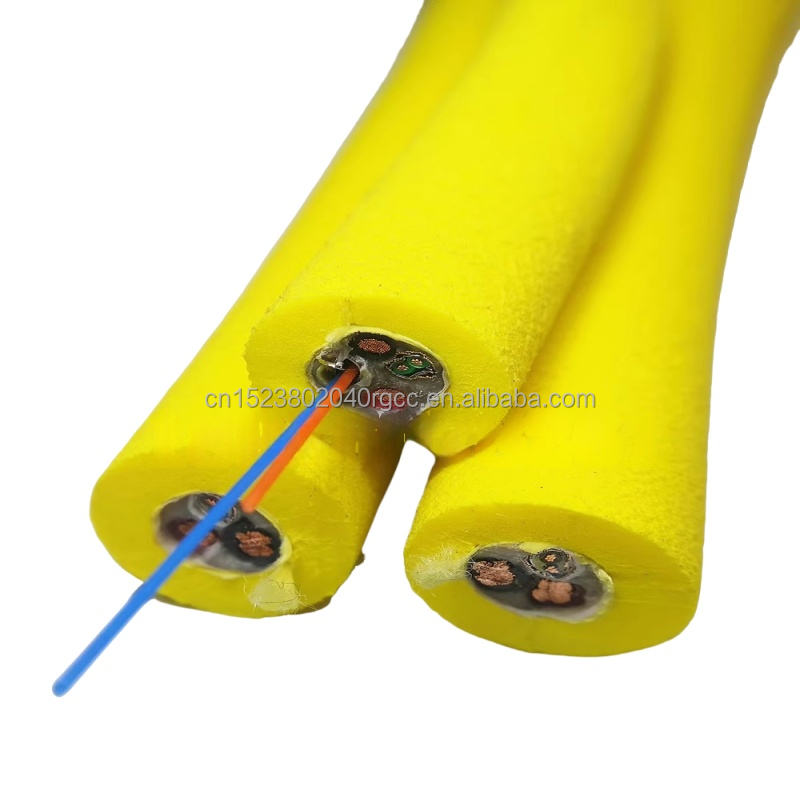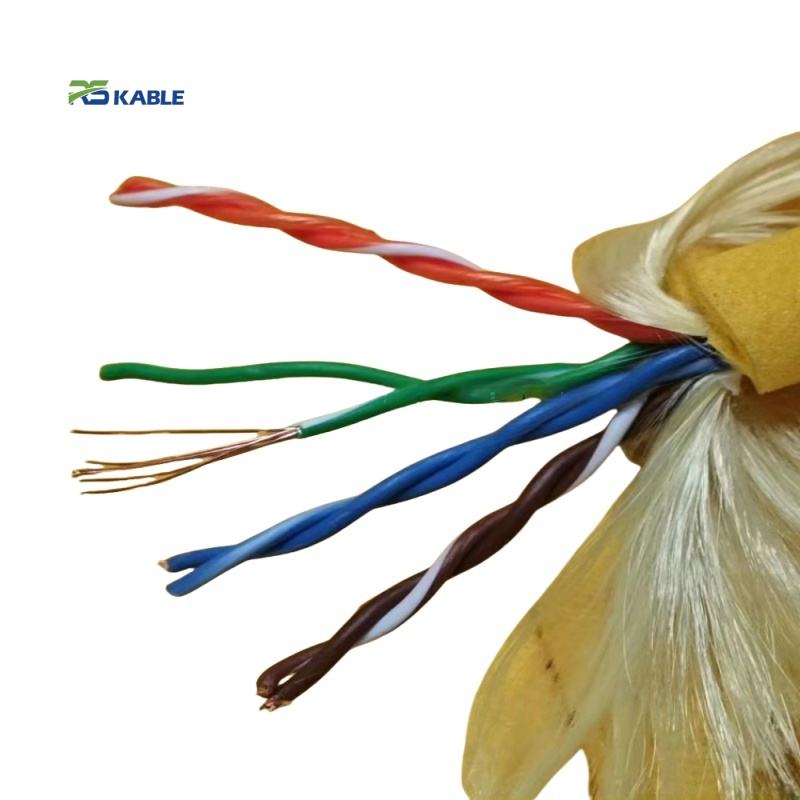



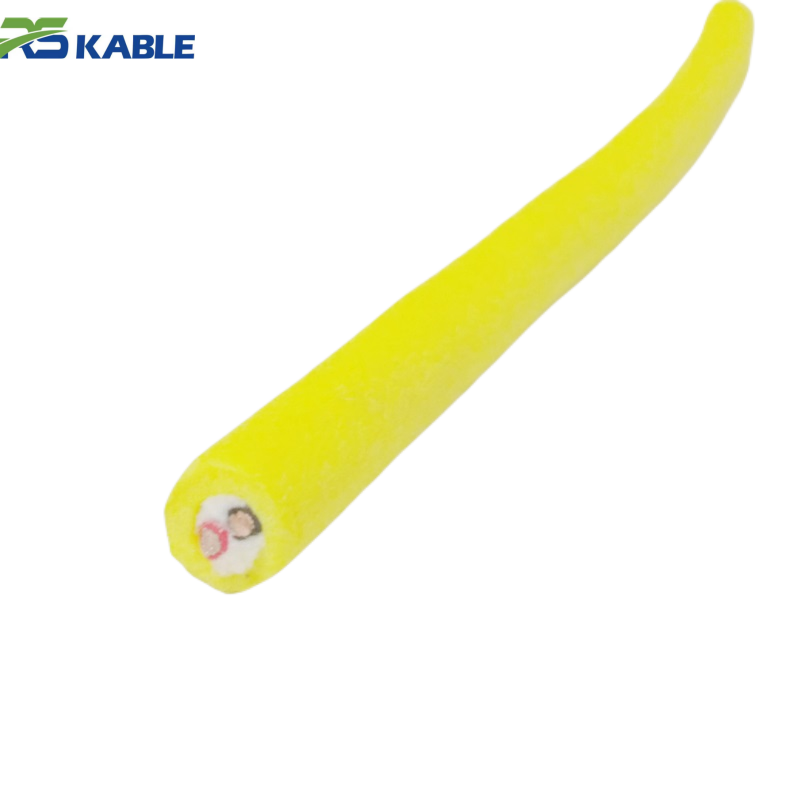
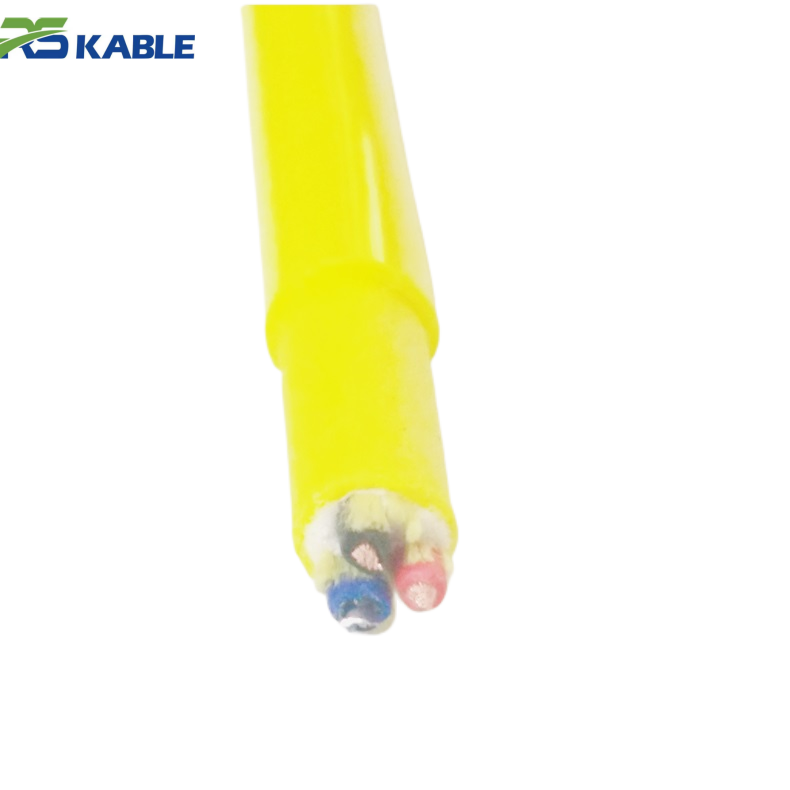
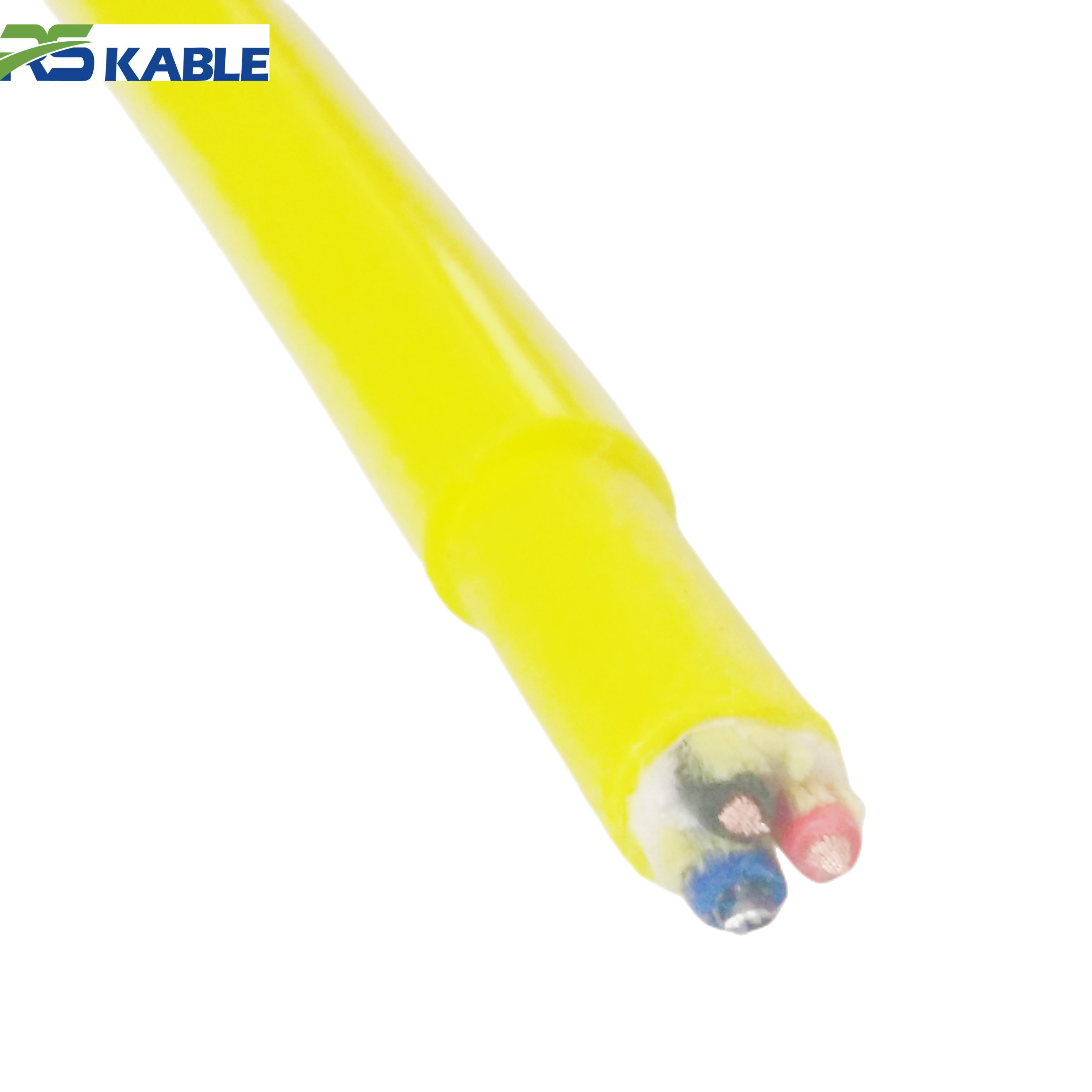
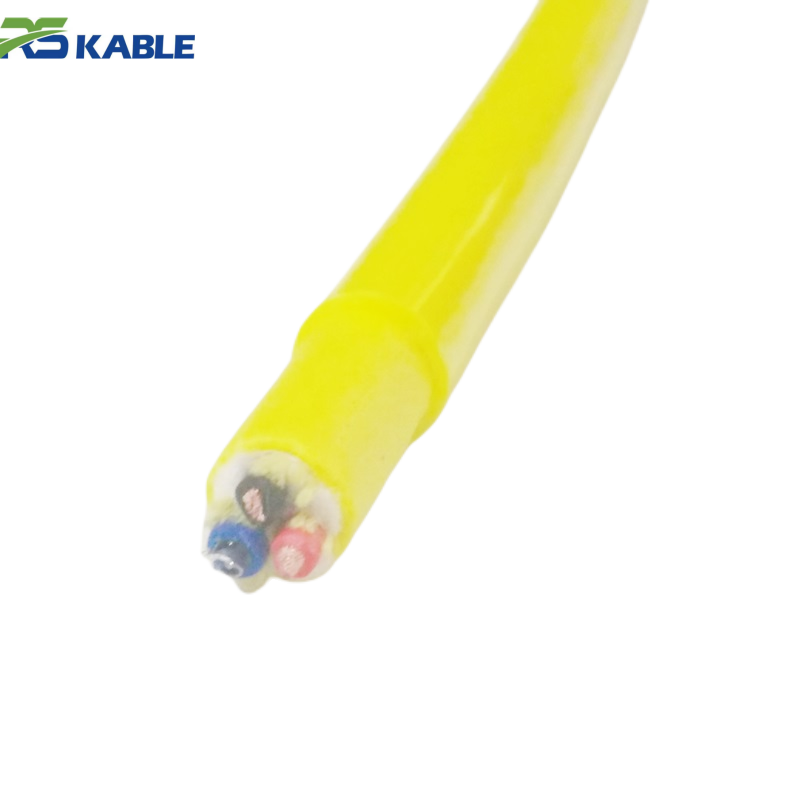
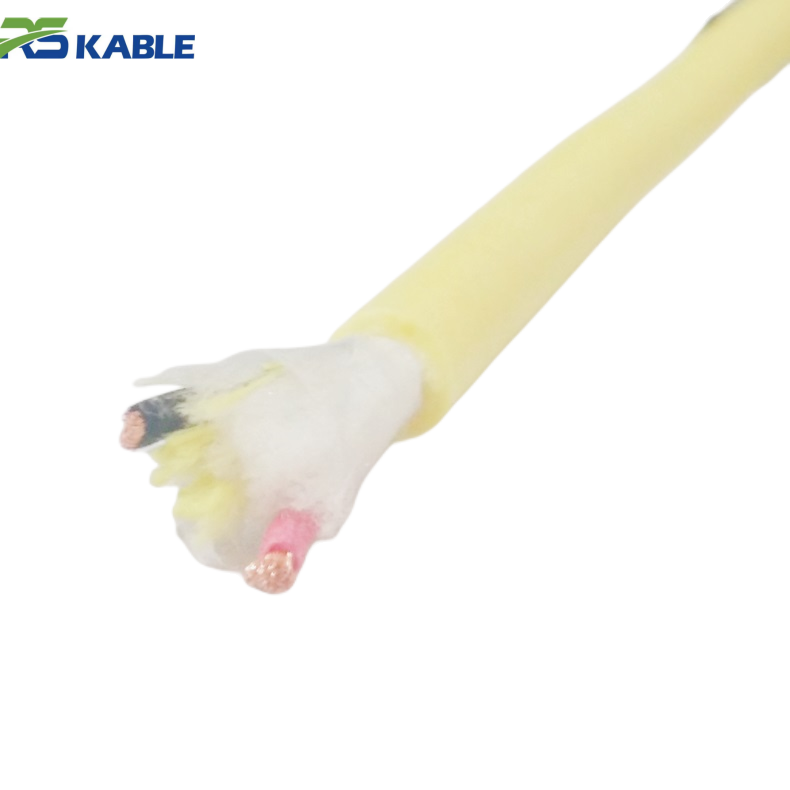
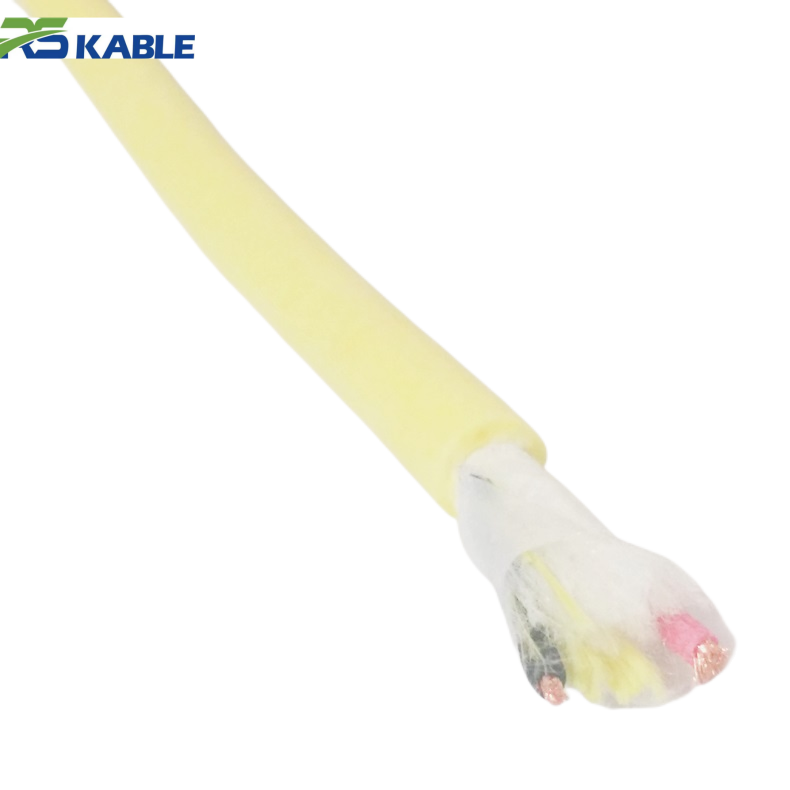
Underwater Fiber Transmission | Neutral Buoyancy Cable | Low Signal Attenuation | Optical-Electric Hybrid
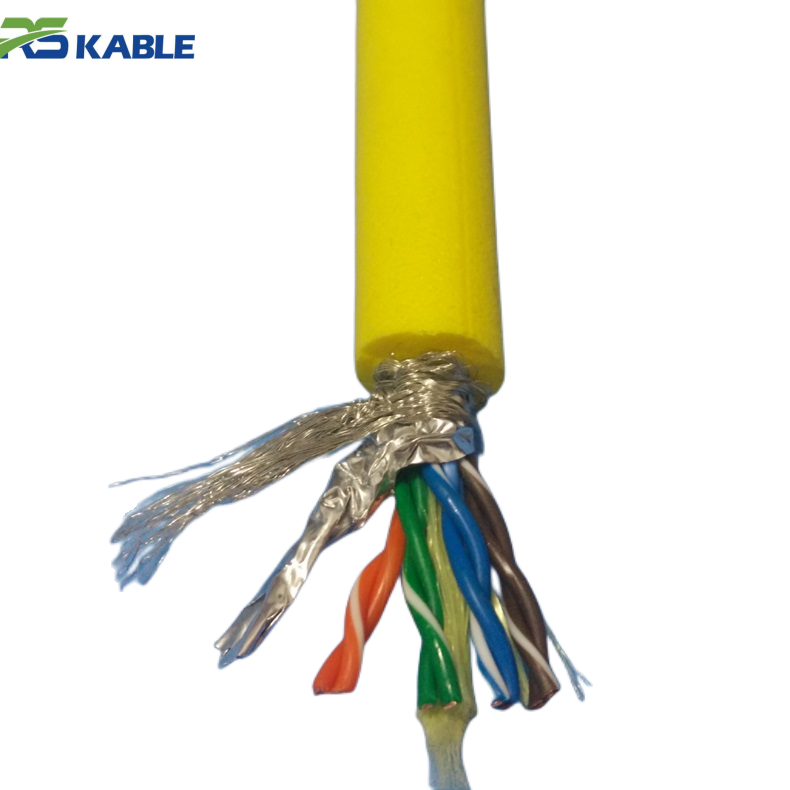
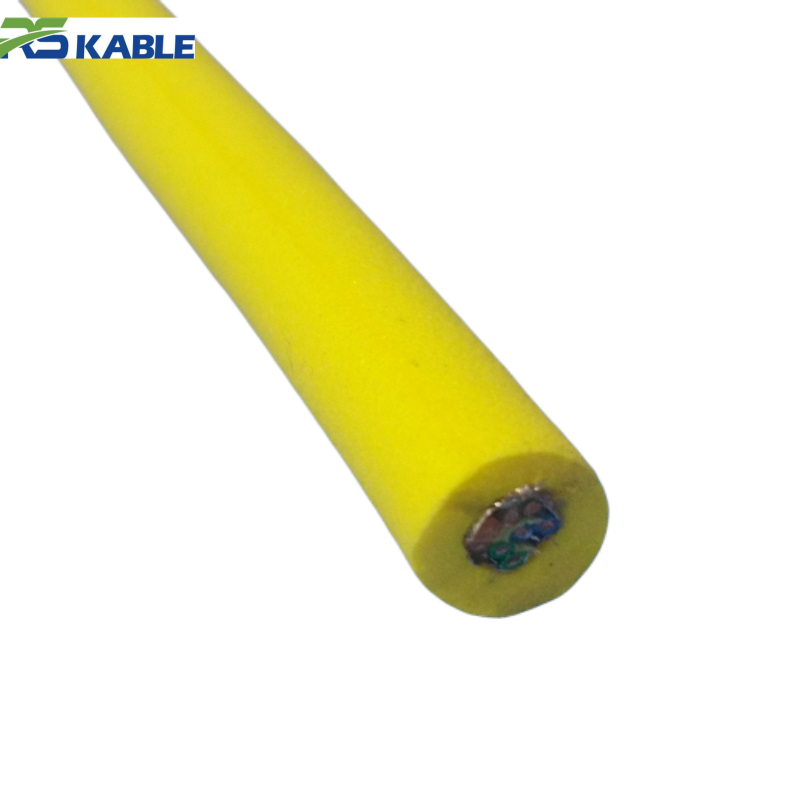
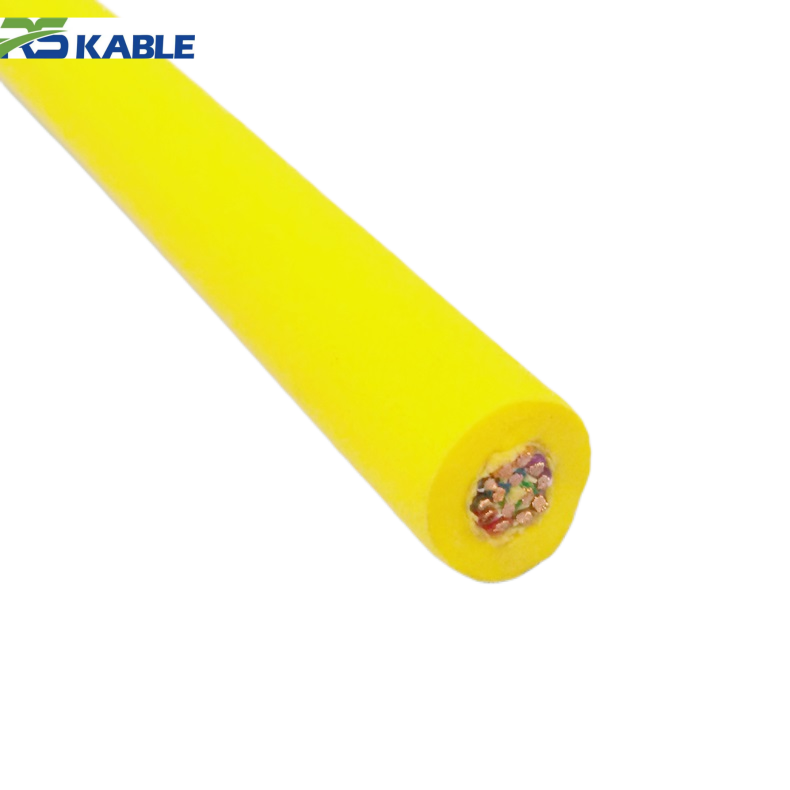
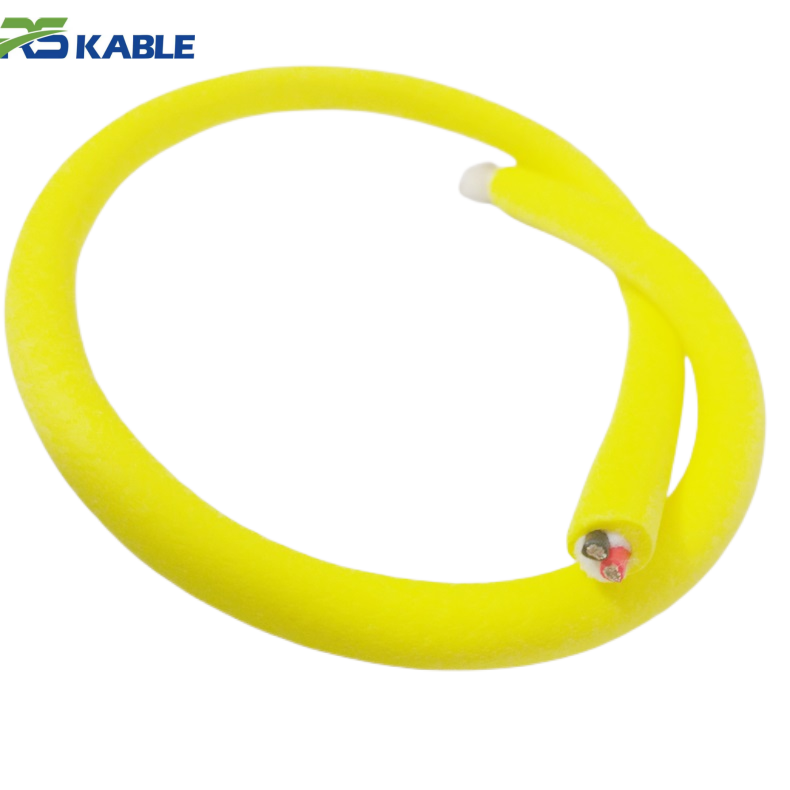
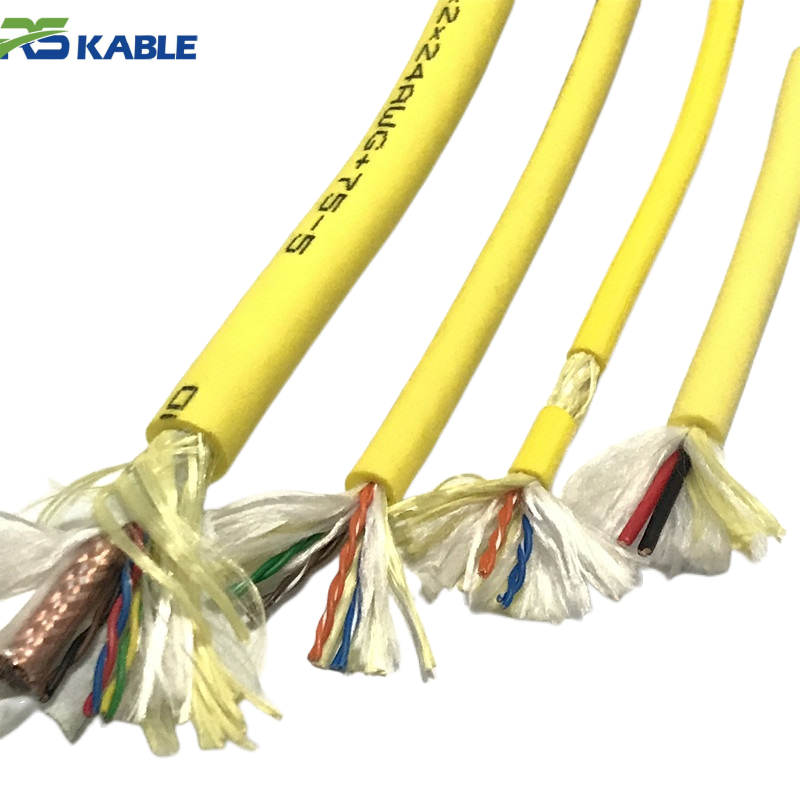
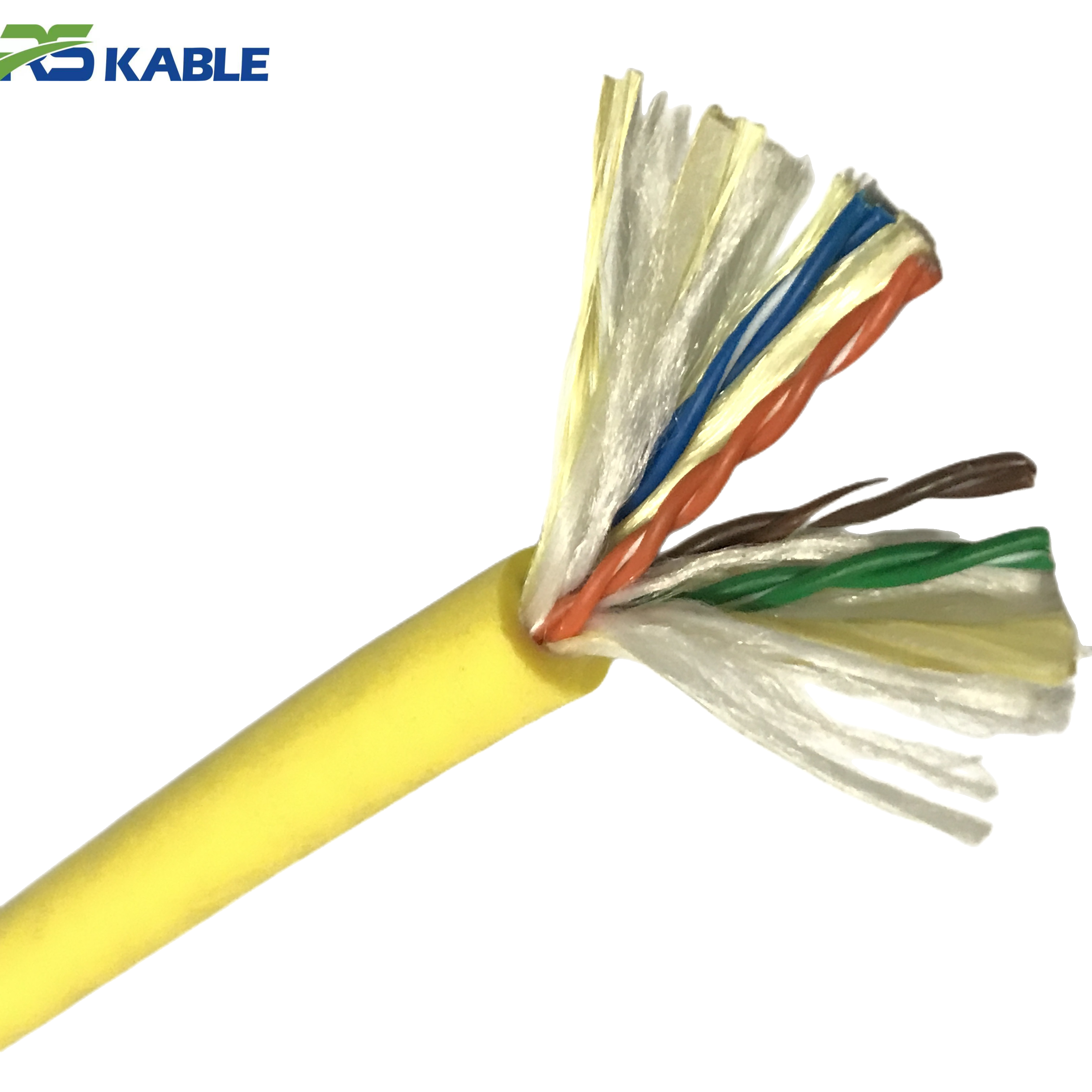
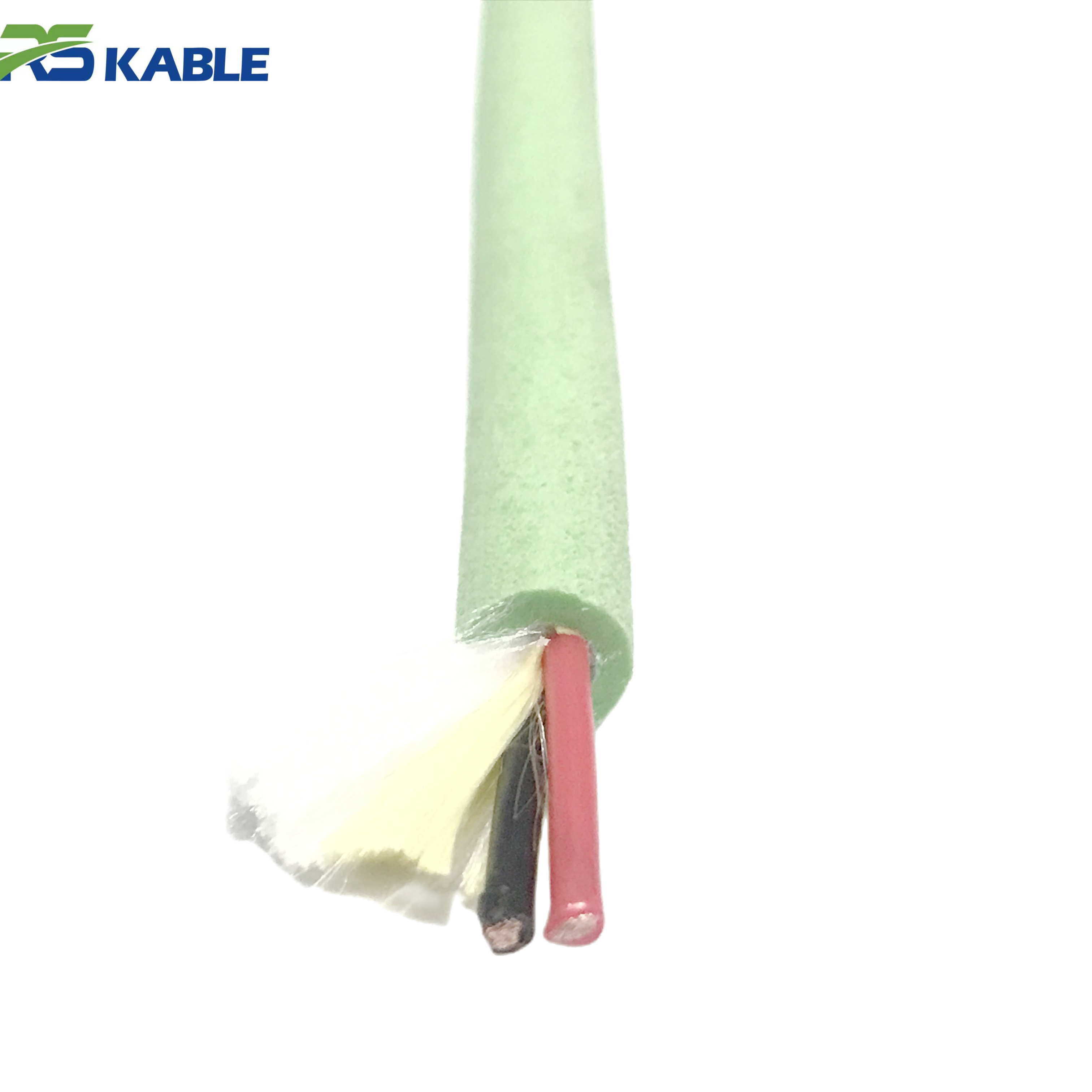
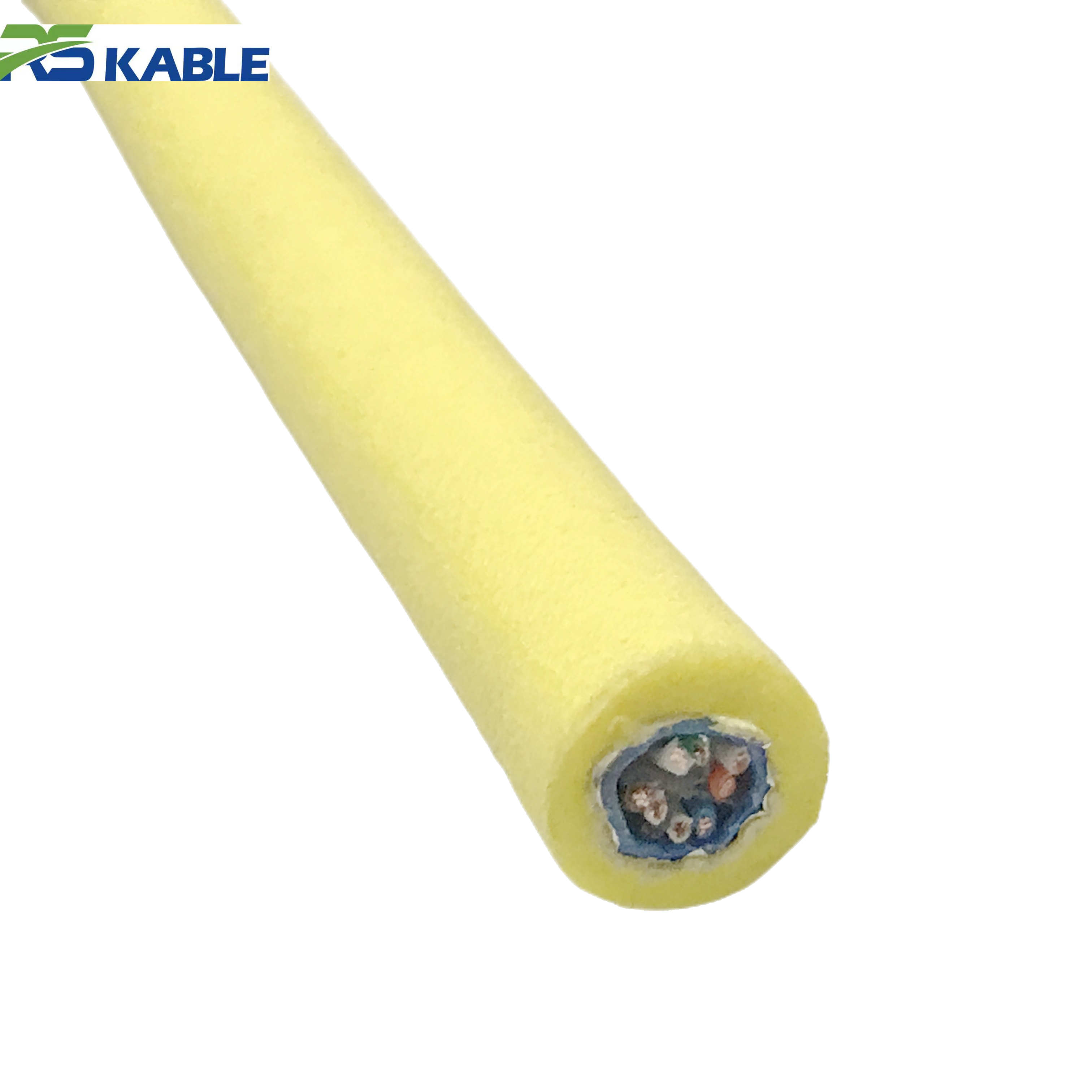
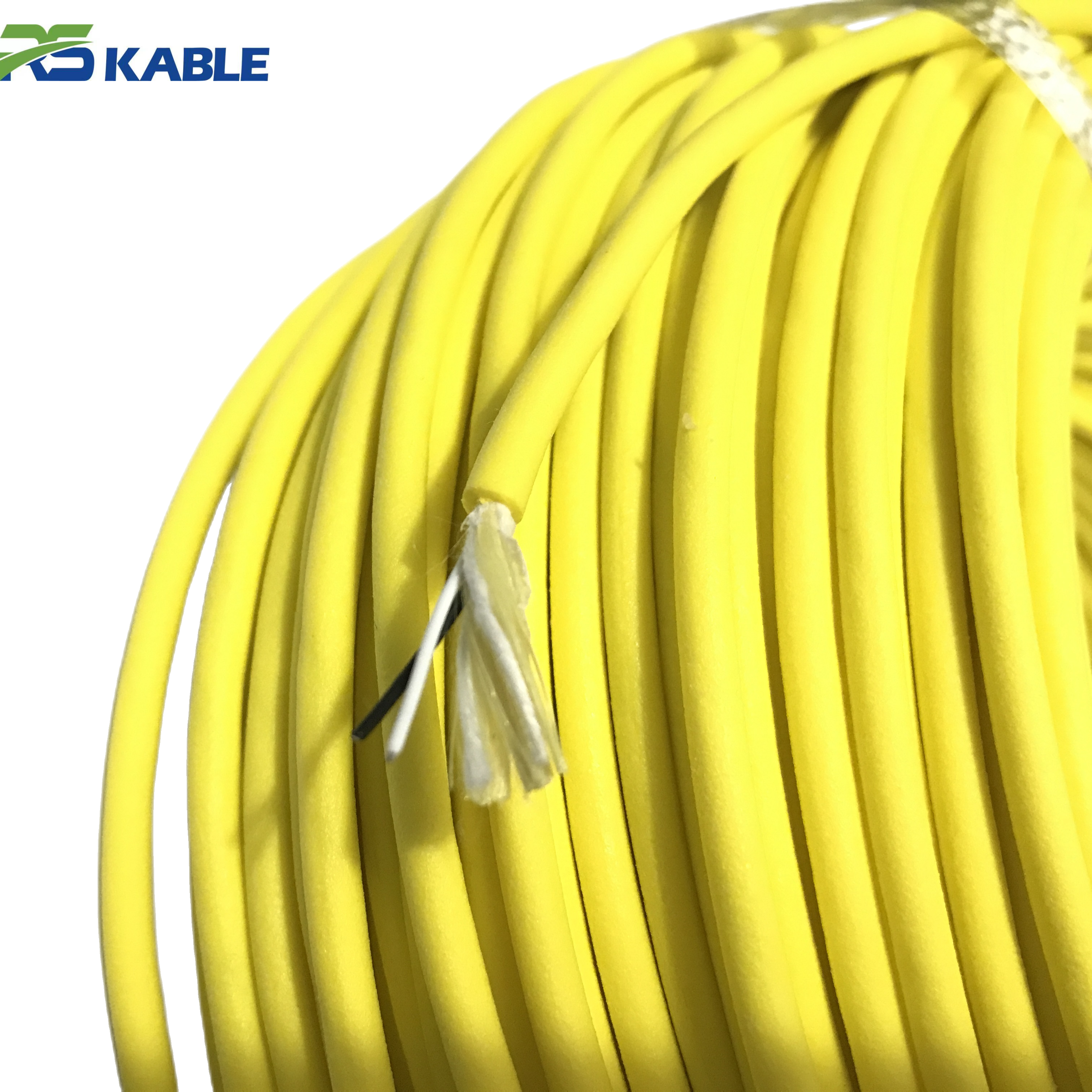
This Neutral Buoyancy Cable is designed for underwater fiber transmission with low signal attenuation and optical-electric hybrid integration. It supports high-bandwidth data and stable power delivery while maintaining neutral buoyancy and mechanical protection in subsea environments.
Underwater Fiber Transmission | Neutral Buoyancy Cable | Low Signal Attenuation | Optical-Electric Hybrid
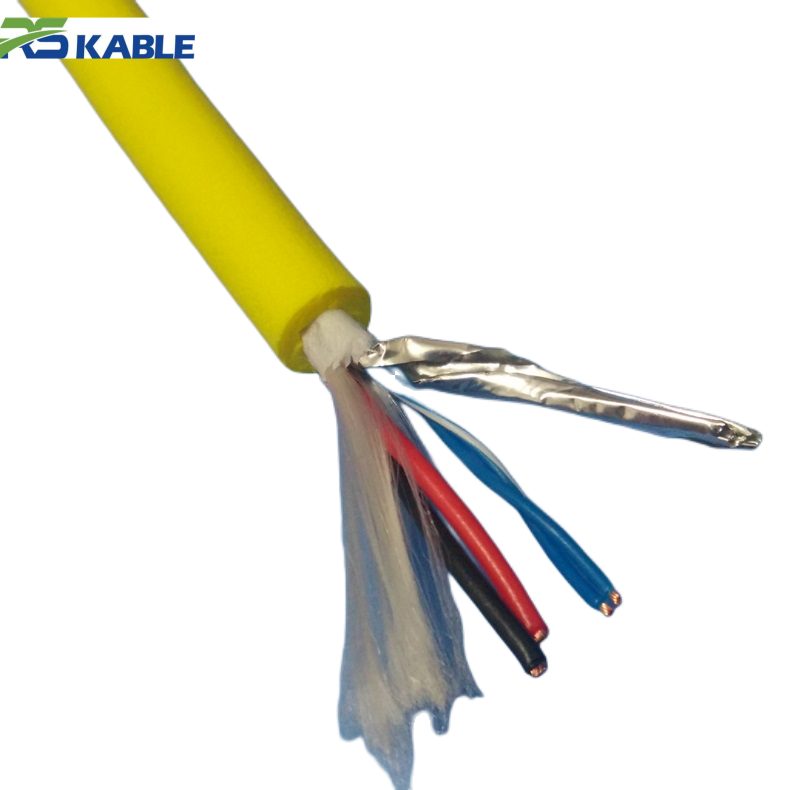
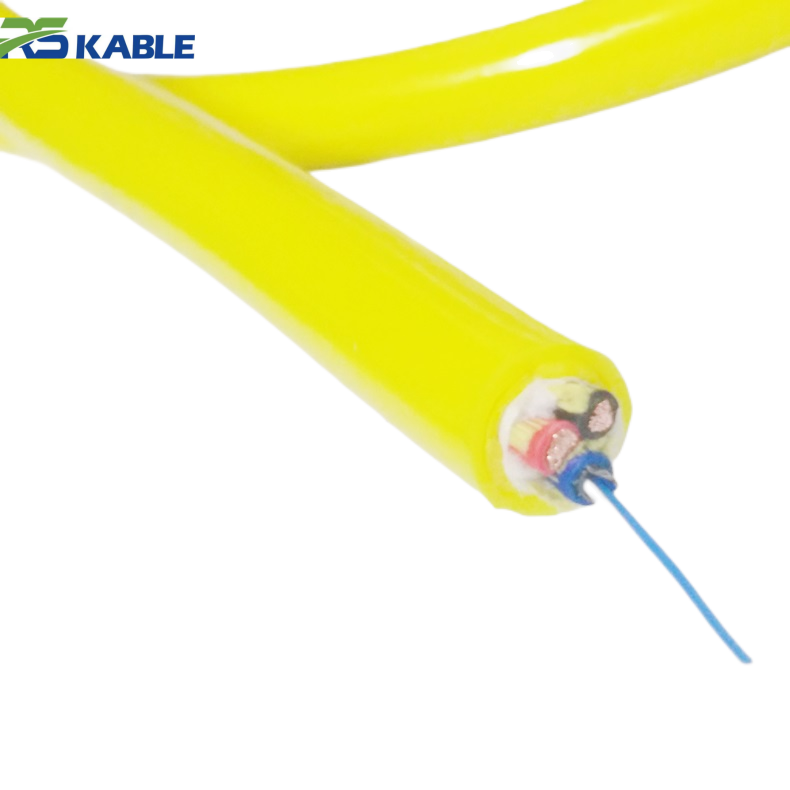
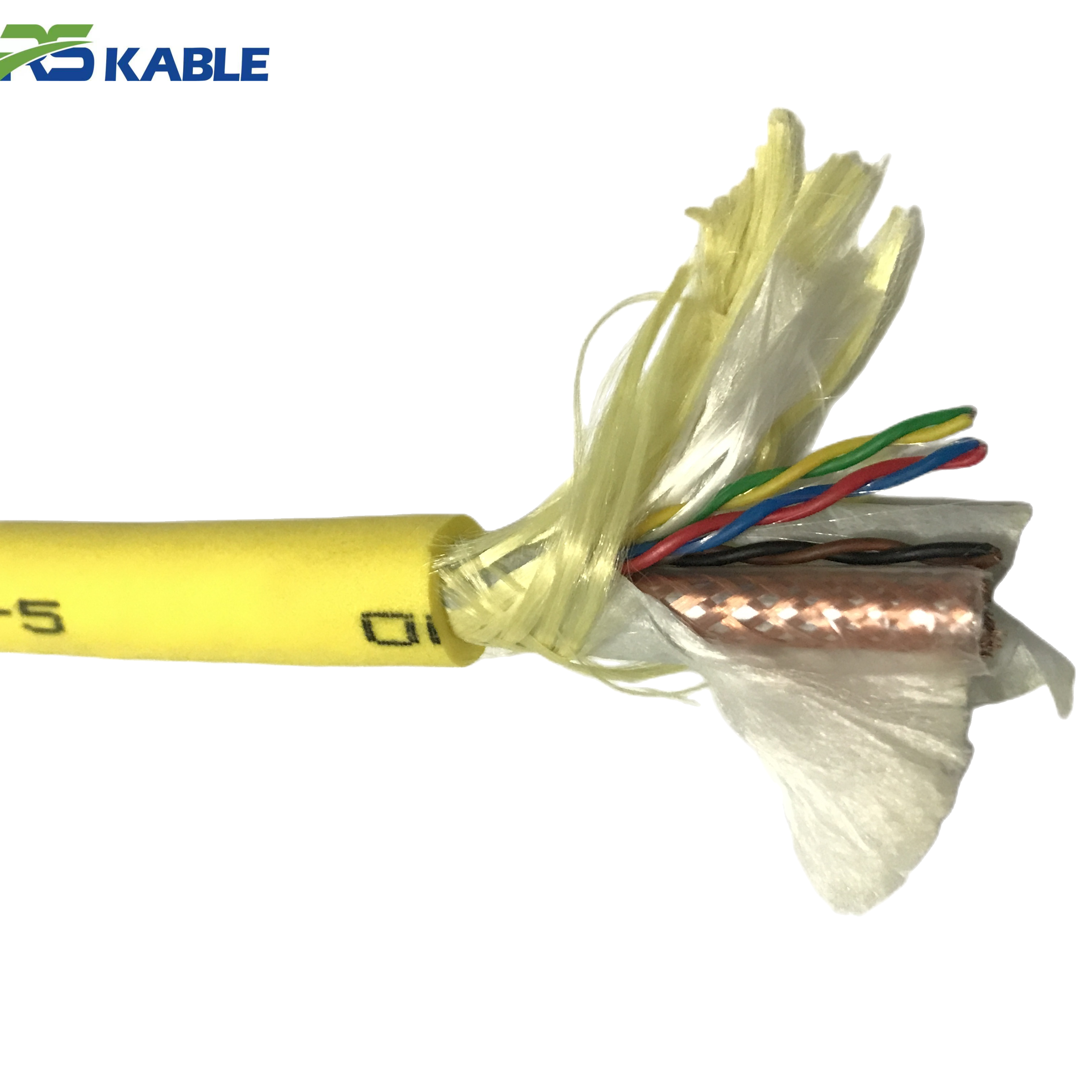
Reliable underwater fiber transmission depends on signal integrity, mechanical stability, and buoyancy control. This Neutral Buoyancy Cable is engineered for low signal attenuation and stable underwater deployment, integrating optical fibers and electrical conductors into a single optical-electric hybrid cable system.
Designed for subsea communication and data-intensive applications, it ensures high-bandwidth transmission while maintaining balanced buoyancy and mechanical flexibility underwater.
Why Signal Attenuation Matters in Subsea Fiber Systems
In underwater environments, fiber optic cables are exposed to bending stress, temperature variation, and long-distance deployment challenges. Excessive attenuation can result in data loss, reduced transmission speed, or system instability—especially in long-range underwater fiber transmission and real-time subsea communication systems.
This Neutral Buoyancy Cable minimizes signal degradation by combining:
-
Low-loss single-mode or multi-mode optical fibers
-
Controlled bending radius to protect fiber geometry
-
Stable buoyancy to reduce mechanical strain
-
Integrated electrical paths for power and control
The result is consistent data performance across extended underwater distances.
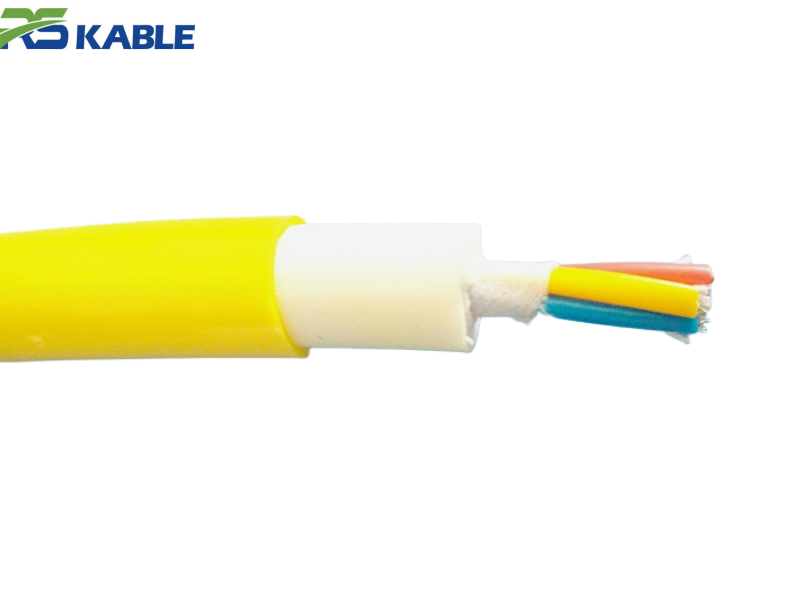
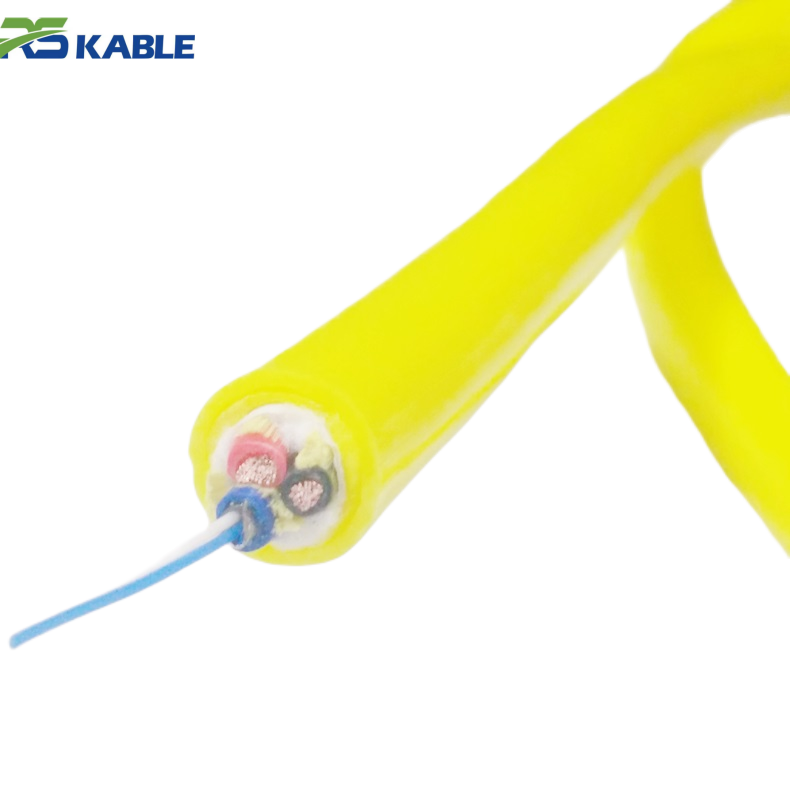
Optical-Electric Hybrid Cable Architecture
Rather than deploying separate power and communication lines, this design integrates both functions into one cable structure:
-
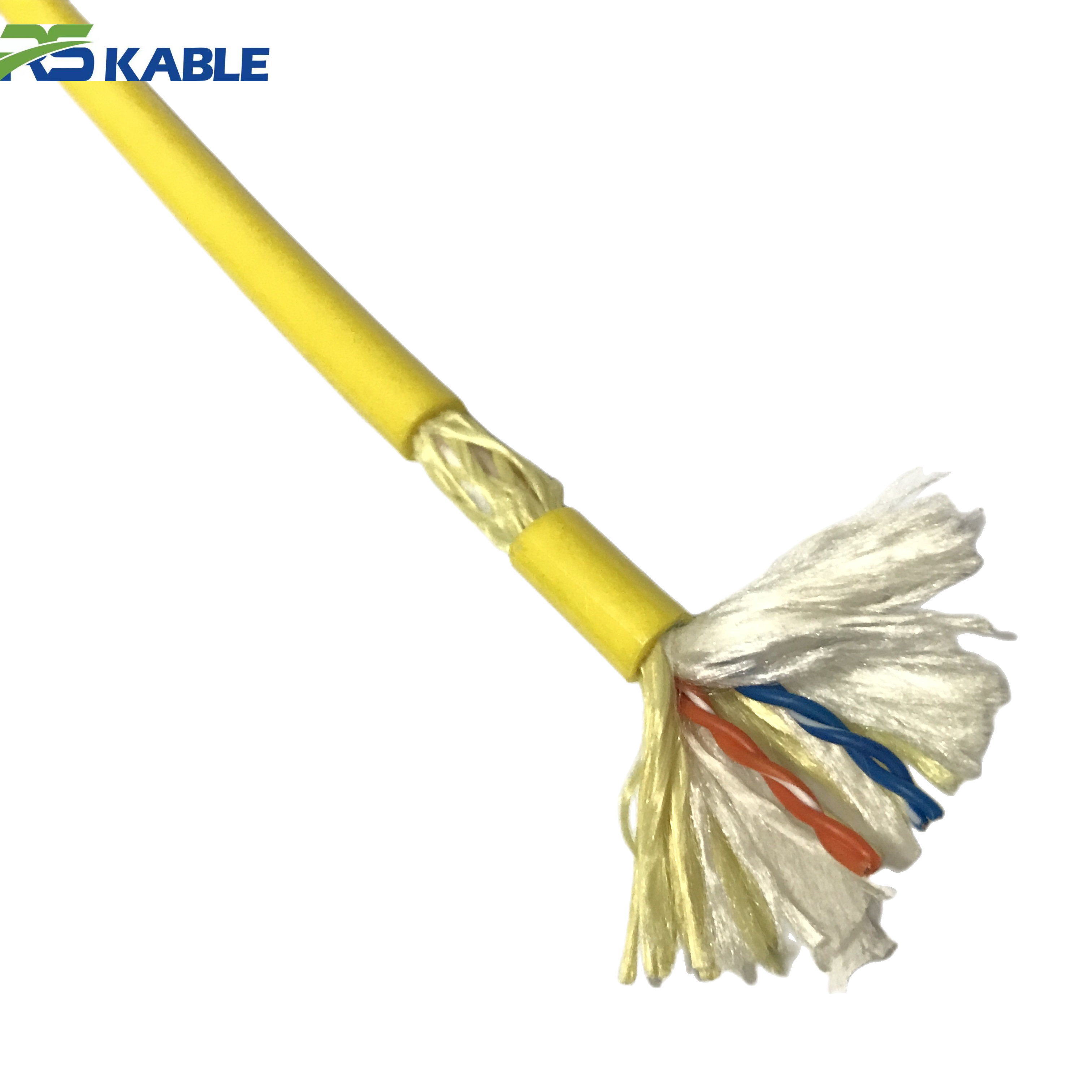
Central optical fiber units for high-bandwidth data transmission
-
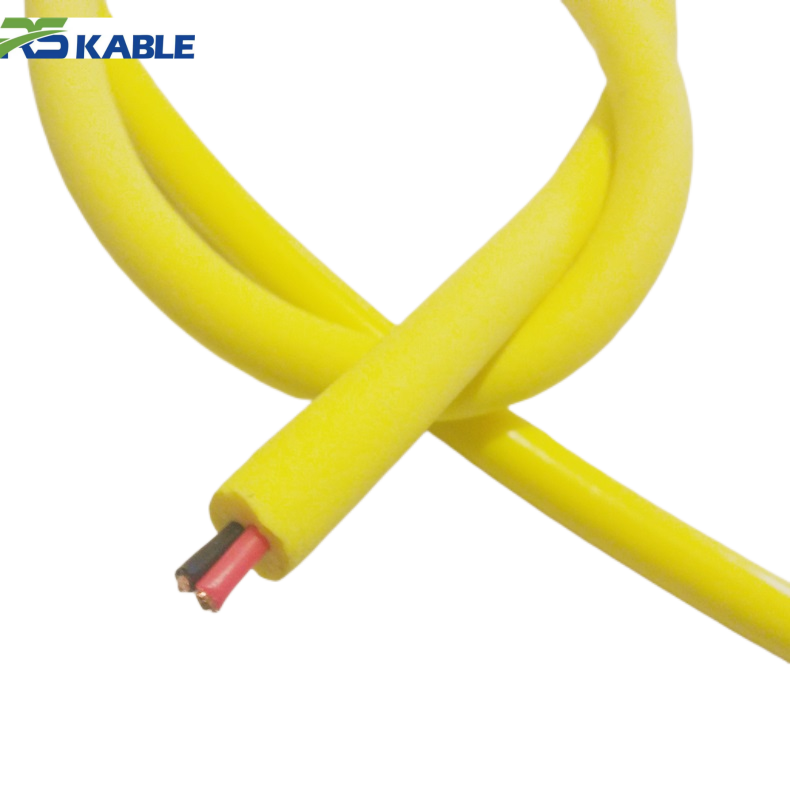
Electrical conductors for power supply or control signals
-
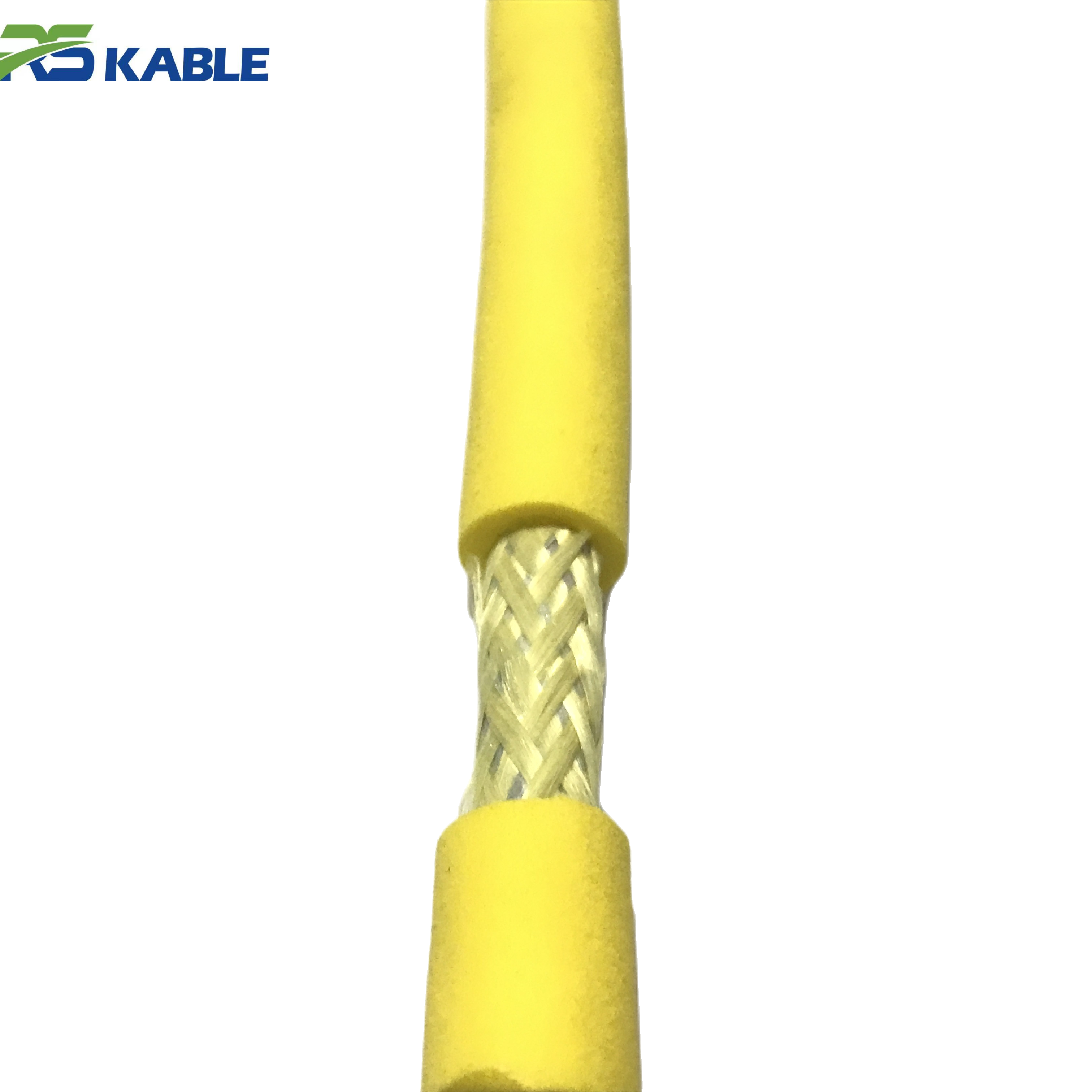
Buffer layers to isolate optical fibers from mechanical stress
-
Buoyancy-balanced fillers to maintain neutral underwater behavior
This hybrid approach allows the Neutral Buoyancy Cable to support complex subsea systems with fewer deployment points and reduced system weight.
Application Scenarios & Use Cases
This underwater fiber transmission solution is widely used in:
-
Subsea communication and data transmission systems
-
Underwater monitoring and imaging platforms
-
ROV and AUV data-intensive operations
-
Offshore sensor networks and observatories
-
Marine research and inspection systems
It is particularly suitable for underwater fiber optic cables, optical-electric hybrid cables, and subsea data transmission applications.
Product Configuration Overview
| Product Name / Model | Core Attributes |
|---|---|
| NB-OF Series Neutral Buoyancy Cable | Optical-electric hybrid, low signal attenuation, stable buoyancy |
Key Technical Parameters
| Parameter | Specification Options |
|---|---|
| Fiber Type | Single-mode / Multi-mode |
| Optical Performance | Low attenuation, high bandwidth |
| Electrical Cores | Power or control conductors (optional) |
| Conductor Material | Tinned copper |
| Fiber Protection | Buffer tubes / strain-relief layers |
| Buoyancy Control | Precision-balanced fillers for neutral buoyancy |
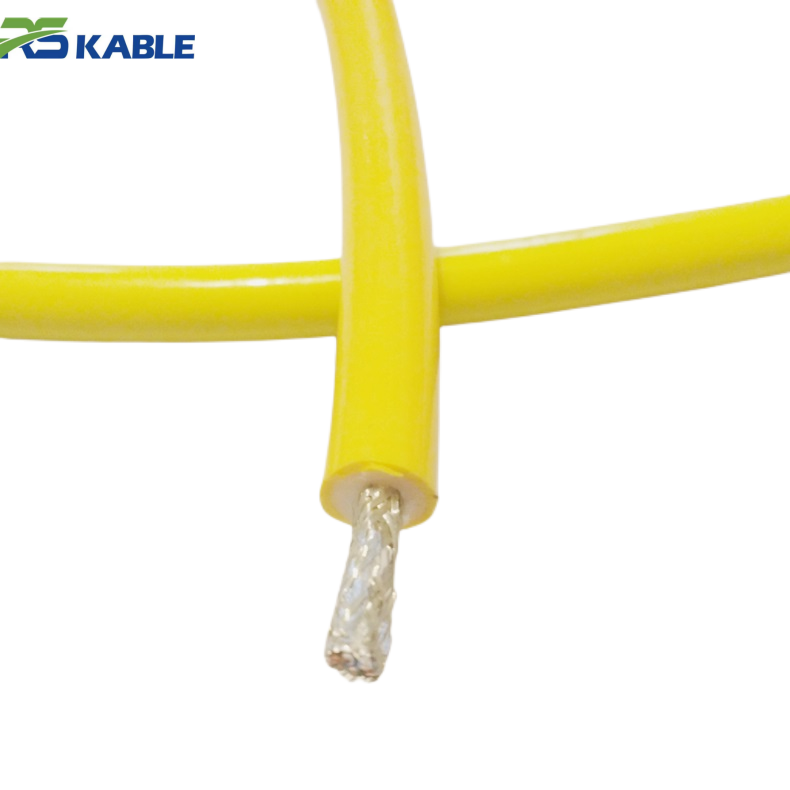
| Outer Jacket | Marine-grade polyurethane |
| Operating Environment | Continuous freshwater or seawater immersion |
| Application Range | Long-distance subsea fiber transmission |
Fiber count, electrical core configuration, and buoyancy level can be customized to meet specific system requirements.
Maintaining Fiber Integrity Underwater
To protect optical performance, this Neutral Buoyancy Cable is designed with:
-
Controlled bending radius to limit micro-bending losses
-
Mechanical isolation between fiber and power conductors
-
Stable underwater suspension to prevent tension buildup
-
Protective jacket to reduce abrasion and external impact
These features help ensure stable data transmission throughout deployment and operation.
Performance Advantages for Subsea Communication Systems
Using this optical-electric hybrid Neutral Buoyancy Cable provides:
-
Low signal attenuation over long distances
-
High-bandwidth data transmission underwater
-
Reduced system complexity through hybrid integration
-
Improved reliability for real-time subsea communication
This makes it ideal for modern underwater data-driven systems.
Engineering Authority & Quality Assurance (E-E-A-T)
-
Designed by engineers experienced in subsea fiber optic systems
-
Manufactured under ISO-certified quality management processes
-
Tested for optical attenuation, mechanical stability, and buoyancy balance
-
Materials selected for long-term marine and offshore deployment
Each configuration is validated to meet real-world subsea communication requirements.
Customization & Technical Support
We support system integrators and offshore operators with:
-
Fiber type and core count customization
-
Hybrid power and data transmission design
-
Optical performance testing and documentation
-
Application-specific engineering consultation
👉 Contact our engineering team to request specifications or a quotation.
FAQ
Can this cable support both data and power transmission?
Yes. It is designed as an optical-electric hybrid cable.
Is it suitable for long-distance underwater fiber transmission?
Yes. Low-attenuation fibers and stable buoyancy support long-range deployment.
Does neutral buoyancy affect fiber performance?
Yes—positively. It reduces mechanical stress and helps preserve signal integrity.
Can fiber type be customized?
Yes. Single-mode or multi-mode fiber options are available.