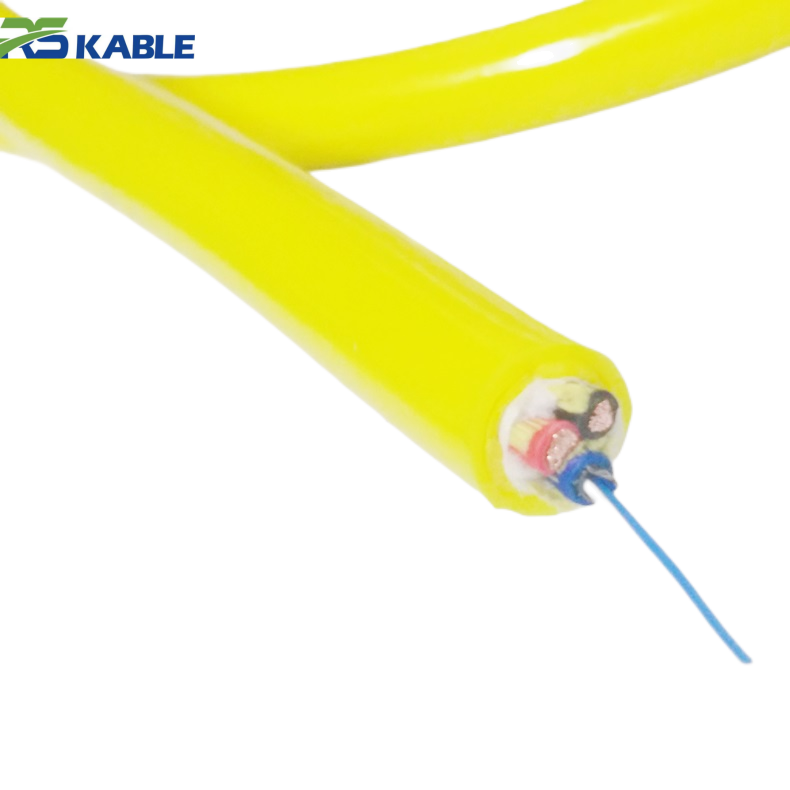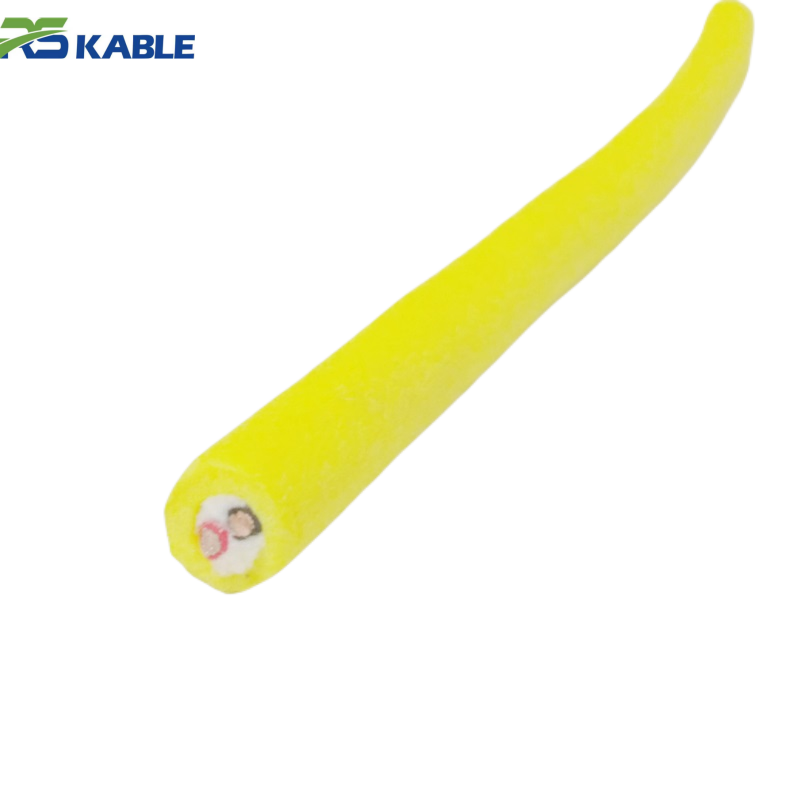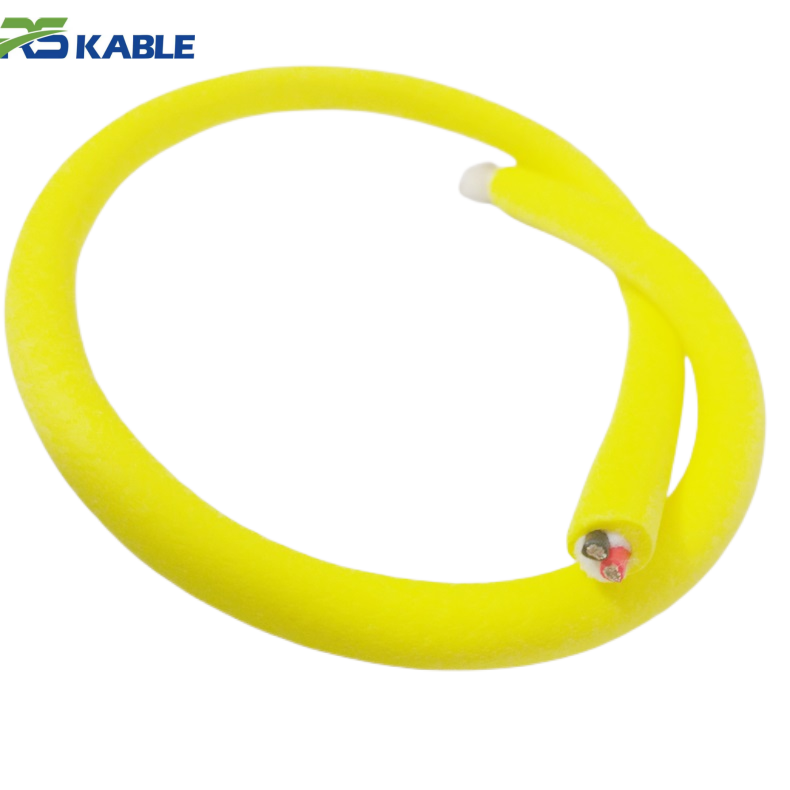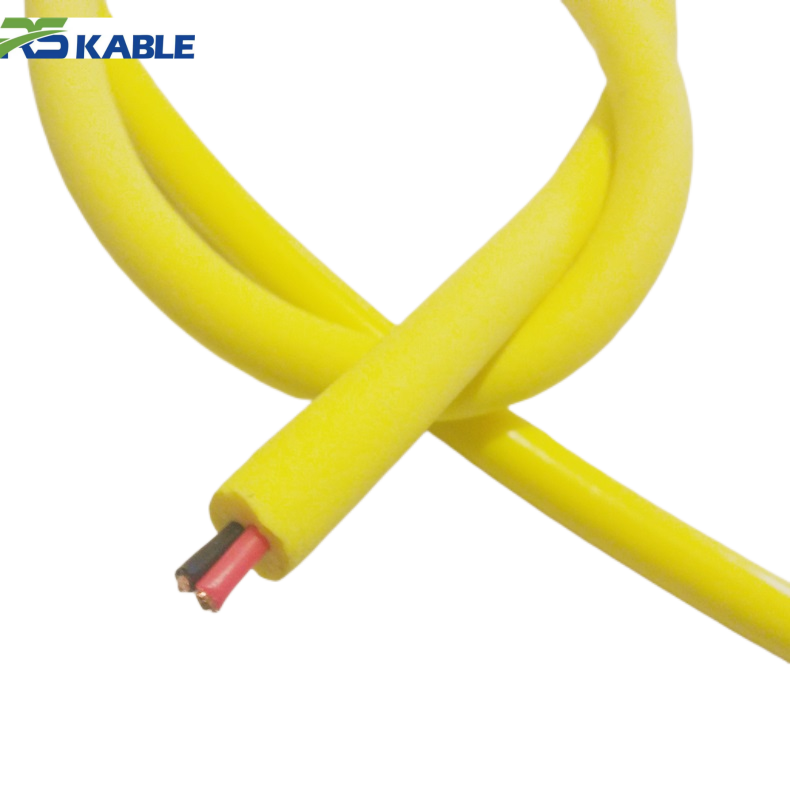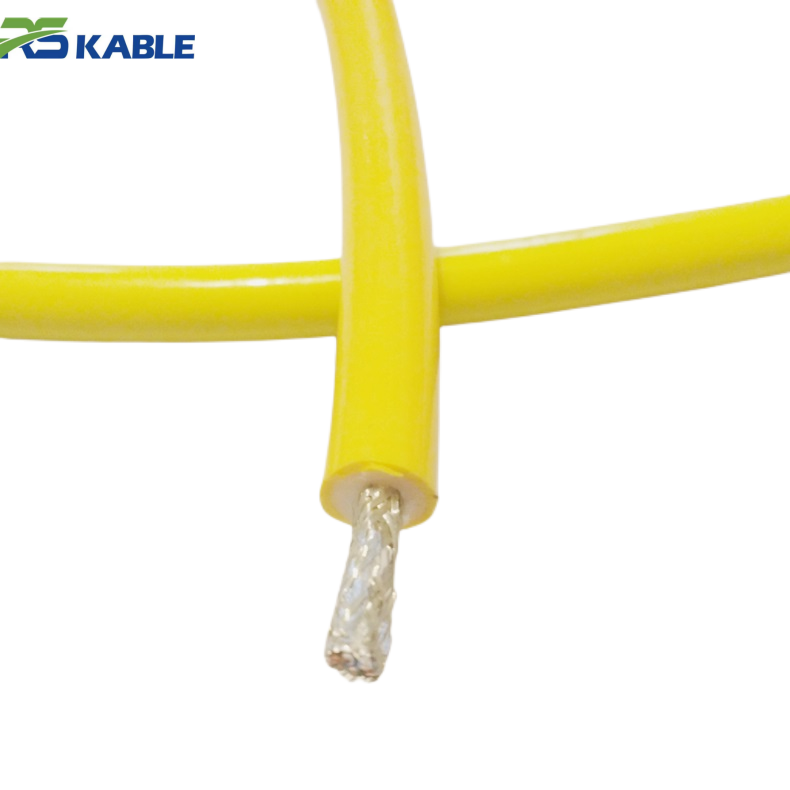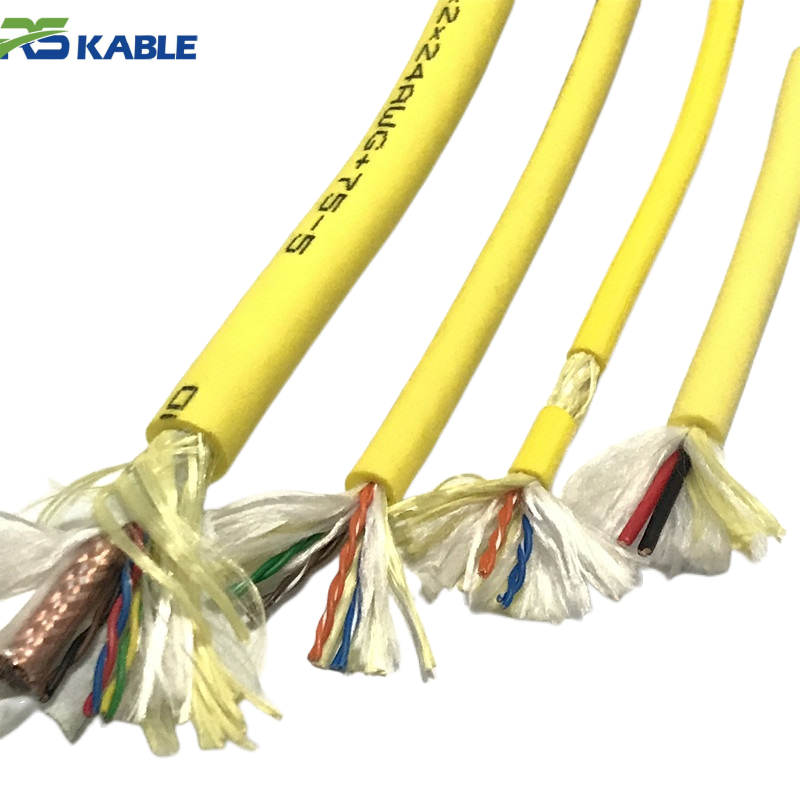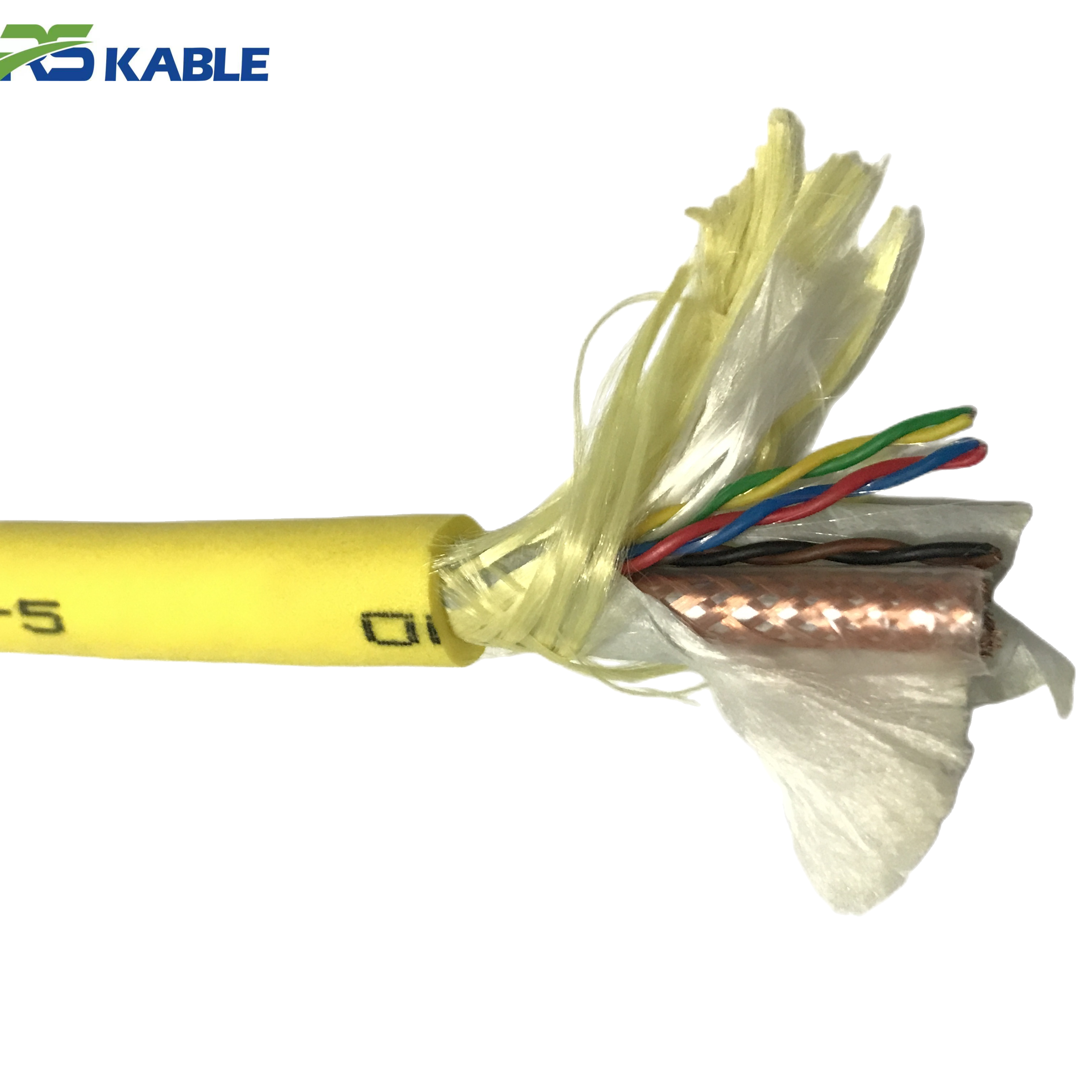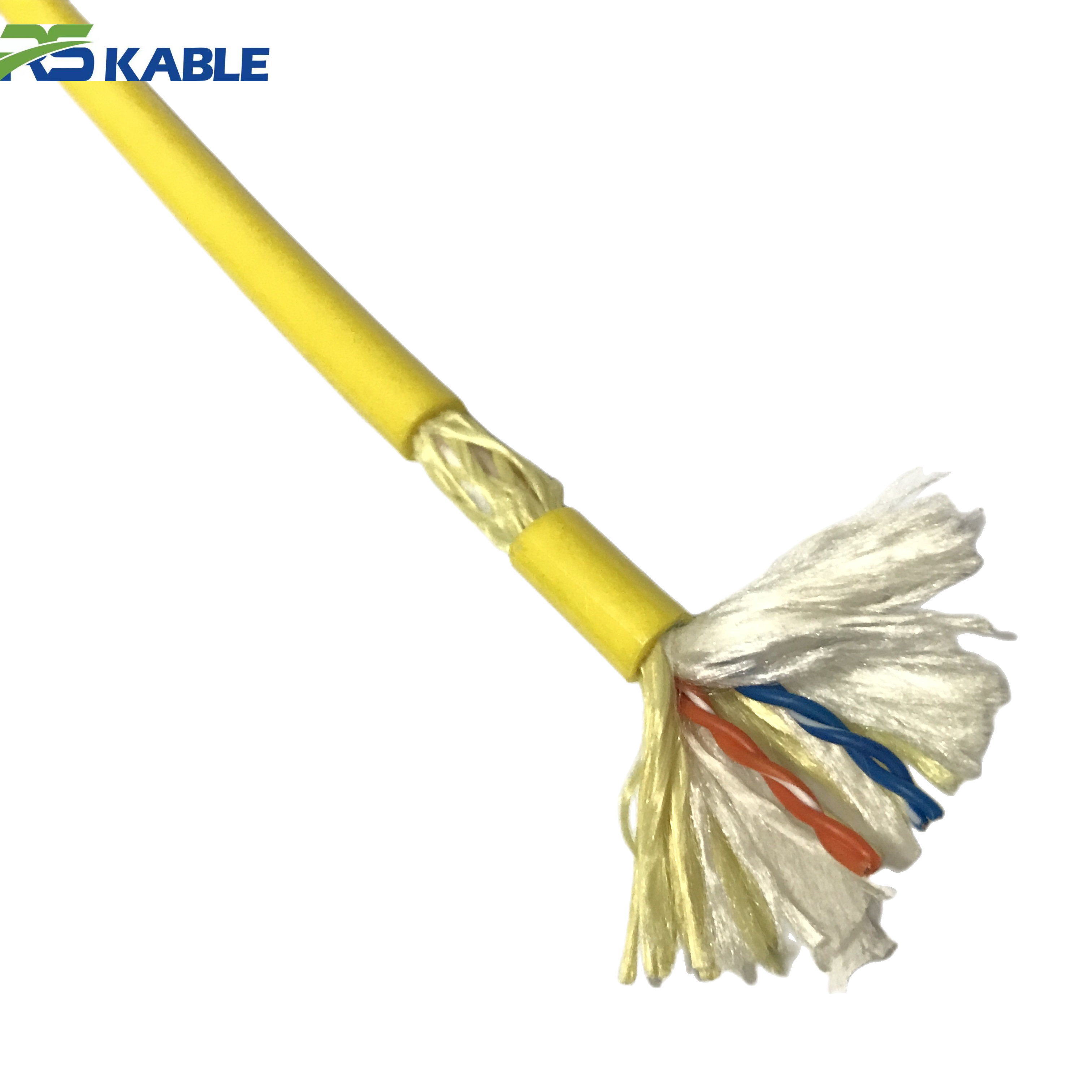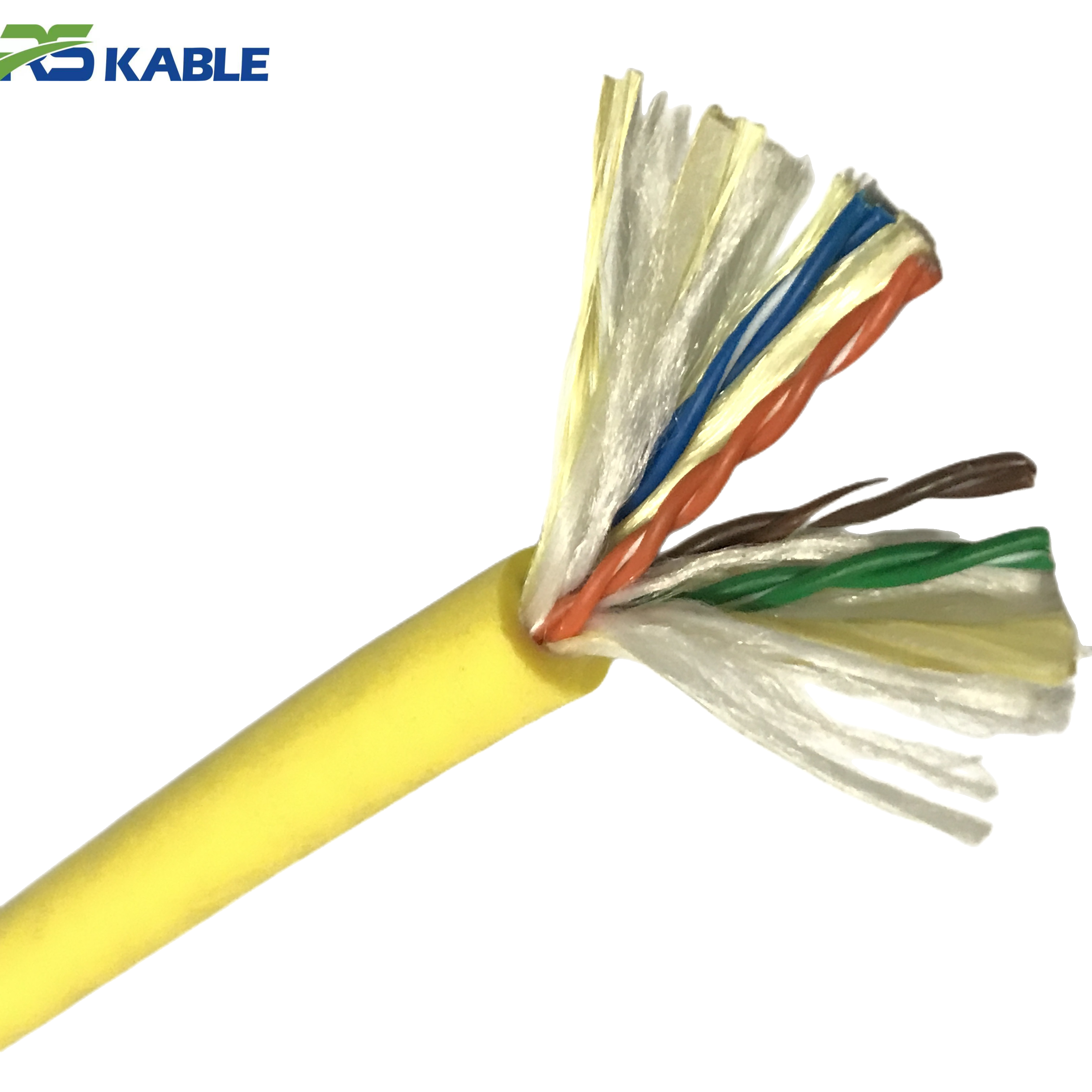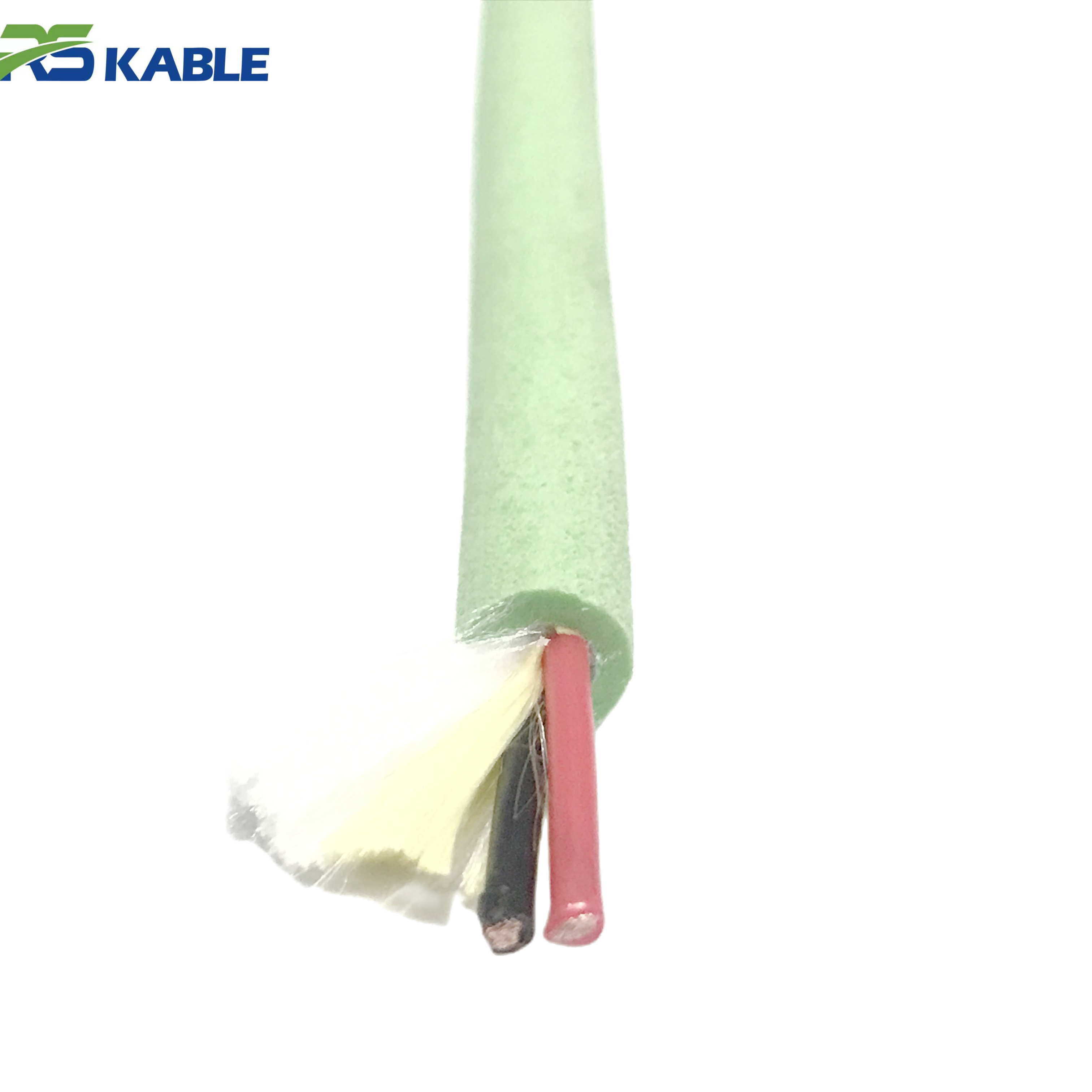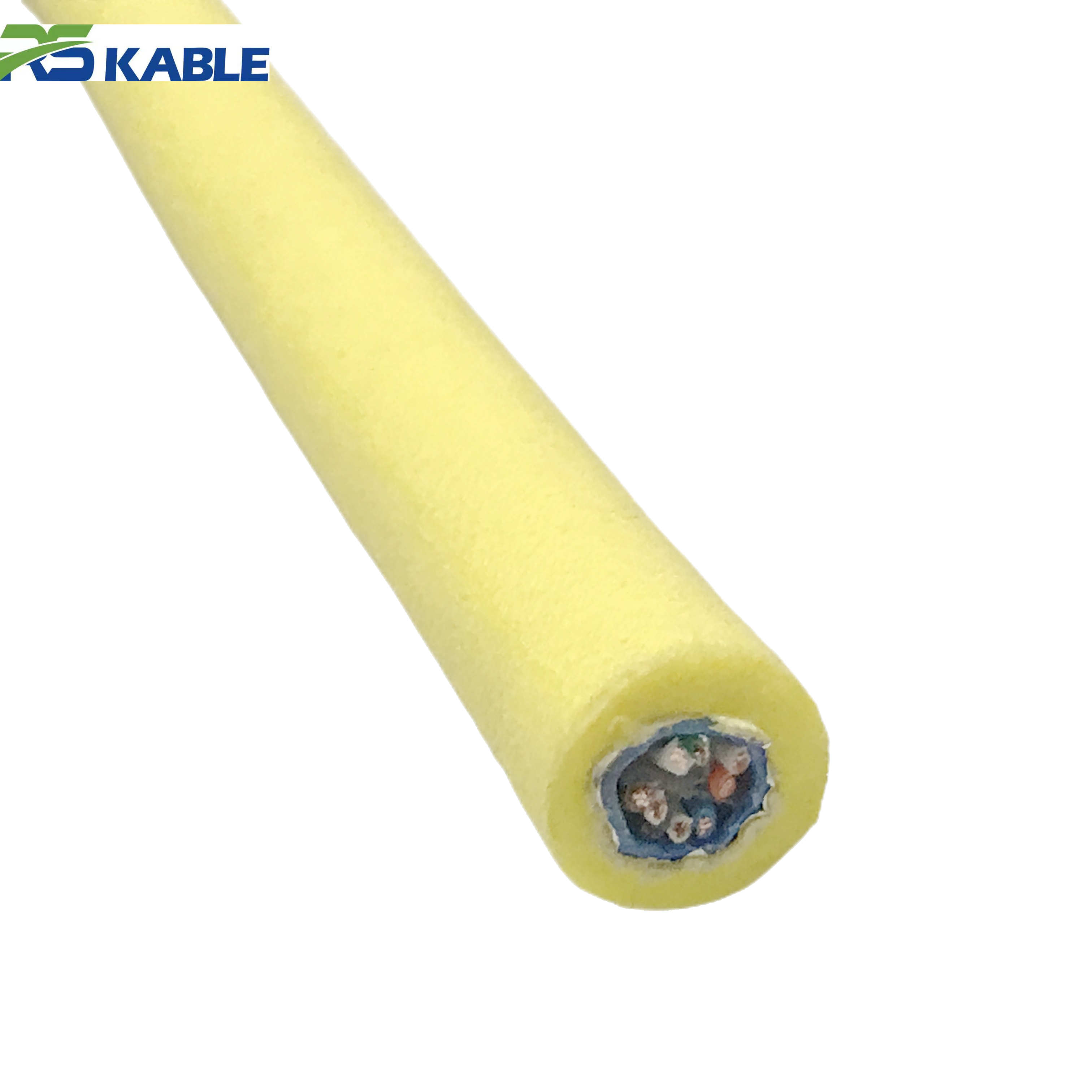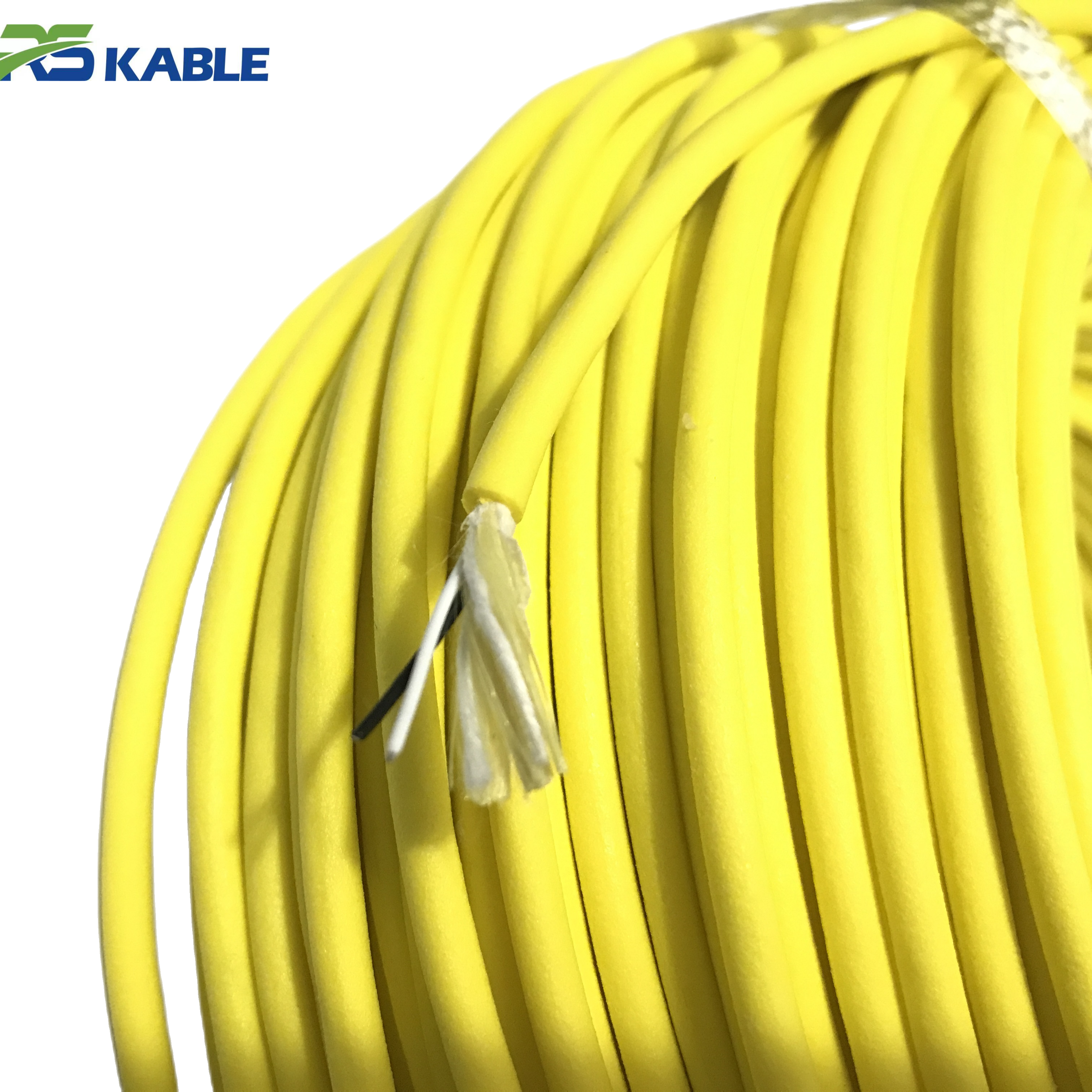



Underwater Drones | Neutral Buoyancy Cable | Lightweight & Flexible | Low Water Resistance
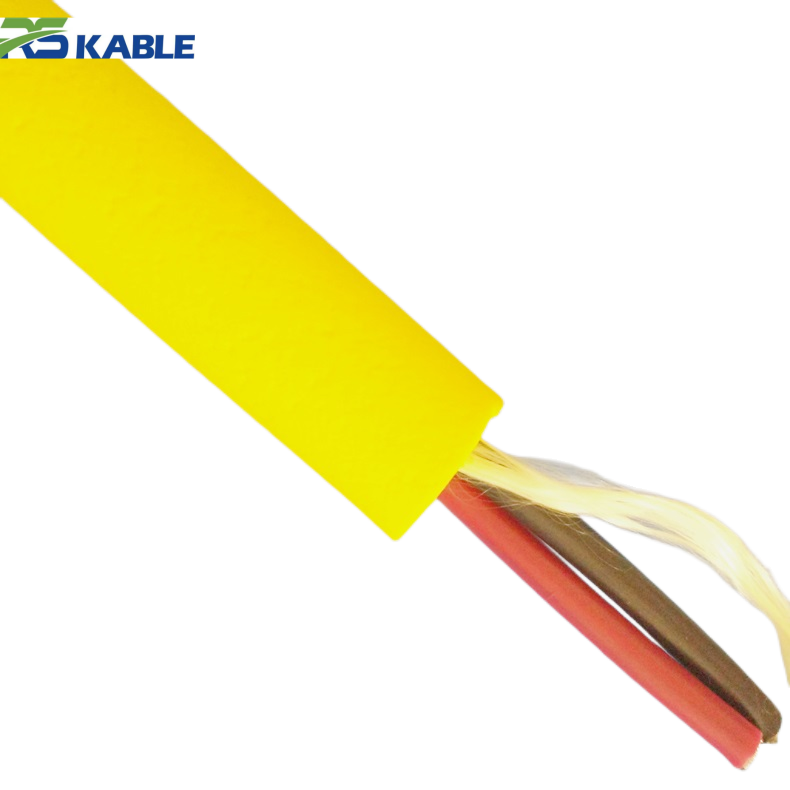
This Neutral Buoyancy Cable is engineered for ocean floor surveying applications requiring long-term stability, corrosion resistance, and consistent signal performance. Designed for extended seabed deployment, it maintains controlled neutral buoyancy to reduce drag, limit mechanical stress, and preserve accurate sensor positioning. Built with marine-grade materials and a balanced internal structure, it provides reliable power and data transmission in harsh, corrosive subsea environments.
Underwater Drones | Neutral Buoyancy Cable | Lightweight & Flexible | Low Water Resistance
For compact underwater drones and inspection-class unmanned vehicles, cable weight and hydrodynamic drag directly affect maneuverability, battery efficiency, and mission stability. This Neutral Buoyancy Cable is engineered specifically for underwater drone systems, combining lightweight construction, high flexibility, and low water resistance to support stable power and signal transmission without compromising vehicle agility.
Designed for High-Mobility Underwater Drones
Unlike work-class ROVs, underwater drones depend on rapid response, precise positioning, and minimal external load. Even small increases in cable weight or stiffness can reduce hovering stability and control accuracy.
This Neutral Buoyancy Cable is designed to integrate naturally with lightweight drone platforms by:
-
Maintaining near-neutral buoyancy to reduce vertical pull
-
Minimizing drag during forward and lateral movement
-
Preserving fine control in confined or low-clearance environments
-
Supporting smooth launch, retrieval, and repeated redeployment
The cable becomes a passive component of the system rather than a performance constraint.
Why Neutral Buoyancy Matters for Underwater Drones
In small and mid-size underwater drones, propulsion capacity and onboard energy are limited. Excess tether weight or drag can introduce constant corrective thrust, leading to inefficient power use and unstable motion.
A properly engineered Neutral Buoyancy Cable helps the drone maintain consistent depth and orientation, allowing thrusters and control algorithms to operate within optimal ranges throughout the mission.
Selection Boundary Consideration
Neutral buoyancy is not required for every drone configuration. For short-tether micro drones operating in tanks or very shallow water, standard lightweight subsea cables may be sufficient.
However, as tether length increases, mission duration extends, or frequent directional changes are required, cable-induced drag and vertical load become limiting factors. In these scenarios, a Neutral Buoyancy Cable provides clear performance advantages.
Typical Applications
This cable solution is widely used with underwater drones in:
-
Coastal and inland water inspections
-
Bridge, dam, and harbor infrastructure surveys
-
Environmental monitoring and data collection
-
Hull inspection and confined-space exploration
-
Educational, research, and light commercial drone platforms
Its low-resistance profile makes it particularly suitable for drones operating in calm to moderate current conditions.
Product Specification Overview
| Product Name / Model | Core Attributes |
|---|---|
| NB-UD Series Neutral Buoyancy Cable | Lightweight structure, high flexibility, low water resistance |
Key Technical Parameters
| Parameter | Specification Range |
|---|---|
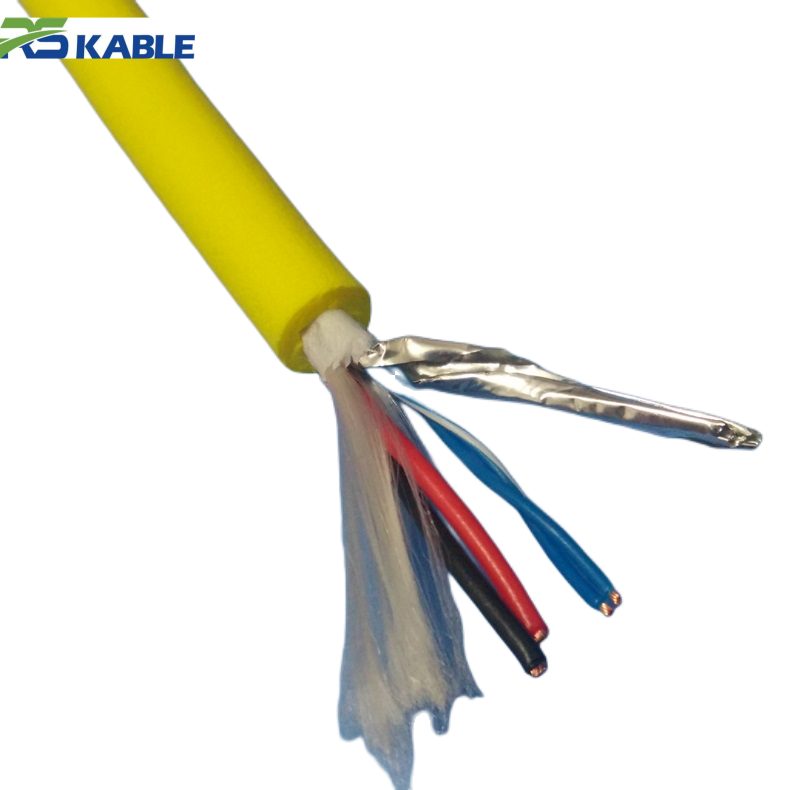
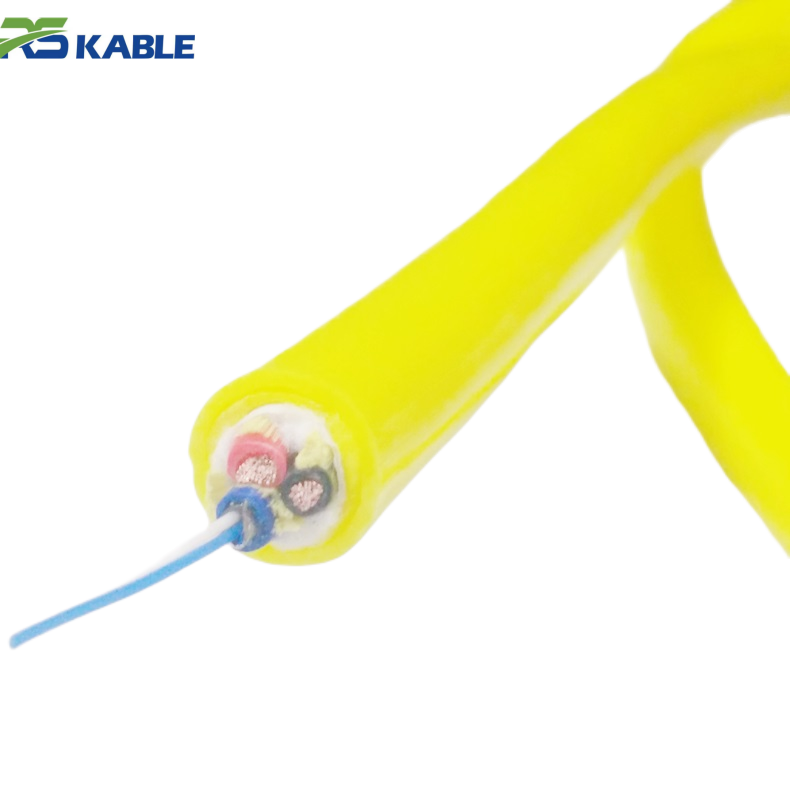
| Core Configuration | Signal-only or hybrid power & signal |
| Conductor Material | Fine-stranded tinned copper |
| Insulation | PE / TPU (application dependent) |
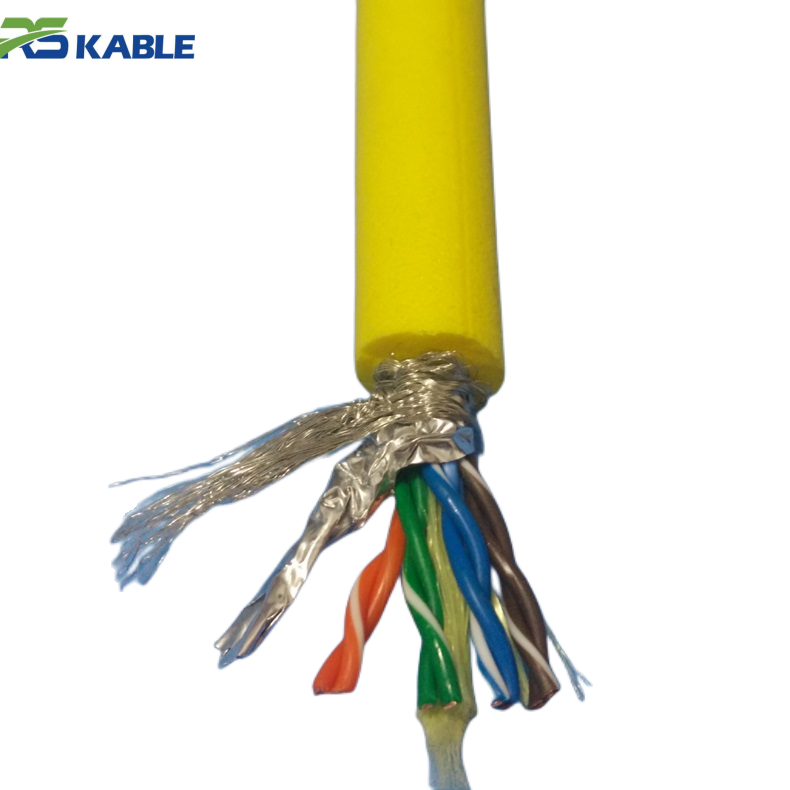
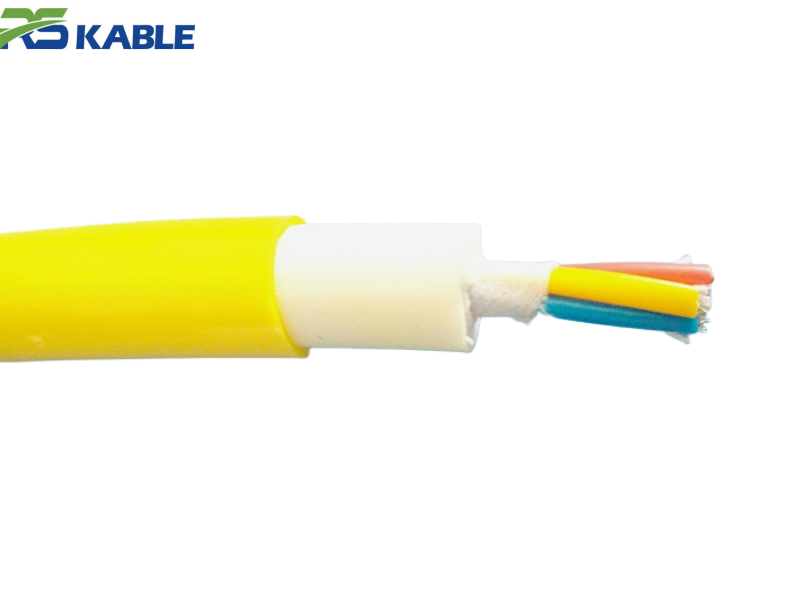
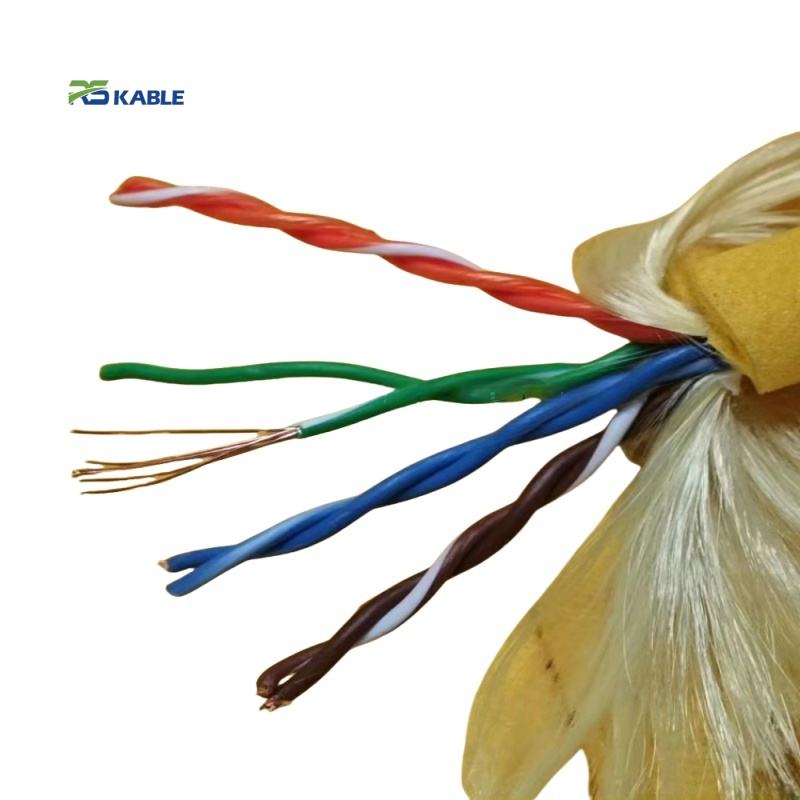
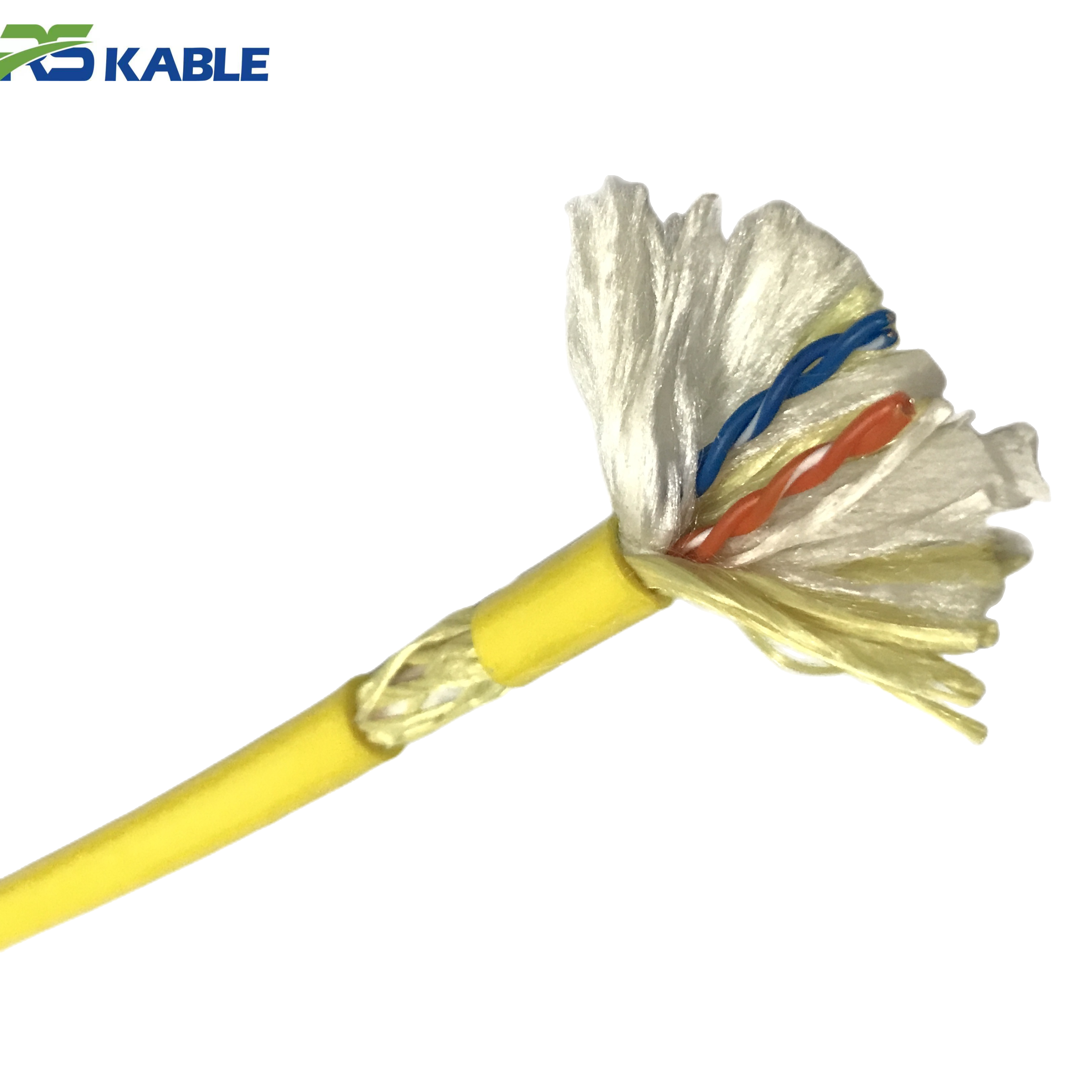
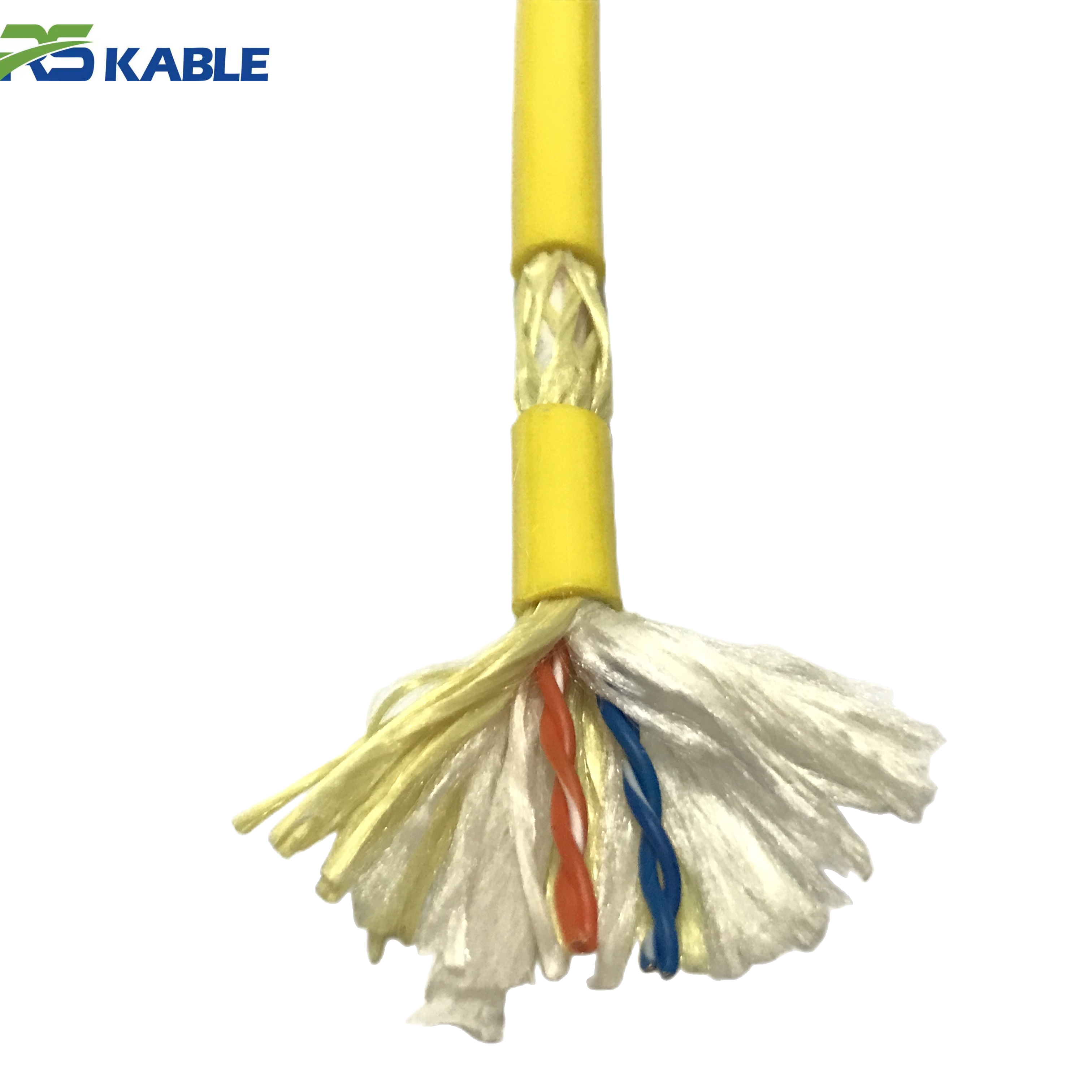
| Buoyancy Design | Precision-balanced fillers for neutral density |
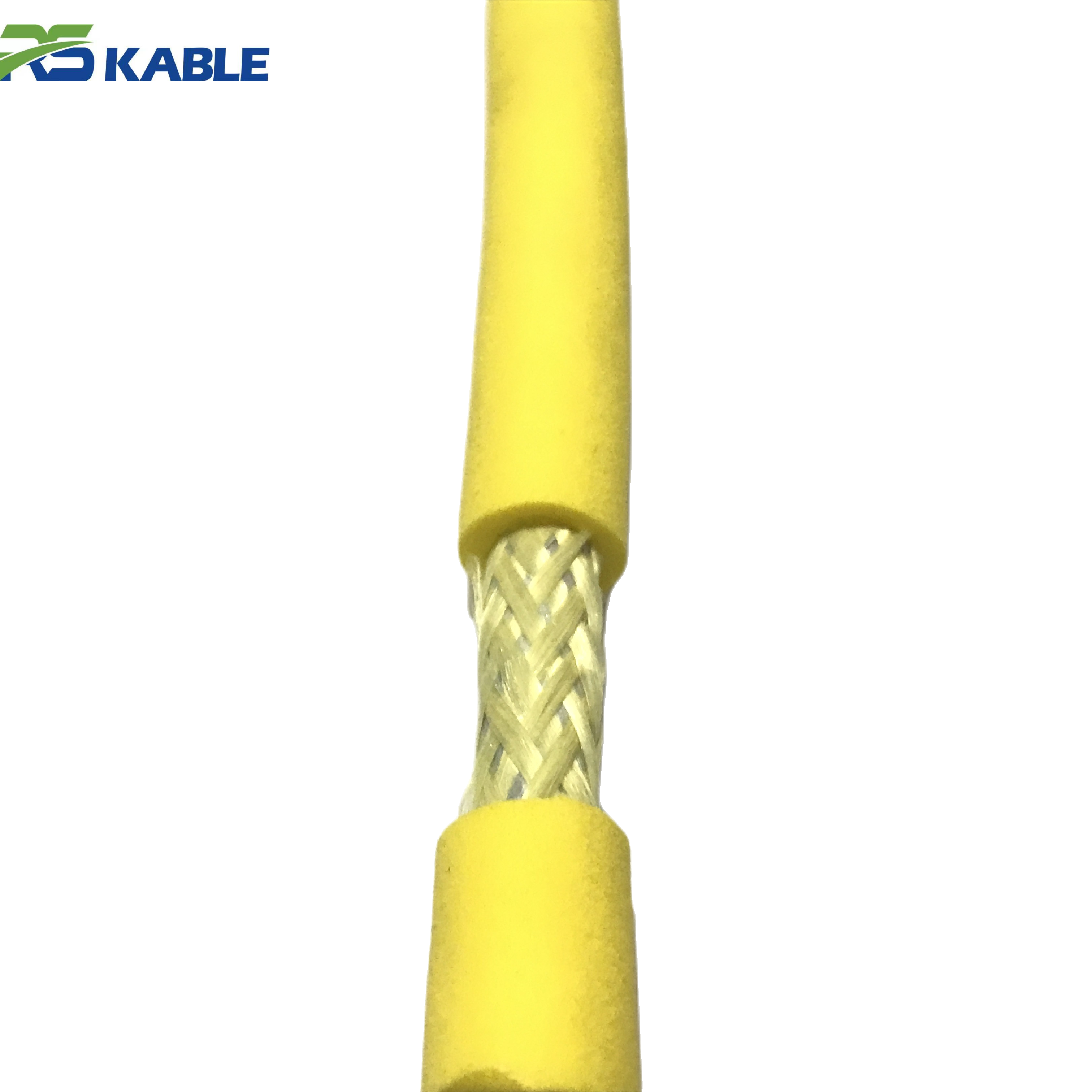
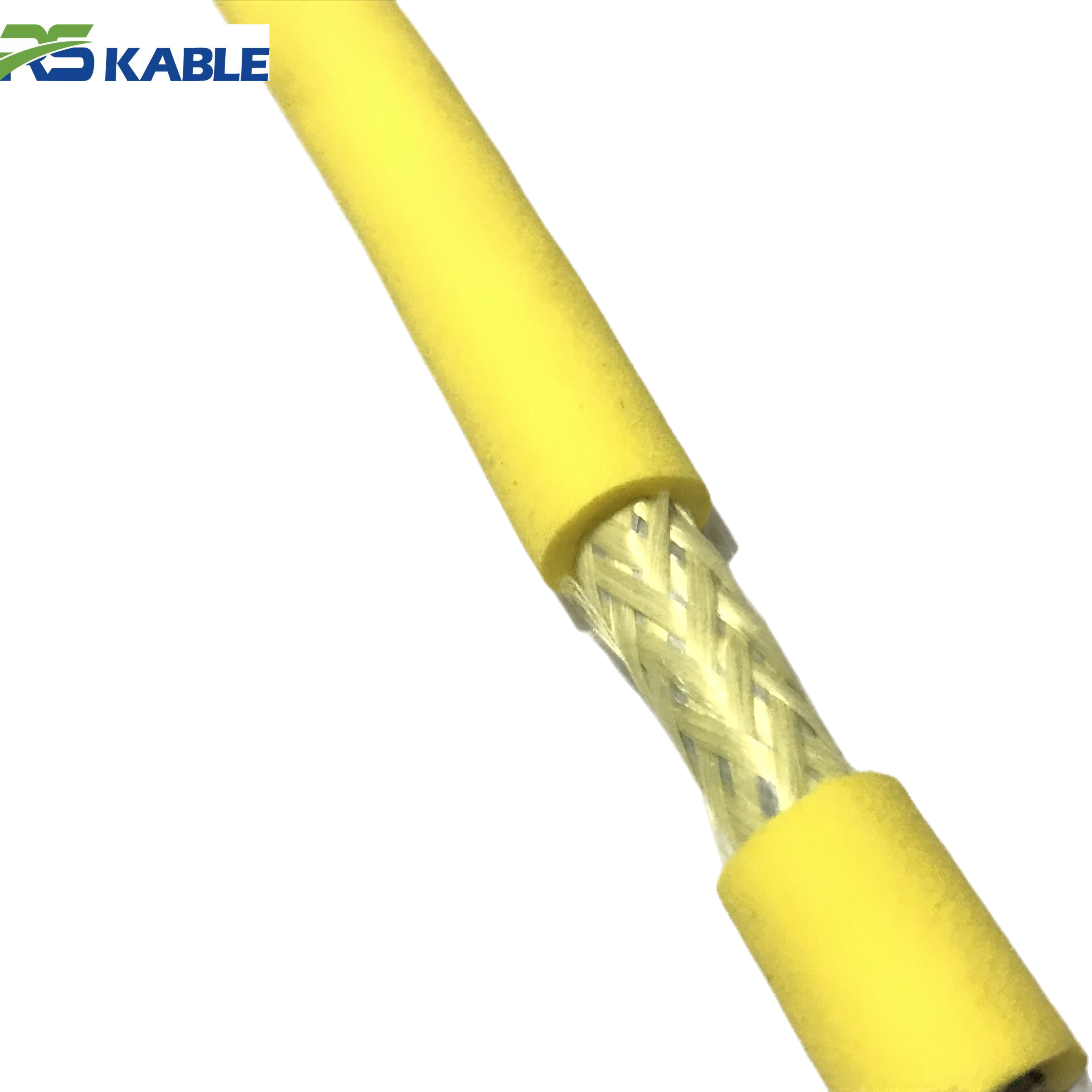
| Outer Jacket | Lightweight, abrasion-resistant polyurethane |
| Cable Diameter | Optimized for compact drone platforms |
| Minimum Bending Radius | Designed for tight routing and dynamic motion |
| Operating Environment | Freshwater and seawater |
Core count, conductor size, and buoyancy balance can be customized according to drone payload and mission profile.
Lightweight Structure with Low Water Resistance
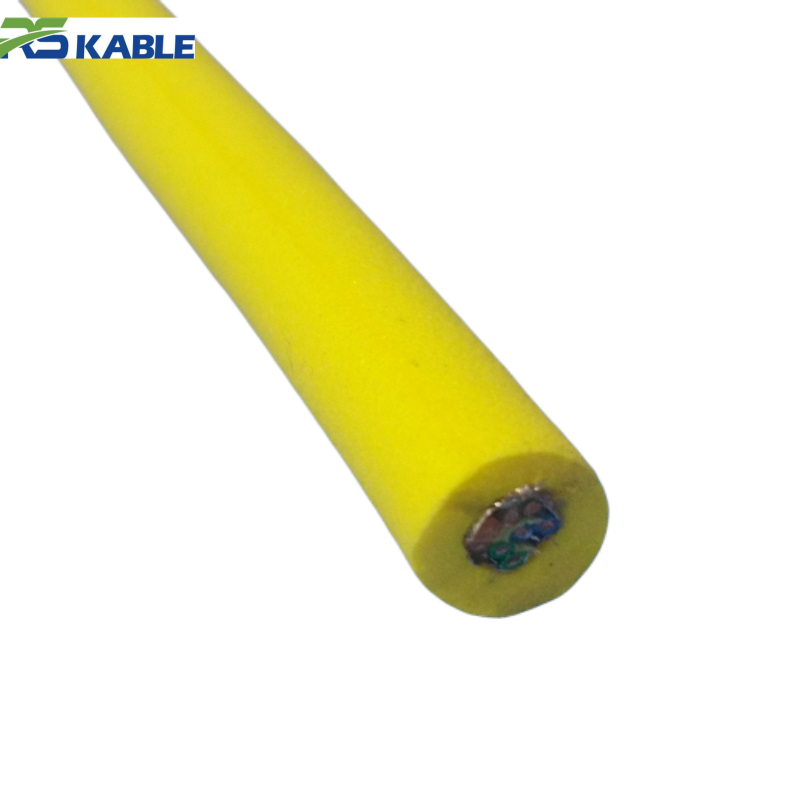
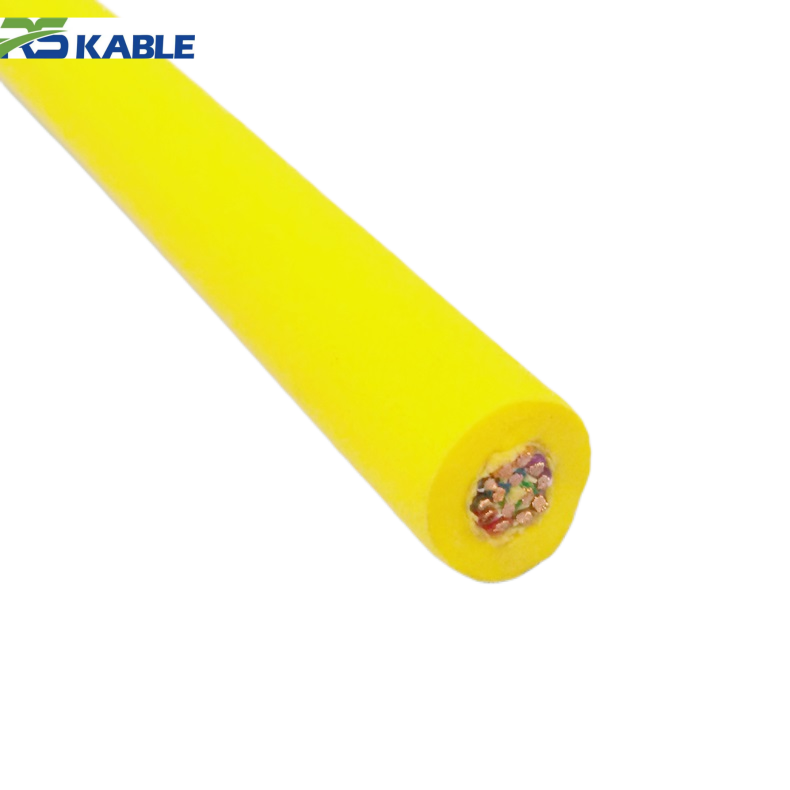
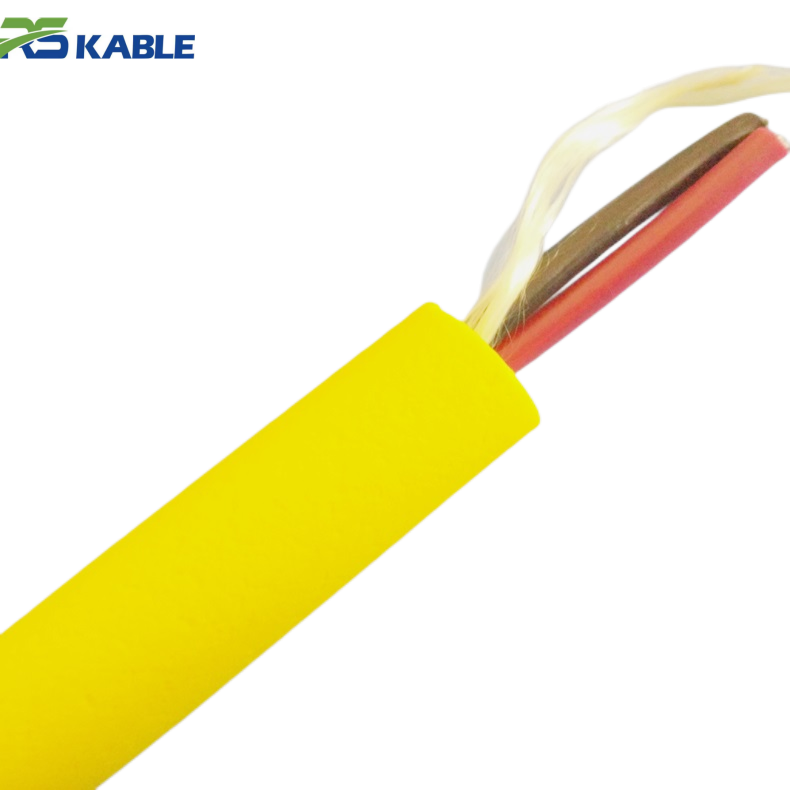
To improve maneuverability and reduce energy consumption, this Neutral Buoyancy Cable features a streamlined round geometry and lightweight jacket materials that minimize flow disturbance.
Reduced water resistance does more than improve movement smoothness. In underwater drones, lower drag directly translates into reduced thruster load, more stable attitude control, and extended battery endurance. By minimizing cable-induced resistance, the cable supports consistent response to control inputs during hovering, lateral movement, and frequent course corrections.
Operational Scenarios Where Neutral Buoyancy Is Critical
In long-duration coastal inspections, underwater drones often perform repeated forward and lateral movements while maintaining a fixed depth relative to structures. Under these conditions, cable weight and drag can introduce continuous micro-corrections that reduce efficiency and stability.
A well-balanced Neutral Buoyancy Cable minimizes these disturbances, allowing the drone to maintain steady positioning with fewer corrective actions—an important factor for inspection accuracy and data consistency.
Design Intent Overview
| Design Aspect | Engineering Purpose |
|---|---|
| Neutral Buoyancy Control | Reduce vertical load and depth drift |
| Lightweight Jacket | Minimize hydrodynamic drag |
| High Flexibility Structure | Support frequent maneuvering and tight routing |
| Streamlined Geometry | Improve propulsion efficiency |
| Hybrid Core Options | Simplify underwater drone system integration |
Quality Assurance & Engineering Support (E-E-A-T)
-
Designed by engineers experienced in underwater drone and subsea cable systems
-
Manufactured under ISO-certified quality management processes
-
Tested for buoyancy balance, flexibility, and insulation integrity
-
Materials selected for long-term submerged operation
Each configuration is reviewed to ensure compatibility with lightweight unmanned underwater vehicles.
Ordering & Customization
We support underwater drone manufacturers and system integrators with:
-
Custom cable configurations
-
Technical drawings and parameter confirmation
-
Prototype samples for system testing
👉 Request a technical consultation or custom quotation today.
FAQ
Is this cable suitable for very small underwater drones?
Yes. The lightweight structure and small bending radius make it suitable for compact and portable drone platforms.
Can power and signal be combined in one cable?
Yes. Hybrid designs integrating power and communication cores are available.
How does low water resistance improve drone performance?
Reduced drag lowers power consumption, improves maneuverability, and enhances control precision.
Can buoyancy be adjusted for freshwater or seawater use?
Yes. Buoyancy can be fine-tuned based on water type and deployment conditions.