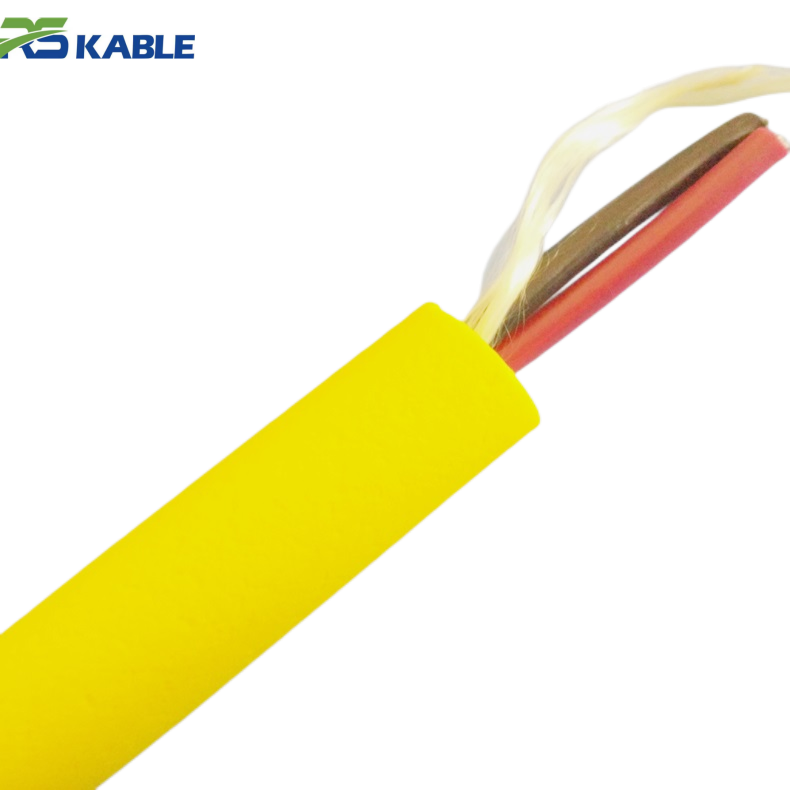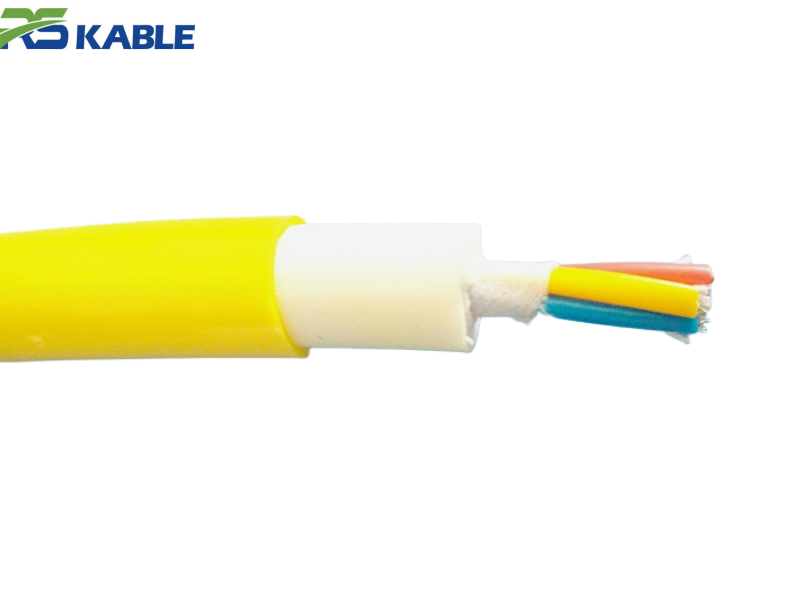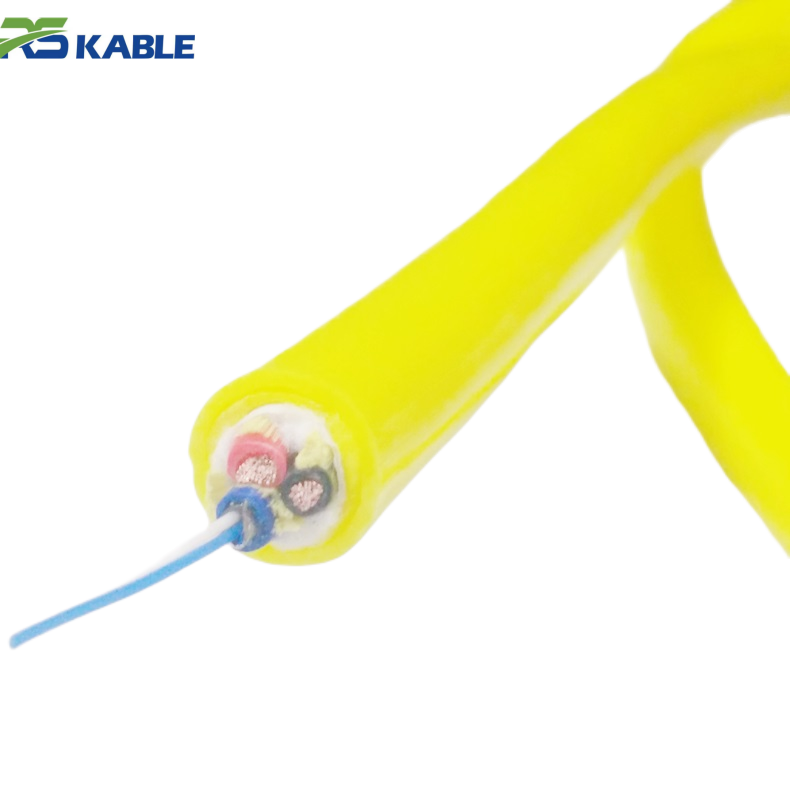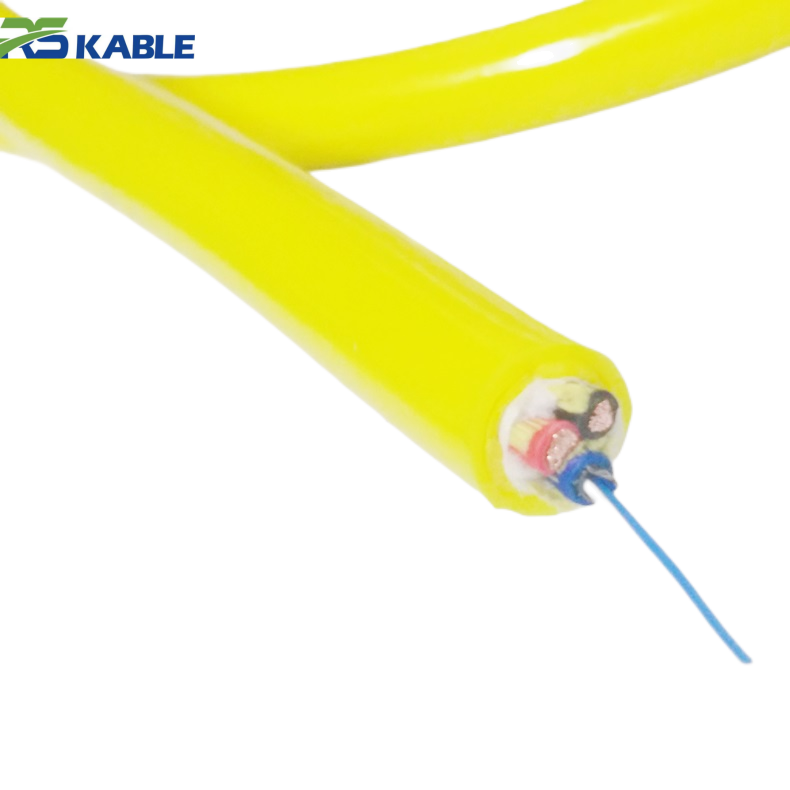



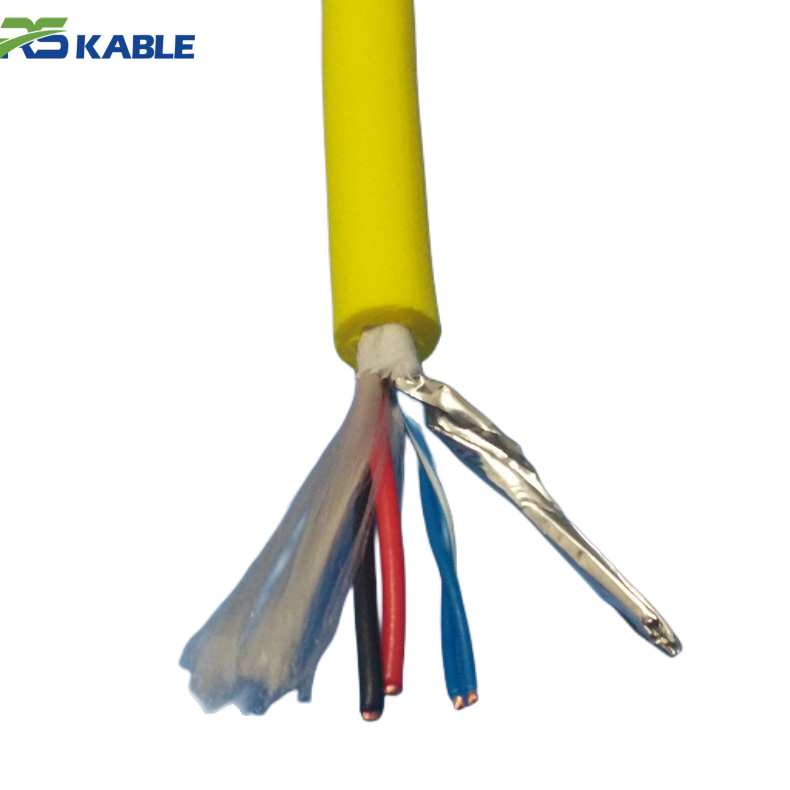
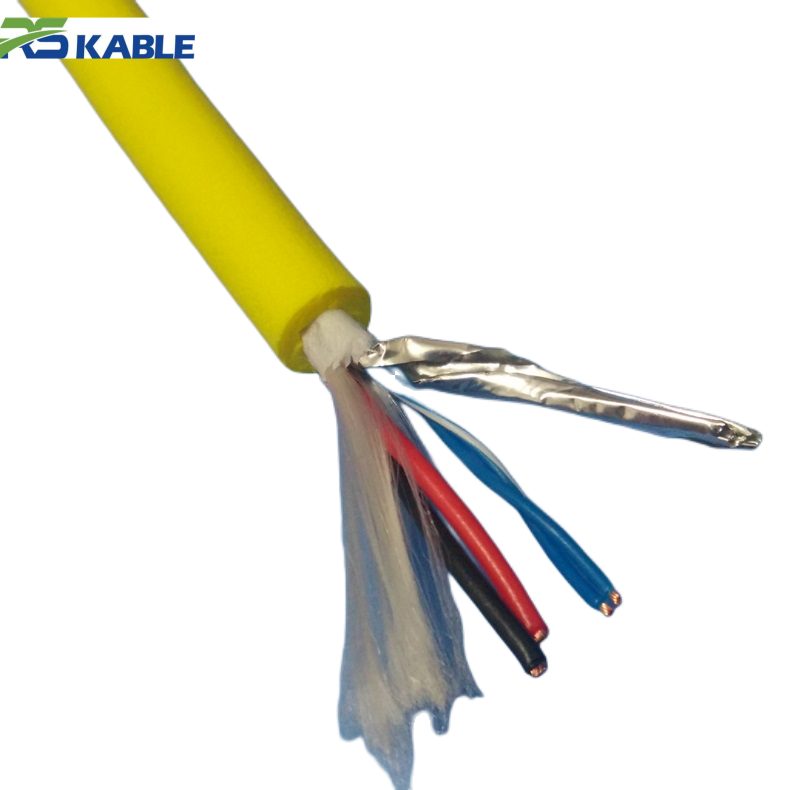

Subsea Data Transmission | Neutral Buoyancy Cable | Signal Integrity | Shielded & Low Noise
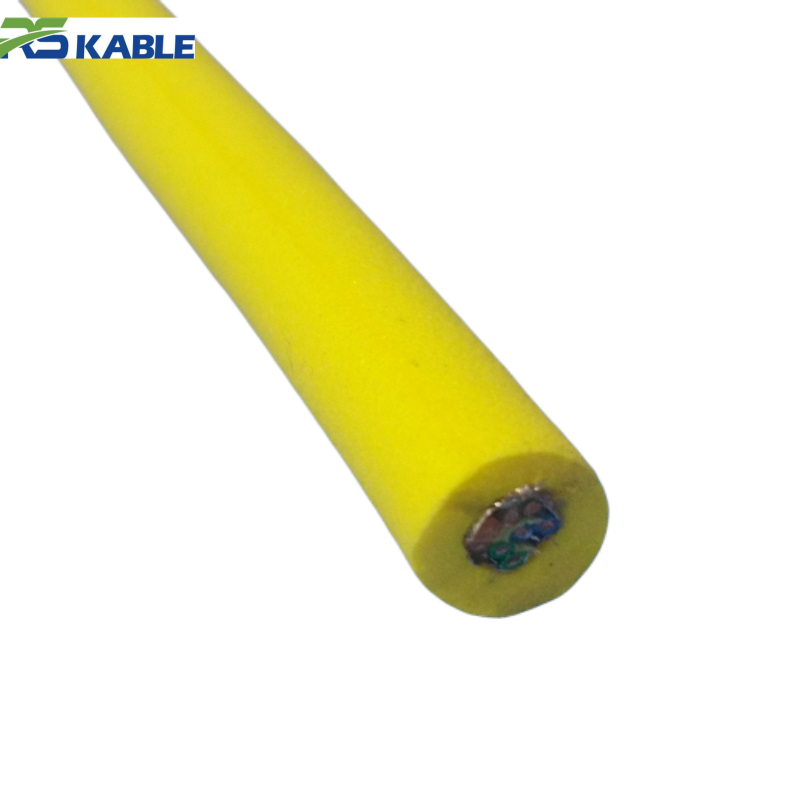
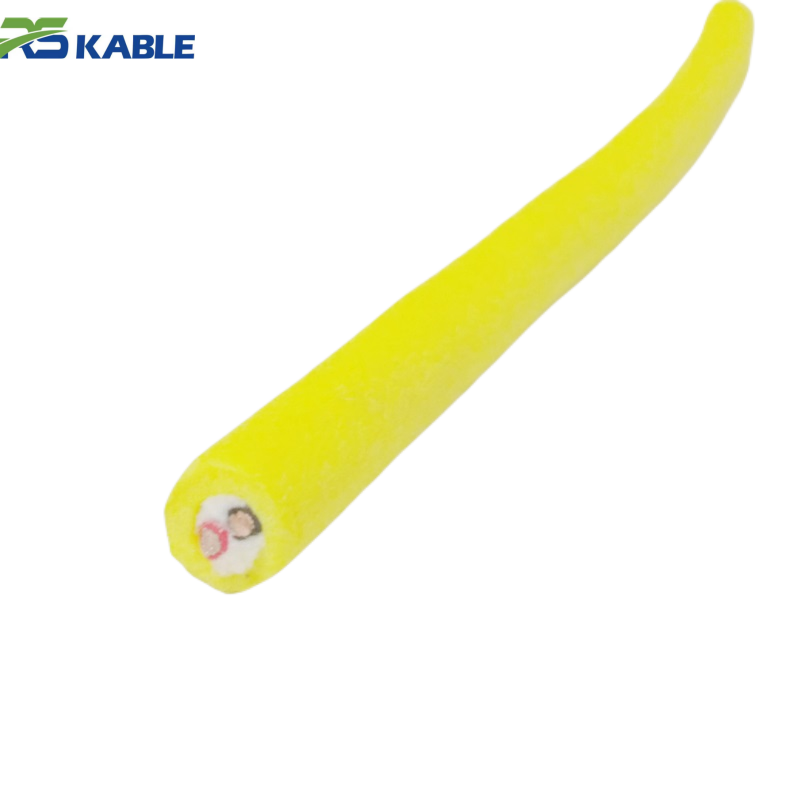
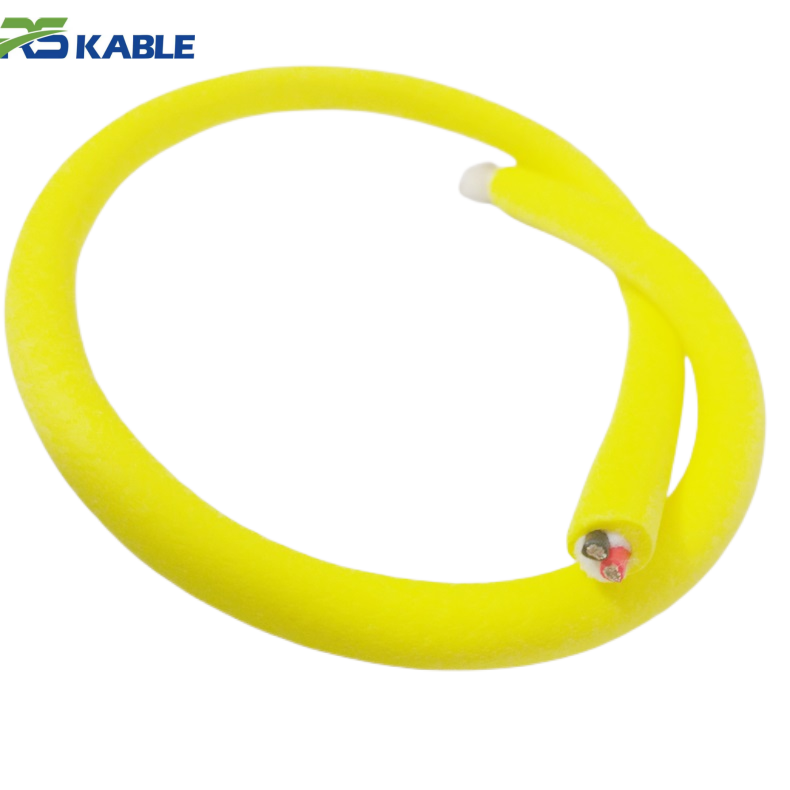
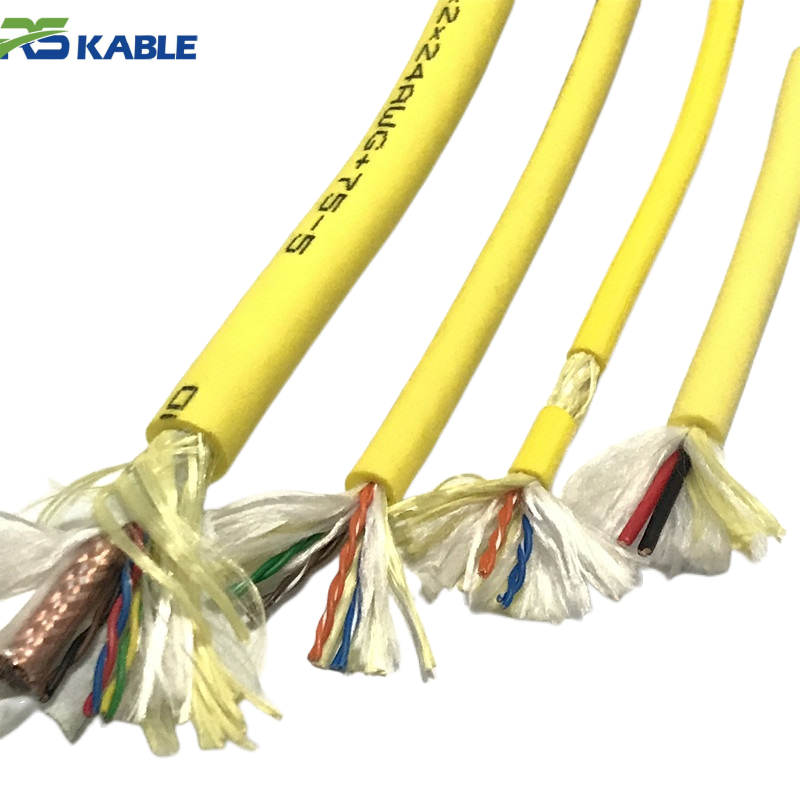
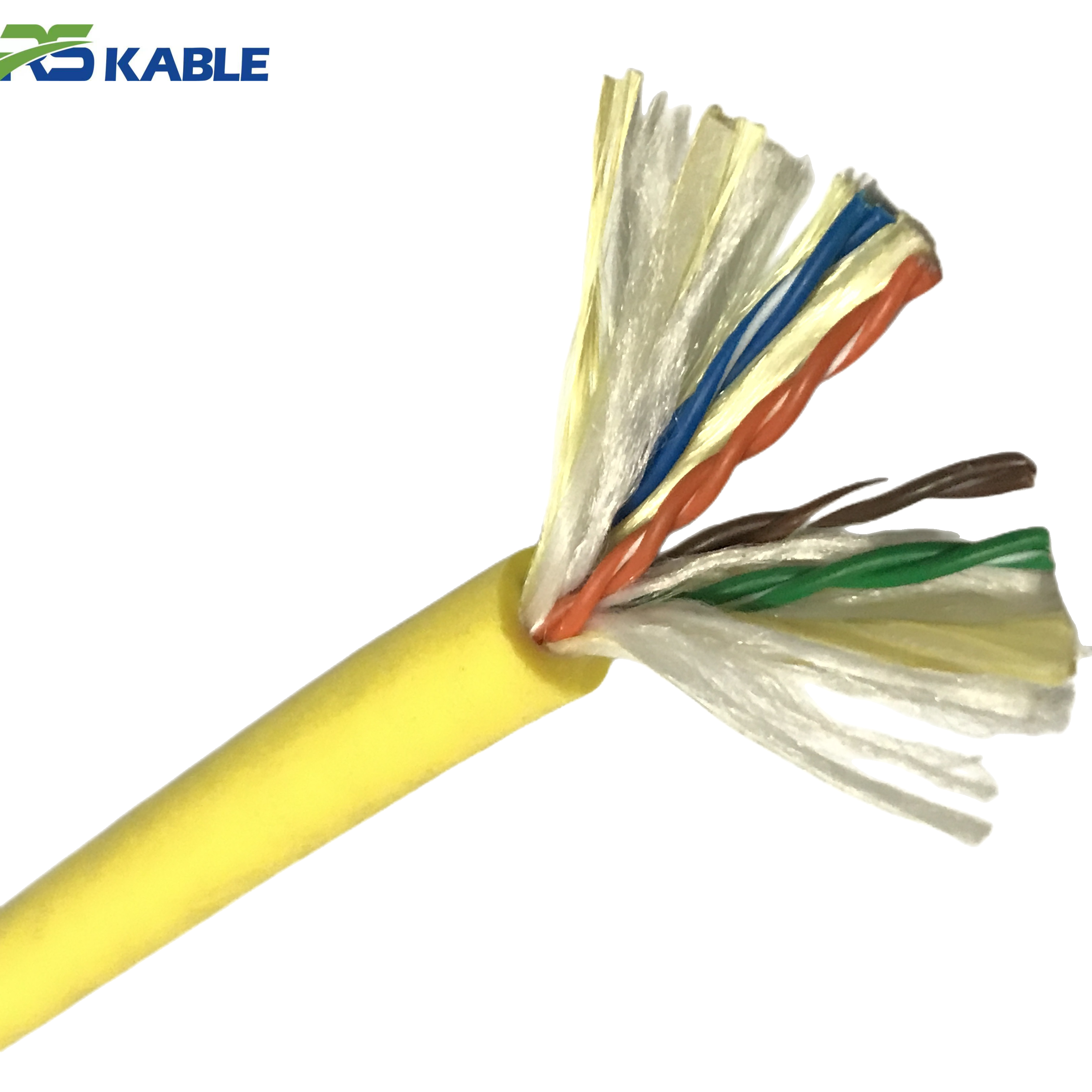
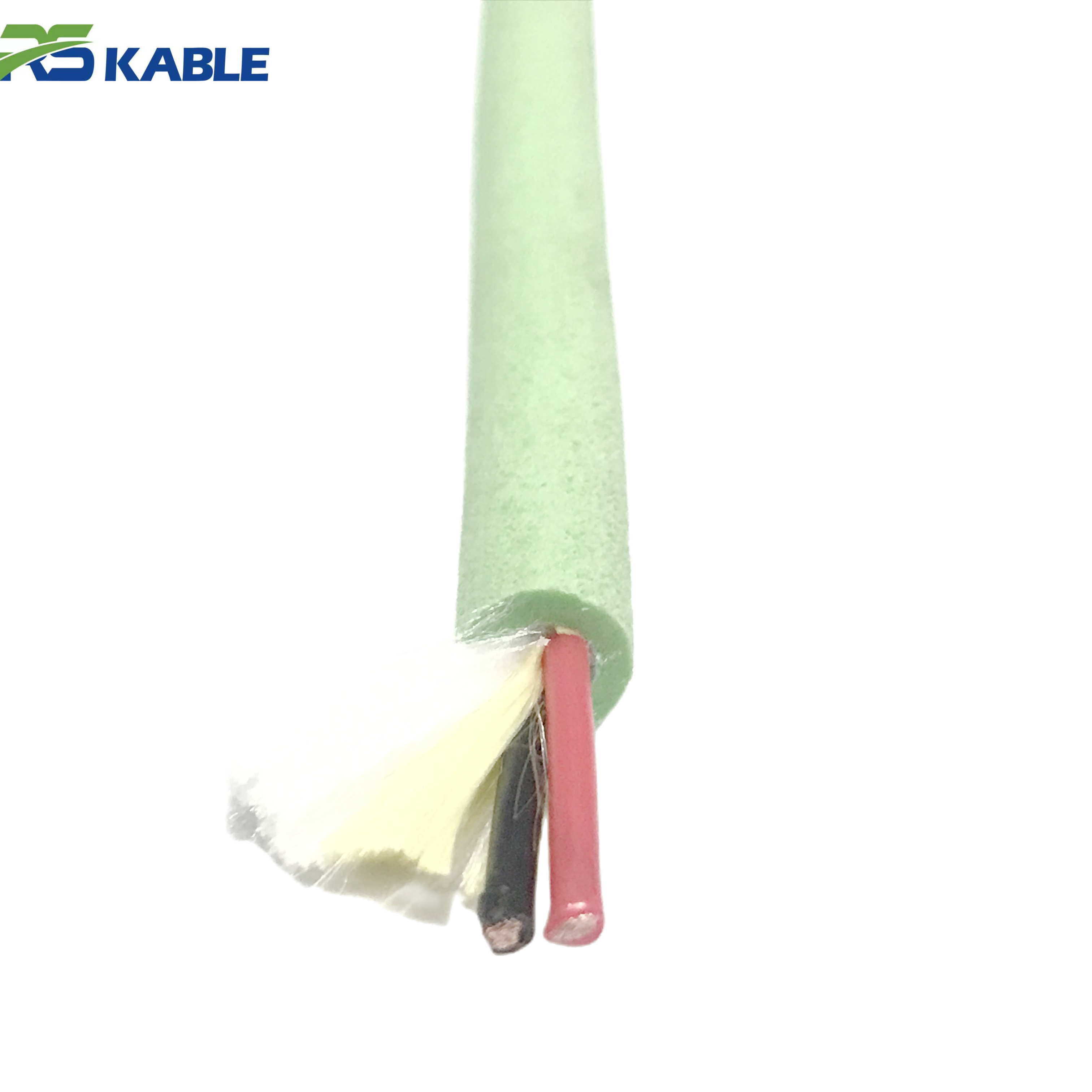
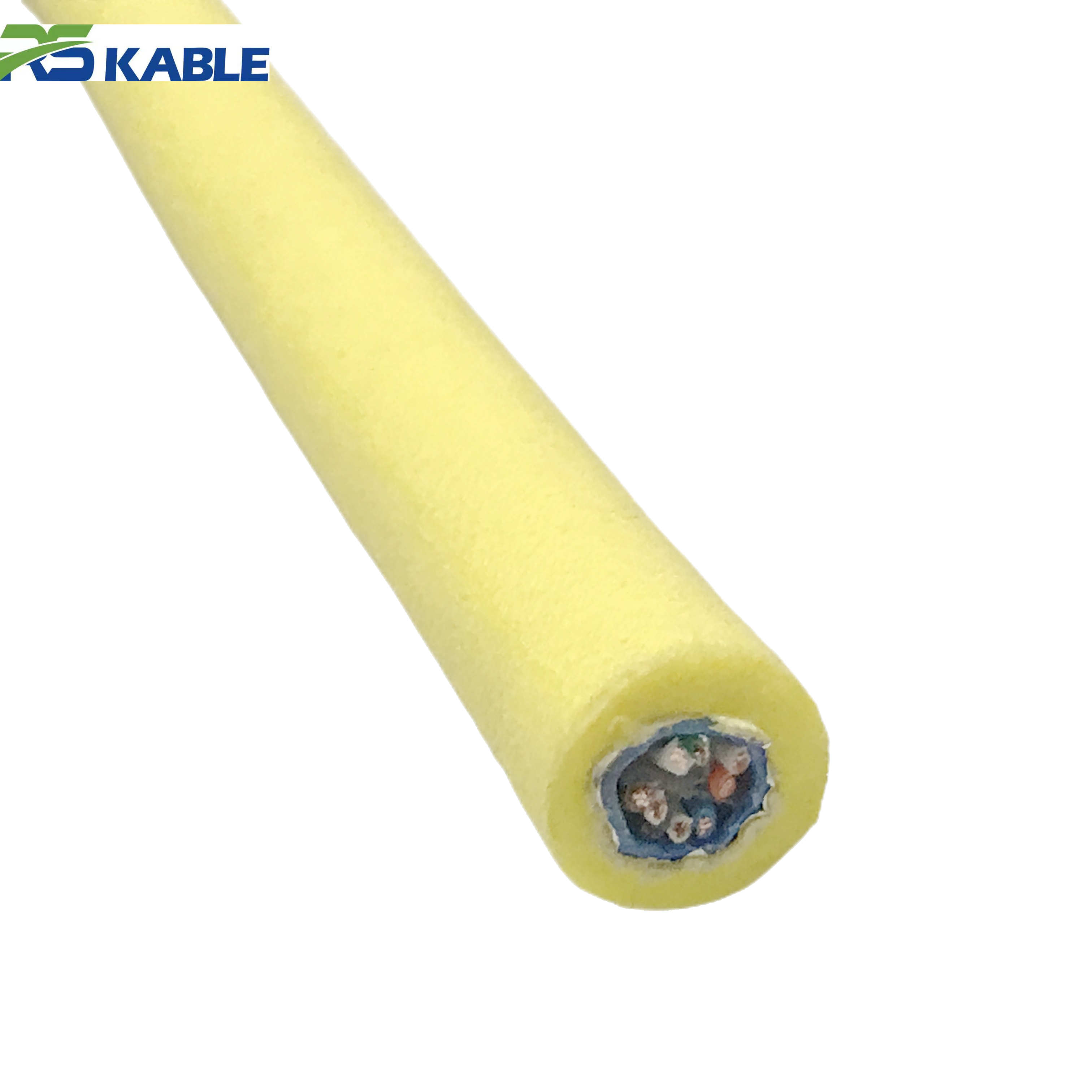
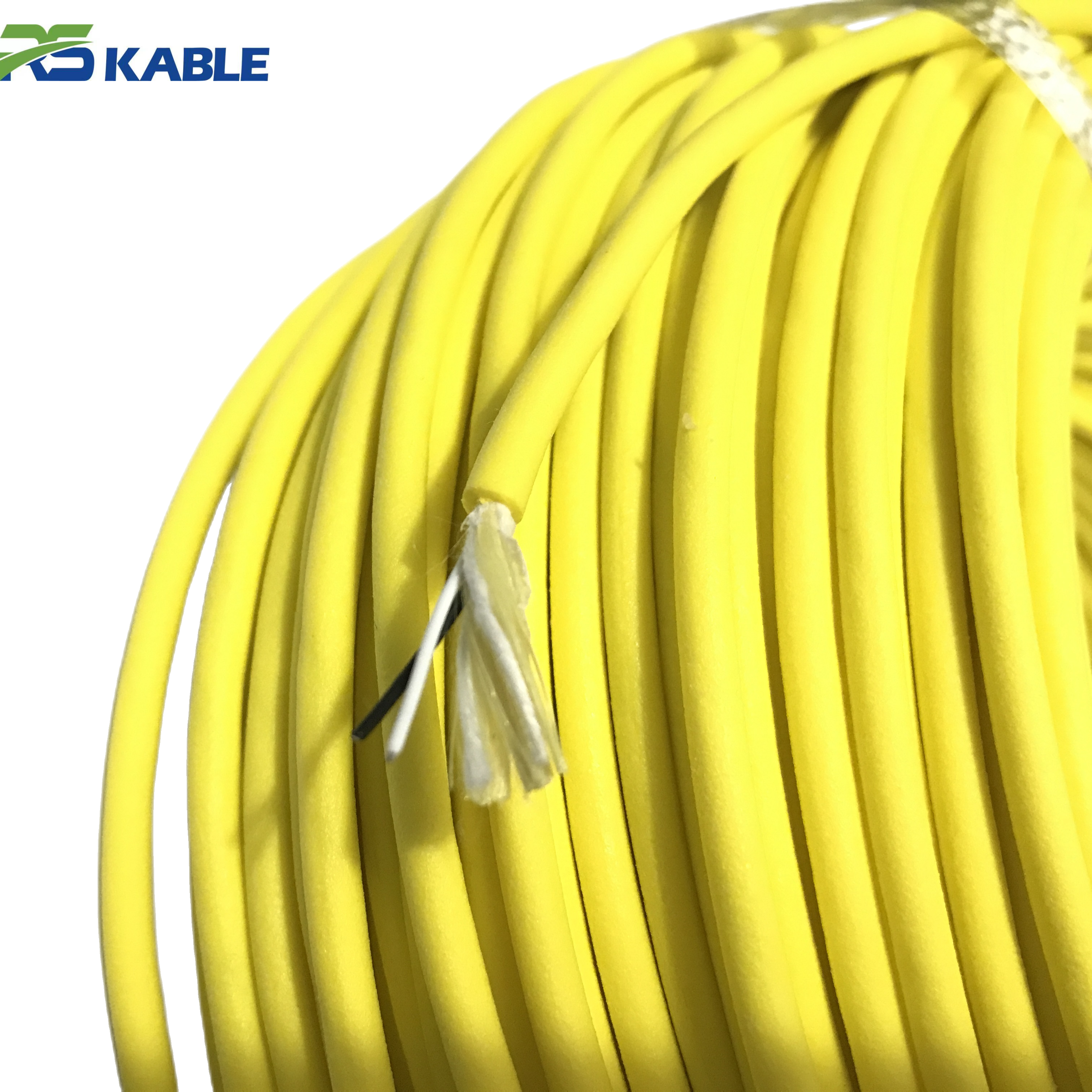
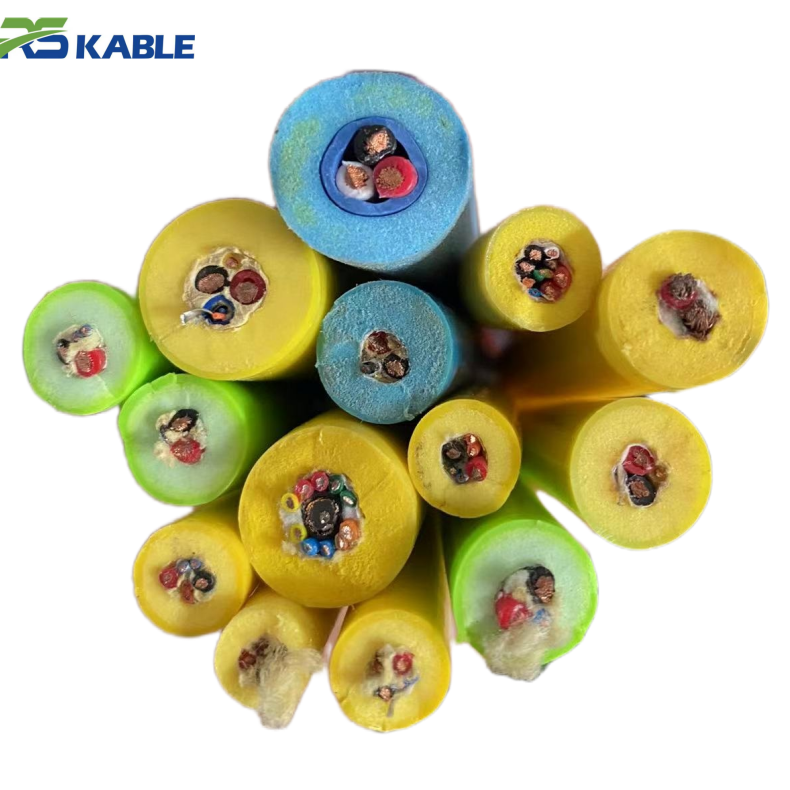
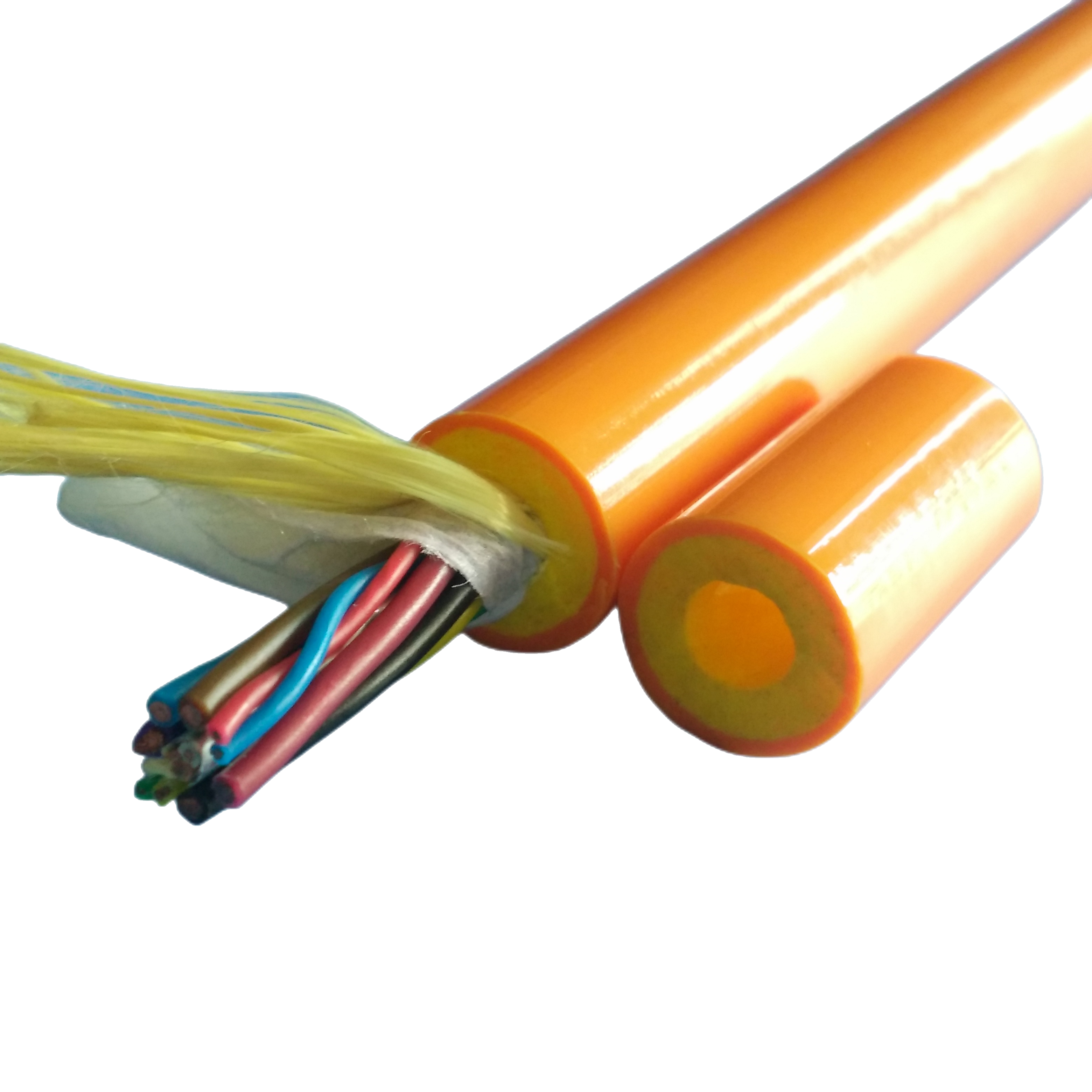
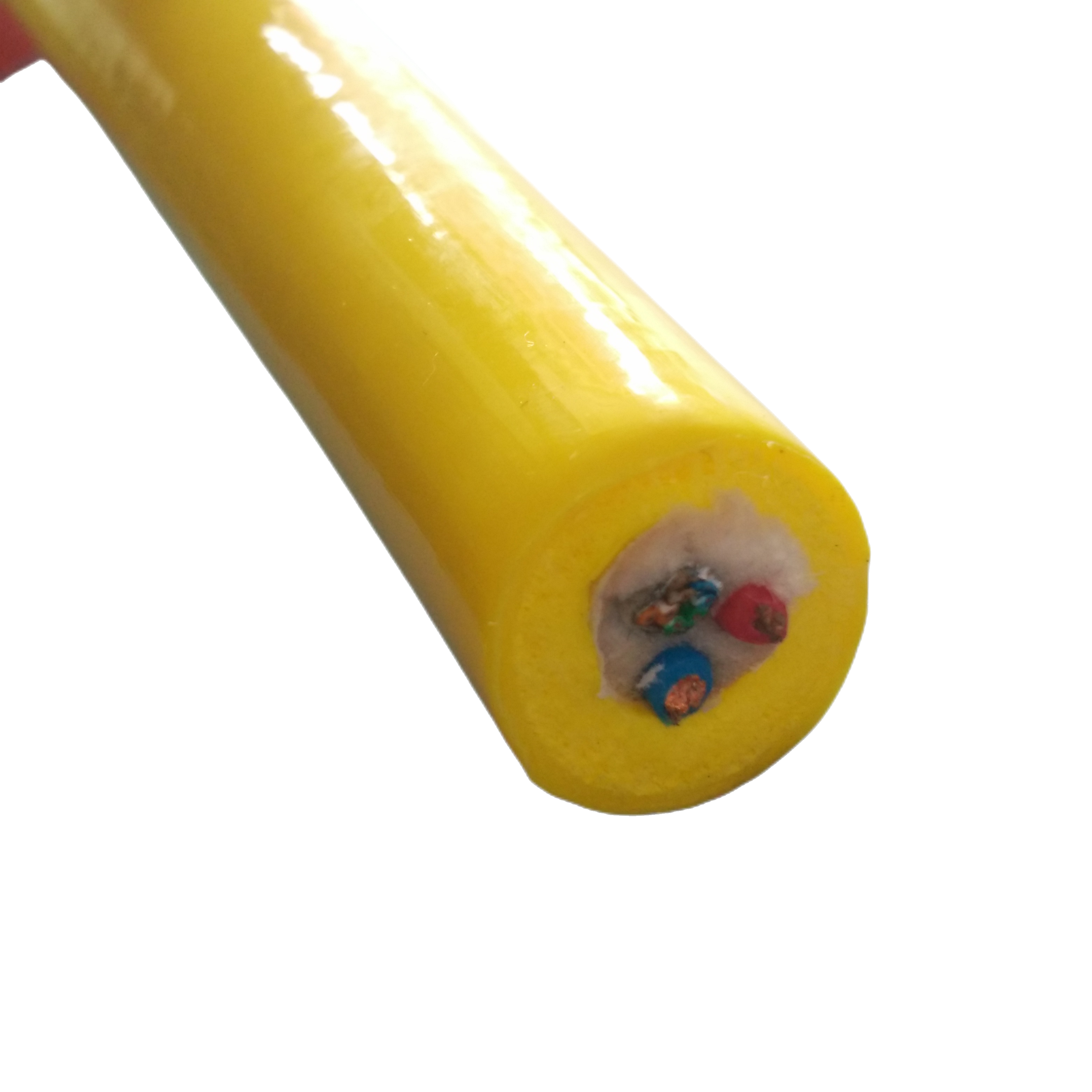
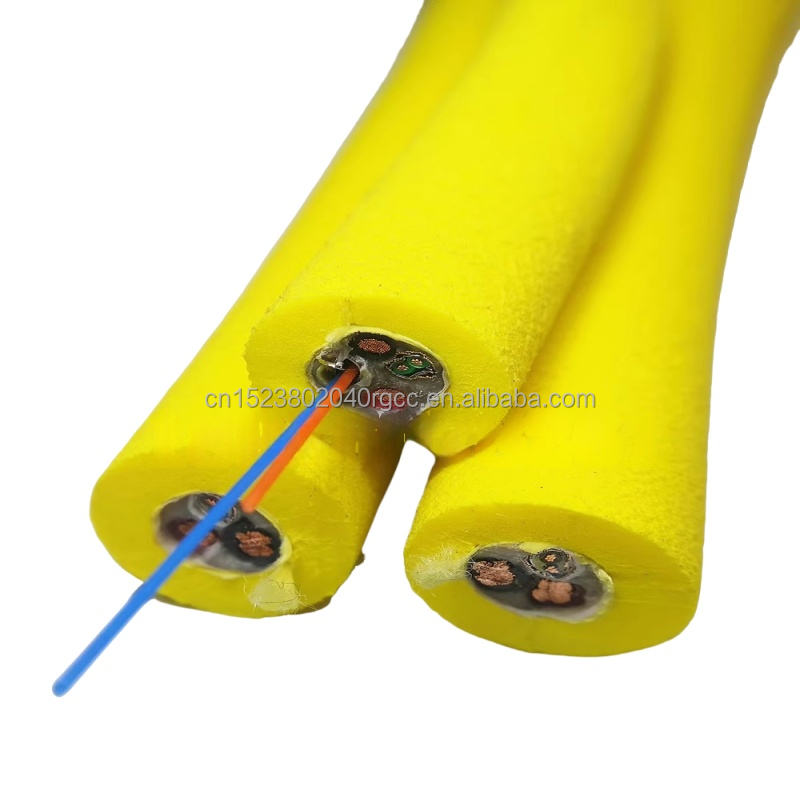
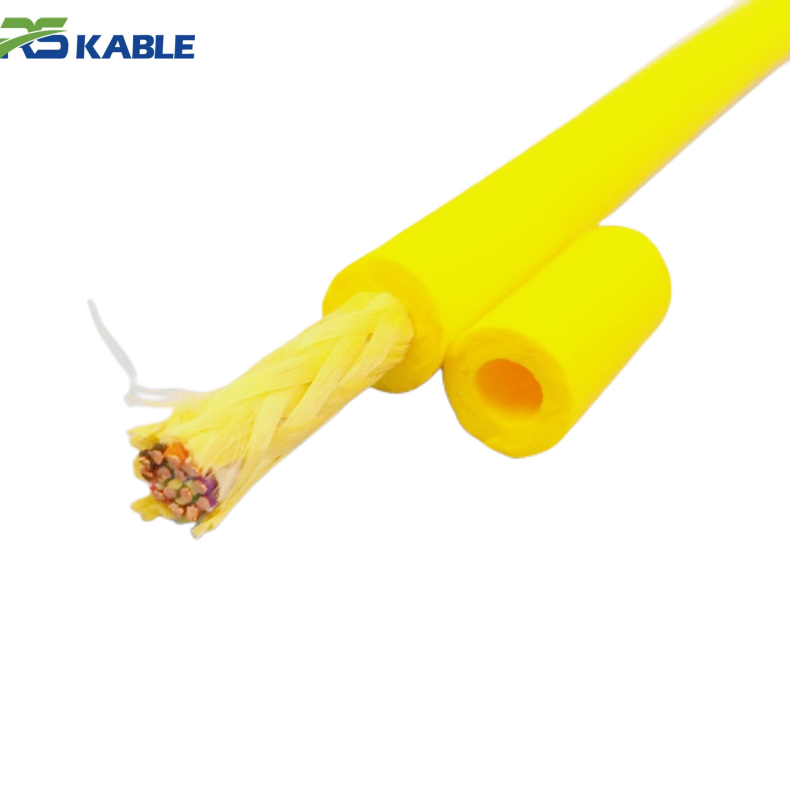
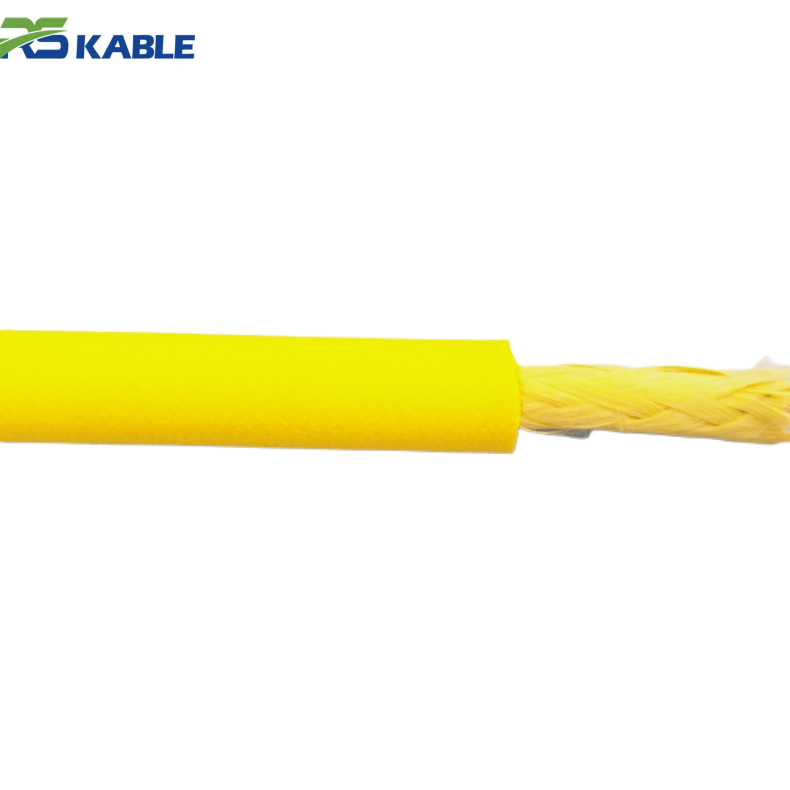
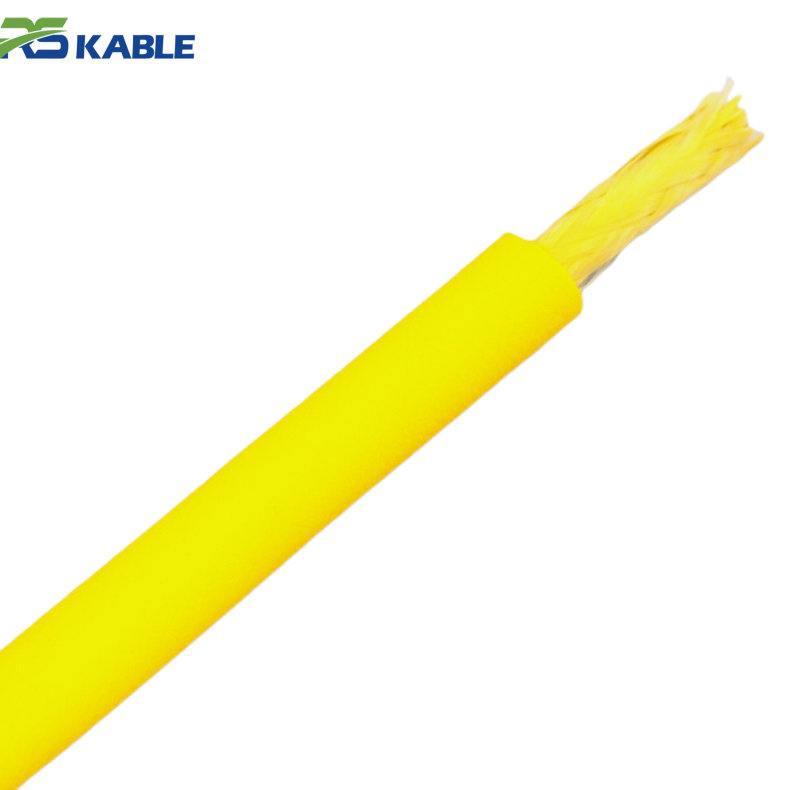
This Neutral Buoyancy Cable is designed for subsea data transmission requiring high signal integrity and low-noise performance. With shielded construction and buoyancy-balanced design, it supports reliable underwater communication for critical data systems.
Subsea Data Transmission | Neutral Buoyancy Cable | Signal Integrity | Shielded & Low Noise
Reliable subsea data transmission depends on maintaining signal integrity in electrically and mechanically complex underwater environments. This Neutral Buoyancy Cable is engineered specifically for low-noise, shielded data transmission, combining controlled buoyancy with optimized electrical architecture to support stable, long-distance subsea communication.
By reducing mechanical interference and electromagnetic disturbance, it ensures consistent data quality for critical underwater systems.
Why Signal Integrity Is a Critical Subsea Challenge
Subsea data systems operate in environments where signal degradation can occur due to multiple factors:
-
Electromagnetic interference from power components
-
Micro-movement of cables affecting impedance stability
-
Crosstalk between data and power conductors
-
Noise introduced by long transmission distances
A properly designed Neutral Buoyancy Cable mitigates these risks by stabilizing both the mechanical and electrical behavior of the cable underwater.
Electrical Architecture Focused on Low Noise Performance
This cable emphasizes signal clarity through a layered electrical design:
-
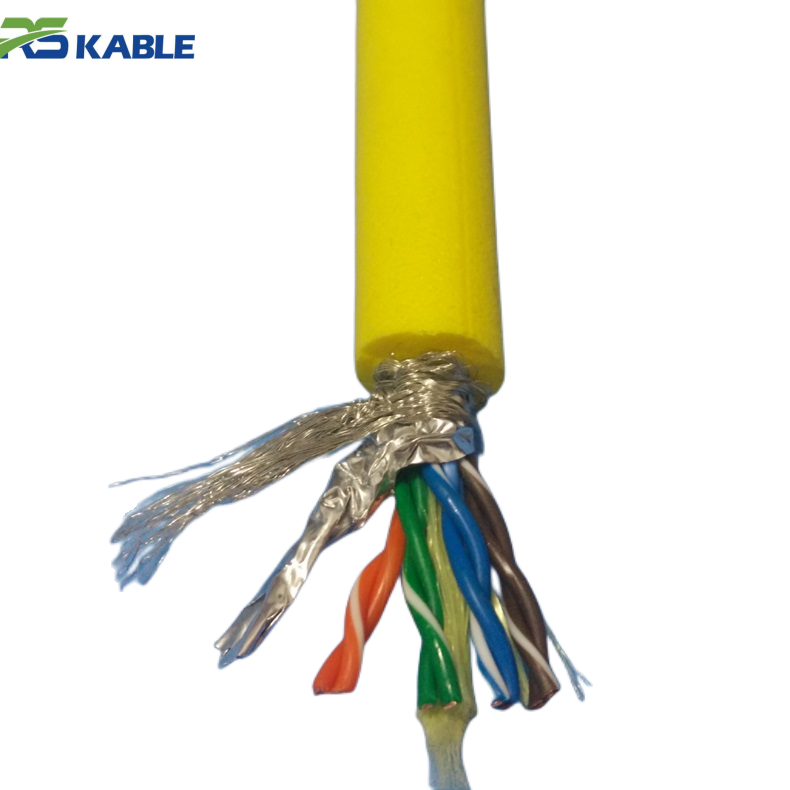
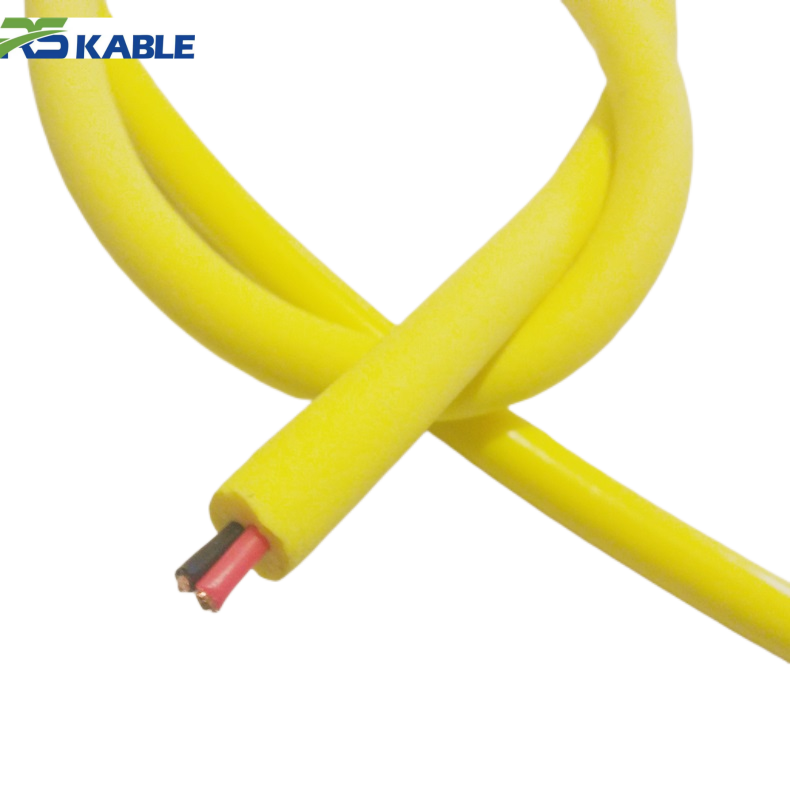
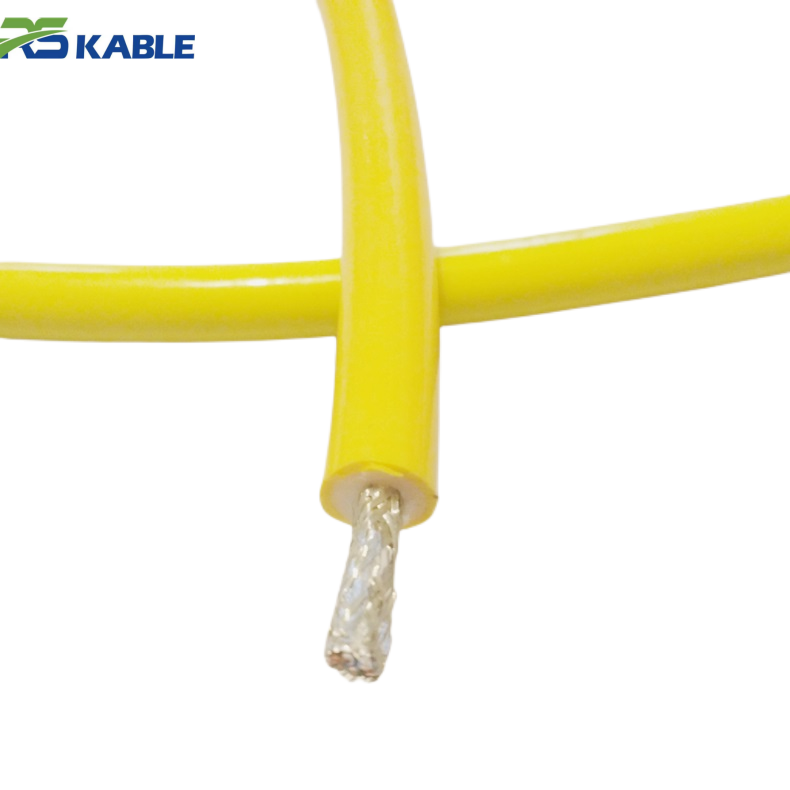
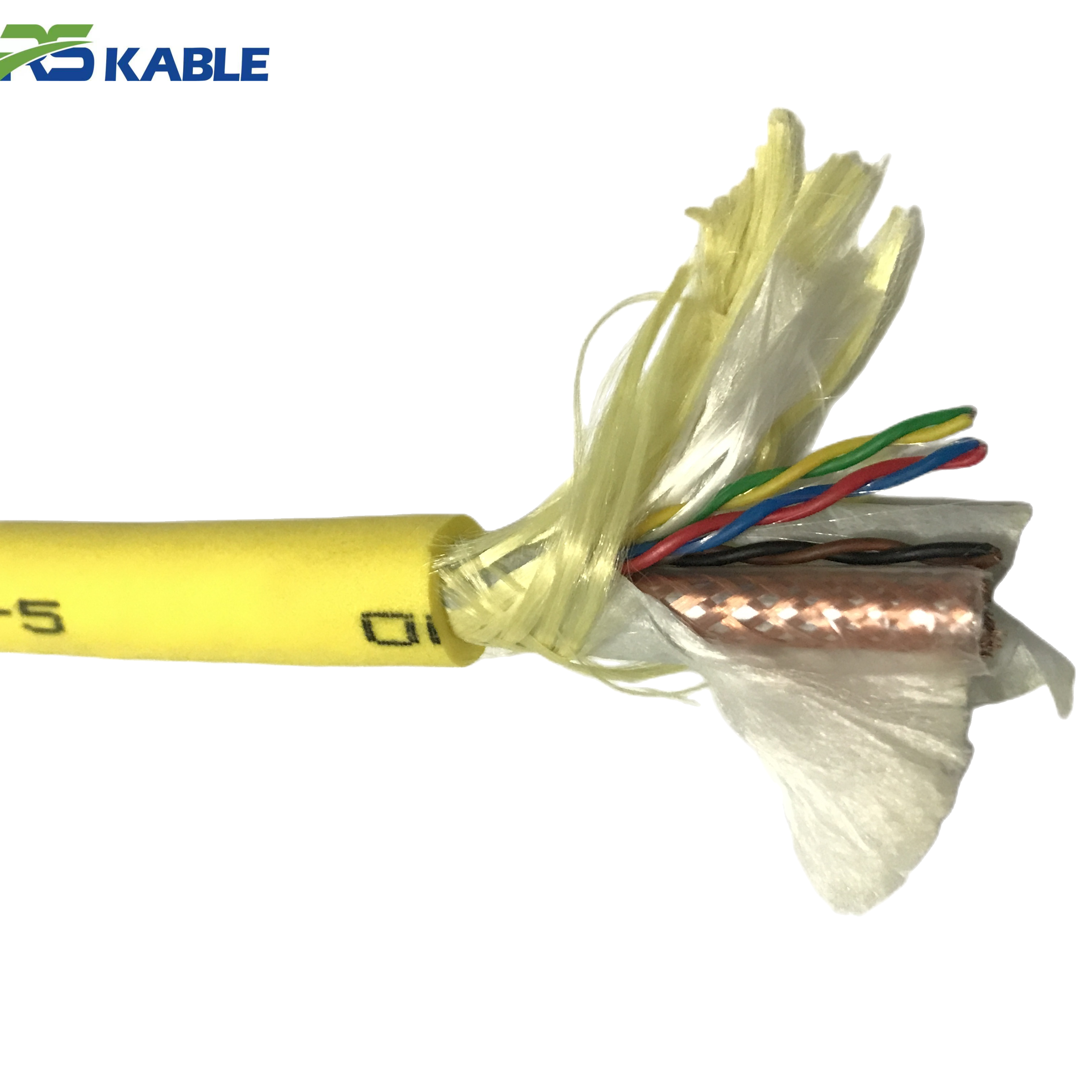
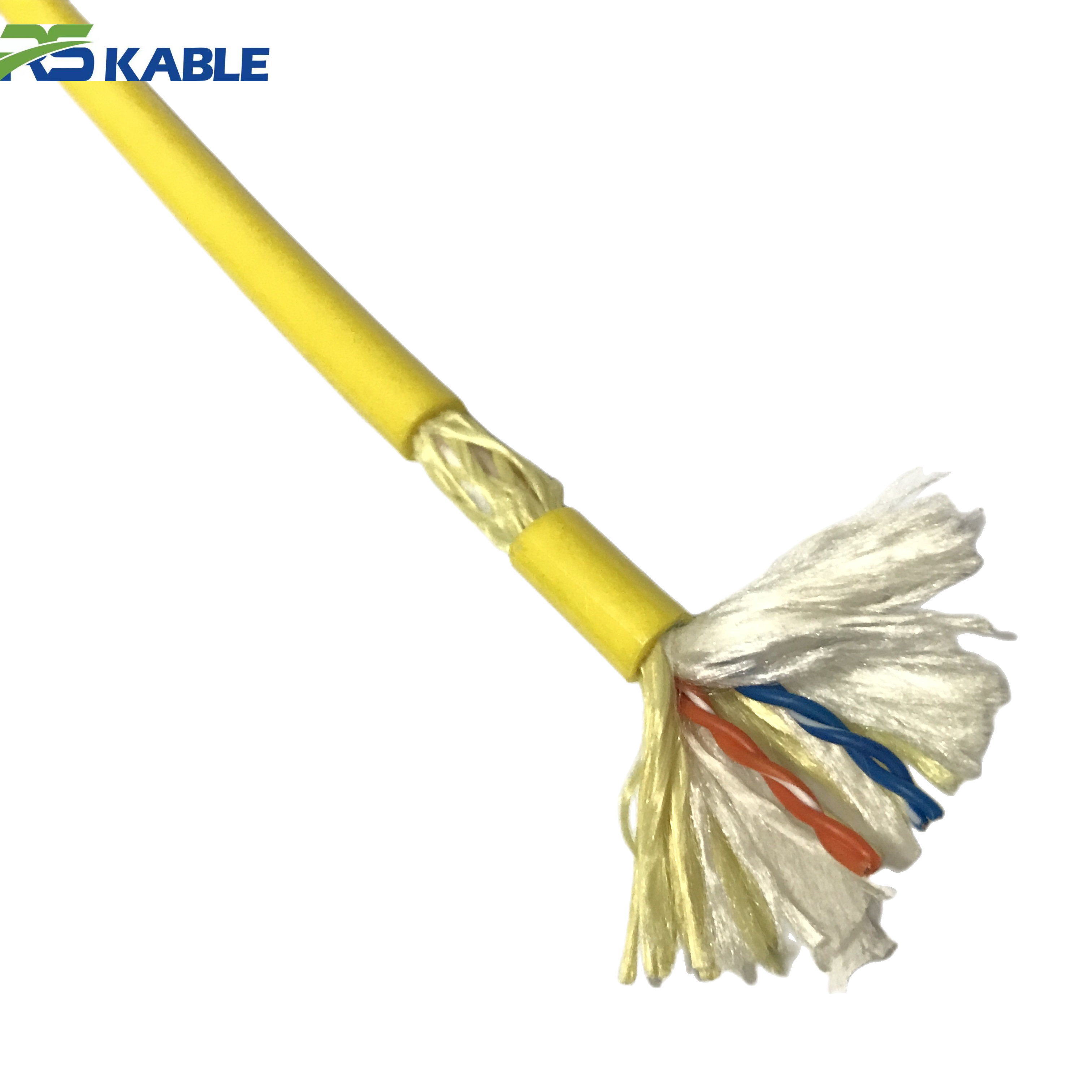
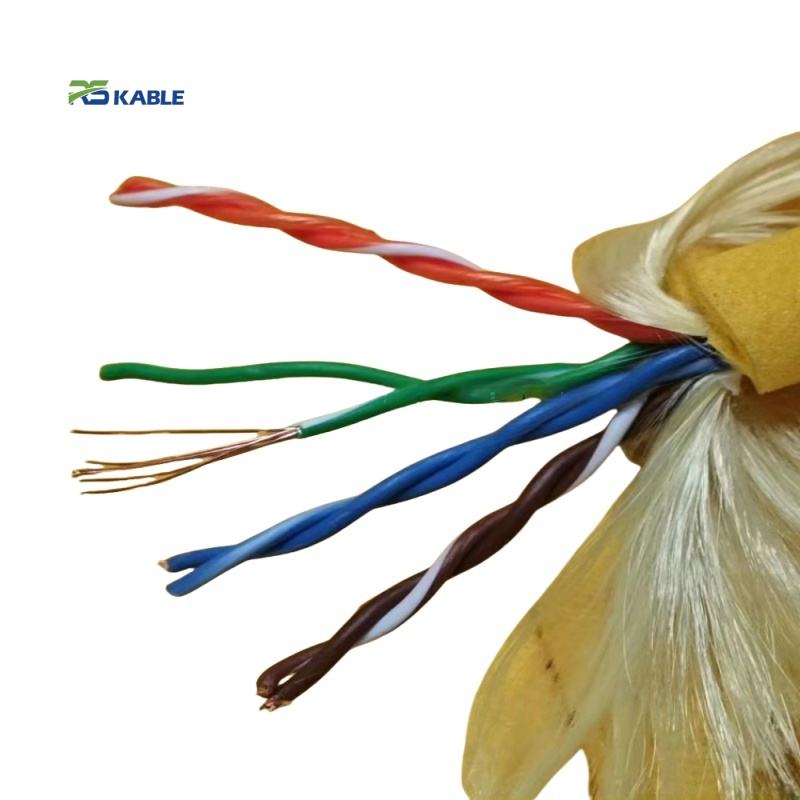
Individually shielded signal pairs to reduce EMI
-
Optimized conductor geometry for impedance control
-
Separation of data and power elements in hybrid designs
-
Grounding and shielding continuity across the cable length
These features make it suitable for low-noise subsea data cables, shielded underwater communication cables, and high-integrity signal transmission systems.
Application Areas for Subsea Data Transmission
This solution is commonly deployed in systems where data accuracy and continuity are mission-critical, including:
-
Subsea sensor networks and monitoring arrays
-
Underwater communication and telemetry systems
-
ROV and AUV data transmission lines
-
Seafloor observatories and data relay nodes
-
Offshore inspection and monitoring infrastructure
It is frequently specified as a shielded subsea data cable, neutral buoyancy communication cable, or low-noise underwater signal cable.
Product Configuration Overview
| Product Name / Model | Core Attributes |
|---|---|
| NB-DT Series Neutral Buoyancy Cable | Shielded design, low noise transmission, buoyancy-balanced construction |
Key Technical Parameters
| Parameter | Specification Options |
|---|---|
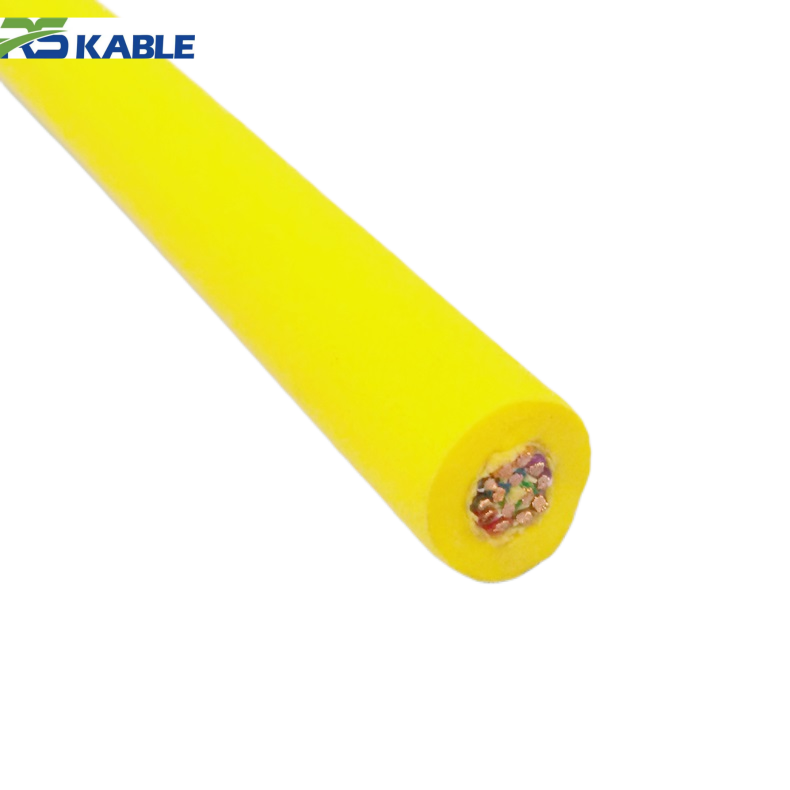
| Core Configuration | Data cores only or hybrid power & data |
| Conductor Material | Tinned copper |
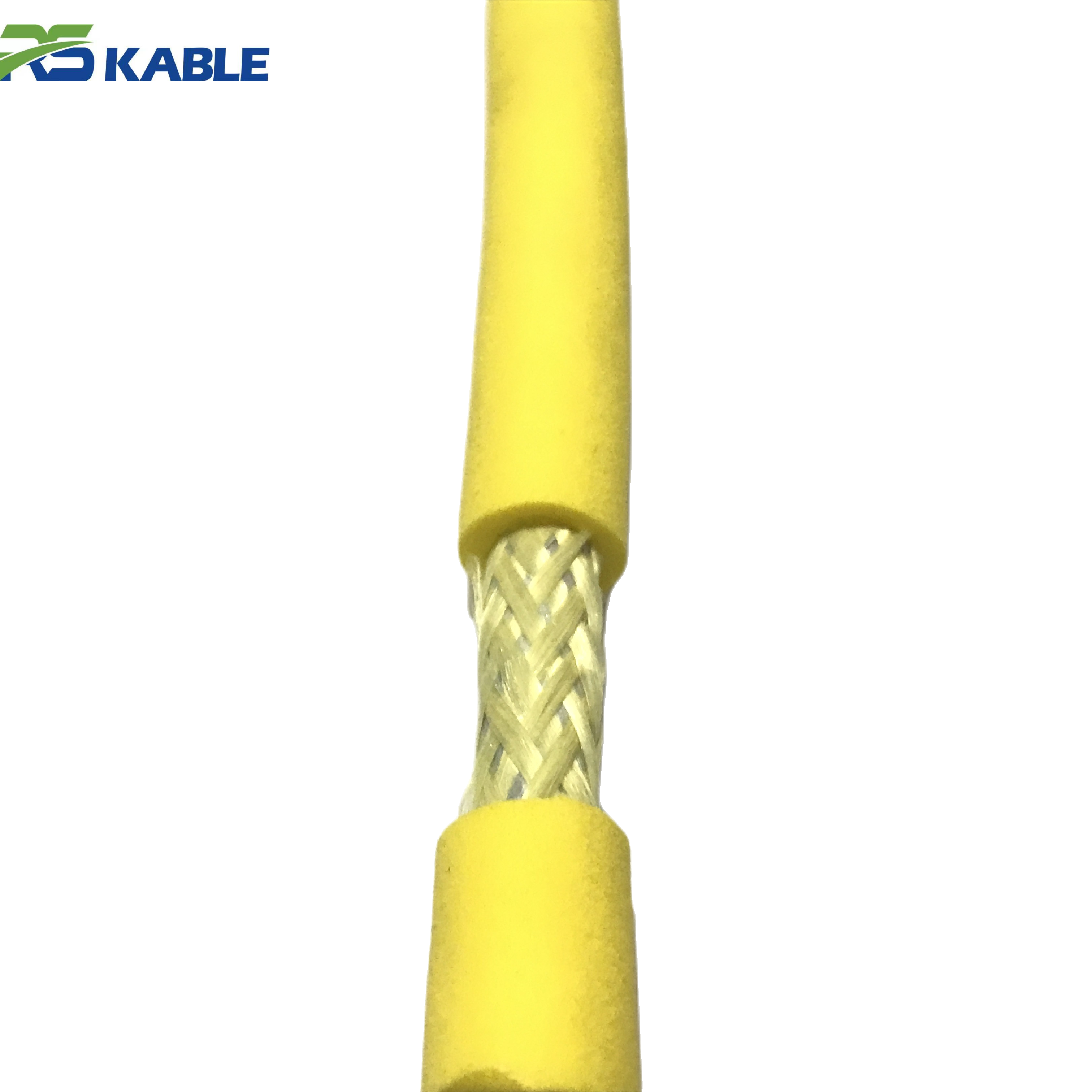
| Signal Shielding | Foil shield / braided shield / combined shielding |
| Insulation | PE / XLPE optimized for signal stability |
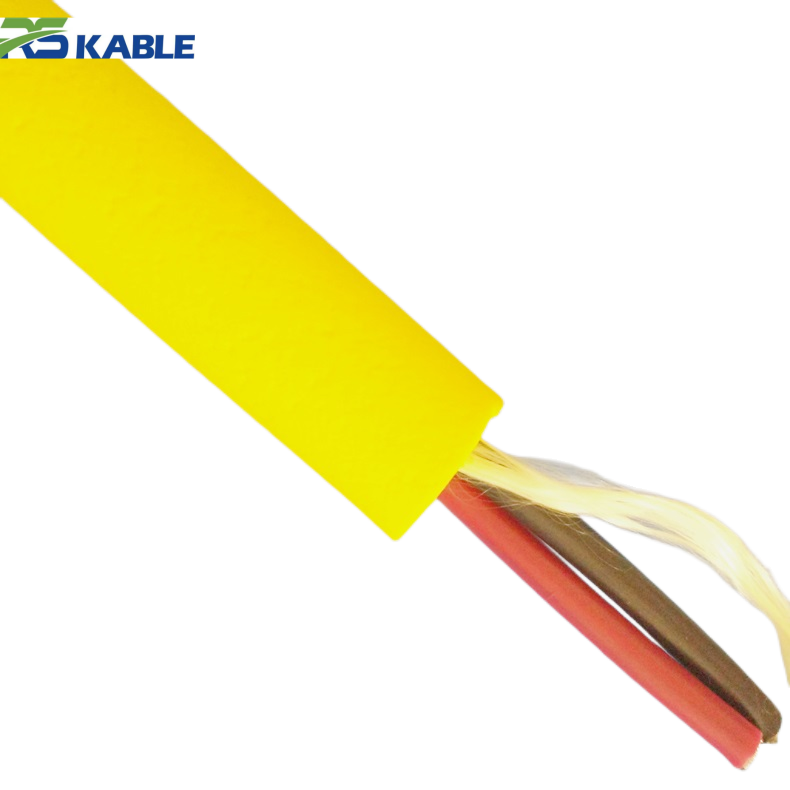
| Buoyancy Design | Integrated fillers for near-neutral buoyancy |
| Outer Jacket | Marine-grade polyurethane |
| Signal Application | Low-noise subsea data transmission |
Shielding type, pair configuration, and impedance targets can be customized for specific communication protocols.
Mechanical Stability Supports Electrical Stability
In subsea environments, uncontrolled cable movement can introduce micro-variations that affect signal quality. This Neutral Buoyancy Cable contributes to electrical performance by:
-
Reducing cable sag and tension variations
-
Minimizing movement caused by currents
-
Supporting consistent impedance along the cable path
-
Enhancing long-term data transmission reliability
This integrated mechanical–electrical approach is essential for long-distance underwater data systems.
Key Benefits for Subsea Data Systems
Operators benefit from deploying this cable in data-focused applications:
-
Improved signal-to-noise ratio
-
Reduced data loss and retransmission
-
Stable performance over extended deployments
-
Increased confidence in critical data streams
These advantages are particularly valuable for autonomous and unattended subsea systems.
Engineering Authority & Validation (E-E-A-T)
-
Designed by engineers specializing in subsea signal transmission
-
Manufactured under ISO-certified quality management systems
-
Tested for shielding effectiveness and electrical continuity
-
Validated for underwater operational stability and signal performance
Design decisions are driven by real subsea data transmission requirements rather than generic cable standards.
Customization & Integration Support
We support system integrators and operators with:
-
Signal and shielding configuration optimization
-
Hybrid cable layout design (power + data)
-
Application-specific performance validation
-
Technical documentation and integration guidance
👉 Contact our engineering team to specify a cable for your subsea data transmission system.
FAQ
Is this cable suitable for sensitive data signals?
Yes. It is designed with shielding and low-noise performance in mind.
Can it carry both power and data?
Yes. Hybrid configurations are available with separated and shielded cores.
Does neutral buoyancy improve signal quality?
Indirectly, yes. It stabilizes the cable mechanically, which supports electrical consistency.
Is it compatible with long-distance subsea transmission?
Yes. It is suitable for extended underwater data links when properly specified.