



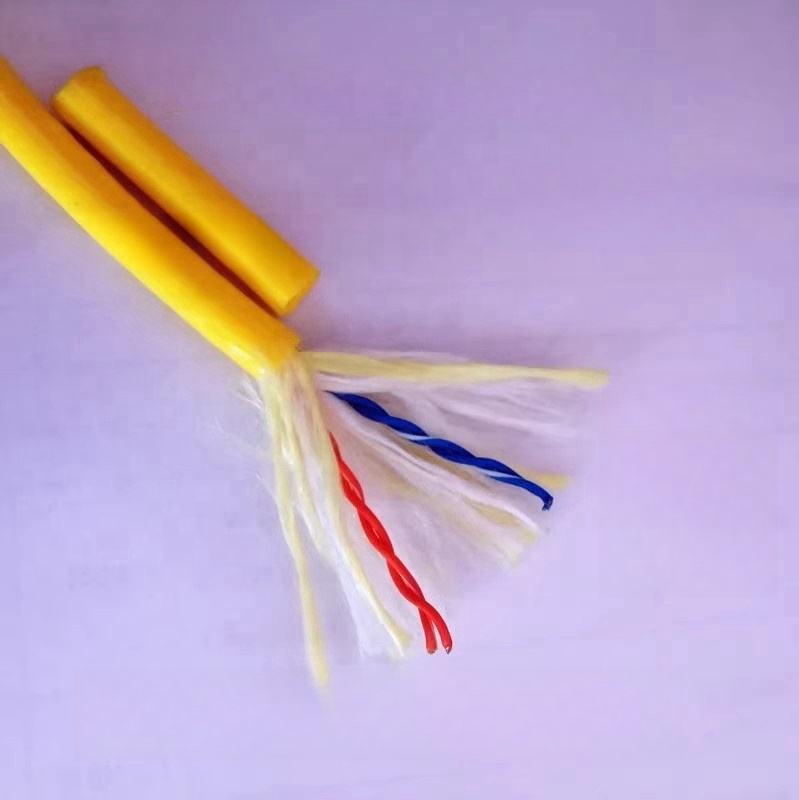
Stranded PE Insulated Copper Cat5e Waterproof Flexible Cable | Zero Buoyancy Feature
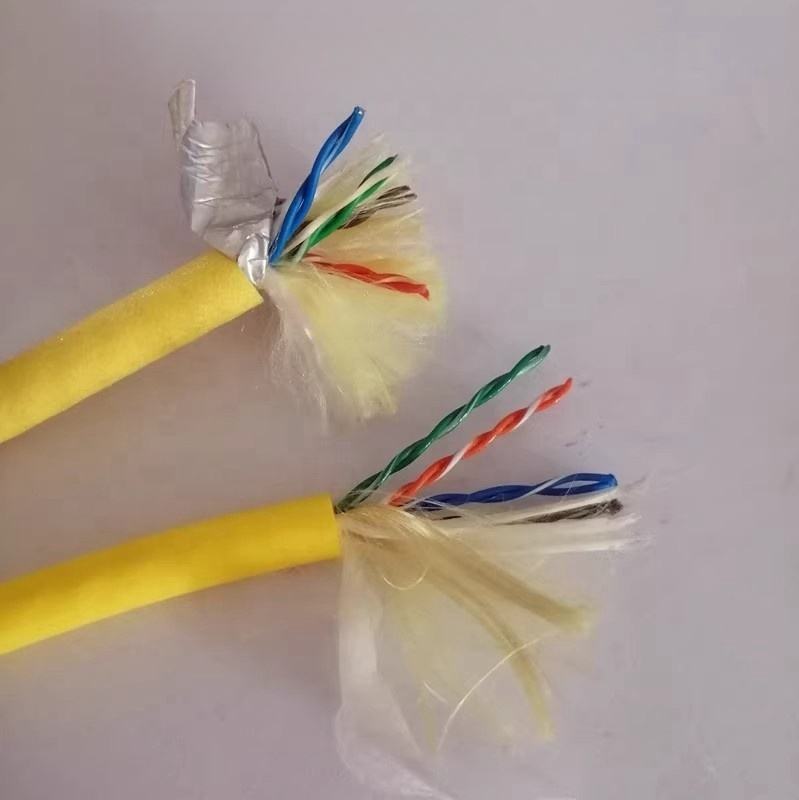
.High‑flex Cat5e Ethernet cable designed for underwater environments with waterproof PE insulation.
.Stranded copper conductors deliver reliable signal transmission and reduced attenuation.
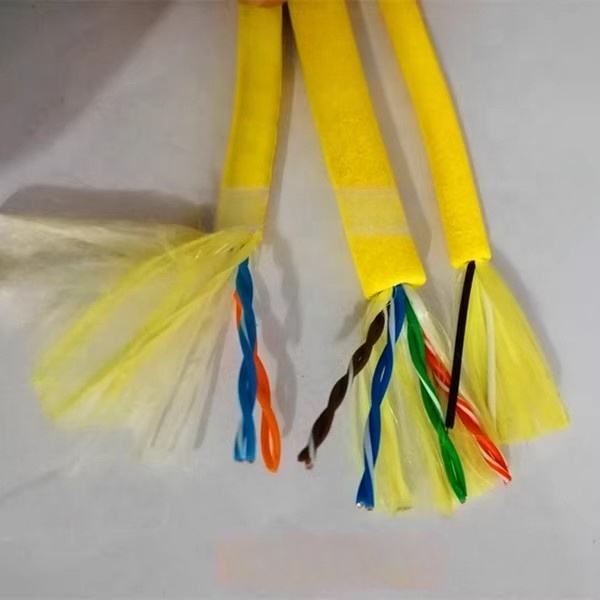
.Neutral and zero buoyancy options improve performance for ROV and subsea applications.
.Customizable jacket materials and lengths support diverse deployment needs.
.Produced by Shanghai Rousheng — experts in specialized cables for industrial and marine systems.
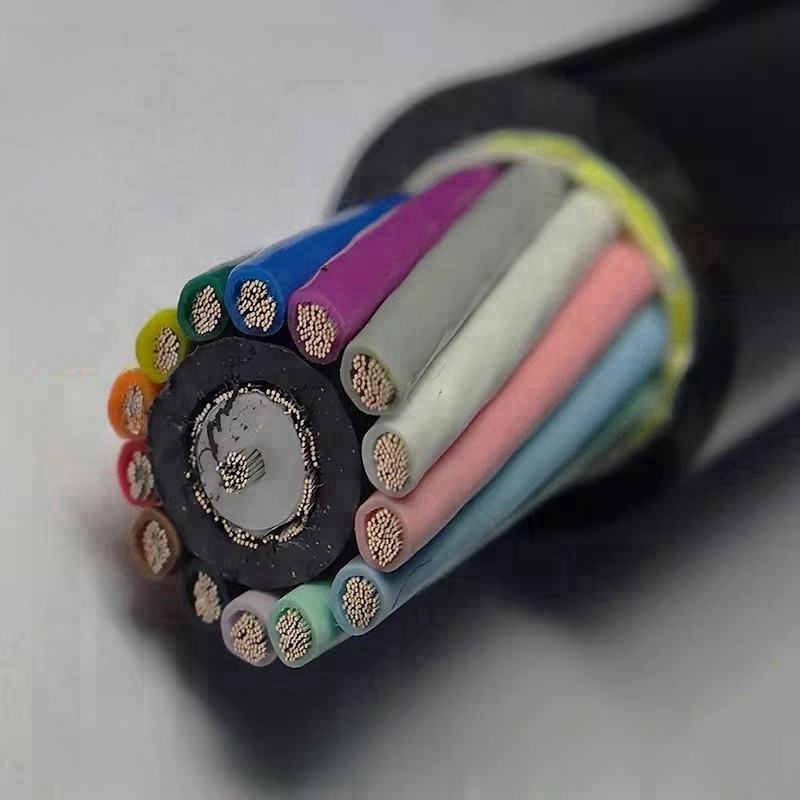
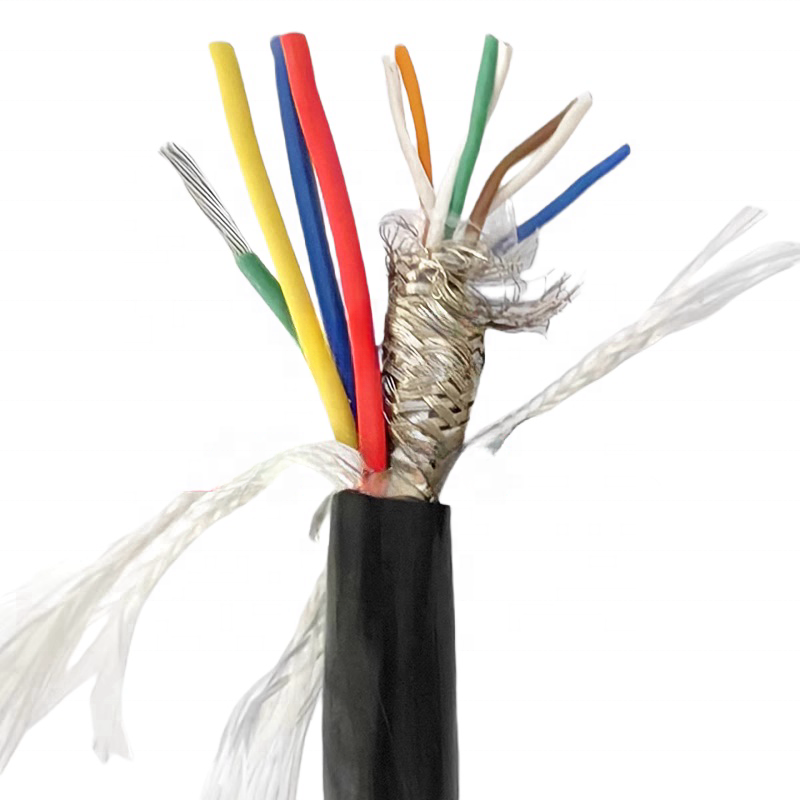
A rugged and flexible Ethernet cable engineered for challenging underwater and marine environments. Featuring stranded copper conductors with PE insulation and waterproof construction, this Cat5e cable offers stable data transmission, enhanced flexibility, and neutral or zero buoyancy performance, specifically designed for ROVs, subsea monitoring and other industrial applications demanding reliable connectivity under water. Shanghai Rousheng Wire & Cable Co., Ltd. brings decades of expertise in special‑purpose and high‑flex cables, supporting design, manufacturing, and global distribution to customers in Europe and over 100 countries.
Cable Highlights & User Value
Built for Challenging Subsea Conditions
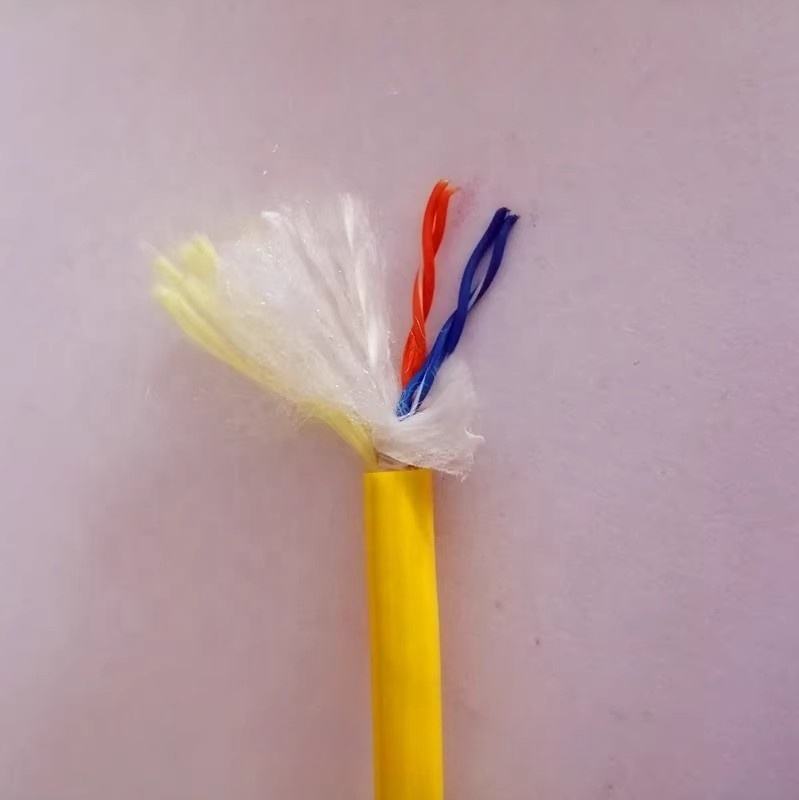
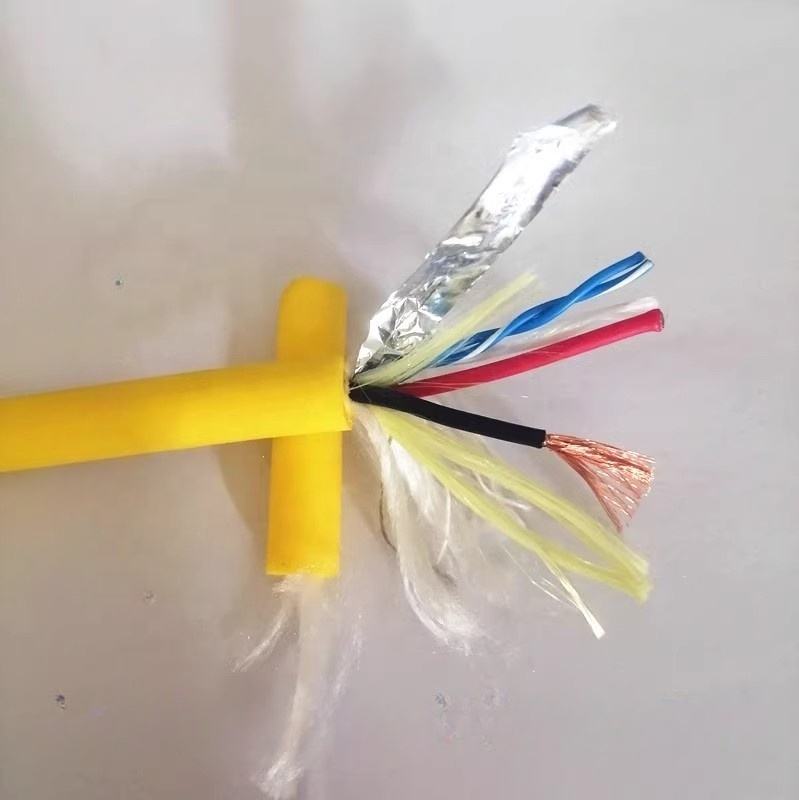
Unlike standard Ethernet cables, this Cat5e cable is crafted to endure the pressure, moisture and corrosive effects of water, particularly saltwater environments. Its waterproof outer jacket and PE insulation protect the inner twisted pairs from degradation and signal loss over time. This makes it ideal for ROVs, submersible sensors, underwater cameras and other marine equipment. Neutral or zero buoyancy features reduce tension and drag on moving equipment during deployment and retrieval.
Flexible Yet Durable Construction
-
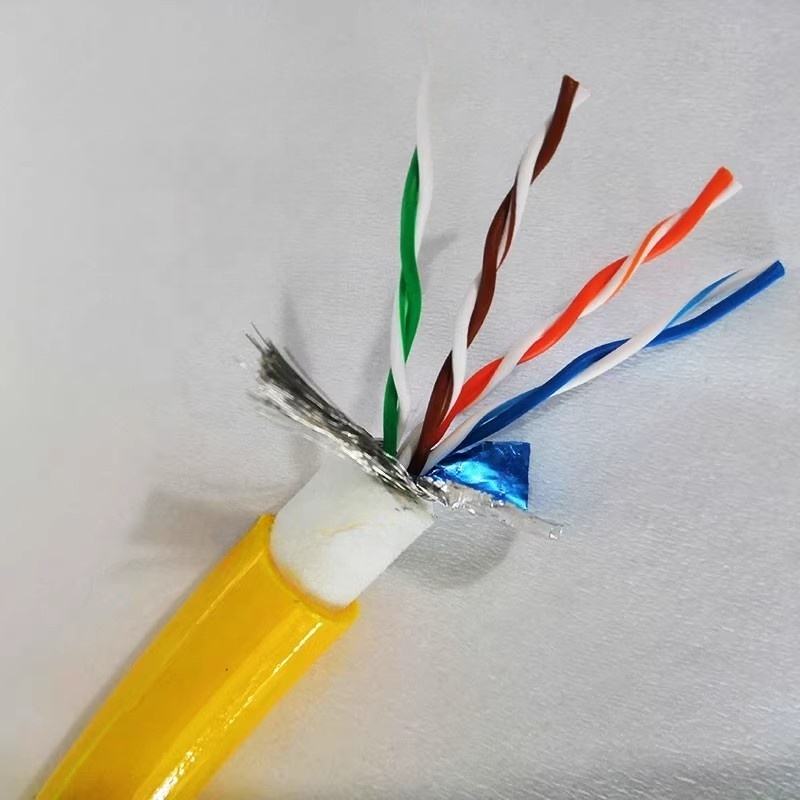
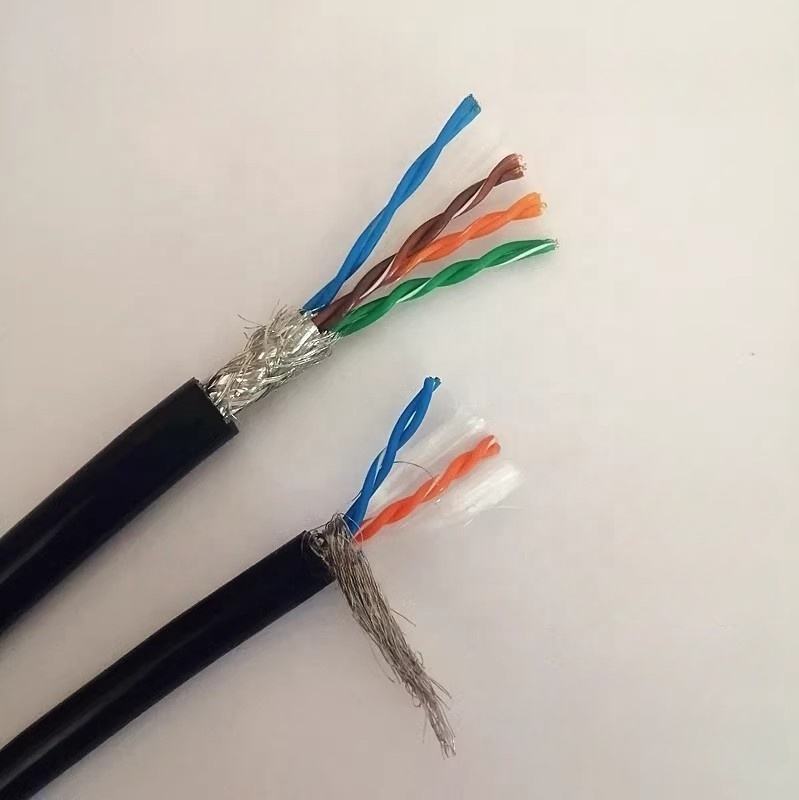
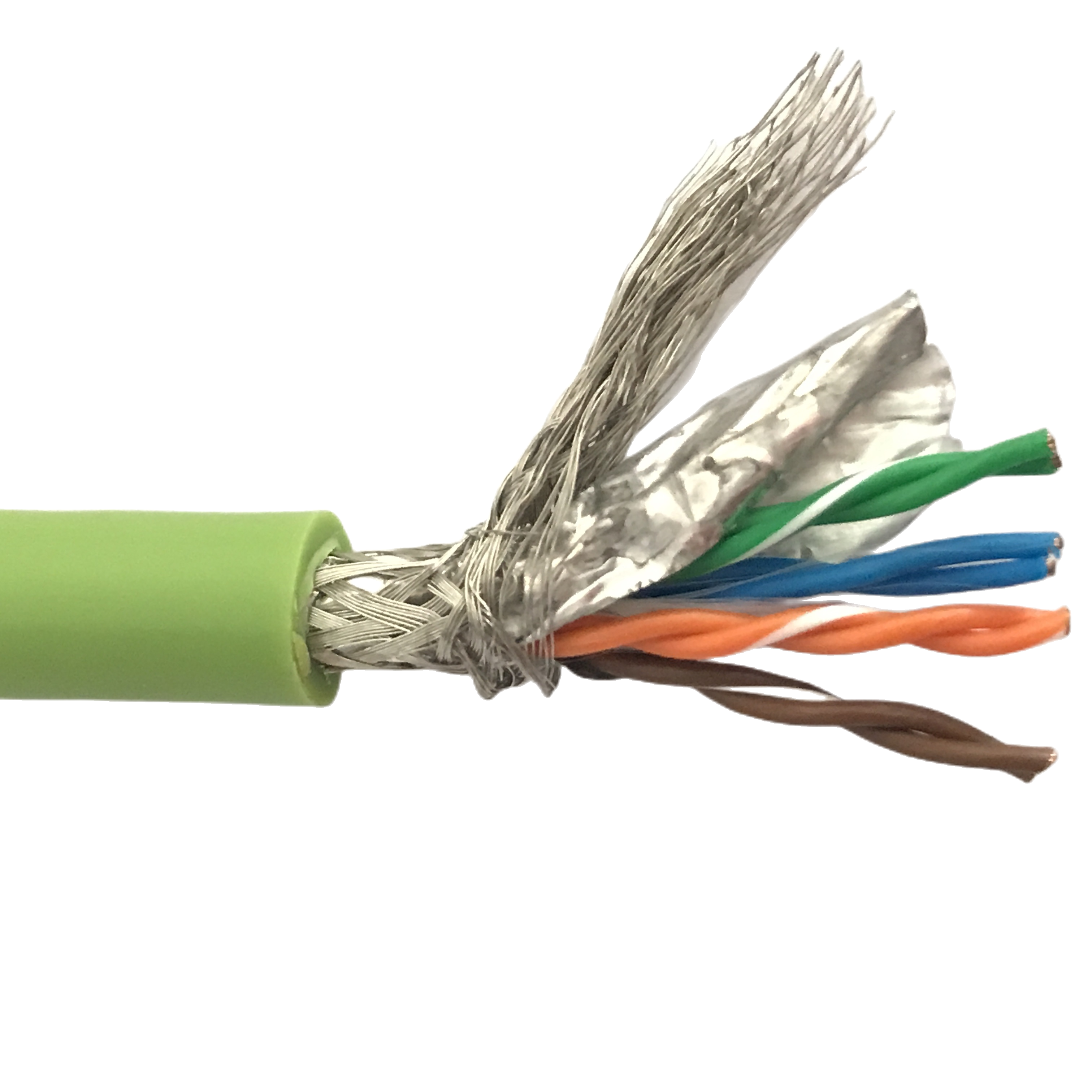
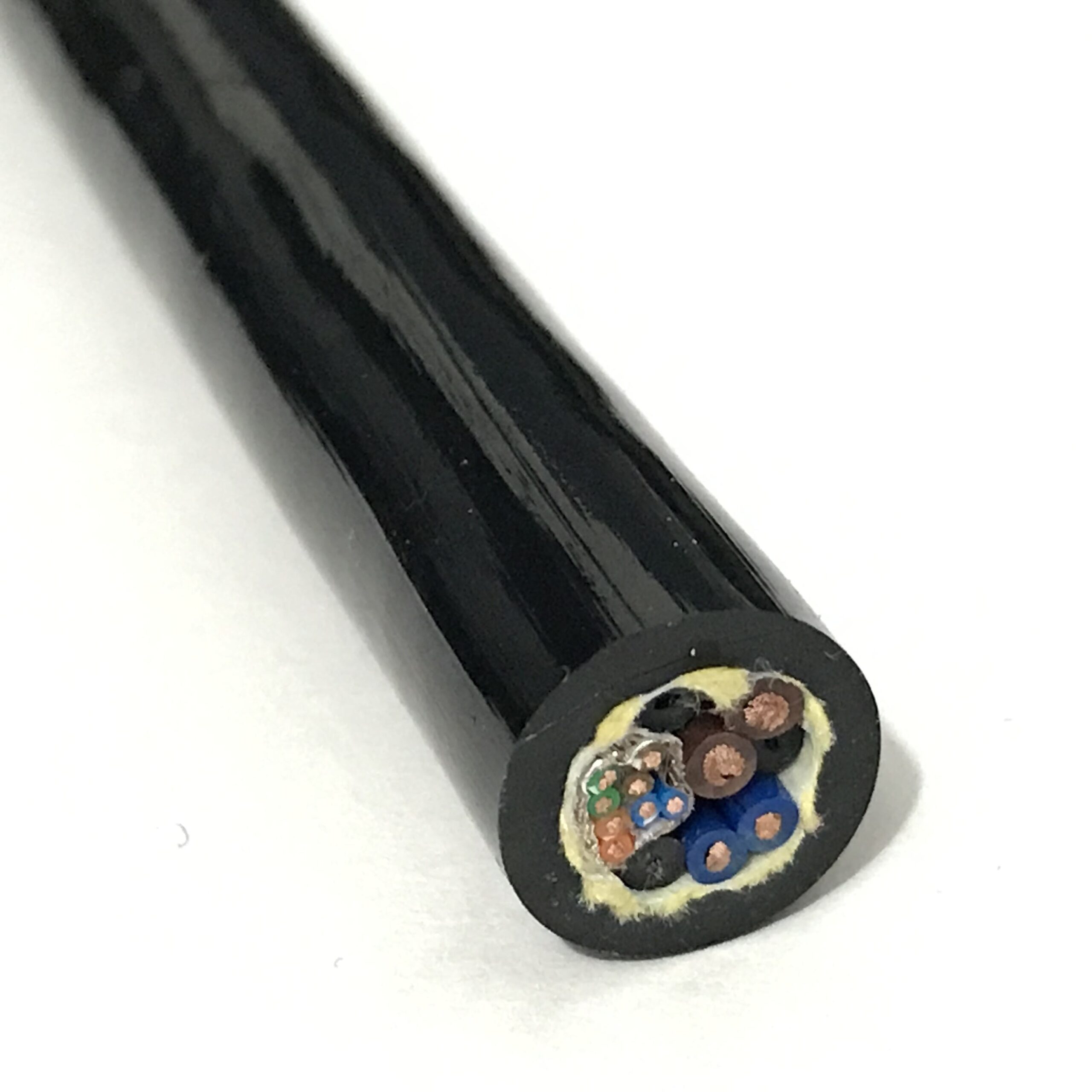
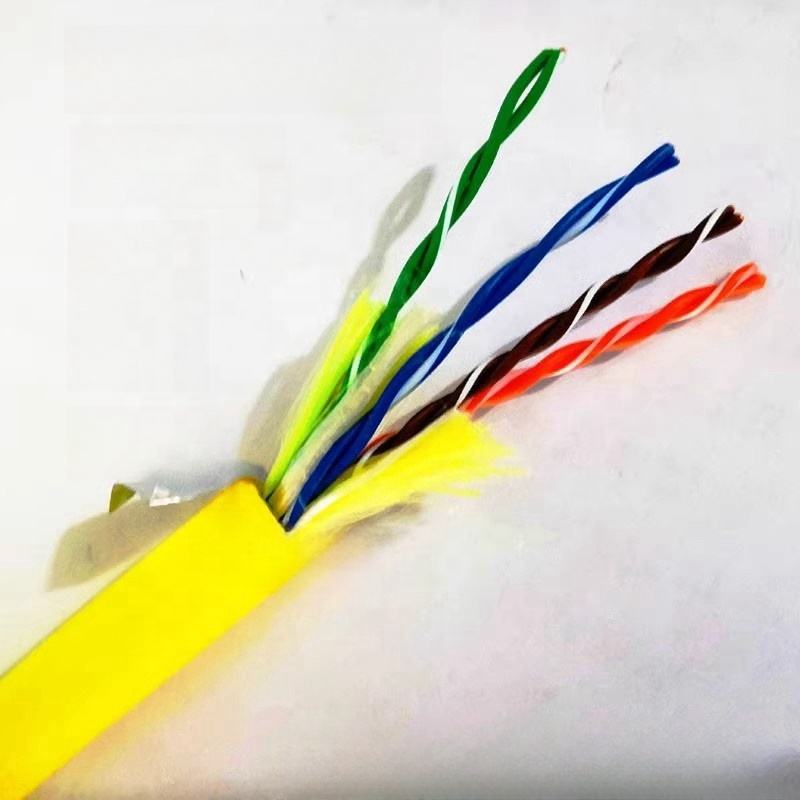
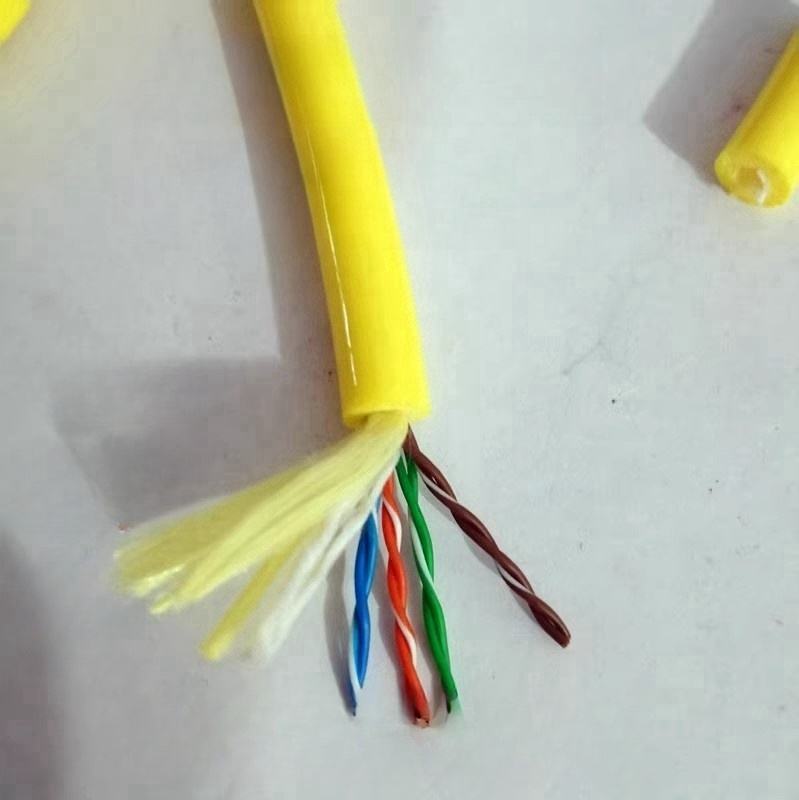
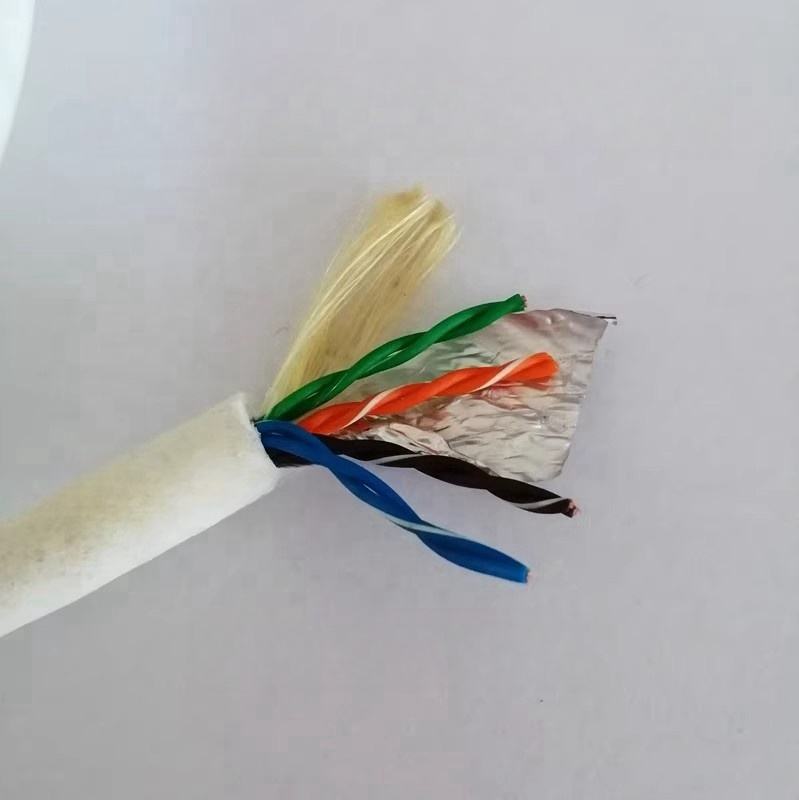
Stranded Copper Conductors ensure excellent flexibility while maintaining strong electrical performance, ideal for dynamic movements and bending in tethered applications.
-
Polyethylene (PE) Insulation offers water resistance and electrical isolation for stable signal transmission.
-
Outer Jacket Options such as PUR or TPE (customizable) add mechanical protection against abrasion and wear.
Neutral & Zero Buoyancy Options
Neutral or zero buoyancy enables the cable to float at desired depth without excessive sinking or floating — a key requirement to reduce drag on underwater vehicles and maintain consistent positioning. This design enhances maneuverability and reduces wear on winches and connection equipment.
Technical Specifications
| Specification | Details |
|---|---|
| Cable Type | Cat5e Ethernet Cable |
| Conductor Material | Stranded Bare Copper |
| Insulation Material | Polyethylene (PE) |
| Twisted Pairs | 4 pairs |
| Outer Jacket Optional | PUR / TPE |
| Buoyancy | Neutral or Zero Buoyancy |
| Waterproof Rating | Seawater resistant |
| Operating Temperature Range | Custom based on jacket selection |
| Typical Applications | ROV, Underwater Camera, Industrial Systems |
Where and How It Excels
For ROV & Underwater Equipment
This Cat5e cable’s rugged design is suited for connecting remotely operated vehicles with topside controls, ensuring minimal signal attenuation and dependable communication links.
Ideal for Marine and Industrial Deployments
Whether used for marine research, inspection robotics, or subsea monitoring, the combination of waterproof shielding and neutral buoyancy ensures longer service life and lower maintenance needs.
Ease of Installation & Handling
Engineered to remain flexible even in low temperatures, this cable is easier to spool, lay out, and handle than rigid alternatives, saving installation time and reducing stress on connectors and tether systems.
FAQ – What Buyers Commonly Ask
Q1: What performance does Cat5e deliver underwater?
Cat5e supports up to 100 MHz data bandwidth and is widely used for Ethernet connections where reliable digital communication is required.
Q2: Is the cable fully waterproof?
Yes. With proper jacket selection (e.g., PUR), this cable is built to resist prolonged water exposure and is suitable for subsea or marine environments.
Q3: How does neutral buoyancy benefit my system?
Neutral buoyancy reduces drag and tension on underwater vehicles, leading to smoother motion and less wear on support hardware.
Q4: Can lengths and configurations be customized?
Yes. Cable length, jacket type, and buoyancy tuning can all be tailored to your project’s specific requirements.
Q5: What outer jacket should I choose?
PUR is often selected for its durability and abrasion resistance, while TPE may be preferable in environments requiring extreme flexibility.