


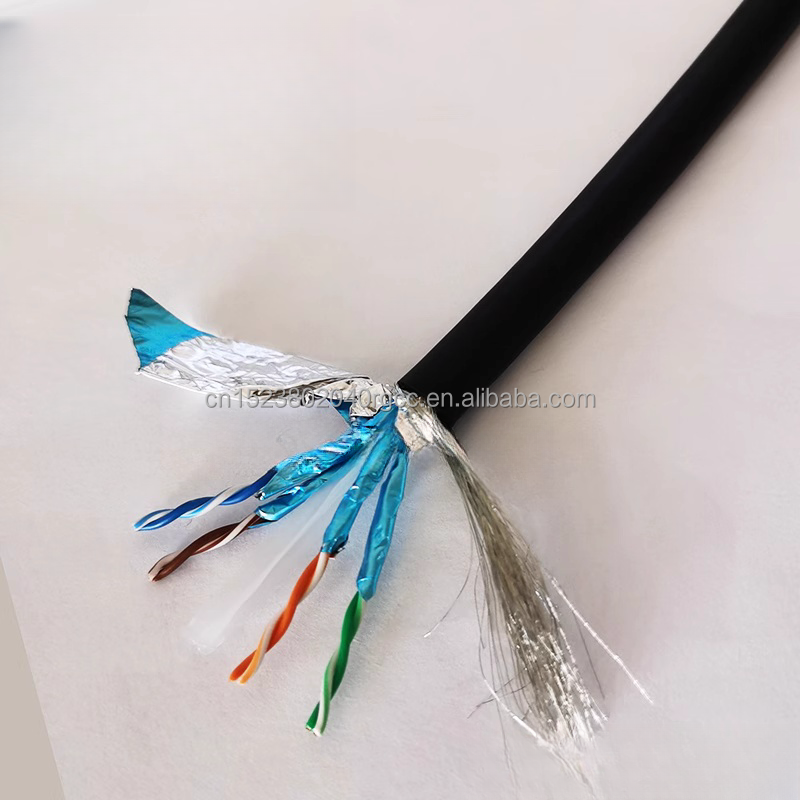
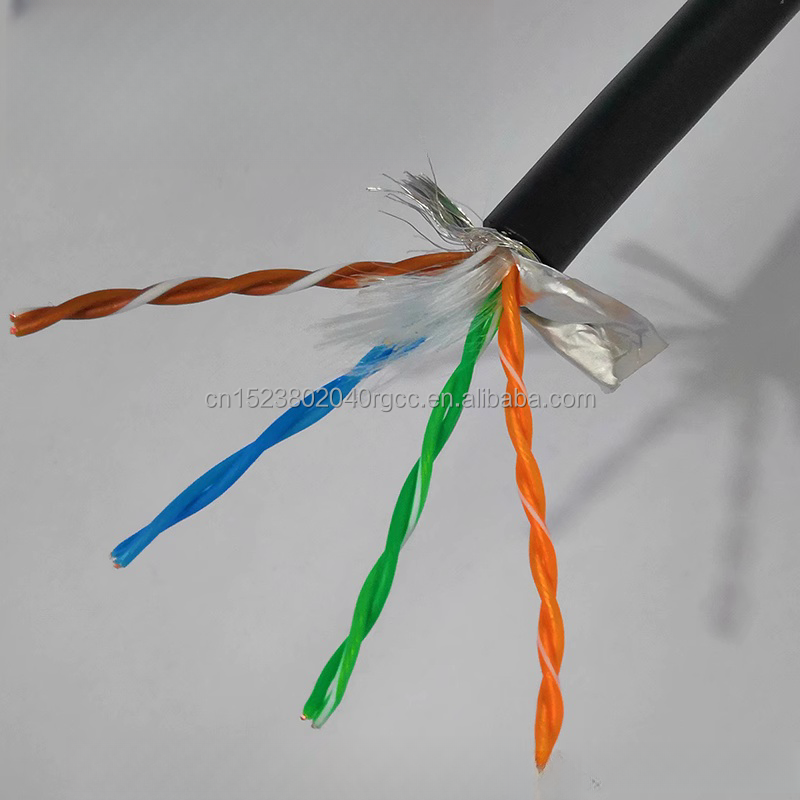
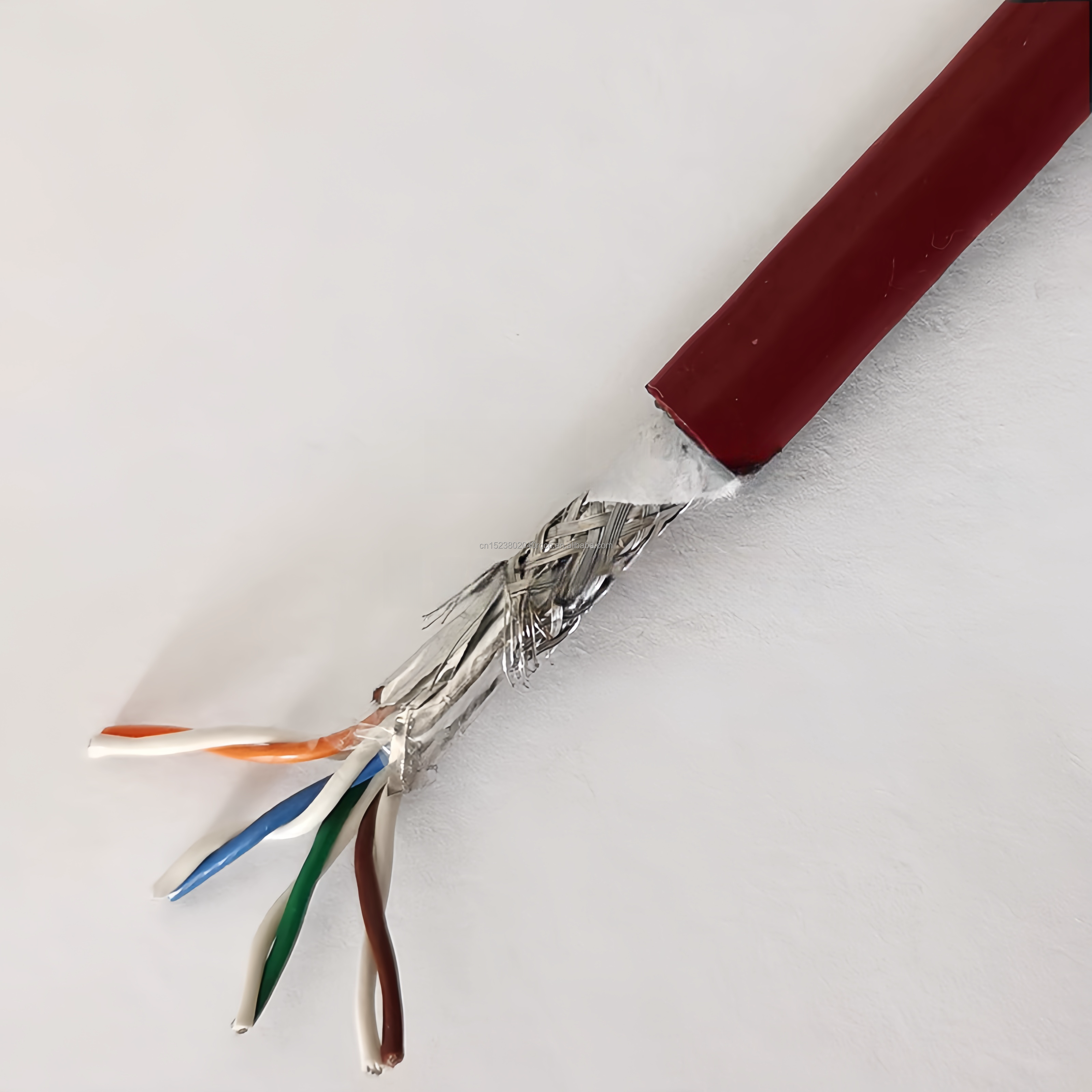
Silicone High-Temperature Cable – Custom Cores, Colors, and Lengths
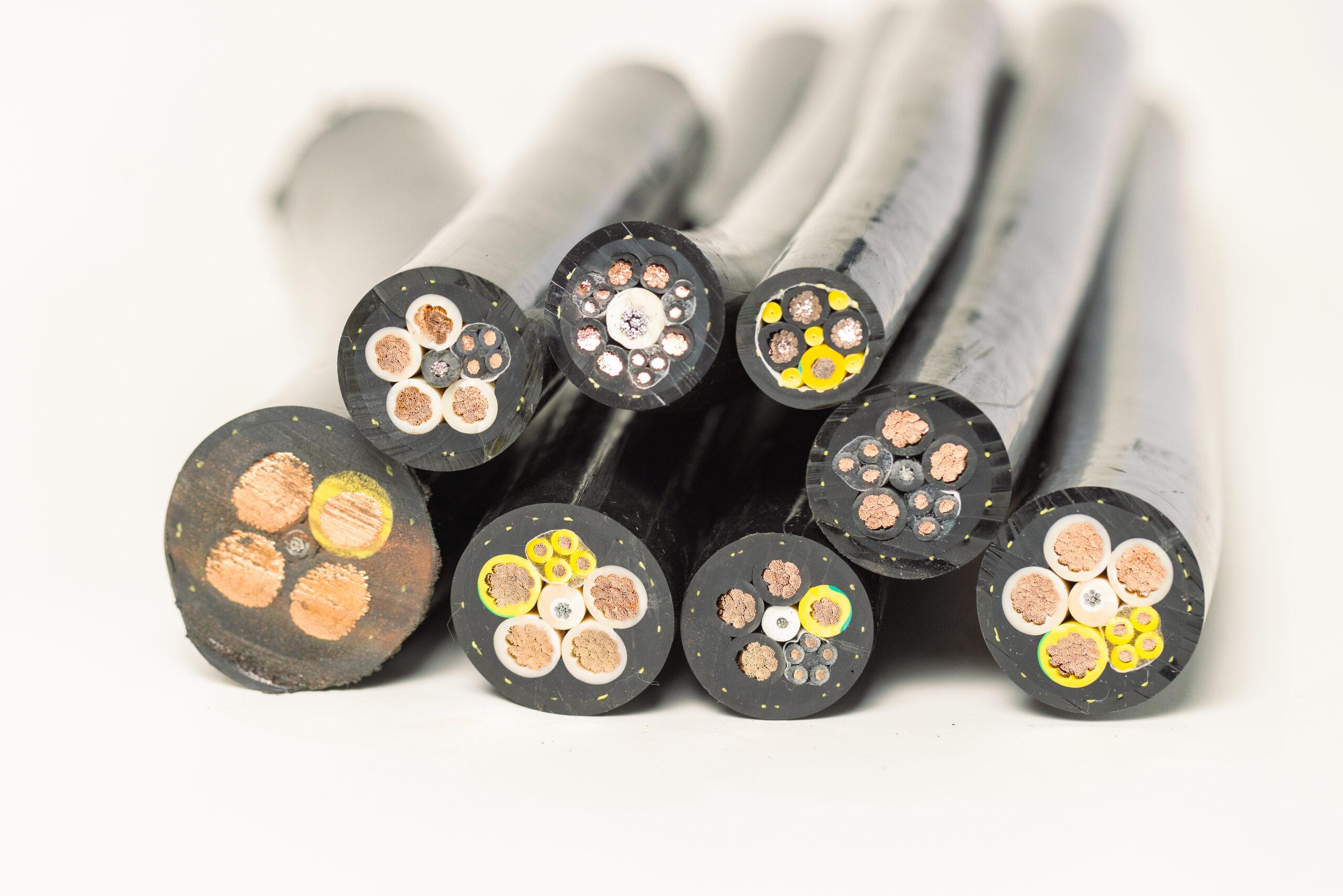
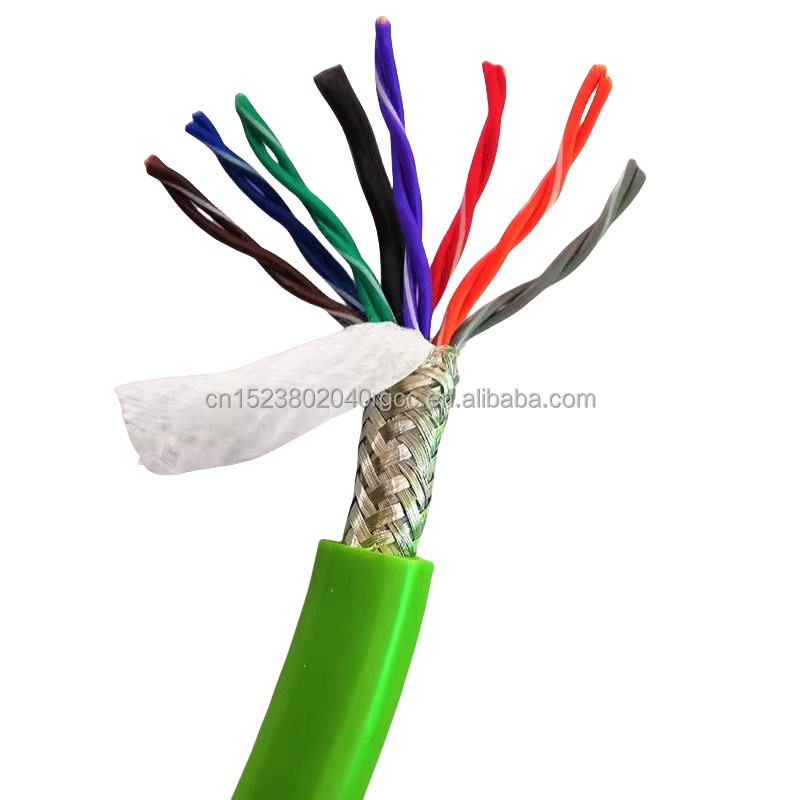
Silicone High-Temperature Cable is designed for high-heat wiring where flexibility, routing ease, and clear identification are critical. Built with silicone rubber insulation—and silicone jackets for multi-core constructions—this cable remains easy to install and service in elevated temperature zones found in appliances, heating equipment, and industrial machinery. It supports custom core counts for compact harnessing, a wide conductor range for power and control circuits, and optional shielding for EMI-prone environments. For production efficiency and maintenance accuracy, it can be supplied with custom core colors, jacket colors, printed text markings, and cut-to-length or reel packaging to match your workflow. By selecting the right temperature duty, conductor stranding, OD target, and exposure compatibility, silicone heat cable delivers stable performance in warm zones while remaining highly flexible for tight routing and frequent servicing.
Silicone High-Temperature Cable – Custom Cores, Colors, and Lengths
If your project needs wiring that stays flexible near heat sources—without becoming stiff, brittle, or difficult to route—Silicone High-Temperature Cable is a reliable option for appliances, heating equipment, and industrial machinery. This page is built as a practical “configure-and-quote” reference: choose temperature duty, core layout, conductor stranding, OD limits, and identification (colors/printing), then request a build that matches your installation reality.
Configure in 60 Seconds (Select Your Build)
1) Temperature duty
-
150°C class / 180°C class (most common) / custom high-heat builds available
2) Cable function
-
Power leads (single core)
-
Multi-core control harness
-
Signal/control with optional shielding
3) Flex requirement
-
Standard flexible
-
Extra-flex (high-strand conductor + optimized lay)
4) Identification
-
Custom core colors
-
Jacket color choice
-
Printed text marking (part number, meter marks, customer label)
5) Routing limits
-
Max outside diameter (OD) target
-
Minimum bend radius requirement (if tight routing)
When you share these five items, quoting becomes fast and accurate.
Typical Applications (Where Silicone Wins)
Silicone insulation is often selected for flexibility in heat, especially where wiring is installed in tight spaces or needs frequent servicing.
-
Heating equipment and thermal devices (hot plates, heaters, heat tunnels)
-
Appliances (ovens, dryers, commercial kitchen equipment)
-
Industrial machinery wiring near warm components
-
Robotics and moving harnesses in warm zones (light motion)
-
Test and lab wiring where flexible routing matters
Common synonyms: silicone rubber cable, heat resistant flexible cable, high-temp power cable, silicone insulated wire.
Product Models (Clear SKU Options)
Model names below are SKU examples. Replace with your internal naming format (cores + AWG/mm² + shield + OD + approvals).
| Product Name (Model + Core Attributes) | Typical Use / Application | Key Technical Parameters (Specs / Structure / Materials) |
|---|---|---|
| RSTL-SIL-180C-1C (Single-Core Power Lead) | Heaters, appliances, internal hot-zone wiring | Cores: 1C / Conductor: stranded copper (tinned optional) / Insulation: silicone rubber / Jacket: optional silicone / Temp duty: up to 180°C class / Voltage: 300V/600V class (custom) |
| RSTL-SIL-180C-MC (Multi-Core Control Cable) | Machinery control wiring, compact harnessing | Cores: 2–30 (custom) / Structure: stranded conductors + silicone insulated cores + optional fillers / Jacket: silicone / Temp duty: 180°C class |
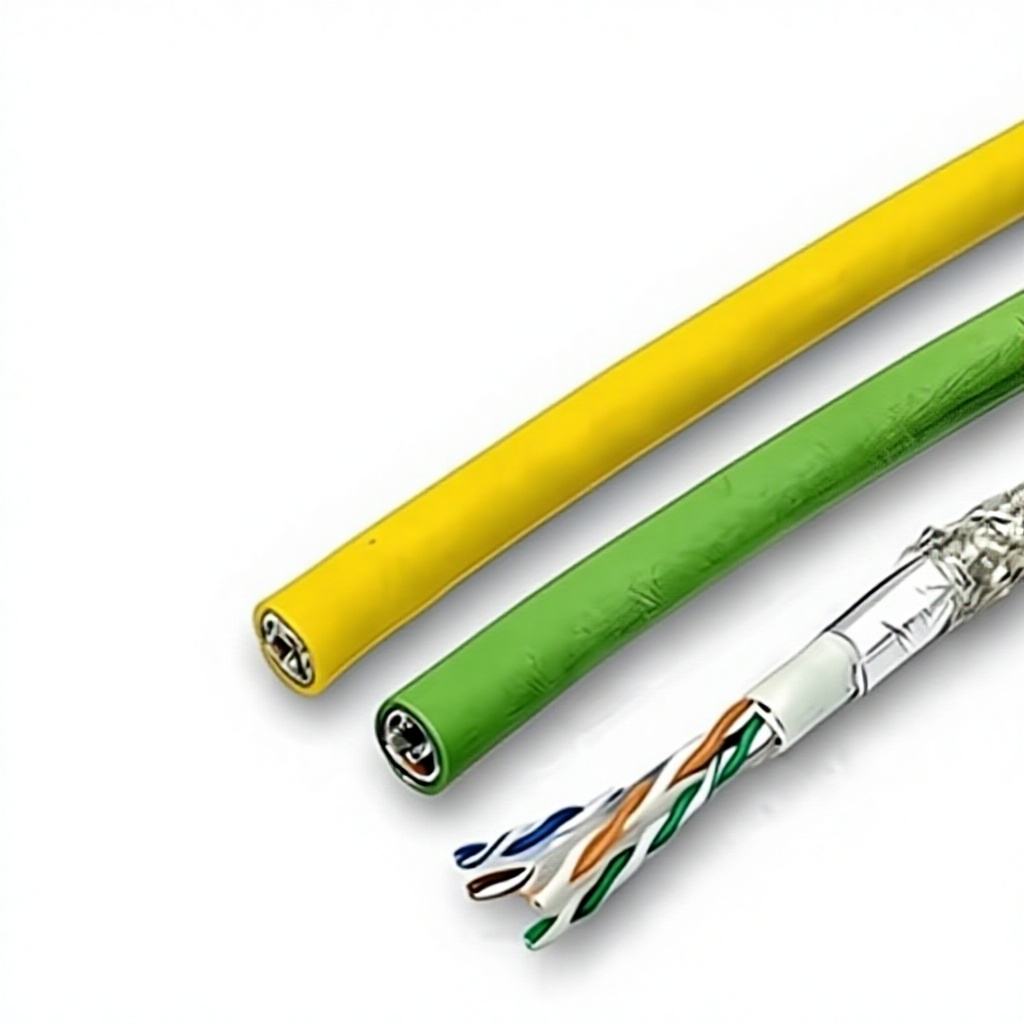
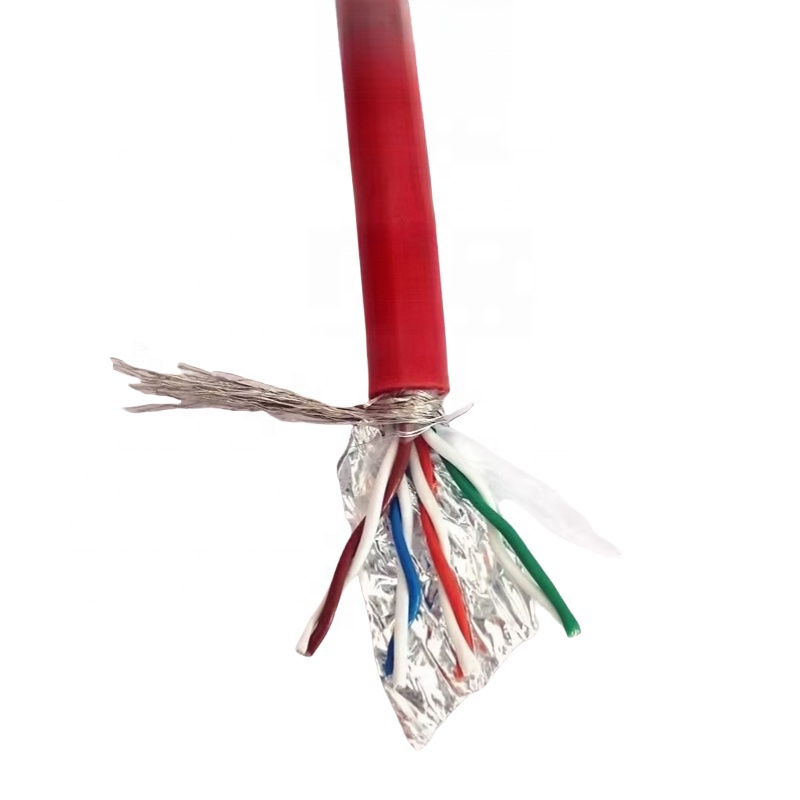
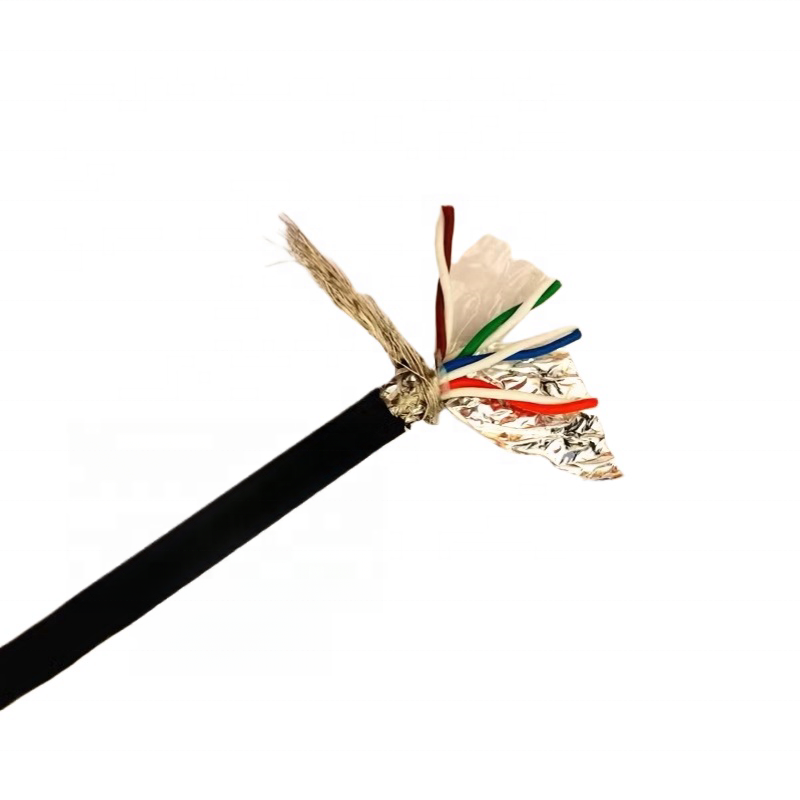
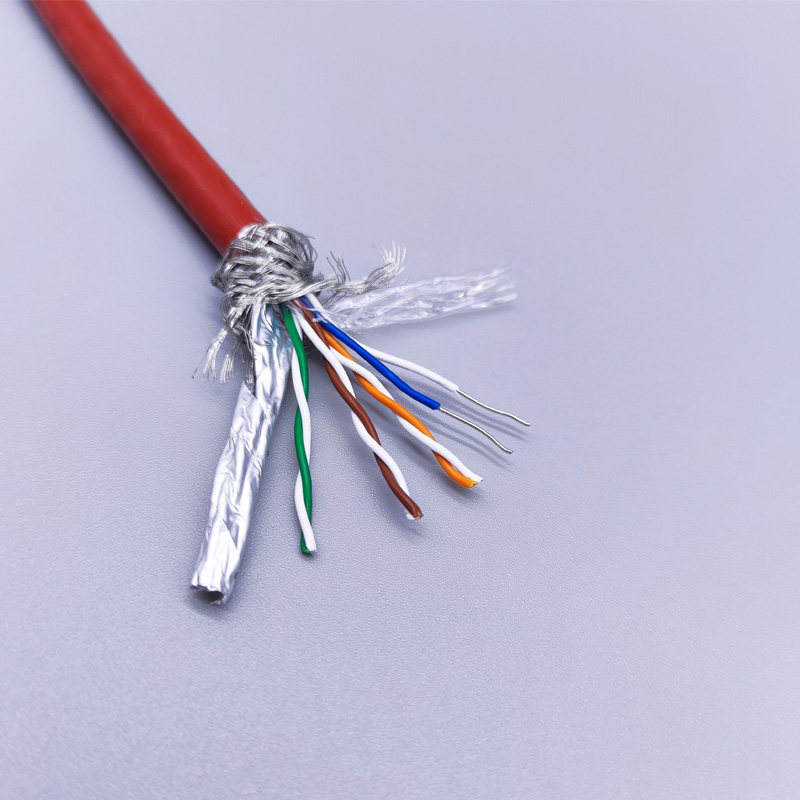
| RSTL-SIL-180C-SH (Shielded Silicone Control Cable) | Control/signal lines near motors and power wiring | Cores/Pairs: custom / Shield: foil or braid + optional drain / Insulation/Jacket: silicone / Temp duty: 180°C class |
| RSTL-SIL-HFLEX (High-Flex Build) | Frequent bending, tight routing, service loops | Feature: high-strand conductor + optimized lay / Insulation/Jacket: silicone / Cores: custom / Focus: flexibility + routing compliance |
Engineering Ranges (Typical, Custom Available)
Use these ranges to scope your request and speed up quoting:
-
Temperature duty: up to 180°C class (project builds available)
-
Conductor size: AWG 28–6 typical (custom available)
-
Core count: 1C–30C (custom)
-
Voltage class: 300V / 600V class (custom available)
-
Shielding (optional): foil / braid / foil + drain wire
-
Outside diameter (OD): depends on cores and jacket; OD targets can be quoted to match routing space
-
Minimum bend radius: depends on OD and construction; bend targets can be confirmed during quoting
-
Conductor stranding: standard flexible or high-strand “extra-flex” options
-
Color & marking: custom core colors, jacket colors, printed markings, meter marks
-
Supply: cut-to-length or reels
This Silicone High-Temperature Cable lineup is designed to balance heat resistance with high flexibility and clear identification.
Silicone vs PTFE (Quick Material Choice)
Use this as a fast filter before you commit:
-
Choose silicone when flexibility and easy routing in warm zones are top priorities (appliances, heaters, machinery).
-
Choose PTFE when heat is extreme and chemical exposure is aggressive (solvents, fuels, harsh chemicals).
If you tell us your temperature range and chemical exposure, we can recommend the better insulation family.
What Buyers Usually Miss (Selection Notes)
1) Flex is mostly conductor design
If you want a softer, easier-to-route cable, focus on:
-
higher strand count conductors
-
optimized core lay
-
OD control
Changing insulation material is not the only solution.
2) Chemical exposure should be stated early
Silicone performs well in heat, but chemical compatibility depends on the specific exposure. If you have oil mist, solvent wiping, or hydraulic fluid splash, include:
-
chemical type
-
contact style (wipe/splash/continuous)
-
temperature during exposure
3) Abrasion is a separate problem
If routing involves sharp edges or repeated rubbing, add a protection strategy (routing guard, sleeve, or outer layer) rather than expecting insulation to handle abrasion alone.
Quality, Testing, and Deliverables (E-E-A-T)
Standard production checks (typical)
-
Dimensional checks (OD, insulation thickness)
-
Conductor continuity testing
-
Visual inspection and packaging protection
Options for project documentation
-
Insulation resistance checks (as required)
-
Shield continuity testing (shielded builds)
-
Sample approval build for new configurations
-
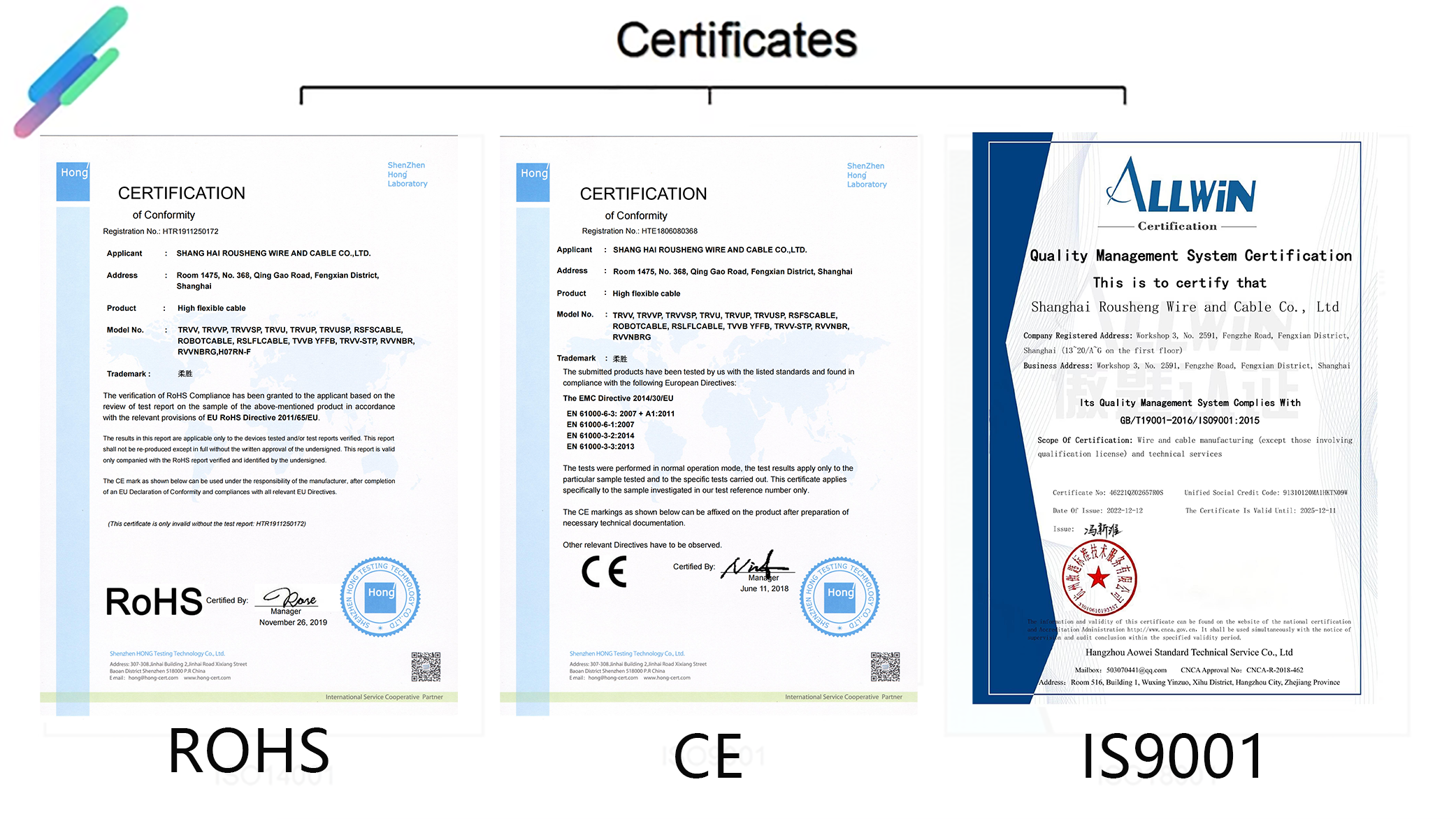
Documentation pack (build spec sheet + test summary) on request
If you need consistent harness identification, we can align colors/printing to your drawing or BOM.
Request a Quote (Simple Conversion Path)
Send these 7 details for a fast response:
-
Temperature duty (e.g., 180°C class)
-
Core count + AWG/mm²
-
Voltage class requirement (if applicable)
-
Flex requirement (standard / high-flex)
-
Shield (none / foil / braid)
-
Color & printing requirements
-
Length per cut/reel + quantity
CTA buttons for your page
-
Request a Quote
-
Get a Sample
-
Talk to an Engineer
FAQ
What is silicone high-temperature cable used for?
It’s commonly used for flexible heat-resistant wiring in appliances, heaters, and industrial equipment where routing space is tight.
Can I order custom core colors and printed markings?
Yes. Core colors, jacket color, printing, and meter marks can be customized for maintenance and harness identification.
Do I need shielding for control or sensor wiring?
If routed near motors, VFDs, or power cables, shielding can improve signal stability. Foil is compact; braid is durable for motion routes.
Can silicone cable be used around oils or solvents?
It depends on the specific chemicals and exposure style. Provide chemical details so we can confirm compatibility or recommend a different material.
How do I make the cable more flexible?
Select high-strand conductors and an optimized lay. These choices often improve flexibility more than increasing jacket softness.