


PVC Flexible Control Cable for Industrial Automation | Multi-Core | Oil-Resistant Manufacturer
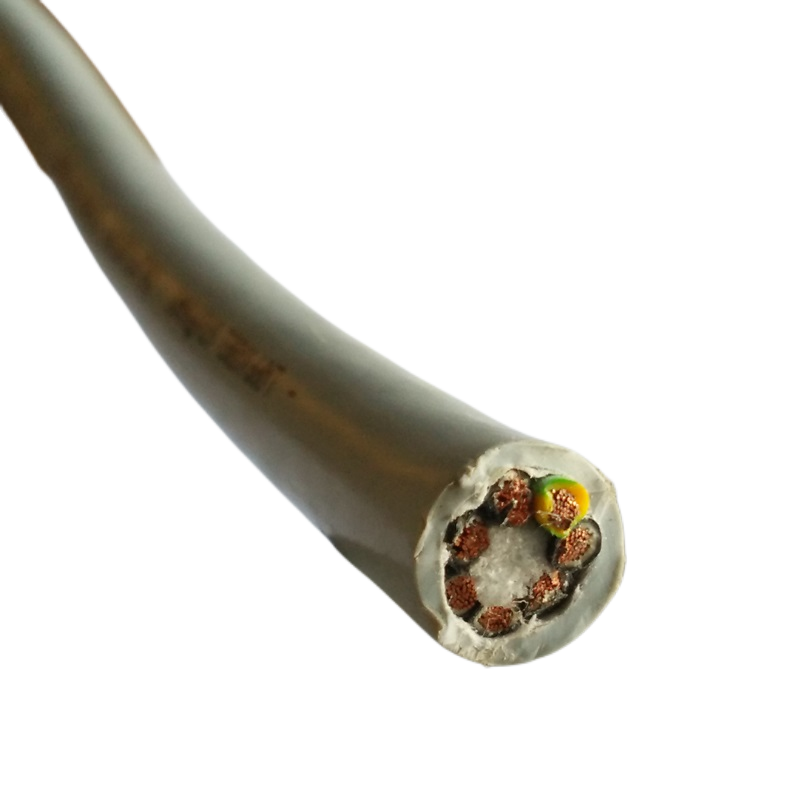
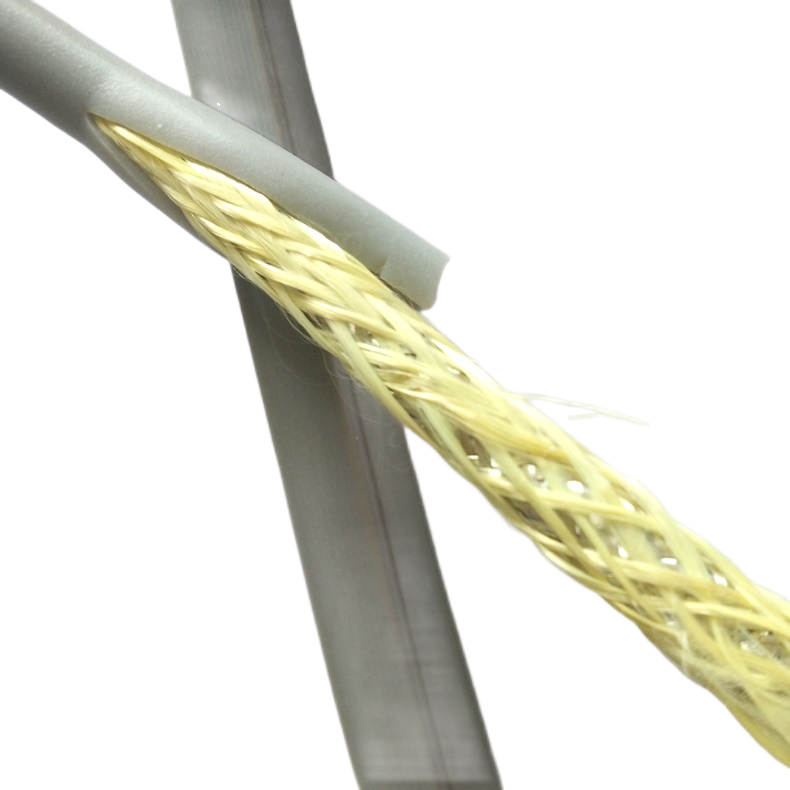
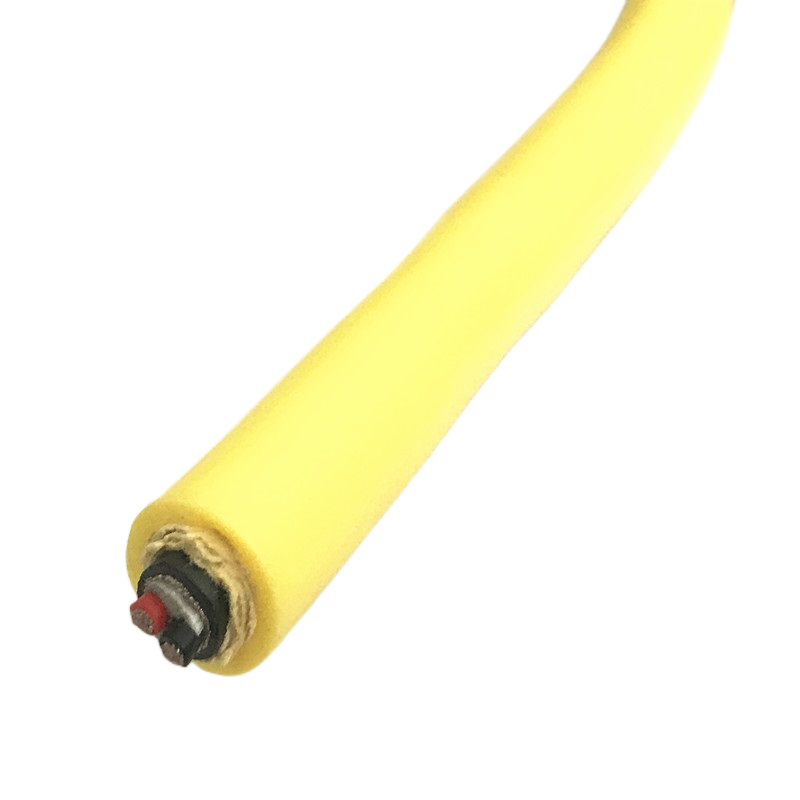
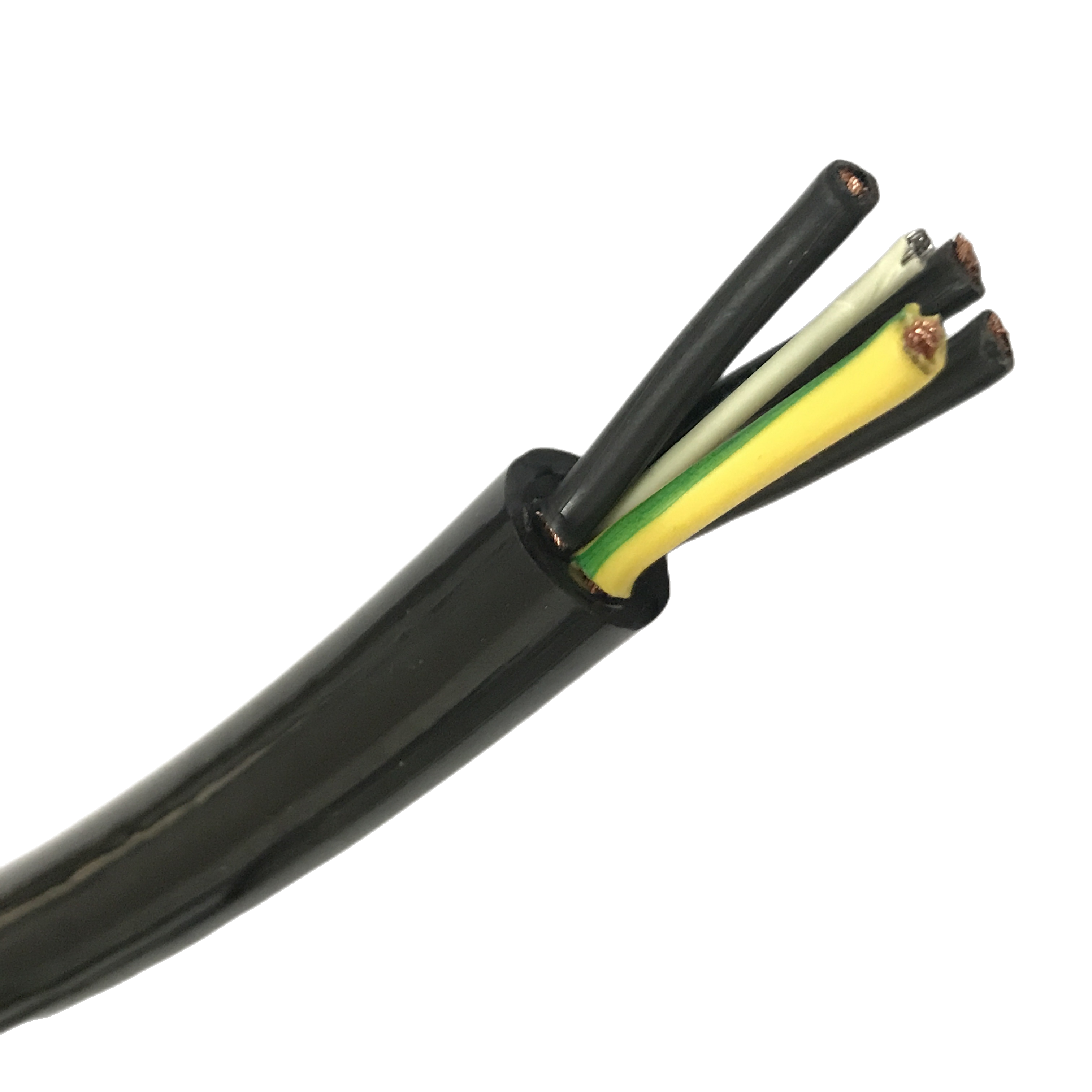
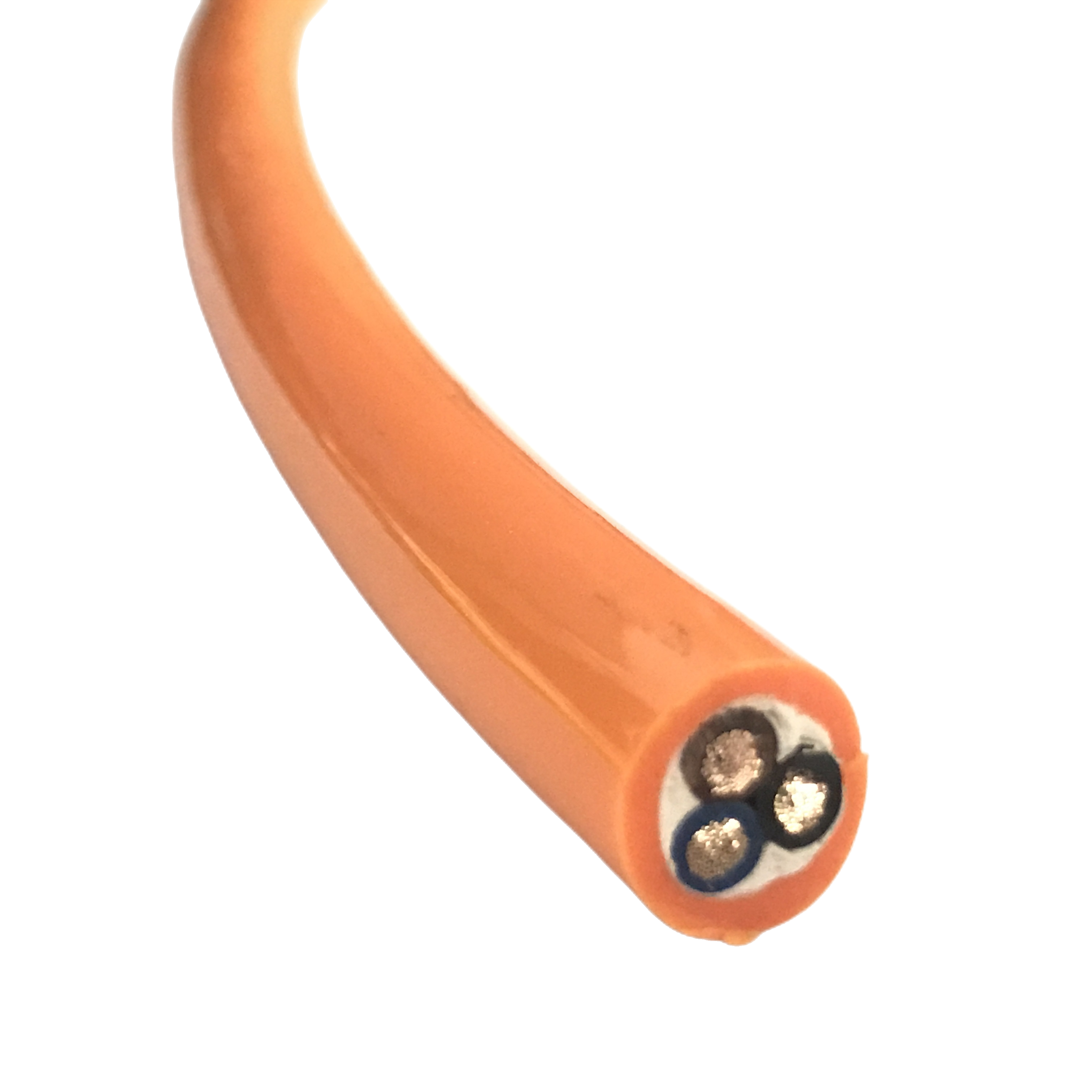
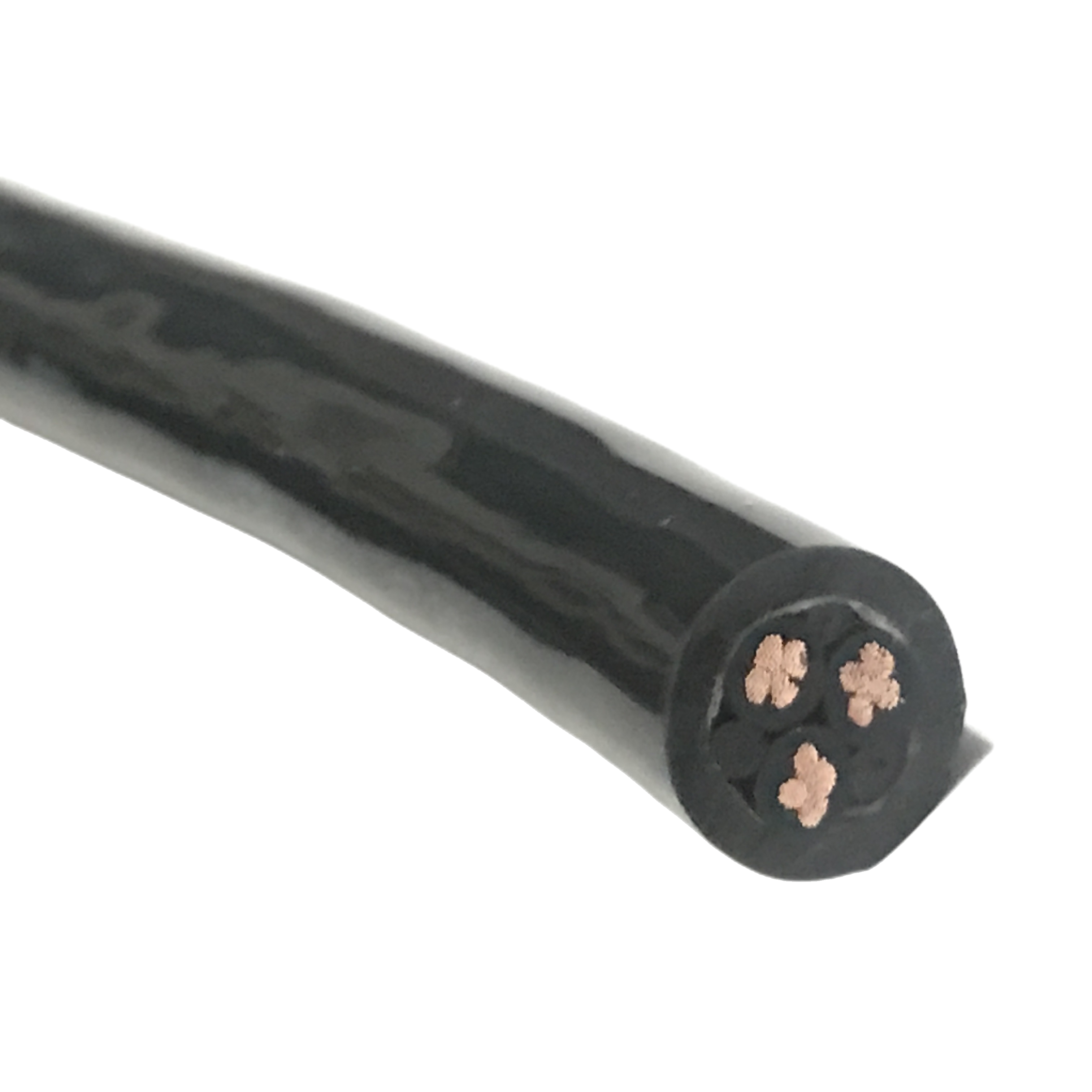
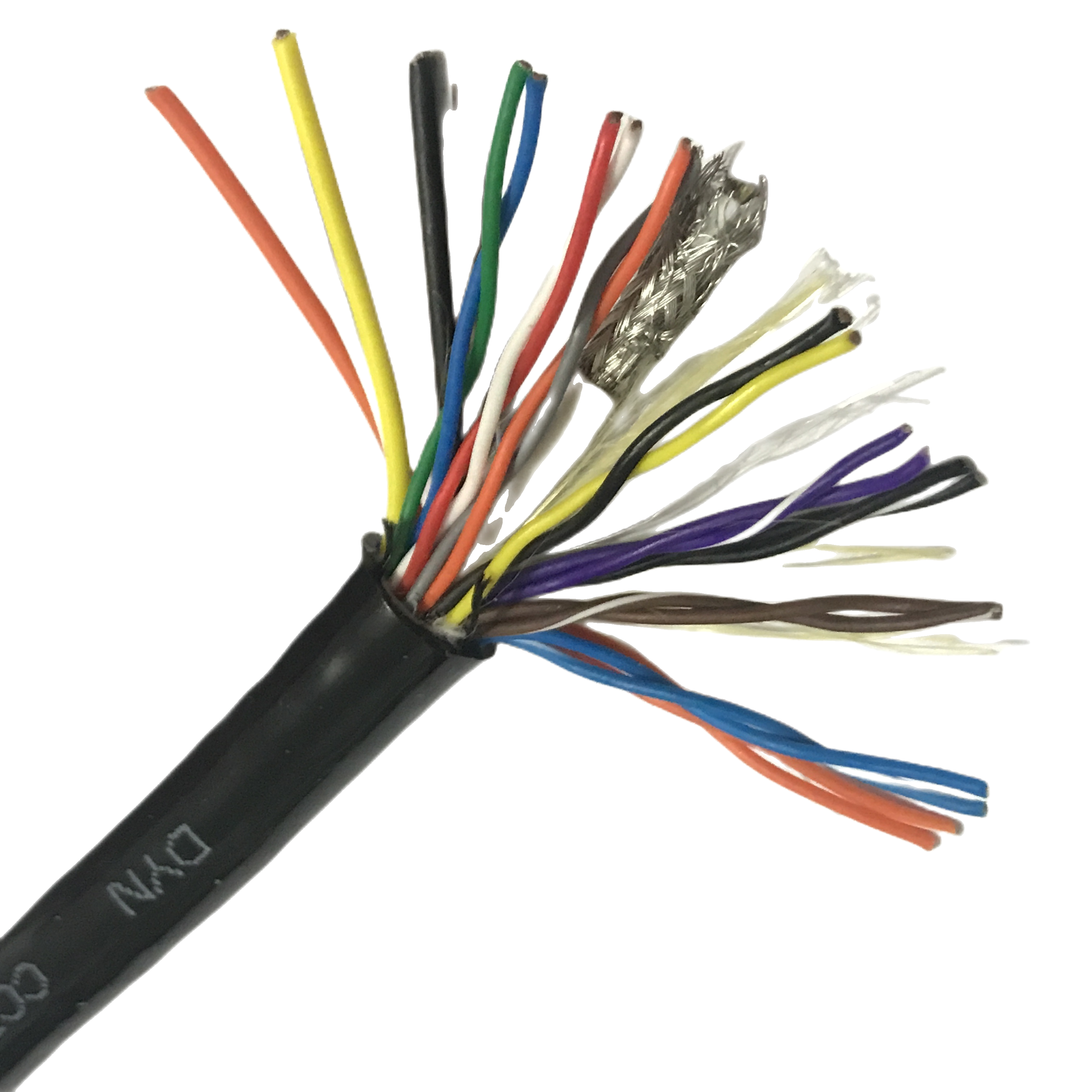
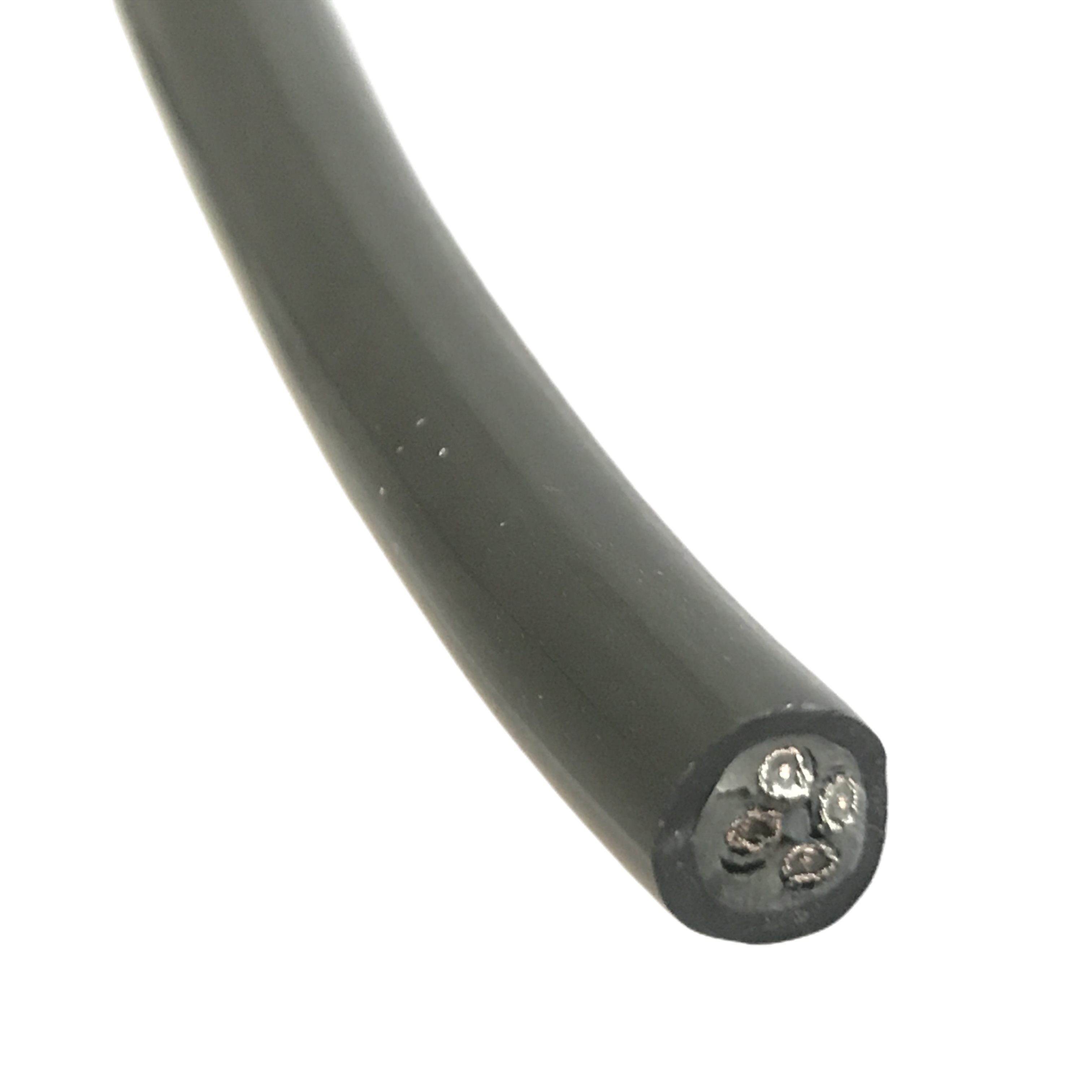
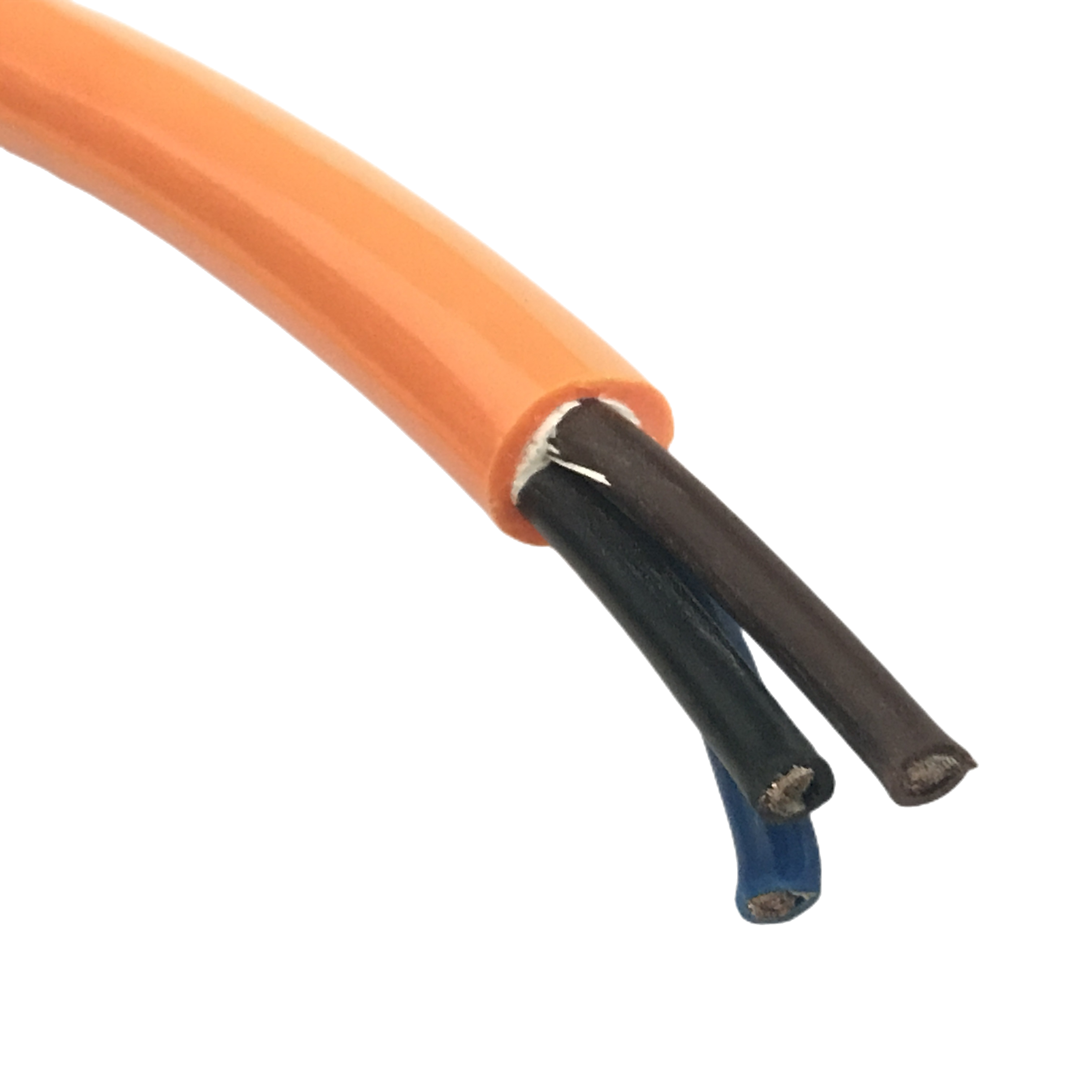
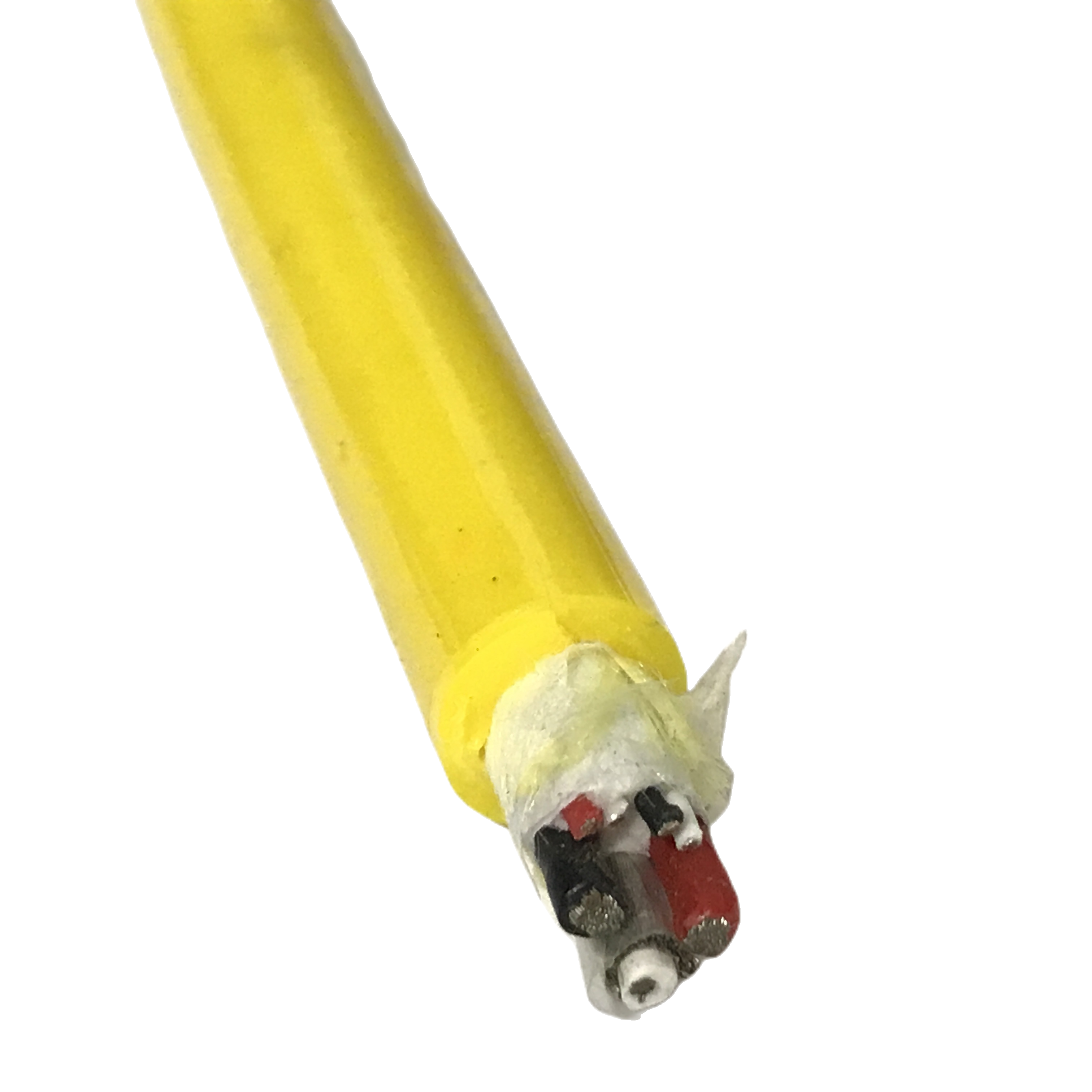
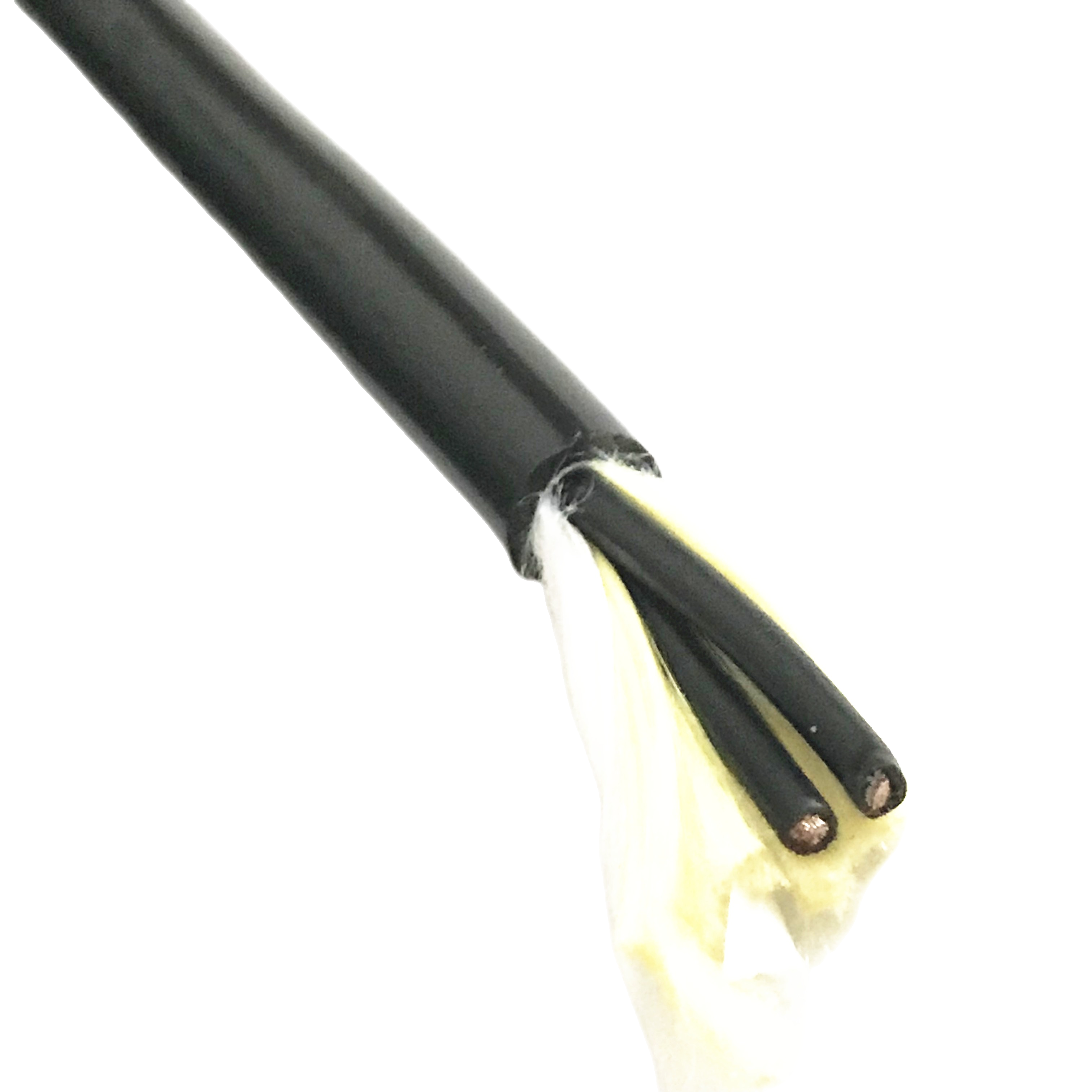
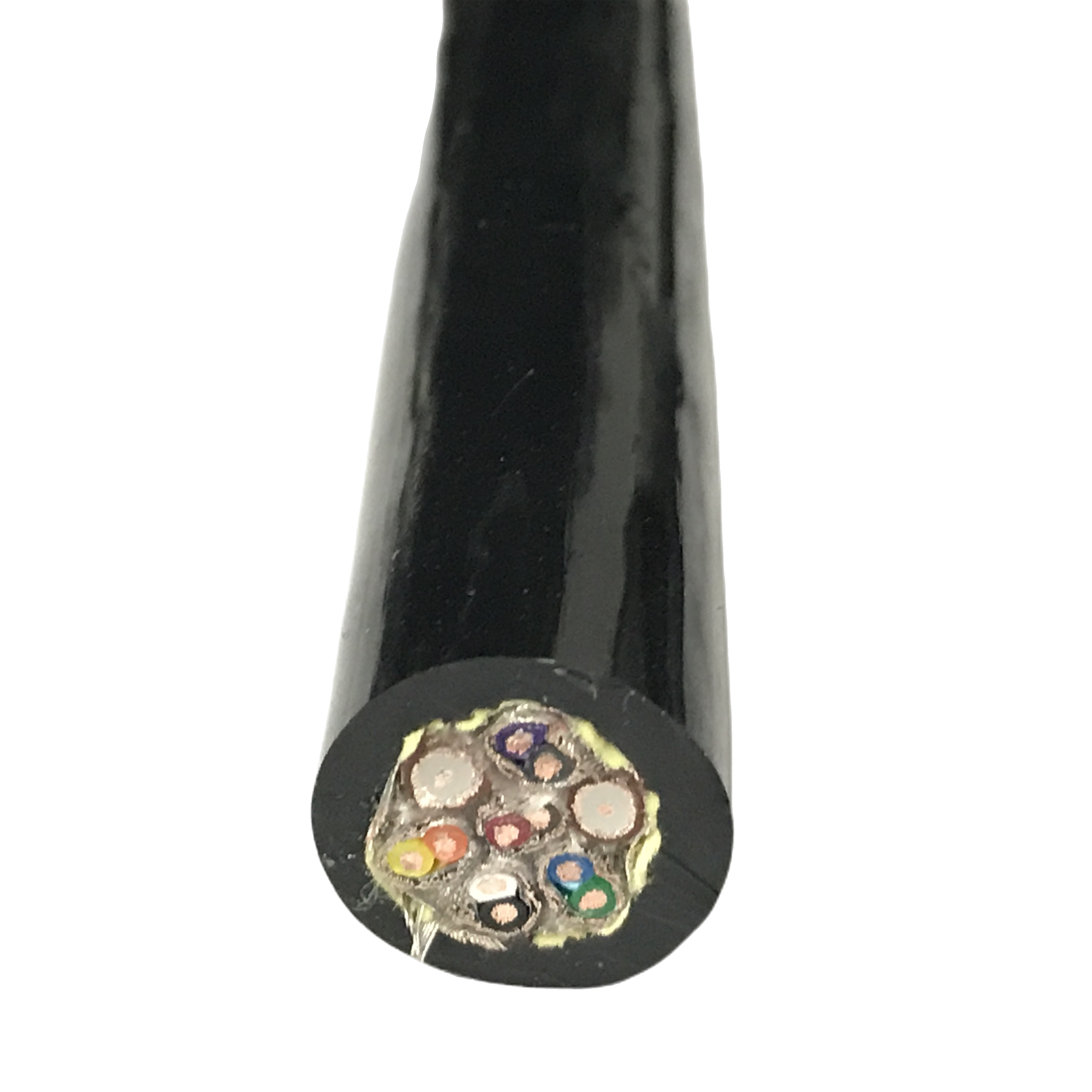
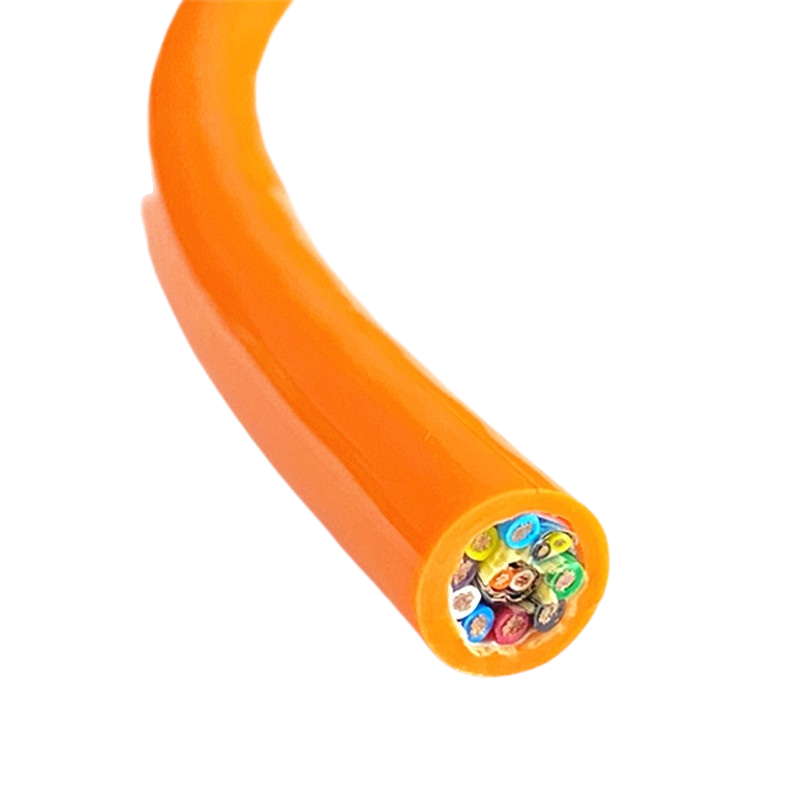
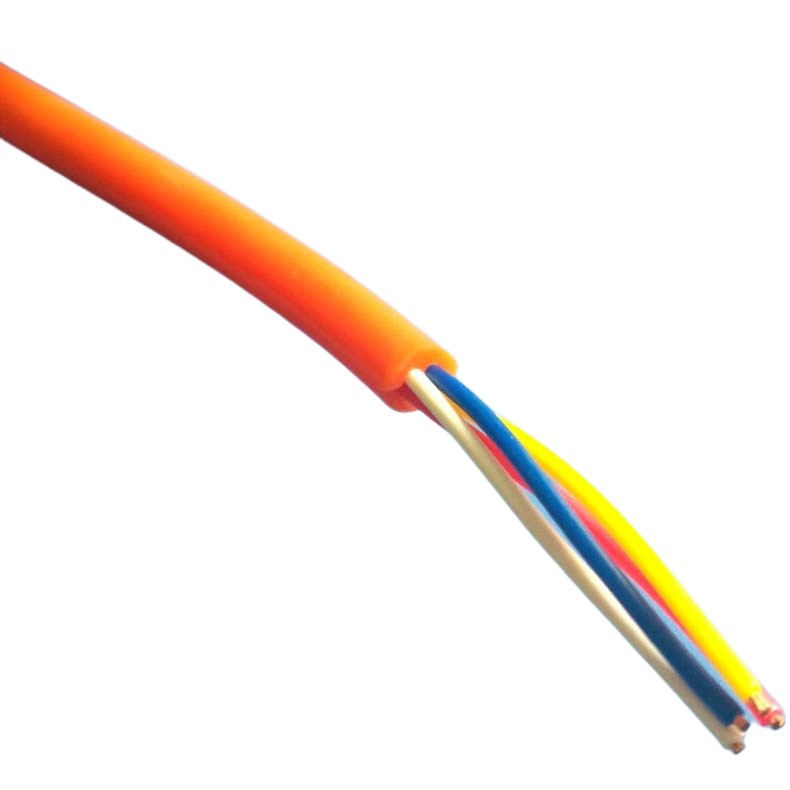
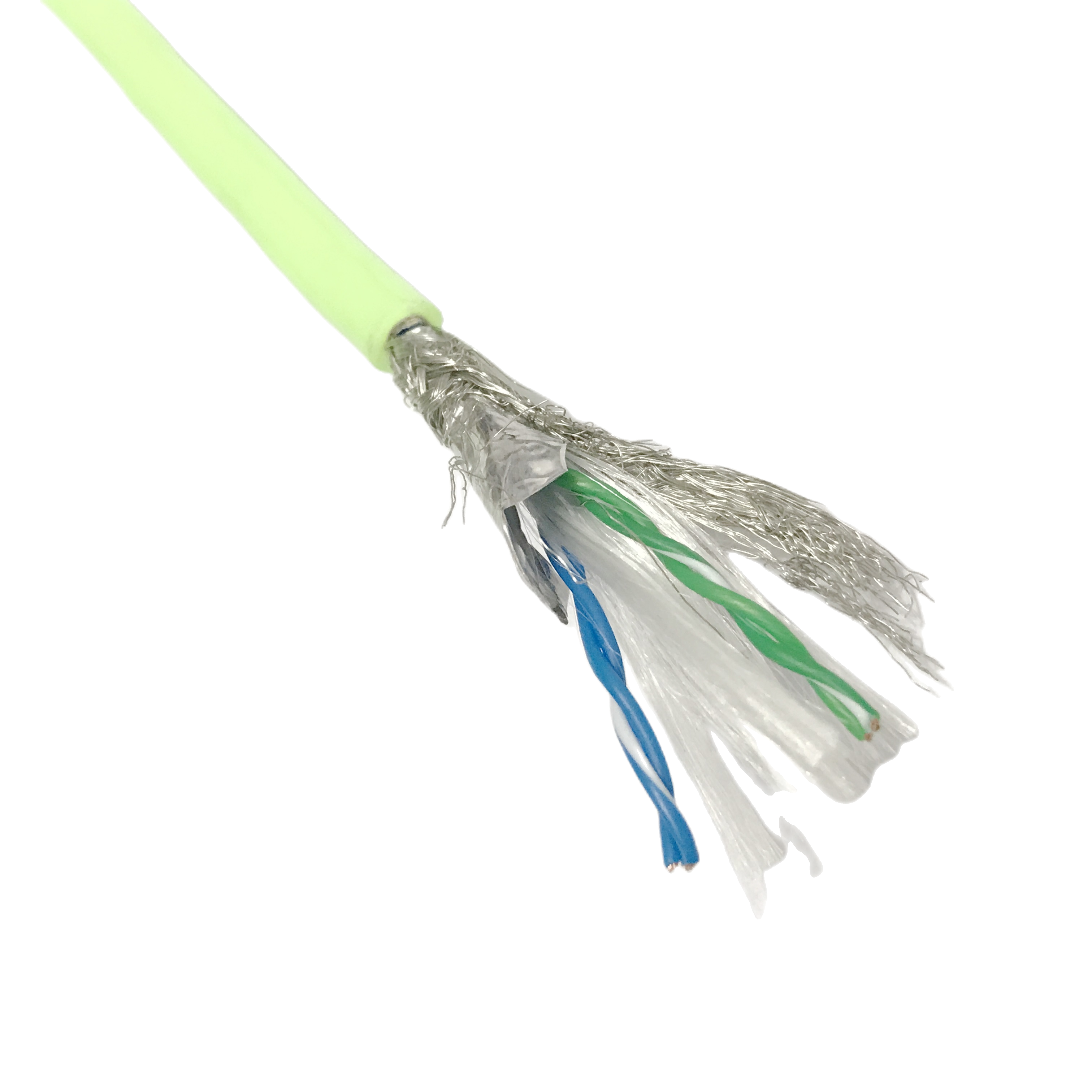
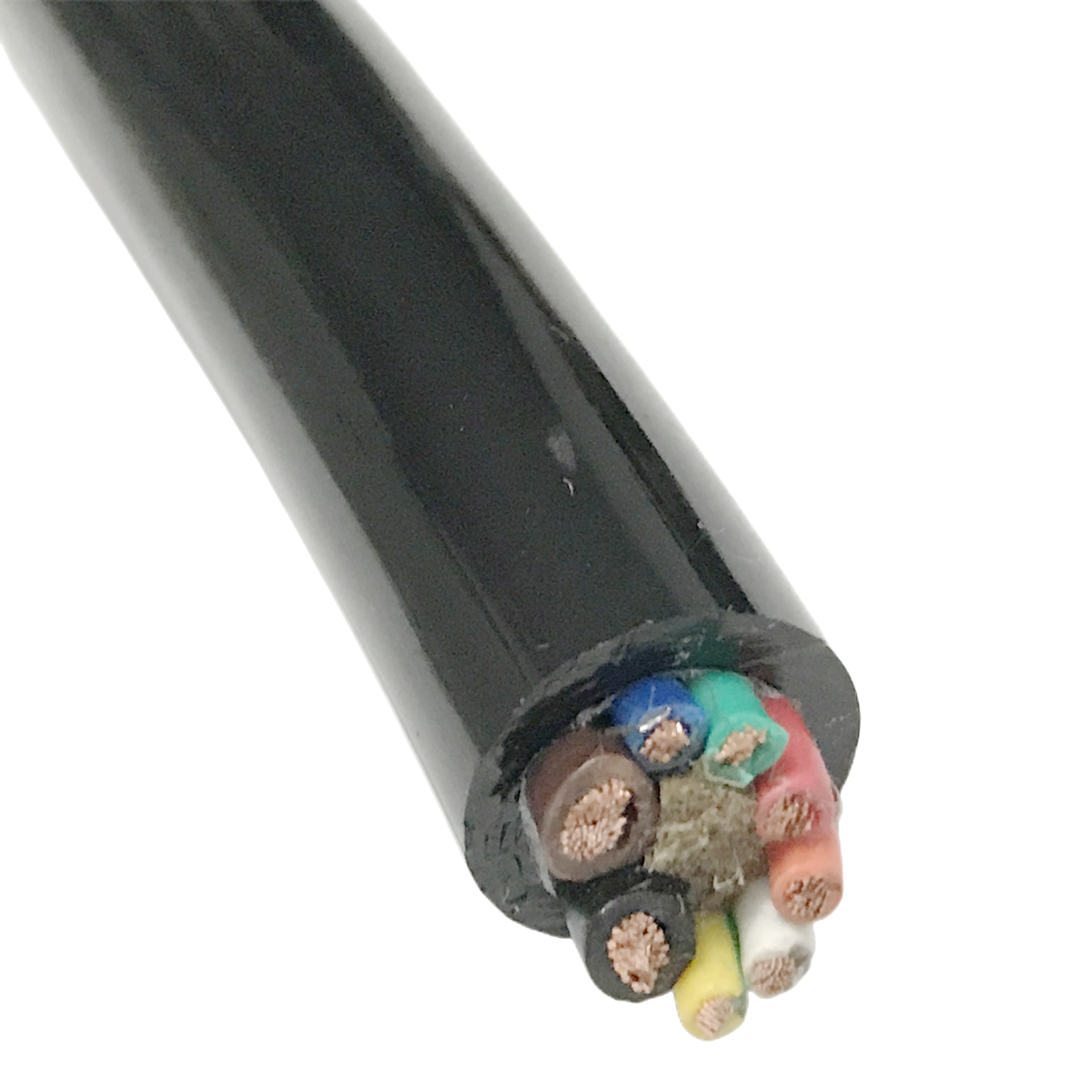
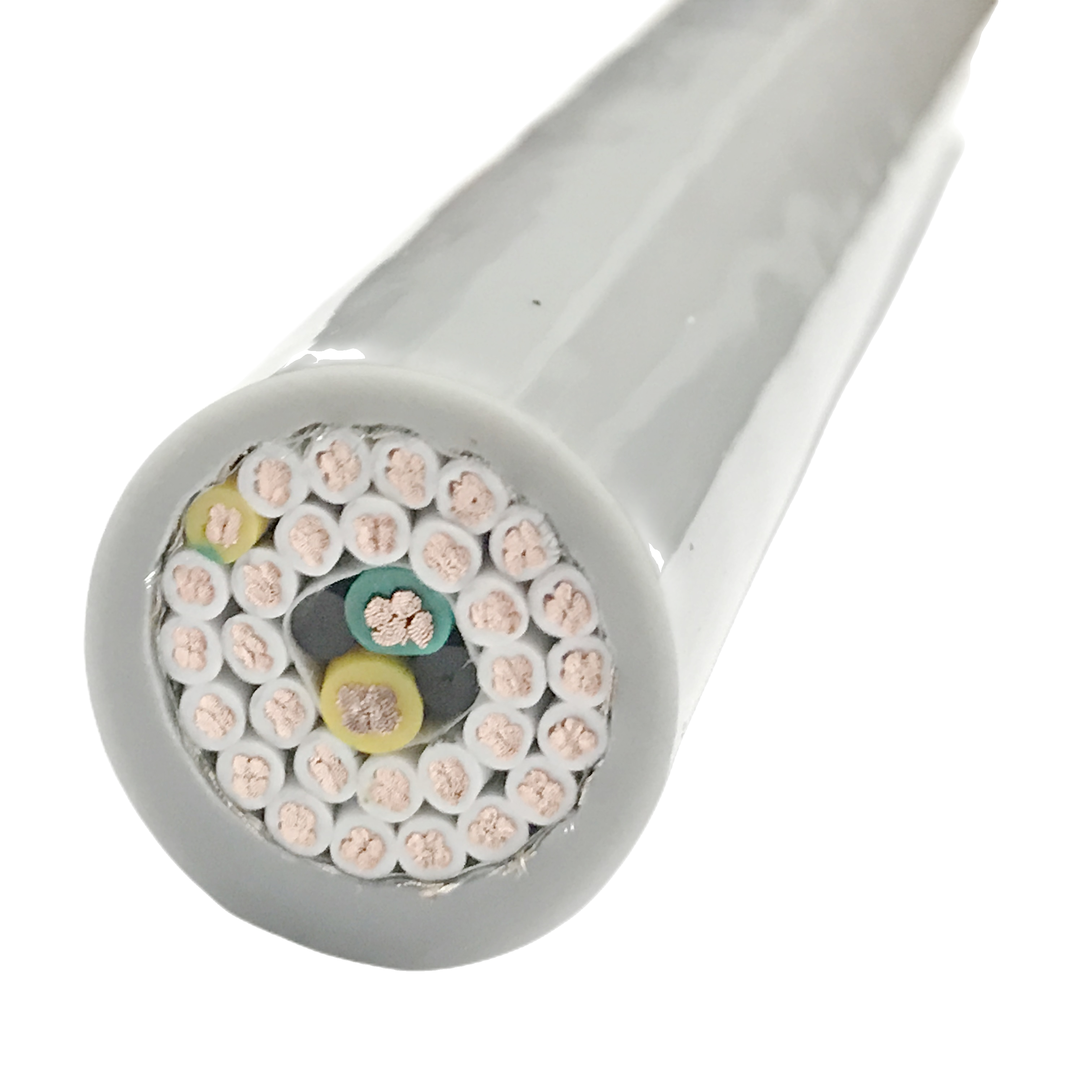
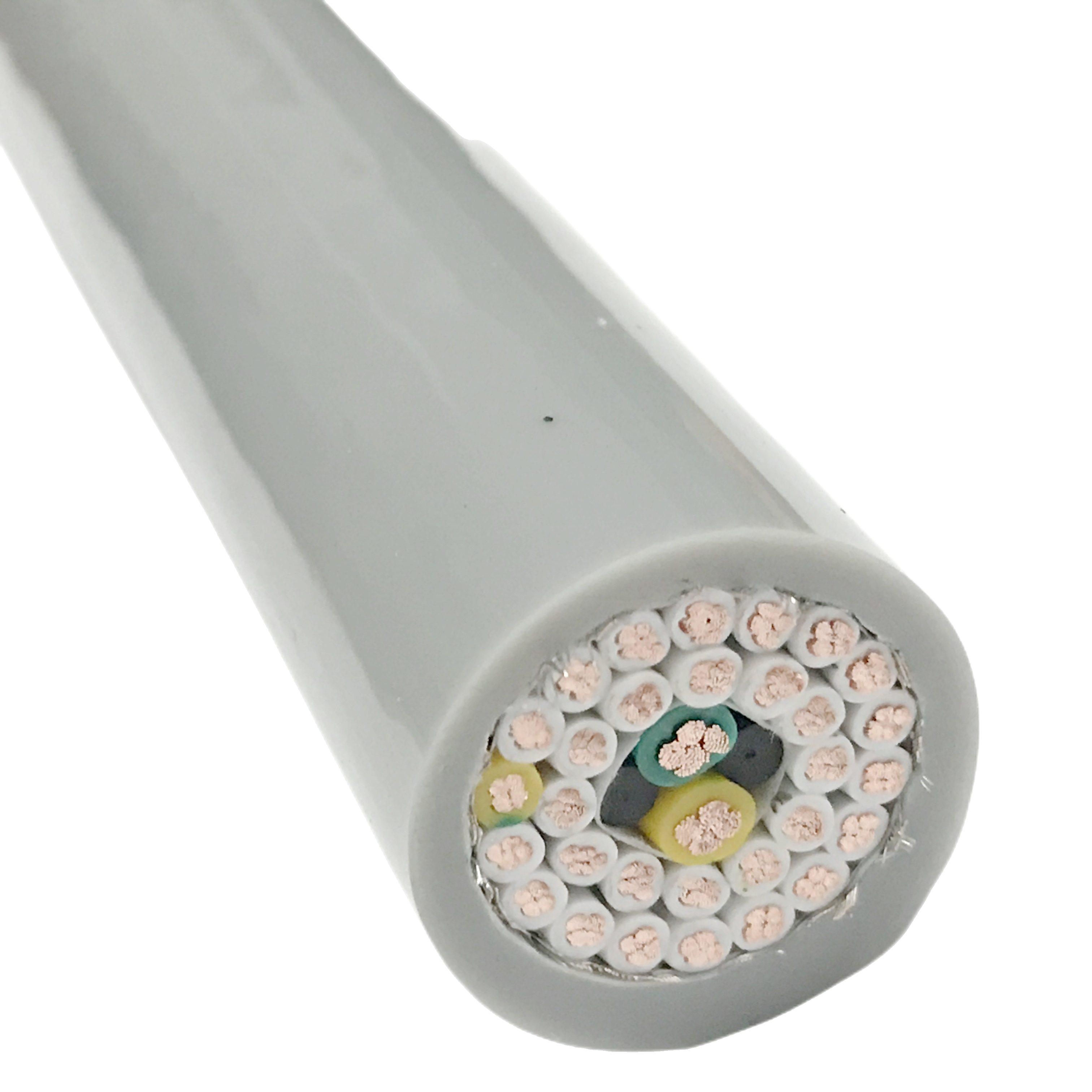
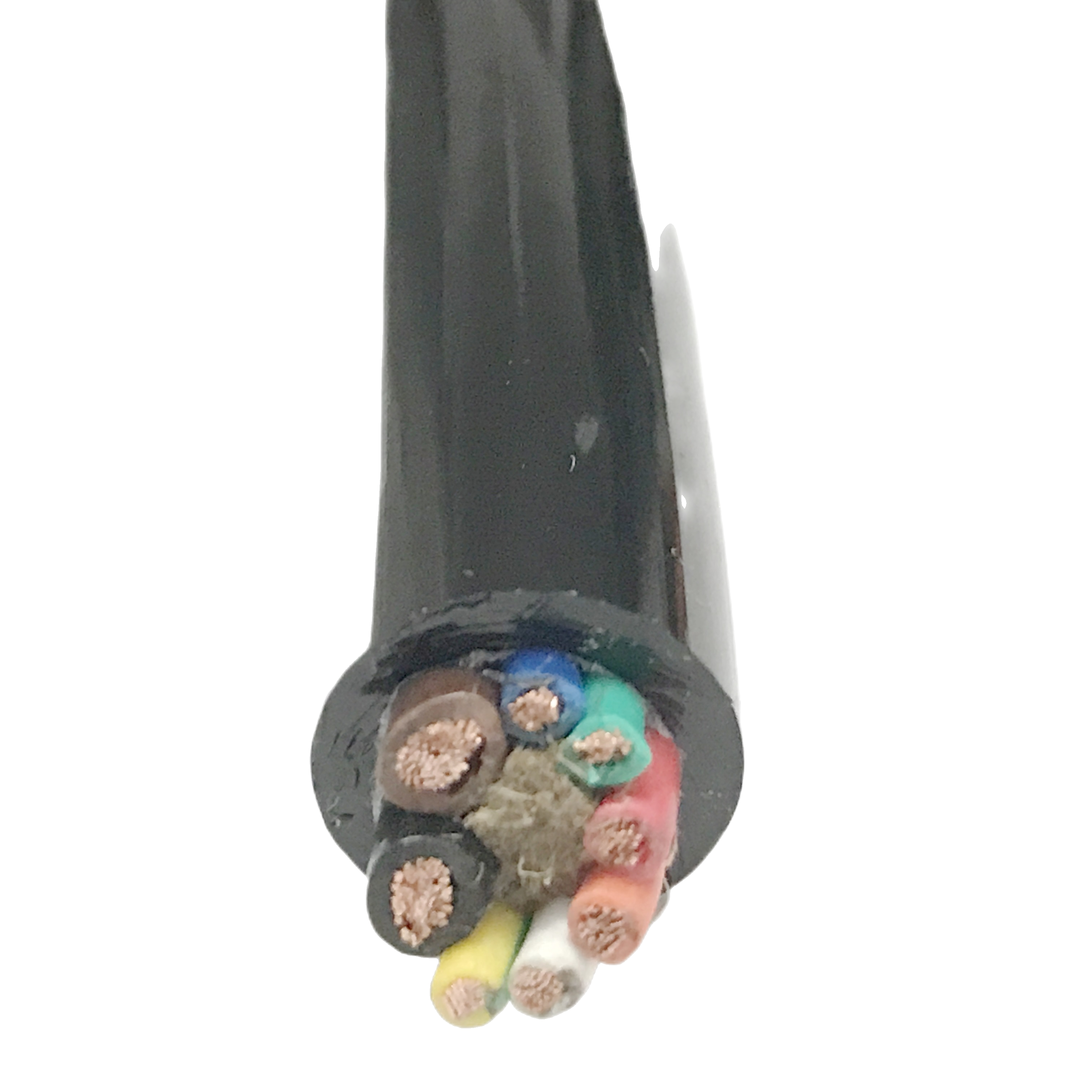
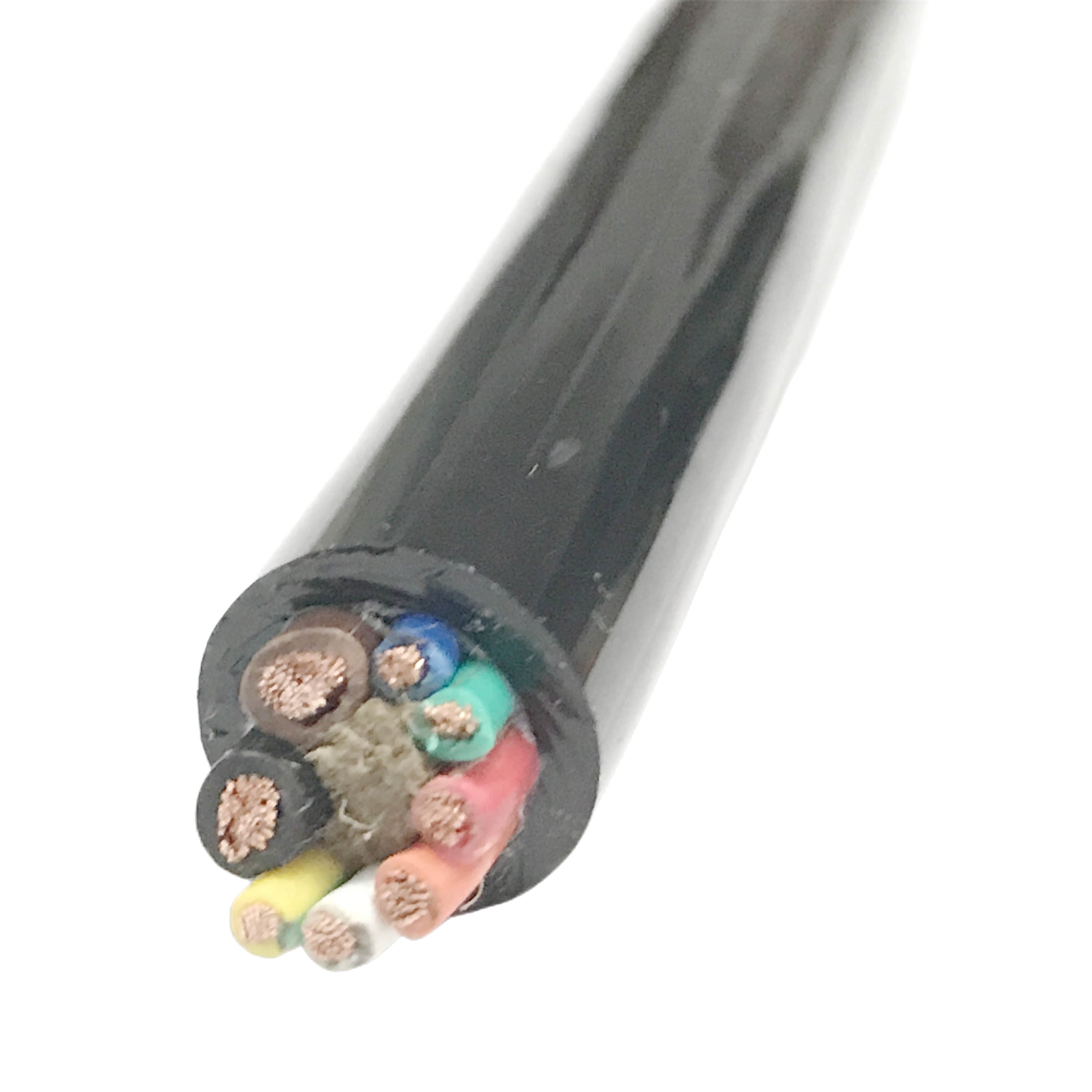
The RS-KVVR / RS-KVVRP is a multi-core PVC flexible control cable designed for stable signal and power transmission in industrial automation environments.
Key Benefits:
✅ Fine-strand copper conductors for flexibility and durability
✅ Oil-resistant PVC jacket for harsh industrial conditions
✅ Shielded version (KVVRP) with ≥45 dB EMI protection
✅ Wide range: 2–37 cores, 0.5–10 mm², 300/500 V
Ideal for control panels, CNC machines, and automation systems. Custom configurations available.
PVC Flexible Control Cable for Industrial Automation
Real Installation: Automotive Stamping Line, Suzhou
Before describing the cable specification, here is what it delivers in numbers from a real three-shift production environment — an 800-tonne transfer press at a Tier-1 automotive stamping plant in Suzhou, Jiangsu.
|
<6 months |
18+ months |
0 stoppages |
|
Previous cable service life |
RS-KVVRP service life at |
Unplanned cable-fault stoppages |
The cable tray on this press routes directly above the die lubrication manifold, which mists a soluble mineral-oil coolant at 2–4 bar. The previous supplier’s standard PVC jacket showed visible crazing within five months — the compound was absorbing coolant, swelling, and losing dielectric integrity between cores.
Specified solution: RS-KVVRP 12 × 1.5 mm² for servo drive signal runs; RS-KVVR 4 × 2.5 mm² for solenoid power circuits. Shielded cores replaced an unshielded run that was generating nuisance trips — radiated EMI from two 37 kW VFDs at 400 Hz PWM frequency was coupling into the encoder feedback lines.
“The previous cable needed replacement every season. We’ve hit 12 months on the Rousheng cable and the insulation resistance still reads above 500 MΩ on the megger. The EMI trips on the encoder cards stopped completely after the shielded swap.”
— Maintenance Engineer, OEM Customer (name withheld at customer request)
ENGINEERING DETAIL
Cable Layer Construction — From the Inside Out
Every layer has a specific function. Each material was chosen for a reason, not as a cost default.
|
1 |
Conductor Fine-Strand Oxygen-Free Copper, Tin-Plated — IEC 60228 Class 5 Class 5 is the highest flexibility rating in IEC 60228, achieved by stranding 0.1–0.3 mm wires in a concentric rope lay. Tin plating prevents copper oxide at crimp terminations, keeping contact resistance stable in humid coolant-mist environments. DC resistance for 1.5 mm²: ≤ 12.1 Ω/km at 20°C, verified stable through 500,000 flex cycles on our in-house fatigue rig. |
|
2 |
Core Insulation PVC Grade TI1, IEC 60227-3 — Colour-Coded per IEC 60446 70°C continuous operation, 160°C short-circuit rating. Wall thickness ±0.1 mm tolerance. Colour sequences follow IEC 60446 by default; DIN VDE 0293 and custom schemes available above 1,000 m. Dielectric withstand ≥ 2 kV AC for 5 minutes. |
|
3 |
Fillers & Binder Non-Hygroscopic Polypropylene Fillers + PVC Binder Tape Cores cabled in concentric right-hand lay. PP fillers maintain round cross-section and prevent core migration under bending. The PP compound does not absorb moisture from coolant mist — it will not swell and stress the outer jacket from inside. PVC binder tape reduces OD eccentricity before jacketing. |
|
4 |
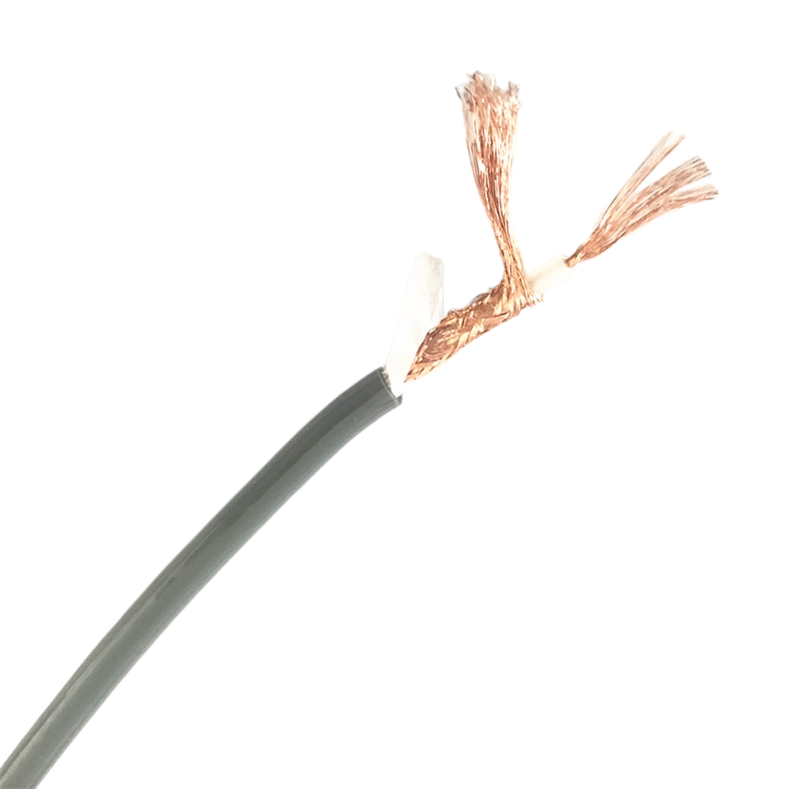
Shield (RS-KVVRP) Aluminium-Polyester Foil + Tinned Copper Drain Wire, ≥ 85% Coverage Continuous 360° foil coverage with tinned drain wire providing low-impedance ground path. Shielding effectiveness: ≥ 45 dB from 1 MHz to 1 GHz (IEC 61000-4-6 reference). Important: terminate drain wire at control cabinet end only to prevent circulating ground currents on long runs near VFDs. |
|
5 |
Outer Jacket OR-Grade Oil-Resistant PVC — IEC 60811-404 Validated Tested to IEC 60811-404: immersion in IRM 902 oil at 70°C for 168 hours, acceptance criteria ≤ 20% change in tensile strength and ≤ 40% change in elongation at break. Resists aliphatic mineral oils, cutting fluids, hydraulic oil, and mild alkaline agents. Does not resist aromatic solvents or chlorinated compounds — specify our PUR variant for those environments. Standard: grey RAL 7001. |
TECHNICAL SPECIFICATIONS
Standard Conductor Configurations
Nominal dimensions and electrical parameters at 20°C. Non-standard core counts and intermediate cross-sections available from 1,000 m MOQ. Values per IEC 60227-5. In-house electrical test certificates supplied with each production reel.
|
Configuration |
Approx. OD (mm) |
Weight (kg/km) |
DC Resistance (Ω/km) |
Insul. Res. (MΩ·km) |
Voltage |
|
2 × 0.75 mm² |
7.4 |
68 |
≤ 24.5 |
≥ 100 |
300/500 V |
|
4 × 0.75 mm² |
9.2 |
110 |
≤ 24.5 |
≥ 100 |
300/500 V |
|
4 × 1.5 mm² |
11.0 |
175 |
≤ 12.1 |
≥ 100 |
300/500 V |
|
7 × 1.0 mm² |
11.6 |
165 |
≤ 18.1 |
≥ 100 |
300/500 V |
|
10 × 1.5 mm² |
15.5 |
290 |
≤ 12.1 |
≥ 100 |
300/500 V |
|
12 × 1.5 mm² |
16.4 |
340 |
≤ 12.1 |
≥ 100 |
300/500 V |
|
19 × 1.5 mm² |
19.8 |
510 |
≤ 12.1 |
≥ 100 |
300/500 V |
|
37 × 1.5 mm² |
26.6 |
960 |
≤ 12.1 |
≥ 100 |
300/500 V |
|
4 × 2.5 mm² + Shield |
13.2 |
240 |
≤ 7.41 |
≥ 100 |
300/500 V |
|
7 × 2.5 mm² + Shield |
15.8 |
355 |
≤ 7.41 |
≥ 100 |
300/500 V |
* All values nominal per IEC 60227-5. Tolerances apply. Third-party lab reports (SGS / Bureau Veritas) available on request.
SPECIFICATION GUIDE
Which Model Is Right for Your Application?
The choice between shielded and unshielded depends on two variables: proximity to EMI sources, and whether the circuit carries analogue or high-resolution encoder signals. The guidance below covers the majority of standard industrial automation applications.
|
Scenario |
Circuit Type |
EMI Source? |
Model |
Reason |
|
MCC internal wiring |
Solenoid, motor starter |
No |
RS-KVVR |
Digital switching; EMI coupling not critical |
|
Panel-to-panel control |
24 VDC / 230 VAC control |
No |
RS-KVVR |
Low-sensitivity circuit; unshielded adequate |
|
Encoder feedback, servo drive |
Differential 5 VDC signal |
Yes |
RS-KVVRP |
VFD-radiated EMI causes encoder errors |
|
4–20 mA analogue sensor |
Analogue current loop |
Yes |
RS-KVVRP |
mA-level signals susceptible to induced noise |
|
Thermocouple / RTD |
mV-level analogue |
Any |
RS-KVVRP |
Absolute requirement — mV errors from any induction |
|
Proximity sensor, PNP |
24 VDC digital |
Mod |
KVVR/KVVRP |
KVVR if ≥100 mm segregation from VFD output |
|
Fieldbus (Profibus, DeviceNet) |
RS-485 differential |
Yes |
RS-KVVRP |
Requires individually shielded pairs — enquire |
Rule of thumb: if the circuit would be affected by 1 mV of induced noise, use the shielded RS-KVVRP variant. If the signal is a simple on/off 24 VDC digital circuit, unshielded is sufficient provided cable segregation guidelines in IEC 61918 are followed.
APPLICATION SCENARIOS
Six Environments Where This Cable Is Specified
Each application below reflects an environment our engineers have worked through in detail — with documented failure modes that the RS-KVVR series is built to prevent.
Motor Control Centres (MCC) — Typical: 4–12 cores × 1.5 mm² unshielded
Internal MCC wiring requires cables that route cleanly through tight conduit entries and maintain insulation integrity at 70°C continuous. The consistent lay pitch and round cross-section of the RS-KVVR prevent cross-talk between adjacent circuits in a shared trunking duct.
CNC Machining Centres — Typical: 7–19 cores × 1.0–1.5 mm² shielded
Flood coolant environments expose jacket compounds to prolonged immersion in emulsified ISO 15488 type 3 cutting fluid. Our OR-grade compound shows no measurable change in Shore A hardness after a 500-hour immersion test — far exceeding standard “oil-resistant” labelled cables on the market.
Overhead Cranes & Festoon Systems — Typical: 4–10 cores × 1.5–2.5 mm² unshielded
Festoon carrier systems impose a cyclic S-bend at travel speeds up to 2 m/s. Class 5 conductor stranding is stress-relieved during manufacture to prevent residual torque that would cause the cable to rotate in festoon clips under load — a common failure mode in non-specialist flexible cables.
AGV and Conveyor Wiring — Typical: 4–7 cores × 0.75–1.5 mm²
Automated guided vehicles need cables that tolerate both the flex at routing joints and drive-motor vibration. Multi-layer concentric stranding distributes bending stress evenly, preventing the localised fatigue strand breaks that cause intermittent faults in standard cables.
Packaging Machinery — Typical: 4–12 cores × 0.75–1.5 mm²
Wash-down with alkaline cleaning agents (pH 8–10) is routine. The OR-grade jacket resists discolouration and surface tackiness from surfactant residue. Note: not rated for steam sterilisation or direct food contact — enquire about our silicone-jacketed variant for hygienic zone installations.
Press & Stamping Lines — Typical: 12–24 cores × 1.5 mm² shielded
High electromagnetic noise from large servo presses makes shielding non-negotiable on encoder and sensor feedback runs. The RS-KVVRP is the model from the Suzhou case study — validated at 400 Hz PWM frequency with zero encoder dropout in 12 months of three-shift operation.
HONEST ENGINEERING GUIDANCE
When PVC Is — and Isn’t — the Right Specification
Specifying the wrong jacket compound is the most common cause of premature cable failure in industrial environments. Here is a straightforward guide to where the RS-KVVR series performs well, and where you should ask about an alternative product.
|
✓ PVC control cable — correct specification ✓ Aliphatic mineral oils, emulsified cutting fluids, hydraulic oil ✓ Moderate flex — up to ~500,000 cycles at ≤ 2 m/s in cable carrier ✓ Static / slow-moving: panel wiring, MCC internals, conduit runs ✓ Ambient −40°C to +80°C continuous operating temperature ✓ Mild alkaline cleaning agents at ambient temperature (pH 8–10) ✓ 300/500 V control and signal circuits in industrial automation
|
✕ Specify PUR, silicone, or another jacket instead ✕ Aromatic solvents: toluene, MEK, acetone, xylene — attack PVC ✕ High-cycle drag chain > 1M cycles or speed > 4 m/s — use RS-HKVV ✕ Continuous temperature above +80°C — silicone variant required ✕ Direct outdoor UV exposure without conduit — PVC degrades ✕ Steam sterilisation or concentrated acid wash-down in hygienic zones ✕ Outdoor trailing cable at −50°C requiring cold-crack resistance
|
FREQUENTLY ASKED QUESTIONS
Technical Questions We Hear Every Week
Real questions from procurement engineers and plant electricians, answered at the technical depth needed to make a confident specification decision.
Q1. Is this cable rated for use near VFDs and servo drives?
The unshielded RS-KVVR is not recommended within 500 mm of VFD output wiring. The shielded RS-KVVRP, with ≥ 85% aluminium-foil coverage, delivers ≥ 45 dB EMI suppression (1 MHz–1 GHz, IEC 61000-4-6 reference). For multiple drives on a common busbar, also use ferrite snap-on cores at both ends. Always terminate the drain wire at the control cabinet end only to prevent circulating ground currents.
Q2. What flex life can we expect in a cable carrier or drag chain?
At a minimum dynamic bend radius of 6× outer diameter, ≤ 2 m/s travel speed, and ≤ 3 m/s² acceleration, the RS-KVVR sustains 500,000+ flex cycles without conductor fatigue. For applications exceeding 1 million cycles or speeds above 4 m/s — typical of high-speed pick-and-place or robotic welding — specify our RS-HKVV drag-chain series with its purpose-built strand geometry and TPU jacket.
Q3. Which chemicals resist the OR-grade jacket, and which damage it?
Resists: aliphatic mineral oils, emulsified water-based coolants, mild alkaline cleaning agents (pH 8–10). Does NOT resist: aromatic solvents (toluene, xylene, MEK), chlorinated hydrocarbons, ketone degreasers, or concentrated acids. If uncertain about a specific chemical, share the SDS document and we will confirm compatibility before you place an order.
Q4. Can you supply hybrid cables — power cores plus signal cores in one jacket?
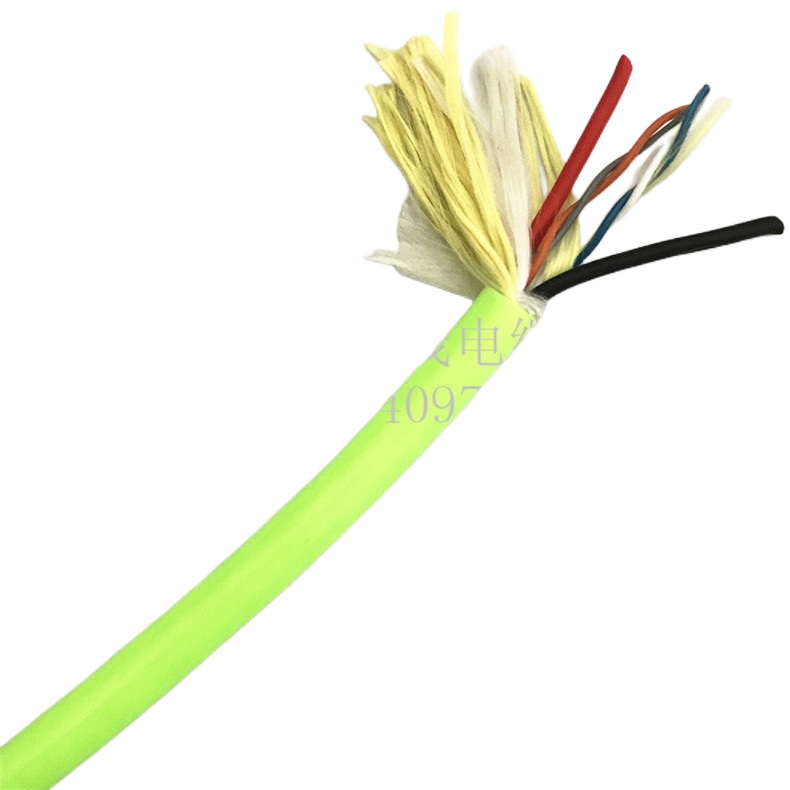
Yes. A common example: 3 × 2.5 mm² power cores + 4 × 0.75 mm² signal cores + 1 shielded encoder pair, all within a single OR-grade PVC outer jacket. This reduces cable entries into a drag chain from three to one. Custom hybrid designs require 1,000 m minimum and a 10–15 working day prototype review. Share your I/O list or wiring diagram for a proposal.
Q5. What certifications and test documentation can you supply?
Standard production: IEC 60227-5, GB/T 9330, IEC 60332-1 (flame), RoHS 2.0, CE marking (EU shipments). RS-KVVRP shielding references IEC 61000-4-6. In-house dimensional and electrical test certificates ship with every production reel. SGS or Bureau Veritas third-party reports available at cost for orders requiring independent certification.
Q6. What is the minimum order quantity and lead time?
Standard catalogue sizes: 500 m MOQ per configuration. Custom designs: 1,000 m minimum. Production lead time: 15–20 working days from order confirmation. Qualification samples up to 10 m available at material cost plus freight, with 5–7 working day turnaround.
CONTACT & REQUEST A QUOTE
Tell us your core count, conductor cross-section, chemical environment, and whether VFDs or servo drives are present. Jerry Chen will respond within one business day with a model recommendation, dimensional drawing, and ex-works pricing.
|
Jerry@rstlkable.com |
☎ Phone +86 134 8219 7396 | +86 021-50759965 |
📍 Address No. 2591 Fengzhe Road, Fengxian District, Shanghai, China |