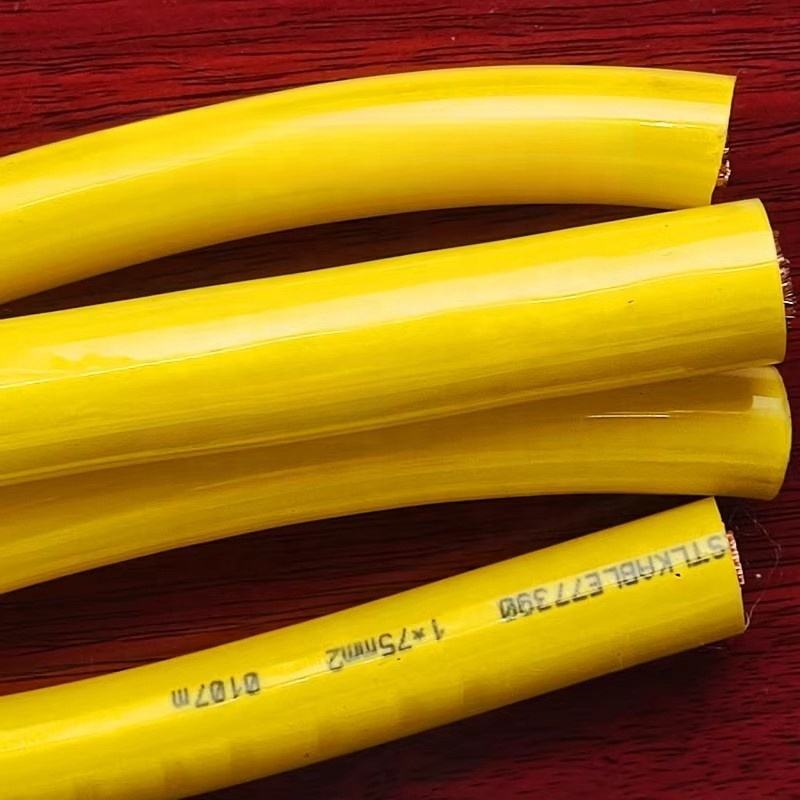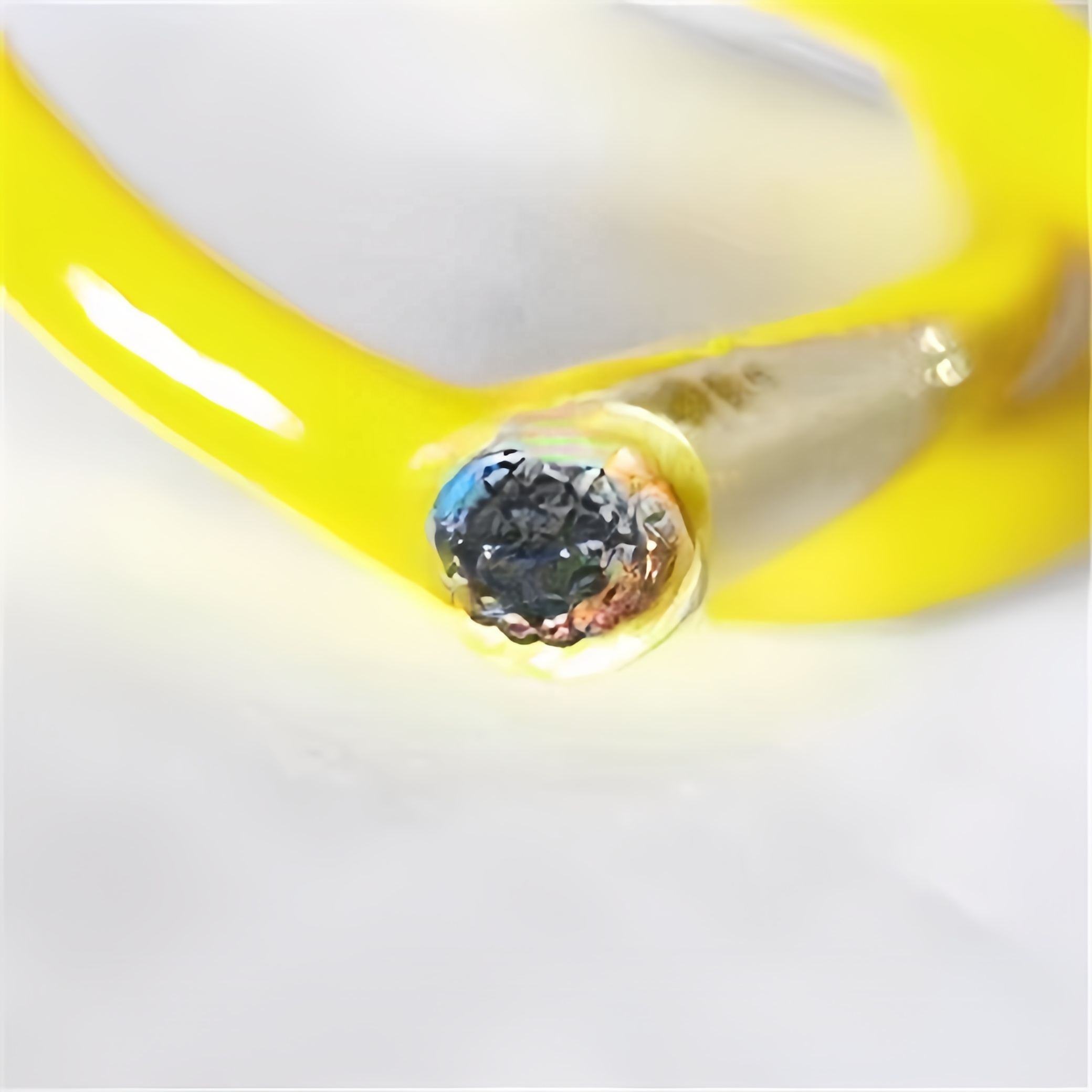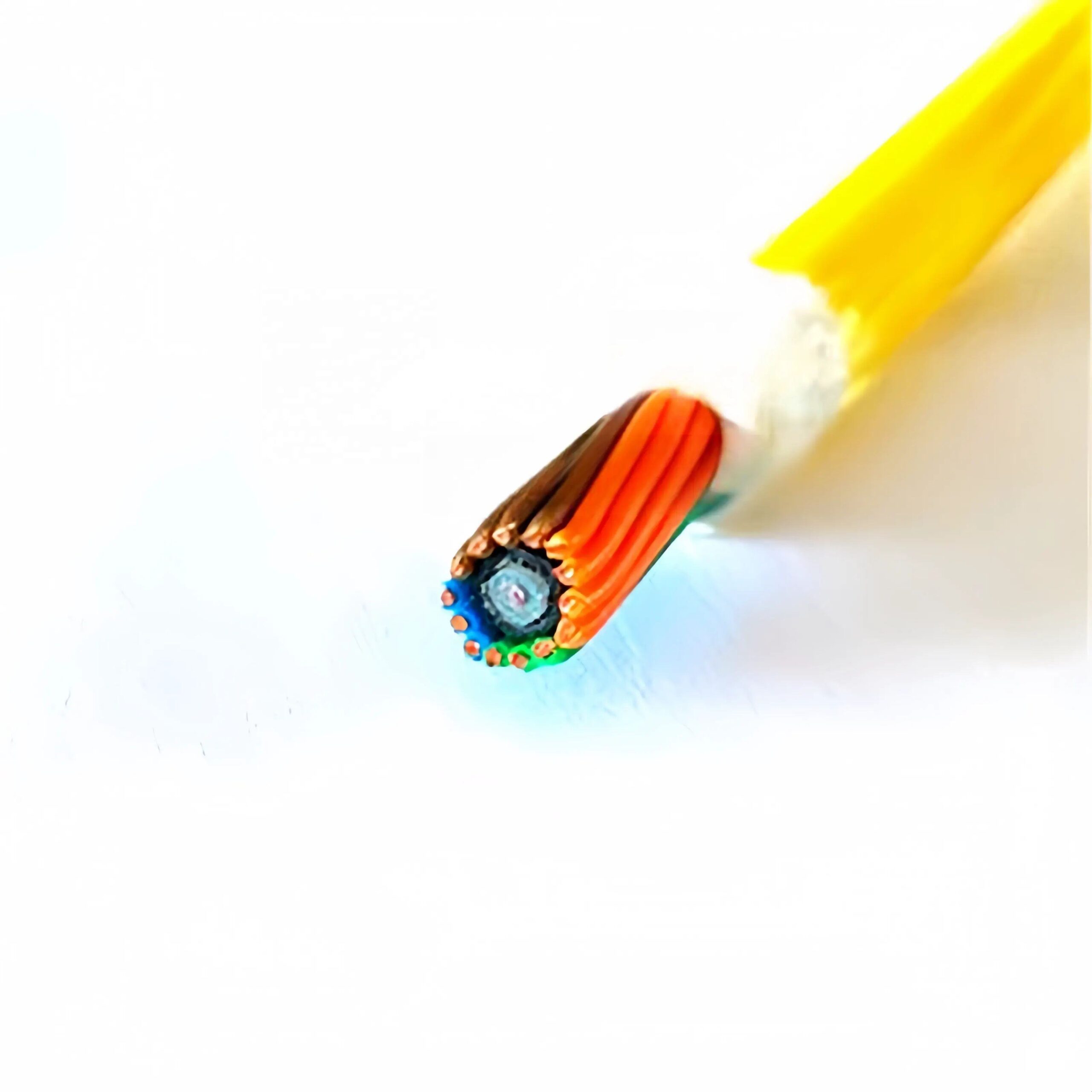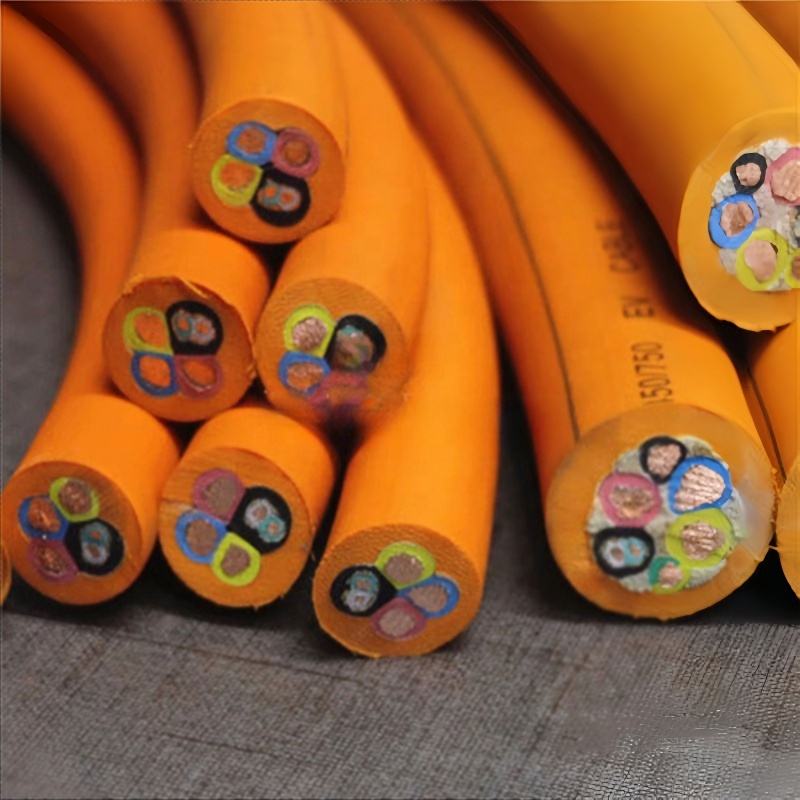



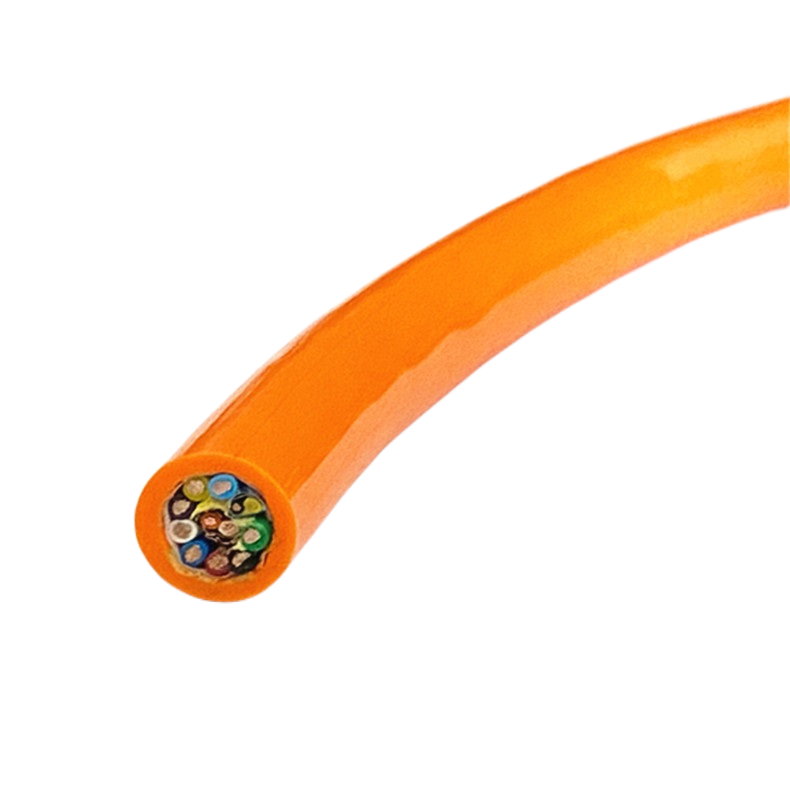
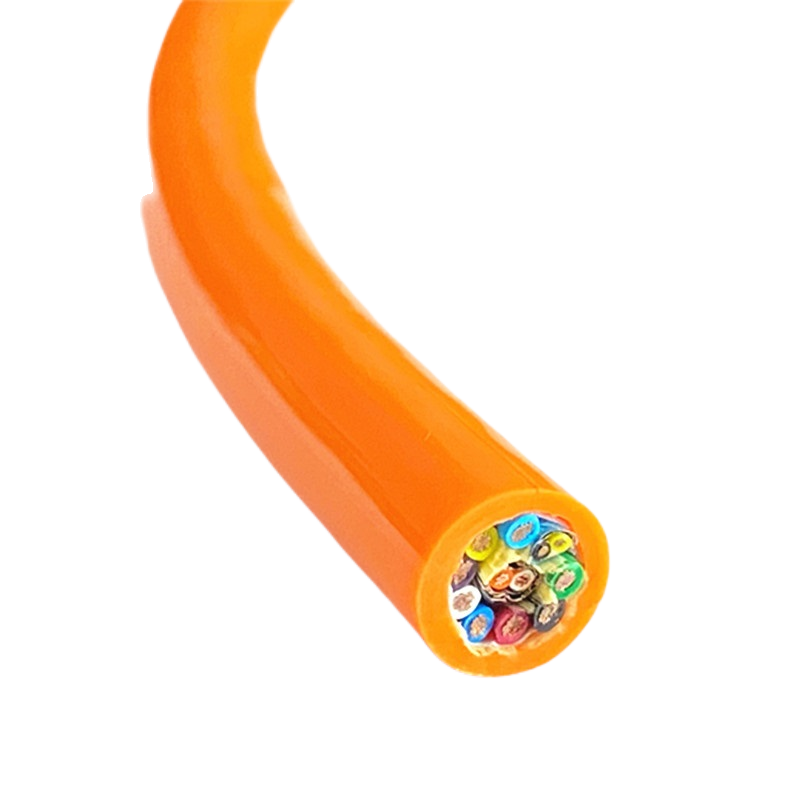
PUR Drag Chain Cable | High Flex Continuous Motion Cable | Wear-Resistant for Robotic & CNC Applications
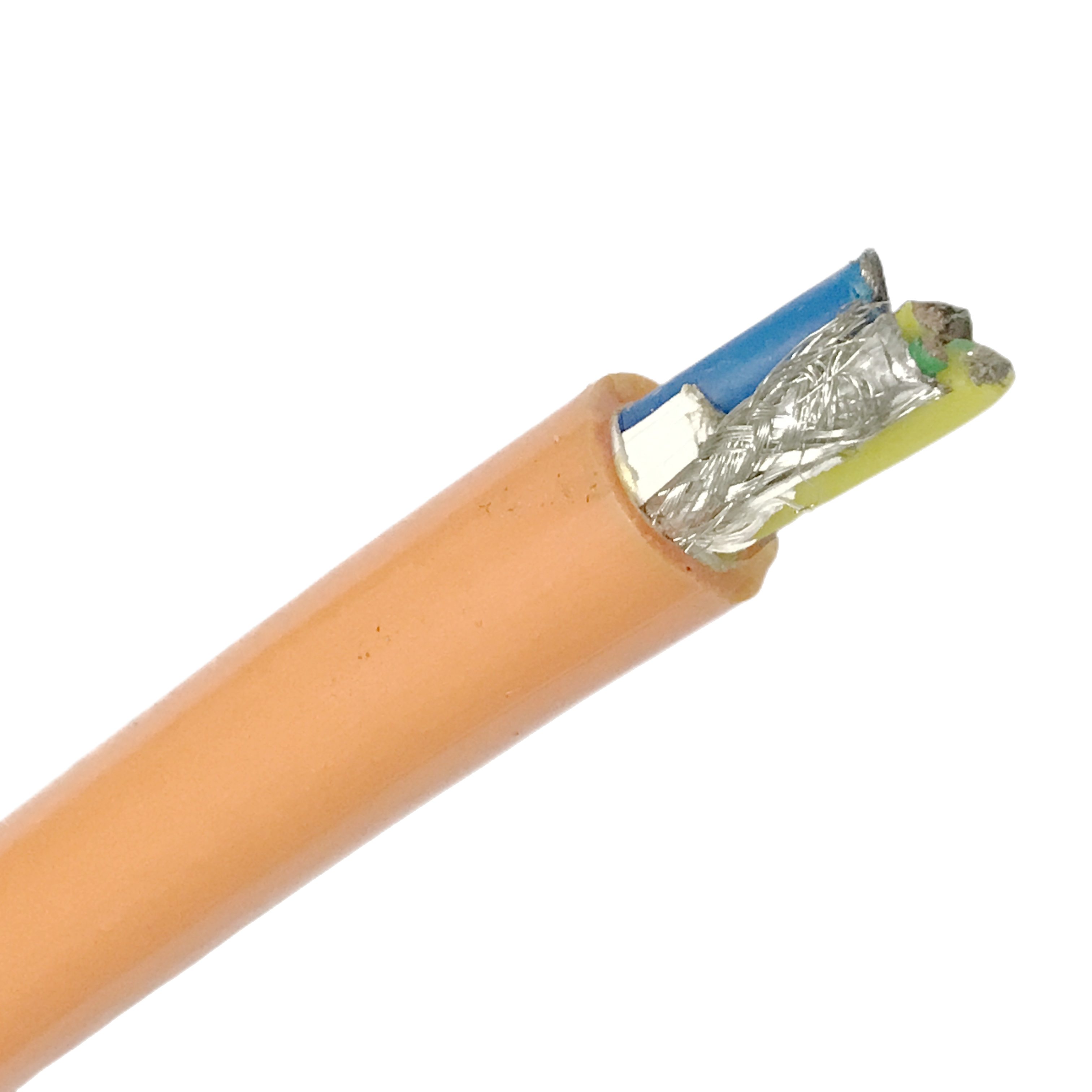
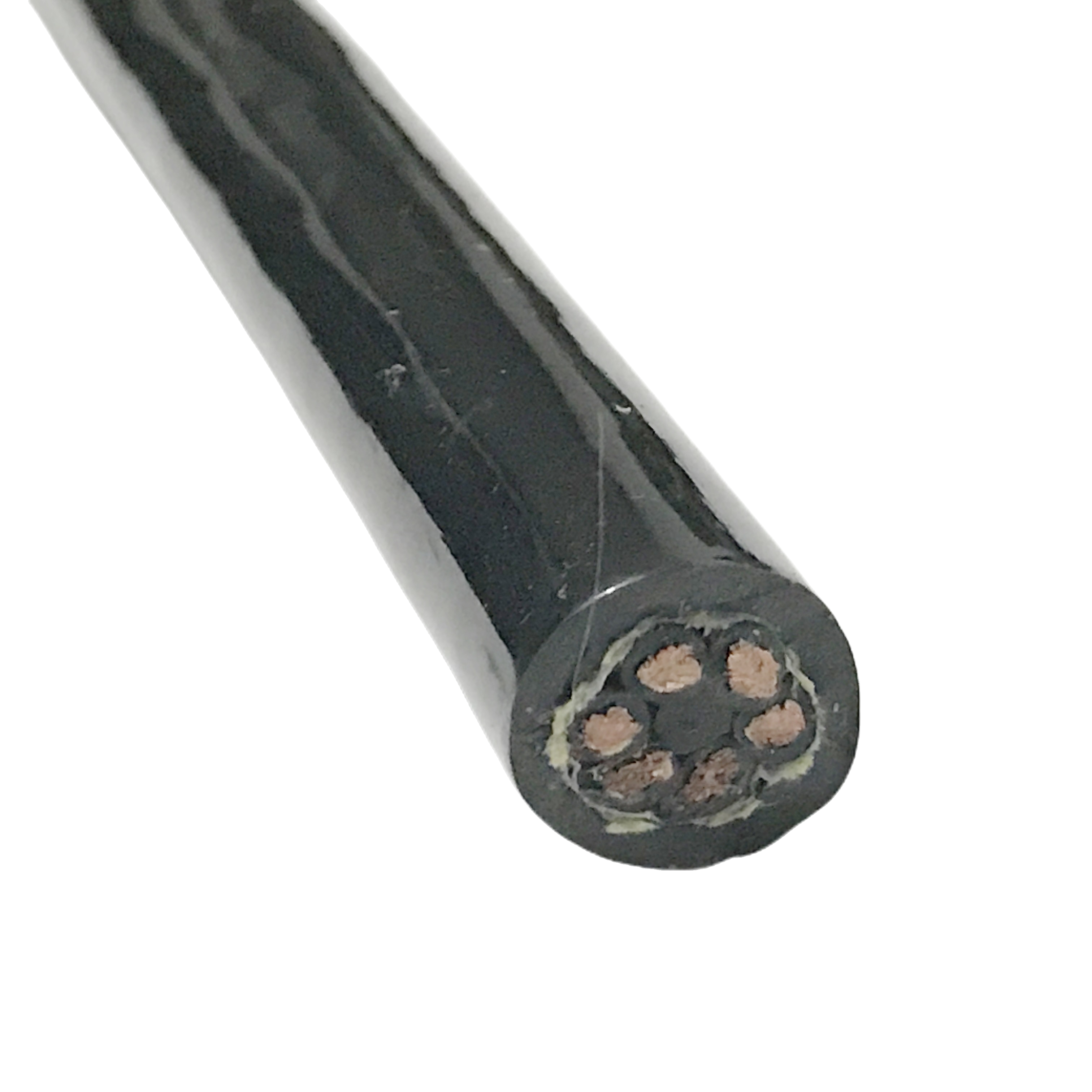
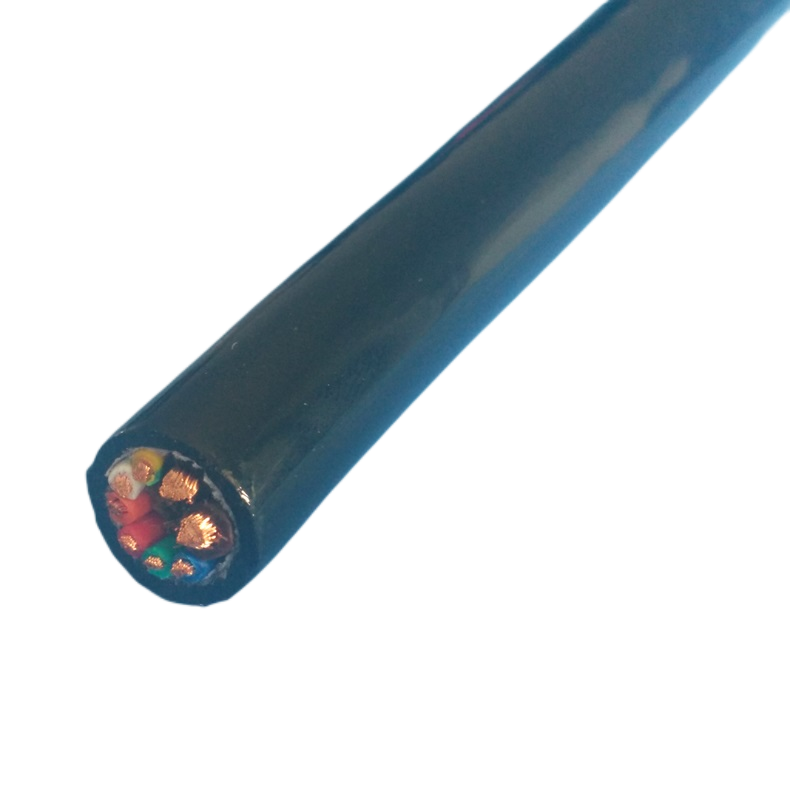
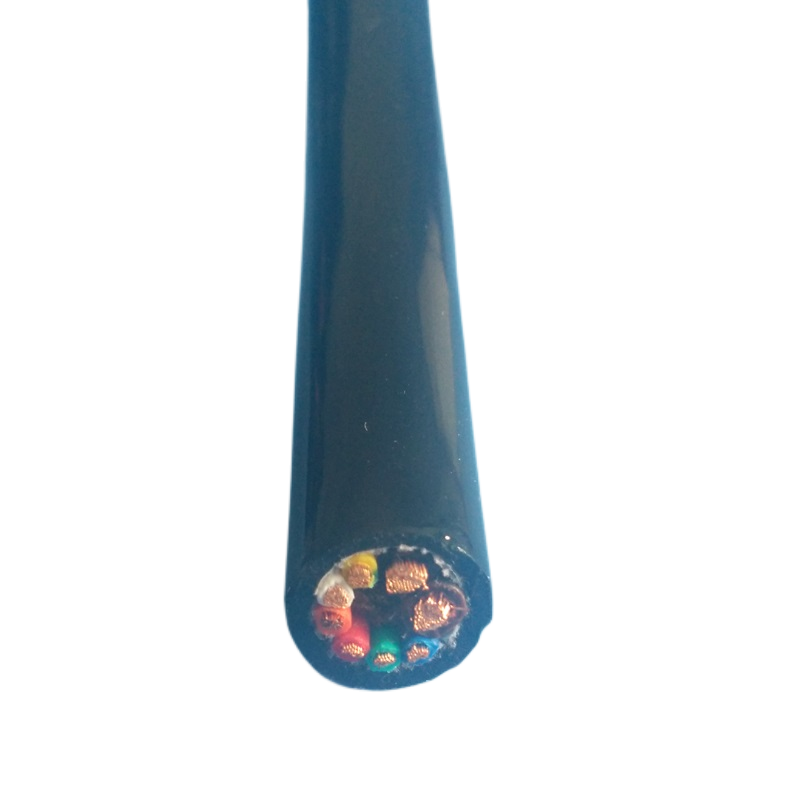
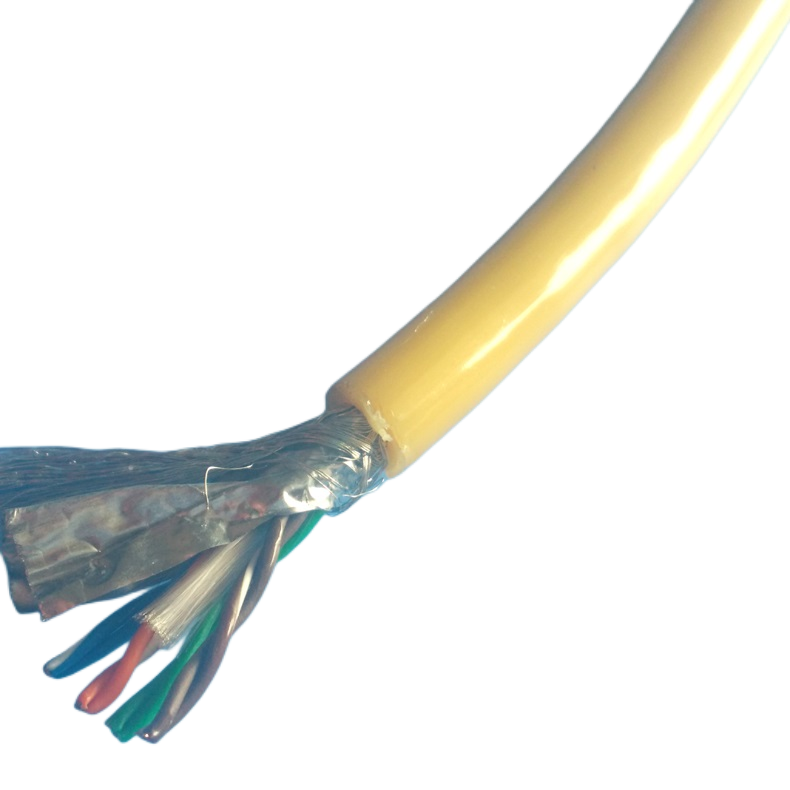
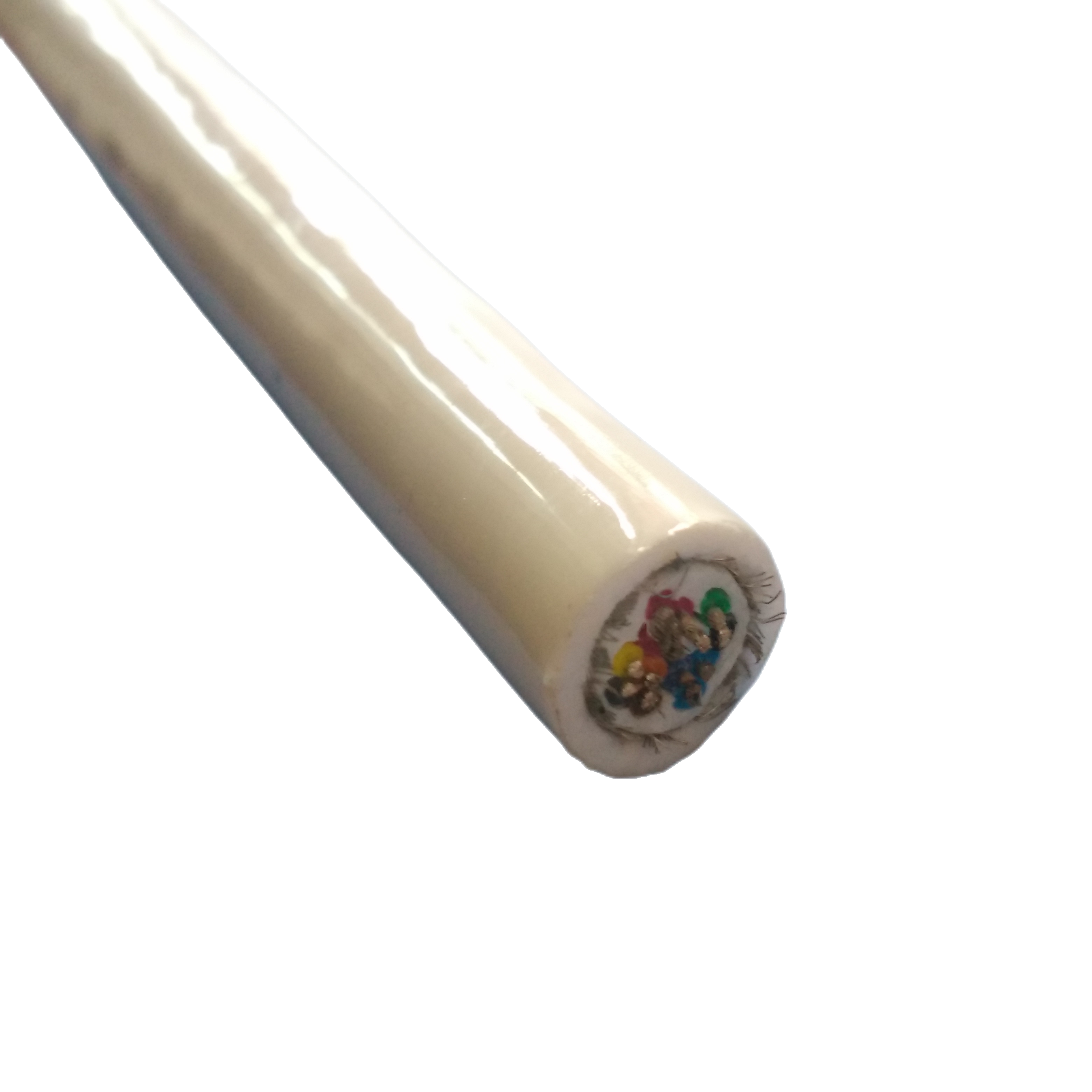
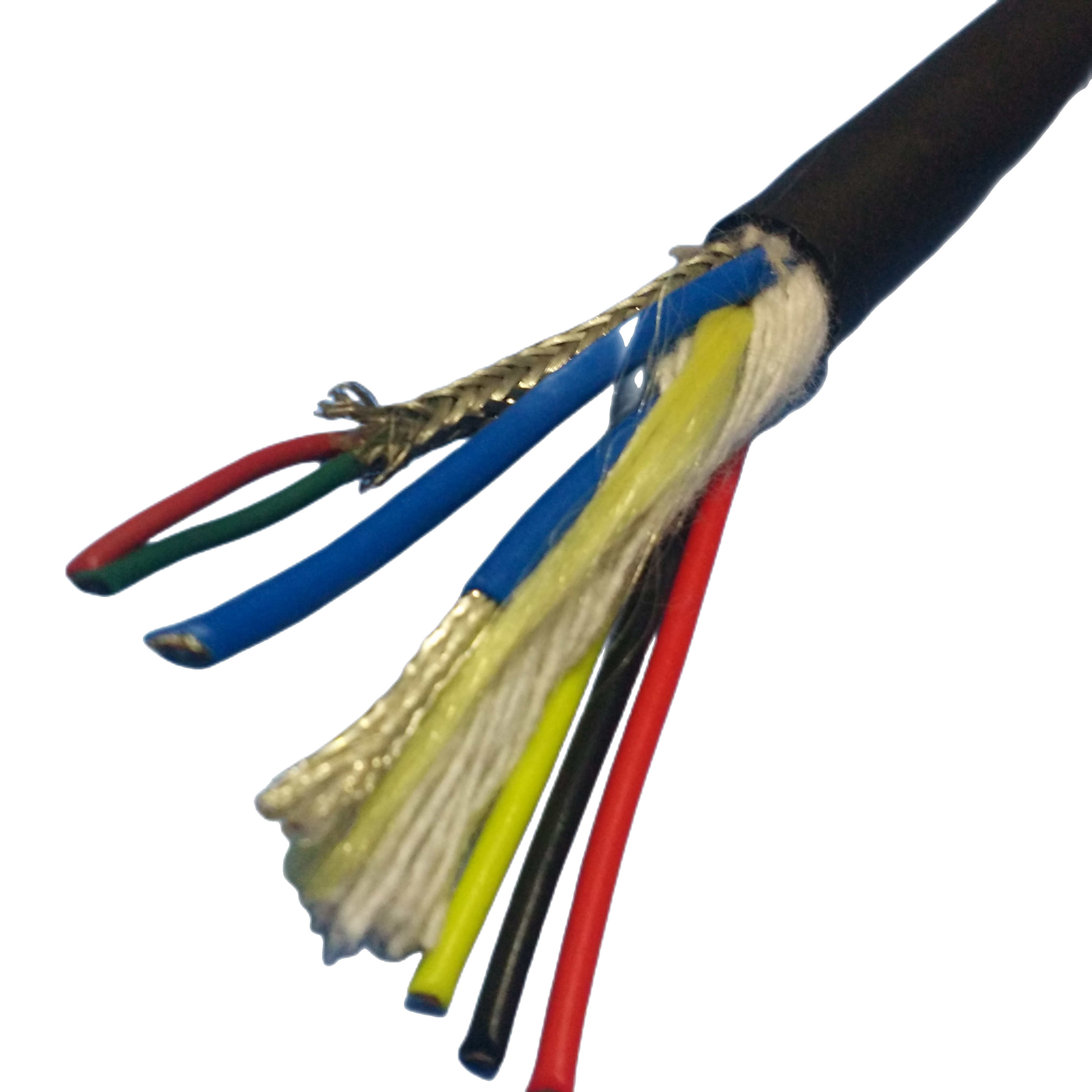
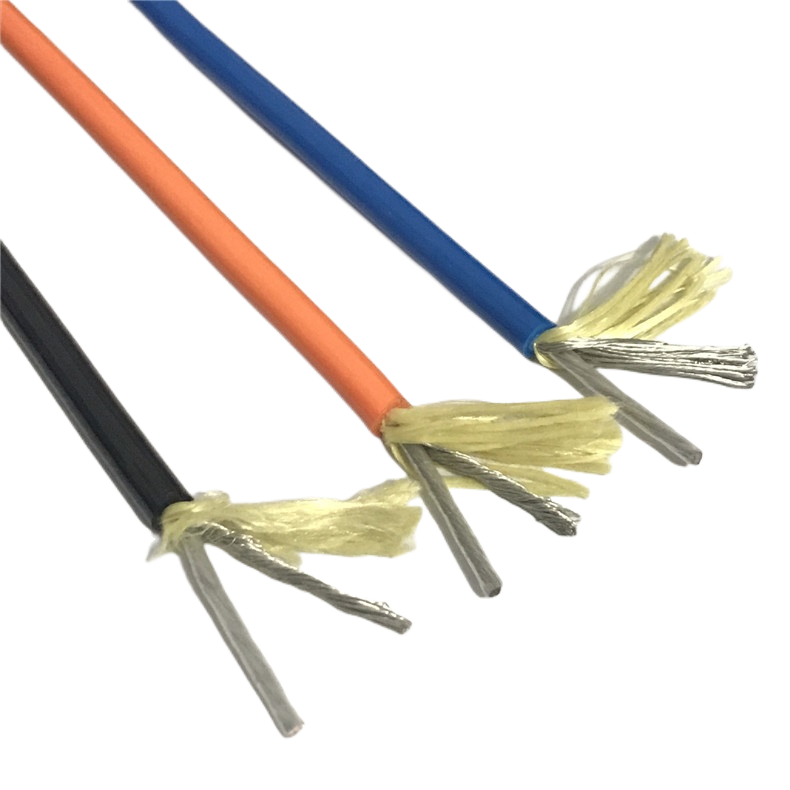
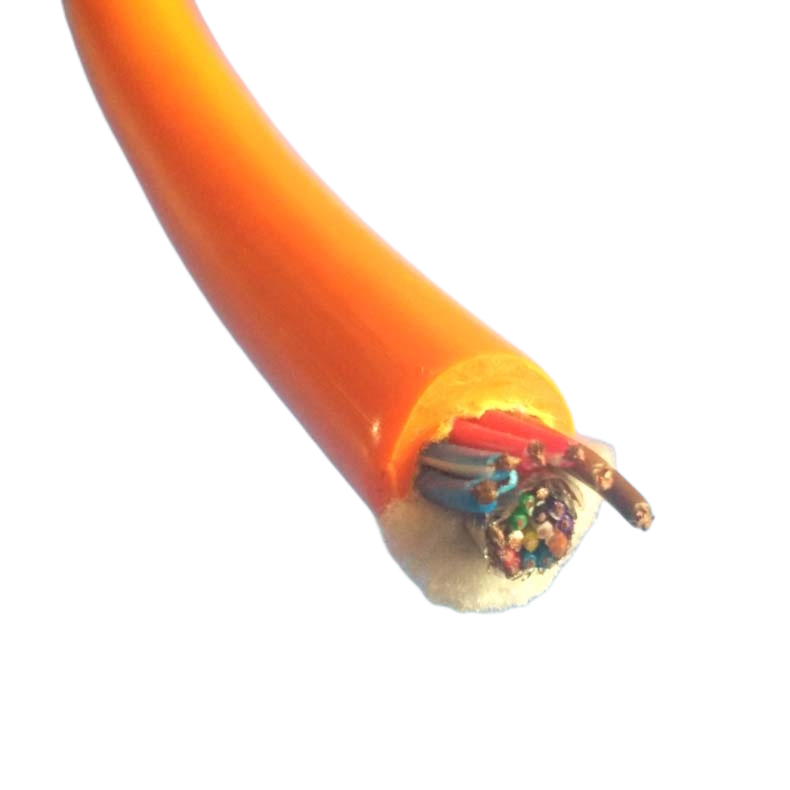
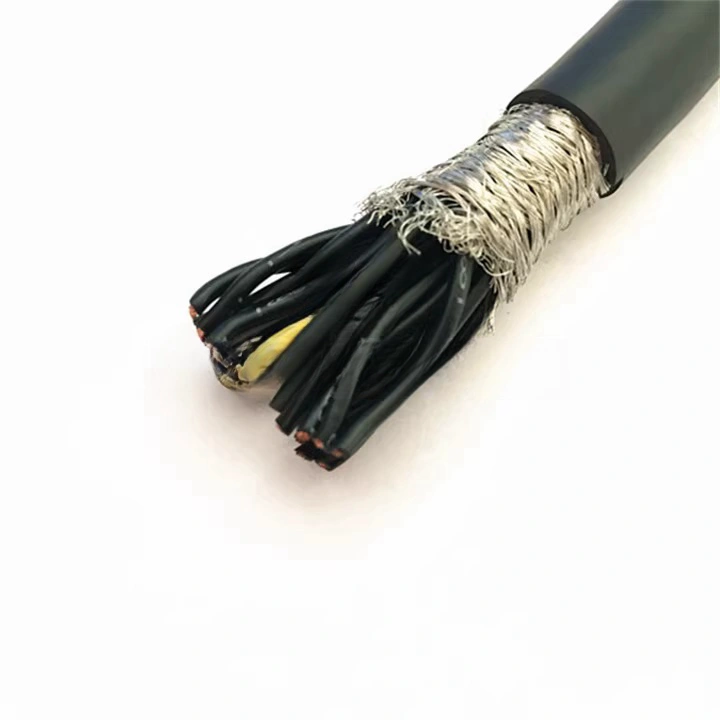
The RST-PDC Series PUR Drag Chain Cable is Rousheng’s specialist continuous-motion wiring solution, engineered from the conductor strand outward for the mechanical realities of cable carrier installations in CNC machining, robotic welding, laser cutting, semiconductor handling, and intralogistics applications. Where ordinary flexible cables fail within months of drag chain installation — through conductor work-hardening fatigue, PVC jacket plasticiser loss, or oil ingress — the RST-PDC series delivers a validated service life of 5 to 10 million bending cycles, depending on the selected strand grade. The foundation of this performance is a three-part engineering approach: IEC 60228 Class 6 ultra-fine oxygen-free copper conductors (0.05–0.08 mm individual strand diameter) wound in counter-helical layers to distribute bending stress uniformly; a polyester fleece separator that allows the jacket to slide freely over the cable core during each flex cycle; and a polyether TPU outer jacket (Shore A 85, tensile strength ≥50 MPa) that resists mineral oils, water-miscible cutting fluids, and continuous cold-flex cycling down to −40 °C. Available in 2 to 50 cores, 0.5 mm² to 6 mm² cross-sections, rated from 300/500 V to 0.6/1 kV, with optional tinned copper braid shielding for EMI-sensitive servo and encoder circuits. A torsion-rated variant (RST-PDC-T, ±180°/m) is available for robot arm and rotary axis applications. All production under ISO 9001:2015; CE LVD, RoHS 2, and REACH compliant. Every drum 100% HiPot tested and supplied with conductor resistance certificate. Samples and full technical documentation available for OEM qualification within 15 working days.
PUR Drag Chain Cable | High Flex Continuous Motion Cable | Wear-Resistant for Robotic & CNC Applications
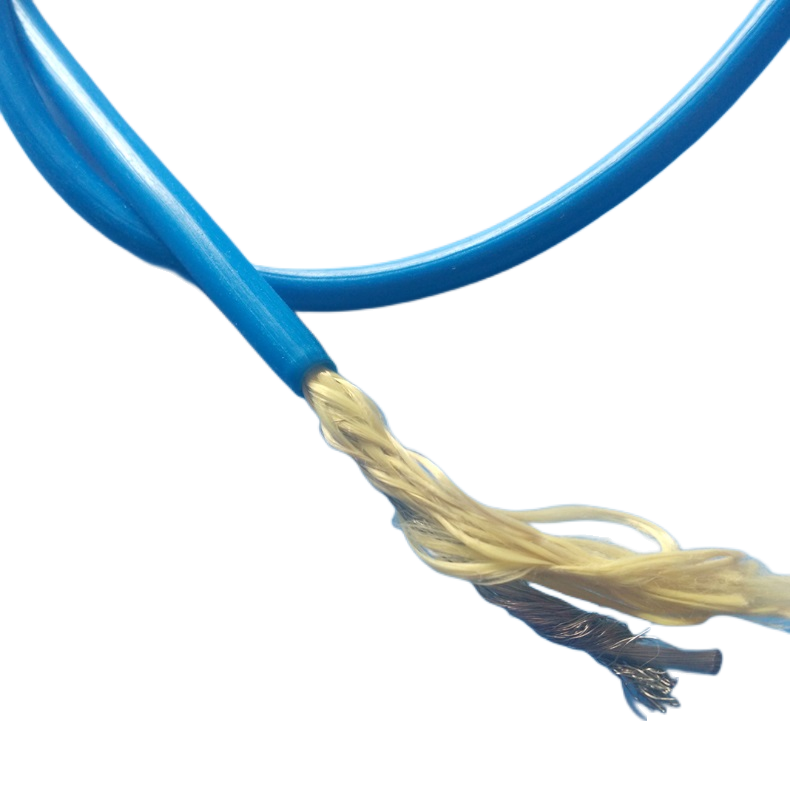
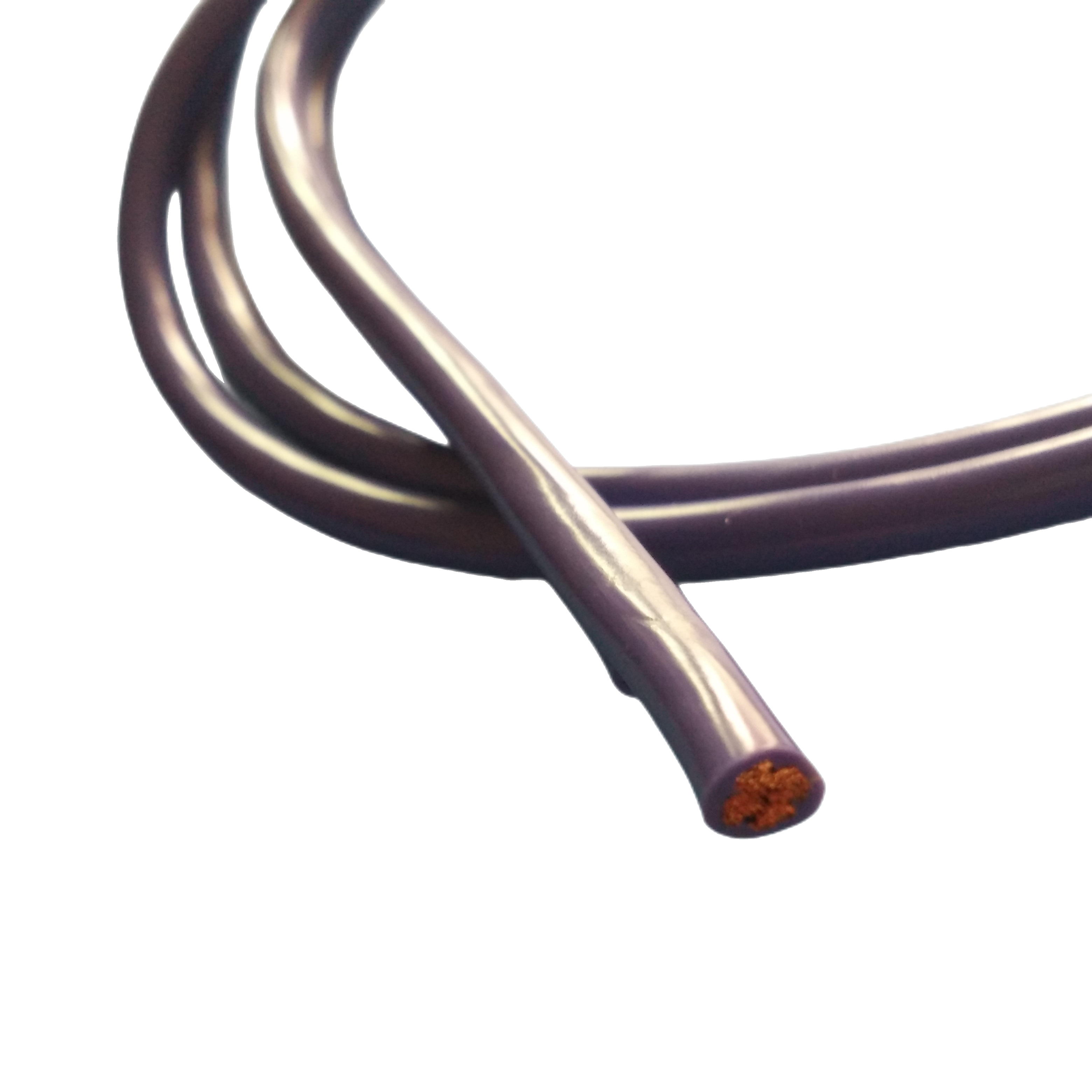
PUR drag chain cable is a premium continuous-motion wiring solution engineered for the harshest dynamic environments in industrial automation — where cables are routed inside cable carriers, subjected to millions of bending cycles, and exposed to cutting fluids, machine oils, and abrasive surfaces every single production shift. Unlike general-purpose flexible cables, this specialist product is built around a polyurethane (PUR) outer jacket combined with ultra-fine stranded copper conductors, enabling it to outlast conventional PVC and rubber cables by a factor of five to ten in real-world drag chain installations on CNC machining centres, welding robots, and pick-and-place systems.
|
10M+ Verified flex cycles |
−40°C Cold-flex rating |
100+ Product variants |
24 hr Quote turnaround |
The RST-PDC series is Rousheng’s dedicated high-flex motion cable line, produced under ISO 9001-certified processes at our Shanghai facility and compliant with IEC 60228 Class 6 conductor standards, CE LVD Directive, and RoHS 2. Every drum is 100% spark-tested and ships with a conductor resistance certificate.
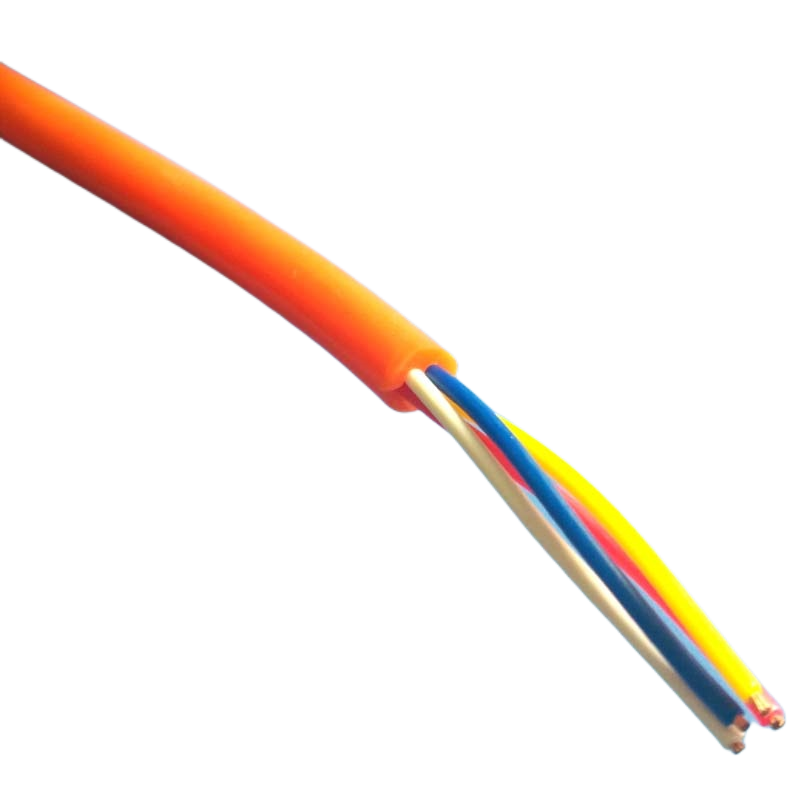
The Problem This Cable Solves
Standard flexible cables — even those marketed as ‘flexible’ — are not designed for the mechanical profile of a drag chain installation. Inside a cable carrier, a cable bends around the same radius, in the same direction, thousands of times per shift. The cumulative effect is predictable: conductor wire breakage from work-hardening fatigue, jacket cracking from PVC plasticiser migration in cold environments, and accelerated wear where the cable contacts the chain’s inner guides.
The failure symptoms are equally predictable: intermittent axis faults on CNC controllers, encoder dropouts on servo drives, nuisance e-stops on production lines, and eventually complete cable replacement — often at the worst possible time. The root cause is almost always a cable that was not specified for continuous dynamic motion.
|
What makes a cable truly drag chain rated? Three factors determine whether a cable will survive in a cable carrier: (1) conductor strand architecture — ultra-fine Class 6 strands distribute stress across hundreds of individual wires rather than a few thick ones; (2) jacket material — PUR resists plasticiser loss, oil ingress, and cold embrittlement far better than PVC; (3) cabling geometry — a counter-helical lay prevents the inner elements from migrating under repeated bending. The RST-PDC series is engineered to satisfy all three. |
RST-PDC Series — Model Range & Specifications
|
Model |
No. of Cores |
Cross-Section |
OD (approx.) |
Voltage |
Temp. Range |
Shield |
Primary Use |
|
RST-PDC-2C-0.5 |
2 |
0.5 mm² |
5.4 mm |
300/500 V |
−40 to +105 °C |
No |
Sensor / solenoid wiring |
|
RST-PDC-3C-0.75 |
3 |
0.75 mm² |
6.2 mm |
300/500 V |
−40 to +105 °C |
No |
Light control, I/O |
|
RST-PDC-4C-1.0 |
4 |
1.0 mm² |
8.0 mm |
300/500 V |
−40 to +105 °C |
No |
Standard servo control |
|
RST-PDC-5C-1.5 |
5 |
1.5 mm² |
9.8 mm |
300/500 V |
−40 to +105 °C |
No |
Multi-axis CNC wiring |
|
RST-PDC-7C-1.0 |
7 |
1.0 mm² |
10.4 mm |
300/500 V |
−40 to +105 °C |
No |
Complex control bundles |
|
RST-PDC-4C-1.0S |
4 |
1.0 mm² |
9.2 mm |
300/500 V |
−40 to +105 °C |
Cu braid |
High-EMI environments |
|
RST-PDC-4C-2.5 |
4 |
2.5 mm² |
11.6 mm |
300/500 V |
−40 to +105 °C |
No |
Higher-power actuators |
|
RST-PDC-3C-4.0 |
3 |
4.0 mm² |
13.2 mm |
450/750 V |
−40 to +105 °C |
No |
Spindle / drive power |
|
RST-PDC-HT-4C |
4 |
Custom |
Per spec |
450/750 V |
−50 to +125 °C |
Optional |
High-temp / cold-store |
|
RST-PDC-OEM |
2–50 |
Custom |
Per spec |
Up to 1 kV |
−50 to +125 °C |
Configurable |
OEM / project design |
Shielded variants add tinned copper braid (≥85% optical coverage) or Al-foil + drain wire. Custom core counts, colours, and jacket compounds available. All lengths drum-wound, no joints.
Application Matrix
|
Industry / Machine |
Typical Cable Route |
RST-PDC Model |
Why PUR Is Specified Here |
|
CNC machining centre (3/5-axis) |
X/Y/Z axis cable chain |
RST-PDC-5C-1.5 |
Cutting fluid immersion, coolant spray, continuous rapid traverse cycles |
|
Spot-welding robot (6-axis) |
Upper arm drag chain |
RST-PDC-4C-1.0S |
EMI from welding current; weld spatter; high-cycle reach motions |
|
Laser cutting machine |
Gantry X-axis carrier |
RST-PDC-4C-1.0 |
High traverse speed (up to 10 m/s); ultra-low-particulate clean environment |
|
Pick-and-place delta robot |
Fixed-end to moving platform |
RST-PDC-2C-0.5 |
Low mass, ultra-high cycle rate (≥10 M), tight bend radius |
|
3D-printing / additive manufacturing |
Print head cable loop |
RST-PDC-3C-0.75 |
Very high cycle count; requirement for near-zero particle emission from jacket |
|
Plasma cutting table |
X/Y dual-axis chains |
RST-PDC-4C-1.5 |
UV, ozone, and plasma heat exposure; oil-free environment |
|
Semiconductor wafer handler |
End-effector flex cable loop |
RST-PDC-HT-4C |
Clean-room rated jacket compound; zero-outgassing TPU option |
|
Injection moulding machine |
Clamping unit chain |
RST-PDC-4C-2.5 |
Hydraulic fluid exposure; temperature cycling from mould heat |
|
Palletising robot |
Base-to-arm drag chain |
RST-PDC-7C-1.0 |
24/7 operation at moderate speeds; multi-circuit in single chain slot |
|
Cold-store AS/RS crane |
Horizontal travel chain |
RST-PDC-HT-4C |
Jacket must remain flexible at −30 °C; ice and moisture exposure |
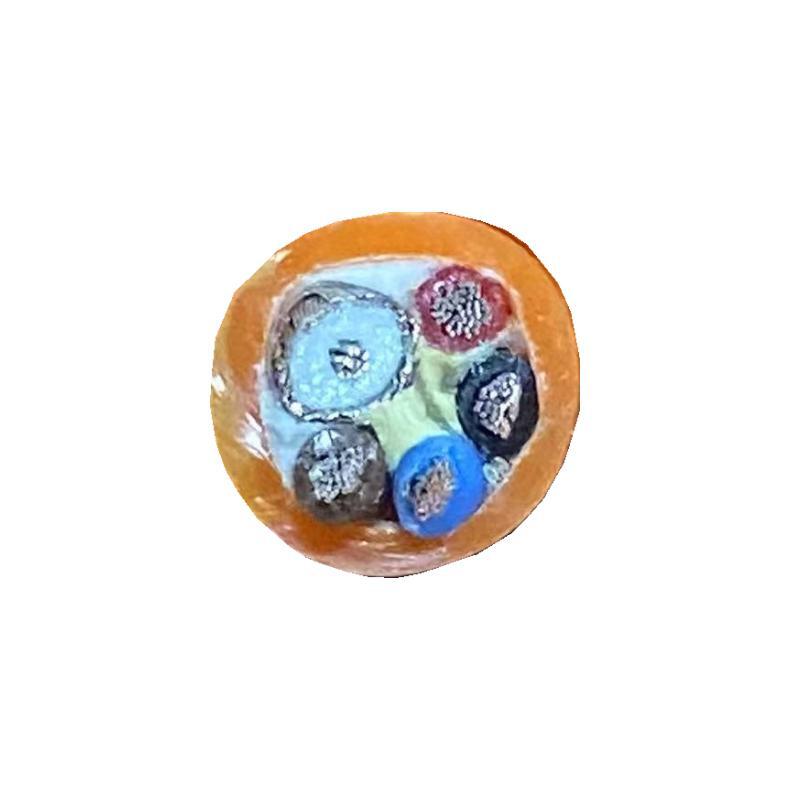
Materials & Construction — Layer by Layer
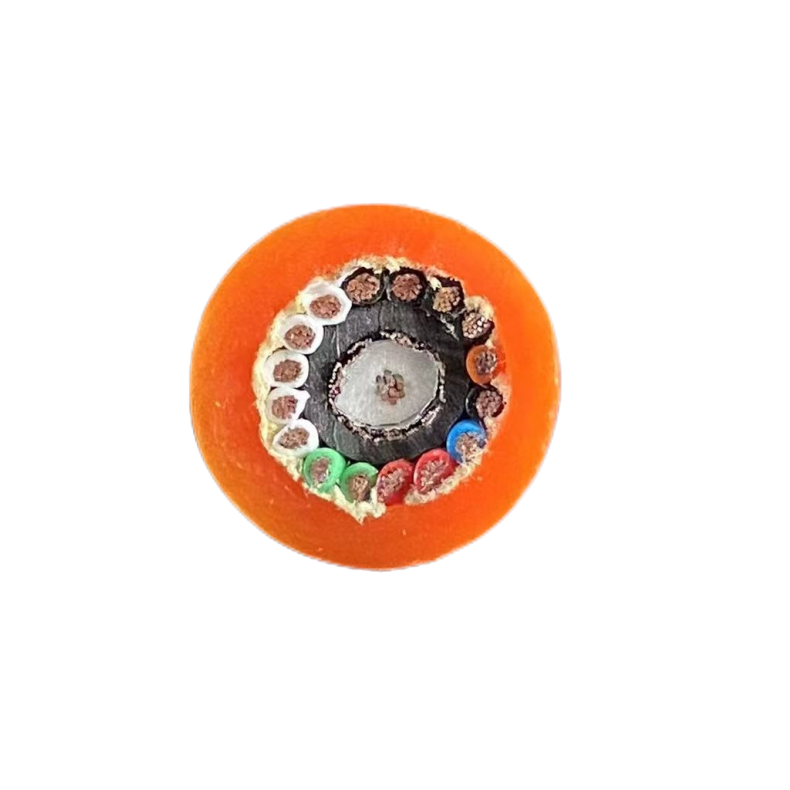
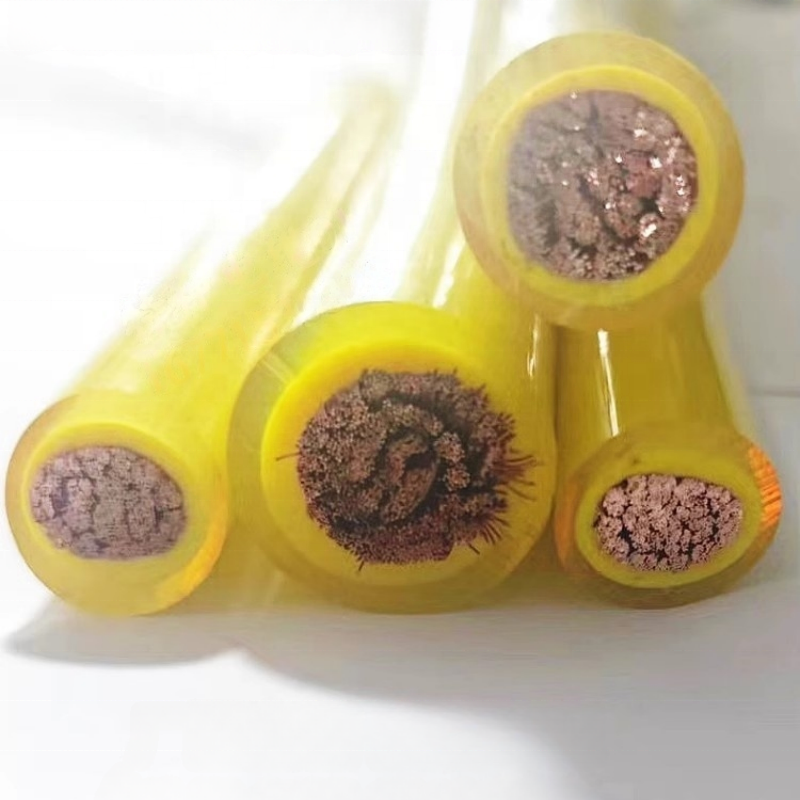
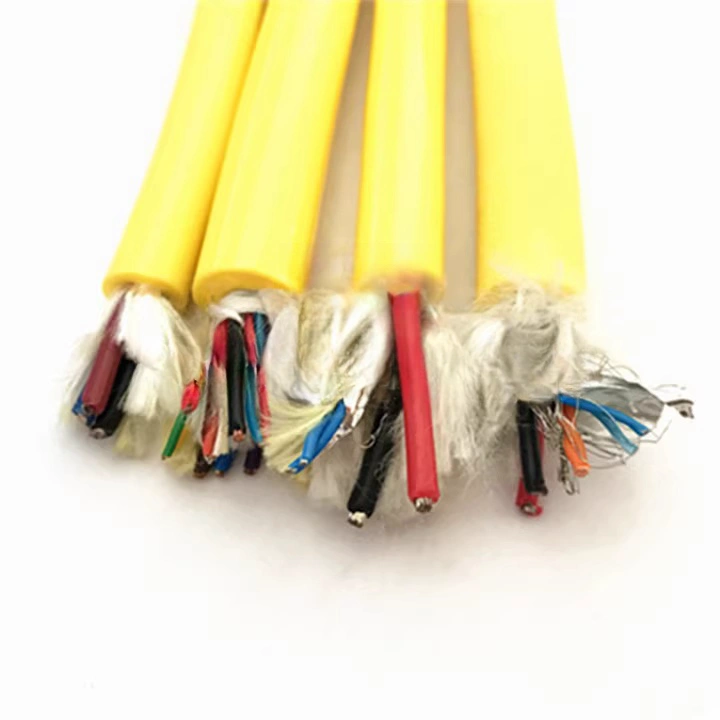
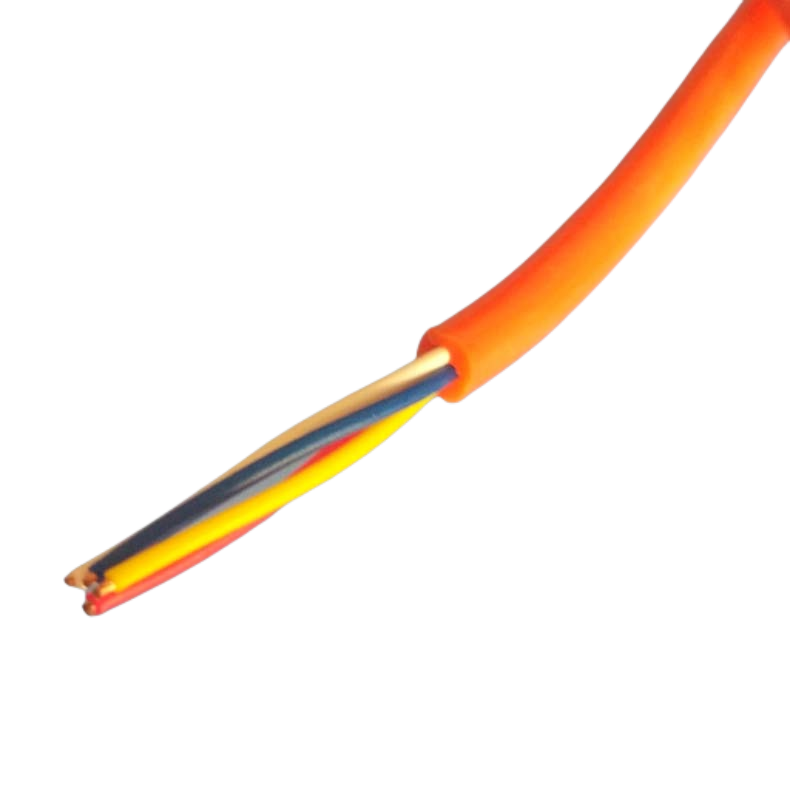
Understanding why the RST-PDC series performs where other cables fail requires a look at each structural layer and the engineering choices behind it.
|
LAYER 1 — Conductor |
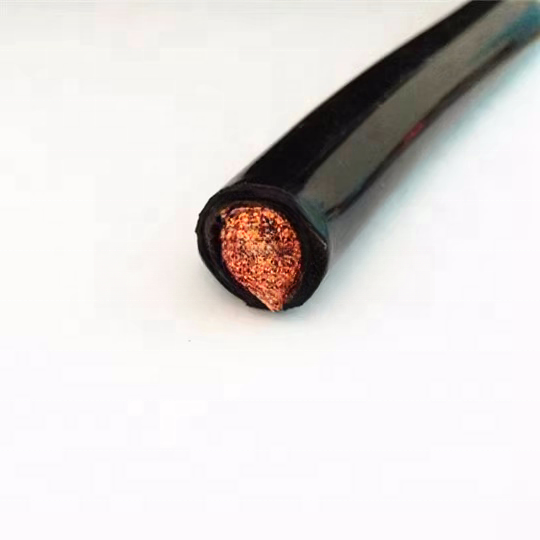
Bare oxygen-free copper, Class 6 ultra-fine (IEC 60228). Hundreds of individual strands per core — each strand 0.05–0.08 mm diameter. Counter-helical lay per layer prevents birdcaging. |
|
LAYER 2 — Core Insulation |
Flexible PVC (standard) or cross-linked PE (XLPE) for elevated temp. ratings. DIN VDE 0293-308 colour coding. Minimum insulation wall ensures dielectric integrity under 7.5× OD dynamic bending. |
|
LAYER 3 — Cable Core Assembly |
Cores cabled together with lay length optimised for dynamic bending radius. Polyester fleece binder tape prevents jacket from bonding to cores — critical for jacket sliding during flex cycles. |
|
LAYER 4 — Shield (optional) |
Tinned copper braid (≥85% optical coverage) or aluminium foil + drain wire. Braid shield is preferred for flex applications — foil-only shields develop micro-fractures at flex points over time. |
|
LAYER 5 — Outer Jacket (PUR) |
Polyether-based TPU (Shore A 85). Tensile strength ≥50 MPa. Elongation ≥350%. Taber abrasion ≥300 cycles. Resistant to mineral oils, hydraulic fluids, and coolants. Maintains flexibility from −40 °C. |
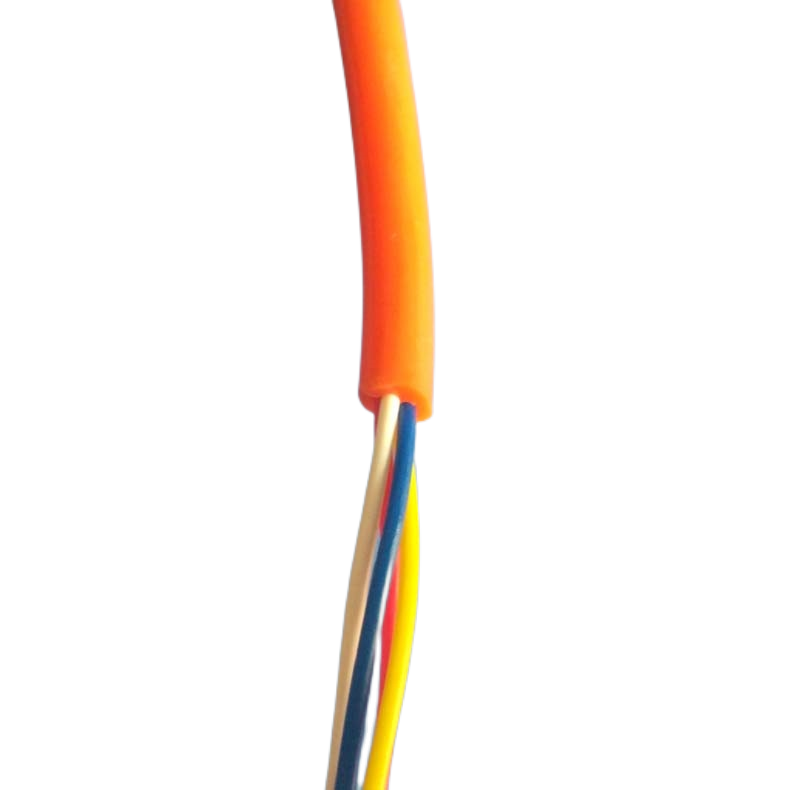
Performance Comparison: PUR vs. PVC vs. Rubber
|
Performance Criterion |
RST-PDC PUR Cable |
Standard PVC Flex |
Rubber Cable |
|
Flex life (drag chain, 7.5× OD) |
10M+ cycles |
< 1M cycles |
2–3M cycles |
|
Oil & coolant resistance |
✔ Excellent |
Limited |
Moderate |
|
Cold flexibility (−40 °C) |
✔ Excellent |
Brittle below −15 °C |
Moderate |
|
Abrasion resistance |
✔ Superior |
Moderate |
Moderate |
|
Hydrolysis resistance |
✔ Excellent (polyether) |
N/A |
Limited |
|
Jacket weight per metre |
Lightest |
Light |
Heaviest |
|
UV / ozone resistance |
✔ Standard |
Limited |
Moderate |
|
Operating temp (dynamic) |
−40 to +105 °C |
−15 to +70 °C |
−25 to +90 °C |
|
Plasticiser migration over time |
✔ Yes — none |
✘ No — degrades |
✔ Yes — none |
|
Custom jacket colours available |
✔ Yes |
✔ Yes |
Limited |
PVC cables lose plasticiser through heat cycling, causing jacket hardening and micro-cracking that accelerates failure. PUR eliminates this degradation mechanism entirely.
Key Technical Parameters
Electrical Ratings
|
Parameter |
Standard Range |
Extended / Custom |
|
Rated voltage (Uo/U) |
300/500 V |
450/750 V — 0.6/1 kV |
|
Test voltage (conductor/screen) |
2,000 V AC / 5 min |
Per IEC 60502 |
|
Insulation resistance |
≥ 200 MΩ·km |
≥ 500 MΩ·km |
|
Conductor resistance |
Per IEC 60228 Class 6 |
Measured & certified, per drum |
|
Max. operating current |
Per IEC 60364-5-52 (0.7 drag chain derating) |
— |
Mechanical Ratings
|
Parameter |
Value |
|
Dynamic bend radius |
7.5 × OD (standard) | 5 × OD (premium strand option) |
|
Static bend radius |
4 × OD |
|
Minimum flex life |
≥ 5,000,000 cycles (standard) | ≥ 10,000,000 cycles (premium) |
|
Max. travel speed |
5 m/s standard | 10 m/s high-speed compound |
|
Max. acceleration |
5 m/s² |
|
Tensile strength (jacket) |
≥ 50 MPa (ISO 37) |
|
Elongation at break |
≥ 350% (ISO 37) |
|
Shore A hardness |
85 ± 5 |
|
Abrasion resistance |
Taber CS-17 wheel, 1 kg load, ≥ 300 cycles |
|
Torsion rating (T variant) |
± 180°/m (specify RST-PDC-T suffix) |
|
Temperature — dynamic |
−40 °C to +105 °C (standard PUR) |
|
Temperature — static |
−50 °C to +125 °C (XLPE insulation grade) |
Why Rousheng — Experience, Expertise & Verified Quality
Specifying a drag chain cable is a commitment that extends to the full service interval of the machine it runs inside — often five to ten years. The supplier behind that cable needs to have the engineering depth, production consistency, and documentation capability to support that commitment.
|
Rousheng Capability |
Detail |
|
Specialist focus |
100% of our product range is high-flex and specialty cable — not a general-purpose cable catalogue with a drag chain section added |
|
Engineering team |
10+ years average experience in continuous-motion cable design; on-staff application engineers for drag chain sizing support |
|
Production facility |
Dedicated 8,000 m² factory, Fengxian District, Shanghai — purpose-built extrusion, cabling, and testing lines |
|
Flex-life validation |
In-house motorised test rigs running ≥7.5× OD bending at rated cycle rates — data available on request for qualification |
|
100% HiPot testing |
Every manufactured length spark-tested before drum-winding. No batched sampling — 100% coverage |
|
Certifications |
ISO 9001:2015 • CE LVD • RoHS 2 • REACH • AAA Enterprise Credit Rating |
|
Documentation package |
TDS, MSDS, conductor resistance certificate, HiPot test report, CNAS lab report (on request), RoHS declaration per shipment |
|
Custom capability |
Full OEM programme: custom cross-section, compound, colour, printing, drum packaging, DDP shipping — 4–6 week lead time |
Frequently Asked Questions
Q1: How do I confirm that a cable is genuinely rated for drag chain use — not just ‘flexible’?
Look for four things in the data sheet: (1) an explicit minimum dynamic bending radius expressed as a multiple of OD (7.5× or lower); (2) a stated flex-life figure in cycles, not just ‘high flex’; (3) IEC 60228 Class 6 conductor specification; (4) a PUR or TPU outer jacket — not PVC. If any of these four are absent or vaguely stated, the cable has not been designed or validated for drag chain duty. All RST-PDC data sheets state all four values explicitly.
Q2: My drag chain manufacturer’s guide specifies a minimum bend radius of 75 mm. How do I find the cable OD limit?
Divide the required bend radius by the dynamic radius factor. For RST-PDC cables, the factor is 7.5, so: maximum cable OD = 75 mm ÷ 7.5 = 10 mm. Any RST-PDC model with an OD at or below 10 mm is compatible. For example, RST-PDC-7C-1.0 (10.4 mm OD) would be slightly over — you would step down to RST-PDC-5C-1.5 (9.8 mm) or request a compact cross-section from our engineering team.
Q3: Can the PUR jacket withstand the coolant fluids used in metal-cutting applications?
Yes. The polyether PUR jacket resists mineral-oil-based and water-miscible cutting fluids (emulsions) commonly used in CNC machining. It will not swell, soften, or lose surface integrity with continuous coolant contact. For synthetic coolants or biodiesel-based fluids, share the fluid specification with us — we will confirm compatibility from our chemical resistance database or recommend an alternative compound.
Q4: What is the difference between the standard and premium flex-life options?
The standard RST-PDC line uses a Class 6 ultra-fine strand with a lay length optimised for 7.5× OD bending and a validated life of ≥5 million cycles. The premium option uses a further-reduced strand diameter (0.05 mm vs 0.08 mm), a tighter helical lay, and a specific conductor cross-section tolerance that together achieve ≥10 million cycles at the same bending radius. The premium option adds approximately 15–20% to the unit price and is recommended for 24/7 production cells or applications where cable replacement would require machine downtime exceeding 4 hours.
Q5: Do you support third-party drag chain qualification programmes?
Yes. We have supplied RST-PDC samples and full technical documentation packages to customers running qualification programmes for Igus chainflex, Tsubaki cable chain, and Helukabel cable carrier systems. We can provide a cable sample, dimensional report, material certificate, conductor resistance test report, and third-party flex-life test data from a CNAS-accredited laboratory on request. Lead time for a full qualification package is typically 15 working days.
Q6: What is the shelf life of uninstalled PUR drag chain cable, and are there storage requirements?
Properly stored PUR cable has an indefinite shelf life — unlike PVC, the polyether PUR jacket does not undergo plasticiser loss or surface hardening during storage. Store drums in a dry indoor environment at 5–35°C, away from direct UV and ozone sources (such as fluorescent lighting or electric motors). Do not stack drums on their flat face — always store upright or on a drum stand. Rousheng ships all drums with end-caps and a polyethylene drum wrap for transport protection.
Order, Sample & Engineering Support
|
Three ways to start — pick the path that fits your timeline:
1. Send your drag chain data sheet + required cores/cross-section to Jerry@rstlkable.com — we return a compatible model recommendation and formal price within 24 hours. 2. Request a 1–3 m cut sample of the model you are evaluating. Samples dispatched within 5 working days, free of charge for qualified OEM projects. 3. Book a 30-minute engineering call. Share your machine spec and we will walk through the correct model, drag chain compatibility, and derating calculation together.
Contact: Jerry@rstlkable.com | +86-021-50759965 | Mobile: +86-13482197396 Address: No. 2591 Fengzhe Road, Fengxian District, Shanghai, China |