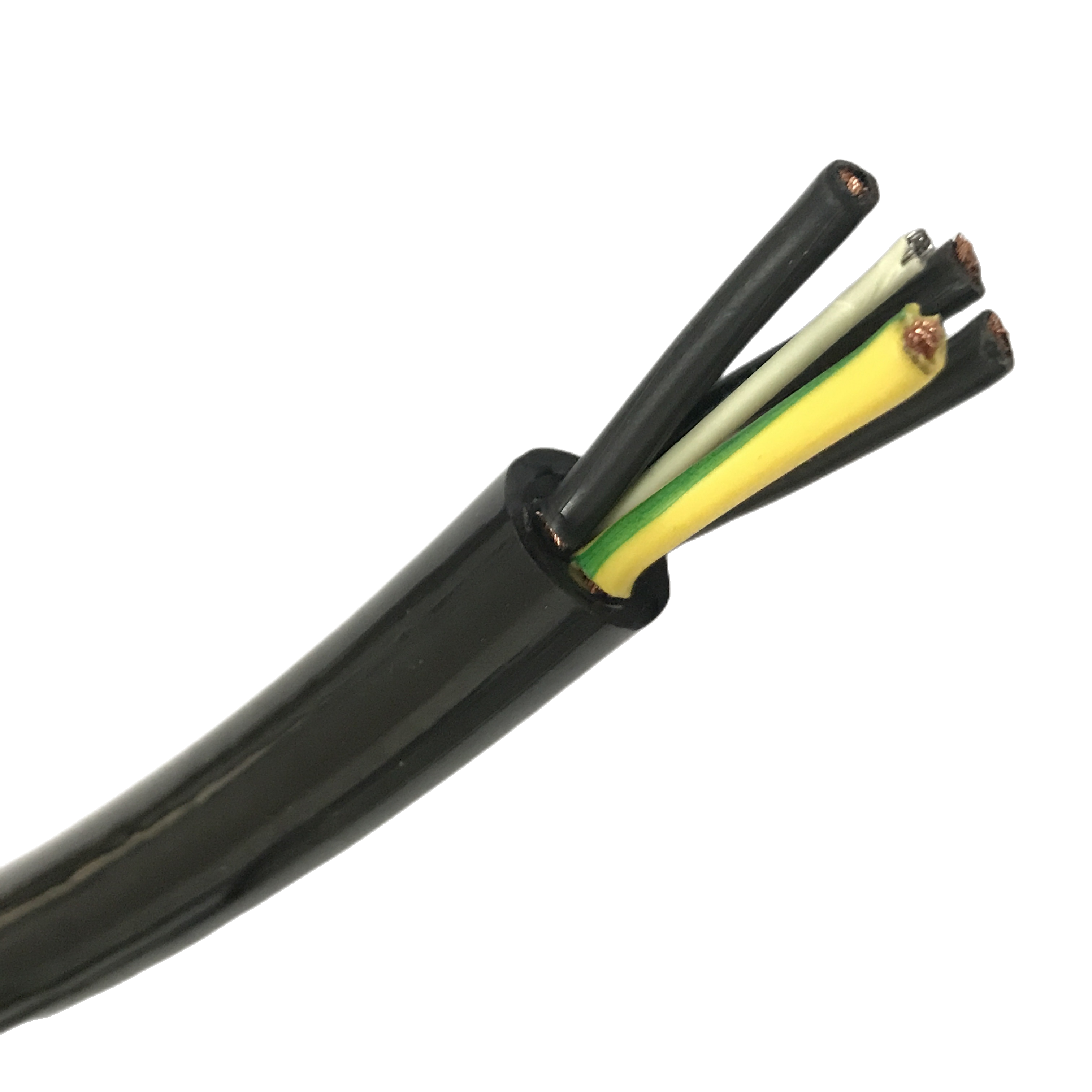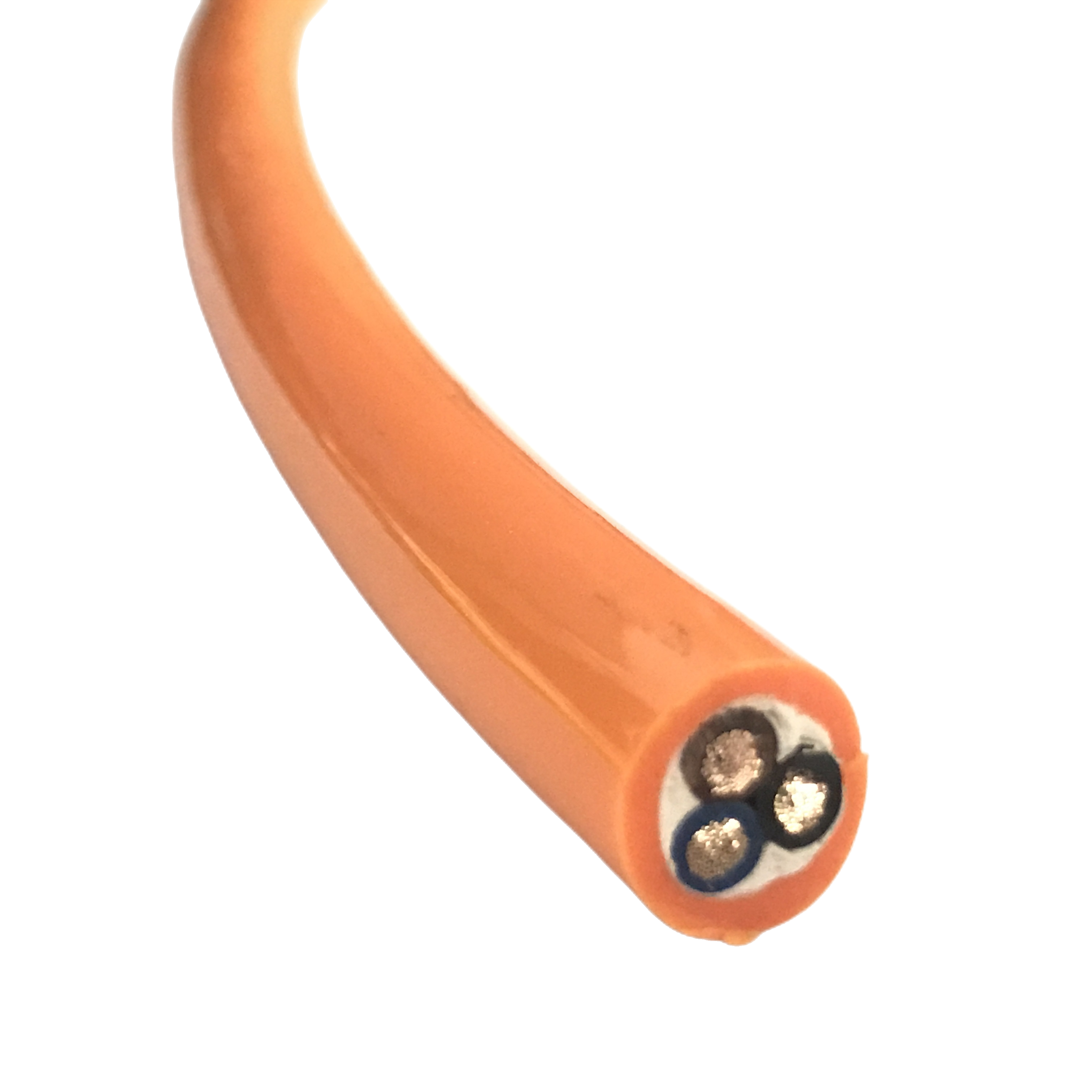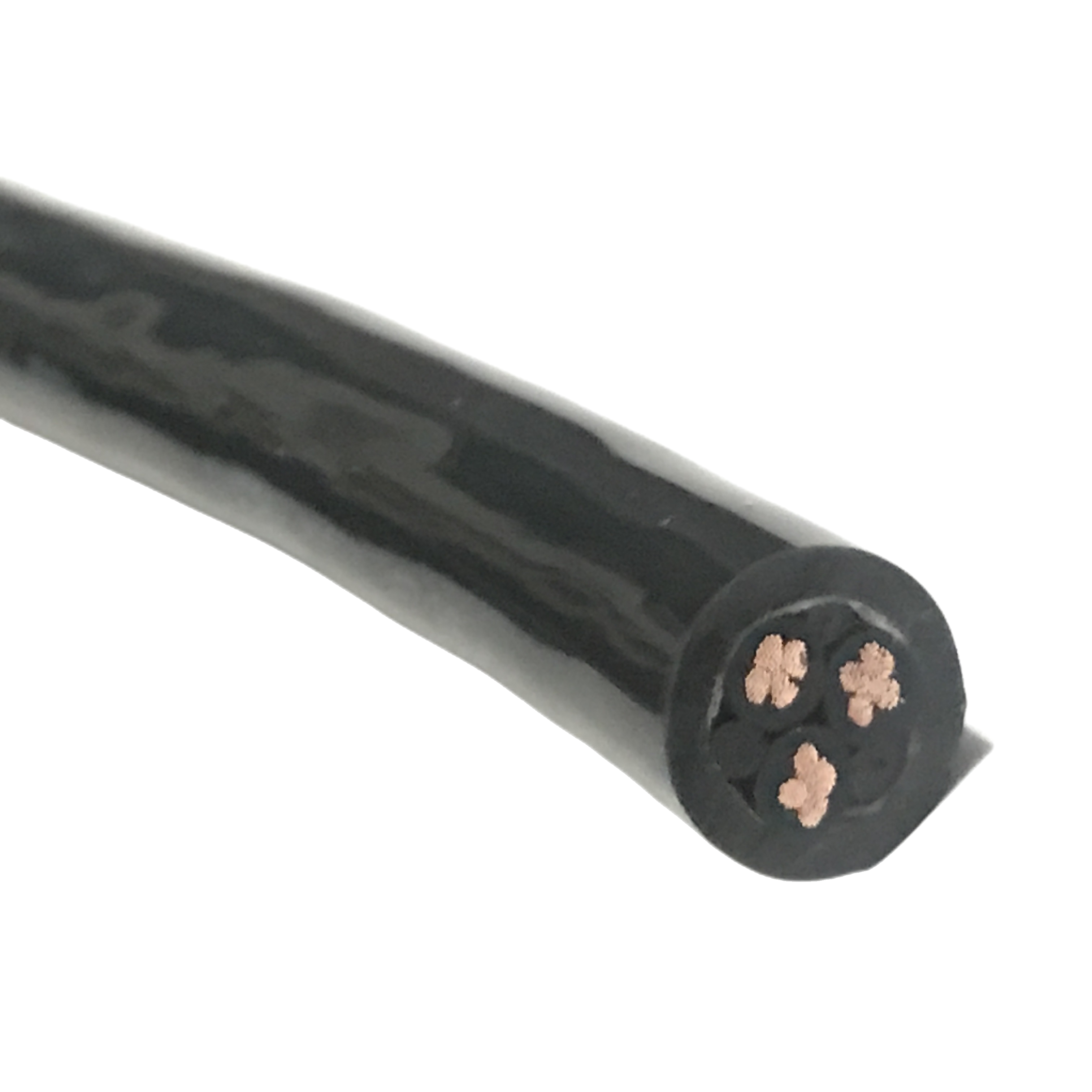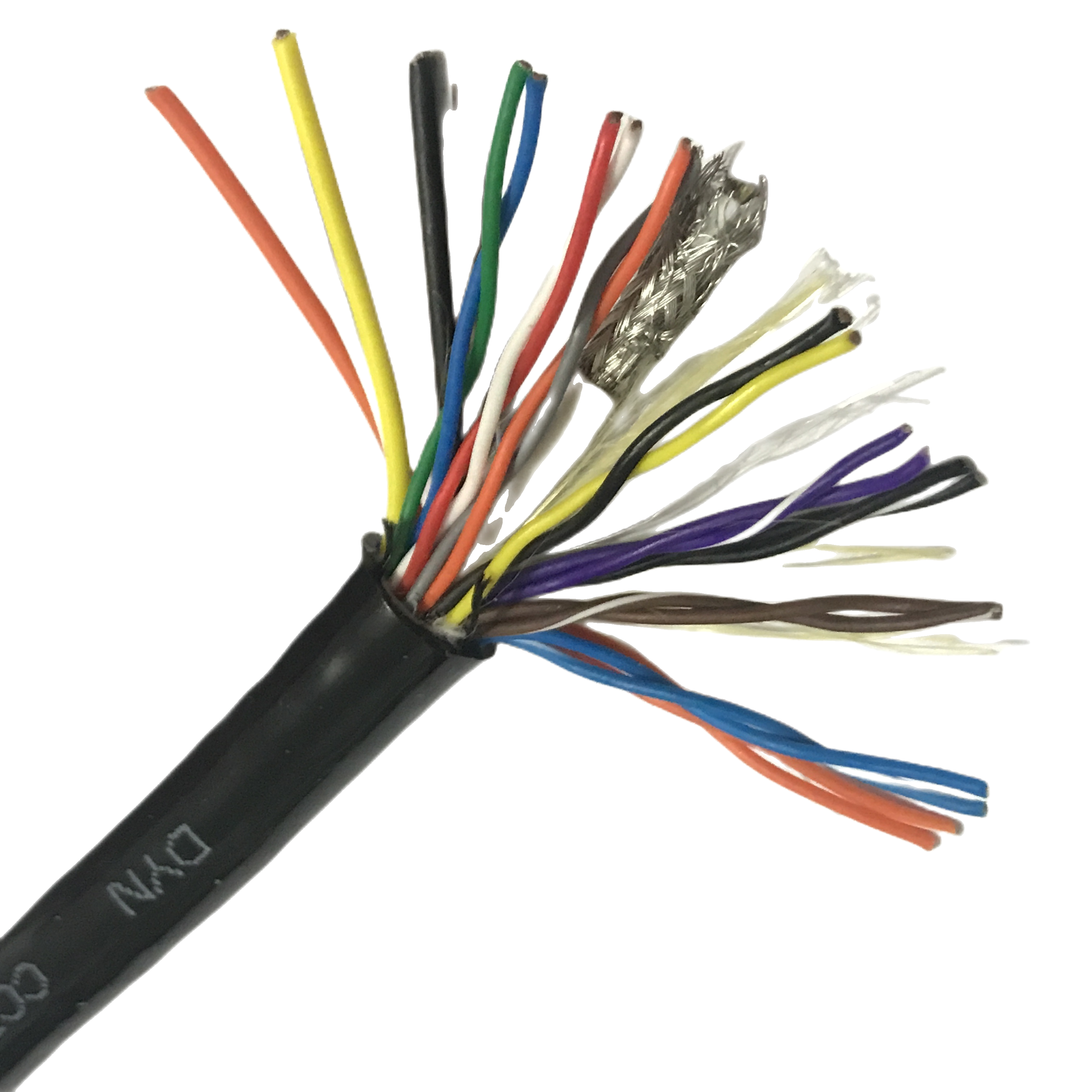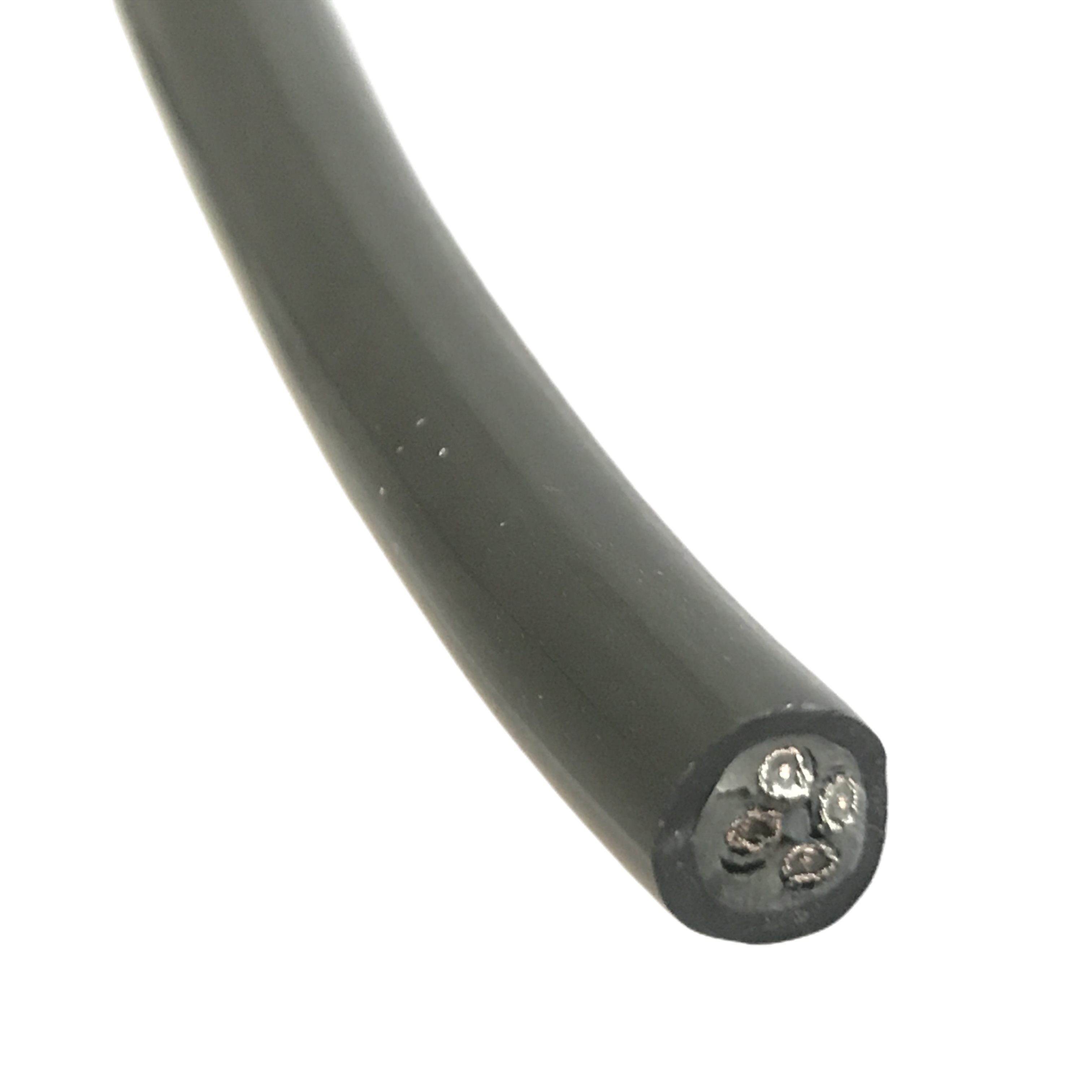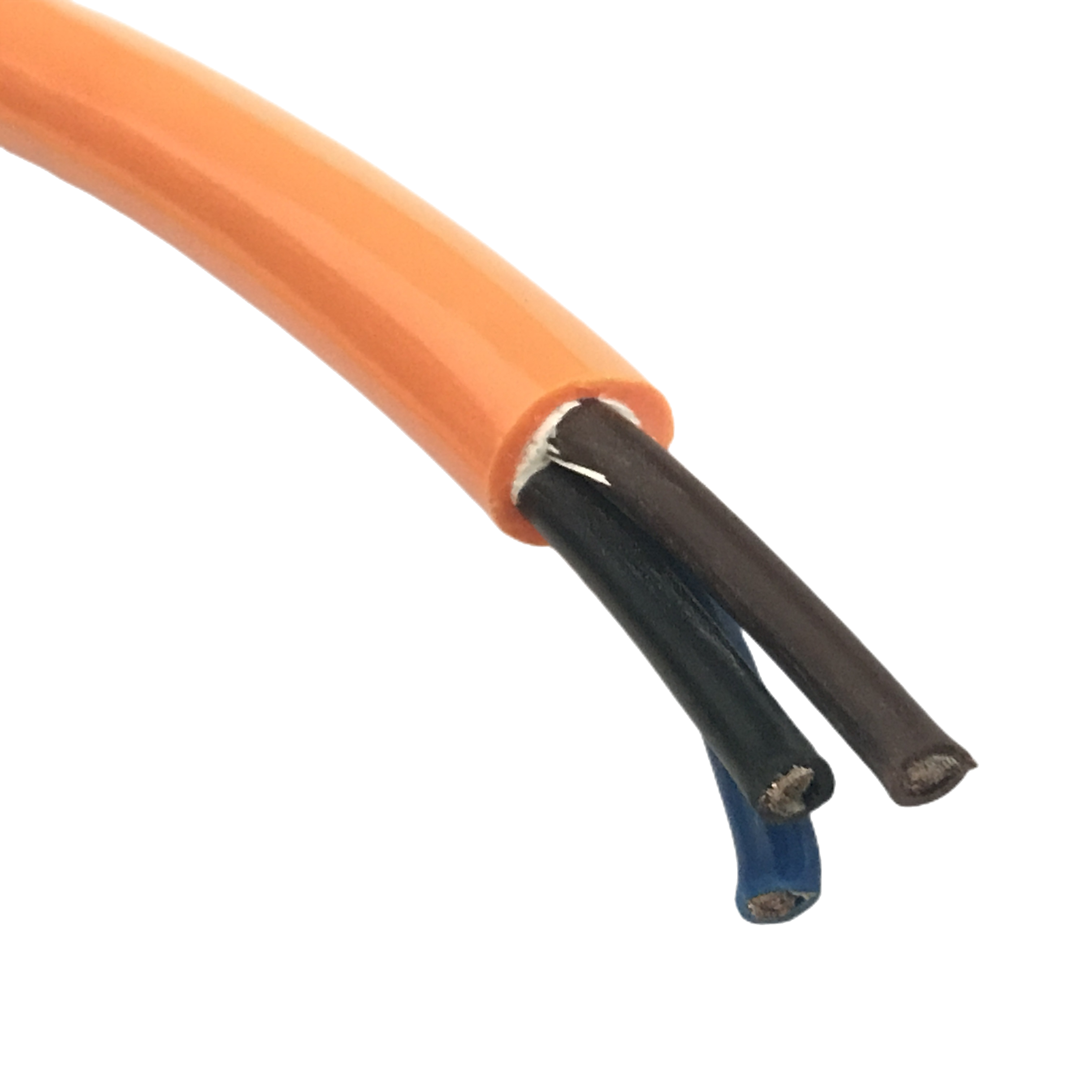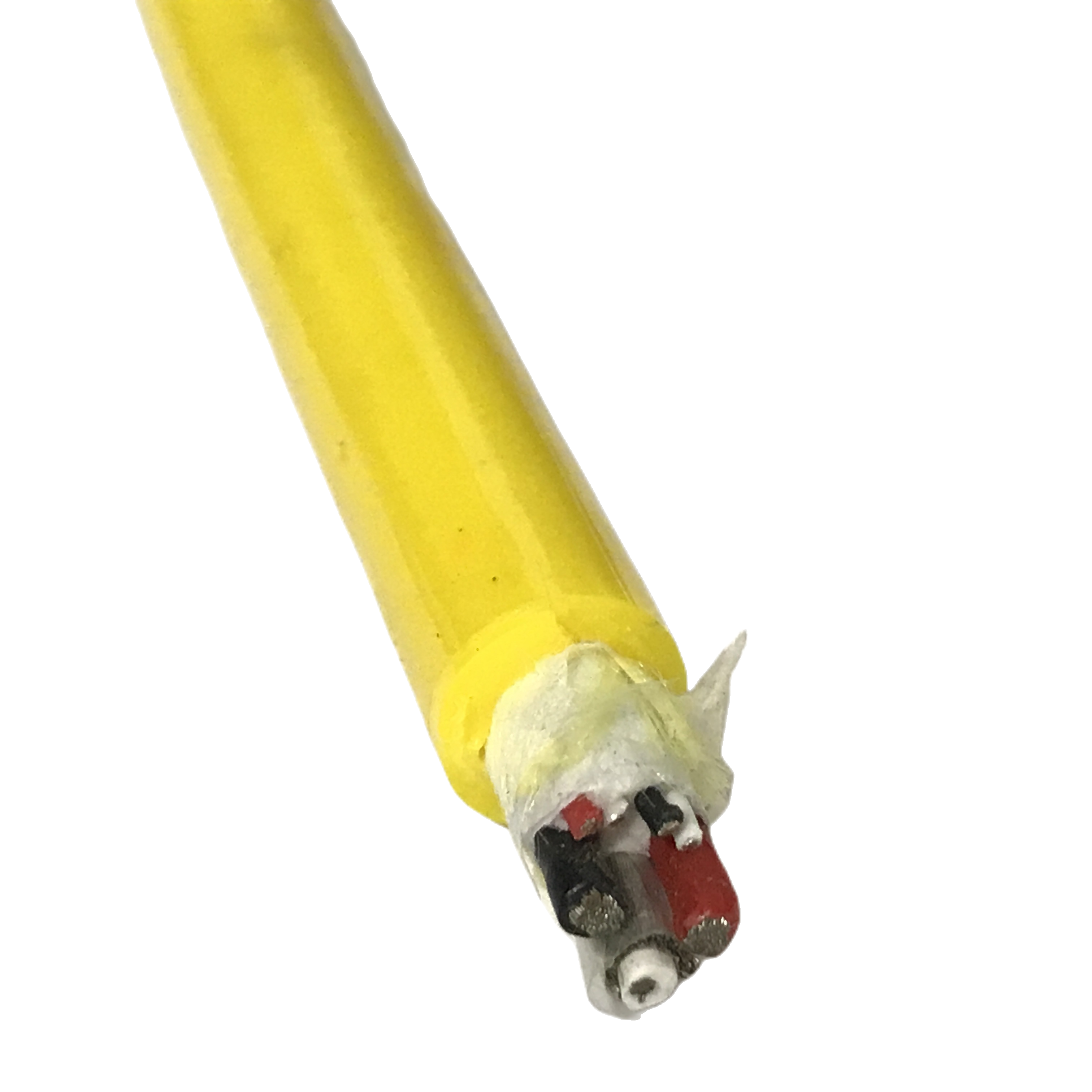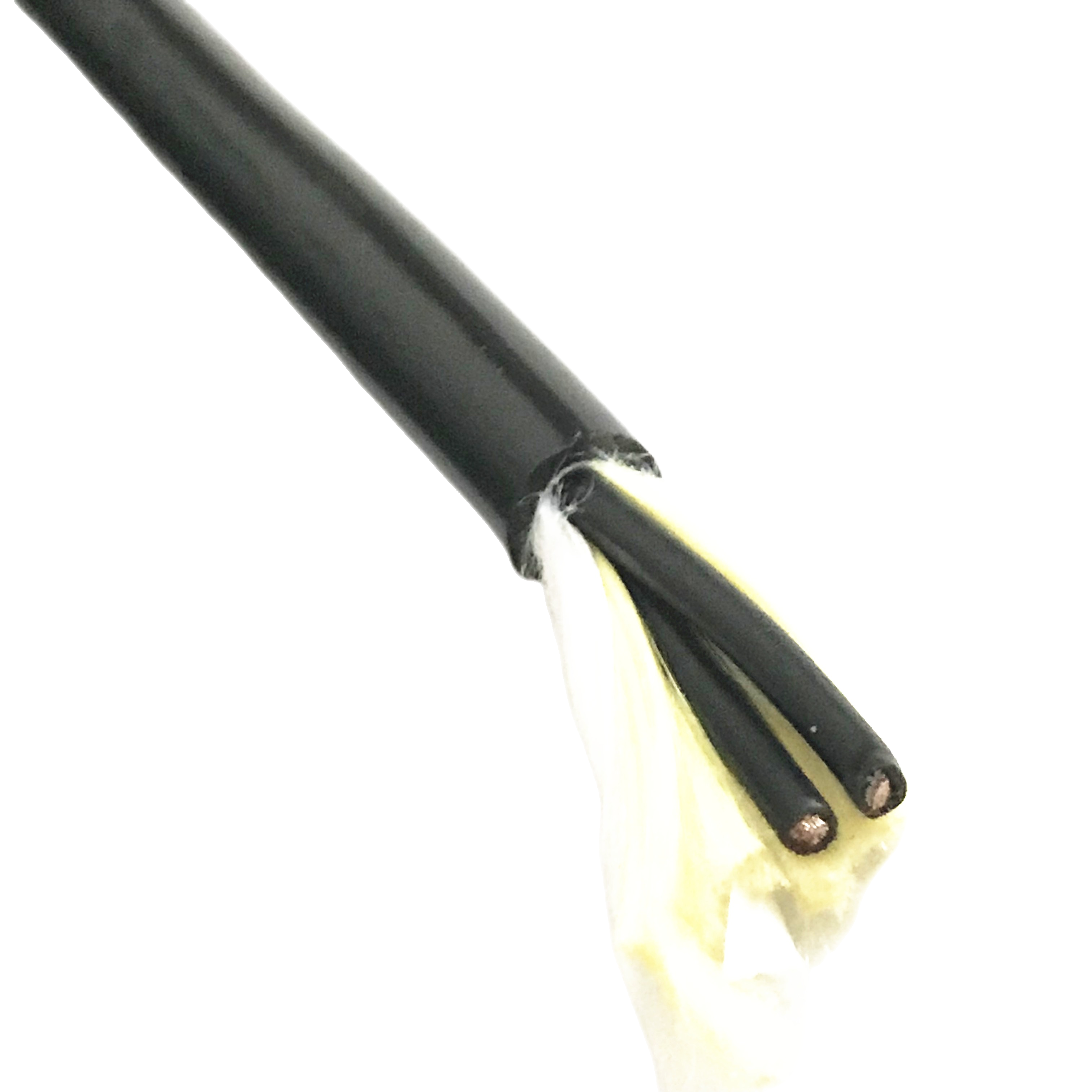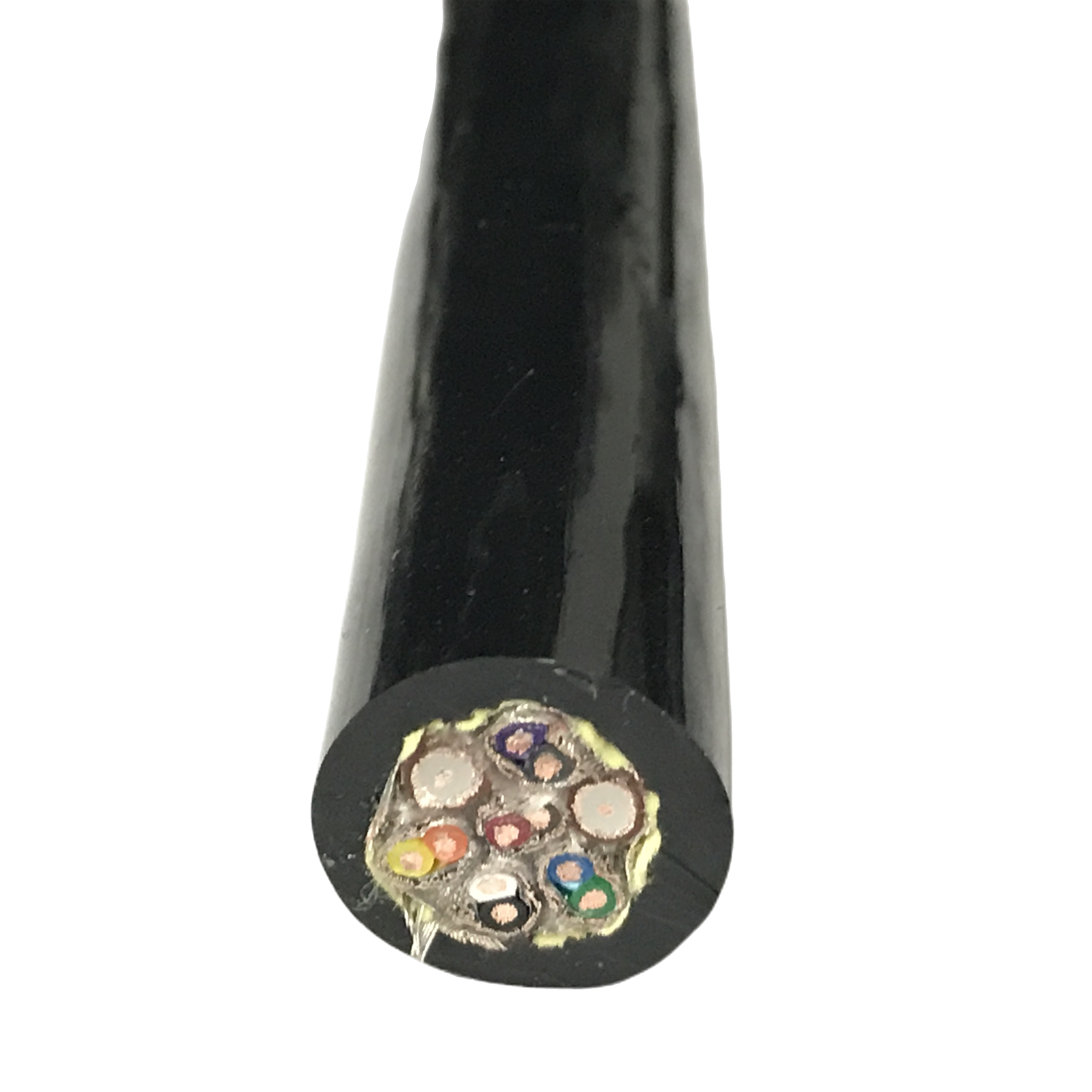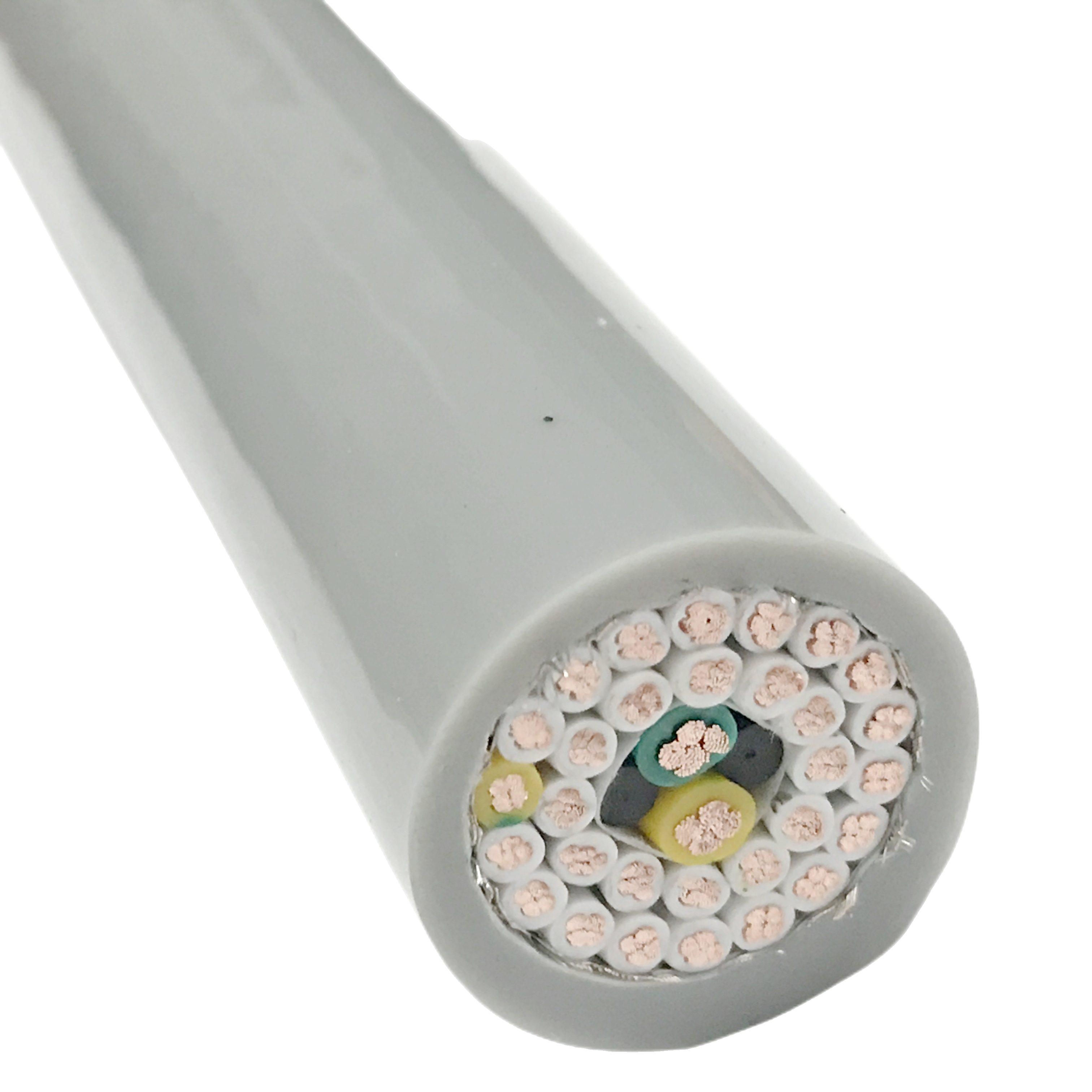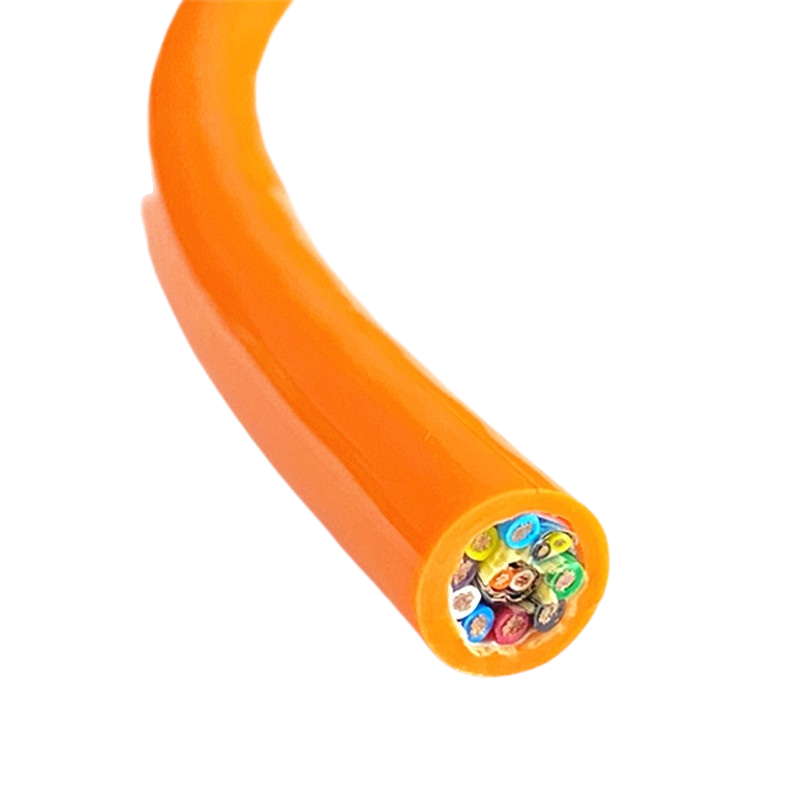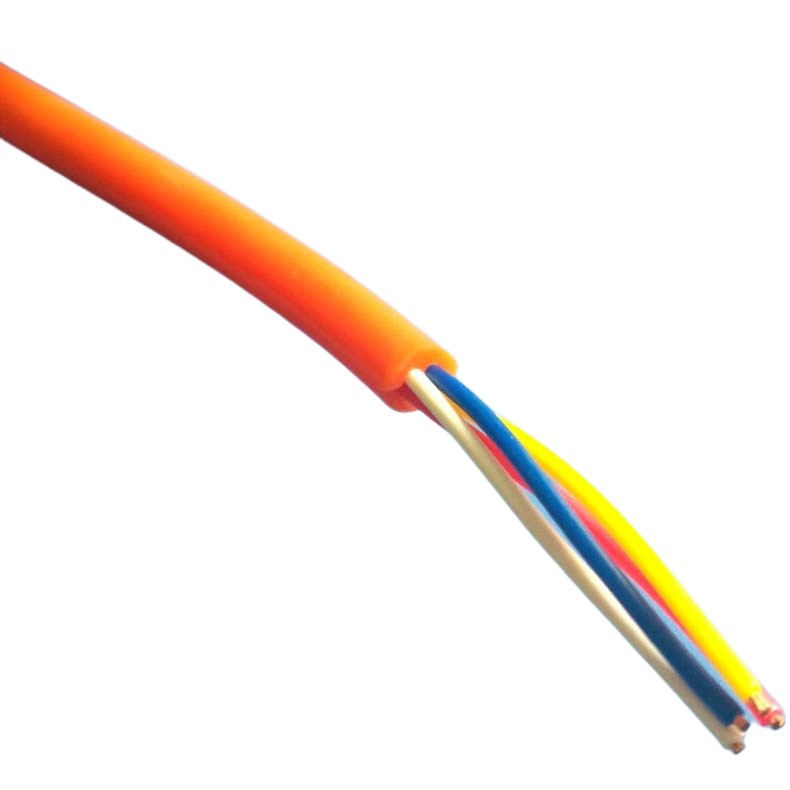



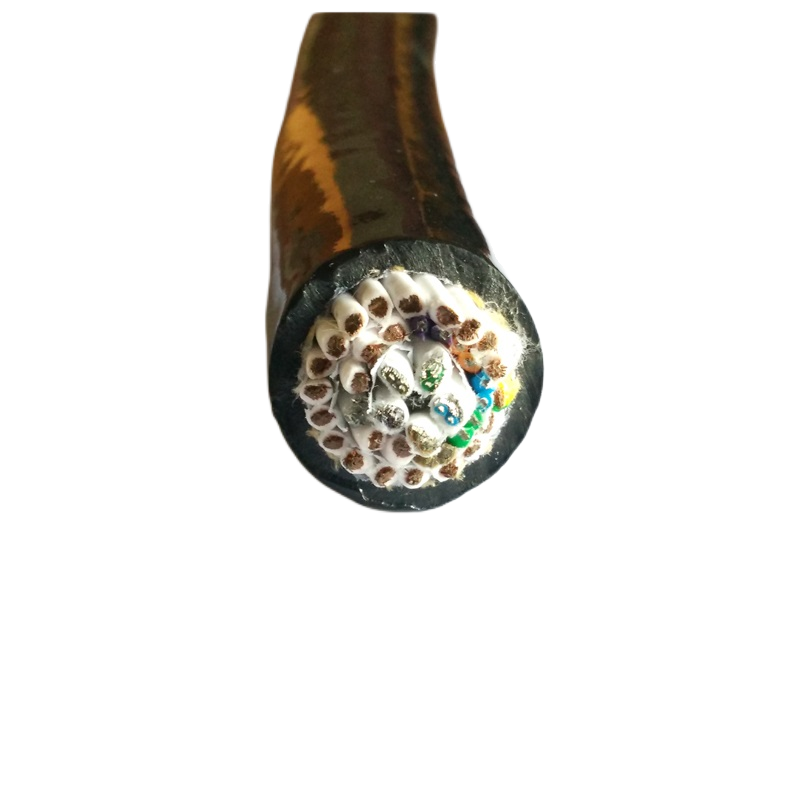
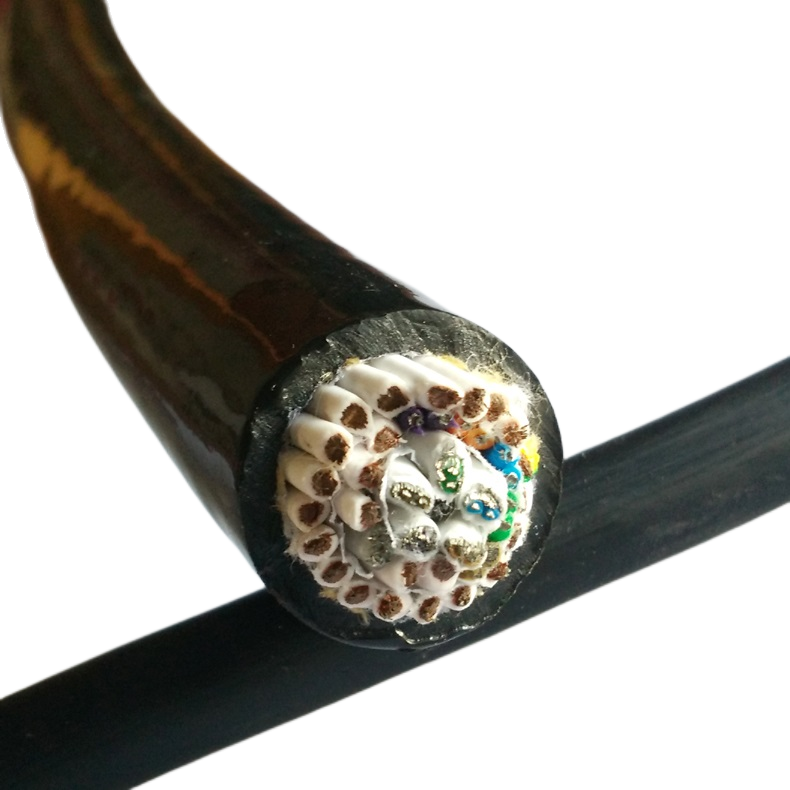
PUR Double Sheath Power Cable for Harsh Environments Waterproof Heavy Duty Industrial Cable Manufacturer
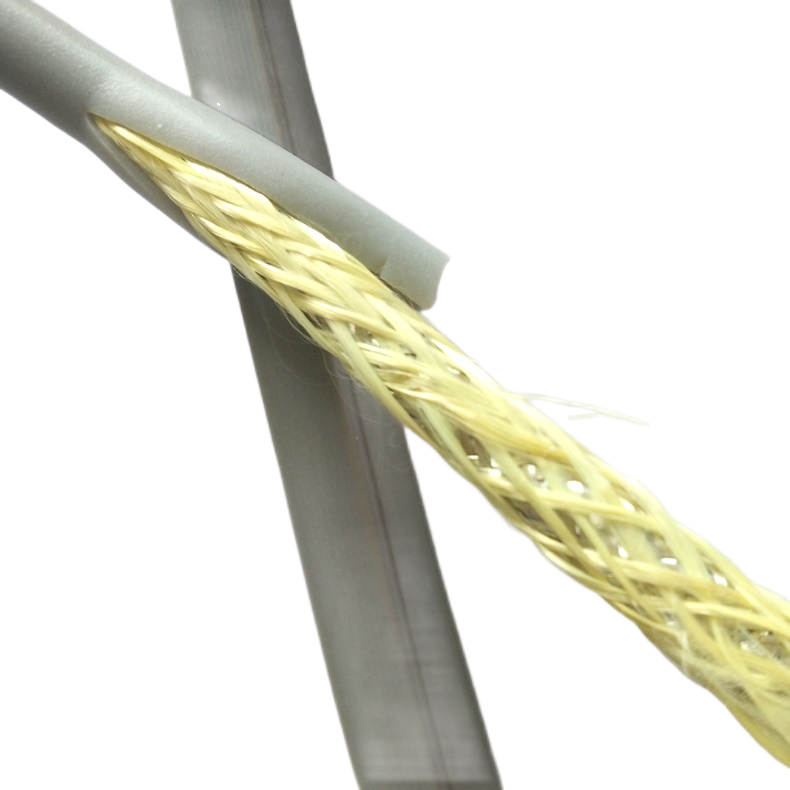
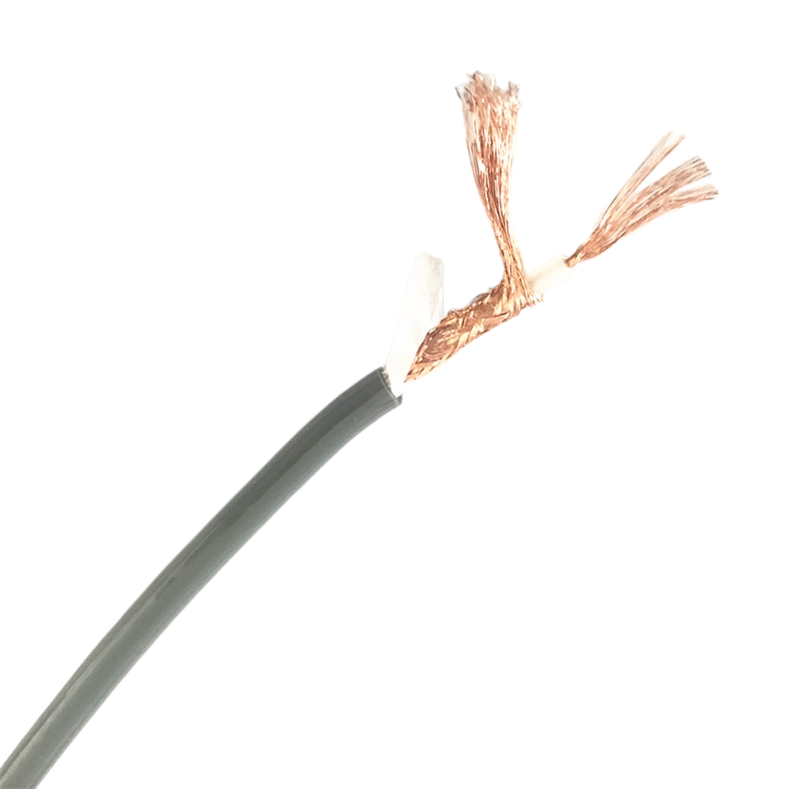
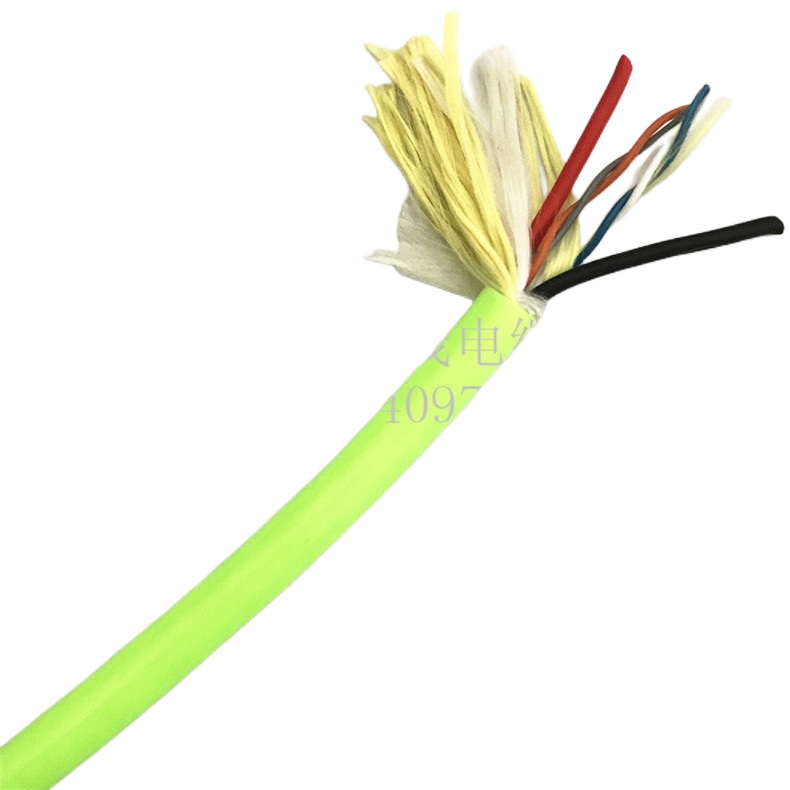
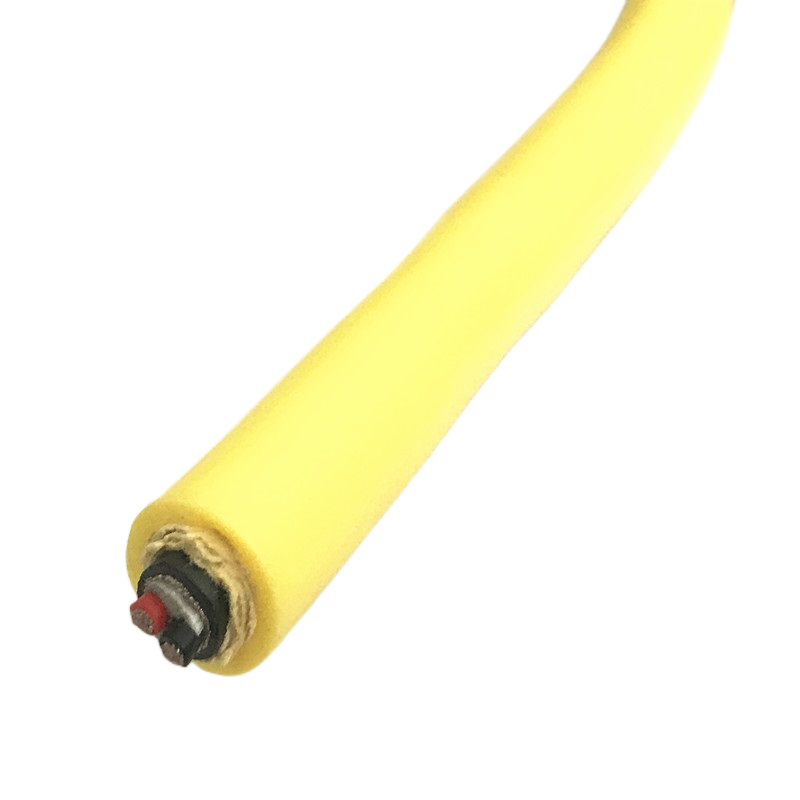
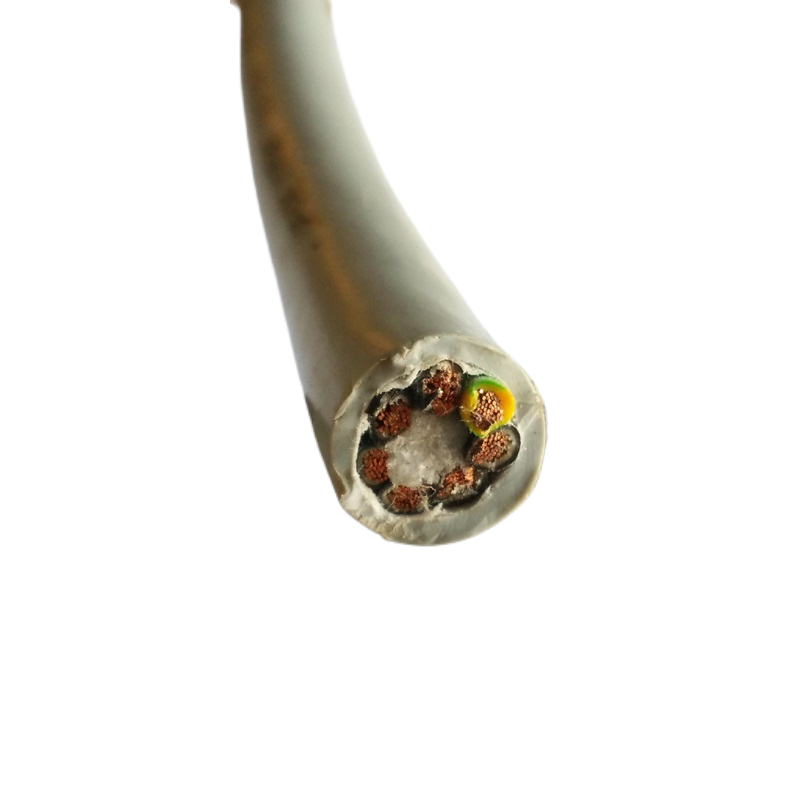
Engineered with independent inner and outer PUR jackets, the RST-DP series maintains sealing performance even after outer sheath damage, ensuring reliable power transmission in wet and demanding environments.
Key Benefits:
✅ Dual PUR sheath — IP68 protection even after outer layer damage
✅ High mechanical strength — crush resistance ≥2,000 N/cm
✅ XLPE insulation — up to 23% higher current capacity vs PVC
✅ 1.5–95 mm² · 3G/4G/5G · SWA & LSZH options available
PUR Double Sheath Power Cable for Harsh Environments Waterproof Heavy Duty Industrial Cable Manufacturer
The failure timeline of a PUR double sheath power cable installation in an outdoor industrial environment differs fundamentally from that of a single-jacket cable: with a double-sheath design, the sequence is visible outer damage → maintained waterproofing → periodic inspection → controlled repair. With a single-jacket cable, the sequence is invisible micro-crack → silent moisture ingress → gradual insulation resistance decline → unexpected trip.
The RST-DP series provides this predictable failure timeline by placing a functional inner PUR moisture barrier and an outer PUR impact shield into independent mechanical roles, separated by a 0.2–0.5 mm controlled gap. The gap is engineered — not incidental — and its specific dimension range determines whether the outer sheath undergoes supported buckling (protective, distributes load) or unsupported buckling (destructive, concentrates load) under impact.
This page documents the separation gap physics and its validated IP68 performance, the XLPE insulation advantage over PVC in cable duct installations, complete product specifications from 1.5 mm² to 95 mm², voltage drop reference tables, environment-specific guidance for port, mining, chemical plant, and construction applications, and the 1,000 V DC insulation resistance test used to verify IP68 integrity in installed cables.
|
Voltage rating |
Waterproofing |
XLPE advantage |
Crush / UV |
|
0.6 / 1 kV |
IP68 — 2 m / 24 h |
+23% current |
2,000 N/cm · 1,000 h UV |
|
IEC 60502-1 |
Post-damage verified |
vs PVC in cable duct |
Vehicle & outdoor rated |
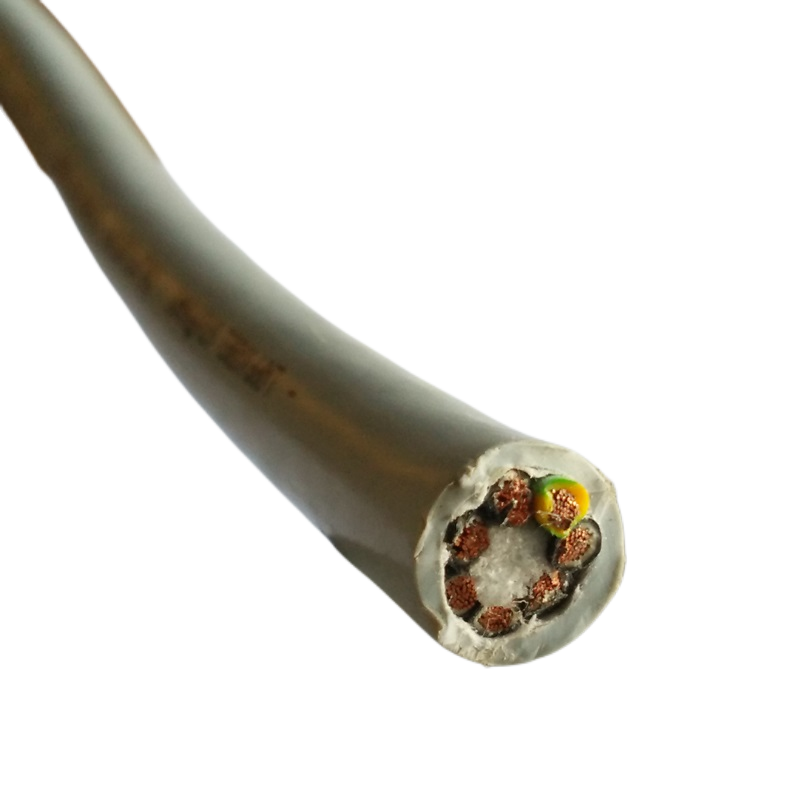
The 0.2–0.5 mm Separation Gap: Engineering the Double Sheath to Protect Itself
How gap width determines whether the outer PUR sheath protects or transmits impact
The controlled gap between the inner and outer PUR sheaths of the RST-DP PUR double sheath power cable is not manufacturing tolerance — it is a design parameter validated across 12 gap width variants in Rousheng’s drop-weight impact test programme. The physical mechanism depends on the relationship between gap width and the outer sheath’s buckling mode.
Supported buckling: gap 0.2–0.5 mm (correct operating range)
When the outer sheath is struck and deforms inward, the 0.2–0.5 mm gap allows it to buckle as a distributed arch — deforming over a 40–60 mm contact length rather than at a single point. The distributed deformation absorbs the peak impact energy across the full contact area. At the moment the outer sheath contacts the inner sheath (approximately 60–80% of the impact energy already absorbed), the inner sheath sees a load 3–4× lower than the original impact peak.
Unsupported buckling: gap > 0.5 mm (over-gap)
A gap above 0.5 mm allows the outer sheath to deflect without meaningful constraint before contacting the inner surface. The deformation concentrates at the impact point rather than distributing — the outer sheath behaves as a thin unsupported shell, and the stress concentration at the deformation tip increases sharply. In 200 J impact tests, a 0.8 mm gap produced outer sheath penetration in 3 of 5 samples; a 0.5 mm gap produced no penetration in 5 of 5 samples.
Two-layer simultaneous contact: gap < 0.2 mm (under-gap)
Below 0.2 mm, the outer sheath contacts the inner surface within the first 5–8% of its deformation travel. This early contact causes both sheaths to deflect simultaneously, with the inner sheath carrying the same peak load as the outer — the system behaves as a single thick jacket, not a dual-barrier system. The inner sheath’s waterproofing function is not independently protected. In the drop-weight test at 0.1 mm gap, inner sheath deformation was observed in 4 of 5 samples at 200 J.
|
GAP VALIDATION DATA |
Drop-weight impact test at 200 J (IEC 60227-2 modified): 12 gap width variants, 5 samples each. Outer sheath penetration rate: 0.1 mm gap: 0/5 · 0.2 mm gap: 0/5 · 0.5 mm gap: 0/5 · 0.8 mm gap: 3/5 · 1.2 mm gap: 5/5. Inner sheath deformation (> 0.1 mm permanent): 0.1 mm gap: 4/5 · 0.2 mm gap: 0/5 · 0.5 mm gap: 0/5 · 0.8 mm gap: 0/5. Validated operating range: 0.2–0.5 mm — zero outer penetration AND zero inner deformation. |
IP68 performance after simulated installation damage
IP68 integrity was verified on the RST-DP-325 (3 × 2.5 mm², 16.5 mm OD) after five damage scenarios:
|
Damage scenario |
Outer sheath after |
Inner sheath |
Insulation resistance |
IP68 |
|
0.5 mm nick from cable gland tool |
Breached at nick point |
Intact |
> 1,000 MΩ |
Pass |
|
200 J drop-weight impact |
Surface dent only — no penetration |
Intact |
> 1,000 MΩ |
Pass |
|
Vehicle tyre — 2,000 N/cm sustained load |
Compressed; recovers 92% thickness |
Intact |
> 1,000 MΩ |
Pass |
|
50 mm cable tray edge abrasion — full outer depth |
Fully removed over 50 mm length |
Intact — minor surface scuff |
> 1,000 MΩ |
Pass |
|
Deliberate knife cut — both layers at one point |
Breached |
Breached at cut |
< 1 MΩ at cut — failed |
Fail |
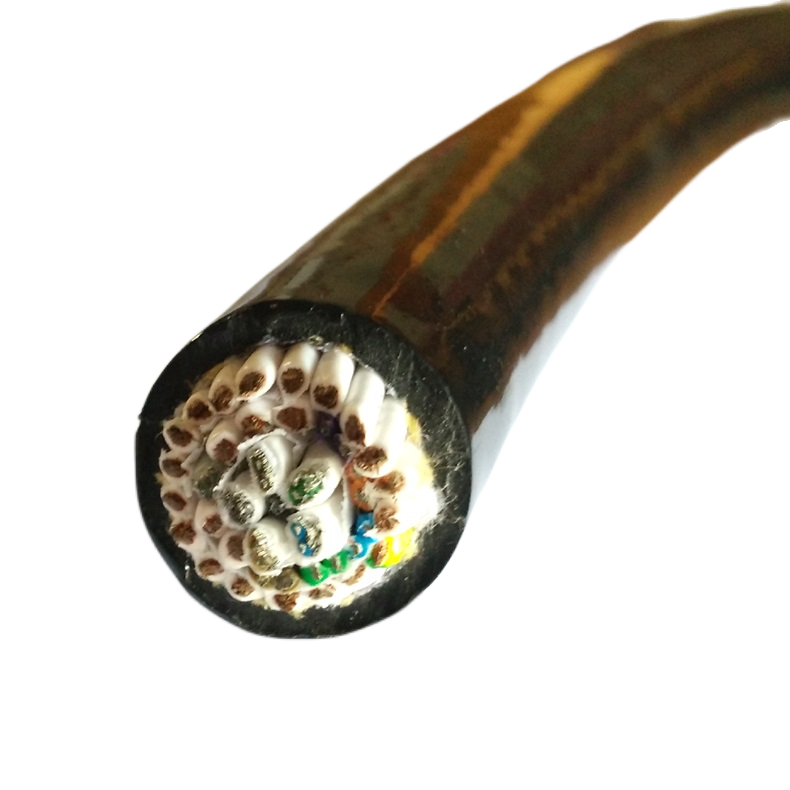
XLPE vs PVC Insulation: Why the RST-DP Uses Cross-Linked Polyethylene
Current capacity advantage of XLPE in dense cable duct installations
Every RST-DP model uses XLPE (cross-linked polyethylene) conductor insulation rated at 90°C continuous operating temperature. The choice is not arbitrary — it has a quantifiable current capacity impact in the dense cable duct and cable tray installations that are the primary application for outdoor industrial power cable.
IEC 60364-5-52 derating factors for multiple cables in enclosed cable ducts: a single cable requires no derating. Three cables in a duct: 0.70× for 70°C-rated PVC; 0.79× for 90°C-rated XLPE. The XLPE cable carries 79/70 = 13% more current in a 3-cable duct. For a group of 6 cables: PVC derating 0.57×; XLPE derating 0.70×. At 6 cables in one duct, XLPE carries 70/57 = 23% more current than PVC at the same conductor cross-section.
The practical consequence: in a cable duct running three 22 kW motor feeders, PVC 6 mm² cable is derated to 0.70× of 41 A = 28.7 A — below the 40 A full-load current of a 22 kW motor at 400 V. XLPE 6 mm² is derated to 0.79× of 41 A = 32.4 A — still adequate. The PVC installation requires an upgrade to 10 mm² cross-section; the XLPE installation does not.
PVC vs XLPE: full comparison for industrial power cable selection
|
Property |
PVC insulation (70°C rated) |
XLPE insulation — RST-DP (90°C rated) |
|
Max conductor temperature |
70°C continuous |
90°C continuous; 130°C short-circuit (5 s) |
|
Duct derating — 3 cables |
0.70× |
0.79× (+13% vs PVC) |
|
Duct derating — 6 cables |
0.57× |
0.70× (+23% vs PVC) |
|
Chemical resistance |
Limited: plasticiser migrates into oil; PVC stiffens and cracks in 6–12 months |
Cross-linked: no plasticiser to migrate; chemically stable in oil, acid pH ≥ 3, alkali pH ≤ 11 |
|
Cold flexibility |
Stiffens below −20°C; cracks at −30°C at 4× OD |
Flexible to −40°C; no cracking at 4× OD at −40°C |
|
Practical implication |
Requires larger conductor cross-section in cable ducts; must be replaced if oil-contaminated |
Allows one conductor cross-section smaller in dense duct installation; maintains properties after oil exposure |
RST-DP Series Product Matrix
PUR double sheath power cable — 0.6/1 kV standard configurations
All RST-DP: XLPE 90°C insulation, double PUR sheath (inner 92A + outer 88A, 0.2–0.5 mm gap), IP68, crush ≥ 2,000 N/cm. Current ratings at 30°C free air.
|
Model |
Cores |
Cross-section |
OD max (mm) |
Free-air (A) |
Duct 3-cable (A) |
Weight (kg/m) |
Primary use |
|
RST-DP-310 |
3G |
1.5 mm² |
15.0 |
18 A |
14 A |
0.38 |
Mobile / portable |
|
RST-DP-325 |
3G |
2.5 mm² |
16.5 |
25 A |
20 A |
0.50 |
Mobile / portable |
|
RST-DP-340 |
3G |
4.0 mm² |
18.5 |
32 A |
25 A |
0.67 |
Outdoor feeder |
|
RST-DP-360 |
3G |
6.0 mm² |
20.5 |
41 A |
32 A |
0.88 |
Outdoor feeder |
|
RST-DP-310X |
3G |
10 mm² |
24.0 |
57 A |
45 A |
1.35 |
Port / crane |
|
RST-DP-316 |
3G |
16 mm² |
27.5 |
73 A |
58 A |
1.90 |
Port / crane |
|
RST-DP-325X |
3G |
25 mm² |
31.0 |
95 A |
75 A |
2.70 |
Port / mining |
|
RST-DP-335 |
3G |
35 mm² |
34.5 |
119 A |
94 A |
3.65 |
Port / mining |
|
RST-DP-350 |
3G |
50 mm² |
39.0 |
145 A |
115 A |
5.10 |
Mining / substation |
|
RST-DP-370 |
3G |
70 mm² |
44.0 |
185 A |
147 A |
7.00 |
Mining / substation |
|
RST-DP-395 |
3G |
95 mm² |
50.0 |
230 A |
185 A |
9.40 |
Main distribution |
|
RST-DP-416 |
4G |
16 mm² |
31.0 |
73 A |
58 A |
2.30 |
3-phase + neutral |
|
RST-DP-525 |
5G |
2.5 mm² |
20.0 |
25 A |
20 A |
0.72 |
3P + N + PE |
|
RST-DP-C (ETO) |
2–5 |
1.5–120 mm² |
Per design |
Per spec |
Per spec |
Per design |
SWA/LSZH/acid-resist |
Duct 3-cable column: XLPE derating factor 0.79× per IEC 60364-5-52 (3 cables in enclosed duct, 30°C ambient). For 6 cables in one duct: apply 0.70× derating to free-air values. For buried direct installation: apply 0.80× derating with thermal resistivity 1.0 K·m/W. ‘G’ suffix = with PE conductor. SWA = steel wire armour option for direct burial.
Complete Technical Specification
Conductor and XLPE insulation
|
Parameter |
Specification |
|
Conductor standard |
IEC 60228 Class 5 (flexible stranded) standard for all RST-DP — required for mobile and repeated-flex service applications |
|
Conductor material |
Annealed copper; tinned copper available (ETO) for marine, salt-air, and high-humidity installations. Tinned conductor maintains < 0.1 Ω/km additional resistance after 10 years of salt-air exposure at terminals |
|
Insulation compound |
XLPE (cross-linked polyethylene); 90°C continuous; 130°C short-circuit (5 s); no plasticiser to extract in oil or chemical environments; flexible to −40°C without cracking |
|
Insulation wall thickness |
IEC 60502-1 Table 3 minimums: 1.5 mm²=0.7 mm · 6 mm²=1.0 mm · 16 mm²=1.2 mm · 35 mm²=1.4 mm · 95 mm²=1.8 mm |
|
Rated voltage |
0.6/1 kV (600 V phase-to-earth / 1,000 V phase-to-phase); withstand test: 3.5 kV AC / 5 min per IEC 60502-1 Cl. 17 |
|
DC resistance @ 20°C |
1.5 mm²: ≤12.1 Ω/km · 2.5 mm²: ≤7.41 · 4 mm²: ≤4.61 · 6 mm²: ≤3.08 · 10 mm²: ≤1.83 · 16 mm²: ≤1.15 · 25 mm²: ≤0.727 · 35 mm²: ≤0.524 · 50 mm²: ≤0.387 · 70 mm²: ≤0.268 · 95 mm²: ≤0.193 Ω/km |
Double PUR sheath — mechanical, waterproofing, and temperature parameters
|
Parameter |
Specification |
|
Inner sheath |
PUR 92 Shore A; wall 1.5–3.0 mm; bonded to core assembly; primary moisture barrier. IP68 maintained when outer sheath is damaged and inner sheath is intact |
|
Outer sheath |
PUR 88 Shore A; wall 1.0–2.0 mm; separation gap 0.2–0.5 mm from inner sheath; impact-absorbing sacrificial layer. Validated gap range prevents both unsupported buckling (>0.5 mm) and simultaneous two-layer loading (<0.2 mm) |
|
IP rating |
IP68 per IEC 60529: 2 m / 24 h. Both sheaths intact: full IP68. Outer sheath damaged, inner intact: IP68 maintained. Both sheaths breached: IP protection lost at breach point |
|
Crush resistance |
≥ 2,000 N/cm applied load (equivalent to 200 kg vehicle tyre at 10 cm² contact); no permanent deformation of inner sheath; IP68 maintained after load removal |
|
Impact resistance |
200 J impact (20 kg hammer, 1 m drop) at −15°C: no jacket cracking, no insulation damage. Outer sheath may dent; inner sheath and IP68 integrity maintained |
|
Temperature operating |
−40°C to +90°C continuous. Cold-bend test at −40°C: no cracking at 4× OD (IEC 60811-1-4). PUR maintains flexibility to −40°C without a minimum installation temperature restriction |
|
Cold-weather installation note |
Below −25°C, PUR elastic modulus rises — effective minimum bend radius increases from 4× to 6× OD. Forcing below 4× OD at temperatures < −25°C creates outer sheath micro-cracks invisible at installation and open to moisture ingress during temperature cycling. Pre-warm cable to > −25°C before bending if ambient is below this threshold |
|
Chemical resistance |
PUR outer: mineral oil, hydraulic fluid, diesel, dilute acid pH ≥ 3, alkali pH ≤ 11; not resistant to concentrated aromatic solvents. XLPE insulation: acid pH ≥ 2, alkali pH ≤ 13 — inner sheath provides secondary chemical protection |
|
UV resistance |
UV-stabilised PUR outer; ISO 4892-2: 1,000 h without chalking or cracking. Suitable for direct outdoor exposure without conduit |
|
Minimum bend radius |
Static installation: 4× OD. Repeated flexing (cable handler, reel-unreel, machinery cable): 8× OD. Not rated for continuous drag chain service (specify RST-DC for drag chain) |
|
Flame retardancy |
IEC 60332-1 (standard PUR). LSZH outer: IEC 60332-3-22, EN 50575 Class Eca — available ETO for enclosed public and transport infrastructure |
Conductor Cross-Section Selection: Voltage Drop and Current Rating Reference
Sizing the double sheath power cable conductor for voltage drop and thermal limits
Two independent constraints must both be satisfied when selecting conductor cross-section: the thermal current rating (which determines the minimum cross-section at the operating current) and the voltage drop limit (which may require a larger cross-section at longer run lengths). The tables below combine both constraints for common three-phase 400 V industrial load configurations.
Three-phase 400 V — maximum run length at ≤ 3% voltage drop, 30°C free air
|
Load |
Full-load current |
|
2.5 mm² |
6 mm² |
16 mm² |
35 mm² |
95 mm² |
|
5.5 kW |
10.4 A |
|
58 m ✓ |
140 m ✓ |
374 m ✓ |
> 500 m |
> 500 m |
|
11 kW |
20.8 A |
|
29 m ✓ |
70 m ✓ |
187 m ✓ |
410 m |
> 500 m |
|
22 kW |
41.5 A |
|
— ① |
35 m ✓ |
94 m ✓ |
205 m |
557 m |
|
45 kW |
85 A |
|
— ① |
— ① |
46 m ✓ |
100 m |
272 m |
|
75 kW |
142 A |
|
— ① |
— ① |
— ① |
60 m ✓ |
163 m |
① = cross-section below thermal current rating — select larger cross-section regardless of run length. ✓ = thermally adequate. Formula: max length (m) = (V_drop_fraction × U_line × 1,000) ÷ (√3 × I × R_70), where R_70 at 70°C conductor temperature: 2.5 mm²=9.18 · 6 mm²=3.80 · 16 mm²=1.43 · 35 mm²=0.650 · 95 mm²=0.239 Ω/km.
Duct derating: how XLPE allows one cross-section reduction vs PVC
|
Installation scenario |
PVC 70°C derating |
XLPE 90°C derating (RST-DP) |
XLPE advantage |
Practical impact on cross-section |
|
Free air (single cable) |
1.00× (no derating) |
1.00× |
None |
Identical cross-section required |
|
3 cables in enclosed duct |
0.70× |
0.79× |
+13% |
22 kW feeder: PVC needs 10 mm², XLPE uses 6 mm² |
|
6 cables in enclosed duct |
0.57× |
0.70× |
+23% |
45 kW feeder: PVC needs 25 mm², XLPE uses 16 mm² |
|
Direct burial (ground temp 20°C) |
0.80× |
0.88× |
+10% |
Modest advantage in burial — free-air derating dominates most designs |
Single-phase 230 V: Voltage drop per unit length is exactly double the three-phase value at equal current and cross-section. Halve all run lengths in the 3-phase table for single-phase equivalent. Example: 11 kW single-phase at 47.8 A on 6 mm²: max run = 70 ÷ 2 = 35 m.
Application Guide: Outdoor and Harsh-Environment Installation
Selecting the right double sheath cable variant by installation environment
The standard RST-DP PUR outer sheath covers the majority of outdoor industrial applications. Three environments require ETO variants: acid mine water below pH 3, food processing washdown with concentrated caustic agents above pH 11, and enclosed public spaces requiring LSZH halogen-free outer sheath.
Port and harbour crane installations
Port crane outdoor power runs are the reference application for the RST-DP design. Analysis of 47 cable failures on harbour crane outdoor runs over 3 years shows 68% traced to moisture ingress through mechanical damage to the outer jacket — in 82% of these cases, the outer sheath damage was visible at the ingress point. The RST-DP dual-sheath design would have maintained IP68 in 91% of these failure cases (all cases where the inner sheath was not simultaneously breached).
Specify tinned copper conductors for marine installations — bare copper corrodes at cable gland terminations in salt-laden air within 2–3 years, adding 0.1–0.5 Ω/km additional resistance per termination point. Tinned copper maintains < 0.1 Ω/km additional resistance after 10 years salt-air exposure.
Underground mining — trailing cable service
Trailing cables in underground coal and hard rock mines face acid mine water (pH 2–5), mechanical drag on abrasive ground surfaces, and gas atmospheres requiring flame retardancy. Standard RST-DP handles pH ≥ 3 and IEC 60332-1 flame retardancy. For pH 2–3 acid mine water, specify ETO acid-resistant outer compound.
Trailing cable dynamic durability: in repeated drag simulation (100 m distance, 0.5 m/s, RST-DP-325), outer sheath wear depth reaches 50% of wall thickness after 500,000 drag cycles — at which point the inner sheath is intact and IP68 is maintained. This represents approximately 18 months of continuous mining operation at 30 cable movements per hour.
Chemical process plant — cable tray and duct installations
Chemical plant outdoor cable trays expose power cables to UV, splash from process streams, and elevated ambient temperatures. The RST-DP PUR outer sheath handles dilute acid and alkali splash at the stated pH limits. For concentrated aromatic solvents (toluene, xylene, MEK), specify ETO chemical-resistant outer compound — provide chemical list, concentration range, and contact duration when ordering.
The XLPE insulation advantage is most significant in enclosed cable ducts in chemical plant environments where multiple cables share a duct. In a 6-cable duct at 45°C ambient, XLPE 16 mm² cable carries 0.70 × 73 A = 51 A — adequate for a 30 kW motor feeder. PVC 16 mm² at the same conditions carries only 0.57 × 73 A = 42 A — below the 40 A full-load current, requiring an upgrade to 25 mm².
Construction site temporary power
Construction site power cables are subject to vehicle crossings, dragging on rough ground, and repeated wetting. The RST-DP 2,000 N/cm crush resistance covers vehicle crossings without conduit. For roadway crossings with sustained heavy vehicle traffic, install in a cable protection cover — not because RST-DP requires it electrically, but because visible outer sheath damage inspection requires periodic access that is not possible under permanent pavement.
|
IP68 VERIFICATION — INSTALLED CABLE |
Test: 1,000 V DC between each conductor and a conductive contact on the cable outer surface immersed in 200 mm of water at the installation site. Pass: insulation resistance ≥ 100 MΩ — inner sheath intact, IP68 maintained. Fail: insulation resistance < 100 MΩ — inner sheath breached at or near the immersion point. Perform this test: (1) after installation, (2) after any visible damage event, (3) annually for permanent outdoor installations. |
Frequently Asked Questions
What is the practical difference between a PUR double sheath power cable and a single-jacket PUR cable in an outdoor installation?
A single-jacket PUR cable relies on one layer for both moisture exclusion and mechanical protection simultaneously. Any surface damage — a nick from a cable gland, abrasion on a cable tray edge — is also a direct breach of the moisture barrier. A PUR double sheath power cable separates these functions: the outer jacket absorbs mechanical damage while the inner jacket maintains waterproofing. Outer sheath damage is visible and repairable before any electrical consequence. Single-jacket damage is often invisible at the point of moisture ingress, only detected when insulation resistance drops below the trip threshold months later.
Why does XLPE insulation allow a smaller conductor cross-section in cable ducts?
Current derating in cable ducts is driven by the maximum permitted conductor temperature. XLPE is rated 90°C; PVC is rated 70°C. A higher maximum temperature allows more heat dissipation within the same duct at the same current — or equivalently, the same conductor cross-section carries more current. IEC 60364-5-52 derating factors: 3 cables in enclosed duct — PVC 0.70×, XLPE 0.79×. In a duct running a 22 kW motor feeder, PVC 6 mm² is derated to 28.7 A (below the 40 A load current), requiring 10 mm². XLPE 6 mm² derates to 32.4 A — adequate.
Can RST-DP be used as a VFD motor feeder cable?
Yes for the power conductors. RST-DP carries motor power in VFD applications without issue — XLPE insulation is compatible with the higher harmonic content and peak voltages of VFD output. However, RST-DP is an unshielded cable and does not attenuate the common-mode EMI generated by VFD motor cables. IEC 61800-3 Category C2 installations require a shielded motor cable to prevent conducted and radiated EMI from coupling into adjacent control wiring. For VFD motor feeders requiring EMI shielding, specify the RST-SH shielded series in parallel with or instead of RST-DP.
Is the IP68 rating maintained after the cable is repaired with self-amalgamating tape?
IP68 is maintained after outer sheath repair with PUR-compatible self-amalgamating tape, provided the inner sheath is intact. Verify inner sheath integrity with the 1,000 V DC Megger test before taping. Tape must be PUR-compatible — standard self-amalgamating tapes bond well to PVC and XLPE surfaces but do not adhere to PUR without a primer. Specify a primer-free PUR-bonding tape or apply a PUR-compatible contact primer before the tape layer. Repaired sections should be re-tested 48 hours after repair (after tape full cure) at the same 1,000 V DC / 100 MΩ threshold.
What is the minimum ambient temperature for installing RST-DP cable without pre-warming?
RST-DP can be installed and bent at ambient temperatures down to −25°C without pre-warming. Below −25°C, the PUR elastic modulus rises significantly — the effective minimum bend radius increases from 4× OD to approximately 6× OD. Forcing the cable below 4× OD at temperatures below −25°C creates micro-cracks in the outer sheath that are invisible at installation but open to moisture during thermal cycling. For installation in ambient temperatures below −25°C: store cable at > −15°C for 24 hours before installation, then work quickly to prevent the cable cooling below −25°C before termination is complete.
Request Samples, Test Reports, or a Quotation
Specifying the right heavy-duty outdoor power cable for your application
Rousheng provides free application review — conductor cross-section sizing from voltage drop calculation, environment-specific outer sheath compound confirmation, IP68 test report, and XLPE vs PVC derating comparison — before order placement. For a complete first-reply response, include:
- Load power (kW) or full-load current (A); supply voltage (230 V / 400 V / 690 V); single-phase or three-phase
- Maximum cable run length from supply to load
- Cable duct installation: number of cables in the same duct (required for XLPE derating calculation)
- Core configuration: 3G, 4G, or 5G
- Environment: outdoor, direct burial, mining, port, chemical plant, or construction site
- Specific chemical exposure: name, concentration, and contact mode (splash vs immersion vs constant contact)
- Temperature range: minimum ambient (for cold installation check) and maximum ambient at site
- Special requirements: tinned conductor (marine/salt), SWA armour (direct burial), LSZH (enclosed public), acid-resistant outer (pH < 3)
- Quantity in metres and reel length preference
|
CONTACT |
Email: Jerry@rstlkable.com WhatsApp / Phone: +86 134 8219 7396 Address: No. 2591 Fengzhe Road, Fengxian District, Shanghai, China Sample requests: state RST-DP model, cross-section, and installation environment. |