


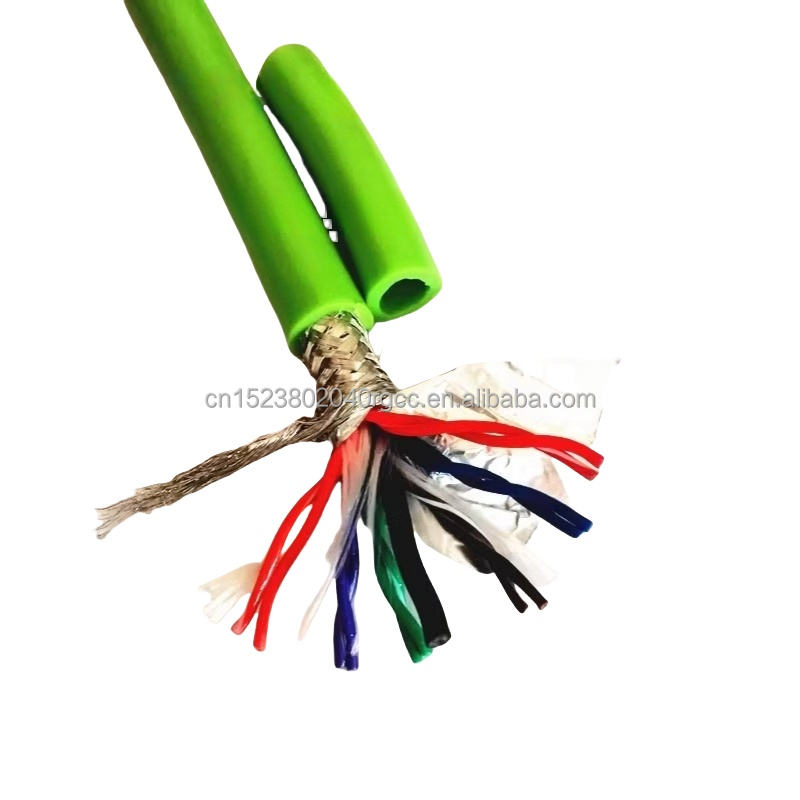
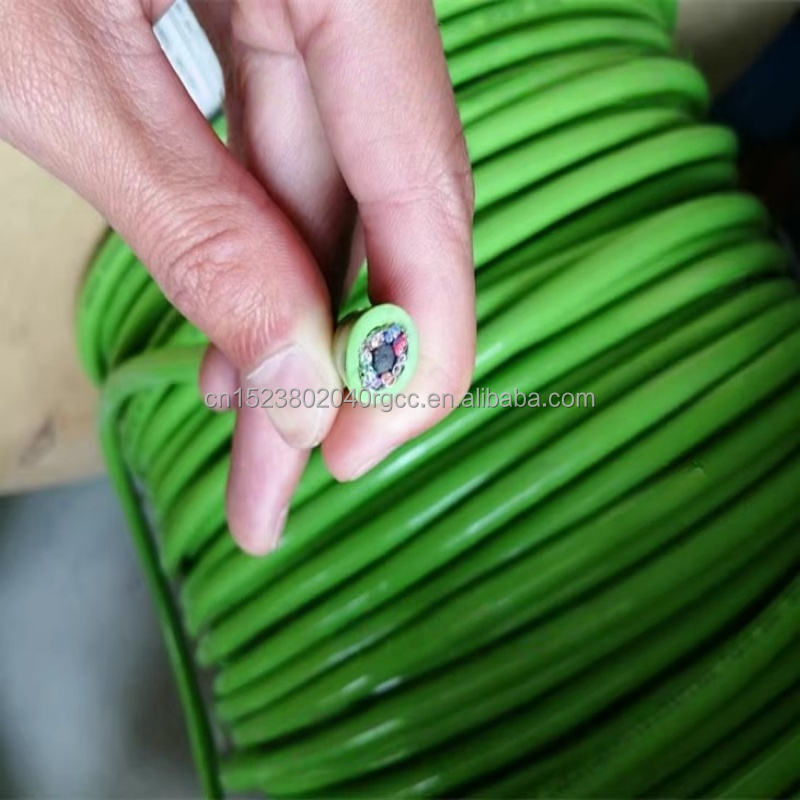
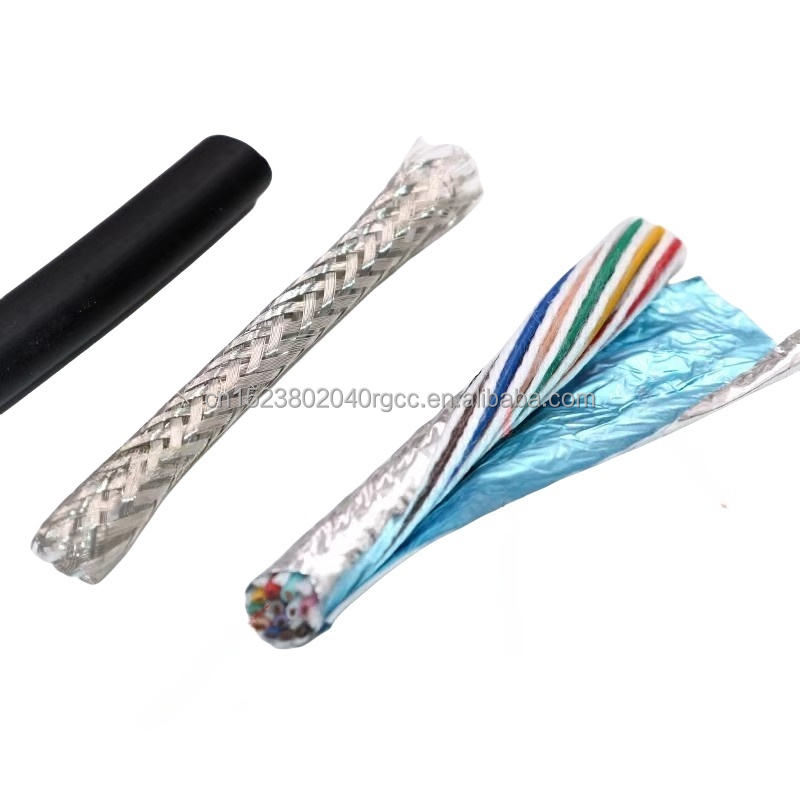
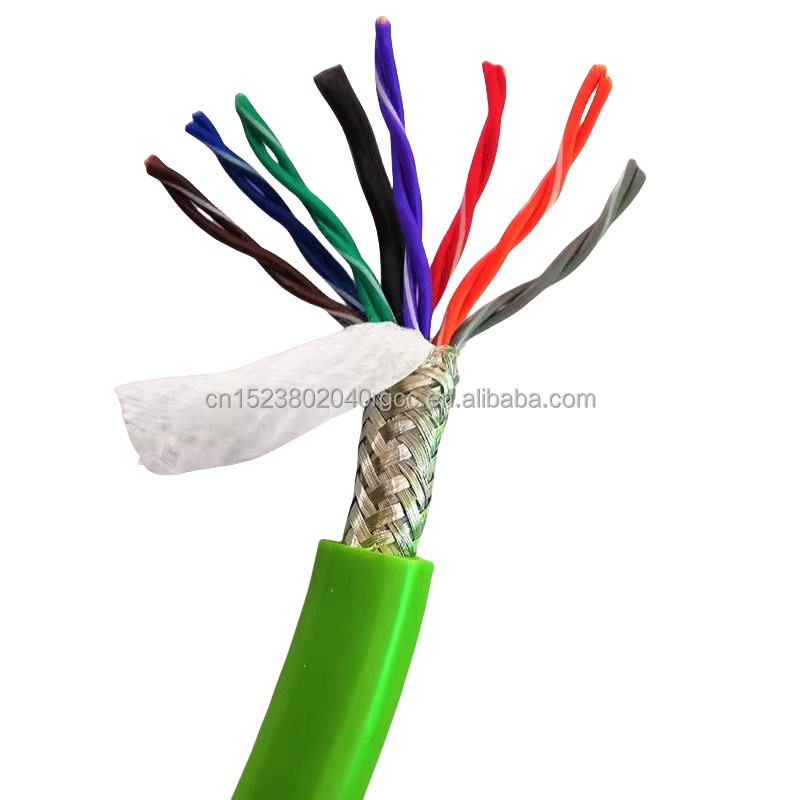
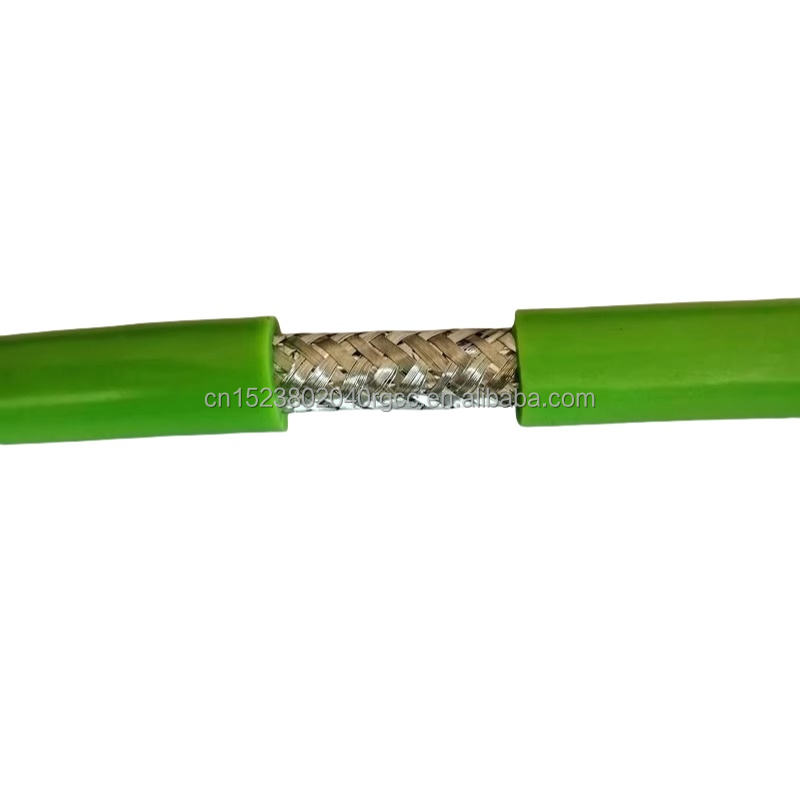
PTFE (Teflon) Shielded Signal Cable – EMI/RFI Protection, High Heat Rated
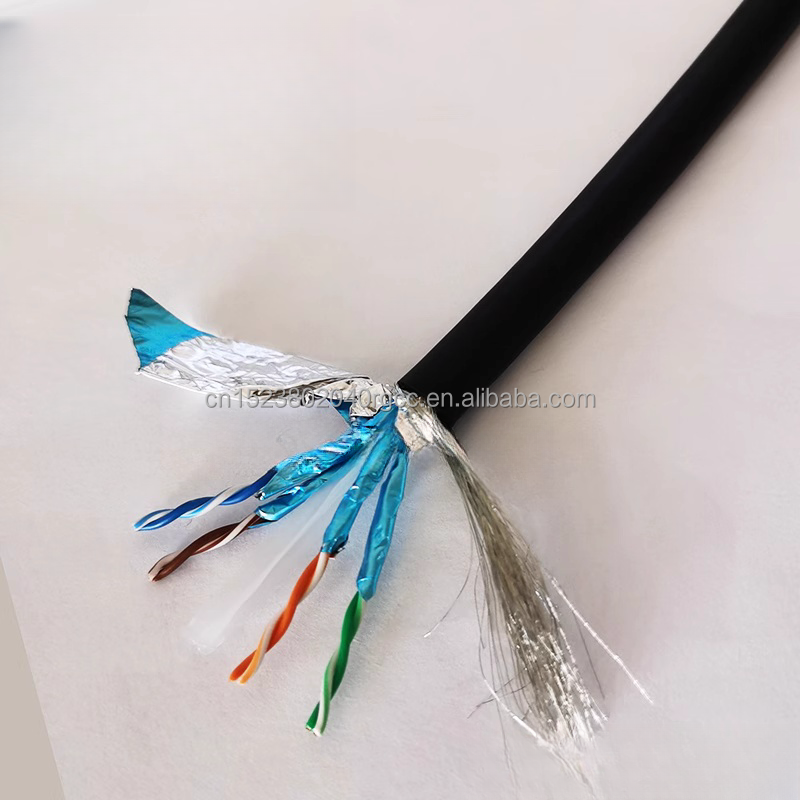
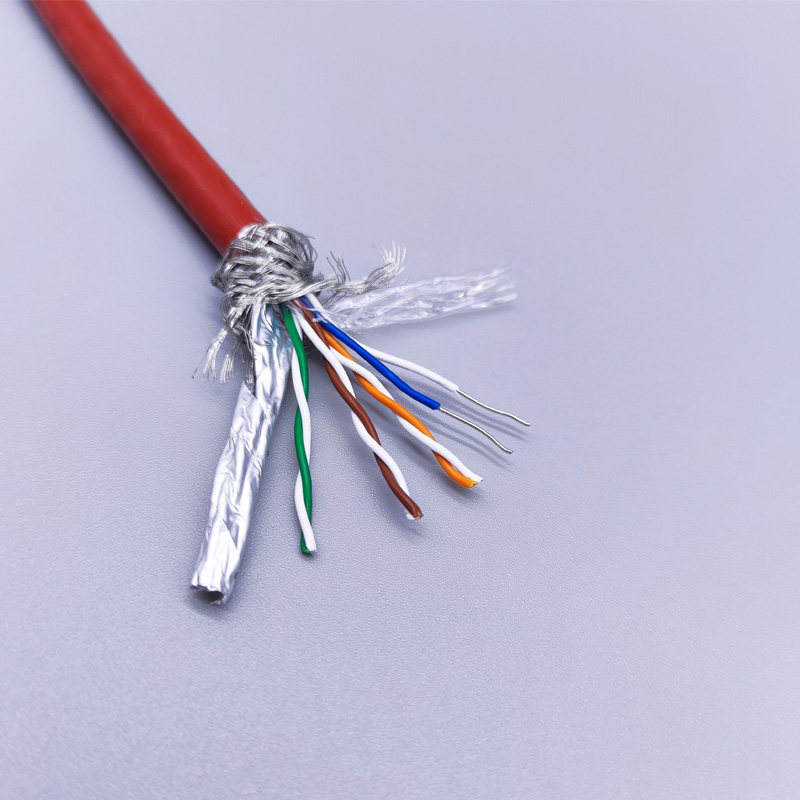
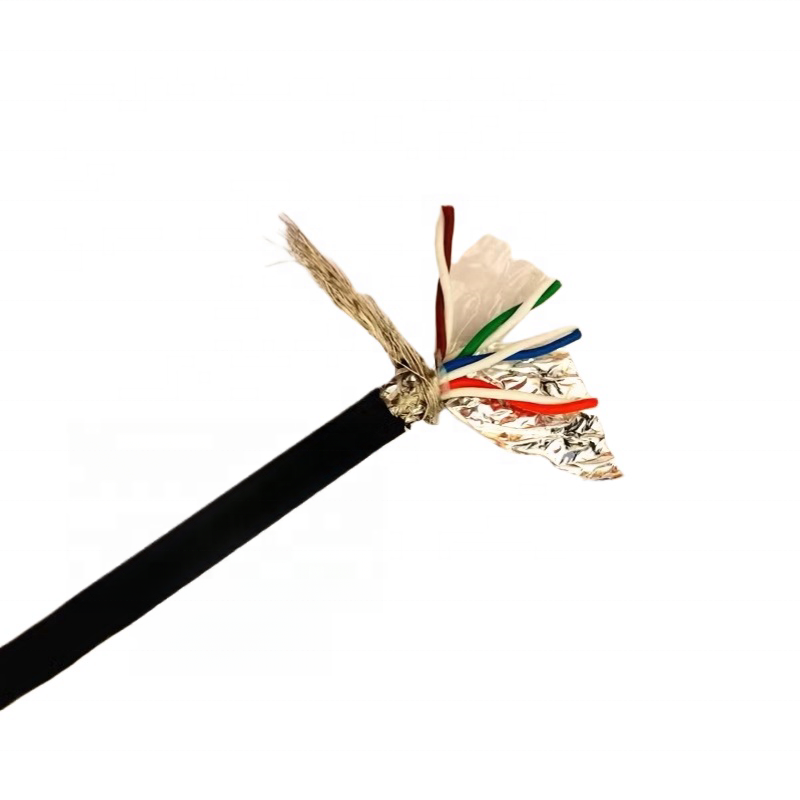
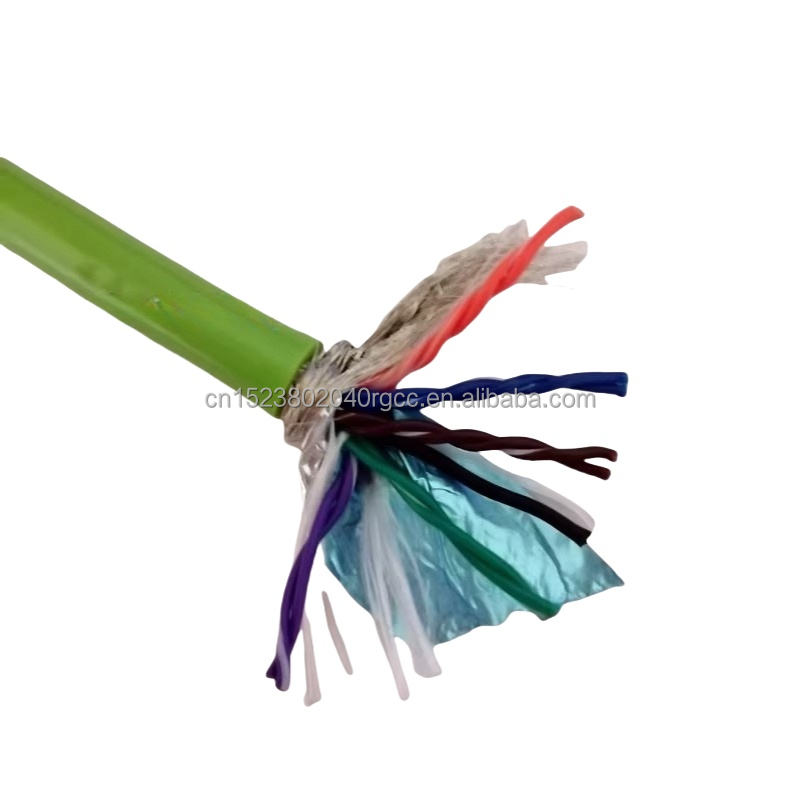
PTFE (Teflon) Shielded Signal Cable is designed for high-temperature environments where EMI/RFI interference and insulation aging can destabilize sensor and control signals. By combining PTFE insulation for heat-stable dielectric performance with configurable shielding options (foil, braid, or foil + braid), this cable supports instrumentation, PLC I/O, RS-485 communication, encoder signals, and other low-level transmission paths routed near motors, VFDs, heaters, and power lines. Twisted-pair constructions improve noise rejection at the pair level, while shielding and drain wire options support consistent grounding and termination practices. For severe industrial noise or long runs, double-shield designs provide broader frequency protection, and fluoropolymer jacket options help maintain durability in hot, harsh plant conditions. Specifying the correct pair count, conductor size, shield type, braid coverage, and OD constraint ensures reliable signal performance without unnecessary bulk.
PTFE (Teflon) Shielded Signal Cable – EMI/RFI Protection, High Heat Rated
In hot industrial zones, signal problems are rarely “mysterious.” They come from predictable sources: VFD switching noise, motor transients, heater circuits, long parallel runs with power cables, and poor shield grounding. Add high temperature, and common insulation can harden or drift, making noise issues worse over time. PTFE (Teflon) Shielded Signal Cable is built for this reality—stable PTFE insulation plus shielding options engineered to reduce EMI/RFI pickup where heat and interference coexist.
1) Start Here: Pick the Cable by Your Noise + Heat Scenario
Scenario A — VFD / motor cabinets (high noise, mixed frequencies)
Recommended build: twisted pairs + foil + braid (double shield) + drain wire
Why: broad frequency coverage + durable shielding for industrial cabinets
Scenario B — Sensors near heaters (heat dominant, moderate EMI)
Recommended build: twisted pairs + foil shield + drain wire
Why: excellent coverage with smaller OD in many installations
Scenario C — Moving cable / repeated handling (flex + abrasion + EMI)
Recommended build: twisted pairs + braid shield (or foil+braid if noise is severe)
Why: braid survives movement better than foil-only in many dynamic routes
Scenario D — Long-distance RS-485 / encoder runs
Recommended build: twisted pairs + shield (foil or foil+braid) + controlled geometry
Why: noise rejection depends on geometry as much as shield type
If you tell us which scenario you have, we can recommend a matching construction quickly.
2) Product Models (Clear SKU Options)
Model names are SKU examples. Replace them with your factory naming convention (pairs + AWG + shield + jacket).
| Product Name (Model + Core Attributes) | Typical Use / Application | Key Technical Parameters (Specs / Structure / Materials) |
|---|---|---|
| RSTL-PTFE-SIG-FS200 (Foil Shield, 200°C Class) | Sensors, PLC I/O, instrumentation near heaters | Pairs: 1–4 (custom) / Conductor: tinned Cu or silver-plated Cu / Insulation: PTFE / Shield: Al foil + drain / Jacket: fluoropolymer options / Temp duty: up to 200°C class |
| RSTL-PTFE-SIG-BS200 (Braid Shield, 200°C Class) | Moving routes, higher mechanical durability | Pairs: 1–4 (custom) / Shield: Cu braid (coverage selectable) / Insulation: PTFE / Jacket: fluoropolymer / Temp duty: up to 200°C class |
| RSTL-PTFE-SIG-DB200 (Foil + Braid Double Shield) | VFD zones, harsh EMI, critical signals | Pairs: 1–8 (custom) / Shield: foil + braid + drain / Insulation: PTFE / Jacket: fluoropolymer / Temp duty: up to 200°C class |
| RSTL-PTFE-SIG-IND (Industrial Instrumentation Build) | Encoder, measurement loops, long signal runs | Structure: twisted pair(s) + optional separator/filler / Shield: configurable / Insulation: PTFE / Voltage class: custom |
3) Typical Engineering Ranges (What You Can Specify)
These ranges make ordering straightforward. If you need tighter project limits, we can build to spec.
-
Pairs / cores: 1–8 pairs (custom)
-
Conductor size: AWG 28–18 typical (custom available)
-
Shield types: foil / braid / foil + braid
-
Braid coverage options: typical 70%–95% available (project-based)
-
Drain wire: optional (recommended for foil and double shield)
-
Twist: twisted pairs recommended; lay length customizable per project
-
Voltage class: commonly 300V class for signal builds (custom available)
-
Temperature duty: up to 200°C class builds
-
Jacket options: fluoropolymer jacket options for heat and durability
-
Overall diameter: varies by pairs/shield/jacket; OD targets can be quoted to meet routing constraints
This PTFE shielded construction is often selected when signal stability matters more than simply meeting a temperature label.
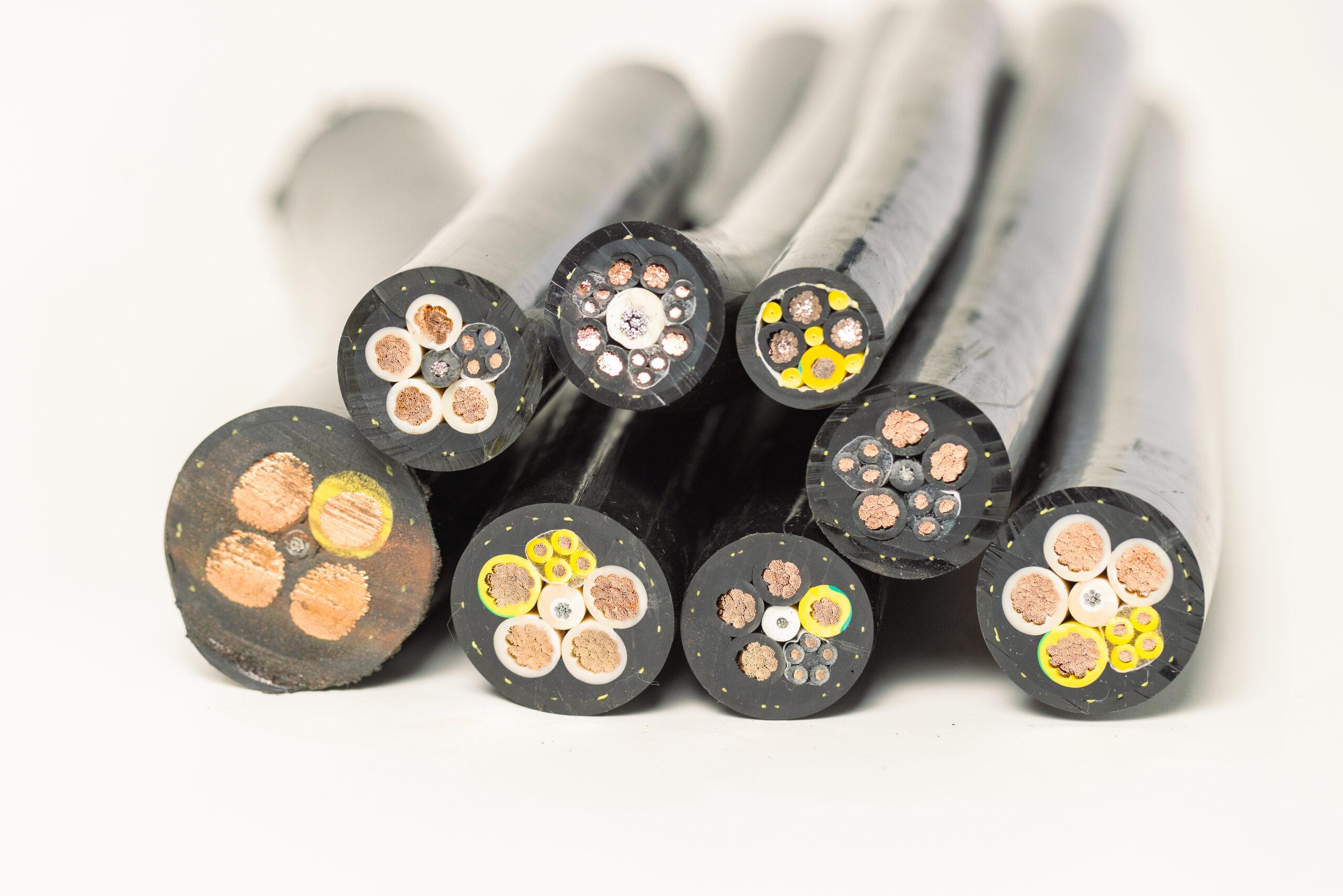
4) Cable Construction (Why Stability Depends on Geometry)
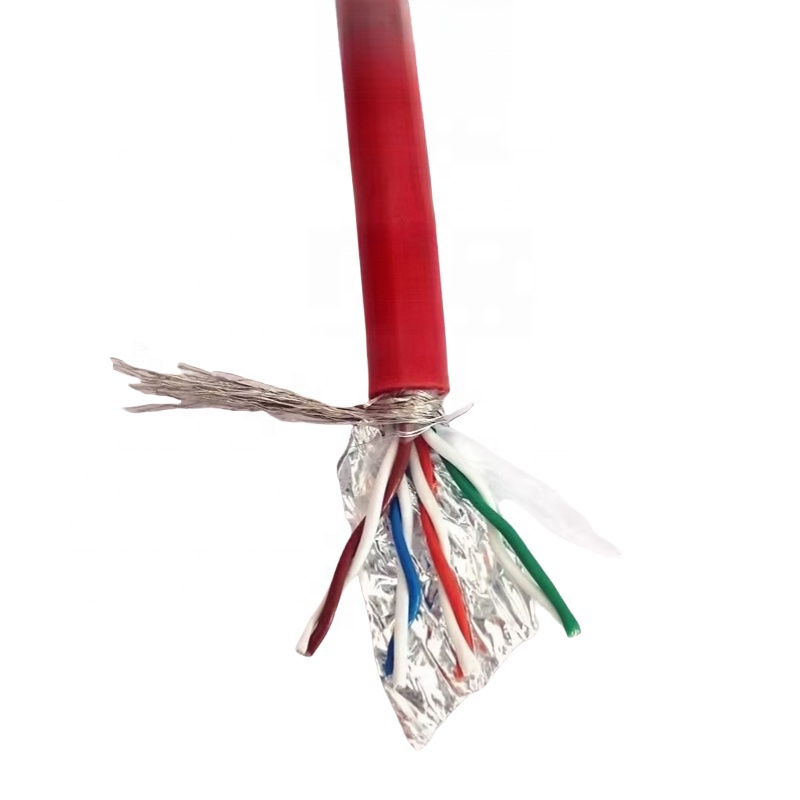
A dependable shielded signal cable is not “shield + insulation.” It’s a controlled system:
-
Twisted pair geometry reduces differential noise pickup
-
Shield layer (foil/braid) blocks external EMI and provides a return path strategy
-
Drain wire simplifies grounding and termination consistency
-
Separator/filler (optional) maintains pair geometry under heat and handling
-
PTFE insulation preserves dielectric stability in high-temperature duty cycles
-
Jacket selection protects the shield and keeps OD/handling appropriate
If you need stable RS-485 or sensor signals near power equipment, geometry and shielding choice are just as important as insulation.
5) Shield Choice Matrix (Fast Comparison)
| Your environment | Best starting shield | Why it fits |
|---|---|---|
| High-frequency EMI / RF noise | Foil | High coverage, strong EMI/RFI performance |
| Moving cable / abrasion / repeated handling | Braid | Better mechanical durability in motion |
| VFD/motor zones + long runs | Foil + braid | Broad-spectrum shielding + robustness |
| Mixed industrial noise, routing space tight | Foil | Often smaller OD than braid-heavy builds |
Rule of thumb: If you are not sure, start with foil for most fixed routing, braid for dynamic routing, and double shield for severe VFD environments.
6) Ordering Inputs (Send This for a Fast Quote)
To quote accurately, send:
-
Temperature duty required (e.g., 200°C class)
-
Pair count (1–8) and conductor size (AWG/mm²)
-
Shield type (foil / braid / foil+braid) + desired braid coverage (if braid)
-
Twist requirement (standard twisted pair / custom lay length)
-
OD constraint (if routing space is limited)
-
Application (sensor / RS-485 / encoder / PLC I/O)
-
Length per reel and total quantity
-
Installation notes (moving cable? chemical exposure? tight bends?)
7) What We Test and What We Can Document (E-E-A-T)
Standard production verification (typical)
-
Dimensional checks (OD, insulation thickness)
-
Conductor continuity testing
-
Visual inspection and packaging protection
Shielded-build verification (recommended)
-
Shield continuity testing (foil/braid/drain integrity)
-
Pair identification and wiring map verification (multi-pair builds)
Project options
-
Insulation resistance checks (as required)
-
Sample approval build for new configurations
-
Documentation pack (test summary + build specification sheet) on request
If you’re using this cable in a critical control loop, baseline documentation reduces troubleshooting time later.
8) Conversion Path (Make the Next Step Obvious)
-
Request a Quote: send the 8 inputs above and we’ll match a model + construction.
-
Request a Sample: validate routing OD and termination plan before bulk purchase.
-
Talk to an Engineer: share your noise source (VFD/motor/heater), run length, and grounding method; we’ll recommend foil/braid strategy.
FAQ
Is PTFE the same as Teflon?
PTFE is the material name; “Teflon” is a commonly used trade name people use to refer to PTFE insulation.
Do I really need twisted pairs if I already have shielding?
Usually yes. Twisting reduces differential pickup at the pair level; shielding adds a barrier. Together they improve stability.
Should I choose foil or braid for EMI/RFI?
Foil is excellent for coverage and often keeps OD smaller. Braid is more durable for movement. Foil+braid is best for harsh VFD zones.
How should I ground the shield?
Grounding depends on system design (single-point vs multi-point). Share your grounding practice so drain wire and shield termination match your method.
Can you control OD for tight routing?
Yes. Pair count, shielding style, jacket choice, and fillers all affect OD. Provide your OD target and routing constraints during quoting.