


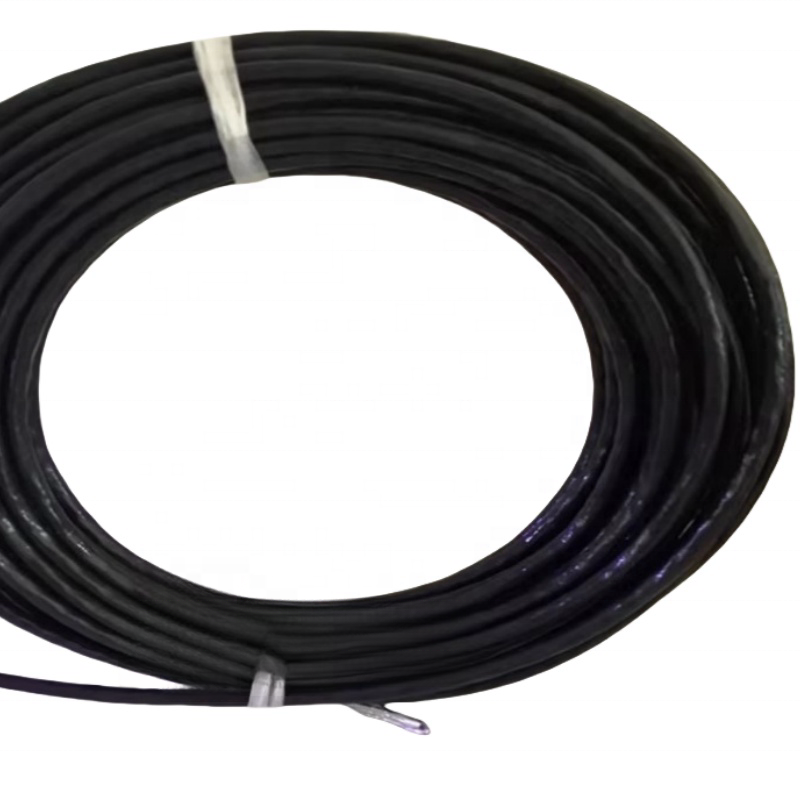
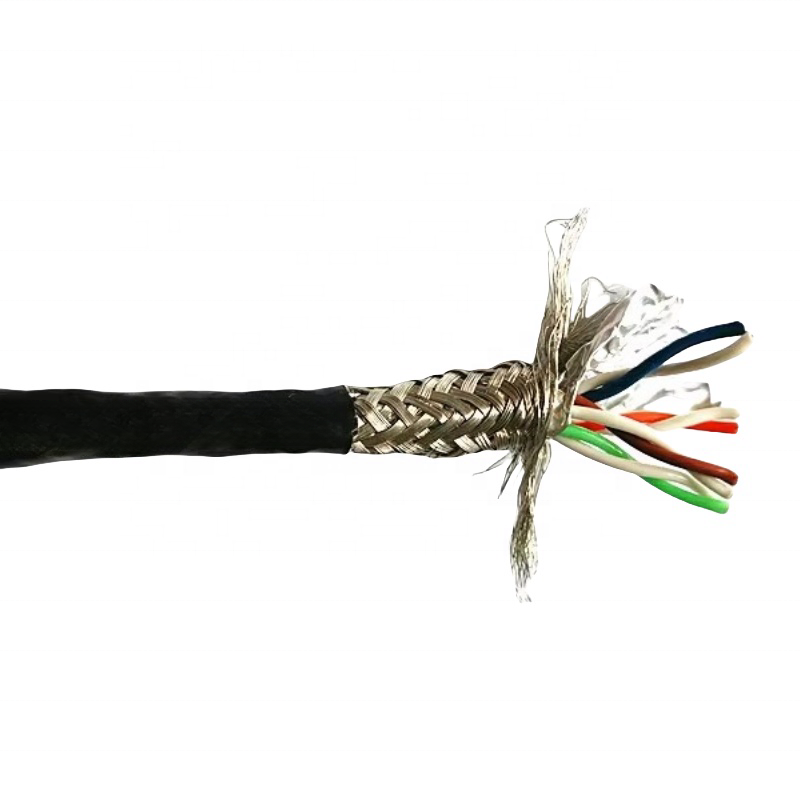
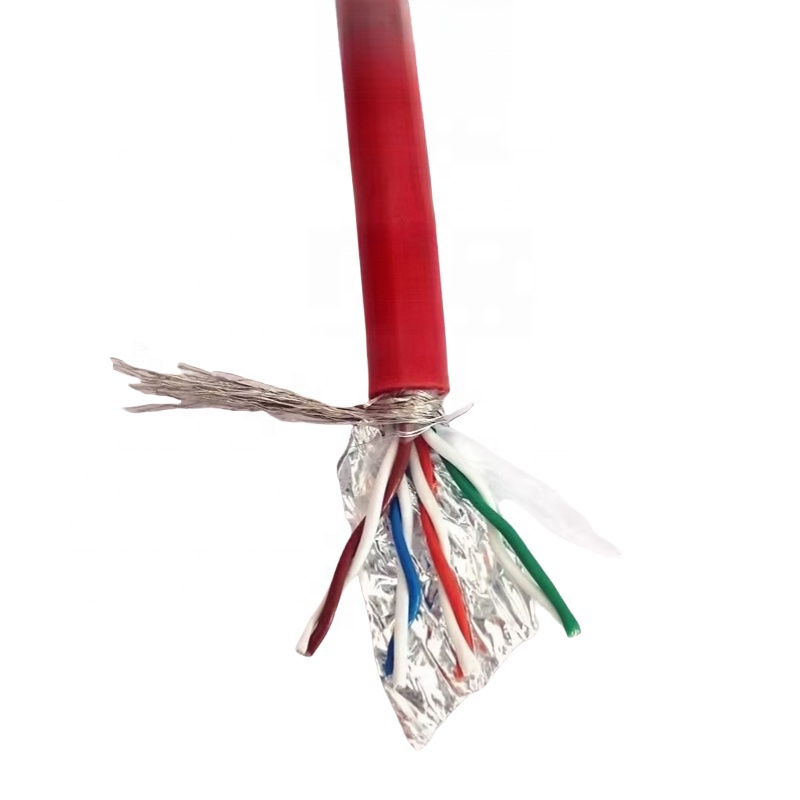
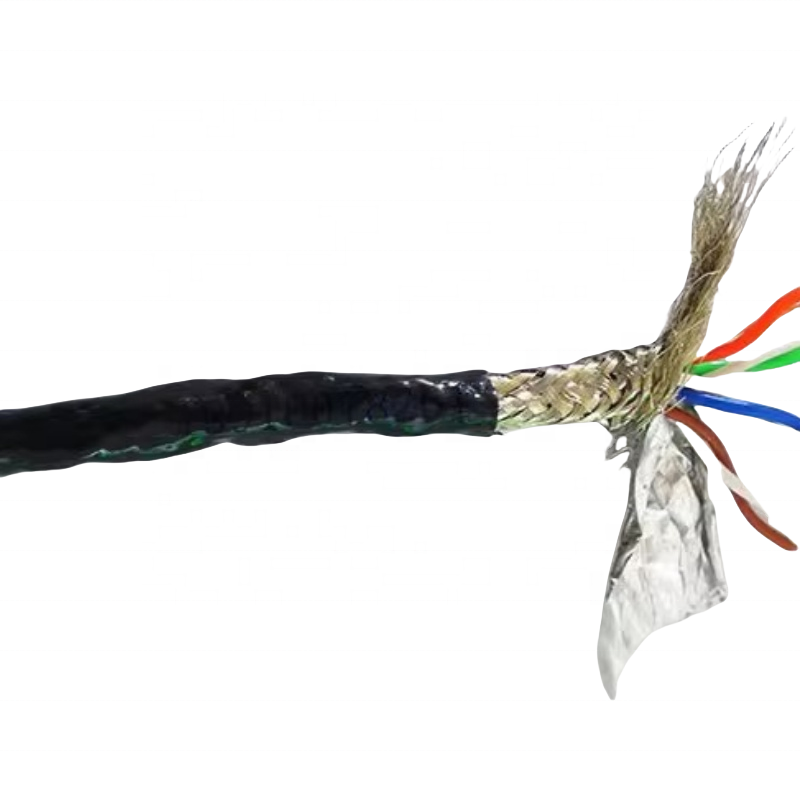
PTFE Insulated High-Temperature Cable – Heat & Chemical Resistant
PTFE Insulated High-Temperature Cable is engineered for industrial wiring where heat and chemical exposure degrade conventional insulation. Using PTFE insulation (often called Teflon insulation), it provides stable dielectric performance for power, control, and instrumentation circuits in high-temperature service, while offering strong resistance to many oils, fuels, and solvents encountered in factories, refineries, and chemical facilities. To match real installations, this cable can be configured with tinned or silver-plated copper conductors, custom core counts, optional shielding for EMI-prone environments, and fluoropolymer jacket options for added protection. When specified correctly—temperature, voltage class, shielding, and jacket strategy—PTFE insulated cable helps reduce downtime caused by insulation cracking, chemical swelling, and intermittent faults in harsh operating conditions.
PTFE Insulated High-Temperature Cable – Heat & Chemical Resistant
For high-heat industrial wiring where oils, solvents, and harsh atmospheres shorten the life of standard insulation, PTFE Insulated High-Temperature Cable delivers stable dielectric performance and long-term reliability. It is commonly specified for hot zones, chemical exposure areas, and precision control/signal wiring where insulation drift and cracking lead to costly downtime.
1) Product Snapshot
What this cable is for
-
Continuous high-temperature service in demanding industrial zones
-
Chemical/oil/solvent exposure where common insulation can swell or harden
-
Reliable power, control, and instrumentation wiring near heat sources
-
Optional shielding for noisy environments (motors, VFDs, heaters)
Common terms buyers use
-
PTFE cable / Teflon insulated cable
-
High-temperature hook-up wire
-
Chemical resistant control cable
-
Shielded PTFE instrumentation cable
2) Standard Configurations
Model names are SKU examples. Replace with your internal naming logic (AWG/mm² + cores + shield + jacket + approvals).
| Product Name (Model + Core Attributes) | Typical Applications | Key Technical Parameters (Specs / Structure / Materials) |
|---|---|---|
| RSTL-PTFE-200C-HU (Hook-Up Wire, 200°C Class) | Hot-zone internal wiring, heaters, ovens, sensor pigtails | Cores: 1–2 (custom) / Conductor: tinned Cu or silver-plated Cu / Insulation: PTFE / Temp class: up to 200°C class / Voltage options: 300V / 600V / custom |
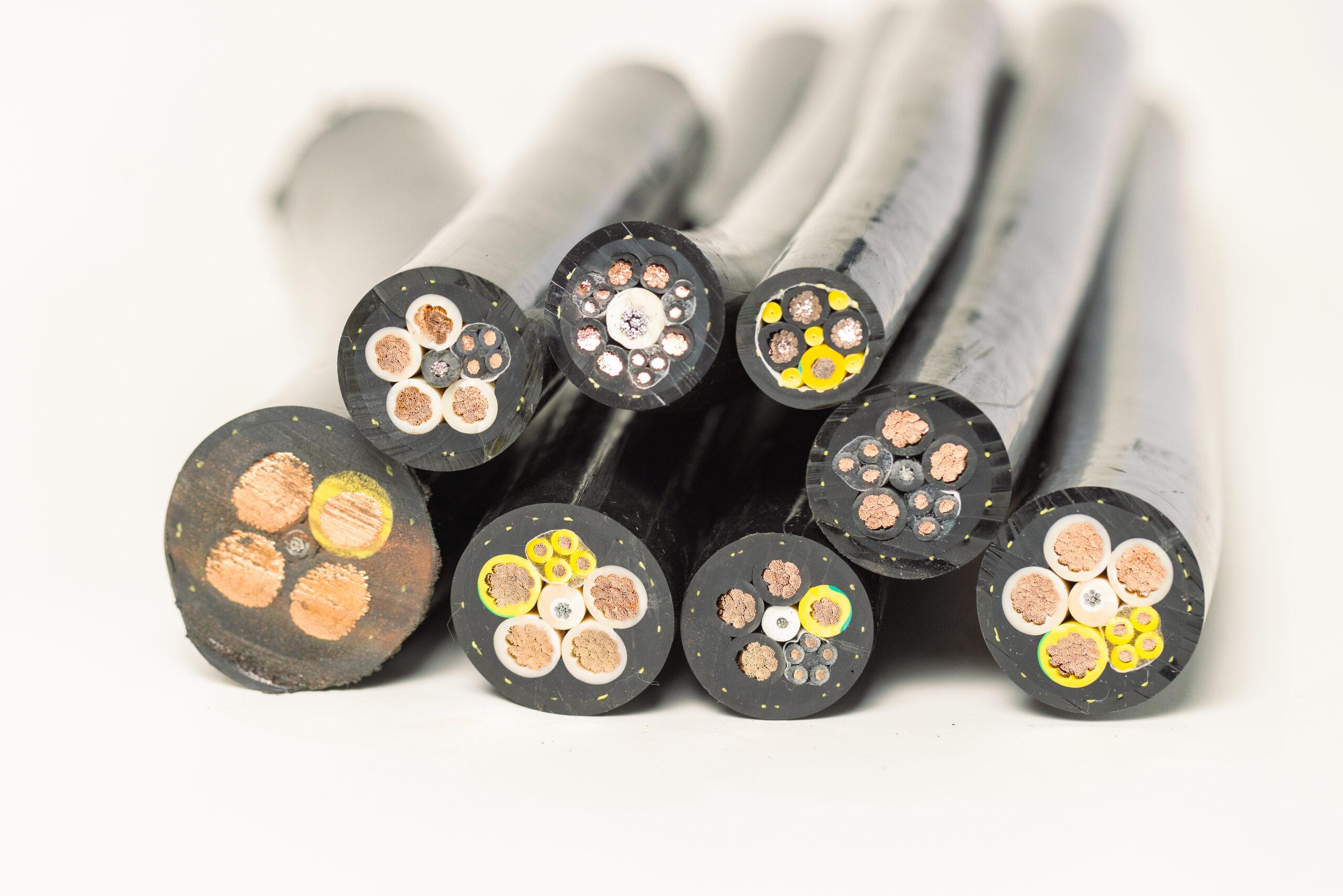
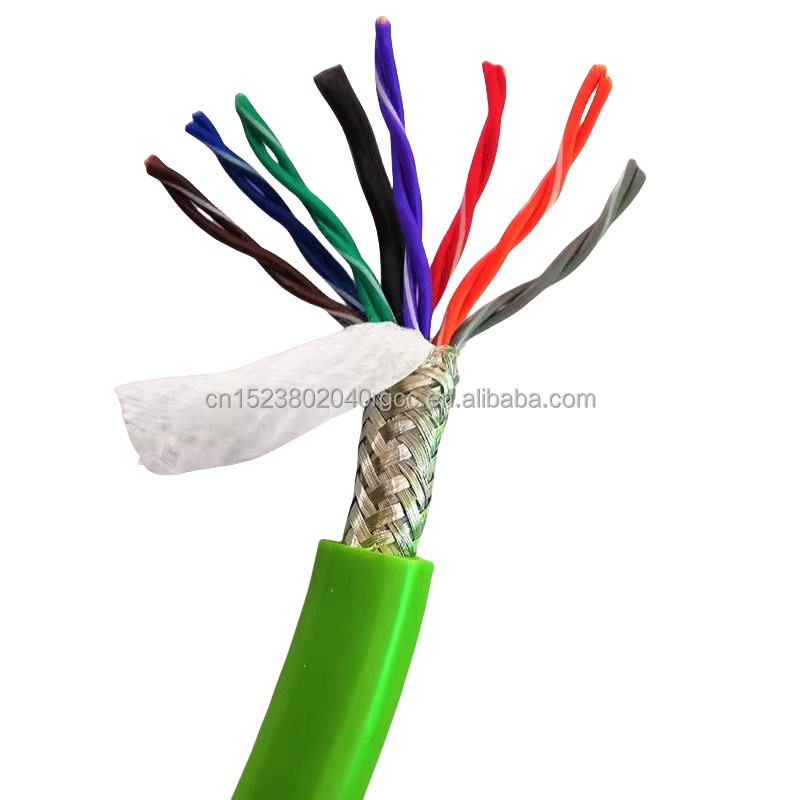
| RSTL-PTFE-200C-MC (Multi-Core Control Cable) | Automation wiring near heat, robotics, control circuits | Cores: 2–30 (custom) / Structure: stranded conductors + PTFE insulated cores + optional fillers / Jacket options: PTFE or fluoropolymer / Temp class: 200°C class |
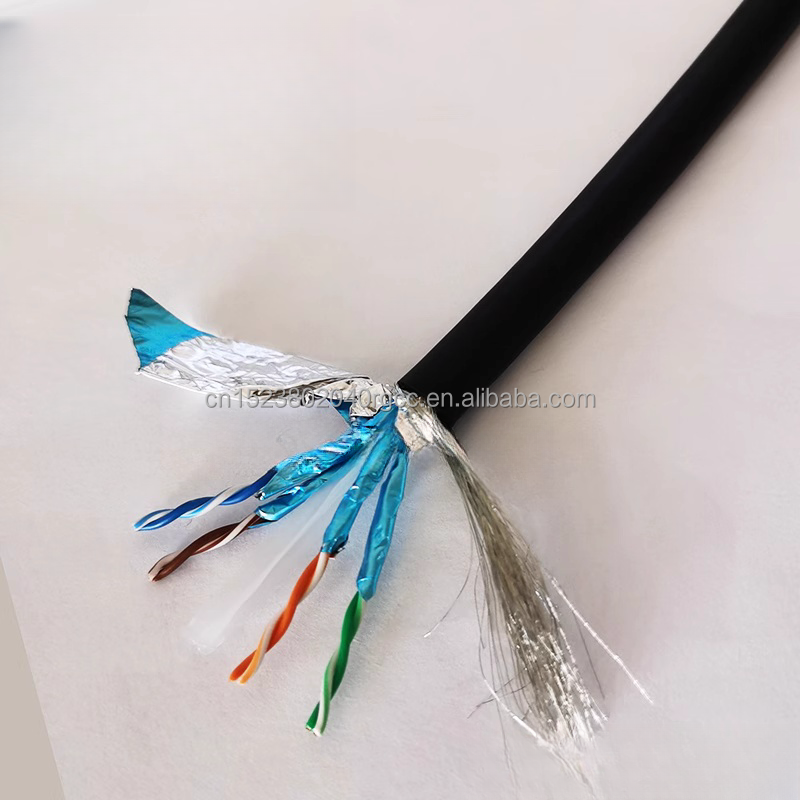
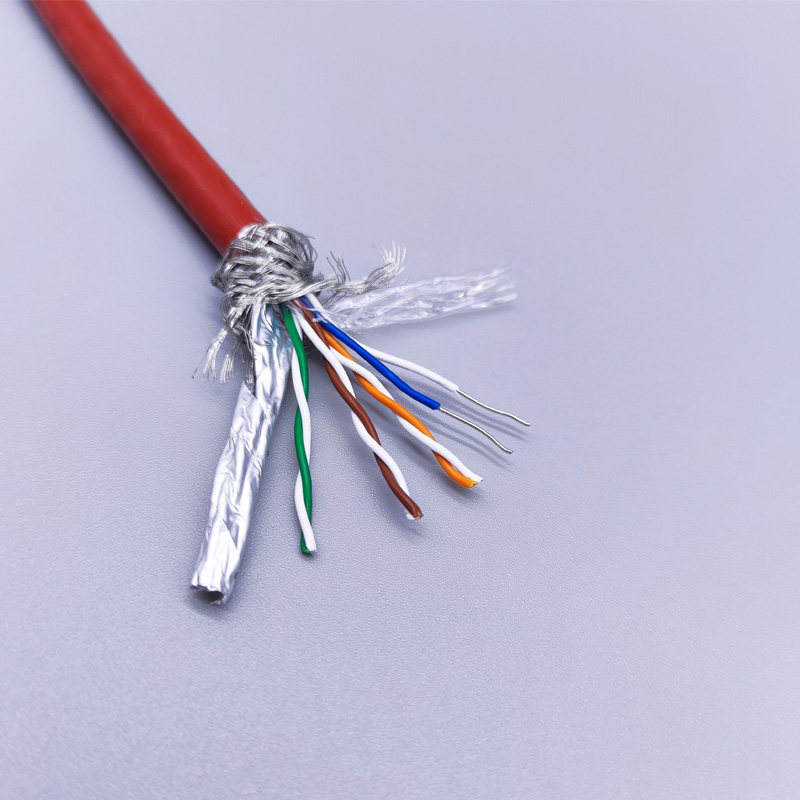
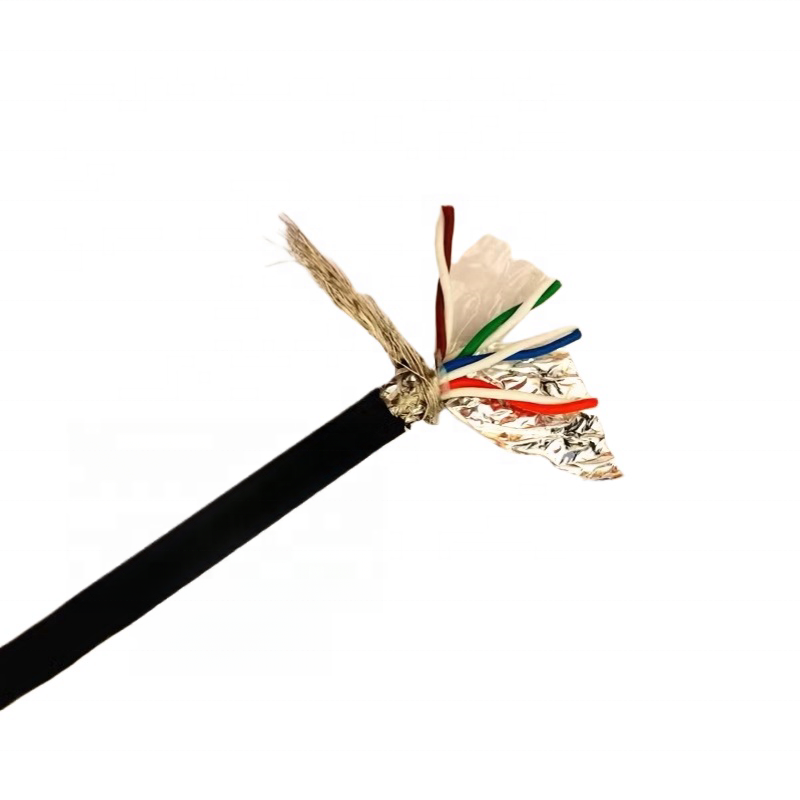
| RSTL-PTFE-SH-SIG (Shielded Signal Cable) | Sensors, instrumentation, EMI-prone areas | Pairs/cores: 1–4 pairs (custom) / Shield: foil and/or braid + optional drain / Insulation: PTFE / Jacket: fluoropolymer options |
| RSTL-PTFE-CHM (Chemical Exposure Build) | Refineries, chemical plants, oil/solvent zones | Build focus: chemical exposure durability / Insulation: PTFE / Jacket: chemical-resistant fluoropolymer options / Voltage: custom |
3) Engineering Ranges (Typical, Custom Available)
These ranges help buyers select quickly and allow accurate quoting. If you have tighter internal ranges, replace the values below.
Conductor size: AWG 28–4 (or 0.08–25 mm²)
Core count: 1C–30C (pairs available for signal builds)
Voltage options: 300V / 600V / 1000V class (custom available)
Temperature class: up to 200°C class (custom high-temp builds available)
Shielding: foil / braid / foil + braid; optional drain wire
Jacket options: PTFE jacket / fluoropolymer jacket / custom protection layer
Color & marking: core colors and printed markings available per request
This PTFE Insulated High-Temperature Cable family is designed to keep the build configurable without forcing unnecessary OD growth.
4)Material Selection: PTFE vs Silicone vs PVC (Fast Comparison)
High continuous temperature
-
PTFE: Excellent
-
Silicone rubber: Good
-
PVC: Limited
Oil/solvent chemical exposure
-
PTFE: Excellent (broad resistance)
-
Silicone rubber: Depends on compound
-
PVC: Often limited
Flexibility (soft feel)
-
PTFE: Moderate (can improve via high-strand conductors)
-
Silicone rubber: Excellent
-
PVC: Moderate
Electrical stability in heat
-
PTFE: Excellent
-
Silicone rubber: Good
-
PVC: Limited
Typical use
-
PTFE: Hot zones, chemicals, precision wiring
-
Silicone rubber: High-flex heat wiring
-
PVC: General wiring, lower heat
Rule of thumb: If the environment is both hot and chemically aggressive, PTFE is usually the most stable choice.
5) Key Performance Benefits
Heat stability you can design around
PTFE insulation maintains electrical stability in high-temperature duty cycles where common materials may embrittle or drift.
Chemical resistance across real plant exposure
PTFE is widely specified for oil/solvent exposure zones. For demanding sites, specify compatibility for jacket + overmold + connector seals in the final assembly (not only the insulation).
EMI control for signals (when specified)
For sensors and instrumentation near power equipment, shielded constructions help reduce noise pickup and stabilize transmission.
Build flexibility without “overbuilding”
The most common cost mistake is overspecifying cores/shields/jackets that increase diameter and complicate routing. This page supports right-sizing.
6) How to Specify the Correct Build (Send These 8 Fields)
To quote fast and accurately, send:
-
Temperature class (e.g., 200°C class)
-
Conductor size (AWG/mm²)
-
Core count / pairs
-
Voltage class (300V/600V/1000V)
-
Shielding (none / foil / braid / foil+braid)
-
Jacket preference (PTFE / fluoropolymer / custom)
-
Installation notes (tight routing, moving cable, chemical exposure type)
-
Quantity + cut length / reel length
High-intent long-tail keywords this page supports
-
200°C PTFE hook-up wire
-
PTFE insulated shielded signal cable
-
chemical resistant PTFE control cable
-
high temperature Teflon cable 600V
7) Quality, Testing, and Documentation (E-E-A-T)
Standard production checks (typical)
-
Dimensional inspection (OD, insulation thickness)
-
Conductor continuity testing
-
Insulation resistance checks (as required)
-
Visual inspection and packaging protection
Optional tests (project-based)
-
Hi-pot / dielectric withstand
-
Shield continuity verification (shielded builds)
-
Sample approval builds for new configurations
-
Additional documentation per project needs (RoHS/REACH, material declarations)
What we recommend for critical projects
-
Approve a short pre-production sample before mass order
-
Confirm routing/bend constraints and chemical exposure notes in the RFQ
8) Ordering & Conversion Path
Request a Quote (Fast):
Send the 8 fields in Section 6 and we will propose the closest model + build.
Request a Sample:
Get a short length for routing fit-check and thermal environment validation.
Need Engineering Help:
Share your operating temperature, chemicals involved, and space constraints—we’ll recommend conductor/shield/jacket strategy.
FAQ
Is PTFE the same as Teflon?
PTFE is the material name; “Teflon” is a commonly used trade name people use for PTFE insulation.
Can PTFE cable handle oils and solvents?
PTFE is known for broad chemical resistance. For best results, confirm your specific fluids and cleaning agents for full compatibility.
When should I choose shielding?
If your cable runs near motors, VFDs, heaters, or power lines, shielding can improve signal stability for sensors and instrumentation.
Does PTFE cable have to be stiff?
Not necessarily. Flexibility is strongly influenced by conductor stranding and cable construction, not only insulation material.
Can you customize cores, colors, and lengths?
Yes. Core count/pairs, conductor type, shielding, jacket options, and cut lengths are commonly customized.