


Pneumatic Hose Coaxial Control Composite Cable | Integrated Air, Signal & Control Hybrid Cable Solution
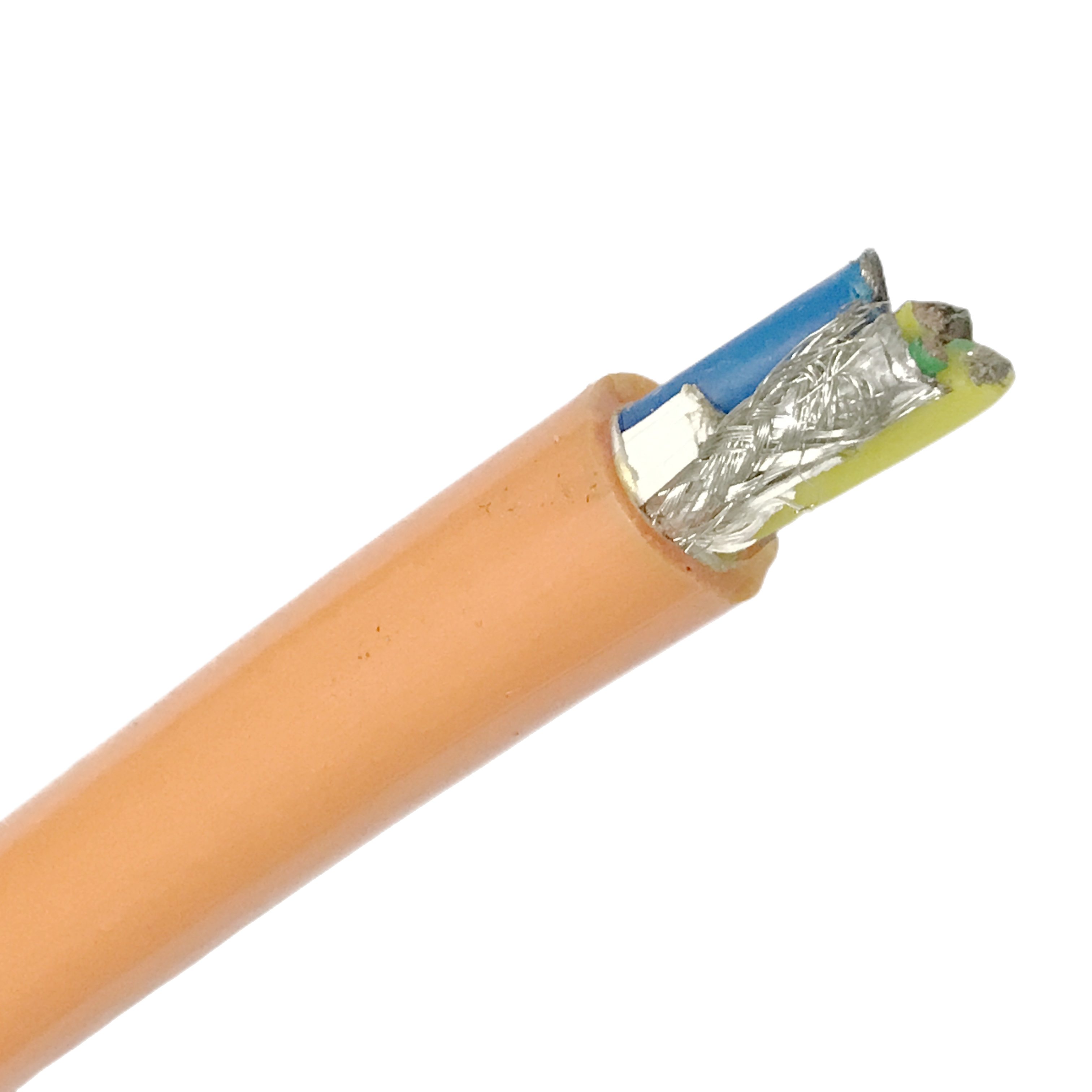
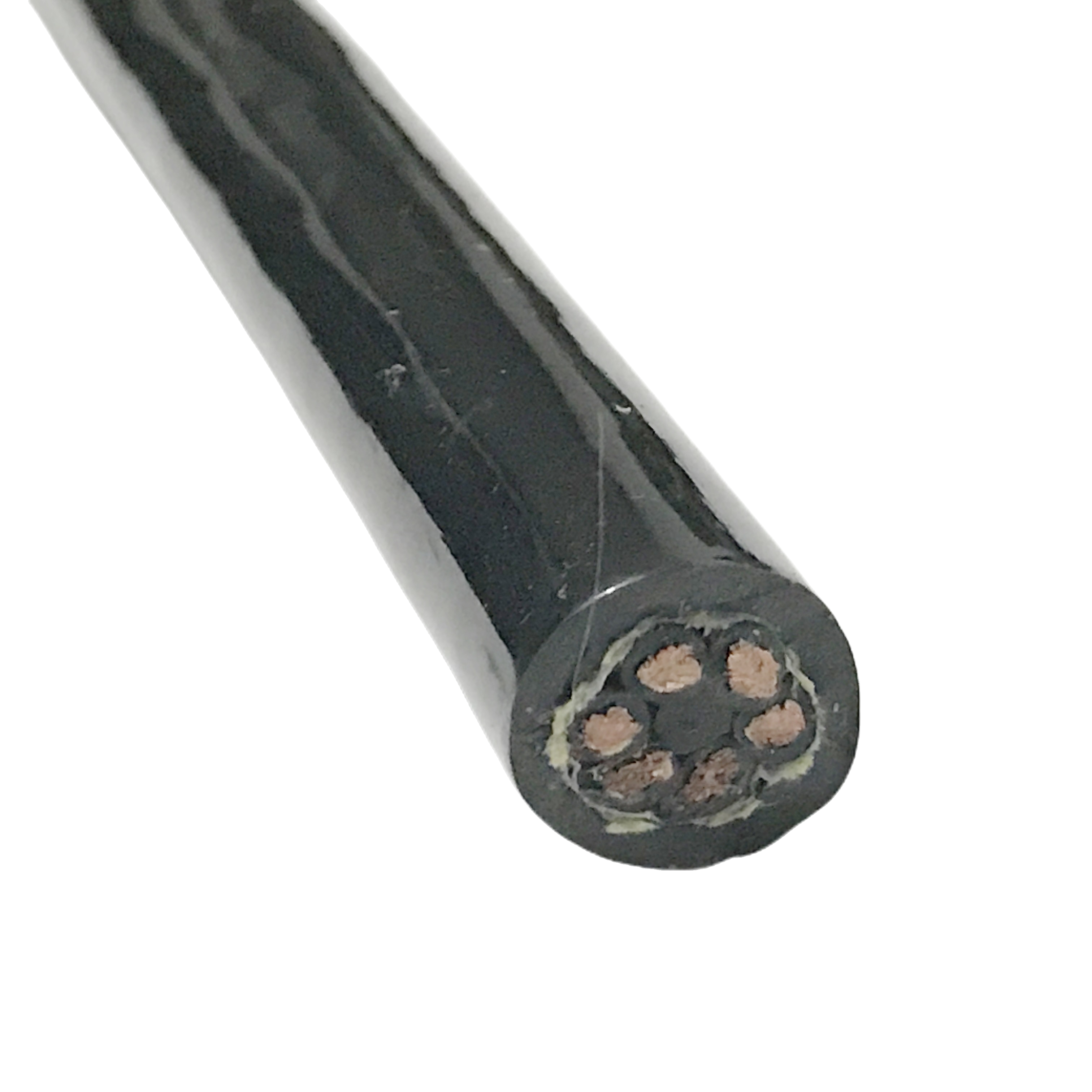
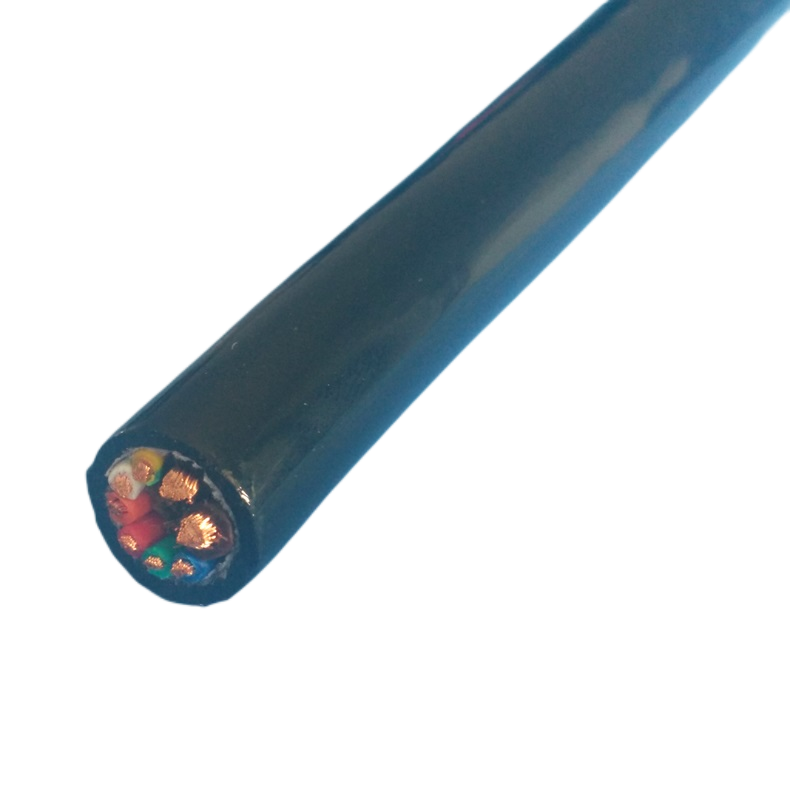
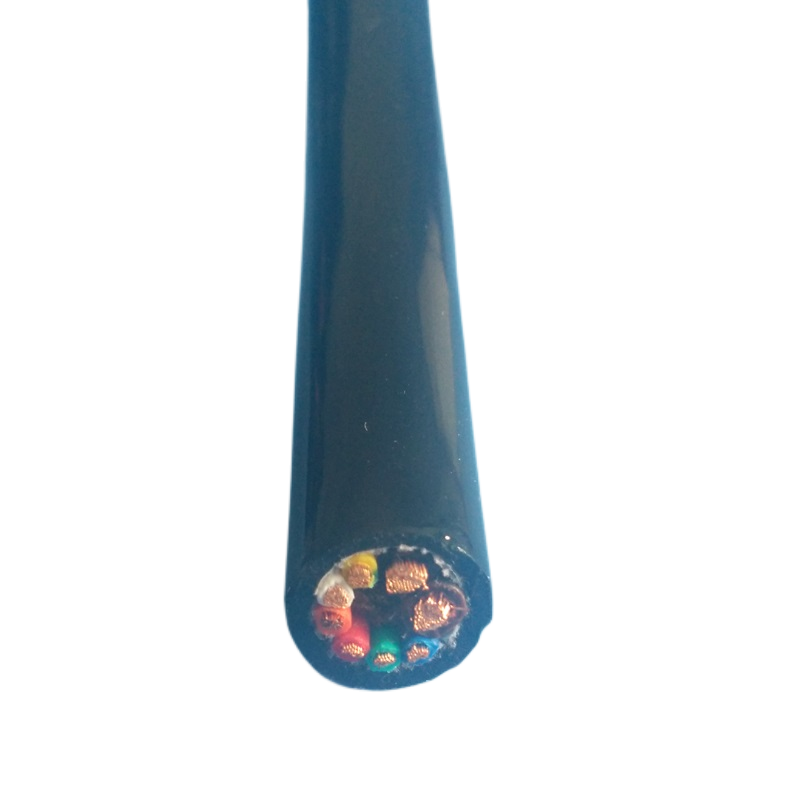
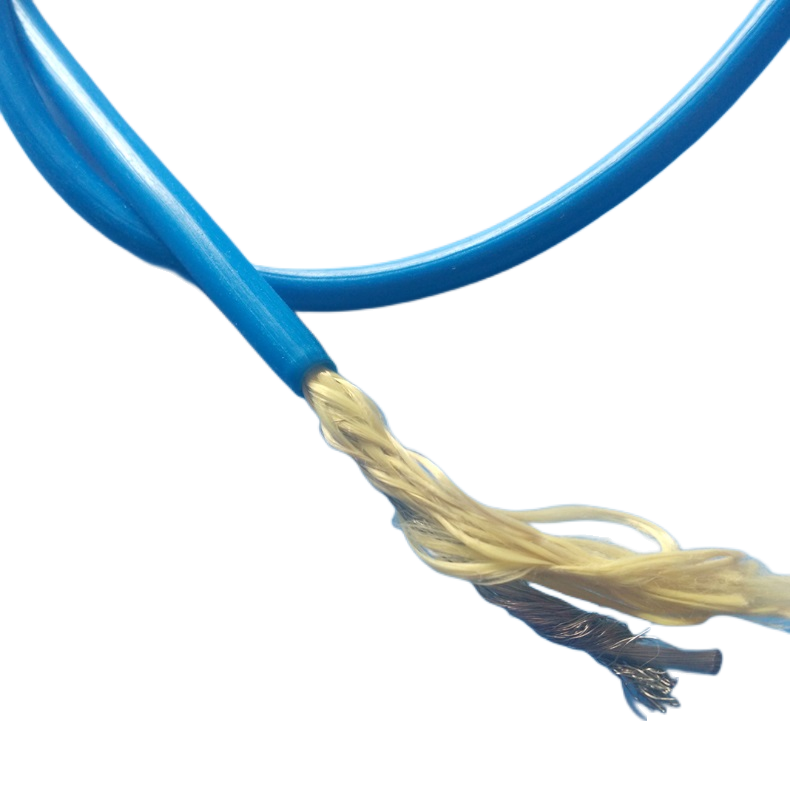
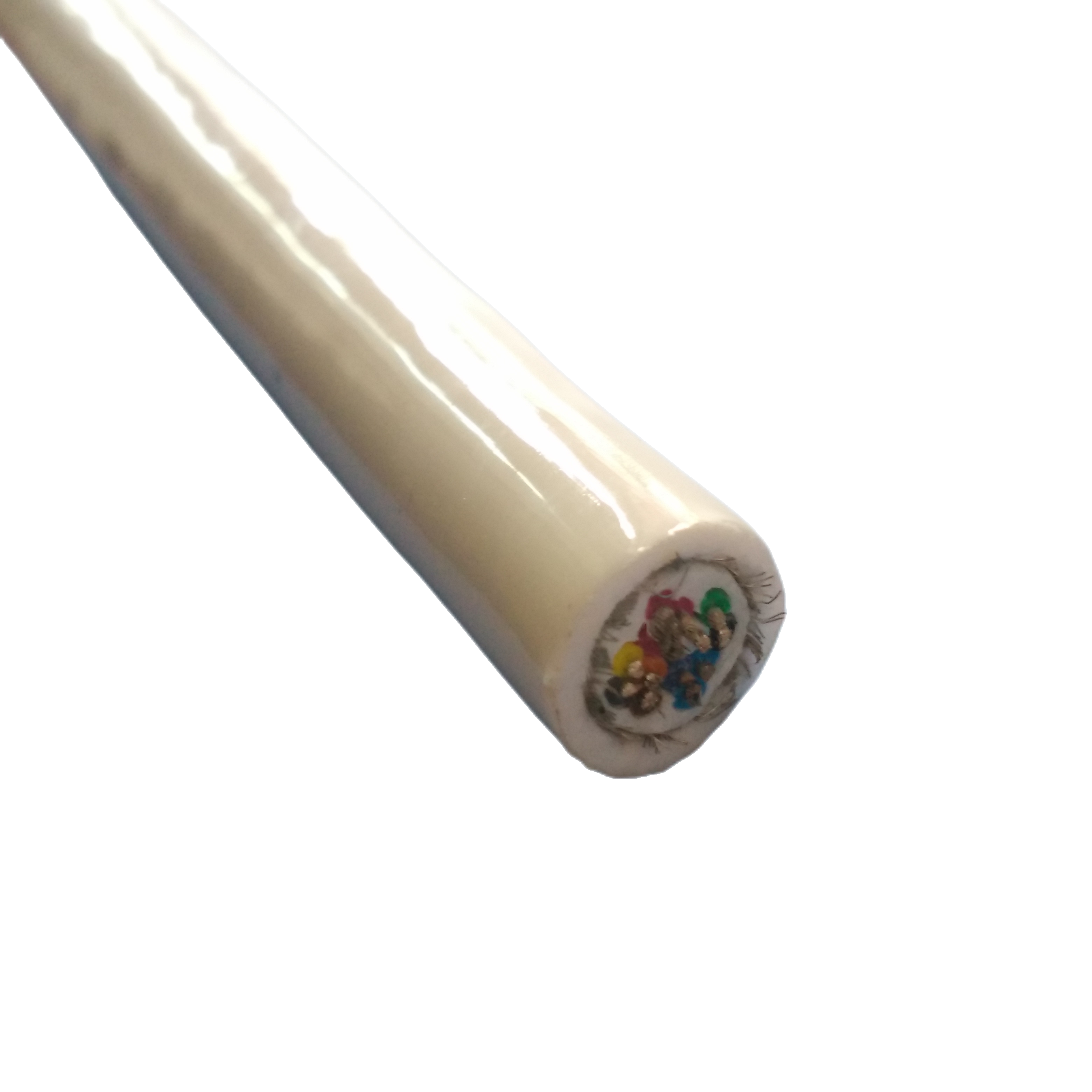
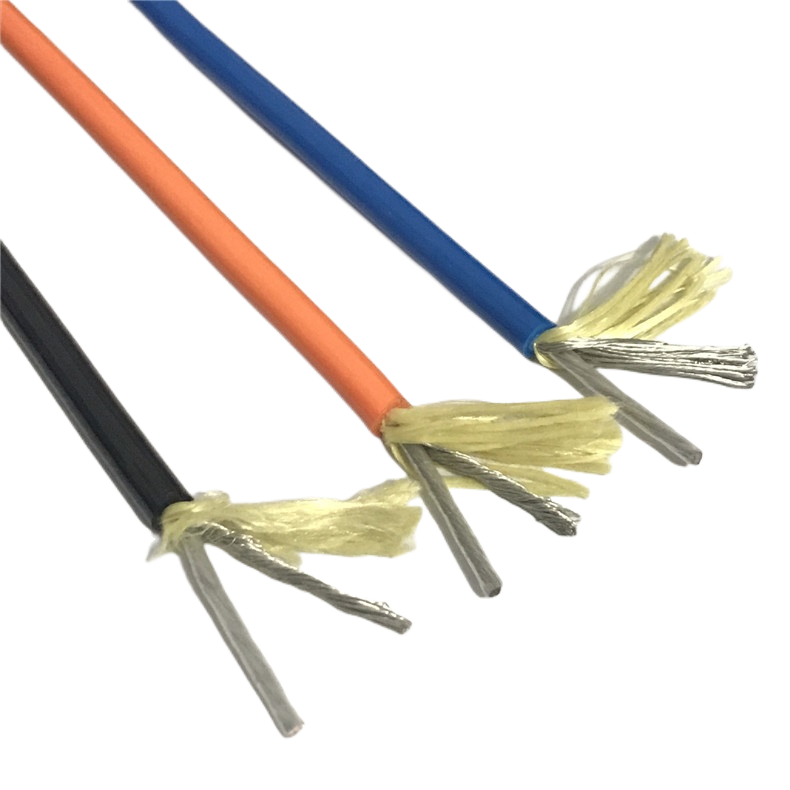
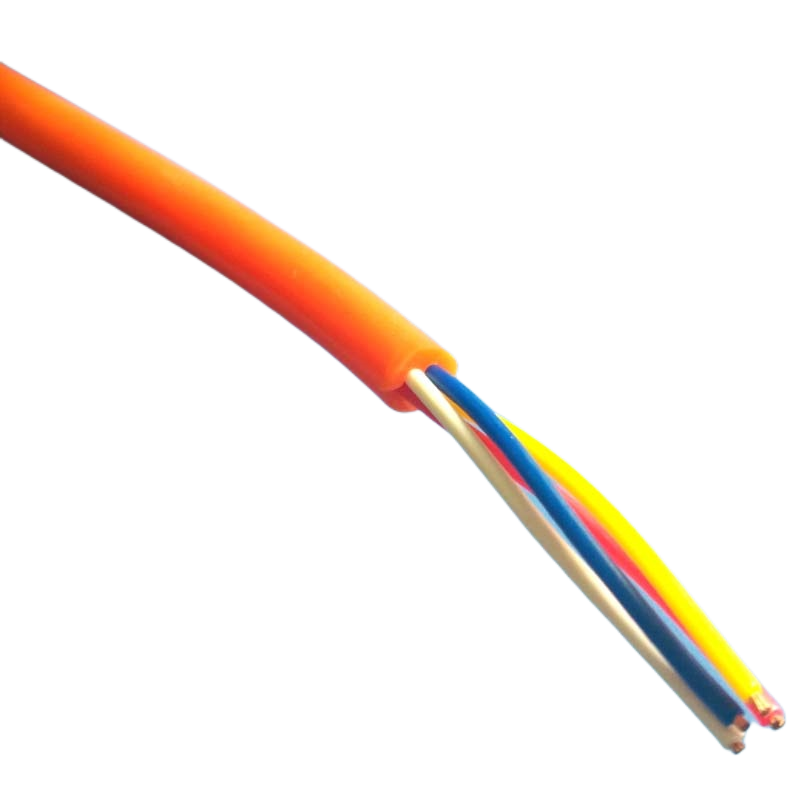
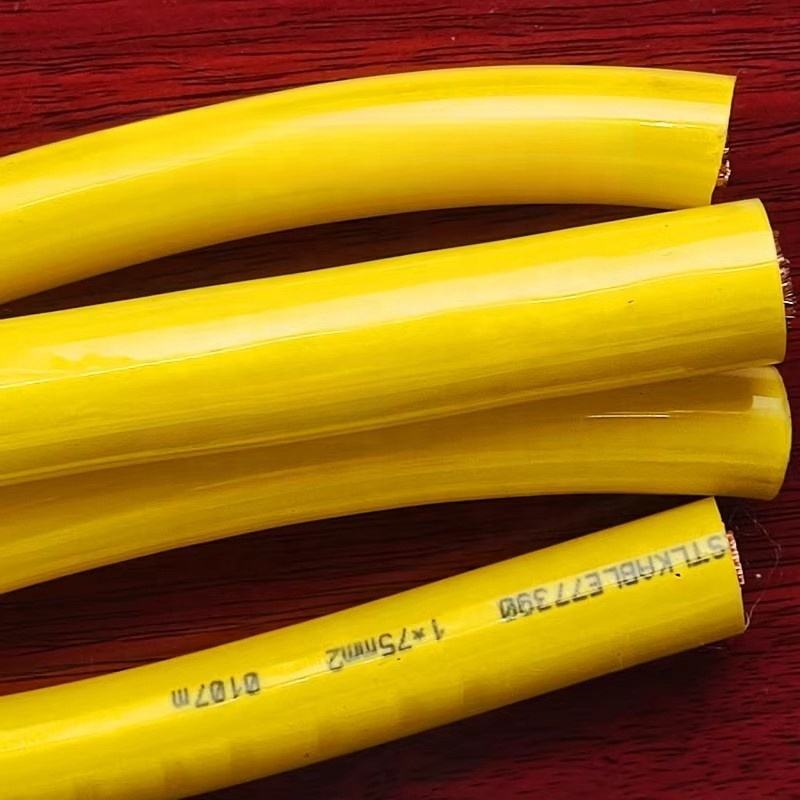
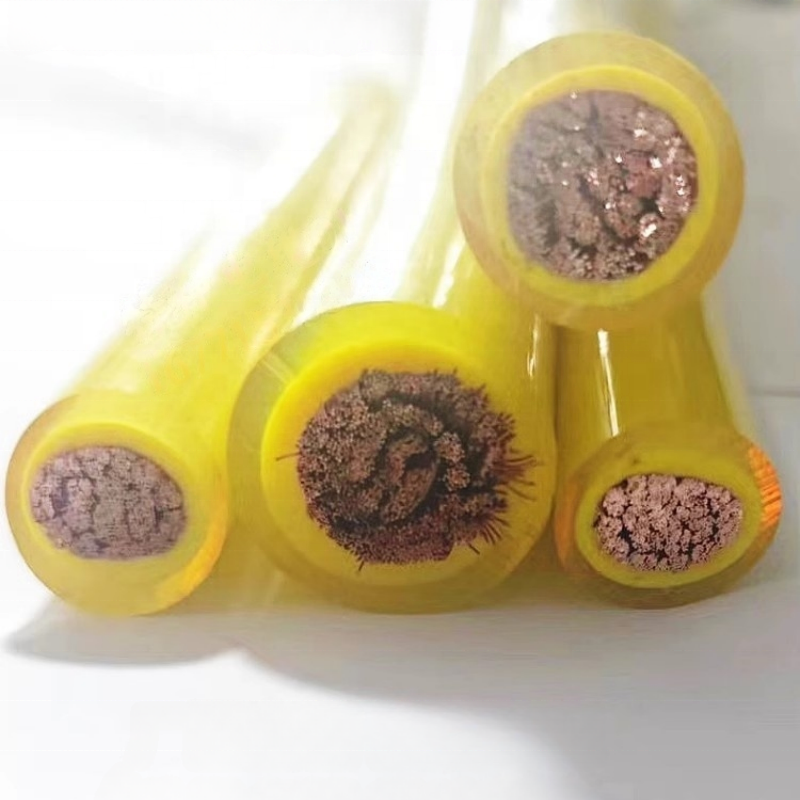
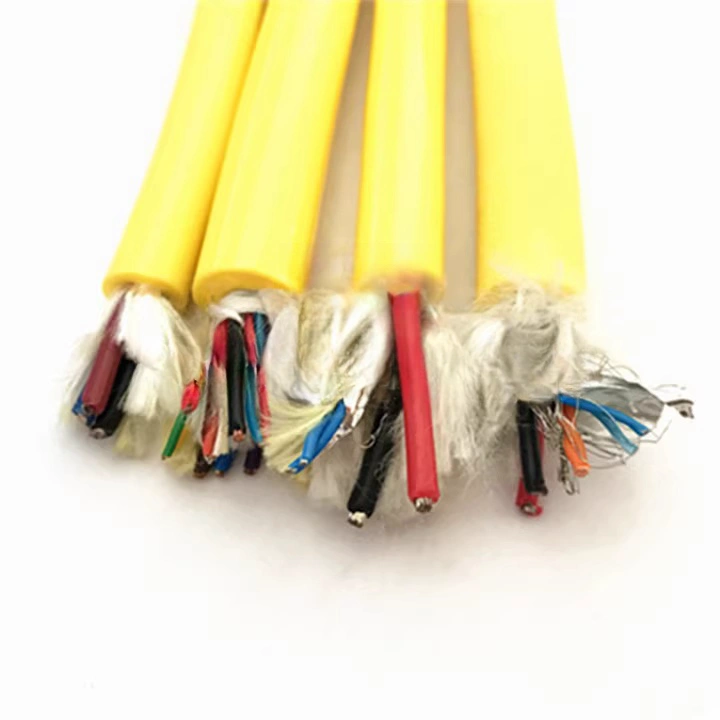
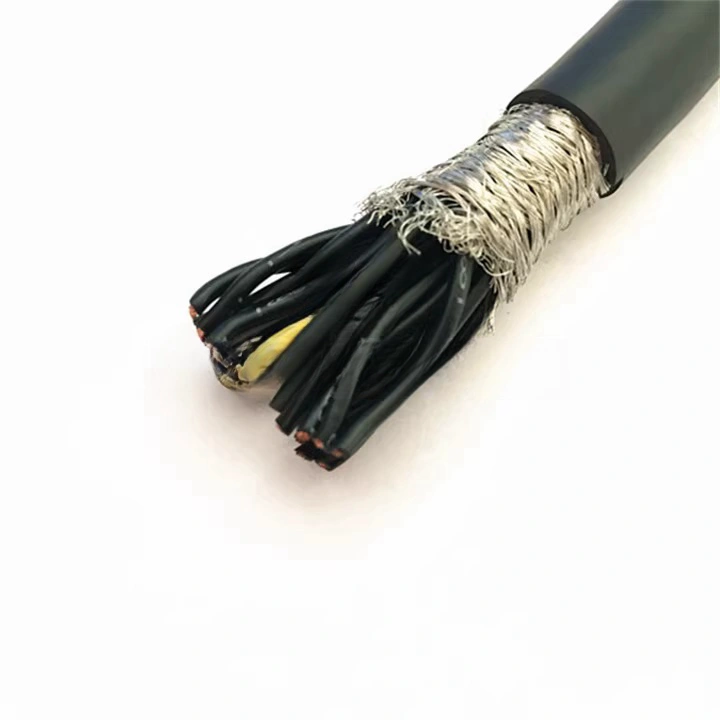
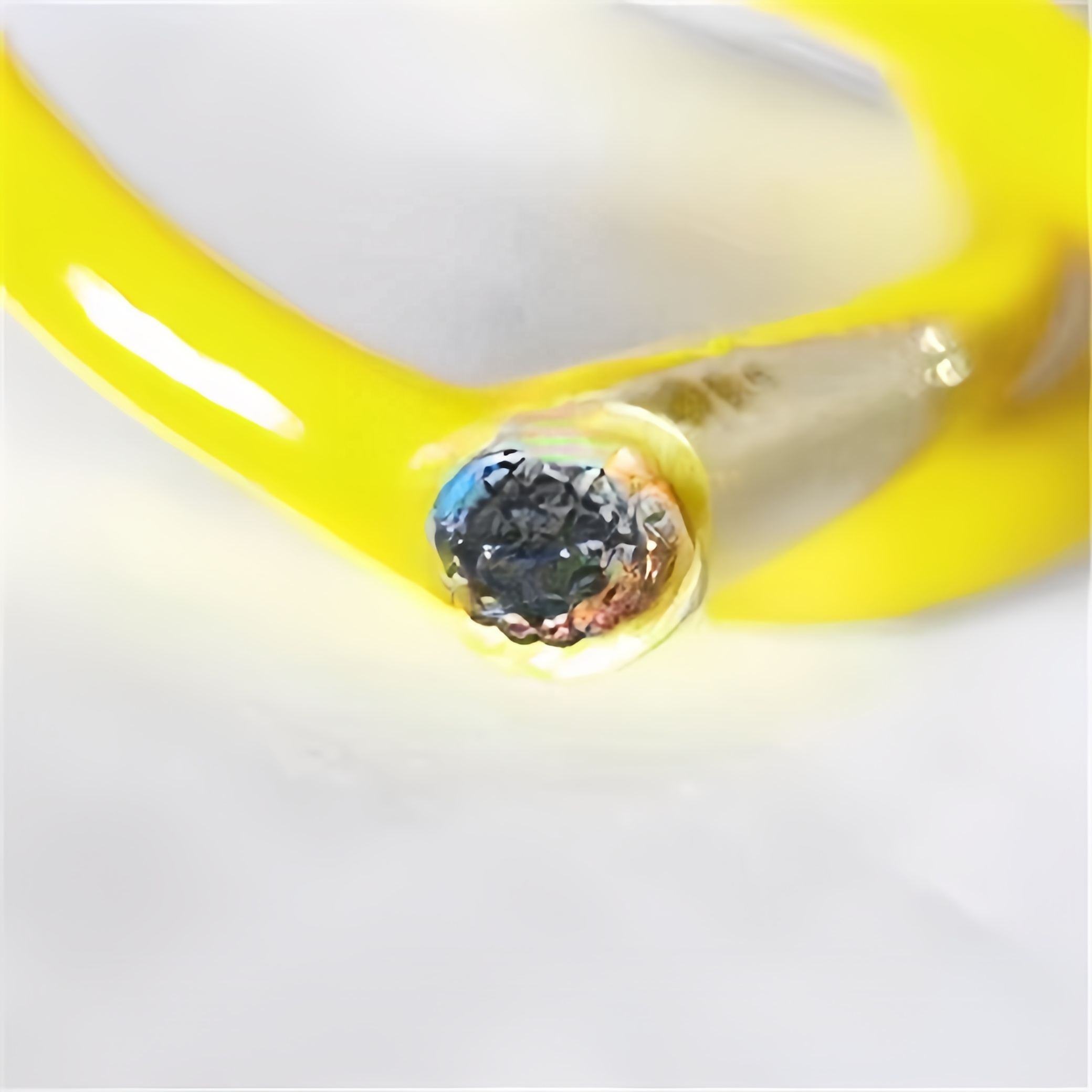
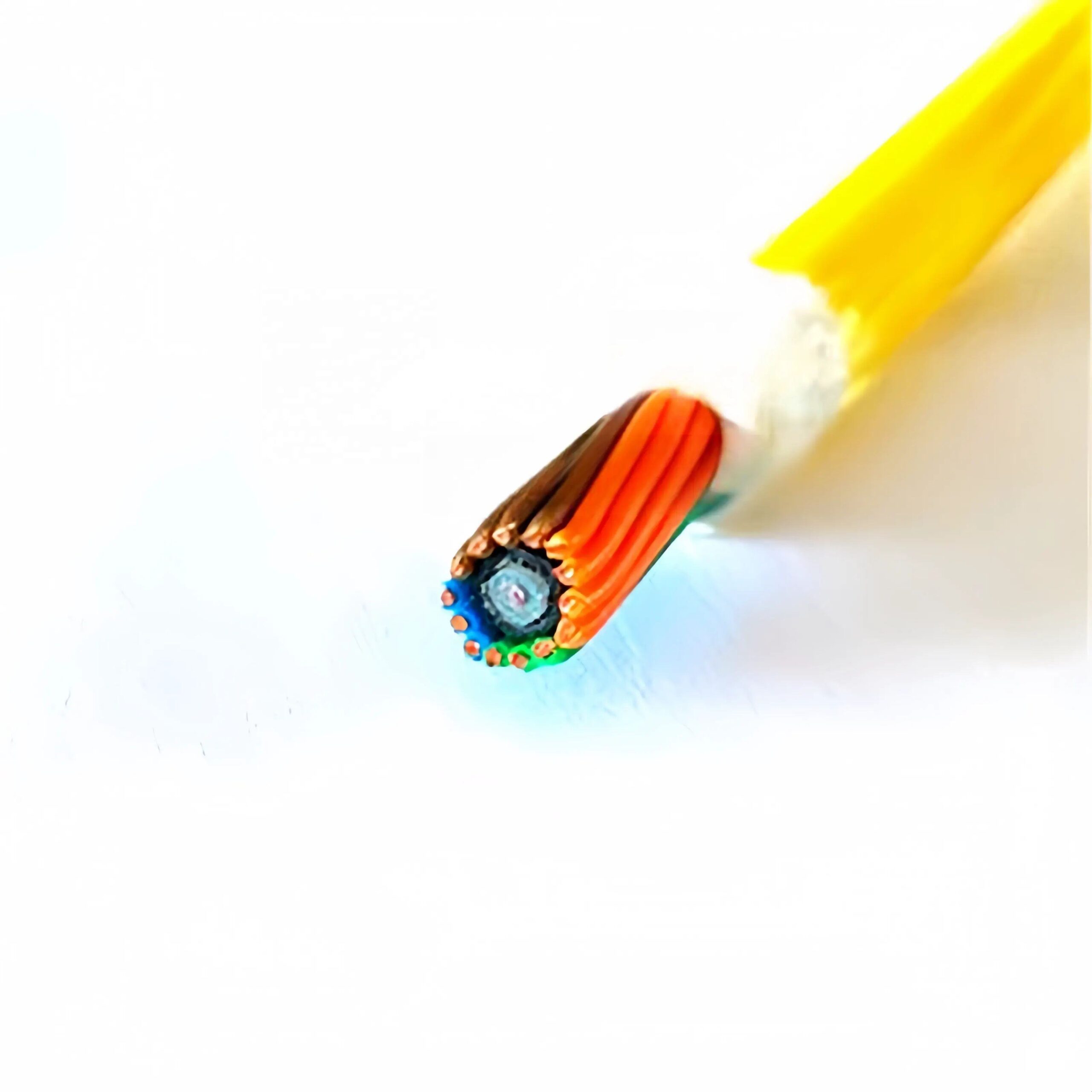
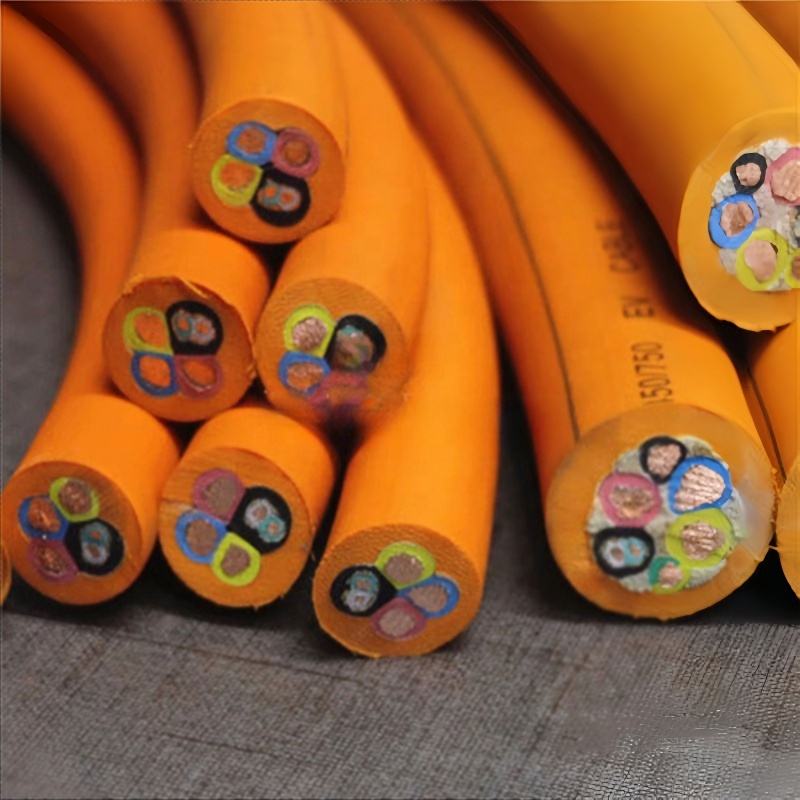
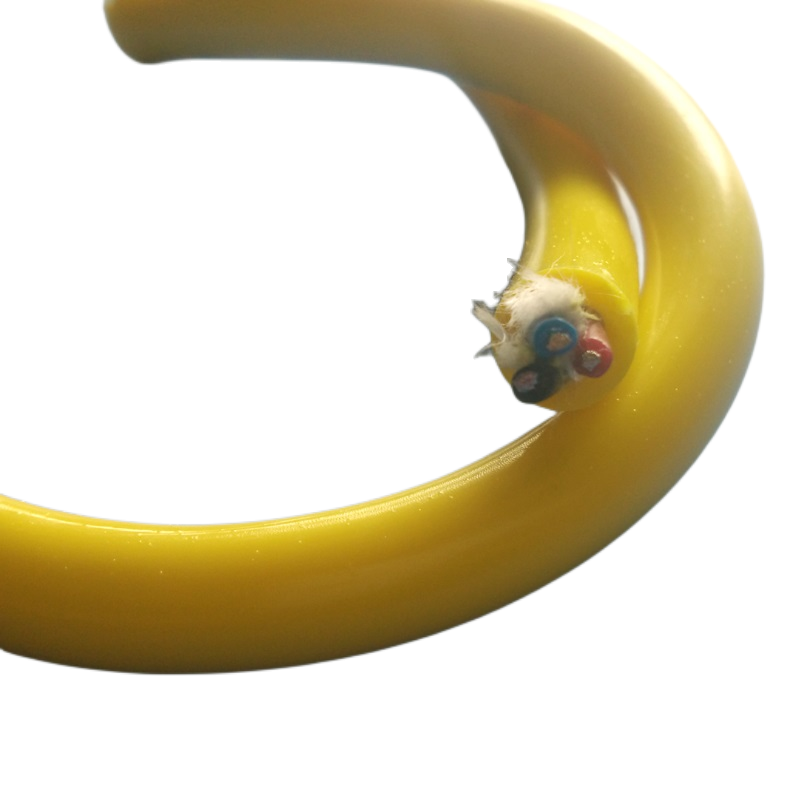
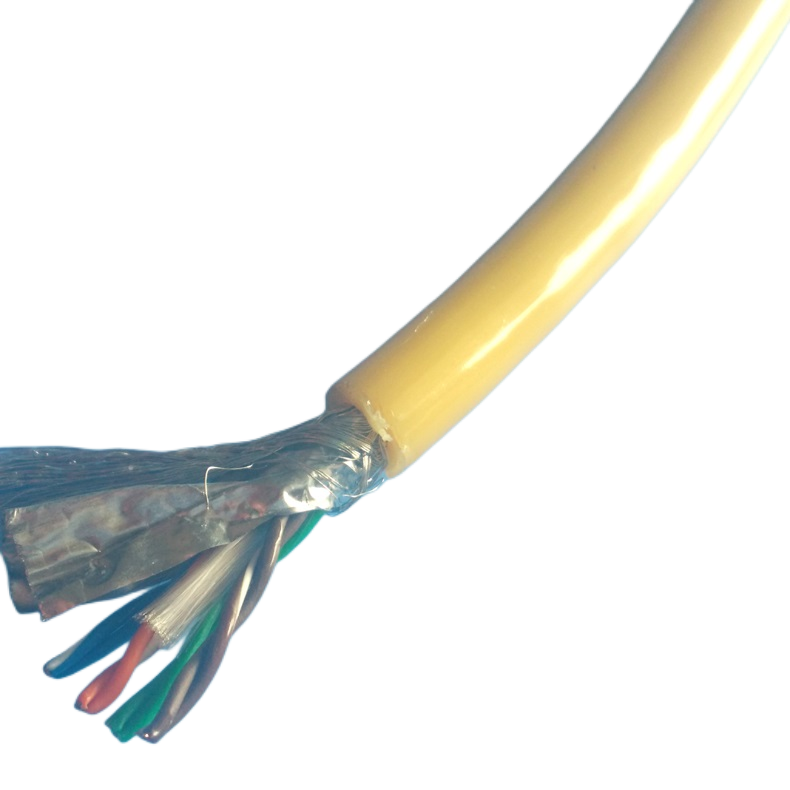
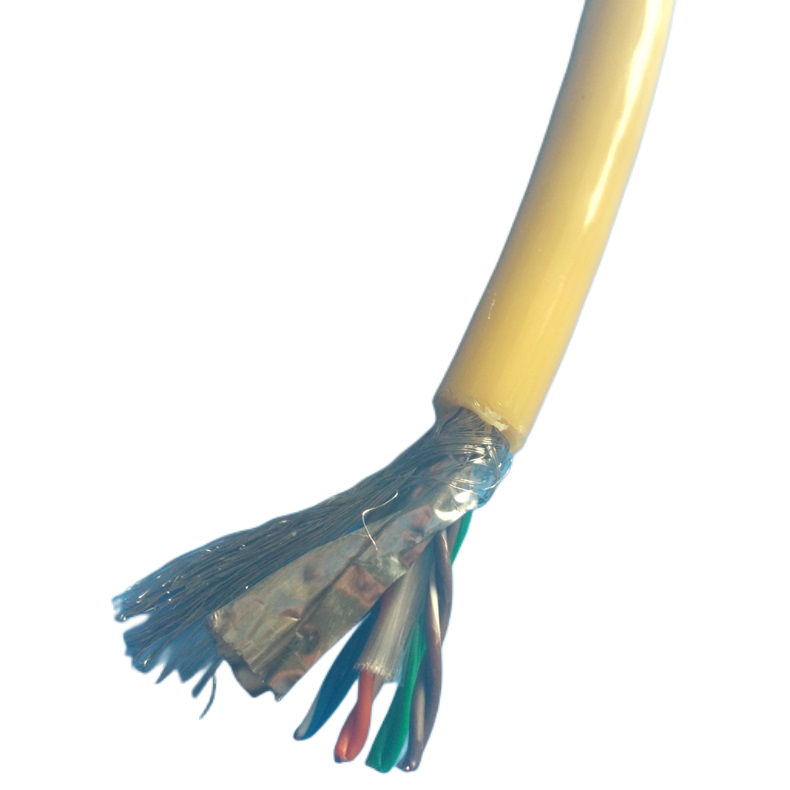
The RST-PHC Series Pneumatic Hose Coaxial Control Composite Cable combines compressed air hose (PU 1.0 MPa or PA12 2.0 MPa), OFC power cores (300/500 V), and individually screened signal pairs (RS-485, EtherCAT, PROFIBUS, CANbus) in a single polyether TPU-jacketed cable rated for ≥5 million flex cycles in drag chain and robotic arm service. Available in single-hose and dual-hose configurations from 16 to 26 mm OD, with an optional fiber optic variant for vision-guided systems. CE, RoHS 2, ISO 9001 certified. HiPot and hose pressure test certificate per drum.
Pneumatic Hose Coaxial Control Composite Cable | Integrated Air, Signal & Control Hybrid Cable Solution
Home › Products › Composite Hybrid Cables › Pneumatic Control Cable │ Series: RST-PHC │ Reviewed by: Rousheng Composite Engineering Team
|
○ Air Hose 0.4–10 MPa rated |
⚡ Power Core 300/500 V OFC |
~ Signal Pair Screened RS-485/IO |
⊙ Control Pair 24 VDC / PLC logic |
Pneumatic hose coaxial control composite cable solves one of the most persistent wiring problems in automated industrial systems: the need to route compressed air, electrical power, and control signals to the same moving end-effector, actuator, or gripper — through a single cable management track.
Running separate pneumatic hoses alongside electrical cables doubles the cable carrier fill ratio, increases failure points, and complicates installation significantly. The RST-PHC series combines all three media — compressed air, power, and signal — inside one outer jacket, designed specifically for continuous-flex drag chain and robotic arm applications.
Who specifies this cable
The RST-PHC series is specified by robotics system integrators, automotive OEM automation engineers, and packaging machine builders. Any end-effector that needs pneumatic actuation (grippers, suction cups, blow-off nozzles) alongside electrical power and PLC I/O signals is a direct application.
Page Contents
- Why Composite: Air + Power + Signal in One Cable
- Model Range & Specifications
- Construction — Layer by Layer
- Application Scenarios
- Technical Parameters
- Project References
- FAQ — Engineers & System Integrators
- Manufacturer Credentials
- Request a Quote
Why Composite: The Case for Air + Power + Signal in One Jacket
The problem with separate hoses and cables
In a 6-axis welding robot, a typical end-effector cable package contains: one pneumatic hose (gripper), one power cable (servo), and two signal cables (encoder + I/O). That is four separate components competing for space in a single drag chain or cable arm conduit.
Separate routing causes three measurable problems. First, fill ratio: four separate items in a drag chain designed for two causes friction, heat buildup, and premature jacket wear. Second, installation time: routing, clamping, and labelling four items per robot takes 40–60% longer than routing one composite cable. Third, fault finding: when an intermittent fault occurs, maintenance engineers must test four cable paths rather than one.
What the composite design achieves
The RST-PHC composite cable replaces all four items with a single assembly. The outer diameter is typically 15–25% smaller than the combined outer diameter of the equivalent separate hose-and-cable bundle. The cable carrier fill ratio drops from ~70% to under 45% in typical installations.
Installation time reduces by an average of 35% based on field data from automotive OEM installations. Fault finding is simplified: a single HiPot test covers all electrical elements; a single pressure test covers the air hose. Both tests are conducted simultaneously on the same cable.
When separate cables remain preferable
|
Use RST-PHC composite when: air pressure is 0.4–10 MPa | electrical power is ≤16 mm² per core | cable run is ≤300 m | the end-effector combines pneumatic and electrical function in one body. Continue with separate cables when: air pressure exceeds 10 MPa (dedicated high-pressure hose required) | power core exceeds 16 mm² (composite OD becomes impractical) | pneumatic and electrical terminations are on different structures more than 2 m apart. |
RST-PHC Series — Model Specifications
|
Model |
Air Hose(s) |
Bore / Pressure |
Power Cores |
Signal / Control |
OD |
Flex Life |
Primary Application |
|
RST-PHC-1A-2P |
1× PU hose |
Ø6 mm / 1.0 MPa |
2×1.0 mm² |
2 signal pairs screened |
16.0 mm |
≥5 M cycles |
Light gripper, small servo end-effector |
|
RST-PHC-1A-4P |
1× PU hose |
Ø8 mm / 1.0 MPa |
4×1.5 mm² |
4 I/O pairs + RS-485 |
19.5 mm |
≥5 M cycles |
Standard gripper arm, PLC-controlled actuator |
|
RST-PHC-2A-4P |
2× PU hose |
Ø6 mm / 1.0 MPa each |
4×1.0 mm² |
4 signal pairs screened |
22.0 mm |
≥5 M cycles |
Dual-action gripper, push-pull pneumatic |
|
RST-PHC-1A-4P-HP |
1× PA12 hose |
Ø8 mm / 2.0 MPa |
4×1.5 mm² |
4 I/O pairs + CAN pair |
21.2 mm |
≥5 M cycles |
High-pressure gripper, injection moulding arm |
|
RST-PHC-2A-6P |
2× PA12 hose |
Ø6 mm / 2.0 MPa each |
6×1.5 mm² |
8 I/O pairs + PROFIBUS |
26.0 mm |
≥3 M cycles |
Multi-function end-effector, welding robot tool |
|
RST-PHC-1A-4P-FO |
1× PU hose |
Ø8 mm / 1.0 MPa |
4×1.5 mm² |
2×SM fibre + 4 pairs |
24.5 mm |
≥3 M cycles |
Vision-guided robot: camera + gripper + power |
|
RST-PHC-OEM |
1–4 hoses |
Per spec |
Per spec |
Per spec |
Per spec |
Per spec |
Automotive OEM, semiconductor, food industry |
PU hose = polyurethane, flexible, −40°C to +60°C. PA12 hose = polyamide 12, higher pressure, −40°C to +100°C. HP = high-pressure variant. FO = fiber optic integrated. All models rated for drag chain and robotic arm dynamic flex service.
Construction — Layer by Layer
Air hose element
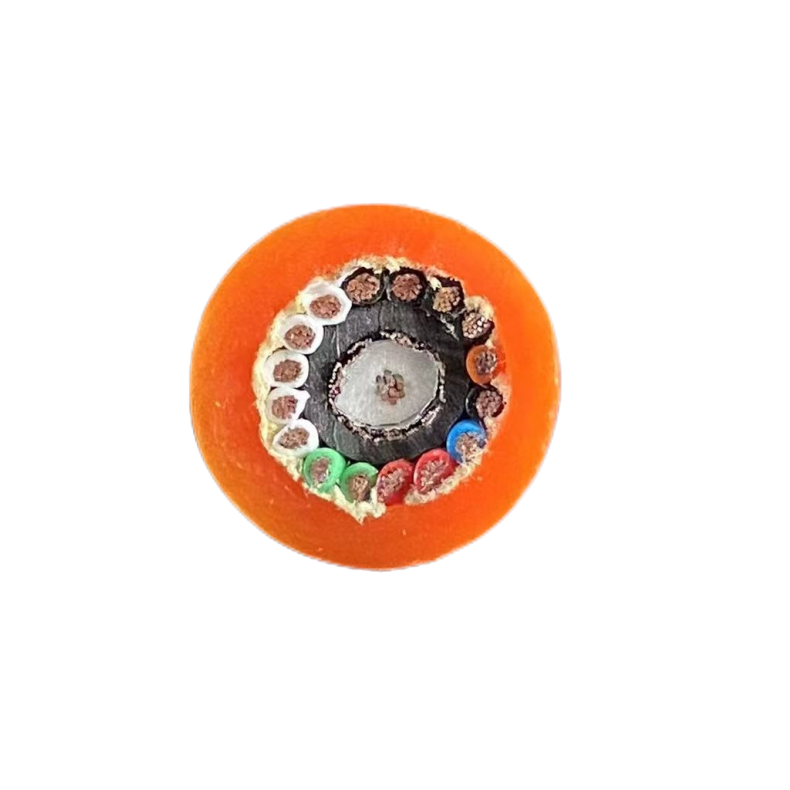
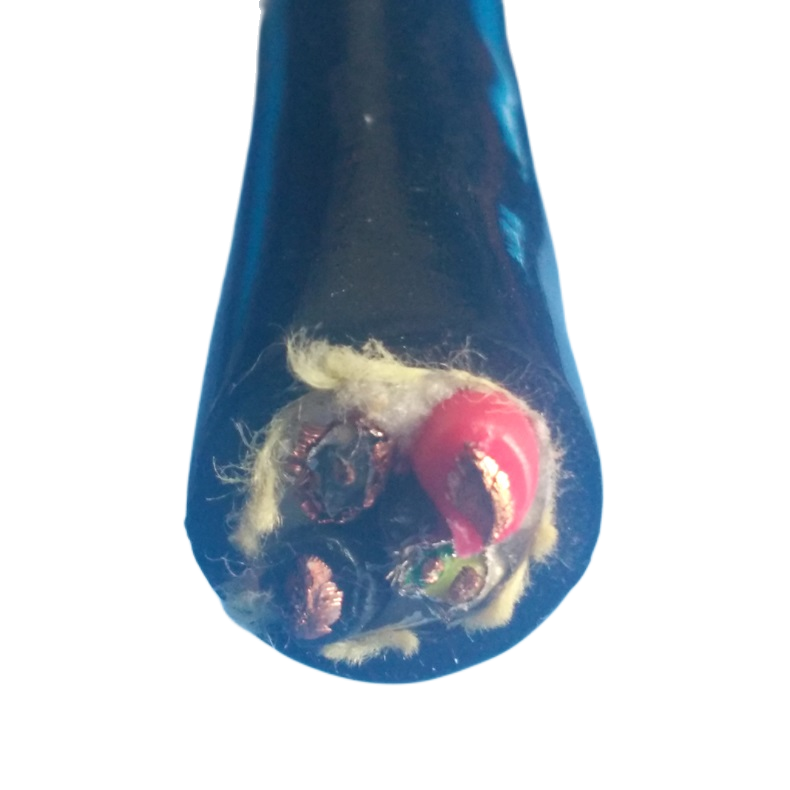
The pneumatic hose is the structurally dominant element in the RST-PHC cross-section and is positioned to exploit this: the hose runs along the cable’s neutral axis in single-hose models, or in a symmetric pair in dual-hose models.
Two hose materials are available. Polyurethane (PU) is the standard grade: Shore A 92, burst pressure 4× working pressure, excellent flexibility to −40°C. Polyamide 12 (PA12) is the high-pressure grade: rated to 2.0 MPa working pressure, chemical resistant to cutting fluids and hydraulic oil, rated to +100°C continuous.
Hose bore sizes: 4 mm, 6 mm, 8 mm, and 10 mm internal diameter. Hose wall is colour-coded per ISO 15552 convention: blue for supply, black for exhaust, red for pilot. Custom colour available on request.
Power and signal conductors
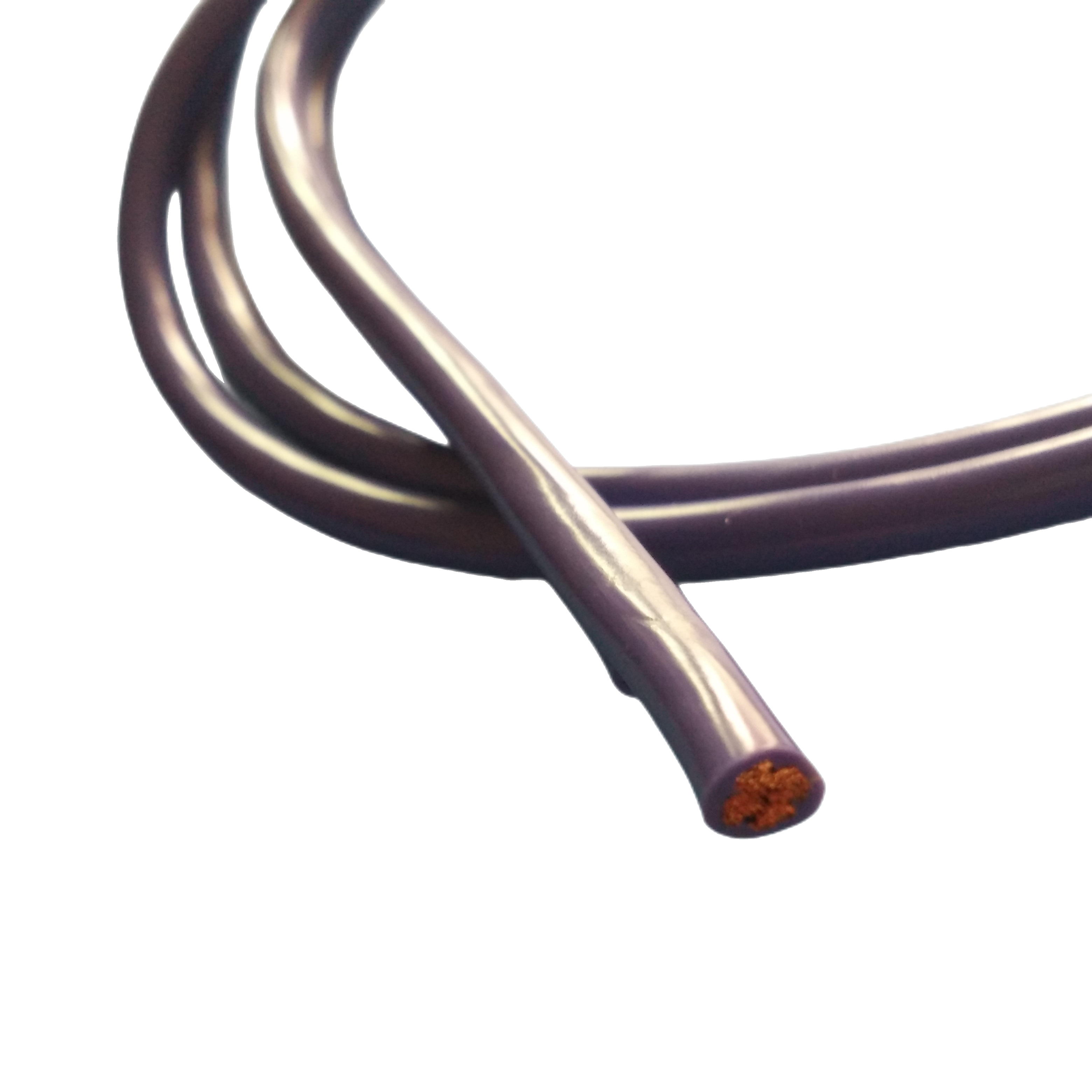
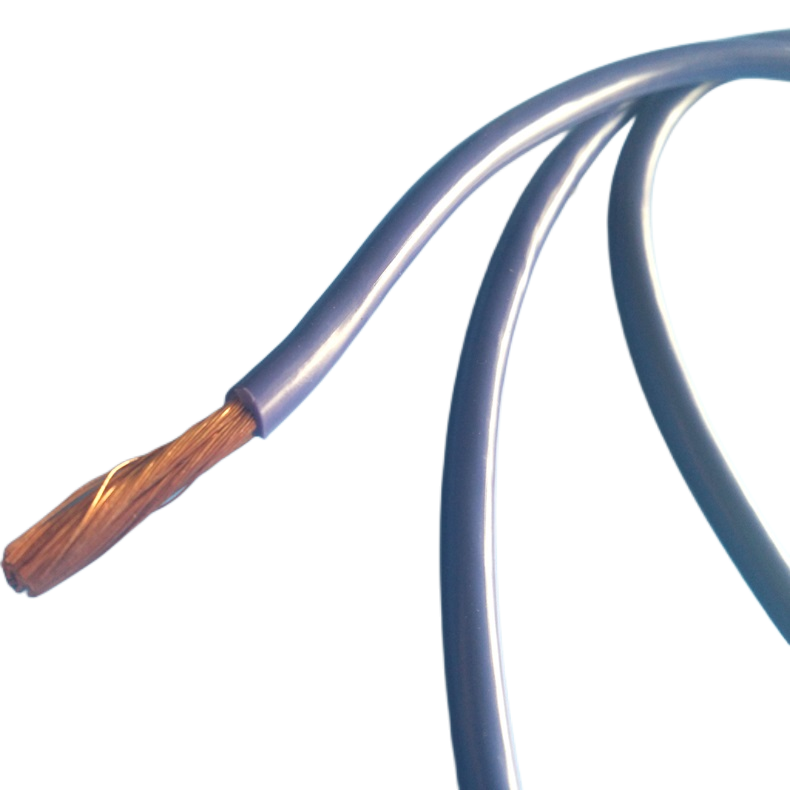
Power cores: oxygen-free copper (OFC), IEC 60228 Class 5 or Class 6 depending on cross-section. XLPE or flexible PVC insulation, colour-coded DIN VDE 0293. Cross-section range: 0.5 mm² to 6 mm² per core. Voltage: 300/500 V standard.
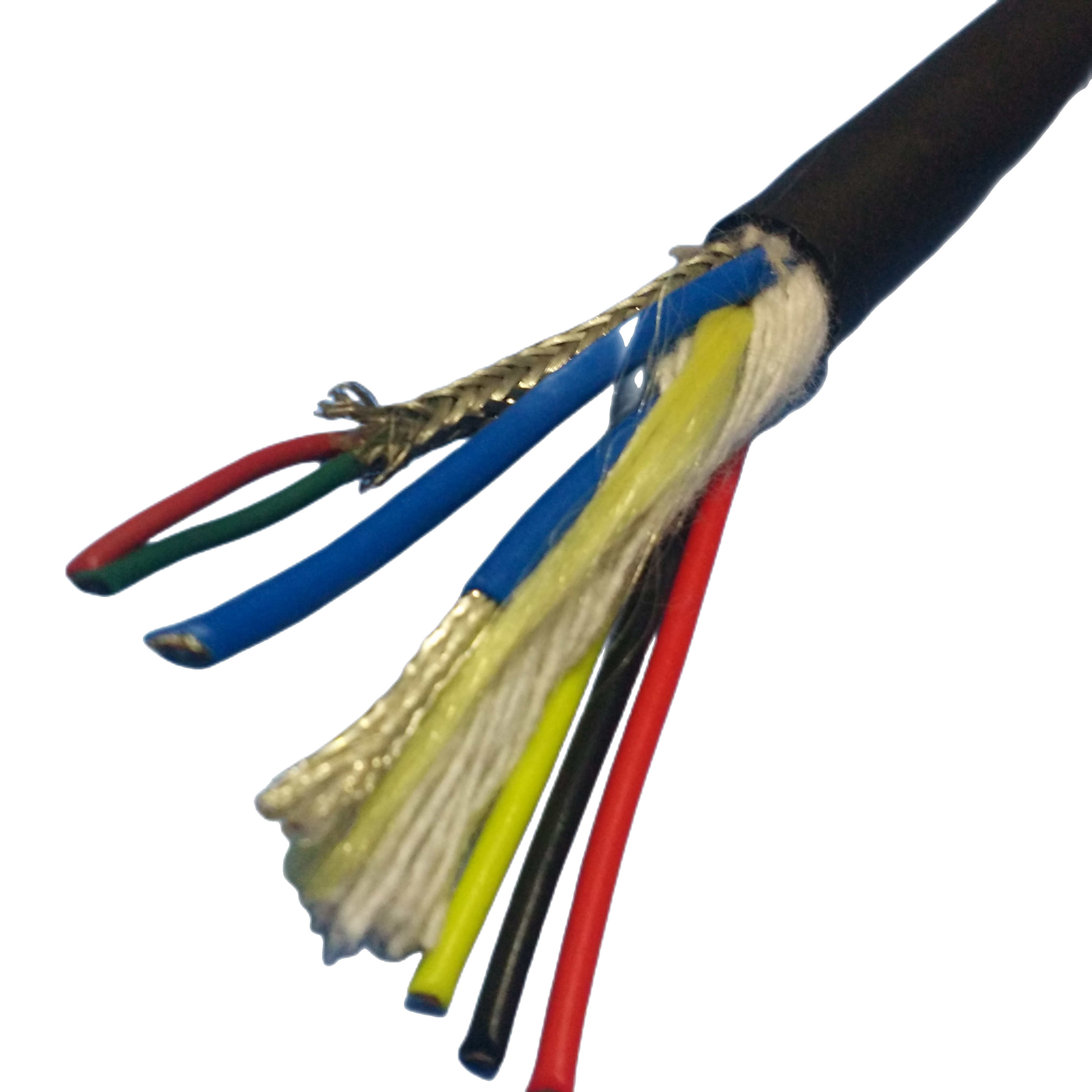
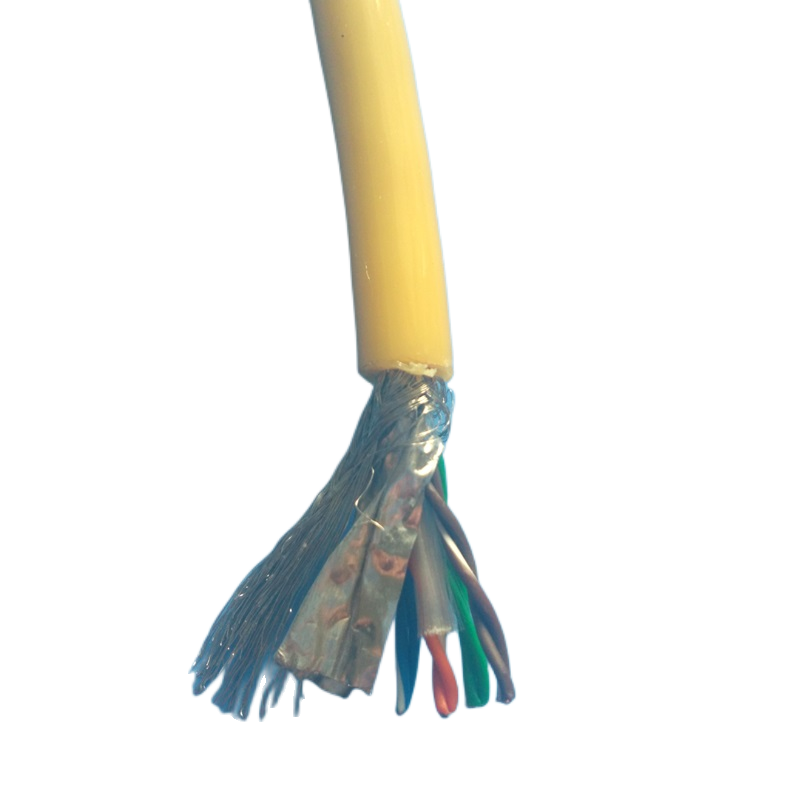
Signal and control pairs: individually foil-screened twisted pairs with drain wire. Characteristic impedance 120 Ω ±10 Ω (RS-485/PROFIBUS) or 100 Ω ±5 Ω (EtherCAT). Supported protocols: RS-485, Modbus RTU, PROFIBUS DP, CANbus, EtherCAT, 24 VDC discrete I/O.
Bundle geometry and outer jacket
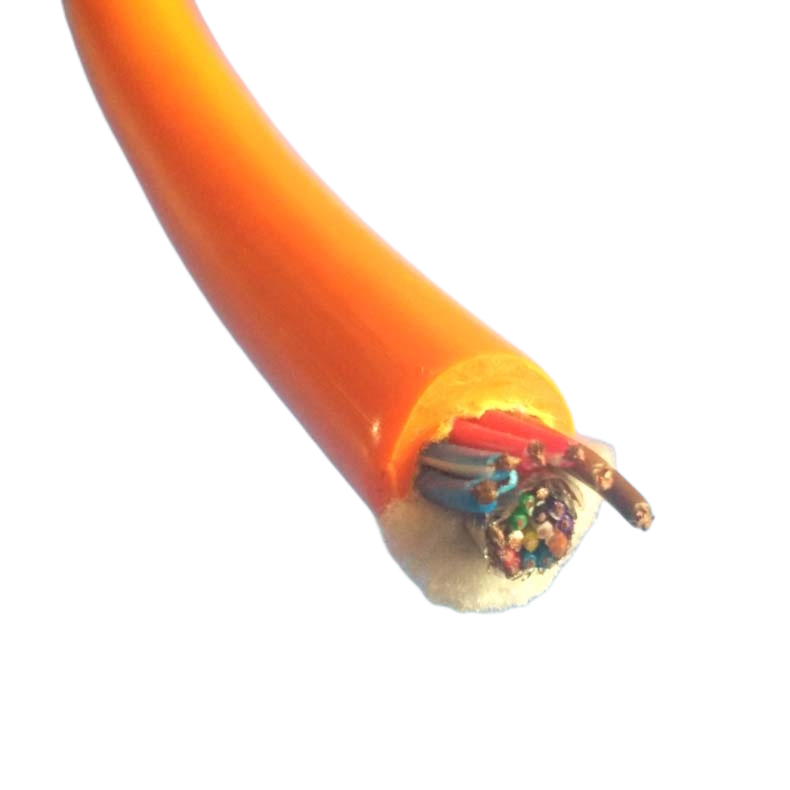
The hose(s) and electrical elements are cabled together with a counter-helical lay optimised for the cable’s rated bend radius. A polyester fleece separator prevents the TPU jacket from bonding to the inner elements during extrusion — essential for flex life in drag chain service.
Outer jacket: polyether TPU, Shore A 85 ± 3, Taber abrasion ≥ 300 cycles (CS-17 wheel, 1 kg). Operating temperature: −40°C to +105°C. Oil and cutting fluid resistant. Colour: black standard; RAL colours on request.
|
Layer |
Material |
Standard / Test |
|
Air hose bore |
PU or PA12, colour-coded, 4–10 mm ID |
ISO 15552; burst ≥4× working pressure |
|
Hose fitting (factory-terminated option) |
Push-in fittings, 316L SS or nickel-plated brass |
ISO 14743 |
|
OFC power conductors |
Class 5 or 6, 0.5–6 mm², XLPE insulation |
IEC 60228; IEC 60502 |
|
Signal / control pairs |
Foil-screened twisted pairs, 0.25–0.5 mm², drain wire |
IEC 61156-5 |
|
Cabling separator |
Polyester fleece binder tape |
Internal specification |
|
Outer jacket — polyether TPU |
Shore A 85±3; Taber ≥300 cycles; −40°C to +105°C |
ISO 37; ISO 9352; ISO 868 |
Application Scenarios
Robotic welding and assembly
In automotive body shops, each welding robot carries a pneumatic gripper for part positioning alongside servo-driven wrist axes. The RST-PHC-2A-6P replaces the separate hose bundle and multi-core cable in the upper arm drag chain, reducing the chain’s fill ratio and eliminating the hose-cable friction that causes premature jacket cracking at the chain’s minimum bend radius.
Pick-and-place and palletising
Delta robots and SCARA palletisers use suction cup grippers that require clean dry compressed air at 0.4–0.8 MPa. The RST-PHC-1A-2P provides the air supply alongside the encoder and I/O cables in a single lightweight assembly. Mass per metre is 15–20% lower than the equivalent separate hose-and-cable combination, reducing the dynamic load on the robot’s fourth axis.
CNC machine tool changer
Automatic tool changers (ATC) use pneumatic clamps and drawbars alongside servo feedback signals. The RST-PHC-1A-4P-HP high-pressure variant handles the 1.5–2.0 MPa clamp pressure while routing the tool identification and position signals through the same cable entry port — critical when the ATC has a single cable gland.
Vision-guided robotic systems
The RST-PHC-1A-4P-FO integrates two SM optical fibres alongside the pneumatic hose and electrical conductors. This enables a camera or structured-light sensor mounted on the end-effector to transmit high-bandwidth image data back to the vision processor without a separate fibre cable run through the drag chain.
Food and pharmaceutical automation
Food processing robots require cables that resist detergents, disinfectants, and washdown water. RST-PHC models with PA12 hose and white RAL 9010 TPU jacket meet EHEDG hygienic design guidelines for cable routing in wet food processing environments. FDA-compliant hose compound available on request.
Technical Parameters
Pneumatic element
|
Parameter |
PU Hose (Standard) |
PA12 Hose (High-Pressure) |
Reference |
|
Working pressure |
1.0 MPa |
2.0 MPa |
ISO 15552; burst ≥4× WP |
|
Bore sizes |
4 / 6 / 8 / 10 mm |
4 / 6 / 8 mm |
Per model |
|
Operating temp. |
−40°C to +60°C |
−40°C to +100°C |
ISO 15552 |
|
Permeation rate |
≤0.1 g/m·h at 0.6 MPa |
≤0.05 g/m·h |
Internal test |
|
Chemical resistance |
Oil, water, mild solvents |
Cutting fluids, hydraulic oil, 10% NaOH |
ISO 4080 |
|
Colour coding |
Blue (supply) / Black (exhaust) / Red (pilot) |
Same |
ISO 15552 |
Electrical element
|
Parameter |
Value |
Reference |
|
Power core voltage |
300/500 V (standard); 450/750 V on request |
IEC 60502-1 |
|
Power HiPot test |
2,000 V AC / 5 min |
IEC 60502-1 Cl.17 |
|
Insulation resistance |
≥200 MΩ·km (power); ≥500 MΩ·km (signal pairs) |
IEC 60502-1 |
|
Signal pair impedance |
120 Ω±10 Ω (RS-485); 100 Ω±5 Ω (EtherCAT) |
IEC 61156-5 |
|
NEXT @ 10 MHz |
≤−40 dB (screened pairs in composite) |
IEC 61156-5 |
|
Max conductor temp. |
+90°C (XLPE insulation) |
IEC 60502-1 |
|
Current derating (drag chain) |
Factor 0.75 of free-air rating |
IEC 60364-5-52 |
Mechanical and environmental
|
Parameter |
Value |
Standard |
|
Dynamic bend radius |
7.5× OD (drag chain); 10× OD (robotic arm torsion) |
IEC 60794-1-2 E10 adapted |
|
Minimum flex life |
≥5 million cycles (standard); ≥3 M (FO and 2-hose models) |
Internal flex rig |
|
Jacket Shore A |
85±3 |
ISO 868 |
|
Jacket tensile strength |
≥48 MPa |
ISO 37 |
|
Jacket elongation |
≥360% |
ISO 37 |
|
Jacket abrasion |
≥300 cycles Taber CS-17, 1 kg |
ISO 9352 |
|
Operating temp. (dynamic) |
−40°C to +105°C |
IEC 60811-501 |
|
Oil resistance |
Mineral oil, cutting fluid, biodiesel — no swelling |
IEC 60811-406 |
|
Flame retardancy |
IEC 60332-1 (single wire, on request) |
IEC 60332-1 |
Project References
Customer names withheld. Technical data verified and available under NDA.
|
Project |
Application |
Cable |
Challenge |
Result |
|
Automotive body shop, Germany |
82 welding robots, dual-gripper end-effectors, 18 m drag chain per robot |
RST-PHC-2A-6P, 20 m per robot, 164 cables total |
Separate hose/cable bundles were reaching 68% drag chain fill ratio, causing thermal damage to outer jackets at the chain’s tight bend. RST-PHC-2A-6P reduced fill ratio to 41%. |
Zero thermal jacket failures in 18 months since installation. MTTR for cable faults reduced from 4.2 h to 1.8 h (single cable to locate and replace). 2023–ongoing. |
|
Semiconductor packaging, Taiwan |
48 pick-and-place arms, suction gripper + encoder + I/O, 3 m arm cable |
RST-PHC-1A-2P, 3.5 m per arm |
Previous separate PU hose + flat cable caused hose-to-cable friction at the arm pivot, wearing through hose wall within 8 months. Composite construction eliminates the relative motion between elements. |
18 months service, 48 arms, zero hose failures. Cable replaced at scheduled PM interval (24 months). 2022–ongoing. |
|
Palletising line, food industry, Netherlands |
12 SCARA robots, suction cup palletiser, 4 m arm cable, daily washdown |
RST-PHC-1A-4P, white RAL 9010 jacket, PA12 hose, food-grade compound |
Standard black TPU jacket retained discolouration from food contact residues, failing hygiene audit. White RAL 9010 jacket allows visual inspection of jacket surface at daily hygiene check. |
Passed EHEDG visual inspection 18 consecutive months. 2023–ongoing. |
|
CNC machining centre OEM, Japan |
Automatic tool changer arm, 1.8 MPa pneumatic clamp, servo encoder, 2.5 m cable |
RST-PHC-1A-4P-HP, PA12 hose, 2.0 MPa rated |
Single gland entry into ATC head required air and electrical signals in one cable. Previous PU hose compound swelled in cutting fluid at 0.9 MPa over 6 months. PA12 hose: no swelling after 12 months. |
OEM adopted RST-PHC-1A-4P-HP as standard ATC cable across product line. 2023. |
|
Vision robot integration, South Korea |
6-axis vision-guided assembly robot, structured-light camera on end-effector, 6 m arm cable |
RST-PHC-1A-4P-FO (SM fibre + 4 power cores + 1 PU hose) |
Camera required SM fibre for 1 Gbit/s image data. Routing a separate fibre cable alongside the existing hose-and-power cable consumed the final drag chain slot. RST-PHC-FO integrated all three in existing chain. |
Vision system latency: 1.2 ms (fibre link). No additional drag chain required. 2024. |
FAQ — Engineers & System Integrators
Q1: What is the maximum air pressure the composite cable can handle?
Standard PU hose models are rated to 1.0 MPa working pressure with a burst pressure of ≥4.0 MPa. PA12 (polyamide 12) hose models handle 2.0 MPa working pressure. For working pressures between 2.0 MPa and 6.0 MPa, a hybrid construction with a separate high-pressure hose can be co-jacketed with the electrical elements — contact our engineering team for OEM specifications above 2.0 MPa.
Q2: Can the pneumatic hose and electrical conductors be separated at the termination end?
Yes. The standard termination approach at both ends is to strip the outer jacket, cut the polyester fleece separator, and route the hose and electrical elements separately to their respective connection points. The hose terminates to push-in or compression fittings; the electrical conductors terminate to terminal blocks or M12 circular connectors. Factory pre-terminated assemblies with push-in fittings and M12 connectors at both ends are available on request.
Q3: How is the cable’s flex life validated for the pneumatic element?
RST-PHC cables are flex-tested as a complete composite assembly on a motorised drag chain test rig at the rated dynamic bend radius (7.5× OD). After the rated cycle count, the pneumatic hose is pressurised to 1.5× working pressure and held for 30 minutes. A pressure drop of more than 0.01 MPa in 30 minutes is a test failure. The electrical elements are simultaneously tested with a HiPot retest and conductor resistance measurement. Both elements must pass to qualify the cable for the rated flex life.
Q4: Can RST-PHC composite cable be used in a rotary application (e.g., robot wrist rotation)?
Single-hose models (RST-PHC-1A variants) tolerate ±180° of torsion per metre of free cable length in the robot arm section, equivalent to standard robot cable performance. Multi-hose models (RST-PHC-2A variants) have a lower torsion tolerance (±90°/m) due to the asymmetric cross-section when two hoses are eccentric to the cable centre. For wrist applications with continuous rotation beyond ±180°, specify a slip ring or rotary joint for the pneumatic element and use RST-PHC for the non-rotating drag chain section only.
Q5: What is the minimum order quantity and lead time?
Standard models (RST-PHC-1A-2P, 1A-4P, 2A-4P): MOQ 50 m, lead time 2–3 weeks. HP and FO variants: MOQ 100 m, lead time 3–4 weeks. OEM custom cross-sections: MOQ 200 m, lead time 5–6 weeks. Cut-to-length assemblies with pre-terminated connectors: available from 1 m, lead time 2–3 weeks for stocked models. Contact Jerry@rstlkable.com for volume pricing and framework supply agreements.
Q6: Is the cable compatible with energy chain systems from specific manufacturers?
RST-PHC outer diameters are sized to standard energy chain inner heights from Igus, Tsubaki, Helukabel, and Murrplastik. The OD tolerance is ±0.3 mm to ensure reliable seating in chain clips. For critical fit requirements, request a certified dimensional report and a 0.5 m sample before finalising the chain clip size. We can also provide a cable-to-chain compatibility check if you supply the chain type and inner height specification.
Manufacturer Background — Shanghai Rousheng
|
Production capabilities Dedicated composite extrusion line: simultaneous hose co-jacketing and electrical element cabling In-house hose pressure test: 4× working pressure per batch Motorised flex rig: continuous cycle testing at rated bend radius 100% HiPot test on all electrical cores per drum Conductor resistance certificate per drum (IEC 60228) Full batch traceability: hose compound lot + copper batch + TPU jacket lot |
Certifications ISO 9001:2015 quality management system CE marking — LVD Directive 2014/35/EU RoHS 2 / REACH SVHC compliance EHEDG design guidance compliance (food-grade variants) CNAS-accredited lab reports on request AAA Enterprise Credit Rating (China) |
Rousheng’s composite cable engineering team co-develops OEM cable cross-sections with system integrators. We review drag chain specifications, end-effector port layouts, and hose pressure requirements before proposing a cross-section — at no charge. We consider pre-sale engineering review as important as the cable itself.
Request a Quote or Sample
|
Contact Email: Jerry@rstlkable.com Phone: +86-021-50759965 Mobile: +86-13482197396 Address: No. 2591 Fengzhe Road, Fengxian District, Shanghai Quote within 24 hours. HiPot + pressure test certificate with every drum. |
What to include 1. Number of air hoses and bore size (mm) 2. Air pressure (MPa) and hose material (PU or PA12) 3. Power core count and cross-section (mm²) 4. Signal protocol (RS-485, EtherCAT, PROFIBUS, etc.) 5. Cable run length and drag chain type/inner height 6. Environment: temperature, chemicals, food/pharma compliance We provide a fill-ratio estimate and drag chain compatibility check with every enquiry. |