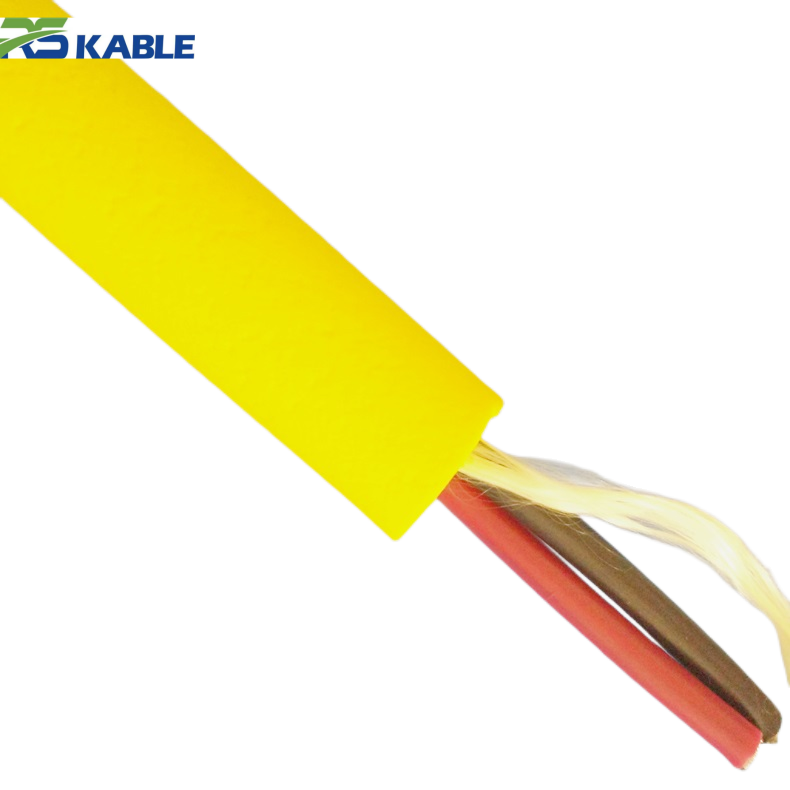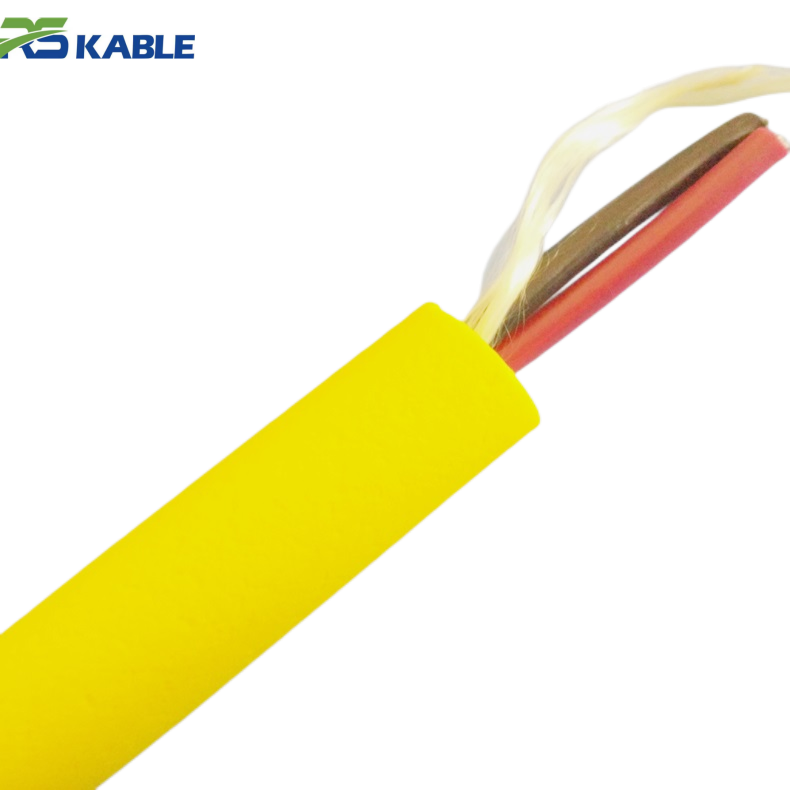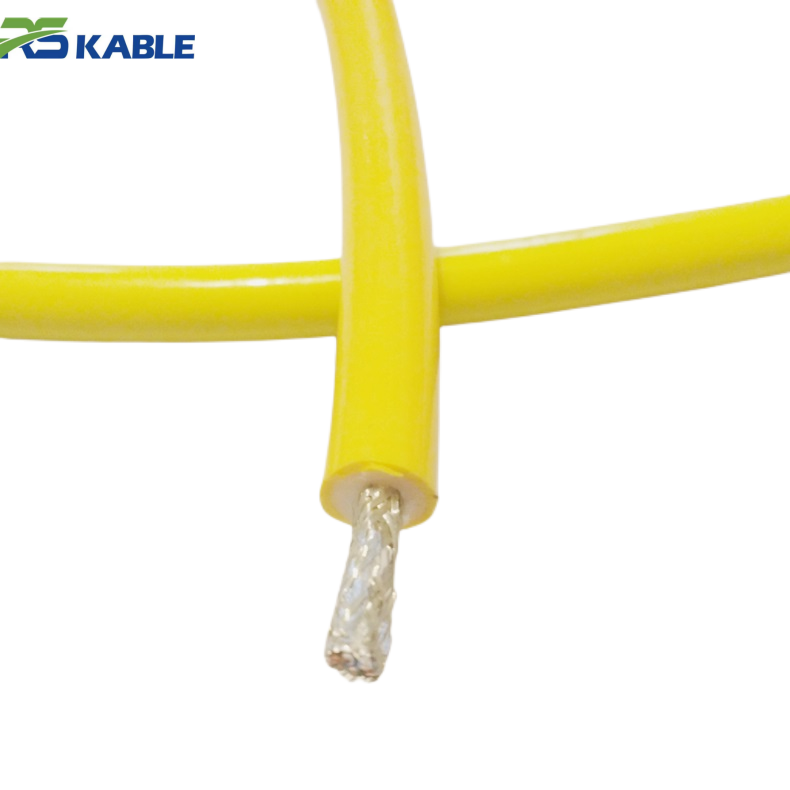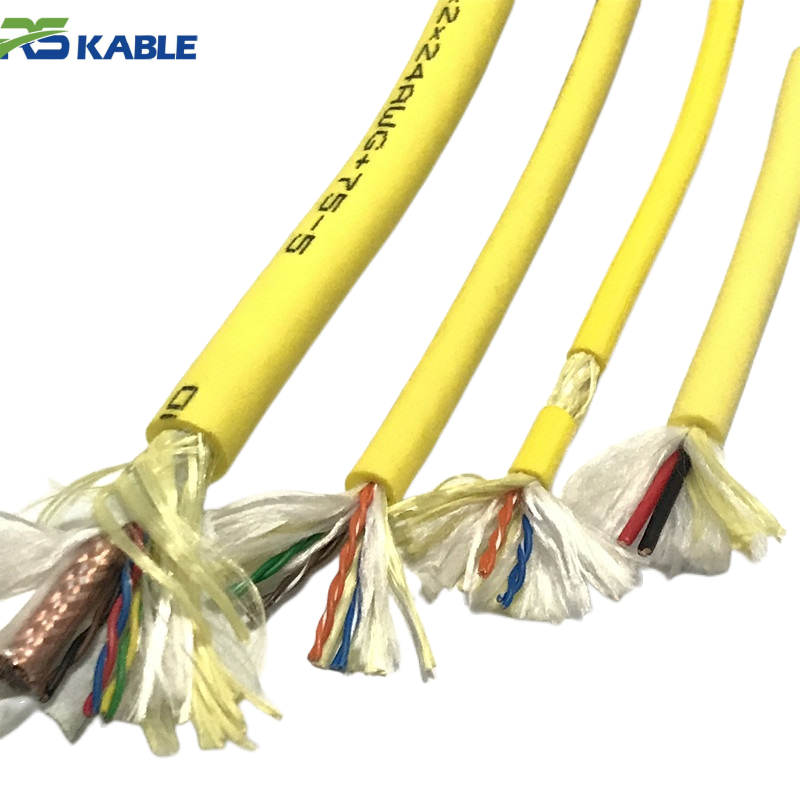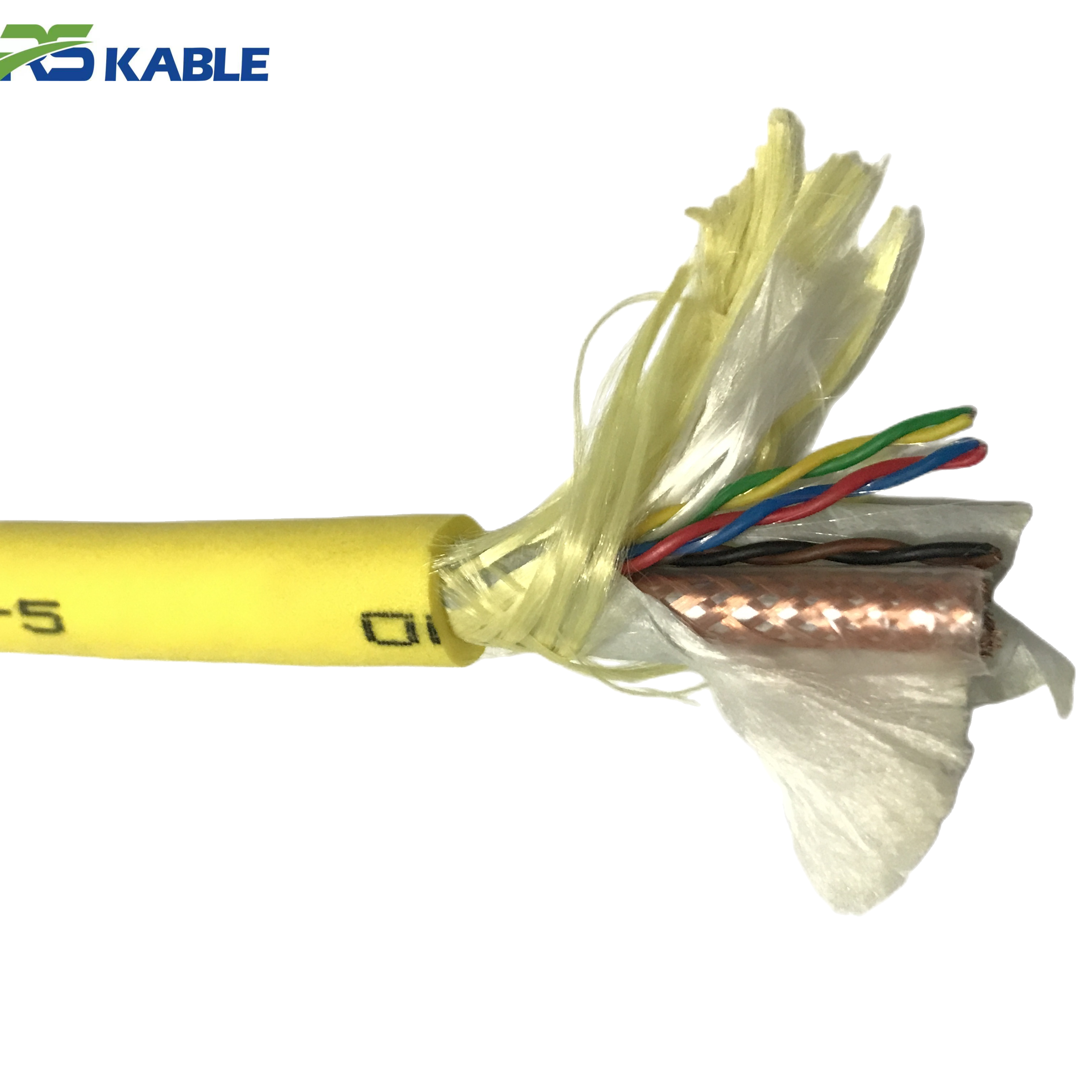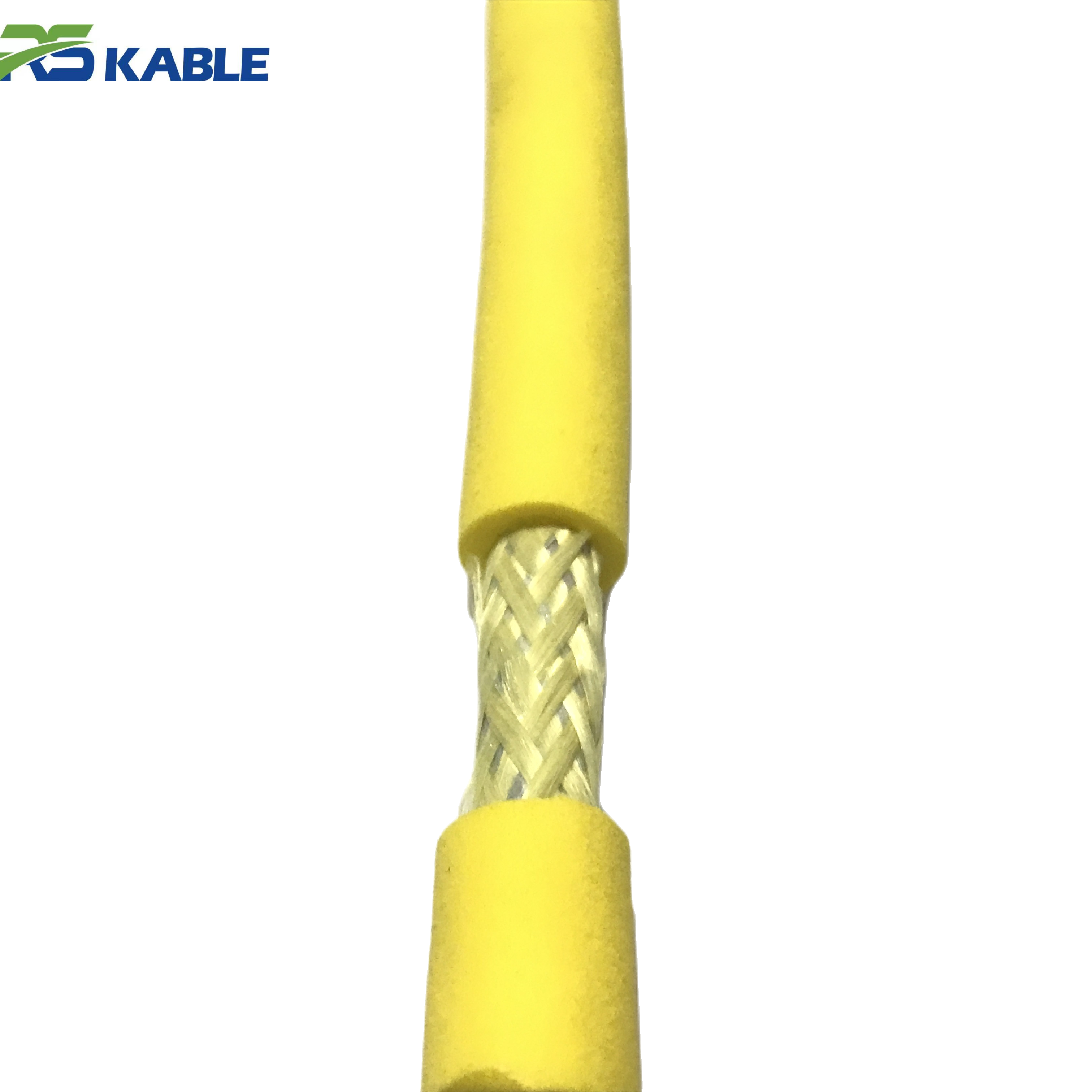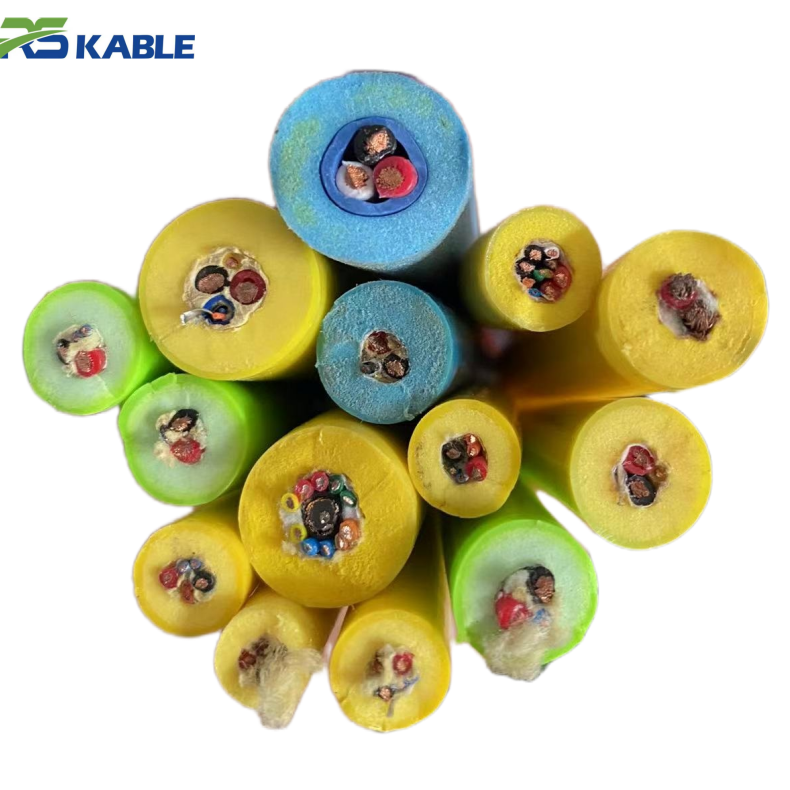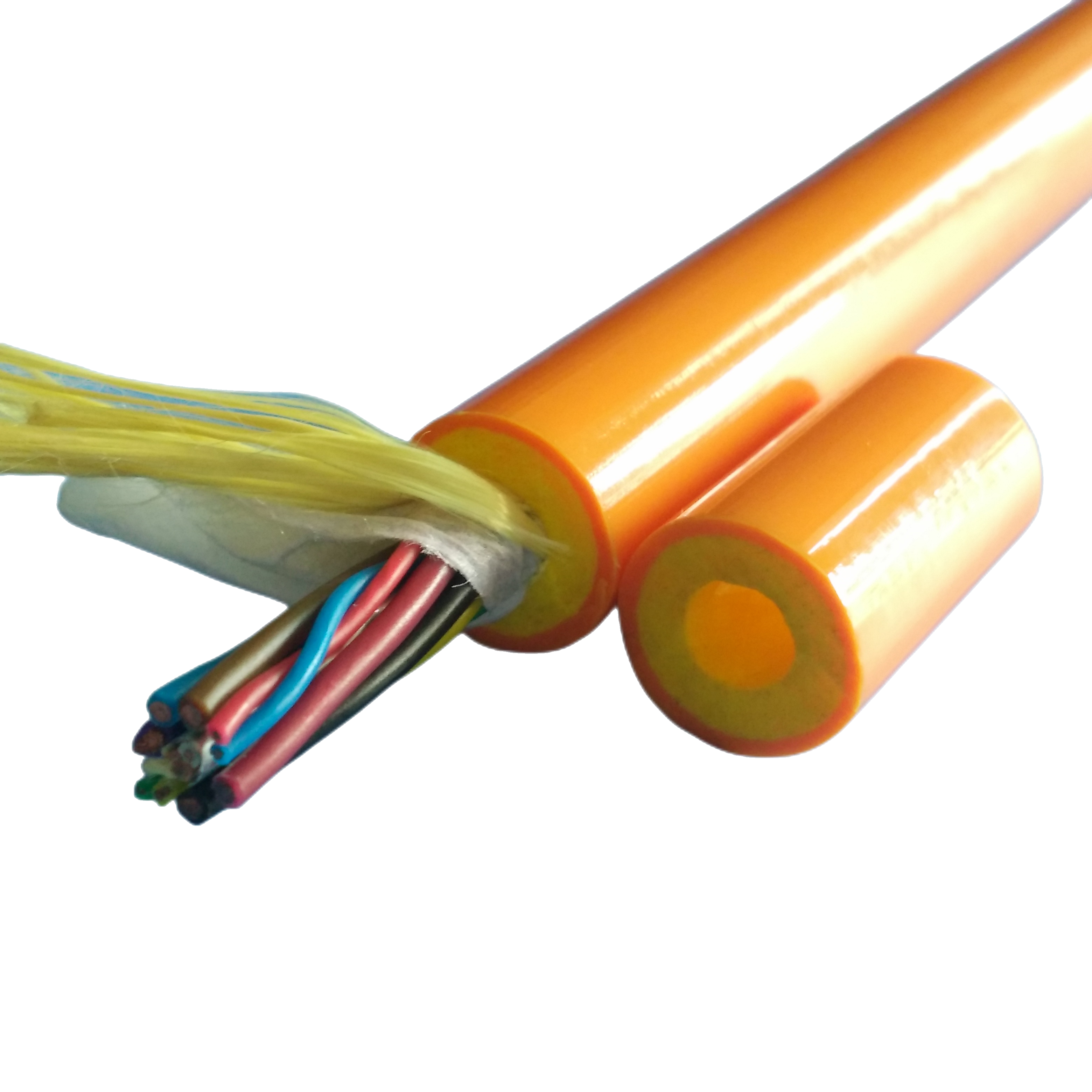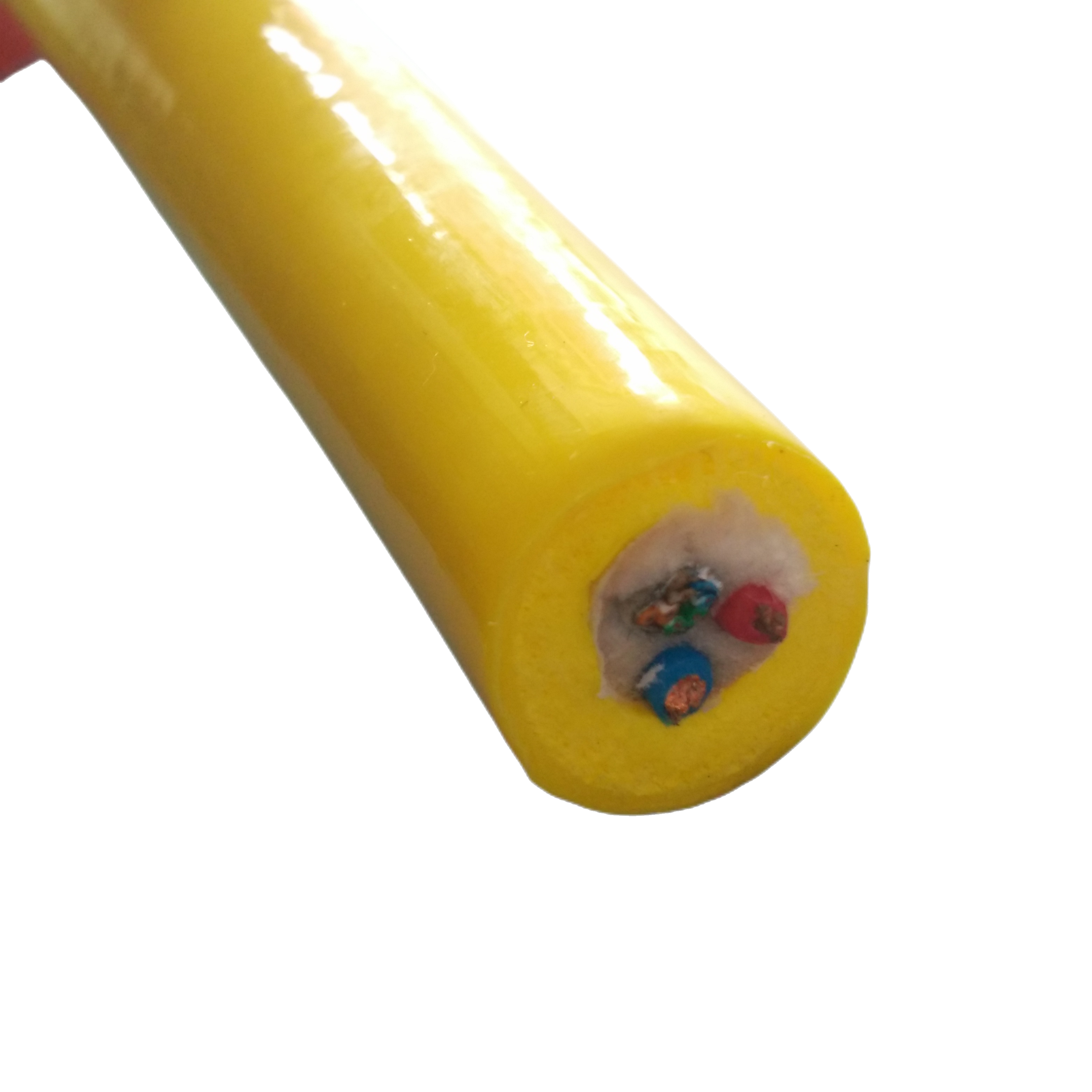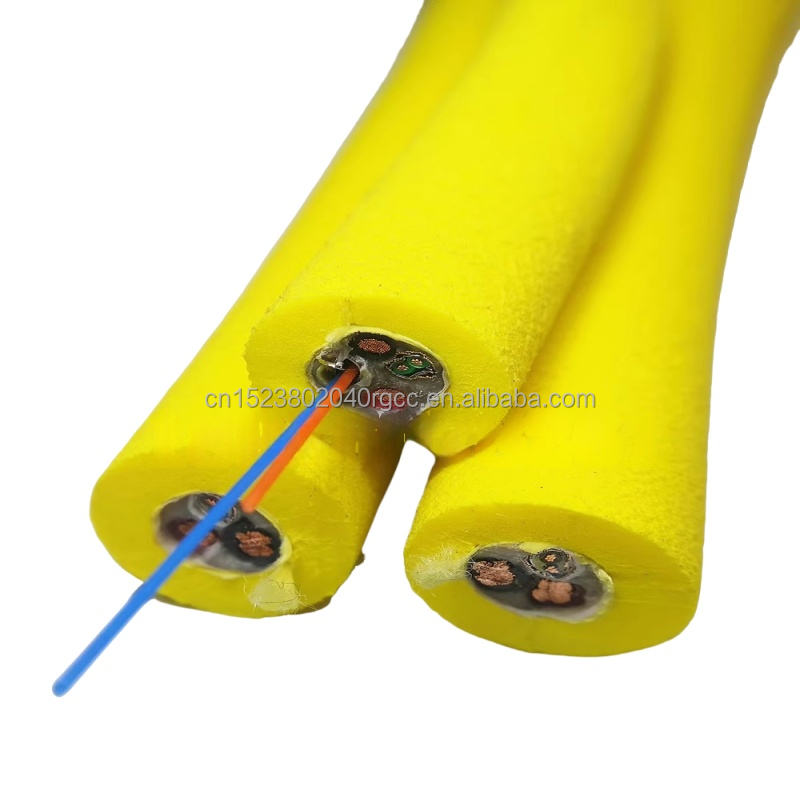



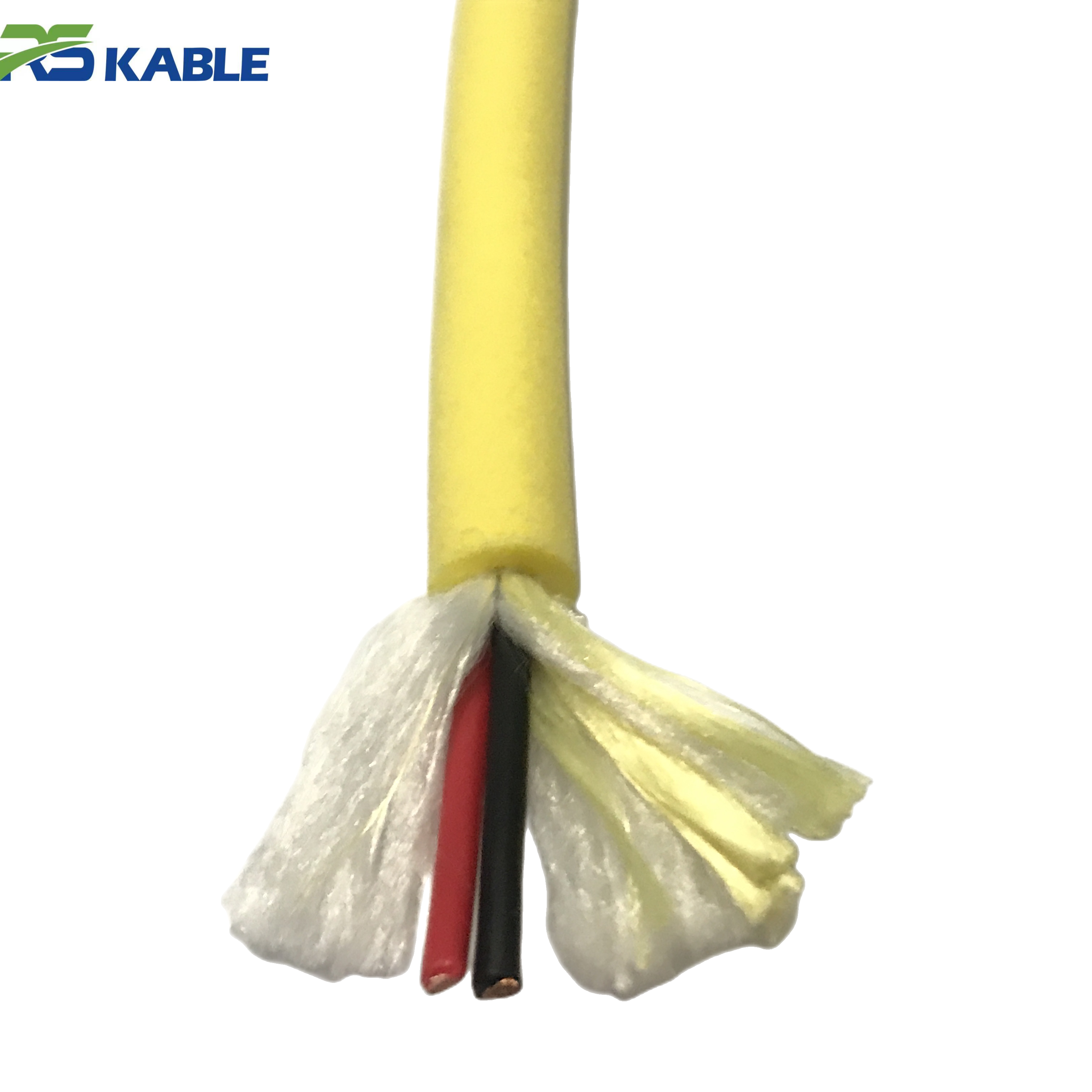
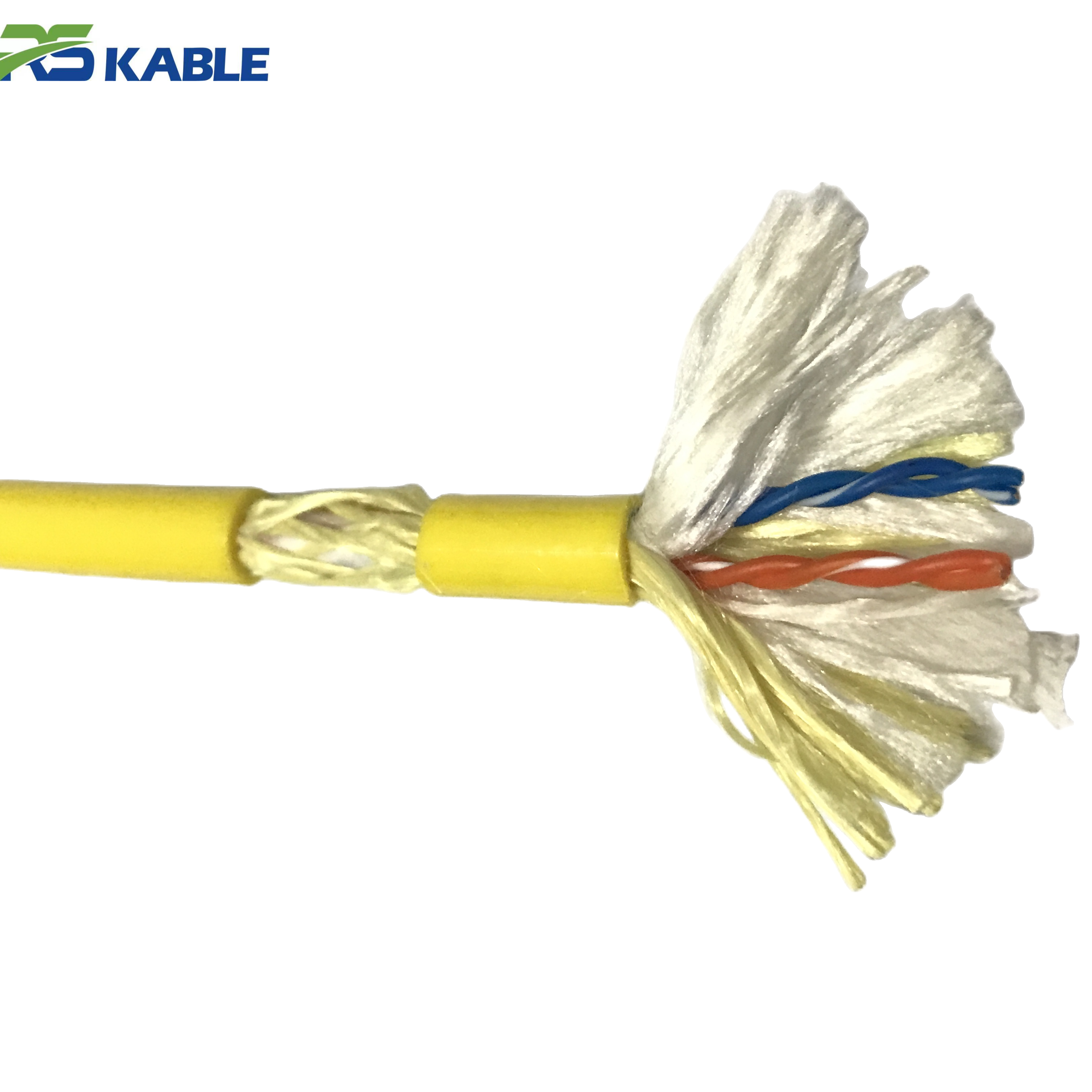
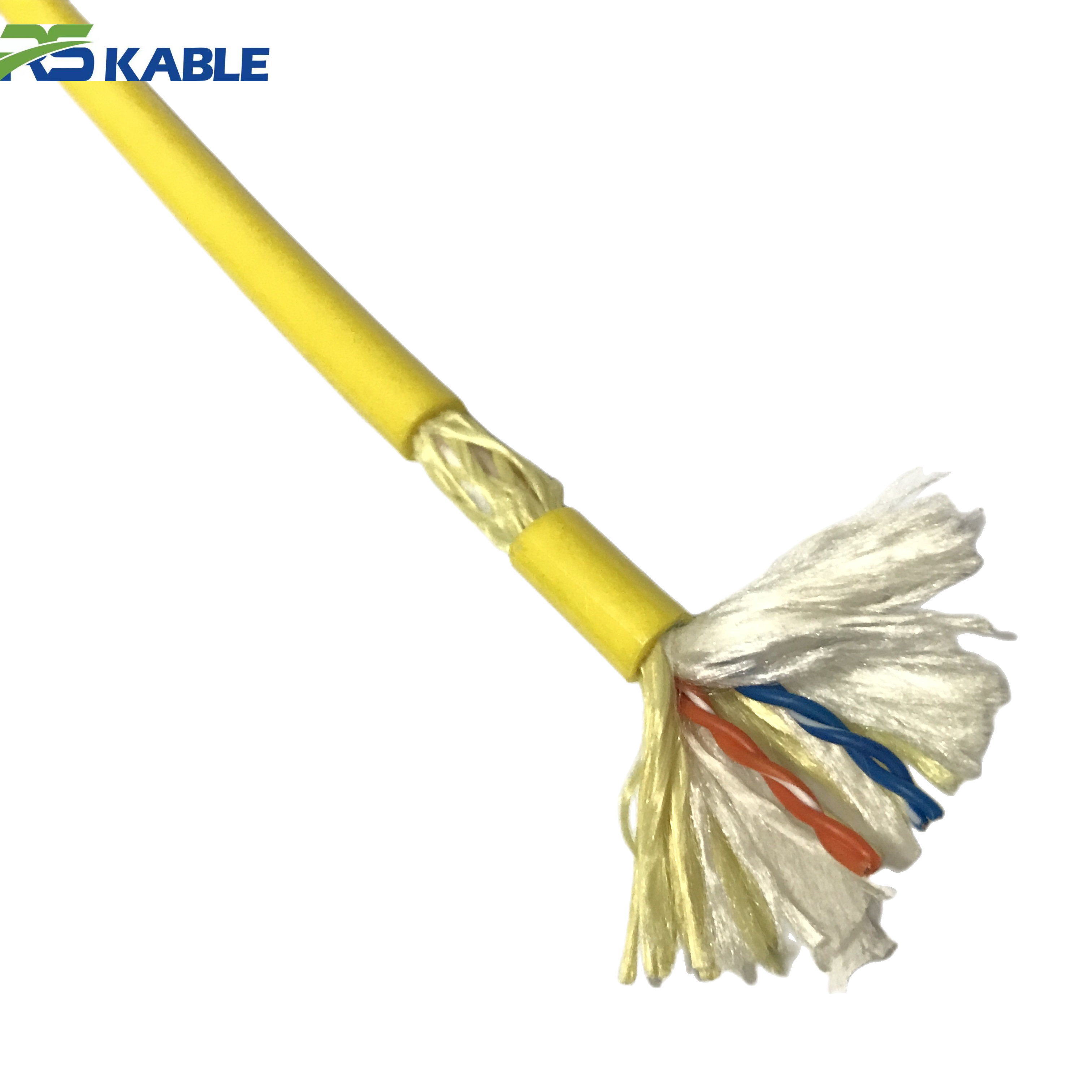
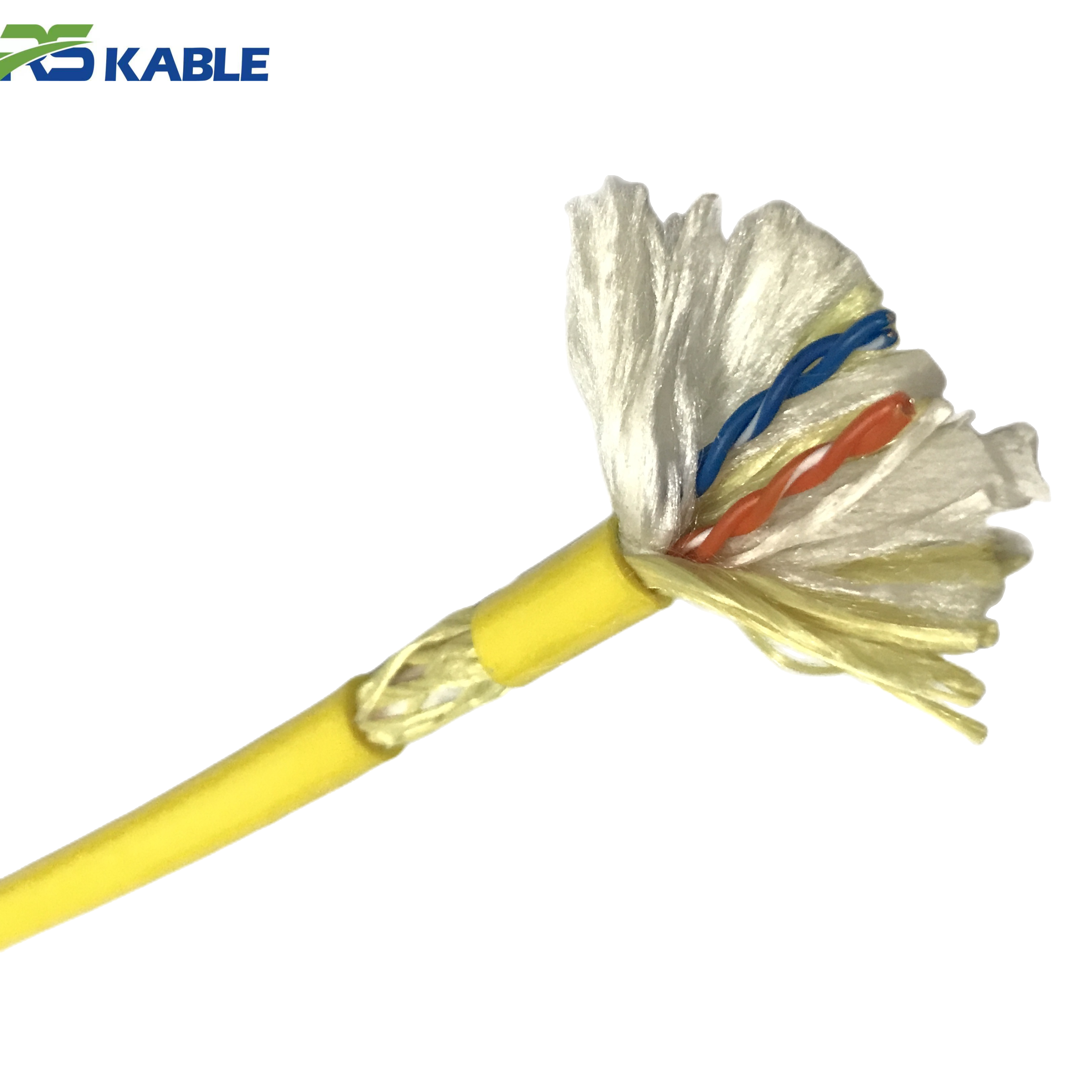
Offshore Oil & Gas ROVs | Neutral Buoyancy Cable | Heavy-Duty Performance | High Tensile Strength
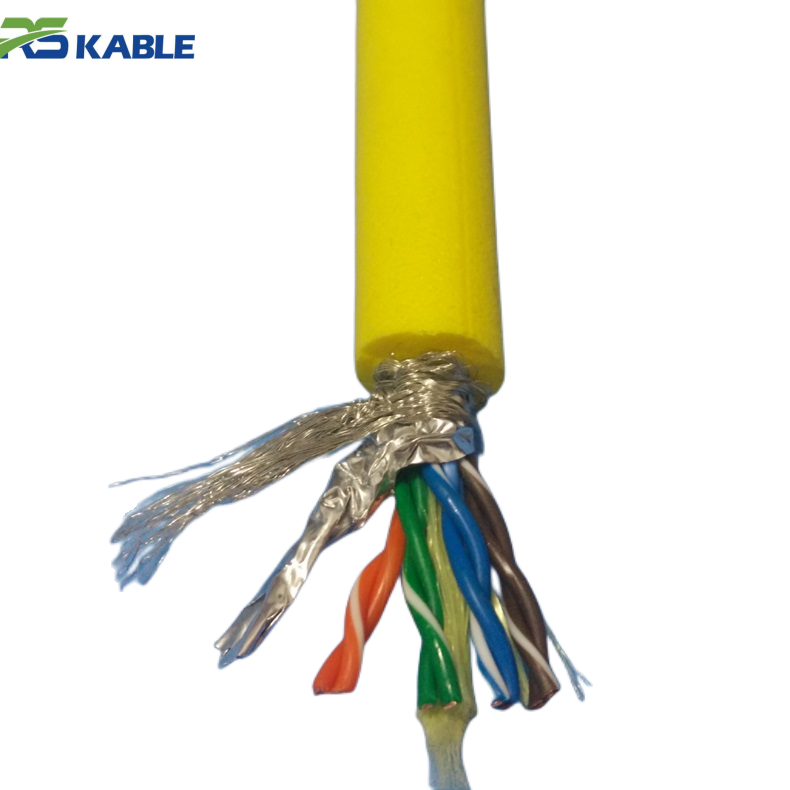
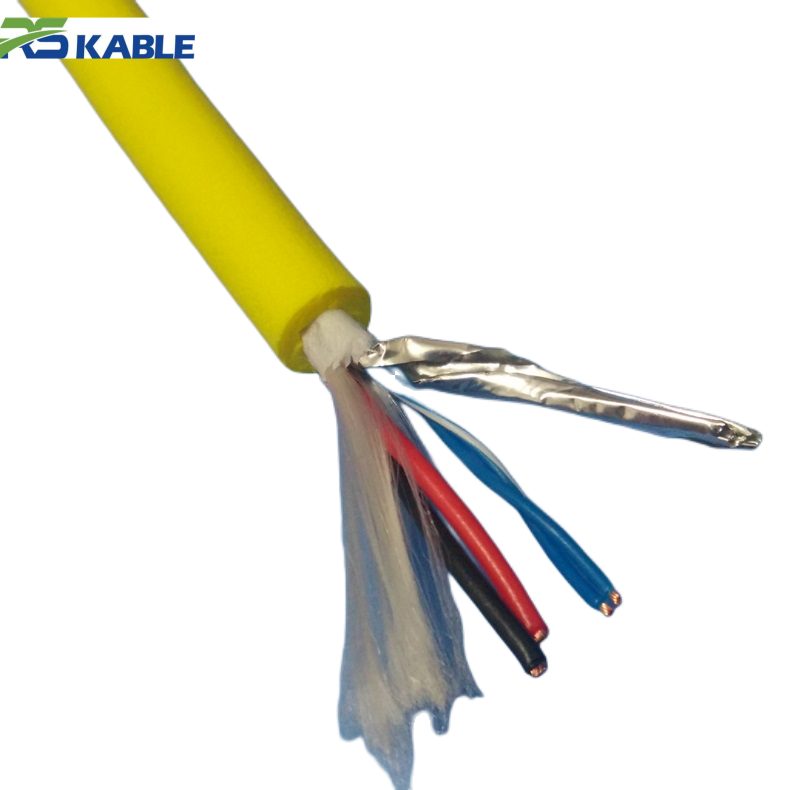
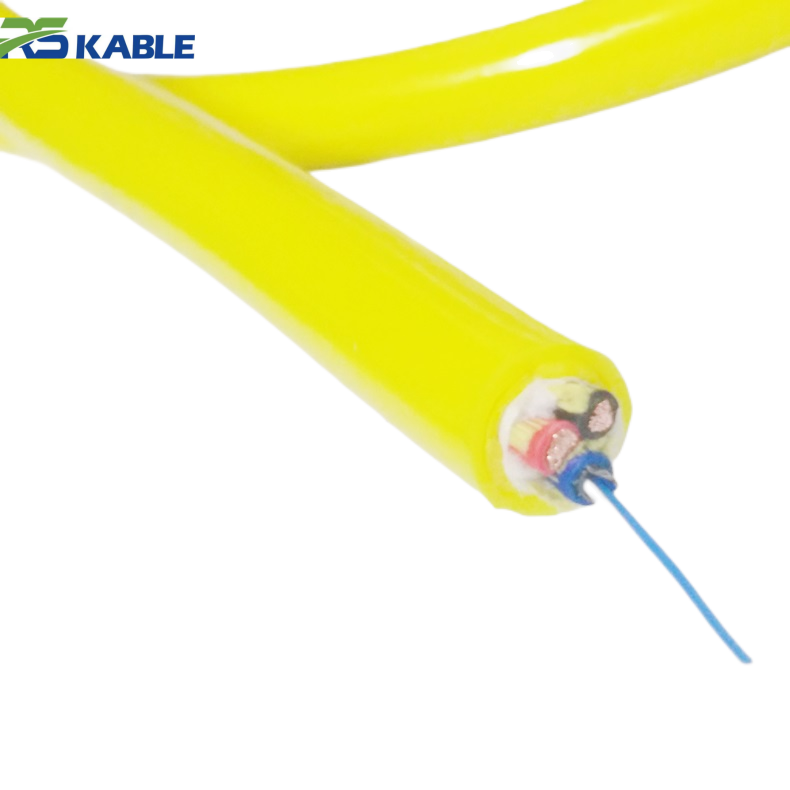
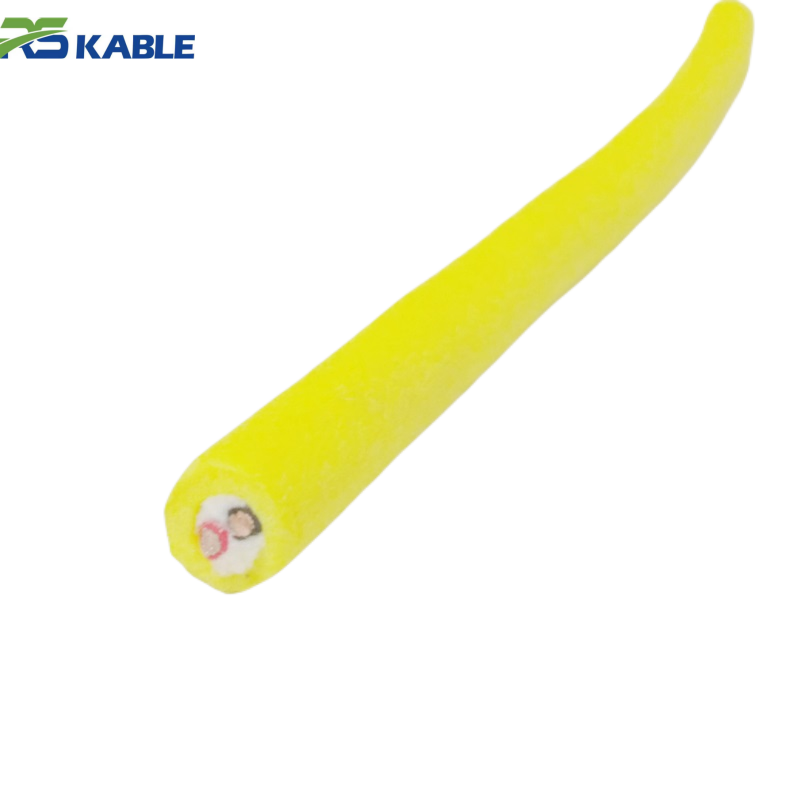
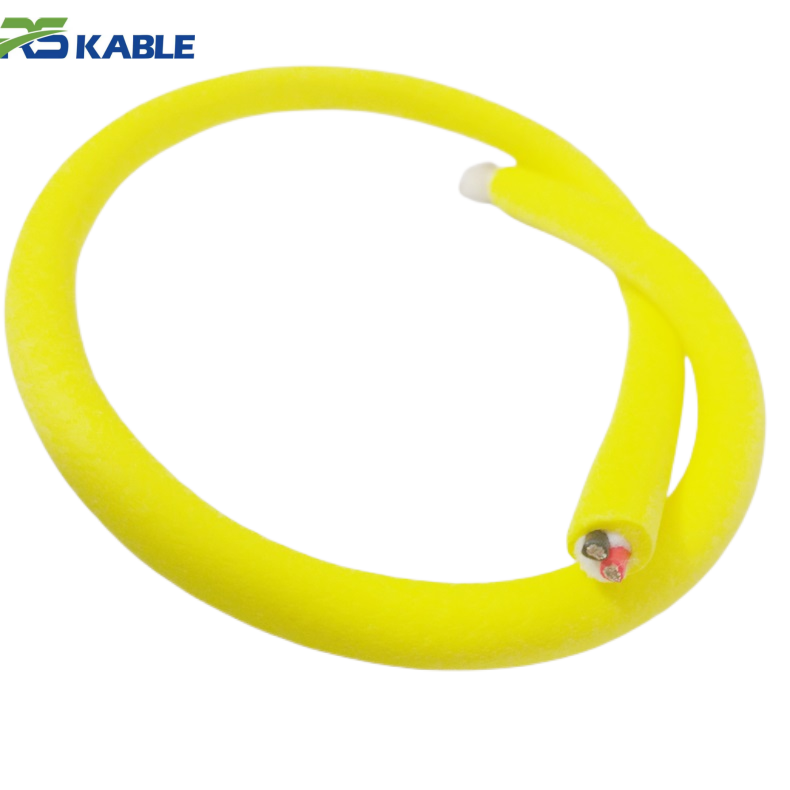
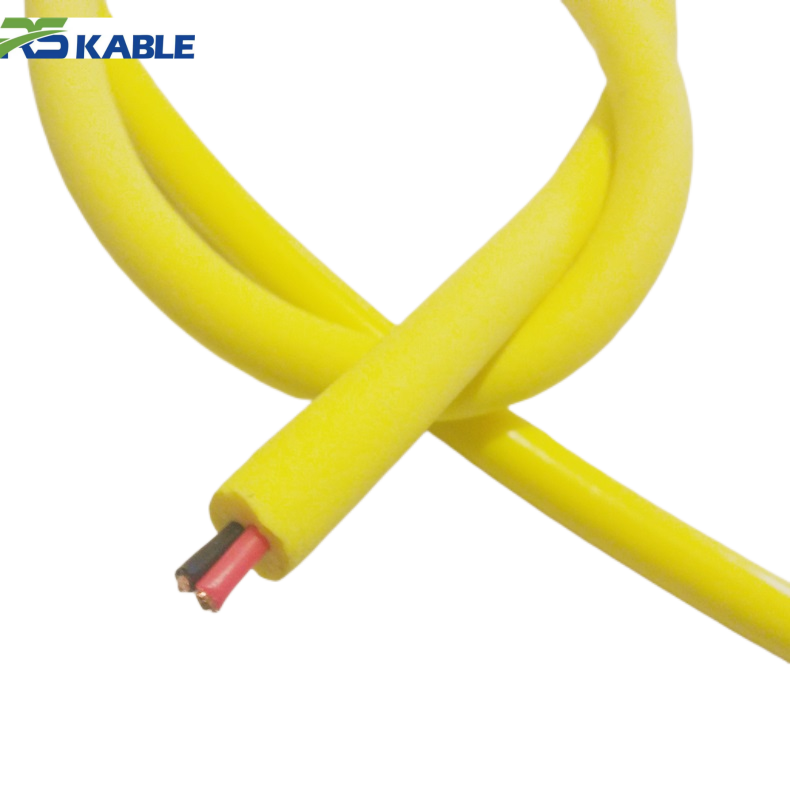
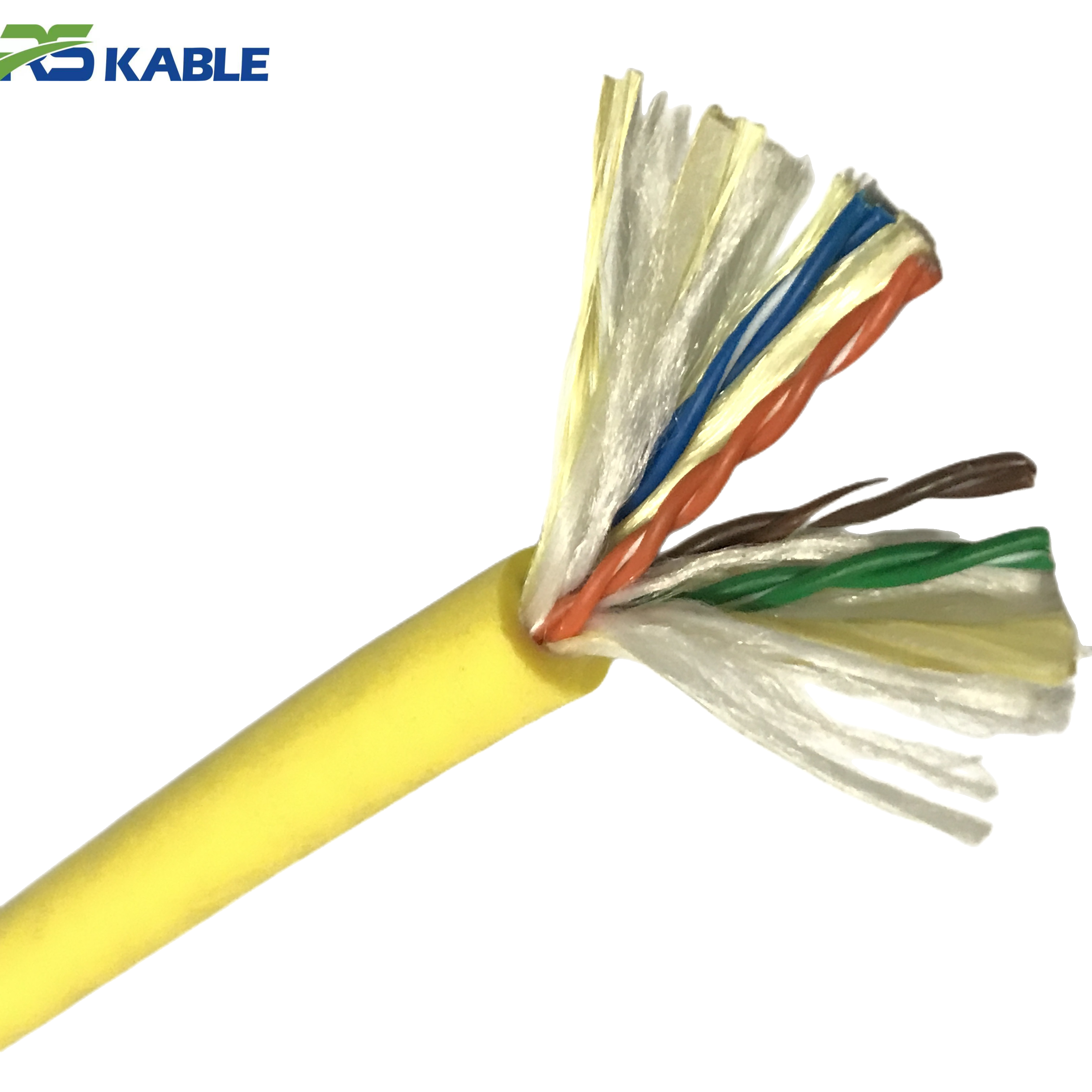
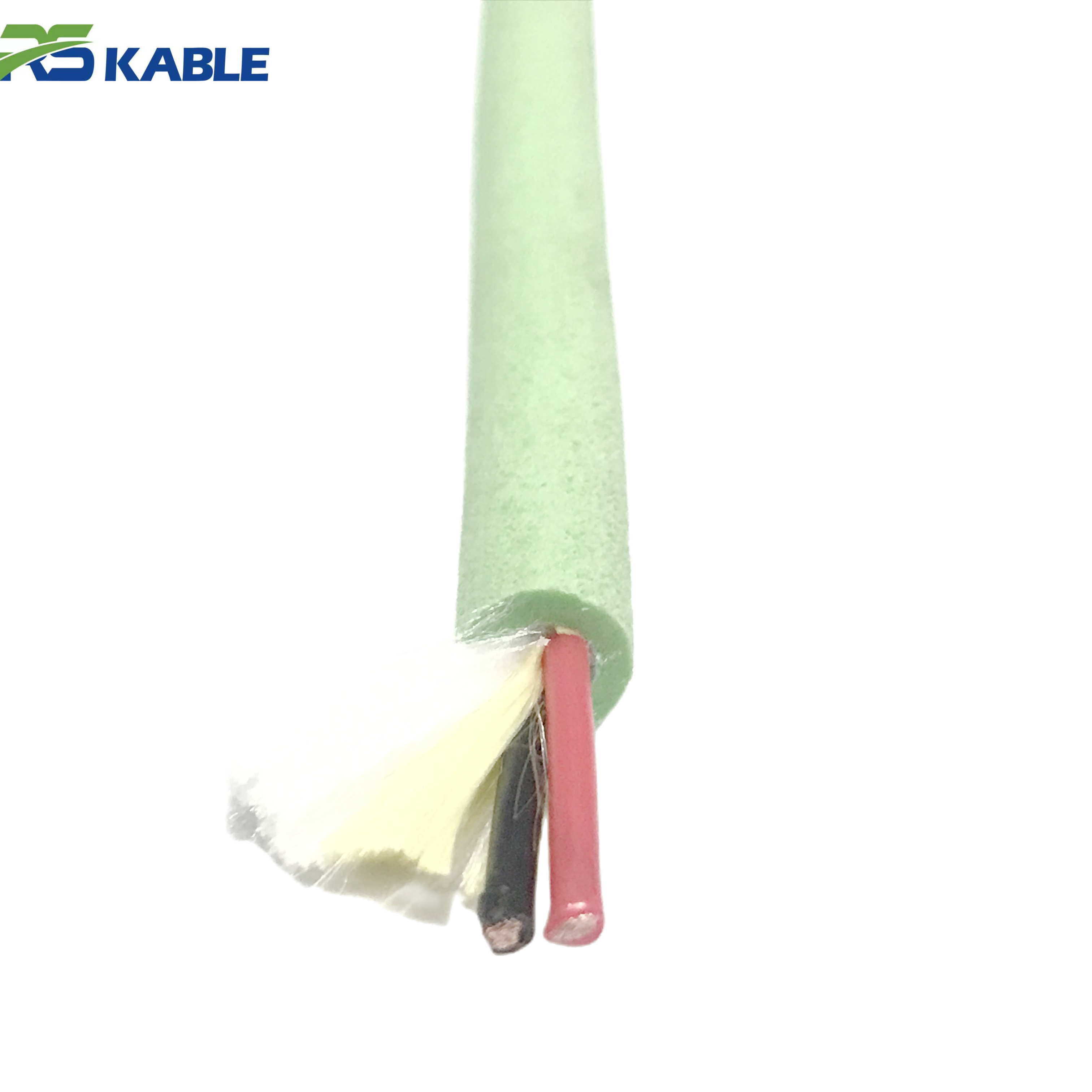
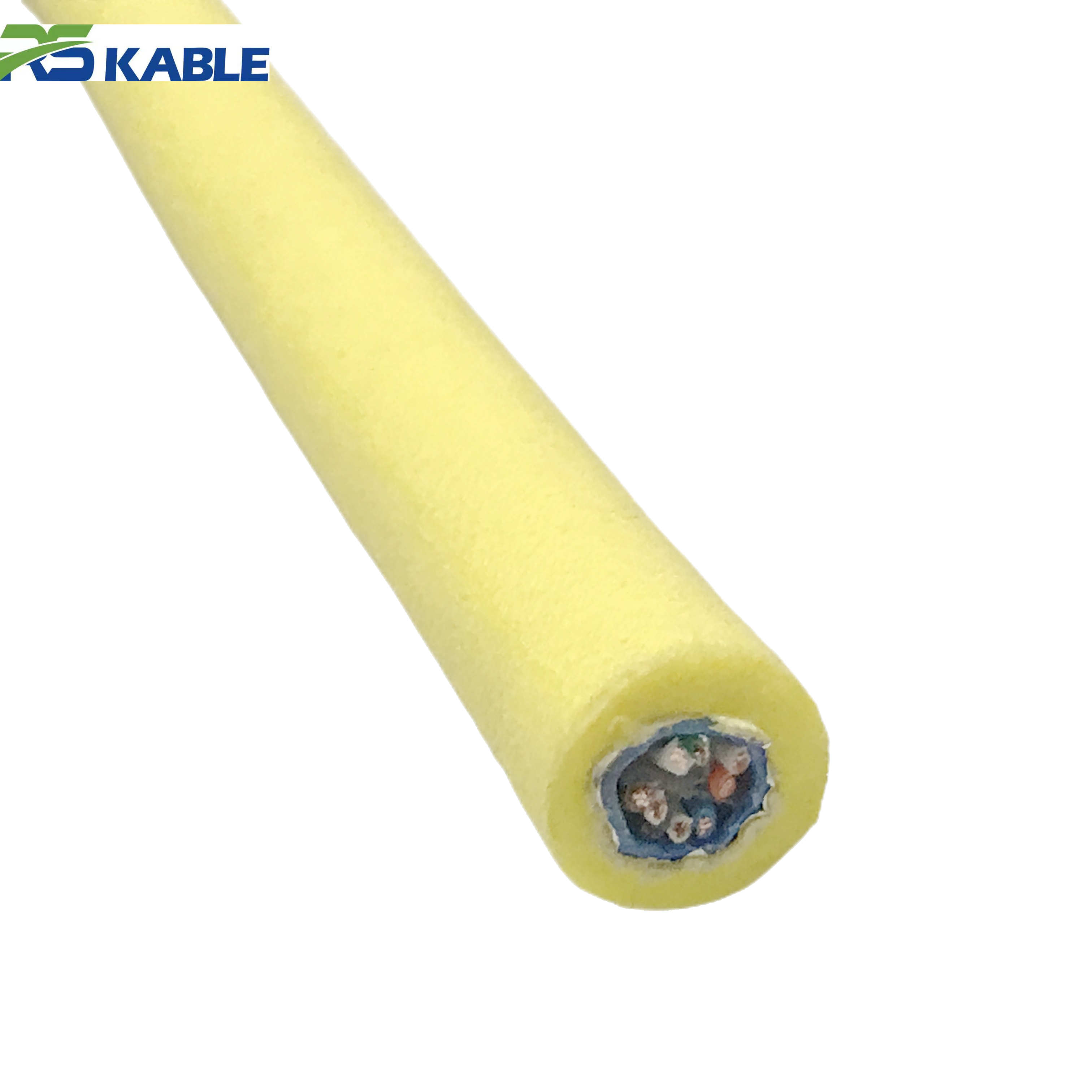
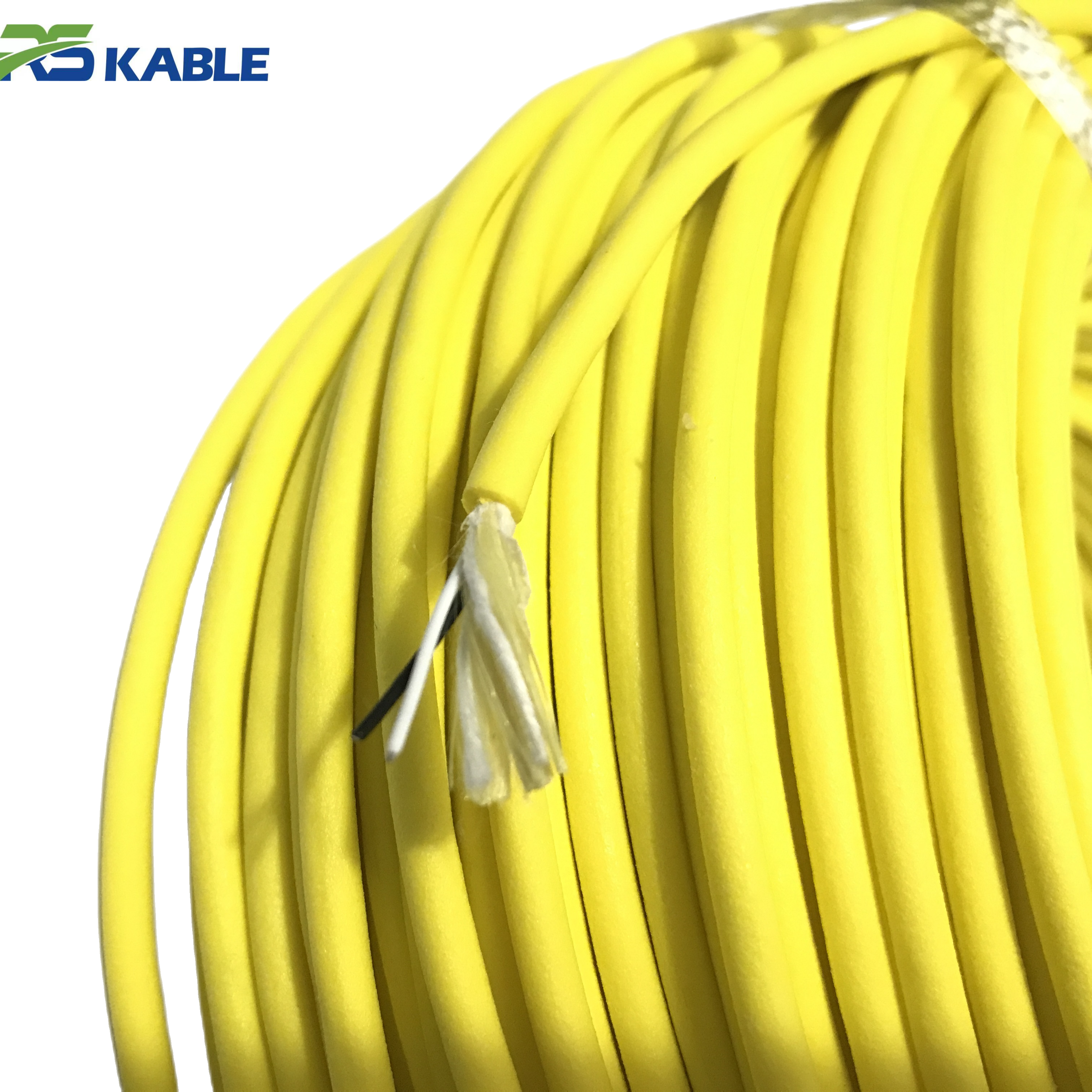
Designed for demanding offshore oil and gas ROV operations, this Neutral Buoyancy Cable delivers a balanced combination of controlled buoyancy, high tensile strength, and long-term mechanical stability. By minimizing underwater weight and drag, it supports precise vehicle control and reliable power and signal transmission during deepwater inspection and intervention tasks. Engineered with reinforced strength members and abrasion-resistant outer jackets, the cable withstands continuous dynamic motion, strong currents, and heavy deployment loads, making it a dependable solution for work-class and heavy-duty ROV systems.
Offshore Oil & Gas ROVs | Neutral Buoyancy Cable | Heavy-Duty Performance | High Tensile Strength
Offshore oil and gas ROV operations place extreme mechanical and environmental demands on subsea cabling systems. In deep water, strong currents, and high-load intervention tasks, uncontrolled cable weight or excessive stiffness can compromise vehicle stability and operational precision.
This Neutral Buoyancy Cable is specifically engineered for offshore oil & gas ROVs, delivering controlled buoyancy, high tensile strength, and long-term durability to support stable power and signal transmission in demanding subsea environments.
Product Role in Offshore ROV Systems
In offshore oil and gas projects, ROV cables must perform far beyond basic power delivery. They are a critical mechanical and operational component of the entire subsea system.
This Neutral Buoyancy Cable plays a key role by:
-
Reducing vertical load on the ROV during deepwater deployment
-
Minimizing drag forces caused by currents and long tether lengths
-
Supporting precise maneuvering during inspection, intervention, and maintenance tasks
-
Maintaining stable electrical performance under continuous dynamic motion
By balancing buoyancy with tensile strength, the cable helps protect thrusters, manipulators, and vehicle control systems from unnecessary stress.
Why Neutral Buoyancy Matters in Offshore Oil & Gas ROVs
Unlike shallow-water or laboratory ROVs, offshore oil & gas vehicles often operate for extended periods at significant depths. In these conditions, traditional heavy subsea cables can introduce several risks:
-
Increased energy consumption due to excess cable weight
-
Reduced maneuverability in strong subsea currents
-
Accelerated wear on joints, connectors, and cable terminations
A properly engineered Neutral Buoyancy Cable mitigates these risks by maintaining near-neutral weight in water, allowing the ROV to operate more efficiently and predictably throughout long missions.
Typical Offshore Applications
This cable solution is widely used in offshore oil & gas subsea operations, including:
-
ROV-based pipeline inspection and survey
-
Subsea structure inspection and integrity assessment
-
Valve operation and intervention tasks
-
Support for drilling, completion, and decommissioning activities
-
Long-duration station-keeping and monitoring missions
Its mechanical robustness makes it suitable for both work-class and heavy-duty observation ROVs.
Product Specification Overview
| Product Name / Model | Core Attributes |
|---|---|
| NB-ROV-OG Series Neutral Buoyancy Cable | High tensile strength, controlled buoyancy, offshore-grade construction |
Key Technical Parameters
| Parameter | Specification Range |
|---|---|
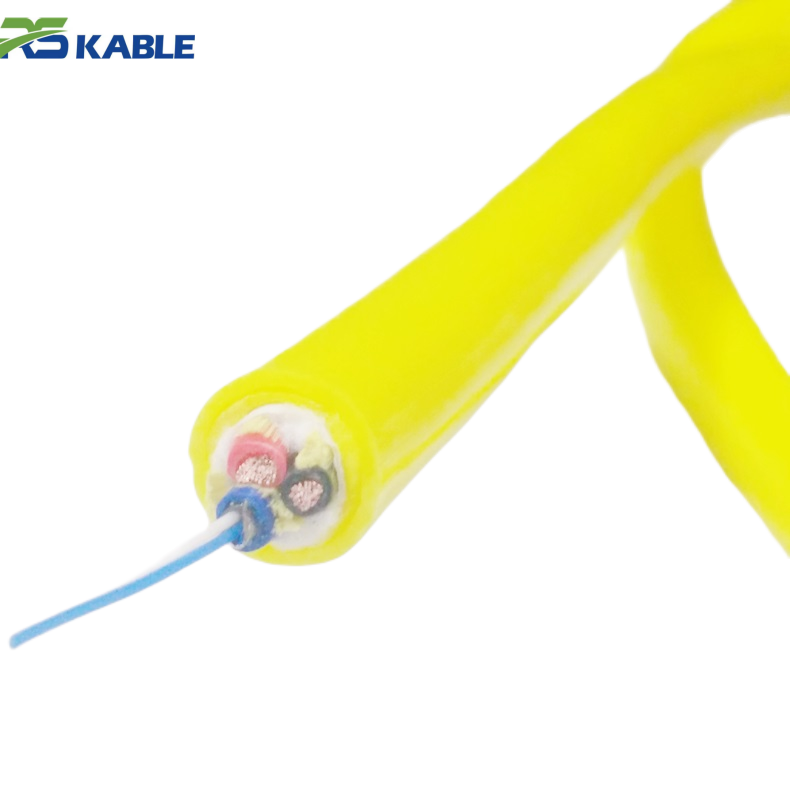
| Core Configuration | Power cores, signal cores, hybrid power & signal |
| Conductor Material | Stranded oxygen-free copper |
| Insulation | PE / XLPE (customizable) |
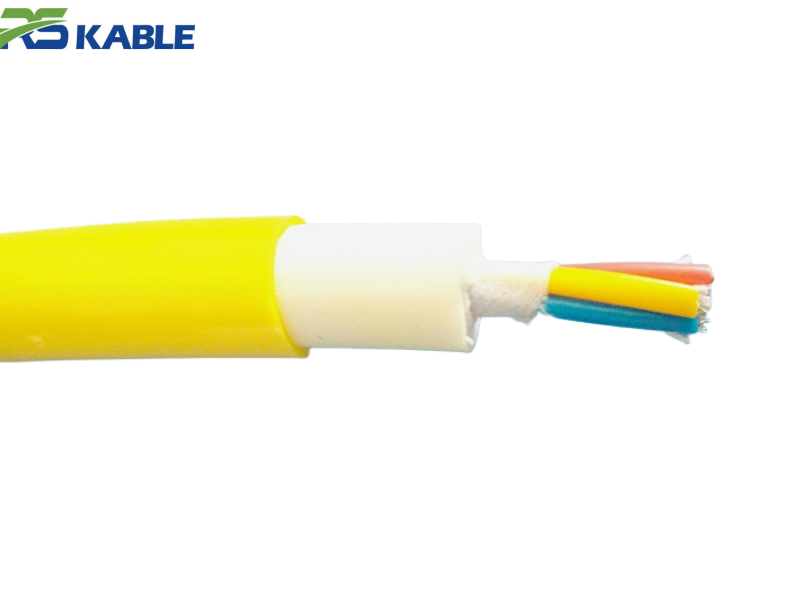
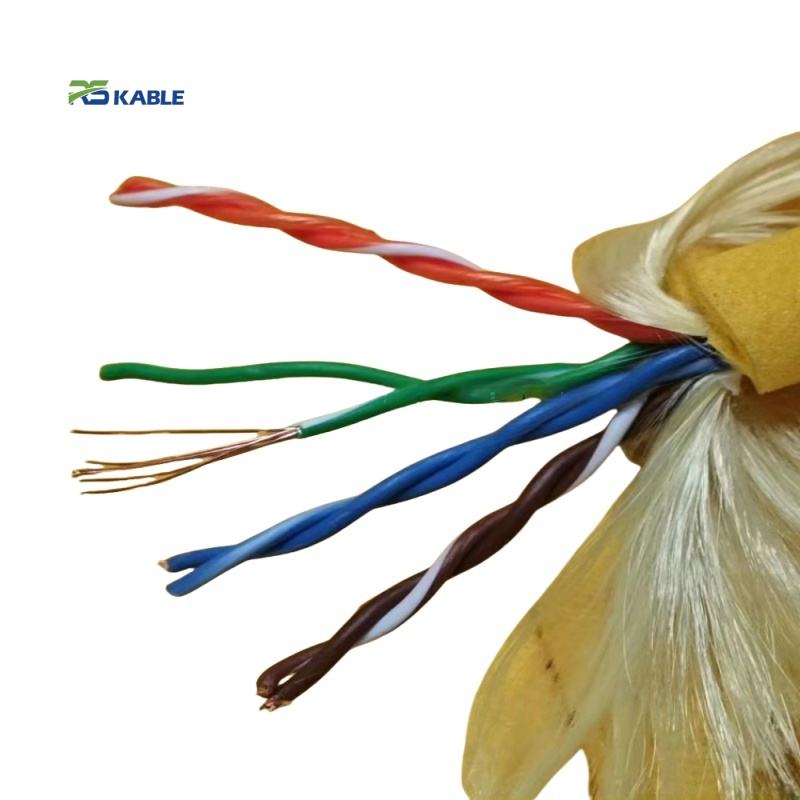
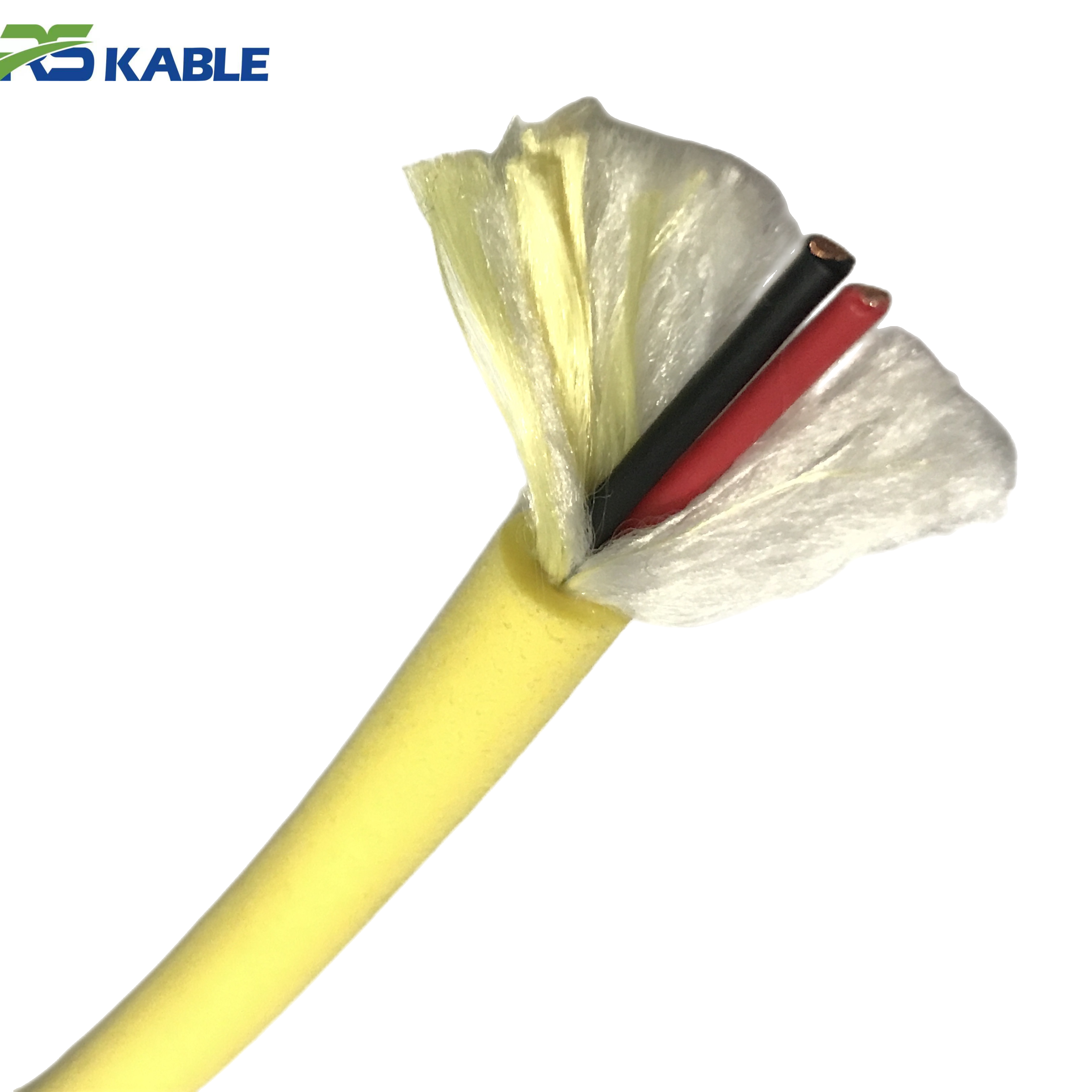
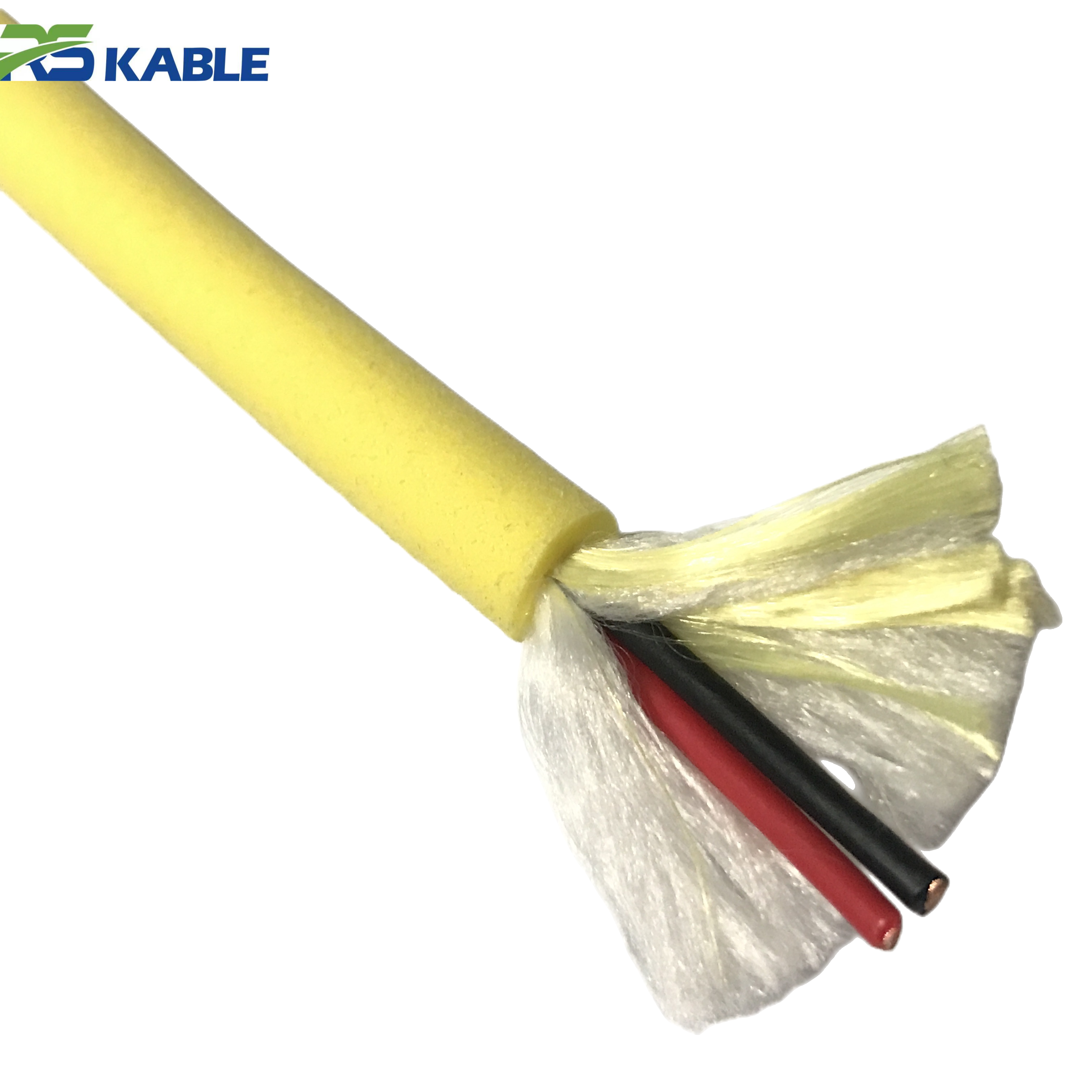
| Buoyancy Design | Integrated buoyant fillers for neutral balance |
| Tensile Strength | Designed for high-load offshore deployment |
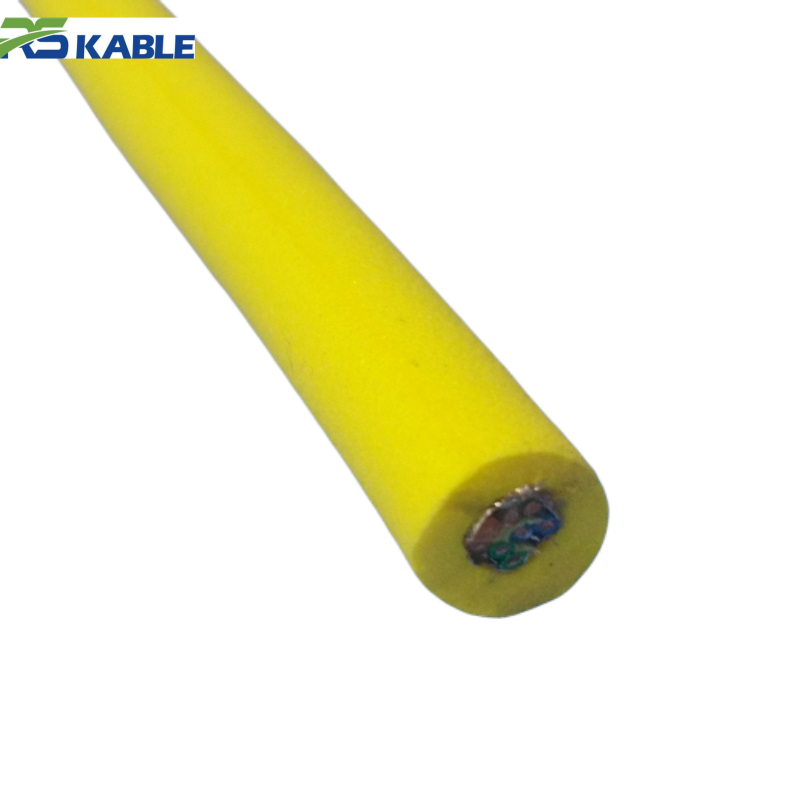
| Outer Jacket | Abrasion-, oil-, and seawater-resistant compound |
| Minimum Bending Radius | Optimized for dynamic ROV motion |
| Operating Environment | Offshore subsea oil & gas conditions |
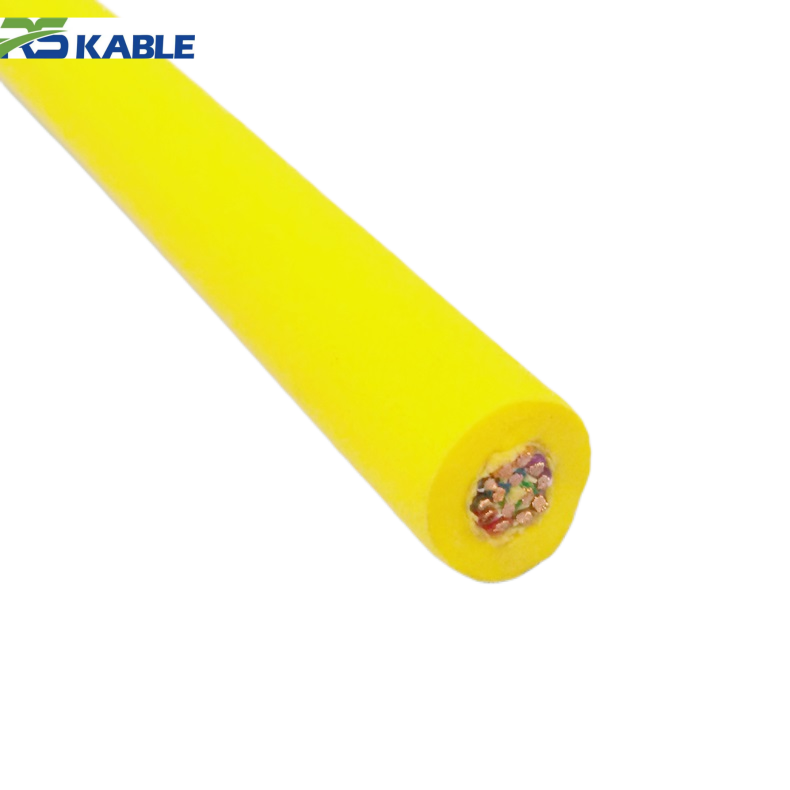
Core count, diameter, and electrical configuration can be customized based on ROV system requirements.
Engineering Design for High-Tensile Offshore Conditions
Offshore oil & gas ROV operations often involve long tether lengths and repeated dynamic loading. This Neutral Buoyancy Cable is designed with reinforced strength members and optimized stranding geometry to withstand:
-
High axial tension during launch and recovery
-
Continuous bending at cable interfaces
-
Torsional stress caused by vehicle maneuvering
The result is a stable mechanical structure that supports long service life even under heavy-duty offshore use.
Selection Considerations for Offshore Projects
When selecting a neutral buoyancy cable for oil & gas ROVs, engineers typically evaluate:
-
Maximum deployment depth and tether length
-
Required tensile load during operations
-
Power and signal integration requirements
-
Expected motion cycles and bending frequency
This cable platform is designed to accommodate these variables through modular design and custom engineering support.
Quality Assurance & Compliance
Each cable is manufactured under strict quality control processes, including:
-
Electrical continuity and insulation testing
-
Mechanical strength verification
-
Dimensional and material inspection
Production standards are aligned with offshore and subsea application requirements to ensure consistent performance in critical oil & gas environments.
Ordering & Technical Support
Our engineering team supports offshore projects from initial system review to final deployment, helping ensure the cable configuration matches real-world operating conditions.
👉 Request technical drawings, samples, or a custom quotation today.
FAQ
Is this cable suitable for long-term offshore deployment?
Yes. The materials and structure are designed for prolonged exposure to seawater, mechanical stress, and dynamic motion typical of offshore oil & gas operations.
Can power and signal be integrated in one cable?
Yes. Hybrid designs combining power and signal cores are available to simplify ROV tether management.
How does neutral buoyancy improve ROV performance?
Neutral buoyancy reduces vertical load and drag, improving vehicle stability, control precision, and overall operational efficiency.
Is customization available for specific ROV platforms?
Absolutely. Core count, diameter, buoyancy balance, and jacket materials can be tailored to your ROV system and mission profile.