


High-Temperature Integrated Hybrid Cable: Power + RS-485 Signal + Coaxial (All-in-One)
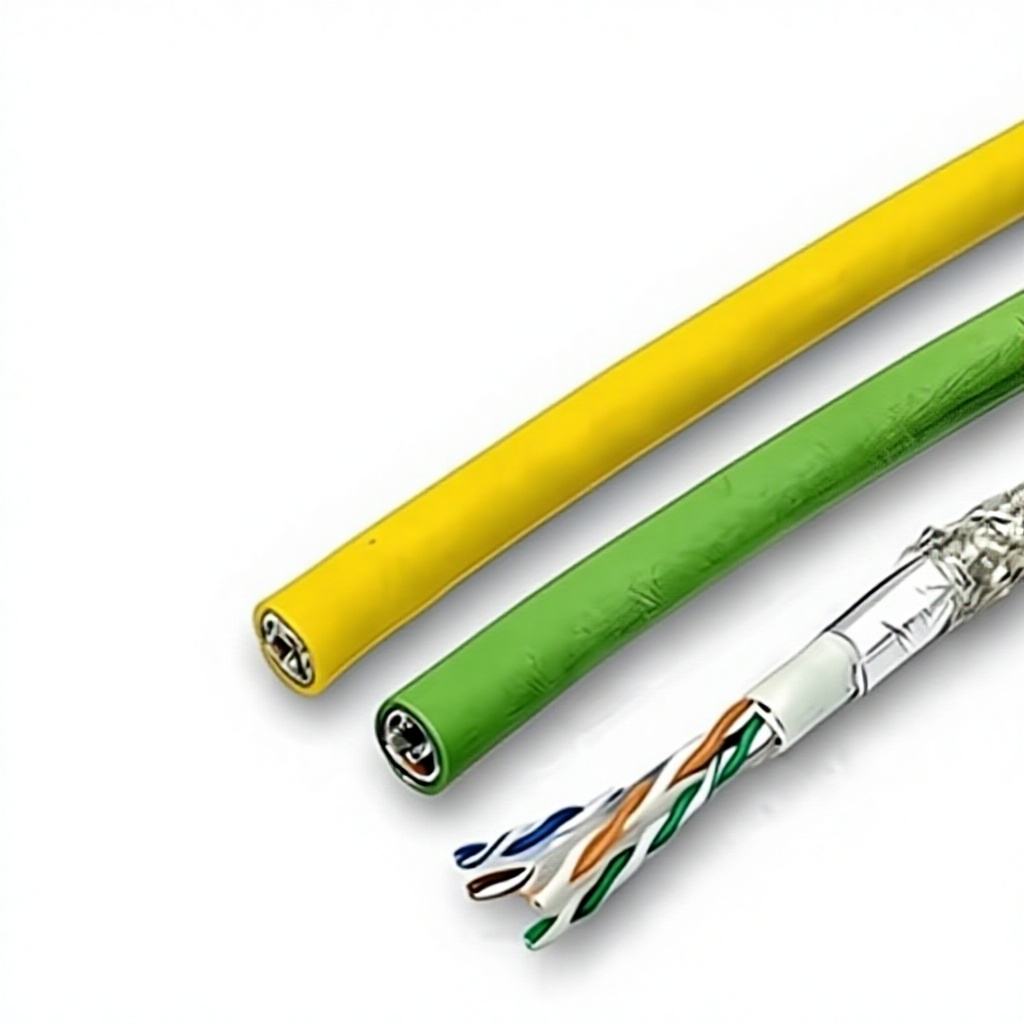
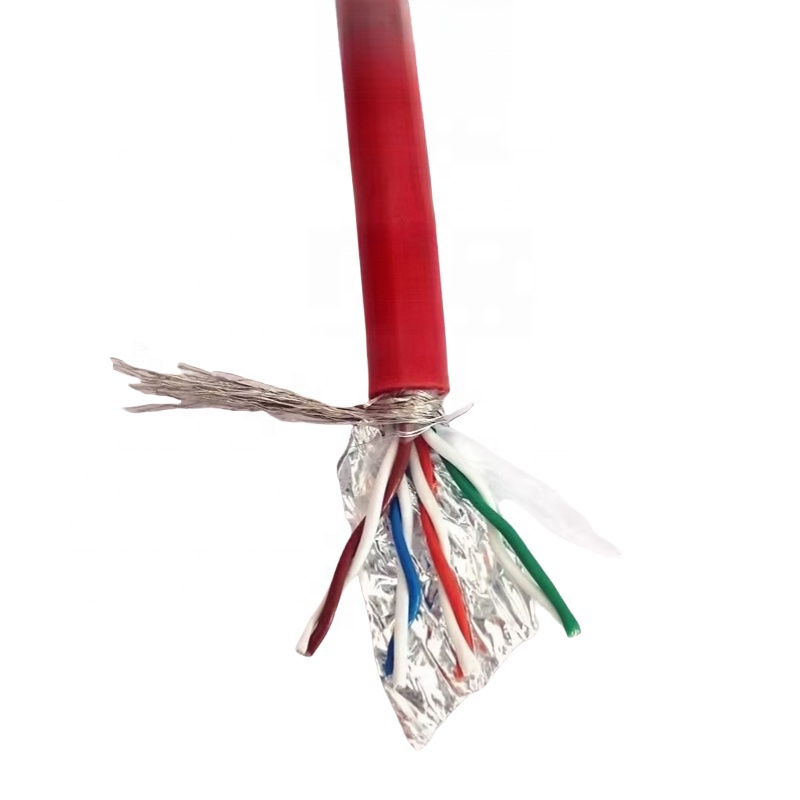
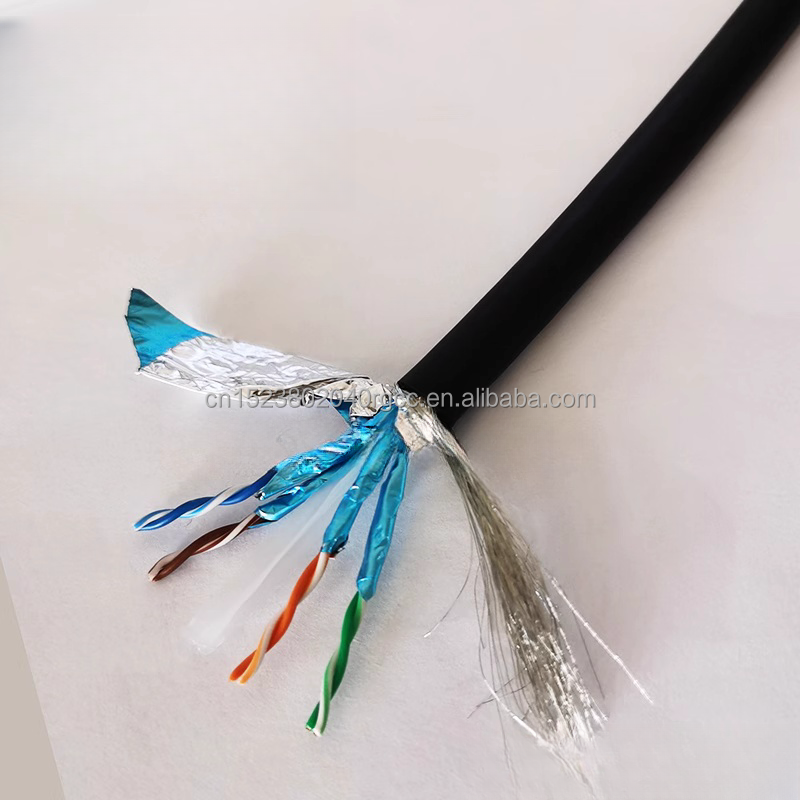
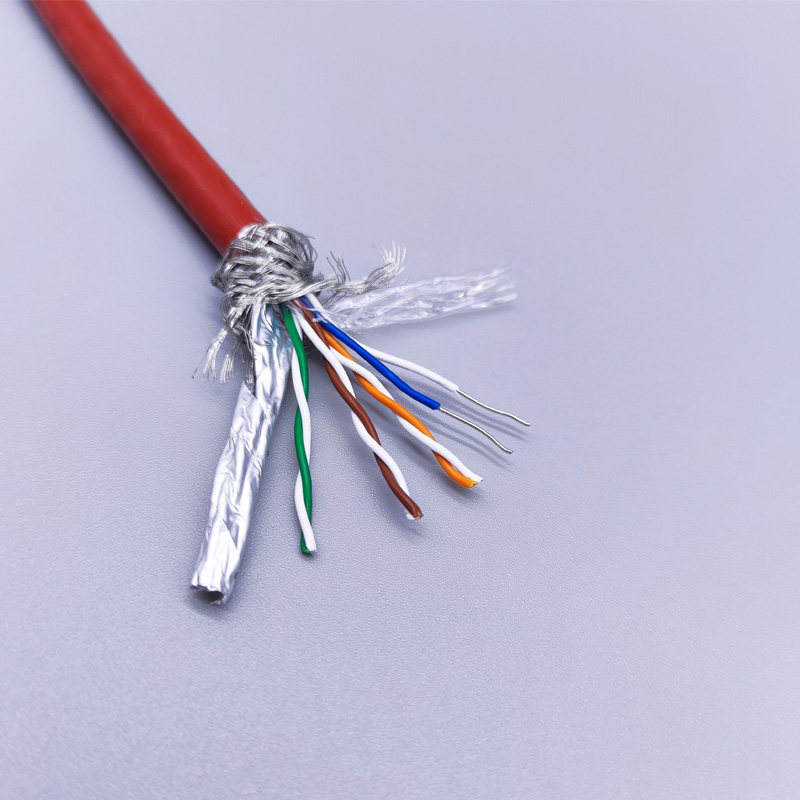
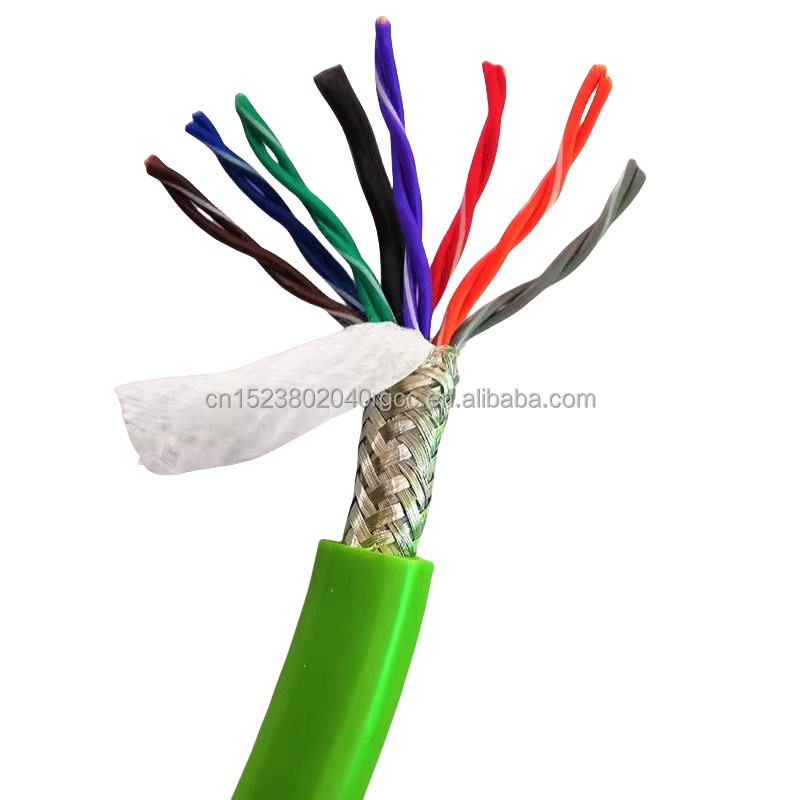
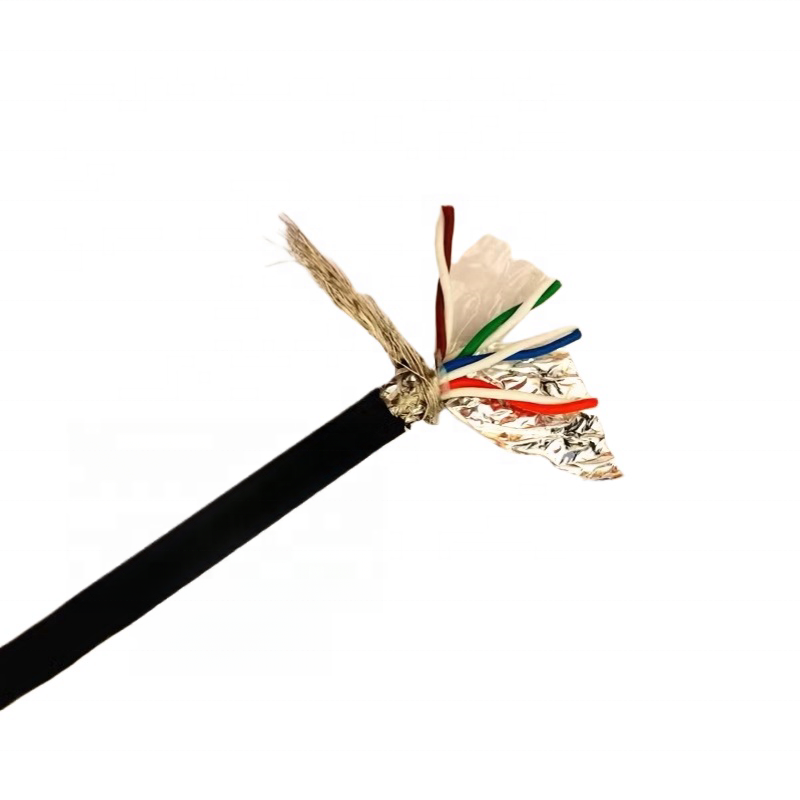
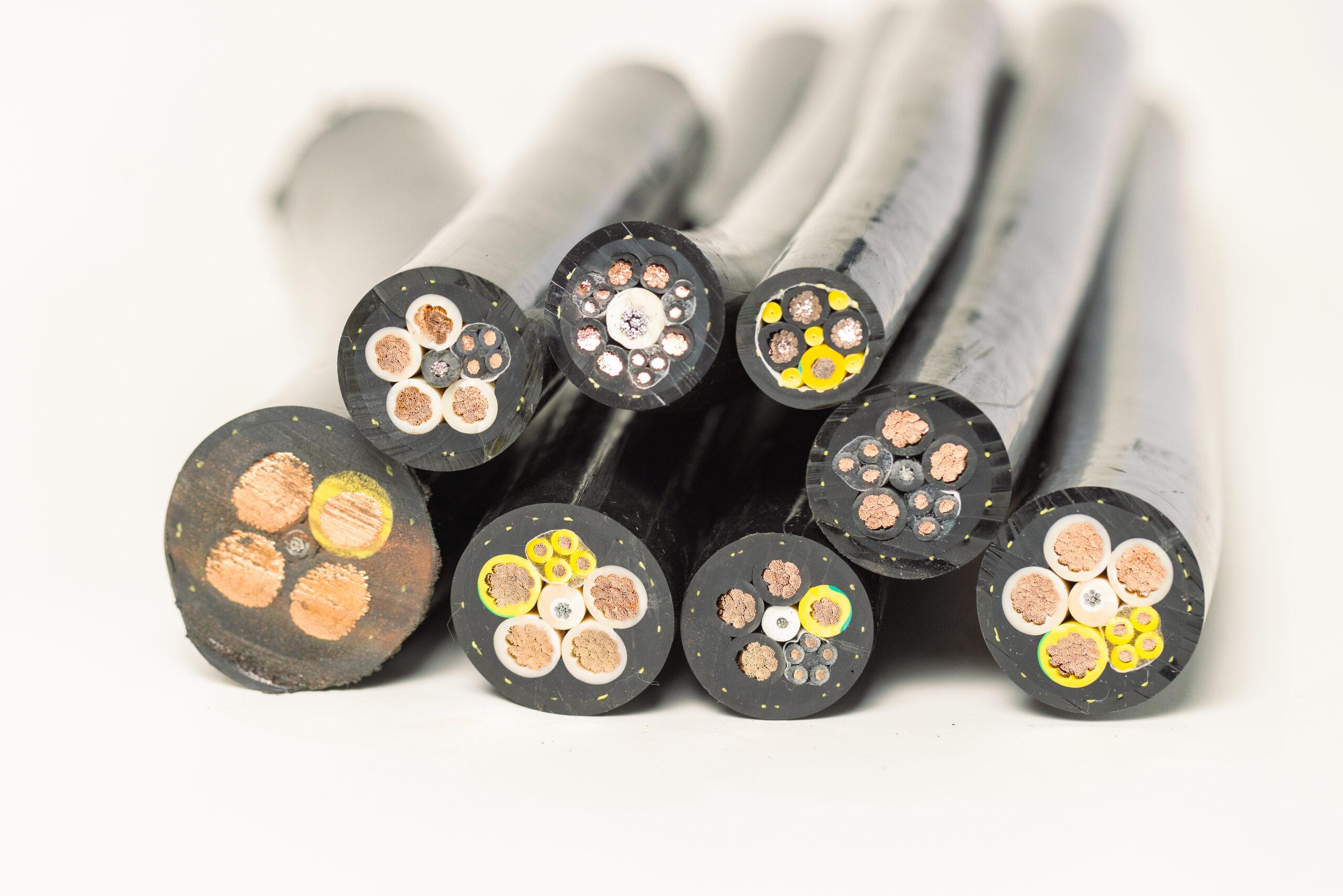
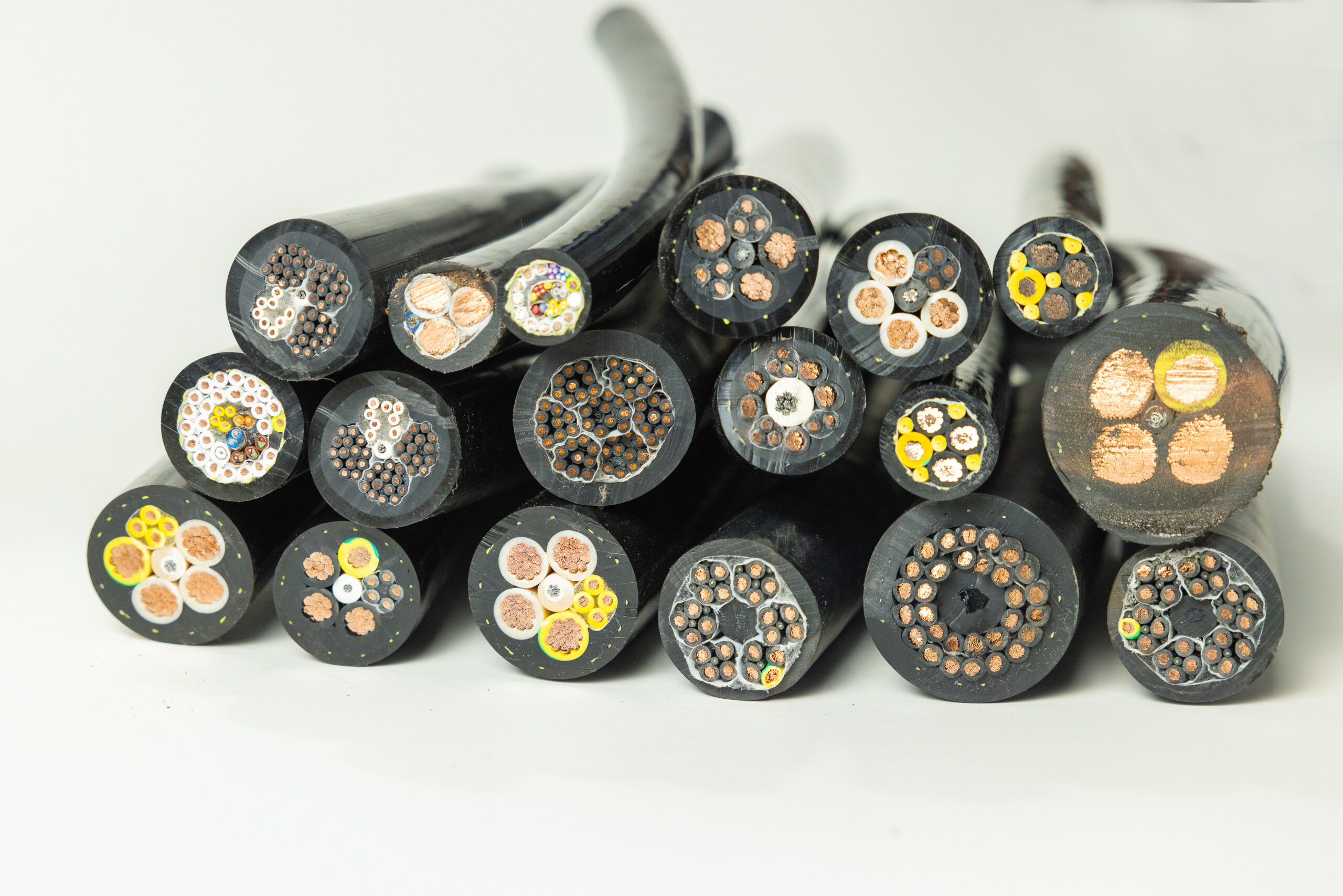
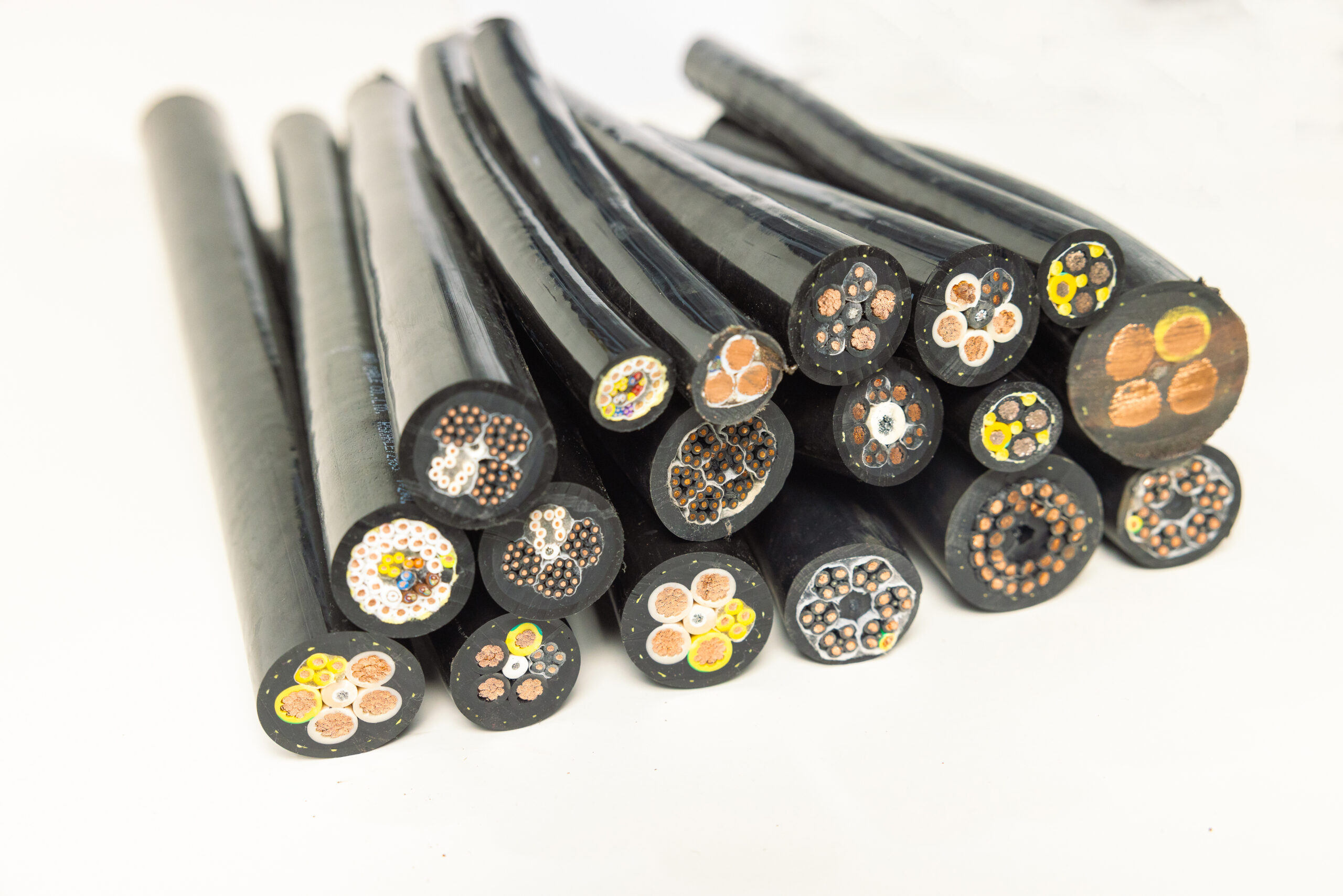
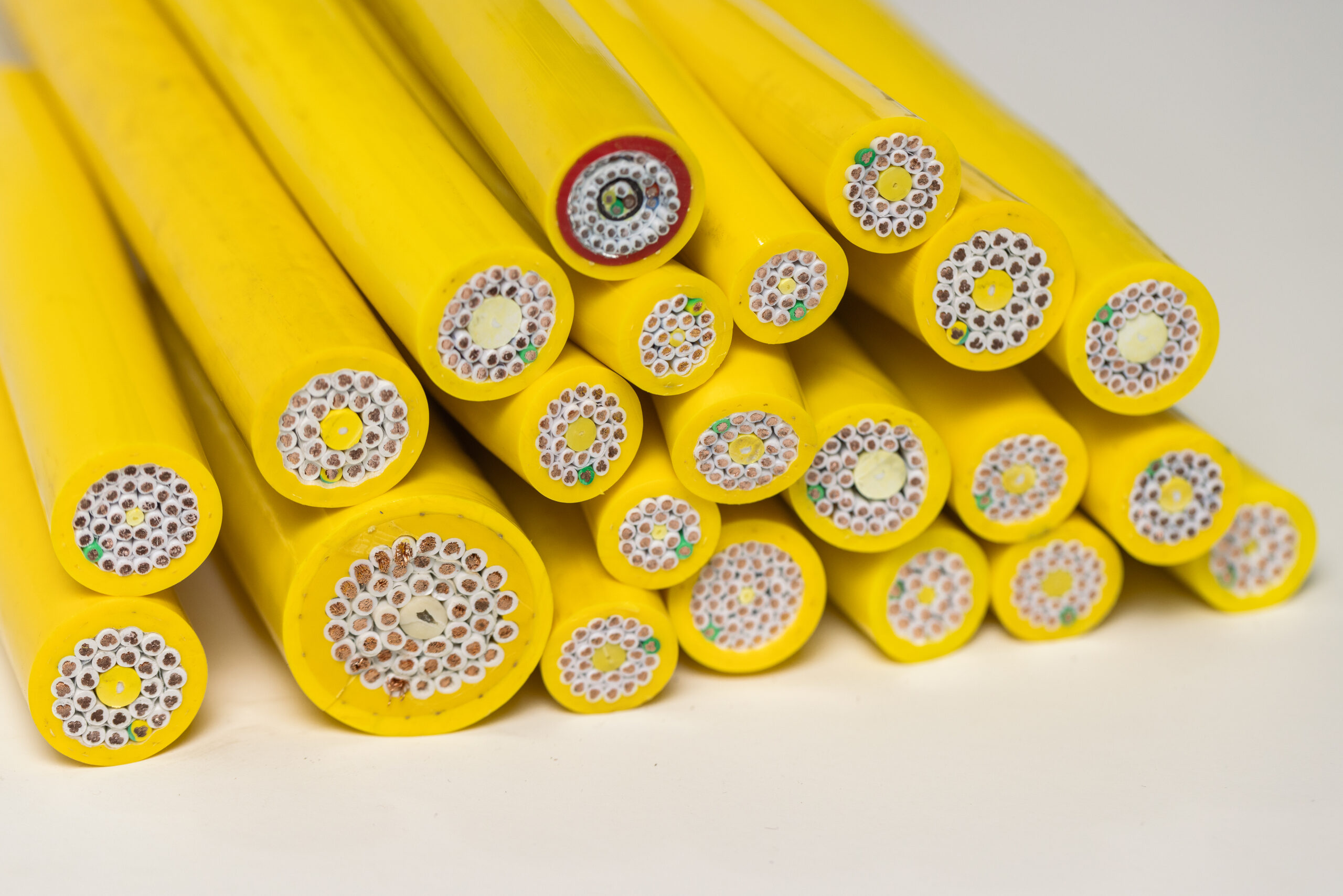
The RST-HTC-3in1 is a high-temperature integrated hybrid cable manufactured by Rousheng to consolidate three separate wiring functions — power delivery, RS-485 serial communication, and coaxial video or RF transmission — into one thermally rated composite assembly. The cable is built around class-5 stranded tinned oxygen-free copper power conductors with individual PTFE or FEP primary insulation, a foil-plus-braid double-shielded RS-485 twisted pair at 24 AWG, and a 75 Ω (or 50 Ω) double-shielded coaxial sub-cable with a solid or cellular PE dielectric. These sub-units are cabled together around a dimensionally stable polyester filler that maintains a circular outer profile, then enclosed in a continuous fluoropolymer or silicone outer jacket with a minimum wall thickness of 1.0 mm.
High-Temperature Integrated Hybrid Cable: Power + RS-485 Signal + Coaxial (All-in-One)
Running separate conductors through a heat-exposed conduit is a compromise engineers make reluctantly. A high-temperature integrated hybrid cable removes that compromise entirely by combining a stranded power core, a shielded RS-485 twisted pair, and a 75 Ω coaxial video line inside a single fluoropolymer or silicone jacket rated for continuous service at up to 200°C. One cable path replaces three, conduit fill drops, commissioning time shrinks, and the risk of cross-talk from mismatched cable bundles disappears. Rousheng’s RST-HTC-3in1 series was built around that engineering brief.
Product Specifications at a Glance
|
Attribute |
RST-HTC-3in1 — Detail |
|
Model series |
RST-HTC-3in1 (suffix defines cores, cross-section, jacket type) |
|
Integrated functions |
Power delivery + RS-485 serial signal + 75 Ω / 50 Ω coaxial |
|
Continuous temperature range |
−40°C to +200°C (fluoropolymer); −60°C to +180°C (silicone) |
|
Voltage rating — power section |
300/500 V standard; 600/1000 V available for 6 mm² option |
|
Power conductor cross-sections |
0.75 / 1.0 / 1.5 / 2.5 / 4.0 / 6.0 mm² (IEC 60228 class 5) |
|
Conductor material |
Tinned oxygen-free copper (OFC); silver-plated OFC for coaxial centre |
|
RS-485 pair — shielding |
100 % foil + 85 % tinned copper braid + drain wire |
|
RS-485 pair — impedance |
120 Ω ± 15 Ω per IEC 61156-5 |
|
Coaxial impedance |
75 Ω ± 3 Ω (or 50 Ω option); foil + 90 % braid double-shield |
|
Outer jacket material |
Extruded PTFE / FEP (fluoropolymer) or high-grade silicone rubber |
|
Overall diameter range |
8.5 mm to 22 mm depending on power core cross-section selected |
|
Flame rating |
IEC 60332-1 self-extinguishing; IEC 60332-3-24 bundle-burn on request |
|
Certifications |
CE • RoHS • ISO 9001:2015 factory • UL thermal-class H documentation available |
|
Minimum order |
50 m (custom cut) • 500 m (reel stock) • 200 m (50 Ω coax variant) |
How the Cable Is Built
Each RST-HTC-3in1 is assembled in concentric layers. Understanding the build explains why signal integrity is preserved even with a live power conductor running centimetres away from sensitive data lines.
- Power cores — class-5 stranded OFC conductors, individually insulated with extruded PTFE or FEP, colour-coded to IEC 60446. Fine stranding gives flexibility without sacrificing current capacity at elevated temperatures.
- RS-485 twisted pair — 24 AWG OFC twisted at 12 turns per metre, wrapped in 100 % aluminium-polyester foil, then overbraided with an 85 % coverage tinned-copper braid. A bare copper drain wire runs against the foil for reliable low-impedance ground termination at each end.
- Coaxial sub-cable — 0.5 mm solid silver-plated centre conductor, solid or low-loss cellular PE dielectric, inner foil shield, outer 90 % tinned-copper braid. Impedance is maintained at 75 Ω ± 3 Ω throughout the rated temperature range.
- Cabling layer — the three sub-units are laid up with a high-tenacity polyester filler that locks circular cross-section geometry and prevents the air pockets that trap heat in small-diameter conduit.
- Optional overall EMI shield — 100 % aluminium-mylar tape plus a 65 % OFC braid for installations with stringent conducted-emission requirements such as semiconductor cleanrooms or inverter-dense motor rooms.
- Outer jacket — extruded fluoropolymer or silicone, minimum 1.0 mm wall, print-marked every metre with model code, voltage, temperature rating, and reel length.
Typical Installation Environments
This composite cable earns its place wherever conduit fill ratios, thermal exposure, or cabinet space make separate cable runs impractical. The sectors below account for the majority of RST-HTC-3in1 orders.
Steel, metallurgical, and glass plants
Converter furnace proximity wiring runs within metres of molten metal, and sustained radiant heat routinely pushes tray ambient temperatures past 150°C. The fluoropolymer-jacketed version carries 24 V or 230 V power to actuators, RS-485 data from temperature scanners, and a coaxial feed from optical pyrometer cameras — three functions through a single cable entry point in the furnace cabinet gland plate.
Industrial ovens, kilns, and dryers
Tunnel ovens in automotive paint shops and ceramic kilns share a common challenge: wiring must enter and exit a hot zone through a limited number of sealed penetrations. Replacing three separate cables with one composite assembly halves the number of high-temperature cable glands required and reduces the thermal mass at each penetration point, a meaningful gain in energy-efficiency-rated installations.
Oil and gas processing skids
Wellhead control panels and skid-mounted instrument enclosures face elevated ambient temperatures, hydrocarbon vapours, and continuous mechanical vibration. The fluoropolymer jacket resists both aliphatic and aromatic hydrocarbon attack, while the integrated single-cable design eliminates the cable-to-cable chafing that causes premature insulation failure in vibrating environments.
Semiconductor fabrication equipment
CVD and diffusion furnace wiring inside cleanrooms demands zero plasticiser outgassing — standard PVC and even many LSZH compounds release volatile organics at process temperatures. PTFE-insulated, FEP-jacketed composite cables are the accepted solution. The same cable that carries heater power also carries the RS-485 bus for the zone temperature controller and a coaxial line for the in-chamber inspection camera.
Marine engine rooms and rail rolling stock
Below-deck marine installations and rail vehicle underfloor harnesses need cables that resist salt spray, diesel particulates, and constant low-amplitude vibration over decades of service. The silicone-jacketed RST-HTC-3in1 variant, available with an EN 45545-2 low-smoke compound, meets thermal and flame requirements for both sectors while keeping harness diameter and weight competitive with conventional multi-cable approaches.
Key Technical Parameters
|
Parameter |
RS-485 Pair |
Coaxial Sub-cable |
Power Cores |
|
Impedance / voltage rating |
120 Ω ± 15 Ω |
75 Ω ± 3 Ω (50 Ω option) |
300/500 V (6 mm²: 600/1000 V) |
|
Conductor gauge / section |
24 AWG / 0.22 mm² OFC |
0.5 mm solid Ag-Cu or 7×0.2 mm |
0.75 – 6.0 mm² class-5 OFC |
|
Shielding |
Foil (100 %) + braid (85 %) + drain |
Foil (100 %) + braid (90 %) |
Individual core insulation only |
|
Max. current @ 1.5 mm² |
— |
— |
16 A in free air |
|
DC resistance @ 20°C |
≤ 85.6 Ω/km |
≤ 36 Ω/km (centre conductor) |
≤ 13.3 Ω/km (1.5 mm²) |
|
Signal loss / attenuation |
≤ 6 dB/100 m @ 5 MHz |
≤ 12 dB/100 m @ 100 MHz |
— |
|
Mutual capacitance |
≤ 50 pF/m |
≤ 67 pF/m (75 Ω solid PE) |
— |
|
Max. data / signal rate |
10 Mbps @ 12 m; 100 kbps @ 1200 m |
Bandwidth to 300 MHz |
— |
|
HV withstand |
500 V AC / 1 min (pair to ground) |
1.5 kV DC / 1 min (core to shield) |
2 kV AC / 1 min (core to core) |
|
Temp. stability (ΔZ) |
± 8 Ω across −40 to +200°C |
± 3 Ω across −40 to +200°C |
< 5 % ΔR at +200°C |
|
Flame test |
IEC 60332-1 (all sub-units) |
IEC 60332-1 (all sub-units) |
IEC 60332-1 (all sub-units) |
Quality Assurance and Manufacturer Credentials
Rousheng (Shanghai Rousheng Wire and Cable Co., Ltd., No. 2591 Fengzhe Road, Fengxian District, Shanghai) has manufactured specialty and high-flexibility cables for over a decade. The engineering team covers the complete production cycle from conductor stranding through jacket extrusion to final electrical test, which allows tighter process tolerances than subcontracted manufacture.
Every RST-HTC-3in1 reel leaves the factory with a documented test report. The standard test sequence includes:
- Conductor DC resistance at 20°C — 100 % of delivered length per IEC 60228
- Insulation resistance at 500 V DC — ≥ 1000 MΩ·km on each insulated core
- High-voltage AC withstand at 2 kV for 60 seconds on the power section
- TDR sweep of the RS-485 pair to verify characteristic impedance profile along the full reel
- Vector network analyser sweep of the coaxial sub-cable: return loss ≥ 20 dB from 5 MHz to 300 MHz
- Thermal cycling: 10 cycles from −40°C to +200°C with post-cycle electrical re-check on all sub-units
- Flame propagation test to IEC 60332-1 on a sample from every production batch
- Dimensional audit: outer diameter, jacket wall thickness, and lay length recorded per reel
Factory certifications: ISO 9001:2015 QMS • CE Declaration of Conformity • RoHS/REACH compliance • AAA Credit Enterprise (China).
Frequently Asked Questions
Q1: Will the power conductors induce noise on the RS-485 pair?
In tested samples carrying a 10 A / 230 V load on the power section, induced noise measured on the RS-485 pair peaked below 3 mV. RS-485 transceivers tolerate up to 200 mV of common-mode noise, so the margin is substantial. This result is achieved through the combination of individual foil shielding on the RS-485 pair, double shielding on the coaxial sub-cable, and the polyester filler layer that physically separates all three sub-units inside the jacket.
Q2: Can the coaxial section carry 4K CCTV video alongside RS-485 PTZ commands?
Yes. The 75 Ω coaxial sub-cable handles analogue HD-TVI and HD-CVI signals at distances up to 500 m. For IP camera feeds, a video balun at each end carries compressed 1080p or 4K-compressed streams over standard PoE distances. The RS-485 pair on the same cable simultaneously carries pan-tilt-zoom control commands — the standard wiring topology for thermal inspection cameras installed near industrial furnaces.
Q3: What bend radius applies in a festoon or drag-chain application?
The silicone-jacket version is designed for dynamic installations: minimum bend radius 6 × OD. The fluoropolymer version is rated for static routing only (minimum static bend radius 10 × OD; dynamic 15 × OD). For festoon or drag-chain use, specify the silicone option and include stroke length and cycle frequency in your enquiry so the engineering team can confirm fatigue life.
Q4: Is a 50 Ω coaxial variant available for RF or antenna wiring?
Yes. A 50 Ω coaxial sub-cable with solid PTFE dielectric is available to order. Attenuation is ≤ 10 dB per 100 m at 100 MHz. Specify model suffix “-50”; a 200 m minimum order applies. This variant is used in distributed antenna systems and wireless gateway antenna feeds where the same cable also carries 24 V DC power and an RS-485 status bus.
Q5: What documentation ships with each order?
Every reel ships with a factory test report covering conductor resistance, insulation resistance, HV withstand result, dimensional measurements, and the batch number cross-referenced to raw material receipts. RoHS and REACH SVHC declarations are included in PDF. Third-party reports from a CNAS- or ILAC-accredited test house can be arranged for orders of 1000 m or above, with approximately 10 additional working days required.
Q6: What lead time should I plan for a custom configuration?
Standard builds (1.0 – 2.5 mm² power cores, FEP jacket, 75 Ω coax) ship in 10 – 15 working days from confirmed order. Non-standard configurations — 6.0 mm² power cores, 50 Ω coax, or overall braid shield — require 20 – 25 working days. Expedited production slots are available for urgent projects; contact the team with your drawing or written specification to check availability.