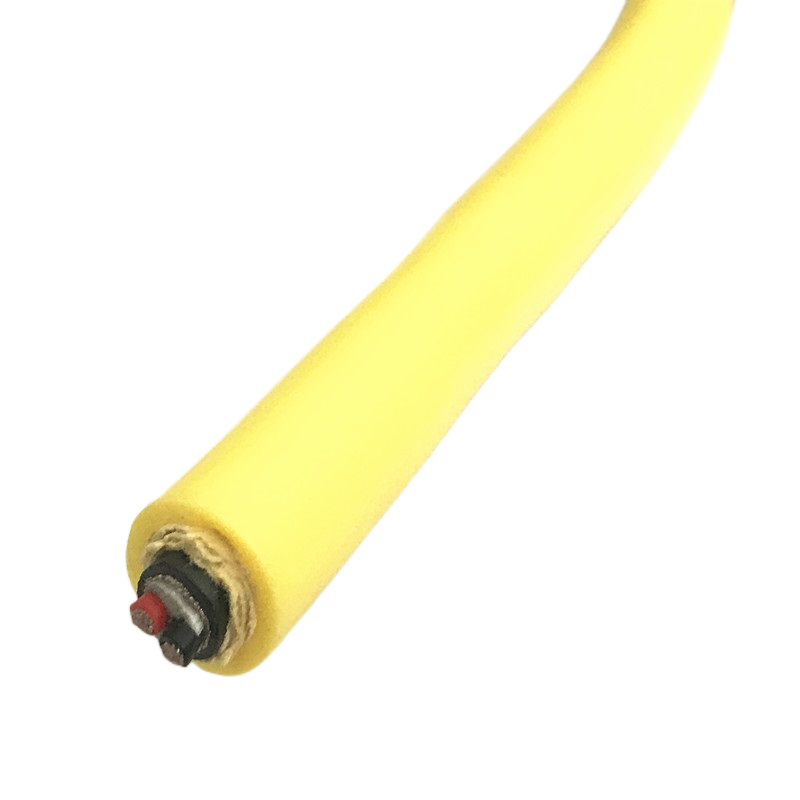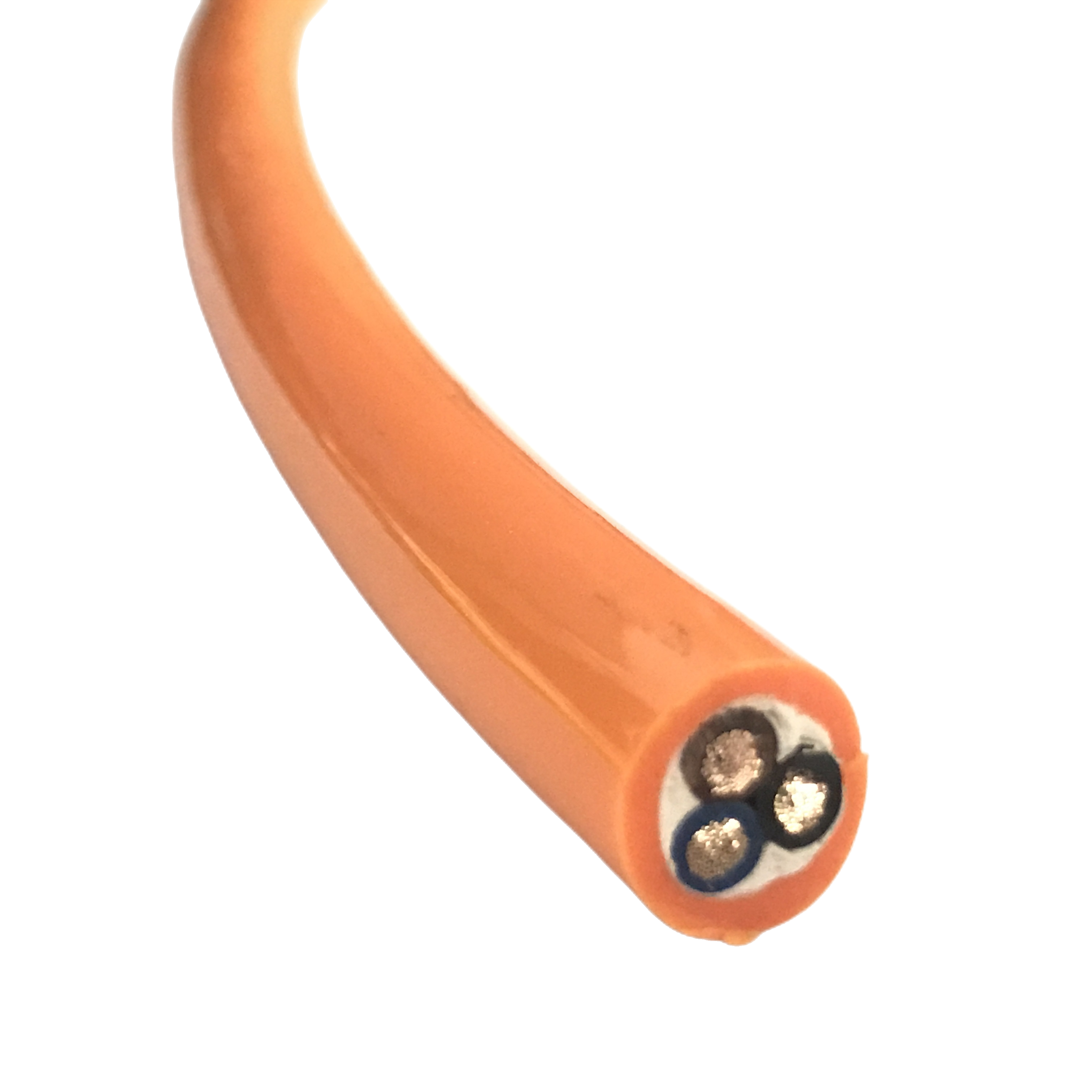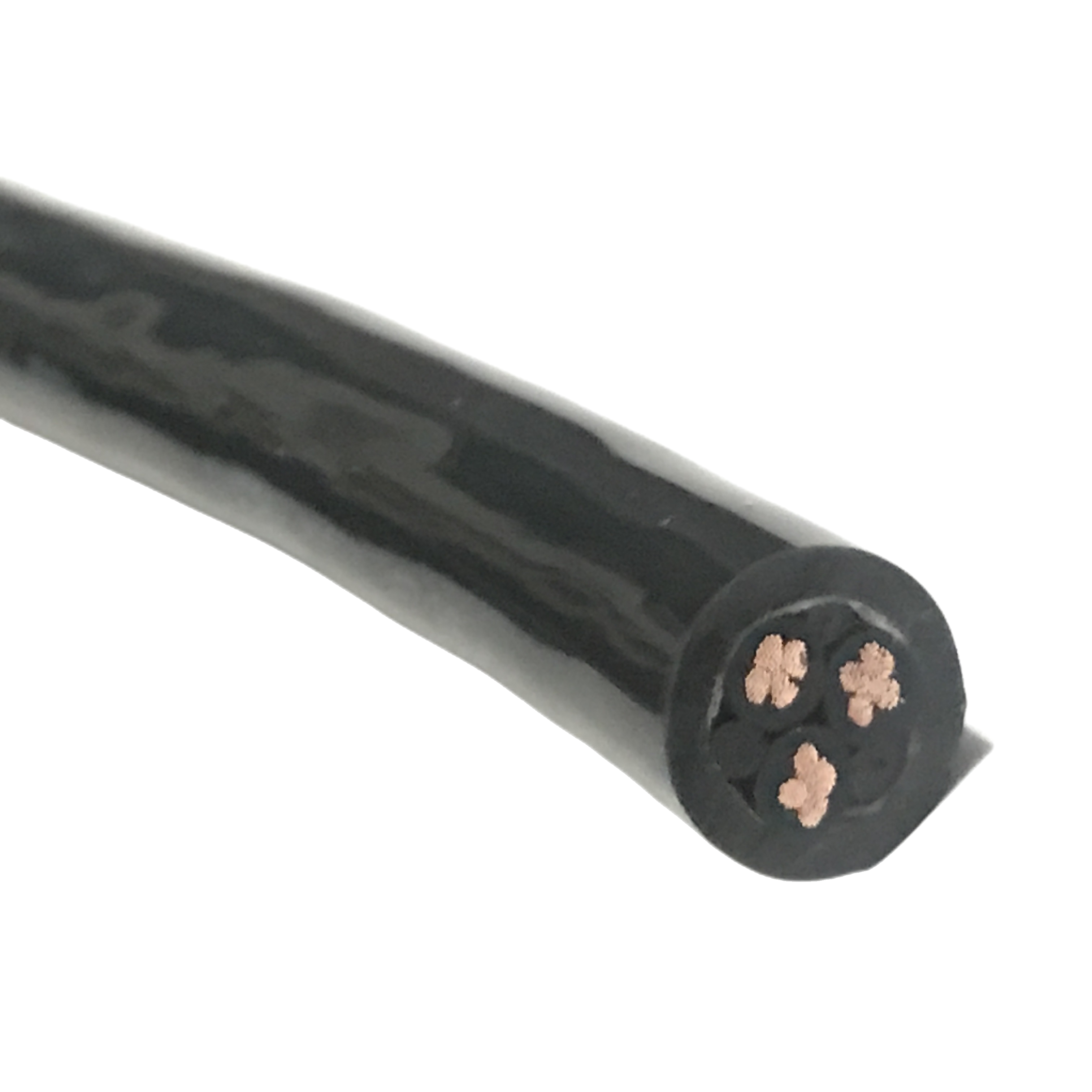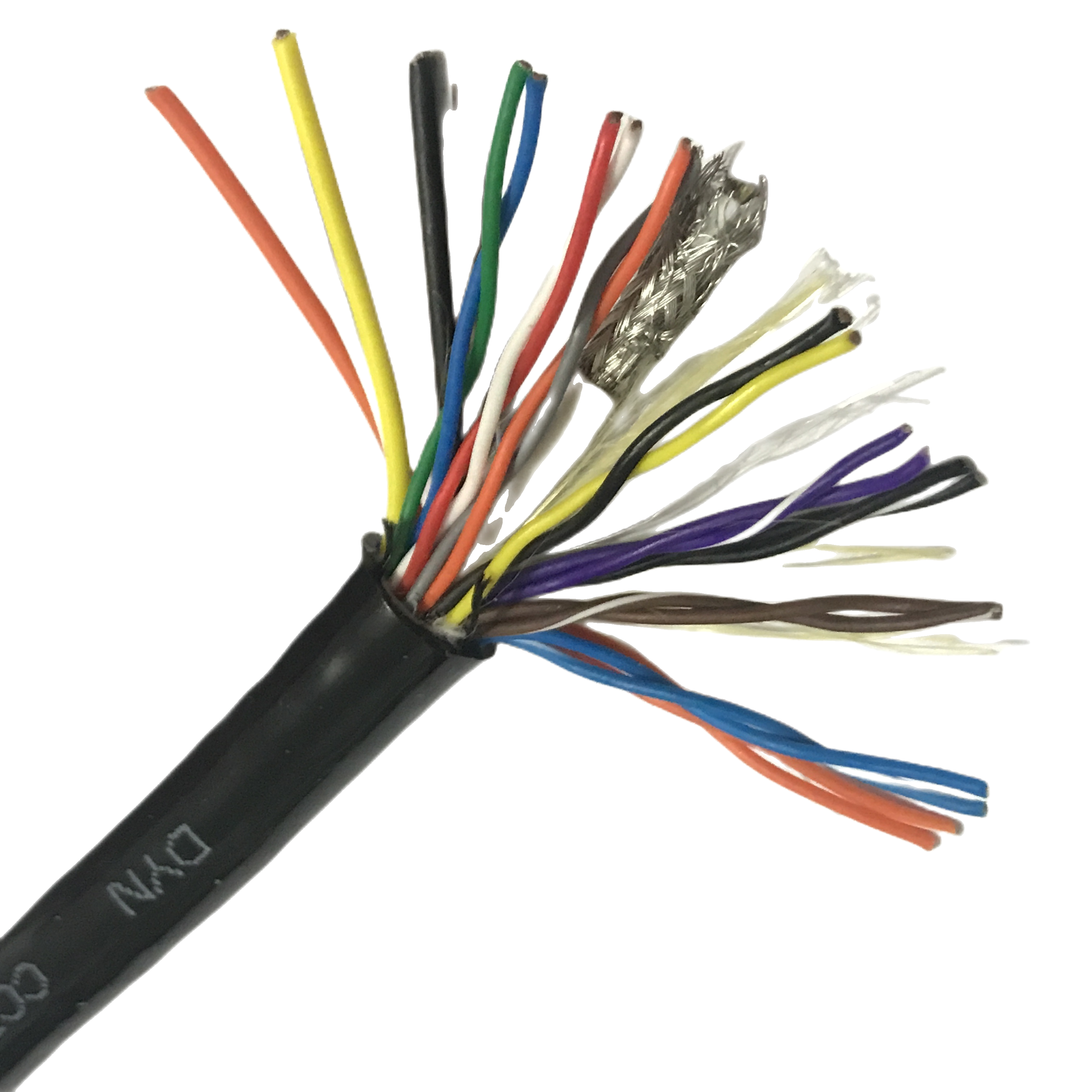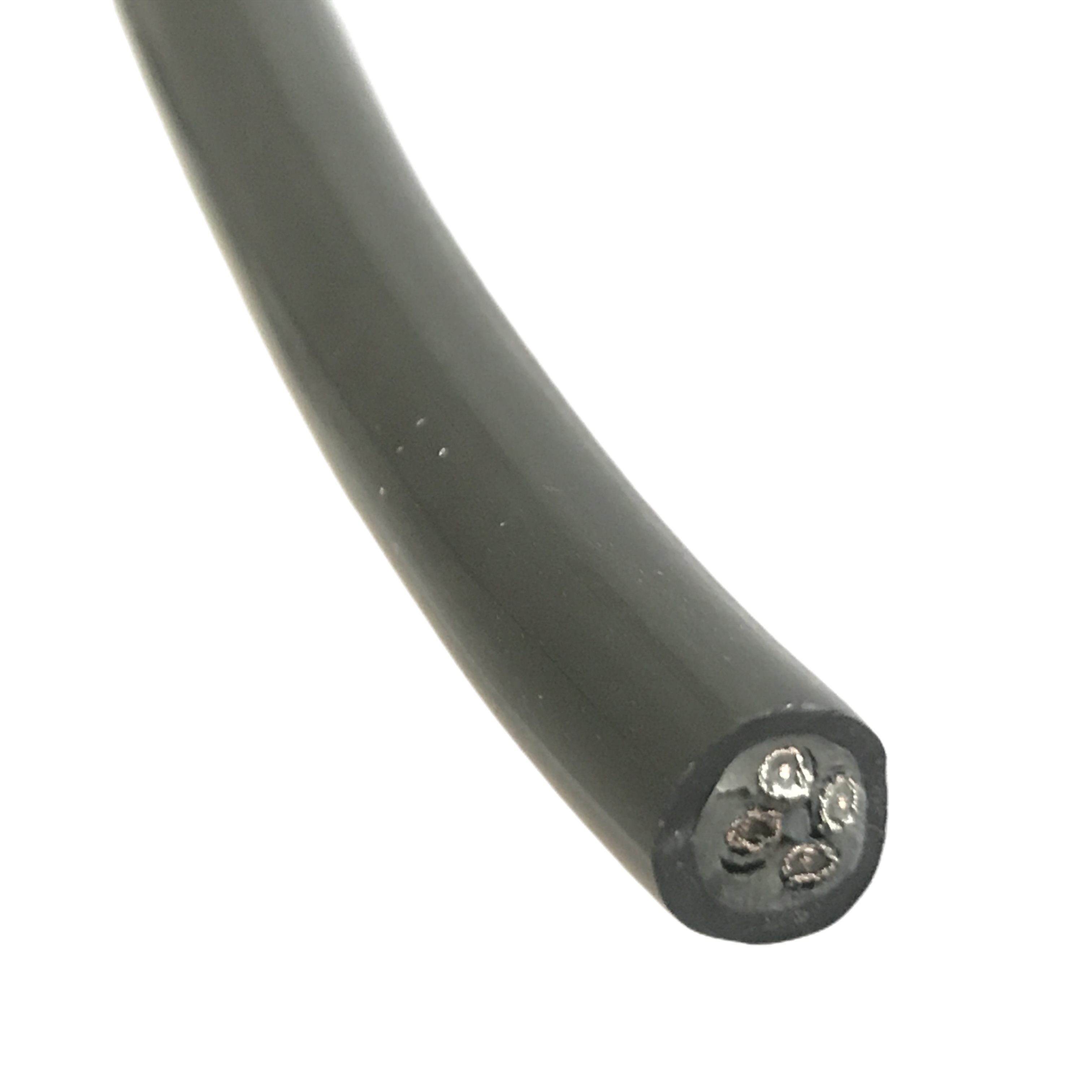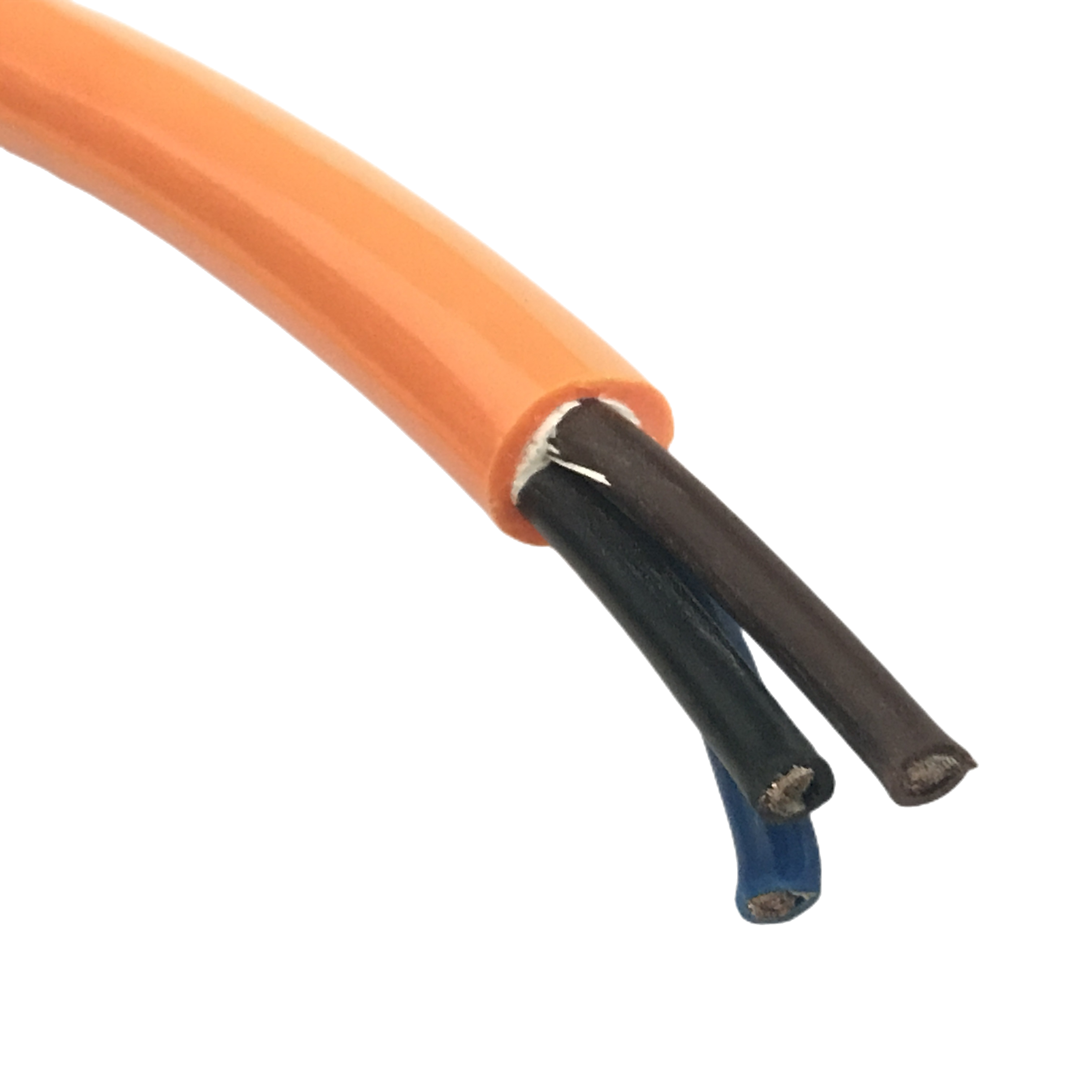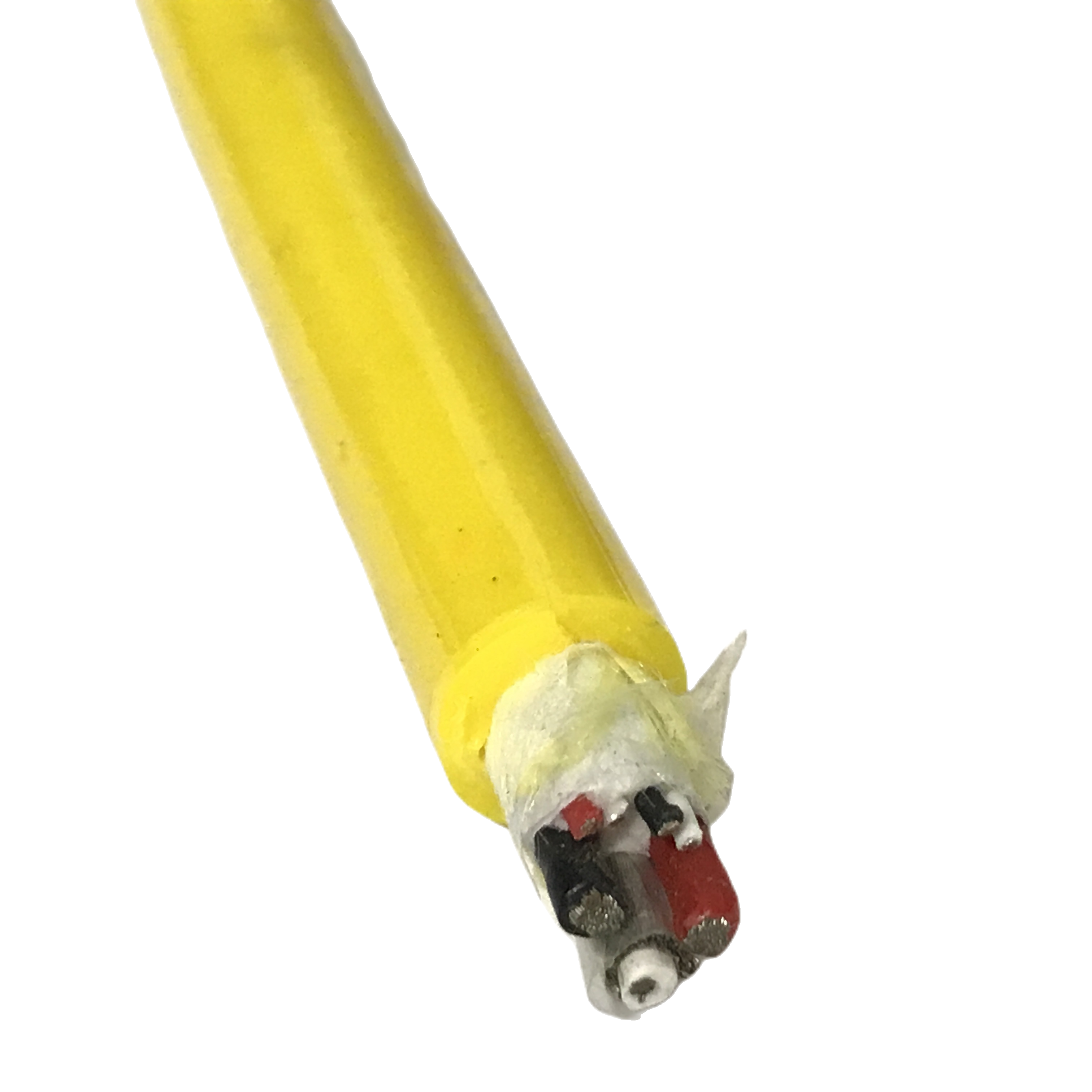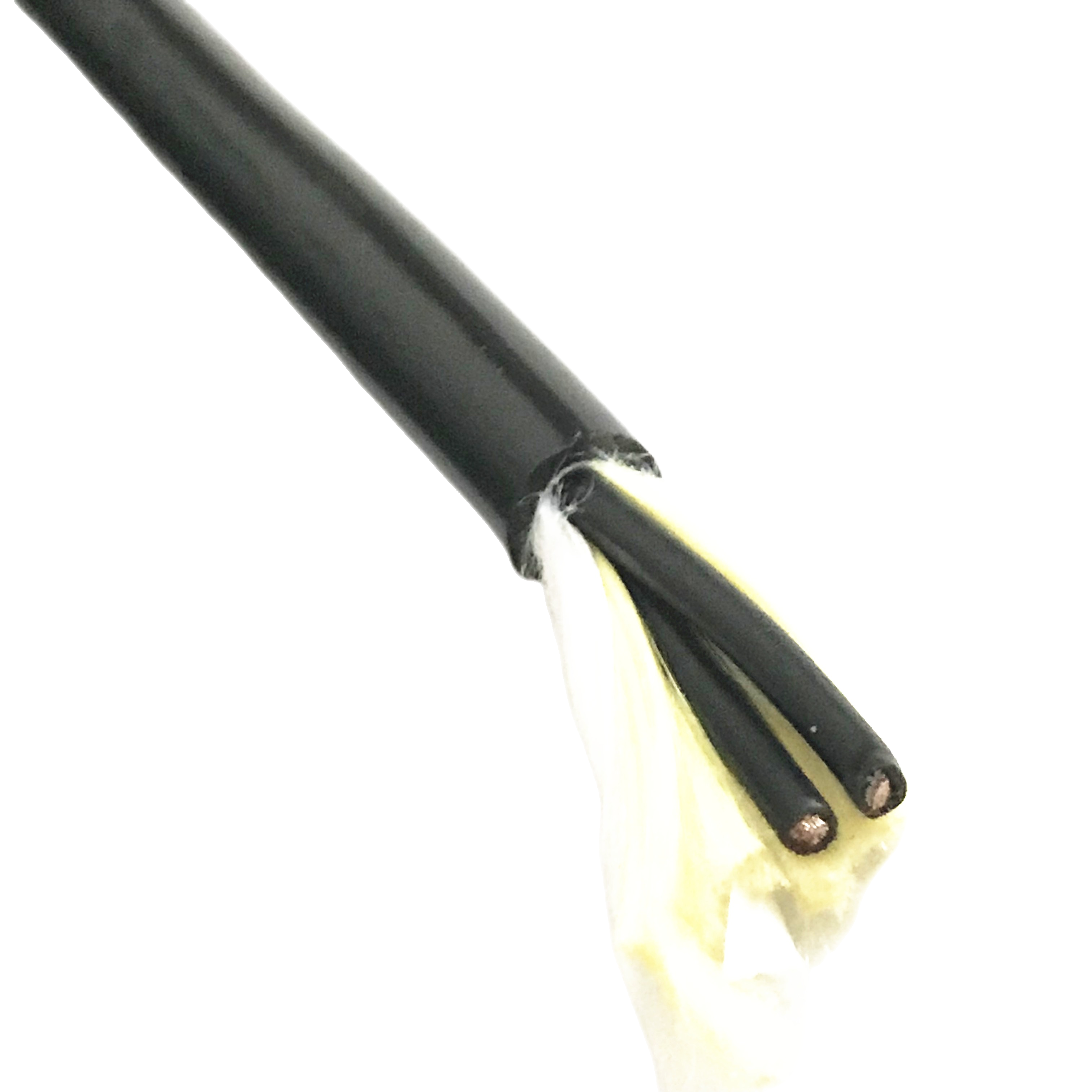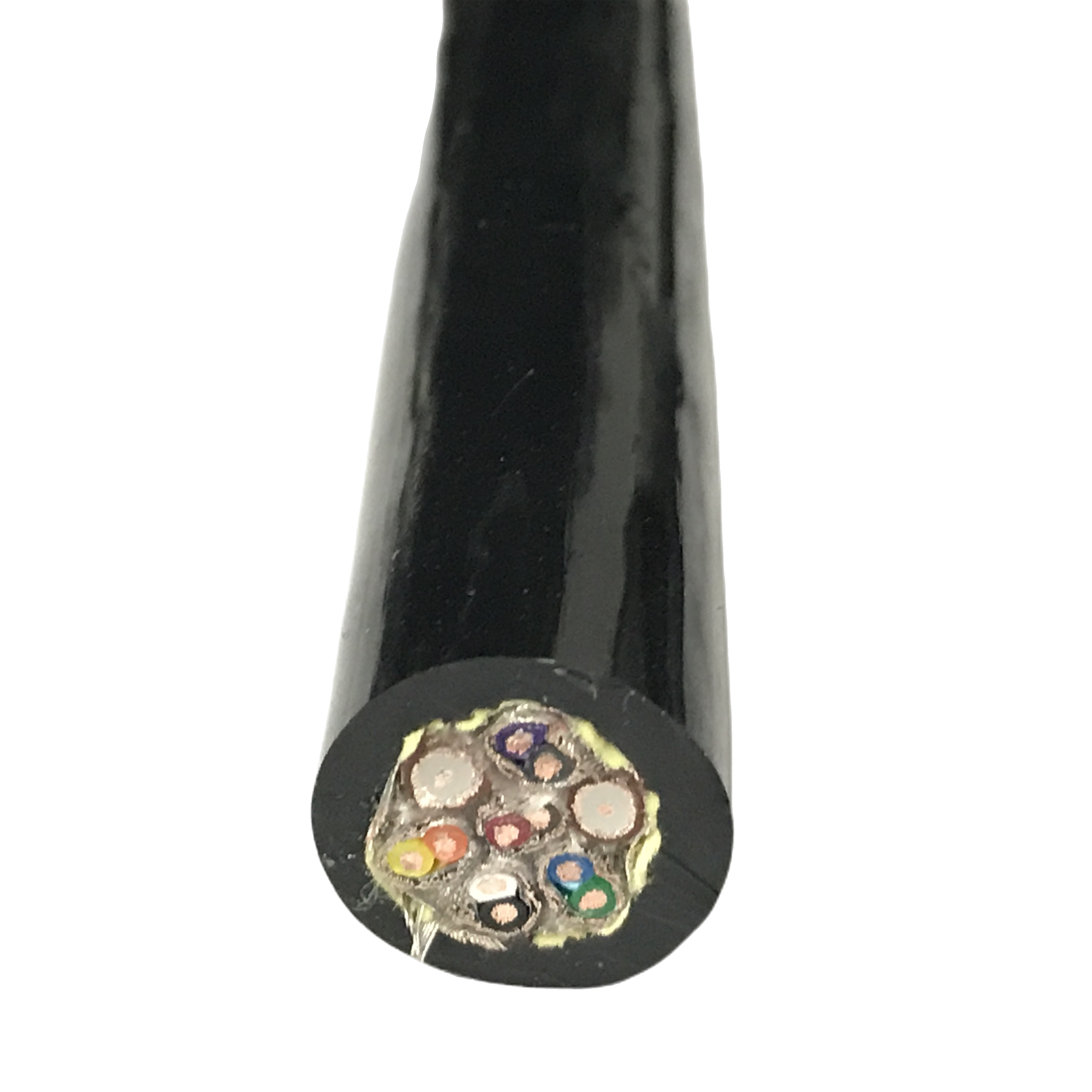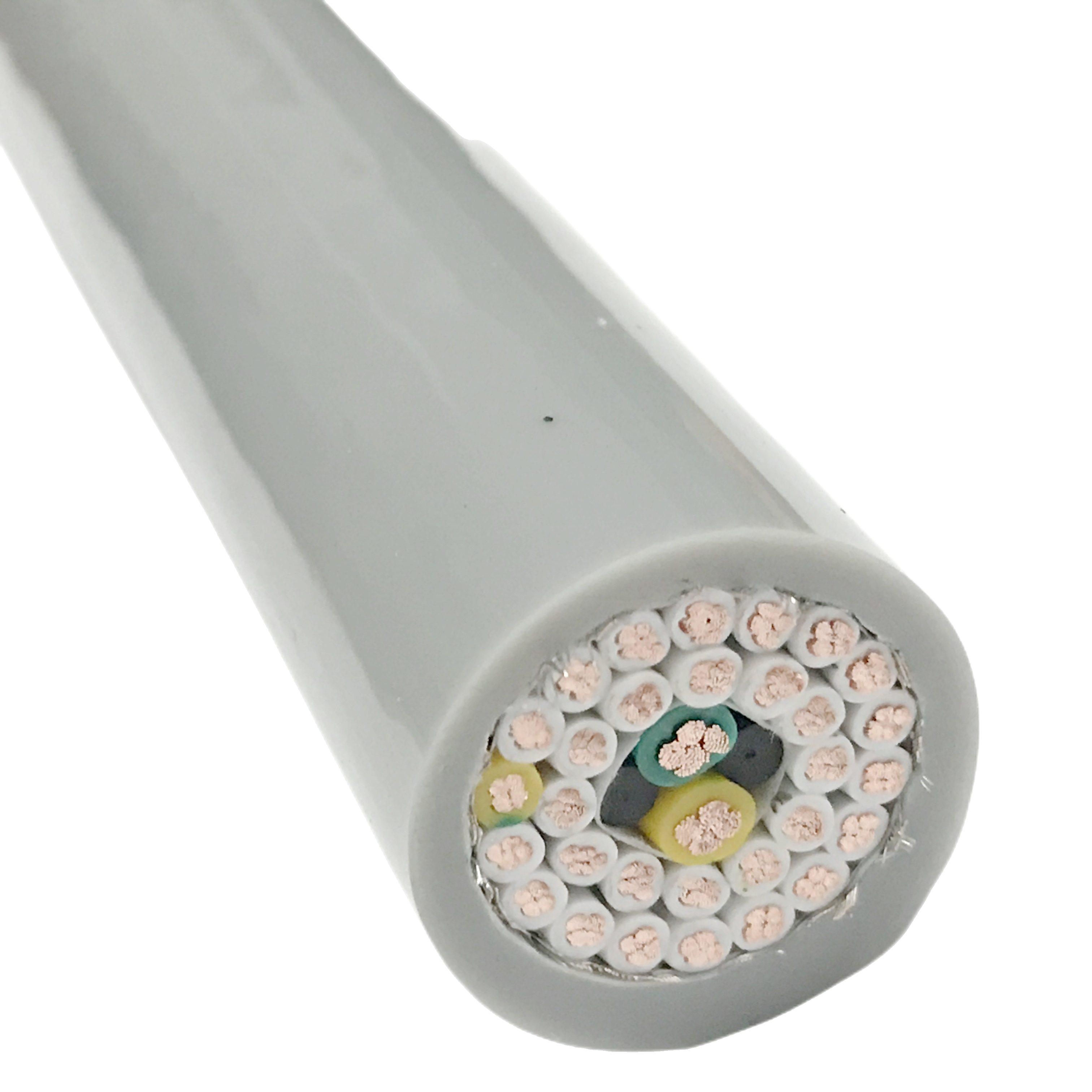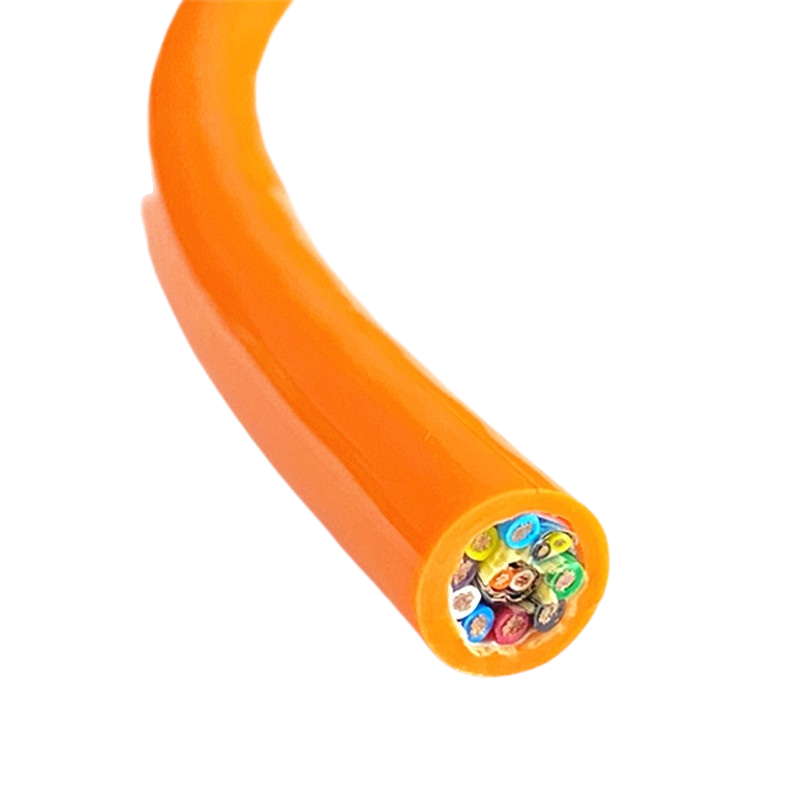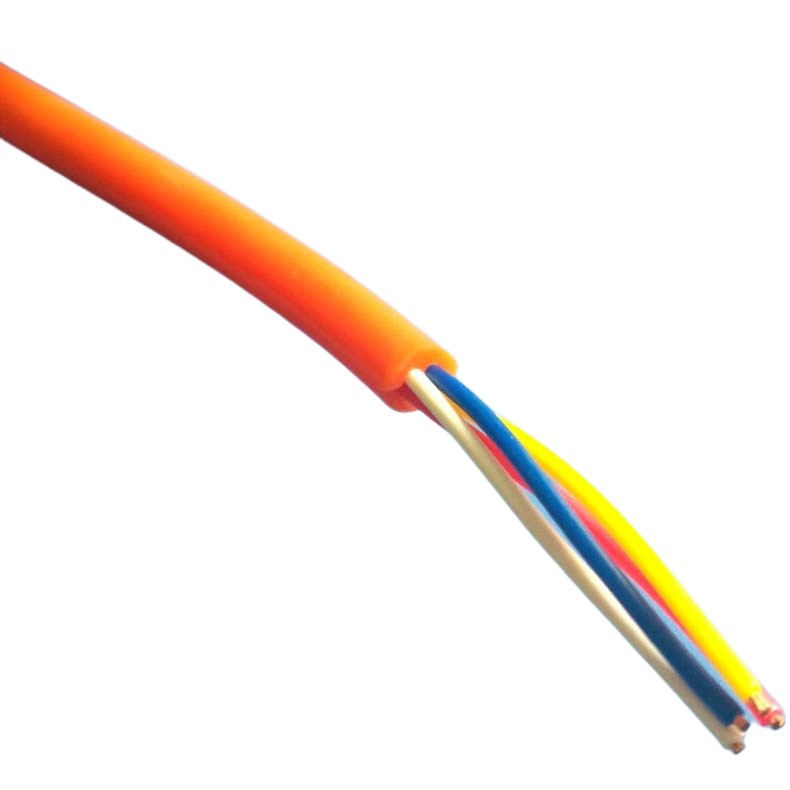



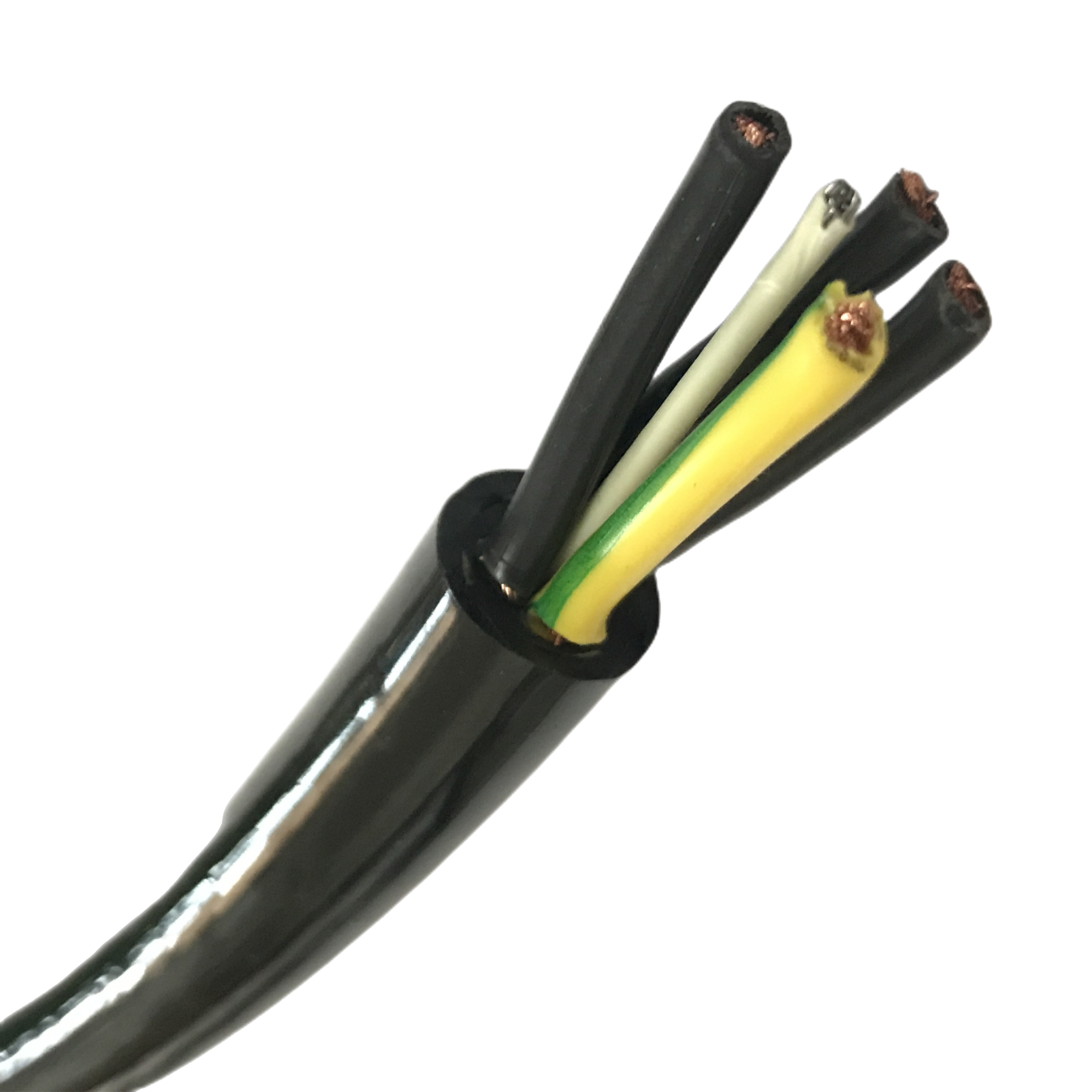
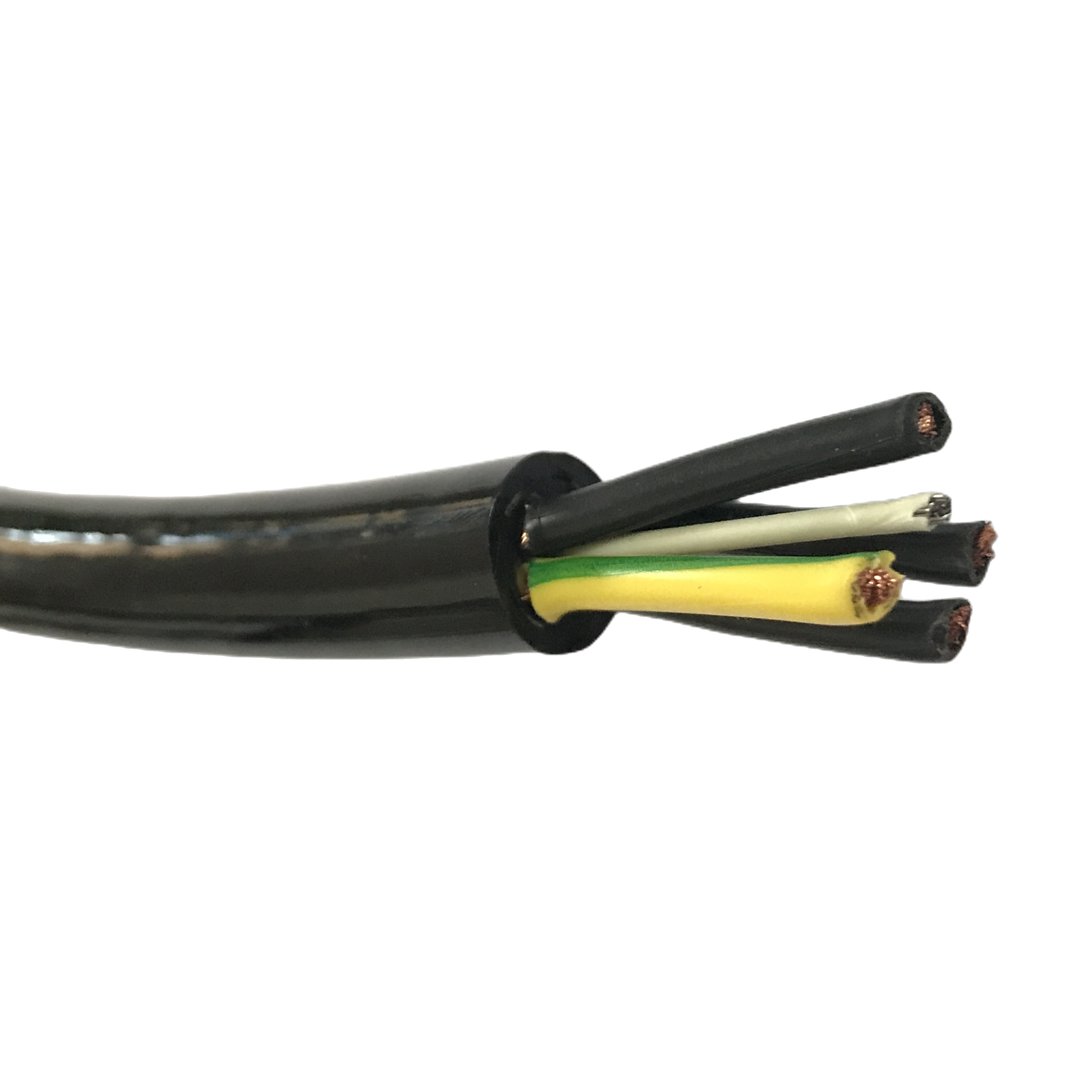
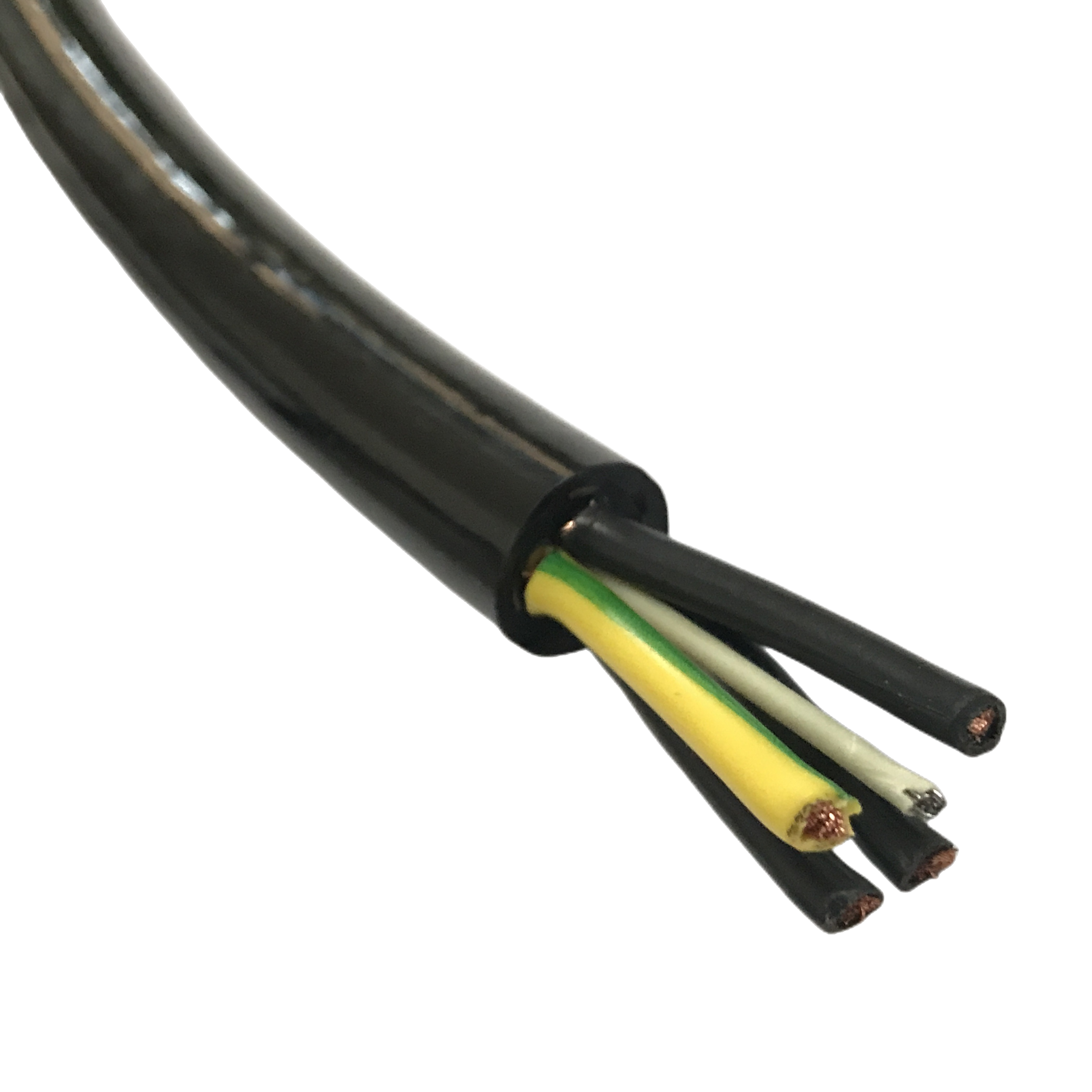
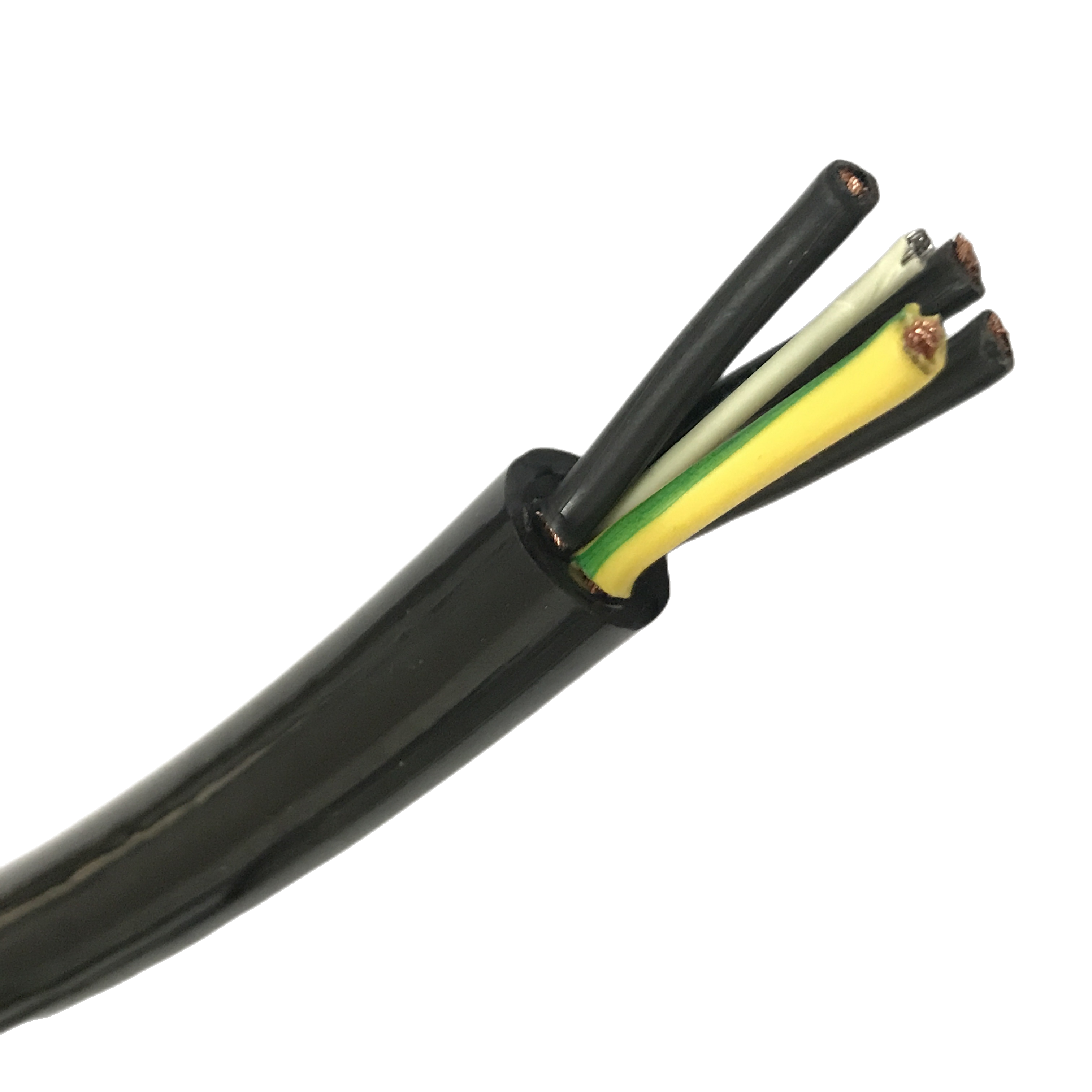
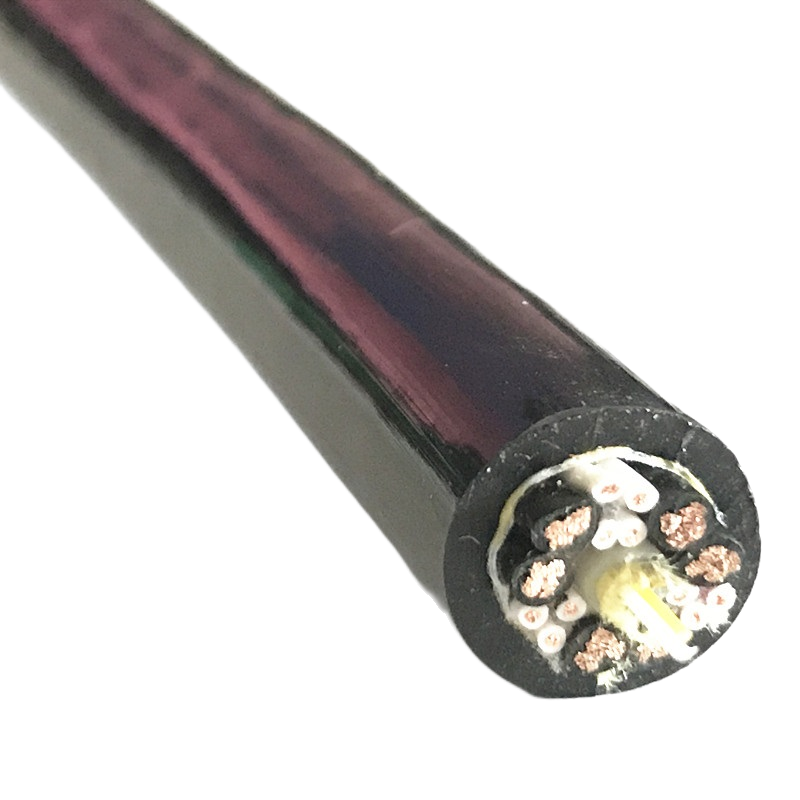
High Flex PUR Control Cable Drag Chain Rated Industrial Automation Cable Factory
This PUR control cable is designed for drag chain applications, providing stable performance under repeated bending, abrasion, and mechanical stress.
Key Benefits:
✅ ≥10 million flex cycles for long service life
✅ PUR jacket for strong abrasion and oil resistance
✅ Class 6 conductors for improved flexibility
✅ Maintains stable structure during continuous motion
High Flex PUR Control Cable Drag Chain Rated Industrial Automation Cable Factory
Not All Flexible Cables Survive in Drag Chains
Many cables described as “flexible” are only designed for occasional movement. In drag chain systems, the cable is subjected to continuous bending at the same point, often hundreds of thousands of times per month.
In this environment, failure does not happen suddenly. It begins with internal fatigue, surface wear, or structural deformation — all of which are related to how the cable is built.
This PUR control cable is engineered specifically for continuous dynamic motion, where long-term stability matters more than initial flexibility.
Where This Type of Cable Is Actually Used
This cable is typically selected for motion systems where failure leads to downtime:
-
Linear axes in CNC and machining centers
-
High-cycle pick-and-place units
-
Automated transfer systems
-
Gantry and shuttle mechanisms
-
Packaging and assembly lines
In these systems, cables are not just connected — they are part of the moving structure.
Core Construction That Determines Service Life
The performance of a drag chain cable depends on three internal factors:
1. Conductor Structure
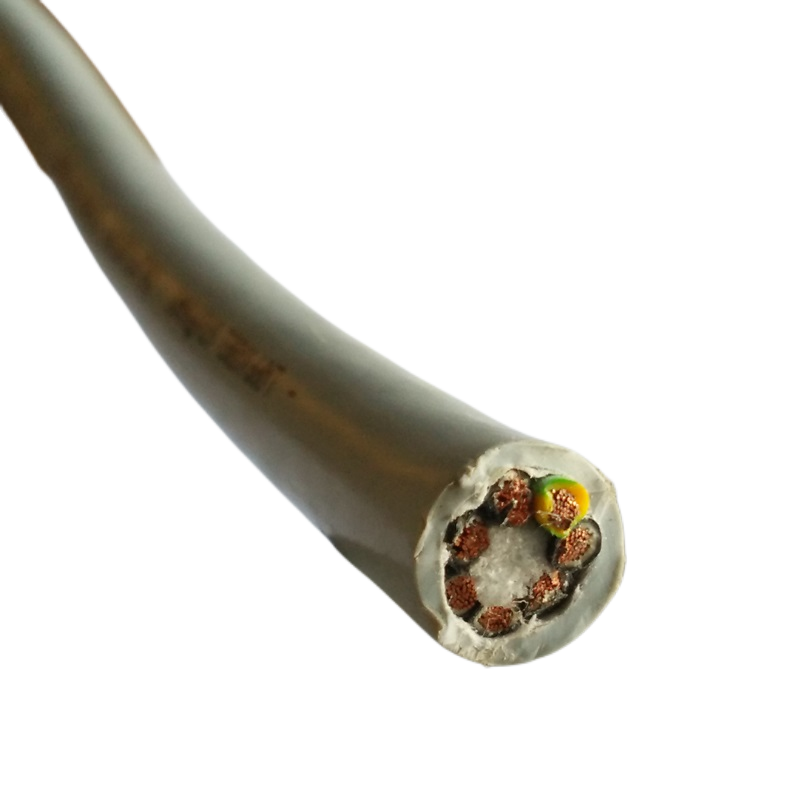
Class 6 ultra-fine stranded copper reduces stress per strand during repeated bending.
This delays work-hardening, which is the primary cause of conductor breakage in motion cables.
2. Jacket Material
Polyurethane (PUR) resists abrasion caused by continuous contact with chain links.
Compared with PVC, PUR maintains surface integrity under repeated friction.
3. Internal Geometry Stability
A stable round structure prevents uneven stress distribution between inner and outer conductors during bending cycles.
These factors together determine whether a cable lasts months or years.
Performance Parameters
| Parameter | Value |
|---|---|
| Voltage Rating | 300/500 V |
| Conductor Type | Oxygen-free copper |
| Stranding Class | IEC 60228 Class 6 |
| Jacket Material | Polyether PUR |
| Temperature Range | -40°C to +90°C |
| Flex Life | ≥10,000,000 cycles |
| Min Bend Radius | 4× OD (dynamic) |
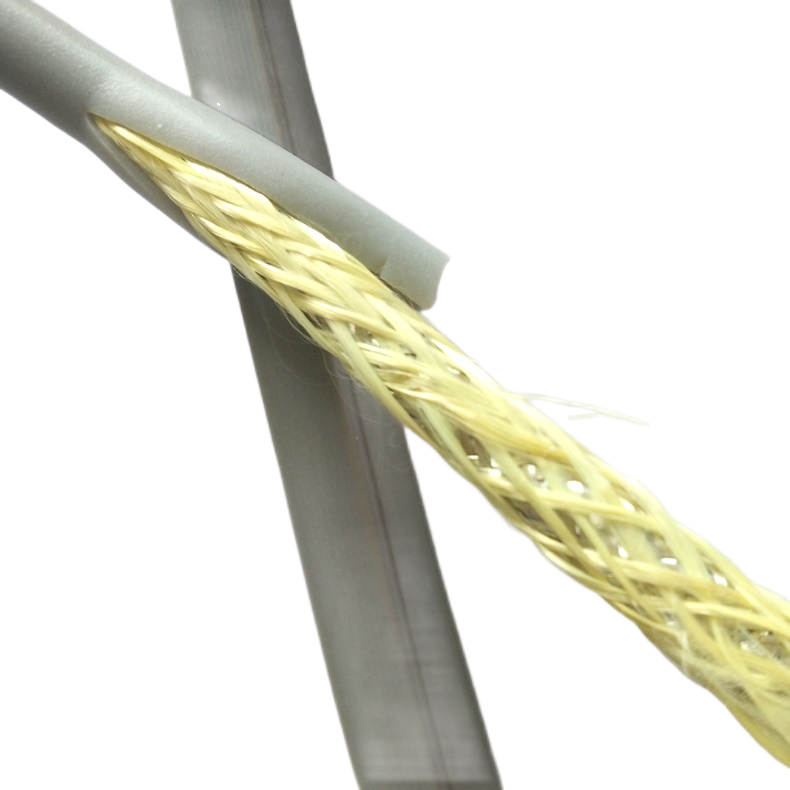
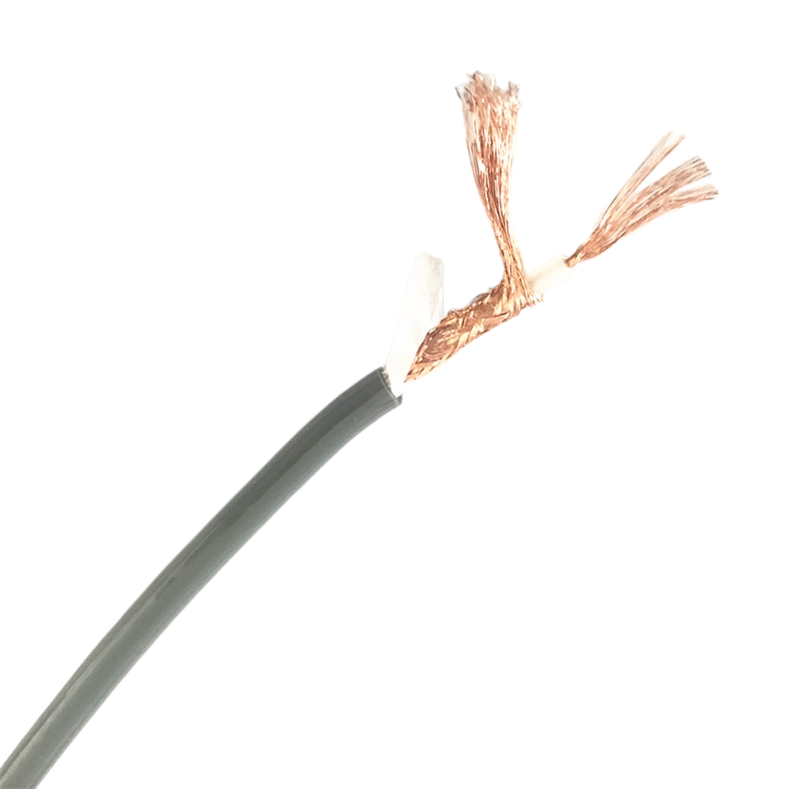
| Shielding | Optional (braided) |
Why Cables Fail in Drag Chain Systems
Most failures observed in the field follow predictable patterns:
Conductor Fatigue
Occurs when standard Class 5 conductors are used.
Higher bending stress leads to gradual stiffening and eventual fracture.
Outer Jacket Wear
Common in PVC cables. Surface abrasion from chain links reduces wall thickness over time until insulation is exposed.
Cross-Section Deformation
If internal support is insufficient, the cable flattens under compression, causing uneven flex stress and early failure.
These issues are not installation errors — they originate from cable design.
Material Comparison for Moving Applications
| Property | PUR Cable | PVC Cable |
|---|---|---|
| Flex Life | ≥10M cycles | 1–3M cycles |
| Abrasion Resistance | High | Medium |
| Oil Resistance | Stable | Degrades over time |
| Cold Flexibility | -40°C | -15°C |
| Structural Stability | Maintained | Prone to deformation |
For continuous motion, material choice directly impacts maintenance cycles.
Selection Logic Based on Application
Cable selection should be based on motion and environment:
Use standard PUR control cable when:
-
Continuous linear motion is present
-
Cycle rate is high
-
Installation space allows proper bend radius
Use shielded version when:
-
Installed near servo drives or frequency converters
-
Signal stability is required
Consider alternative designs when:
-
Motion includes torsion (robot joints)
-
Extremely high speeds (>5 m/s) are involved
Installation Conditions That Affect Cable Life
Even a high-performance cable can fail early if installation parameters are incorrect:
-
Bend radius too small → increases internal stress
-
Chain overfilled (>60%) → causes compression and abrasion
-
Cable twisting during installation → leads to torsional stress
-
Improper clamping → causes longitudinal movement
These factors often determine actual service life more than the cable specification itself.
Available Configurations
-
Multi-core control cables
-
Shielded and unshielded versions
-
Combined power + signal designs
-
Halogen-free variants for controlled environments
-
Custom configurations for OEM systems
FAQ (Application-Focused)
What causes early failure in drag chain cables?
Incorrect conductor class, insufficient abrasion resistance, or improper installation conditions.
Is PUR always better than PVC?
For continuous motion applications, PUR provides longer service life due to better mechanical performance.
How many cycles can this cable handle?
Up to 10 million cycles under proper operating conditions.
Do I need a shielded cable?
Only if electromagnetic interference is present in the installation environment.
Can this cable be used in robotic arms?
Not for torsional movement. A torsion-rated cable is required for multi-axis rotation.
Supply & Engineering Support
-
Factory-direct production
-
Stable quality control
-
Custom design support
-
Application-based cable selection assistance
Provide your motion parameters and installation conditions for accurate model recommendation.