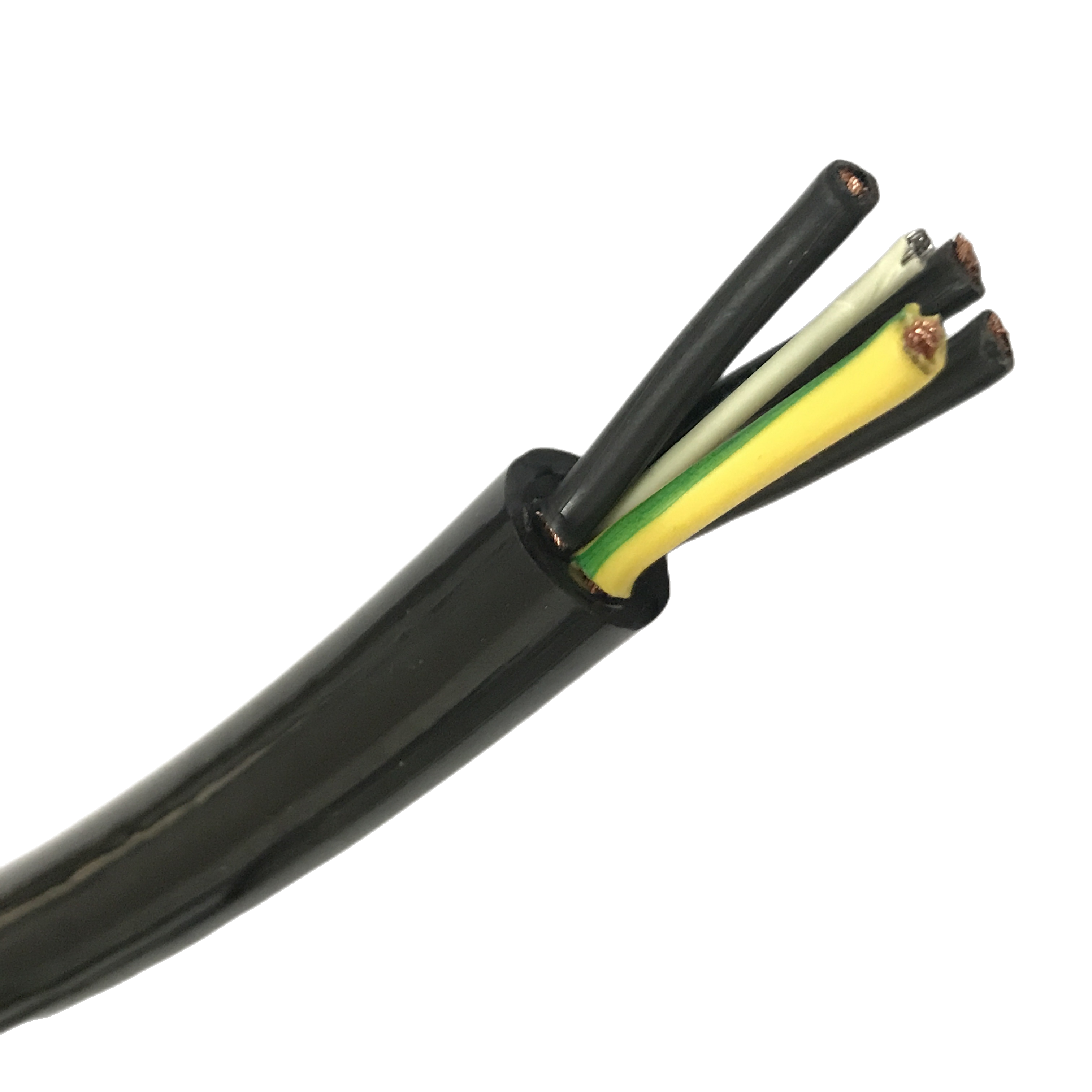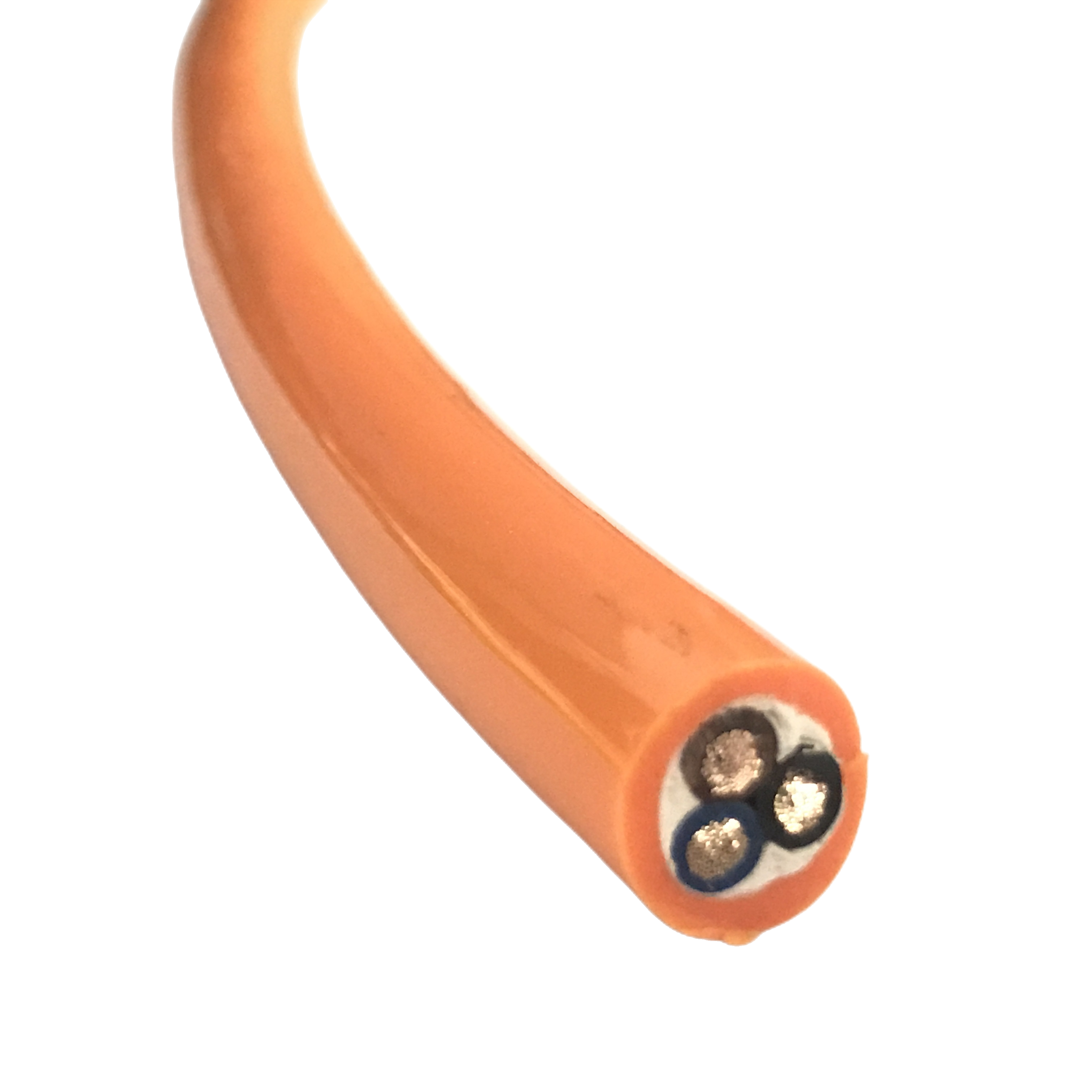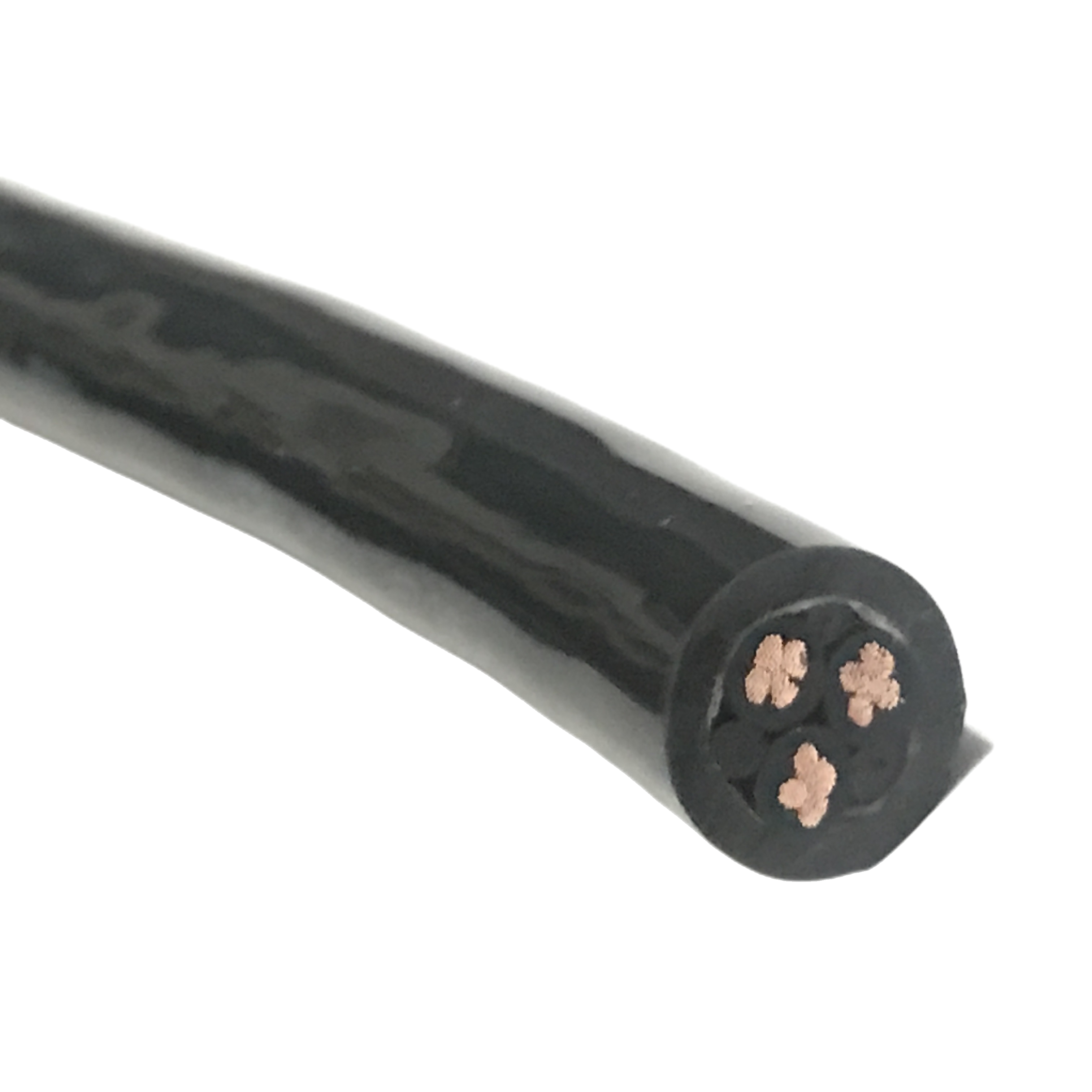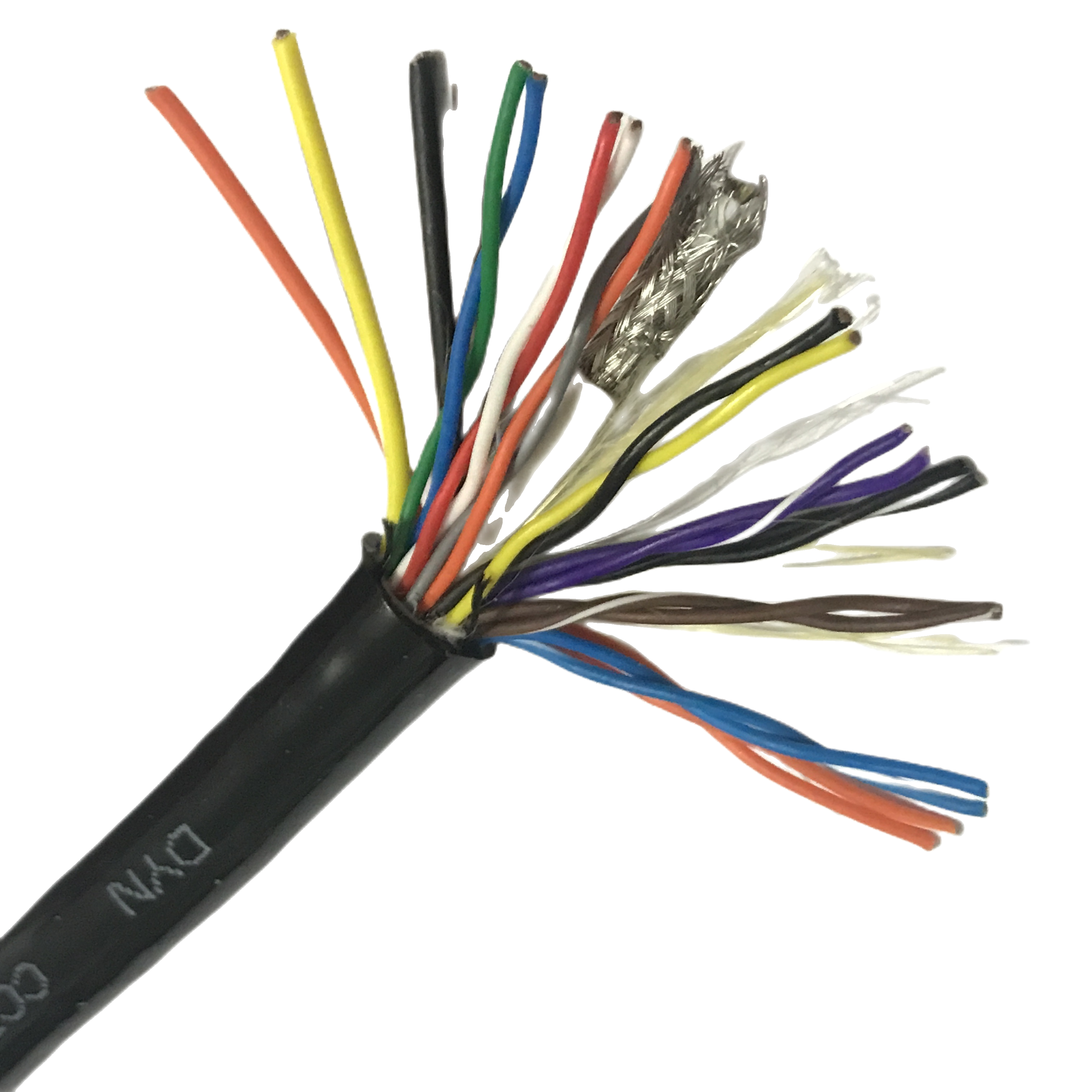



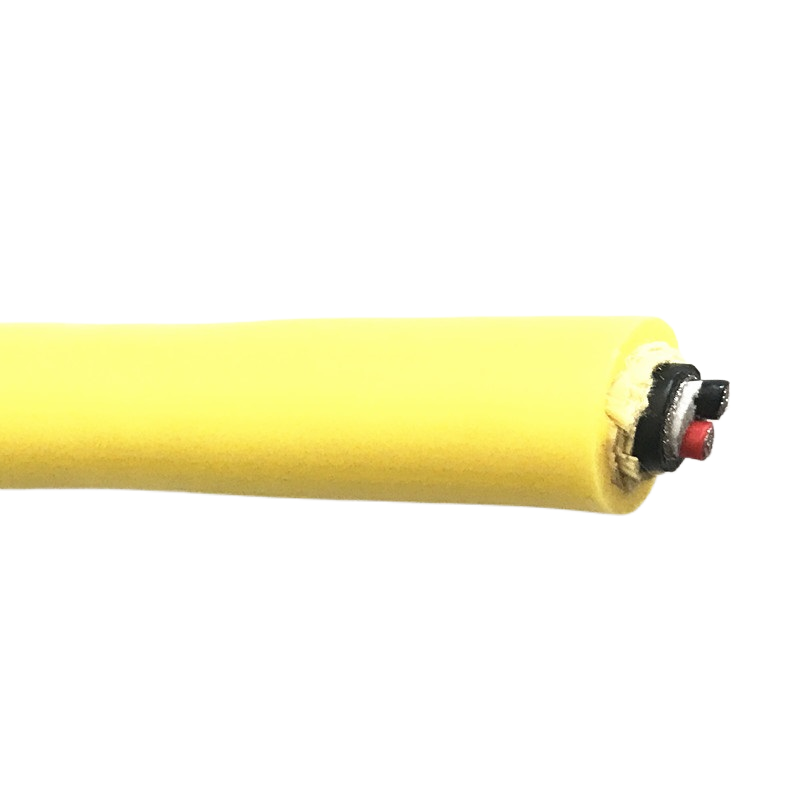
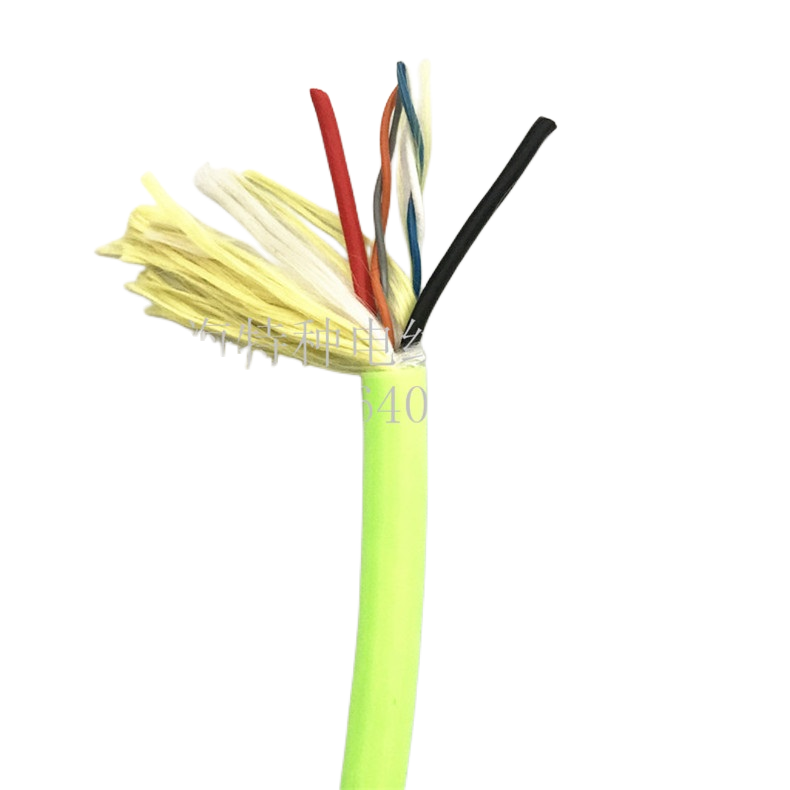
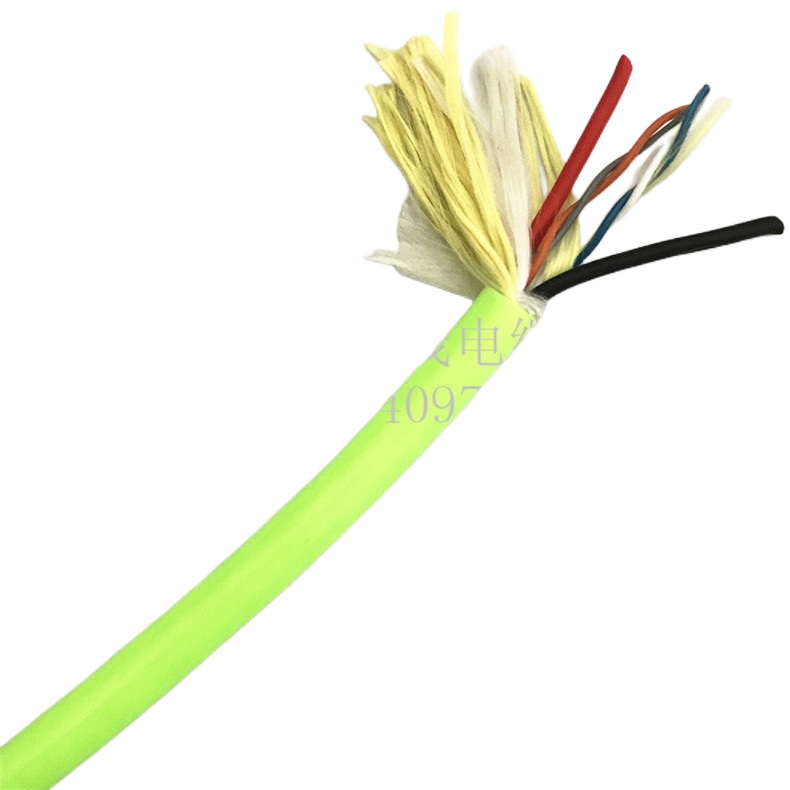
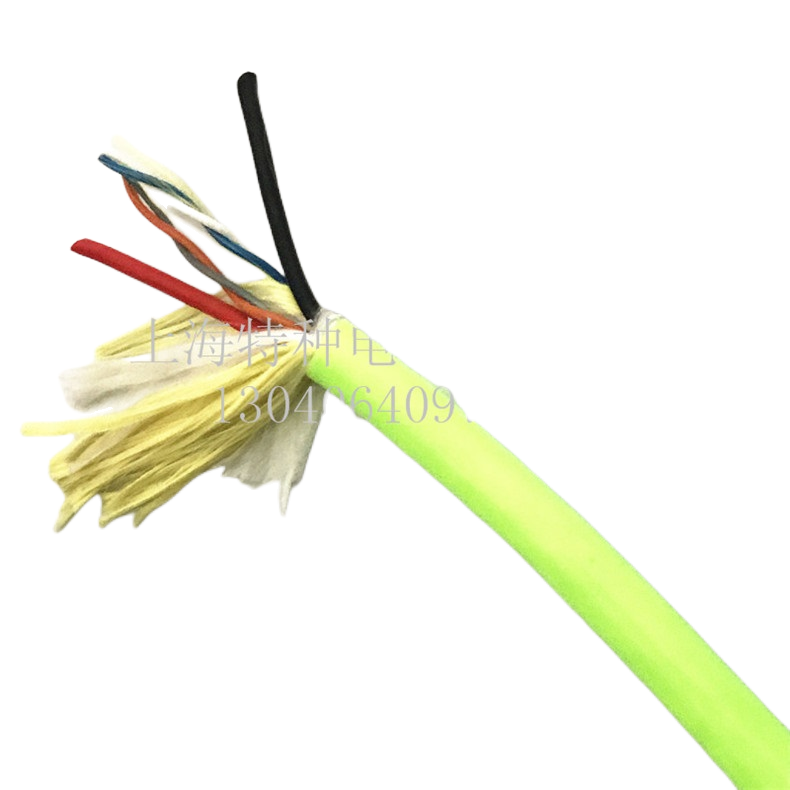
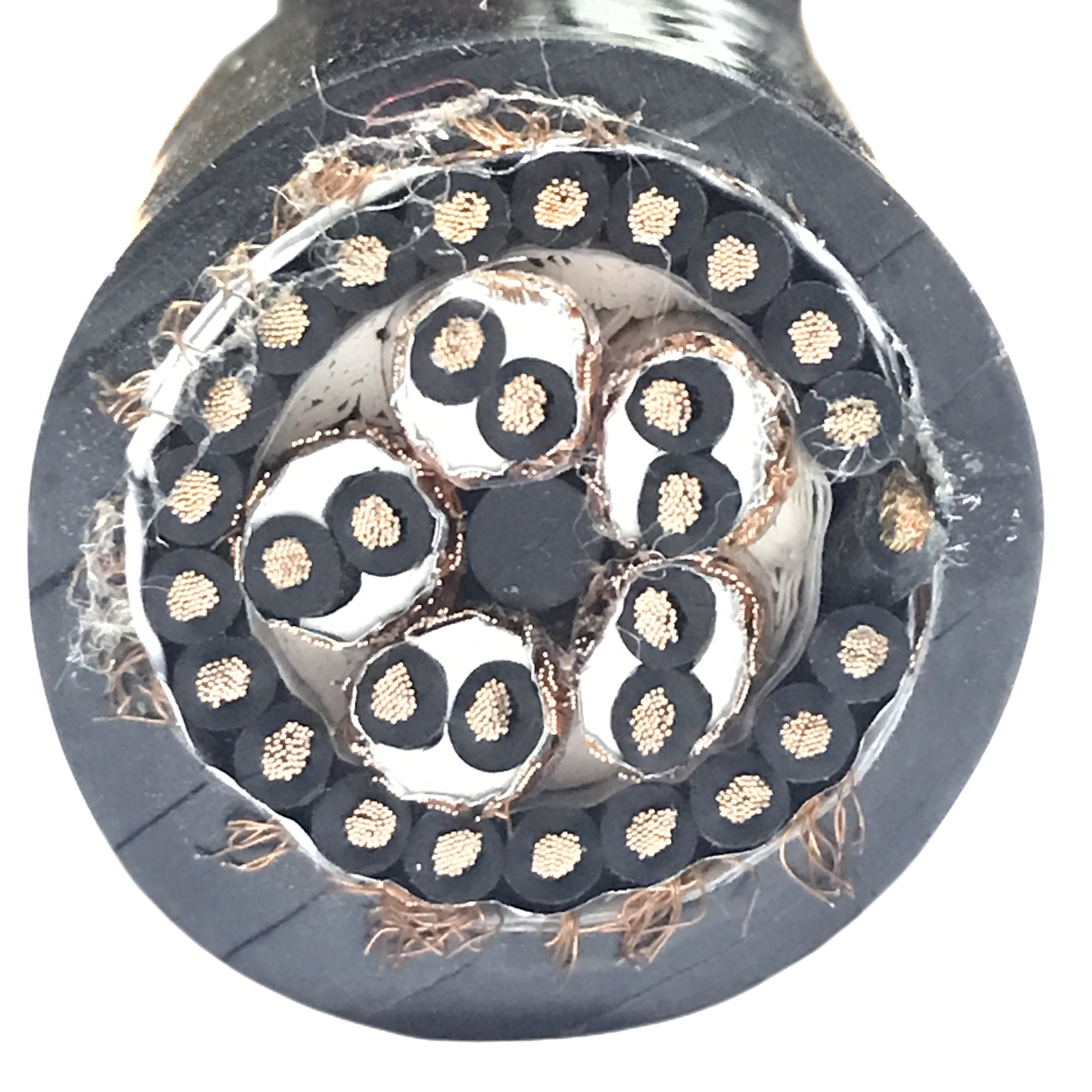
Flexible PUR Shielded Cable | Braided Shield | Drag Chain Signal Cable OEM Factory
Engineered for drag chain systems, this PUR shielded cable ensures stable signal transmission under continuous motion and electromagnetic interference.
Key Benefits:
✅ Braided copper shield for effective EMI protection
✅ ≥10 million flex cycles for long service life
✅ PUR jacket with high abrasion and oil resistance
✅ Class 6 conductors for superior flexibility and stability
Flexible PUR Shielded Cable | Braided Shield | Drag Chain Signal Cable OEM Factory
Designed for Motion + EMI Environments
In automation systems, signal cables inside drag chains are exposed to two simultaneous stresses: repeated mechanical bending and electromagnetic interference from surrounding equipment.
Most signal instability issues do not appear at installation — they develop after extended operation, when shielding performance degrades or internal structure becomes unstable.
This cable is built for both conditions: continuous flex and long-term signal consistency.
Key Construction Features
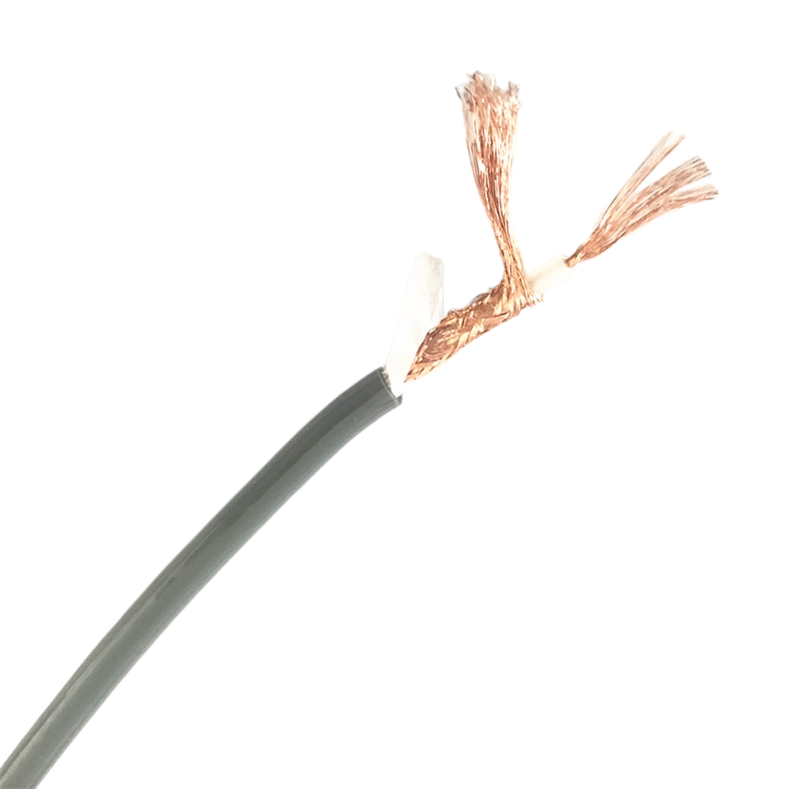
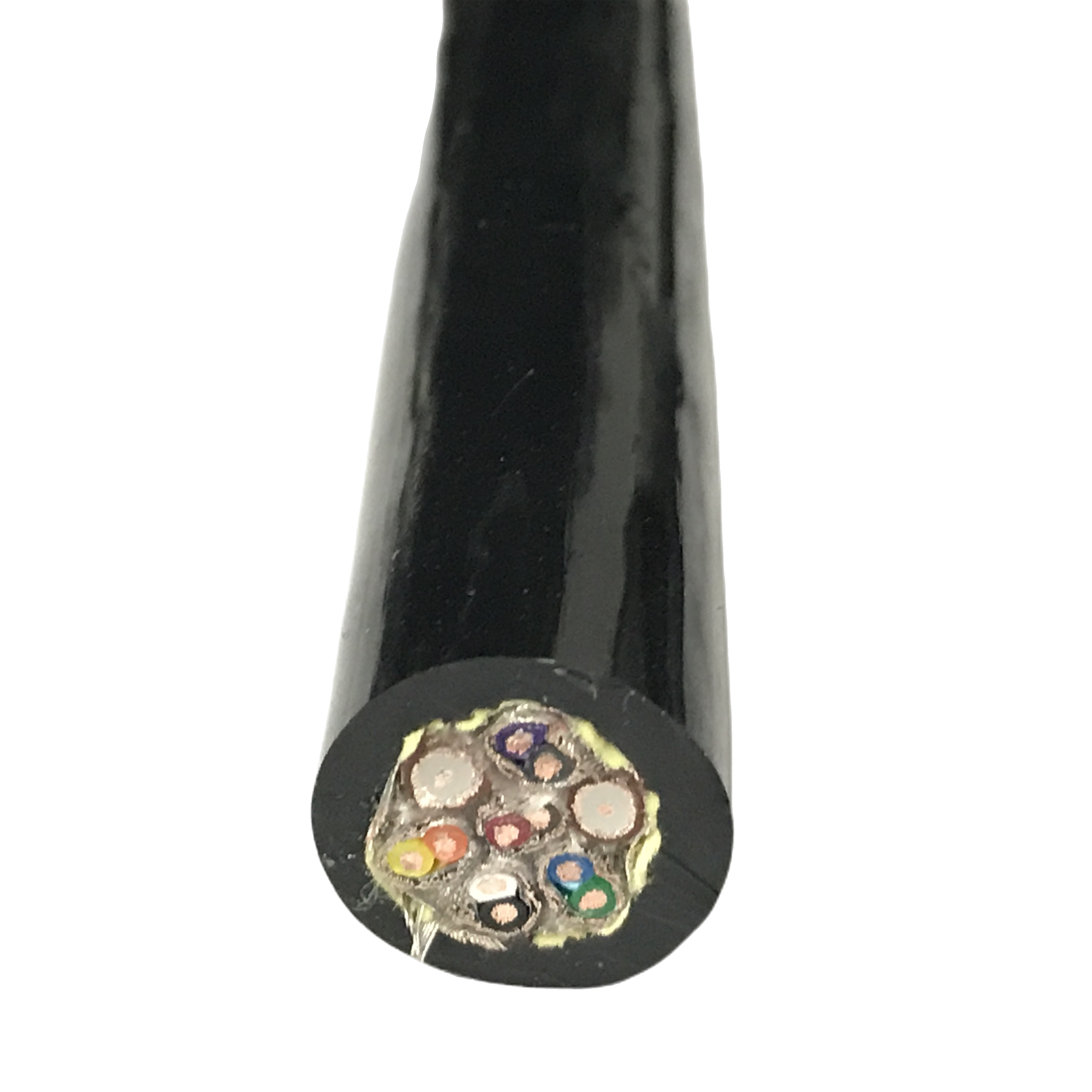
High-Density Braided Shield
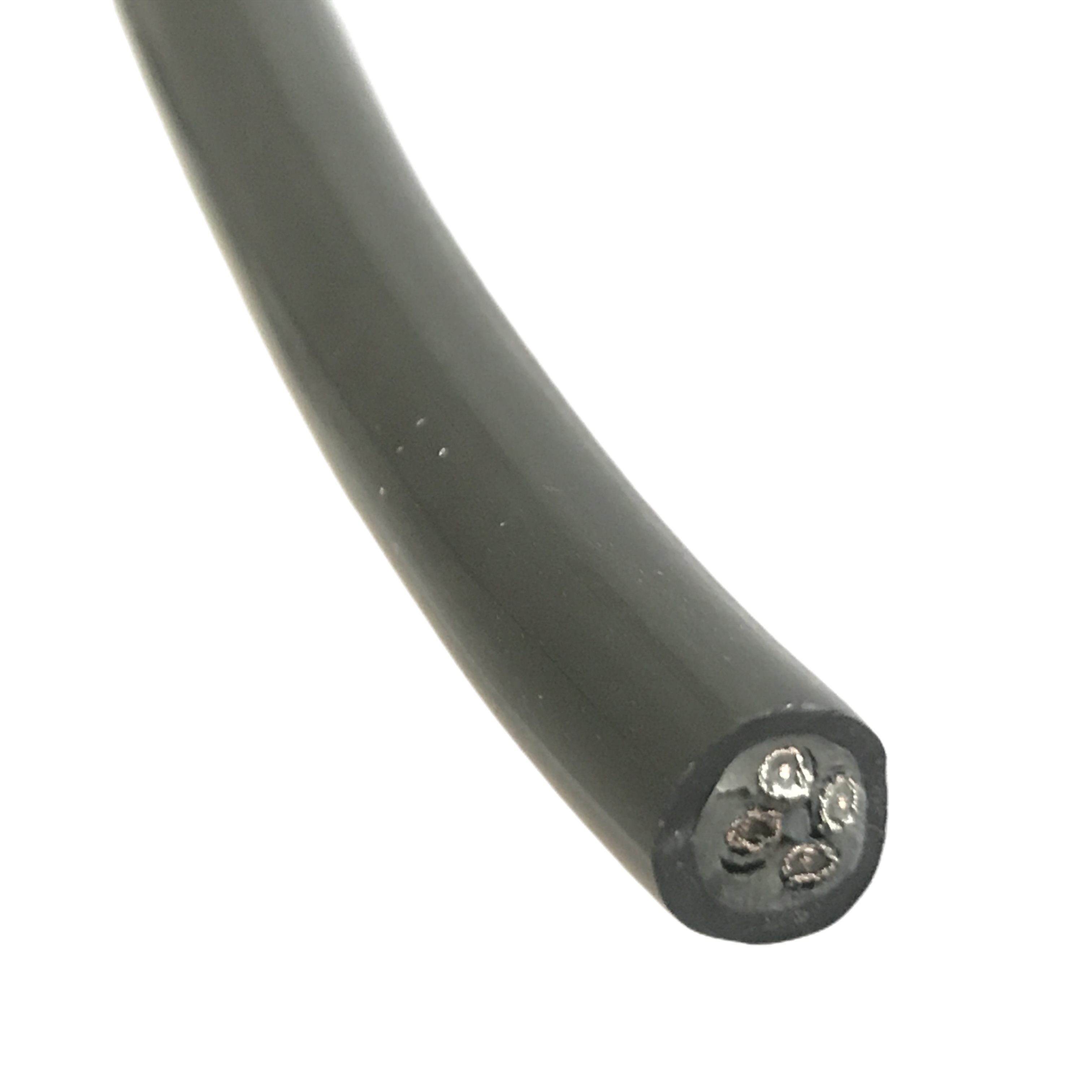
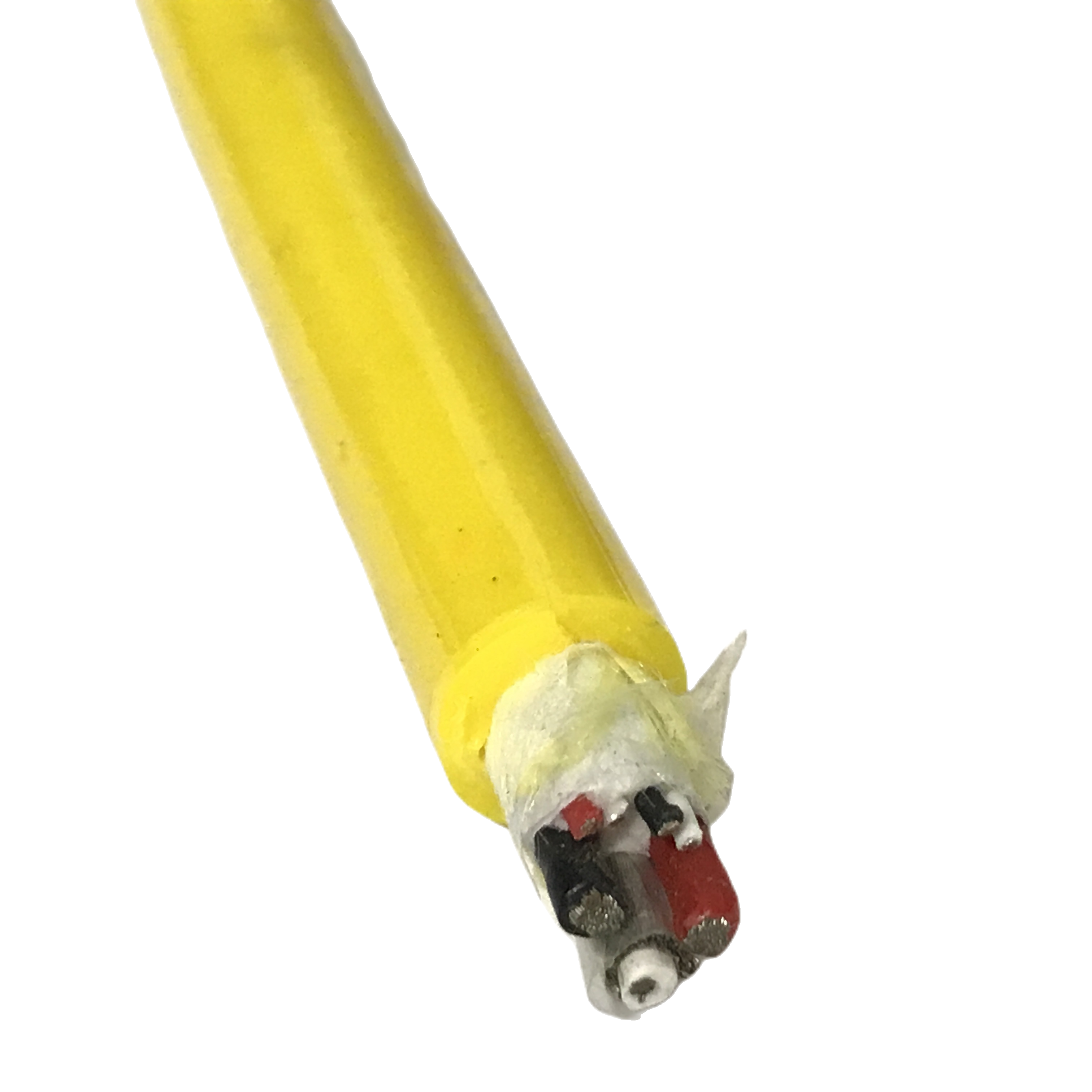
Tinned copper braid with high coverage forms a continuous conductive layer around the core, limiting external interference and internal signal leakage.
Dynamic Shield Stability
Shield structure is optimized to remain electrically continuous under repeated bending cycles, preventing signal fluctuation over time.
Polyether PUR Jacket
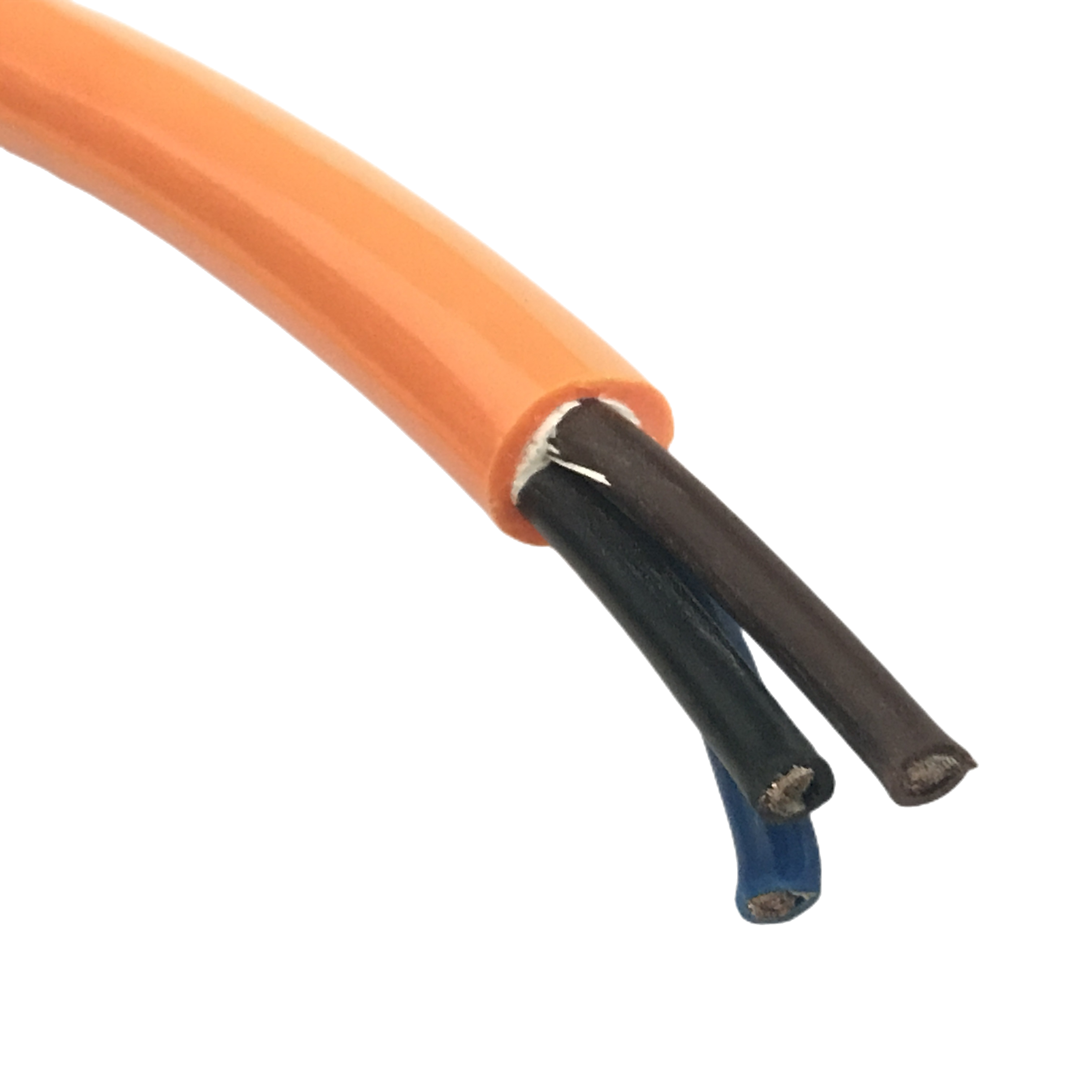
Provides abrasion resistance against chain contact surfaces while maintaining flexibility across a wide temperature range.
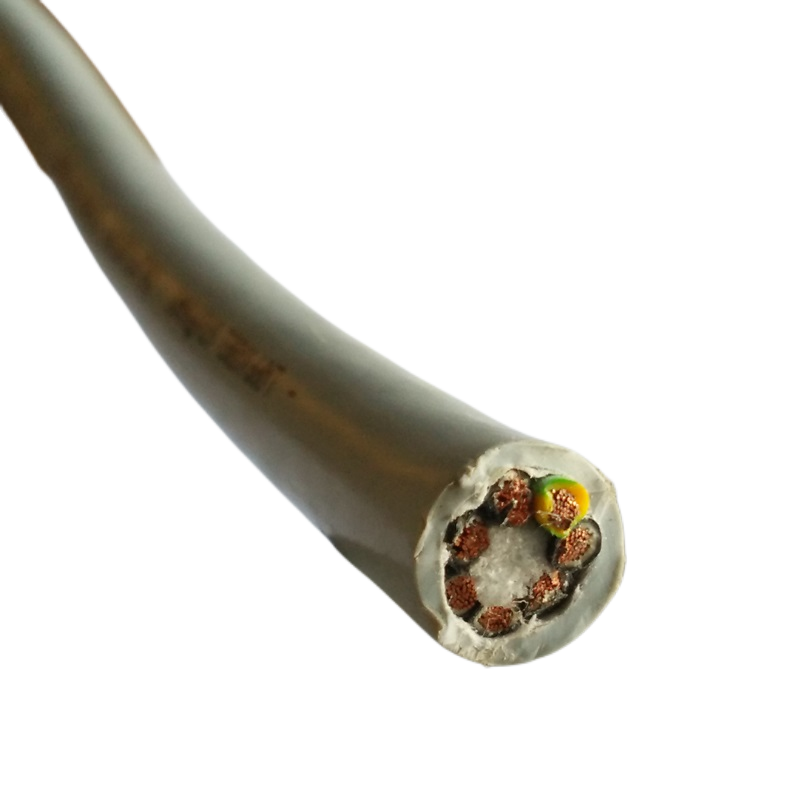
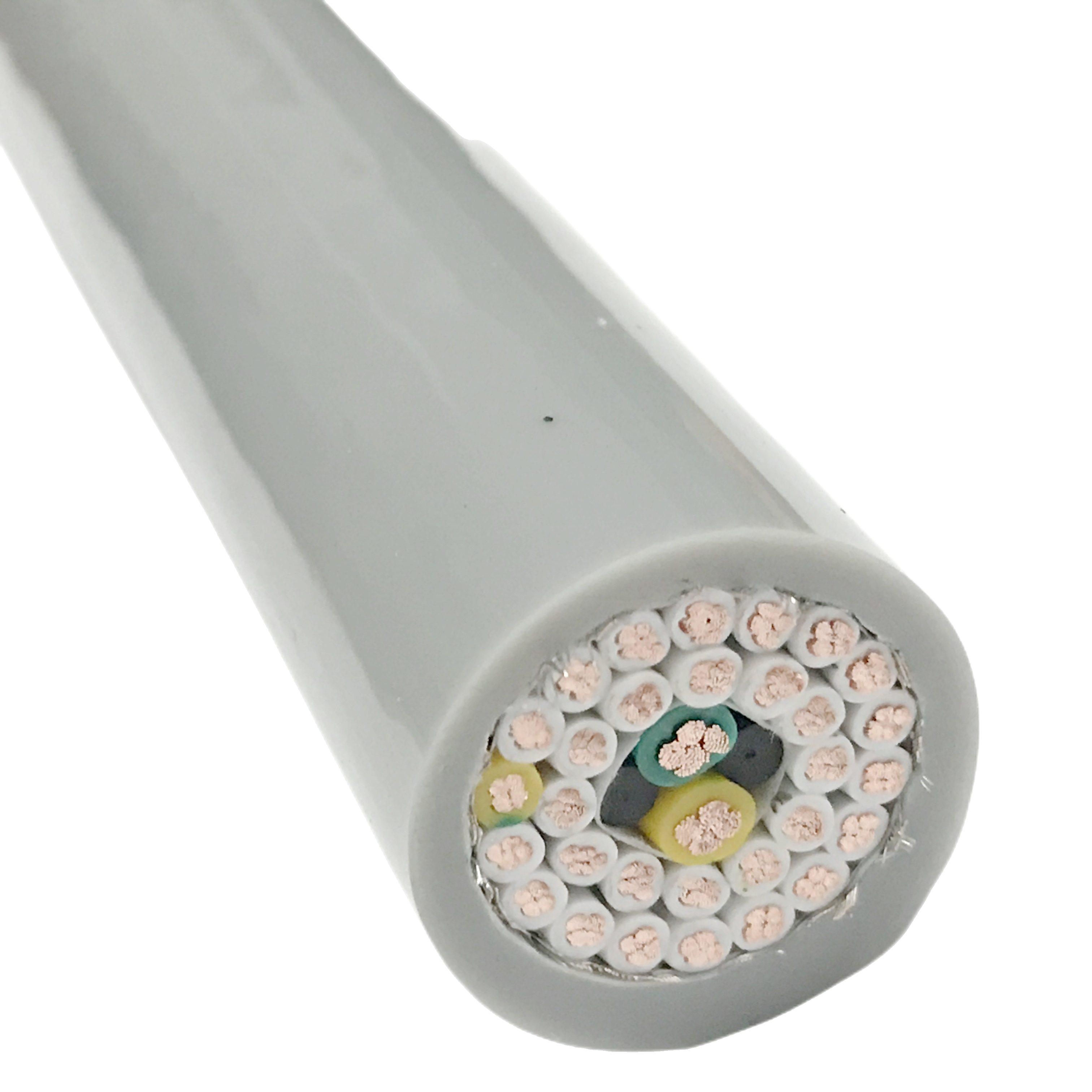
Fine-Stranded Conductors
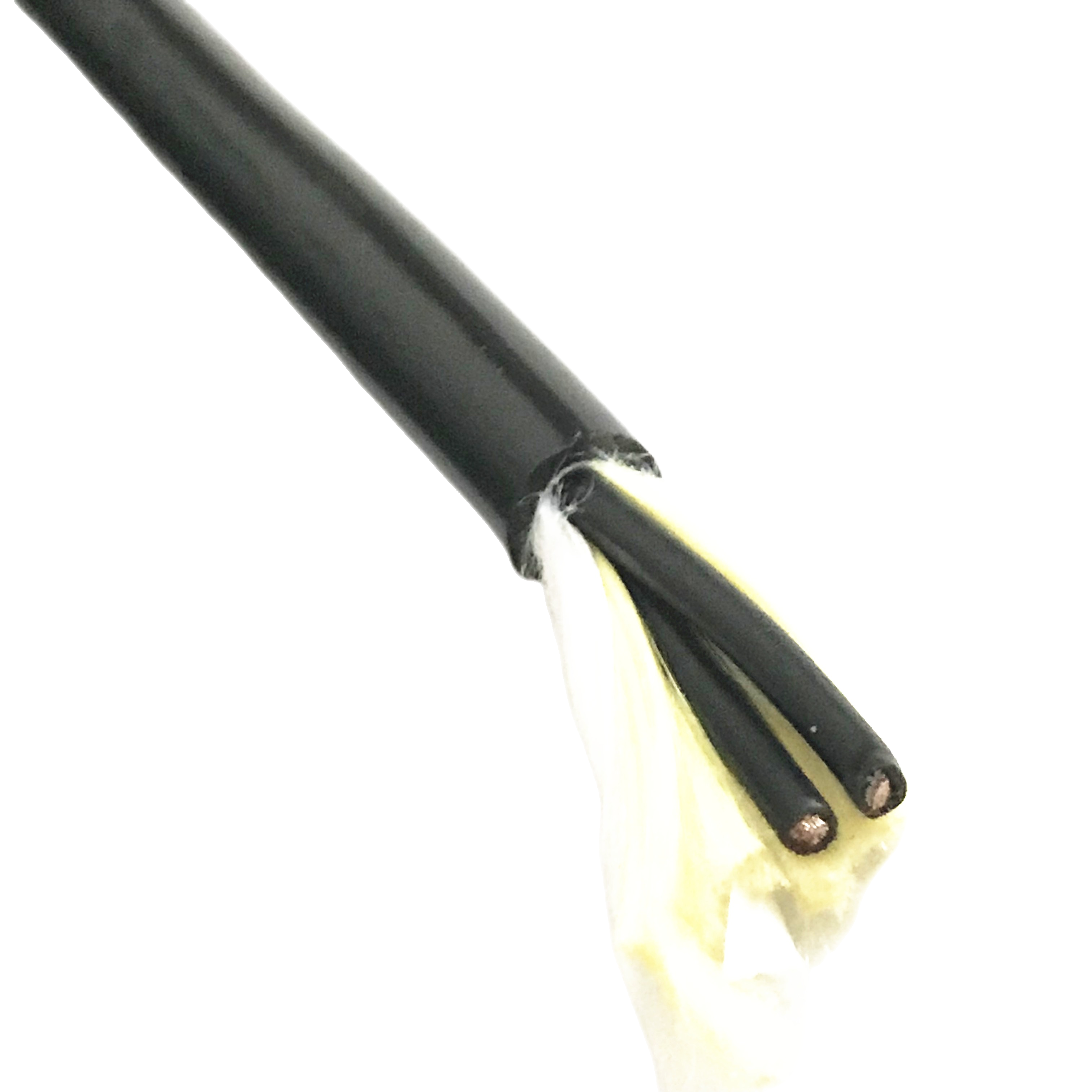
Class 6 stranding reduces internal stress during bending, extending operational life in dynamic systems.
Electrical & Mechanical Characteristics
| Parameter | Specification |
|---|---|
| Voltage | 300/500 V |
| Conductor | Oxygen-free copper |
| Stranding | IEC 60228 Class 6 |
| Shield | Tinned copper braid (≥85% coverage) |
| Transfer Impedance | ≤10 mΩ/m |
| Jacket | Polyether PUR |
| Temperature | -40°C to +90°C |
| Flex Life | ≥10 million cycles |
| Min Bend Radius | 7.5 × OD |
Signal Failure Patterns in Moving Systems
In drag chain installations, signal issues usually originate from three mechanisms:
1. Electromagnetic Coupling
Parallel routing with power cables induces noise into signal lines, especially under variable frequency drive operation.
2. Shield Degradation
Repeated bending can break shield continuity in low-quality constructions, increasing transfer impedance over time.
3. Grounding Instability
Improper shield grounding creates potential differences, leading to fluctuating signal reference levels.
These factors lead to intermittent faults rather than complete failure, making diagnosis difficult.
When Shielded Cable Is Required
| Condition | Recommendation |
|---|---|
| Installed near VFD or servo drive | Required |
| Encoder / feedback signals | Required |
| Mixed power + signal in same chain | Required |
| Low-frequency control only | Optional |
Shielding should be considered a system requirement, not just a cable feature.
Material Performance Comparison
| Property | PUR Shielded Cable | PVC Shielded Cable |
|---|---|---|
| Abrasion Resistance | High | Medium |
| Flex Endurance | ≥10M cycles | 1–3M cycles |
| Shield Integrity Over Time | Stable | Degrades |
| Oil Resistance | Strong | Limited |
| Low Temperature Flexibility | -40°C | -15°C |
Material selection directly affects both mechanical life and electrical stability.
Installation & Grounding Considerations
To maintain shielding effectiveness:
-
Ground the shield at one defined point (or both ends depending on system design)
-
Avoid twisting during installation
-
Maintain minimum bend radius requirements
-
Prevent excessive compression inside the drag chain
Incorrect grounding can negate shielding benefits entirely.
Configuration Options
-
Multi-core signal cables
-
Shielded twisted pair structures
-
Hybrid signal + power combinations
-
Halogen-free (LSZH) variants
-
Custom OEM configurations
Application-Oriented FAQ
What happens if shielding is insufficient?
Signal noise increases, leading to unstable communication or incorrect sensor readings.
Is braided shield better than foil shield?
Braided shield performs better in dynamic applications due to higher mechanical durability.
How does bending affect shielding?
Repeated bending can increase transfer impedance if shield structure is not designed for motion.
Can this cable run with power cables in the same chain?
Yes, shielding is specifically designed for this condition.
Does shielding eliminate all interference?
No, but it significantly reduces interference when combined with correct grounding.