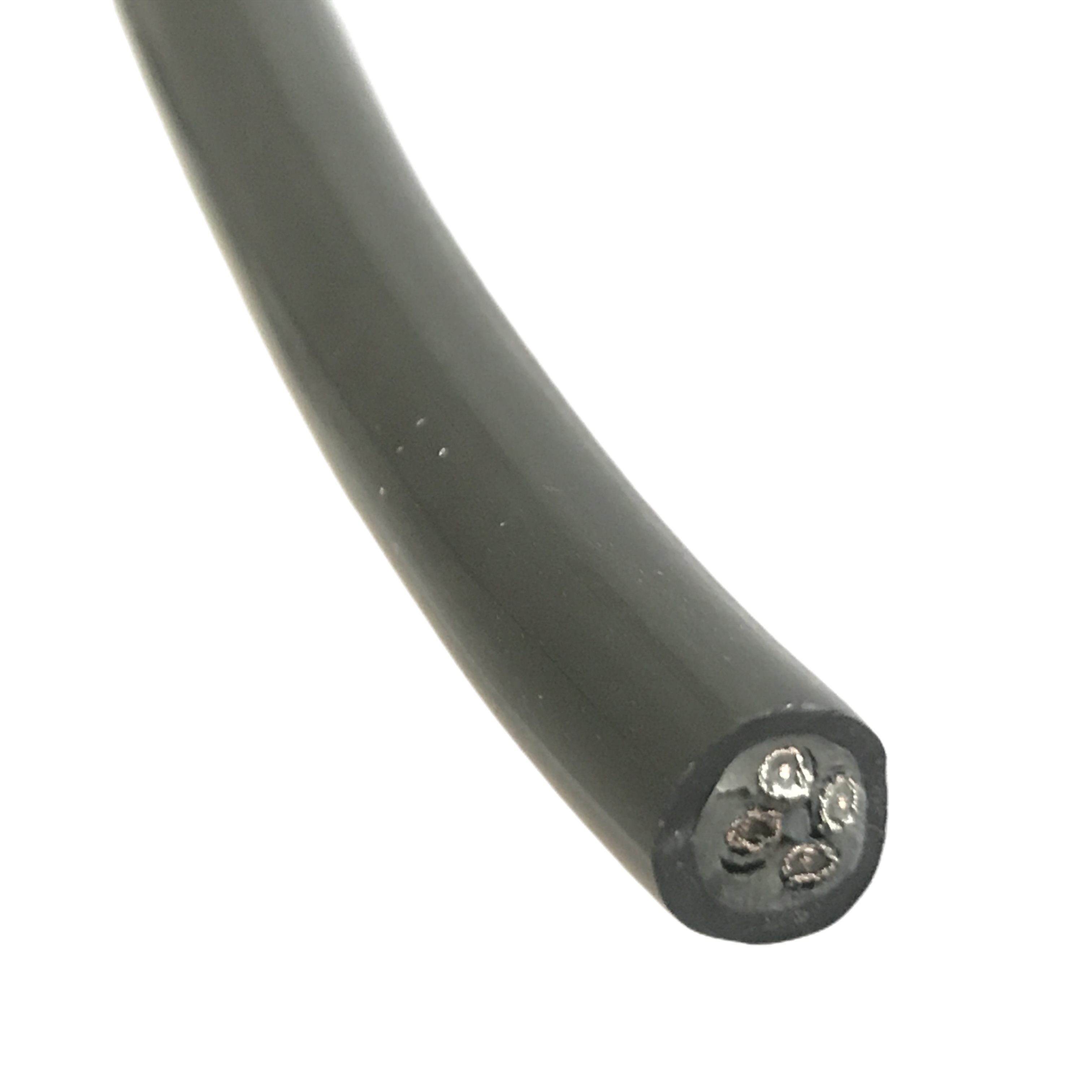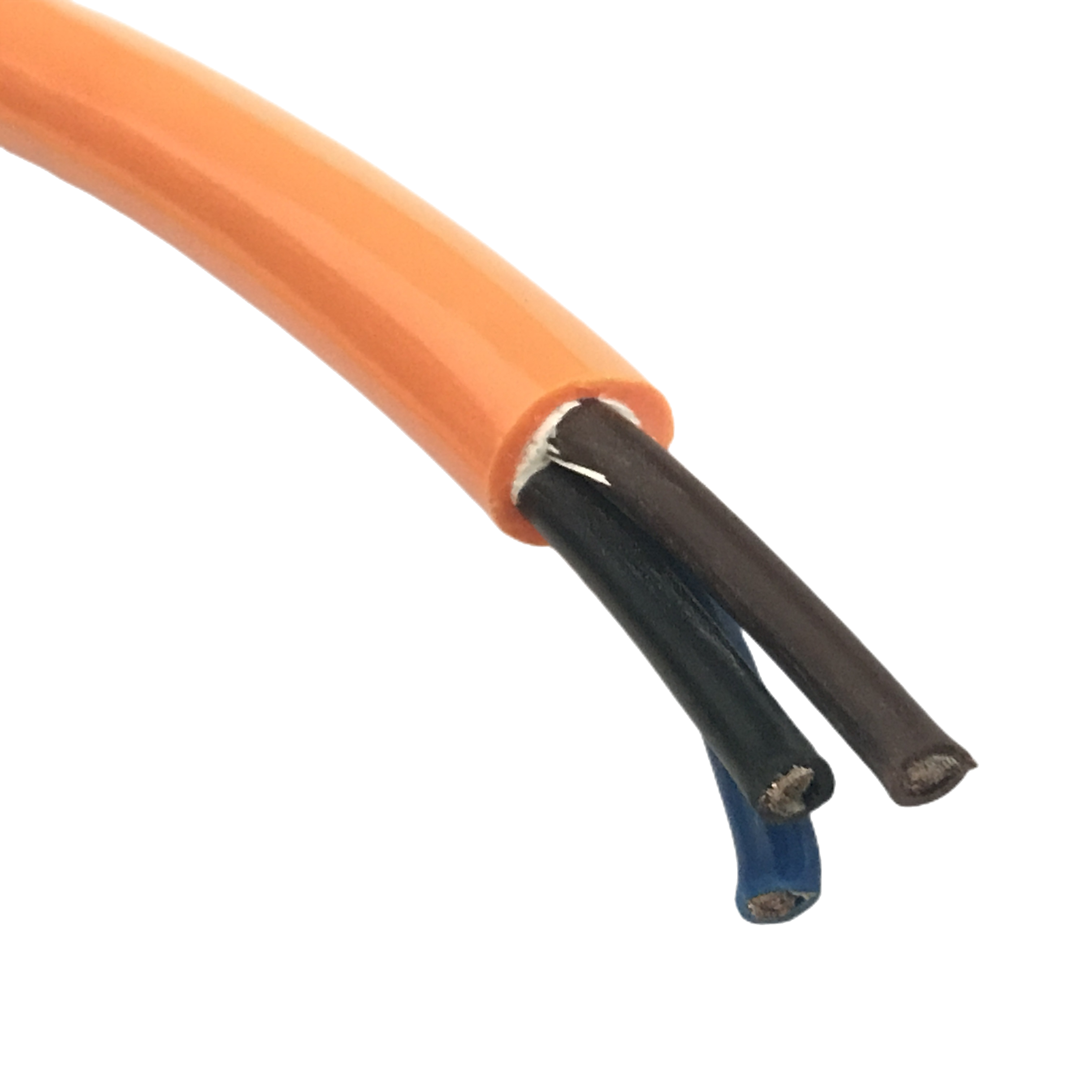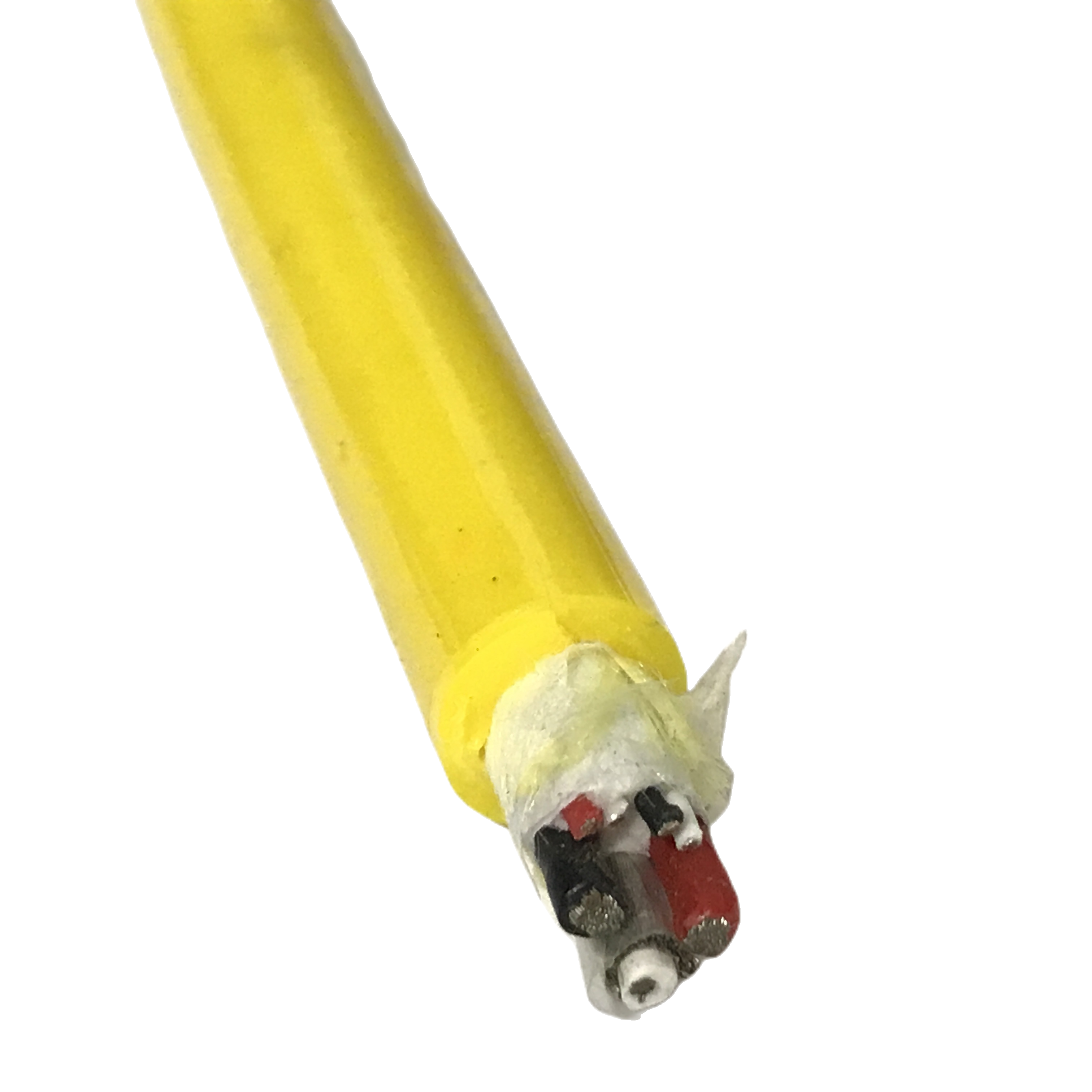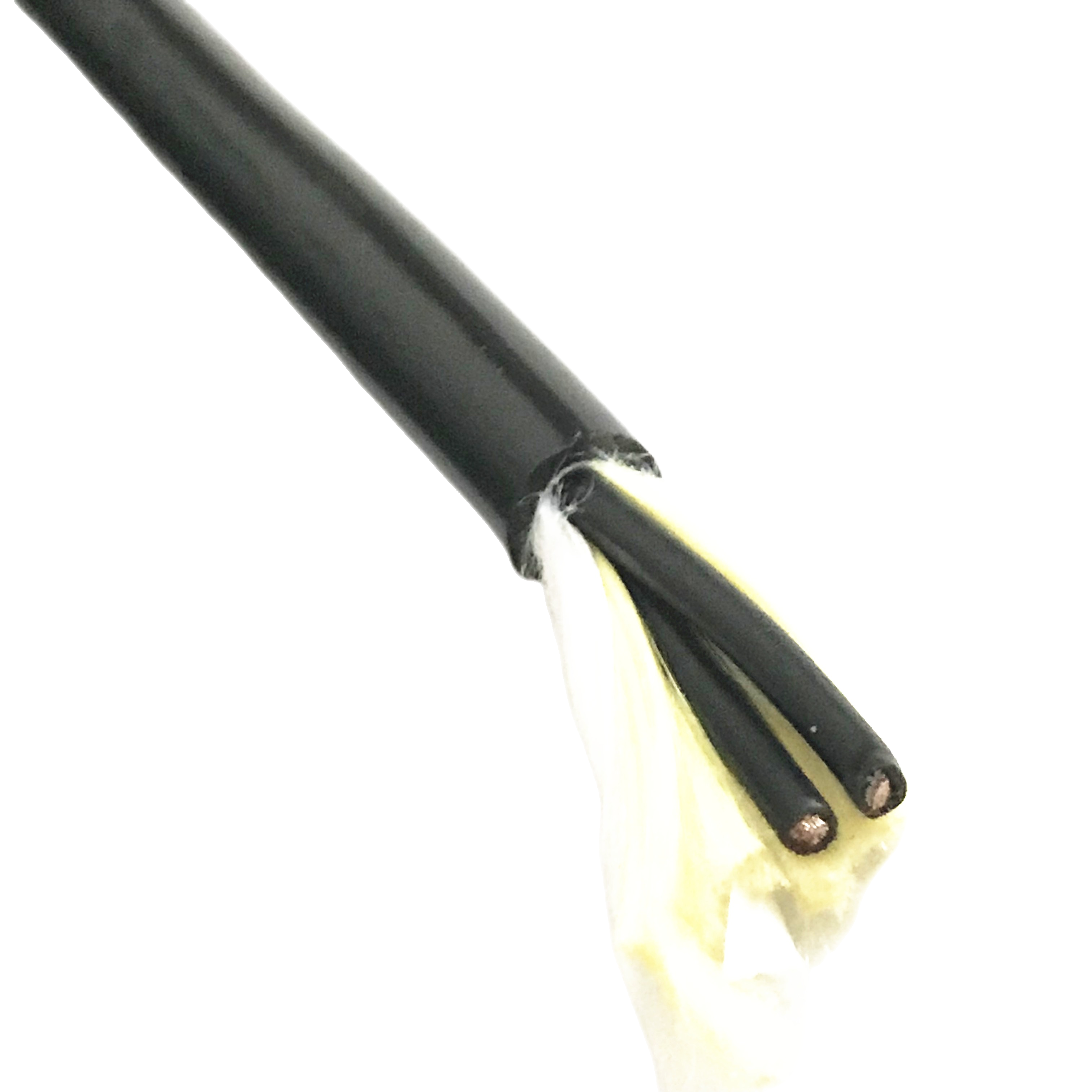



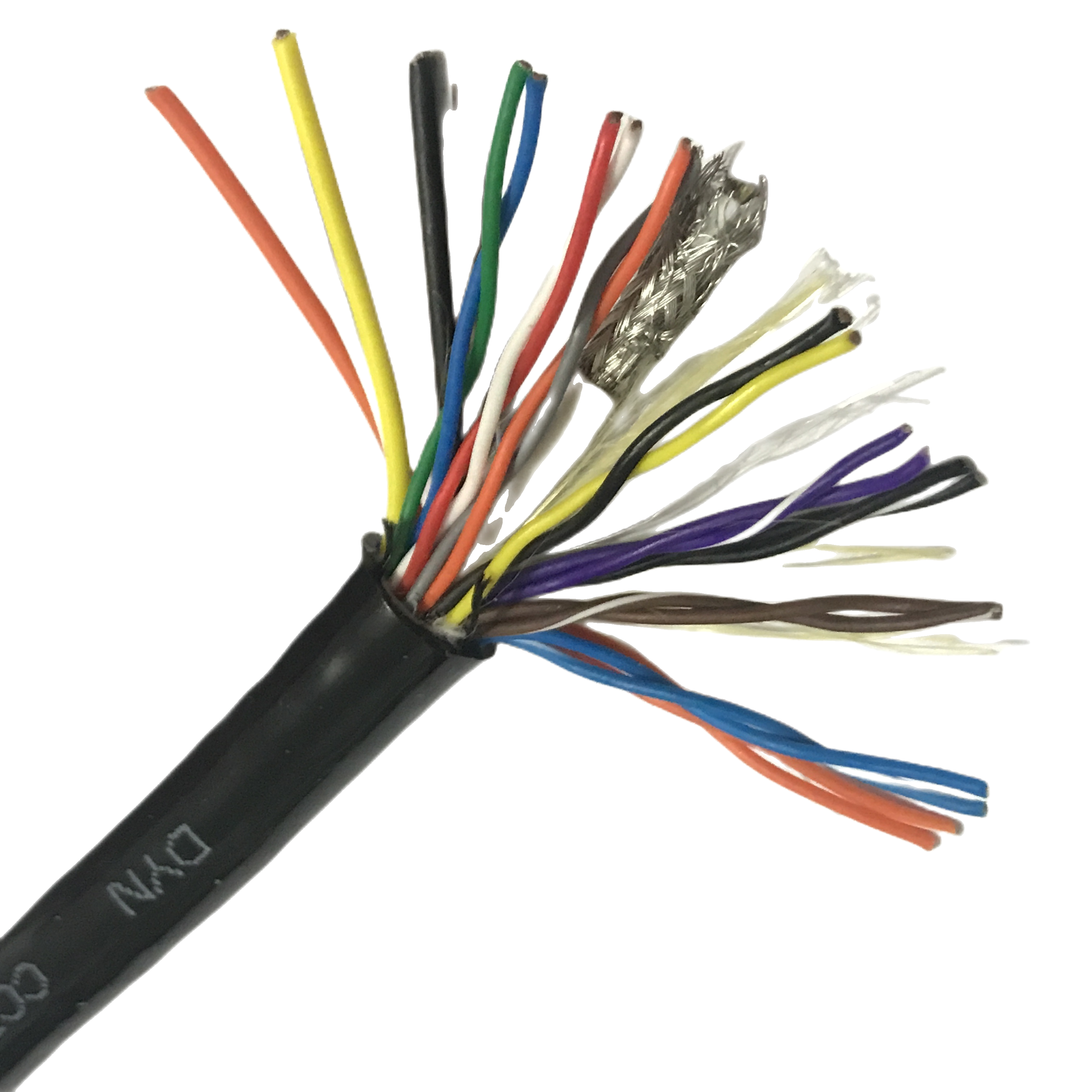
Double Sheath PVC Power Cable | Outdoor & Underground Use | High Durability Supplier
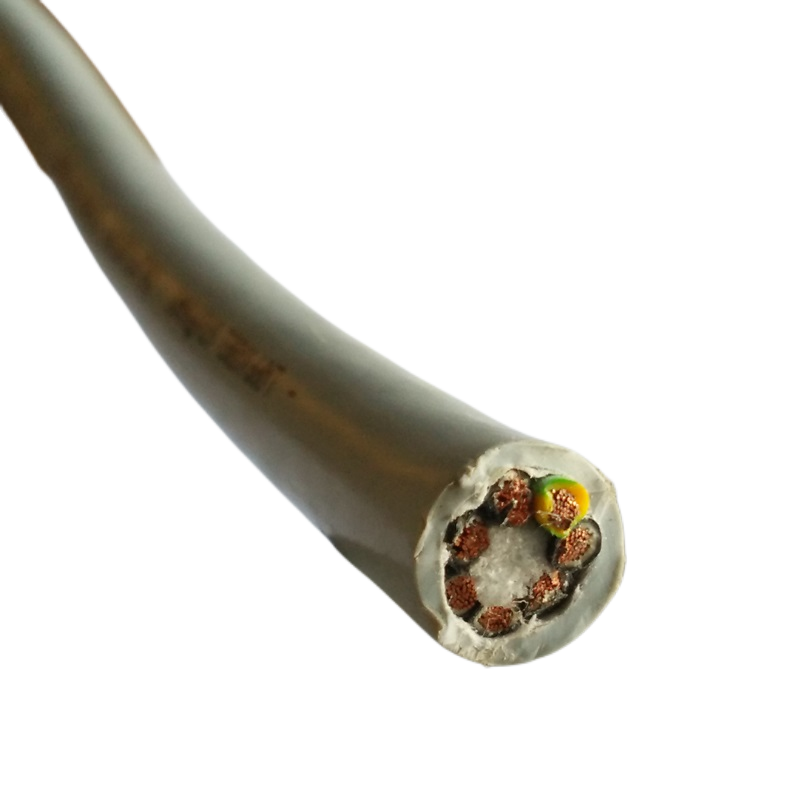
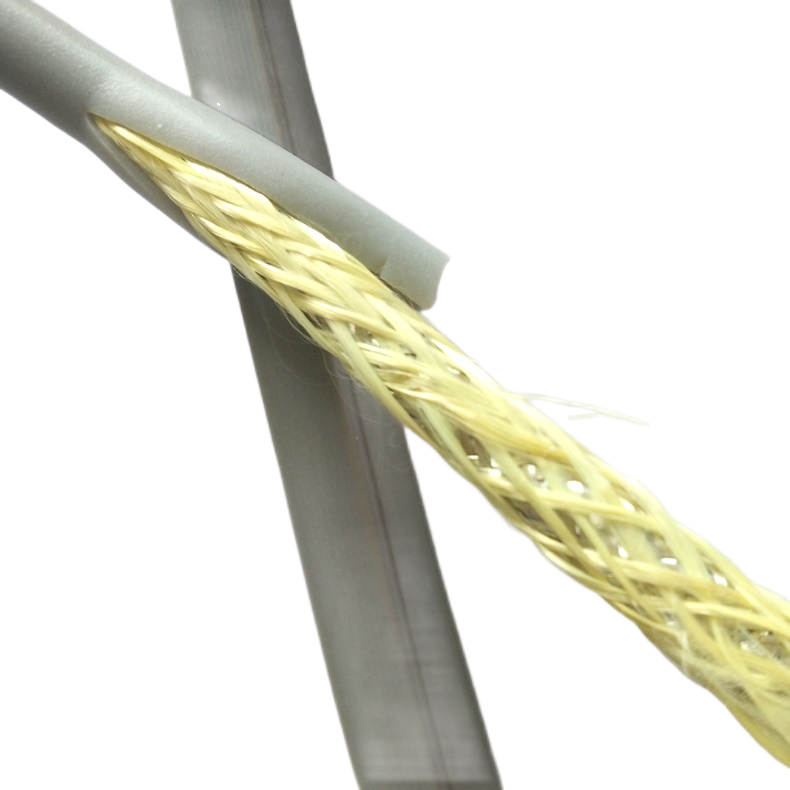
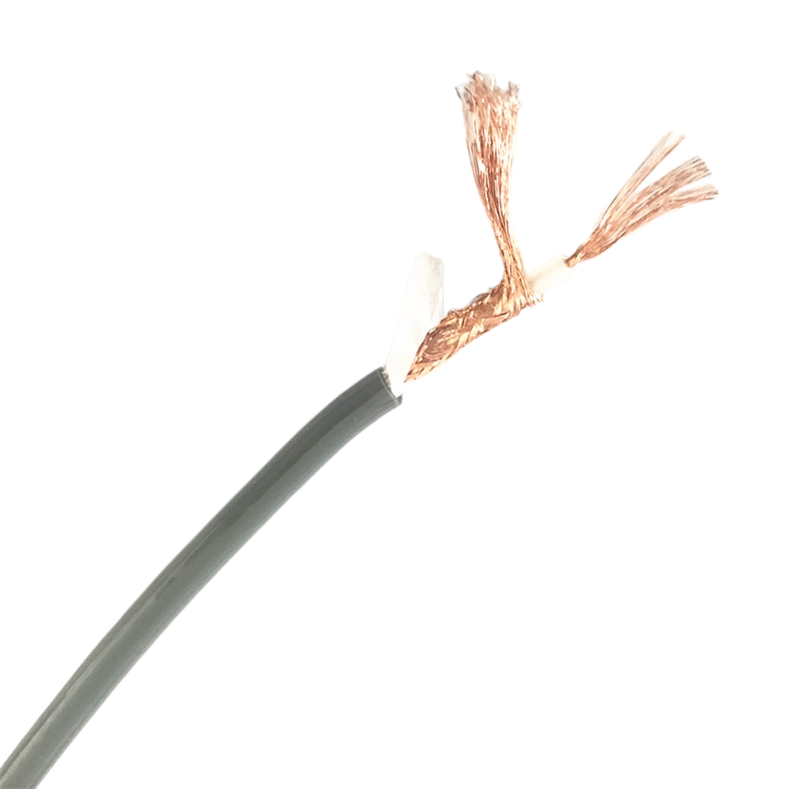
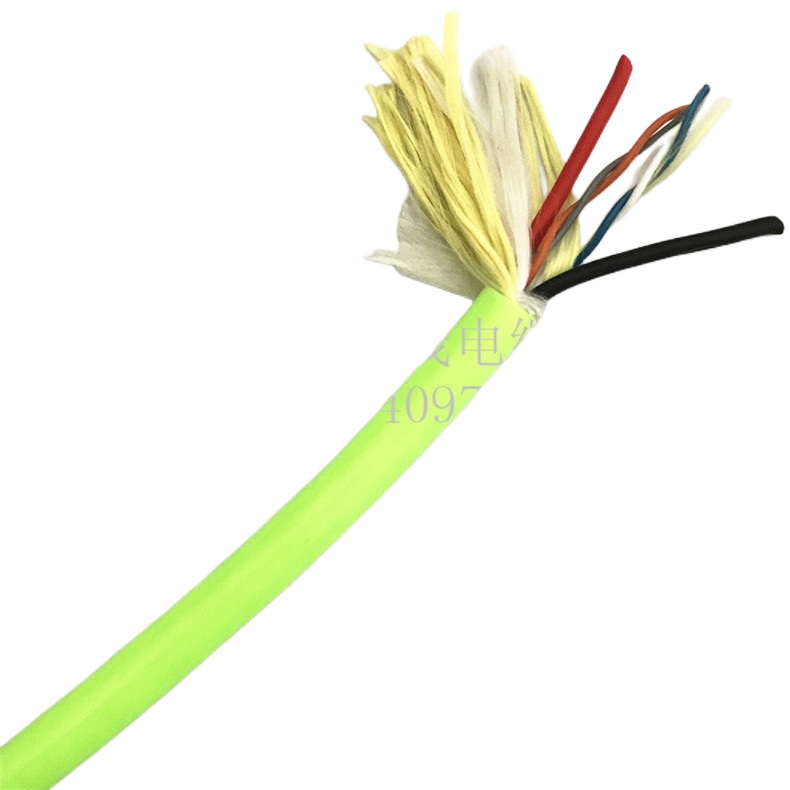
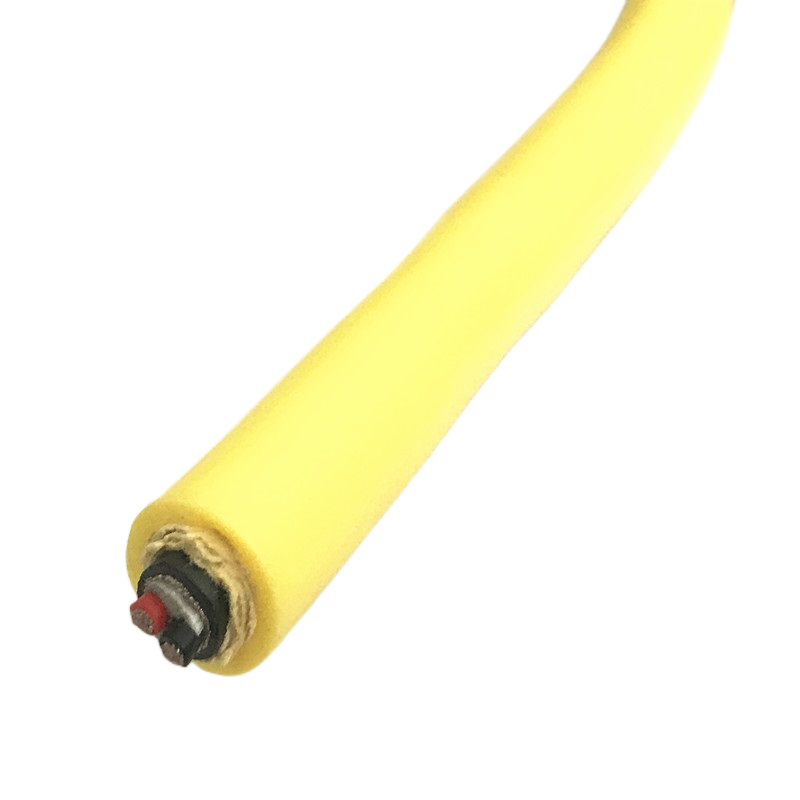
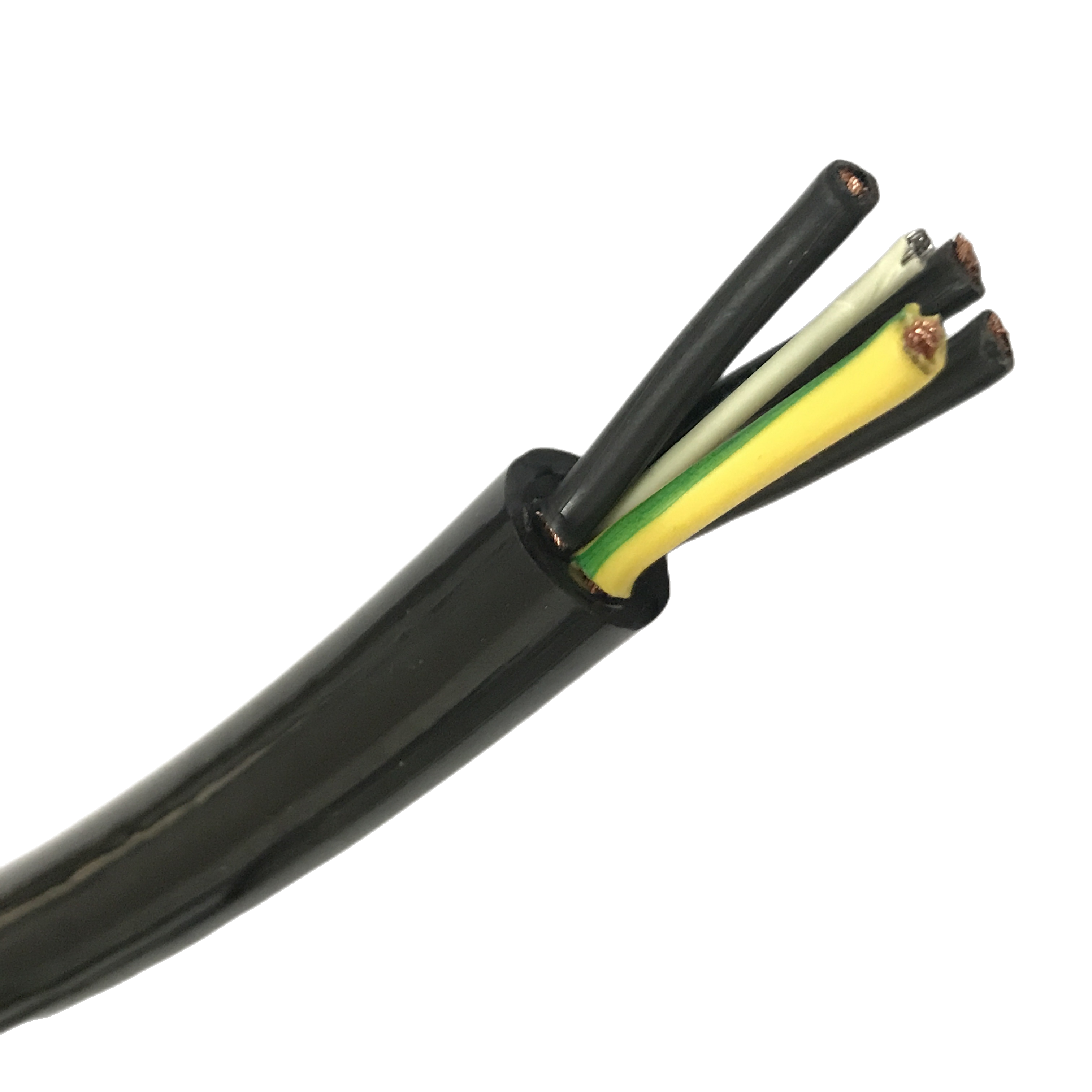
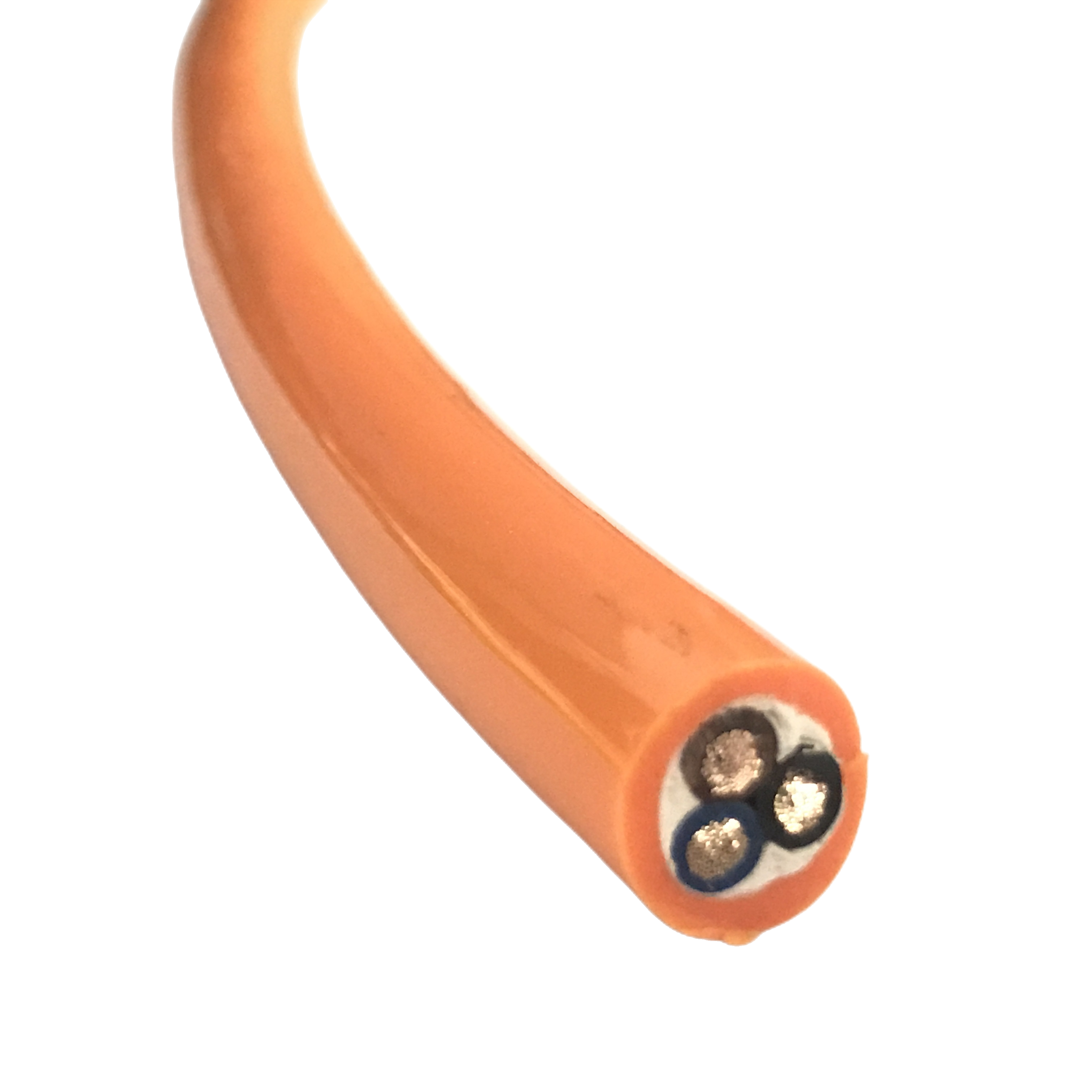
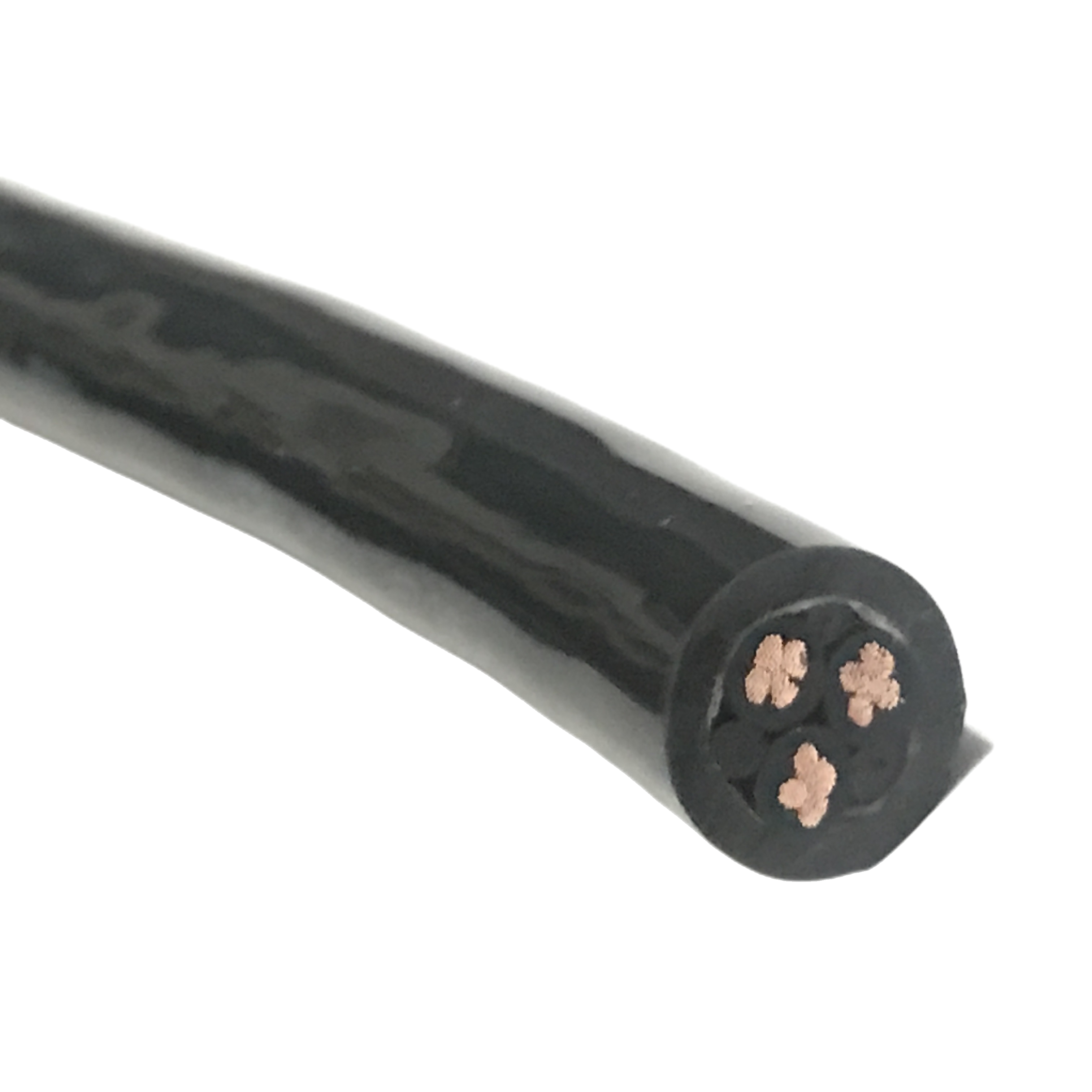
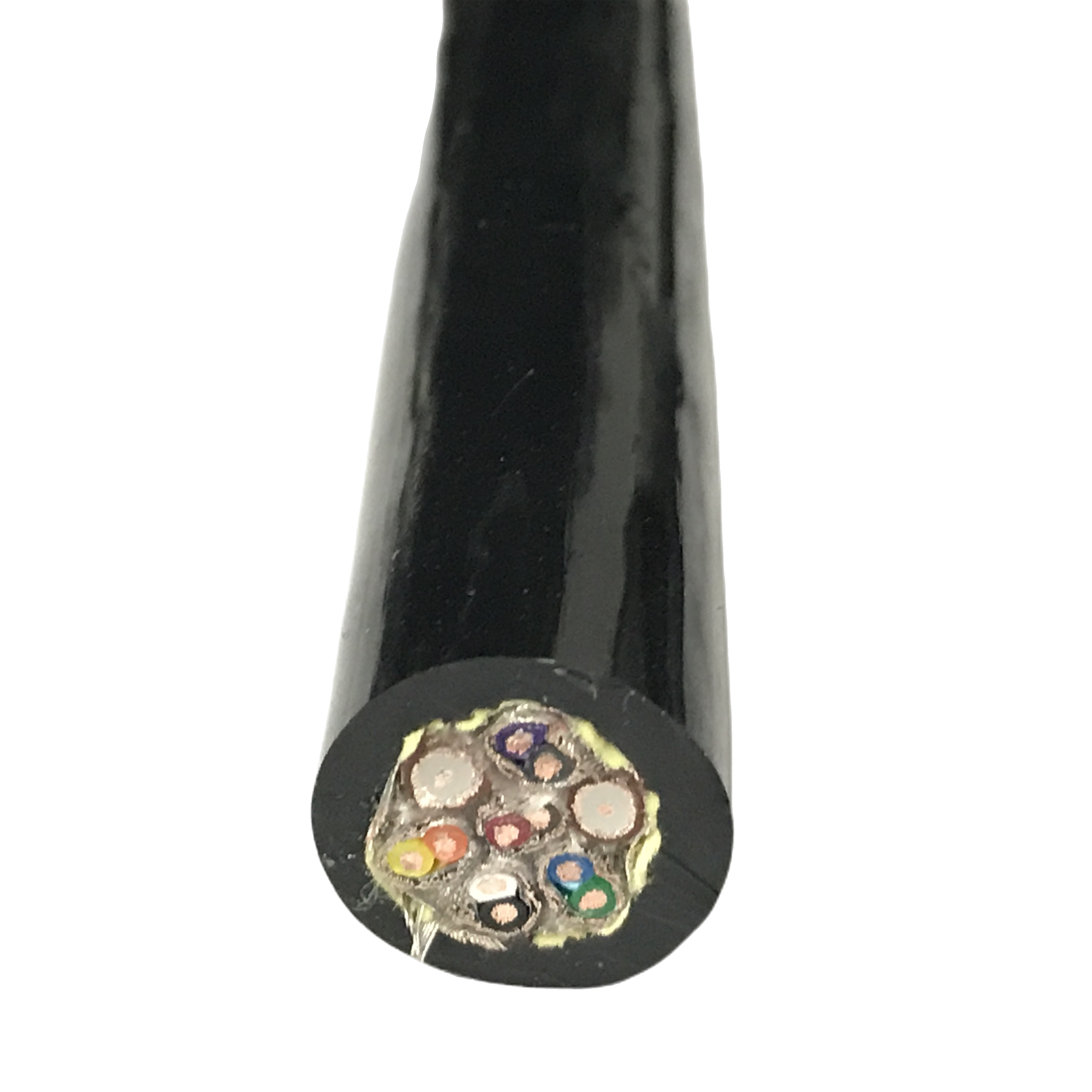
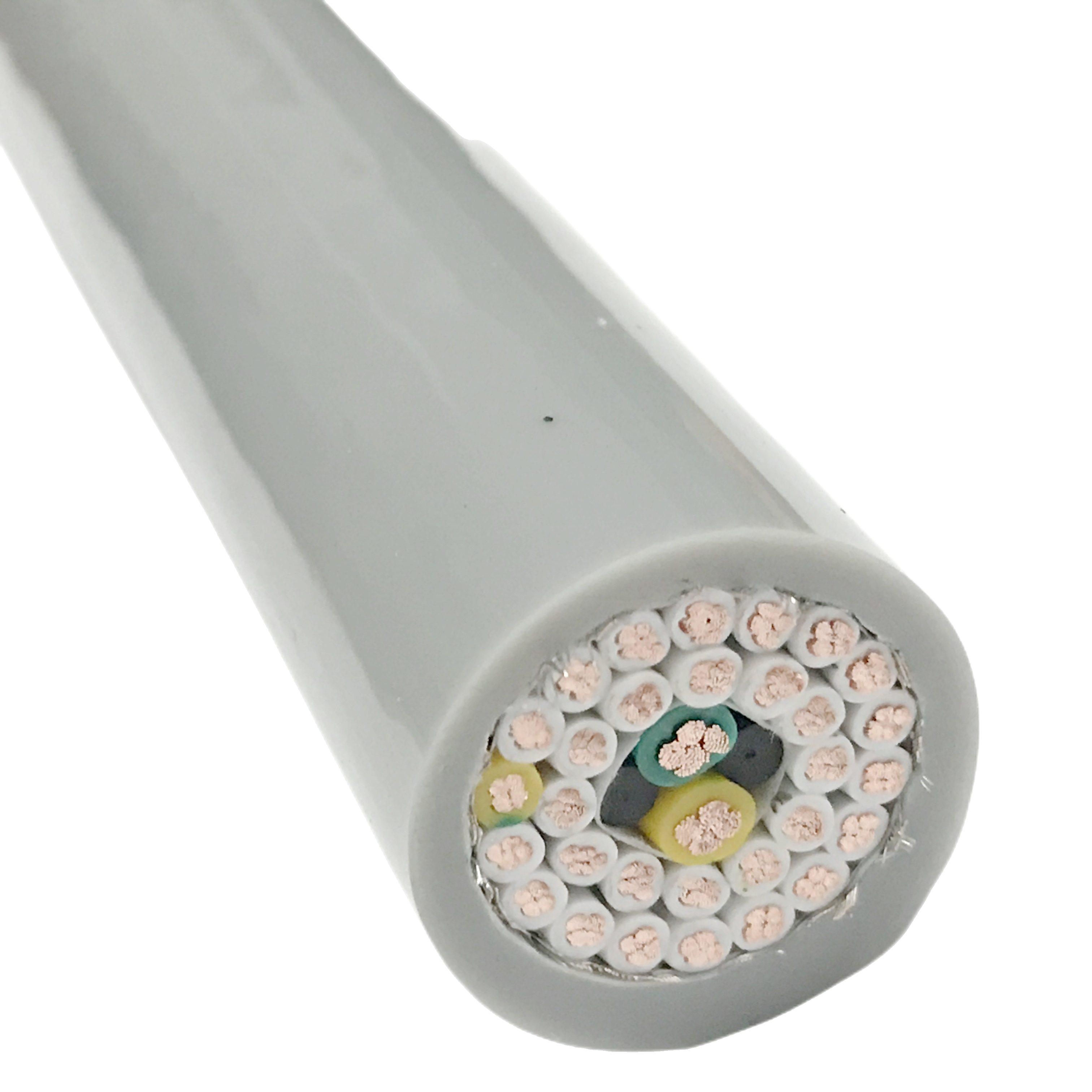
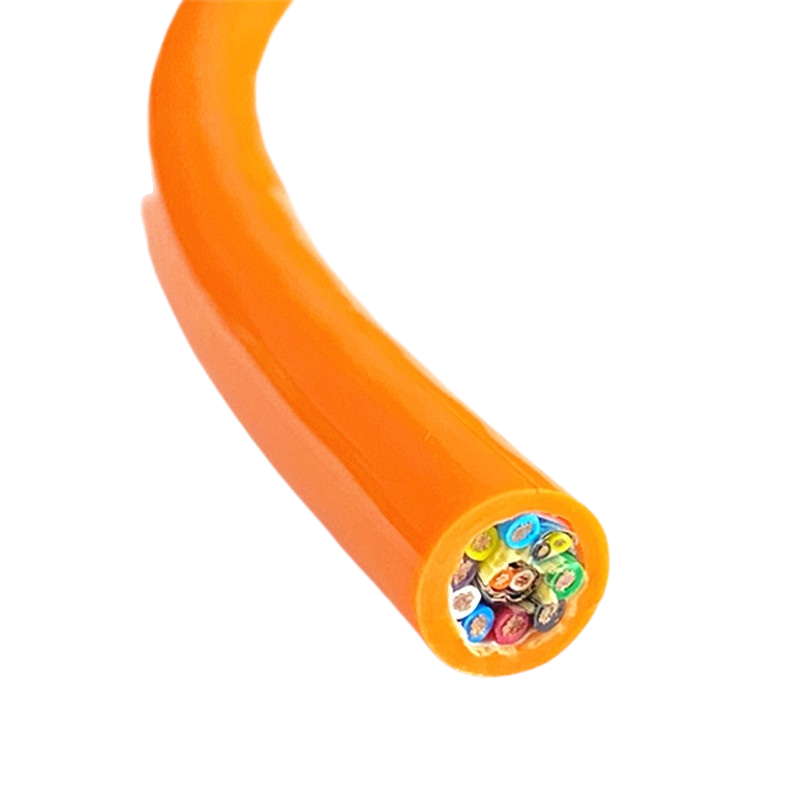
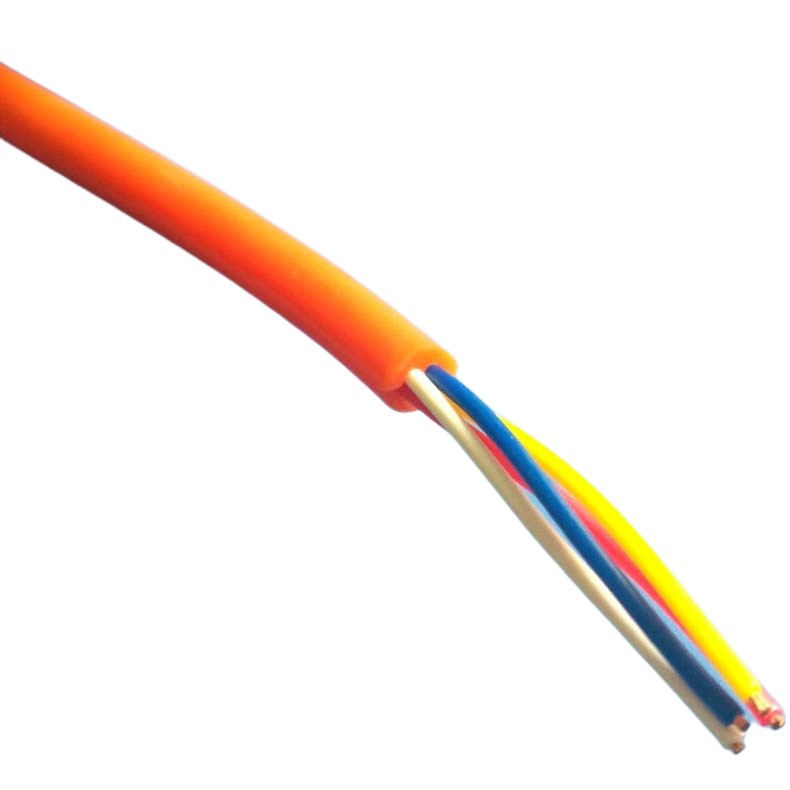
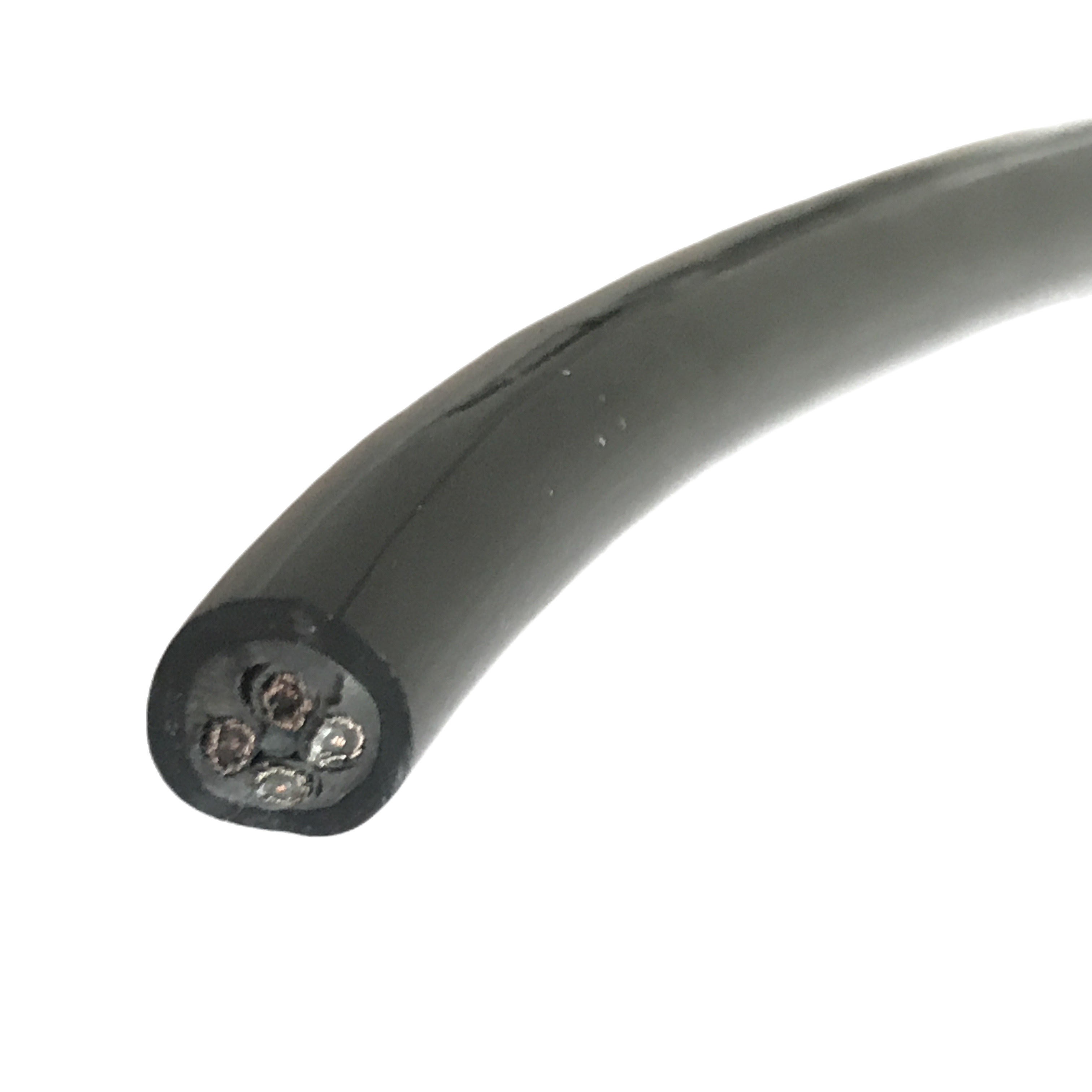
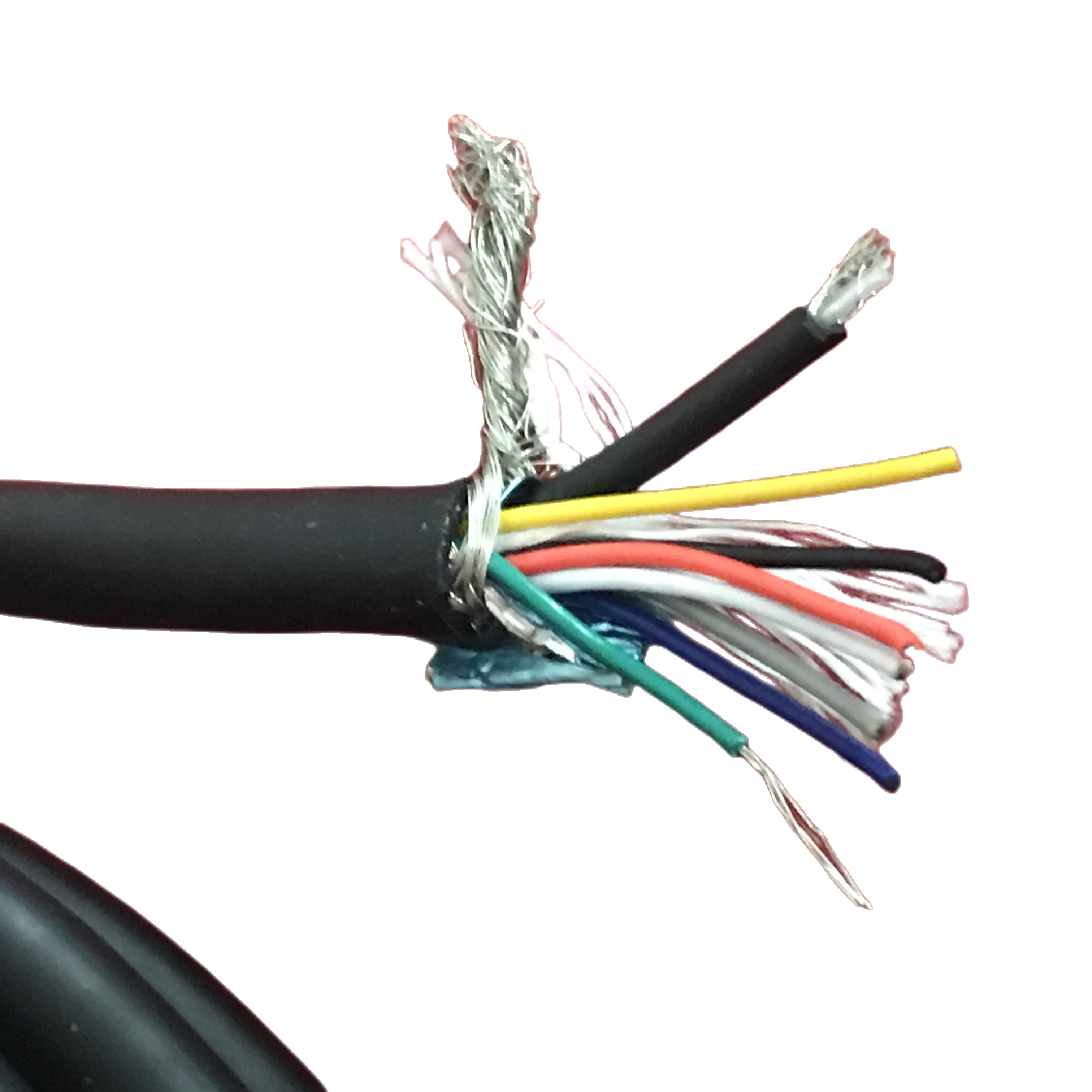
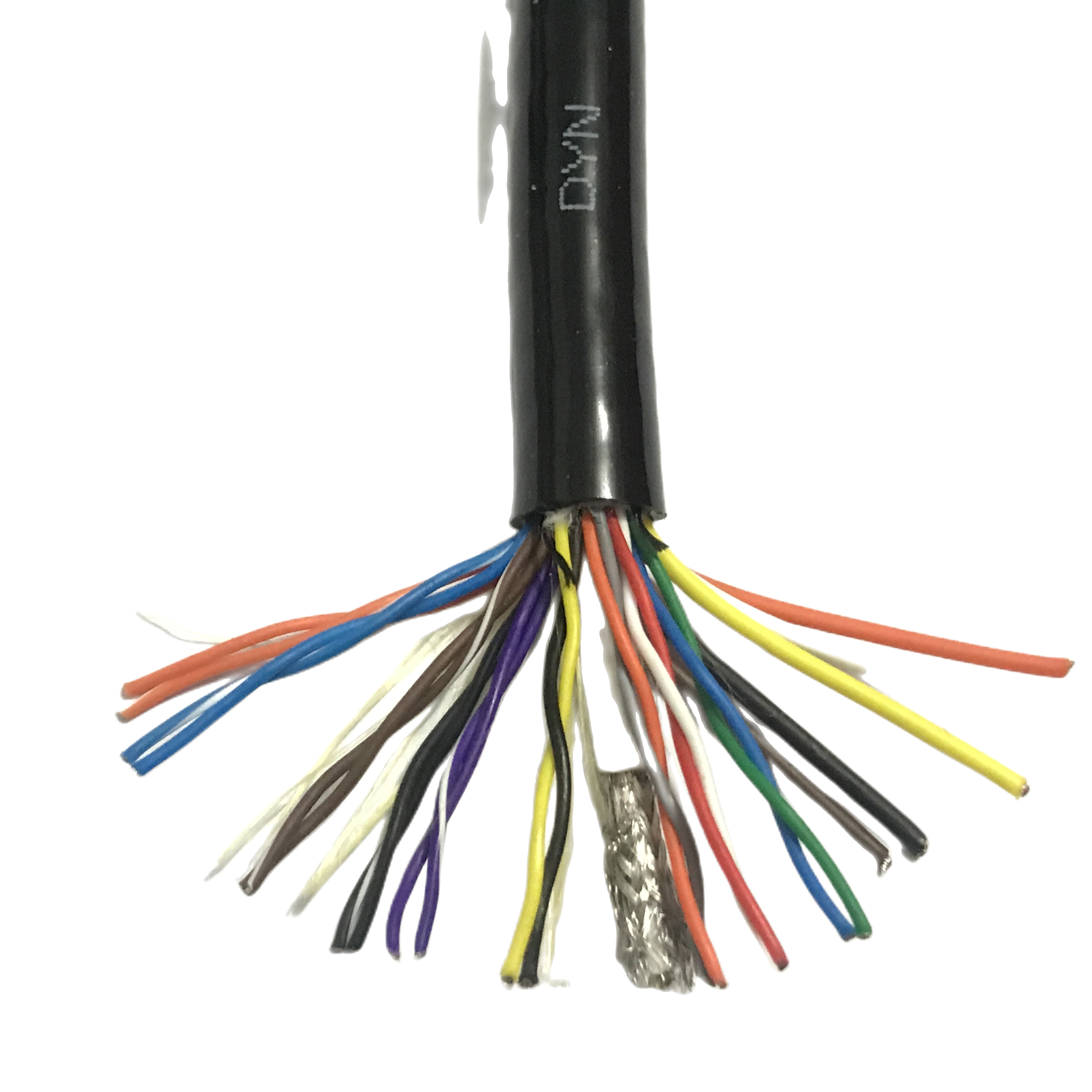
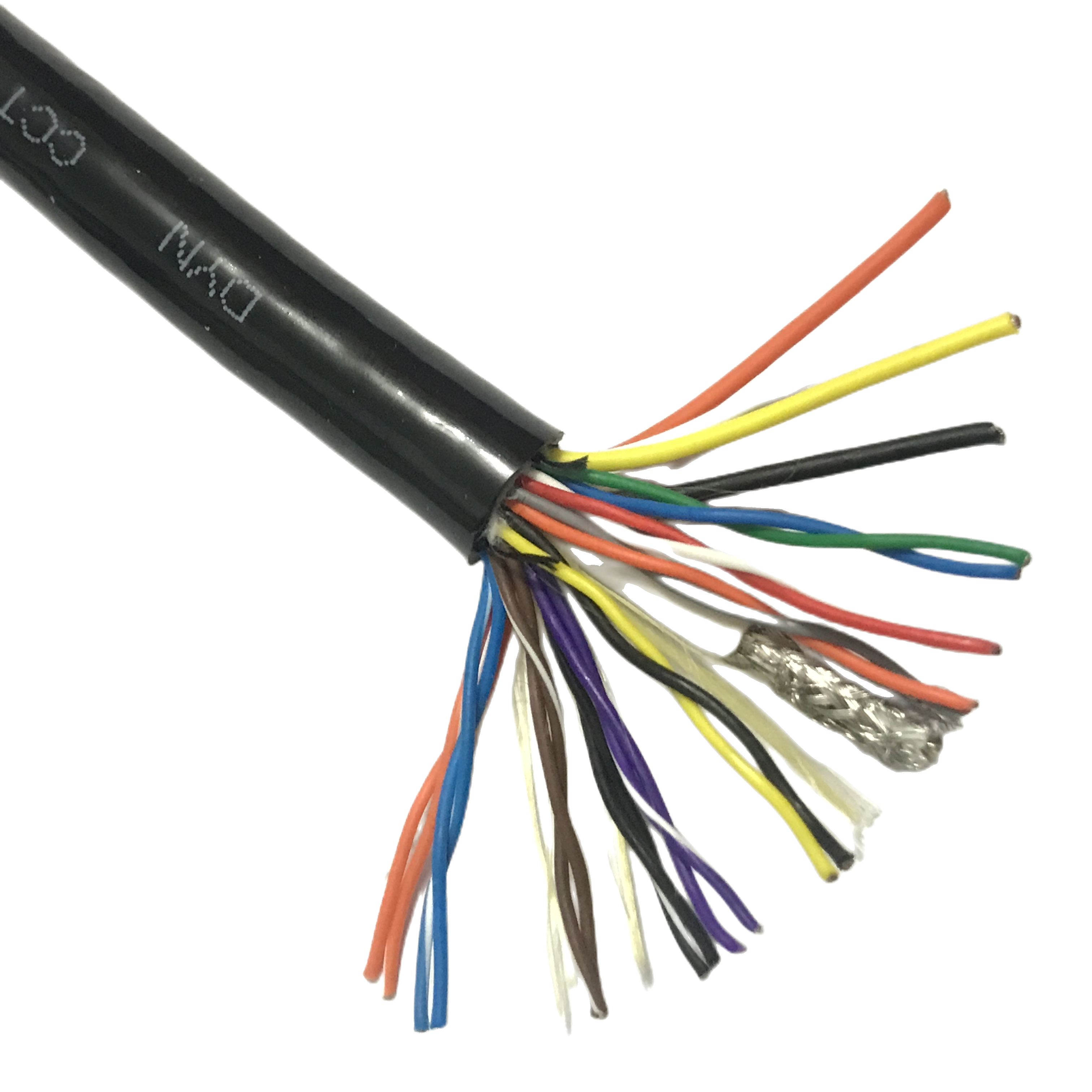
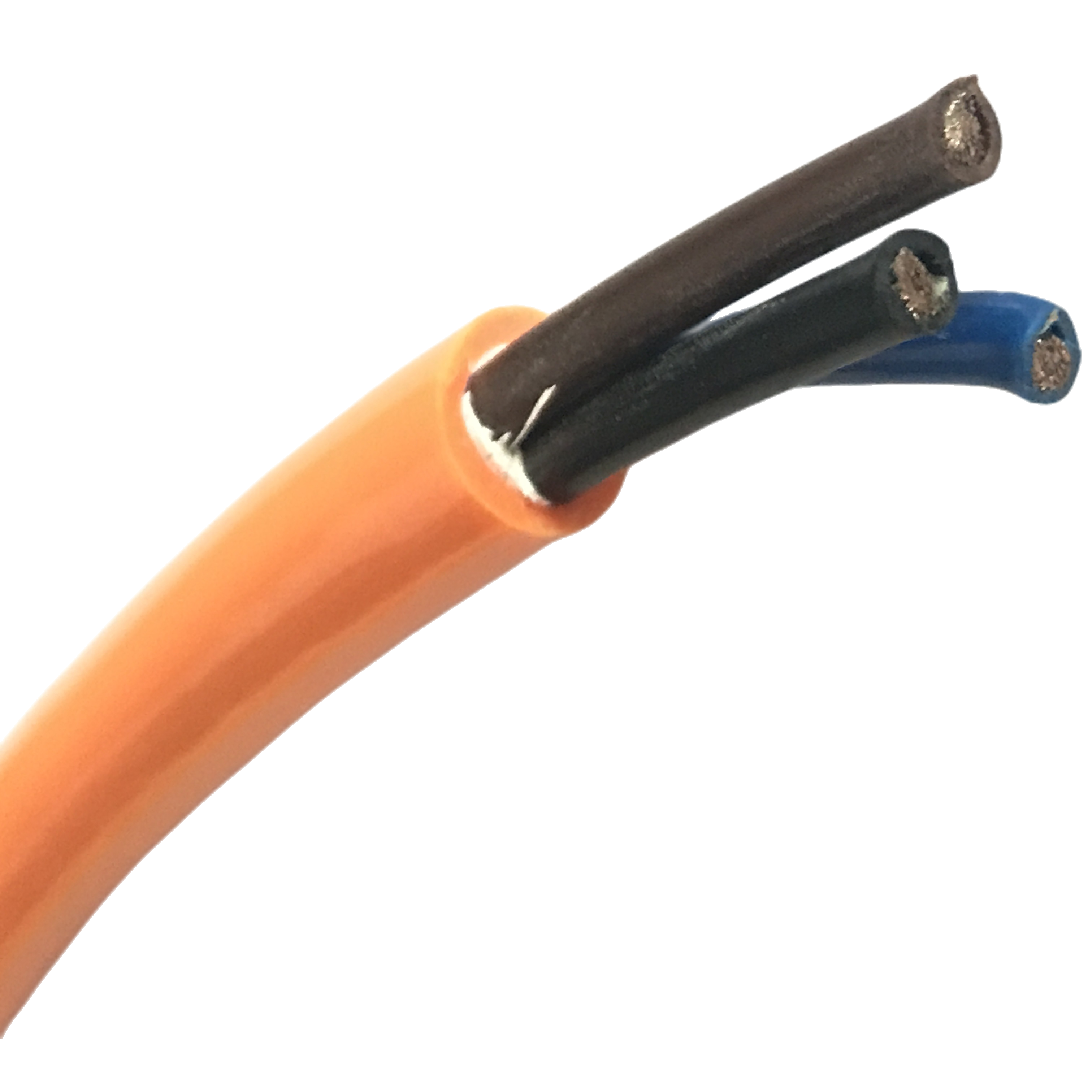
This double sheath PVC power cable is designed for outdoor and underground installations, offering enhanced durability and protection against mechanical damage and moisture.
Key Benefits:
✅ Double sheath design for added mechanical protection
✅ Suitable for outdoor and underground installations
✅ Improved resistance to abrasion and moisture
✅ Available in multiple core sizes and configurations
Ideal for industrial power distribution, construction sites, and infrastructure projects.
Double Sheath PVC Power Cable | Outdoor & Underground Use | High Durability Supplier
Power Cable Selection for Outdoor and Buried Installations
In outdoor yards, construction sites, and underground routing, power cables are exposed to conditions that are not present in indoor installations. During installation, cables may be pulled through ducts, dragged across rough surfaces, or laid directly in trenches. Over time, soil pressure, moisture, and mechanical wear can affect cable integrity.
This double sheath PVC power cable is typically used in these conditions to provide an additional protective layer, helping reduce jacket damage and extend service life.
Where This Cable Is Commonly Used
Typical field installations include:
-
Cable trench routing in industrial facilities
-
Underground duct systems for power distribution
-
Outdoor cable runs across yards and open areas
-
Temporary power supply on construction sites
-
Utility infrastructure and low-voltage distribution networks
In these scenarios, cables are often exposed during installation and not fully protected afterward.
Key Functional Performance
Additional Protection During Installation
The outer sheath reduces the risk of damage when cables are pulled through ducts or laid over uneven surfaces.
Resistance to Long-Term Environmental Exposure
Suitable for damp soil conditions, outdoor temperature variation, and general environmental wear.
Stable Power Delivery
Maintains insulation and conductor performance for low-voltage distribution systems.
Practical for Fixed Installations
Commonly used where cables remain in place after installation and are not subject to continuous movement.
Technical Specifications
| Item | Specification |
|---|---|
| Voltage Rating | 0.6/1 kV |
| Temperature Range | -15°C to +70°C |
| Core Configuration | 1–5 cores |
| Conductor | Copper / Aluminum |
| Cross Section | 1.5–240 mm² |
| Insulation | PVC |
| Inner Sheath | PVC |
| Outer Sheath | Heavy-duty PVC |
| Standard | IEC 60502-1 |
| Compliance | CE / RoHS |
Double Sheath vs Single Sheath vs Armoured Cable
| Feature | Single Sheath | Double Sheath | Armoured Cable |
|---|---|---|---|
| Mechanical Protection | Basic | Moderate | High |
| Installation Damage Resistance | Low | Improved | Strong |
| Suitability for Underground | Limited | Good (with duct) | Excellent |
| Direct Burial | Not recommended | Conditional | Recommended |
| Cost Level | Low | Medium | Higher |
| Typical Use | Indoor | Outdoor / duct | Heavy-duty / burial |
Practical insight:
-
Double sheath is often chosen when standard cables are not durable enough, but full armouring is not necessary.
-
Armoured cable is preferred when direct burial or high-impact risk is expected.
How to Choose the Right Cable for Your Project
Selection usually depends on installation method:
Use double sheath cable when:
-
Cable is installed in ducts or trenches
-
Moderate mechanical protection is required
-
Outdoor exposure is expected
Consider armoured cable when:
-
Direct burial without protection
-
High mechanical impact risk
-
Rodent or external damage concerns
Use single sheath cable when:
-
Installation is fully protected (indoor or enclosed systems)
Typical Installation Risks (and Why Structure Matters)
In real projects, most cable failures are not electrical—they are mechanical:
-
Sheath damage during pulling in long duct runs
-
Abrasion against trench surfaces or debris
-
Moisture ingress at damaged jacket points
-
Compression from soil or external load
The double sheath structure helps reduce these risks by adding an extra protective barrier before internal insulation is affected.
Installation Recommendations
To improve service life:
-
Use rollers during cable pulling to avoid outer sheath damage
-
Avoid excessive tension during installation
-
Maintain correct bending radius
-
For underground installation, use sand bedding or conduit
-
Inspect sheath condition before energizing
Available Configurations
-
Copper or aluminum conductors
-
Armoured versions (STA / SWA)
-
Flame-retardant or LSZH outer sheath
-
Custom core identification and marking
-
Project-specific design support
FAQ
Q1: Can PVC power cable be used underground?
Yes, especially in ducts or protected installations. For direct burial, armoured cable is recommended.
Q2: Is double sheath cable waterproof?
It provides moisture resistance, but full waterproof performance depends on installation and sealing conditions.
Q3: What is the difference between double sheath and armoured cable?
Double sheath improves durability, while armoured cable adds stronger protection against impact and external damage.
Q4: When should I choose double sheath instead of single sheath?
When cables are exposed to outdoor conditions, mechanical stress, or underground routing.
Q5: Is this cable suitable for outdoor use?
Yes, it is designed for outdoor installations including industrial yards and construction sites.
Q6: How do I prevent cable damage during installation?
Use proper pulling methods, avoid sharp bends, and protect the cable from abrasion during installation.
Q7: Can specifications be customized?
Yes, conductor type, structure, and sheath materials can be adjusted based on project requirements.
Project Support
If your project involves underground routing, outdoor installation, or mechanical stress, provide your installation details.
A suitable cable type can be recommended based on actual site conditions.