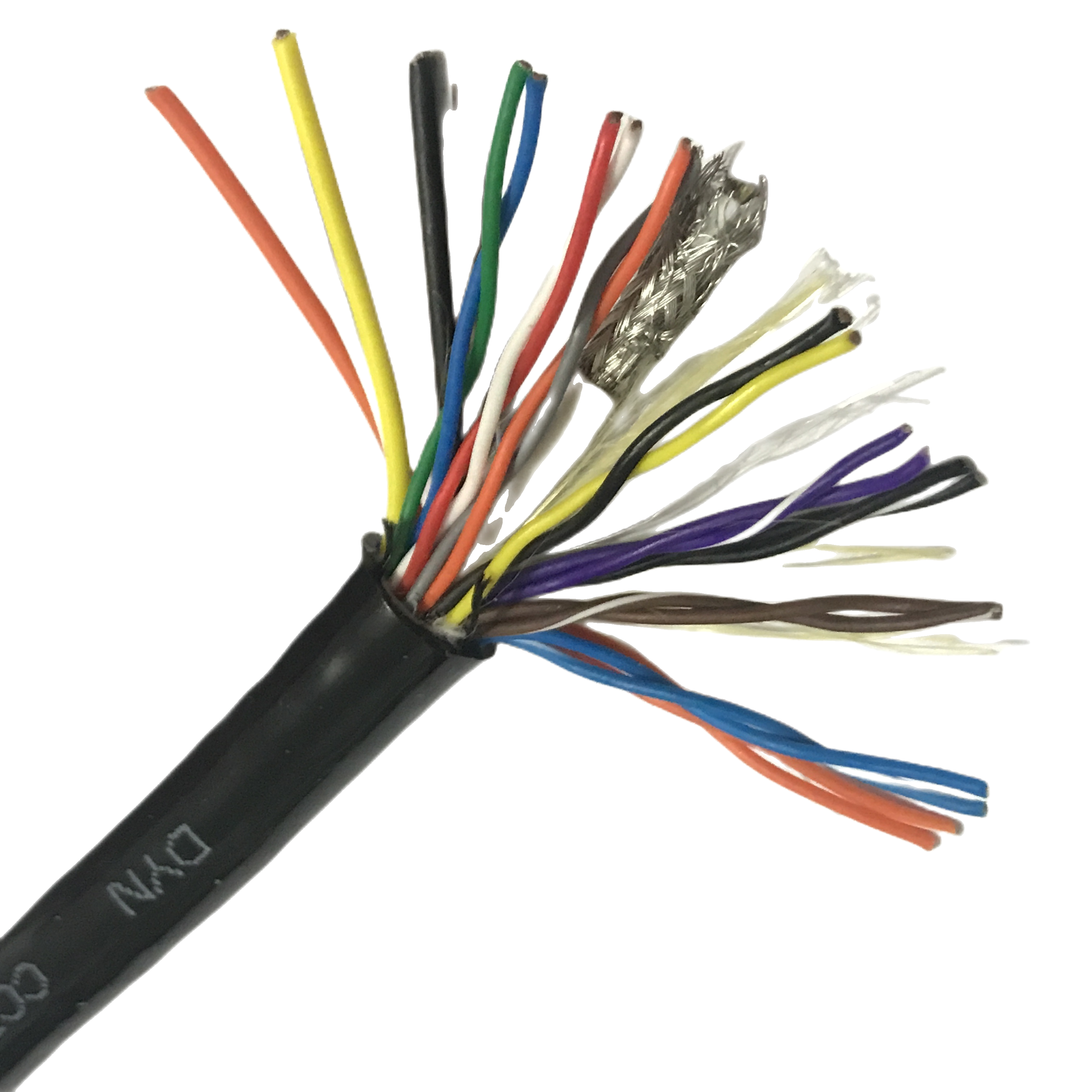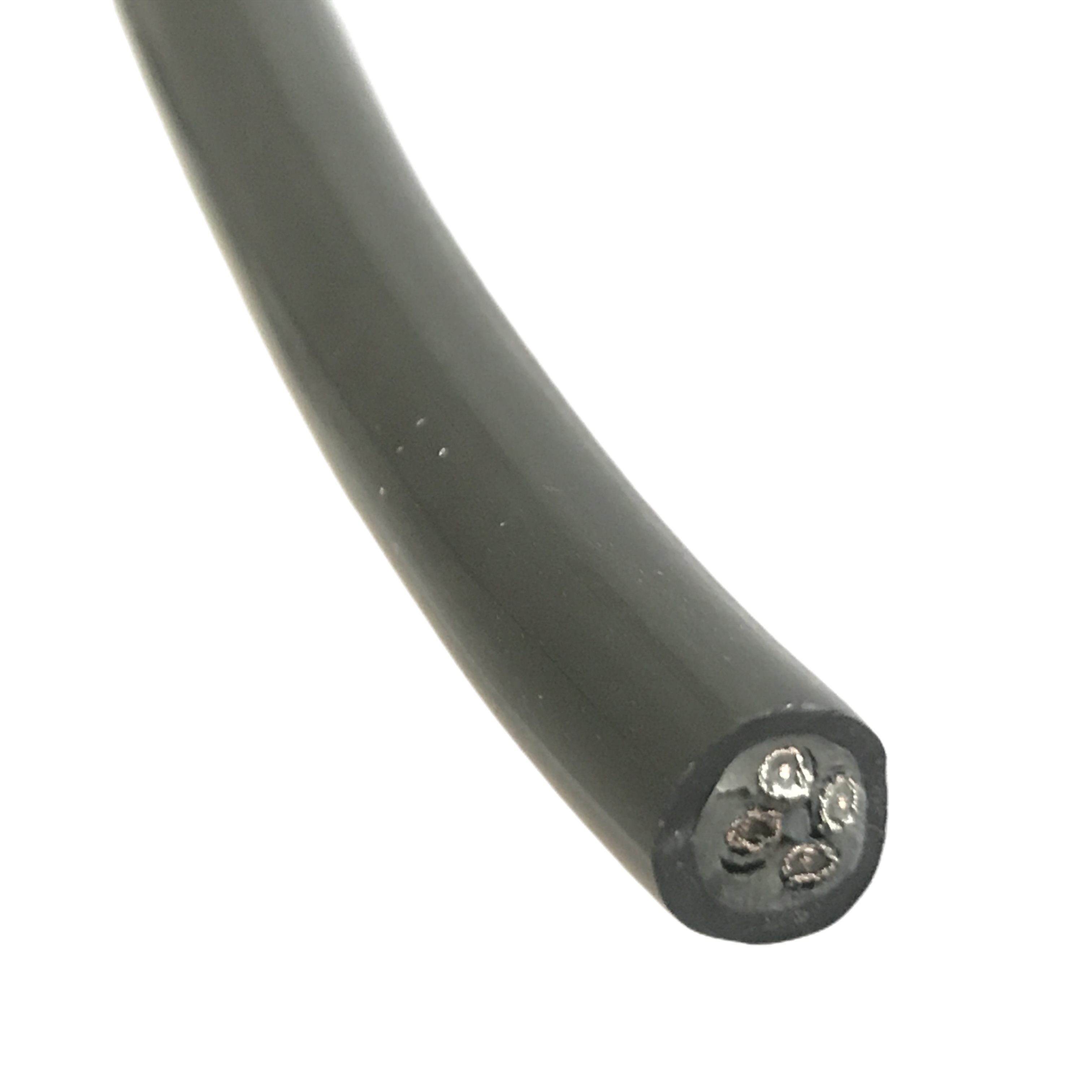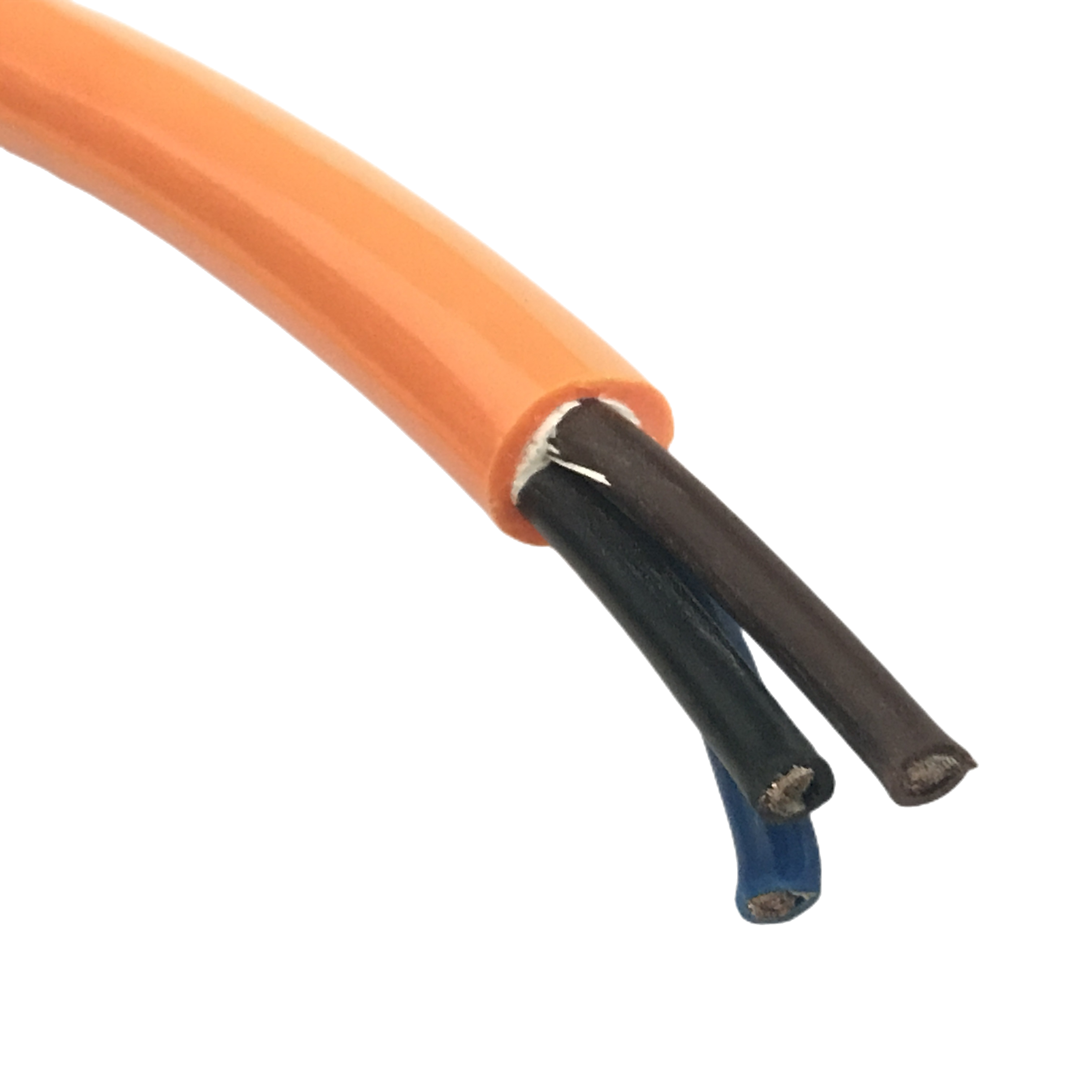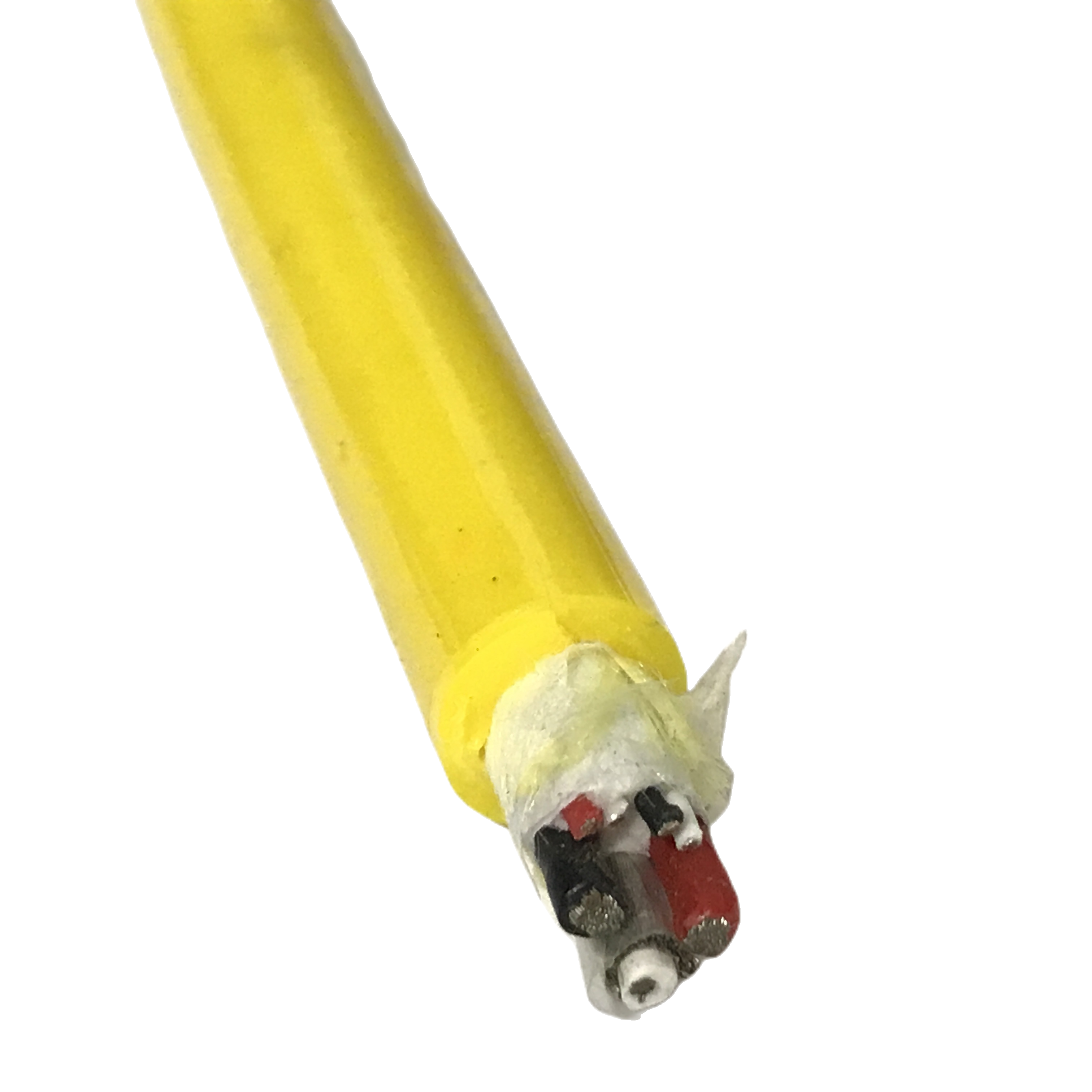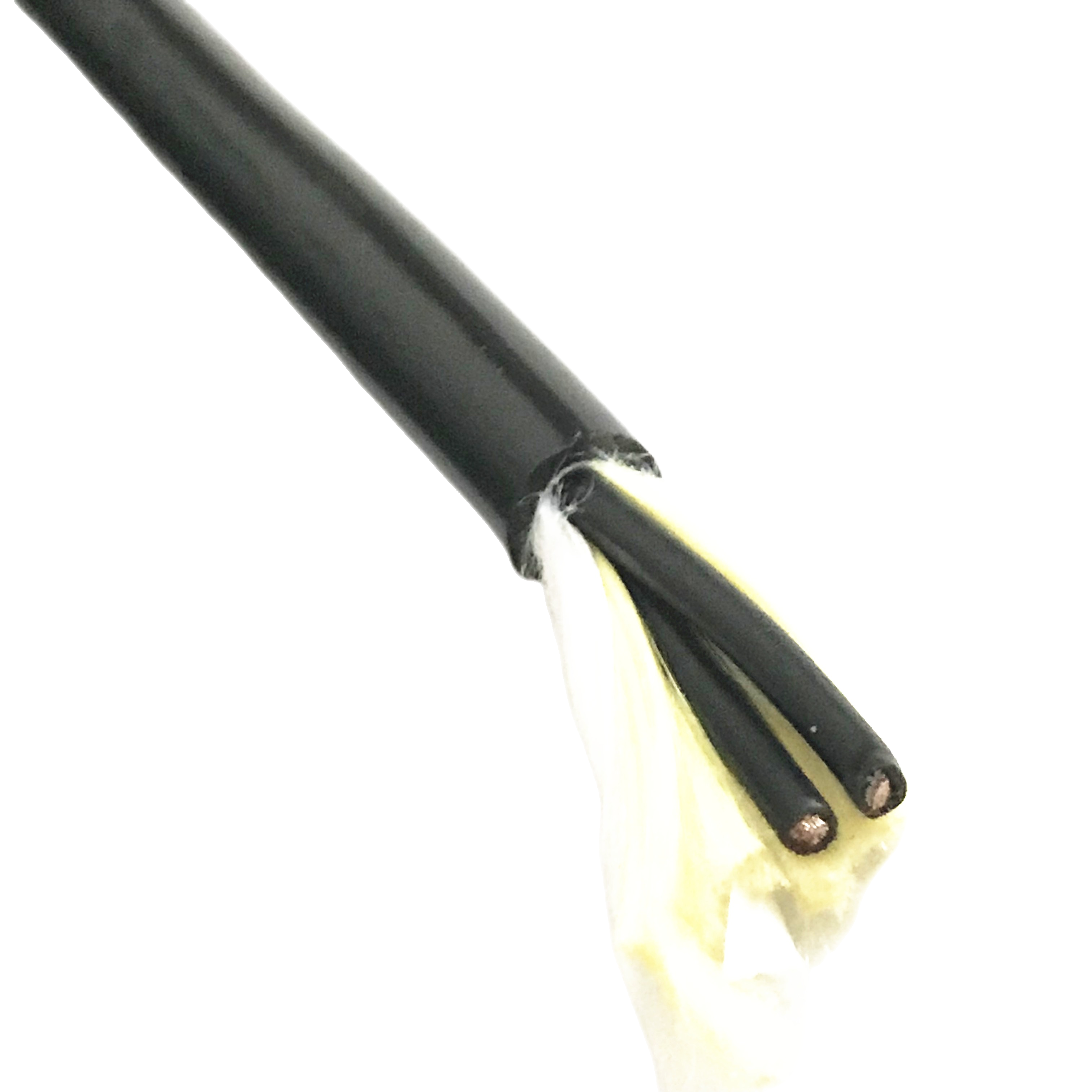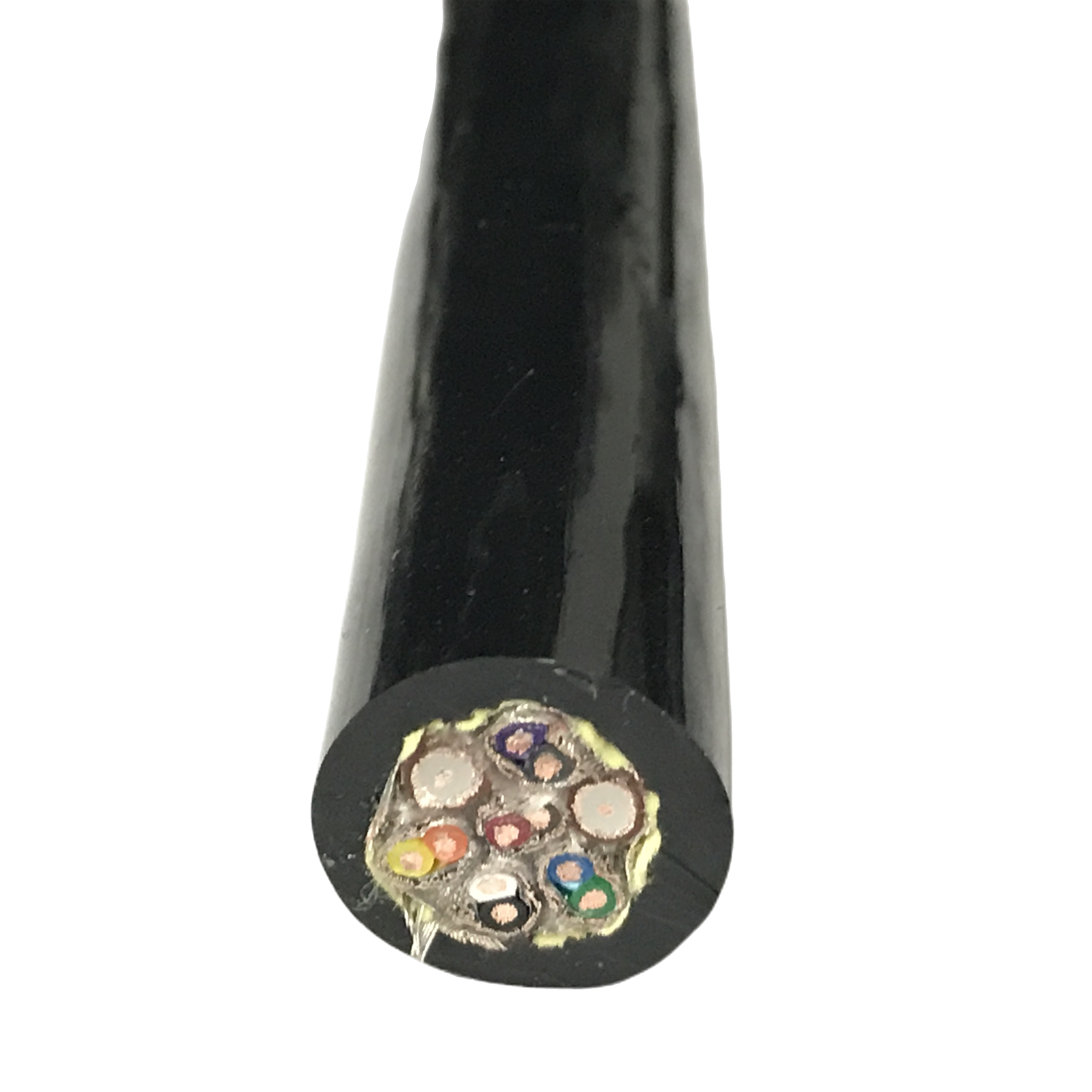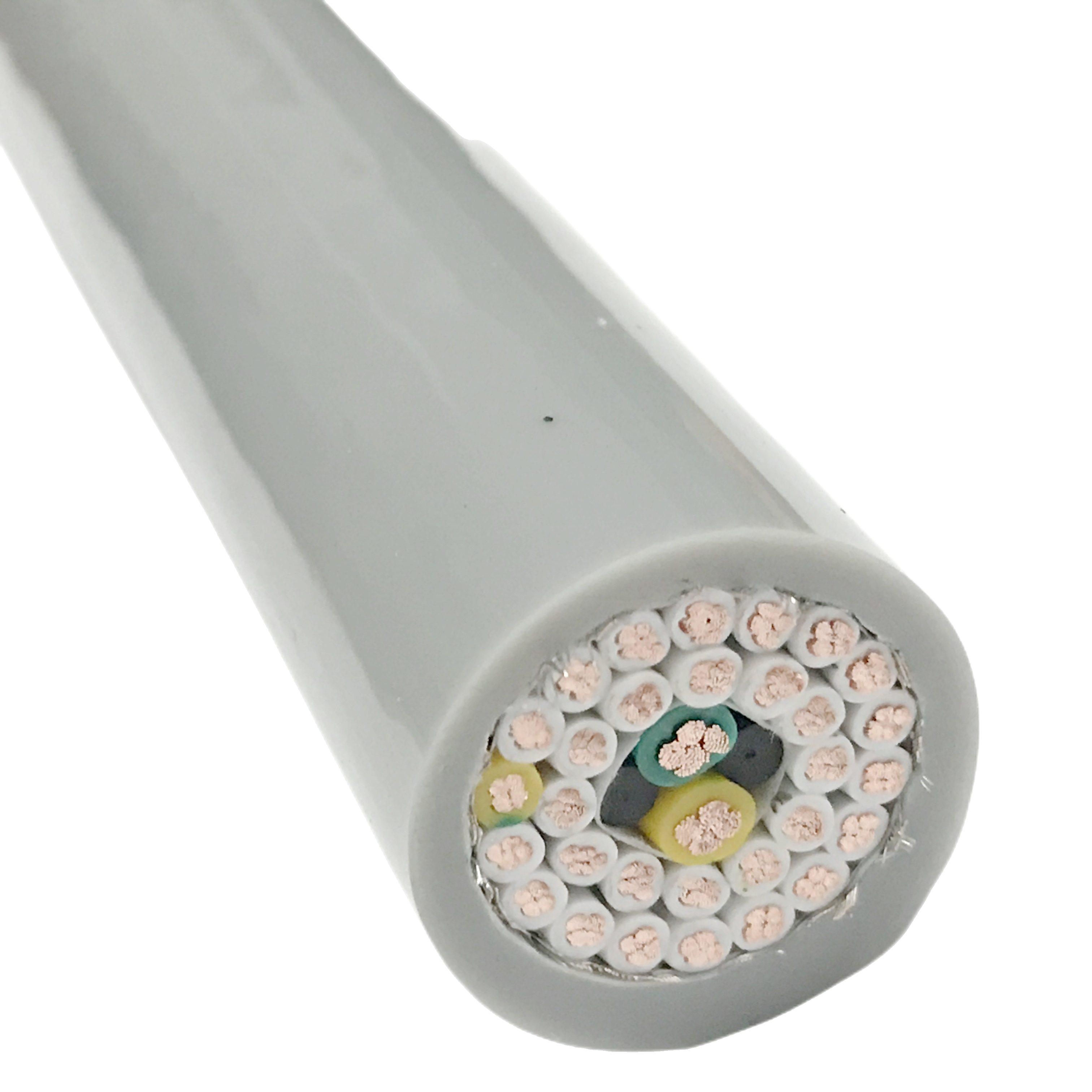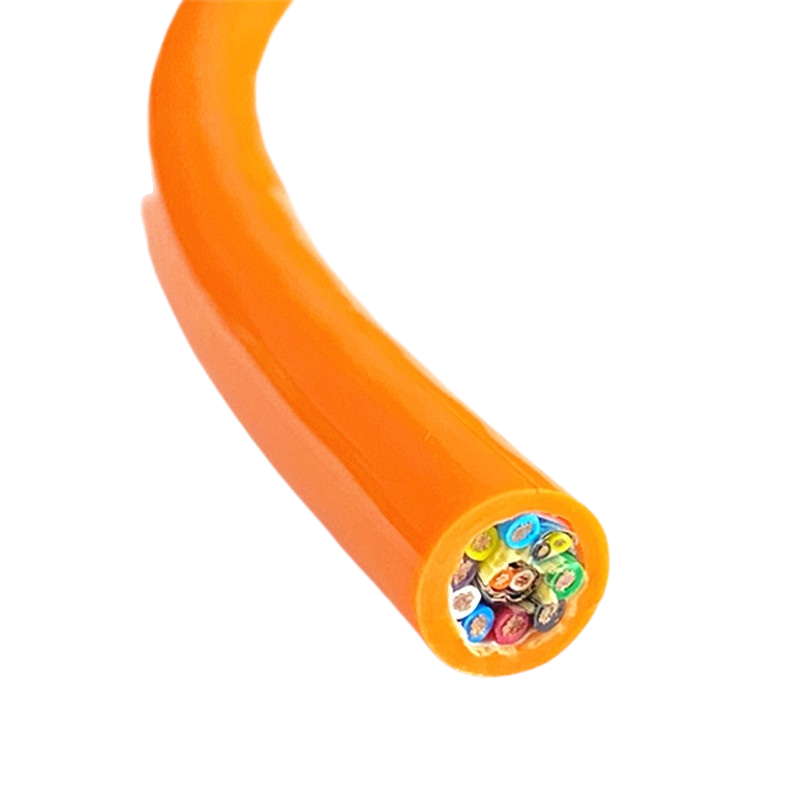



Abrasion-Resistant Rock Drilling Machine Cable | Durable Mining & Tunneling Power Cable
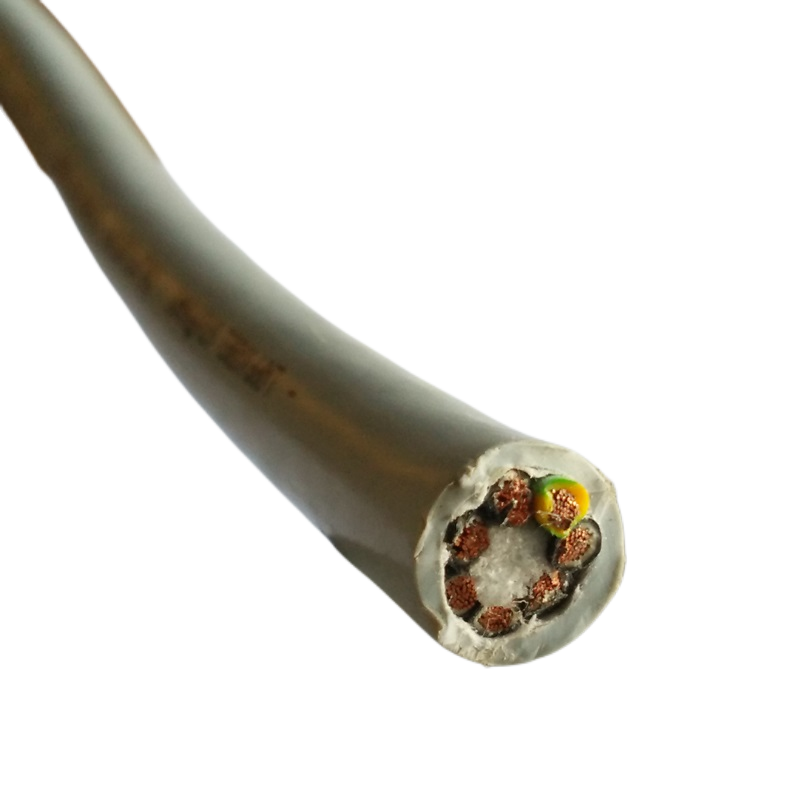
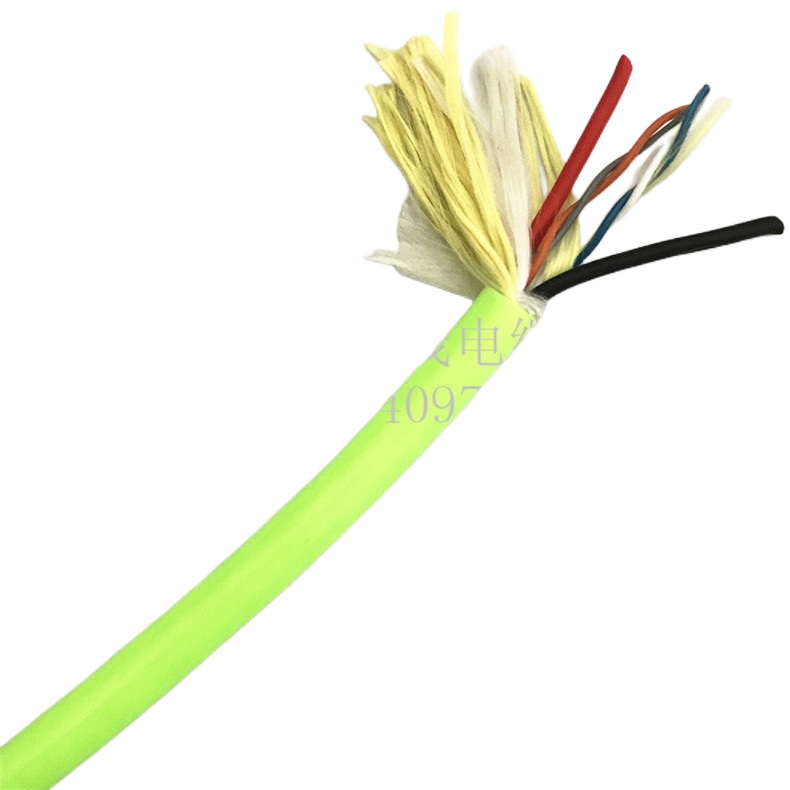
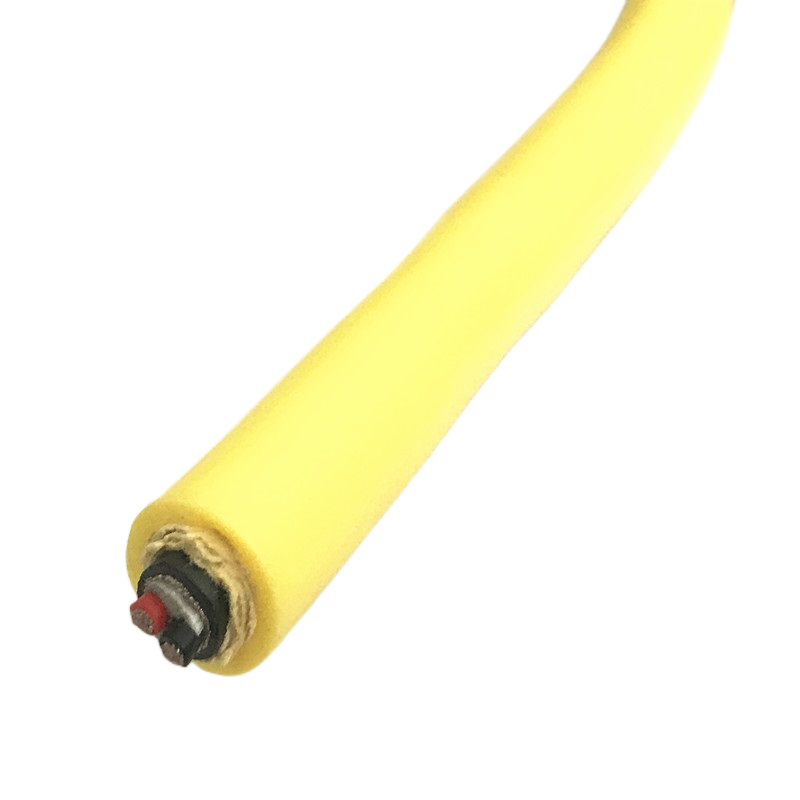
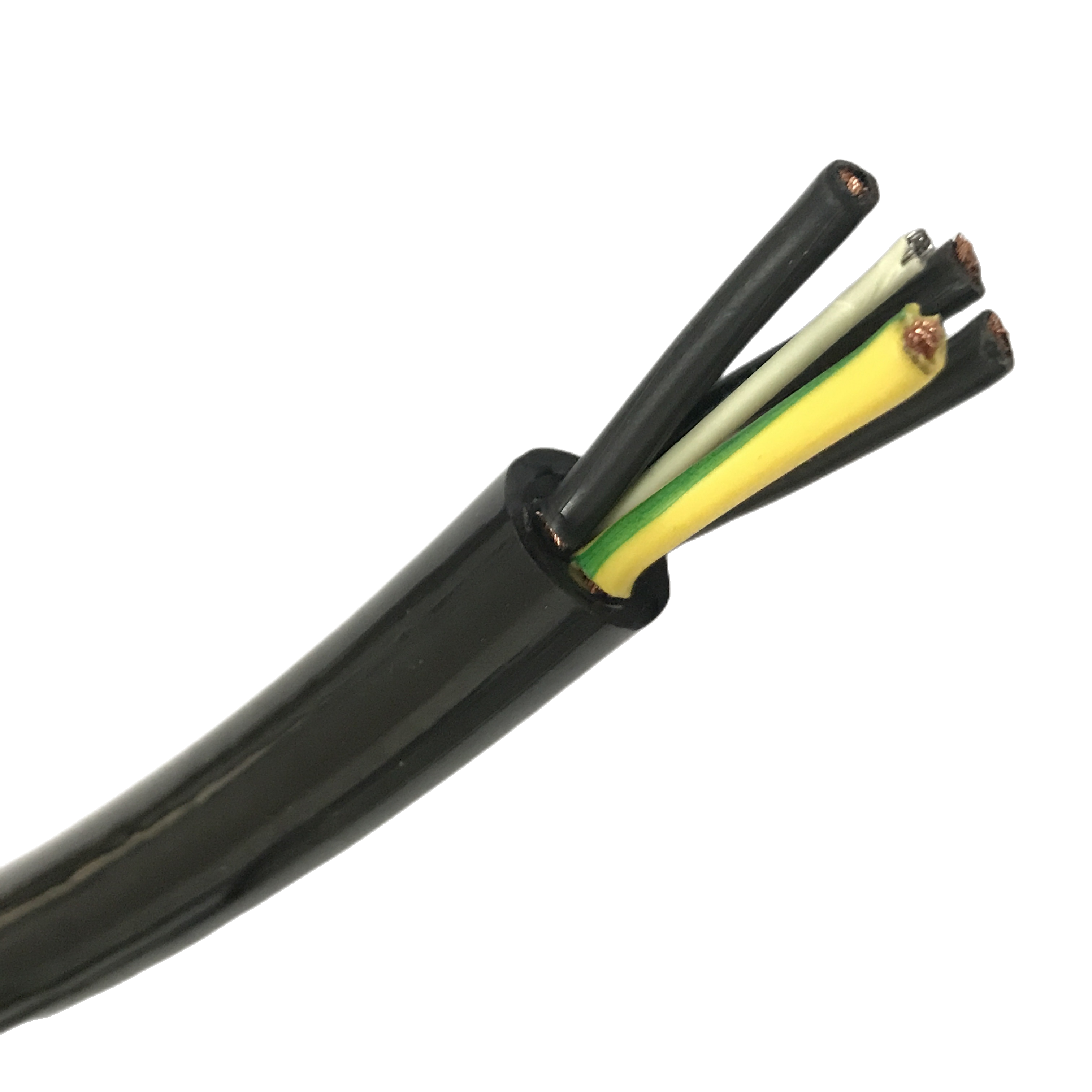
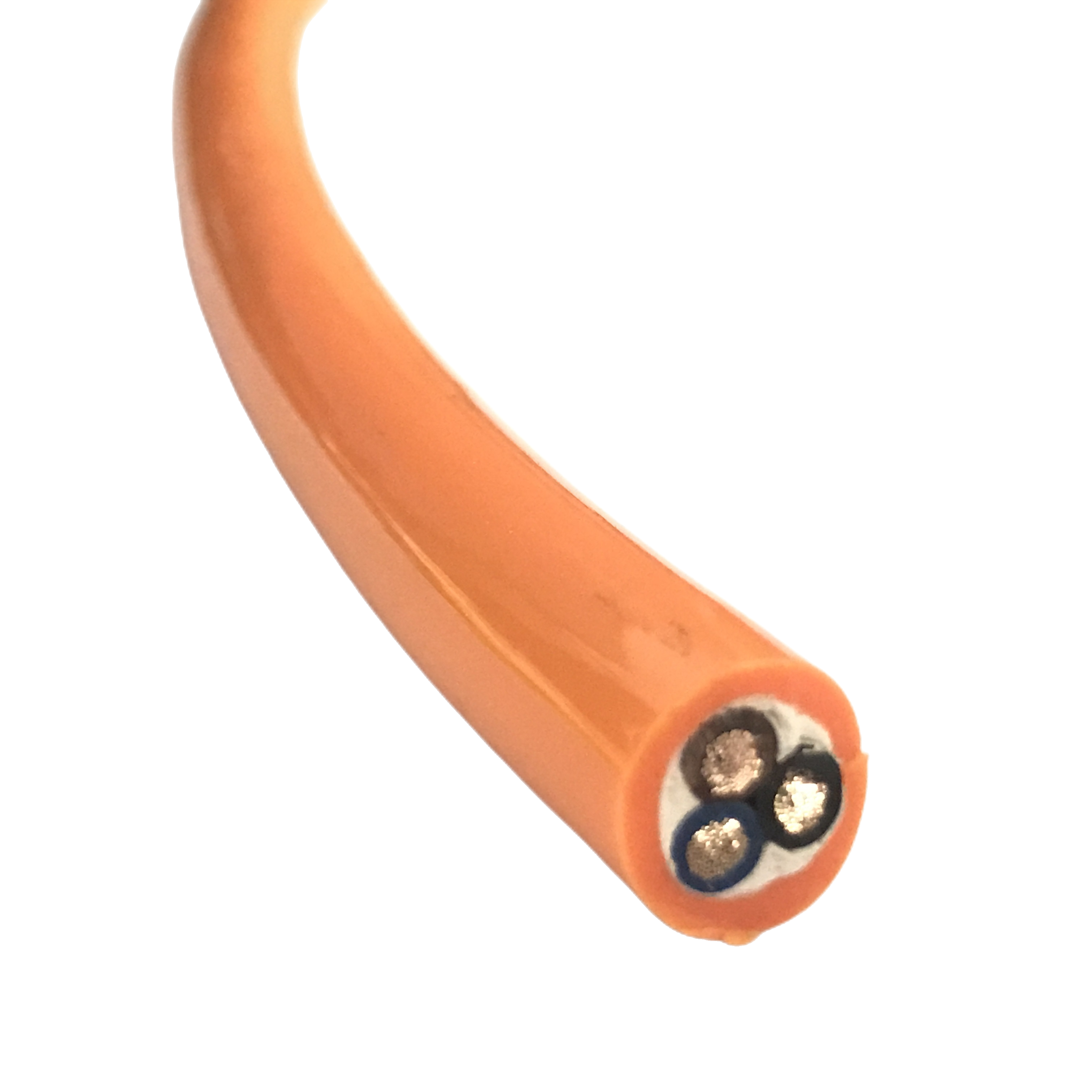
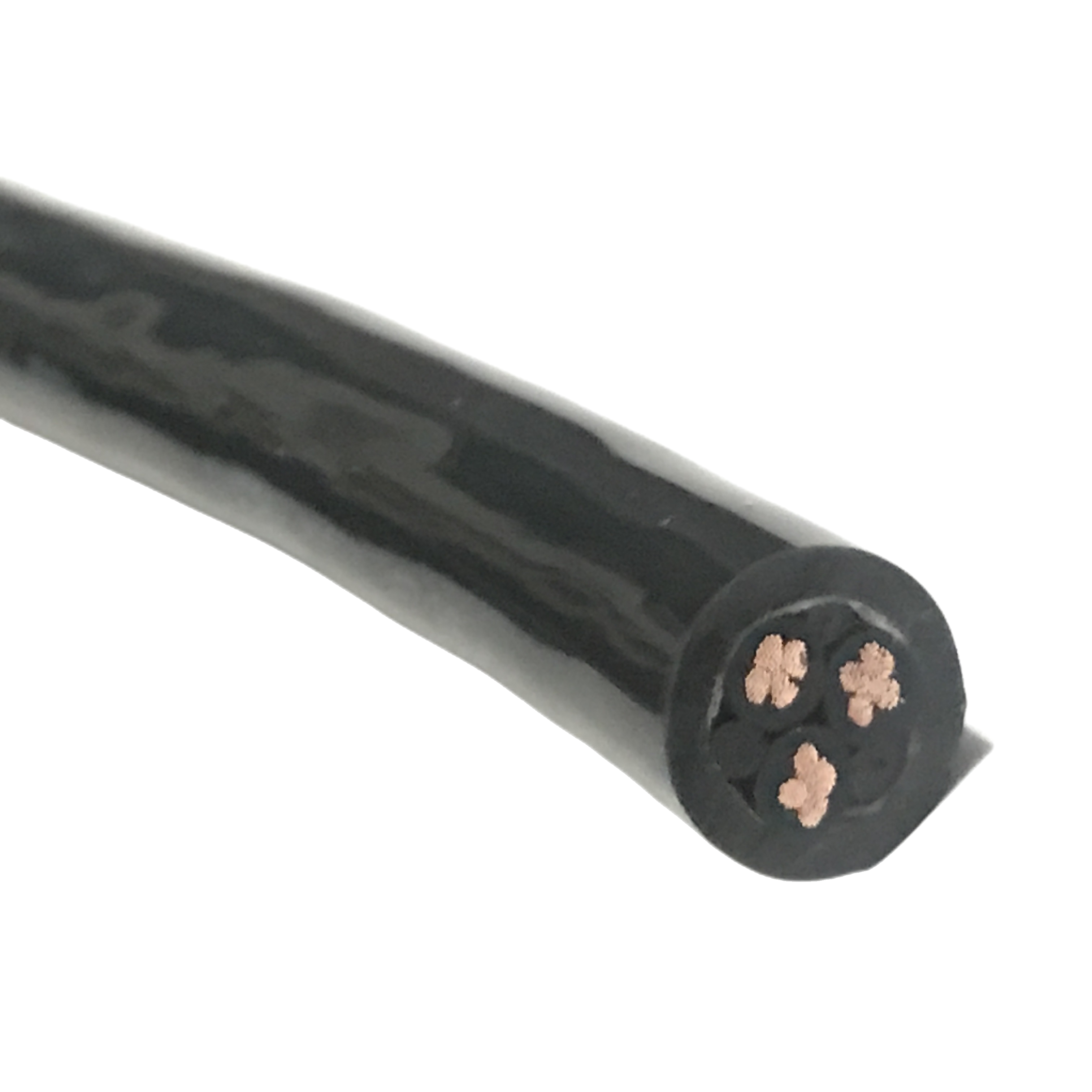
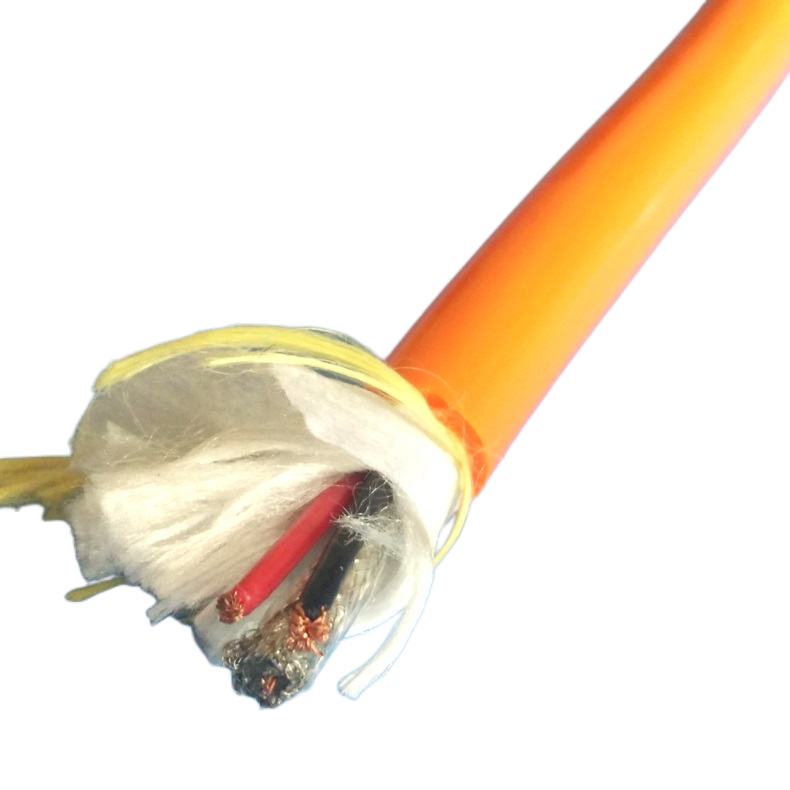
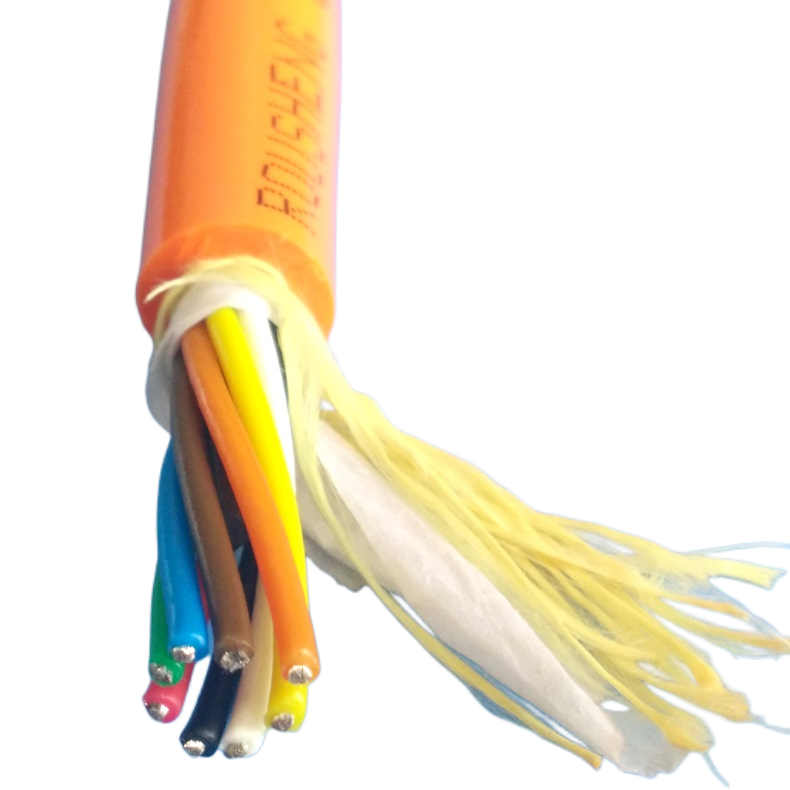
The RST-RDC Series Abrasion-Resistant Rock Drilling Machine Cable is built for harsh underground mining conditions, resisting abrasion, impact, water ingress, and chemical exposure.
Tested to ≥800 Taber abrasion cycles, ≥10 J impact resistance, and IP67 waterproofing, it maintains performance even under ANFO exposure. Class 6 ultra-flexible conductors deliver significantly longer fatigue life under continuous drag and impact.
Available in 0.6/1 kV and 3.6/6 kV models, all IECEx Zone 1 certified for hazardous environments.
Proven in global mining operations with extended service life compared to standard rubber or PVC cables. Certified to ISO 9001:2015, supplied with full test and compliance documentation.
Abrasion-Resistant Rock Drilling Machine Cable | Durable Mining & Tunneling Power Cable
Product Series: RST-RDC │ Category: Mining & Tunneling Cables │ Written by: Liu Hao, Senior Mining Cable Engineer, 14 years underground application experience │ Last reviewed: March 2025
|
Rock abrasion Extreme Taber ≥800 cycles |
Mechanical impact High ≥10 J impact rated |
Water ingress Continuous IP67 watertight |
Explosive gas Zone 1 / Ex IECEx / ATEX |
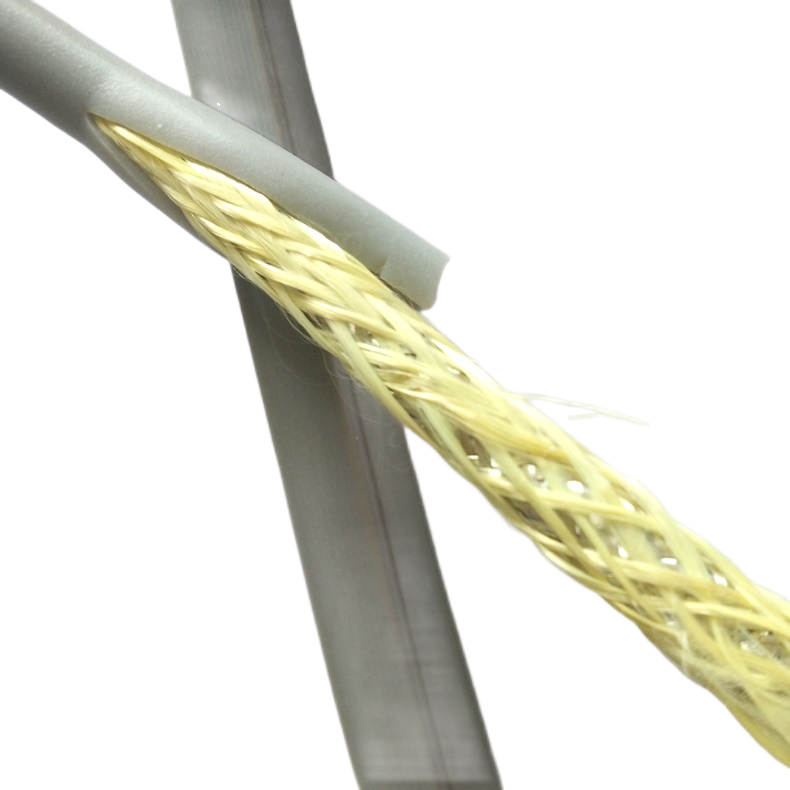
Tensile pull Sustained Kevlar 6 kN option |
Abrasion-resistant rock drilling machine cable is the most mechanically stressed cable category in underground mining: it is dragged across blasted rock surfaces, crushed under tracked drill carriages, subjected to repeated impact from falling rock fragments, and exposed to high-pressure water flush used in rotary and percussion drilling operations — all simultaneously, on every operating shift.
Standard industrial flexible cables and even general-purpose mining trailing cables are not designed for this combined abuse. A rock drilling cable must resist abrasion that would strip a standard jacket within weeks, transmit the power and control signals needed by the drill without signal degradation from moisture, and survive the mechanical impact of a steel drill rod falling onto the cable in a confined development heading.
Who specifies rock drilling machine cable
The RST-RDC series is specified by underground hard-rock mining engineers, tunneling contractors using drill-and-blast methods, and quarry plant managers. Applications include jumbo drill rigs, drifter drill units, down-the-hole (DTH) hammer drill systems, and handheld rock drill stations in mine development headings and shaft sinking operations.
Page Contents
- Underground Hazard Profile: What Rock Drilling Cable Must Survive
- Rock Drilling Cable Model Range & Specifications
- Application Map: Drill Type × Cable Requirement
- Construction Engineering — Layer by Layer
- Material Comparison: Mining-Grade PUR vs. Rubber vs. PVC
- Technical Parameters with Standard References
- Verified Field Installations
- FAQ — Mining Engineers & Contractors
- Manufacturer Credentials
- Request a Technical Proposal
Underground Hazard Profile: What Rock Drilling Cable Must Survive
Abrasion from blasted rock surfaces
The floor of a mine development heading after a blast round consists of irregular blasted rock fragments with sharp edges and abrasive surfaces. A rock drilling cable dragged across this surface by a moving drill jumbo or pulled by hand through a blasted muck pile experiences abrasive contact forces that exceed the test conditions of any standard industrial cable abrasion test.
Rousheng internal field study (2022) recovered 23 cable samples from three underground hard-rock mines after jacket failure. In 19 of 23 cases, failure initiated at a single point of concentrated abrasive contact with a rock edge — not at the guide rollers or cable anchors. Average jacket wall remaining at failure: 0.4 mm from an original 4.0 mm wall. (Rousheng Field Analysis Report FAR-Mining-001, 2022)
Mechanical impact from drill equipment and falling rock
In a confined development heading, a 6-metre drill rod being handled by one miner can fall onto a cable lying on the floor with an impact energy exceeding 15 J — three times the IEC 60079-7 standard impact test. Tracked drill carriages crossing over a cable apply localised crush loads of 2–5 kN over a 30–60 mm contact width. No single standard impact test captures the combination of these loading types.
RST-RDC cables are tested to 10 J impact (IEC 60332 series adapted test) and validated for 2 kN crush load over a 50 mm contact width without conductor exposure — both tests performed after 500 abrasion cycles to simulate the degraded in-service jacket condition.
Water, dust, and chemical exposure in drilling operations
Rotary and percussion rock drilling uses high-pressure water flush (typically 3‒6 bar) to clear drill cuttings from the borehole. This water contacts the drill cable continuously during operation. In addition, many underground mines use ammonium nitrate fuel oil (ANFO) explosive residues that remain on blast surfaces and can degrade rubber and PVC cable jackets through chemical attack.
Accelerated chemical resistance testing of RST-RDC jacket compound: no measurable degradation after 500 h immersion in 5% ANFO solution at 23°C (Rousheng internal test protocol MCP-006, 2024). (Rousheng Material Chemical Protocol MCP-006, 2024)
Rock Drilling Cable Model Range & Specifications
|
Model |
Cores × Section |
Voltage |
OD |
Jacket Grade |
Tensile |
Ex Rating |
Primary Application |
|
RST-RDC-3C-2.5 |
3×2.5 mm² |
0.6/1 kV |
22 mm |
HD-800 |
None |
IECEx Zn1 |
Handheld rock drill, light development |
|
RST-RDC-3C-4.0 |
3×4.0 mm² |
0.6/1 kV |
25 mm |
HD-800 |
None |
IECEx Zn1 |
Drifter drill unit, medium face drilling |
|
RST-RDC-4C-4.0 |
4×4.0 mm² |
0.6/1 kV |
27 mm |
HD-800 |
None |
IECEx Zn1 |
Drill + control, 4-wire system |
|
RST-RDC-3C-6.0 |
3×6.0 mm² |
0.6/1 kV |
30 mm |
HD-800 |
None |
IECEx Zn1 |
Jumbo drill rig, high-power face drilling |
|
RST-RDC-3C-10 |
3×10 mm² |
0.6/1 kV |
36 mm |
HD-800 |
None |
IECEx Zn1 |
Large jumbo, production drilling |
|
RST-RDC-K-3C-6.0 |
3×6.0 mm² + 6 kN Kevlar |
0.6/1 kV |
33 mm |
HD-800 |
Kevlar 6 kN |
IECEx Zn1 |
Shaft sinking, vertical pull |
|
RST-RDC-DTH-4C |
4×2.5 mm² |
0.6/1 kV |
24 mm |
HD-1000 |
None |
IECEx Zn1 |
Down-the-hole hammer, wet flush |
|
RST-RDC-HV-3C |
3×25 mm² |
3.6/6 kV |
54 mm |
HD-800 |
Optional |
IECEx Zn1 |
Medium-voltage drill rig supply |
|
RST-RDC-CC-3+2 |
3×4.0 mm² + 2×1.5 mm² |
0.6/1 kV |
29 mm |
HD-800 |
None |
IECEx Zn1 |
Combined power + control, single cable |
|
RST-RDC-OEM |
Custom 2–12 cores |
Per spec |
Per spec |
Per spec |
Per spec |
Per spec |
Tunnel boring, shaft sinking custom |
HD-800 = heavy-duty mining PUR jacket, Taber ≥800 cycles (CS-17, 2 kg, ISO 9352). HD-1000 = ultra-heavy-duty jacket (DTH and wet-flush duty), Taber ≥1,000 cycles. IECEx Zn1 = IECEx Zone 1, Group IIA/IIB, T4 Gb. All models: 100% HiPot per IEC 60502-1; conductor resistance cert per drum. Kevlar = Kevlar 49, counter-wound, load-tested 1.5× per drum.
Application Map: Drill Type × Mining Cable Requirement
|
Drill Type / Machine |
Underground Environment |
Primary Cable Stress |
Required Specification |
RST-RDC Model |
|
Jumbo drill rig (2–3 boom) |
Hard-rock mine development heading, blasted muck, dust, water flush |
Abrasion from rock floor drag; impact from drill rods; water immersion |
Taber ≥800 cycles; ≥10 J impact; IP67; IECEx Zone 1 |
RST-RDC-3C-6.0 or 4C-4.0 |
|
Drifter drill (handheld/mounted) |
Development tunnel, confined space, manual handling |
Abrasion + impact; repeated manual drag over rock; oil spray from drill |
Taber ≥800 cycles; oil resistance (mineral oil immersion, IEC 60811-406) |
RST-RDC-3C-4.0 |
|
Down-the-hole (DTH) hammer |
Blast hole drilling, continuous water/air flush, abrasive cuttings |
Water immersion (continuous); abrasive cutting contact; chemical exposure |
HD-1000 jacket (Taber ≥1,000 cycles); IP67; chemical resistance |
RST-RDC-DTH-4C |
|
Raise borer / shaft drill |
Shaft sinking, vertical orientation, cable under own weight + pull |
Tensile load from hanging cable weight; abrasion at shaft guide |
Kevlar tensile member (rated ≥6 kN); torque-balanced |
RST-RDC-K-3C-6.0 |
|
Longwall shearer |
Coal or soft rock longwall face, continuous cyclic flex |
Flex cycling + impact + methane atmosphere (Group I zone) |
IECEx Group I (coal mine); Taber ≥800 cycles; trailing cable flex rated |
RST-RDC-OEM (Group I version) |
|
Tunnel boring machine (TBM) |
Continuous mechanised tunneling, highly abrasive mixed-face geology |
Abrasion from conveyor belt contact; sustained water ingress; high cycle flex |
Taber ≥1,000 cycles; IP67; 5 M flex cycles rated |
RST-RDC-OEM (TBM variant) |
|
Surface quarry face drill |
Open-pit quarry, UV exposure, rock dust, wide temperature swing |
UV degradation; rock dust abrasion; temperature range −20°C to +50°C |
UV-stabilised jacket (1,000 h xenon arc); Taber ≥800 cycles |
RST-RDC-3C-10 (UV compound) |
Construction Engineering for Rock Drilling Cable Duty
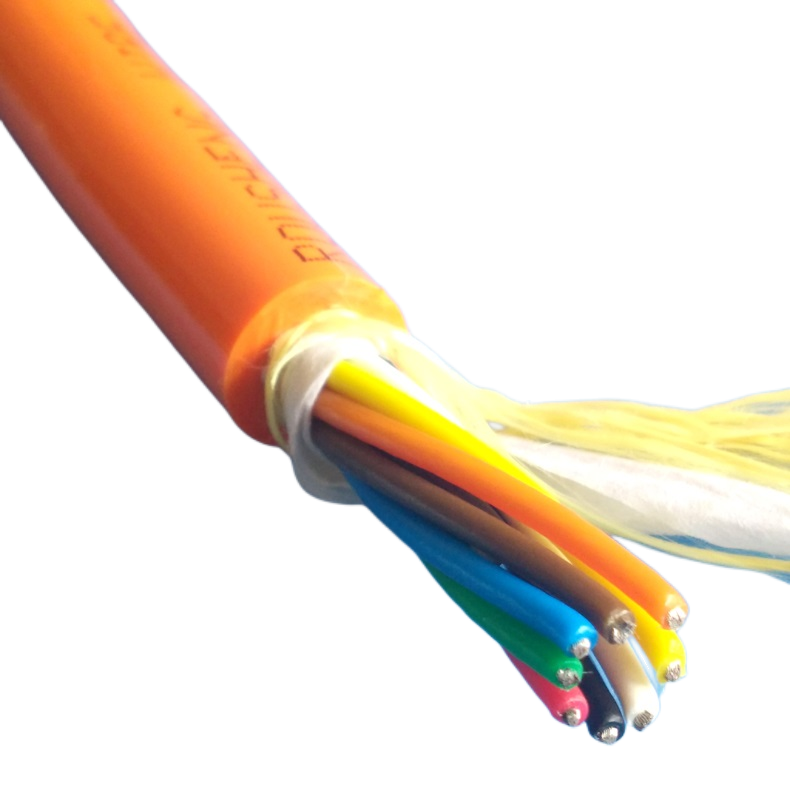
Conductor: Class 6 ultra-fine OFC for impact and flex combined loading
A rock drilling cable experiences a loading combination that no single standard flex test captures: simultaneous abrasion contact (static and dynamic), periodic impact (from dropped drill rods and tracked machines), and cyclic mechanical flex as the cable is repositioned between drill positions. IEC 60228 Class 6 ultra-fine OFC conductors (0.08–0.16 mm individual strand diameter) distribute these combined stresses across hundreds of strands.
Internal comparative fatigue test (Rousheng test protocol RDC-FT-001, 2023): Class 6 conductors in RST-RDC simulated rock drag and impact test achieved 4.1× the cycles to first strand break compared with Class 5 conductors of equal cross-section. (Rousheng internal test RDC-FT-001, 2023; IEC 60228:2004 Class 6 specification)
XLPE insulation for water and temperature resistance
Cross-linked polyethylene (XLPE) insulation is mandatory in RST-RDC cables for two mining-specific reasons. First, XLPE maintains its insulation resistance characteristics during sustained water immersion. PVC insulation at elevated moisture levels shows measurable insulation resistance reduction within 48–72 hours of immersion in mine water (pH 5.5–7.5, mineral-laden). Second, XLPE tolerates the conductor temperature spikes that occur when the drill motor is stalled against a bit jam — a common event that drives conductor temperature above the +70°C PVC limit.
Mining-grade PUR outer jacket — the abrasion barrier
The outer jacket is the primary defence against the rock abrasion that is the leading cause of premature failure in underground mining cable applications. RST-RDC uses two jacket grades. The HD-800 compound (standard models) achieves Taber ≥800 cycles (CS-17 wheel, 2 kg load, ISO 9352) — using a heavier 2 kg load than the 1 kg load used for drag chain cable testing to reflect the higher contact forces in underground rock abrasion. The HD-1000 compound (DTH and TBM models) achieves Taber ≥1,000 cycles under the same 2 kg test.
Taber test conditions for RST-RDC: 2 kg load, CS-17 abrasive wheel, per ISO 9352:2021. Standard industrial flex cable jacket test uses 1 kg load. The 2 kg load more accurately represents the abrasive contact force observed in field failure analysis (RST Field Report FAR-Mining-001, 2022). (ISO 9352:2021; Rousheng Field Report FAR-Mining-001, 2022)
IECEx construction requirements
All RST-RDC standard models carry IECEx Zone 1, Group IIA/IIB, Temperature Class T4 Gb certification. IECEx construction requirements for Ex-rated trailing cables include: minimum jacket wall thickness per IEC 60079-7 Table 4; insulation wall per IEC 60502-1 Table 3; conductor cross-section minimum 1.0 mm² (IEC 60079 Cl.9.3); and the cable must pass the IEC 60079-7 mechanical test sequence (bend, impact, and tension in sequence, not individually).
RST-RDC passes the full IEC 60079-7 sequence, not just the individual sub-tests. This distinction matters: cables that pass individual sub-tests may fail the sequential test because mechanical damage accumulates across test phases.
|
Layer |
Material / Specification |
Standard / Test |
|
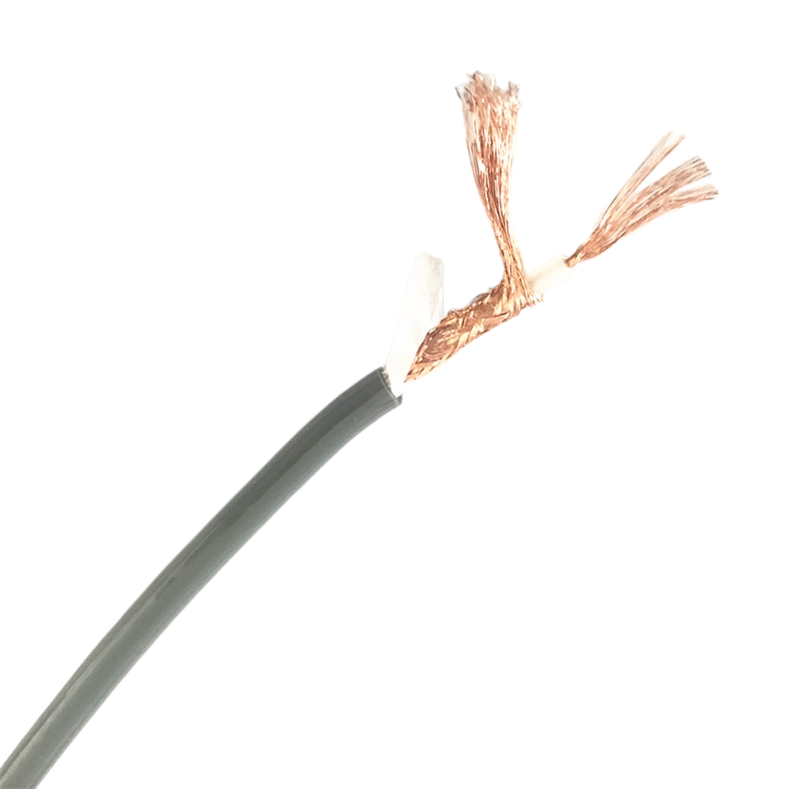
OFC conductor |
Class 6 ultra-fine (0.08–0.16 mm strand dia.); bare or tinned OFC |
IEC 60228:2004 Class 6 |
|
XLPE insulation |
Cross-linked PE; +90°C conductor temp; DIN VDE 0293 colour coding |
IEC 60502-1; DIN VDE 0293-308 |
|
Inner semi-con screen (HV model) |
Semi-conductive compound, HV models only |
IEC 60502-1 |
|
PP filler + separator |
Polypropylene filler to maintain circular section; polyester fleece binder |
Internal specification |
|
Outer jacket — HD-800 |
Mining-grade polyether PUR; Shore A 90±2; Taber ≥800 cycles (CS-17, 2 kg) |
ISO 9352 (2 kg load); ISO 815; ISO 37 |
|
Outer jacket — HD-1000 |
Ultra-heavy-duty polyether PUR; Shore A 92±2; Taber ≥1,000 cycles (CS-17, 2 kg) |
ISO 9352 (2 kg load) |
|
Kevlar tensile member (K-models) |
Kevlar 49, parallel-lay, counter-wound; 6 kN rated; load-tested 1.5× per drum |
ASTM D7269; load cell per drum |
Material Comparison: Mining-Grade PUR vs. Rubber vs. PVC
Three jacket materials are routinely encountered in mining cable procurement. The selection criteria for underground rock drilling duty are more demanding than general industrial or even standard mining trailing cable applications.
|
Property |
HD-800 Polyether PUR (RST-RDC) |
EPDM / Neoprene Rubber |
PVC (standard mining grade) |
|
Abrasion resistance: Taber CS-17, 2 kg (ISO 9352) |
≥800 cycles (HD-800) / ≥1,000 cycles (HD-1000) |
200–350 cycles |
100–180 cycles |
|
Tensile strength (ISO 37) |
≥58 MPa (HD-800) / ≥62 MPa (HD-1000) |
8–15 MPa |
10–18 MPa |
|
Impact resistance (adapted IEC 60079-7 sequence) |
≥10 J without conductor exposure (after 500 Taber cycles) |
7–8 J |
3–5 J |
|
Cold flex rating |
−40°C (IEC 60811-501) |
−40°C (EPDM grade) |
−15°C (standard grade) |
|
Oil / cutting fluid resistance |
Excellent (mineral oil, biodiesel, hydraulic fluid) |
Moderate (EPDM swells in mineral oil) |
Poor (surface cracking) |
|
ANFO chemical resistance (5% solution, 500 h, 23°C) |
No degradation (Rousheng MCP-006, 2024) |
Moderate surface attack |
Significant surface softening |
|
Water resistance (IP67 continuous immersion) |
Achieved (jacket integrity test + gel-fill option) |
Achieved (thick wall required) |
Not suitable for continuous immersion |
|
Mass per metre (3×6.0 mm² equiv.) |
Intermediate |
Heaviest |
Lightest (but unsuitable for rock drilling duty) |
|
Estimated service life, underground rock drilling |
18–30 months (field data, 5 mines, 2020–2024) |
8–15 months |
3–6 months |
Service life estimates from replacement records at 5 underground hard-rock mines (2020–2024). Rousheng Field Report FAR-Mining-002, 2024. Individual mine results vary by geology, drill type, and maintenance practice.
Technical Parameters for Rock Drilling Machine Cable
Electrical ratings
|
Parameter |
Standard (0.6/1 kV) |
MV (3.6/6 kV) |
Reference |
|
Rated voltage (Uo/U) |
0.6/1 kV |
3.6/6 kV |
IEC 60502-1 |
|
Test voltage |
3.5 kV AC / 5 min |
10 kV AC / 5 min |
IEC 60502-1 Cl.17 |
|
Insulation resistance |
≥100 MΩ·km |
≥200 MΩ·km |
IEC 60502-1 Cl.18 |
|
Conductor resistance |
Per IEC 60228 Class 6; measured & certified per drum |
Same |
IEC 60228:2004 |
|
Earth continuity conductor |
Included per IEC 60079-14 (Ex installation requirement) |
Same |
IEC 60079-14:2013 |
|
Max operating current |
Per IEC 60364-5-52; no drum derating (trailing cable, not reel) |
Same |
IEC 60364-5-52 |
Mechanical and environmental ratings
|
Parameter |
HD-800 (standard) |
HD-1000 (DTH/TBM) |
Reference |
|
Jacket Shore A hardness |
90 ± 2 |
92 ± 2 |
ISO 868 |
|
Jacket tensile strength |
≥58 MPa |
≥62 MPa |
ISO 37 |
|
Jacket elongation at break |
≥380% |
≥360% |
ISO 37 |
|
Abrasion (Taber CS-17, 2 kg) |
≥800 cycles |
≥1,000 cycles |
ISO 9352:2021 |
|
Impact resistance (jacket intact) |
10 J (after 500 pre-abrasion cycles) |
12 J (after 500 pre-abrasion cycles) |
IEC 60079-7 adapted + internal test |
|
Crush resistance |
2 kN over 50 mm contact width |
Same |
Internal; no conductor exposure |
|
Cold flex |
−40°C |
−40°C |
IEC 60811-501 |
|
Oil resistance |
No swelling, 70 h at 70°C in IRM 903 |
Same |
IEC 60811-406 |
|
Water resistance |
IP67 (1 m, 30 min) |
IP67 |
IEC 60529 |
|
ANFO chemical resistance |
No degradation, 500 h, 5% solution |
Same |
Rousheng MCP-006, 2024 |
|
UV resistance (surface / quarry) |
1,000 h xenon arc, ≤80% tensile |
Same |
IEC 60811-401 |
|
Flame retardancy |
IEC 60332-1 and IEC 60332-3-24 Cat C |
Same |
IEC 60332 |
|
Ex certification |
IECEx Zone 1, Group IIA/IIB, T4 Gb |
Same |
IECEx / IEC 60079-0, -7 |
|
Sequential mechanical test |
Pass: bend → impact → tension per IEC 60079-7 |
Same |
IEC 60079-7:2015 Table 4 |
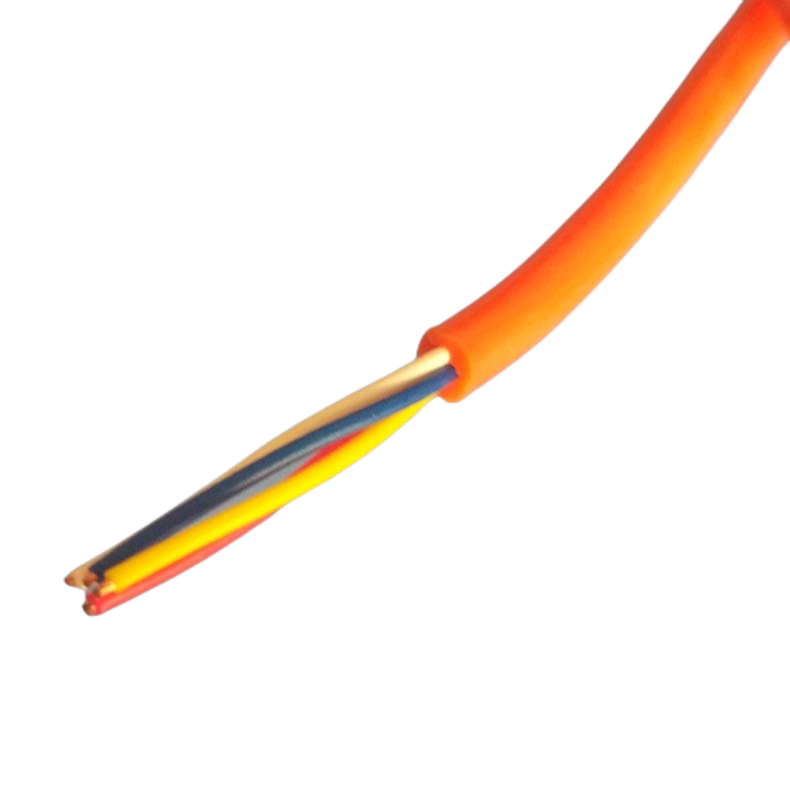
Verified Field Installations of RST-RDC Rock Drilling Cable
Client mine names withheld at client request. Mine type, country, cable specification, and technical measurements are accurate. Available for verification under NDA.
|
Mine / Site |
Operation |
Cable Used |
Problem Replaced |
Measured Result |
|
Hard-rock gold mine, West Africa (2022–2024) |
3 twin-boom jumbo drill rigs, granite and quartzite, water flush, continuous 3-shift operation |
RST-RDC-3C-6.0 (HD-800, IECEx Zone 1), 3 cables per rig, 9 cables total |
Previous EPDM rubber cable: average replacement at 9 months from jacket abrasion through to insulation. Replacement required drill shutdown and electrical re-termination: avg. 6 h downtime per event. |
RST-RDC-3C-6.0: average 22 months to first replacement across 9 cables (3-year fleet data). Abrasion field measurement at 12 months: 2.8 mm jacket wall remaining from original 4.0 mm (30% loss vs. 85% loss for previous rubber cable at same interval). |
|
Copper mine development heading, South America (2021–2024) |
Drifter drill units on production development headings, porphyry copper ore (hardness 5–6 Mohs), ANFO blasting |
RST-RDC-3C-4.0 (HD-800, IECEx Zone 1), 24 cables across 12 drill units |
PVC cable jackets were softening and cracking from ANFO chemical contact within 3–4 months. Mine safety authority had flagged as potential ignition source. |
Zero chemical-induced jacket failures in 36 months of operation. Annual inspection of 24 cables: all passed IP67 immersion test and HiPot retest at 12 and 24-month intervals. |
|
Shaft sinking project, Central Europe (2023) |
Raise boring, 420 m shaft depth, vertical cable hang, wet conditions |
RST-RDC-K-3C-6.0 (Kevlar 6 kN, HD-800, IECEx Zone 1), 480 m total |
Hanging cable weight at 420 m: 420 m × ~1.6 kg/m ≈ 670 kg ≈ 6.6 kN. Previous non-Kevlar cable elongated under own weight, increasing resistance by 4.2% over 3 months. |
RST-RDC-K-3C-6.0: Kevlar 6 kN member carries full hanging load (SF = 6.6/6 = 1.1 at maximum pay-out; client upgraded to RST-RDC-K-3C-6.0 with 8 kN Kevlar for SF = 1.3). Conductor resistance change after 9 months: <0.1%. |
|
Tunneling project, Himalayan highway (2023–2024) |
TBM tunnel boring, mixed-face rock and soft ground, continuous water ingress, high abrasion from conveyor belt contact |
RST-RDC-OEM (TBM variant, HD-1000 jacket, 5 M flex cycles rated, IP67), 340 m per cable, 4 cables |
Standard mining cable specified by original TBM supplier failing at 4–5 months from combined abrasion + flex fatigue on the TBM cable reel. |
RST-RDC-OEM TBM variant: 14 months service at time of report, all 4 cables intact. Mid-term jacket inspection (drill core visual): HD-1000 jacket wall loss <15% at 14 months vs. 70% at 5 months for original cable. |
|
Surface quarry, granite, Northern Europe (2022–2024) |
Outdoor face drilling, quartzite and granite, UV exposure, temperature range −18°C to +42°C seasonal |
RST-RDC-3C-10 (HD-800, UV-stabilised compound, non-IECEx for surface quarry duty) |
Local PVC cable: UV embrittlement causing jacket cracking within 8 months. Cold-flex cracking at −15°C in winter. |
RST-RDC-3C-10: 2 years service, no UV cracking at 12-month inspection. Cold-flex confirmed at −18°C site temperature: cable remained flexible, no cracking at 10× OD. |
FAQ — Mining Engineers Specifying Rock Drilling Cable
Q1: What Taber abrasion test load should I use to compare mining cable jackets?
Always specify the test load when comparing abrasion data. The standard industrial cable test uses a 1 kg load (CS-17 wheel, ISO 9352). RST-RDC tests at 2 kg load because our field failure analysis shows contact forces in underground rock drilling environments significantly exceed 1 kg equivalent. A cable reporting Taber ≥500 cycles at 1 kg load would achieve only 200–250 cycles at 2 kg. When comparing suppliers, specify the 2 kg load condition and ask for the test certificate to confirm.
Q2: Is IECEx Zone 1 certification required for all underground mining cable?
IECEx Zone 1 (or ATEX equivalent) is mandatory in any underground environment where explosive gas atmospheres may be present continuously or frequently. This includes coal mines (Group I, methane), and hard-rock mines where blasting gases (CO, NOx, methane in some ore bodies) create Zone 1 conditions in development headings immediately after a blast. In established production areas after gas clearance, the zone classification may reduce to Zone 2. Consult your mine’s electrical engineer of record for site-specific zone classification before specifying cable.
Q3: How do I calculate the minimum cable cross-section for a rock drill motor?
For three-phase 400 V drill motors, the minimum cable cross-section calculation must account for: (1) full-load current from motor nameplate; (2) starting current of 5–6× FLA — use 1.25× FLA for cable sizing per AS/NZS 3000 mining supplement or IEC 60364-5-52; (3) voltage drop limit of 5% at FLA over the cable run length; (4) ambient derating if the cable runs through a confined airway above 30°C. We provide a complete sizing calculation with every technical enquiry. (IEC 60364-5-52; AS/NZS 3000:2018 mining supplement; Rousheng Drill Cable Sizing Note DCN-001, 2023)
Q4: Can RST-RDC cable be repaired underground after jacket damage?
Field repair of rock drilling cable jacket is possible but subject to IECEx certification restrictions. A certified IECEx repair using an approved heat-shrink or cold-applied sleeve from the original cable certification holder is permissible under IEC 60079-14. Improvised repairs (tape, non-certified compounds) are not permissible in Zone 1. For cables with conductor damage (strand breaks), the cable must be taken out of service and replaced — conductor splices in Zone 1 require a certified Ex-rated junction box, not an in-cable repair.
Q5: What is the difference between HD-800 and HD-1000 jacket grades?
Both HD-800 and HD-1000 are polyether PUR compounds developed specifically for underground mining abrasion duty and tested at the 2 kg Taber load condition. HD-800 (Taber ≥800 cycles) is specified for all standard rock drilling and jumbo drill rig applications. HD-1000 (Taber ≥1,000 cycles) is specified for DTH hammer duty (continuous abrasive drilling cutting contact) and TBM trailing cable (conveyor belt contact abrasion). The HD-1000 compound has a slightly higher Shore A (92 vs. 90) and lower elongation at break (360% vs. 380%) — it is stiffer and harder, which benefits abrasion resistance but marginally reduces impact energy absorption. For mixed abrasion + impact environments, HD-800 is the default.
Q6: How long is the lead time for IECEx-certified RST-RDC cable?
Standard IECEx-certified models (RST-RDC-3C-2.5 through RST-RDC-K-3C-6.0) are manufactured under an active IECEx production assessment and are available with standard lead times of 3–5 weeks. OEM configurations (RST-RDC-OEM) requiring a new IECEx examination require 8–12 weeks for the certification process plus 3–5 weeks production. IECEx certificates are issued in the name of Rousheng and transfer to the purchaser as part of the product documentation package. ATEX Directive 2014/34/EU (EU market) is available with the same timeline as IECEx.
Manufacturer Credentials — Shanghai Rousheng Wire & Cable
|
Production & testing Dedicated mining cable extrusion: HD-800 and HD-1000 compound lines Taber abrasion test at 2 kg load (ISO 9352): batch qualification per compound lot Sequential IEC 60079-7 mechanical test: bend → impact → tension on every model qualification 100% HiPot per IEC 60502-1 on all finished lengths IP67 immersion test per IEC 60529 on sample per production run Conductor resistance certificate per drum (IEC 60228 Class 6 verified) Failure analysis service: written RCA on submitted field-failed cable samples |
Certifications ISO 9001:2015 quality management system CE marking — LVD Directive 2014/35/EU RoHS 2 / REACH SVHC compliance per shipment IECEx Zone 1, Group IIA/IIB, T4 Gb (all standard RST-RDC models) ATEX Directive 2014/34/EU available on request DNV / Bureau Veritas type approval on request (offshore mining) CNAS-accredited third-party lab test reports on request |
Liu Hao, Senior Mining Cable Engineer, has led the RST-RDC design programme since 2016. Specifications in this page are supported by field analysis reports FAR-Mining-001 and FAR-Mining-002, internal test protocols RDC-FT-001 through RDC-FT-006, and material qualification data from the RST-RDC IECEx certification dossier. Customers conducting cable qualification for mine safety authority approval may request relevant test reports and the IECEx certificate alongside NDAs.
Request a Rock Drilling Cable Technical Proposal
|
Contact Email: Jerry@rstlkable.com Phone: +86-021-50759965 Mobile: +86-13482197396 Address: No. 2591 Fengzhe Road, Fengxian District, Shanghai, China Proposal within 24 hours. IECEx certificate, HiPot cert, Taber test report included with every order. |
Include in your enquiry 1. Drill type (jumbo, drifter, DTH, raise bore, TBM) 2. Rock type and hardness (Mohs) if known 3. Drill motor power (kW) and voltage (V) 4. Cable run length (m) and number of cables 5. Underground zone classification (Zone 1, Zone 2, or Group I coal) 6. Water flush type (rotary / percussive / dry) 7. Explosive type in use (ANFO, emulsion, other) We return cable sizing calculation, IECEx model confirmation, and Taber grade recommendation with every reply. |