

Neutral Buoyancy Cables vs Traditional Underwater Cables: What You Must Know
Underwater cable selection is rarely “just a cable choice.” It affects how your ROV holds station, how stable your towed survey data looks, how often your crew fights tether drag, and how long terminations last before intermittent faults appear. Many teams discover this only after deployment: the electrical spec is correct, but the cable behaves poorly in the water column—dragging on the seabed, sweeping in current, forming loops near the surface, or pulling a vehicle off course.
This is why the comparison between neutral buoyancy designs and traditional underwater cables matters. A traditional negatively buoyant cable can be perfect for a fixed seabed route and a poor choice for a dynamic inspection mission. A Neutral Buoyancy Cable can dramatically improve dynamic handling but is not automatically the best option for every subsea scenario. The right answer depends on mission type, current conditions, seabed risk, and how much control you need over the cable catenary.
This guide goes beyond definitions. It includes a decision matrix you can use before issuing an RFQ, real-world symptom → diagnosis → fix patterns that offshore teams actually see, and a practical acceptance checklist to reduce surprises at sea.
The Core Difference in One Line
The defining difference is effective weight in water:
-
Traditional underwater cables are commonly negatively buoyant (they sink).
-
A Neutral Buoyancy Cable is engineered so its effective in-water weight is near zero (neither sinks hard nor floats hard).
This changes cable geometry (catenary), tension, drag behavior, and the likelihood of seabed contact or surface interaction. In dynamic missions, those changes become operational performance factors.
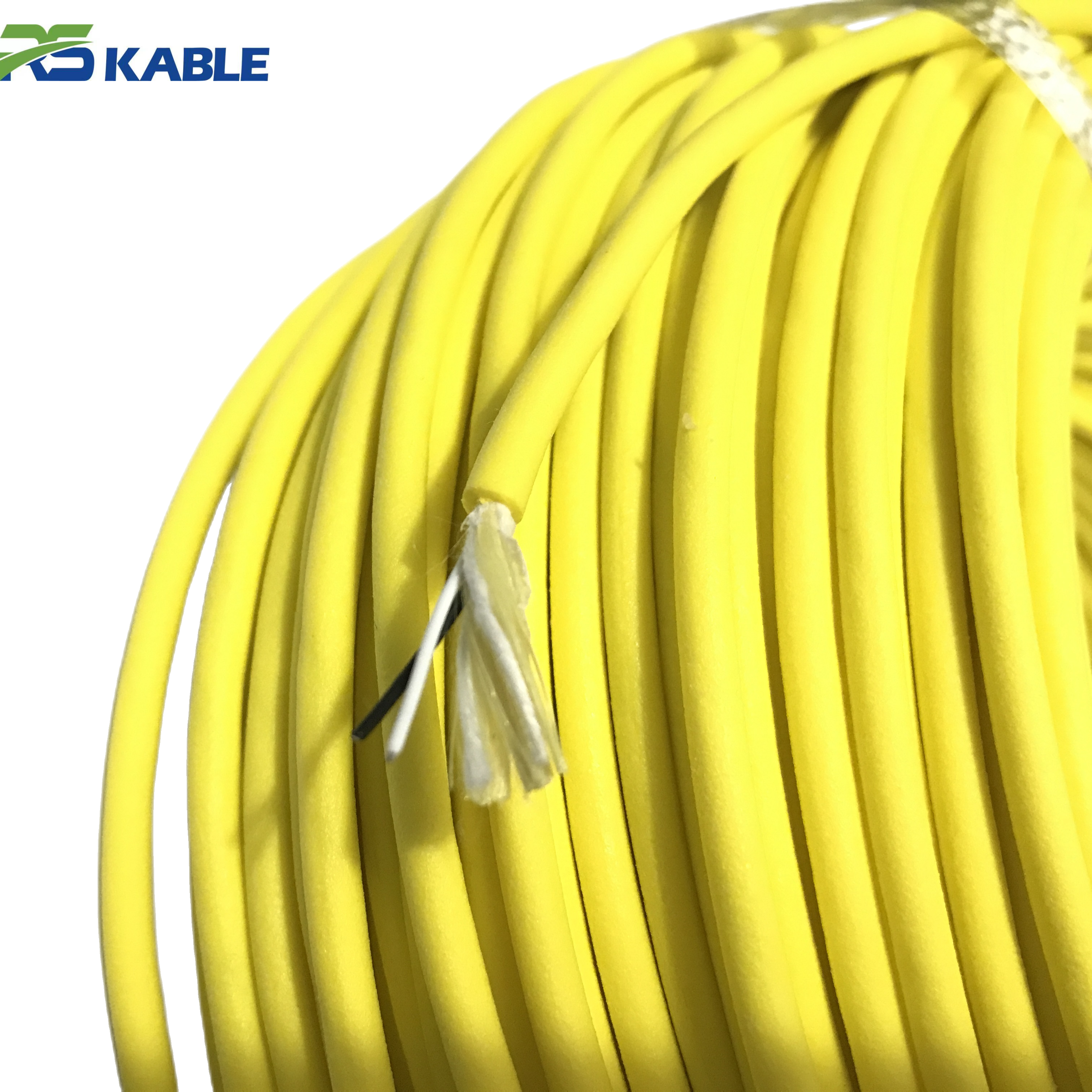
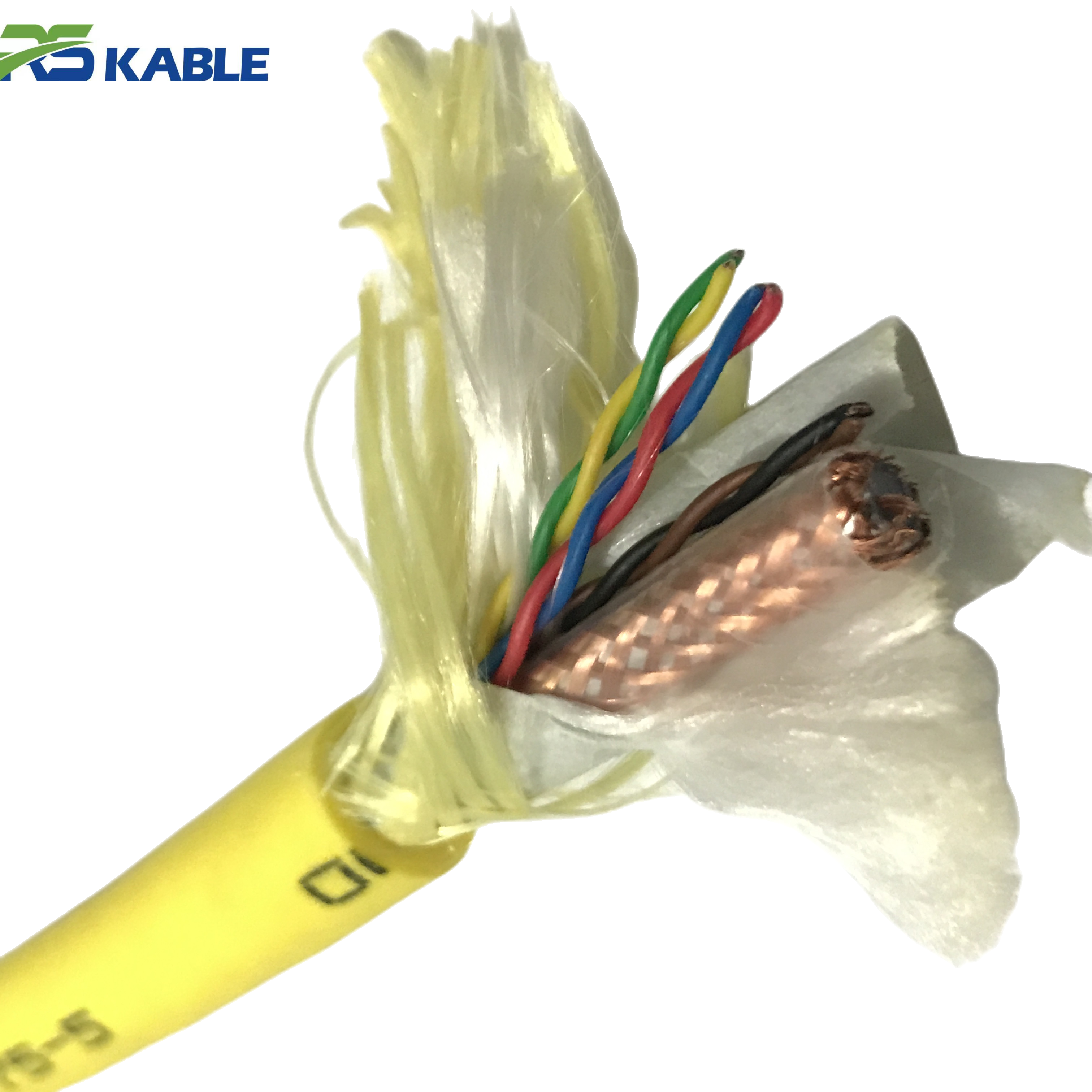
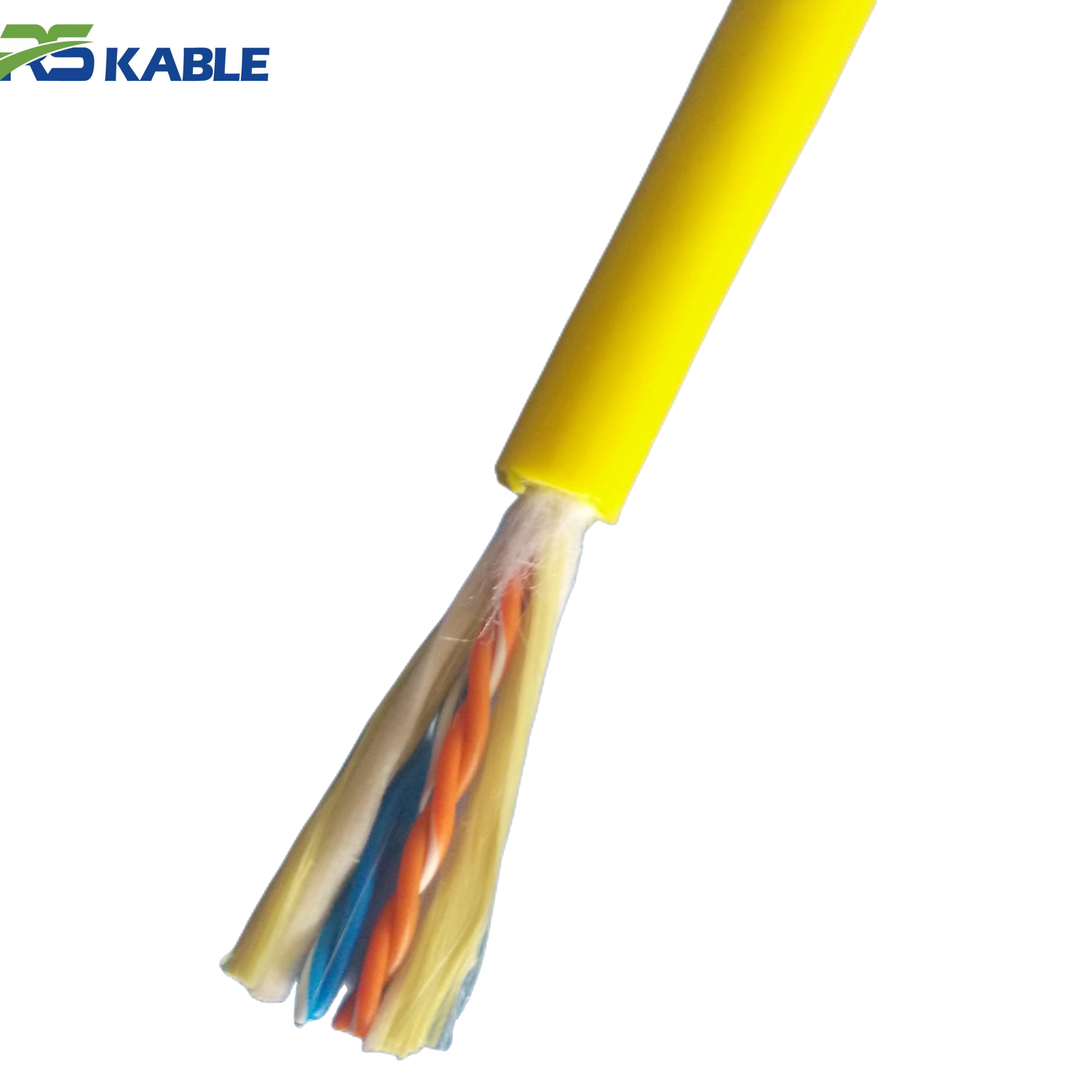
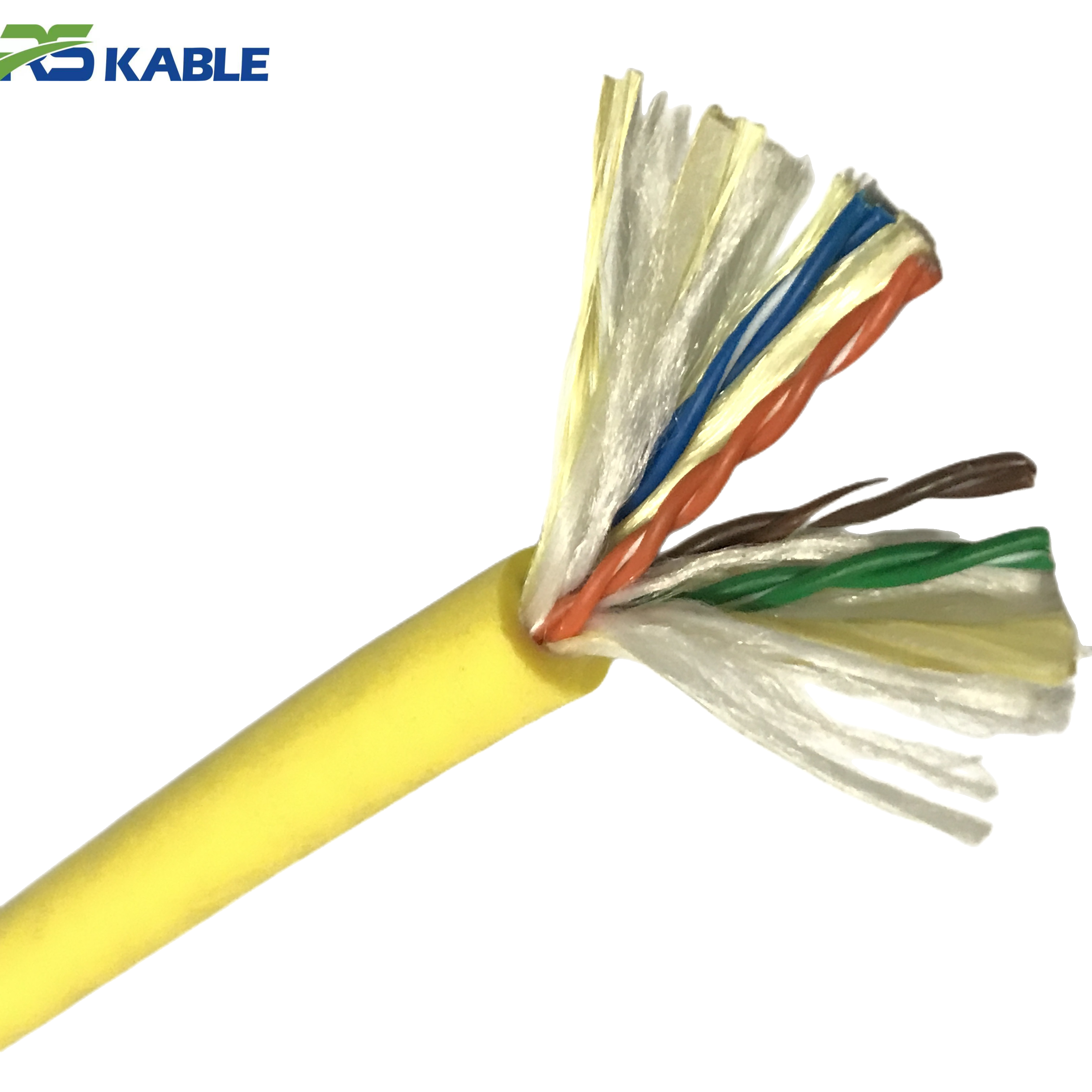
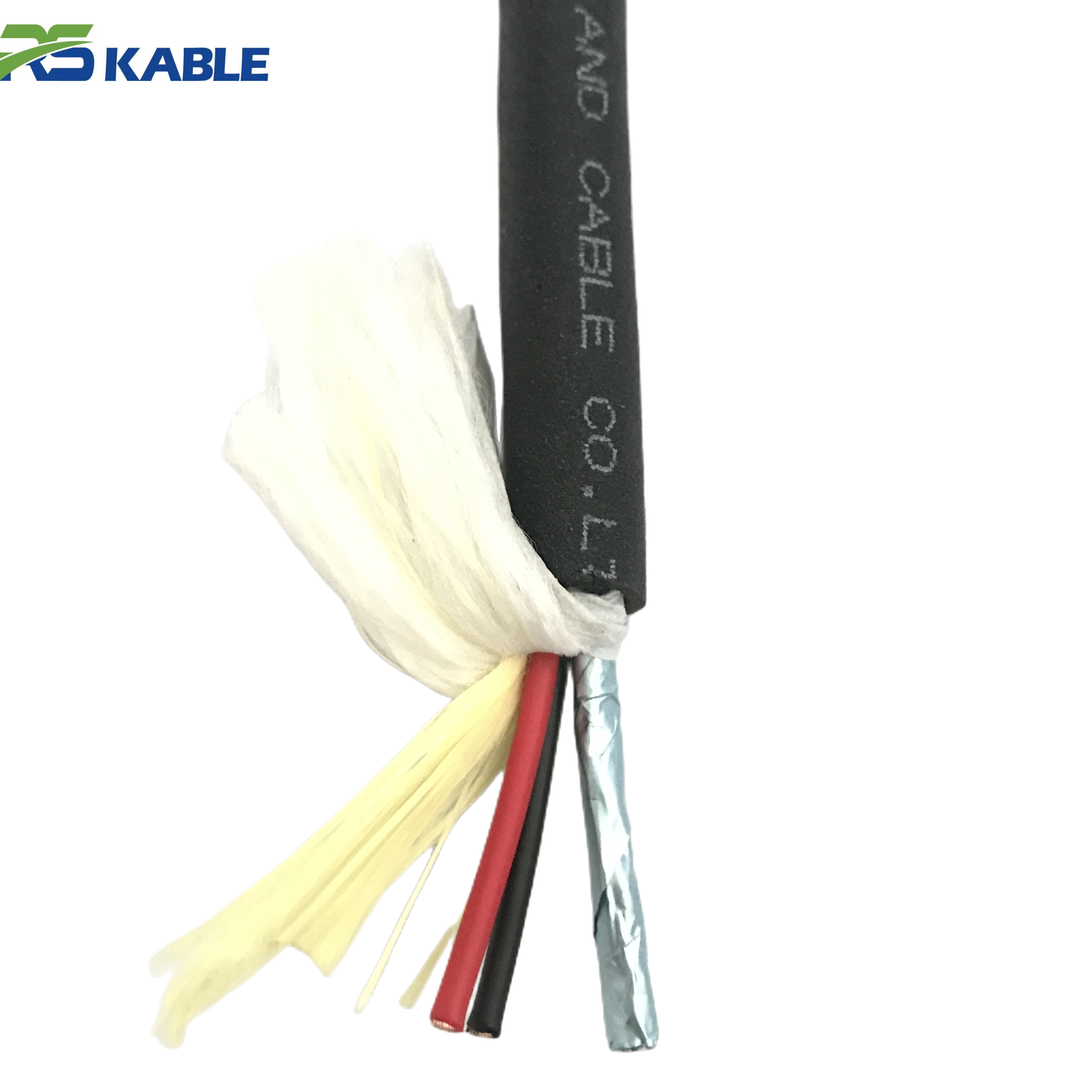
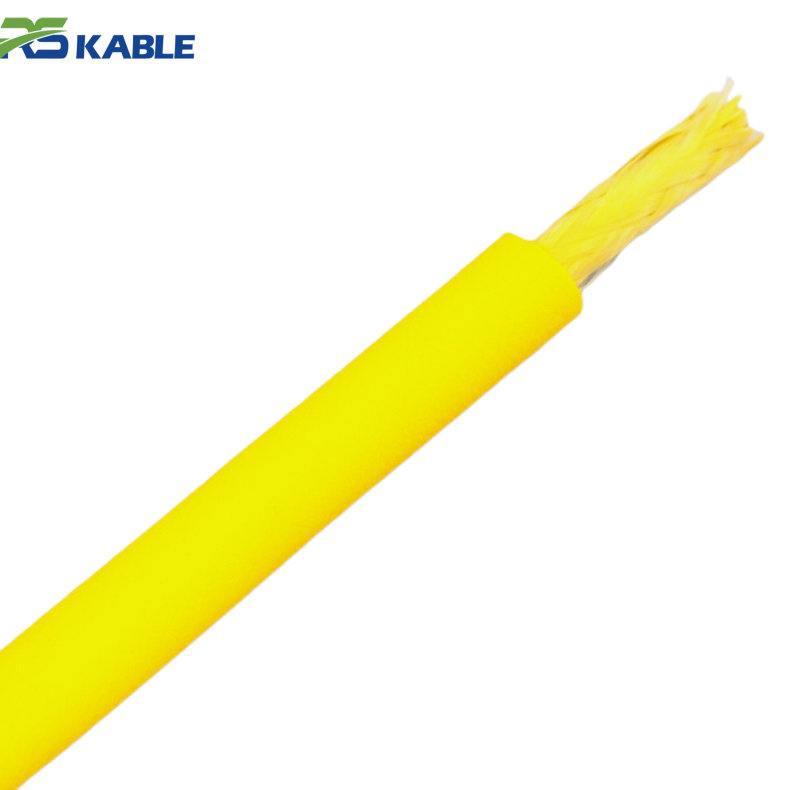
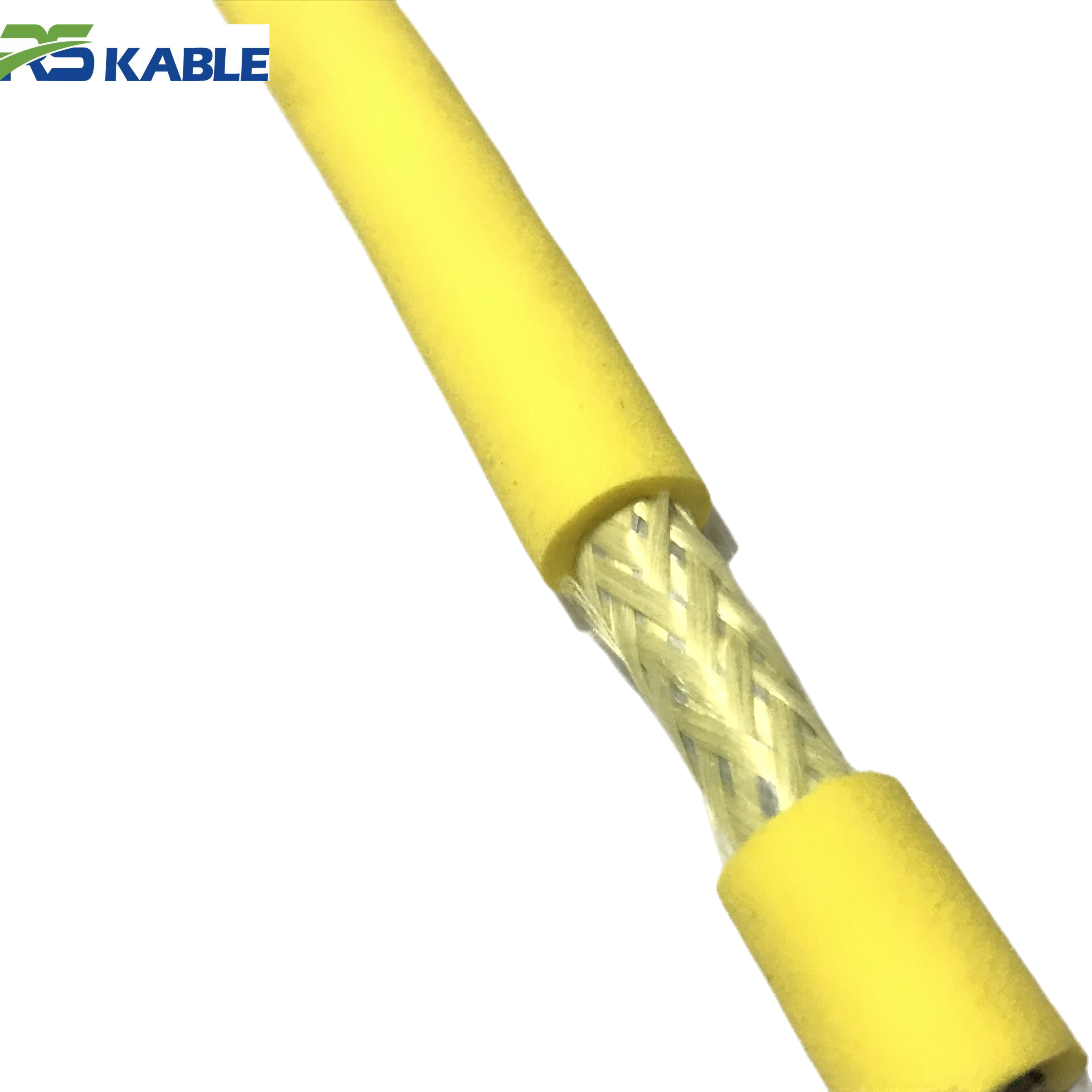
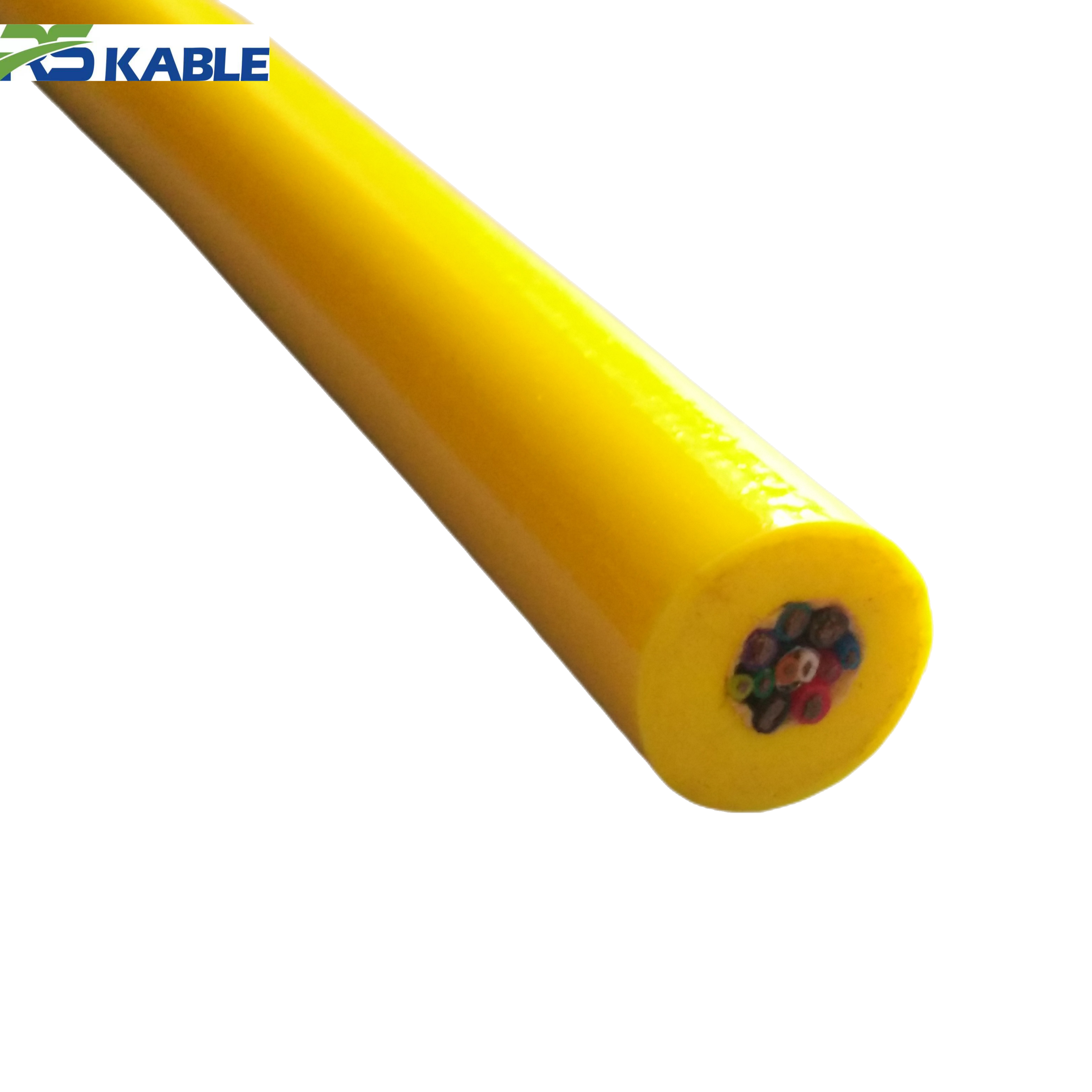
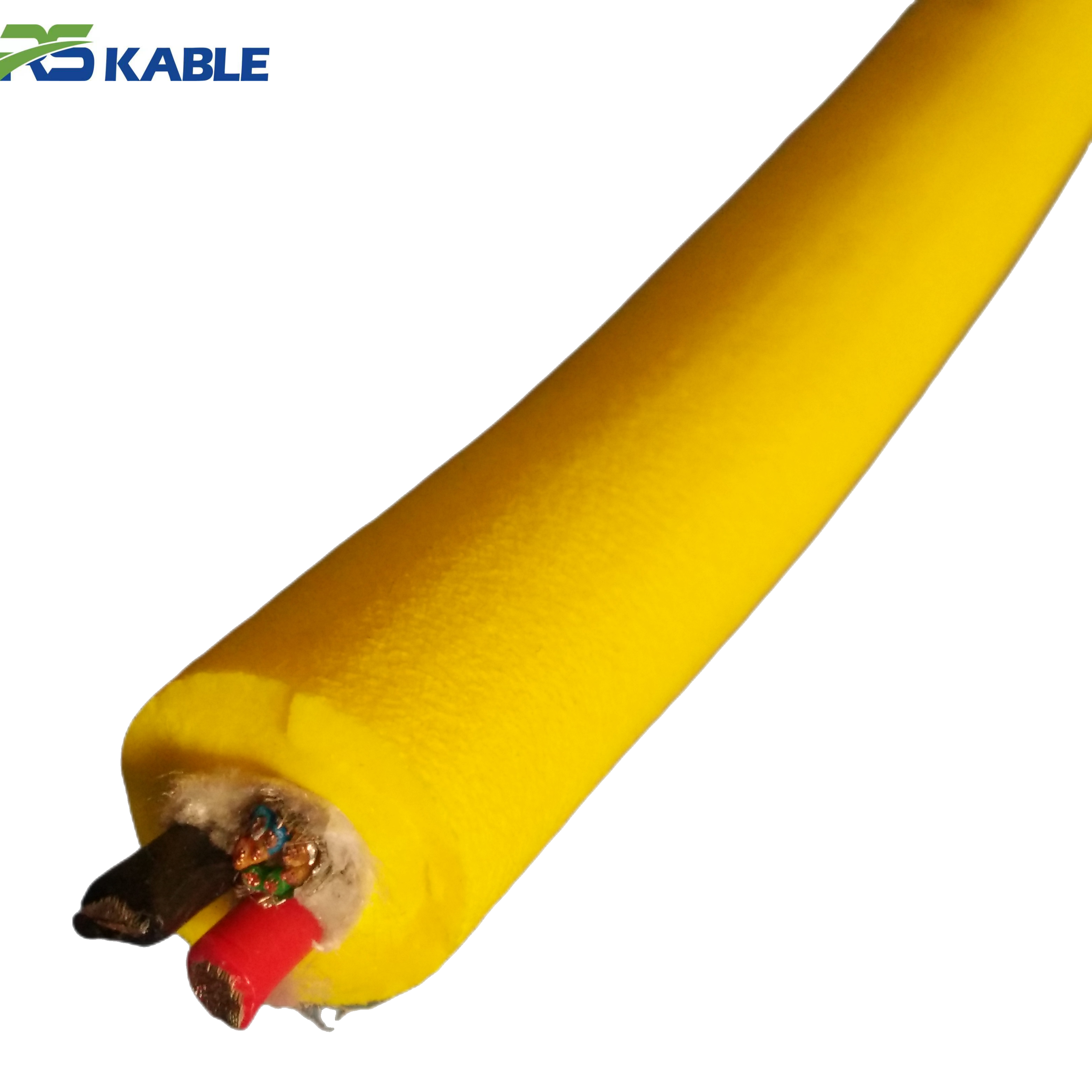
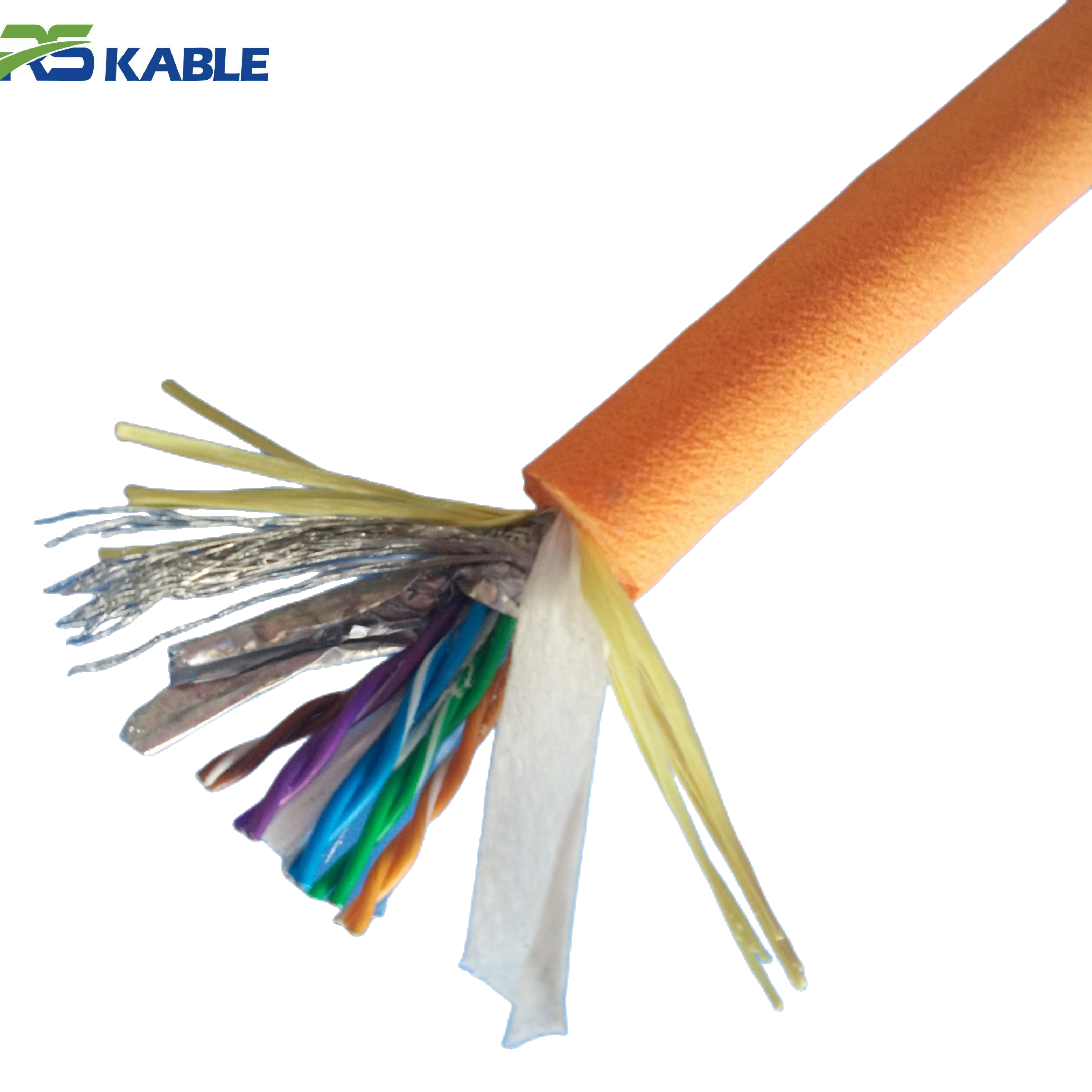
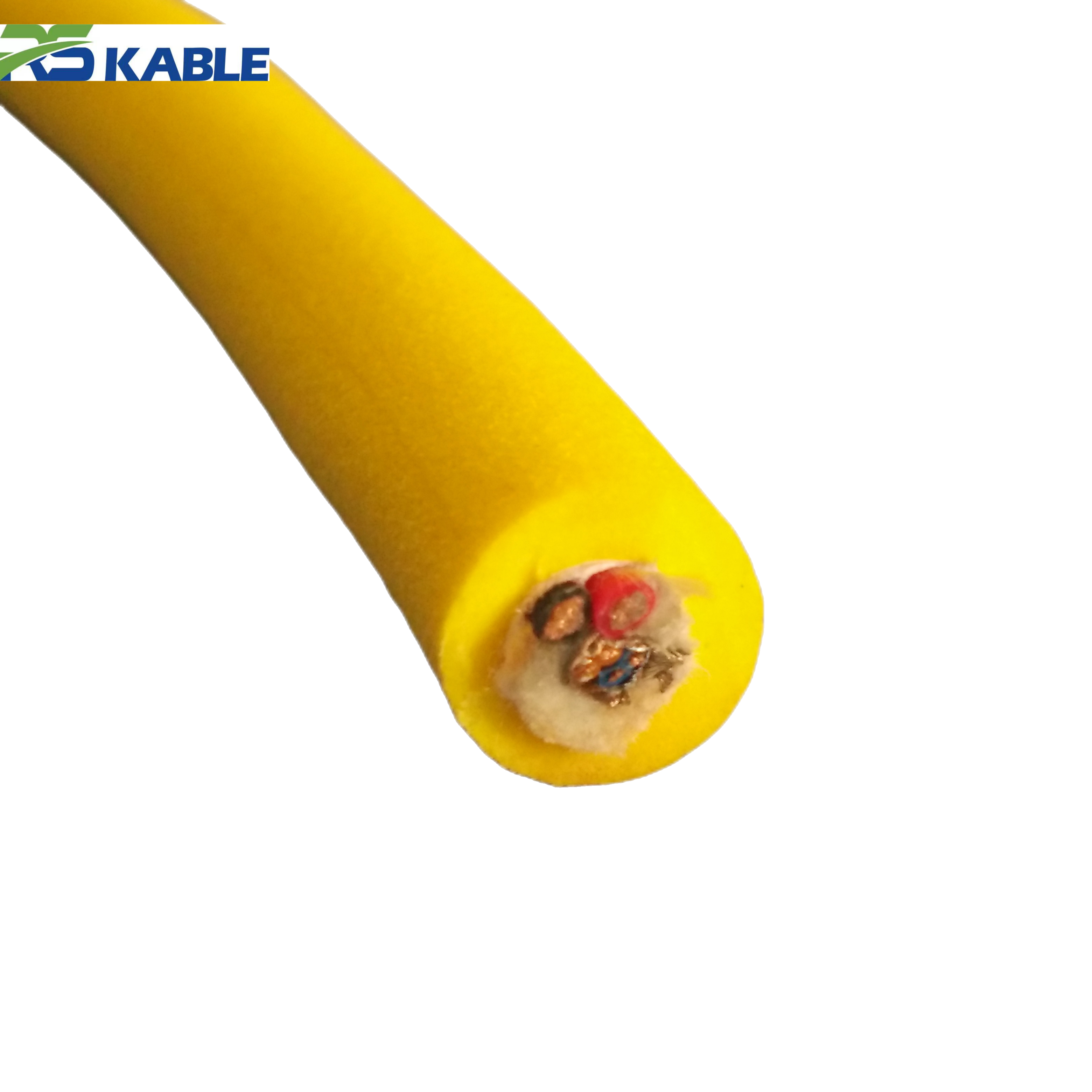
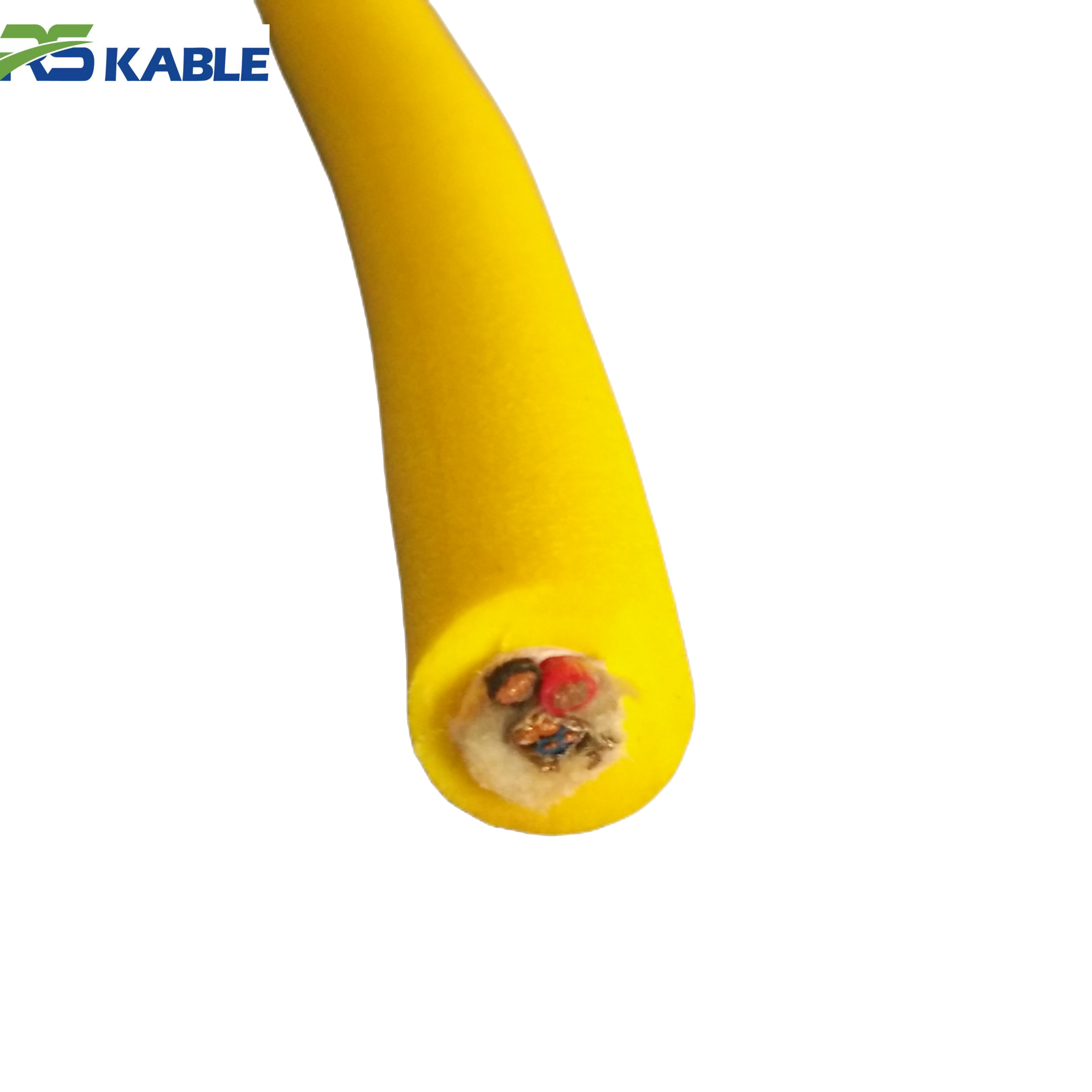
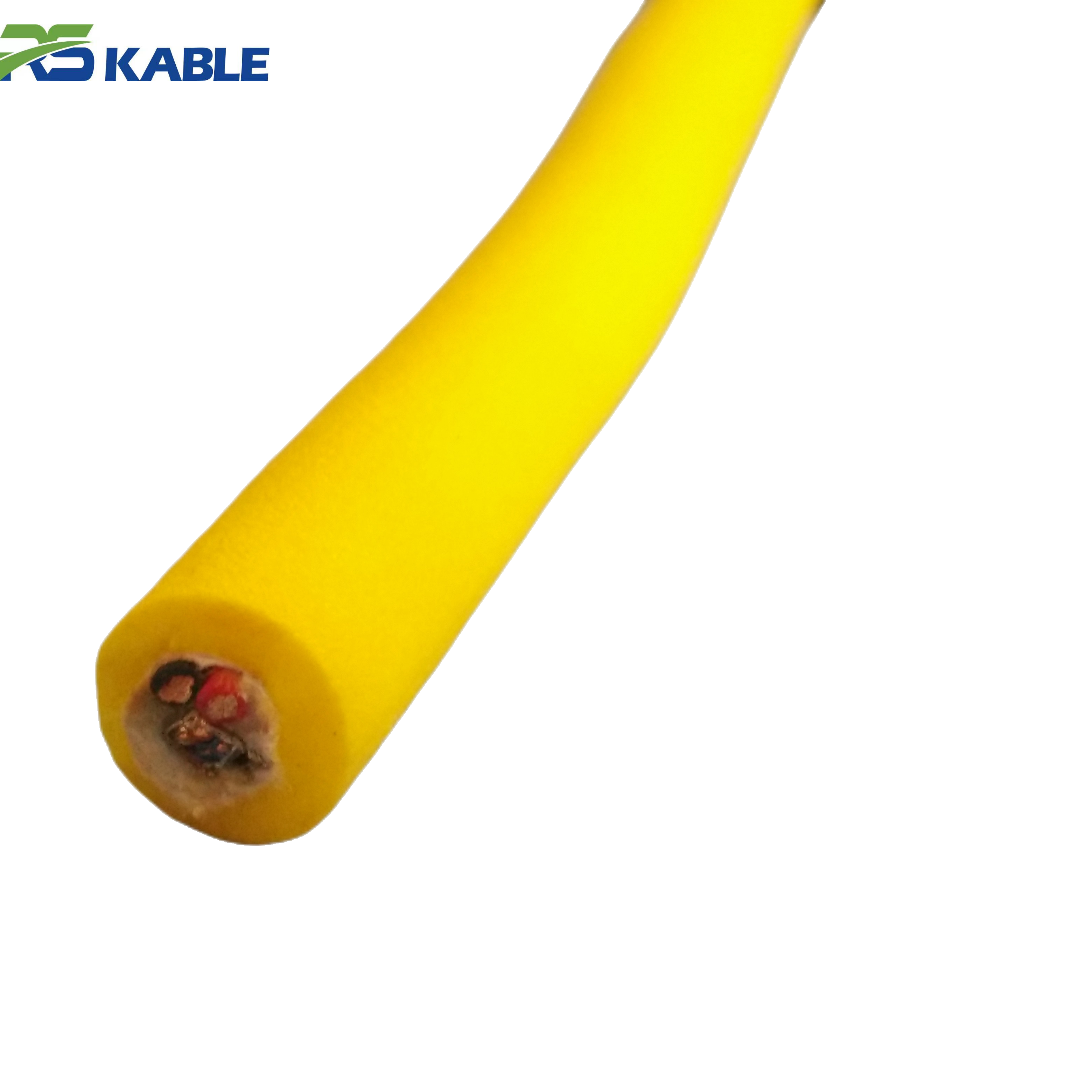
Underwater Monitoring Systems Neutral Buoyancy Cable | Seawater Resistant PVC/PE Outer Jacket (IP68)
Specifically designed for **underwater monitoring and surveillance**, this **IP68-rated neutral buoyancy cable** features a high-grade **seawater-resistant PVC/PE jacket**. It provides stable signal and power transmission for submerged cameras and sensors, ensuring the cable remains suspended in water to avoid seafloor obstacles and interference.
Quick Decision Matrix: Which Cable Type Fits Your Mission?
Use this matrix as a fast pre-selection tool. It’s not a datasheet replacement—it’s a practical filter that helps you pick the right direction early.
A) If your mission is mostly fixed or seabed-set
Choose traditional underwater cable when:
-
the cable is routed and remains largely stationary
-
the goal is stability on the seabed
-
surface motion influence must be minimized
-
abrasion protection and long-term static durability are top priorities
B) If your mission is dynamic and cable forces affect performance
Choose a Neutral Buoyancy Cable when:
-
the cable is moving during operation (ROV/towed/diver)
-
tether pull changes vehicle control or tow stability
-
bottom contact is risky (rocks, debris, structures)
-
connector stress or fatigue under motion is a known failure point
-
you need predictable catenary behavior in changing currents
C) If you must avoid surface interaction but also reduce bottom drag
Consider slightly negative (not “heavy”) buoyancy when:
-
the system operates in currents where surface loops are a concern
-
you want the cable to stay down but not grind the seabed
-
mission geometry benefits from a downward-set catenary
Key point: “Neutral” is not the only strategy. Many successful operations target a controlled buoyancy window (near-neutral or slightly negative) depending on conditions.
Where Traditional Underwater Cables Usually Win
Traditional underwater cables remain the best choice for many projects because they are rugged, proven, and often ideal for static applications.
Typical best-fit use cases:
-
fixed seabed routing (planned path, minimal movement)
-
protected installation (trenched, armored, or routed away from hazards)
-
anchored instruments where cable geometry is controlled by the structure
-
situations where negative buoyancy helps keep the cable settled and stable
In these scenarios, a sinking cable is not a problem—it’s often the intended behavior.
Where Neutral Buoyancy Cables Usually Win
Neutral buoyancy designs become most valuable when the cable is part of a moving system, and cable forces directly affect control, safety, or data quality.
Common best-fit use cases:
-
ROV tethers for inspection, intervention, and precision maneuvering
-
towed sonar arrays and survey bodies (depth stability matters)
-
diver umbilicals where handling safety and entanglement risk are critical
-
dynamic monitoring systems where cable sweep disturbs sensor geometry
-
operations near structures where snag risk is high
In these missions, a Neutral Buoyancy Cable can reduce unnecessary tension, lower seabed contact risk, and produce a more predictable underwater cable shape.
What “Neutral” Really Means Offshore
Neutral buoyancy is not a single exact number. Seawater density changes with:
-
temperature
-
salinity
-
depth-related conditions
Cable manufacturing tolerances also vary. That’s why high-quality suppliers typically target a near-neutral buoyancy window with defined tolerance and consistency along length.
When evaluating a Neutral Buoyancy Cable, ask for:
-
buoyancy target range (in-water weight window)
-
buoyancy consistency along the full length
-
expected behavior in typical seawater conditions
-
how the design behaves under current and tow speed
Predictability is often more important than “perfect neutrality.”
Real-World Symptoms → Diagnosis → Fix (Field Guide)
This is the experience-driven part that separates a “nice explanation” from a page that helps teams avoid downtime.
Symptom 1: The tether keeps dragging on the seabed
Likely diagnosis
-
cable is too negatively buoyant for current/depth profile
-
too much slack or poor pay-out control
-
catenary is being pushed downward by current
Practical fixes
-
move to a more neutral or near-neutral buoyancy design
-
tighten pay-out control to reduce unnecessary slack
-
add abrasion protection in unavoidable contact zones
-
adjust operating depth and routing to reduce bottom contact
Symptom 2: The cable rises, loops, or interferes near the surface
Likely diagnosis
-
cable is too positively buoyant for the sea state/current
-
surface wave motion is amplifying cable movement
Practical fixes
-
choose a near-neutral or slightly negative buoyancy target
-
operate deeper when possible to reduce wave-driven motion
-
avoid excess slack that encourages looping
Symptom 3: ROV thrusters work harder than expected to hold position
Likely diagnosis
-
tether weight and geometry are adding vertical load
-
current-driven cable sweep adds lateral load
-
cable diameter creates extra drag
Practical fixes
-
select a Neutral Buoyancy Cable or reduce in-water weight
-
reduce diameter/drag where feasible
-
improve tether management strategy (pay-out speed and routing)
Symptom 4: Towed system depth becomes unstable or “hunts”
Likely diagnosis
-
cable tension fluctuates due to buoyancy mismatch
-
tow speed/current changes cause large catenary shifts
-
cable drag is too high for the tow profile
Practical fixes
-
move toward neutral buoyancy to stabilize tension
-
reduce diameter if possible
-
standardize tow speed changes and pay-out control
Symptom 5: Intermittent faults appear only during movement
Likely diagnosis
-
fatigue at termination points or stress near connectors
-
insufficient strain relief or bend radius violation
-
repeated bending is concentrating at the same location
Practical fixes
-
redesign strain relief and termination protection
-
confirm minimum bend radius compliance in real routing
-
evaluate a cable with better fatigue construction for dynamic duty
These patterns show why buoyancy selection is not just academic—it’s operational risk management.
Performance Factors That Matter More Than the Marketing Label
When teams compare cables, buoyancy is the headline, but these factors often decide the real outcome:
1) Drag (diameter and surface)
Neutral buoyancy does not automatically mean low drag. A large diameter cable can still create significant drag in current. Compare diameter and hydrodynamic impact alongside buoyancy.
2) Tensile strength and reinforcement
Dynamic missions can create tension spikes. Ensure reinforcement design matches expected loads and handling methods.
3) Bend radius and fatigue life
ROV and towed operations create repeated bending. Fatigue performance and bend tolerance matter, especially near terminations.
4) Jacket durability and abrasion resistance
If occasional contact is possible, jacket selection becomes critical. Abrasion protection can prevent early failure even in a near-neutral system.
5) Termination quality
Many subsea issues originate at terminations. Choose designs with robust strain relief and termination methods aligned with the mission profile.
Acceptance & Field-Check Checklist (Before You Deploy)
This section strengthens buyer confidence because it turns selection into actionable inspection steps.
Before deployment, verify:
-
buoyancy consistency along length (no obvious “heavy sections”)
-
jacket condition and uniform diameter
-
minimum bend radius compliance during handling and stowage
-
tensile rating and reinforcement documentation
-
termination integrity and strain relief design
-
connector compatibility (mechanical + electrical)
-
intended operating depth and environment alignment
-
spare handling plan (how cable will be deployed and recovered)
A Neutral Buoyancy Cable that is inconsistent in buoyancy or poorly terminated can behave unpredictably and shorten mission time.
When Neutral Buoyancy Is NOT the Best Answer
Neutral buoyancy is excellent for dynamic missions, but traditional cables can be better when:
-
the cable is routed on the seabed and does not move
-
the system must stay down and avoid surface influence
-
static durability and protection are the main priorities
-
cable geometry is controlled by fixed structures
The goal is not to choose the “most advanced” option. The goal is to choose the option that matches how the cable will actually behave offshore.
FAQ
Are neutral buoyancy cables always better than traditional underwater cables?
No. Traditional cables can be better for fixed seabed routes where negative buoyancy helps keep the cable settled and stable.
Why does a heavy cable cause problems for an ROV?
It adds vertical and lateral loads, increases thruster demand, and may drag on the seabed—reducing maneuverability and increasing wear.
Do neutral buoyancy cables eliminate drag?
Not necessarily. Drag depends heavily on diameter, surface, and current conditions. Buoyancy helps geometry and load, but size still matters.
What’s the safest buoyancy choice in strong currents?
Often near-neutral or slightly negative is preferred to avoid both seabed drag and surface looping, depending on depth and sea state.
What should I ask suppliers before purchasing a neutral buoyancy cable?
Ask about buoyancy range/tolerance, consistency along length, diameter/drag profile, tensile rating, bend radius, jacket durability, and termination design.