

Marine Grab Cable Buying Guide: Key Factors for Durability, Flexibility, and Safety
In ports, ship unloaders, harbor terminals, coastal bulk handling yards, and marine lifting systems, cable choice has a direct impact on crane uptime, maintenance cost, and operational safety. A cable may look correct in terms of voltage, conductor count, or outer diameter, yet still fail too early if it is not suited to the real working environment. That is why buying the right Marine Grab Cable is not simply a purchasing task. It is a technical decision that affects long-term reliability.
For many buyers, the problem begins with an incomplete comparison. They look at conductor size, price per meter, or a general product description such as “flexible crane cable” and assume that is enough. In reality, grab crane applications in port and marine environments are much more demanding. The cable is exposed to repeated reeling, long hanging lengths, high bending frequency, abrasive cargo dust, weather, UV, oil, grease, moisture, and salt-laden air. Over time, these conditions can cause jacket wear, internal conductor fatigue, twisting, unstable reeling, and early replacement if the design is not properly matched to the job.
This buying guide explains the most important factors that determine durability, flexibility, and safety in marine crane applications. It also covers the most common selection mistakes, shows how true marine-duty crane use differs from light outdoor use, and provides a practical checklist for comparing products and suppliers. If you are selecting cable for a port crane, ship unloader, marine deck crane, harbor grab crane, or bulk terminal lifting system, this guide is designed to help you buy with more confidence.
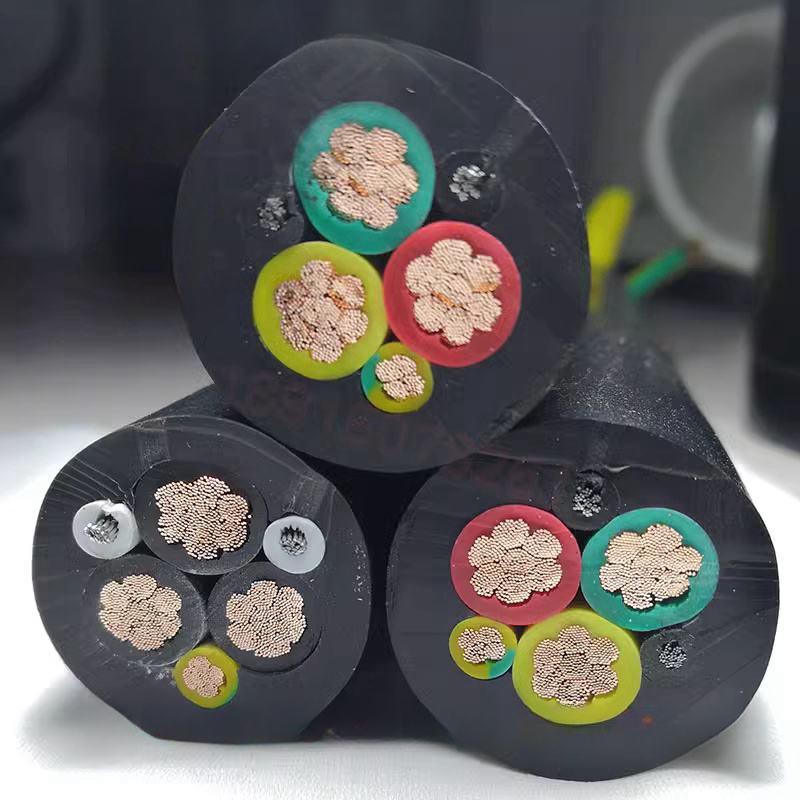
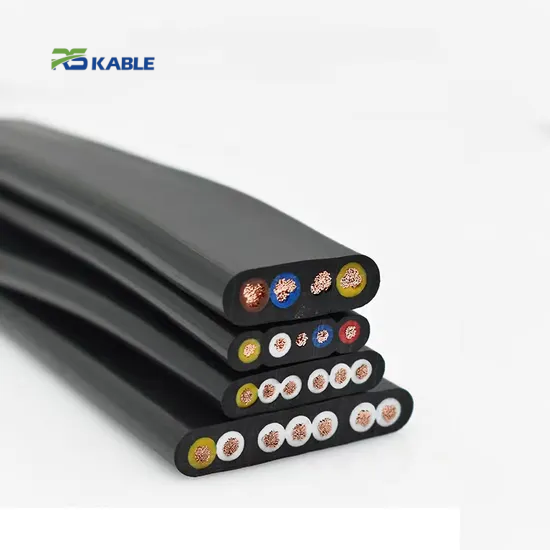
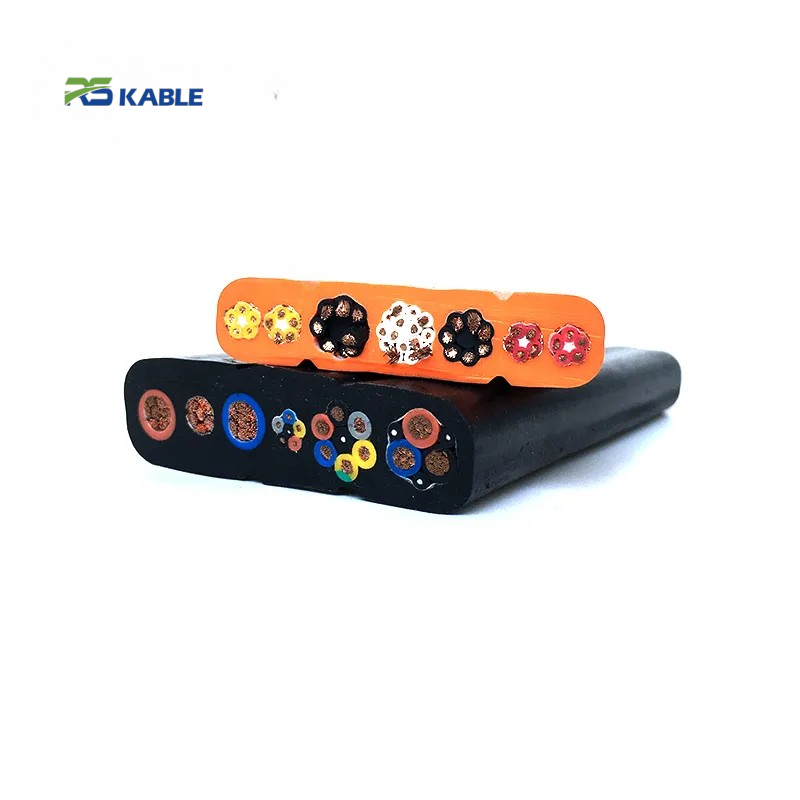
TRVVSP 2/4/6/8/10/12/16-Core Flexible Drag-Chain Cable, Twisted Pair Shielded Servo Encoder Cable, PVC Insulated, 600V Rated
This flexible drag-chain cable is engineered for **servo encoder feedback** and **continuous motion applications**, featuring a **twisted pair shielded structure**, **PVC insulation**, and a **600V rating** to ensure stable signal transmission, EMI resistance, and long-term reliability in dynamic industrial environments.
Why Buying the Right Cable Matters in Marine Crane Applications
A marine grab crane is not working in a clean, protected indoor factory. It is operating in an environment where mechanical movement and environmental stress happen at the same time. The cable may be bent over drums and pulleys all day, while also being exposed to rain, sunlight, coastal humidity, and abrasive dust from cargo such as coal, ore, grain, fertilizer, clinker, sand, scrap, or waste.
In practical terms, one poorly selected cable can lead to:
-
unexpected crane stoppage during loading or unloading
-
more frequent maintenance and replacement
-
unstable hanging and twisting during operation
-
poor reeling behavior on drums
-
conductor fatigue in high-cycle lifting duty
-
reduced terminal efficiency and higher operating cost
This is why the correct cable should be evaluated as part of the crane system itself, not as a generic electrical accessory.
What Makes a Marine Grab Cable Different?
A Marine Grab Cable is a heavy-duty flexible cable specifically chosen or designed for grab bucket cranes, ship unloaders, harbor cranes, marine deck cranes, and other lifting systems working in coastal or marine environments. It is typically expected to perform under repeated suspended movement, demanding reeling conditions, harsh weather exposure, and long-term outdoor operation.
This type of cable is often associated with applications such as:
-
bulk cargo unloading at ports
-
ship unloader grab systems
-
dockside harbor cranes
-
coastal waste or scrap handling cranes
-
shipboard cranes with grab motion
-
terminal cranes working in abrasive bulk material environments
What makes it different from a more standard crane cable is not just where it is installed. The real difference is that it is selected with marine exposure, anti-twist behavior, heavy-duty motion, and higher lifecycle expectations in mind.
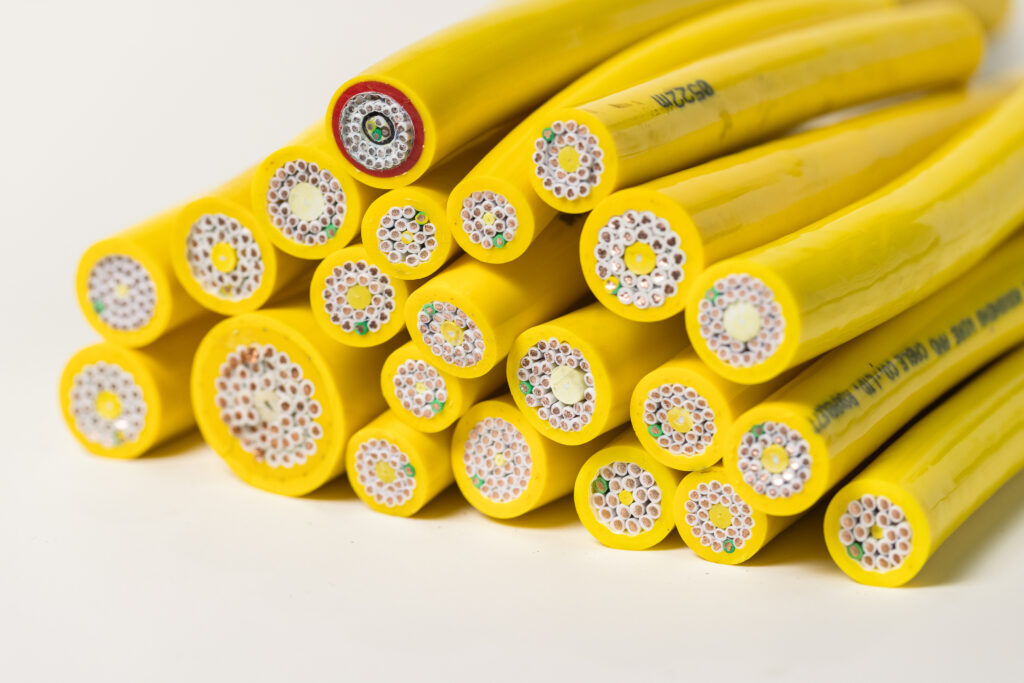
Real Marine Duty vs Light Outdoor Crane Duty
This distinction is one of the most important buying ideas, and also one of the most overlooked.
Some buyers say “the crane works outdoors,” but outdoor use is not always the same as true marine-duty use.
Light Outdoor Crane Duty
This usually means:
-
occasional weather exposure
-
lower operating frequency
-
limited salt exposure
-
less abrasive working conditions
-
shorter hanging length
-
simpler motion pattern
In these cases, a general crane cable may still perform adequately.
Real Marine-Duty Crane Use
This usually means:
-
daily operation in ports or coastal terminals
-
long hanging travel
-
repeated reeling and unreeling
-
exposure to salt-rich air and humidity
-
abrasive bulk cargo dust
-
higher risk of jacket wear and twisting
-
stronger demand for long-term uptime
Once the application falls into this second category, cable performance requirements change significantly. This is where buying only on price or conductor count often leads to mistakes.
The Three Main Buying Priorities
When comparing options, most buyers should focus on three core priorities:
-
Durability
-
Flexibility
-
Safety
These three are connected. A cable that is durable but too stiff may still perform badly. A flexible cable with weak reinforcement may not last. A low-cost cable that cannot maintain stable movement may create mechanical or operational safety issues later.
1. Durability: How to Buy for Longer Service Life
Durability is usually the first concern because it directly affects cable replacement frequency and crane downtime.
Outer Sheath Material
The outer jacket is the cable’s first layer of defense. In marine crane work, sheath quality matters because the cable may face:
-
abrasion from drums and guides
-
contact with metal frames
-
oil and grease contamination
-
UV radiation
-
humidity and weather
-
salt-laden air
In many real-world port environments, sheath wear is the first visible sign of future failure. That is why buyers should ask not just “Is the cable flexible?” but also:
-
What is the sheath material?
-
Is it built for port and marine crane service?
-
How does it perform in abrasive bulk handling conditions?
-
Is it suitable for UV and coastal humidity?
Polyurethane and heavy-duty rubber compounds are common choices, but the better option depends on the application. In some terminals, stronger abrasion resistance is the priority. In others, long-term outdoor flexibility matters more.
Abrasion Resistance
In coal ports, ore terminals, grain facilities, and scrap yards, abrasion is not a minor issue. Repeated contact with pulleys, guides, dust, and cargo residue can shorten cable life quickly. A buying guide without abrasion analysis is incomplete, because in many applications, the first real failure mechanism is not electrical at all. It is mechanical wear.
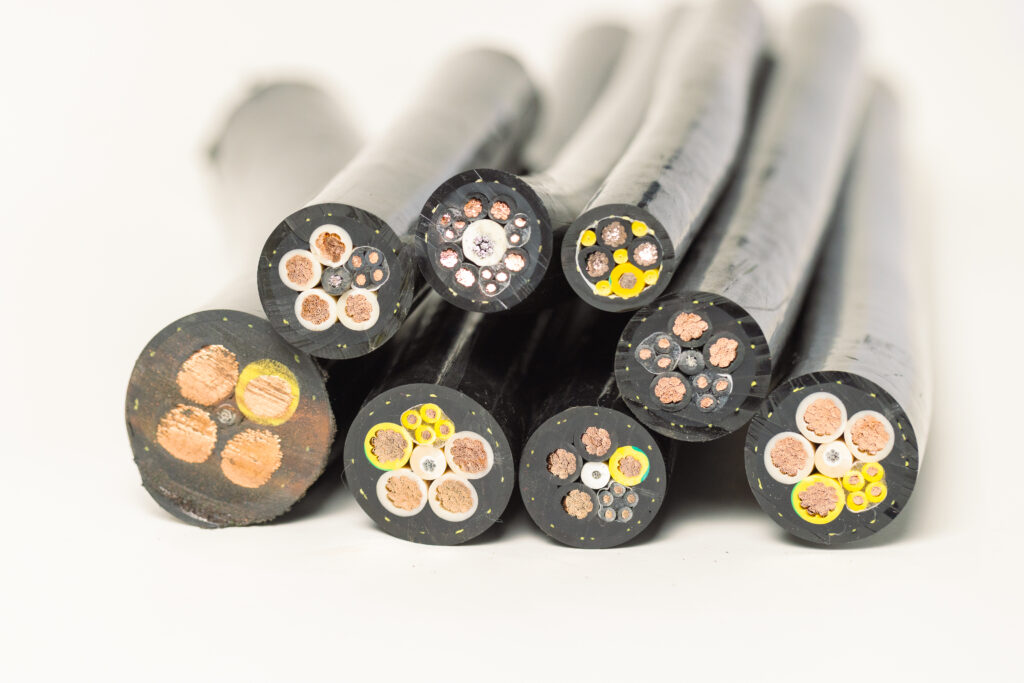
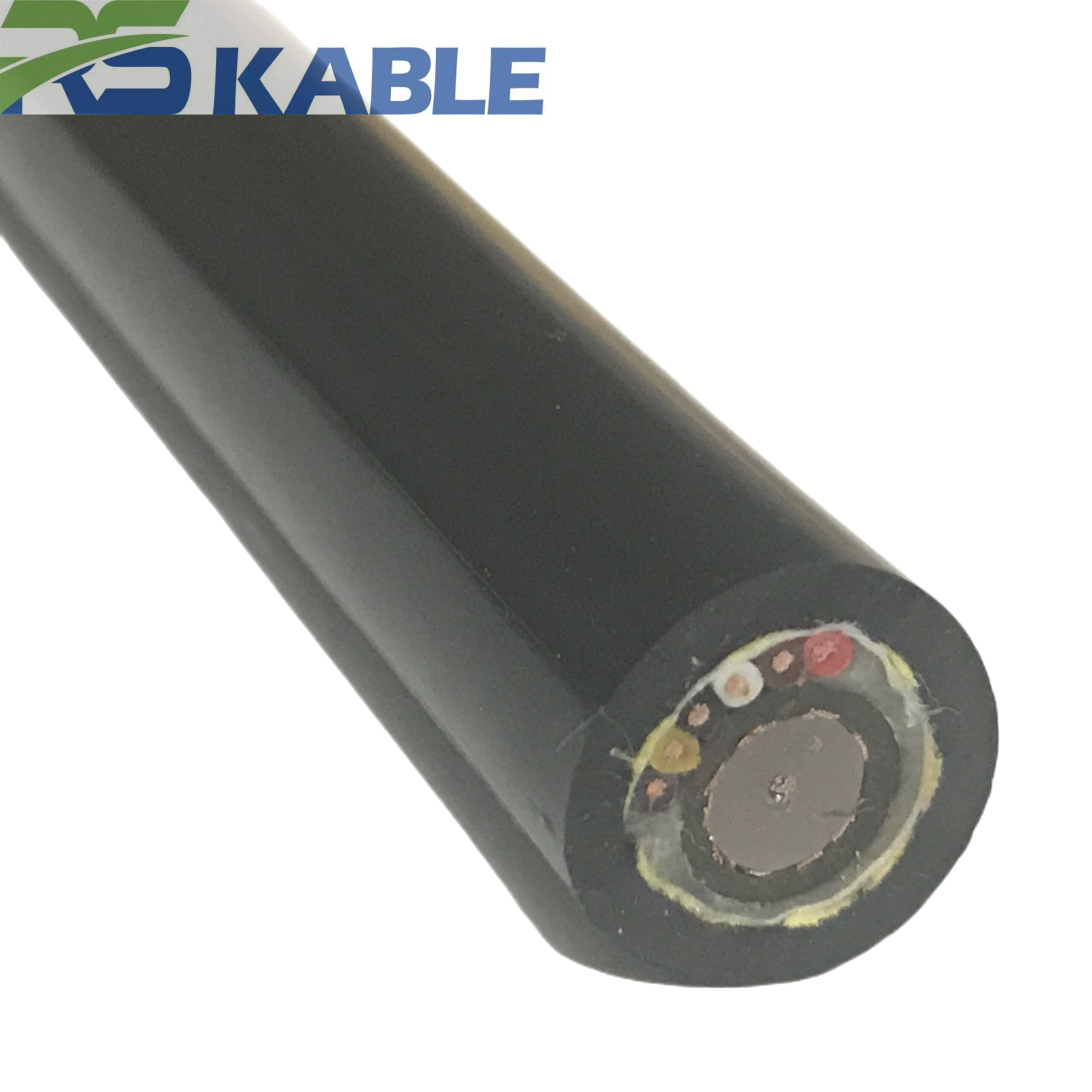
Reinforcement and Tensile Support
Long hanging travel places constant stress on the cable body. If the design lacks adequate tensile support, the cable may stretch, deform, or fatigue sooner than expected.
Buyers should ask:
-
Is there internal tensile reinforcement?
-
What type of reinforcement is used?
-
Is the design suitable for long suspended movement?
-
Is it recommended for high-cycle grab crane use?
This is particularly important in ship unloaders and high-travel harbor cranes.
Fatigue Resistance Over Repeated Cycles
A cable may survive one heavy lifting cycle without a problem. The real question is whether it can survive thousands of them. Good fatigue resistance comes from the combined effect of conductor design, insulation quality, internal construction, reinforcement, and bend performance.
2. Flexibility: Why Motion Performance Matters
A crane cable must move well, not just survive. Flexibility is critical because the cable is part of a dynamic lifting system.
Why Flexibility Is Not Just “Softness”
Some buyers treat flexibility as a simple physical feel. But in real crane systems, useful flexibility means the cable can bend repeatedly without early internal damage, reel properly without unstable memory, and move with the crane instead of resisting it.
This becomes especially important in:
-
long daily lifting cycles
-
repeated reeling over drums
-
suspended vertical movement
-
grab bucket opening and closing
-
high-frequency terminal operation
Conductor Construction
Fine-stranded copper conductors are commonly preferred for dynamic motion because they handle repeated bending better than coarser conductor structures. In marine conditions, tinned copper is often favored because it adds corrosion resistance compared with bare copper.
This is a useful buying question:
-
Are the conductors optimized for repeated flexing and marine use?
Minimum Bend Radius and Reeling Compatibility
A cable can be flexible in theory but still unsuitable for a specific reel or pulley path. Buyers should confirm:
-
recommended minimum bend radius
-
drum size compatibility
-
suitability for vertical reeling
-
behavior in repeated suspended motion
A mismatch between cable design and reeling path is one of the most common causes of premature fatigue.
Anti-Twist Stability
For long hanging crane applications, flexibility alone is not enough. The cable must also remain stable in suspended motion. If anti-twist behavior is poor, the cable may rotate, hang unevenly, or create extra wear and handling problems.
For a true port crane cable, this is often a major buying factor rather than a minor detail.
3. Safety: More Than Just Electrical Performance
Cable safety is often discussed too narrowly. In reality, safety in marine crane cable selection includes mechanical behavior, motion stability, insulation reliability, and the ability to reduce the risk of in-service failure.
Stable Hanging Behavior
A cable that twists, reels poorly, or behaves unpredictably in suspension can increase strain on the crane system and make operation less stable. This matters even more in long-travel, high-cycle equipment.
Electrical Integrity
The cable must maintain dependable power and, where required, stable control transmission. If insulation or conductor quality is inadequate, intermittent electrical faults may appear under movement, and those faults can be especially risky during lifting operations.
Reduced Failure Risk
A safer cable is often simply the one that is better matched to the real job. In this sense, safety and durability are linked. A cable that wears too quickly, twists excessively, or fatigues early is not just a maintenance issue. It becomes a safety and operations issue.
Key Technical Questions to Ask Before Buying
A strong buying process is often defined by the quality of the questions asked before the order is placed. Here are the most useful ones.
About the conductors
-
Are they bare copper or tinned copper?
-
Are they designed for repeated flexing?
-
Is the conductor structure suited to high-cycle crane duty?
About the sheath
-
What outer jacket material is used?
-
Is it suitable for marine and coastal exposure?
-
How does it perform in bulk cargo abrasion?
-
Is it resistant to oil, grease, UV, and weather?
About reinforcement
-
Does the cable include tensile support?
-
Is it suitable for long hanging length?
-
Can it handle repeated suspended motion?
About anti-twist behavior
-
Is the design optimized for grab crane hanging stability?
-
Is it suitable for long vertical travel?
-
Has twisting performance been considered?
About the real duty cycle
-
Is the cable for high-frequency terminal duty or lighter industrial use?
-
What environment was it designed for?
-
Is it more suitable for indoor cranes or marine bulk handling?
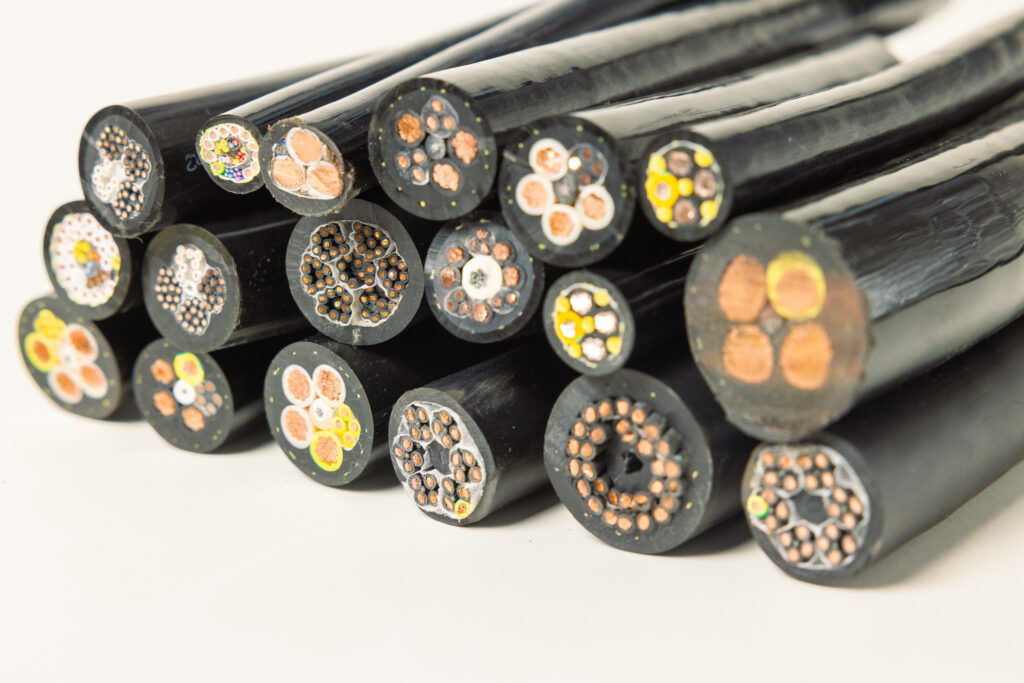
Common Mistakes Buyers Make
Many early cable failures can be traced back to selection errors rather than obvious manufacturing defects.
Mistake 1: Choosing by Voltage and Core Count Alone
A cable can meet electrical requirements and still fail mechanically because the motion profile was ignored.
Mistake 2: Confusing Outdoor Use with Marine Use
A cable that works outdoors inland may still age too quickly in a salty, humid, abrasive port environment.
Mistake 3: Ignoring Duty Cycle
A crane that operates occasionally is not the same as a high-cycle ship unloader. The required cable durability level is different.
Mistake 4: Underestimating Hanging Length
Long vertical travel increases the importance of tensile support and anti-twist stability.
Mistake 5: Buying Only on Initial Price
A lower-cost cable can become much more expensive once downtime, maintenance labor, and replacement frequency are included.
Common Failures Caused by Choosing the Wrong Cable
This is one of the most useful additions to a buying guide because buyers often understand value more clearly when they see what goes wrong in real applications.
A poorly matched marine crane cable may fail through:
-
outer jacket wear at guide points
-
twisting during suspended movement
-
conductor fatigue from repeated flexing
-
early hardening or cracking in outdoor weather
-
unstable drum reeling
-
shortened service life in bulk handling terminals
These problems are especially common when a standard industrial crane cable is used in a true marine-duty application without considering salt exposure, movement type, and operating frequency.
How to Compare Suppliers More Effectively
A reliable supplier should ask more than just voltage, length, and number of cores. They should also ask about:
-
crane type
-
hanging height
-
reeling path
-
operating frequency
-
handled material
-
environmental exposure
-
anti-twist requirements
-
expected service life
That kind of discussion is usually a good sign. It means the supplier is trying to match the design to the real job instead of offering a generic solution.
When comparing suppliers, pay attention to whether they can clearly explain:
-
why this conductor type was chosen
-
why this sheath material suits the application
-
whether the design is for light outdoor use or true marine-duty use
-
what limitations the cable has
-
what kind of crane and motion pattern it is best suited for
Practical Buying Checklist
Before placing an order, review this checklist:
-
Is the crane operating in a true marine or coastal environment?
-
Is the duty cycle high or moderate?
-
What is the hanging height and travel path?
-
Does the application require anti-twist stability?
-
Is bulk cargo abrasion a major risk?
-
Is the sheath suitable for UV, humidity, salt, oil, and weather?
-
Are conductors optimized for repeated flexing?
-
Does the cable include tensile support?
-
Is lifecycle value more important than the lowest purchase price?
-
Has the supplier recommended the product based on actual crane conditions?
FAQ
What is the most important factor when buying a marine grab cable?
The most important factor is application fit, including movement pattern, environment, hanging length, and duty cycle.
Why is flexibility so important in grab crane applications?
Because the cable bends and reels constantly. Poor flexibility increases internal fatigue and shortens service life.
Is tinned copper better than bare copper for marine cranes?
In many marine environments, yes. Tinned copper usually provides better corrosion resistance in humid and salt-rich conditions.
Why does anti-twist performance matter so much?
Long hanging cable sections can rotate during operation. Good anti-twist stability helps reduce wear and improve movement control.
Can a standard crane cable be used in marine applications?
Sometimes in lighter outdoor conditions, yes. But in true port, coastal, and high-cycle grab crane duty, a marine-specific design is often the better choice.