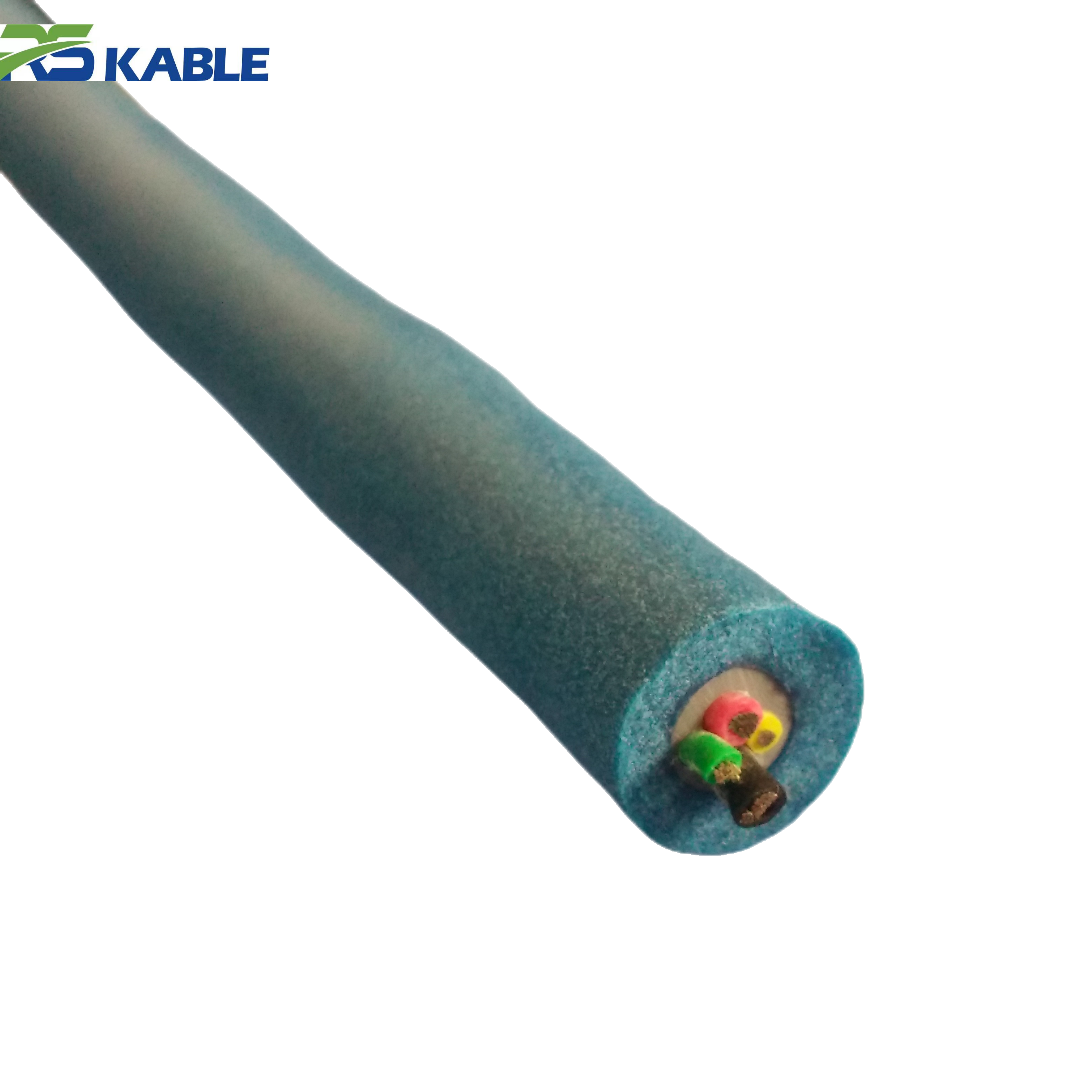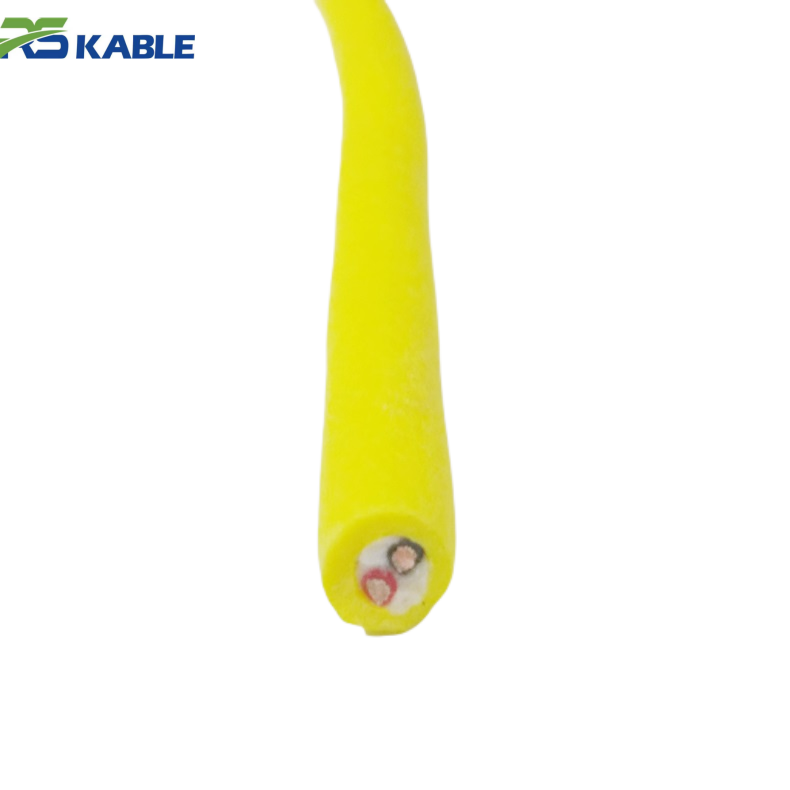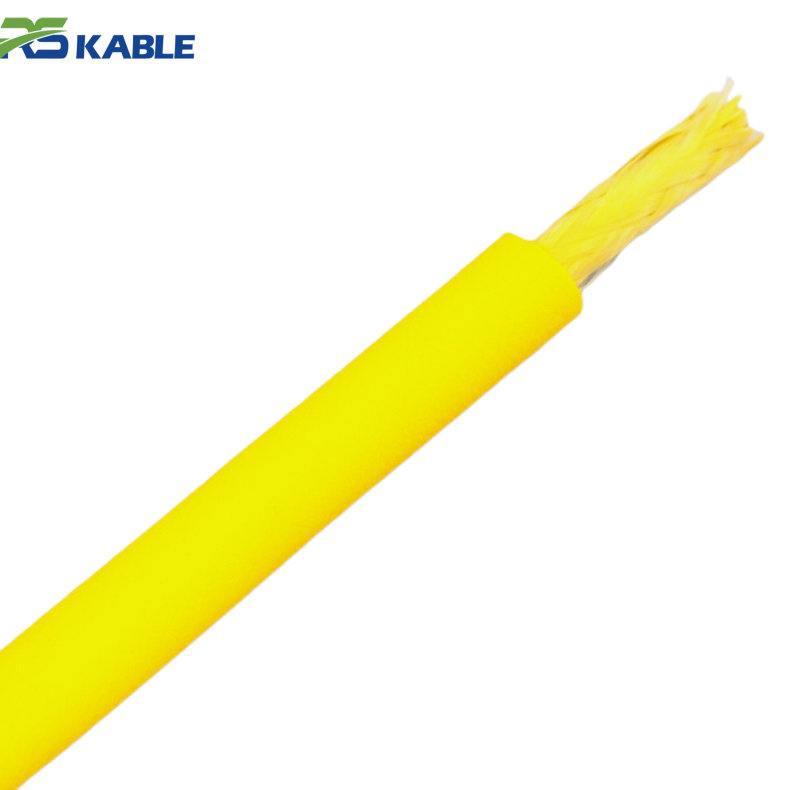


Low Voltage vs High Voltage ROV Cable: Power Capacity and Application Differences
In the world of underwater exploration and subsea operations, Remote Operated Vehicles (ROVs) are indispensable tools used for precision inspections, marine research, and offshore maintenance. An essential component that powers these ROVs is the ROV cable. Whether you’re working with a small ROV for shallow inspections or a heavy-duty ROV for deep-sea exploration, choosing the right cable based on voltage is crucial. Understanding the difference between low voltage ROV cables and high voltage ROV cables can help you optimize power supply and ensure operational efficiency.
What is the Role of an ROV Cable?
ROV cables are the lifelines of any remote operated vehicle operating in deep-sea environments. They not only provide electrical power to the ROV’s thrusters, motors, and sensors, but also ensure the seamless transmission of video data, telemetry, and communication signals back to the surface team.
The voltage of the ROV cable plays a critical role in determining the power capacity and suitability of the cable for specific subsea operations.
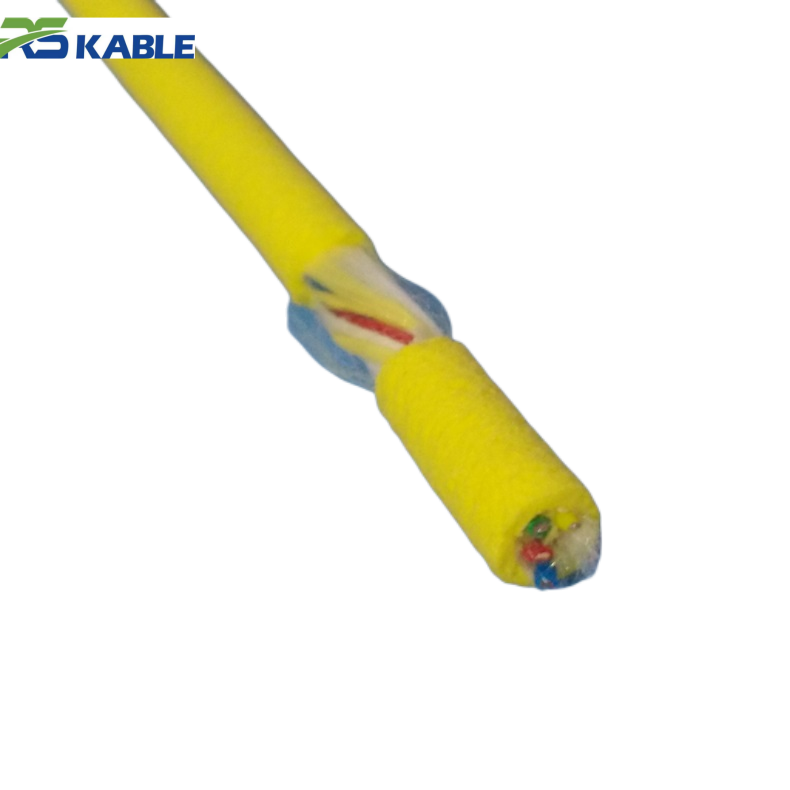
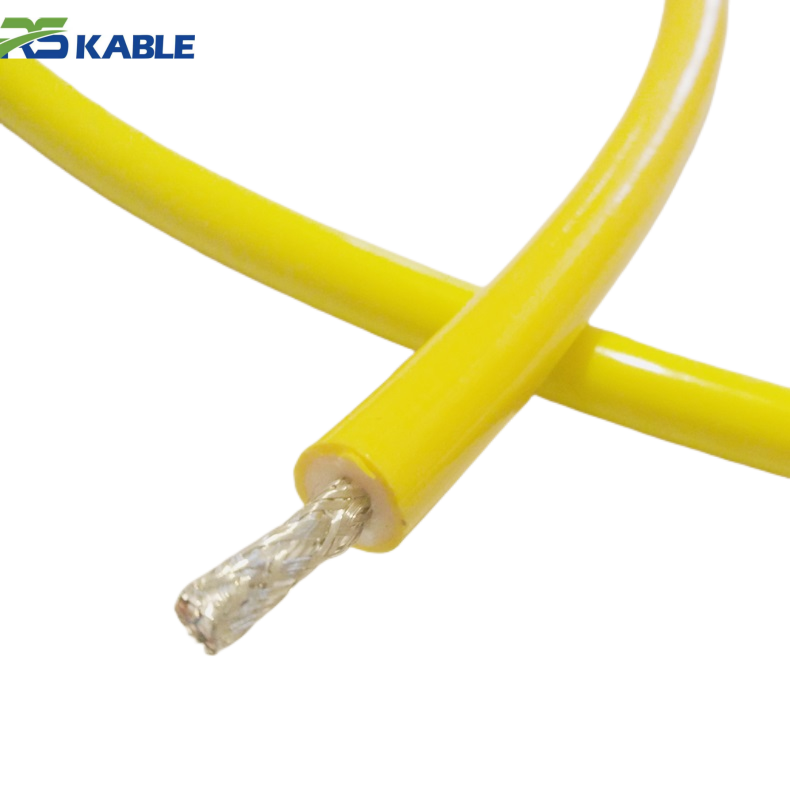
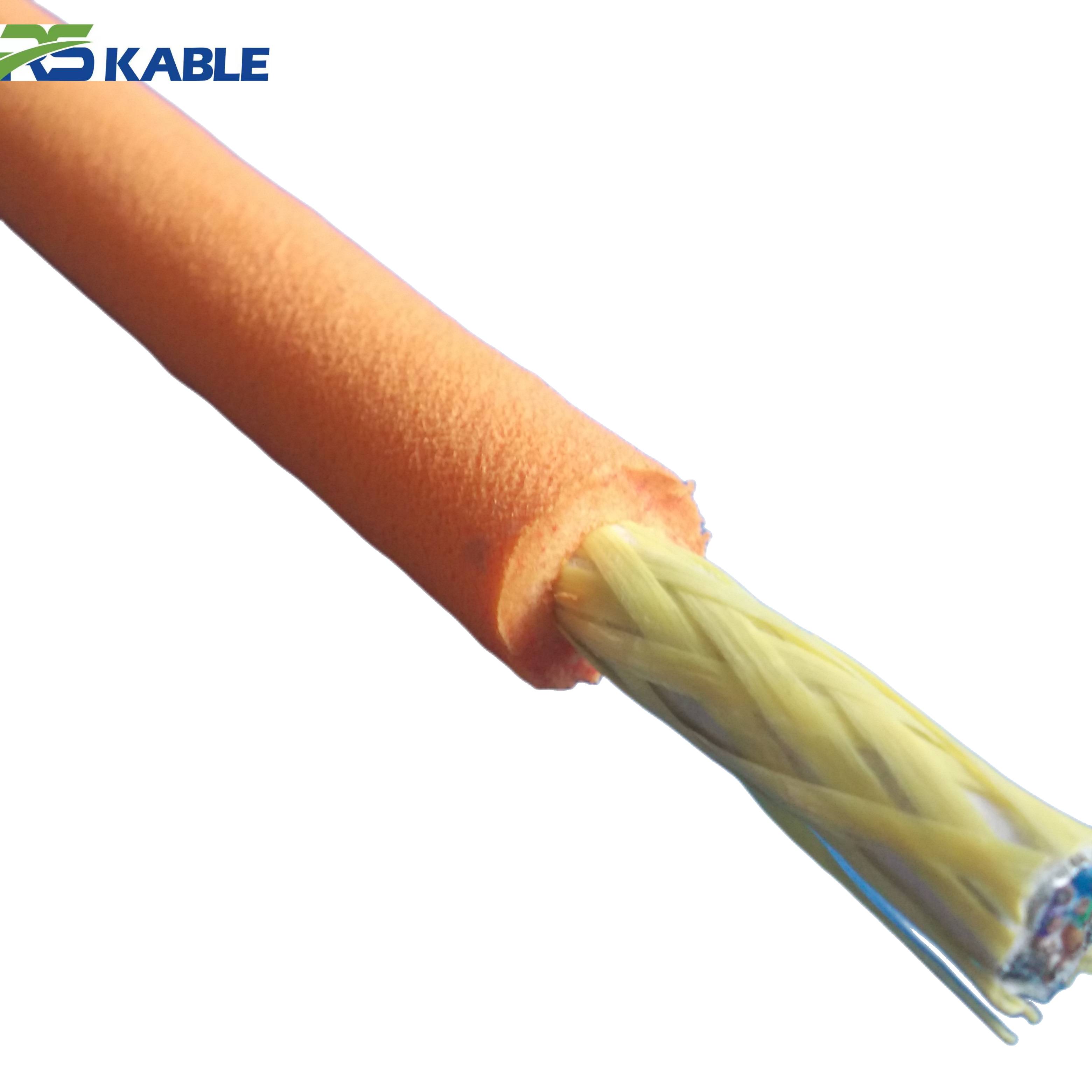
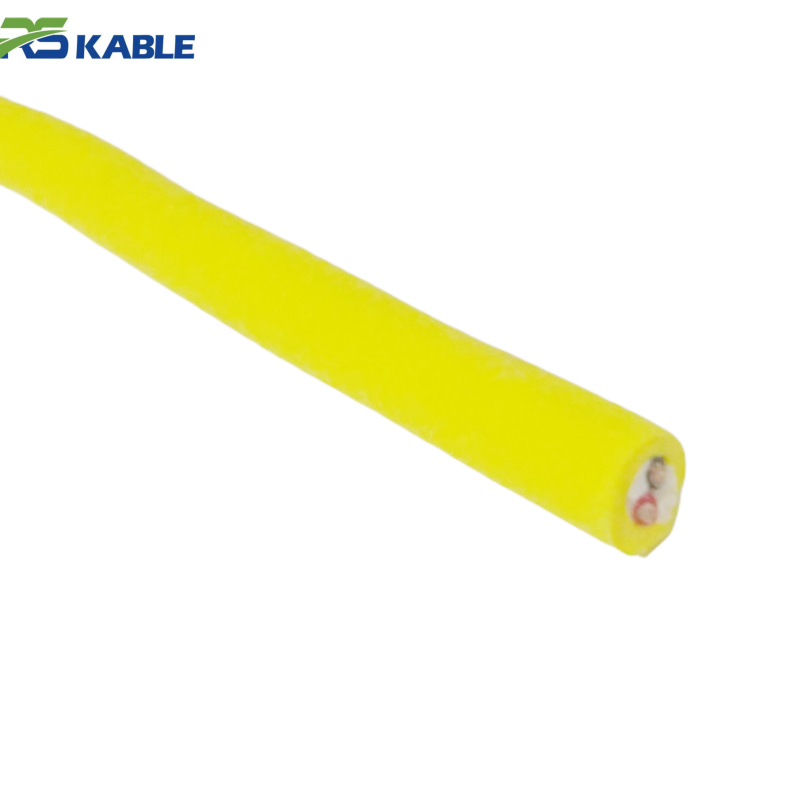
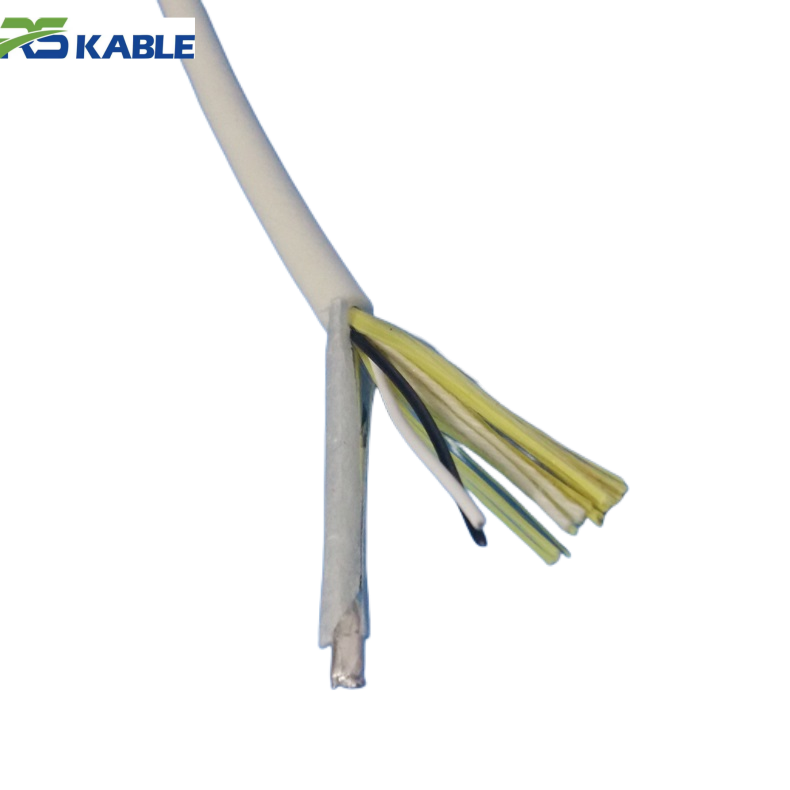
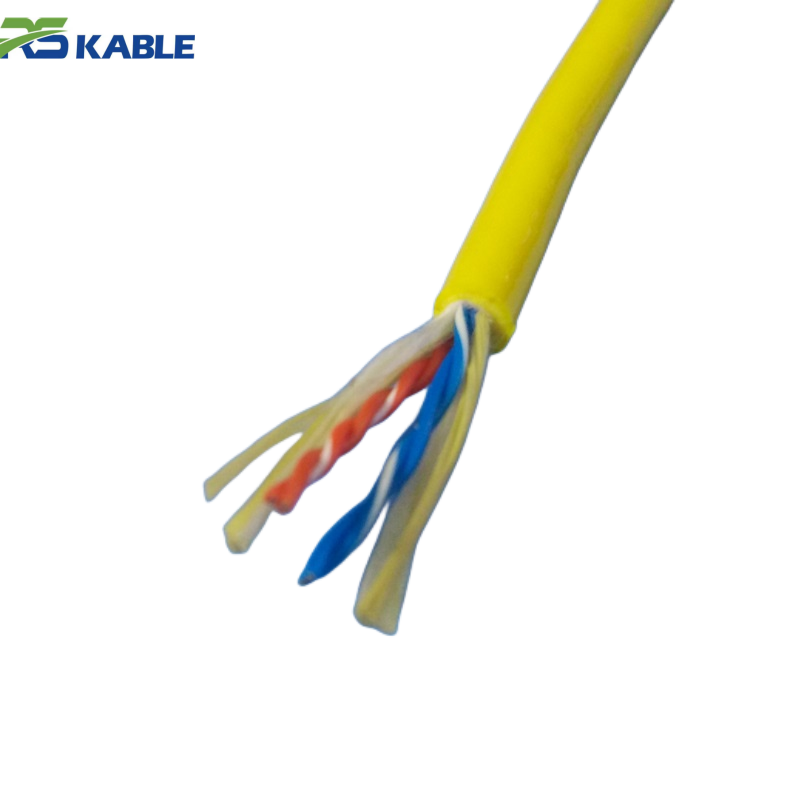
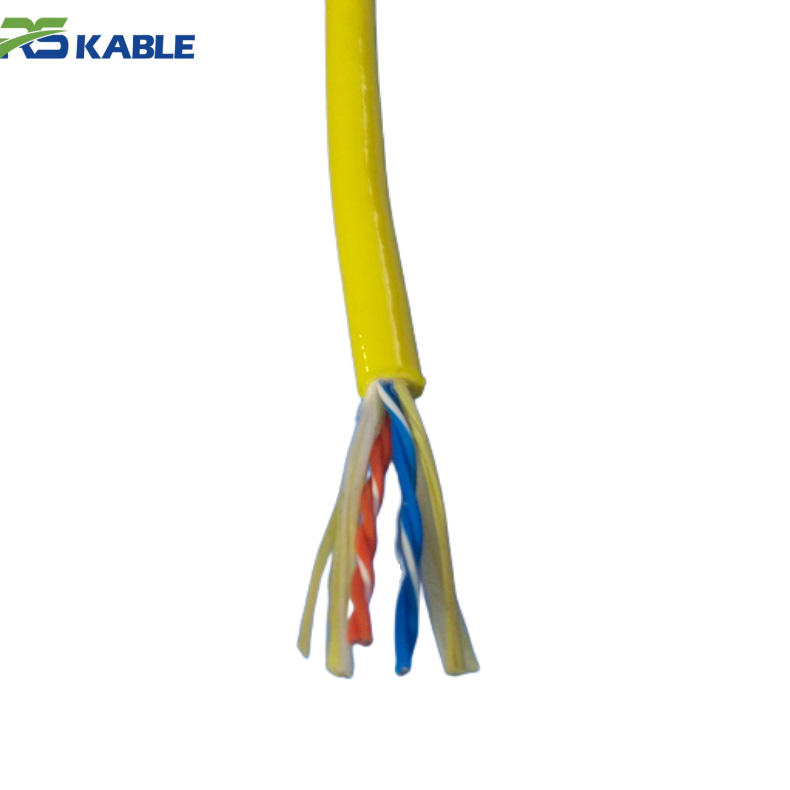
Underwater Inspection Robots ROV Cable – Low‑Noise Signal, Shielded Interference Protection
This durable ROV cable is engineered for **underwater inspection robots**, featuring **low‑noise shielded conductors**, an **abrasion‑resistant TPU jacket**, and **neutral buoyancy** for reliable power and signal transmission with interference protection in subsea environments. :contentReference
Key Differences Between Low Voltage and High Voltage ROV Cables
1. Power Capacity and Application Suitability
The main difference between low voltage and high voltage ROV cables is their power capacity.
-
Low Voltage ROV Cables: These cables typically carry up to 600V and are best suited for smaller ROVs or those performing shallow water inspections and light-duty applications. For instance, low voltage ROV cables are ideal for use in marine research, environmental monitoring, and cable laying, where the power demands are minimal.
-
High Voltage ROV Cables: These cables are designed to handle higher voltage levels (over 600V), which is essential for larger ROVs that perform deep-sea exploration, underwater construction, or industrial maintenance. High voltage ROV cables provide the power capacity required for heavy-duty thrusters, hydraulic tools, and advanced sensors, often used in offshore oil and gas exploration.
2. Cable Construction and Insulation
High voltage ROV cables require stronger insulation and armoring to ensure safety and protect against electrical faults due to the higher power they transmit. These cables often use cross-linked polyethylene (XLPE) or thermoplastic elastomers (TPE) for insulation.
-
Low Voltage ROV Cables: These tend to have basic insulation that is sufficient for transmitting low power without the risk of overheating.
-
High Voltage ROV Cables: With high power transmission, these cables must be double-armored with reinforced materials like steel wires or aramid fibers for added protection against mechanical damage, ensuring reliable performance during complex subsea tasks.
3. Flexibility and Weight of the Cable
The flexibility and weight of the ROV cable play an important role in how easily the ROV can move, especially in tight spaces and obstacle-rich environments.
-
Low Voltage Cables: These are typically lighter and more flexible, making them easier to handle, deploy, and retrieve for smaller operations.
-
High Voltage Cables: Due to their robust insulation and heavier construction, high voltage ROV cables tend to be stiffer and bulkier, which may affect the ROV’s maneuverability.
4. Cable Length and Deployment
When considering ROV cables, the required length of the cable is a key factor. High voltage cables are designed for longer distances (i.e., deep-sea operations), as they maintain efficient power transmission over extended lengths.
-
Low Voltage ROV Cables: More suitable for shorter operations where the ROV is closer to the surface or in shallow water environments.
-
High Voltage ROV Cables: These are necessary for longer ROV umbilicals required in offshore oil fields or deep-sea exploration, where power must be transmitted efficiently over several kilometers.
5. Cost Considerations
The cost of the ROV cable is an important factor for many companies. While high voltage cables are more expensive to manufacture due to their complex insulation and reinforced construction, they are the right choice for operations that require greater power transmission.
-
Low Voltage Cables: These cables are more affordable and are ideal for budget-conscious projects with lower power requirements.
-
High Voltage Cables: Though higher in cost, high voltage ROV cables can save money in the long term by improving the efficiency of deep-sea operations and reducing downtime.
Applications of Low Voltage vs High Voltage ROV Cables
1. Offshore Oil and Gas Exploration
For deep-sea oil exploration, high voltage ROV cables are necessary to provide power to large ROVs equipped with powerful thrusters, robotic arms, and cutting tools. These cables are designed to withstand the challenges of deep-sea operations, providing high power over long distances.
2. Marine Research and Environmental Monitoring
For marine research, where the focus is often on underwater inspections and data collection at relatively shallow depths, low voltage ROV cables are ideal. They offer enough power for scientific sensors, cameras, and navigation systems without being overly bulky or expensive.
3. Underwater Construction
ROVs involved in underwater construction, such as building subsea infrastructure or laying underwater cables, often require high voltage cables to power large hydraulic systems, welding tools, and other construction machinery.
Choosing between low voltage and high voltage ROV cables depends largely on the specific subsea operation and the power requirements of the ROV. For lighter, shallow-water inspections, low voltage cables are suitable and cost-effective. However, for deep-sea exploration and industrial applications, high voltage cables provide the necessary power capacity to ensure reliable performance and smooth operation. By considering the factors outlined above, you can select the right ROV cable for your specific needs and ensure your subsea operations are efficient, safe, and cost-effective.
FAQ
1. What is the difference between low voltage and high voltage ROV cables?
Low voltage ROV cables are ideal for lighter operations with lower power needs, while high voltage cables are used for heavy-duty applications requiring greater power, such as deep-sea exploration and offshore oil exploration.
2. Which ROV cable is suitable for deep-sea operations?
High voltage ROV cables are necessary for deep-sea operations, as they provide higher power and are designed to maintain performance over long distances.
3. Can I use low voltage ROV cables for high-power subsea tasks?
Low voltage ROV cables are not suitable for high-power subsea tasks, as they lack the necessary power capacity for larger ROVs and industrial applications.
4. What factors should I consider when choosing an ROV cable?
Consider the power capacity, cable length, durability, cost, and application of the cable when choosing between low and high voltage options.