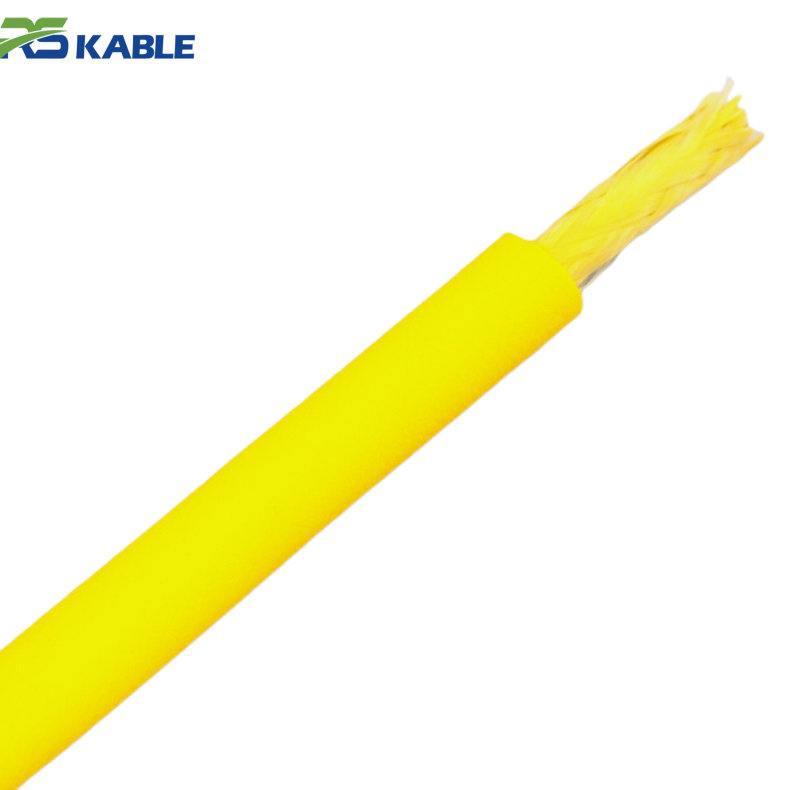


Kevlar Reinforced ROV Cable for Deep-Sea Operations: Tensile Strength and Load Performance Analysis
In deep-sea operations, Remote Operated Vehicles (ROVs) are essential tools for underwater exploration, scientific research, and industrial tasks such as pipeline inspection, maintenance, and cable laying. These ROVs rely heavily on the ROV cable, a vital component that provides power, communication, and data transmission between the ROV and its surface control system. For deep-sea applications, Kevlar-reinforced ROV cables have emerged as the industry standard due to their superior strength, durability, and performance under extreme conditions. This article explores the benefits of Kevlar-reinforced ROV cables, focusing on their tensile strength and load performance, and why they are indispensable in deep-sea operations.
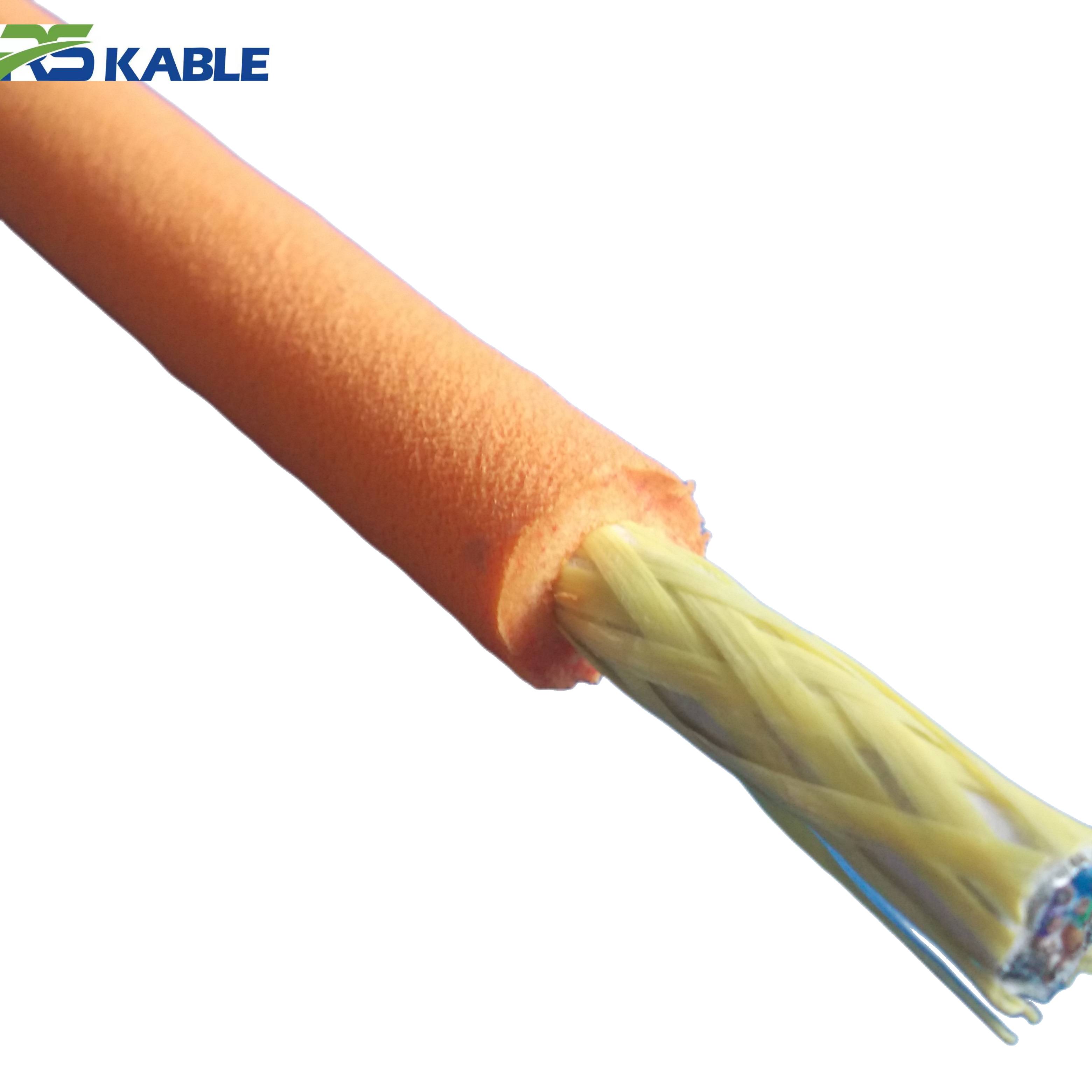
Military Underwater Surveillance ROV Cable – Dual Shielding, Stable Data Transmission
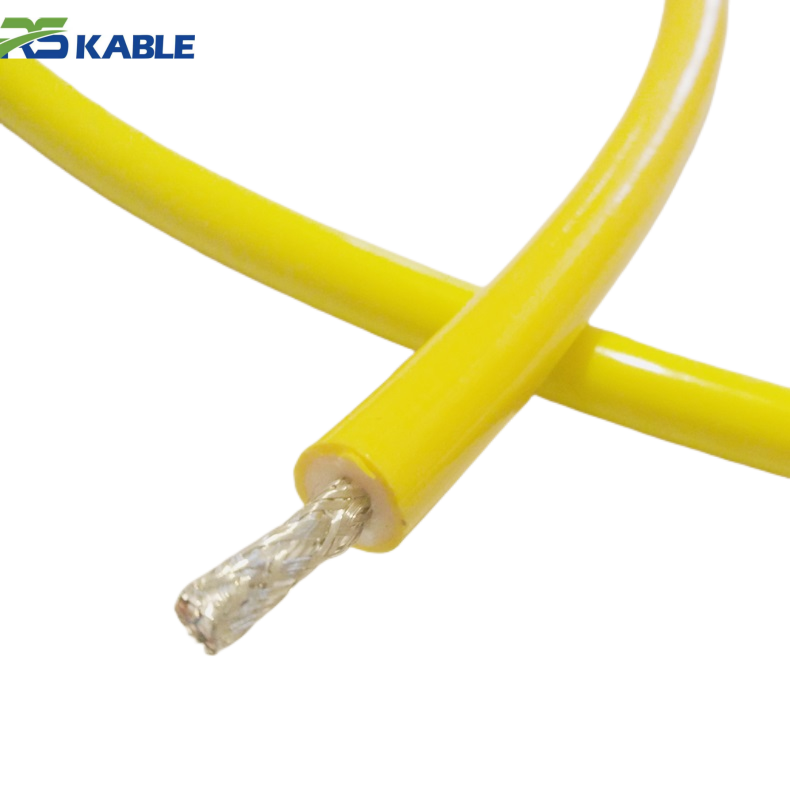
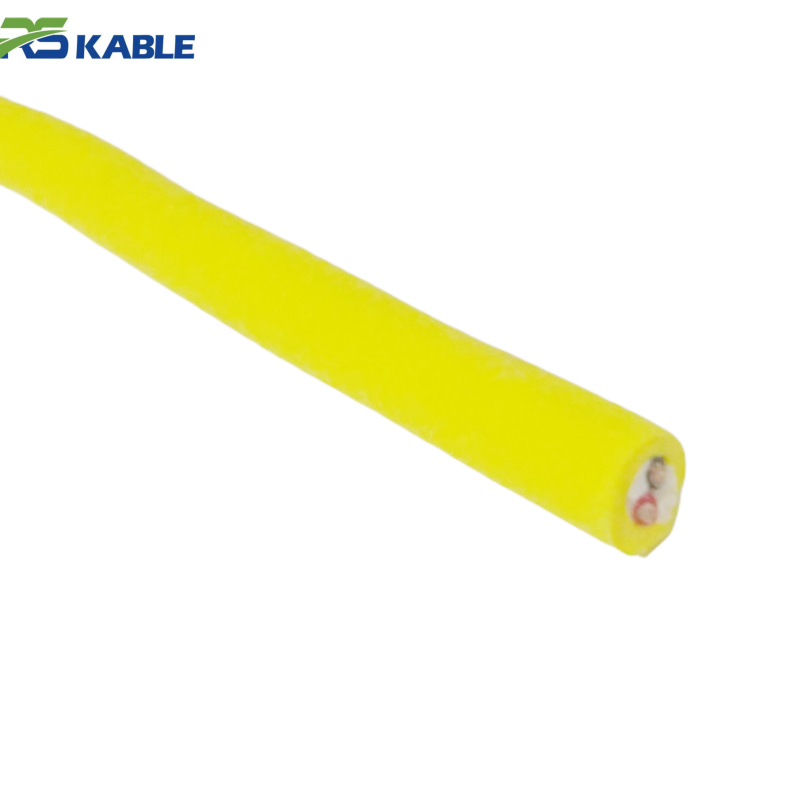
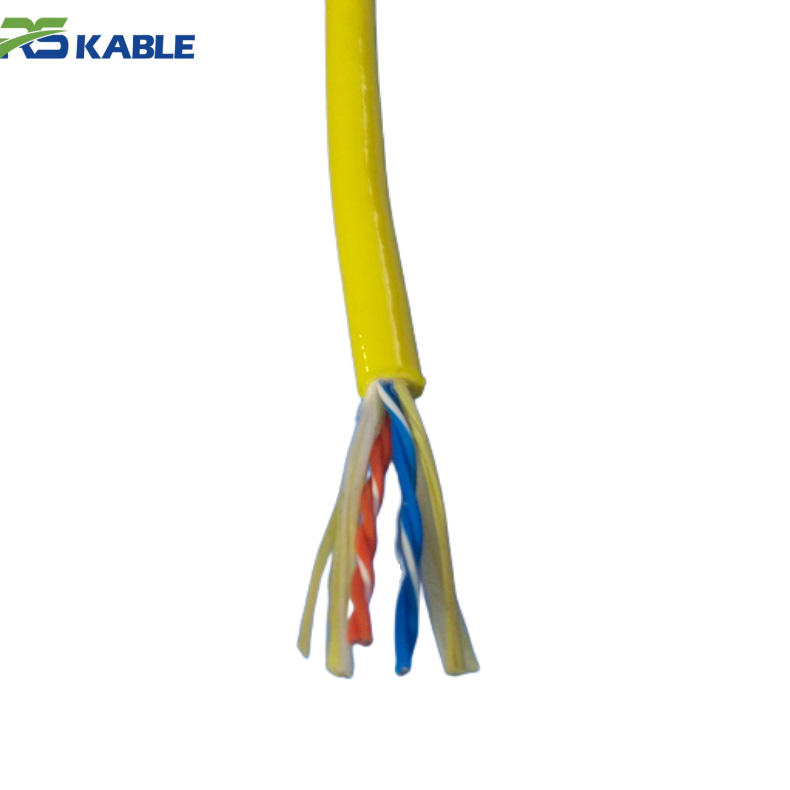
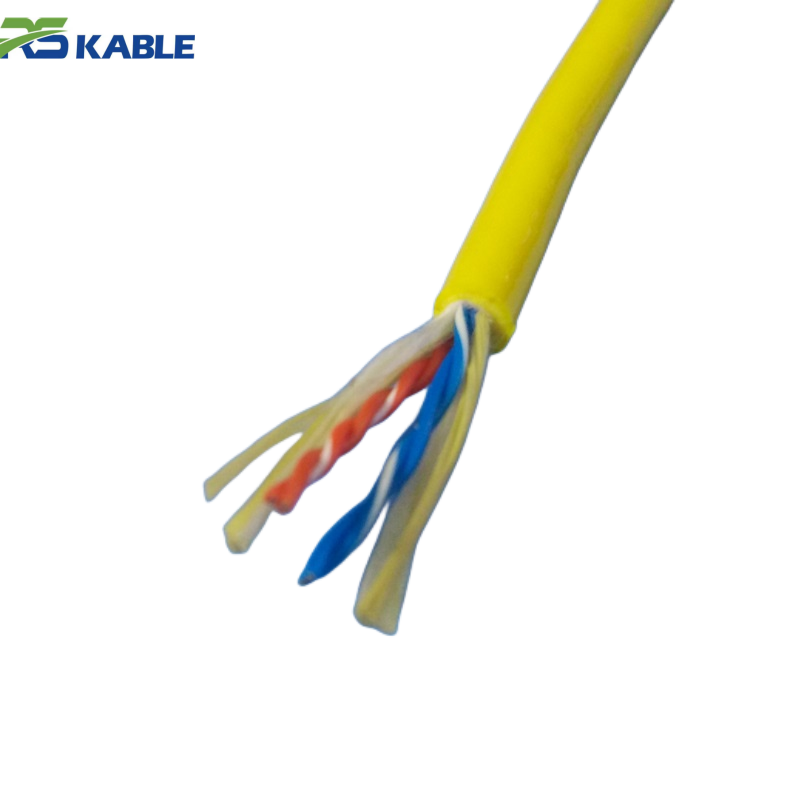
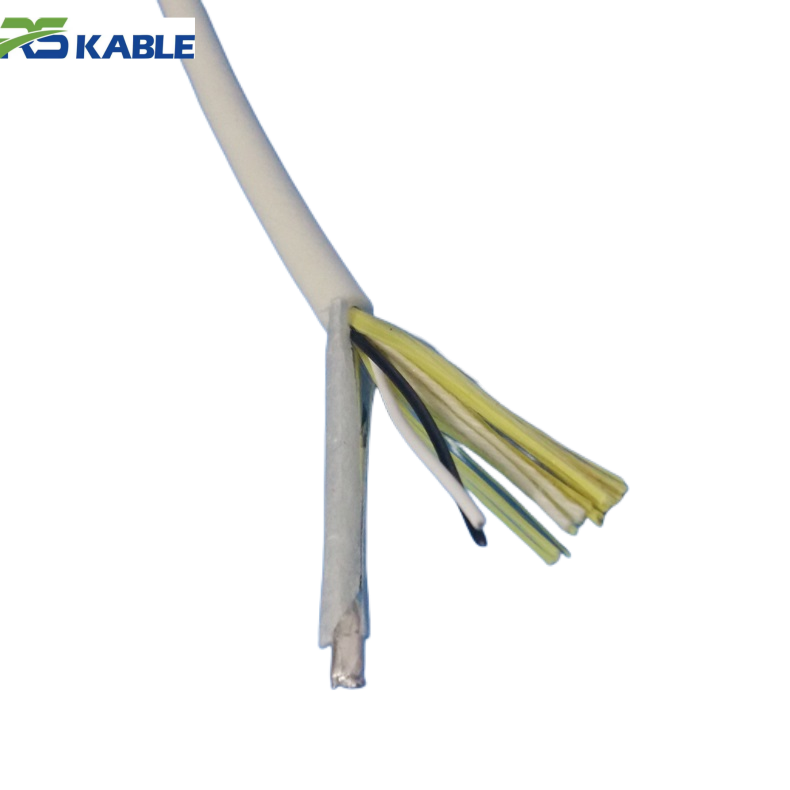
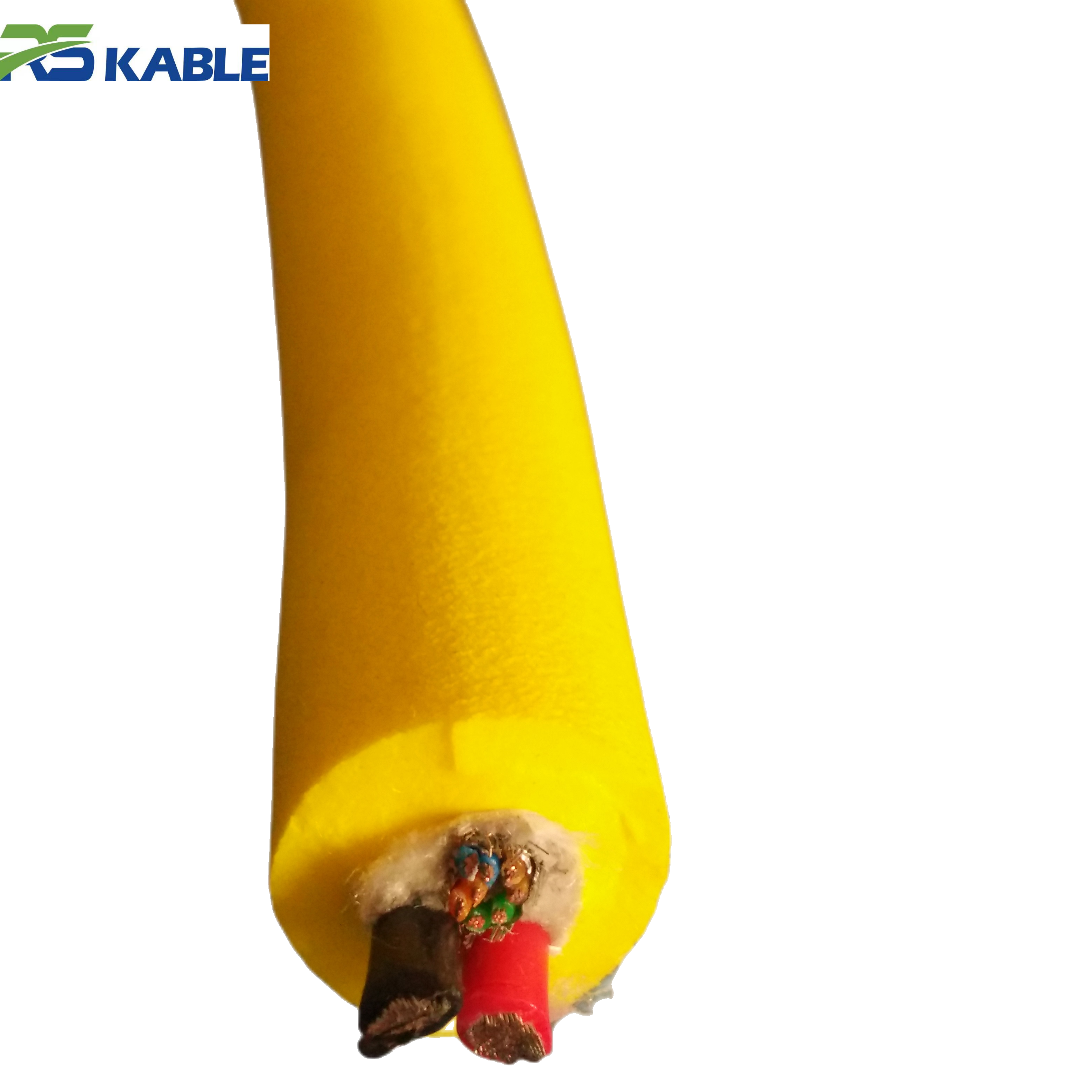
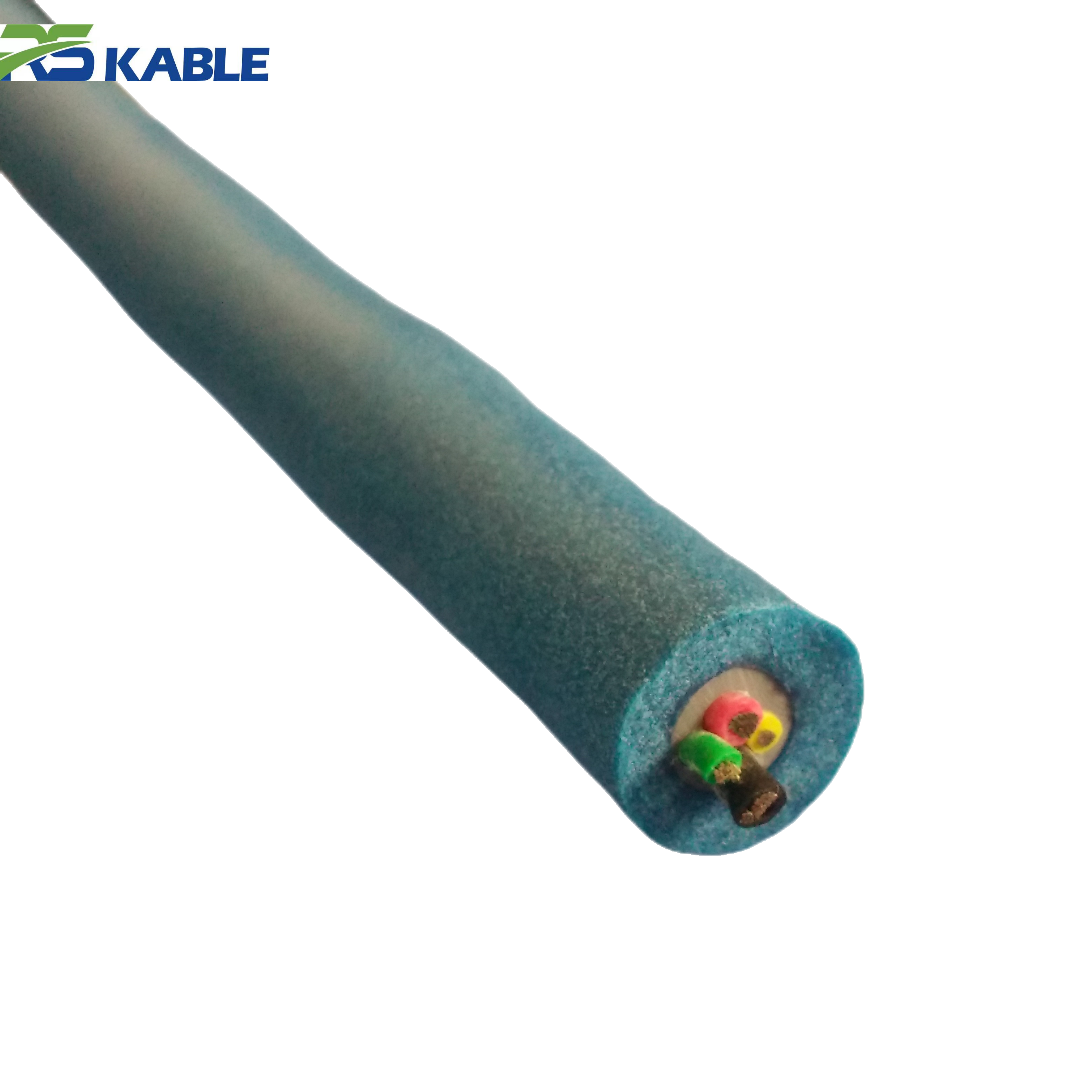
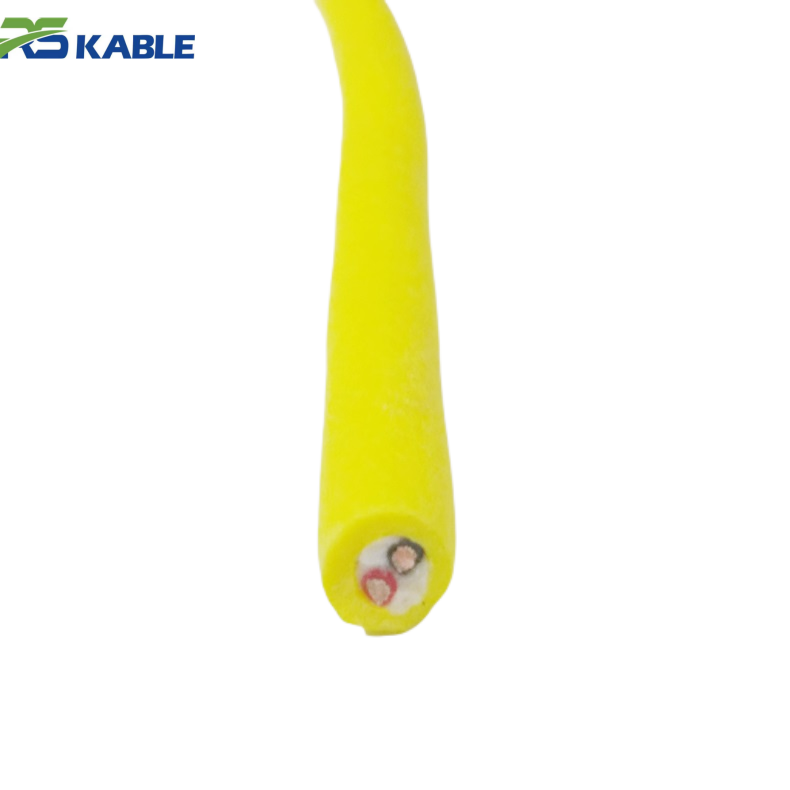
This ROV cable is designed for **military underwater surveillance** operations, providing **dual electromagnetic shielding**, reinforced tensile strength components, and a marine-grade outer jacket, ensuring stable long-distance power and high-quality data transmission in harsh environments.
What is an ROV Cable?
An ROV cable is a specialized umbilical cord that connects an ROV to its surface support vessel, providing the necessary power and communication for remote operations. These cables must withstand harsh underwater conditions such as high pressure, low temperatures, and constant mechanical stress. Kevlar-reinforced ROV cables are engineered to meet these challenges by incorporating Kevlar fibers, which enhance the cable’s strength, flexibility, and durability.
Why Kevlar Reinforced Cables?
Kevlar is a high-performance synthetic fiber renowned for its exceptional tensile strength, durability, and resistance to abrasion. When used in ROV cables, Kevlar fibers significantly increase the cable’s strength, enabling it to perform reliably under extreme environmental conditions such as deep-sea pressure and underwater currents. These cables are specifically designed for underwater operations, where the integrity of the cable is crucial for ensuring continuous ROV performance and safety.
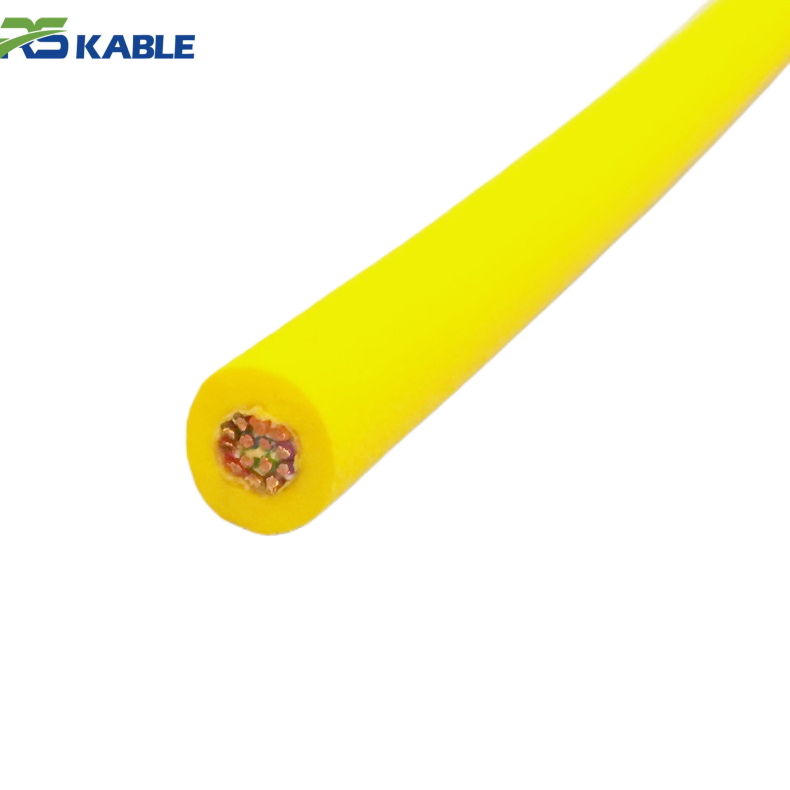
Key Features of Kevlar-Reinforced ROV Cables
1. High Tensile Strength for Extreme Depths
Tensile strength refers to a material’s ability to withstand tension before breaking. In deep-sea operations, ROV cables are subject to immense forces from the depth, water currents, and the weight of the vehicle itself. Kevlar-reinforced ROV cables are specifically designed to handle these forces due to Kevlar’s extraordinary tensile strength.
For example, Kevlar cables can withstand up to 2,000 kilograms of tensile force per square millimeter, allowing them to handle the stresses of deep-sea operations at depths of up to 3,000 meters. This high tensile strength ensures that the cable remains intact even under challenging conditions, providing uninterrupted communication and power transmission.
2. Superior Load Performance for Uninterrupted Operations
The load performance of an ROV cable refers to its ability to bear the weight of the ROV and other mechanical stresses during underwater tasks. Kevlar-reinforced cables excel in this area, offering superior load-bearing capacity that prevents the cable from stretching or breaking under pressure.
For instance, a Kevlar-reinforced ROV cable can support an ROV that weighs several tons, as well as endure mechanical forces from underwater tasks such as welding, cutting, or cable laying. These cables can bear up to 1,500 kilograms of tensile load without compromising their functionality, ensuring that the ROV can continue its tasks without interruptions.
3. Exceptional Durability and Flexibility
Flexibility is a crucial characteristic for ROV cables because they need to bend and flex as the ROV moves through the water, navigating around obstacles or being maneuvered by the surface crew. Kevlar’s unique combination of strength and flexibility makes it ideal for use in these cables. It allows them to withstand constant bending without breaking, ensuring that the cable maintains its integrity over long periods of use.
Additionally, the abrasion resistance of Kevlar ensures that the cable can endure wear and tear from being dragged across rough ocean floors or through complex underwater environments. Kevlar-reinforced cables are built to last, reducing the need for frequent replacements and minimizing downtime.
4. Corrosion Resistance for Longer Lifespan
Saltwater is highly corrosive and can degrade traditional cables over time, especially at great depths. Kevlar fibers, however, are inherently resistant to corrosion. Unlike metal wires, which can deteriorate when exposed to saltwater, Kevlar-reinforced cables remain intact and functional for longer periods. This corrosion resistance is a significant advantage in deep-sea operations, as it reduces the maintenance needs and extends the lifespan of the cable.
Kevlar cables can withstand extreme saltwater exposure without losing their strength or flexibility, ensuring that they continue to perform reliably in harsh underwater environments.
5. Temperature Resistance for Extreme Environments
ROVs operate in environments with extreme temperature fluctuations, ranging from freezing cold at the ocean floor to warmer waters near the surface. Kevlar-reinforced ROV cables are designed to withstand these temperature variations, maintaining consistent performance regardless of the surrounding conditions. These cables can operate effectively in temperatures ranging from -40°C to +90°C, ensuring that they remain functional in diverse environments.
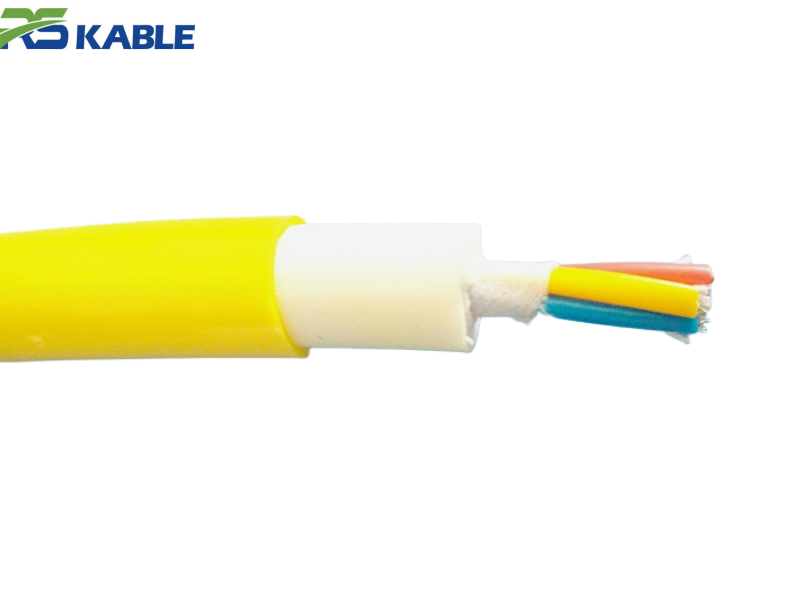
Why Kevlar-Reinforced ROV Cables Are Essential for Deep-Sea Operations
1. Enhanced Safety
The safety of ROV operators and the integrity of the vehicle are top priorities in deep-sea operations. Kevlar-reinforced cables enhance safety by providing superior tensile strength and load performance that significantly reduce the likelihood of cable failure during crucial tasks. With Kevlar cables, operators can have confidence that the vehicle will remain connected to the surface system, even in challenging conditions, reducing the risk of accidents and improving overall mission safety.
2. Increased Operational Efficiency
Efficiency is essential in deep-sea operations, as time and resources are often limited. The reliability of Kevlar-reinforced ROV cables ensures that the ROV can operate continuously without interruptions. The tensile strength and load performance of these cables minimize the chances of failure during critical tasks, enabling the ROV to perform tasks faster and more effectively.
3. Cost-Effectiveness Over Time
While the initial cost of Kevlar-reinforced ROV cables may be higher than traditional cables, their long-term cost-effectiveness cannot be overstated. These cables have a longer lifespan, require fewer replacements, and reduce the need for frequent maintenance. As a result, they provide a higher return on investment (ROI) over time.
For instance, in offshore oil operations where ROVs are used for underwater inspections and maintenance, Kevlar cables can save millions of dollars by reducing downtime and extending the lifespan of the equipment.
4. Versatility in Multiple Applications
Kevlar-reinforced ROV cables are not only used in deep-sea exploration but are also suitable for a wide range of underwater applications. These cables are ideal for offshore oil and gas exploration, marine biology research, underwater construction, and cable laying. Their ability to withstand harsh environments and perform under significant stress makes them indispensable for various industries.
Real-World Applications of Kevlar-Reinforced ROV Cables
Offshore Oil and Gas Exploration
In offshore oil and gas operations, ROVs equipped with Kevlar-reinforced cables are used to perform critical tasks such as underwater pipeline inspections, structural repairs, and maintenance. These cables are designed to withstand the pressure and mechanical forces encountered at depths of up to 3,000 meters, ensuring the ROV can perform safely and efficiently in the deep sea.
Marine Biology and Scientific Research
Marine scientists rely on ROVs to explore the ocean floor and collect data from remote and hazardous locations. Kevlar-reinforced ROV cables ensure that the ROV can reach these depths without compromising safety or performance. These cables help researchers collect valuable data and samples from the ocean’s depths, leading to important discoveries about marine ecosystems.
Underwater Construction and Cable Laying
In underwater construction projects, such as building offshore platforms or laying subsea cables, Kevlar-reinforced ROV cables provide the strength and flexibility needed to perform these tasks. These cables can handle the mechanical stress of construction while navigating complex underwater environments, ensuring that ROVs can carry out their tasks without interruption.
FAQ
1. Why should I choose Kevlar-reinforced ROV cables?
Kevlar-reinforced cables offer superior strength, flexibility, and durability, making them ideal for deep-sea operations that require reliable performance under high pressure and harsh conditions.
2. What is the main benefit of Kevlar in ROV cables?
Kevlar improves the tensile strength and load-bearing capacity of ROV cables, ensuring they can withstand the mechanical forces and pressure encountered at deep-sea depths.
3. Are Kevlar-reinforced ROV cables more expensive?
While they may have a higher initial cost, Kevlar-reinforced ROV cables are more durable, requiring fewer replacements and reducing long-term maintenance costs.
4. Can Kevlar-reinforced cables be used in shallow-water operations?
Yes, Kevlar-reinforced cables are versatile and can be used in both shallow and deep-water environments, providing reliable performance in various underwater applications.