

Hybrid Power + Fiber Optic ROV Cable: When It’s Worth the Upgrade
A hybrid tether is not a trophy upgrade. It’s a business decision. If your offshore time is being burned by unstable video, movement-only dropouts, power sag under peak load, or the operational complexity of managing multiple lines, hybrid power + fiber can pay back quickly. If your main problem is drag in strong current, a thicker hybrid tether can make the job harder.
This article explains when a hybrid power + fiber optic tether is genuinely worth it, how to avoid the common “upgrade regrets,” and what to demand in your RFQ and acceptance process so the tether performs offshore—not just on paper. The keyword ROV Cable is used naturally (3–5 times) because this is, at its core, a tether selection decision.
Three upgrade stories (what actually happens offshore)
Story 1: “The video only failed when we moved”
A crew had clean video while hovering, but pixelation appeared during turns and depth changes. They upgraded to a hybrid tether and also fixed the termination strain relief and routing bend points. Dropouts disappeared.
What changed: fiber wasn’t the only fix—mechanical protection and bend management were.
Lesson: hybrid pays off when the upgrade includes termination design and handling discipline.
Story 2: “We upgraded and got more drag than we expected”
A project added more fibers and protection “for safety.” OD increased, and in cross-current the sweep zone widened. Pilots slowed down around structures, and productivity dropped.
What changed: the tether became a bigger sail.
Lesson: hybrid is not worth it if OD/drag isn’t controlled in current-heavy missions.
Story 3: “Tools were unstable at distance”
A long working length project saw tool brownouts and reduced thrust margin. A hybrid redesign rebalanced conductor sizing and power delivery while adding fiber for stable telemetry/video. Performance stabilized and troubleshooting time dropped.
What changed: delivered power under peak load became predictable.
Lesson: hybrid pays off when power planning is part of the upgrade—not an afterthought.
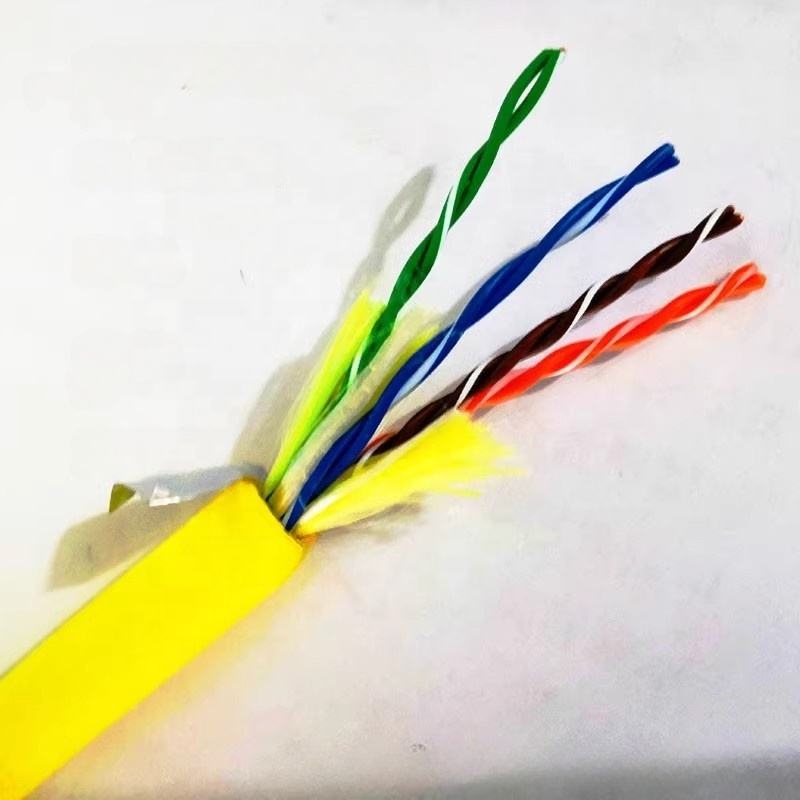
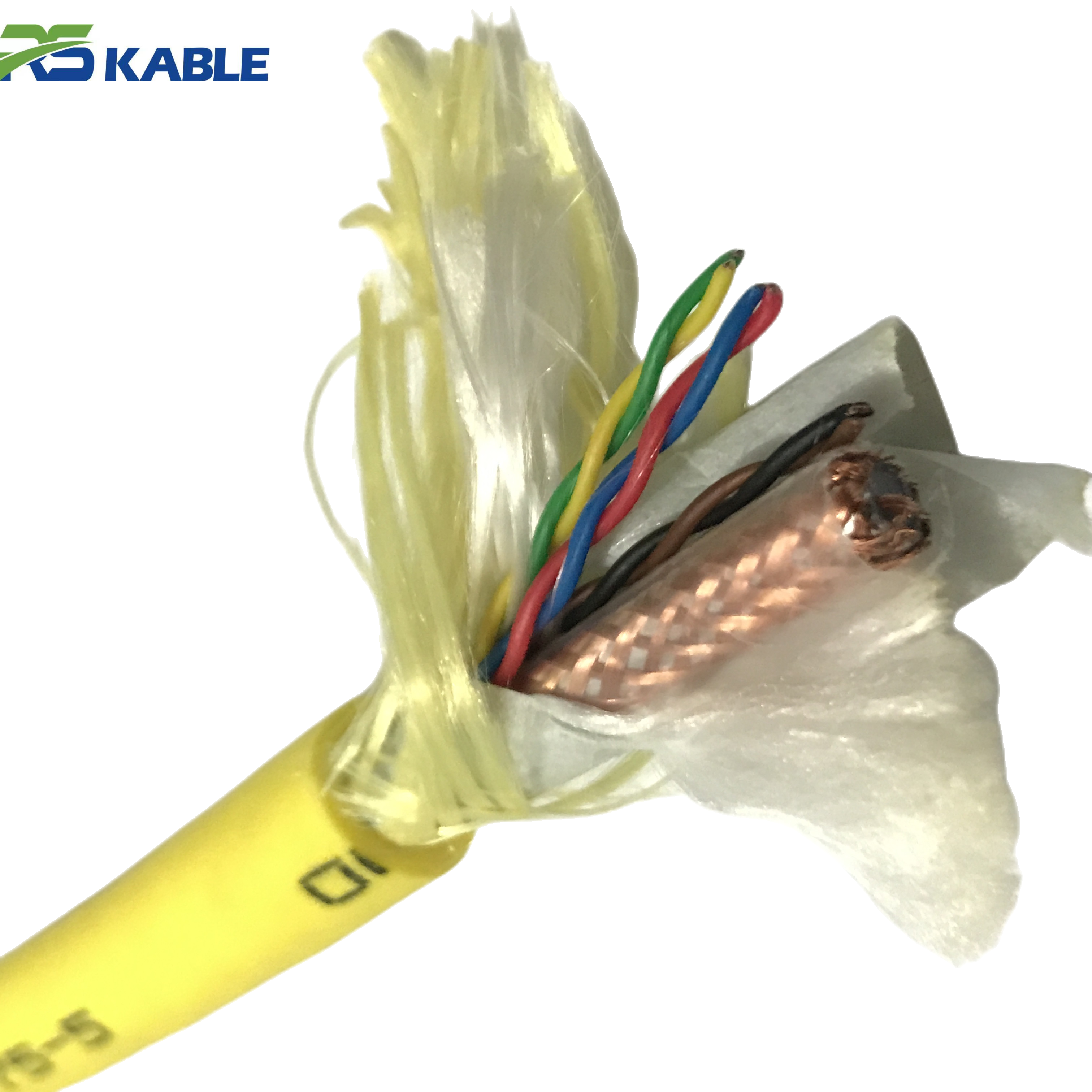
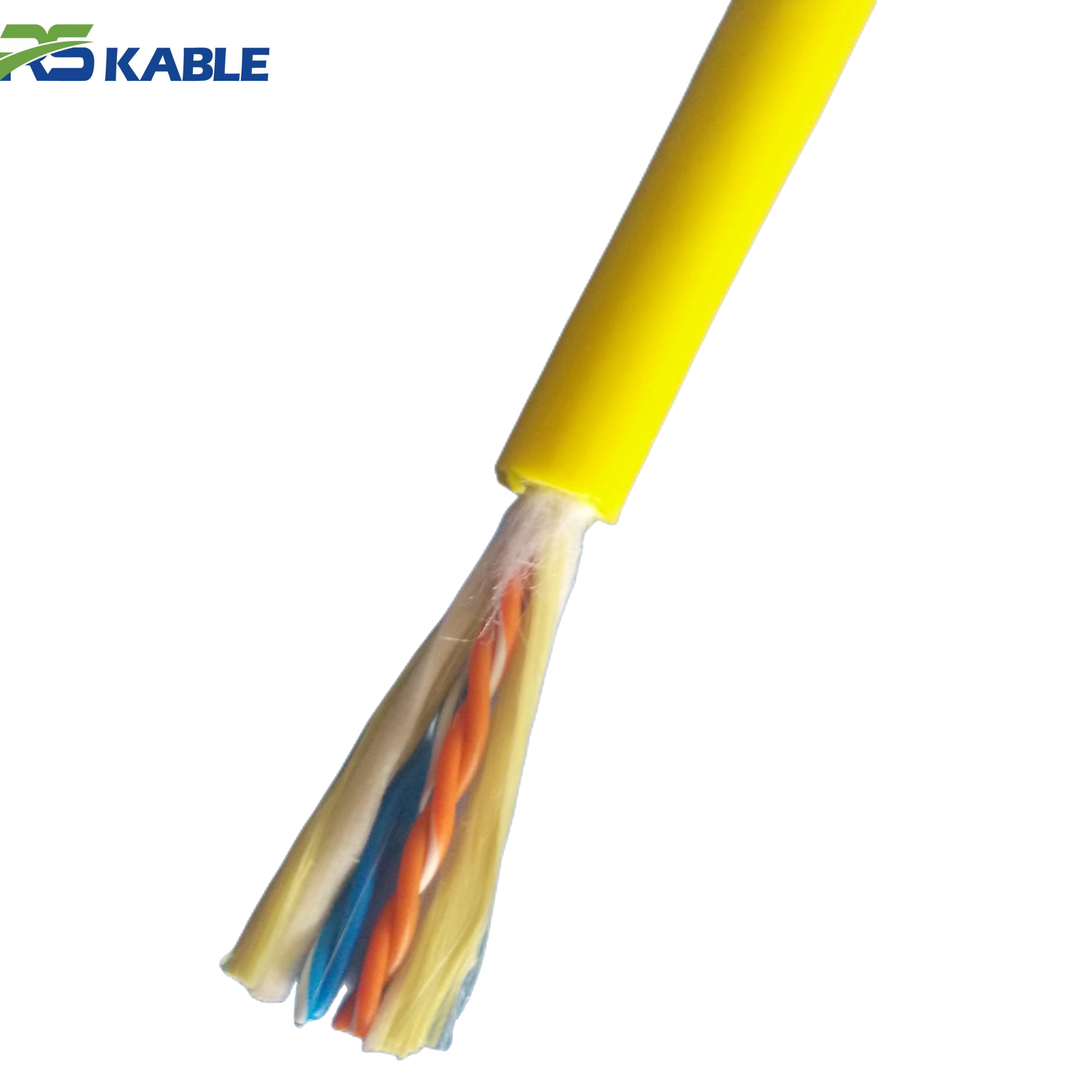
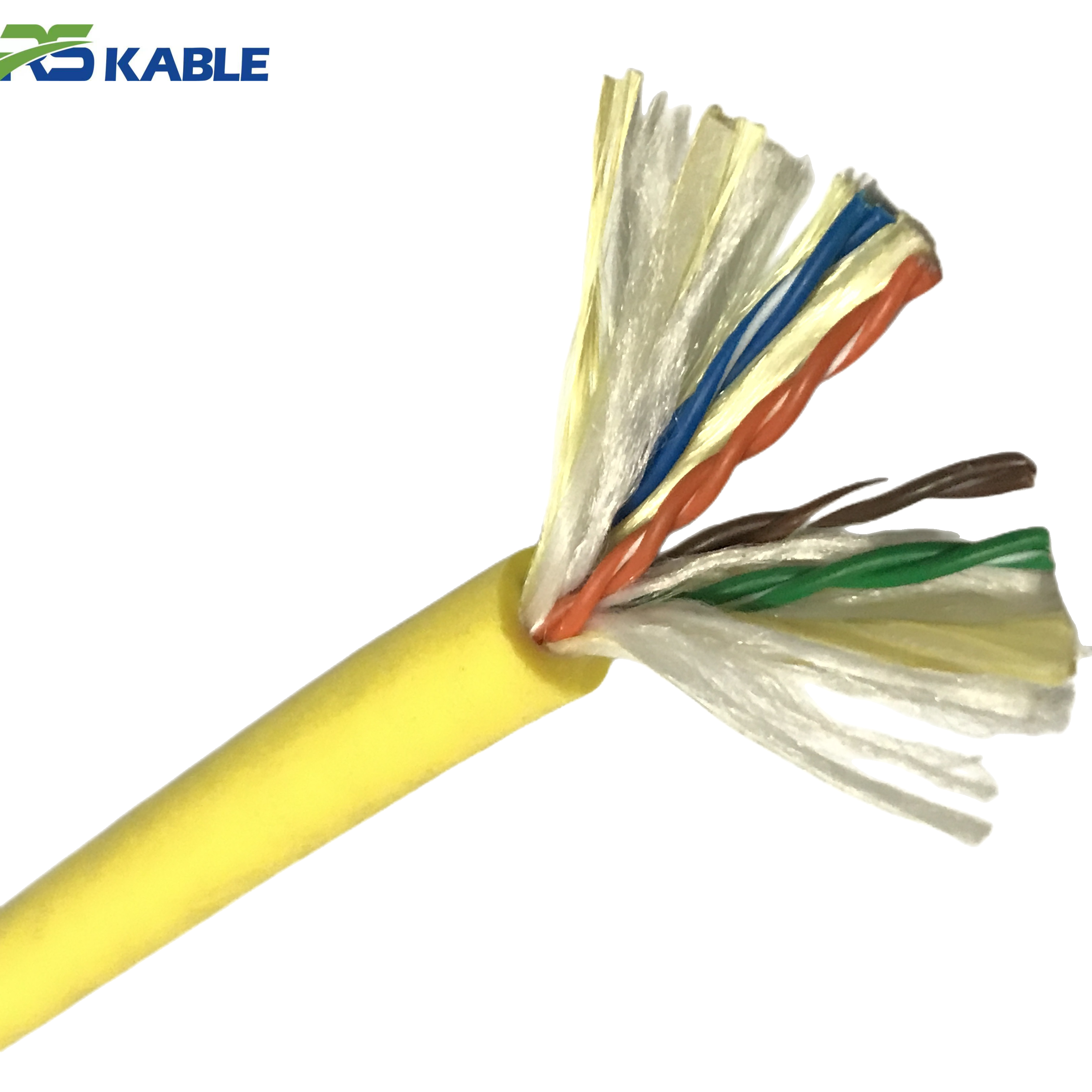
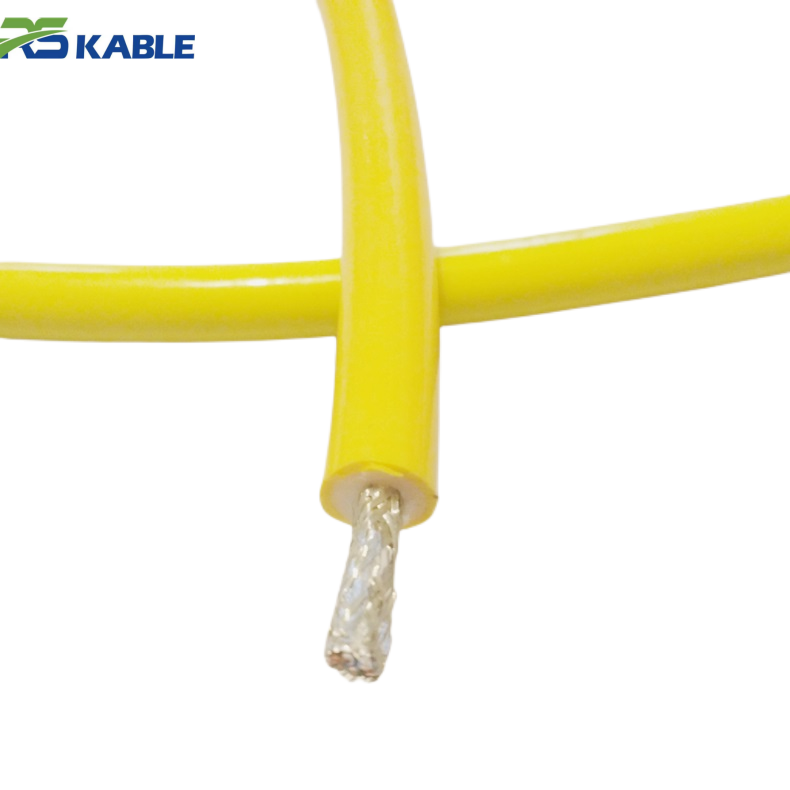
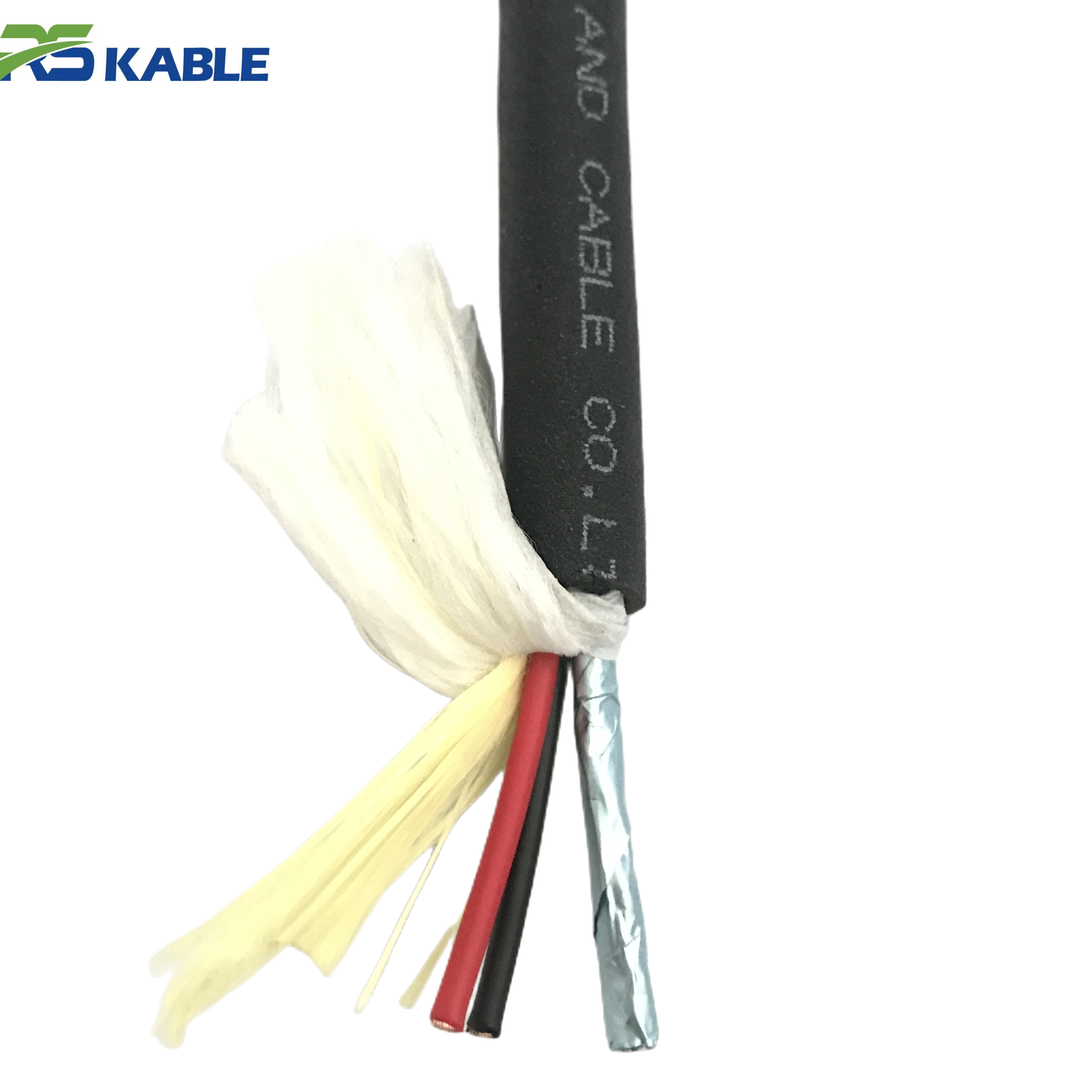
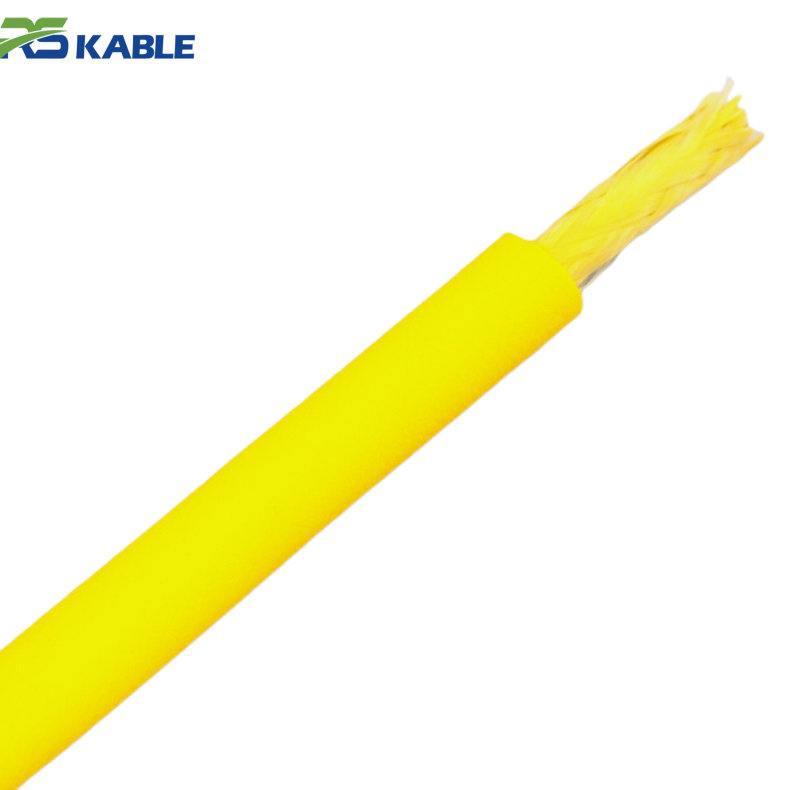
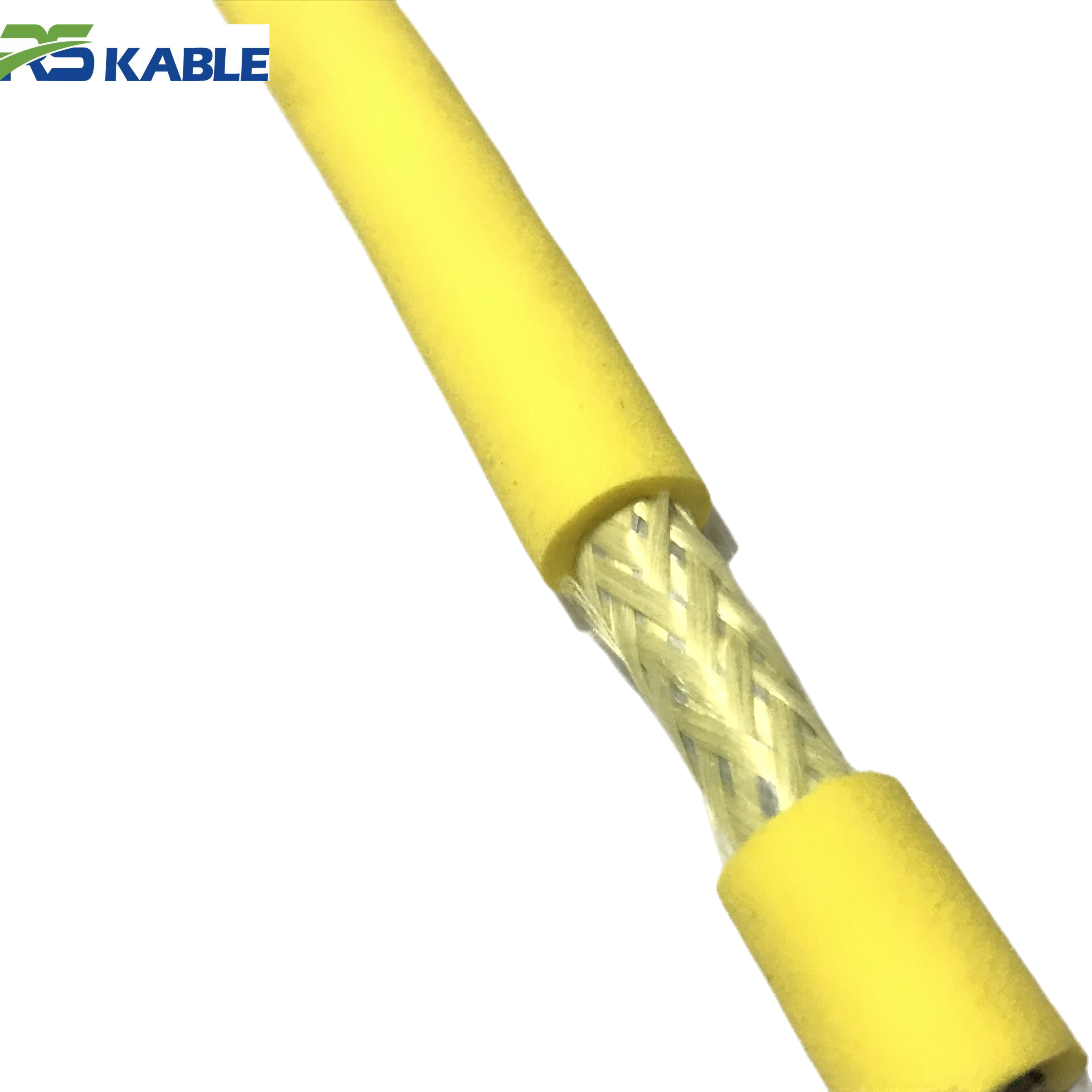
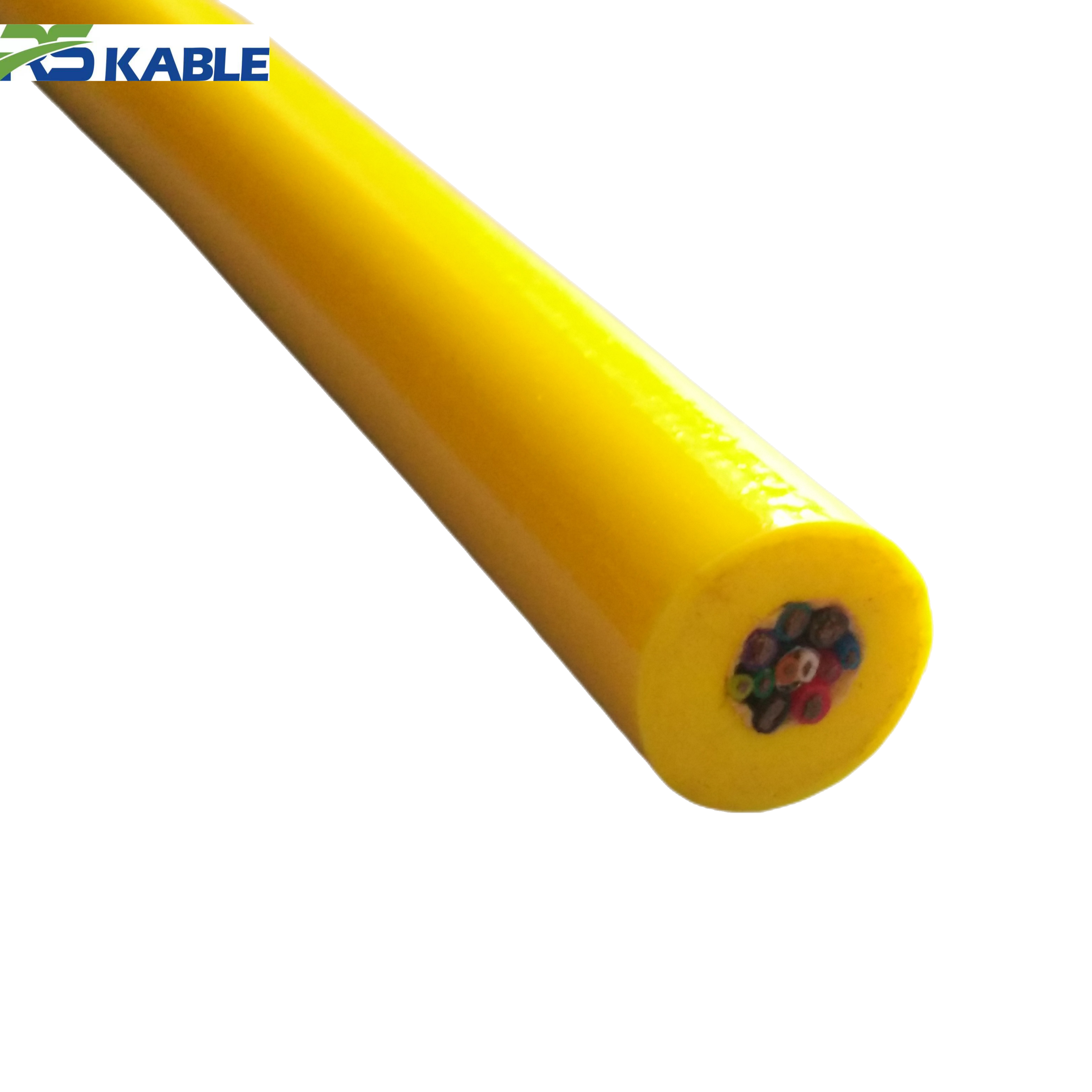
Custom Twisted Pair Anti-Seawater ROV Umbilical Cable | 2/4/6/8 Core Subsea & Underground Robot Cable
Designed for high-reliability **subsea and underground robotic applications**, this **custom twisted pair umbilical cable** is available in **2, 4, 6, or 8-core configurations**. Featuring advanced **anti-seawater protection** and a ruggedized structure, it ensures stable signal integrity and long-term durability for ROVs operating in harsh underwater or subterranean environments.
What a hybrid tether really is (in one practical definition)
A hybrid tether combines:
-
power conductors sized for real peak load
-
optical fibers protected against micro-bending and crush
-
strength members that carry tensile load
-
a jacket system matched to abrasion and seawater exposure
-
a termination that anchors strength members, seals properly, and controls bending at the connector exit
If any one of those is weak, the “hybrid” label doesn’t matter.
The “Worth It Score” (a fast decision tool)
Use this scoring method before you spend money. Add points where hybrid creates value, subtract points where it adds risk.
Value points (add)
-
Video quality is mission-critical (0–3): basic / important / critical
-
Movement-only dropouts happen today (0–3): never / sometimes / frequent
-
Working length is long for your system (0–3): short / moderate / long
-
Power sag under peak load occurs (0–3): never / occasional / frequent
-
You run multiple sensors or plan upgrades (0–2): no / maybe / yes
-
Downtime is expensive (tight windows) (0–2): low / medium / high
Risk points (subtract)
-
Strong currents dominate the job (0–3): low / medium / high
-
You can’t maintain bend radius on deck (0–2): good / inconsistent / poor
-
Connector care is inconsistent (0–2): disciplined / mixed / weak
How to read the score
-
6+ points: hybrid is usually worth evaluating seriously
-
3–5 points: hybrid may help, but only if OD and handling constraints are controlled
-
0–2 points: optimize existing tether/handling first; hybrid likely won’t pay back yet
This tool prevents the most common mistake: upgrading for bandwidth when the real bottleneck is drag or handling.

When hybrid is worth it (the patterns that justify the cost)
1) Your job depends on reliable live video during motion
If pilots must inspect close to assets, they need a stable feed during turns and transitions. Hybrid helps when fiber stability is engineered and verified—not assumed.
2) You operate at longer working lengths and stability matters more than peak specs
Longer runs amplify two problems: voltage drop under load and data instability. Hybrid is often worth it when it delivers predictable power and robust fiber transmission simultaneously.
3) Your sensor stack is growing
More cameras, sonar, and inspection payloads push data needs upward. Hybrid becomes cost-effective when it prevents repeated redesigns.
4) You are losing hours to troubleshooting intermittent faults
If the team frequently hears “it works until we move,” that’s often a mechanical stress/termination issue. A good hybrid upgrade paired with correct strain relief and routing removes that failure pattern.
5) One tether meaningfully simplifies deck work
Reducing lines can reduce routing mistakes, pinch events, and handling complexity—especially on smaller decks or fast-turn operations.
In these conditions, a hybrid ROV Cable upgrade often reduces hidden time and increases tasks completed per shift.
When hybrid is not worth it (and what to do instead)
1) Current drag is already your limiting factor
If your main issue is sweep zone and pilot workload in current, a thicker hybrid tether can worsen control. In that case, prioritize:
-
OD/drag target first
-
payout discipline and catenary control
-
abrasion protection only where needed
2) Your missions are simple and data needs are modest
If you don’t require stable high-quality live video and sensor bandwidth, hybrid is often overkill. A simpler tether can be cheaper and easier to maintain.
3) Handling discipline is the real weakness
If bend radius is routinely violated, if drums crush cable layers, or if connectors are often uncapped/dirty, hybrid won’t stay reliable until handling improves.
Hybrid is only worth it when the operation can protect what it buys.

The three hybrid risks you must control
Risk 1: OD creep (drag in current)
OD increases drag and widens sweep zone. Prevent OD creep by:
-
sizing power conductors to real peak load, not fear
-
limiting “extra” fibers to modest expansion
-
specifying maximum preferred OD in the RFQ
-
avoiding unnecessary armor when cut risk is low
Risk 2: Termination complexity (movement-only failures)
Most hybrid failures begin at the ends. Require:
-
clear load transfer into strength members
-
strain relief that avoids a sharp stiffness hinge at the connector exit
-
bend radius guidance that matches your deck routing
Risk 3: Higher cost without measurable acceptance
Hybrid must be verified. Without baselines, teams diagnose by guesswork offshore.
RFQ checklist for a hybrid upgrade (copy/paste)
Include these items so quotes match your mission:
-
Mission type + environment: structure density, debris, abrasion risk
-
Current profile: low/medium/high and direction variability
-
Working length and maximum deployed length
-
Power: operating voltage, peak current, duty cycle
-
Data: number of live video streams, telemetry needs, fiber count
-
OD constraint: maximum preferred OD (especially in current)
-
Tensile requirement + safety margin expectations
-
Bend radius requirement + handling system constraints (drum/LARS/TMS/manual)
-
Termination interface requirements + strain relief expectations
-
Acceptance requirements:
-
electrical baselines
-
optical insertion loss baseline per channel
-
OTDR baseline if used in your workflow
-
This prevents “big spec, poor handling” proposals.

Acceptance and trigger rules (make reliability measurable)
Baselines to record before first deployment
-
insertion loss baseline for each fiber channel
-
electrical continuity/insulation baseline suitable to your system
-
a simple routing/bend compliance check in the real deck layout
Trigger rules (when to re-test)
Re-test and inspect after:
-
hard recovery in swell
-
snag event with noticeable tension spike
-
any kink or hard spot discovery
-
any suspected pinch or crush incident on the drum
Go/no-go rules (practical actions)
-
movement-only dropouts + baseline change → isolate termination zone and inspect before diving again
-
hard spot found → treat as high risk; inspect and re-test before further cycling
-
connector contamination suspected → clean/dry, then re-test (don’t guess)
These rules are what turn hybrid from “expensive cable” into reliable infrastructure.
FAQ
Does hybrid always improve video stability?
Only if termination strain relief, routing bend radius, and baseline verification are done correctly. Fiber alone isn’t the full solution.
Why can hybrid make strong-current work worse?
Because OD often increases drag and sweep zone. Without OD control, pilots may work slower and face more contact risk.
What’s the most common hybrid failure point?
Terminations and strain relief zones. Movement-only dropouts often originate there.
How many fibers should I specify?
Start with current live needs and add modest expansion. Avoid overspecifying if it increases OD significantly.
What acceptance test matters most?
A recorded insertion loss baseline per channel (plus OTDR baseline if used), and re-testing after major handling events.