

How to Select ROV Cable for Deep-Sea Operations: Depth Rating and Safety Factors
Deep-water projects expose weak assumptions fast. A tether that performs perfectly in shallow water can become unreliable offshore for reasons that don’t look obvious at first: small jacket damage turns into water ingress under pressure, terminations that “passed” dock checks start showing intermittent behavior after long runs, and recovery loads spike higher than the cable system was ever designed to tolerate.
Selecting a deepwater tether isn’t about choosing the biggest depth number available. It’s about building a safety case around pressure exposure, load paths, fatigue life, power stability, data integrity, and handling discipline—all of which are amplified as depth increases. This guide lays out a practical method to specify and verify a deep-sea ROV tether cable so it performs predictably when recovery is slow, weather windows are tight, and troubleshooting is expensive.
What depth rating really protects—and what it doesn’t
Depth rating is primarily about pressure exposure and the cable’s ability to remain sealed and stable over time. It’s connected to:
-
hydrostatic pressure endurance of materials
-
resistance to water ingress through micro-paths
-
long-duration sealing performance at interfaces
-
compatibility with deep-rated terminations and connectors
Depth rating is not a guarantee of:
-
adequate tensile margin during recovery or snag events
-
fatigue life under repeated bending cycles
-
low drag behavior in current
-
survivability under poor deck handling practices
Deepwater reliability is a system outcome. The cable, the termination, the connector, and the handling method must all agree.
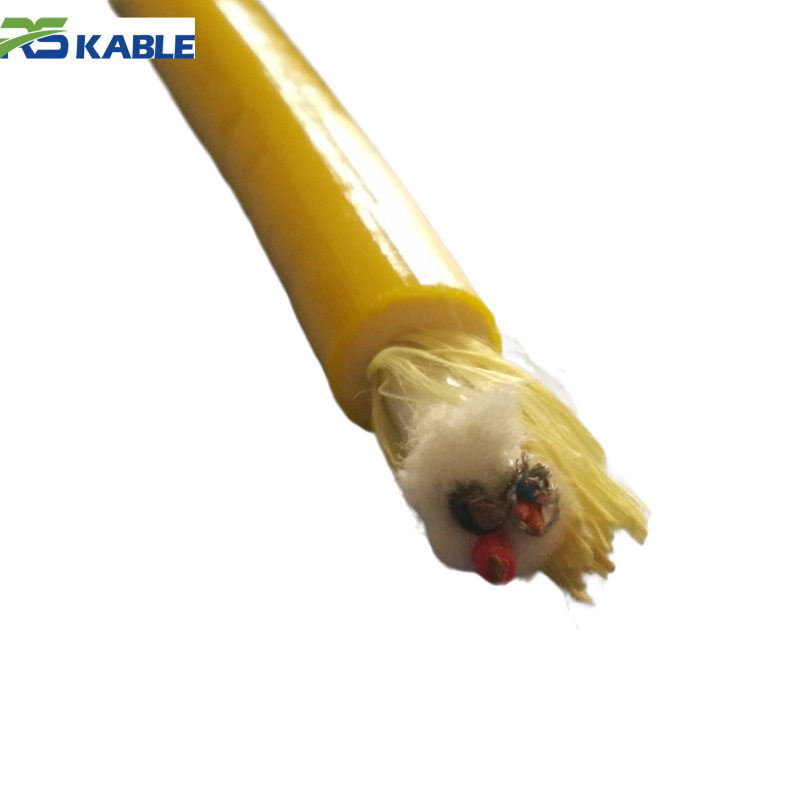
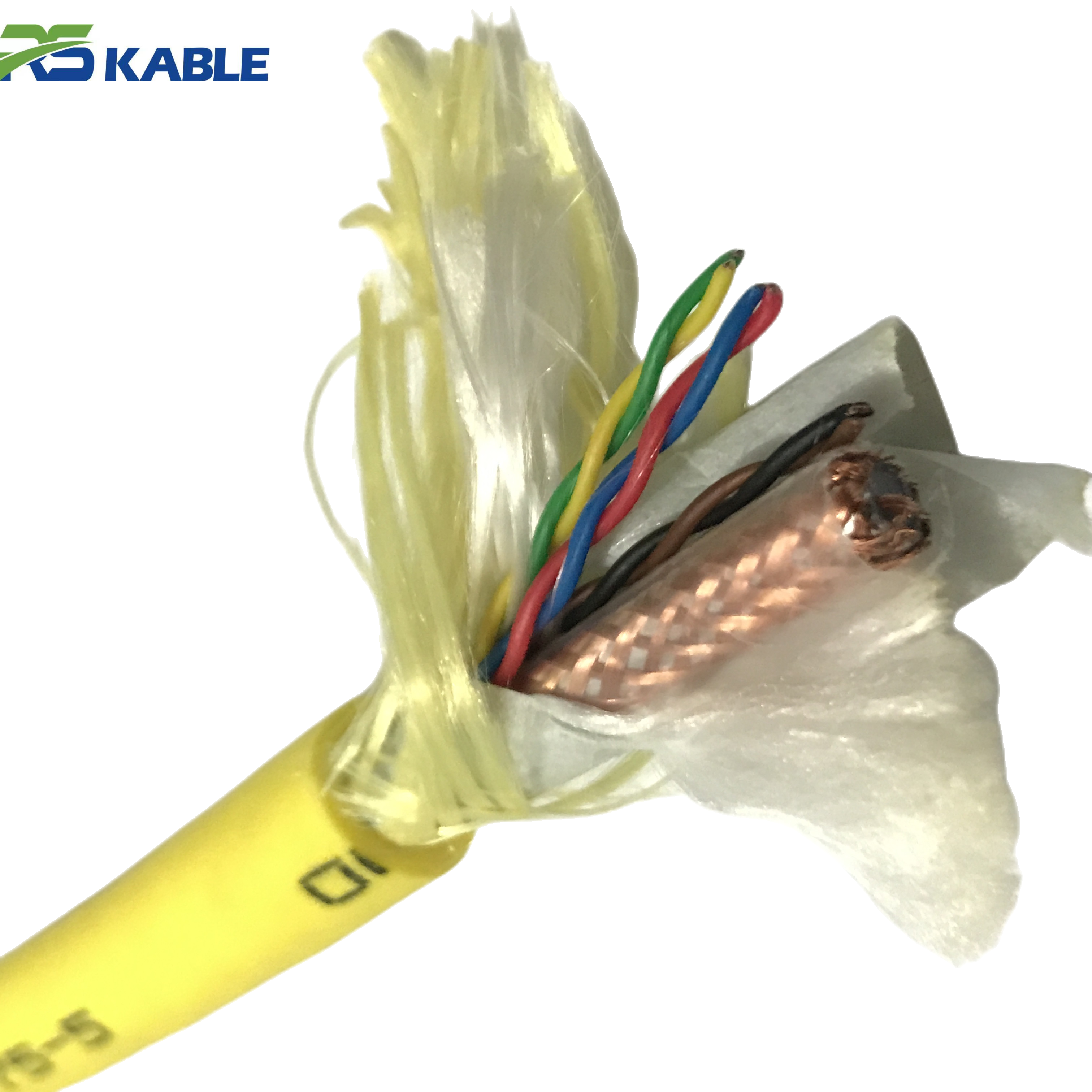
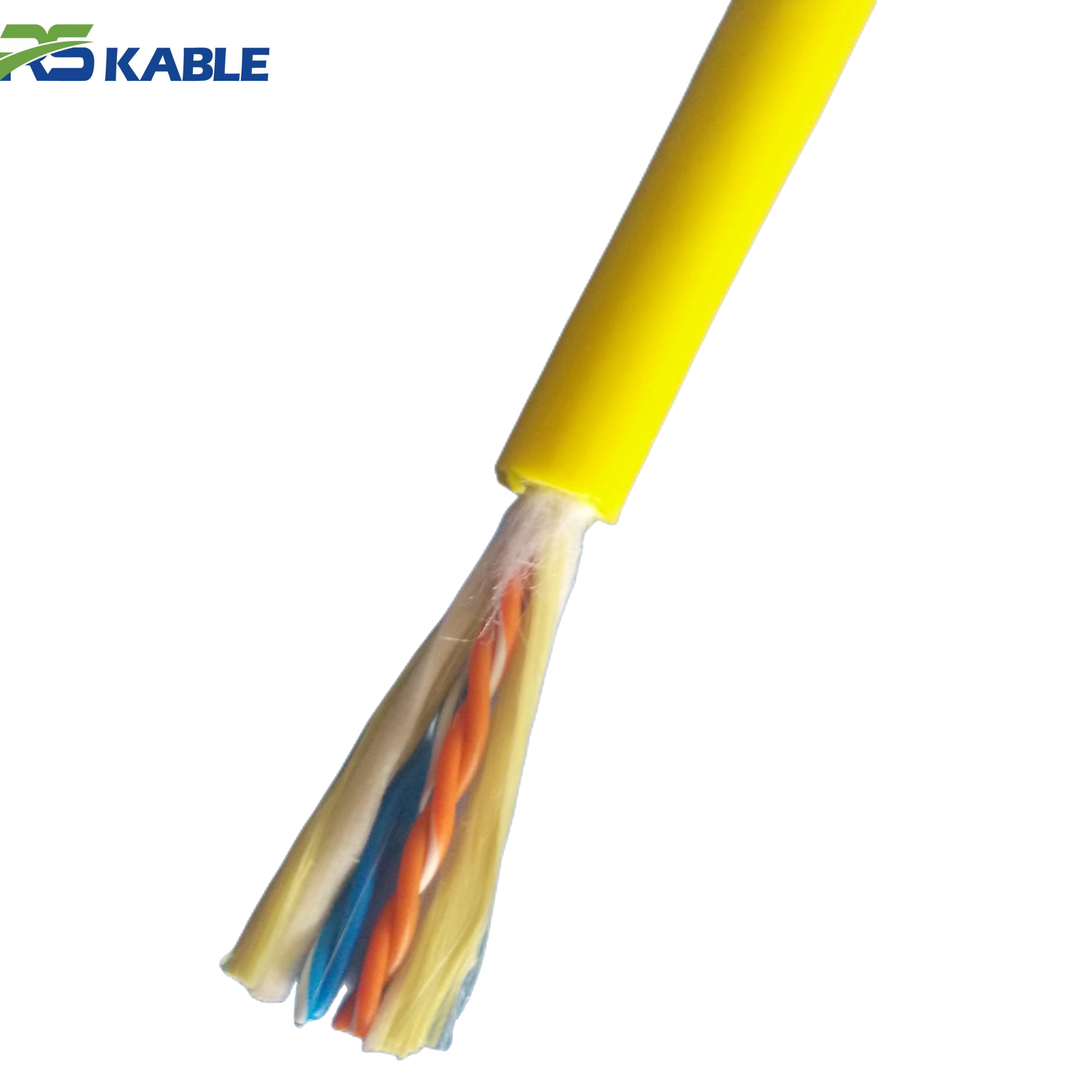
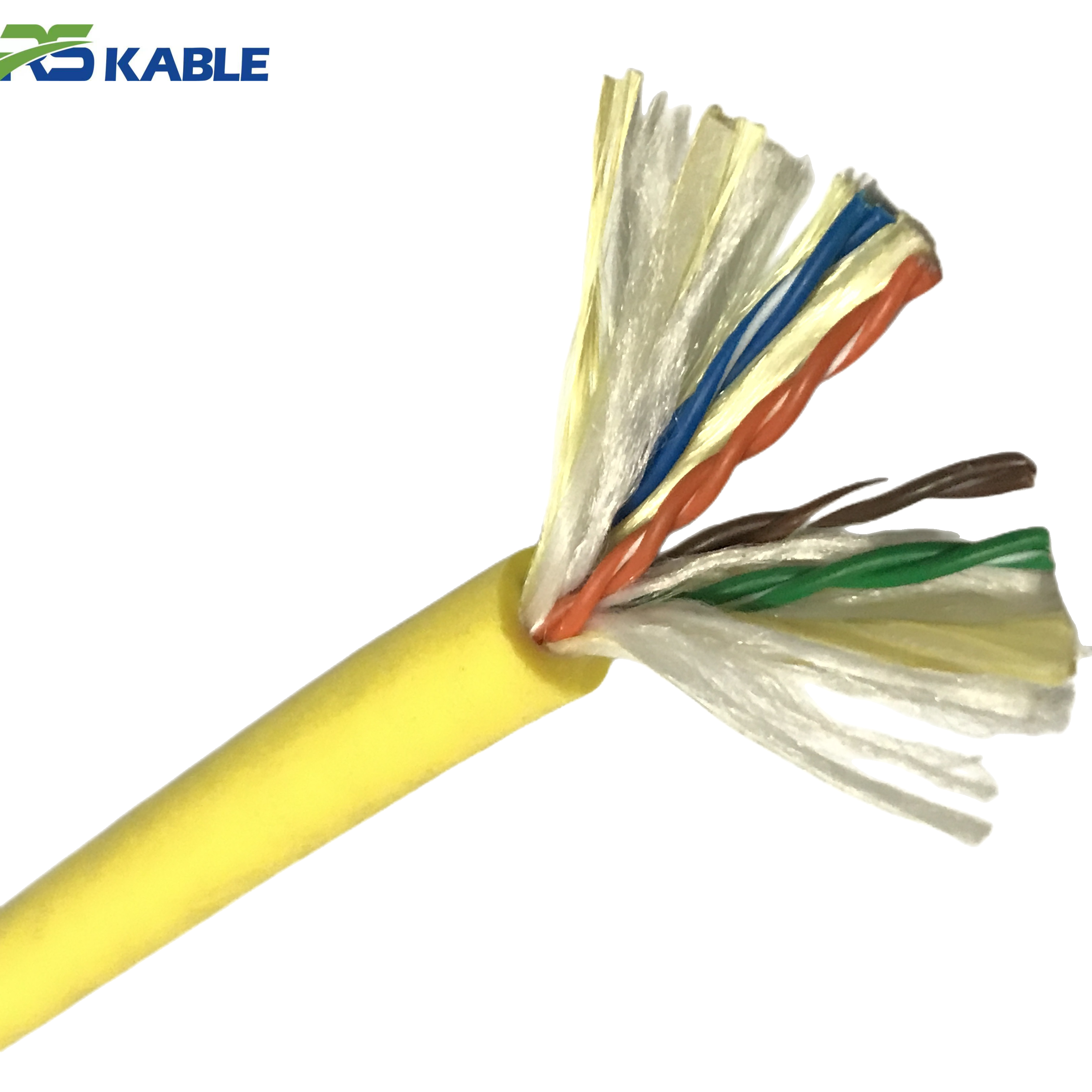
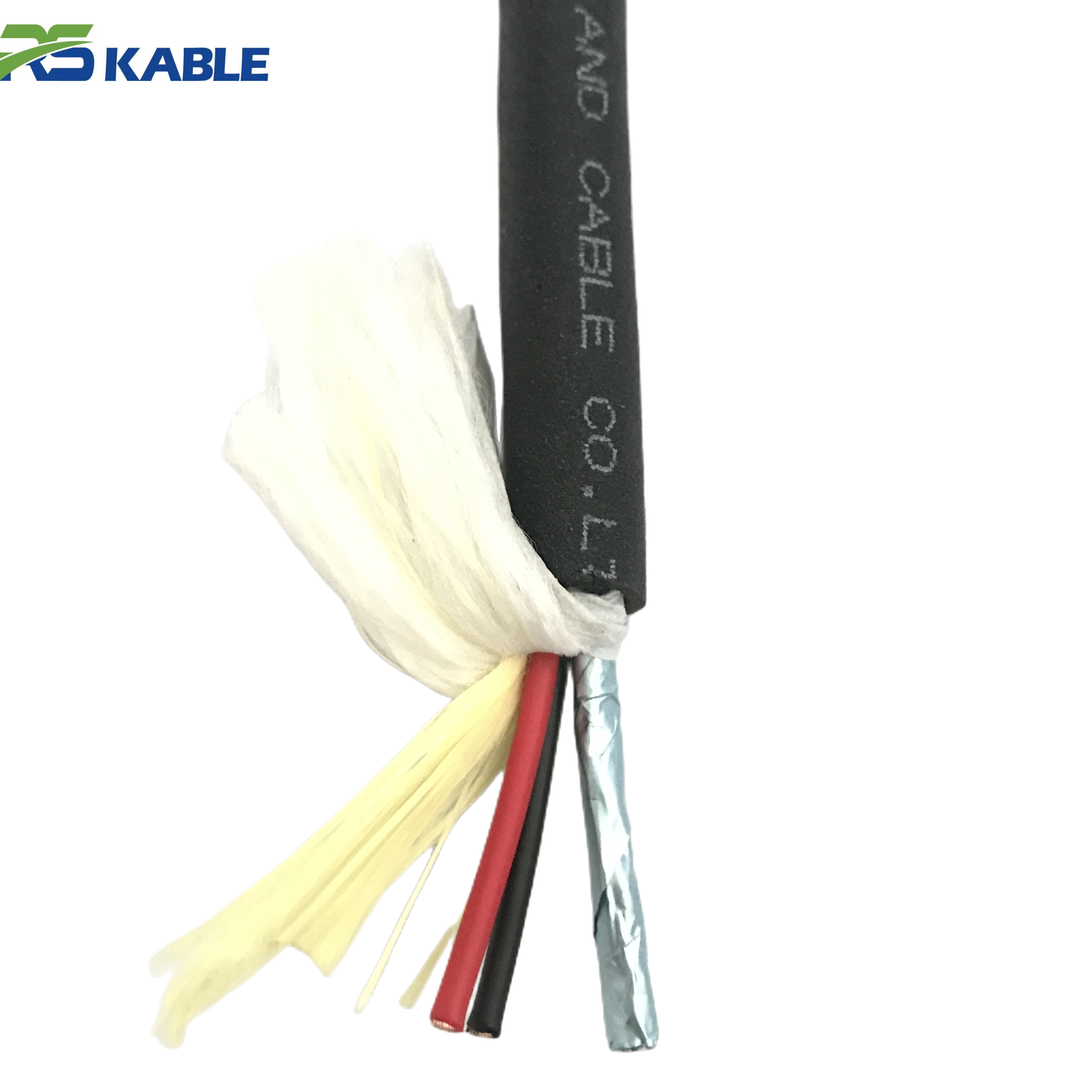
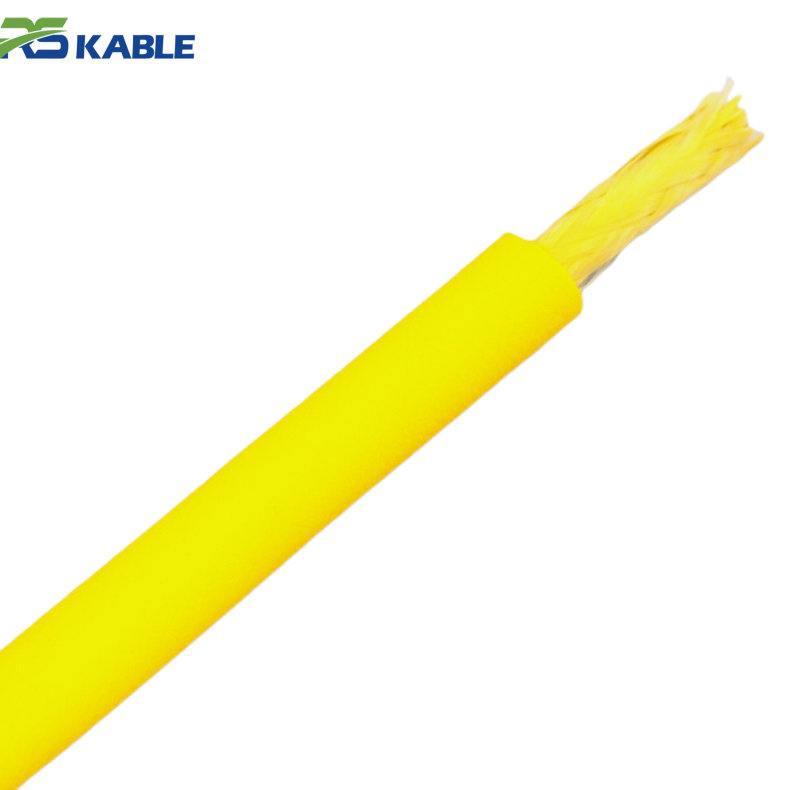
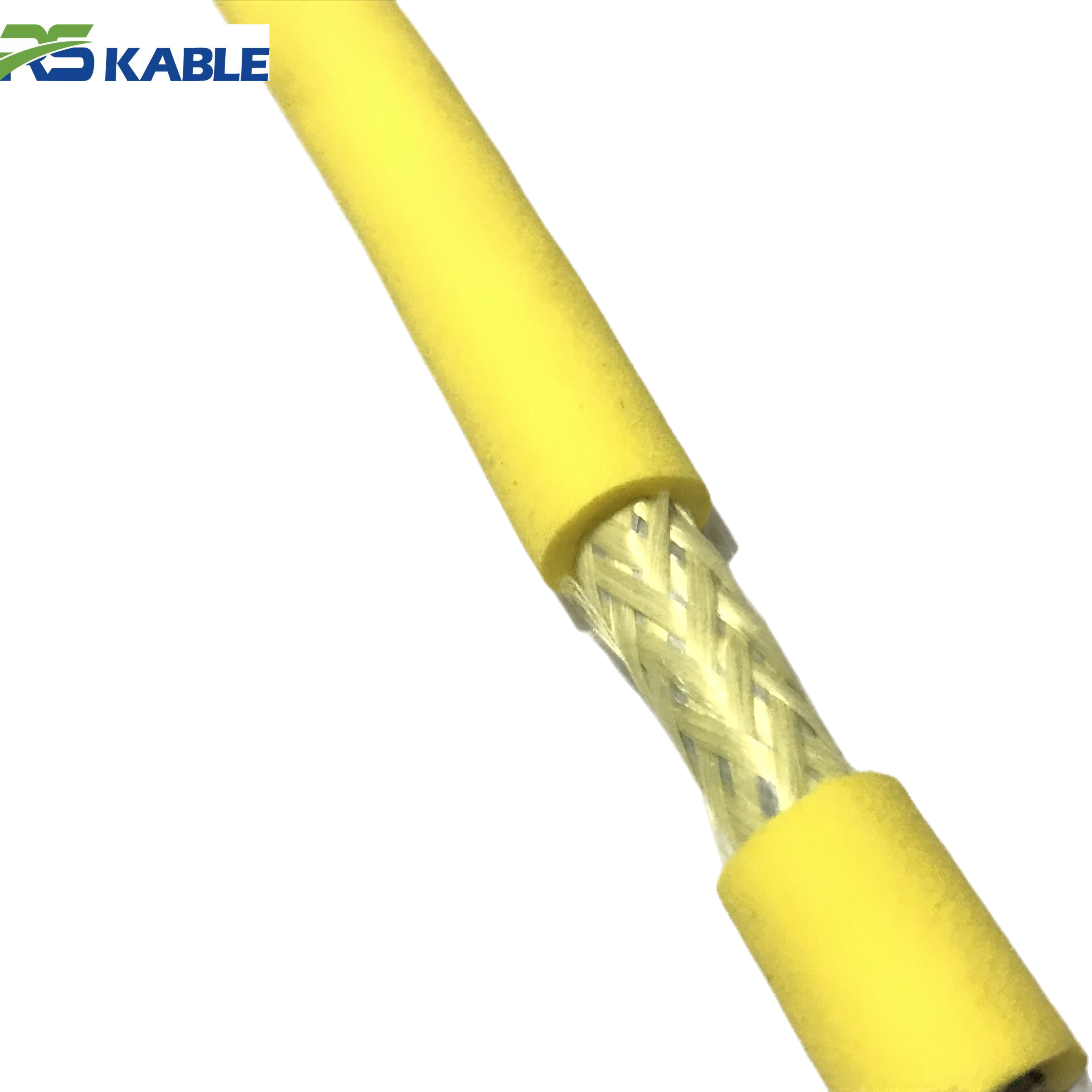
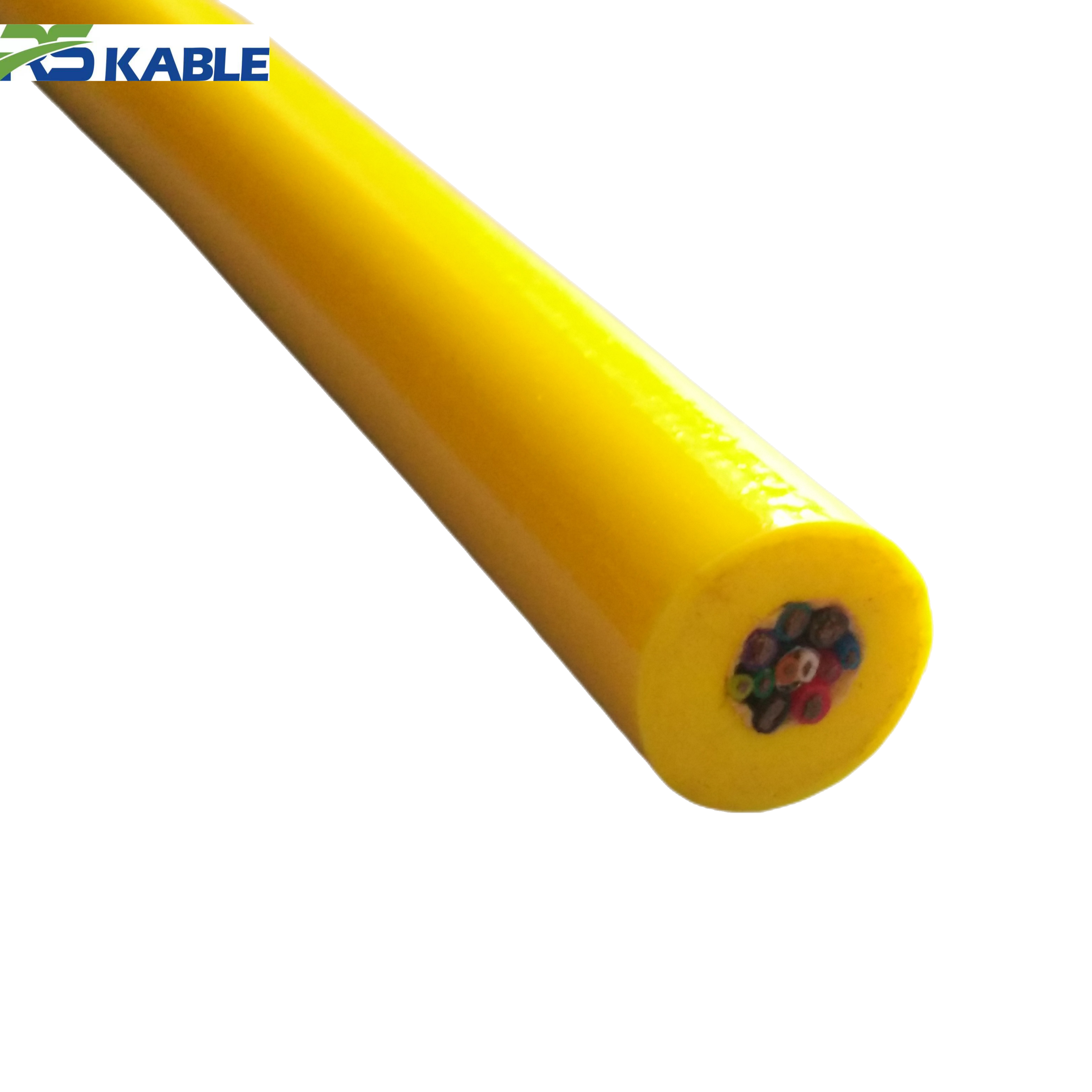
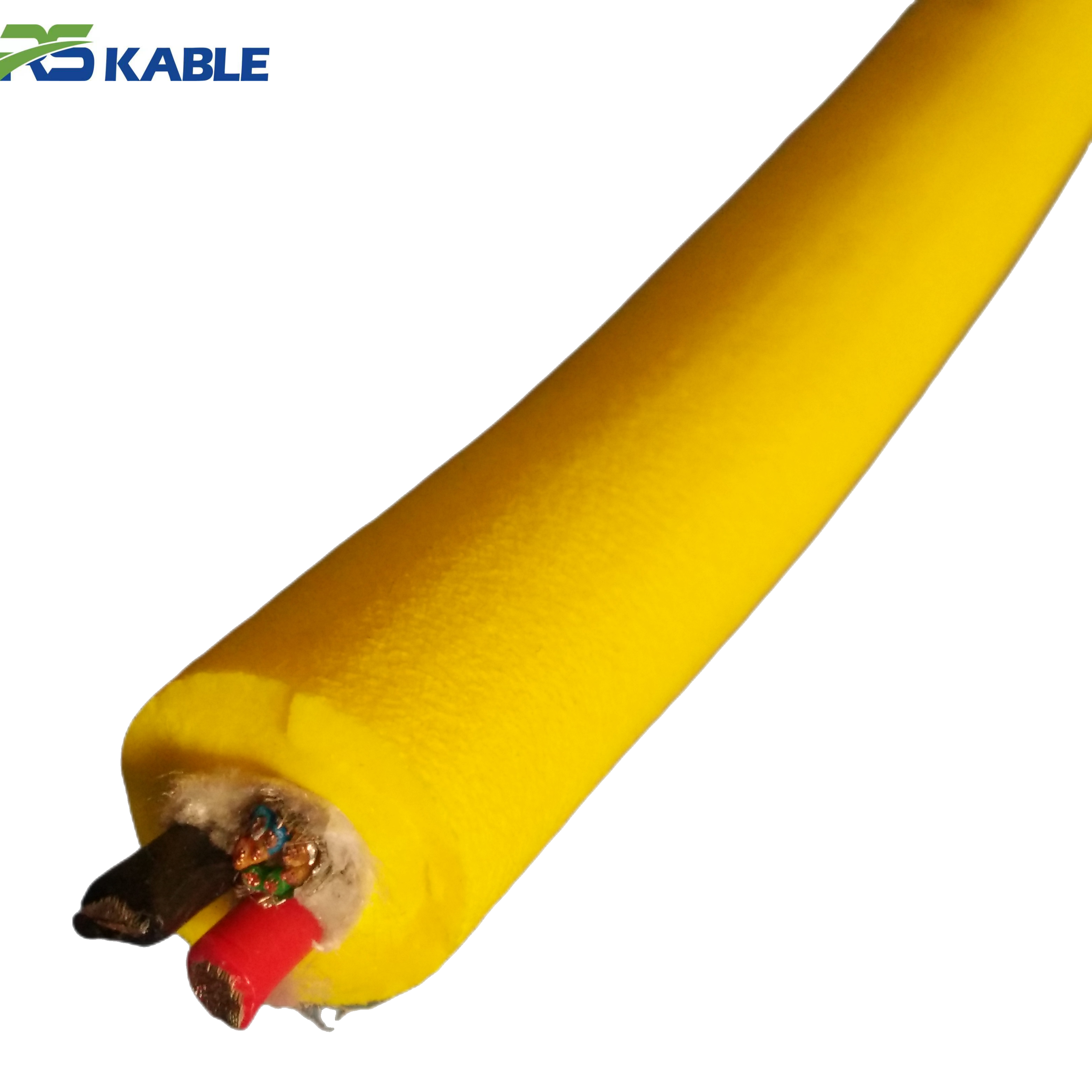
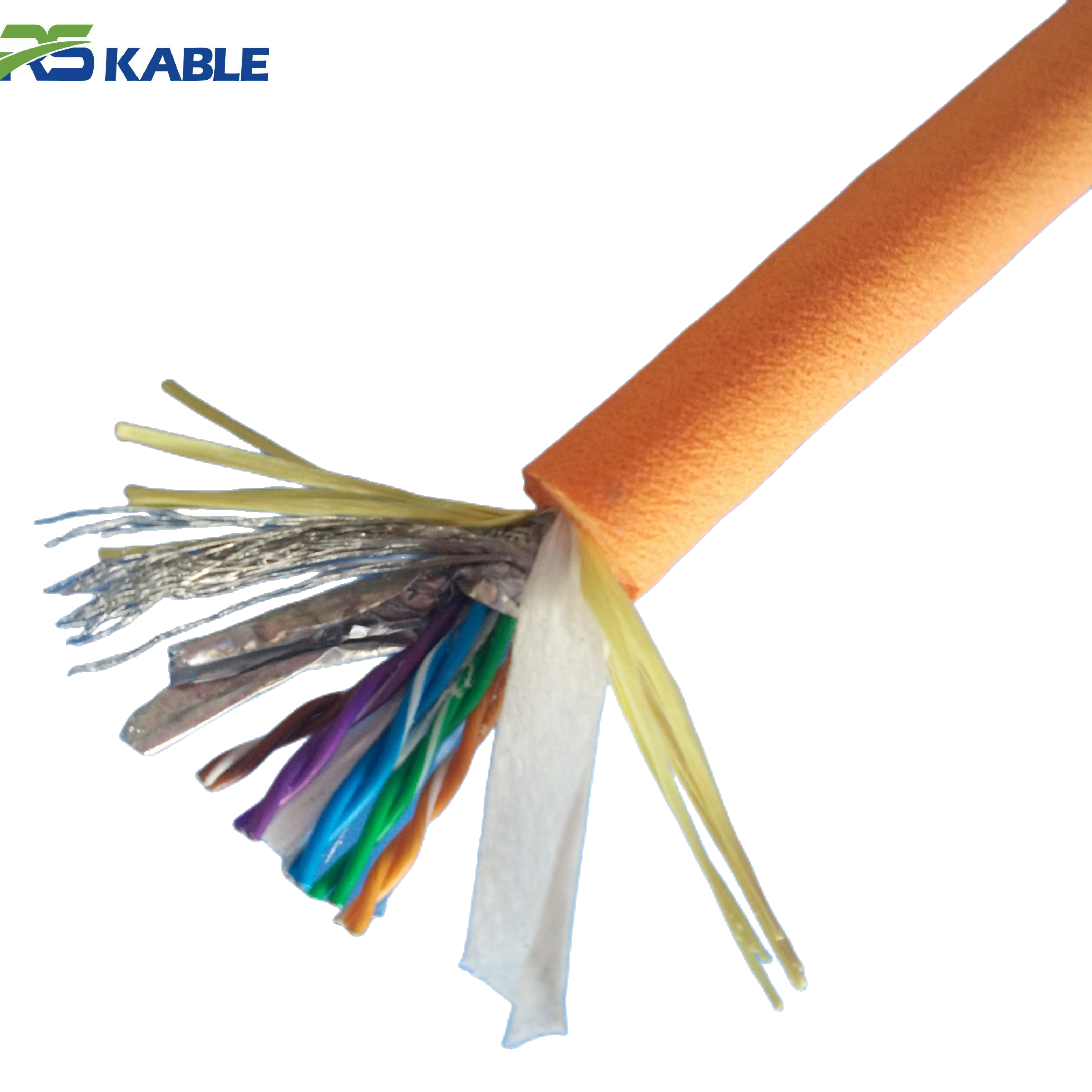
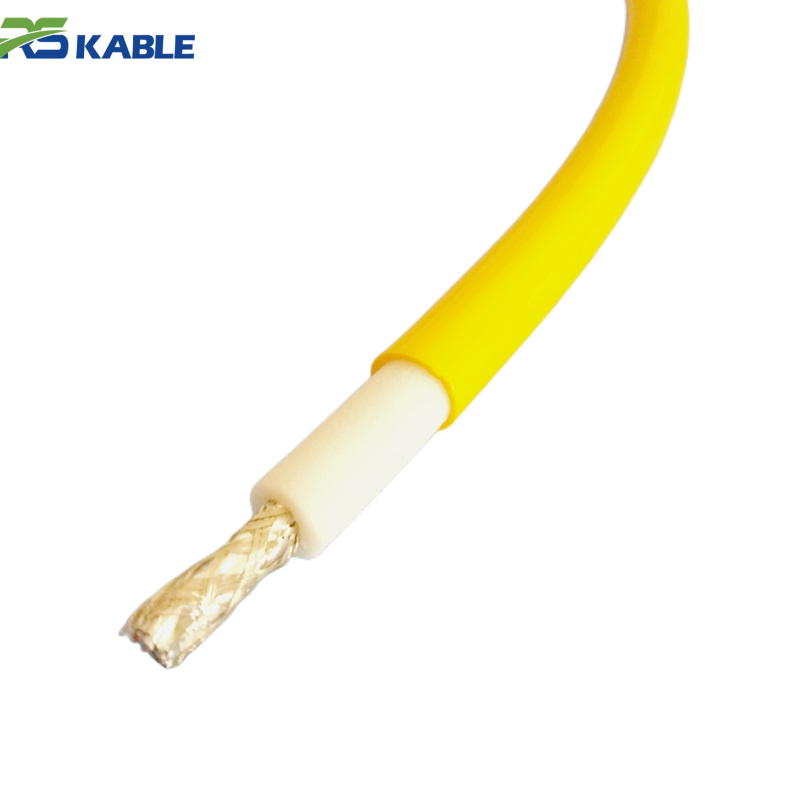
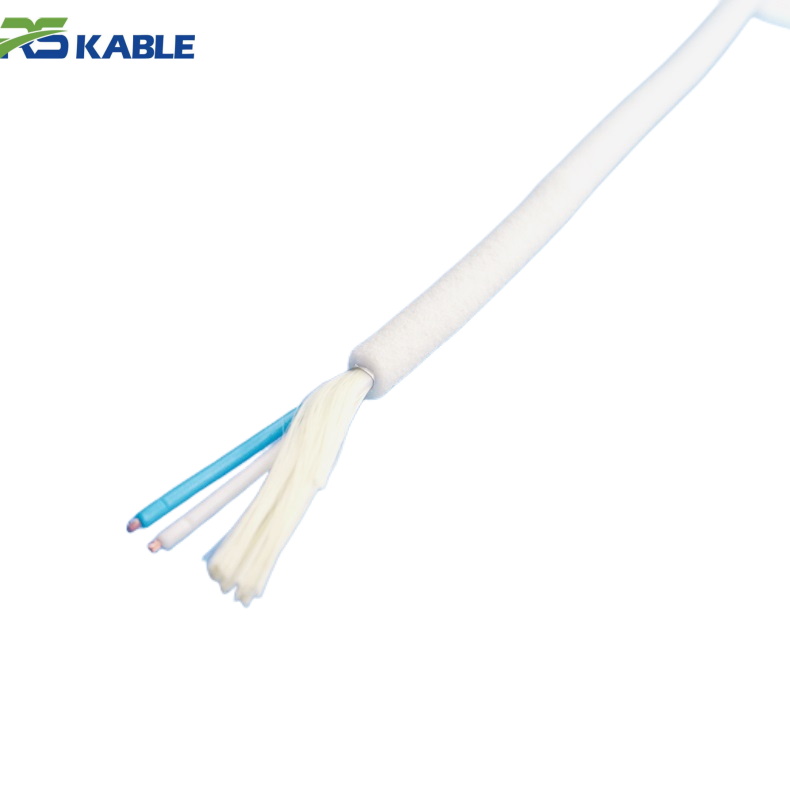
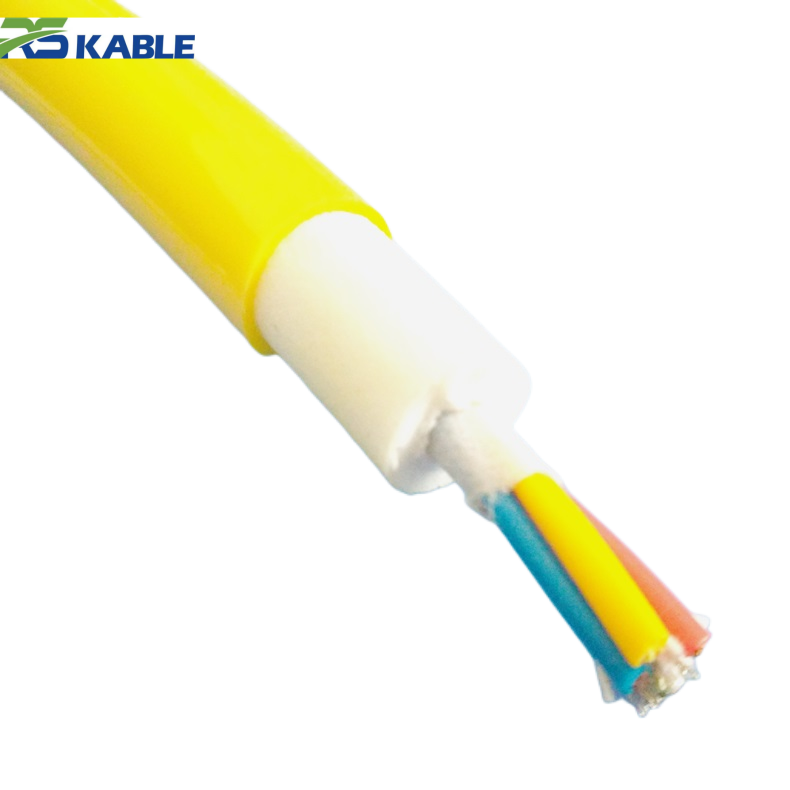
Deepwater Operations ROV Cable | Neutral Buoyancy Design & Reliable Subsea Transmission
Engineered for extreme **deepwater operations**, this **neutral buoyancy ROV cable** ensures **reliable subsea power and data transmission**. Featuring a high-strength, pressure-resistant construction, it is designed to perform flawlessly in high-pressure environments, providing consistent buoyancy and durability for complex underwater missions.
Why deep-sea operations change cable risk (in practical terms)
Deep water adds five pressures—literal and operational—that push cable systems harder than shallow work:
-
Pressure magnifies consequences of small defects
A tiny pathway that would be harmless shallow can become an ingress route under high pressure. -
Long suspended lengths increase tension baseline
Even before snags or recovery spikes, the system carries more sustained load. -
Fatigue accumulates over long runs
Deep missions often involve extended duration and repeated maneuvering. The same bend zones see thousands of cycles. -
Recovery and redeployment are slower and riskier
If something degrades at depth, the “cost of checking” is high. -
Diagnostics become time-expensive
Without baseline measurements and clear acceptance data, teams lose hours guessing.
A deepwater tether selection method that works in the field
Instead of starting with a catalog, start with a three-part engineering statement:
Part A — Define your “worst realistic day”
Write this in plain language:
-
maximum operating depth
-
expected current profile along the water column
-
longest continuous run time
-
heaviest tool/thruster load profile
-
most demanding recovery condition you plan for (not the average)
Part B — Choose safety margins intentionally
Deepwater selection should always include margin in:
-
depth capability
-
tensile capacity and termination load transfer
-
power delivery under peak load
-
fatigue margin at repeat bend points
Part C — Verify with acceptance baselines
If you can’t verify it before deployment, you can’t diagnose it after a bad shift.
Setting depth rating with margin (how to avoid the “rated equal to depth” trap)
One of the most common procurement errors is specifying a tether rated exactly to planned depth. Deepwater work needs margin because the real world adds variability: operational deviations, aging, handling damage, and exposure duration.
A better approach is to specify:
-
maximum planned depth (the mission limit)
-
required depth margin (your safety case)
-
exposure duration expectation (long shifts, repeated missions)
This is also how you align suppliers: the bid should state not just “rated to depth,” but how the design maintains sealing integrity over repeated deployments.
Pressure safety lives at interfaces: terminations and connector transitions
In deepwater work, mid-span cable body failures are less common than interface problems. Most “deep-rated” systems fail at:
-
termination sealing boundaries
-
strain relief transitions
-
connector and penetrator interfaces
-
areas where stiffness changes abruptly and bending concentrates
What to require from suppliers
Ask for clear answers on:
-
termination sealing method (how the barrier is formed and protected)
-
how loads transfer from strength members into the termination
-
how strain relief prevents bend concentration at the sealing boundary
-
connector depth compatibility and mating reliability expectations
If the vendor can’t explain termination design as a load path + seal system, treat the depth rating claim as incomplete.
Tensile strength and recovery safety: deepwater failures are often load failures
Deepwater tether systems must survive more than steady-state tension. Real events include:
-
snags that create sudden tension spikes
-
recovery moments where the cable sees higher loads than during operation
-
dynamic loads from vessel motion and handling equipment
-
misalignment at sheaves or fairleads that increases localized stress
The key deepwater mistake
Teams often spec tensile strength for “operation” but forget “recovery.” Recovery is when the system is most vulnerable.
What to specify
-
minimum tensile rating with a stated safety factor
-
termination tensile compatibility (termination must not be weaker than cable)
-
handling method assumptions (LARS/TMS, drum, sheave diameters)
-
acceptable tension spike scenarios (what you’re designing against)
If you do nothing else, ensure the termination is not the weak link in the load chain.
Fatigue management: deepwater reliability is often decided in the first two meters
Deepwater missions don’t always kill a tether in one event. More often, they degrade it slowly through repeated bending at the same locations.
Common fatigue hot zones:
-
connector exit point (first meter)
-
routing points over deck hardware
-
fixed bend points near TMS interfaces
-
any location where minimum bend radius is violated repeatedly
Field pattern that signals fatigue early
“Video is fine while stationary but drops during movement” is often a mechanical stress signal, not a camera issue—especially when it begins intermittently and becomes more frequent over time.
What to specify and verify
-
minimum bend radius and how your deck setup will maintain it
-
strain relief design that shifts bending away from seal boundaries
-
handling procedure that avoids tight repeated bends at the same point
Fatigue control is not just engineering—it’s also discipline and layout.
Power delivery: deepwater distance turns voltage drop into a stability issue
As working length increases, power stability becomes a reliability factor. Under peak loads, voltage drop can reduce:
-
thrust margin
-
tool performance
-
system stability during current compensation
Practical procurement approach
-
document average and peak current draw
-
define working length and maximum deployed length
-
require confirmation of delivered voltage under peak load at working length
-
avoid “nominal-only” power statements
Deepwater systems that are marginal on power often appear “unstable” offshore, particularly during maneuvering and tooling operations.
Data and fiber: deepwater success requires baselines, not assumptions
Fiber is common in deepwater because it supports stable video/telemetry, but deepwater projects need something most teams skip: baseline documentation.
What to require
-
fiber insertion loss baseline before first deep deployment
-
OTDR baseline if your workflow supports it
-
recorded results stored with the project documentation
Why it matters: when data behavior changes after a hard recovery or a high-load shift, baseline comparisons are often the fastest way to isolate whether the issue is mechanical damage, termination degradation, or equipment-side faults.
Handling system compatibility: a deep-rated cable can still fail on deck
Deepwater tether systems live and die by handling. Common damage sources include:
-
pinch points near drums and fairleads
-
sharp-edge contact during hurried recovery
-
mismatched sheave diameter that violates bend radius
-
“hard spots” created by storage stress or crushing
A simple but effective handling compatibility check
Before committing to a cable design, confirm:
-
drum and sheave diameters are compatible with minimum bend radius
-
routing avoids tight repeated bends in one location
-
termination exits are protected from sharp transitions
-
your handling procedure explicitly assigns responsibility for slack and routing control
Many deepwater problems labeled “pressure issues” are actually handling damage made worse by pressure exposure.
Deepwater RFQ checklist (copy/paste)
Use this in your RFQ to avoid generic quotes:
-
Maximum operating depth: ___ m
-
Required depth margin: ___ m
-
Exposure expectation: continuous hours per mission ___; missions per year ___
-
Current profile: low / moderate / strong; variable yes/no
-
Working length in water: ___ m; maximum deployed length: ___ m
-
Power: operating voltage ___; peak current ___; duty cycle ___
-
Data: fiber count ___; live video streams ___; bandwidth/latency sensitivity ___
-
Tensile requirement: minimum ___ with stated safety factor; recovery load assumptions included
-
Termination design requirements: sealing method + strain relief + load transfer approach
-
Handling constraints: minimum bend radius ___; sheave/drum compatibility required
-
Jacket requirements: abrasion/cut risk description; chemical/oil exposure (if any)
-
Acceptance tests required: electrical baseline + fiber baseline + mechanical inspection
This improves quote quality and makes vendor proposals comparable.
Acceptance and pre-deployment verification (deepwater-ready checks)
A deepwater tether should not be deployed without baseline verification.
Electrical baseline
-
continuity and insulation checks appropriate to your voltage class
-
baseline results recorded for future comparison
Fiber baseline (if included)
-
insertion loss baseline recorded
-
OTDR baseline recorded if used in your operations
Mechanical inspection
-
uniform jacket and OD inspection
-
no crushed sections, kinks, or local hard spots
-
termination strain relief integrity and smooth stiffness transition
Handling validation
-
confirm routing maintains bend radius in real deck layout
-
identify pinch points and add protection
-
confirm drum/sheave setup matches the design assumptions
These steps reduce the most common deepwater failure mode: “no baseline, no diagnosis.”
Early warning signs during operations (what to act on immediately)
-
intermittent video/telemetry instability during movement (fatigue/strain relief signal)
-
power instability under peak loads (voltage drop or termination heating signal)
-
unusual tension behavior during recovery (handling mismatch or snag risk)
-
rapid jacket wear at consistent locations (routing/contact problem)
-
faults appearing after a hard recovery event (handling damage + pressure exposure)
Catching these early often prevents a mission-ending failure later.
FAQ
Is depth rating the only spec that matters for deepwater tethers?
No. Tensile safety factor, termination design, fatigue performance, power stability, and handling compatibility often decide real-world reliability.
Why do deepwater issues often start at terminations?
Terminations combine sealing, load transfer, and repeated bending stress. They are the most complex and most stressed part of the system.
What should I demand as proof a tether is deepwater-ready?
Clear termination design details, stated margins, and acceptance baselines (electrical and fiber), plus handling compatibility validation.
Do I need fiber for deepwater operations?
Not always, but many deep missions rely on stable live video/telemetry. If fiber is used, baseline tests are essential for diagnostics.
What’s the most common preventable deepwater tether mistake?
Skipping acceptance baselines and handling validation. Without them, diagnosing issues offshore becomes slow and costly.