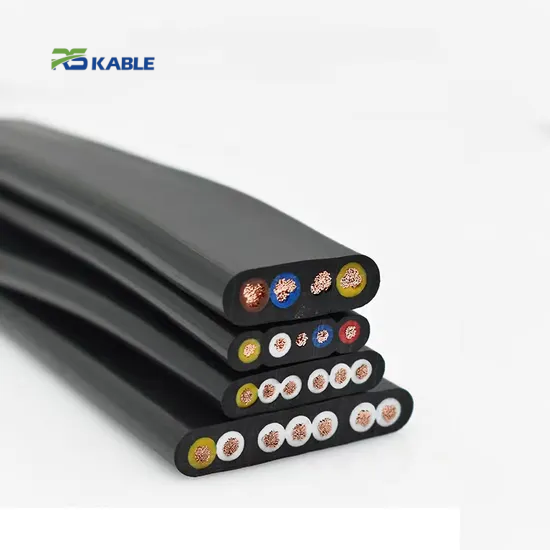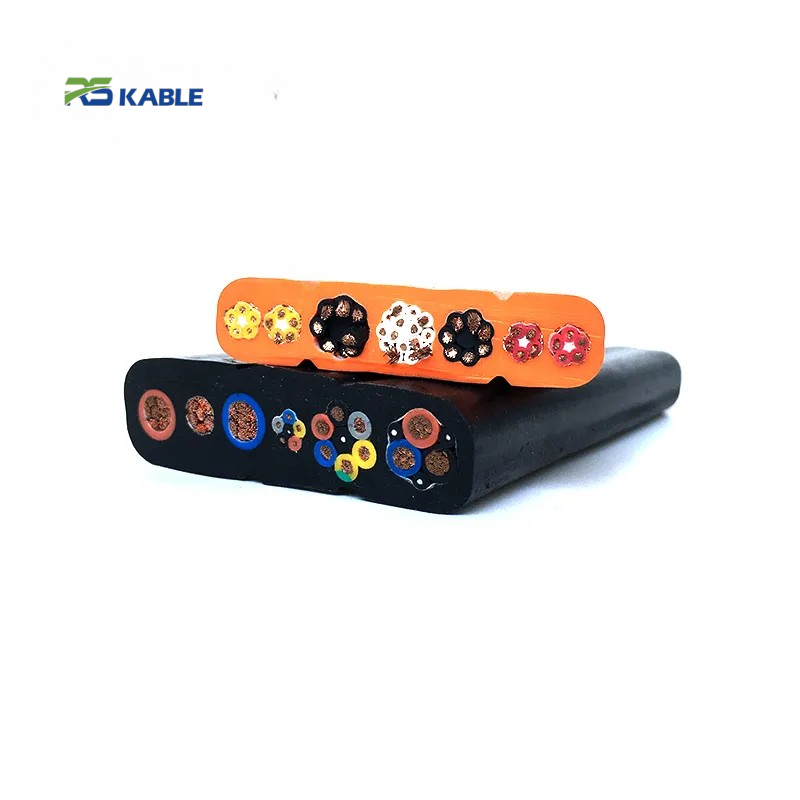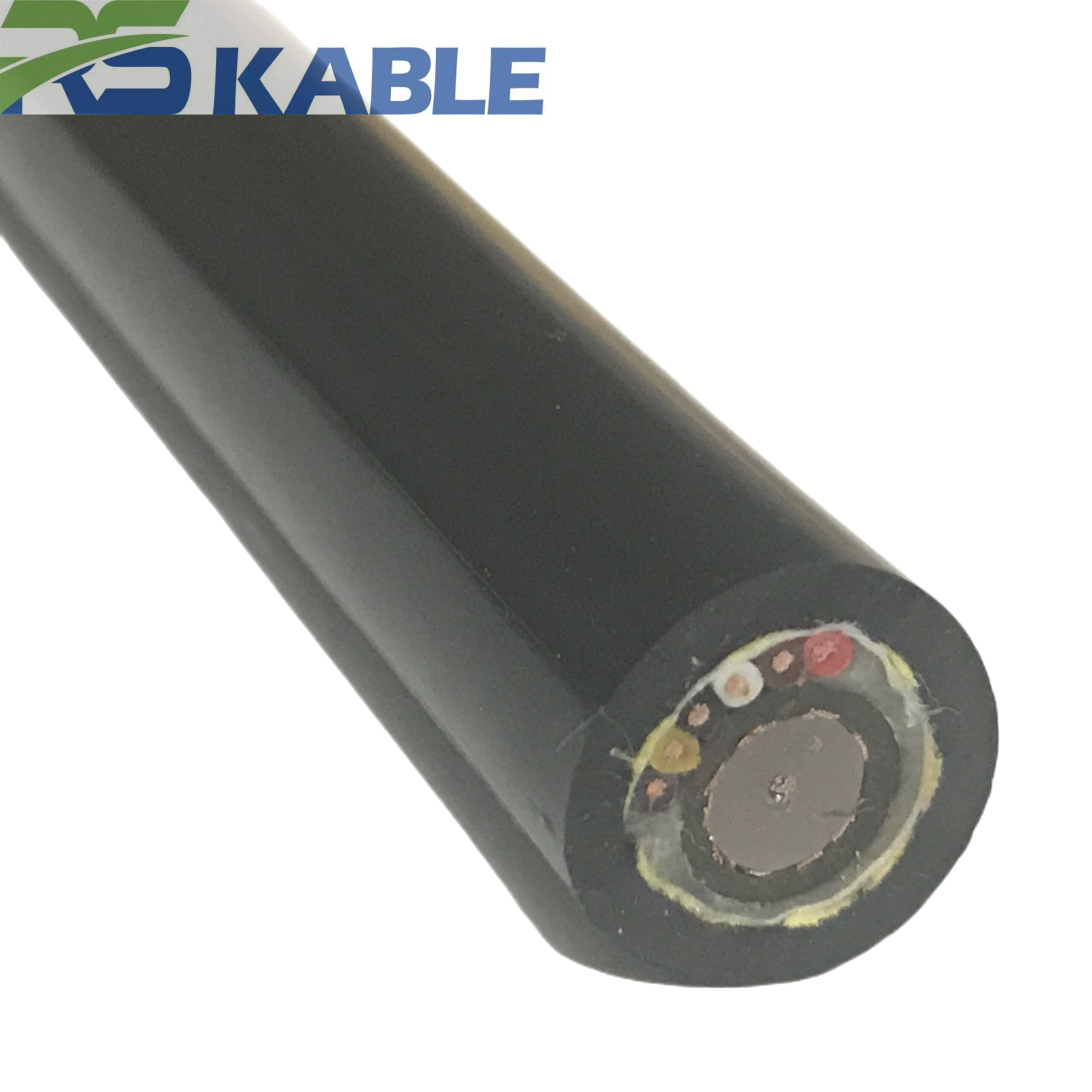


How to Select a Marine Grab Cable for Heavy-Duty Marine and Offshore Applications
Choosing the right cable for a heavy-duty crane system is not just a routine procurement task. In ports, offshore platforms, ship unloaders, coastal terminals, and marine bulk handling facilities, cable performance has a direct influence on uptime, safety, maintenance cost, and long-term equipment reliability. A crane can have the right motor, gearbox, control system, and drum arrangement, yet still suffer repeated shutdowns if the cable is not matched to the real duty cycle.
That is why selecting a Marine Grab Cable should always begin with the application itself, not with voltage alone. In true marine and offshore lifting environments, the cable must withstand repeated bending, long vertical travel, reeling stress, suspended load, salt-laden air, UV exposure, abrasive dust, oil contamination, and constant weather change. These conditions are very different from ordinary indoor crane use or even light outdoor industrial use. A cable that appears acceptable on paper may still wear too quickly, twist during operation, harden in service, or fail early if the design assumptions are wrong.
This guide explains how to choose the right cable for heavy-duty marine and offshore use, what technical factors matter most, and which buying mistakes are most likely to shorten service life. It is written for buyers, project engineers, port equipment teams, offshore operators, crane OEMs, and maintenance managers who need a practical framework rather than a generic product description.
Why Marine and Offshore Crane Applications Are Hard on Cables
Before comparing cable options, it is important to define what makes this environment so demanding. In many crane systems, the cable is one of the most stressed moving components, yet it receives less design attention than the mechanical hardware.
In marine and offshore applications, the cable is commonly exposed to:
-
repeated lifting and lowering cycles
-
continuous bending over drums and sheaves
-
long hanging travel under gravity and tension
-
sudden load changes during grab opening and closing
-
bulk cargo dust such as coal, ore, grain, sand, or clinker
-
oil, grease, and mechanical contact in crane structures
-
UV radiation, rain, humidity, and temperature variation
-
salt-rich air that accelerates aging and corrosion risk
This combination creates both mechanical stress and environmental stress at the same time. That is why a cable that performs well in general industrial crane service may not perform well in port grab cranes, ship unloaders, offshore deck cranes, or coastal bulk handling systems.
Real Marine Duty vs Light Outdoor Use
One of the most important selection mistakes happens when buyers describe a project as “outdoor use” but do not distinguish between light outdoor duty and true marine-duty service.
Light Outdoor Crane Use
This usually means:
-
moderate weather exposure
-
limited operating cycles
-
low salt exposure
-
lighter reeling demands
-
short or moderate hanging length
-
less abrasive cargo environment
In these cases, a standard moving crane cable may still perform adequately if the overall duty is not severe.
True Marine or Offshore Duty
This usually means:
-
daily operation in ports, harbors, or offshore work areas
-
constant humidity and salt-laden air
-
repeated long hanging movement
-
stronger anti-twist requirements
-
abrasive bulk cargo dust
-
heavier reeling stress
-
higher replacement cost if downtime occurs
Once the project falls into this second category, the cable should be evaluated as a marine-duty or offshore-duty product, not simply as an outdoor cable. This distinction matters for both selection quality and SEO value because many real searches revolve around “ship unloader cable,” “harbor crane cable,” “anti-twist cable for marine crane,” or “heavy duty port crane cable,” not just generic wire terms.
Start Selection with the Motion Profile
A strong selection process always begins with how the cable moves, not just with electrical rating.
Ask these questions first:
-
Is the cable suspended vertically for long travel?
-
Does it work through a drum reeling system?
-
Does the grab open and close under repeated dynamic cycles?
-
Does the cable experience twisting risk during hanging motion?
-
Is the lifting equipment used occasionally or continuously?
-
Does the cable travel over the same guide points repeatedly?
This matters because many failures are caused by motion mismatch rather than by electrical overload. In real crane retrofits, one of the most common problems is using a cable that is “electrically fine” but mechanically unsuited to the actual movement path.
1. Prioritize Durability Based on the Real Environment
Durability is often the first concern for buyers, and for good reason. In marine crane systems, durability directly affects replacement interval, planned maintenance, and the chance of in-service failure.
Outer Sheath Material
The sheath is the first barrier against weather, abrasion, oil, UV, and contamination. In heavy-duty bulk terminals, this outer layer often shows the earliest signs of failure.
When comparing products, ask:
-
What sheath material is used?
-
Is it intended for abrasive bulk handling environments?
-
How does it perform in UV and coastal humidity?
-
Is it resistant to oil and grease?
-
Is it better suited to ports, ship unloaders, or lighter industrial crane duty?
Polyurethane is often preferred where strong abrasion resistance is needed. Heavy-duty rubber compounds may also be selected where long-term flexibility and proven crane-service behavior are priorities. The better choice depends on the real operating profile, not on marketing language alone.
Abrasion Resistance
This is especially important in:
-
coal terminals
-
ore ports
-
grain unloading systems
-
harbor scrap handling
-
offshore or coastal cranes with repeated guide contact
If the cable repeatedly touches pulleys, frames, rollers, or guide systems, abrasion becomes one of the main determinants of service life.
Tensile Support
Long hanging lengths create constant load on the cable body. If the internal structure is not designed to manage suspended movement, fatigue and deformation can appear much earlier.
Useful supplier questions include:
-
Does the cable include tensile reinforcement?
-
What type of support element is used?
-
Is it designed for long suspended travel?
-
Is it suitable for repeated heavy-duty lifting cycles?
In many ship unloader and grab crane applications, reinforcement is not optional. It is a core part of dimensional stability.
2. Choose Flexibility That Matches Reeling Conditions
Flexibility is often discussed too generally. In real crane systems, useful flexibility means the cable can move through the actual drum and pulley path repeatedly without early fatigue or unstable handling.
This is where a Marine Grab Cable should be judged not by feel alone, but by motion performance.
Conductor Construction
Fine-stranded conductors are generally better suited to repeated bending than coarse conductor designs. In marine environments, tinned copper is often preferred over bare copper because it improves corrosion resistance in humid and salt-rich conditions.
Ask suppliers:
-
Are the conductors optimized for repeated flexing?
-
Are they tinned copper or bare copper?
-
Is the design intended for high-cycle crane duty or only for general movement?
Minimum Bend Radius
A cable can be flexible in theory but still wrong for the actual drum size. If the cable is forced around undersized sheaves or tight reeling geometry, its real service life may be much shorter than expected.
Reeling Compatibility
This is one of the most overlooked buying factors. Buyers should confirm whether the cable is intended for:
-
vertical reeling
-
long hanging suspended movement
-
repeated drum winding
-
heavy-duty daily crane duty
-
dynamic grab bucket systems
Many early failures happen because the cable and the reeling path were never properly matched.
3. Treat Anti-Twist Stability as a Major Selection Factor
For heavy-duty marine grab cranes, anti-twist performance is often as important as flexibility. Long suspended cable sections can rotate during operation if the structure is not stable enough. That can create:
-
uneven hanging behavior
-
extra wear
-
unstable reeling
-
mechanical stress concentration
-
less predictable crane movement
This is especially relevant for:
-
ship unloaders
-
harbor grab cranes
-
long-travel bulk handling cranes
-
offshore deck cranes with suspended lifting systems
In real operations, twisting problems are often blamed on handling or operator behavior when the real cause is insufficient torsional stability in the cable design.
Ask clearly:
-
Is the cable intended for anti-twist hanging performance?
-
Is it suitable for long vertical travel?
-
Has torsion behavior been considered for grab crane motion?
4. Evaluate Offshore and Marine Environmental Resistance Honestly
One of the fastest ways to shorten cable life is to underestimate the environment. “Outdoor use” is too broad a phrase to guide a serious purchase.
In true marine or offshore conditions, evaluate the cable for:
-
salt-laden air
-
permanent humidity
-
UV exposure
-
rain and washdown conditions
-
oil and grease contamination
-
abrasive cargo dust
-
temperature variation
A cable suitable for inland outdoor equipment may still be too weak for a coastal bulk terminal or offshore crane. This is where many price-driven decisions become expensive later.
5. Match the Cable to the Duty Cycle
Duty cycle is one of the biggest selection filters. A cable for occasional maintenance lifting does not need the same construction as a cable for a bulk terminal crane operating every day.
Lower or Moderate Duty Use
May tolerate:
-
simpler construction
-
less aggressive abrasion design
-
reduced anti-twist importance
-
easier maintenance planning
High-Duty Marine Use
Usually requires:
-
stronger fatigue resistance
-
better abrasion performance
-
more stable reeling behavior
-
stronger environmental resistance
-
longer expected service intervals
The key question is not “Can this cable work?” It is “Can this cable continue working under our actual cycle intensity?”
6. Consider Safety as Both Electrical and Mechanical Reliability
Safety is often discussed only in terms of voltage and insulation, but in crane systems, cable safety also includes motion stability and predictable mechanical behavior.
A safer cable typically provides:
-
stable suspended movement
-
lower twisting tendency
-
reliable insulation performance
-
reduced risk of intermittent faults during lifting
-
better resistance to sudden deterioration in harsh conditions
In practical crane use, safety and durability are closely linked. A cable that wears unpredictably or develops intermittent faults under load is not just a maintenance problem. It becomes an operational safety issue.
Common Mistakes When Selecting a Cable
A stronger buying guide should always identify the mistakes that most often lead to premature failure.
Mistake 1: Choosing by Voltage and Core Count Alone
A cable can meet the electrical requirement and still be wrong for the movement pattern.
Mistake 2: Treating All Outdoor Conditions as the Same
Coastal bulk terminal duty is very different from light industrial outdoor use.
Mistake 3: Ignoring Hanging Height and Twisting Risk
Long travel changes cable behavior significantly. Anti-twist performance becomes more important as hanging length increases.
Mistake 4: Focusing Only on Unit Price
A lower-cost cable may cause more downtime, more labor, and shorter service life.
Mistake 5: Not Defining the Reeling Path
Without understanding drum size, guide layout, and movement direction, it is difficult to choose correctly.
Common Failure Modes Caused by Wrong Cable Selection
This is one of the most useful sections for buyers because it connects selection mistakes to real outcomes.
A poorly matched cable in marine or offshore crane duty often fails through:
-
jacket wear at guide points
-
twisting during long suspended motion
-
conductor fatigue from repeated bending
-
early hardening or cracking in coastal weather
-
unstable or uneven reeling
-
shorter replacement interval
-
intermittent electrical faults under movement
These are not random defects. In many cases, they are predictable consequences of selecting the wrong type of cable for the real duty profile.
Compare Suppliers by Questions, Not Just Claims
A reliable supplier should ask more than just conductor count and voltage. Before recommending a product, they should ask:
-
What type of crane is using the cable?
-
What is the hanging length?
-
How is it reeled?
-
What material is being handled?
-
Is this a true marine or offshore environment?
-
What is the daily operating cycle?
-
Does the crane need strong anti-twist behavior?
-
Is lifecycle value more important than lowest price?
Also compare whether the supplier can explain:
-
why this sheath material was chosen
-
why this conductor structure suits the application
-
whether the design is for heavy-duty marine use or only moderate outdoor use
-
what the main limitations are
Suppliers who can explain both the strengths and the limits of a cable are usually more trustworthy than those who only say “high quality” or “heavy duty” without specifics.
Practical Selection Checklist
Before placing an order, review this list:
-
What exact crane type is involved?
-
Is the environment coastal, offshore, or inland?
-
What is the hanging height and travel path?
-
Is the duty cycle high, moderate, or low?
-
Does the system need strong anti-twist stability?
-
Is abrasion from cargo or equipment contact significant?
-
Is the sheath suitable for salt, UV, grease, and weather?
-
Are the conductors optimized for repeated flexing?
-
Does the design include adequate tensile support?
-
Has the supplier recommended the cable based on the real application rather than only on voltage?
Final Thoughts
Selecting the right Marine Grab Cable for heavy-duty marine and offshore applications requires more than a quick look at a datasheet. Buyers need to evaluate the whole working picture: crane type, hanging travel, reeling system, cargo conditions, environmental exposure, duty cycle, and anti-twist needs.
The best cable is not always the cheapest or the most heavily built. It is the one that matches the real mechanical and environmental demands of the job. In ports, ship unloaders, harbor terminals, and offshore lifting systems, that means prioritizing durability, flexibility, and safety together. A properly selected Marine Grab Cable can reduce downtime, improve crane reliability, and deliver better long-term value in demanding marine service.
FAQ
What is the first thing to check when selecting a marine grab cable?
Start with the actual application, including crane type, hanging height, duty cycle, reeling path, and environment.
Why is anti-twist performance so important?
Because long suspended cable sections can rotate during operation, causing unstable movement, reeling problems, and faster wear.
Is tinned copper better than bare copper for marine use?
In many marine and offshore environments, yes. Tinned copper generally offers better corrosion resistance in humid, salt-rich conditions.
Can a standard crane cable be used in offshore applications?
In lighter outdoor use it may work, but for true heavy-duty marine or offshore crane duty, a specialized design is usually the safer choice.
What causes early failure in marine grab crane cables?
Common causes include wrong sheath material, weak anti-twist behavior, poor reeling compatibility, low fatigue resistance, and incorrect matching to the duty cycle.