

How to Choose the Right Elevator Cable for High-Rise Buildings (Traveling Cable Selection Guide)
Selecting the right elevator cable for a high-rise building is not simply a procurement task—it is an engineering decision that affects safety, system stability, regulatory compliance, and lifecycle cost for decades.
In tall buildings where travel distances exceed 100–200 meters, cable systems must withstand continuous vertical motion, sustained tensile load, shaft temperature variation, and strict fire safety standards. Under-specifying the cable can result in conductor fatigue, signal instability, or premature replacement—issues that become costly in high-rise elevator systems.
This comprehensive guide explains how to evaluate elevator cable specifications for tall buildings, covering conductor design, tensile strength, shielding, fire compliance, installation considerations, and long-term durability.
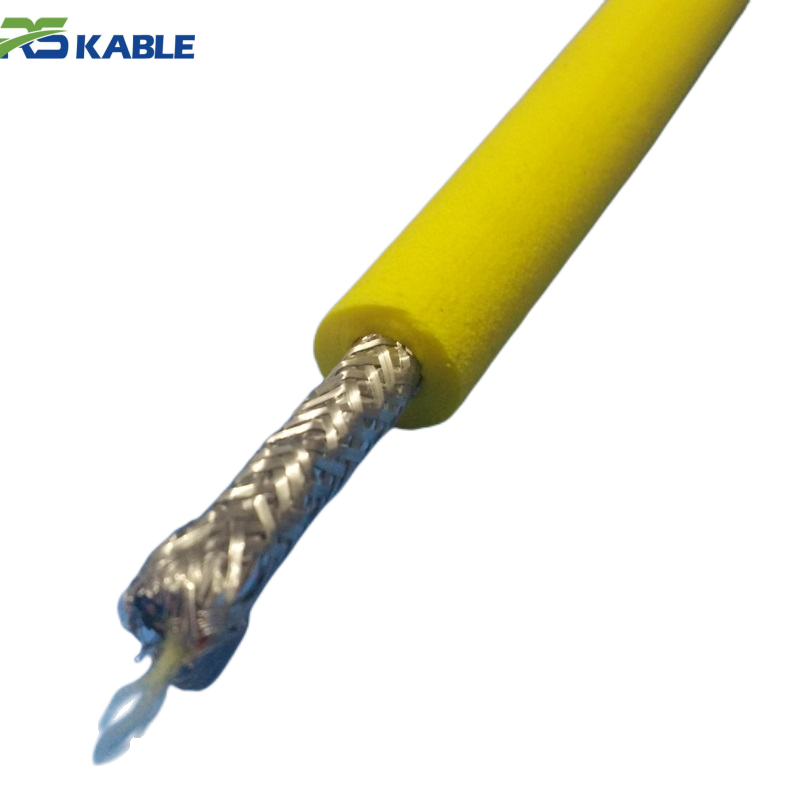
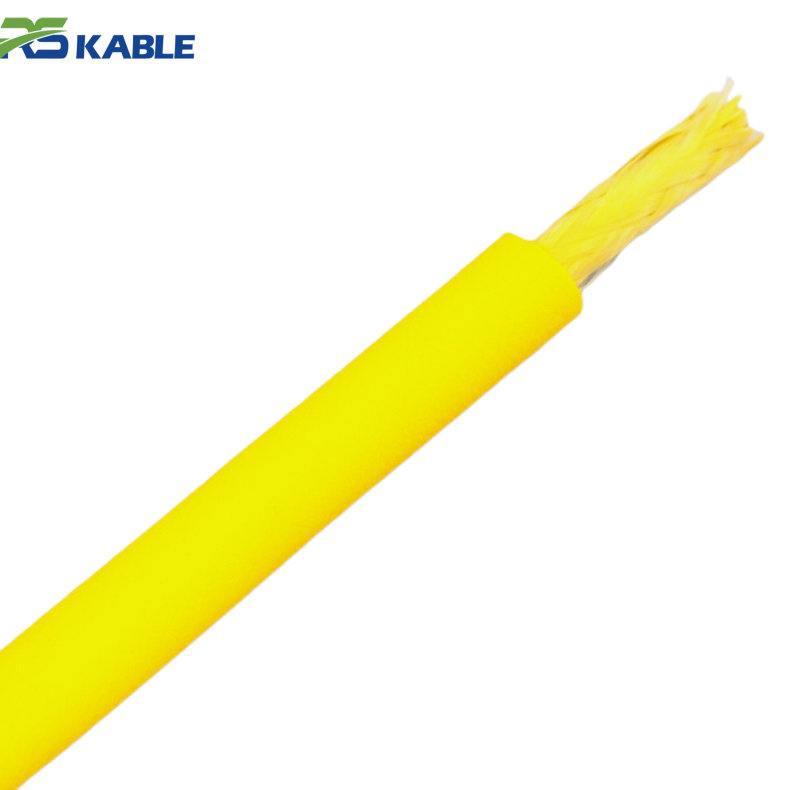
Heavy-Duty Industrial Operations ROV Cable – Reinforced Tensile Structure, High Mechanical Strength
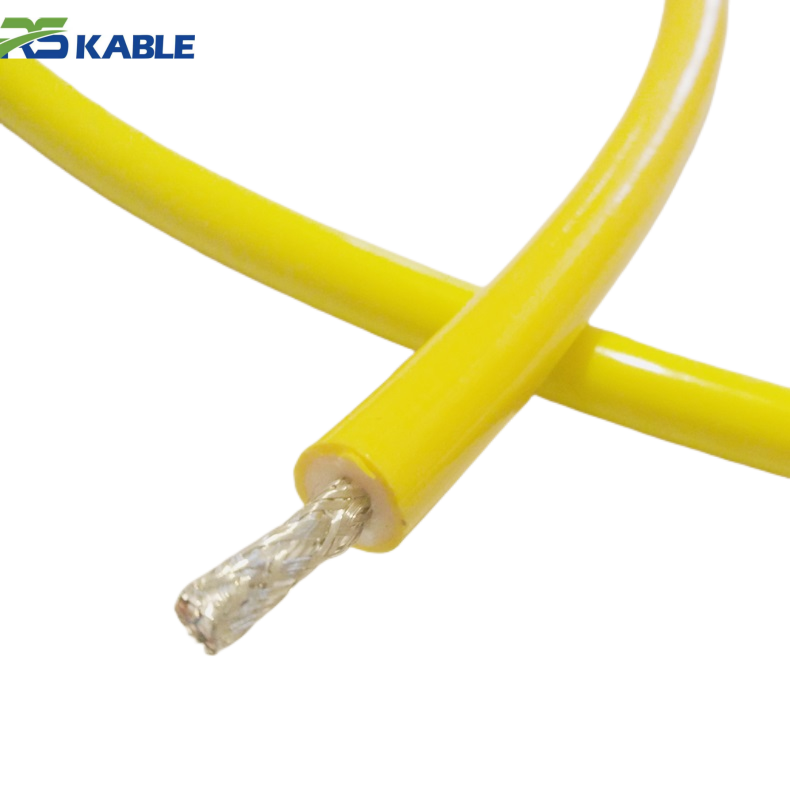
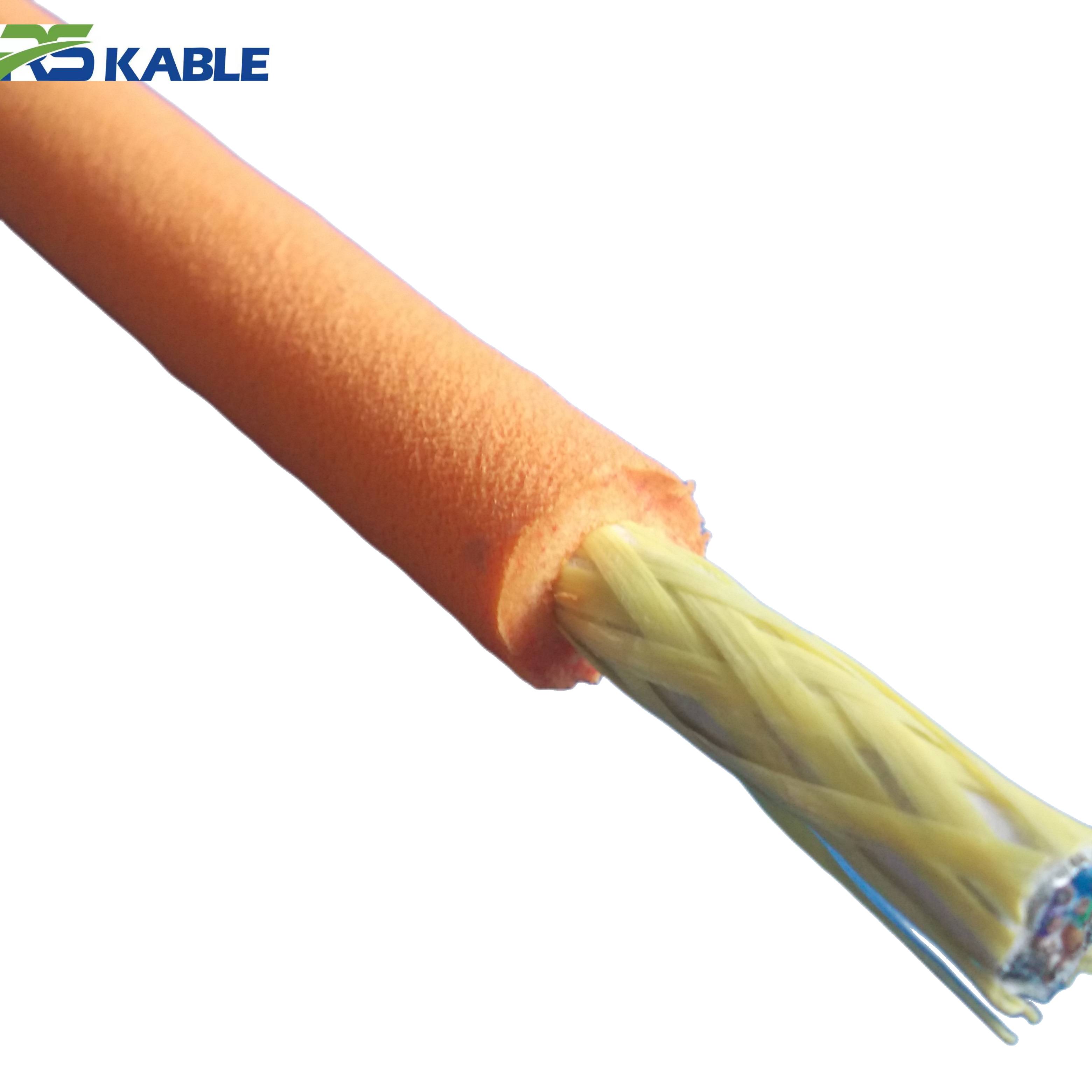
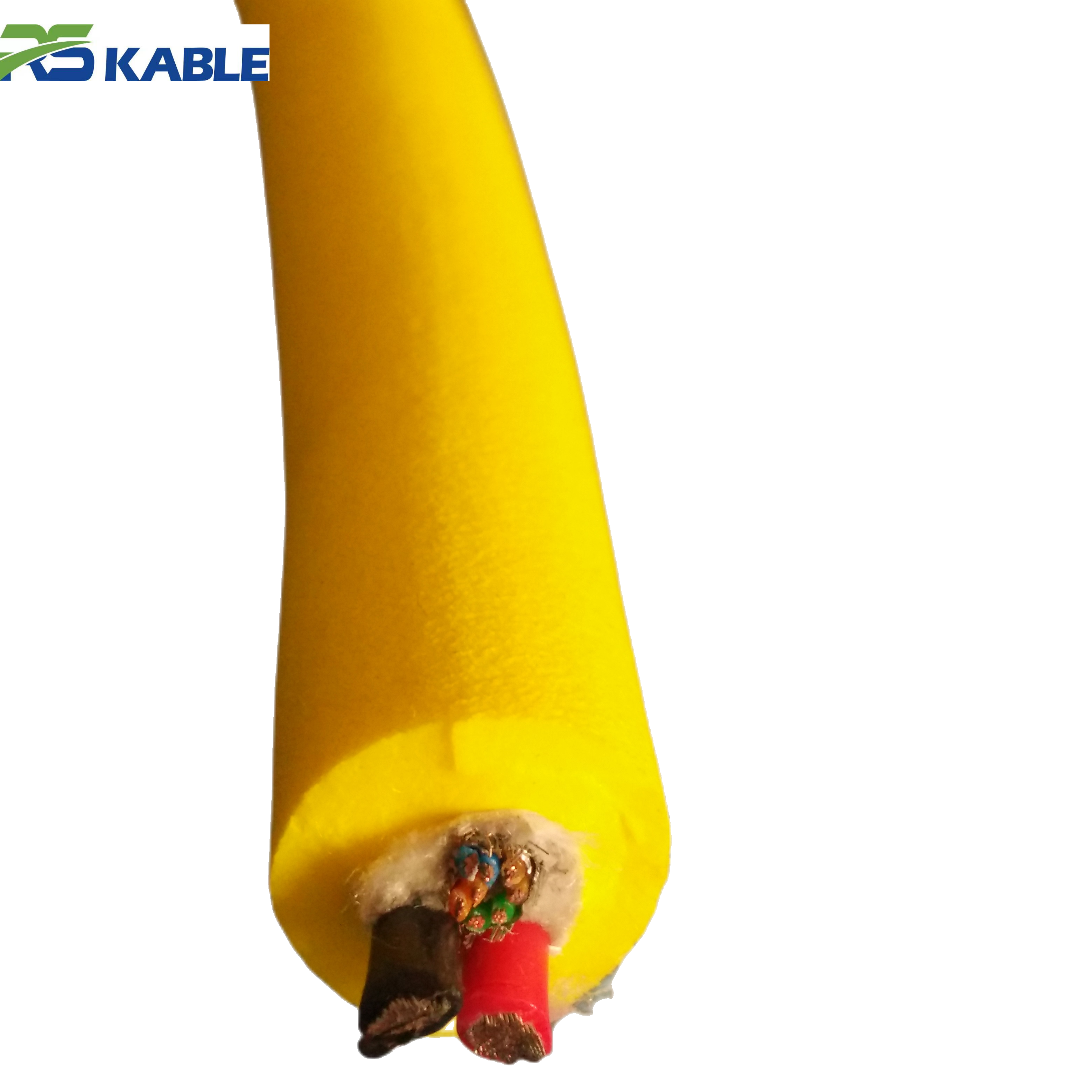
This industrial-grade ROV cable is designed for **heavy subsea operations** where high mechanical strength and durability are critical. Featuring reinforced tensile structure with aramid fiber and optional steel braid armor, it delivers reliable power and performance under extreme tension, abrasion and dynamic loading conditions.
Why High-Rise Elevator Systems Require Special Cable Consideration
Vertical transportation in high-rise structures differs significantly from low-rise installations. Key challenges include:
-
Long vertical travel distances
-
Increased cable self-weight
-
Higher suspension tension
-
Frequent operation cycles
-
Smart building integration (data + control systems)
Because the cable moves with the elevator car, most tall buildings require a specialized elevator traveling cable designed for continuous dynamic flexing. Static-rated cables are not suitable for this environment.
Step 1: Confirm Dynamic Movement Requirements
In high-rise projects, the first evaluation point is motion rating.
A true elevator traveling cable must support:
-
Continuous bending cycles
-
Stable signal transmission during motion
-
Structural balance under load
-
Resistance to torsion and lateral sway
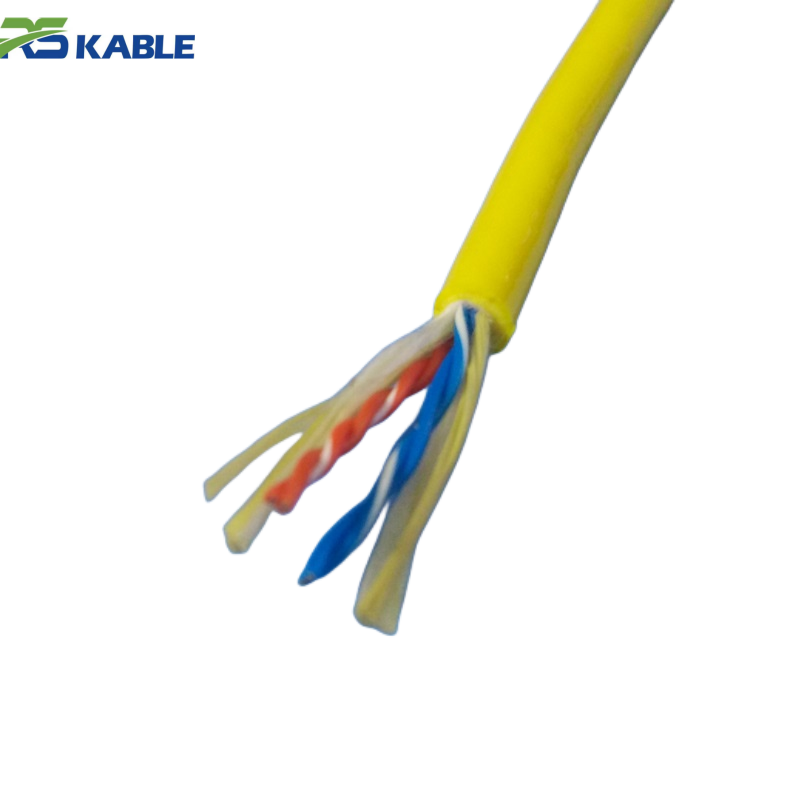
Traveling cables are engineered differently from static wiring, incorporating fine-stranded conductors and reinforced cores to prevent internal stress concentration.
Step 2: Evaluate Conductor Design and Flex Life
The conductor is the structural core of any elevator cable.
For high-rise buildings, recommended specifications include:
-
Class 5 or Class 6 finely stranded copper
-
Oxygen-free copper for improved conductivity
-
Symmetrical conductor layout
Fine stranding distributes mechanical stress during millions of bending cycles. Inadequate stranding increases the risk of conductor breakage over time.
Engineers should request dynamic flex testing data from manufacturers to verify lifecycle performance.
Step 3: Assess Tensile Strength and Reinforcement
Long travel distances significantly increase tensile load.
Critical factors to calculate:
-
Total shaft height
-
Cable weight per meter
-
Suspension method
-
Car acceleration and speed
High-rise elevator traveling cables often incorporate:
-
Textile strength members
-
Steel wire reinforcement
-
Central load-bearing cores
Without adequate reinforcement, internal elongation may occur, leading to conductor displacement and insulation stress.
Step 4: Review Elevator Cable Specification Parameters
A structured specification checklist prevents costly errors.
Elevator Cable Specification Checklist:
-
Rated voltage (300/500V, 450/750V, or project-specific)
-
Conductor cross-section (based on load calculation)
-
Minimum bending radius
-
Tensile load capacity
-
Shielding type (foil, braid, hybrid)
-
Fire rating (Flame-retardant, LSZH)
-
Temperature range
-
Environmental resistance
A well-defined elevator cable specification ensures compatibility with high-rise building codes and long-term performance expectations.
Step 5: Determine Shielding Requirements
Modern high-rise buildings integrate:
-
Digital control systems
-
Surveillance cameras
-
IoT monitoring
-
High-speed communication networks
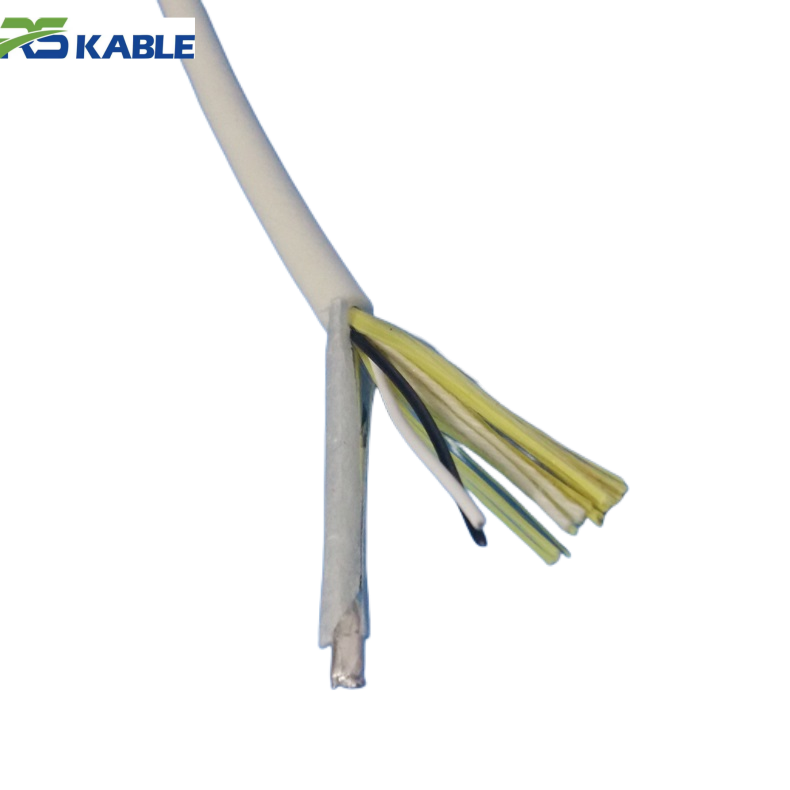
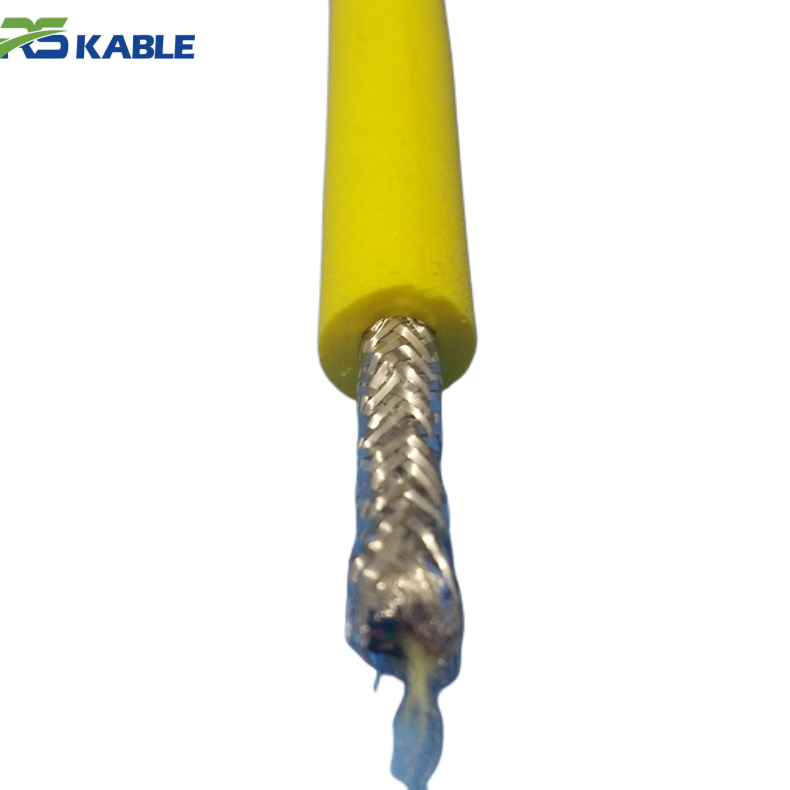
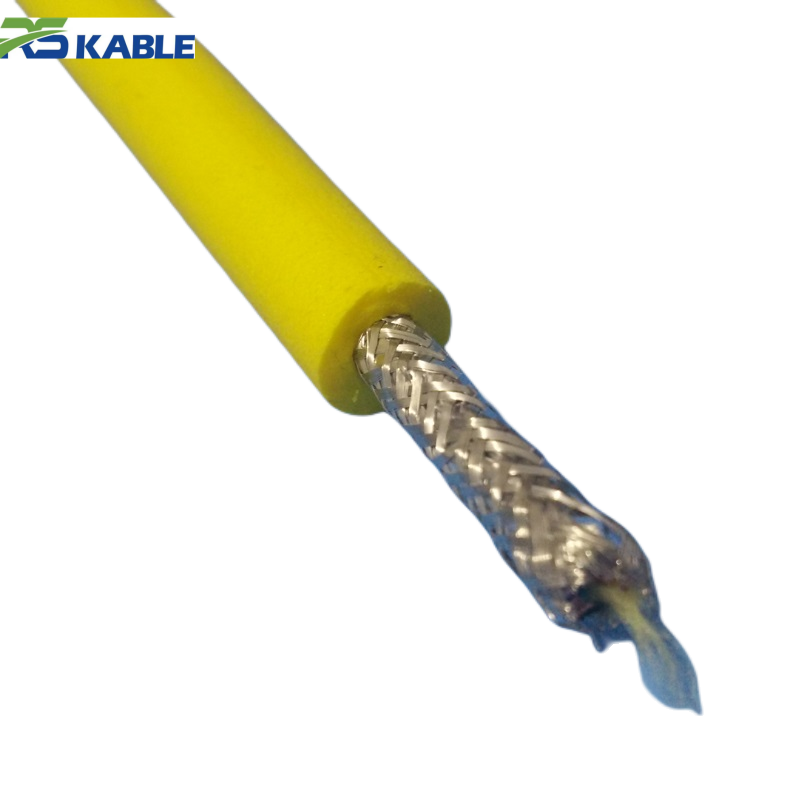
In these environments, a shielded elevator traveling cable reduces electromagnetic interference (EMI).
Shielding options:
-
Aluminum foil
-
Braided copper
-
Hybrid foil + braid
Proper shielding is especially critical in high-speed lift systems where signal instability can affect operational precision.
Step 6: Prioritize Fire Safety Compliance
High-rise buildings are subject to strict safety regulations.
The selected cable must meet:
-
Flame-retardant standards
-
Low smoke emission requirements
-
Halogen-free regulations (where required)
A flame-retardant elevator cable helps maintain system integrity during emergencies while reducing toxic gas release.
Always verify third-party certification and compliance documentation before procurement.
Step 7: Consider Installation Conditions
Even the most advanced cable design can fail if improperly installed.
Best practices include:
-
Maintaining recommended bending radius
-
Avoiding torsion during suspension
-
Using appropriate strain relief systems
-
Ensuring proper alignment within the lift shaft
Correct elevator cable installation significantly extends service life and reduces fatigue risk.
Step 8: Evaluate Environmental and Shaft Conditions
High-rise shafts may experience:
-
Humidity variations
-
Temperature fluctuations
-
Mechanical vibration
-
Dust accumulation
Mixed-use buildings may introduce oil or chemical exposure.
Outer sheath materials—such as abrasion-resistant PVC or PUR—must match environmental demands.
Step 9: Select a Qualified Elevator Cable Manufacturer
Not all suppliers possess the testing infrastructure required for high-rise dynamic cable systems.
When evaluating manufacturers, request:
-
Dynamic bending test reports
-
Tensile load test data
-
Material traceability
-
Fire certification documentation
-
Experience in long-travel lift applications
Choosing an experienced elevator cable manufacturer ensures compliance, consistency, and engineering support throughout the project lifecycle.
Common Mistakes in High-Rise Projects
One of the most common mistakes in tall buildings is underestimating the mechanical demands placed on the elevator cable.
Other frequent issues include:
-
Selecting static-rated cables for dynamic systems
-
Ignoring tensile reinforcement requirements
-
Overlooking shielding in smart buildings
-
Choosing non-certified materials to reduce upfront cost
These mistakes often result in premature replacement and higher maintenance expenses.
What Is the Difference Between Elevator Cable and Elevator Traveling Cable?
In high-rise applications, the distinction lies in motion capability.
A standard elevator cable may be suitable for static or limited movement use. An elevator traveling cable, however, is specifically engineered for continuous vertical motion.
Traveling cables feature:
-
Fine-stranded conductors
-
Reinforced cores
-
Dynamic-rated outer jackets
-
Balanced structural design
Understanding this difference is essential for correct specification in tall buildings.
Long-Term Lifecycle Considerations
High-rise elevators are mission-critical infrastructure.
Lifecycle planning should include:
-
Estimated bending cycles per year
-
Maintenance inspection intervals
-
Replacement accessibility
-
Future modernization compatibility
Investing in properly engineered cable systems reduces downtime risk and extends operational lifespan.
Frequently Asked Questions (FAQ)
1. What type of cable is required for a 30+ floor building?
Most high-rise buildings require reinforced elevator traveling cables rated for continuous dynamic motion and tensile load support.
2. How long does a high-rise elevator cable last?
With proper specification and installation, service life typically ranges from 10 to 20 years.
3. Is shielding necessary in modern elevators?
Yes, especially in high-speed or digitally integrated lift systems where signal stability is critical.
4. Are halogen-free cables mandatory?
Many commercial and public high-rise buildings require low-smoke, halogen-free cables to meet fire safety codes.
5. Can elevator cables be customized?
Yes. Conductor size, shielding configuration, reinforcement, and sheath material can be tailored to building height and operational requirements.