

Choosing the Best Neutral Buoyancy ROV Cable for Precision Underwater Inspections
In the world of underwater exploration and precision inspections, Remote Operated Vehicles (ROVs) have become indispensable tools for subsea operations, including pipeline inspections, marine research, and offshore maintenance. The performance of an ROV, however, is highly dependent on the quality of its ROV cable, which provides both power and data transmission. One of the most important features of an ROV cable is its ability to achieve neutral buoyancy – a key characteristic for maintaining precision and stability during delicate underwater tasks.
In this article, we will discuss how to choose the best neutral buoyancy ROV cable for precision underwater inspections, covering everything from buoyancy control to cable durability and data transmission. Whether you’re conducting deep-sea exploration or inspecting offshore pipelines, selecting the right cable is crucial to ensure reliable performance and smooth operation for your ROV.

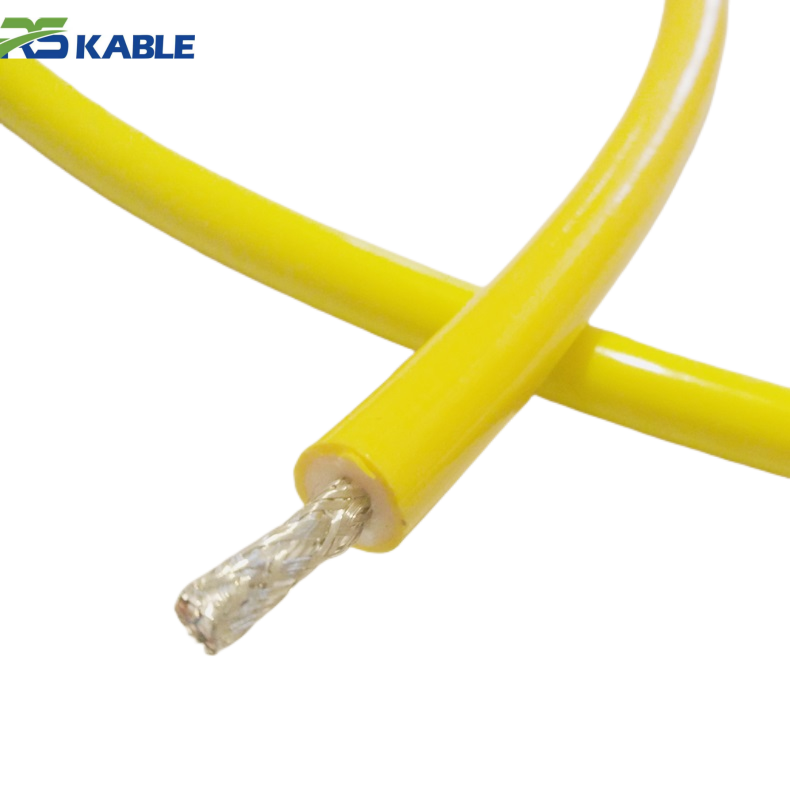
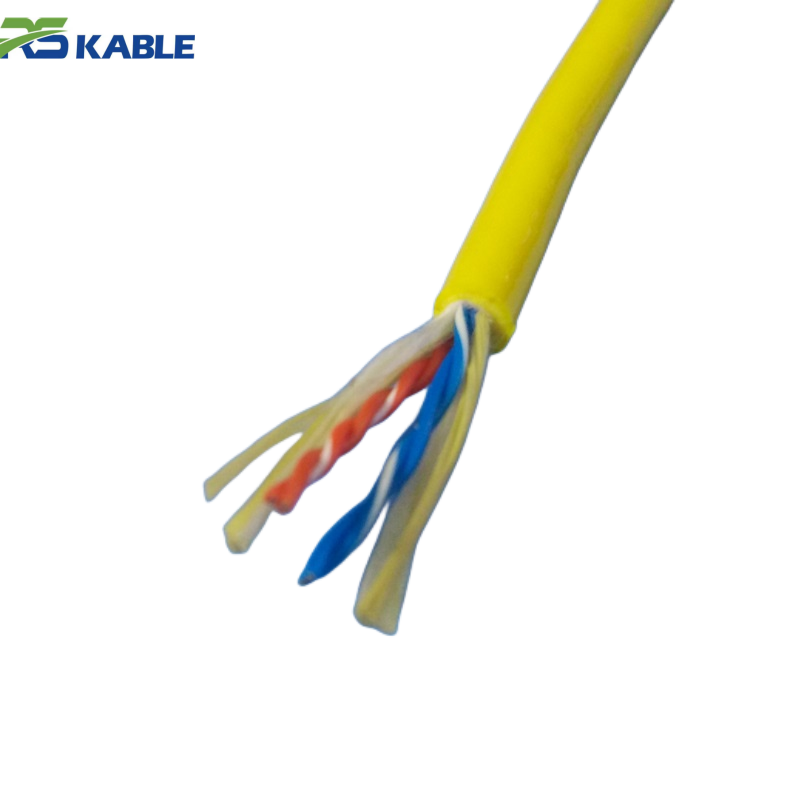
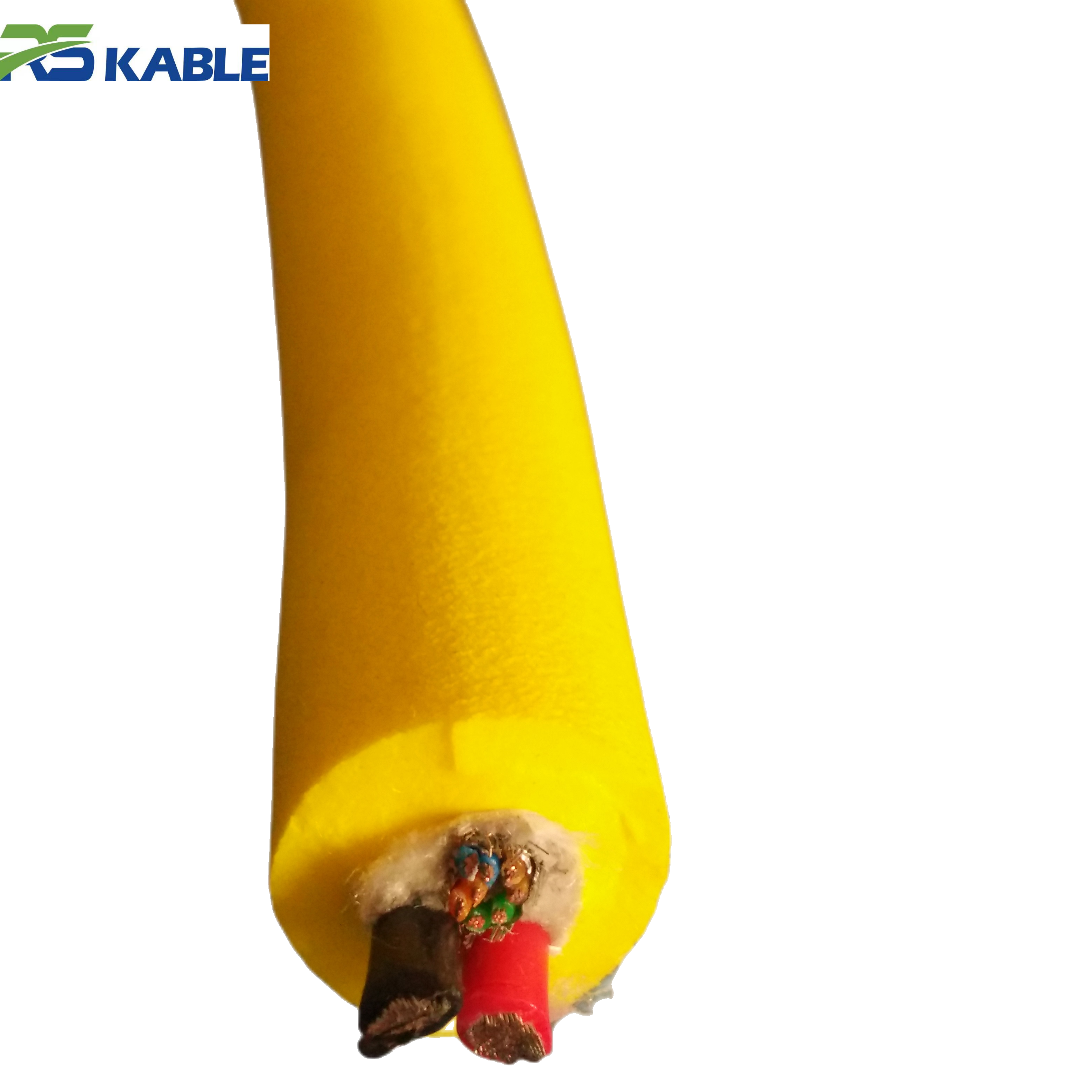
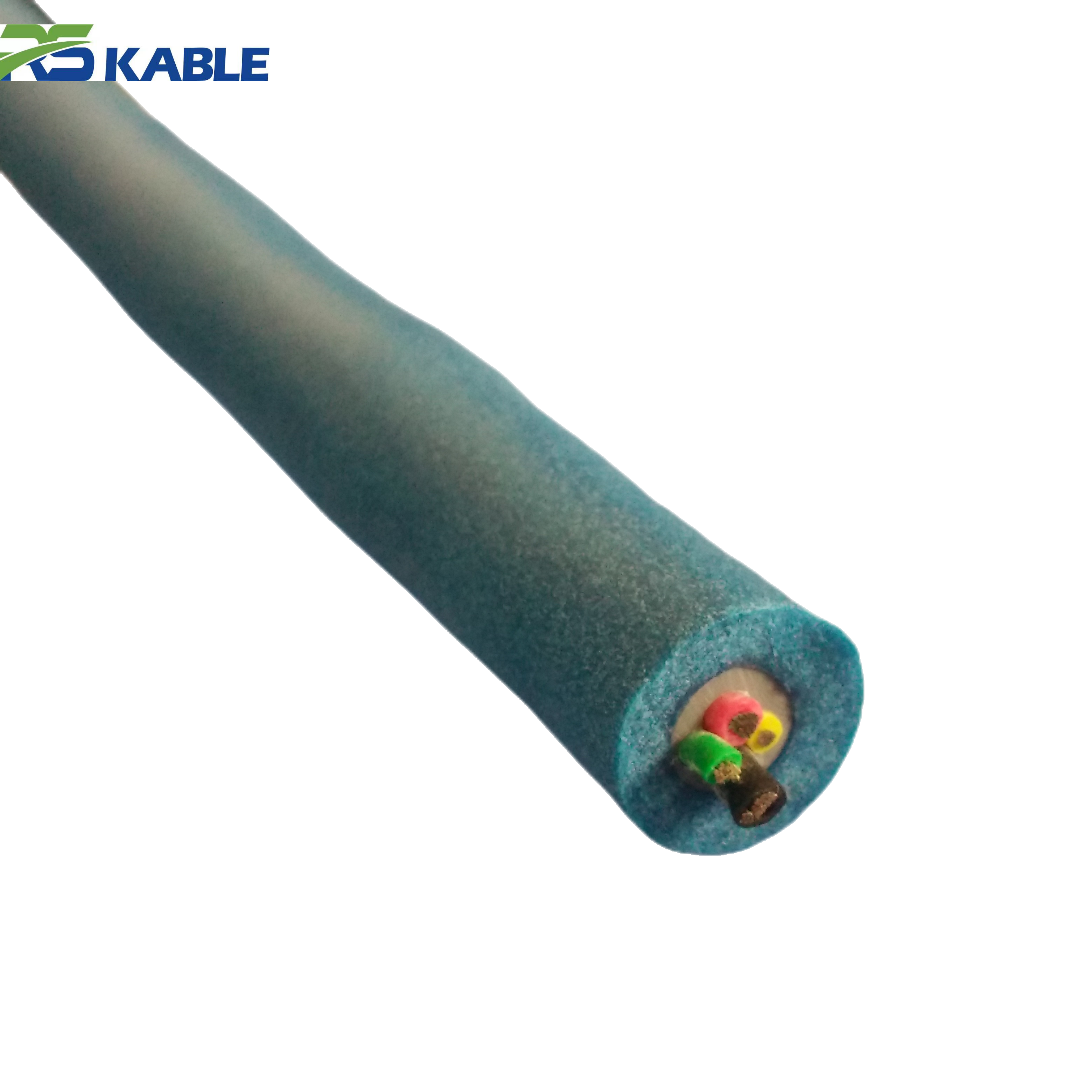
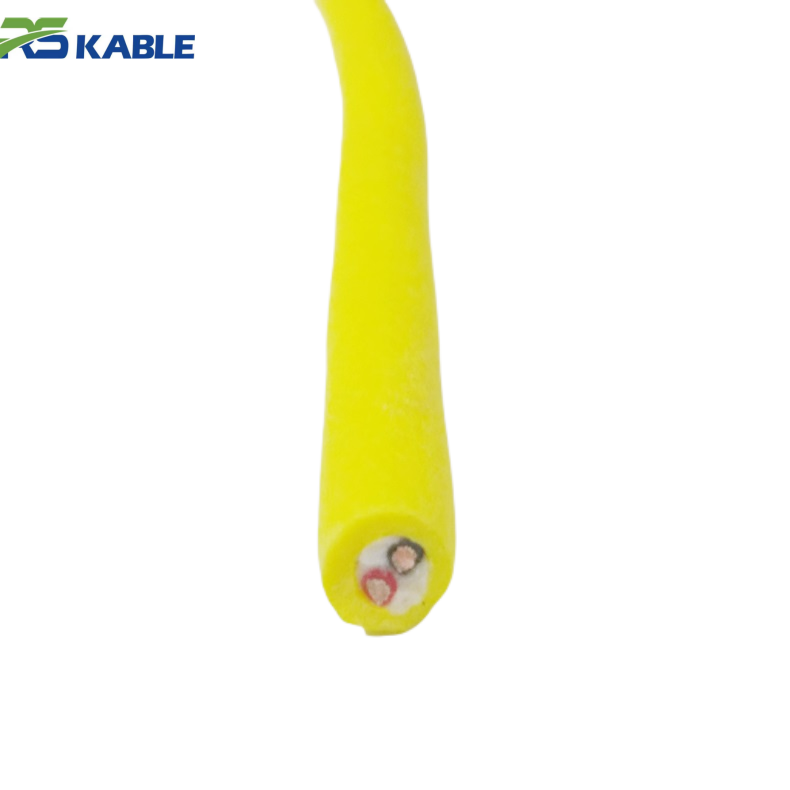
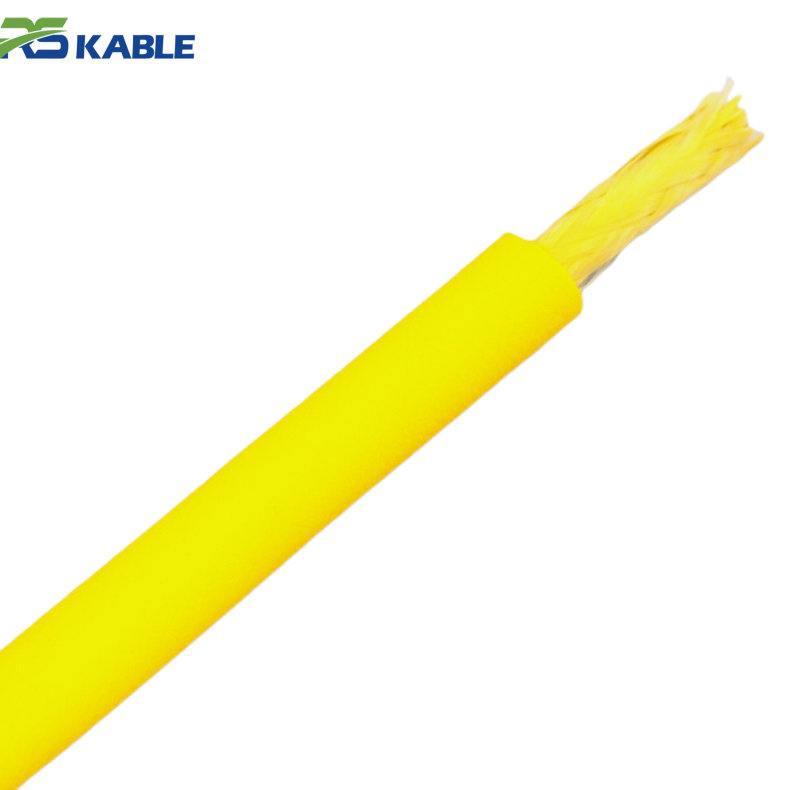
Underwater Welding & Repair ROV Cable – High Current Capacity, Abrasion‑Resistant Outer Layer
This ROV cable is designed for **underwater welding and repair operations**, engineered with **high current carrying capability**, **neutral buoyancy**, and an **abrasion‑resistant outer jacket** to deliver durable performance and dependable power delivery even in challenging subsea conditions. :contentReference
What is Neutral Buoyancy in ROV Cables?
Neutral buoyancy in ROV cables refers to the property of a cable that allows it to neither float to the surface nor sink in water. Achieving neutral buoyancy ensures that the cable does not hinder the ROV’s movement or add unnecessary drag during operations. For tasks that require precision, such as subsea inspections or marine research, this is essential, as any resistance from the cable can impact the accuracy and efficiency of the ROV.
A neutral buoyancy ROV cable helps maintain the stability of the ROV by preventing the cable from pulling the vehicle in one direction, thereby allowing it to remain steady and control its position in the water.
Key Factors to Consider When Choosing a Neutral Buoyancy ROV Cable
1. Buoyancy Control and Cable Composition
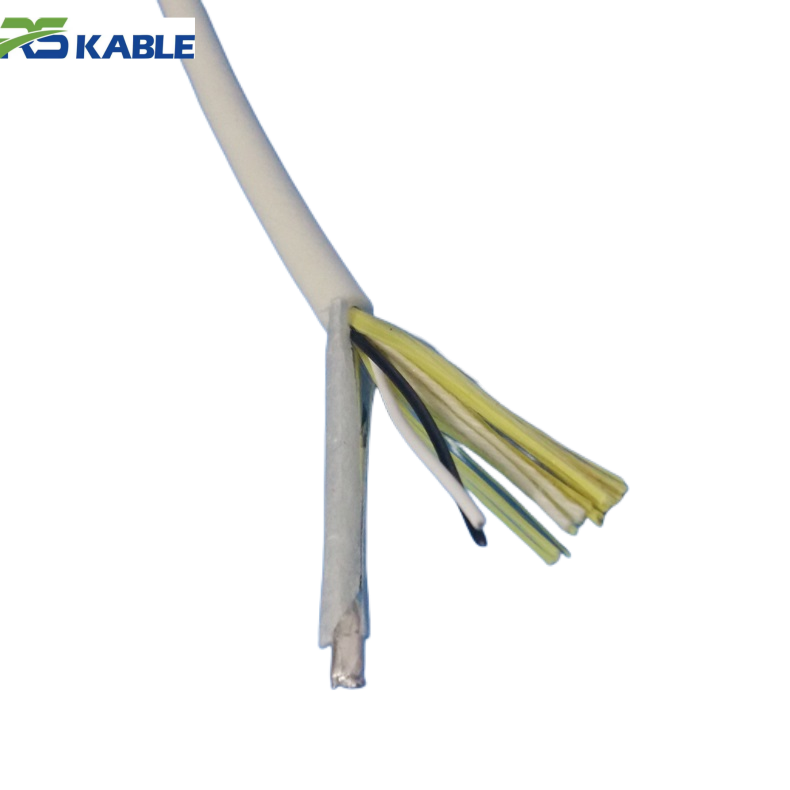
The most important feature of a neutral buoyancy ROV cable is its ability to stay level in the water. This is achieved by carefully selecting materials that balance the density of the cable with that of seawater.
-
Cable Materials: High-quality synthetic elastomers and polyethylene are often used to create ROV cables with neutral buoyancy, as these materials are designed to match the density of seawater.
-
Cable Weight: The weight of the cable is a crucial consideration. A cable that is too light may float to the surface, while one that is too heavy may sink and cause unwanted drag. Choosing the right weight-to-buoyancy ratio ensures that the cable stays stable without pulling the ROV off course.
2. Durability and Resistance to Marine Conditions
Underwater cables are often exposed to extreme conditions, including high-pressure environments, abrasion from rough sea beds, and exposure to saltwater and chemicals. Neutral buoyancy ROV cables must be built to withstand these harsh conditions while maintaining reliable functionality.
-
Polyurethane Sheath: The polyurethane sheath is commonly used to protect the cable from damage caused by abrasion, saltwater corrosion, and chemical exposure. This material ensures that the cable remains flexible and resistant to wear and tear over extended periods of use.
-
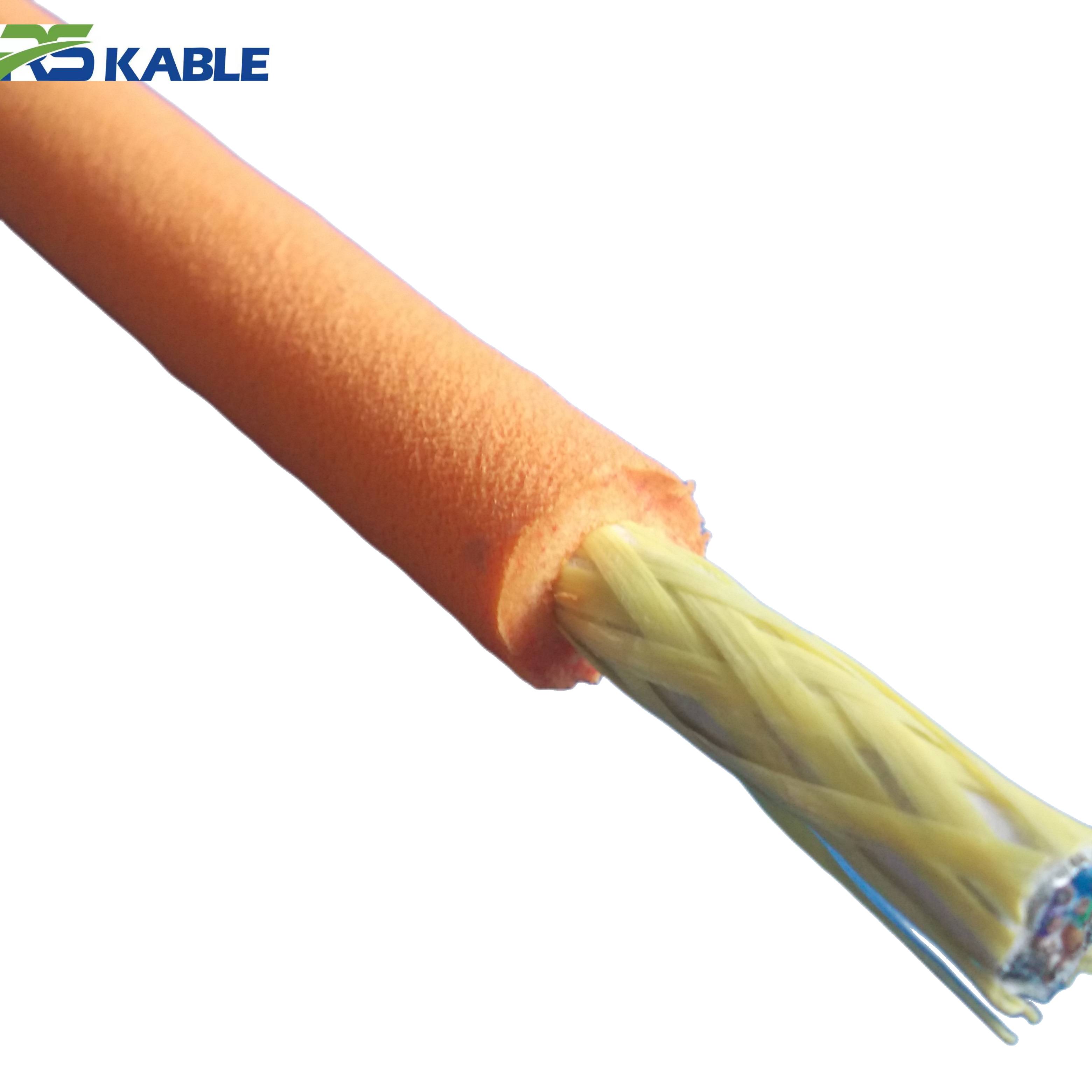
Armor Layers: Many ROV cables are constructed with double armor, which involves adding steel wires or aramid fibers for additional protection against physical damage, such as crushing or cutting.
3. Data Transmission and Signal Integrity
For precision underwater inspections, real-time video feeds, sensor data, and communication signals must be transmitted seamlessly between the ROV and the surface. A neutral buoyancy ROV cable must facilitate reliable data transmission without signal degradation.
-
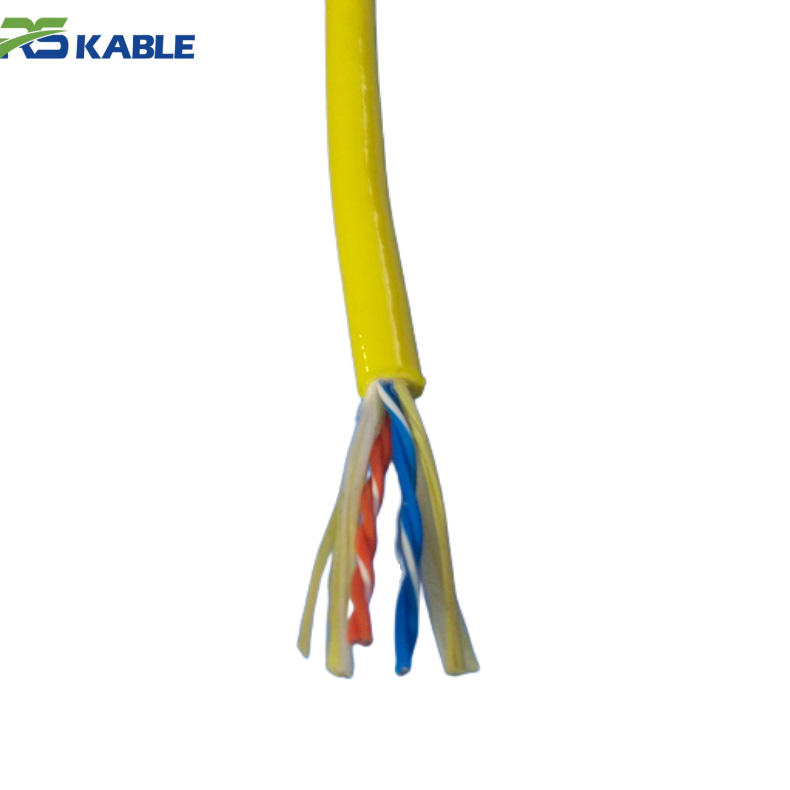
Fiber Optic Technology: Fiber optic cables are often used in neutral buoyancy ROV cables due to their ability to transmit high-bandwidth data over long distances without loss of signal quality. This is especially important for high-resolution video feeds and telemetry data.
-
Low Latency: The cable must ensure low latency for real-time applications such as live video streaming and sensor monitoring, ensuring smooth operations and immediate response to underwater changes.
4. Flexibility for Maneuverability
A neutral buoyancy cable needs to be flexible enough to allow for the ROV’s movement in tight spaces, around obstacles, or through narrow channels. Flexibility ensures that the cable doesn’t restrict the ROV’s ability to perform delicate tasks, such as subsea repairs, inspections, or cable laying.
-
Cable Flexibility: The materials used for the cable’s construction should allow for ease of maneuvering without causing wear or stiffness. This is especially important when the ROV is navigating narrow underwater pathways or subsea structures.
5. Cable Length and Deployment
When choosing a neutral buoyancy ROV cable, consider the required cable length for the operation. For deep-sea operations, the cable must be able to reach the desired depth while providing stable power and communication.
-
Cable Spool and Reels: The cable should be easily deployable and retractable with a suitable cable reel or spool. This ensures efficient handling during subsea tasks, with minimal effort needed for cable management.
-
Cable Management: The length and flexibility of the cable must align with the depth of operation and allow for smooth deployment without tangling or excessive slack.
Benefits of Neutral Buoyancy ROV Cables for Precision Underwater Inspections
1. Improved Stability and Control for the ROV
Neutral buoyancy ensures that the ROV remains stable and balanced, which is crucial for precision underwater inspections. Without the cable interfering with the ROV’s movement, the vehicle can focus on its task, whether it is inspecting pipelines, surveying subsea structures, or capturing high-definition video.
2. Enhanced Data Integrity and Signal Transmission
By using fiber optic technology in a neutral buoyancy cable, high-quality video and data can be transmitted over long distances without signal degradation. This ensures that the ROV can perform real-time inspections, capturing clear imagery and sensor data without interruptions.
3. Durability in Harsh Marine Environments
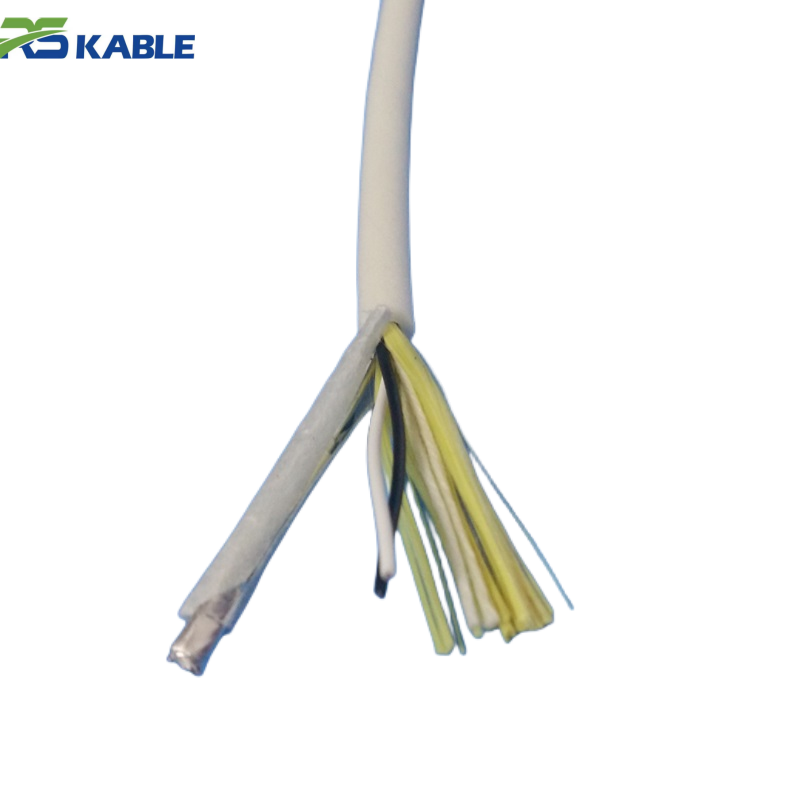
The combination of polyurethane sheaths and double armor ensures that the neutral buoyancy ROV cable can withstand the rigors of deep-sea operations, with resistance to abrasion, pressure, and chemical damage. This durability ensures that the cable remains operational throughout the mission, reducing the need for frequent replacements.
4. Longer Operational Life and Cost-Effectiveness
The neutral buoyancy ROV cable is designed to last longer and require less maintenance compared to traditional cables. This cost-effectiveness helps reduce downtime during subsea operations and minimizes the need for costly cable replacements.
Real-World Applications of Neutral Buoyancy ROV Cables
1. Offshore Oil and Gas Inspections
In the offshore oil and gas industry, ROVs are used to inspect subsea pipelines, check the condition of rigs, and conduct maintenance tasks. The neutral buoyancy cable ensures that the ROV remains steady, even during deep-sea inspections, while providing the necessary power and data transmission for real-time monitoring.
2. Marine Research and Environmental Studies
Marine researchers use ROVs for underwater surveys, studying marine ecosystems, and collecting environmental data. Neutral buoyancy ROV cables ensure that the cable doesn’t interfere with the ROV’s movement, allowing for precise data collection and real-time video footage for research purposes.
3. Underwater Construction and Cable Laying
In underwater construction projects, ROVs equipped with neutral buoyancy cables are used for tasks like laying subsea cables and building underwater platforms. The neutral buoyancy ensures that the cable doesn’t drag or affect the ROV’s ability to perform intricate construction tasks with precision.
FAQ
1. What is neutral buoyancy in an ROV cable?
Neutral buoyancy in an ROV cable ensures that the cable remains level underwater, neither sinking nor floating, which prevents drag and maintains the ROV’s stability.
2. Why is neutral buoyancy important for precision underwater inspections?
Neutral buoyancy ensures the ROV remains steady and does not get pulled in one direction by the cable, allowing for precise movement and stable operation during inspections.
3. Can neutral buoyancy ROV cables transmit real-time video?
Yes, fiber optic neutral buoyancy ROV cables transmit high-definition video and sensor data in real-time, ensuring smooth operations during inspections.
4. How do I choose the best neutral buoyancy ROV cable?
When choosing a neutral buoyancy ROV cable, consider the cable’s buoyancy control, flexibility, data transmission rate, and durability to match the needs of your operation.