

How Neutral Buoyancy Cables Prevent Cable Entanglement in ROV Operations
Cable entanglement is one of the most disruptive “small failures” in ROV work. It usually begins quietly: a little slack behind the vehicle, a turn near a structure, a brief touch on the seabed, or a current shift that moves the tether into a snag zone. Then the cable crosses itself, wraps around a feature, or catches on debris. Pilot workload spikes, station-keeping becomes unstable, and the mission turns into a recovery exercise.
What many teams learn after a few difficult jobs is this: entanglement is not only a piloting issue. It’s a tether-geometry issue. The tether’s in-water weight, catenary shape, response to current, and tendency to collapse into slack loops largely determine whether wrap risk stays low or climbs quickly.
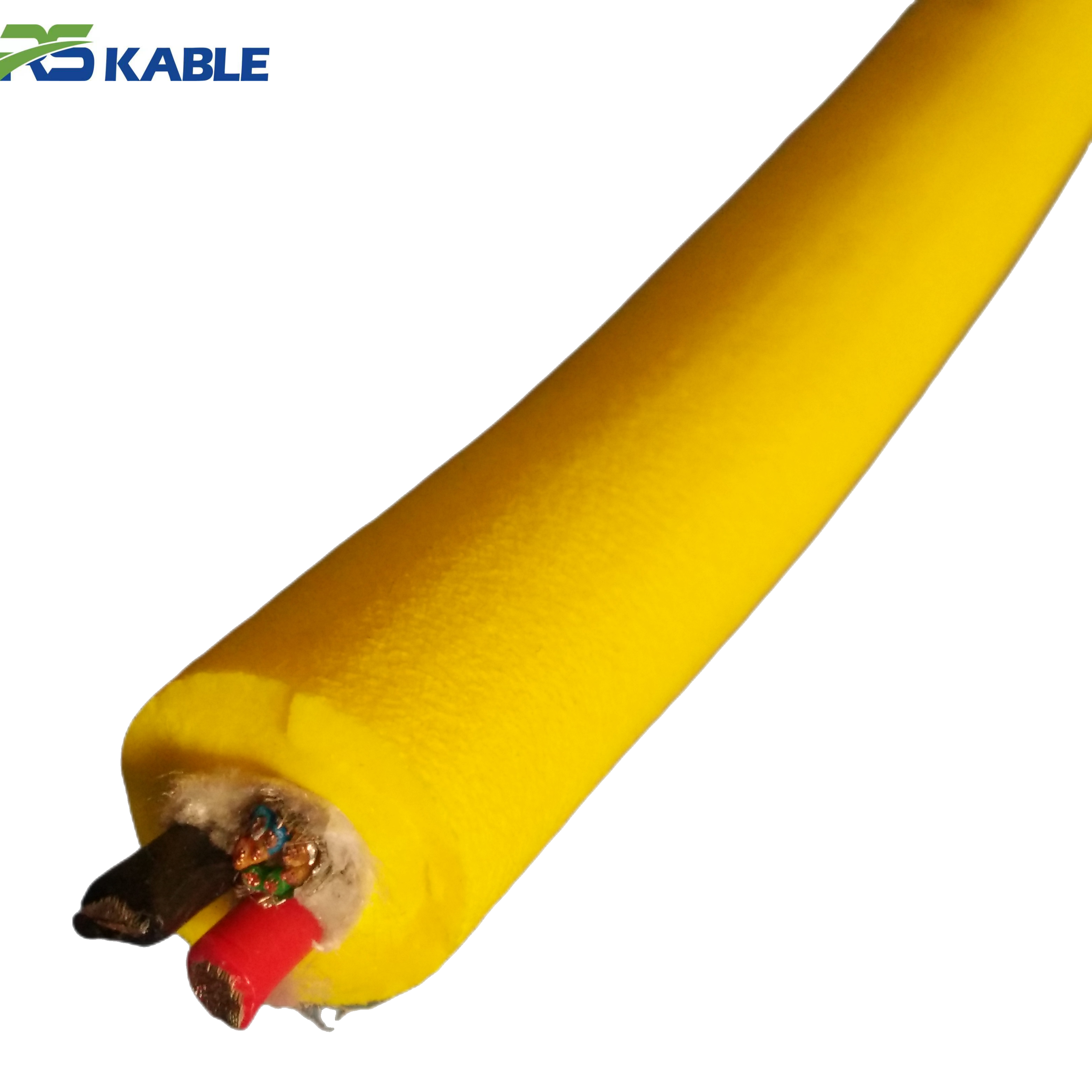
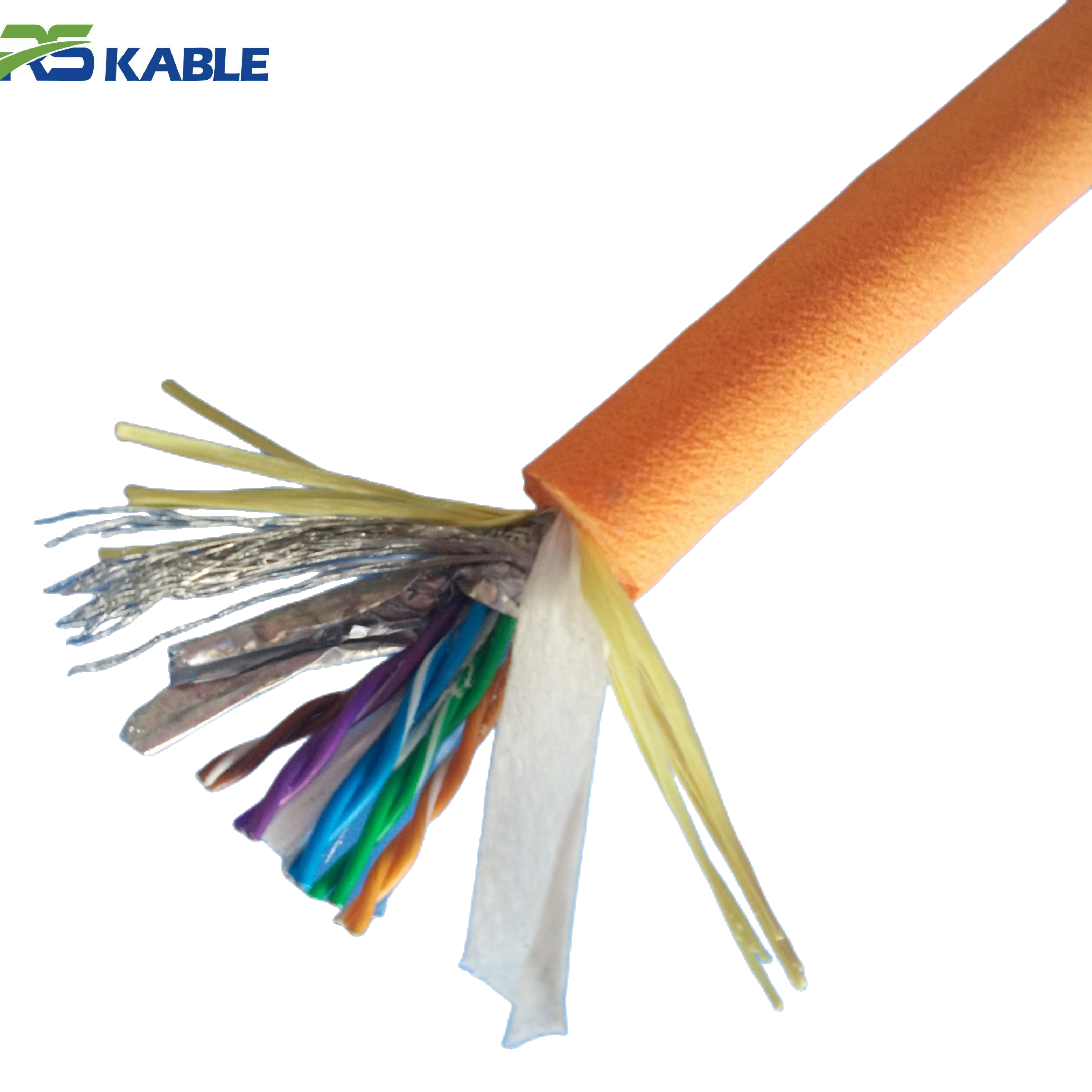
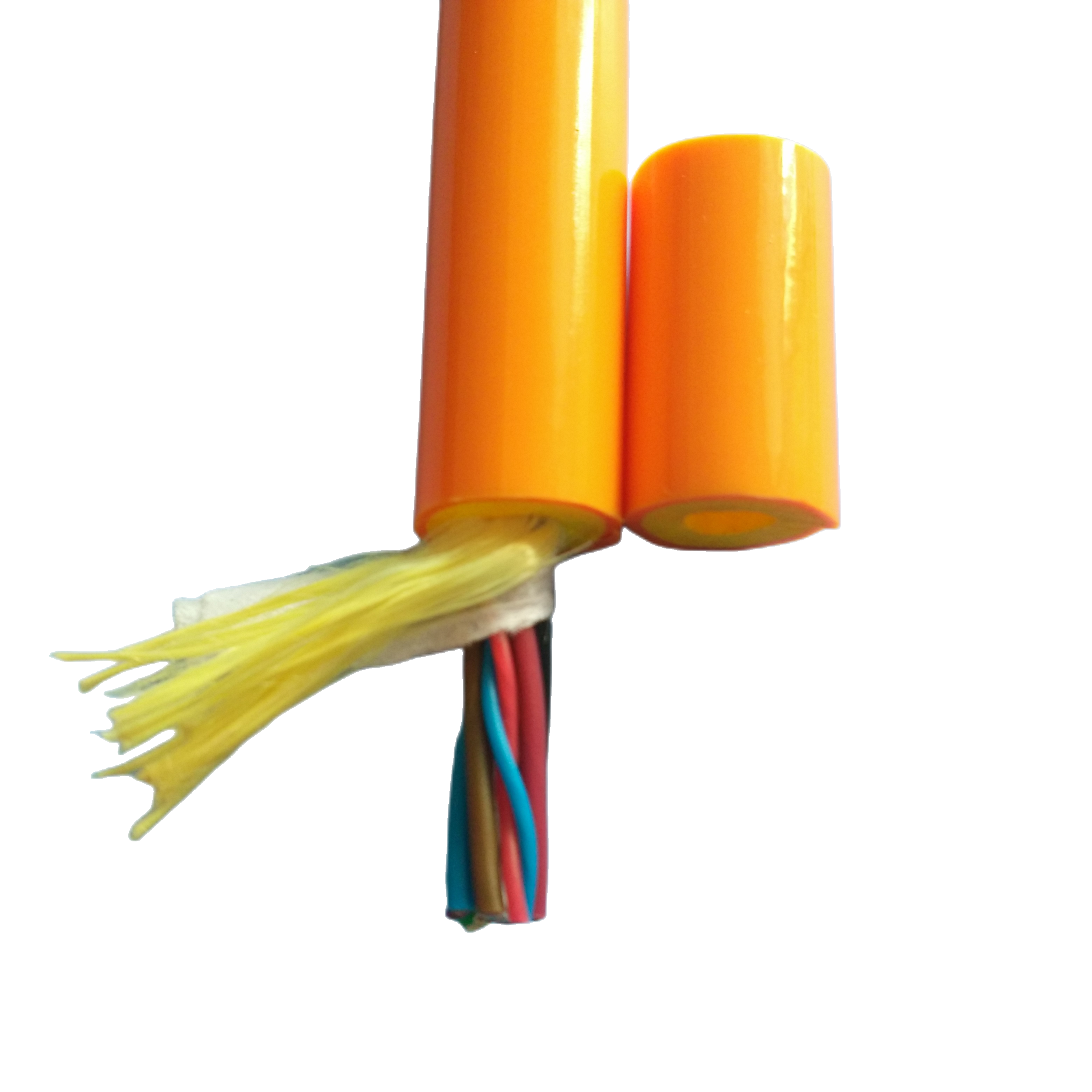
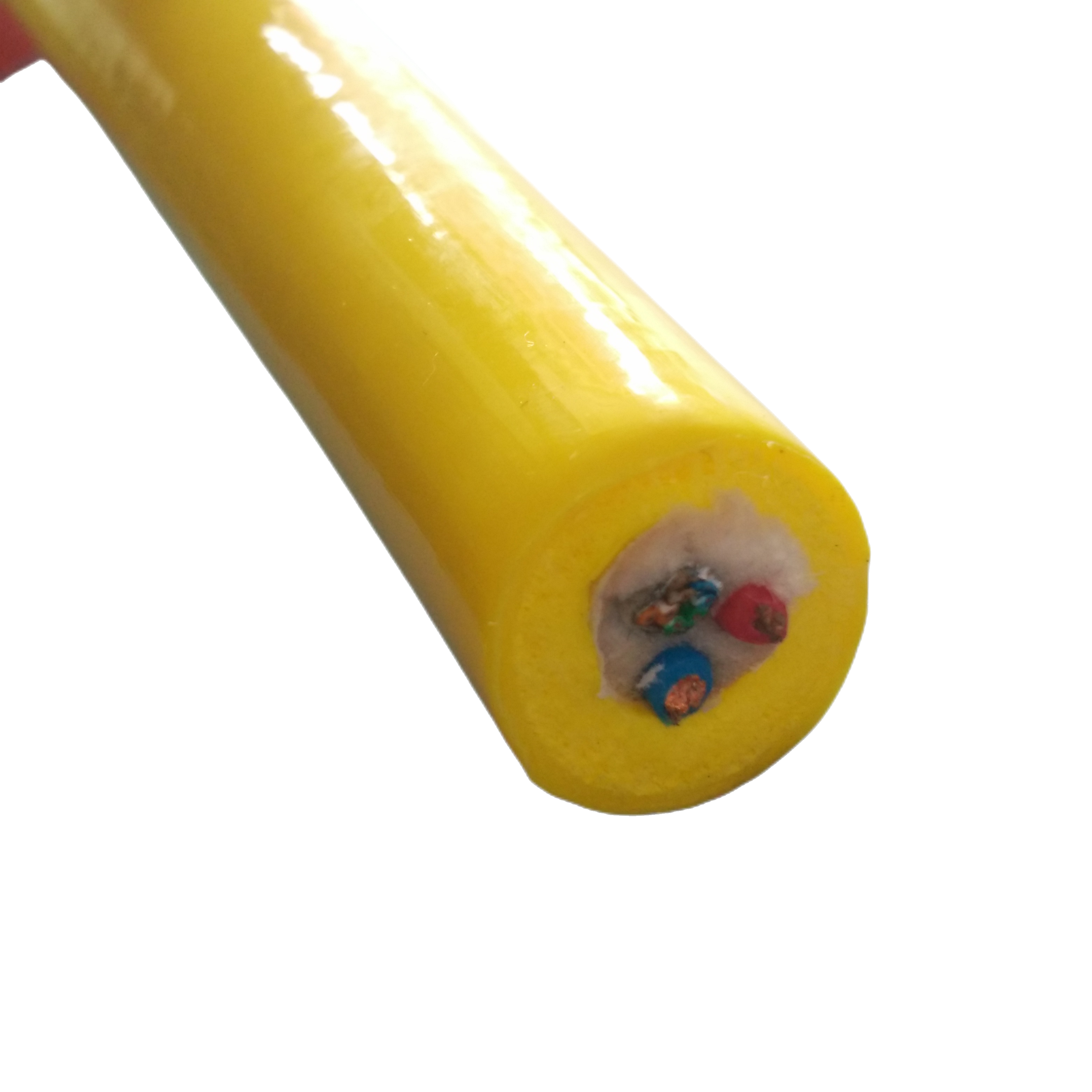
That’s where buoyancy strategy becomes a practical safety tool. A Neutral Buoyancy Cable is engineered so its effective weight in water is close to zero. When selected correctly, it helps the tether stay in a more controlled arc, reduces seabed drag events, and lowers the probability that slack becomes a bottom loop that snags. This article explains the mechanics behind that improvement, then adds practical tools: a decision matrix, “high-risk moves” pilots should watch for, field warning signs, and an acceptance checklist before deployment.
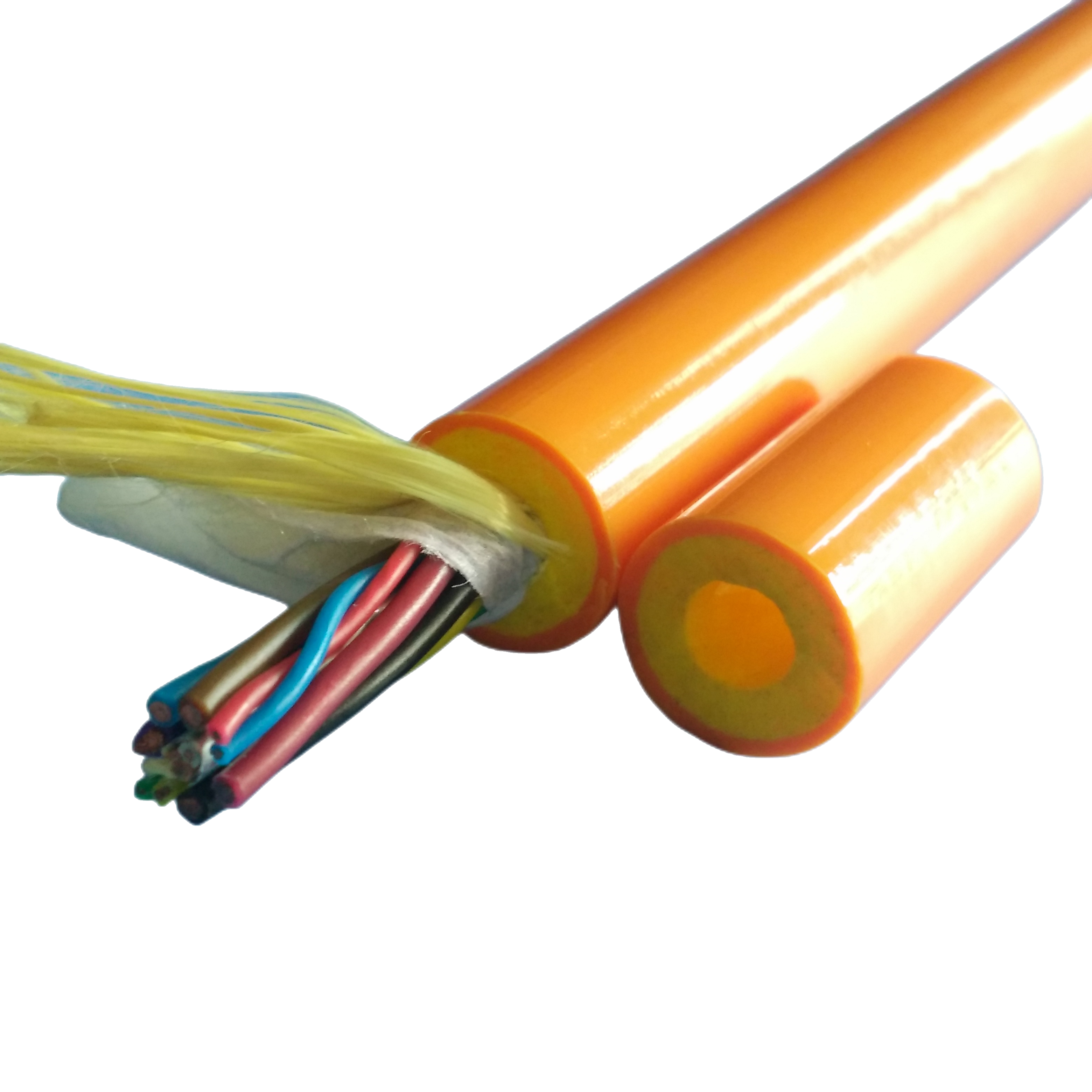
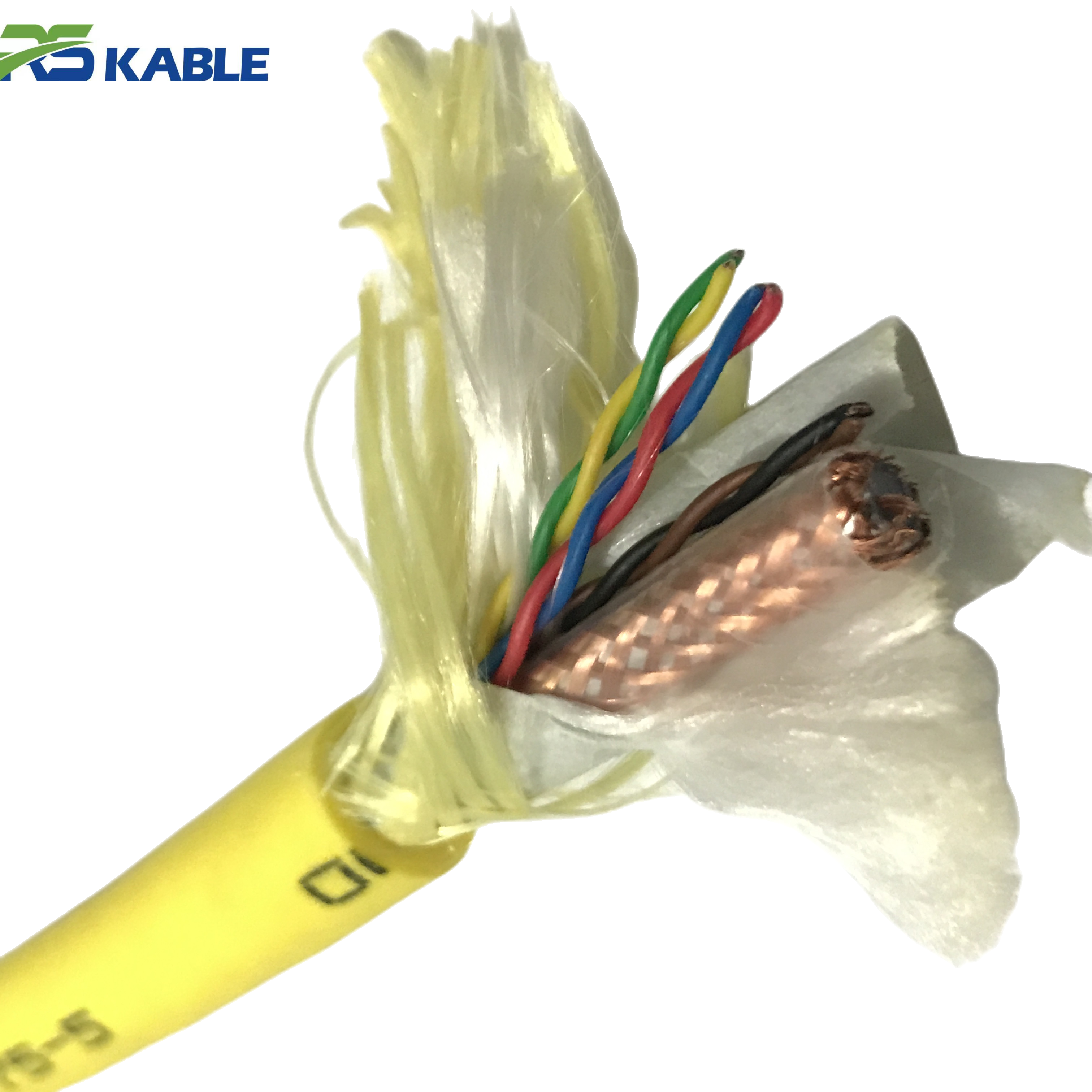
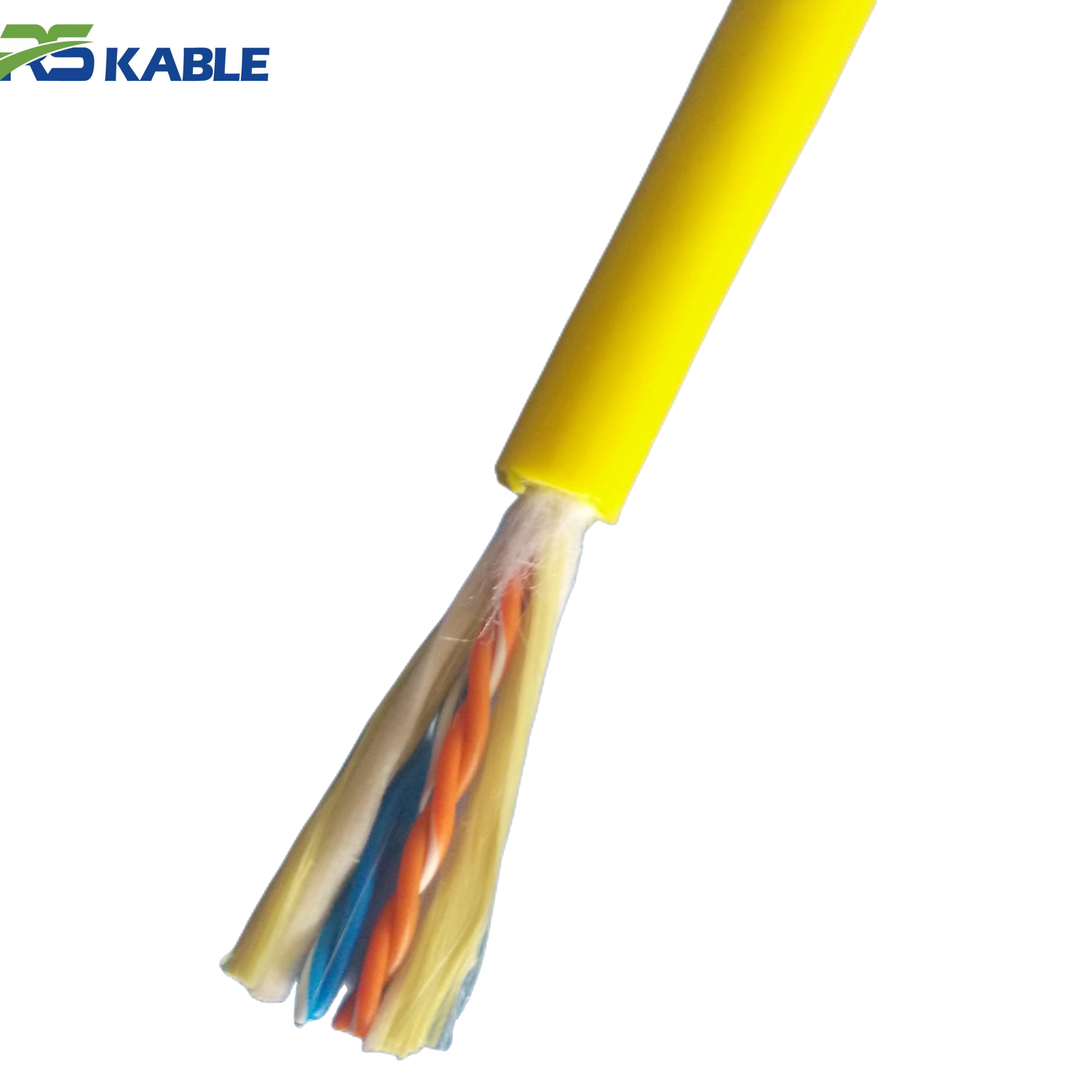
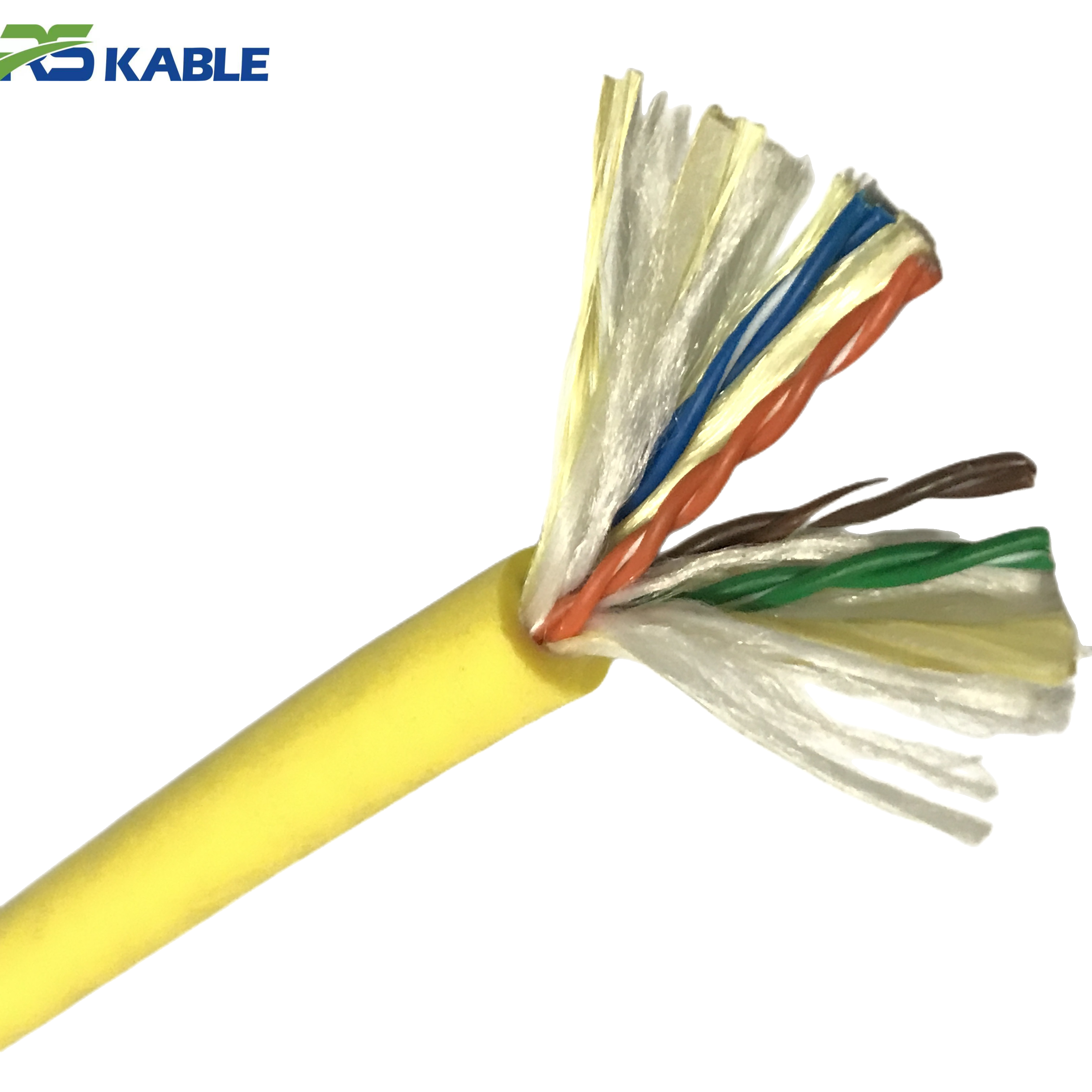
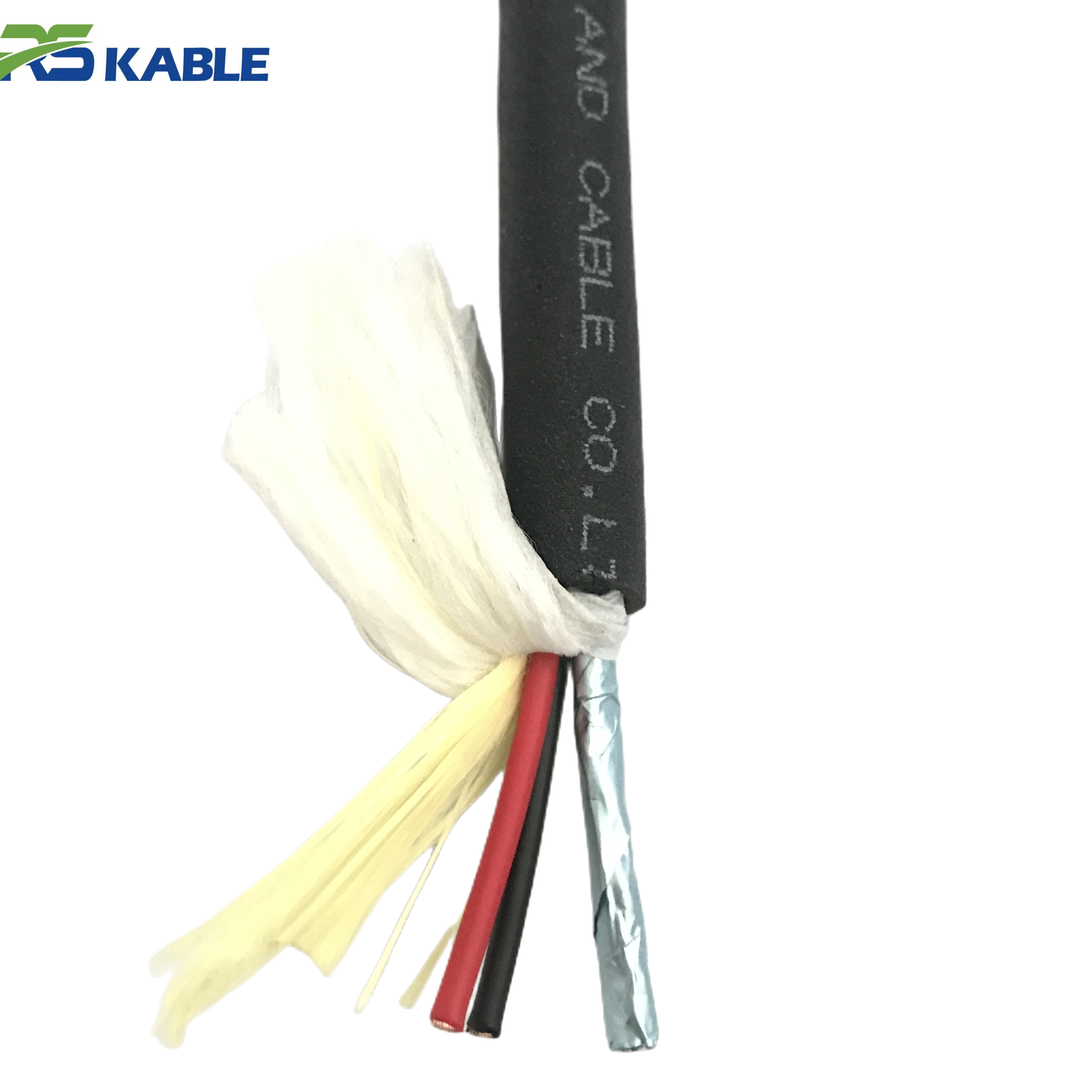
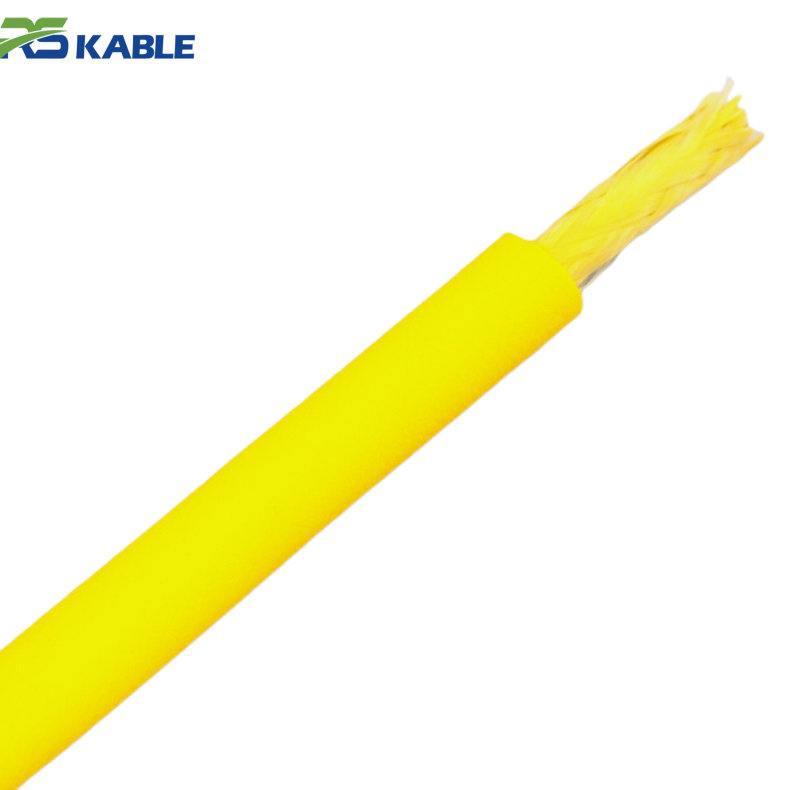
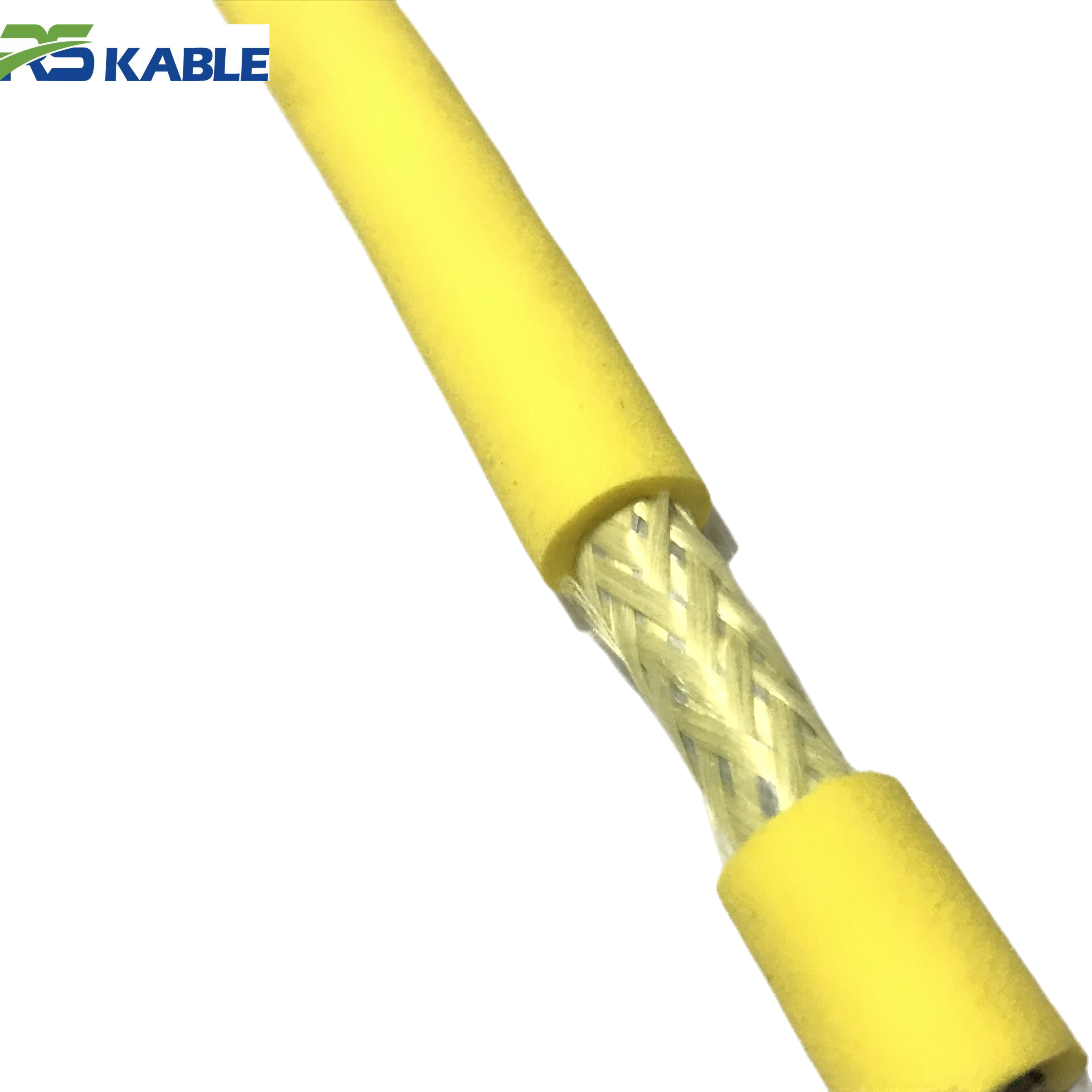
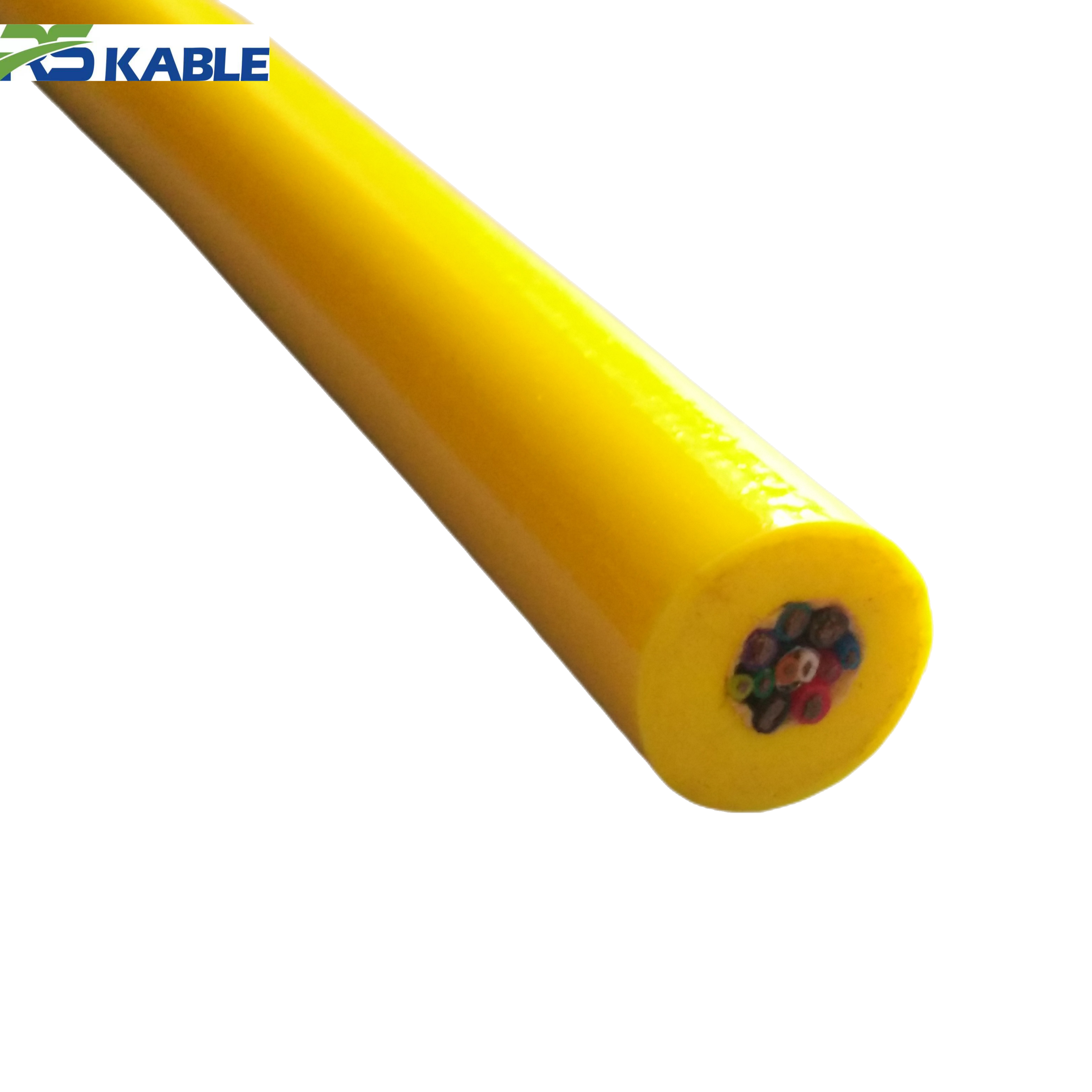
AUV & UUV Applications Neutral Buoyancy Cable | Lightweight Jacket & Low Drag Design
Engineered for high-performance **AUVs and UUVs**, this **neutral buoyancy cable** features a **low-drag profile** and a **specialized lightweight jacket**. It ensures precision buoyancy control and minimal underwater resistance, allowing autonomous vehicles to maintain longer missions and superior maneuverability in complex marine environments.
The Three Root Causes of Tether Entanglement
Most entanglement incidents are a combination of three conditions. If you reduce any one of them, risk drops. If all three show up at once, risk spikes.
1) Slack that forms uncontrolled loops
Slack is not harmless “extra cable.” Slack is stored geometry. When the vehicle turns, backs up, or changes depth, slack can cross itself or fall into the environment.
2) Contact with seabed, structures, or debris
Every contact point is a potential snag point. Dragging increases friction, and friction turns a “touch” into a “hold.” Once the tether is held, the vehicle’s motion can wrap it around the holding point.
3) Current-driven sweep that expands the hazard zone
Current pushes the tether sideways into a sweeping arc. If that arc is low and wide, it reaches into more obstacles. If it becomes unstable, it can loop and cross itself.
Entanglement most often happens when slack + contact + sweep occur together.
Why Neutral Buoyancy Reduces Entanglement Risk (The Physics)
A Neutral Buoyancy Cable reduces effective in-water weight. That matters because weight controls how slack behaves and where the catenary sits.
When the tether is strongly negative buoyant:
-
slack tends to collapse downward
-
bottom loops form easily
-
bottom loops drag, snag, and pivot around obstacles during turns
When the tether is near-neutral buoyant:
-
slack is less likely to “drop” into bottom loops
-
the catenary tends to stay more controlled
-
seabed contact events reduce, especially in shallow inspection work
-
the tether’s sweep zone often becomes more predictable
Neutral buoyancy doesn’t remove the need for tether discipline—but it changes the geometry so mistakes are less likely to turn into entanglement.
The Two Entanglement Mechanisms That Matter Most
Mechanism 1: The “bottom-loop snag”
This is the classic entanglement path in inspection work.
Sequence
-
slack is paid out during a maneuver
-
slack drops to the seabed and forms a loop
-
the loop catches on a rock, debris, or structural edge
-
the ROV turns or ascends and the tether pivots around the snag point
-
wrap occurs
Why neutral buoyancy helps
A Neutral Buoyancy Cable reduces how aggressively slack collapses to the seabed. Fewer bottom loops means fewer snag opportunities.
Mechanism 2: The “current sweep wrap”
This is common near structures and in lateral current.
Sequence
-
current pushes the tether into a wide arc
-
the arc sweeps into a structure, frame, or hanging line
-
a turn causes the tether to cross and tighten
-
wrap develops around the feature
Why neutral buoyancy helps
Neutral buoyancy usually reduces deep sag and makes the sweep zone more stable. The tether is less likely to sit low where it can hook into hazards.
Decision Matrix: When Neutral Buoyancy Is the Best Anti-Entanglement Choice
Use this as a fast filter before selecting a tether.
Environment: structure-dense or debris-heavy (pipelines, frames, rigs, wrecks)
-
Best choice: near-neutral buoyancy is usually favored
-
Why: reduces bottom loops and snag contact frequency
Environment: shallow water with waves + variable current
-
Best choice: near-neutral or slightly negative depending on surface influence
-
Why: too-positive can loop upward; too-negative drags. Near-neutral is often the most controlled compromise.
Environment: strong current where tether sweep is unavoidable
-
Best choice: near-neutral with controlled diameter/drag
-
Why: buoyancy helps geometry, but diameter controls sweep load; both must work together.
Environment: open water inspection with low snag risk
-
Best choice: neutral buoyancy is beneficial but not always required
-
Why: entanglement probability is lower, so other specs (power/data) may dominate.
Fixed seabed routing or static deployments
-
Best choice: traditional negatively buoyant cable often fits better
-
Why: the cable is meant to stay down, not move near hazards.
High-Risk Pilot Moves That Commonly Create Entanglement
This “experience layer” is what many crews learn only after difficult jobs.
Move 1: Tight turning while slack is present
Slack plus turning often causes the tether to cross itself behind the vehicle.
Move 2: Backing up near a structure without checking the tether arc
Reverse motion pulls slack forward into the hazard zone, especially if the tether is dragging.
Move 3: Ascending quickly while the tether is snagged or dragging
If the tether is held at a point, ascent tightens the wrap.
Move 4: Changing heading repeatedly in strong current
Heading changes shift the sweep zone, sometimes pushing the tether around corners of structures.
Move 5: Paying out “just in case” slack during close-in work
Excess slack increases loop formation. In entanglement prevention, slack management is often more important than adding length.
A neutrally buoyant tether makes these moves more forgiving, but the moves remain high risk in structure-heavy environments.
Field Warning Signs: “Entanglement Is Coming”
Watch for these signs before the tether wraps:
-
loops visible behind the ROV during turns
-
tether “sticking” or hesitating during heading changes (often indicates friction contact)
-
sudden micro-changes in tension when turning near structures
-
repeated seabed contact marks or scuffing on the tether
-
the tether crossing itself in camera view
-
pilot needs to re-position repeatedly to free the tether
If your operations see these patterns often, a buoyancy strategy change—such as moving toward a Neutral Buoyancy Cable—is usually worth evaluating.
Practical Setup Checklist: Cable + Procedure (Best Results Require Both)
Cable design checklist
-
select a Neutral Buoyancy Cable for structure-heavy inspection where drag and snag risk are high
-
confirm buoyancy consistency along length (avoid “heavy sections”)
-
control diameter to reduce current sweep
-
choose abrasion-resistant jacket for occasional contact zones
-
confirm fatigue suitability near terminations and bend zones
-
ensure robust termination and strain relief design
Operational checklist
-
avoid unnecessary slack near structures
-
match pay-out to distance from the ROV (not to “feel safe”)
-
keep the tether in a controlled arc—avoid bottom-loop collapse
-
re-position before tight turns or rapid depth changes
-
in strong current, plan approach angles to minimize sweep into hazards
-
if snag is suspected, stop aggressive maneuvers and recover carefully

Acceptance & Quick Verification Before Deployment
A pre-job check can prevent expensive surprises:
-
visually inspect for uniform diameter and jacket condition
-
verify buoyancy behavior is consistent along sections (no obvious sinking segments)
-
confirm termination strain relief is installed correctly
-
confirm minimum bend radius is respected in the handling plan
-
check connector compatibility and locking method
-
define a tether management plan for pay-out/recovery (who controls it, when adjustments happen)
Entanglement prevention improves dramatically when buoyancy, geometry, and procedure are treated as one system.
FAQ
Does neutral buoyancy guarantee no entanglement?
No. It reduces risk by improving tether geometry and reducing bottom-loop formation, but slack control and piloting practices remain essential.
Why does my tether wrap more often when I turn near structures?
Turns change tether geometry. If slack or seabed contact exists, the tether can pivot around a snag point and wrap during the turn.
How do I reduce entanglement risk in strong current?
Control diameter/drag, manage pay-out to avoid excess slack, approach structures with planned angles, and consider near-neutral buoyancy to stabilize the sweep zone.
Is a floating tether better than a neutral buoyancy tether for avoiding snags?
Not usually. Floating tethers can loop upward and become unpredictable near the surface. Neutral buoyancy aims for controlled geometry.
What should I ask suppliers before buying an anti-entanglement tether?
Ask about buoyancy tolerance and consistency, diameter/drag profile, abrasion-resistant jacket options, fatigue performance, and termination strain relief design.