

How Neutral Buoyancy Cables Improve Underwater Maneuverability
Underwater maneuverability isn’t decided by thrusters alone. In real ROV and subsea operations, the tether often determines how “light” or “heavy” the system feels. A vehicle can be perfectly tuned, yet still struggle with station-keeping if the tether is pulling down, sweeping sideways in current, or dragging on the seabed. That’s why buoyancy strategy is one of the highest-leverage upgrades available: it reduces unwanted forces at the source instead of forcing the pilot to fight them with power.
A Neutral Buoyancy Cable is engineered so its effective weight in water is close to zero—meaning it neither sinks aggressively nor floats aggressively. When deployed correctly, it stabilizes tether geometry, reduces vertical and lateral loads transmitted to the vehicle, and makes precise movement easier. This article explains the mechanics behind that improvement, then turns it into practical tools: a decision matrix, symptom→diagnosis→fix field cues, and an acceptance checklist you can use before purchasing.
The Force Problem Behind Poor Maneuverability
Every underwater system is balancing forces. Thrusters correct drift, but tether forces can quietly dominate:
-
Vertical load: tether pulling the ROV down (or lifting upward)
-
Lateral load: current-driven sweep that pulls the ROV sideways
-
Drag load: resistance that increases pilot workload and power draw
When these tether loads are large, the ROV spends more energy fighting the cable than performing the task. That reduces control precision, tool stability, and mission efficiency.
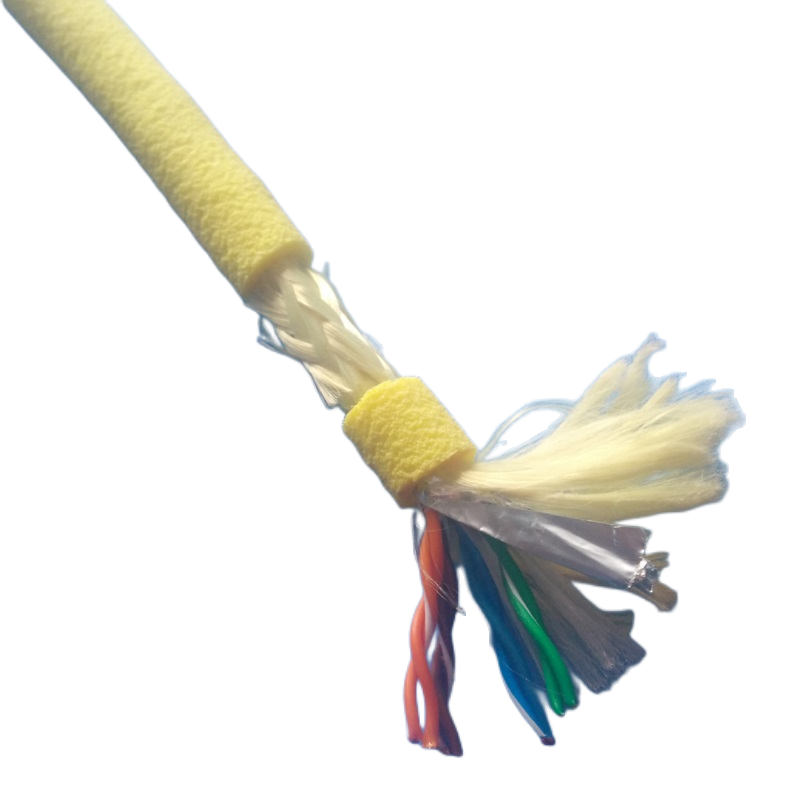
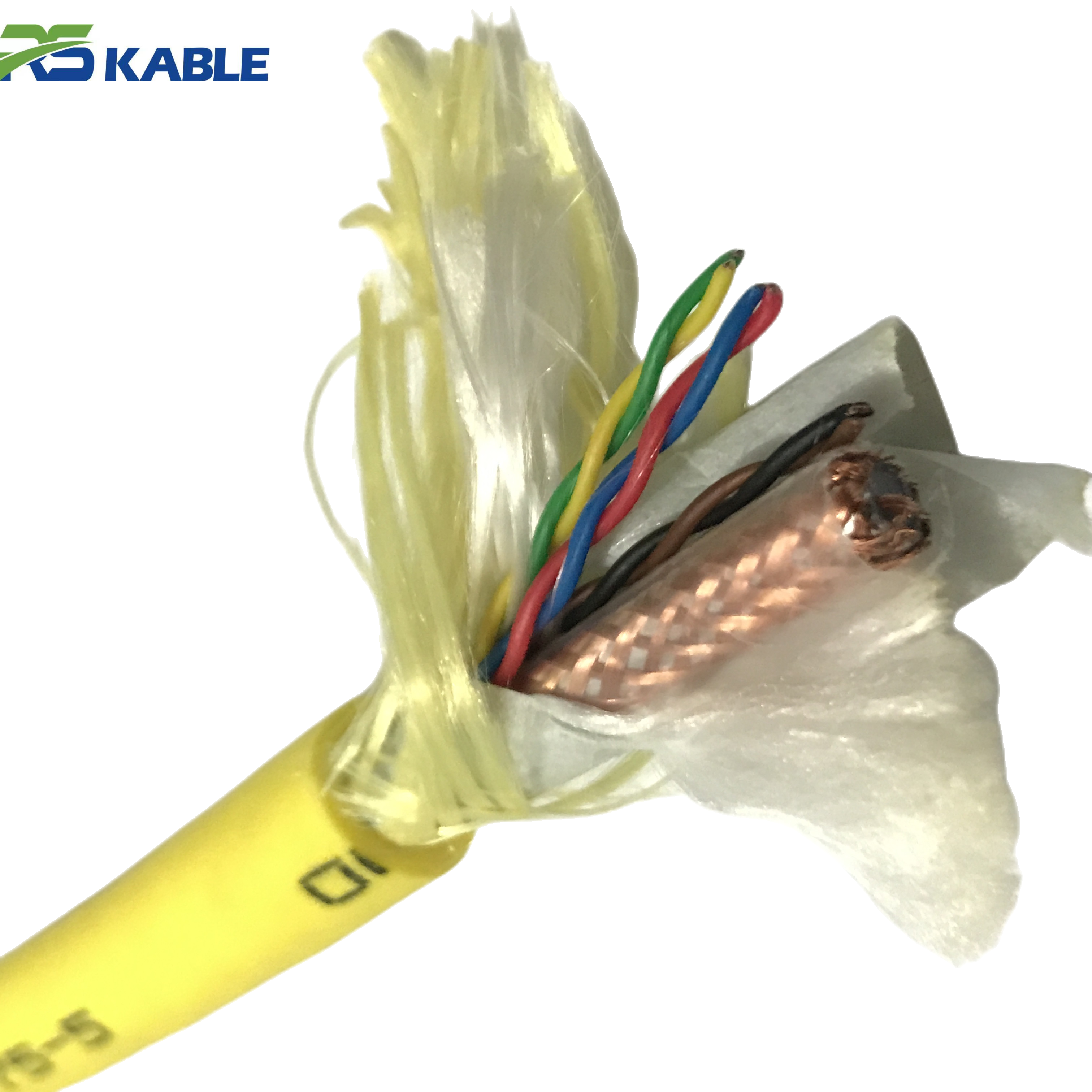
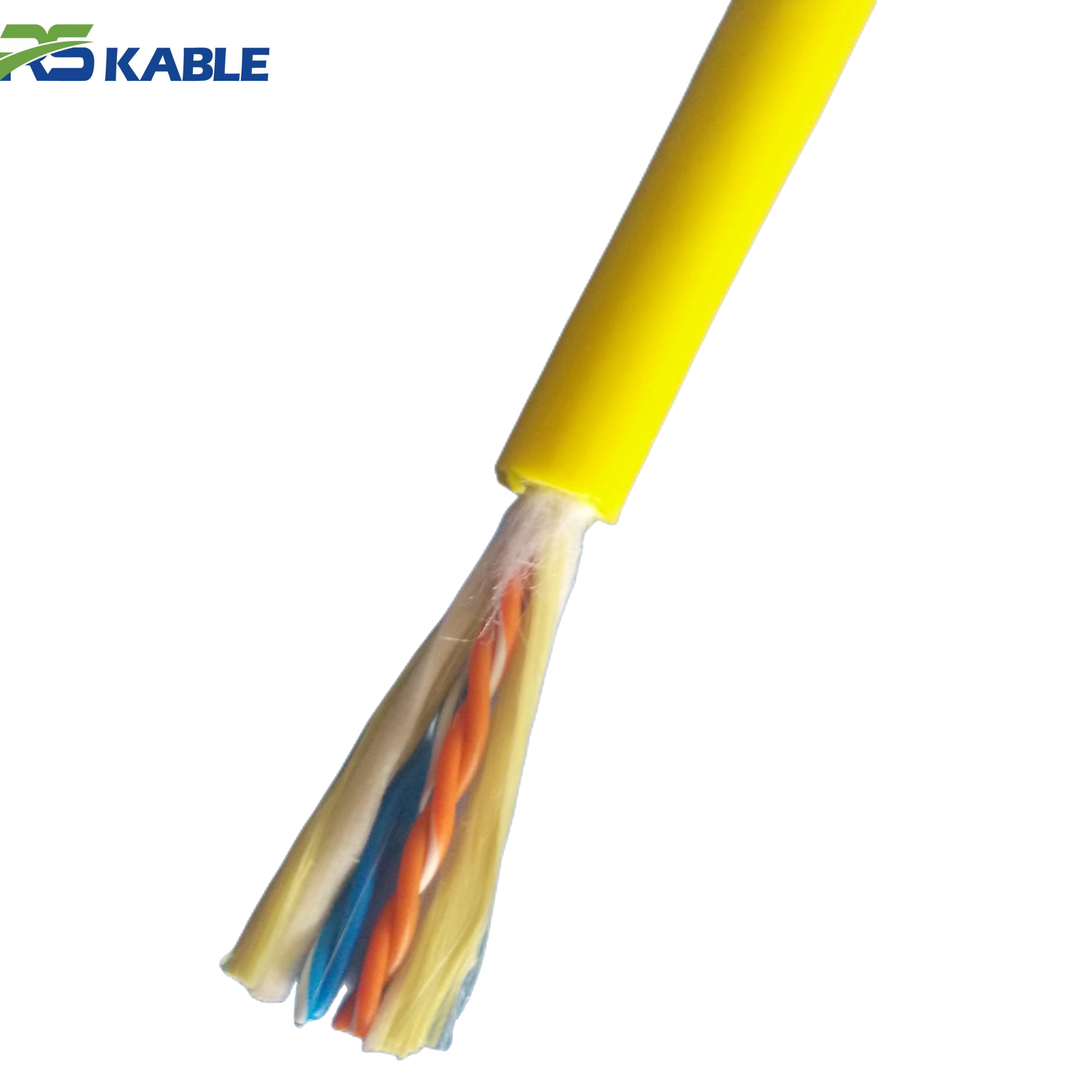
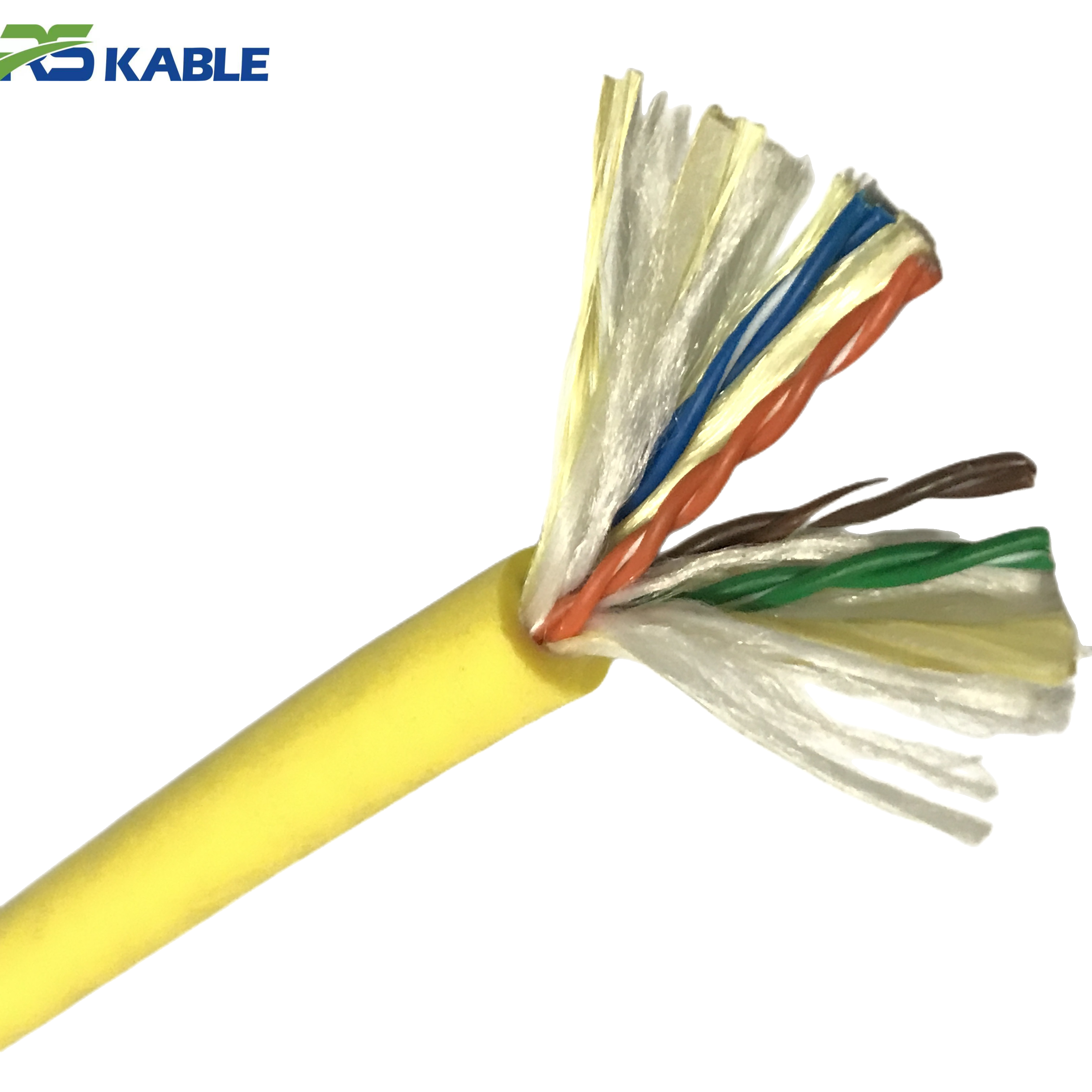
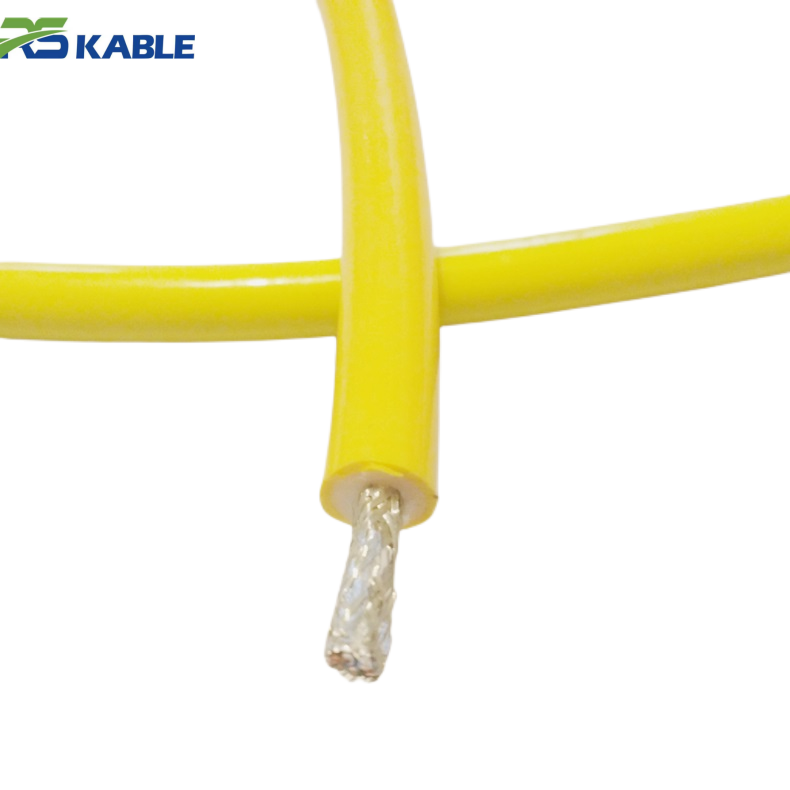
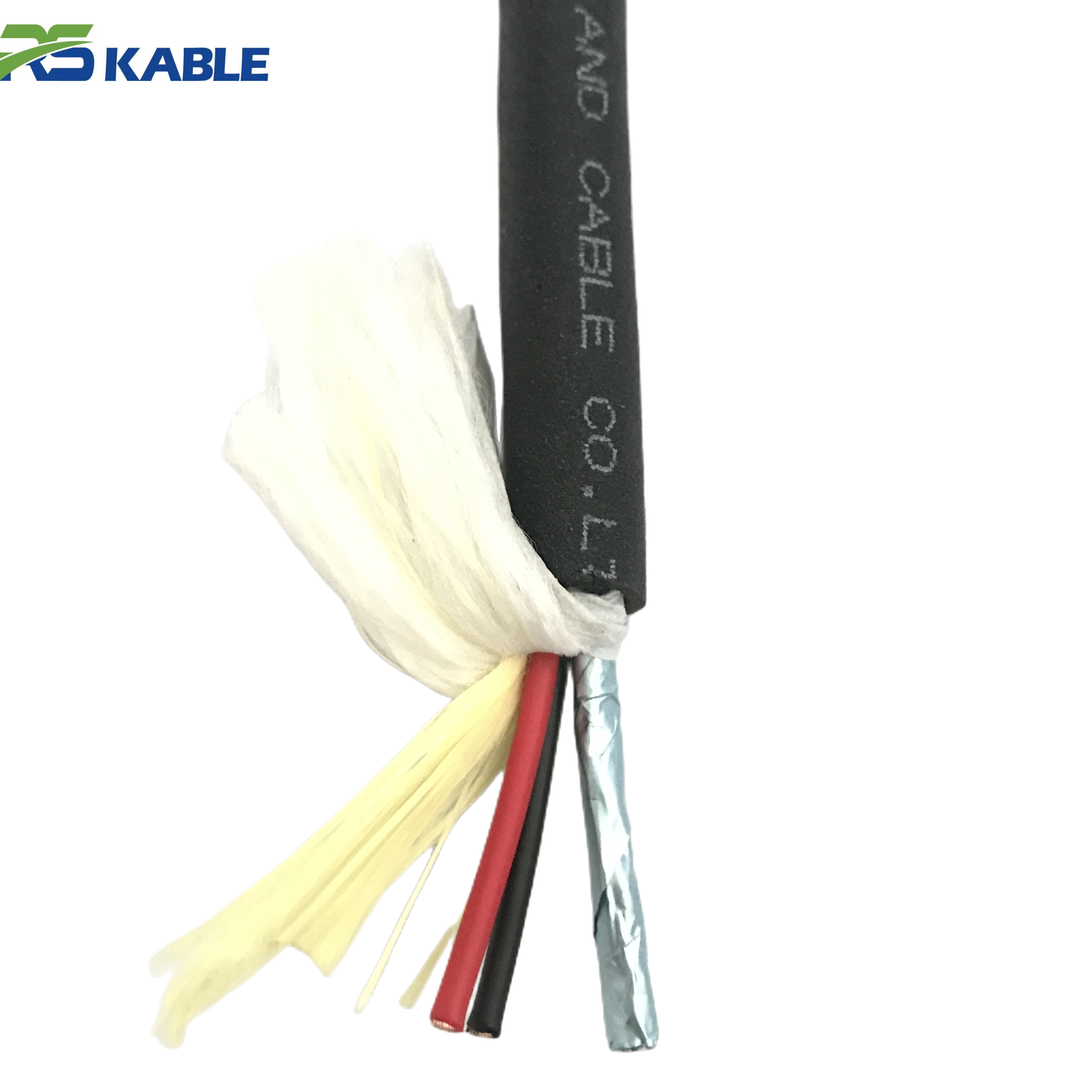
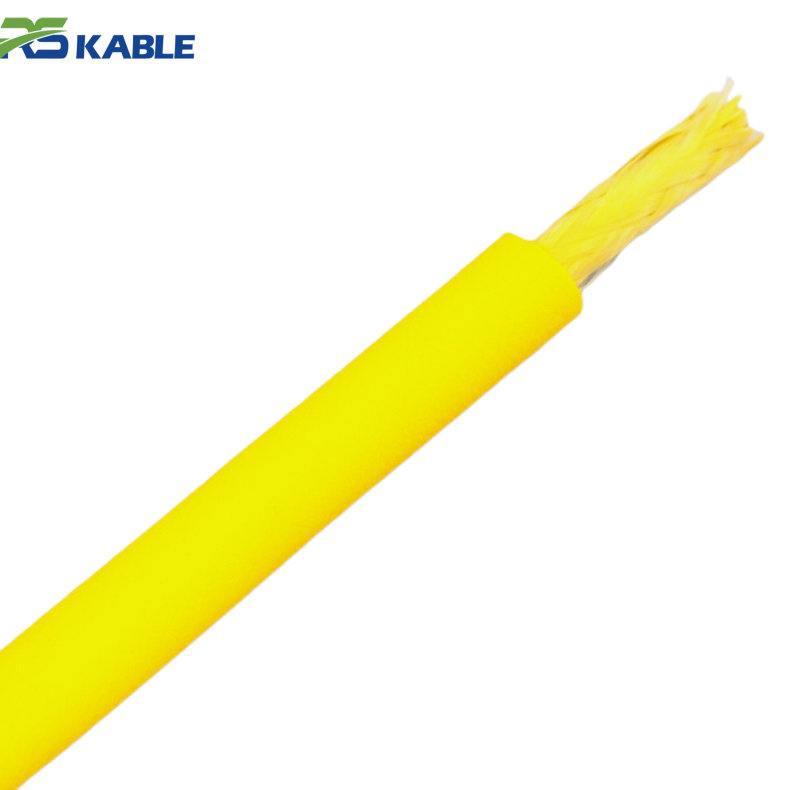
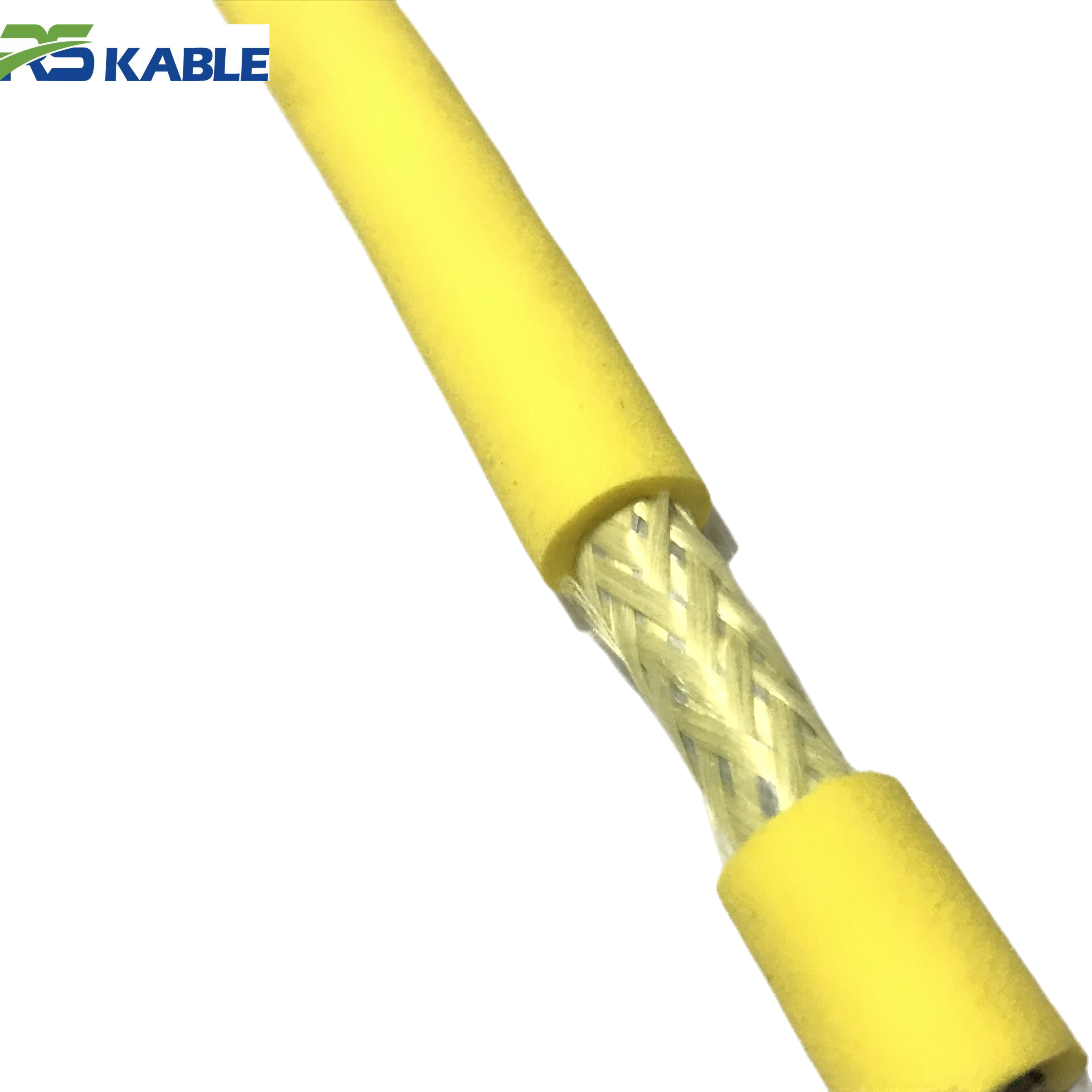
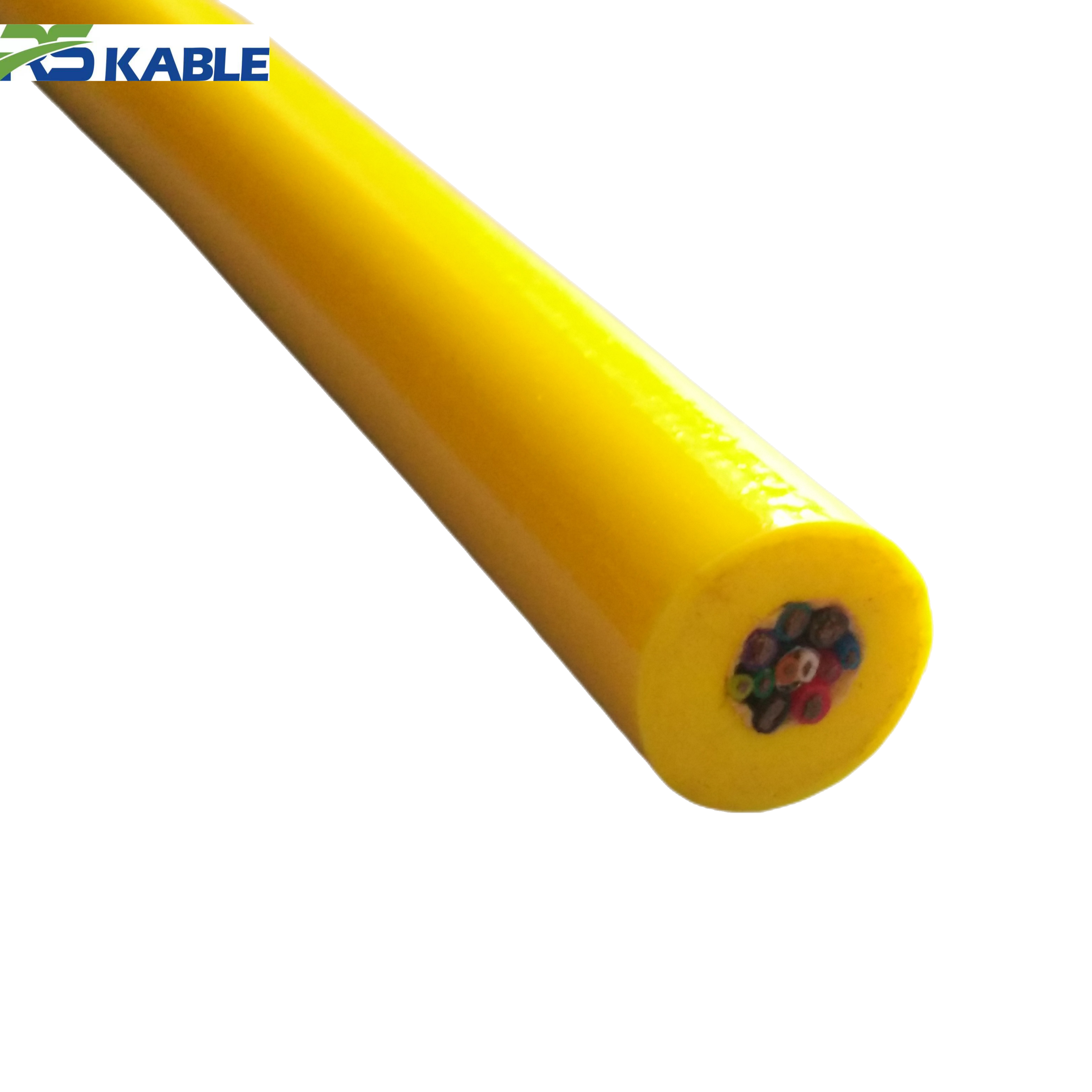
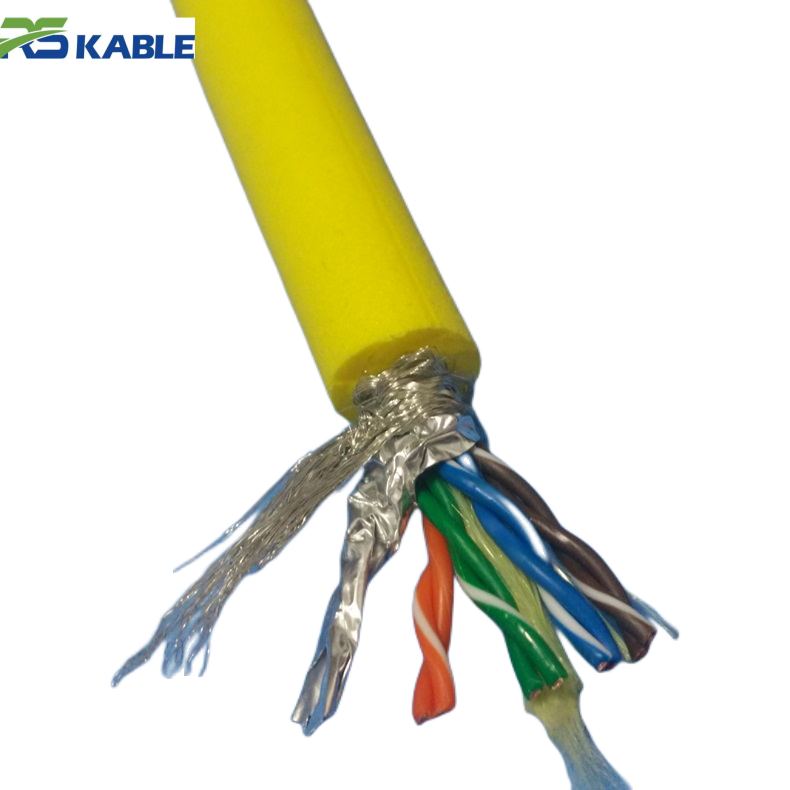
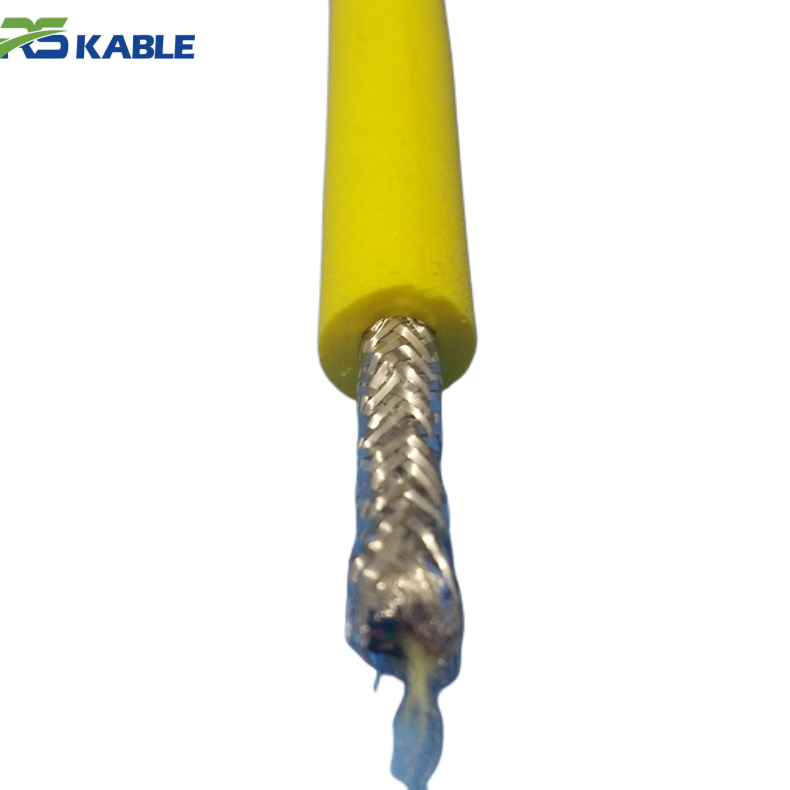
ROV Fiber Optic Communication Neutral Buoyancy Cable | High-Speed Data & Hybrid Power-Fiber Design
This advanced **hybrid neutral buoyancy cable** combines **high-speed fiber optic communication** with reliable power conductors. Engineered for **deep-sea ROVs**, it supports real-time 4K/HD video streaming and complex data telemetry while maintaining perfect buoyancy. Its robust, pressure-resistant design ensures zero signal loss during long-distance underwater operations.
What Neutral Buoyancy Changes (Mechanically, Not Just “Floating”)
Neutral buoyancy is often misunderstood as “the cable floats.” In reality, it means the tether’s buoyant force nearly balances its weight in water, producing a near-zero in-water weight.
A Neutral Buoyancy Cable changes the underwater catenary (the curve the tether forms). With less downward weight:
-
the tether sags less and is less likely to drag
-
vertical pull transmitted to the ROV is reduced
-
tension becomes more predictable as conditions change
-
the system maintains a cleaner, more stable cable profile
This improved geometry is the main reason neutral buoyancy improves maneuverability.
Why Maneuverability Improves: The 4 Practical Effects Pilots Notice
1) Less “pulled down” feeling during station-keeping
A heavy tether creates constant downward pull. The pilot must use extra thrust just to hold altitude.
Neutral buoyancy benefit: reduced downward load, so the ROV holds depth more easily and feels more responsive in fine control.
2) Fewer seabed drag events and snag risks
Dragging a tether increases abrasion, snagging, and tension spikes that disrupt precision work.
Neutral buoyancy benefit: reduced bottom contact tendency, especially in shallow inspection missions where the tether would otherwise scrape frequently.
3) Lower side-load amplification in current
When the tether sags heavily, current can push the catenary into a geometry that “feeds” more side load into the vehicle.
Neutral buoyancy benefit: a more stable catenary that reduces how much sweep becomes vehicle load.
4) Reduced termination stress and movement-related faults
Many intermittent faults originate at terminations due to repeated bending under tension.
Neutral buoyancy benefit: lower sustained tension helps reduce fatigue load at connectors and strain relief zones.
Decision Matrix: Neutral vs Slightly Negative vs Traditional Heavy Tether
Use this matrix to choose a buoyancy strategy that matches real conditions (not marketing labels).
Scenario A — Precision inspection near structures or seabed
Goal: stable hovering, predictable movement, reduced snag risk
Best fit: near-neutral buoyancy is often ideal. A Neutral Buoyancy Cable typically improves close-in control and reduces bottom drag.
Scenario B — Strong currents in shallow water (surface influence is real)
Goal: avoid looping near surface while still minimizing bottom drag
Best fit: near-neutral or slightly negative. Slightly negative can sometimes reduce surface-induced motion, provided abrasion risk is managed.
Scenario C — Debris/abrasive seabed where occasional contact may happen
Goal: durability + controlled handling
Best fit: buoyancy strategy should reduce dragging, but jacket toughness and handling discipline become equally important.
Scenario D — Towed survey bodies (depth stability and data quality)
Goal: reduce tension fluctuation and improve tow stability
Best fit: near-neutral buoyancy often stabilizes geometry, but diameter/drag must be controlled to avoid excessive resistance.
Scenario E — Fixed seabed routing or mostly static installation
Goal: cable stays down, minimal surface influence
Best fit: traditional heavier underwater cable often remains the better choice.
Key takeaway: neutral buoyancy is a performance tool for dynamic missions. It is not automatically “best” for fixed seabed applications.
Field Guide: Symptom → Diagnosis → Fix
These are real patterns that help teams diagnose whether maneuverability issues are tether-related.
Symptom 1: “The ROV feels pulled downward” (pilot fights altitude constantly)
Likely diagnosis: too-negative buoyancy, excess slack, or catenary set too low
Fix: move toward a Neutral Buoyancy Cable strategy, reduce slack, and manage pay-out speed to maintain a controlled catenary.
Symptom 2: Frequent seabed drag and jacket scuffing
Likely diagnosis: negative buoyancy + slack + current shift; abrasion environment amplifies damage
Fix: reduce in-water weight (near-neutral), improve tether management, add abrasion sleeves in known contact zones, or upgrade jacket compound.
Symptom 3: In current, the tether “pulls sideways” and station-keeping becomes difficult
Likely diagnosis: high drag diameter, heavy sagging catenary that converts sweep into side load
Fix: reduce diameter if feasible, improve buoyancy strategy, adjust operating depth and pay-out to reduce sweep-driven load.
Symptom 4: Video/telemetry dropouts appear mainly while moving
Likely diagnosis: termination fatigue, insufficient strain relief, bend radius violations
Fix: redesign strain relief, confirm minimum bend radius in real handling, and ensure termination methods match dynamic duty.
Symptom 5: The tether forms loops or rises unpredictably in shallow water
Likely diagnosis: too-positive buoyancy or excessive slack; surface motion influencing catenary
Fix: target near-neutral or slightly negative, reduce slack, and operate deeper when possible.
These fixes typically improve maneuverability more effectively than simply increasing thruster power.
What to Look for When Buying a Neutral Buoyancy Cable
If you’re selecting a cable to improve maneuverability, evaluate it as a complete mission component.
1) Buoyancy consistency along length
Ask how buoyancy is controlled and how uniform it is. A tether that alternates “heavy sections” and “light sections” can behave unpredictably.
2) Diameter and drag profile
Neutral buoyancy does not automatically mean low drag. Diameter and surface matter in current-driven missions.
3) Tensile strength and reinforcement
Ensure realistic margin for handling, recovery, and tension spikes. Strength members should match your duty cycle.
4) Bend radius and fatigue duty
Maneuverability improvements only matter if the cable survives long-term bending. Confirm minimum bend radius and fatigue suitability.
5) Jacket durability and abrasion resistance
If your mission involves structures or rough seabed, jacket design is a primary driver of service life.
6) Termination and strain relief quality
Many failures originate at terminations. Choose robust strain relief and connector compatibility for your system.
Acceptance Checklist Before Deployment (Simple but High Value)
Before a mission, check:
-
buoyancy behavior is consistent (no obvious “sinking segments”)
-
jacket surface is uniform with no handling damage
-
minimum bend radius can be maintained on deck and at routing points
-
termination strain relief is properly installed and protected
-
connector compatibility is confirmed (mechanical + electrical)
-
handling plan is defined (pay-out, recovery, storage)
This reduces the common “it tested fine on deck” surprises.
FAQ
Is a neutral buoyancy tether always the best choice?
Not always. For fixed seabed routing, traditional heavier cable can be better. Neutral buoyancy is most valuable in dynamic missions.
Why does my tether drag even when piloting is good?
Common causes include negative buoyancy, excess slack, and current-driven catenary shifts. Buoyancy strategy and pay-out control usually solve it.
Should I choose neutral or slightly negative buoyancy in strong currents?
Often near-neutral works well, but slightly negative may reduce surface looping in shallow water. The best choice depends on sea state and snag risk.
Does neutral buoyancy reduce drag?
Not automatically. Drag depends on diameter and surface. Neutral buoyancy improves geometry and reduces vertical load, but size still matters.
What’s the quickest way to improve maneuverability without changing the vehicle?
Optimizing tether buoyancy and drag profile is often one of the fastest, highest-impact improvements.