

How much power can coax carry?
The most accurate short answer is this: coax does not have one fixed power limit that applies to every CCTV installation. In real projects, how much power a coax-based run can support depends on cable construction, conductor quality, run length, camera voltage, current draw, and how much voltage drop the camera can tolerate before performance becomes unstable.
That is why this question matters so much in surveillance work. Many installers and buyers ask “How much power can coax carry?” when they are really facing a more practical problem: Will this cable run power the camera reliably at the actual distance of the job? In many analog and HD-over-coax systems, the answer is not determined by the camera alone, and not by the coax label alone. It is determined by the full cable-and-load combination.
In most CCTV installations, the coaxial section is used for video transmission, while camera power is delivered through a paired power line in a Coaxial + Power Cable assembly. That means the field question is usually not about theoretical power on the coax center conductor by itself. It is about whether the whole cable run can deliver stable power to the camera without causing night-time failures, voltage loss, weak infrared performance, or random rebooting.
This guide explains what really controls power delivery in coax-based CCTV systems, why distance matters more than many buyers expect, when a combined cable format makes the most sense, and which cable mistakes most often lead to unstable camera performance.
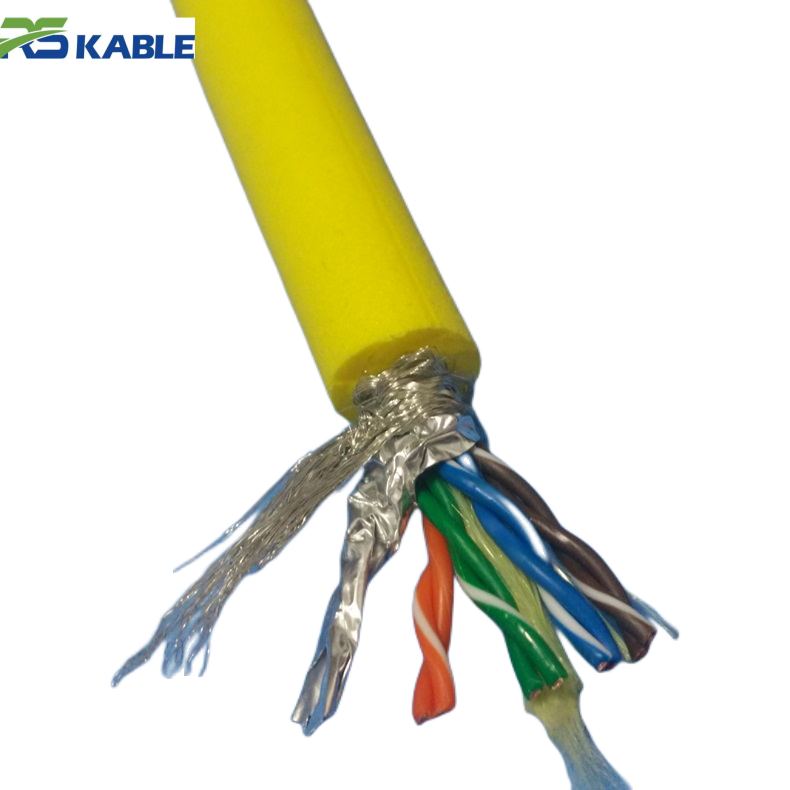
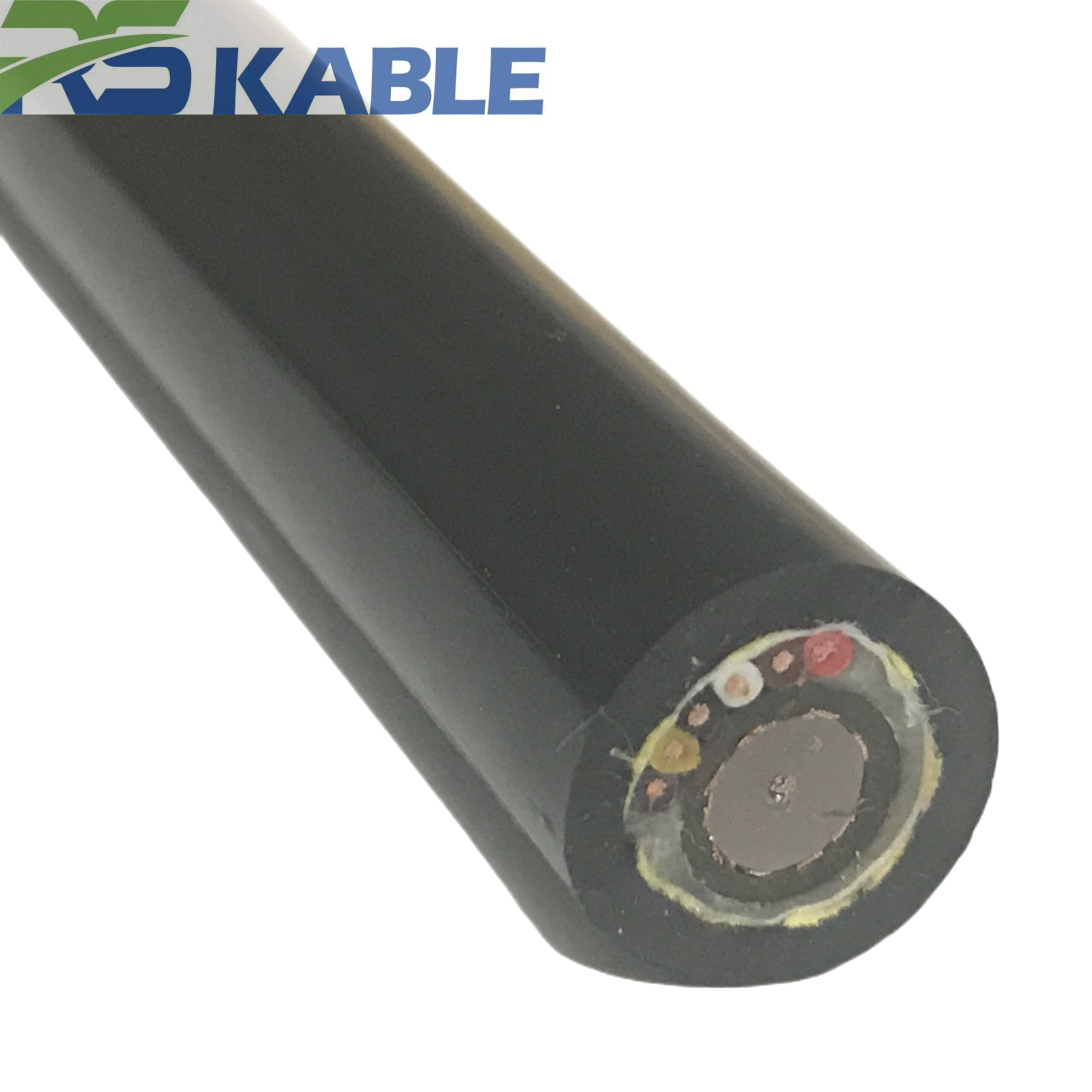
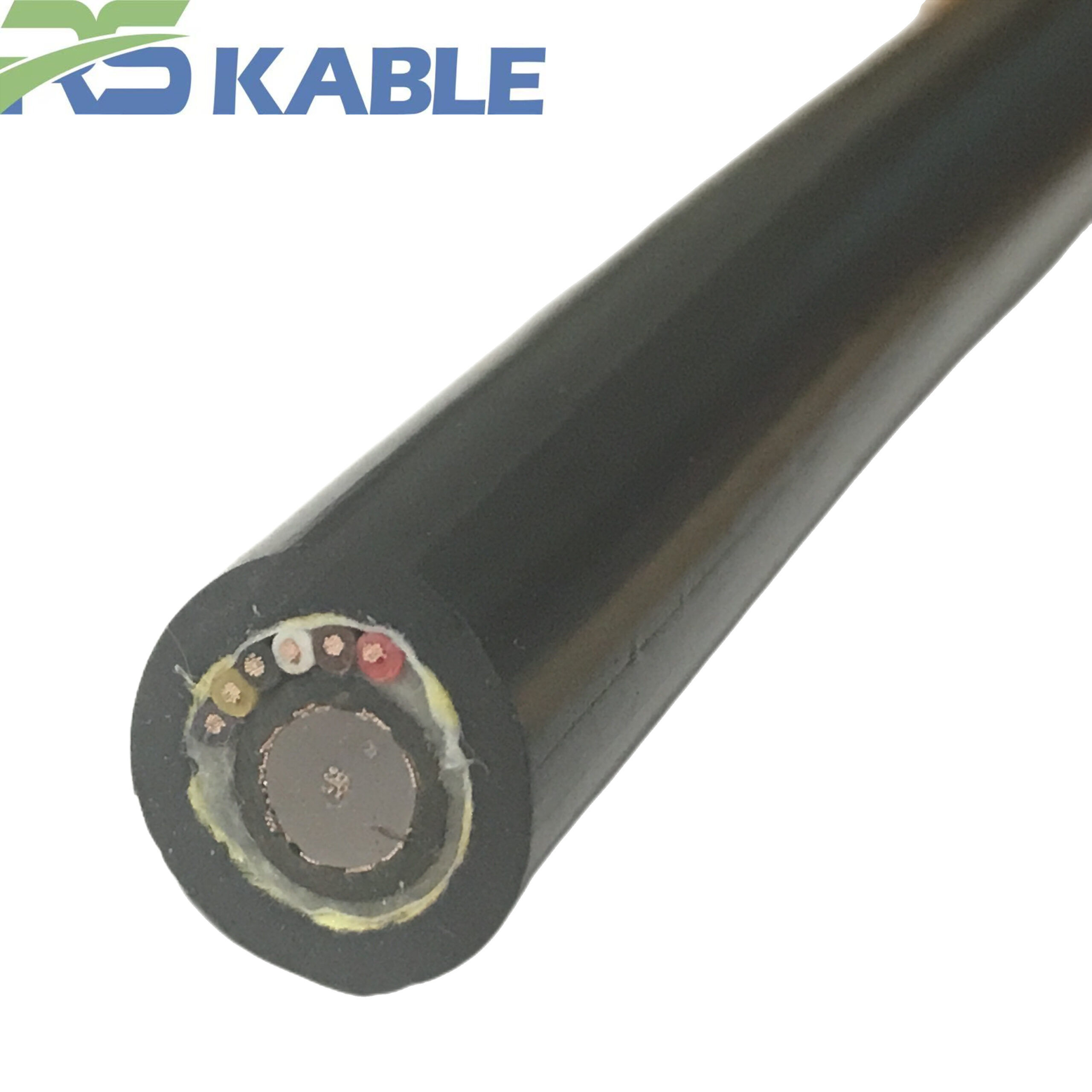
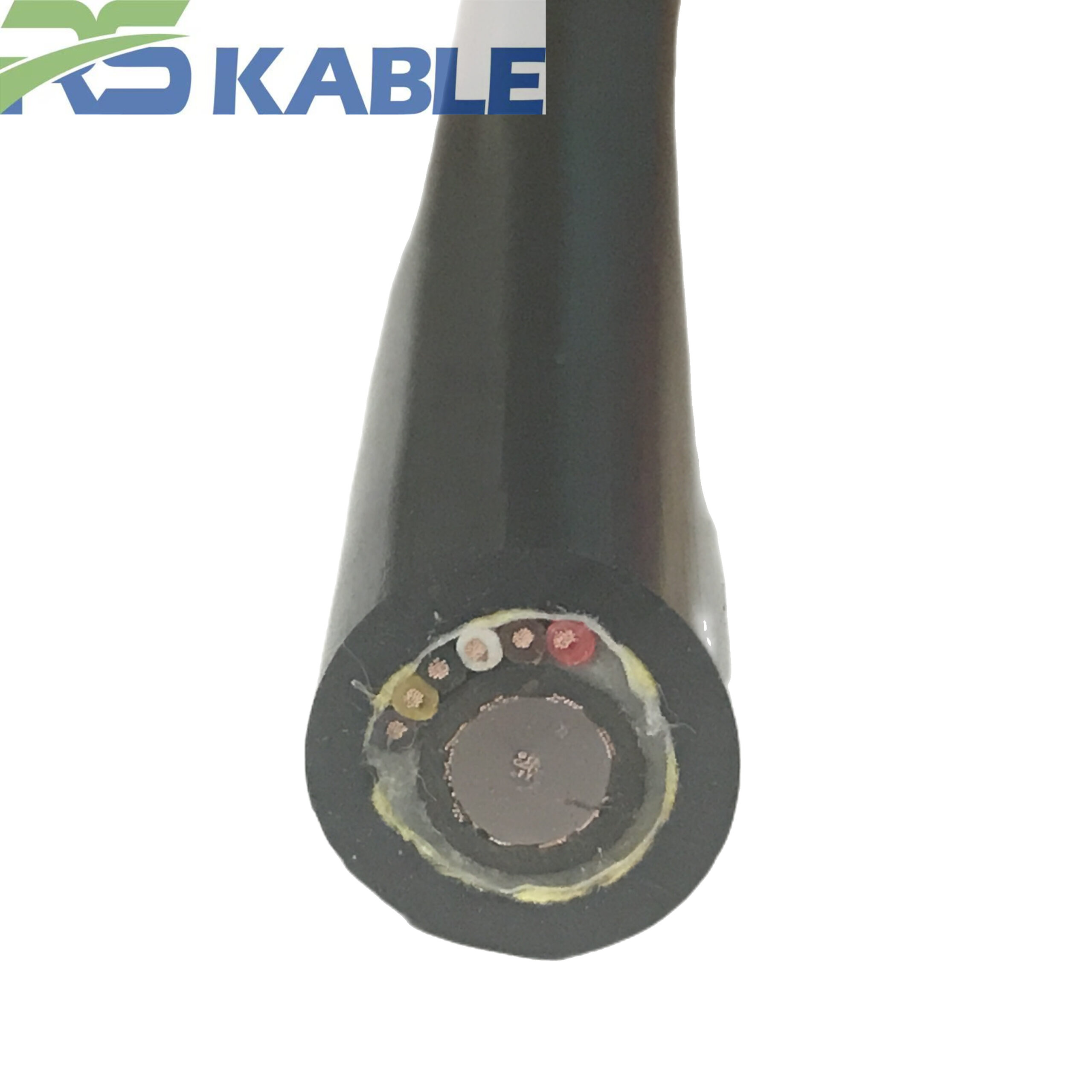
ROV Power & Signal Systems – Neutral Buoyancy Cable – Integrated Design – Power + Signal Combination
This neutral buoyancy cable is designed for **ROV power and signal systems**, featuring an **integrated power-and-signal structure** that supports balanced transmission, reduced tether complexity, and reliable subsea performance in demanding underwater operations.
The real question behind the title
When people ask how much power coax can carry, they are usually asking one of four real-world questions:
-
Can this cable run power my camera without voltage problems?
-
Will the camera still work when infrared turns on at night?
-
Is RG59 enough, or do I need RG6?
-
Can I use one combined cable for both video and power?
These are practical installation questions, not purely theoretical electrical questions. That matters because a cable may appear to “work” during a daytime test but fail in real operation after dark, in cold weather, or on a longer run. In other words, the safe answer is rarely a simple watt number. It is a system answer.
Why there is no single universal power number
If you search this topic casually, you may expect a clean number like “coax can carry X watts” or “RG59 can power Y cameras.” Real CCTV projects do not work that way.
Power capacity changes with several variables:
-
the cable type used
-
the material of the conductors
-
the size of the power conductors
-
the distance between power supply and camera
-
the voltage of the system
-
the current draw of the camera
-
the acceptable voltage drop at the device
That is why two installers can use what looks like the same cable and get very different results. One short indoor run may work perfectly. Another longer outdoor run may produce unstable camera behavior even though the camera model is identical.
Coax by itself is not the whole story
This is one of the biggest sources of confusion.
Coax as a signal medium
In traditional CCTV architecture, coaxial cable is mainly used to carry video. It provides the controlled impedance and shielding needed for analog or HD-over-coax signals.
Power in a real CCTV installation
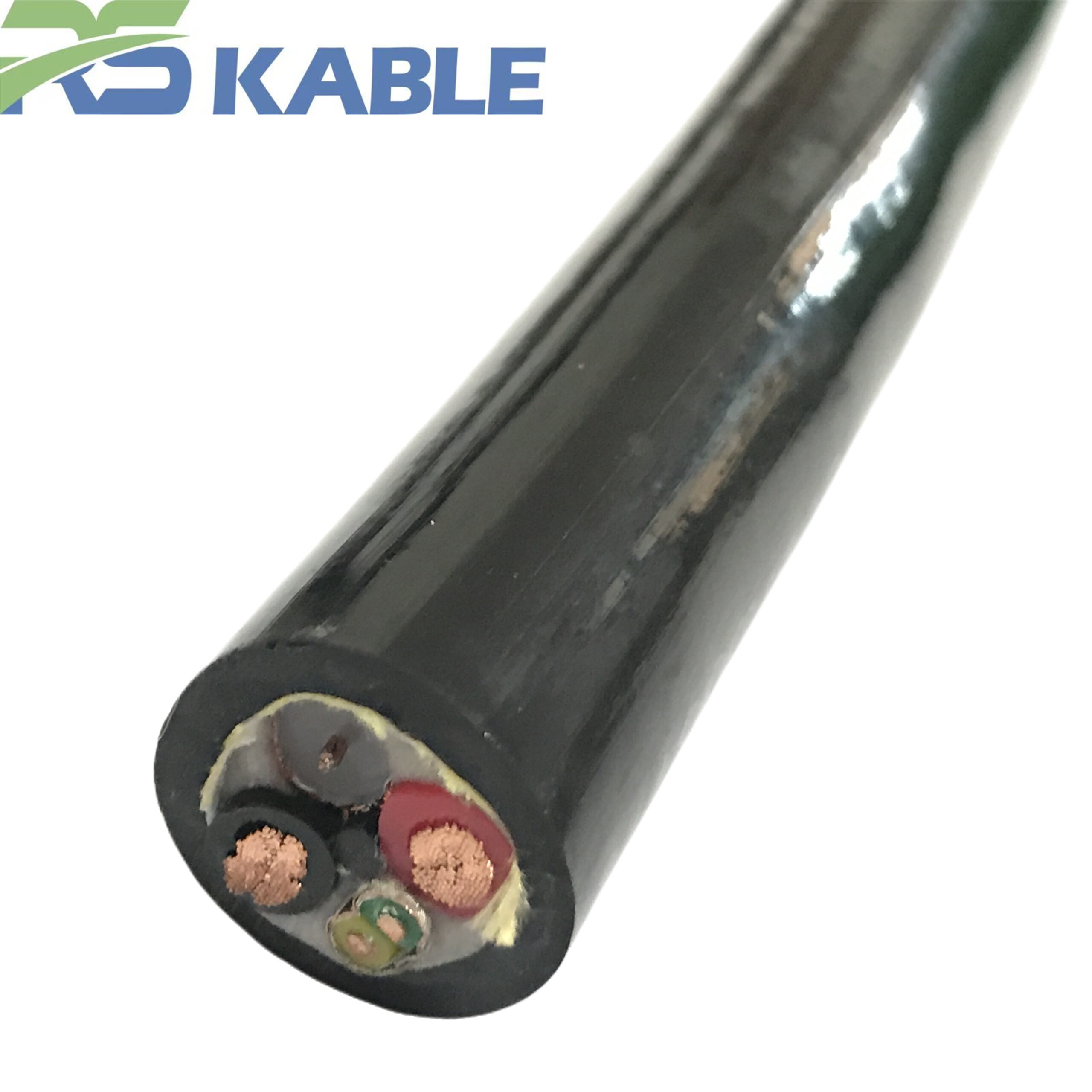
In most practical analog CCTV installations, power is not expected to travel only through the coax signal core. Instead, installers usually use a Coaxial + Power Cable, often called siamese cable. This includes:
-
one coaxial line for video
-
one power pair for the camera
That design is popular because it keeps installation simple and organized. One route handles both video and power. For real field work, this is usually the question that matters most: not “Can the coax carry power in theory?” but “Can this combined cable run power the camera reliably?”
What actually determines power delivery in CCTV cable runs
To answer the title properly, we need to look at the variables that create or limit usable power in practice.
1. Run length
Distance is one of the most important power-related factors in CCTV.
The longer the cable run, the greater the voltage drop. This becomes especially noticeable in low-voltage camera systems. A short run may look completely stable. A longer run with the same camera and same supply may begin to show problems because the voltage arriving at the camera is too low under load.
In practical terms:
-
short runs are usually forgiving
-
medium runs require attention
-
long runs should always be treated as a power-planning issue, not just a video issue
This is why installers often see one camera location behave perfectly while another, farther away, becomes unreliable.
2. Camera current draw
Not all CCTV cameras use the same amount of power. A basic indoor fixed camera and a larger outdoor IR camera are not equal loads.
Higher draw often appears when the camera includes:
-
infrared LEDs
-
motorized zoom or focus
-
heaters or blowers
-
stronger processing hardware
-
additional accessories
This matters because many cable runs that seem acceptable in daylight become unstable at night. The camera is the same, but the power demand changes.
3. Power conductor size
This is one of the most overlooked buying points.
Many buyers focus on whether the coax is RG59 or RG6 and ignore the power pair entirely. In a real Coaxial + Power Cable, the power conductors often decide whether the camera receives stable voltage. If those conductors are too small for the distance and load, the system may fail even though the video path itself is fine.
This is why cable buying based only on the coax name is incomplete.
4. Supply voltage
The lower the system voltage, the less room there is for loss before the device becomes unstable. In many CCTV systems, 12V DC is common, and that makes cable loss more important over distance.
A small voltage drop may not sound serious on paper, but in a real security system it can mean:
-
weak infrared performance
-
image instability
-
camera resetting at night
-
total failure to start under load
So when people ask how much power coax can carry, the real answer is heavily influenced by how tolerant the powered device is to voltage loss.
5. Conductor material quality
This is another major real-world difference between a good cable and a cheap cable.
A cable labeled the same way may still perform very differently depending on whether it uses:
-
solid copper conductors
-
lower-grade substitutes
-
thinner or cheaper power conductors
-
weaker shielding or poorer overall build quality
This is especially important in longer runs and in night-time camera operation, where marginal cable quality becomes much easier to notice.
Common CCTV power problems caused by cable loss
This is where the topic becomes most useful for installers and buyers.
The camera works during the day but fails at night
This is one of the most common field problems. The camera appears normal during daylight, then becomes unstable after dark. In many cases, infrared LEDs increase the power draw at night, and the cable run can no longer deliver enough voltage reliably.
Typical symptoms include:
-
rebooting at night
-
weak or inconsistent IR performance
-
intermittent image drop
-
camera power cycling
This is often a cable and power issue, not a camera defect.
Video looks normal, but the camera keeps restarting
This usually means the video transmission path is still functioning, but the power arriving at the camera is unstable. Installers sometimes blame the recorder or power supply first, but the cable run is often the real cause.
One camera fails, but another identical camera works
When two identical cameras behave differently, the difference is often the cable path. One run may be short and stable. Another may be longer, routed outdoors, or using poorer conductors.
Outdoor points fail sooner
Outdoor cable runs often expose weaknesses more quickly because they combine distance, weather, IR use, and environmental stress. A marginal cable run that “almost works” indoors may fail much more obviously outside.
Short runs vs long runs: when cable choice starts to matter
This is one of the clearest ways to make the topic practical.
Short runs
For shorter CCTV runs, installers usually have more margin. A good-quality combined cable often performs well without major power issues, especially for ordinary cameras with modest current demand.
In these cases, a properly made Coaxial + Power Cable is often the most practical and efficient answer because it keeps the installation clean and reduces wiring complexity.
Medium runs
As distance grows, the importance of conductor quality and power pair size increases. The project may still work well, but the installer can no longer choose only by price or by brand name.
This is where better cable construction starts to matter clearly.
Long runs
Long CCTV runs should always be treated as both a signal issue and a power issue. At this point, assumptions become risky. A cable that is fine for one point may be completely wrong for another.
This is where project planning matters most:
-
camera load
-
conductor quality
-
run distance
-
supply strategy
-
installation environment
RG59 vs RG6: does cable type change power performance?
This is a common question, and the answer is: yes, but not always in the way people think.
RG59
RG59 is the most common CCTV coaxial cable. It is widely used because it is flexible, practical, and well suited for short to medium analog or HD-over-coax runs.
RG6
RG6 is often chosen for longer runs because it generally offers lower attenuation on the video side. But when the topic is camera power, the coax section alone is not the only factor. The attached power pair and full cable construction matter more than many buyers realize.
So the better question is not simply “Is RG6 better?” but rather “Is the total cable build more suitable for this run and this camera load?”
When Coaxial + Power Cable is the most practical choice
For many analog and HD-over-coax systems, the most useful answer to the title question is this:
A Coaxial + Power Cable is often the best practical choice when you need:
-
one organized cable run
-
analog or HD-over-coax video transmission
-
direct low-voltage camera power
-
faster installation
-
simpler routing
-
easier field troubleshooting
This is especially true for:
-
homes
-
shops
-
small offices
-
retail systems
-
standard DVR-based installations
-
budget-conscious upgrades
But convenience should not replace planning. Even when using a combined cable, the installer still needs to match the cable to the distance and load.
Common mistakes that cause CCTV power problems
Buying only by price
Low-cost cable often becomes expensive later through service calls, rework, and reliability complaints.
Looking only at the coax name
A label such as RG59 does not guarantee build quality. Two products with the same name may differ significantly in conductor quality, shielding, and power-pair capability.
Ignoring night-time load
Many unstable systems fail only after infrared activates. If the installer never plans for night-time power draw, the installation may look successful until real use begins.
Using indoor cable outside
Outdoor exposure makes weak cable quality show up faster. Weather, UV, and temperature changes shorten the life of the wrong jacket.
Blaming the camera first
In many service cases, the camera gets blamed even though the root problem is cable loss or unstable power delivery.
How to choose the right cable when power matters
A better buying process starts with real project questions:
-
How far is the camera from the power source?
-
Is the camera indoor or outdoor?
-
Does it use infrared or other higher-load features?
-
Is the cable run simple or difficult to access later?
-
Is long-term reliability more important than lowest purchase cost?
In many standard analog CCTV jobs, a high-quality Coaxial + Power Cable remains one of the most practical solutions because it combines clean installation with dependable operation when correctly matched to the load and distance.
For better results, buyers should prioritize:
-
solid copper conductors
-
properly sized power pair
-
suitable jacket for the environment
-
reliable shielding
-
good connector quality
-
realistic planning for voltage drop
FAQ
Can coax power a CCTV camera directly?
In some technical designs power can travel on coax, but in most practical CCTV installations power is delivered through the attached power pair in a combined cable.
Why does my CCTV camera reboot at night?
A common reason is voltage drop. The camera draws more power when infrared turns on, and the cable run may no longer deliver stable voltage.
How far can I run siamese cable for CCTV power?
There is no single distance that fits every job. The safe distance depends on cable quality, power conductor size, camera load, and supply voltage.
Is RG59 enough for CCTV power and video?
In many standard short to medium analog CCTV installations, yes. But longer runs or higher-load cameras may need more careful planning.
What is the best cable choice for analog CCTV with power?
For many practical projects, a good-quality Coaxial + Power Cable is one of the most efficient and reliable choices when matched correctly to the installation.