

How Does Power over Coax Work?
If you want the clearest short answer first, here it is: power over coax works by delivering electrical power through a coax-based camera infrastructure, either with dedicated active hardware that injects and extracts power on the coax path, or through a practical CCTV cable assembly that carries video and power together as one installation solution. In everyday surveillance work, these two ideas are often confused, and that confusion is exactly why this topic matters.
Many buyers, installers, and project managers hear the phrase “power over coax” and assume it always means one thing. In reality, it can describe two different situations. In a stricter technical sense, it refers to a system that uses active devices to place power onto a coax transmission path and recover usable power at the far end. In a more common field-installation sense, people often use the phrase loosely when they are really talking about a Coaxial + Power Cable used in analog or HD-over-coax CCTV systems. Both ideas are related, but they are not identical.
That difference matters for SEO, for product education, and for real installations. If someone misunderstands the term, they may buy the wrong cable, expect a standard siamese cable to behave like an active power-over-coax system, or design a project that works during a daytime test but becomes unstable after dark. This article explains how power over coax actually works, how it differs from a standard combined CCTV cable, when each approach makes sense, what problems happen when the concept is misunderstood, and how to choose the right solution for practical surveillance projects.

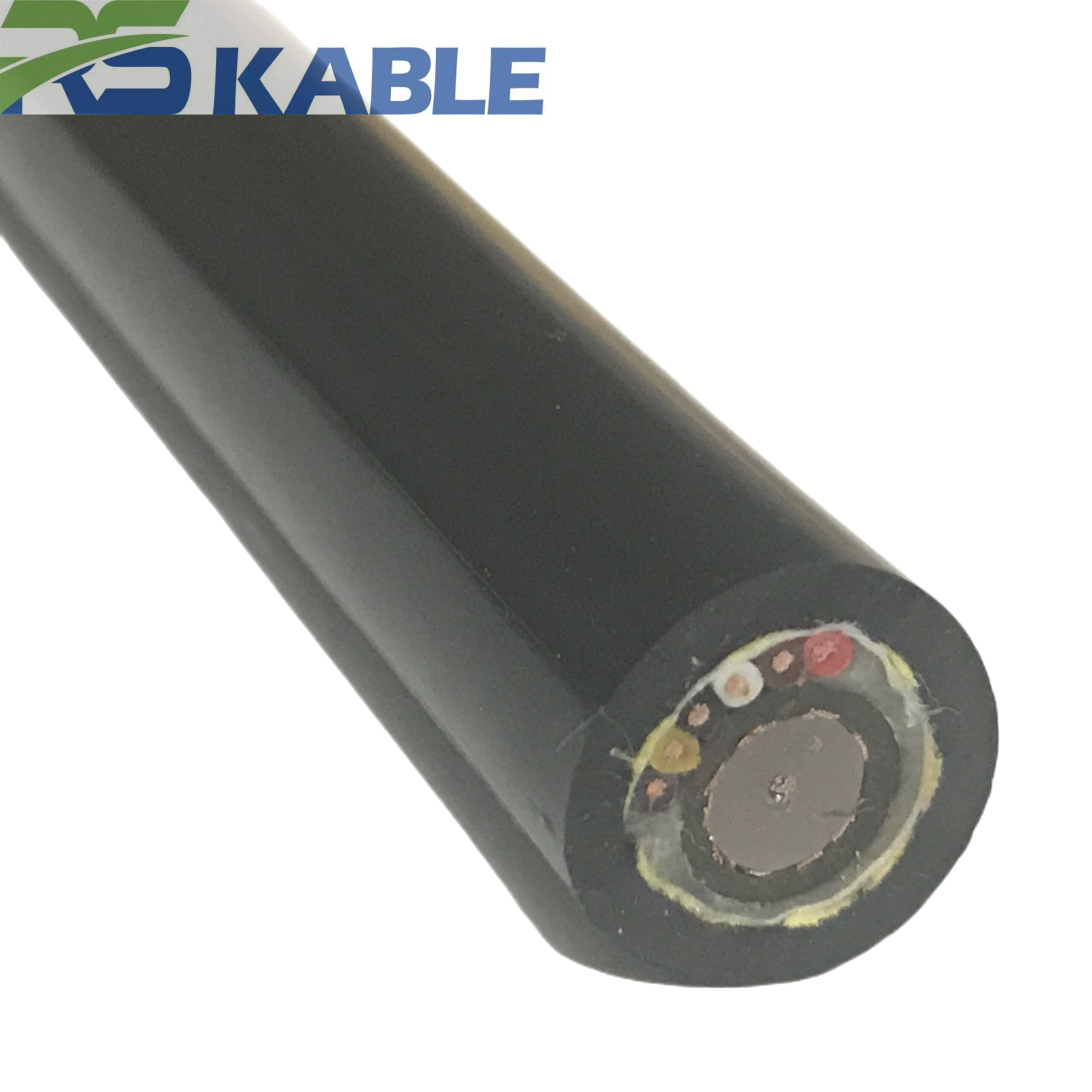
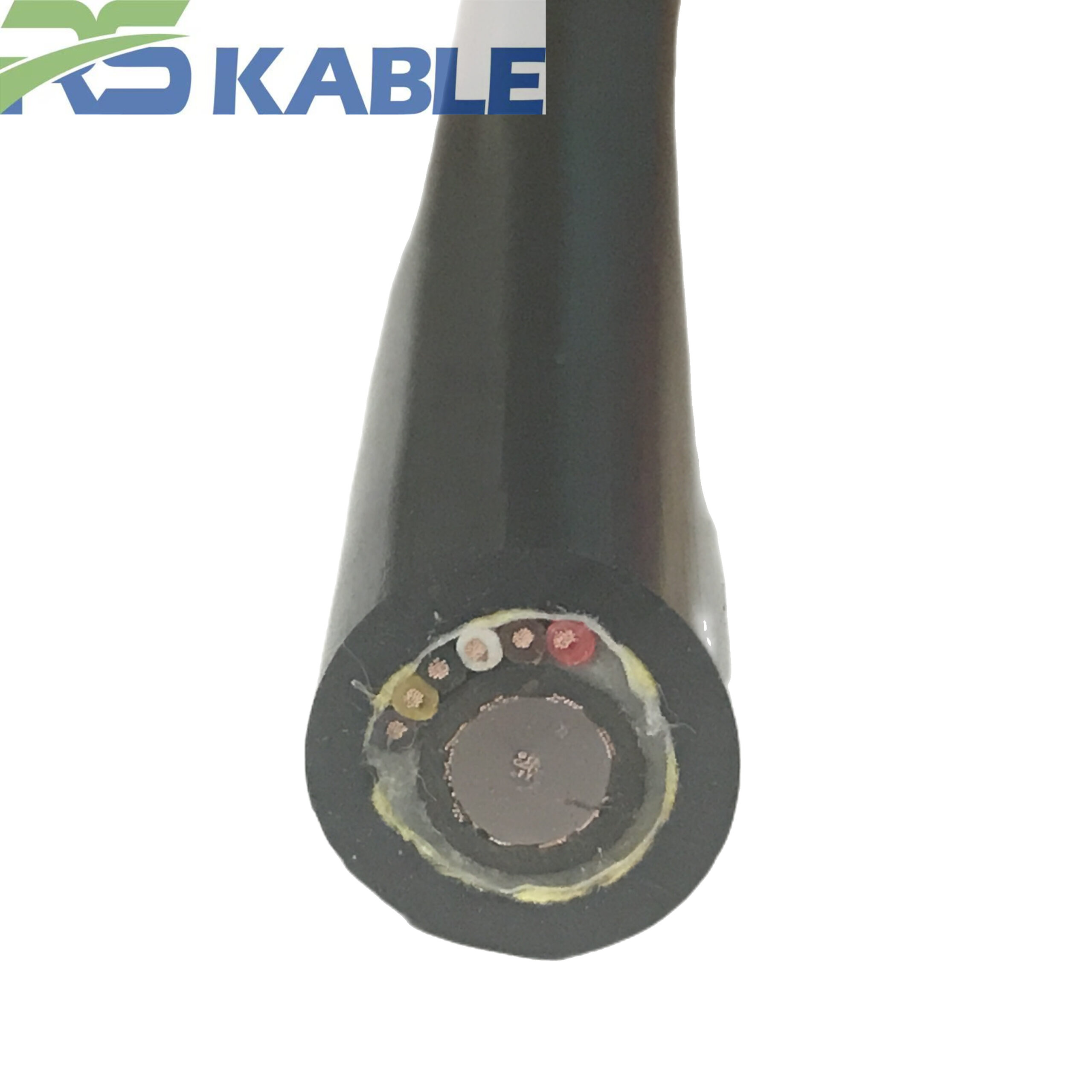
Oceanographic Instruments – Neutral Buoyancy Cable – Lightweight Build – Reduced Load on Equipment
This neutral buoyancy cable is designed for **oceanographic instruments** requiring a **lightweight construction** that reduces mechanical load and supports **stable long-term underwater monitoring** while helping protect sensitive scientific equipment from excess stress.
The first thing to understand: there are two meanings in the market
One reason this topic is confusing is that users in different roles use the same phrase differently.
Meaning 1: True power over coax
In the stricter technical sense, power over coax means a system uses active equipment to send electrical power through a coax transmission path and then recover it for a remote device. This approach is more engineered and usually depends on compatible hardware at both ends.
Meaning 2: Practical CCTV “coax plus power” wiring
In everyday analog CCTV and HD-over-coax projects, many people say “power over coax” when they really mean a combined camera cable run where coax carries video and an attached power pair supplies the camera. In that case, the product most people actually need is a Coaxial + Power Cable.
If you skip this distinction, the whole topic becomes blurry. If you understand it first, the rest becomes much easier.
How true power over coax works
To understand the stricter meaning, imagine a system that already uses coax as its main signal path. Instead of running a separate power wire, a dedicated device adds power to that coax path at one end. At the far end, compatible receiving hardware separates the power from the transmission environment and provides usable electrical output to the connected device.
In simple terms, the process works like this:
-
Power is injected at the source side by a designed transmitter or injector.
-
The coax path carries both transmission function and power-related energy according to the system design.
-
A receiver or compatible device extracts usable power at the far end.
-
The remote equipment runs from that recovered power while still using the coax path for signal-related transmission.
This is not the same thing as simply attaching power wires next to a coax line. It is a deliberate electronic architecture. Because of that, it usually belongs to more specialized products, upgrade kits, or engineered solutions rather than everyday low-cost analog camera cabling.
How a standard CCTV coax-plus-power setup works
Now let’s look at the version most CCTV buyers actually encounter.
In a common analog or HD-over-coax installation, the camera needs two basic things:
-
a path to send video back to the recorder
-
a path to receive electrical power
A standard combined CCTV solution usually does this by bundling those two functions into one cable assembly. The coaxial section carries video. The attached low-voltage power pair feeds the camera. This is why so many installers choose a Coaxial + Power Cable for DVR-based systems.
In this arrangement, power is not usually “riding inside the signal path” in the stricter engineered sense. Instead, the installer gets one practical cable run that supports both core functions of the camera system. That is why the phrase “power over coax” is often used loosely in the field even when the real product is a siamese-style cable.
Why the distinction matters in real projects
This is not just a technical wording issue. It changes how you plan the job.
If a buyer expects true power-over-coax behavior but purchases an ordinary combined CCTV cable, they may misunderstand the installation requirements. If an installer hears “power over coax” and assumes special active hardware is required, they may overcomplicate a project that really just needs a good analog cable solution.
The difference affects:
-
cable selection
-
hardware selection
-
budget planning
-
upgrade strategy
-
troubleshooting expectations
-
distance and power planning
This is why a high-quality blog on the topic should not just define the term. It should help the reader decide which interpretation applies to their actual system.

Why power over coax is still relevant in CCTV
Coax-based surveillance remains highly relevant because many sites still use analog or HD-over-coax architecture. Not every project is moving to full IP and PoE right away. Many buildings already have coax infrastructure, many installers still prefer DVR-based systems for certain jobs, and many customers want a cost-effective upgrade path rather than a complete network redesign.
Power over coax becomes relevant in situations such as:
-
analog camera installations
-
TVI, CVI, and AHD upgrades
-
retrofit projects in older buildings
-
cost-sensitive CCTV deployments
-
smaller commercial sites
-
projects where reusing existing coax routes saves labor
In these cases, the question is usually not abstract. It is practical: how can video and power be handled efficiently without making the installation more complex than necessary?
Power over coax vs Coaxial + Power Cable
This is the most important comparison in the whole article.
True power over coax
-
uses active system design or dedicated compatible hardware
-
puts power onto the coax transmission path in a controlled way
-
depends on electronics, not just passive cable format
-
is more specialized
Coaxial + Power Cable
-
uses one coax section for video
-
uses a separate attached power pair for camera supply
-
is common in analog CCTV installations
-
is simple, cost-effective, and widely used
For many buyers, the second solution is the one they actually need. That is why a Coaxial + Power Cable remains so commercially important. It solves the practical installation problem even when it is not the strictest definition of “power over coax.”
When a combined CCTV cable is the smarter choice
In many real surveillance projects, the best answer is not a specialized active power-over-coax system. It is a good-quality Coaxial + Power Cable chosen for the right distance and load.
This approach is often the smarter choice when:
-
the system is analog or HD-over-coax
-
the site uses DVR architecture
-
one clean cable run is preferred
-
installation speed matters
-
the project is residential or light commercial
-
the budget does not justify more specialized hardware
-
the installer wants straightforward maintenance later
For homes, retail stores, offices, clinics, and many standard multi-camera jobs, this is still one of the most practical options available.
When active power over coax makes more sense
There are also cases where the stricter version of power over coax may be worth considering.
This becomes more relevant when:
-
the project is a specialized upgrade
-
existing coax infrastructure must be reused more intelligently
-
running separate power lines is difficult
-
compatible active equipment is already part of the solution
-
the system design specifically supports this architecture
In those cases, active power-over-coax hardware may provide a more elegant answer than ordinary passive combined cable. But it should be selected because the system truly needs it, not because the phrase sounds advanced.

Common CCTV problems caused by misunderstanding power over coax
This is where theory turns into service calls.
Problem 1: the camera works during the day but fails at night
This is one of the most common real-world symptoms. The system appears stable until the infrared LEDs activate. Current demand rises, voltage margin shrinks, and the camera starts rebooting or dropping out. In many cases, the issue is not the camera model. It is the cable-and-power design.
Problem 2: video is fine but camera power is unstable
This often happens in standard analog systems where the video coax path is working but the attached power conductors are undersized or the run is too long. The result is a confusing symptom: the signal side seems normal, but the device behaves unpredictably.
Problem 3: the buyer assumes all “power over coax” products are the same
A passive combined cable and an active power-over-coax system are not interchangeable. Confusing them can lead to the wrong product choice and wasted budget.
Problem 4: an old coax upgrade exposes hidden weaknesses
Legacy cable routes may carry video acceptably but still fall short on power performance or total system stability after upgrades. This often appears in older analog-to-HD conversion projects.
Short runs, long runs, and why distance changes everything
Any serious explanation of this topic should mention distance. The longer the run, the more important real cable quality becomes.
Short runs
Shorter runs are more forgiving. In many cases, a properly made Coaxial + Power Cable will handle analog video and camera power without trouble if the camera load is modest and the environment is not extreme.
Medium runs
This is where cable quality starts to matter much more. Lower-grade conductor material, weak power pairs, and poor shielding become easier to notice.
Long runs
Long runs are where assumptions become dangerous. At this point, the buyer should not rely on cable name alone. They need to consider conductor material, power-pair size, device load, environment, and whether a different system architecture would make more sense.
What buyers should check before choosing a solution
If the project involves “power over coax” in any form, these are the most important buying questions.
1. What system type am I actually building?
Is it analog, HD-over-coax, retrofit, or a specialized active power-over-coax solution?
2. Do I need active hardware, or just a combined cable?
This is the first practical decision and the one most often misunderstood.
3. How far is the run?
Distance changes both signal margin and power stability.
4. What does the camera actually draw?
A basic indoor unit is not the same as an outdoor IR camera with higher demand.
5. Is the cable indoor or outdoor rated?
The wrong jacket can shorten service life quickly.
6. Is long-term reliability more important than lowest price?
In most surveillance projects, the answer should be yes.
What makes a good Coaxial + Power Cable for CCTV
Since many readers searching this topic are really deciding on cable, it helps to say clearly what matters in practice.
A good Coaxial + Power Cable should offer:
-
solid conductor quality
-
reliable shielding for stable video
-
a properly sized power pair
-
a jacket matched to the environment
-
good flexibility for installation
-
consistent build quality from one run to the next
It should not be chosen by label alone. Two cables may both claim to support CCTV, but real-world performance can differ significantly.
A simple decision framework
If you want a practical rule of thumb:
Choose a standard Coaxial + Power Cable when:
-
the project is analog or HD-over-coax
-
the layout is straightforward
-
you want one organized cable run
-
you need a practical, cost-effective CCTV installation
Consider active power over coax when:
-
the solution specifically requires compatible hardware
-
the project is a more technical retrofit
-
the design goal is different from ordinary siamese cabling
Move toward PoE / IP when:
-
the site is already centered around network architecture
-
future scalability matters more than legacy coax compatibility
-
the project is better served by Ethernet-based infrastructure
Final answer: how does power over coax work?
In the most useful surveillance sense, power over coax works by allowing a coax-based system to support both transmission and device power through one coordinated architecture. In strict technical systems, this may involve active equipment that injects and extracts power on the coax path. In many standard CCTV installations, however, the practical answer is simpler: installers use a Coaxial + Power Cable so video travels through the coax section and camera power travels through the attached conductors in the same cable run.
So if you are asking the question as a CCTV buyer, installer, or distributor, the most important step is to separate the strict technical meaning from the everyday cable solution. Once you do that, the right product decision becomes much clearer.
FAQ
Is power over coax the same as Coaxial + Power Cable?
Not exactly. Power over coax is the broader concept. A Coaxial + Power Cable is one of the most common practical CCTV implementations for handling video and power together.
Do I need special hardware for power over coax?
If you mean the strict active version, yes, compatible hardware is usually required. If you mean standard analog CCTV wiring, many projects only need a combined cable solution.
Can power over coax replace PoE for CCTV?
Not as a direct one-to-one replacement in every system. PoE belongs to IP camera architecture, while power over coax belongs to coax-based system design.
Why does my analog camera have video but unstable power?
A common cause is that the signal path is fine but the power side of the cable run is not delivering stable voltage, especially at longer distances or at night.
What is the most practical option for analog CCTV with video and power together?
For many standard installations, a good-quality Coaxial + Power Cable is still one of the most practical choices.