

How Elevator Cables Work: A Complete Guide for Modern Buildings
Elevators are the lifeblood of modern multi-story buildings, seamlessly moving people and goods between floors. While much attention goes to motors, doors, and control panels, one critical component often goes unnoticed: the 【Elevator Cable】. Also called the traveling cable, this specialized cable ensures uninterrupted power, control, and communication signals between the moving elevator car and stationary building systems.
Understanding elevator cables provides insight into the engineering behind smooth, reliable, and safe elevator operation. This guide explains the mechanics, structure, applications, and maintenance of elevator cables, helping building managers, technicians, and curious readers appreciate their importance.
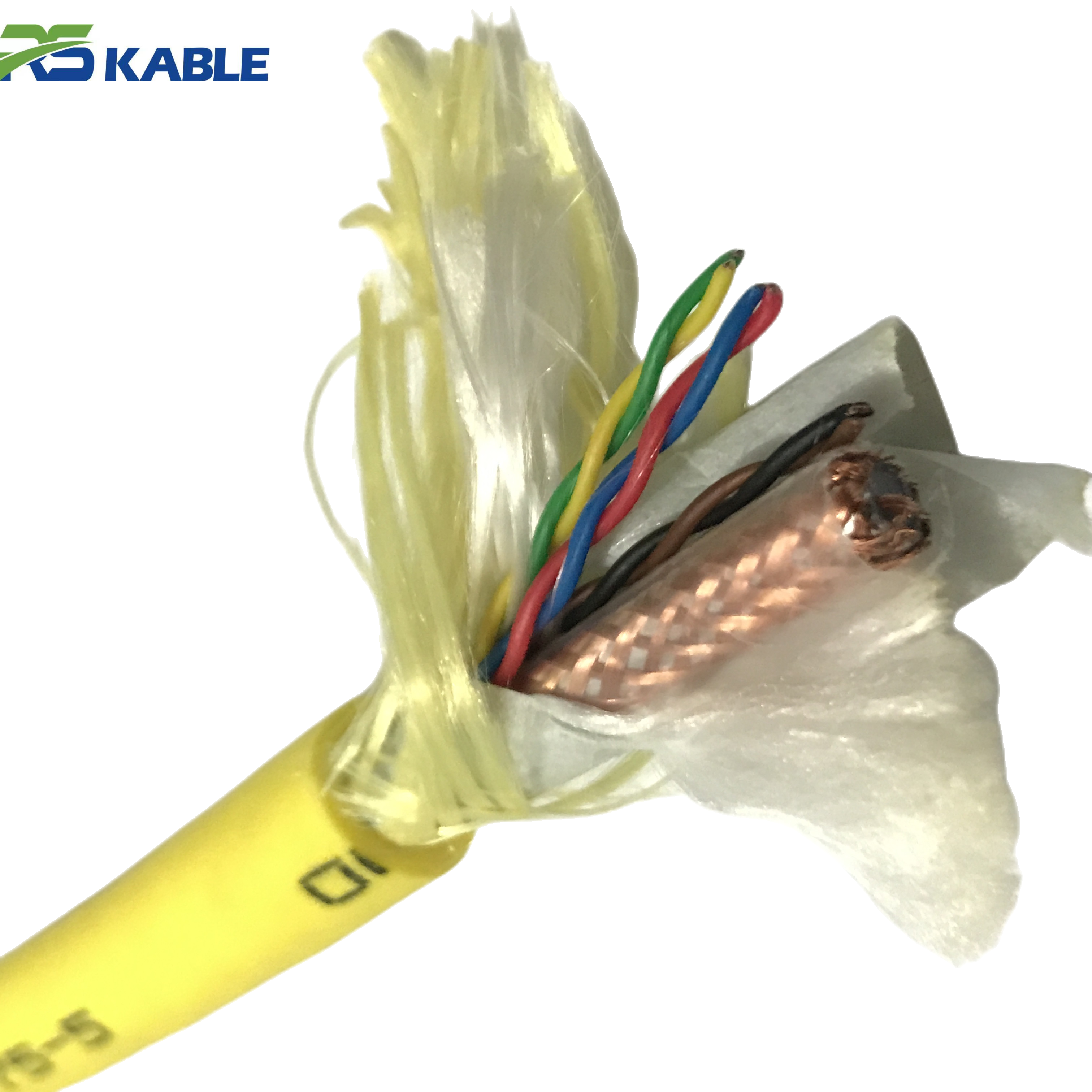
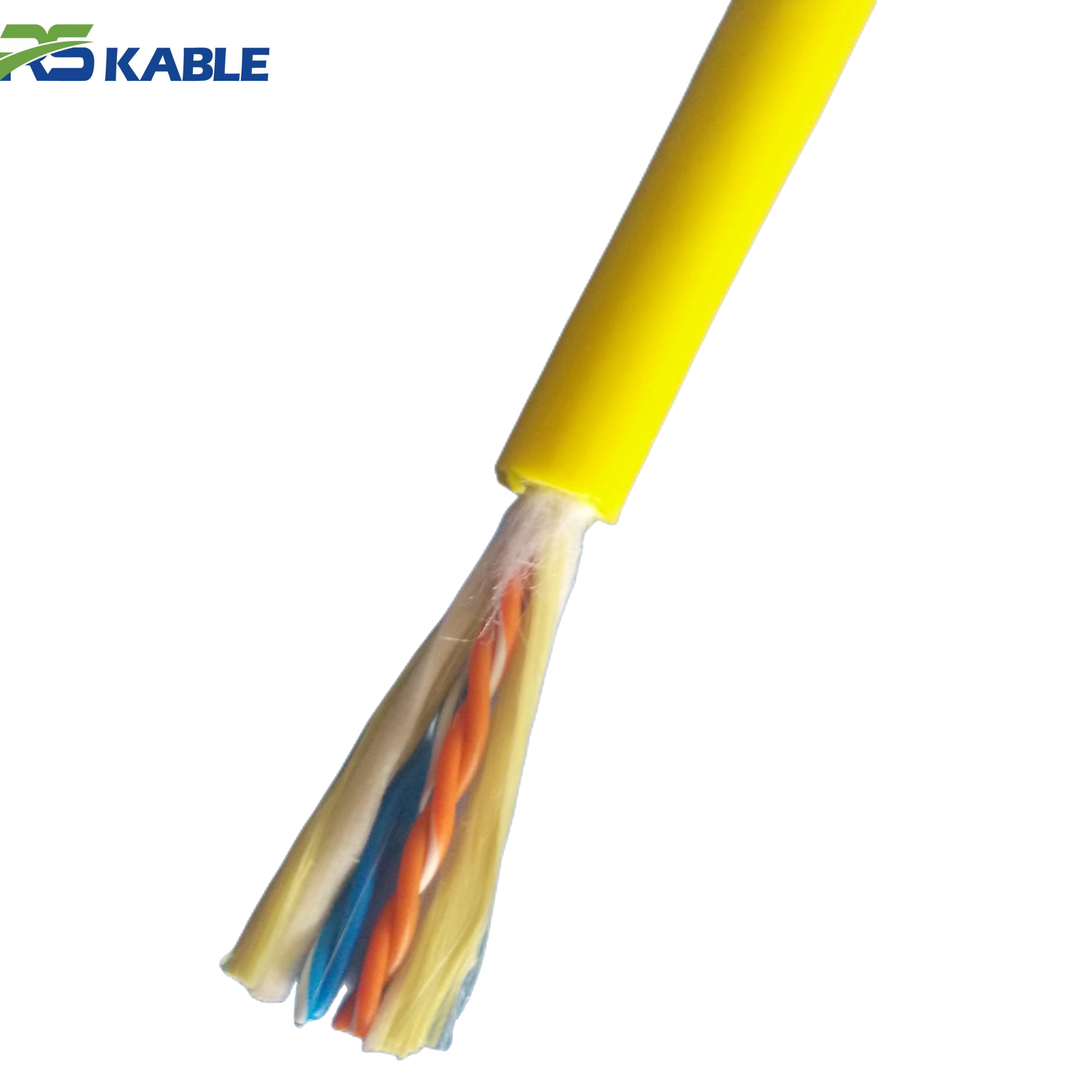
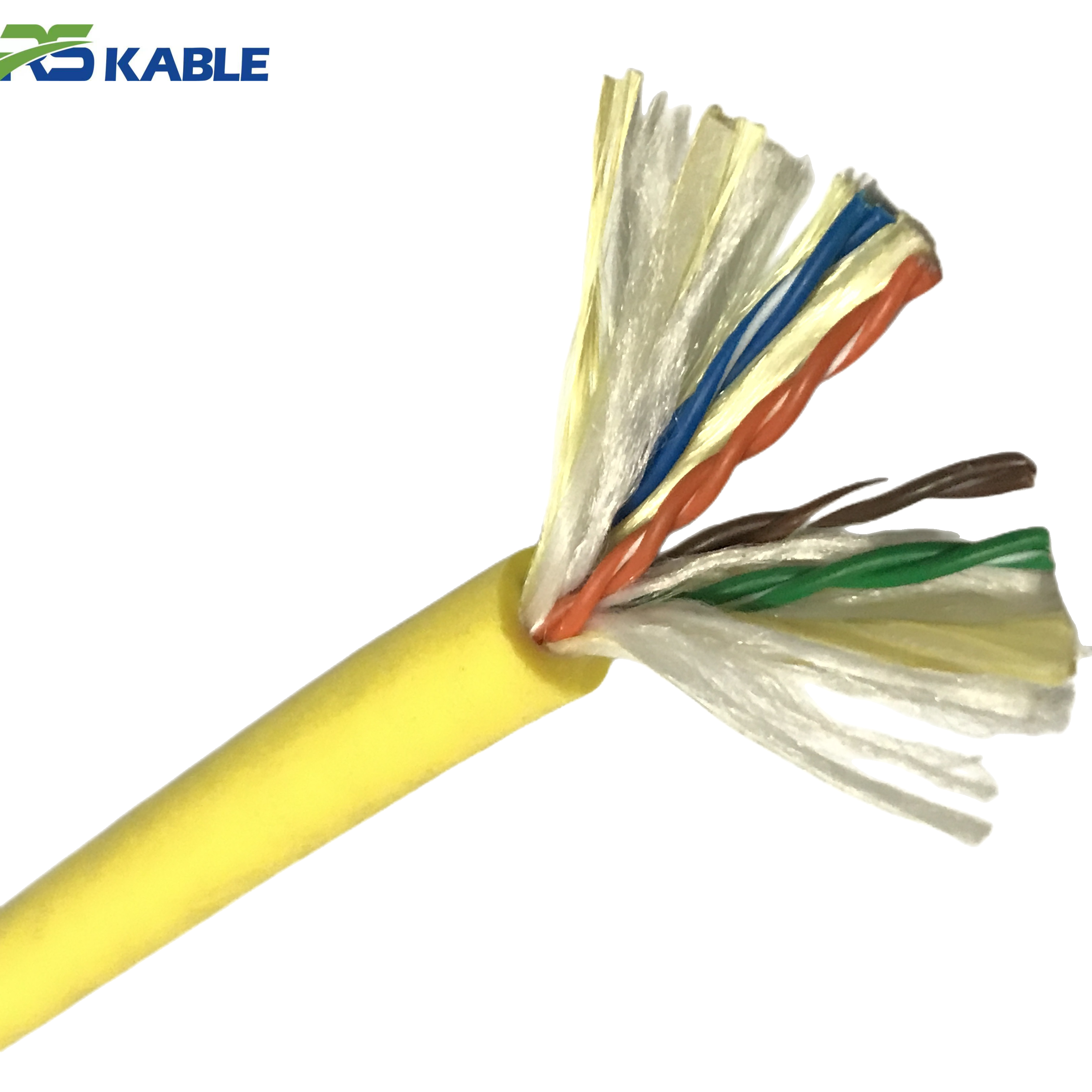
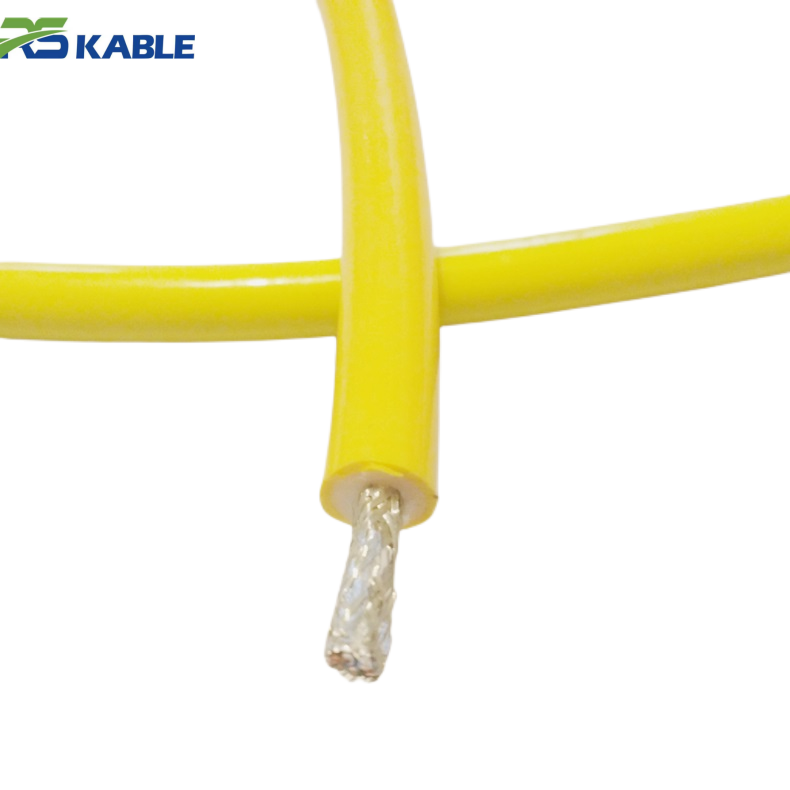
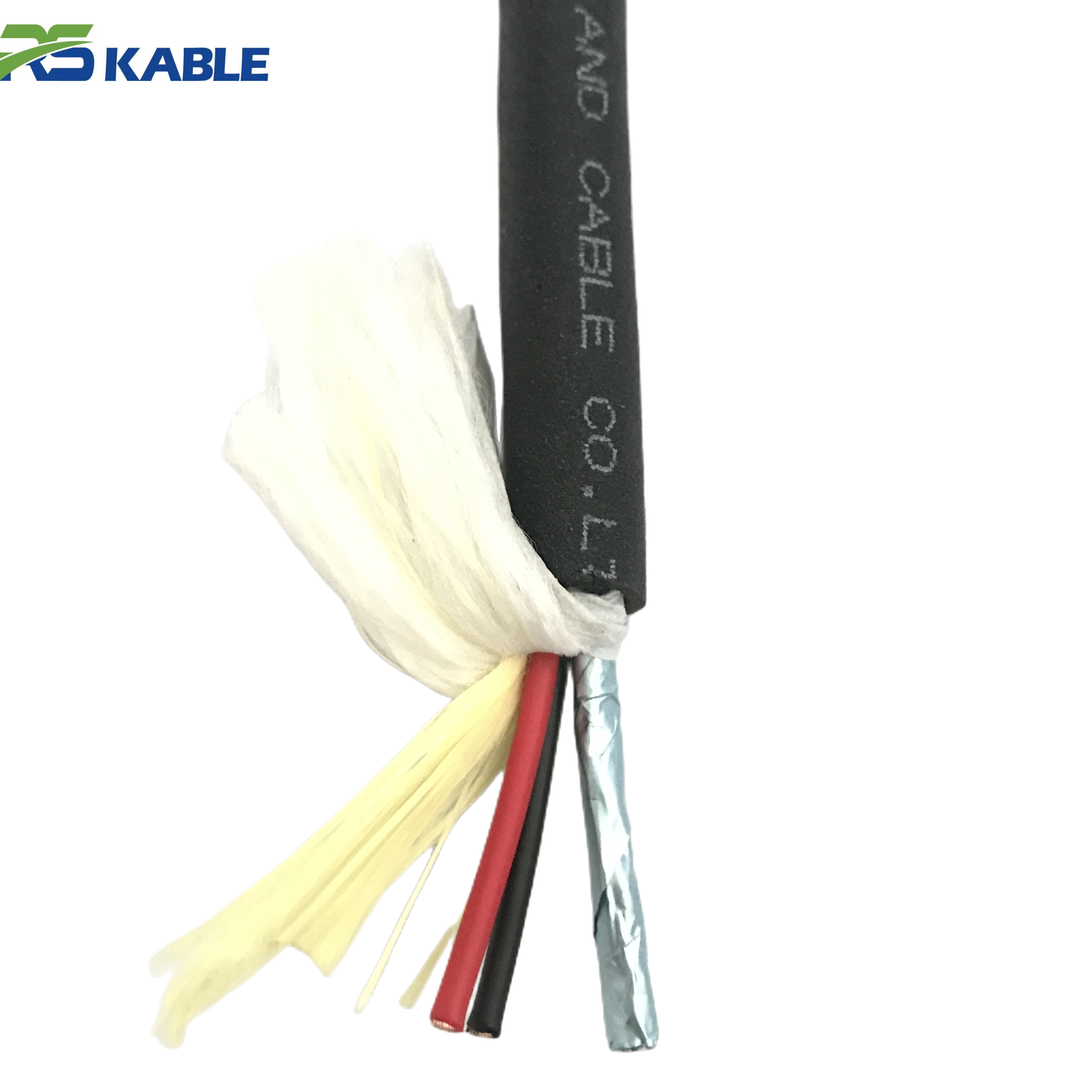
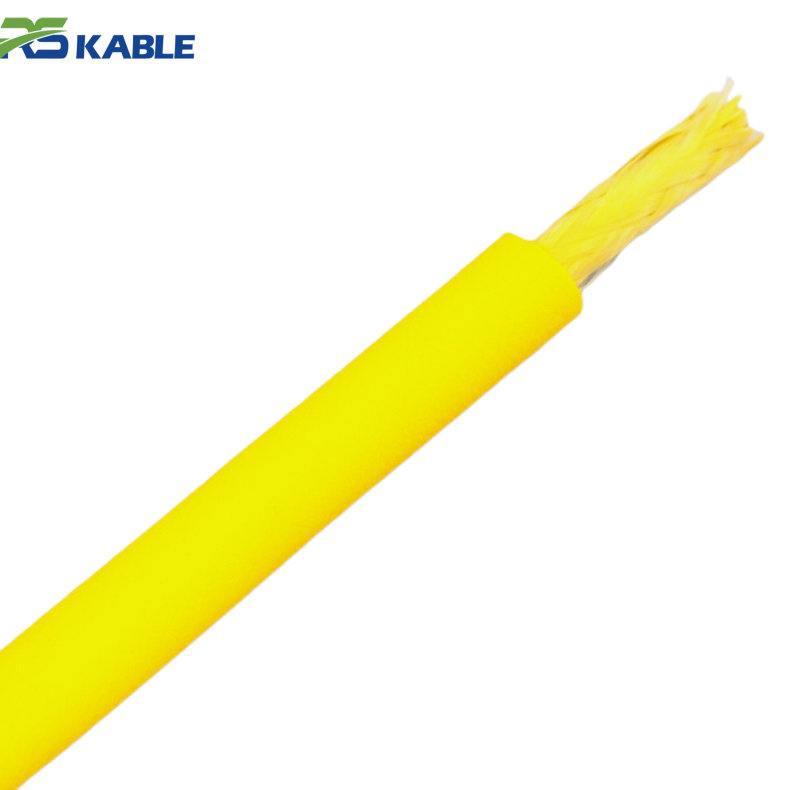
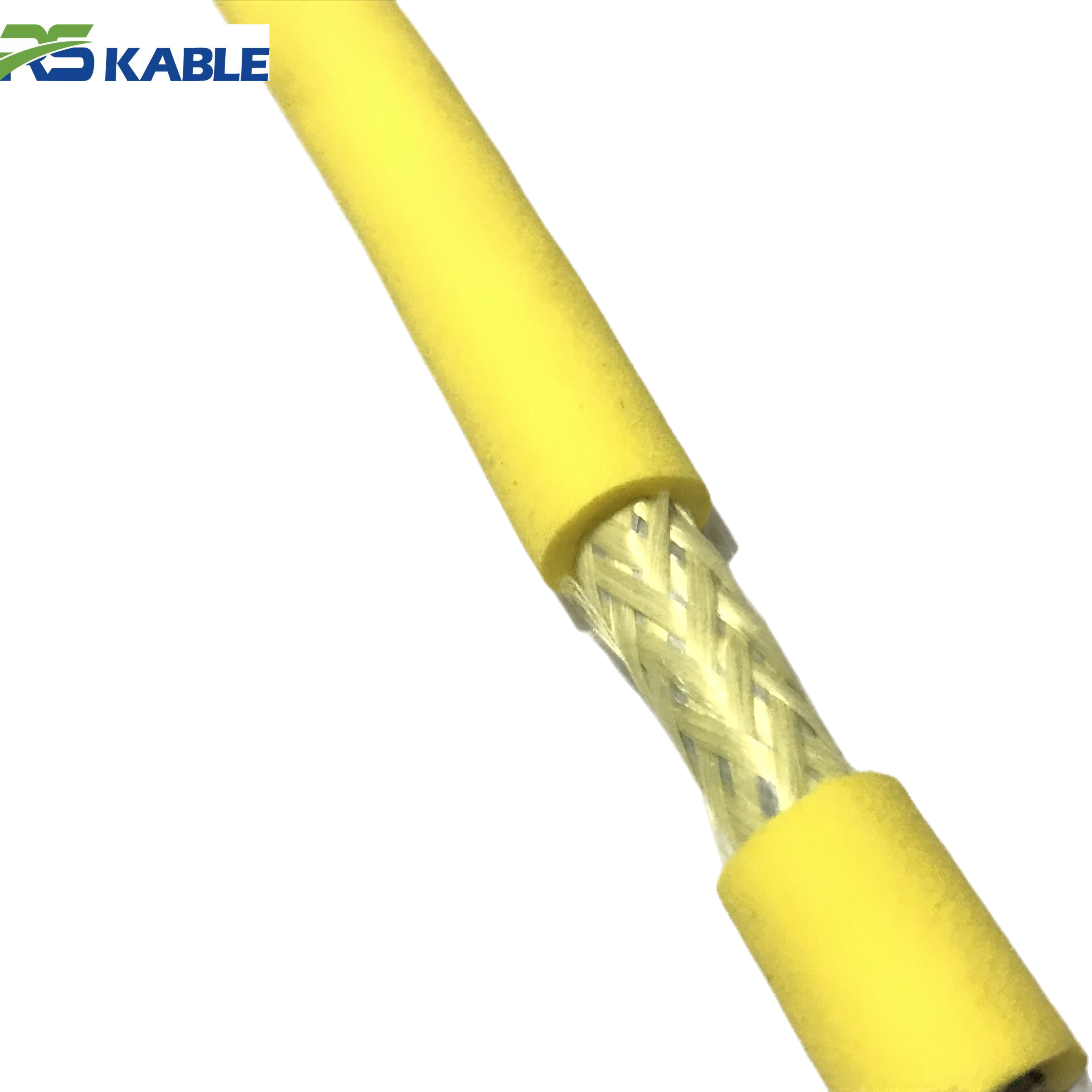
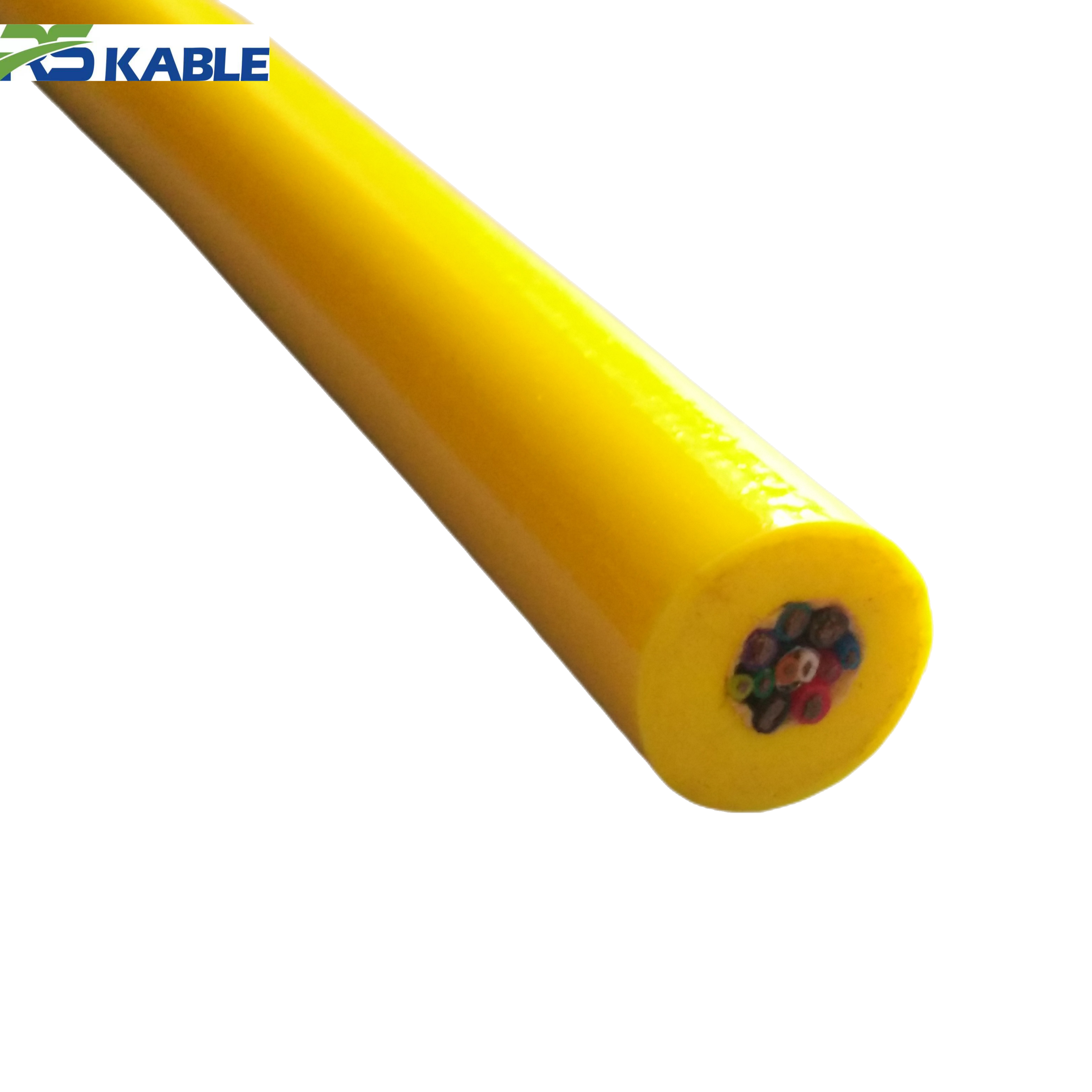
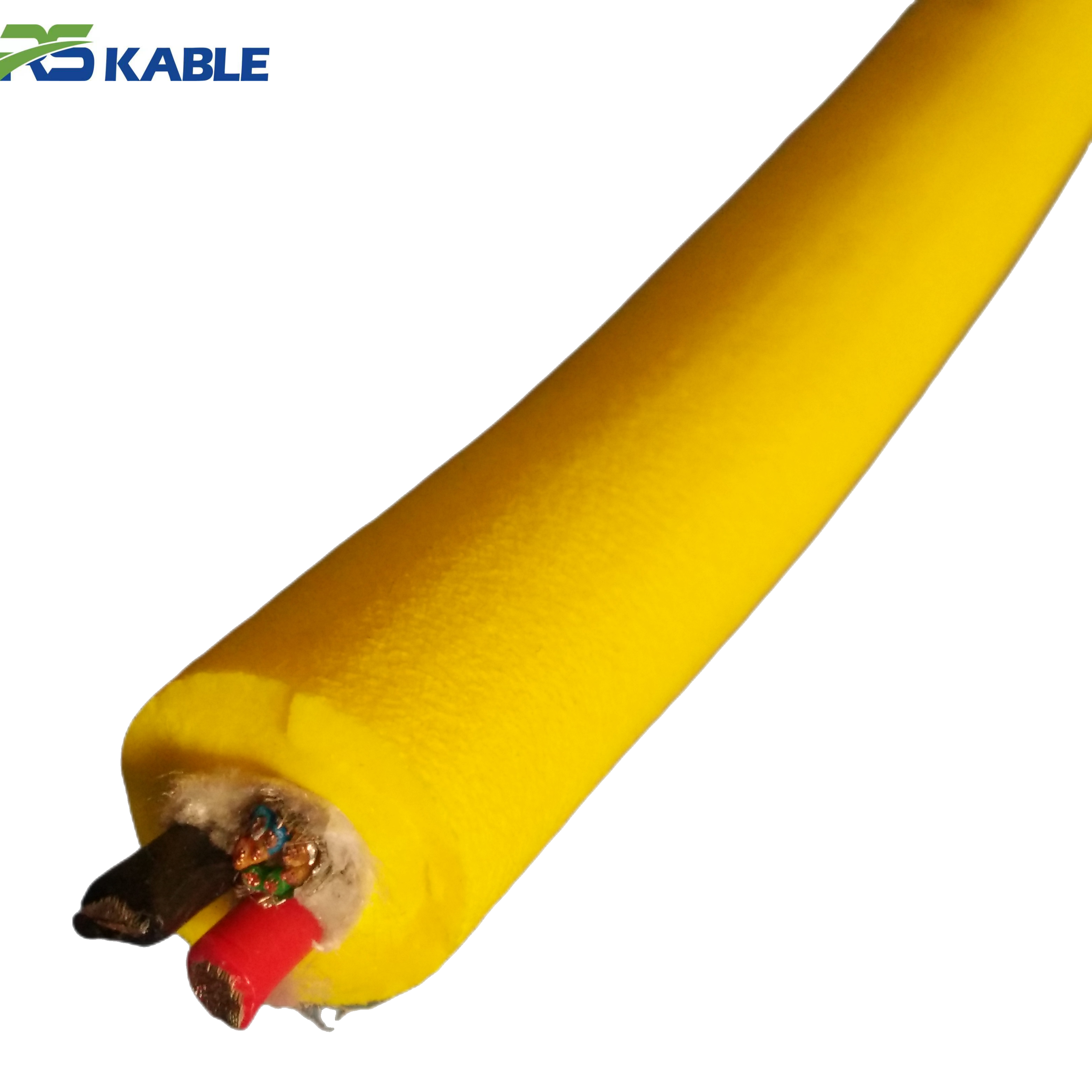
Flexible Waterproof Underwater ROV Cable – 8×0.5 mm² Power & Signal Tether
A high-flexibility waterproof underwater ROV tether cable with eight 0.5 mm² cores, designed to deliver reliable power and signal transmission in subsea applications. Engineered for robust performance in marine environments, ensures durable operation in dynamic underwater conditions.
- Flexible, waterproof design for underwater remotely operated vehicles (ROVs)
- Eight 0.5 mm² cores combining power and signal functionality
- Durable insulation and outer jacket for wear & water resistance
- Suitable for subsea robotics, inspection & exploration systems
What is an Elevator Cable?
An 【Elevator Cable】 is a flexible, multi-conductor cable designed to move with the elevator car while carrying electrical power and signals. Unlike hoisting ropes, which lift and support the car, elevator cables handle all electrical and communication needs.
Typical elevator cables transmit:
-
Power to motors, lights, ventilation systems, and emergency devices.
-
Control signals for floor selection, door operation, and safety features.
-
Communication signals for intercoms, surveillance cameras, and building management systems.
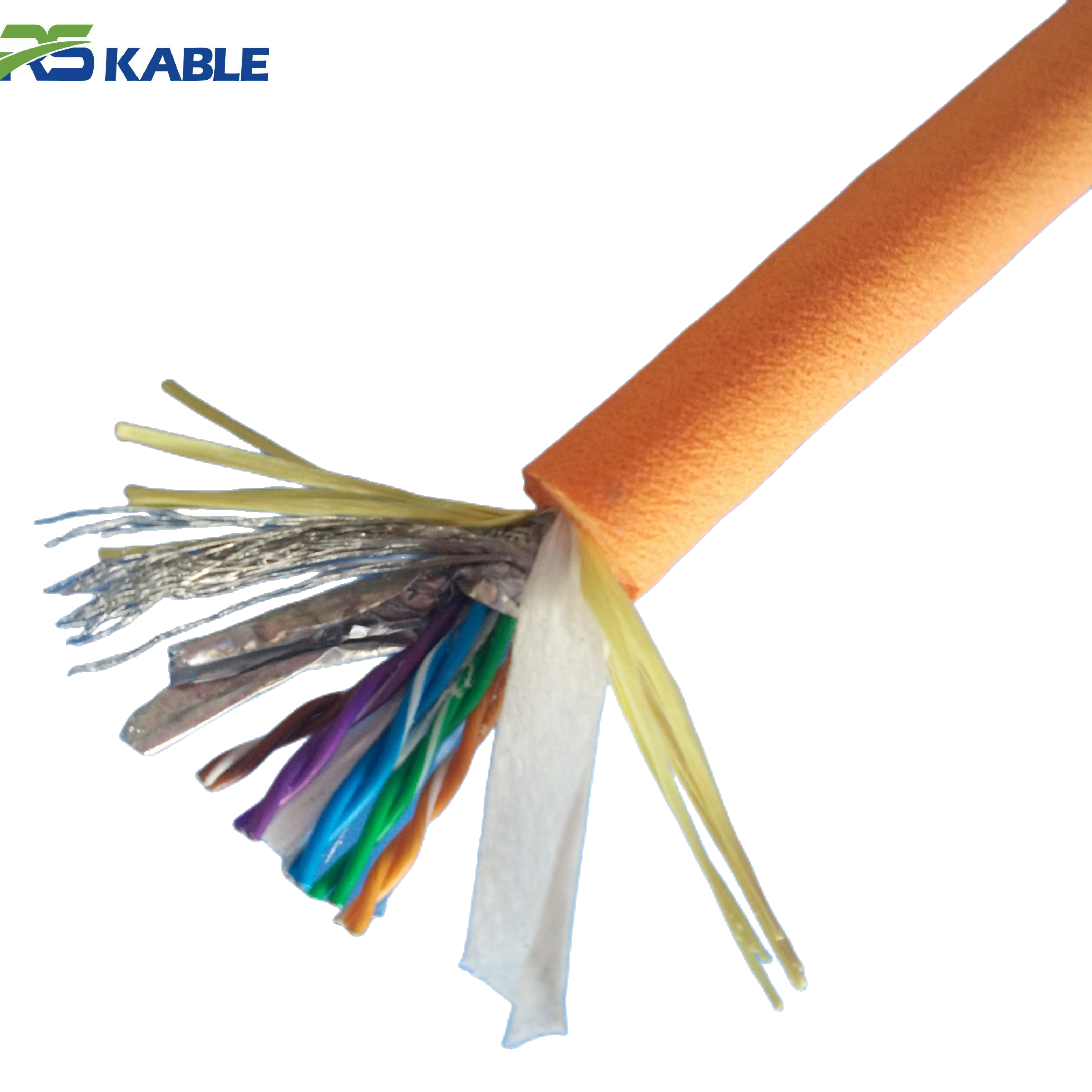
Modern designs often integrate data lines (Cat5e/Cat6), coaxial cables for video monitoring, and even fiber optics for high-speed communication in smart buildings. The cable must endure continuous bending and environmental stresses in the hoistway, making it a highly engineered component.

Types of Elevator Cables
Elevator cables are categorized based on shape, construction, and application:
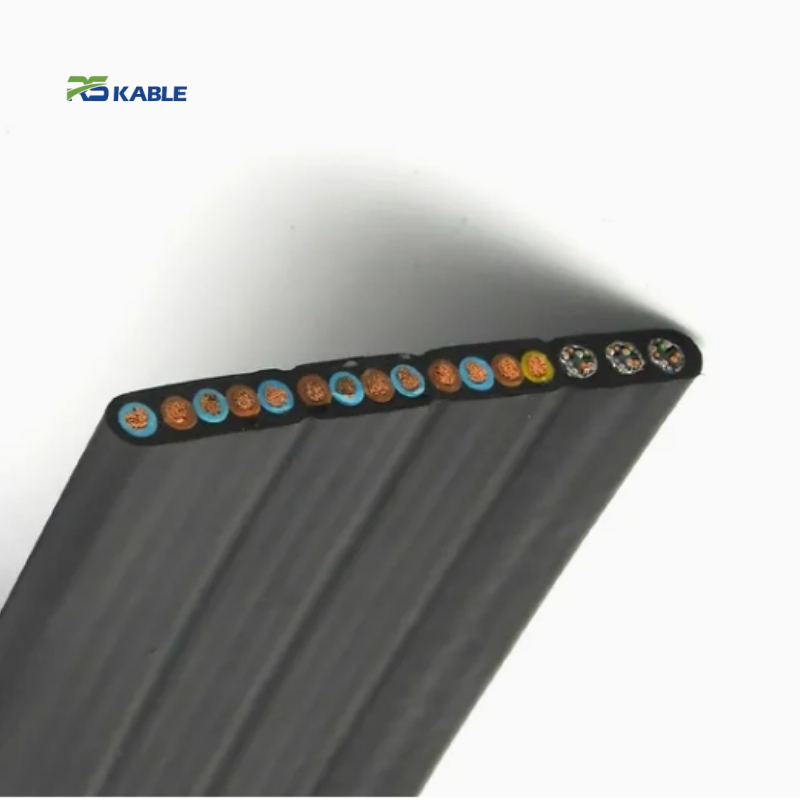
1. Flat Traveling Cables
Flat cables are the most common today. Their low-profile design allows for tighter bending radii, reduces twisting, and simplifies installation. They are particularly suitable for high-rise and high-speed elevators.
2. Round Traveling Cables
Older round cables have stranded conductors around a central core. Though durable, they occupy more space and are prone to torsional stress when the elevator moves, making them less common in modern installations.
3. Hybrid/Composite Cables
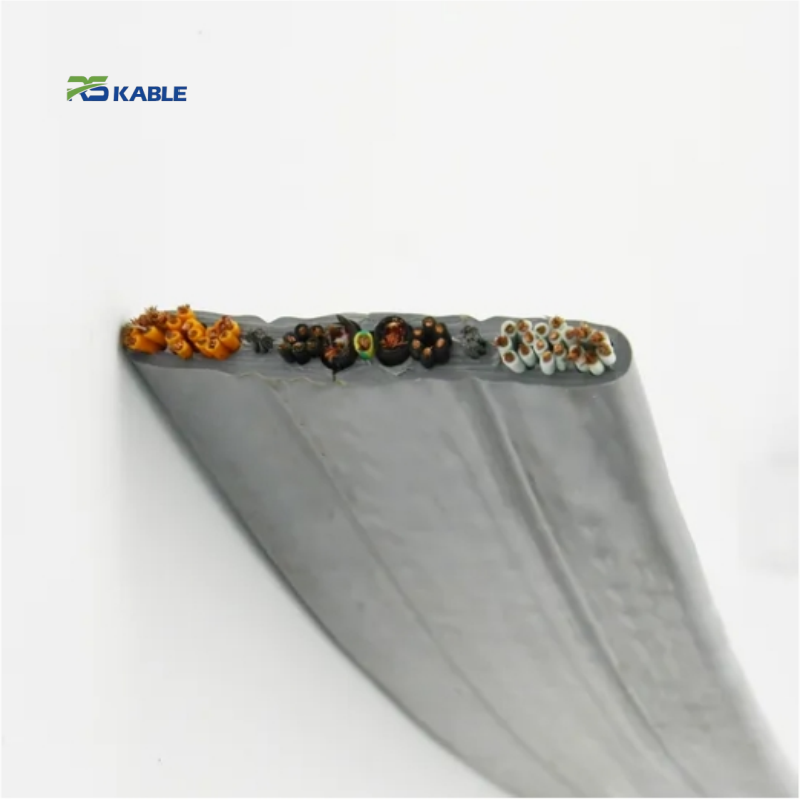
These advanced cables combine power conductors with shielded pairs for data, coaxial lines for video, and fiber optics. Hybrid cables are ideal for elevators requiring integrated LAN, CCTV, or smart-building connectivity.
Structure and Components of Elevator Cables
A well-designed 【Elevator Cable】 is a multi-layered system built for flexibility, durability, and safety:
-
Conductors: Stranded copper or tinned copper for high conductivity and flexibility.
-
Insulation: Materials like PVC, PE, or silicone rubber protect against electrical shorts, heat, and chemicals.
-
Shielding: Braided or foil layers prevent electromagnetic interference (EMI), ensuring reliable signal transmission.
-
Strength Members: Steel wires or fibers provide tensile support, preventing stretching or deformation.
-
Outer Jacket/Sheath: Tough PVC, LSZH, or specialized materials resist abrasion, moisture, and flame.
-
Integrated Elements: Modern cables may include network pairs (Cat6), coaxial lines, or fiber optics for advanced communication systems.
These components work together to allow the cable to bend millions of times over its service life without failure.
How Elevator Cables Work
The primary function of an elevator cable is to maintain continuous electrical connectivity while moving with the car.
Operating Mechanism
Elevator cables form a flexible loop between a fixed point in the hoistway and the elevator car. As the elevator moves:
-
Ascending: The lower part of the loop shortens while the upper part lengthens.
-
Descending: The opposite occurs.
Flat cable design ensures smooth bending without kinks. High-flex conductors prevent fatigue, ensuring longevity.
Power and Signal Transmission
-
Power Delivery: Supplies electricity to lighting, ventilation, motors, and emergency devices.
-
Control Signals: Transmits commands from the car to the building controller and vice versa, directing stops, door operations, and brake engagement.
-
Data and Communication: Integrated lines carry CCTV signals, intercom audio, and smart building data.
In essence, the cable acts as a dynamic lifeline, supporting precise, real-time operation even in skyscrapers.
Installation and Support Systems
Proper installation is essential for reliability:
-
Loop Supports: Brackets prevent swaying and entanglement.
-
Anti-Twist Mechanisms: Reduce torsion stress on conductors.
-
Strain Relief: Distributes weight and prevents damage at connection points.
Installation follows safety standards like ASME A17.1 and EN 81, ensuring the cable hangs freely and operates without obstruction.
Safety and Standards
Elevator cables are designed with stringent safety requirements:
-
High Flex Life: Rated for millions of bending cycles.
-
Fire Safety: Flame-retardant materials compliant with UL or IEC standards.
-
Redundancy: Multiple conductors and shielding ensure fault tolerance.
-
Environmental Resistance: Protection against oil, moisture, UV, and extreme temperatures.
Regular inspection and monitoring prevent unexpected failures and maintain passenger safety.
Maintenance Tips
Even high-quality elevator cables require routine maintenance:
-
Inspect for fraying, cracks, or insulation wear.
-
Conduct flex and continuity tests periodically.
-
Replace cables proactively every 10–15 years or sooner if wear is detected.
-
Maintain support systems, including carriers and strain relief components.
Addressing issues early reduces downtime and avoids costly repairs.
Advanced Features in Modern Elevator Systems
-
Fiber Optic Integration: For high-speed data transmission in smart buildings.
-
Hybrid Designs: Combining power, control, and video/data in a single cable.
-
Enhanced Materials: Silicone, LSZH, and low-friction coatings improve durability and flexibility.
-
Predictive Maintenance: Sensors embedded in cables for real-time wear detection and safety monitoring.
These advancements support the growing complexity of modern high-rise and intelligent elevator systems.
FAQ
Q1: How long do elevator cables last?
Elevator cables typically last 10–15 years, depending on usage, environmental conditions, and maintenance practices.
Q2: Can elevator cables carry both power and data?
Yes, modern hybrid elevator cables integrate power conductors, control signals, network lines, and even fiber optics for surveillance and building management.
Q3: What are common problems with elevator cables?
Frequent bending can cause fatigue or insulation cracks, while poor shielding may lead to signal interference. Environmental exposure may also degrade materials.
Q4: How can I ensure elevator cable safety?
Regular inspections, adherence to installation standards, choosing certified cables, and proactive replacement are critical for safe operation.
Q5: Are there different cables for high-rise elevators?
Yes, high-rise elevators require high-tensile, low-elongation, flame-retardant, and highly flexible cables to handle longer travel distances safely.