

Flat Elevator Cable: Why High-Flex Design Matters in Modern Lift Systems
In modern vertical transportation, the elevator cable serves as the backbone of lift system reliability, safety, and efficiency. Among various types, flat elevator cables with high-flex design have become the standard for high-rise and high-speed systems due to superior bending performance, compact installation, and long-term durability.
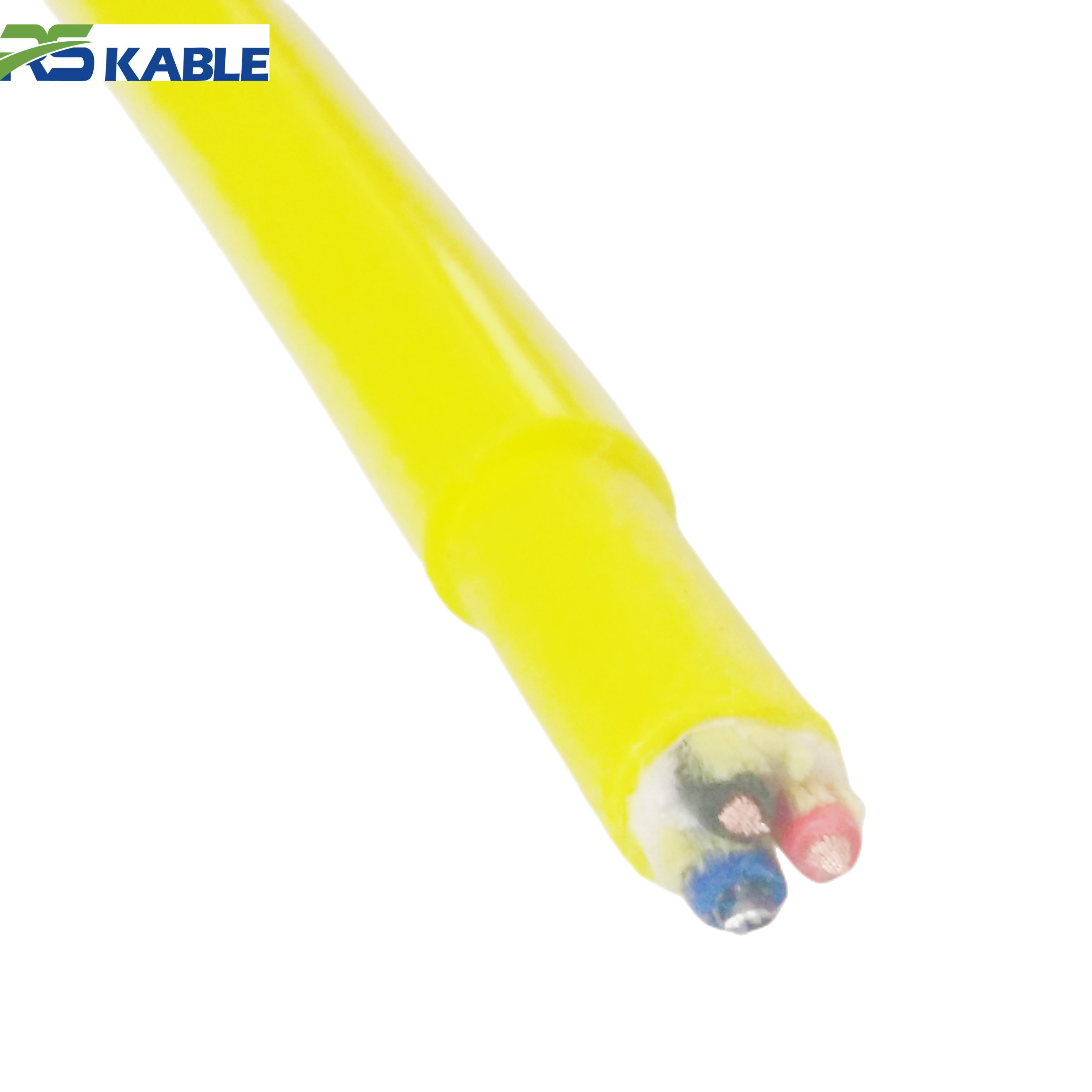
Dynamic Drag Chain Systems | ROV Cable | High Flex & Bend Resistance | Extended Service Life
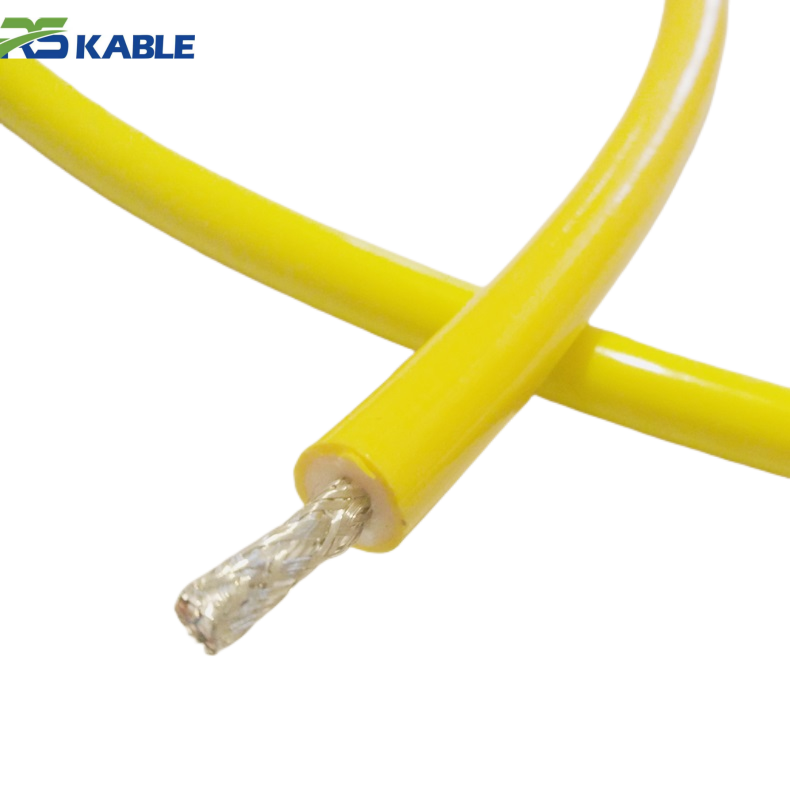
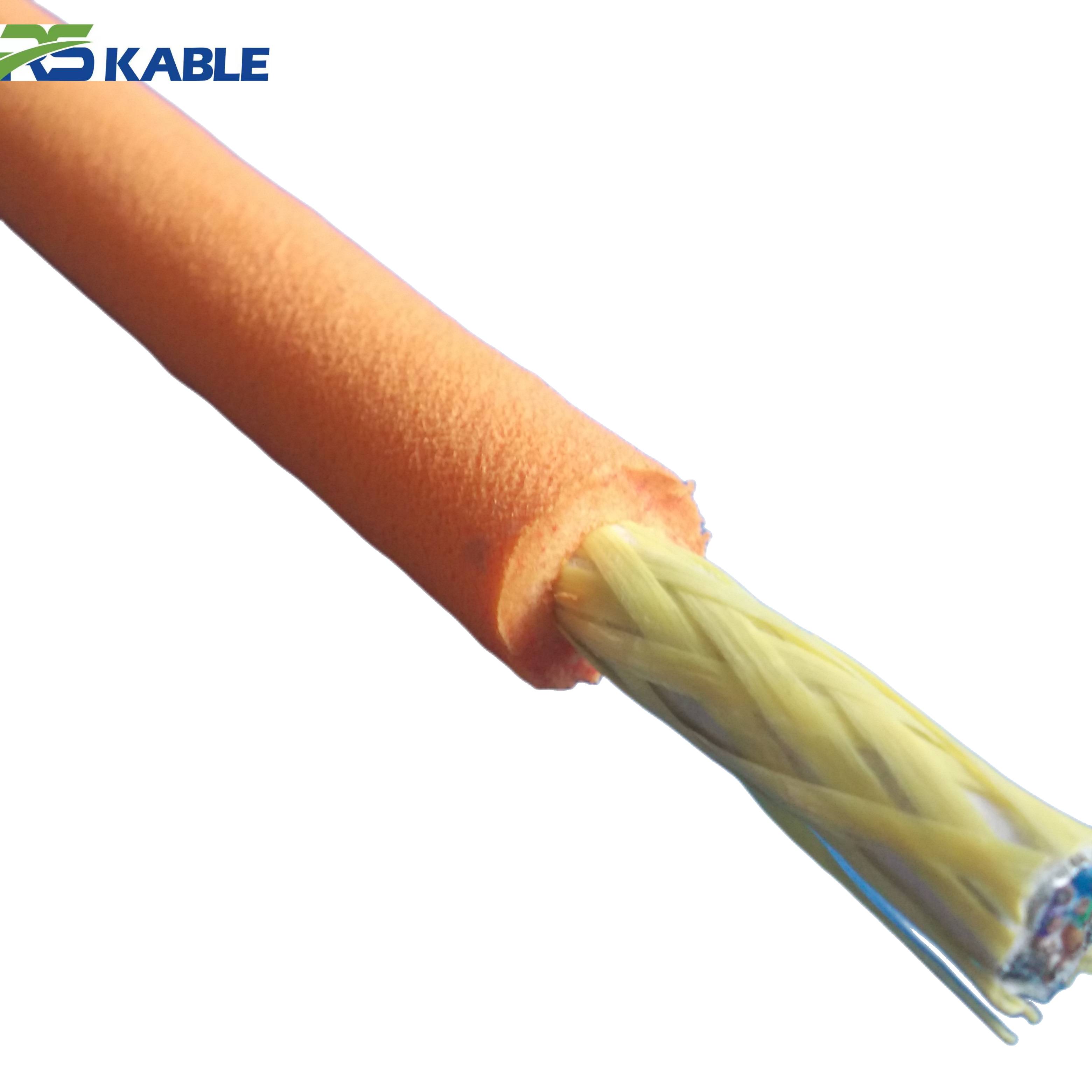
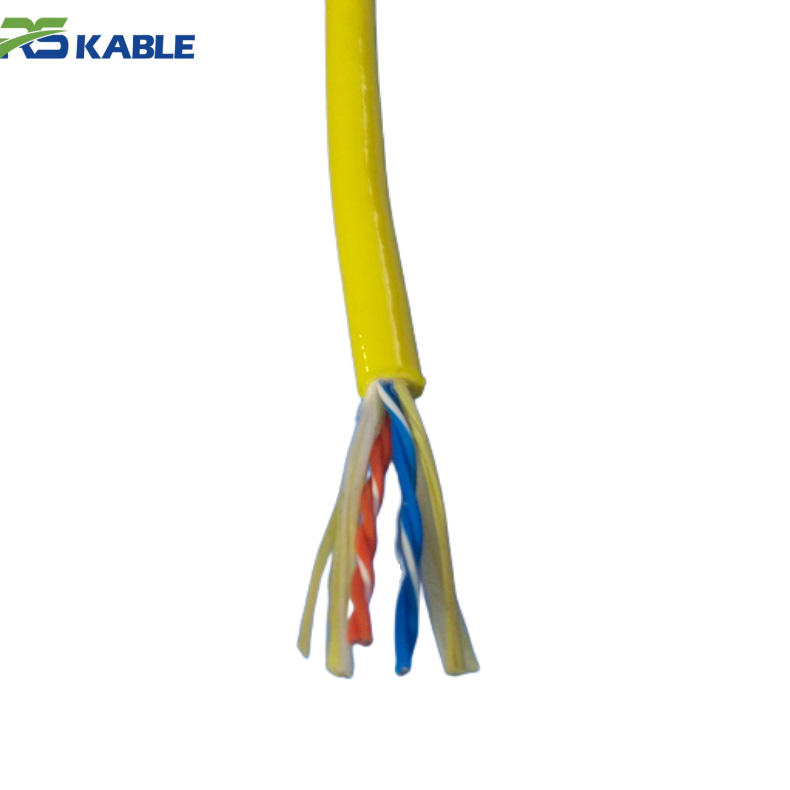
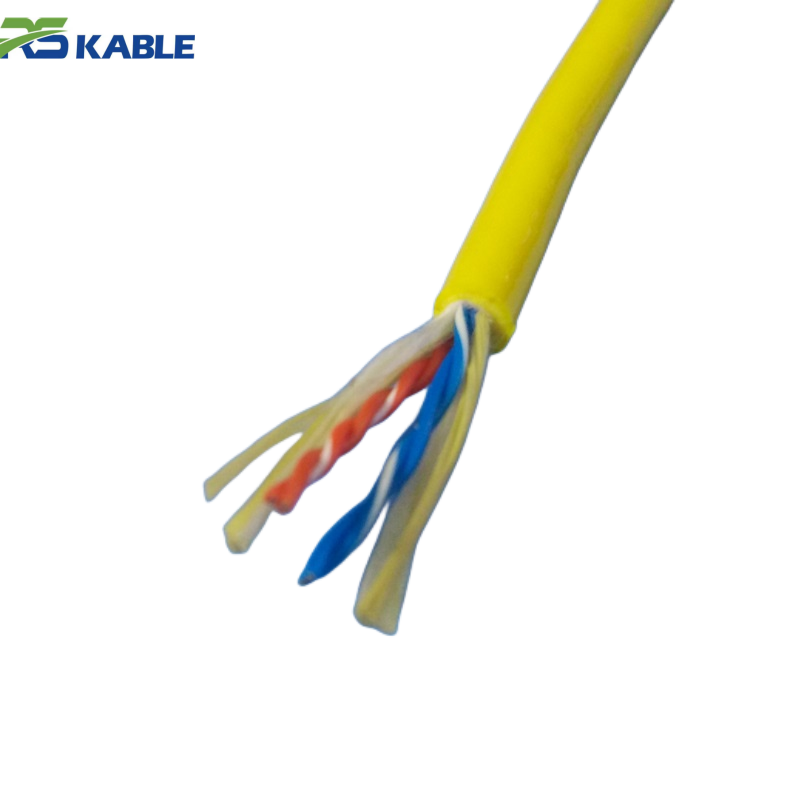
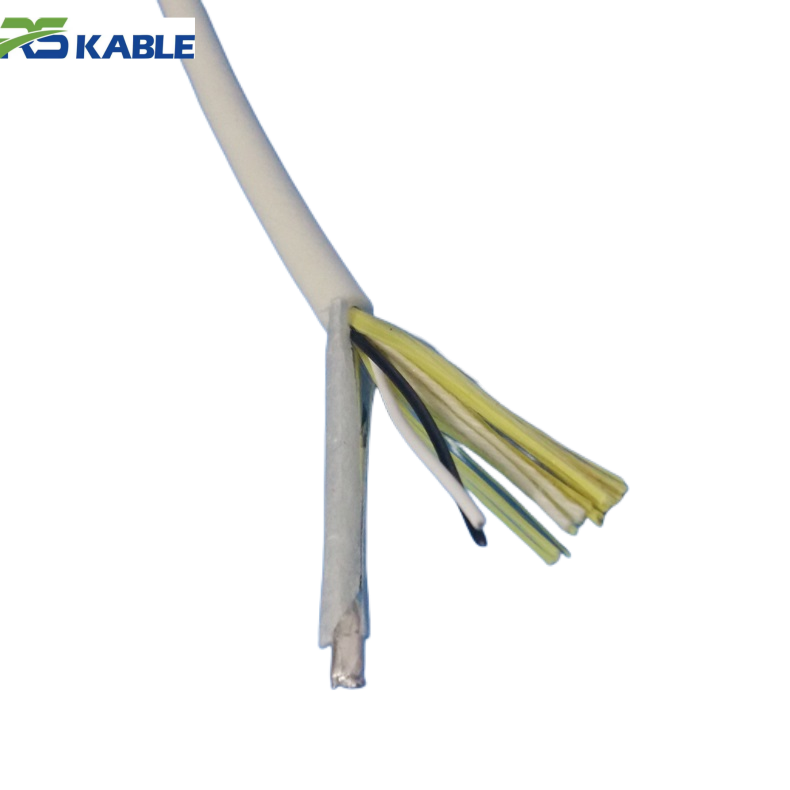
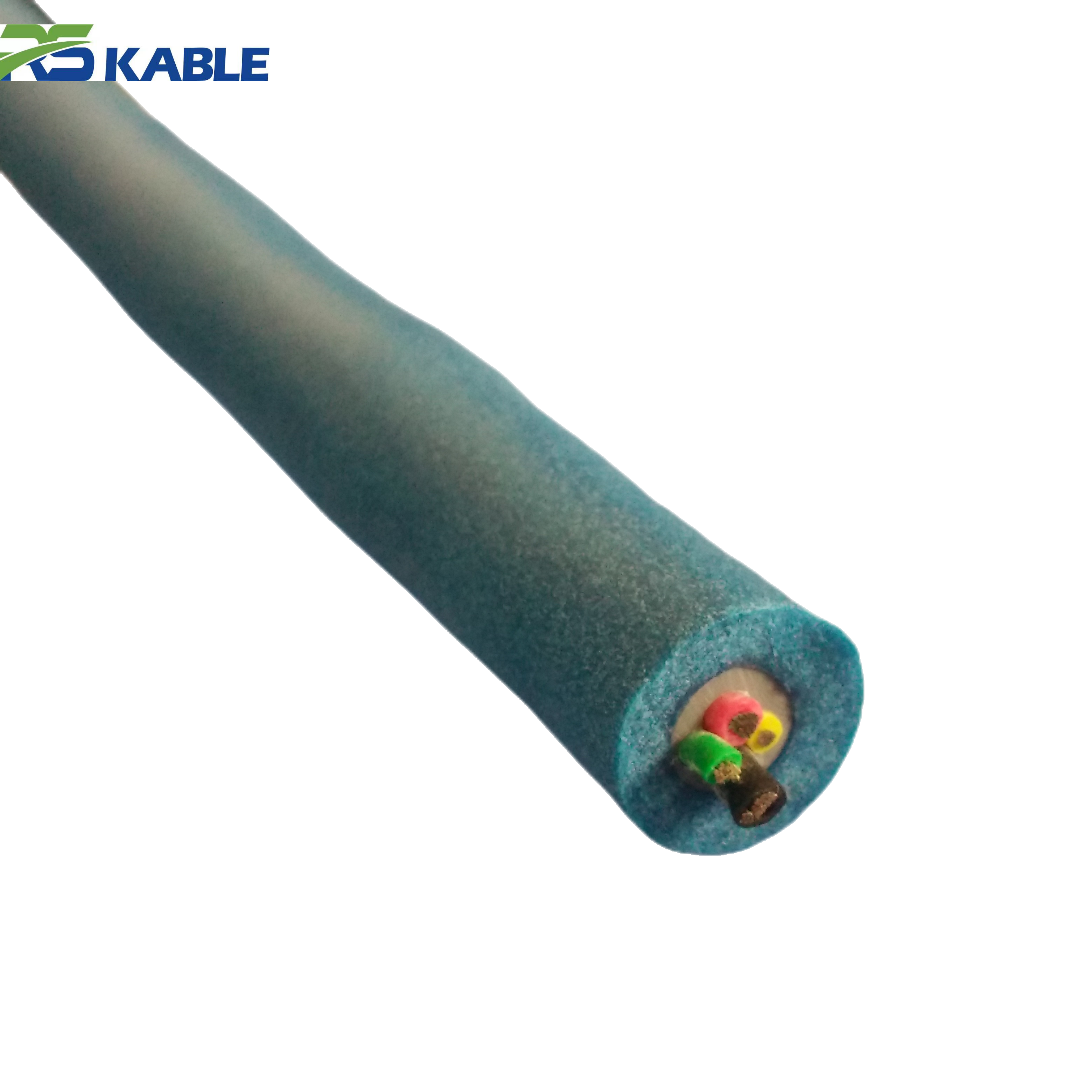
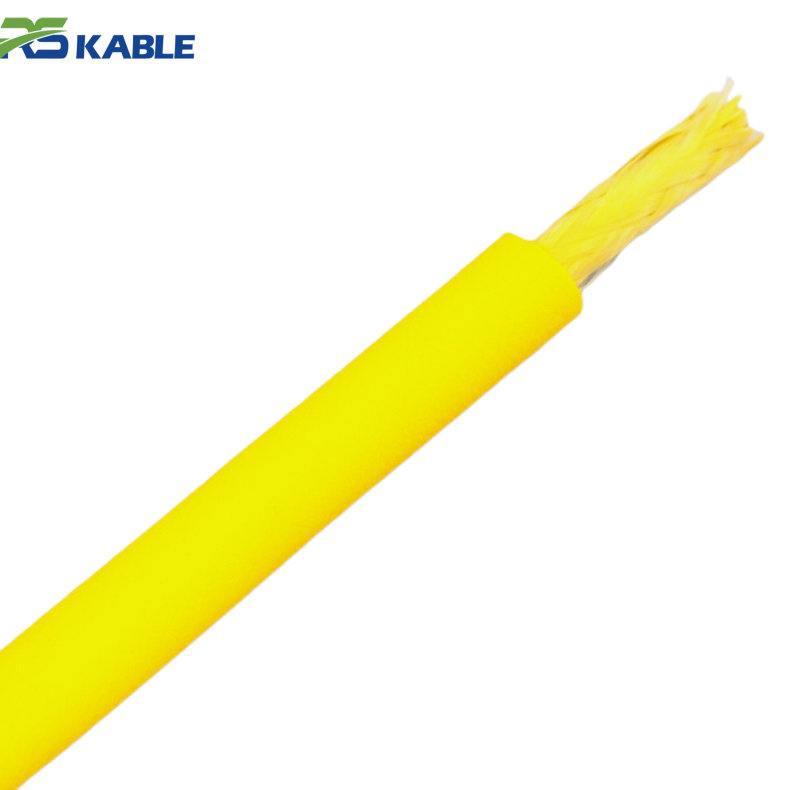
This high-flex ROV cable is engineered for dynamic drag chain and automated deployment systems requiring continuous motion durability. Featuring extra fine-stranded copper conductors, reinforced anti‑torsion construction, and a marine‑grade PUR jacket, it withstands repetitive bending cycles while maintaining consistent power and signal transmission. Suitable for inspection‑class and work‑class ROV platforms.
Understanding why high-flex flat cables are critical—and how they compare to traditional round or static elevator cables—is essential for building engineers, lift designers, MEP consultants, and procurement teams. This guide provides in-depth insights into structure, materials, performance, installation, and industrial applications.
Why Flat Elevator Cables Are Essential in Modern Lifts
Traditional round elevator cables often face challenges with torsion, bending, and alignment in lift shafts. Flat elevator cables solve these problems by offering:
-
Enhanced flexibility for long-travel and high-speed applications
-
Uniform bending stress across conductors, reducing fatigue
-
Compact design for narrow shafts and festoon systems
-
Reduced torsion, ensuring stable signal and power transmission
High-flex flat cables are engineered to handle millions of bending cycles over their service life, making them ideal for high-rise elevator systems.
Structural Advantages of Flat Elevator Cables
Flat elevator cables integrate several high-flex features:
-
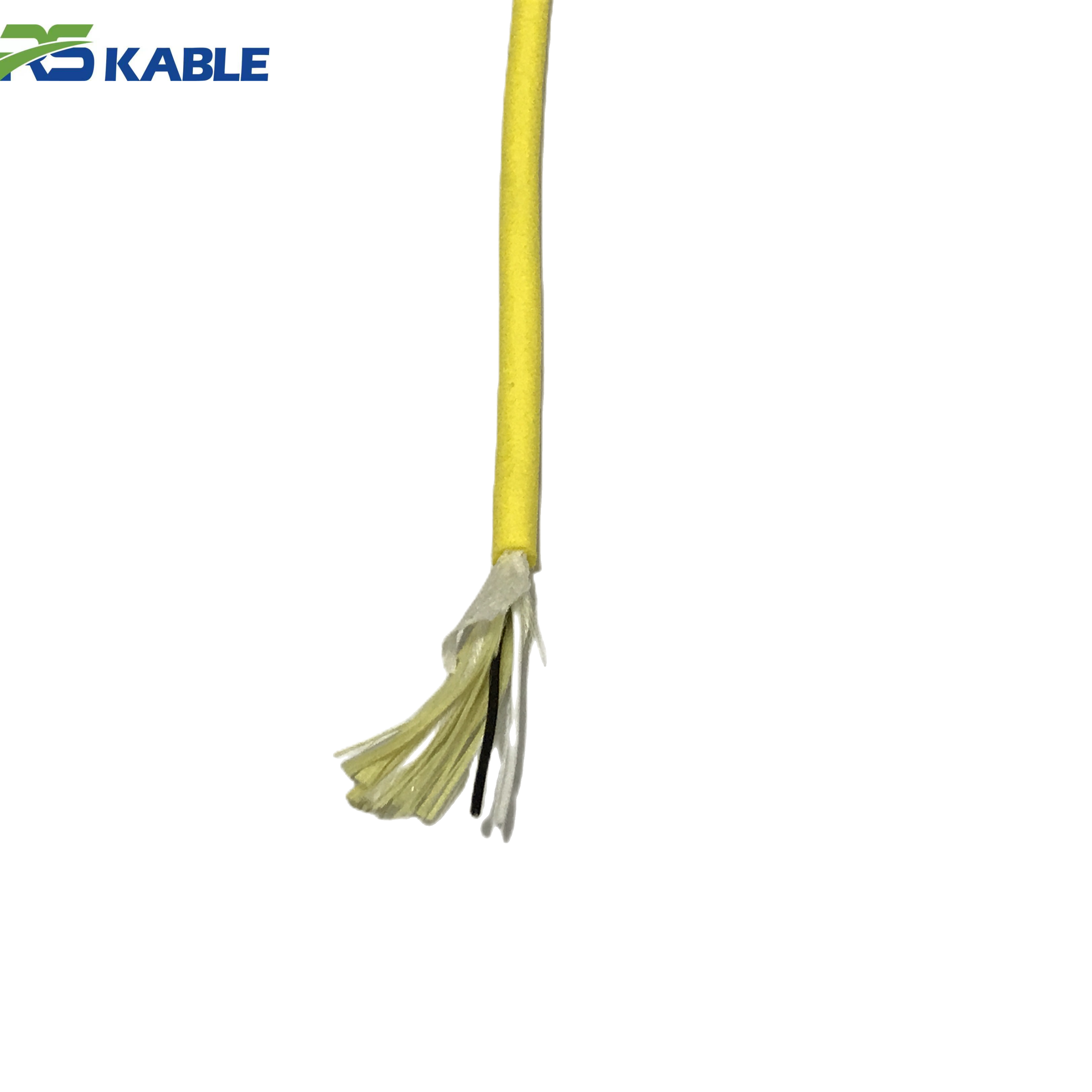
Fine-stranded conductors – Copper or tinned copper for maximum bending endurance.
-
Symmetrical conductor layout – Minimizes torsion during vertical motion.
-
Reinforced core – Textile or steel reinforcement for tensile load in tall buildings.
-
Dynamic-grade insulation – PVC, XLPE, or TPE for long-term flexibility.
-
Compact profile – Fits festoon or guide systems efficiently.
These features make elevator traveling cables suitable for high-speed lifts, express elevators, and intelligent building automation systems.
Material Selection for High-Flex Elevator Cables
Material choice directly impacts durability, safety, and compliance:
-
Conductor Materials: Fine-stranded copper or tinned copper ensures mechanical and electrical reliability.
-
Insulation:
-
PVC – Cost-effective, flame-retardant
-
XLPE – High-temperature resistance and abrasion durability
-
TPE – Superior flexibility, low-temperature performance
-
-
Outer Sheath: Abrasion-resistant PVC or PUR protects against moisture, chemicals, and shaft abrasion
-
Shielding: Aluminum foil, braided copper, or hybrid shields for EMI reduction
Proper material selection ensures compliance with building codes and fire safety standards.
Performance Considerations
Flat elevator cables must meet multiple operational requirements:
-
Flexibility: Designed for continuous vertical motion
-
Tensile strength: Reinforced cores prevent elongation over long travel distances
-
Signal integrity: Shielded cables maintain control and monitoring data in high-speed lifts
-
Fire safety compliance: Flame-retardant or LSZH materials ensure occupant safety
-
Temperature and environmental resistance: Stable performance in fluctuating shaft temperatures and humidity
Performance testing, including dynamic bending cycles, tensile load evaluation, and insulation integrity checks, is essential for high-rise elevator systems.
Industrial Applications
High-Rise Residential and Commercial Buildings
Flat elevator cables support passenger lifts, service elevators, and express lifts in tall buildings, providing long-travel stability and minimizing conductor fatigue.
Industrial and Logistics Facilities
Reinforced flat cables resist abrasion, oil, and vibration, ideal for freight elevators and automated material lifts.
Smart Buildings and Intelligent Elevator Systems
Flat elevator cables enable reliable lift control, IoT integration, and emergency communication, critical for modern building automation.
Installation Best Practices
Proper installation maximizes cable longevity:
-
Maintain minimum bending radius per manufacturer guidance
-
Avoid torsion during suspension
-
Use strain relief at car and machine room ends
-
Align elevator car and shaft to prevent lateral stress
-
Employ cable guides compatible with flat profiles
Correct installation prevents premature wear, conductor fatigue, and operational downtime.

-
Using static round cables for dynamic travel
-
Ignoring tensile reinforcement for high-rise shafts
-
Failing to account for shielding in digitally controlled elevators
-
Choosing non-certified materials for fire compliance
-
Overlooking environmental conditions in industrial or mixed-use shafts
Avoiding these mistakes enhances service life and reduces maintenance costs.
Future Trends in Elevator Cable Technology
Emerging trends for flat elevator cables in high-rise and smart buildings include:
-
Hybrid power and data cores for integrated control systems
-
Fiber optic cores for high-speed monitoring
-
Lightweight, high-strength materials for ultra-high-rise applications
-
Advanced flame-retardant, low-smoke, halogen-free compounds
These innovations maintain reliability and safety in modern vertical transportation systems.
Frequently Asked Questions (FAQ)
1. Why choose a flat elevator cable over a round cable?
Flat cables evenly distribute bending stress, reduce torsion, and fit narrow shafts and festoon systems efficiently.
2. How many bending cycles can a high-flex flat cable withstand?
High-quality flat elevator cables are designed for millions of bending cycles over the service life.
3. Are shielding and fire safety important?
Yes. Shielding protects signals, and flame-retardant or LSZH materials maintain safety compliance in high-rise systems.
4. Can flat elevator cables be used in industrial freight elevators?
Yes. Reinforced flat cables resist abrasion, chemical exposure, and mechanical vibration.
5. How should flat elevator cables be installed?
Follow manufacturer recommendations for bending radius, strain relief, alignment, and compatible guides.