

Fiber Optic Elevator Traveling Cable: Benefits, Uses, and Selection Guide
Fiber optic integration is becoming a practical upgrade path for modern elevator systems—but only when it’s done with the right cable design. Today’s elevators often carry far more than basic control signals. In many buildings, the elevator car is expected to support CCTV video, emergency intercom, access control, digital displays, remote diagnostics, and real-time monitoring. That growing data demand is one reason fiber optic elevator traveling cable is gaining attention in new projects and modernization work.
But there is a key point many buyers miss: an elevator shaft is a dynamic environment. The cable must hang vertically, move thousands of cycles, tolerate vibration, and survive long-term bending without signal instability. A standard static fiber cable that performs perfectly in a telecom cabinet may fail early when used as a traveling element. That’s why the right solution is not “any fiber cable in the shaft,” but a true Elevator Traveling Cable engineered to carry fiber optic elements reliably under motion.
This guide explains what fiber optic elevator traveling cable is, when fiber is worth using, when copper is still enough, what to check before ordering, and what common problems appear when the wrong approach is used. It is written for elevator OEMs, contractors, system integrators, distributors, and maintenance teams who need practical decision support—not just a definition.
23AWG Industrial Bare Copper CAT6 UTP Flat Elevator LAN Cable with Dual Steel Cores – PE Insulation
This flat elevator LAN cable is engineered for **high-speed Gigabit data transmission** in dynamic lift systems, featuring **pure 23AWG bare copper conductors**, **dual steel messenger wires**, and a **flat anti-twist structure** to deliver stable PoE support, reliable signal integrity, and long service life under constant vertical motion.
What Is a Fiber Optic Elevator Traveling Cable?
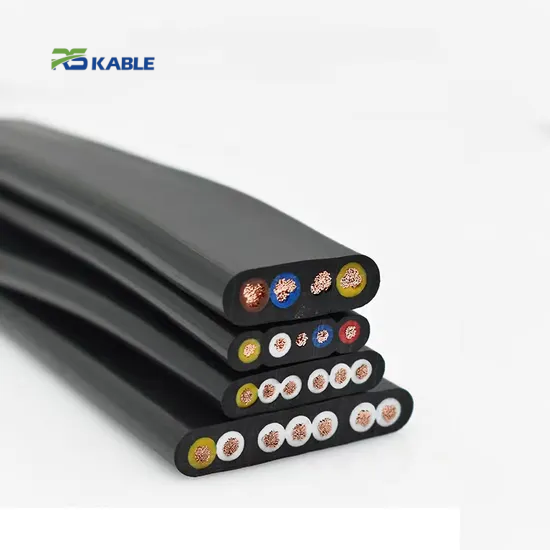
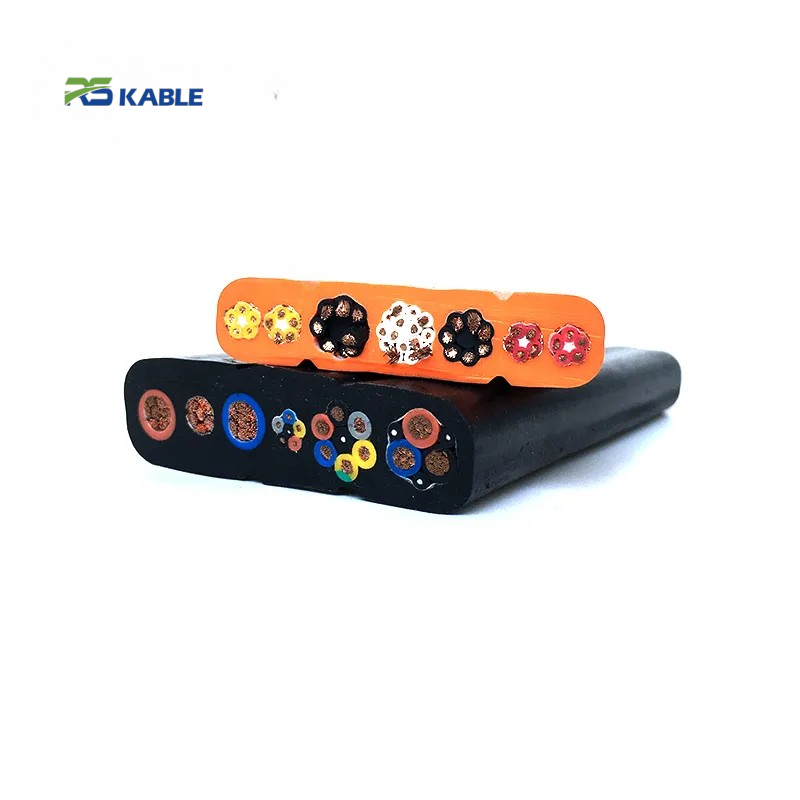
An elevator traveling cable is the flexible cable assembly that links the elevator car to the controller, machine room, and building systems while allowing continuous vertical travel. It typically contains multiple conductors to support power, control, and communication functions as the car moves.
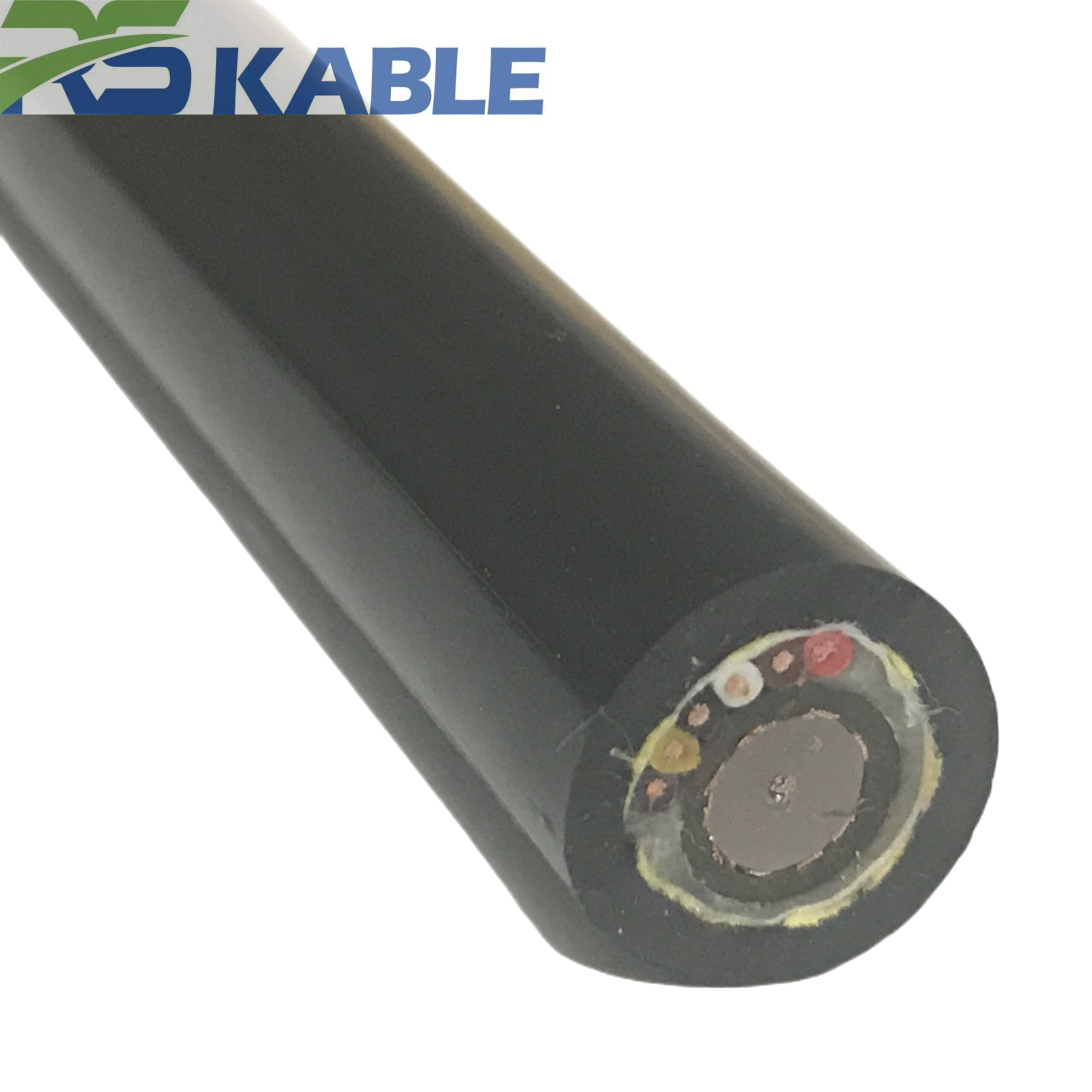
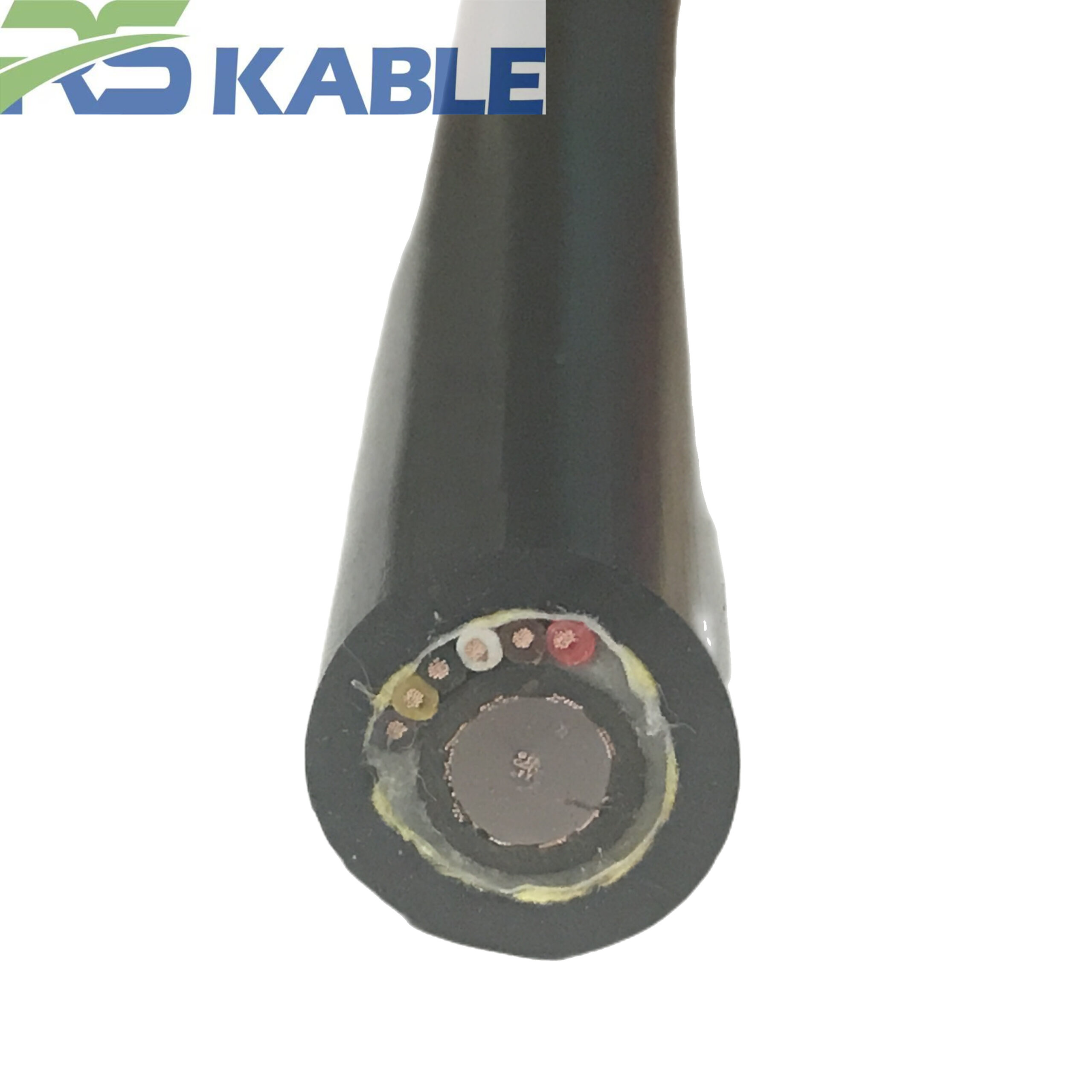
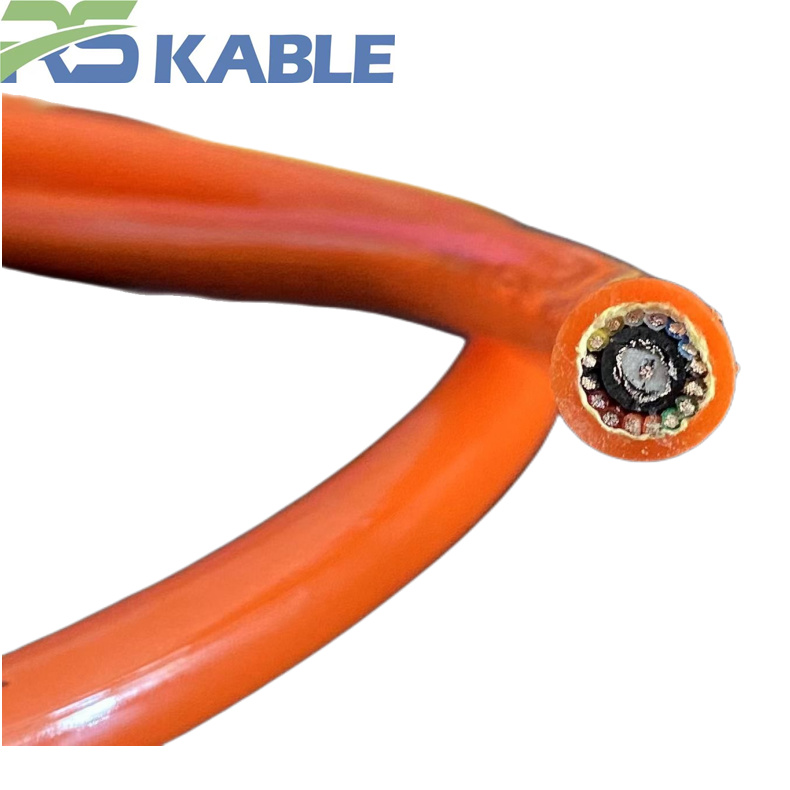
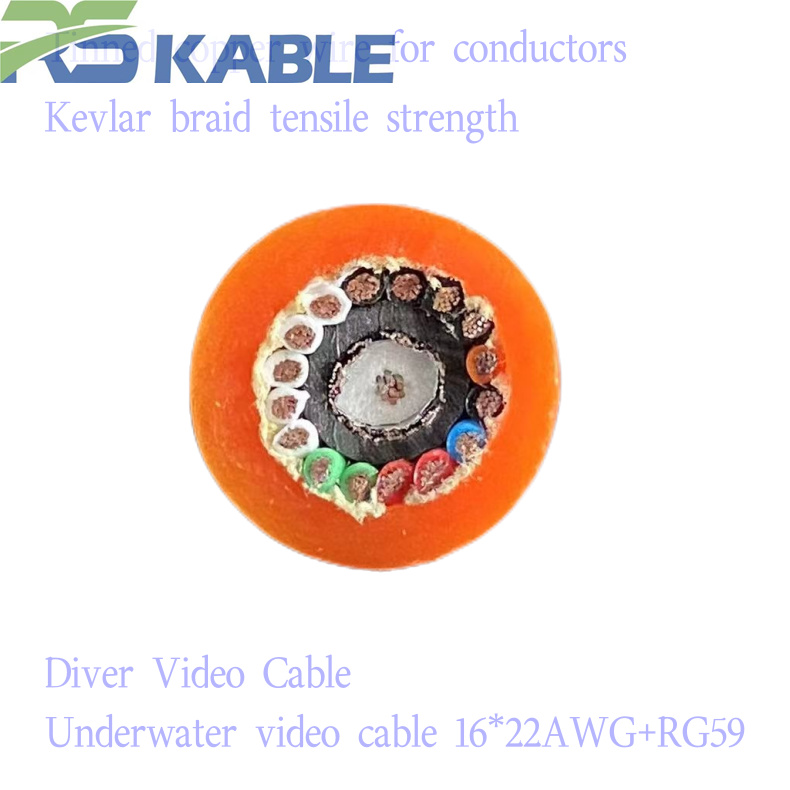
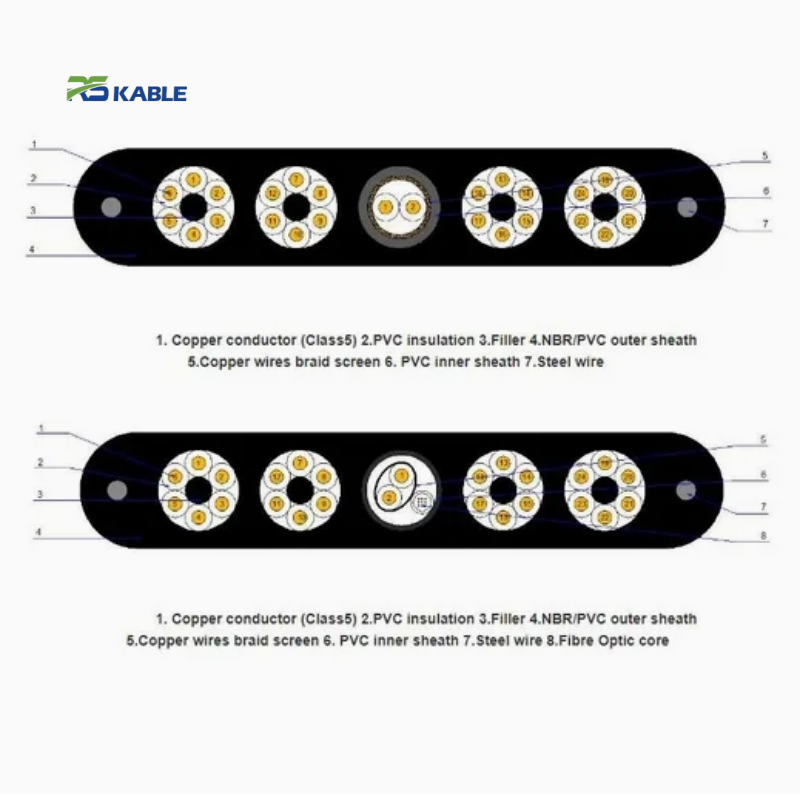
A fiber optic elevator traveling cable adds optical fibers to that traveling assembly so the elevator can transmit high-speed data with strong signal integrity. In a single cable, it may combine:
-
power and control conductors
-
communication pairs
-
fiber optic elements for data/video
-
shielding (when needed for signal stability)
-
reinforcement and suspension structure
-
a durable outer jacket designed for long service life
In many projects, this is a hybrid solution—fiber for high-speed data and copper conductors for power and control—packaged into one cable designed specifically for elevator motion.
Why Fiber Is Being Added to Elevator Systems
The elevator car has become a connected node in modern buildings. Fiber is increasingly used to support:
-
CCTV inside elevator cars (higher data stability for video transmission)
-
remote monitoring and diagnostics (predictive maintenance and uptime tracking)
-
digital intercom and emergency communication systems
-
destination control and smart dispatch integration
-
digital signage and multimedia displays
-
building management system connectivity
Fiber’s main advantages—high bandwidth capacity and resistance to electromagnetic interference—align well with these modern elevator requirements, especially in large commercial buildings and public facilities.
Elevator Traveling Cable vs Ordinary Fiber Cable (Why This Matters)
This is where many projects go wrong. Buyers sometimes assume they can run a standard fiber cable through the shaft and solve the data problem. In practice, elevators create a very different duty profile.
A traveling cable must handle:
-
long vertical hanging length
-
repeated bending during every trip
-
vibration, acceleration, and deceleration
-
long-term mechanical fatigue at fixing points
-
stable performance under continuous motion
A standard indoor/static fiber cable is not designed for that. The result may be intermittent signal loss, increased attenuation over time, fiber damage, or early replacement.
That is why fiber should be integrated into a purpose-built Elevator Traveling Cable rather than treated as an add-on.
When to Use Fiber in Elevator Traveling Cable—and When Copper Is Still Enough
This decision framework is one of the most important parts of a high-performing SEO article because it answers the real question behind many searches: “Do I actually need fiber?”
Fiber is usually worth it when:
-
the elevator car carries CCTV video or multiple cameras
-
the building needs remote diagnostics and long-term monitoring
-
the site expects future smart building upgrades
-
there is strong electrical noise (drives, motors, dense building systems)
-
the project is a high-rise, high-traffic commercial environment
-
modernization adds digital systems that need better data stability
Copper may still be enough when:
-
the system is basic and data requirements are low
-
there is no video transmission requirement
-
the building is small and does not plan smart integration
-
the upgrade scope is limited to essential control functions
-
budget constraints outweigh future expansion needs
In many cases, fiber is not “mandatory.” It is a strategic upgrade that makes the most sense when the elevator is expected to behave like a modern connected system.
Where Fiber Optic Elevator Traveling Cable Is Most Common
You’re most likely to see fiber optic integration in:
-
high-rise commercial towers (security + monitoring + smart building integration)
-
hospitals and medical facilities (reliability and monitoring priorities)
-
hotels and premium residential towers (security and connected services)
-
airports, stations, and public buildings (high traffic, strong monitoring needs)
-
modernization projects (upgrading older systems without rebuilding the entire infrastructure)
These sites benefit from stable data transport and future-ready communication capacity.
Key Selection Factors Before You Buy
If you’re sourcing fiber optic elevator traveling cable, do not start with fiber count alone. Start with the real motion and system requirements.
1) Travel height and hanging behavior
Longer travel heights increase hanging load and mechanical stress. Cable stability and suspension design become more important as height increases.
2) Duty cycle (traffic level)
A low-use residential elevator and a high-use commercial elevator create very different fatigue environments. High-cycle duty requires stronger durability planning.
3) Fiber count and data use case
Define what the fiber is actually supporting:
-
one CCTV stream or multiple
-
monitoring and diagnostics
-
future expansion margin
Overspecifying can add cost and complexity. Underspecifying can limit future upgrades.
4) Copper conductor requirements
Even with fiber, most systems still need copper conductors for control and power. Confirm the full conductor architecture matches the elevator system design.
5) Bend performance and mechanical protection
Fiber must be protected inside the cable so repeated bending doesn’t damage long-term performance. Traveling cable design must keep the fiber stable under motion.
6) Outer jacket and environment
Elevator shafts can still create abrasion and wear at fixing points. Jacket durability matters even indoors, especially over long service life.
7) Supplier experience in elevator traveling cable design
A fiber specialist is not automatically an elevator traveling cable specialist. Choose suppliers who understand both optical transmission and traveling-cable mechanics.
Common Problems and How to Avoid Them
This section adds real “experience signal” because it mirrors what installers and maintenance teams see in the field.
Problem 1: “We added fiber but the signal becomes unstable later”
Often caused by using non-travel-rated fiber or improper mechanical handling. The solution is using a true traveling cable design with integrated fiber protection.
Problem 2: Video works initially, then becomes intermittent
This may result from repeated motion stress, poor fixing method, or stress concentration at termination points. A correct strain relief and stable mounting strategy matters.
Problem 3: Over-building the cable for today’s needs
Adding too many fibers or unnecessary complexity can increase cost without improving reliability. Match fiber count and structure to real use cases plus reasonable expansion margin.
Problem 4: Ignoring travel height in modernization
A cable that works in a short-rise building may not behave the same in longer travel environments. Always confirm hanging performance and long-term fatigue requirements.
Problem 5: Buying only on lowest price
Replacement in a shaft is not a minor inconvenience. Reliability and lifecycle value usually matter more than initial quotation.
Installation and Maintenance Notes That Prevent Future Failures
Even the best cable can fail early if installed poorly. Practical best practices include:
-
correct suspension and fixing method
-
avoiding sharp edges and pinch points
-
respecting bend limits during routing
-
preventing unnecessary twist during installation
-
verifying data performance after installation
-
monitoring wear at fixing points during maintenance cycles
Early warning signs to watch for include:
-
visible outer jacket wear at mounting points
-
unexplained CCTV dropouts
-
intermittent diagnostic link failures
-
recurring faults that appear only under movement
Choosing the Right Elevator Traveling Cable for Fiber Projects
If you want a simple purchasing checklist, use this:
-
What functions need fiber—CCTV, diagnostics, building integration, or future expansion?
-
What is the travel height and duty cycle?
-
How many fibers are required today, and what is a realistic expansion buffer?
-
What copper conductors are still needed for control and power?
-
Is the cable designed specifically as an Elevator Traveling Cable (not a static fiber cable)?
-
Is the jacket and internal structure suitable for long-term motion and fixing-point stress?
-
Does the supplier have proven elevator traveling cable manufacturing experience?
Answering these questions up front prevents most avoidable failures later.
FAQ
Can fiber optic be added to a standard elevator traveling cable?
Sometimes through specialized designs, but the safest approach is selecting a traveling cable built with integrated fiber from the start.
Why can’t ordinary fiber cable be used in an elevator shaft?
Standard fiber cables are usually designed for static installation, not repeated bending and long-cycle motion. Elevators require traveling-rated design.
Is fiber optic necessary for elevator CCTV?
Not always, but it is increasingly useful when video stability, multi-camera support, or future integration matters.
What is the difference between hybrid elevator cable and standard traveling cable?
A hybrid cable combines copper conductors with fiber optic elements inside one Elevator Traveling Cable structure to support both power/control and high-speed data.
How do I choose the right fiber optic elevator traveling cable?
Start with travel height, duty cycle, fiber use case, required conductor layout, mechanical protection, jacket suitability, and supplier experience.