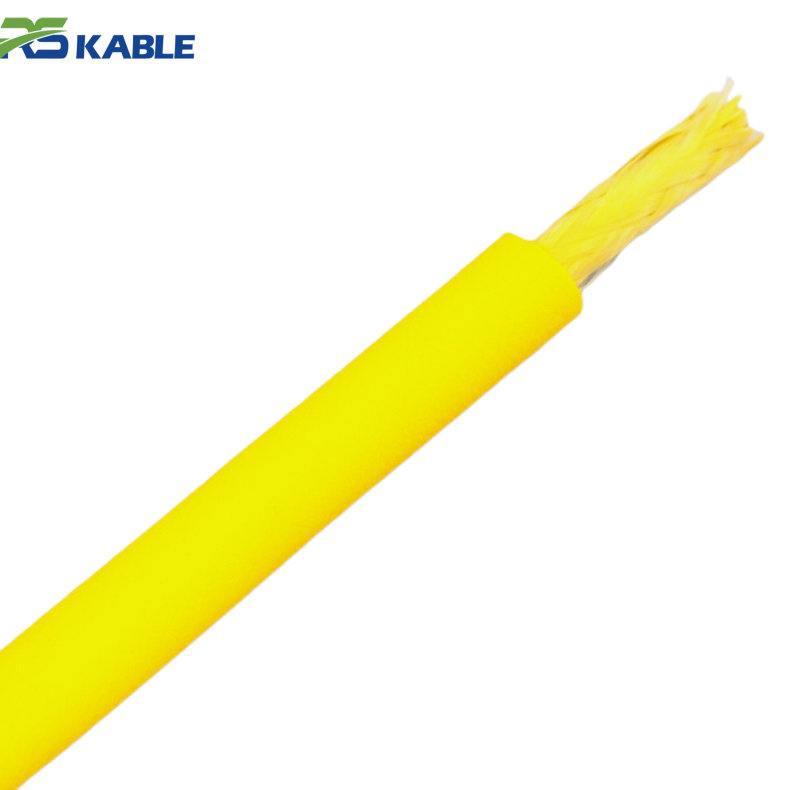


Elevator Cable vs. Elevator Traveling Cable: Key Differences You Should Know
In modern vertical transportation systems, understanding the components that ensure smooth, safe, and efficient lift operation is essential. Two terms that are often used interchangeably—but have distinct technical meanings—are elevator cable and elevator traveling cable. Although both relate to the power and signal transmission systems within lift installations, subtle structural and functional differences determine their suitability for specific applications.
This guide provides an in-depth analysis of elevator cable technology, exploring design principles, materials, performance criteria, installation considerations, and industrial applications. It is aimed at engineers, building managers, lift system integrators, and procurement professionals seeking authoritative and practical guidance.
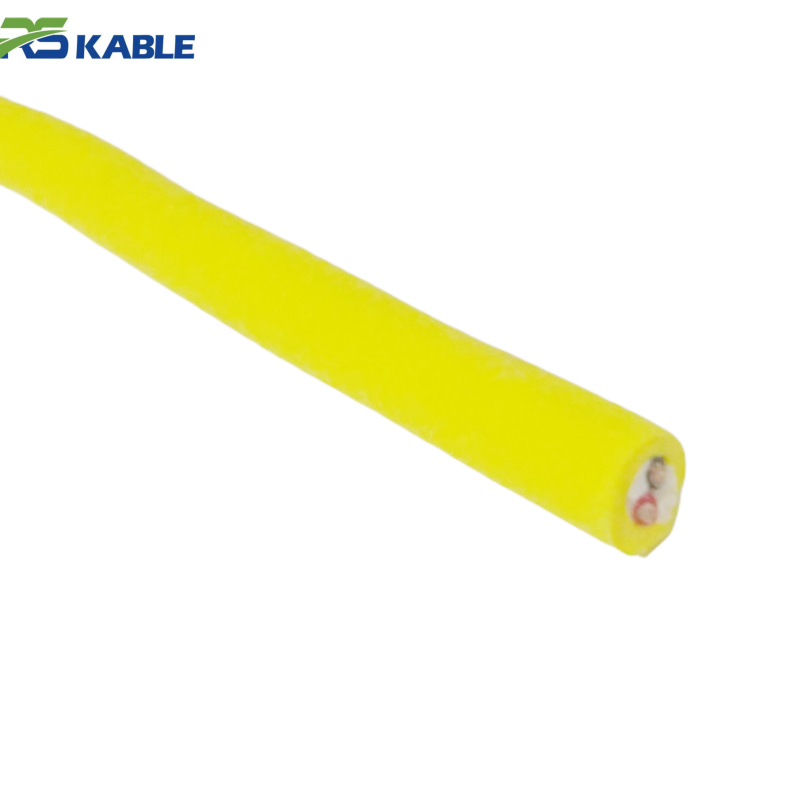
High-Accuracy Data Transmission ROV Cable – Low Impedance Design, Signal Integrity Assurance
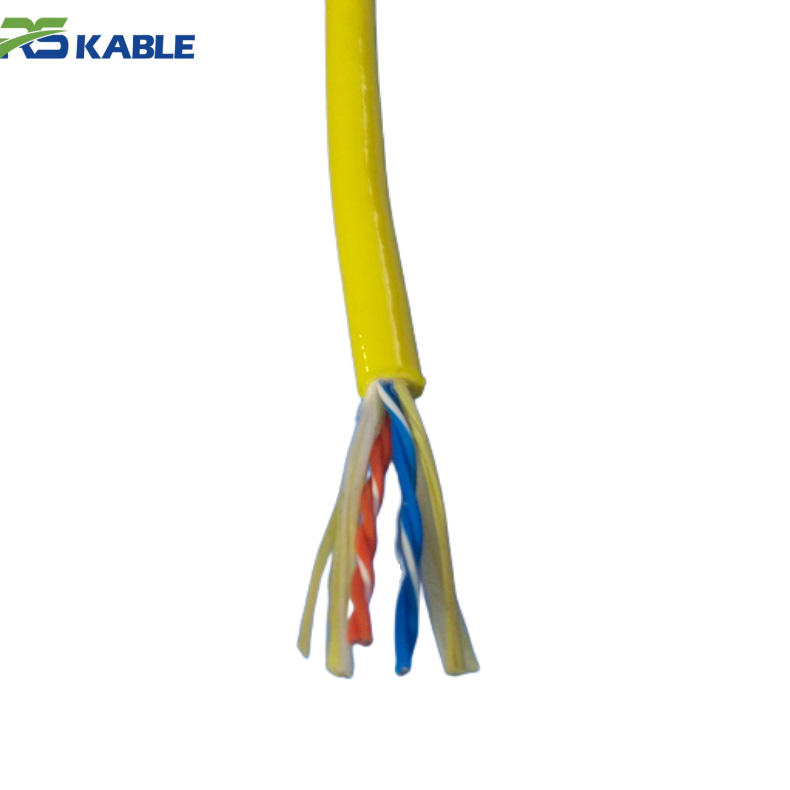
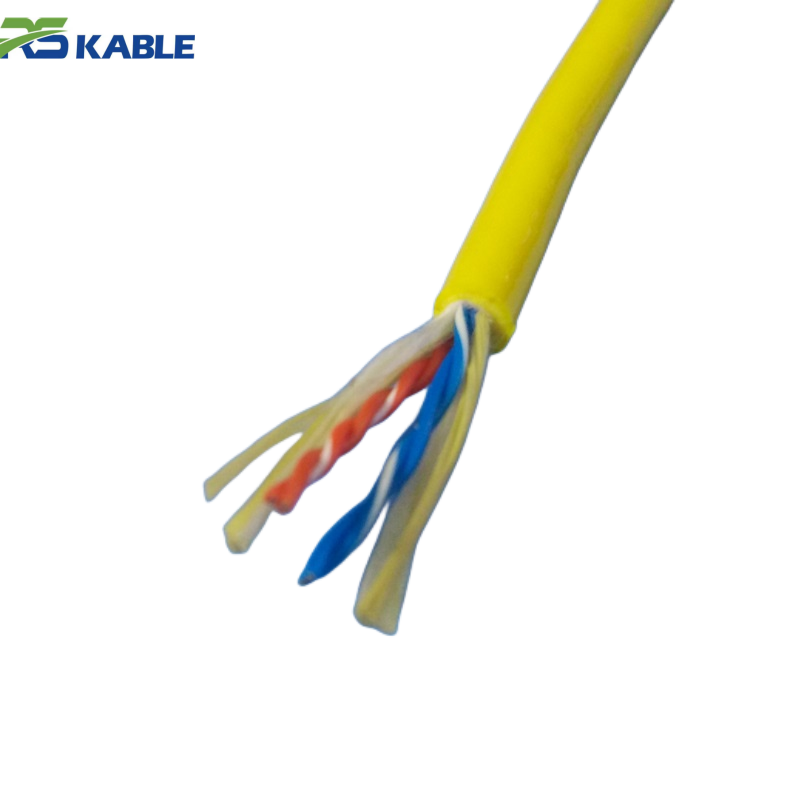
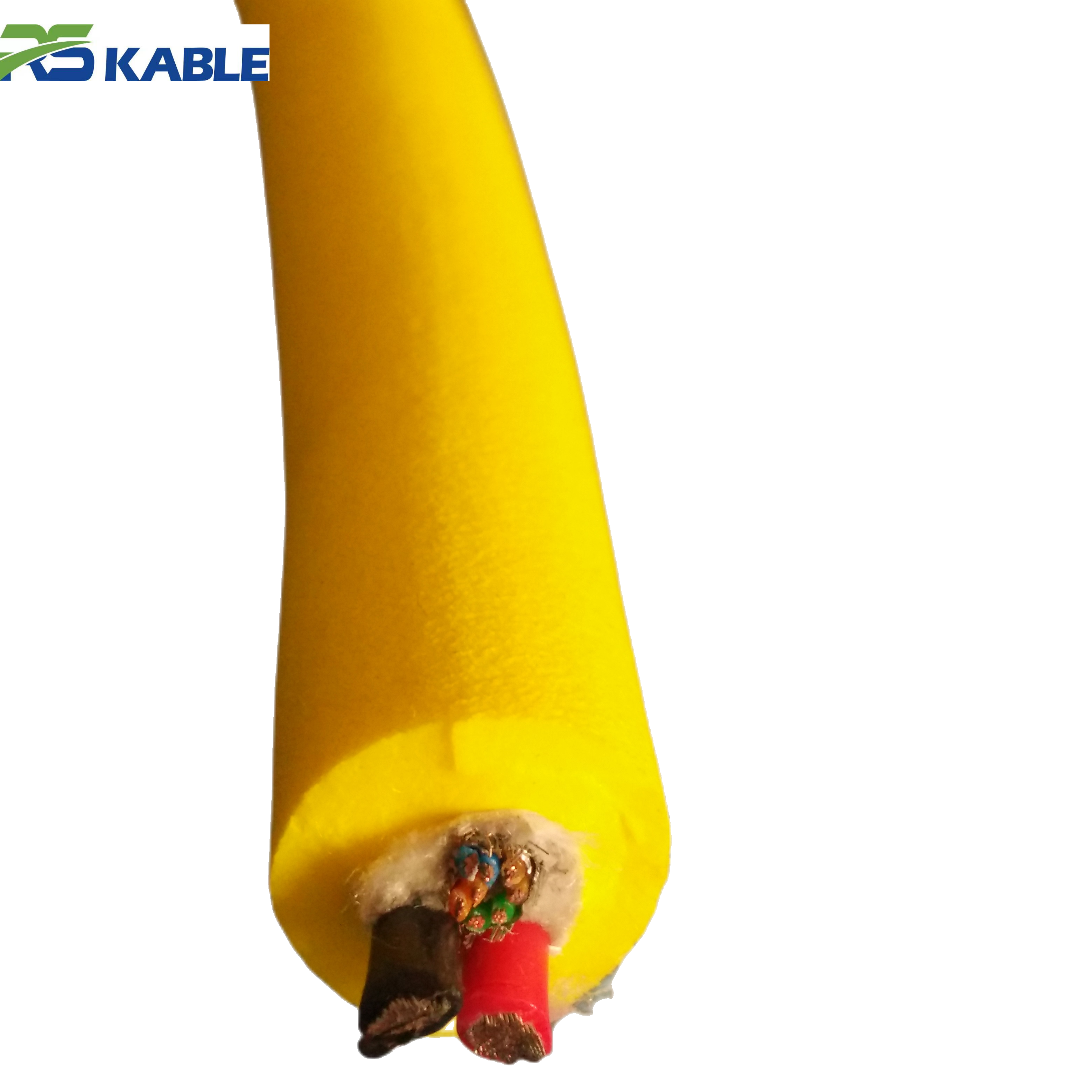
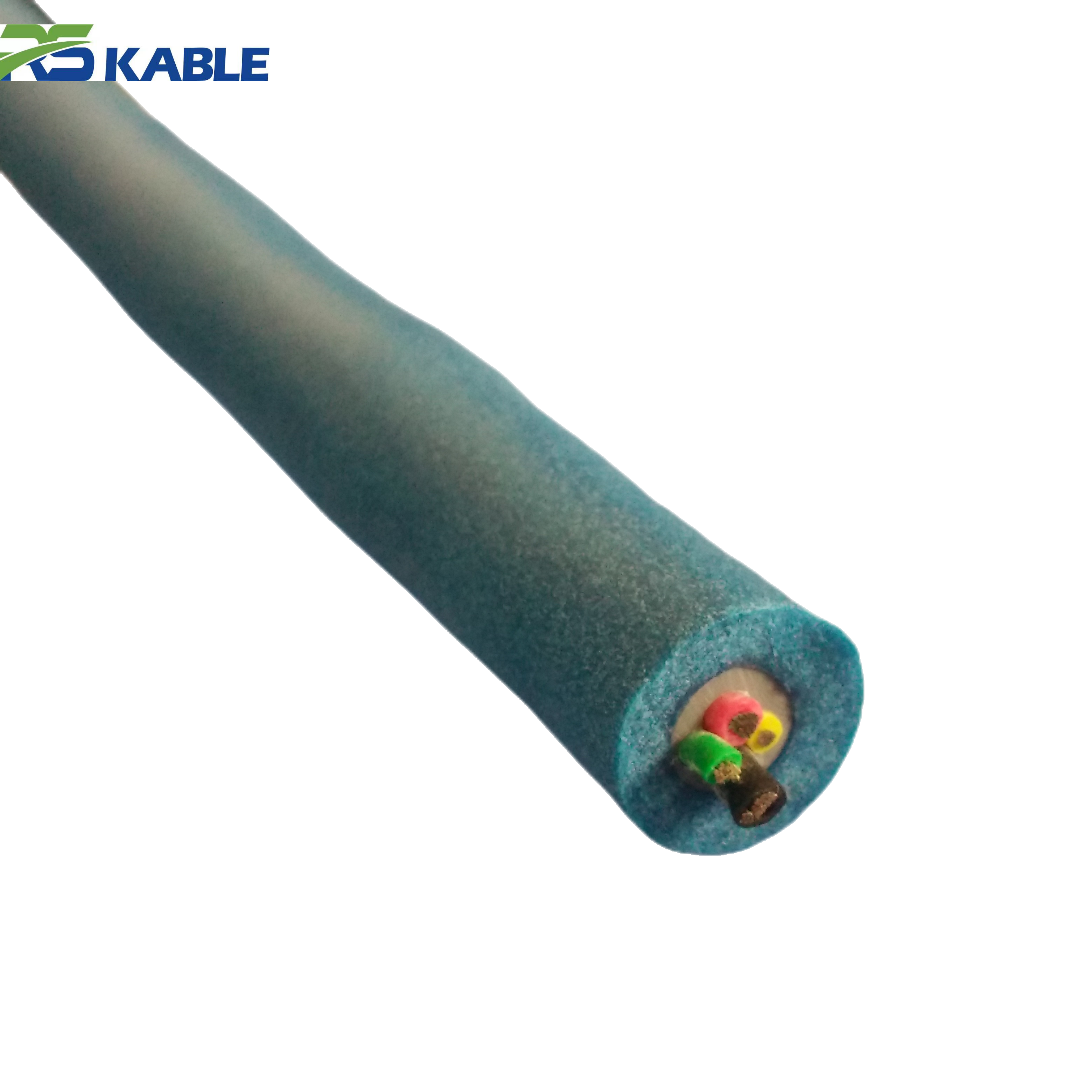
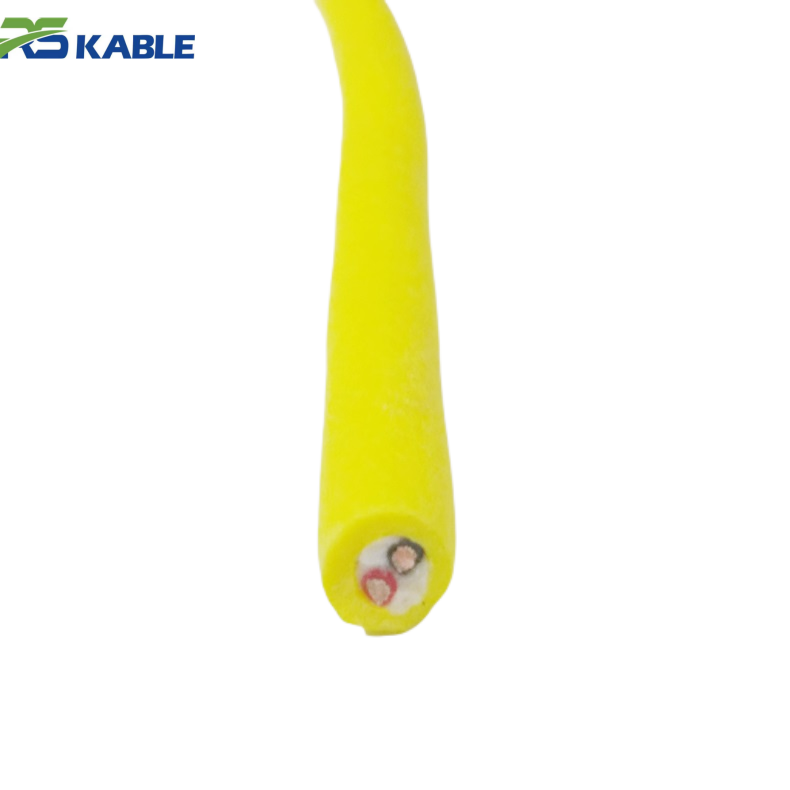
This precision ROV cable is engineered for **low impedance performance and superior signal integrity** in subsea environments, ensuring accurate data transmission for HD video, sonar imaging and telemetry systems with minimal distortion. Designed with precision twisted conductors, controlled dielectric insulation, and multi-layer shielding, it delivers both electrical stability and mechanical durability. :contentReference[oaicite:0]{index=0}
1. Understanding Elevator Cable
An elevator cable is a general term for the electrical wiring system used in vertical transportation. It supplies power, transmits control signals, and carries communication data between the elevator car, control panels, and machine room equipment. Elevator cables are engineered to withstand mechanical stress, environmental exposure, and dynamic movement to varying degrees depending on their intended use.
Key functions include:
-
Providing power to motors, lighting, and ventilation systems within the elevator car
-
Carrying control signals to doors, brakes, and safety systems
-
Supporting data transmission for communication and monitoring systems
Not all elevator cables are intended for continuous motion. In many low-rise or fixed applications, standard elevator cables may remain static, serving only as a connection between control units and the elevator system.
2. What Is an Elevator Traveling Cable?
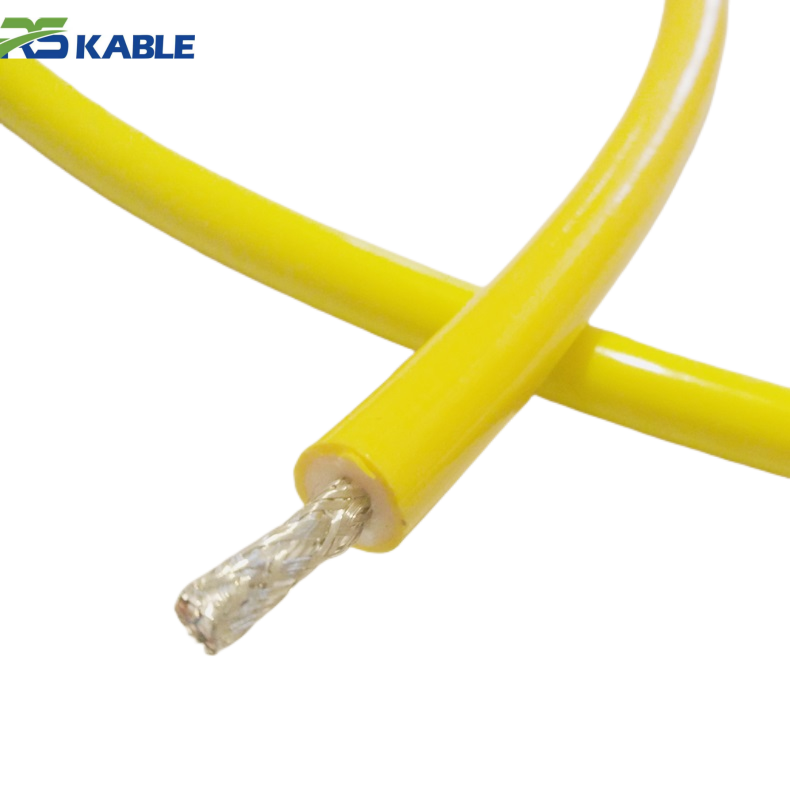
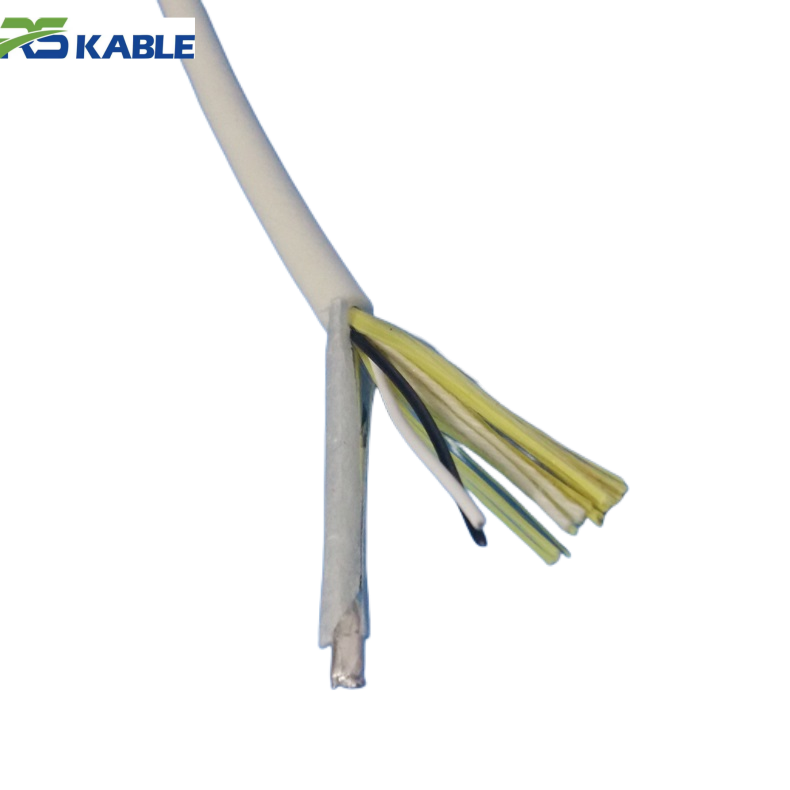
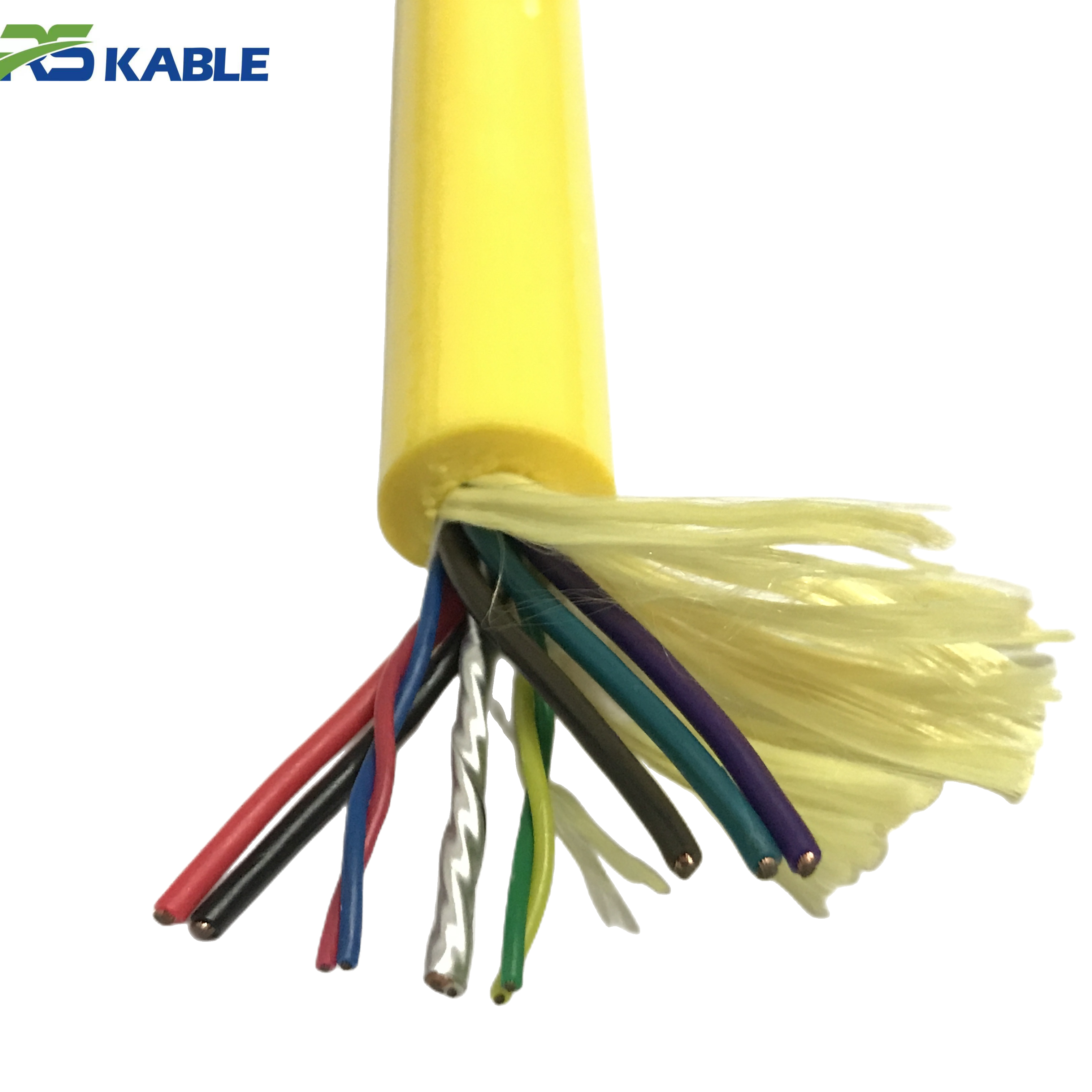
An elevator traveling cable—sometimes referred to as a lift traveling cable—is a specialized type of elevator cable designed for constant vertical movement. These cables are flexible, durable, and capable of enduring thousands of bending cycles over long periods.
The traveling cable connects the elevator car to the control panel in the machine room and ensures uninterrupted power and signal transmission while moving between floors. This dynamic application requires advanced engineering:
-
High-flex conductor stranding to prevent fatigue
-
Reinforced cores to maintain structural stability
-
Flame-retardant and abrasion-resistant outer jackets
-
Shielding to prevent electromagnetic interference (EMI) in modern high-speed lifts
In essence, all elevator traveling cables are elevator cables, but not all elevator cables are suitable for dynamic, continuous motion applications.
3. Structural Differences
3.1 Conductor Configuration
-
Elevator Cable: May use standard copper conductors with minimal stranding, suitable for stationary or lightly flexed installations.
-
Elevator Traveling Cable: Uses finely stranded, flexible copper or tinned copper for repeated bending without conductor breakage.
3.2 Insulation Materials
Insulation is critical for both types, but traveling cables require compounds with superior mechanical and thermal properties:
-
PVC (polyvinyl chloride) for standard performance
-
XLPE (cross-linked polyethylene) for higher thermal and abrasion resistance
-
TPE (thermoplastic elastomers) for flexibility at low temperatures
3.3 Shielding
-
Elevator cables in static installations may omit shielding if EMI is minimal
-
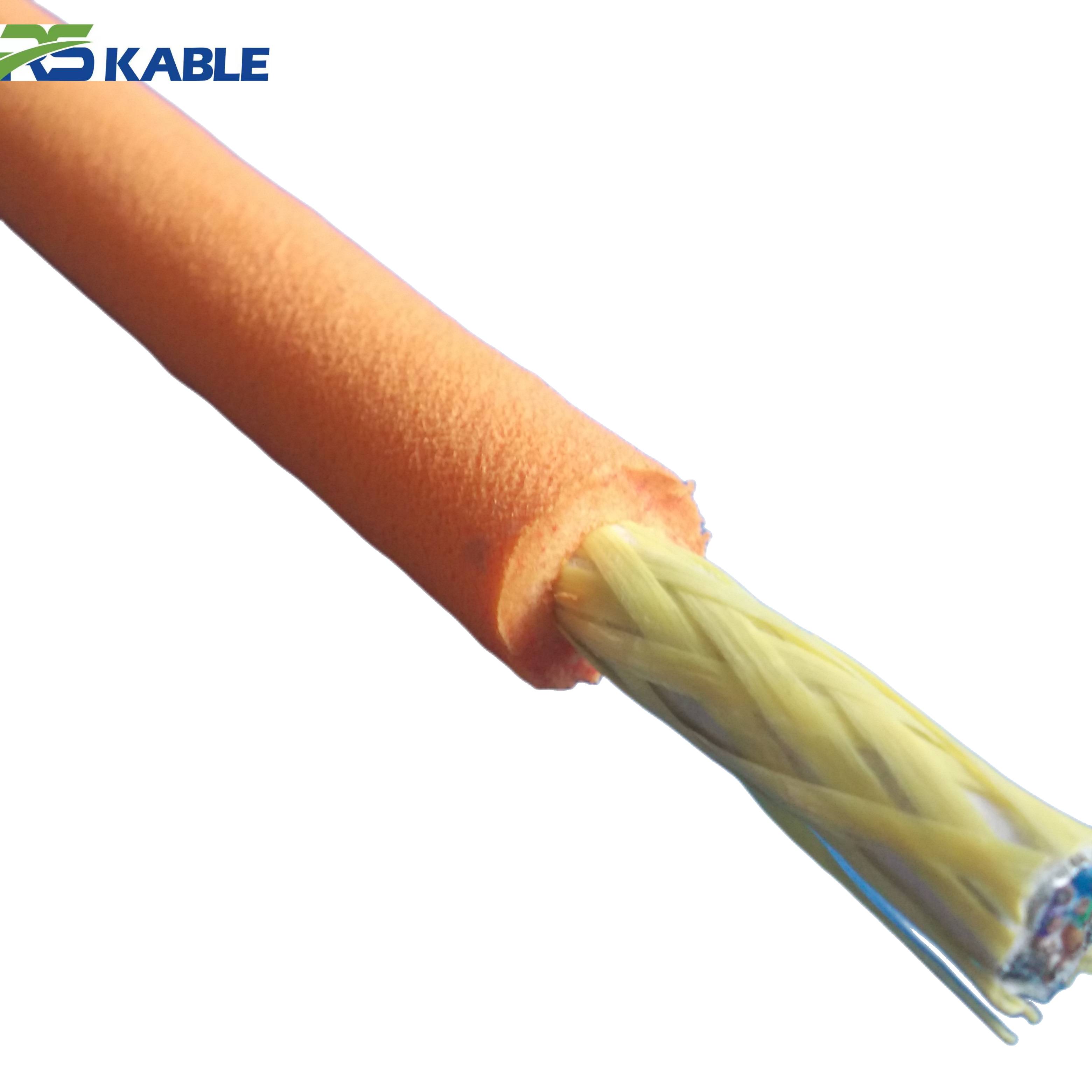
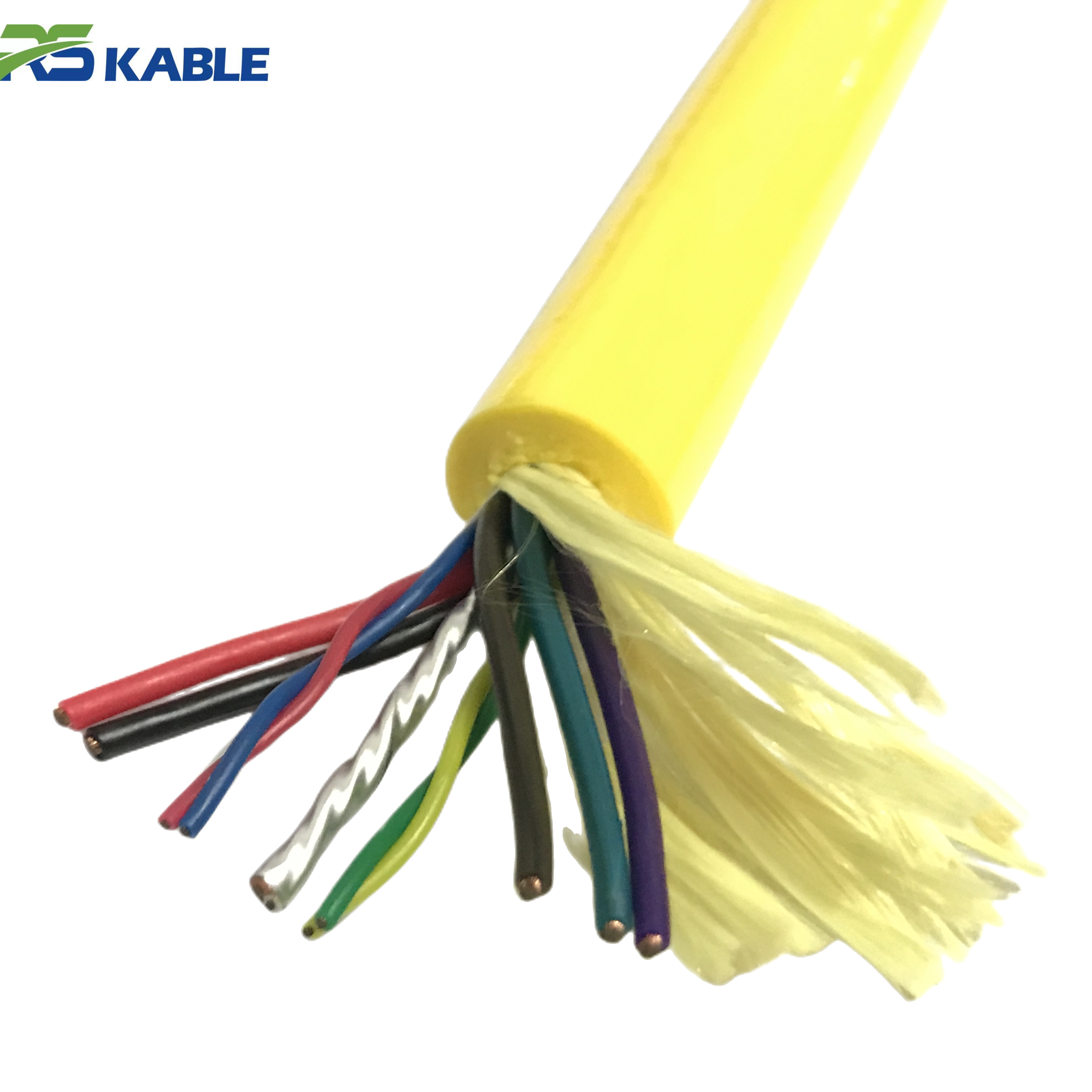
Traveling cables often include aluminum foil, braided copper, or hybrid shielding to maintain signal integrity for control and communication lines
3.4 Outer Jacket
The jacket of a traveling cable is designed for repeated flexing and environmental protection:
-
High abrasion resistance
-
Flame-retardant and low-smoke emission
-
Oil, chemical, and UV resistance in industrial applications
4. Performance Considerations
When comparing elevator cable types, several performance factors differentiate stationary elevator cables from traveling cables:
-
Flexibility: Traveling cables must bend thousands of times daily without compromising electrical or mechanical integrity.
-
Tensile Strength: For high-rise applications, reinforcement may include steel wires or textile members to support long cable spans.
-
Environmental Resistance: Industrial and offshore applications demand resistance to moisture, chemicals, and temperature fluctuations.
-
Fire Safety Compliance: Flame-retardant, low-smoke, and halogen-free materials are required for public building installations.
These characteristics make traveling cables more specialized and often more expensive than standard elevator cables.
5. Industrial Applications
5.1 High-Rise Commercial Buildings
Elevator traveling cables ensure smooth operation in passenger lifts, service lifts, and observation elevators. High-speed systems benefit from shielded, low-resistance conductor designs to maintain control signal integrity.
5.2 Hospitals and Healthcare Facilities
Elevator traveling cables support emergency lifts, patient transport elevators, and surgical service lifts. Reliability and compliance with strict fire safety regulations are critical.
5.3 Industrial and Logistics Facilities
Freight elevators, platform lifts, and automated storage lifts require durable traveling cables resistant to abrasion, oils, and mechanical impact.
5.4 Specialized Environments
Offshore platforms and marine facilities need traveling cables designed for corrosion resistance and environmental durability.
6. Installation Best Practices
Correct installation maximizes service life and minimizes operational issues:
-
Maintain minimum bending radius recommended by the manufacturer
-
Avoid twisting or torsion during suspension
-
Secure proper strain relief at terminations
-
Align cables correctly between elevator car and shaft
Improper installation is one of the most common causes of premature failure, even with high-quality traveling cables.
7. Common Failure Modes
-
Conductor Fatigue: Caused by insufficient stranding or improper bending radius
-
Jacket Cracking: Resulting from low-quality outer sheath material or environmental degradation
-
Signal Interference: Often due to inadequate shielding or poor installation near power lines
Preventive maintenance and high-quality cable selection mitigate these risks.
8. Selecting the Right Elevator Cable Manufacturer
When sourcing elevator cables or traveling cables, consider:
-
Proven experience with high-flex dynamic cables
-
In-house testing for bending cycles and tensile strength
-
Material traceability and quality certifications
-
Ability to customize cables for high-rise or industrial applications
Partnering with a reputable elevator cable manufacturer ensures compliance with industry standards and extended service life.
9. Future Trends
Emerging innovations in elevator cable design include:
-
Integration of fiber optic cores for data transmission
-
Hybrid power and signal cables for compact installations
-
Lightweight, high-strength materials for ultra-high-rise buildings
-
Enhanced flame-retardant, low-smoke, zero-halogen compounds
As building heights increase and lift speeds accelerate, traveling cables must evolve to meet higher dynamic and safety demands.
Frequently Asked Questions (FAQ)
1. Are all elevator cables suitable for dynamic movement?
No. Only elevator traveling cables are designed for continuous bending and vertical motion. Standard elevator cables may not withstand repeated flex cycles.
2. What factors influence traveling cable lifespan?
Bending radius, installation quality, environmental exposure, and material grade all affect durability. High-quality cables can last 10–20 years.
3. Why is shielding important in modern lifts?
Shielding protects communication and control signals from electromagnetic interference, which is essential for high-speed and smart elevator systems.
4. Can elevator cables be customized?
Yes. Customization includes conductor size, reinforcement, shielding type, jacket material, and flame-retardant properties.
5. What safety standards apply to elevator cables?
They must meet fire safety and electrical regulations, including flame-retardancy, low smoke emission, and, where required, halogen-free certification.