

Elevator Cable Specifications Guide: Voltage, Core Structure, and Shielding Options
A properly specified elevator cable is critical for the safety, reliability, and efficiency of modern vertical transportation systems. High-rise buildings, industrial facilities, and intelligent buildings demand cables that support long travel distances, continuous flexing, and stable signal transmission.
This comprehensive guide explores elevator cable specifications, including voltage ratings, core structures, insulation, shielding options, and installation best practices. By understanding these factors, engineers, lift designers, and MEP consultants can optimize performance while reducing maintenance costs and operational risks.
Why Elevator Cable Specifications Are Critical
Elevator cables are more than simple conductors. They must handle:
-
Continuous vertical movement in high-rise elevator systems
-
Electrical load and signal transmission for lift control systems
-
Mechanical stress including bending, torsion, and tensile load
-
Environmental factors like temperature fluctuations, humidity, and chemical exposure
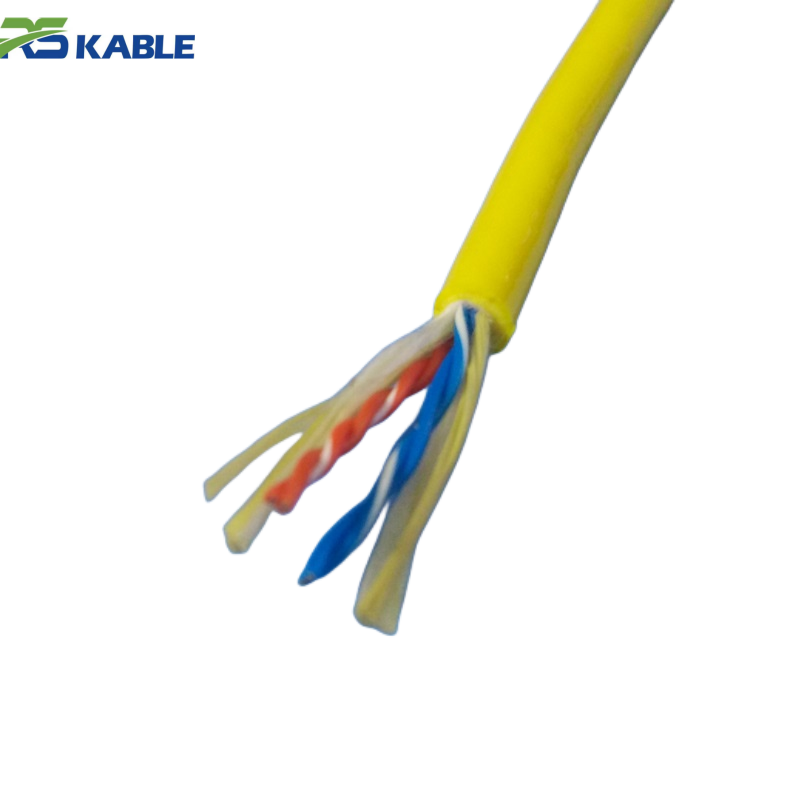
Improperly specified cables can cause conductor fatigue, insulation failure, or signal interference, leading to system downtime and high maintenance costs. Using a high-flex elevator traveling cable is essential for dynamic applications in modern lift systems.

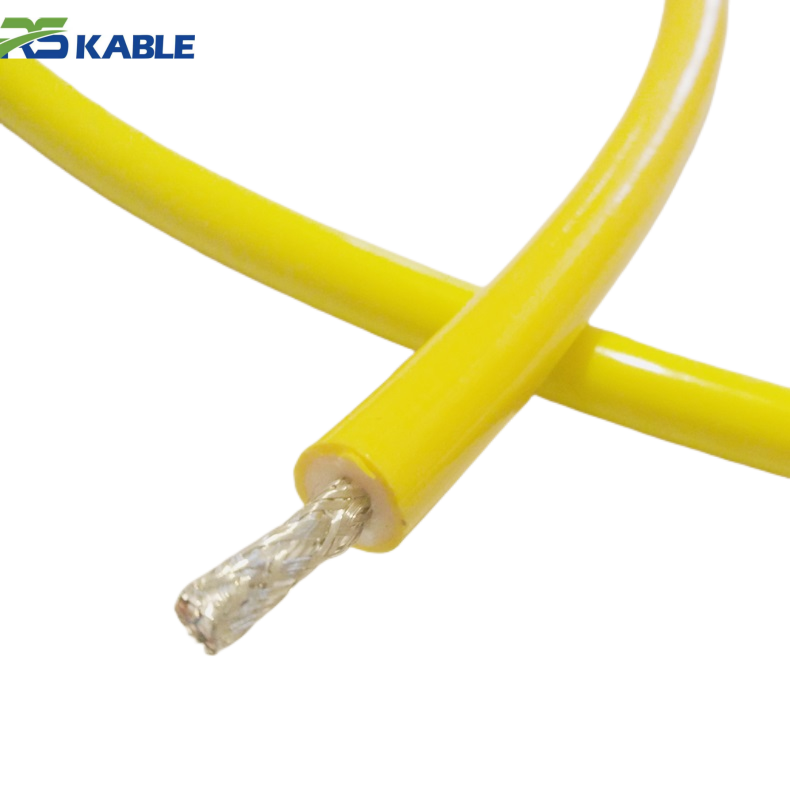
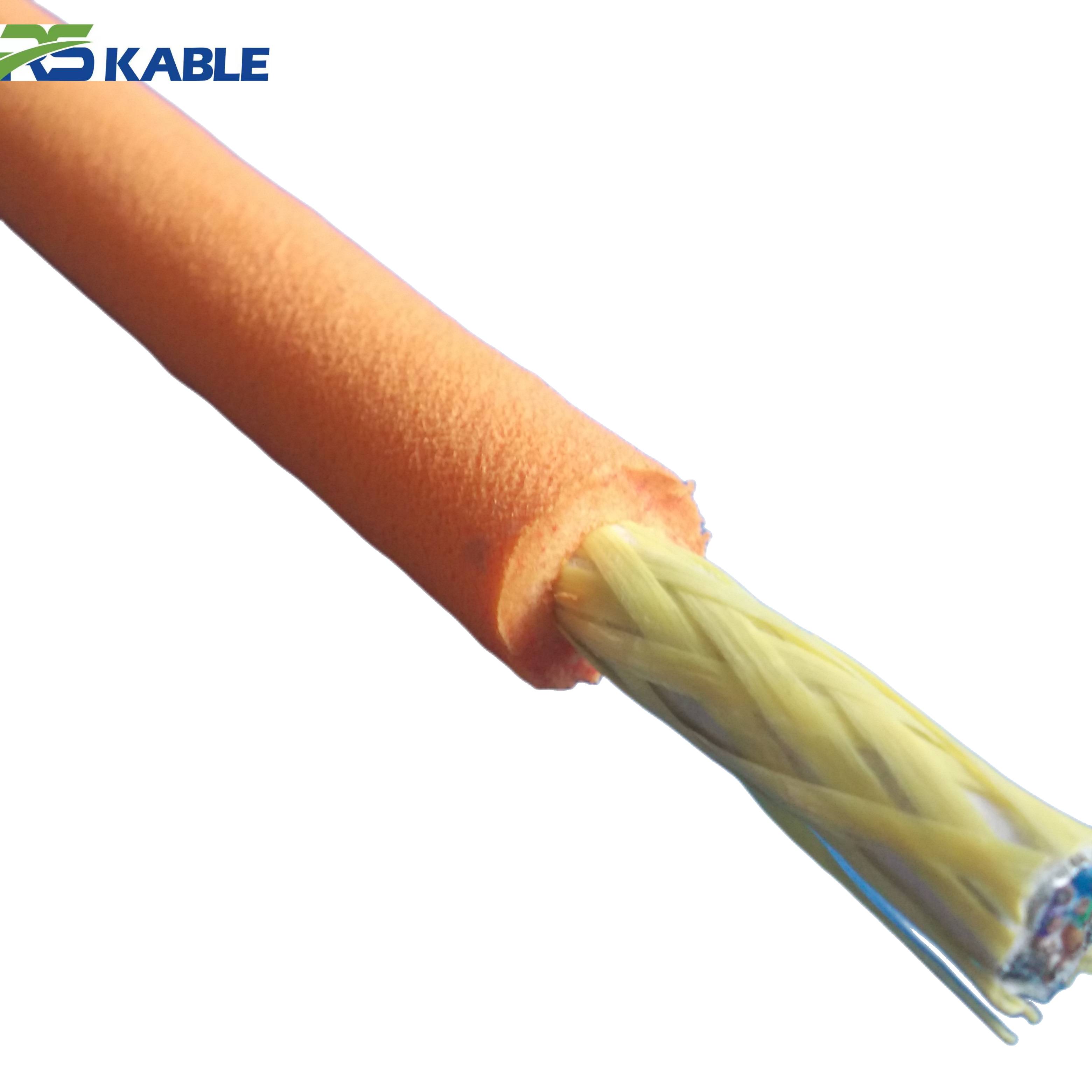
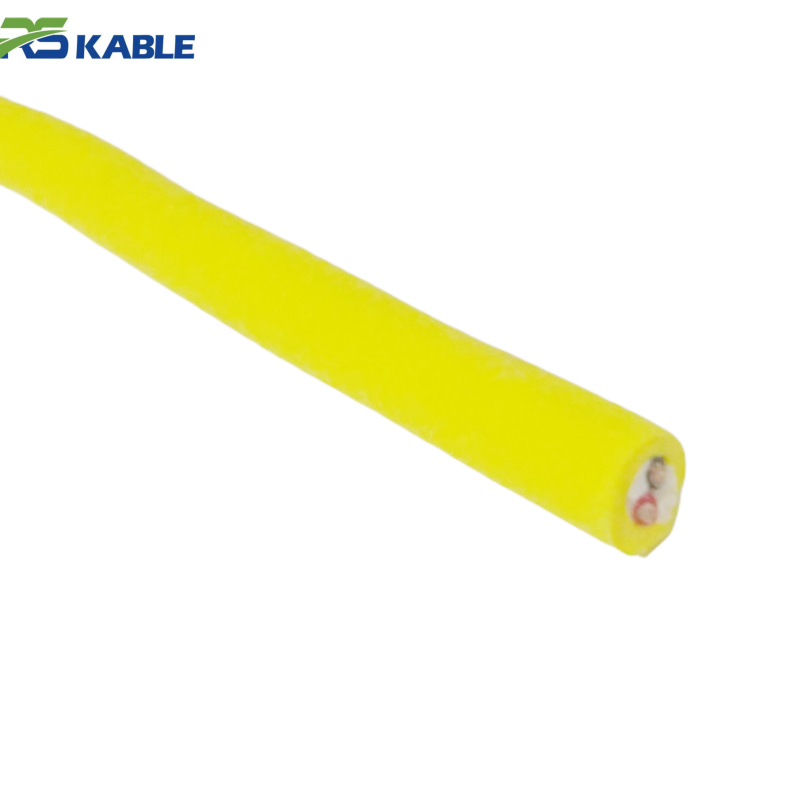
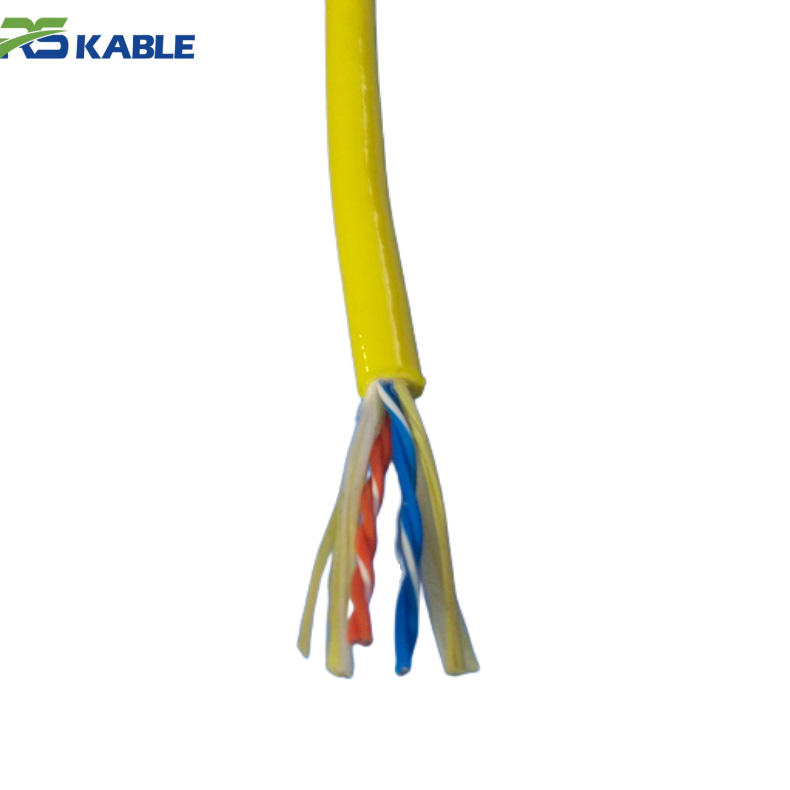
Precision Underwater Maneuvering ROV Cable – Neutral Buoyancy Balance & Enhanced Stability
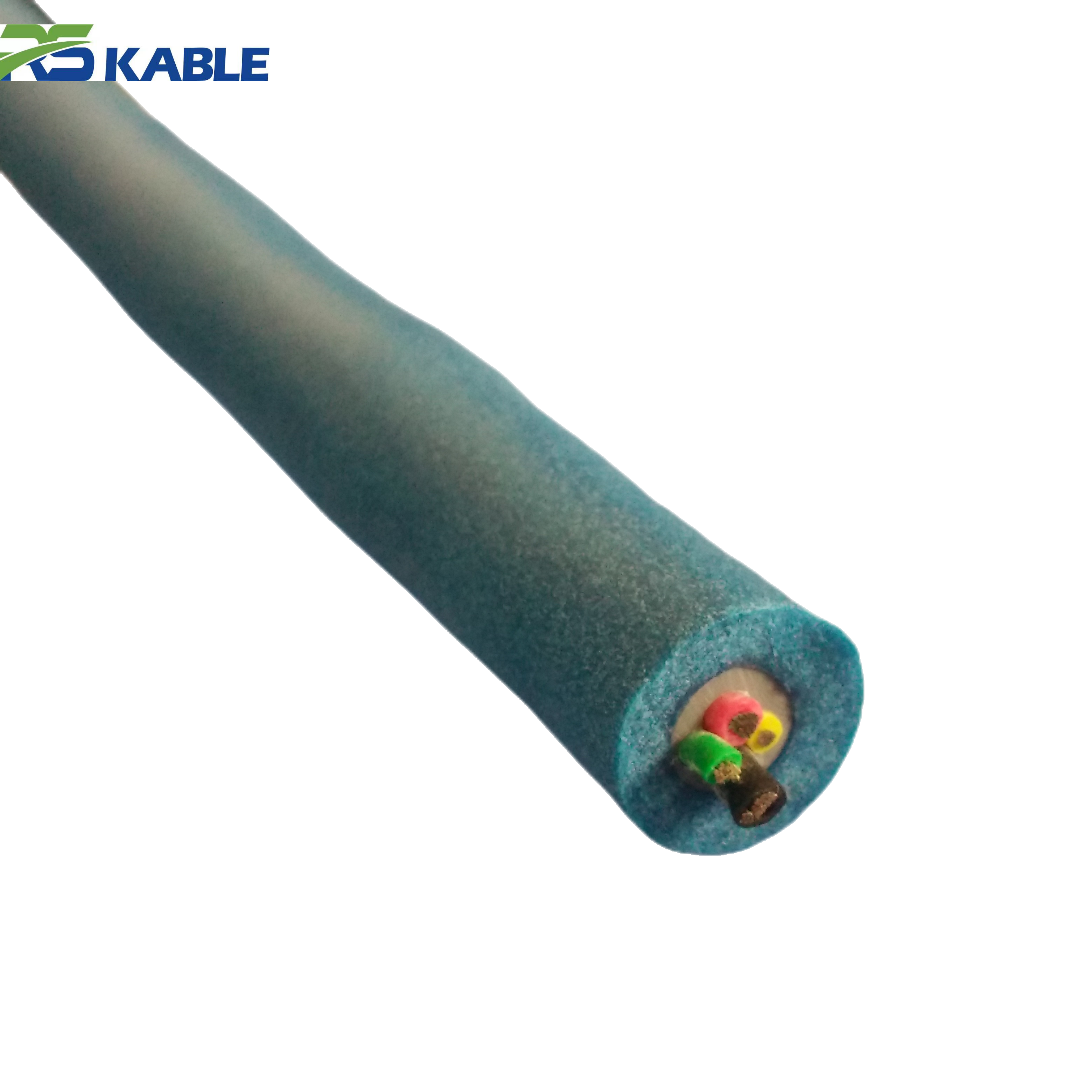
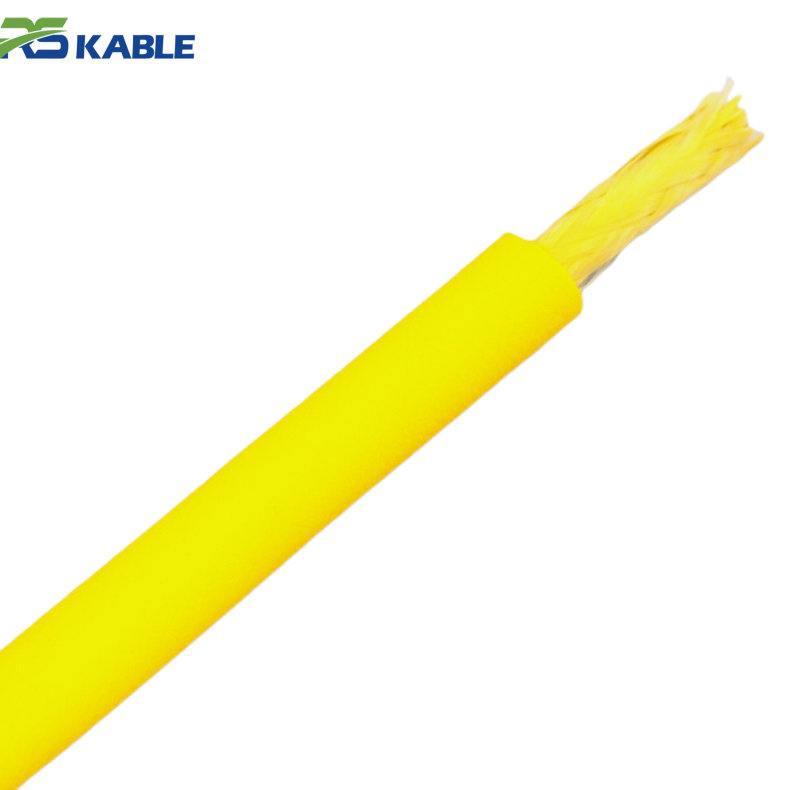
This precision‑engineered ROV cable is designed to achieve neutral buoyancy balance for enhanced underwater stability. With density‑controlled materials and reinforced structure, it minimizes hydrodynamic drag while maintaining reliable power and signal transmission — improving maneuverability and stability for inspection‑ class and light work‑class ROV platforms.:contentReference
Voltage Ratings: Power and Safety
Voltage rating is a key factor for any elevator cable, ensuring the system operates safely under load:
-
300/500 V – Standard low-rise elevators
-
450/750 V – Medium- to high-rise elevators
-
Custom Project Ratings – Industrial or specialized lifts
Correct voltage selection prevents overheating, insulation breakdown, and ensures compliance with local and international electrical codes.
Core Structure: Ensuring Reliability and Flexibility
The core structure impacts both electrical performance and mechanical resilience:
-
Fine-Stranded Conductors – Copper or tinned copper improves flexibility and reduces stress during repeated bending cycles.
-
Symmetrical Layout – Parallel or flat arrangement reduces torsion, enhancing durability in high-speed elevator cables.
-
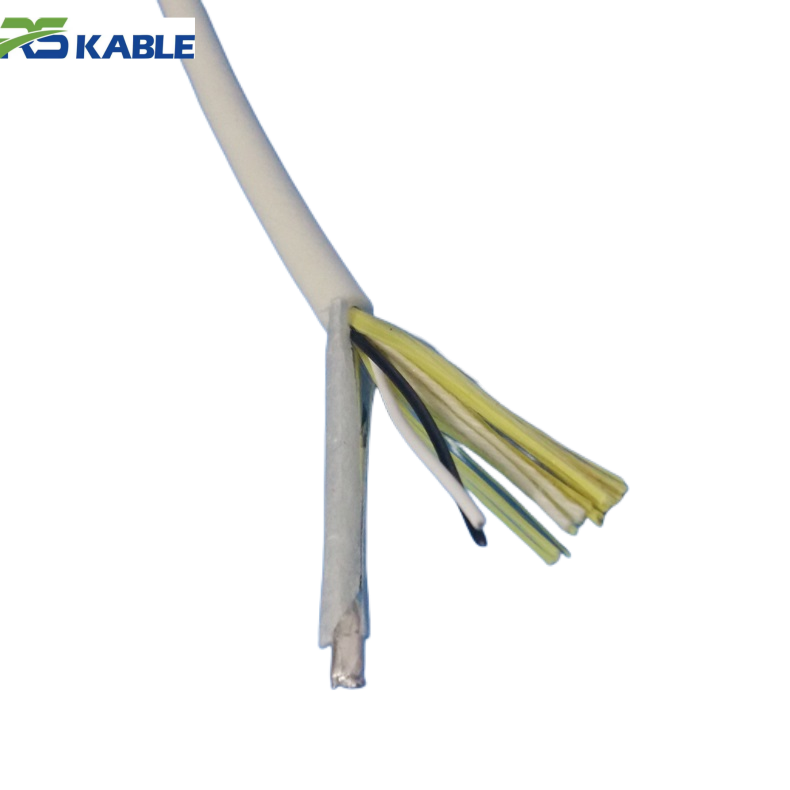
Reinforced Core – Textile or steel reinforcement supports tensile load in long travel distances.
Optimizing core design is crucial for dynamic flex cables used in high-rise and industrial lifts.
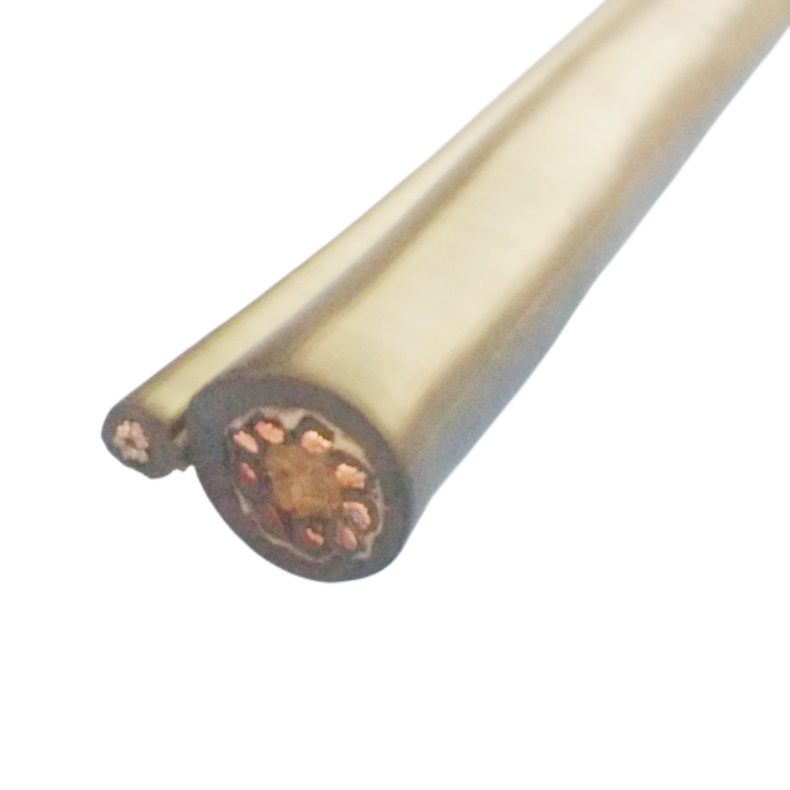
Insulation Materials: Flexibility, Durability, and Safety
Proper insulation protects conductors and maintains safety:
-
PVC (Polyvinyl Chloride) – Cost-effective, flame-retardant
-
XLPE (Cross-Linked Polyethylene) – High-temperature, abrasion-resistant
-
TPE (Thermoplastic Elastomer) – Superior flexibility for dynamic elevator cables
Selecting the correct insulation ensures long-term flexibility and compliance with fire safety regulations in tall buildings.
Shielding Options: Reducing Electromagnetic Interference
Modern elevators integrate digital controls, IoT sensors, and emergency systems. Shielded elevator cables prevent EMI that could disrupt operations:
-
Aluminum Foil – Lightweight, moderate EMI protection
-
Braided Copper – High coverage, ideal for high-speed elevators
-
Hybrid Foil + Braid – Combines flexibility and EMI shielding
Proper shielding is critical in lift control cable applications for data integrity and smooth system operation.
Fire Safety Compliance
Fire-rated cables are mandatory in public and commercial buildings. Consider:
-
Flame-Retardant Standards – Limit fire propagation
-
Low Smoke, Halogen-Free (LSZH) – Reduce toxic gas emission during fire
-
Certified Compliance – IEC, EN, UL standards
Fire-compliant elevator cables maintain both safety and operational continuity during emergencies.
Installation Best Practices
Correct installation maximizes cable lifespan:
-
Maintain minimum bending radius as recommended
-
Avoid twisting or torsion during suspension
-
Provide proper strain relief at elevator car and machine room ends
-
Align car and shaft to prevent lateral stress
-
Use cable guides compatible with flat or round designs
Following these practices ensures reliability for high-rise elevator systems.

Common Mistakes to Avoid
-
Using static-rated cables for dynamic vertical travel
-
Ignoring tensile reinforcement requirements in tall shafts
-
Overlooking shielding for signal-sensitive lift control systems
-
Choosing non-certified insulation for fire safety
-
Neglecting environmental conditions such as temperature, humidity, or chemical exposure
Avoiding these errors increases durability and reduces maintenance costs.
Future Trends in Elevator Cable Technology
-
Hybrid Power + Data Cables – Combines electrical and communication conductors
-
Fiber Optic Cores – High-speed monitoring for smart lifts
-
Lightweight, High-Strength Materials – Suited for ultra-high-rise applications
-
Advanced LSZH & Flame-Retardant Compounds – Enhanced safety and compliance
These innovations support the evolution of high-speed elevator cable systems in modern smart buildings.
Frequently Asked Questions (FAQ)
1. What voltage rating is required for high-rise elevators?
Medium to high-rise systems often require 450/750 V or project-specific ratings depending on cable load and travel distance.
2. What is the difference between elevator cable and elevator traveling cable?
Elevator traveling cables are designed for continuous vertical motion, while standard elevator cables may be static or limited in flex.
3. Why is shielding necessary?
Shielding prevents EMI, protecting lift control signals, sensors, and IoT monitoring systems.
4. Can flat elevator cables be used for industrial lifts?
Yes. Reinforced, high-flex designs are suitable for freight and industrial elevators.
5. How should elevator cables be installed?
Follow manufacturer guidelines for bending radius, strain relief, alignment, and compatible guide systems to maximize cable life.