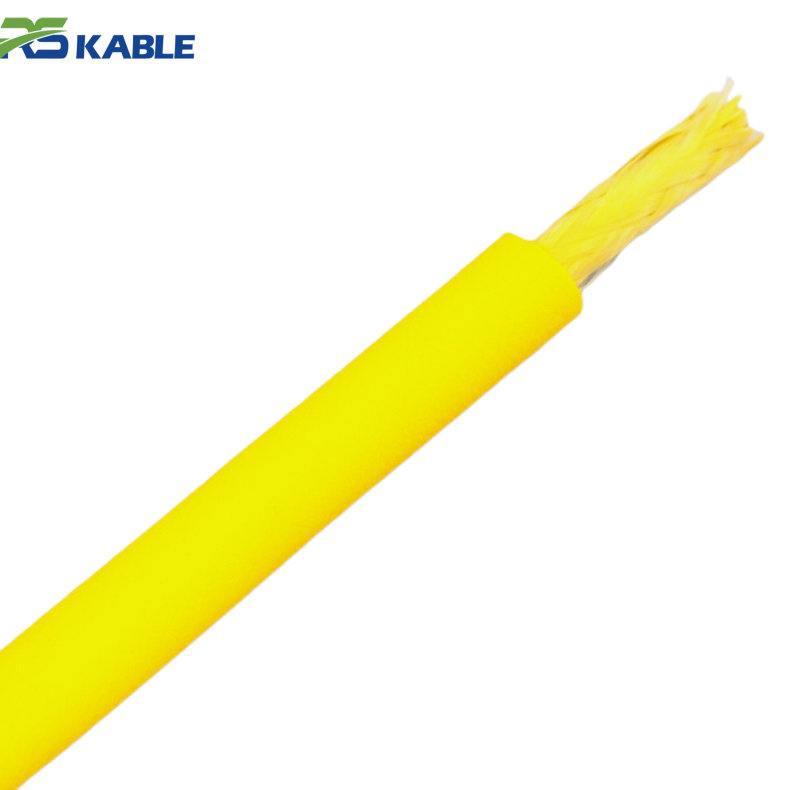


2026 Best Double Armored ROV Cable with Polyurethane Sheath for Deep-Sea Operations
In the world of subsea operations, Remote Operated Vehicles (ROVs) are invaluable tools for underwater exploration, inspections, maintenance, and research. These ROVs, which operate at depths of thousands of meters in extreme conditions, rely heavily on high-performance ROV cables to provide power, communication, and data transmission. One of the most advanced solutions for these demanding tasks is the double armored ROV cable with a polyurethane sheath. This cable type is engineered to withstand the harshest marine environments while ensuring the reliable operation of ROVs.
In this article, we will explore the key features, benefits, and applications of the double armored ROV cable with polyurethane sheath, focusing on its ability to perform in harsh marine environments, such as deep-sea exploration and offshore oil and gas operations. Additionally, we’ll discuss how this advanced technology ensures the reliable transmission of data and power for modern subsea vehicles.
What is a Double Armored ROV Cable with Polyurethane Sheath?
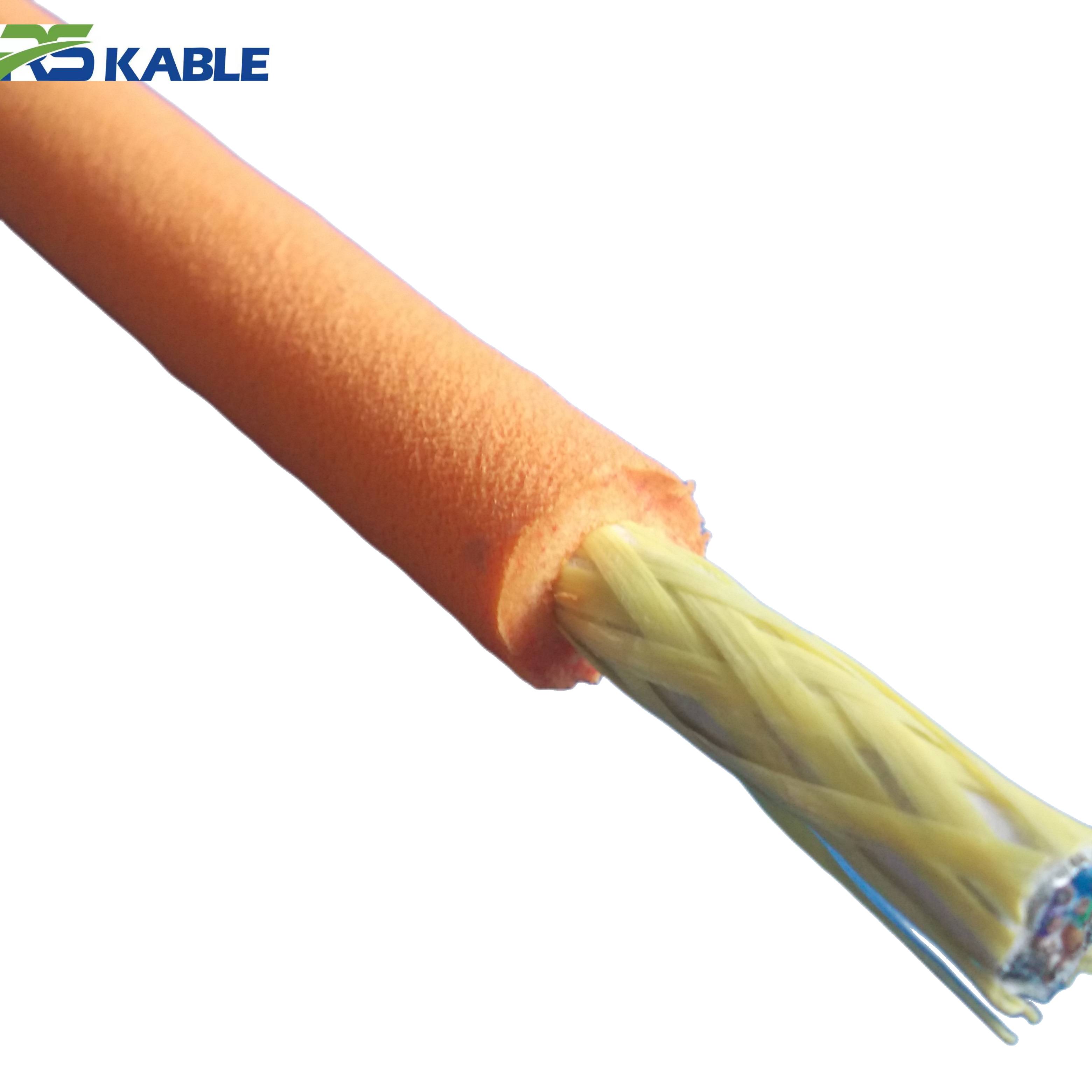
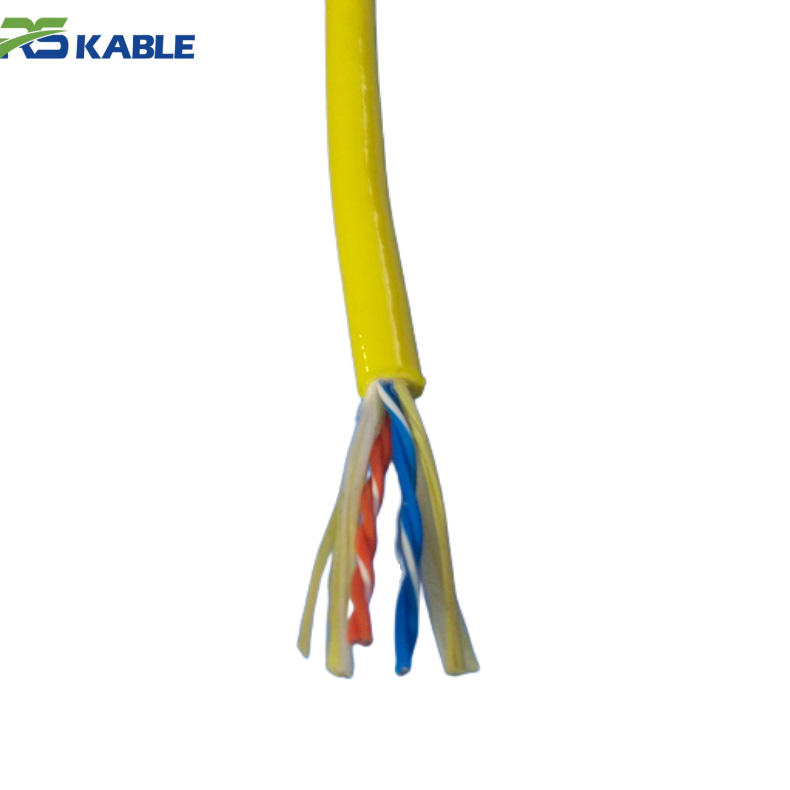
An ROV cable is the umbilical connection between the ROV and its surface support system, transmitting power, data, and communication signals. Double armored ROV cables offer superior protection for underwater operations by including two layers of protective armor, usually steel wires, surrounding the cable, making it highly resistant to mechanical damage.
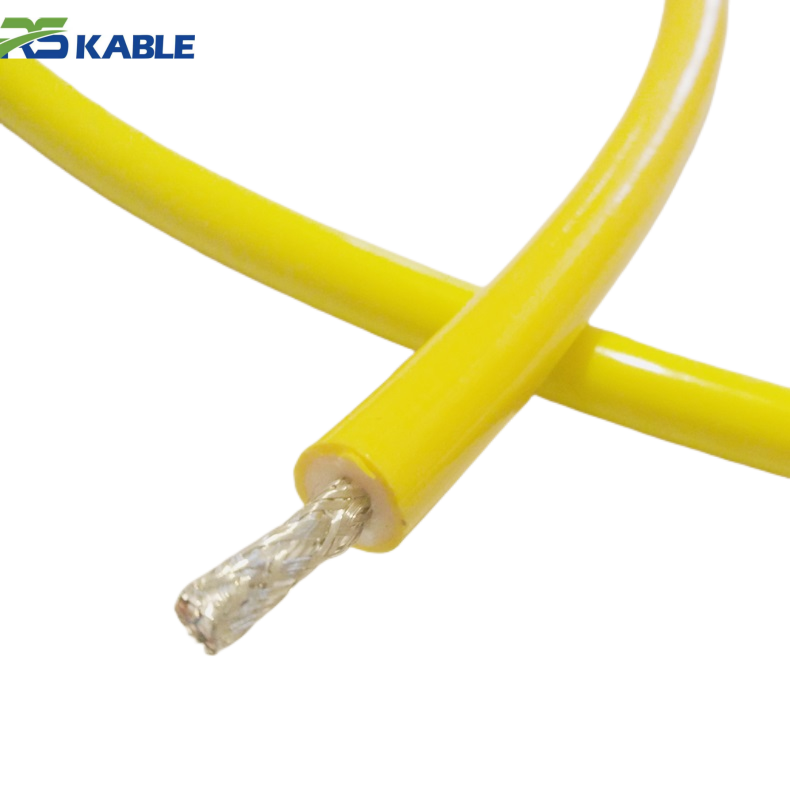
In addition to its dual armor, the polyurethane sheath around the cable provides additional abrasion resistance, chemical protection, and waterproofing. Polyurethane is well-known for its durability in harsh underwater environments, particularly in saltwater and extreme temperatures. This cable is specifically designed for use in deep-sea operations where reliability and protection are critical.
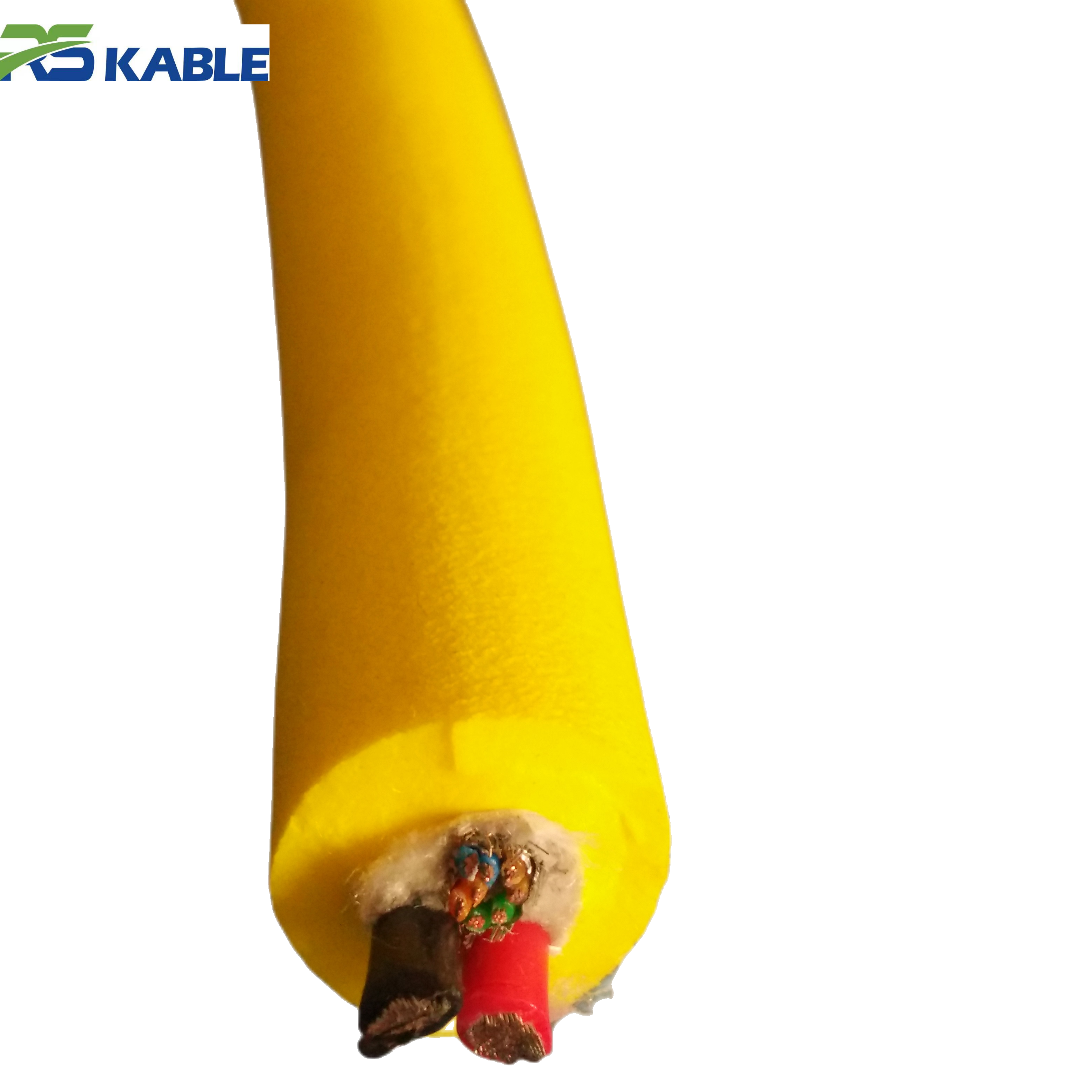
Port & Bridge Inspection ROV Cable – Flexible Structure, Easy Deployment Solution
This ROV cable is engineered to optimize **port and bridge inspection** operations with a **flexible structure** that enables rapid deployment, smooth handling, and reliable performance for long‑term subsea inspection tasks.:contentReference View Product / Get Quote
Key Features of Double Armored ROV Cable with Polyurethane Sheath
1. Dual Armor for Maximum Protection
The double armored ROV cable is constructed with two layers of protective armor:
-
Primary Armor: Usually made of steel wires or armored fibers, this first layer provides excellent protection against mechanical damage, such as abrasion and crushing.
-
Secondary Armor: The second layer adds redundancy, providing an extra layer of protection in case the primary armor is compromised.
This dual-layer protection ensures the cable can withstand the toughest underwater environments, such as rocky seabeds, harsh currents, and frequent mechanical stresses.
2. Polyurethane Sheath for Durability and Chemical Resistance
The polyurethane sheath is the outermost protective layer of the cable, providing essential resistance to chemicals, oils, and abrasion from underwater surfaces. Polyurethane is a highly durable material that offers:
-
Abrasion resistance: It can withstand the constant friction of moving through rough underwater environments.
-
Chemical resistance: Polyurethane protects the cable from exposure to saltwater, chemicals, and oils, which are common in offshore oil and gas operations.
This sheath also offers superior flexibility, which allows the cable to bend and move with the ROV, without compromising its performance.
3. Pressure and Temperature Resistance
The double armored ROV cable with polyurethane sheath is built to endure extreme pressures and temperature variations at great depths. These cables are rated to withstand up to 5,000 meters of water depth and perform in temperatures ranging from -40°C to +85°C. This makes them ideal for the most demanding subsea environments, including deep-sea exploration and scientific research.
4. High Flexibility for Uninterrupted Performance
Despite its robust construction, the double armored ROV cable remains highly flexible, allowing for smooth operation in confined spaces or areas with obstacles. The flexibility of the cable ensures that ROVs can navigate difficult underwater terrain without being restricted by their power or data connection.
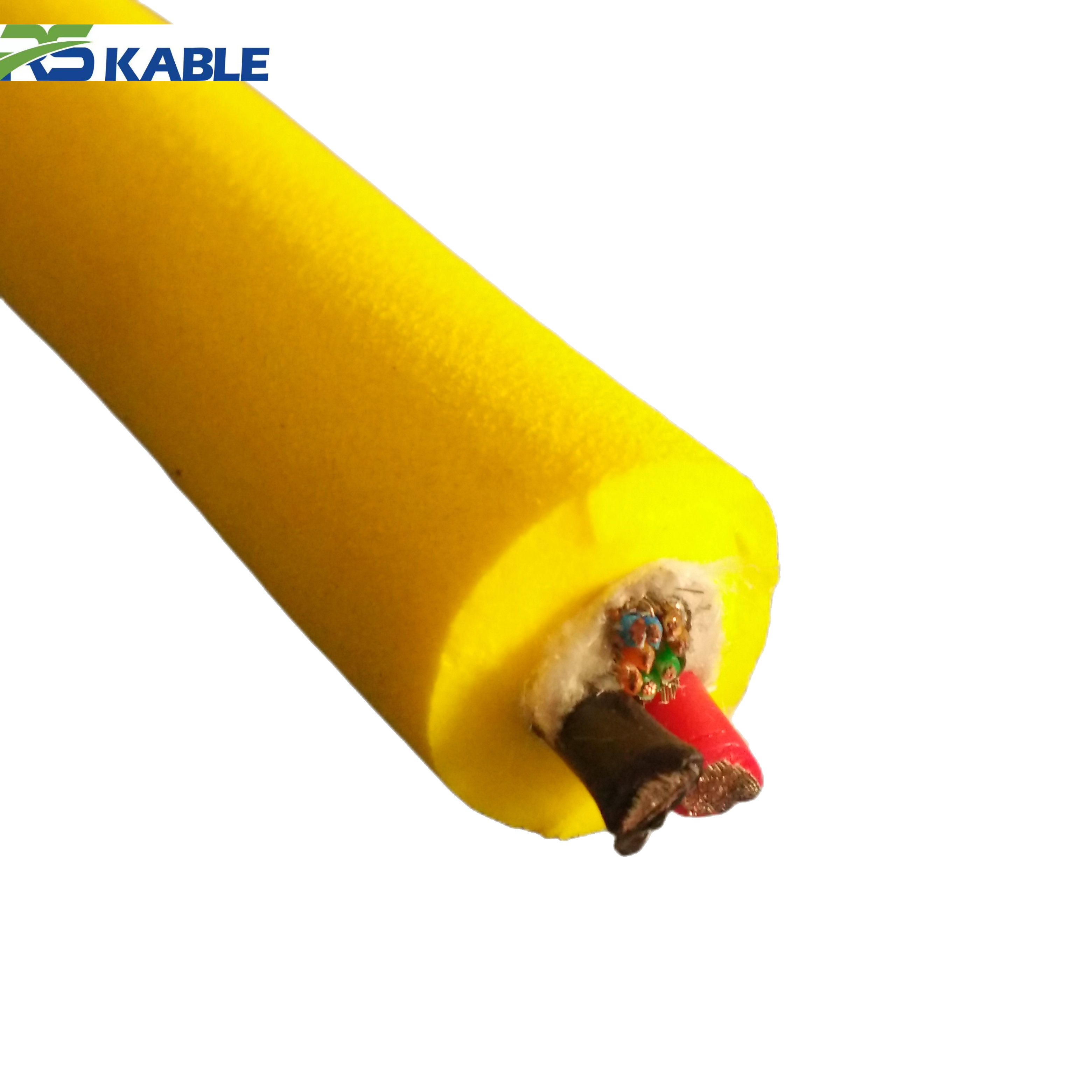
Benefits of Double Armored ROV Cable with Polyurethane Sheath
1. Enhanced Safety and Reliability
The double armored design and polyurethane sheath make this cable highly resistant to mechanical damage, preventing failures that could endanger the operation. ROVs depend on continuous communication and power supply, and this cable’s durability ensures that ROVs can operate in high-risk environments with a reduced risk of failure.
2. Longer Cable Life and Cost-Effectiveness
Double armored ROV cables have a significantly longer lifespan than traditional cables due to their rugged design. This reduces the need for frequent replacements and maintenance, lowering long-term operational costs. Their reliability also results in fewer disruptions to subsea operations, making them a cost-effective investment for companies involved in offshore oil exploration and marine research.
3. Improved Performance in Deep-Sea Operations
Deep-sea operations require cables that can maintain high performance under high pressure, mechanical stress, and challenging environmental conditions. The double armored ROV cable with polyurethane sheath provides uninterrupted power and real-time data transmission, ensuring that ROVs can perform tasks such as underwater inspections, cable laying, and pipeline maintenance without interruptions.
4. Versatile Application in Offshore and Subsea Projects
These cables are widely used in offshore oil and gas exploration, subsea construction, marine research, and underwater inspections. They are ideal for subsea monitoring and data transmission during deep-sea missions, ensuring the ROV has reliable communication and power for real-time video feeds, sonar data, and sensor readings.
Real-World Applications of Double Armored ROV Cables
1. Offshore Oil and Gas Operations
In offshore oil operations, ROVs are used for tasks such as pipeline inspection, subsea infrastructure repair, and marine surveying. Double armored ROV cables with a polyurethane sheath ensure reliable data transmission and power delivery even in the challenging conditions of deep-sea operations.
With polyurethane’s chemical resistance, these cables are well-suited for environments exposed to saltwater, chemicals, and abrasive materials, ensuring uninterrupted operations during oil exploration and maintenance tasks.
2. Marine Research and Environmental Monitoring
Marine scientists use ROVs for exploring deep-sea ecosystems, collecting marine samples, and monitoring underwater biodiversity. The double armored ROV cable with polyurethane sheath ensures safe and reliable operation, even in the deep ocean, where extreme pressures and temperatures can damage conventional cables.
These cables allow real-time data transmission, enabling scientists to receive immediate information from sensors, sonar, and video cameras deployed by the ROV.
3. Underwater Construction and Cable Laying
Underwater construction projects, such as building subsea platforms or laying underwater cables, require a cable that can withstand mechanical stress, high pressure, and chemical exposure. Double armored ROV cables with polyurethane sheaths are the ideal choice for these operations, offering maximum protection while enabling high-quality data transfer for continuous monitoring.
The ability to transmit real-time video feeds allows construction teams to make immediate adjustments to their work, improving project efficiency and safety.
FAQ
1. What is a double armored ROV cable?
A double armored ROV cable has two layers of protective armor, typically made from steel or armored fibers, to prevent damage from mechanical forces in harsh underwater environments.
2. What is the advantage of the polyurethane sheath in ROV cables?
The polyurethane sheath provides abrasion resistance, chemical protection, and waterproofing, ensuring the cable remains durable in saltwater, oils, and harsh chemical environments.
3. How does a double armored ROV cable perform in deep-sea operations?
The double armored ROV cable is designed to withstand extreme pressures and mechanical stresses found at great depths, ensuring uninterrupted performance in deep-sea exploration and offshore oil operations.
4. How long do double armored ROV cables last?
With proper maintenance, double armored ROV cables can last much longer than traditional cables, reducing the need for frequent replacements and minimizing downtime.