

Double Armored ROV Cable: When Harsh Marine Environments Demand Extra Protection
Operating an ROV in open water is already a high-stakes endeavor — but deploy that same vehicle into a rocky seabed, a fast-flowing tidal channel, or an offshore oil platform’s moonpool, and every component faces exponentially greater mechanical stress. Of all the systems that can fail, the umbilical cable is the one most exposed. It drags across sharp geology, absorbs shock loads from surface vessel motion, and must survive tens of thousands of bending cycles over its service life.
This is precisely why double armored ROV cable exists. It represents a deliberate engineering trade-off: accepting a modest increase in diameter and weight in exchange for dramatically superior protection against abrasion, crush loads, and tensile fatigue. For operators who deploy into genuinely demanding conditions, that trade-off is not just justified — it is often the only responsible choice.
What Sets Double Armor Apart from Single-Armor Construction?
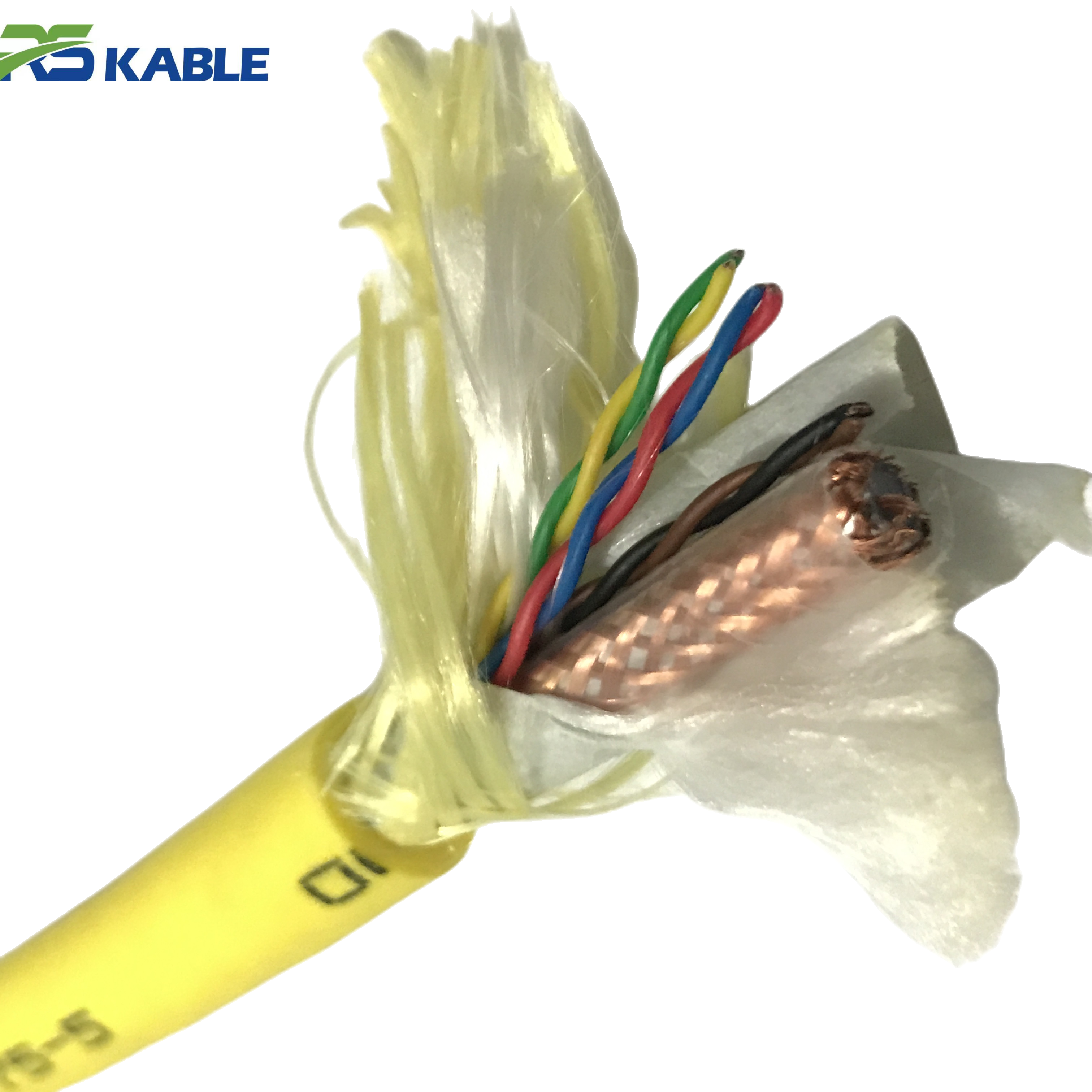
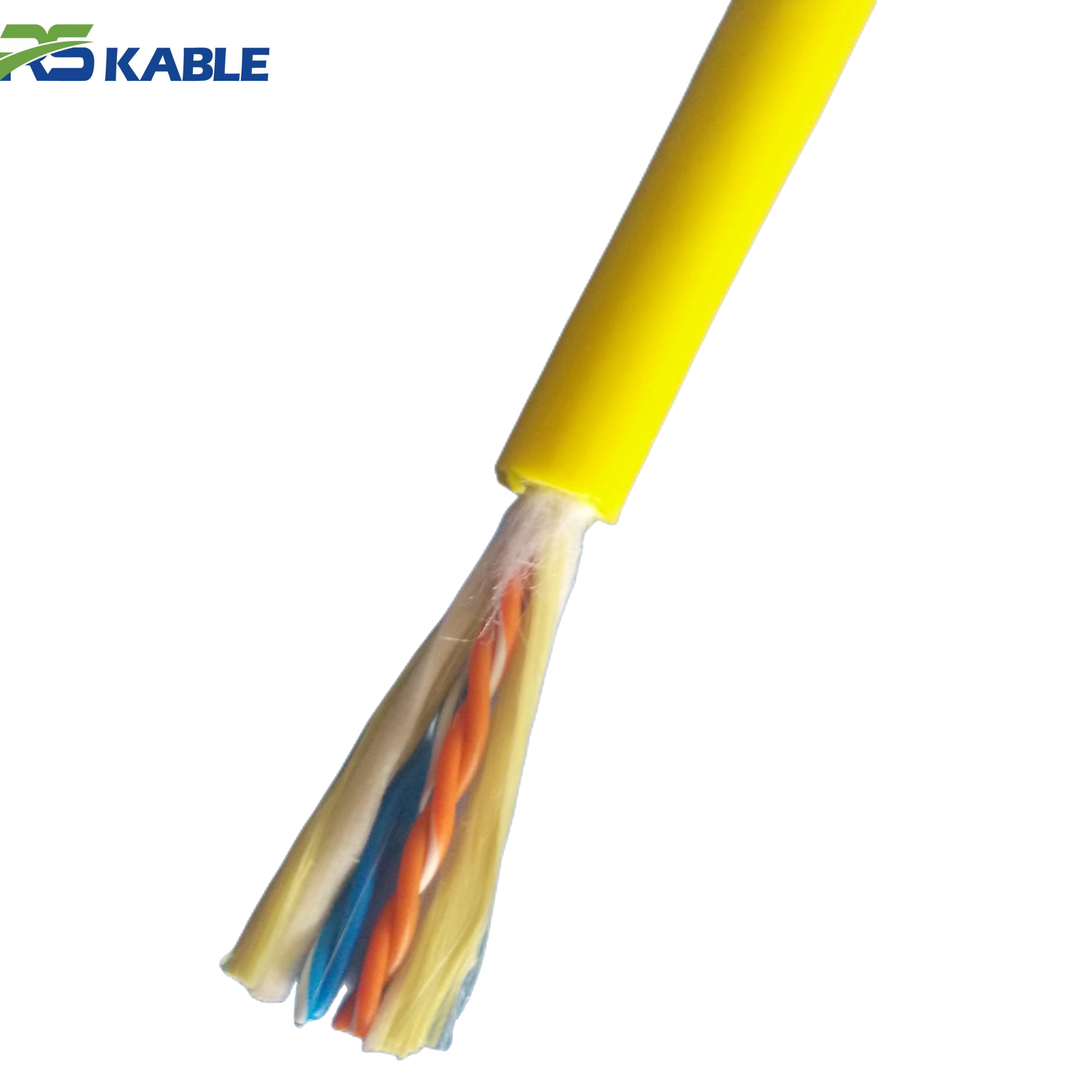
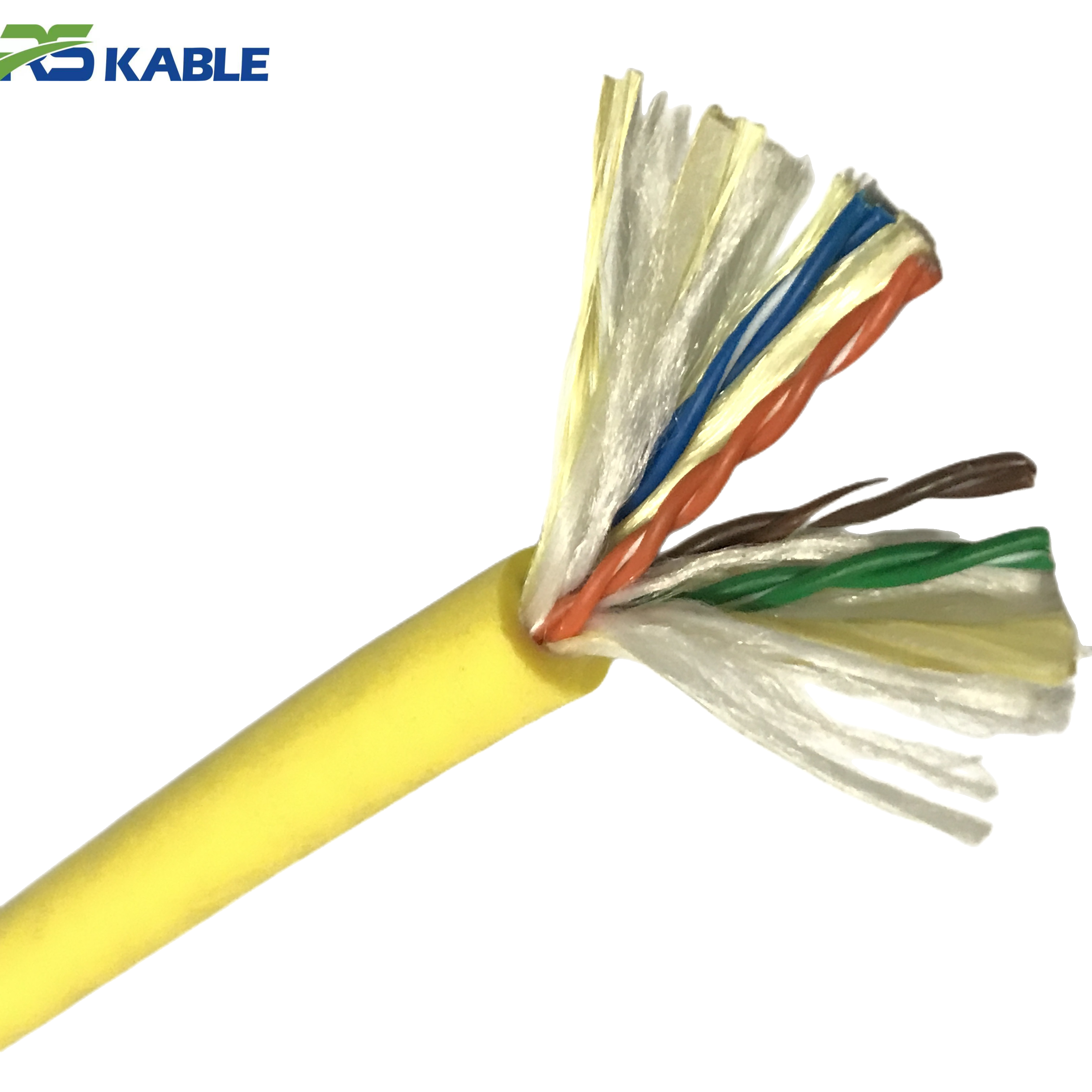
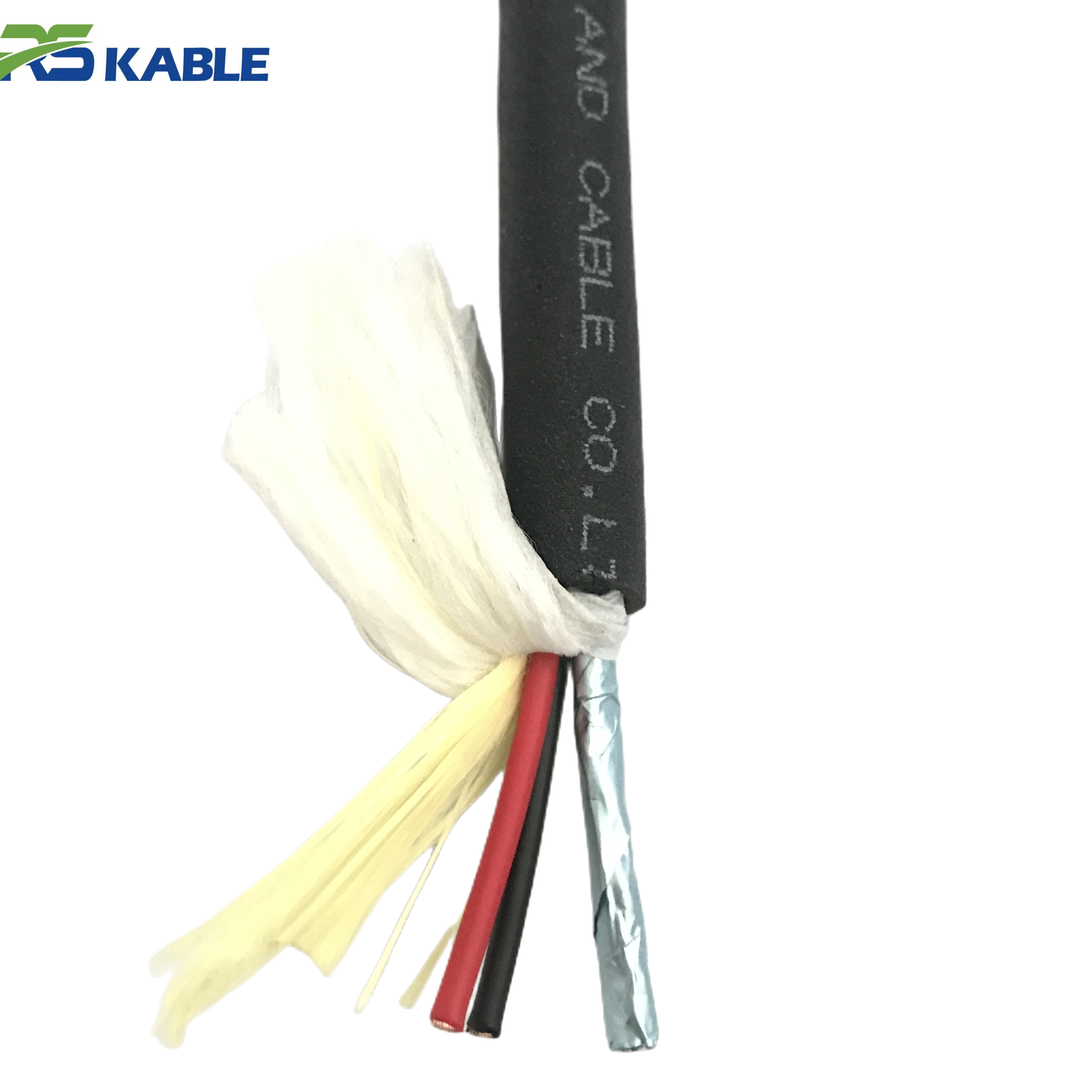
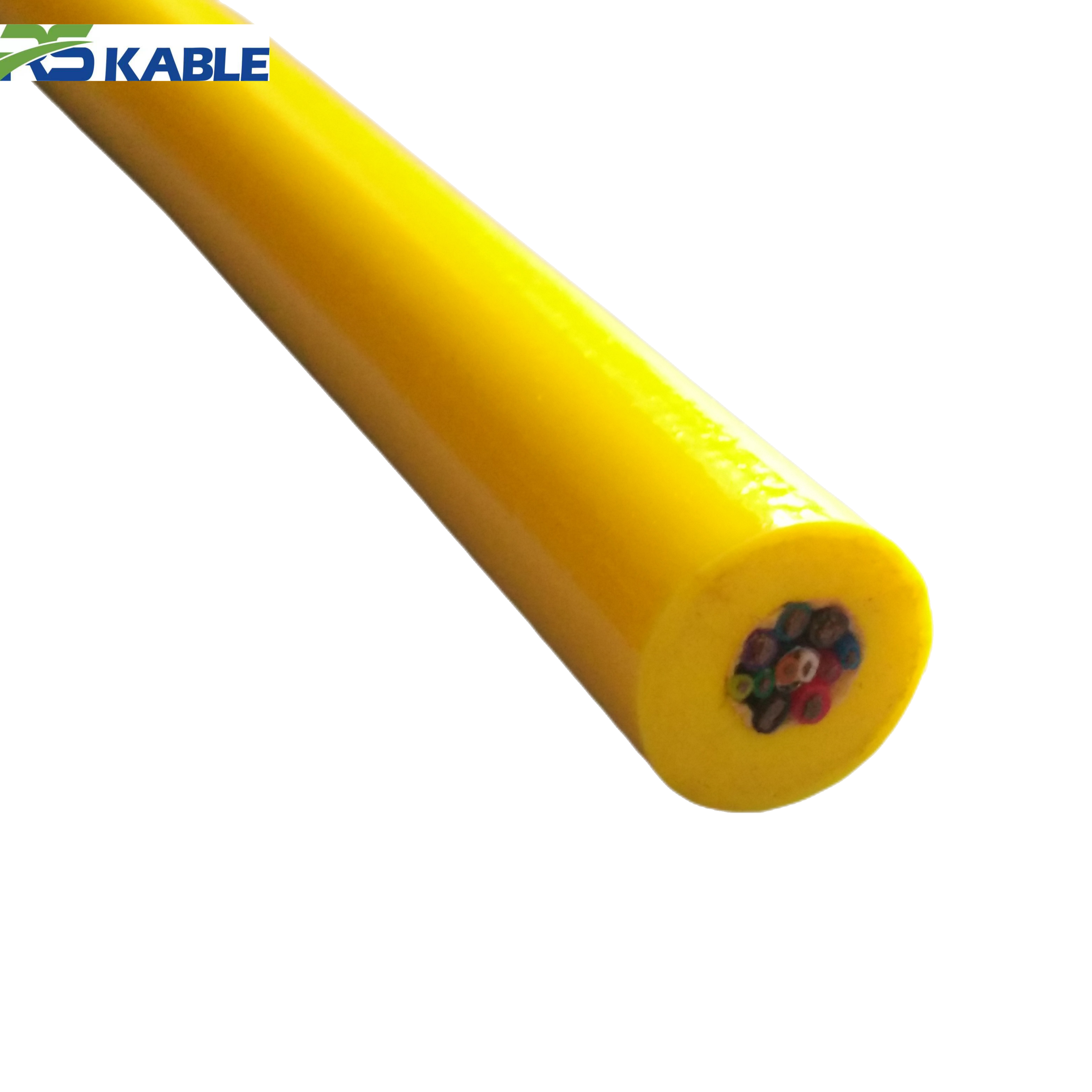
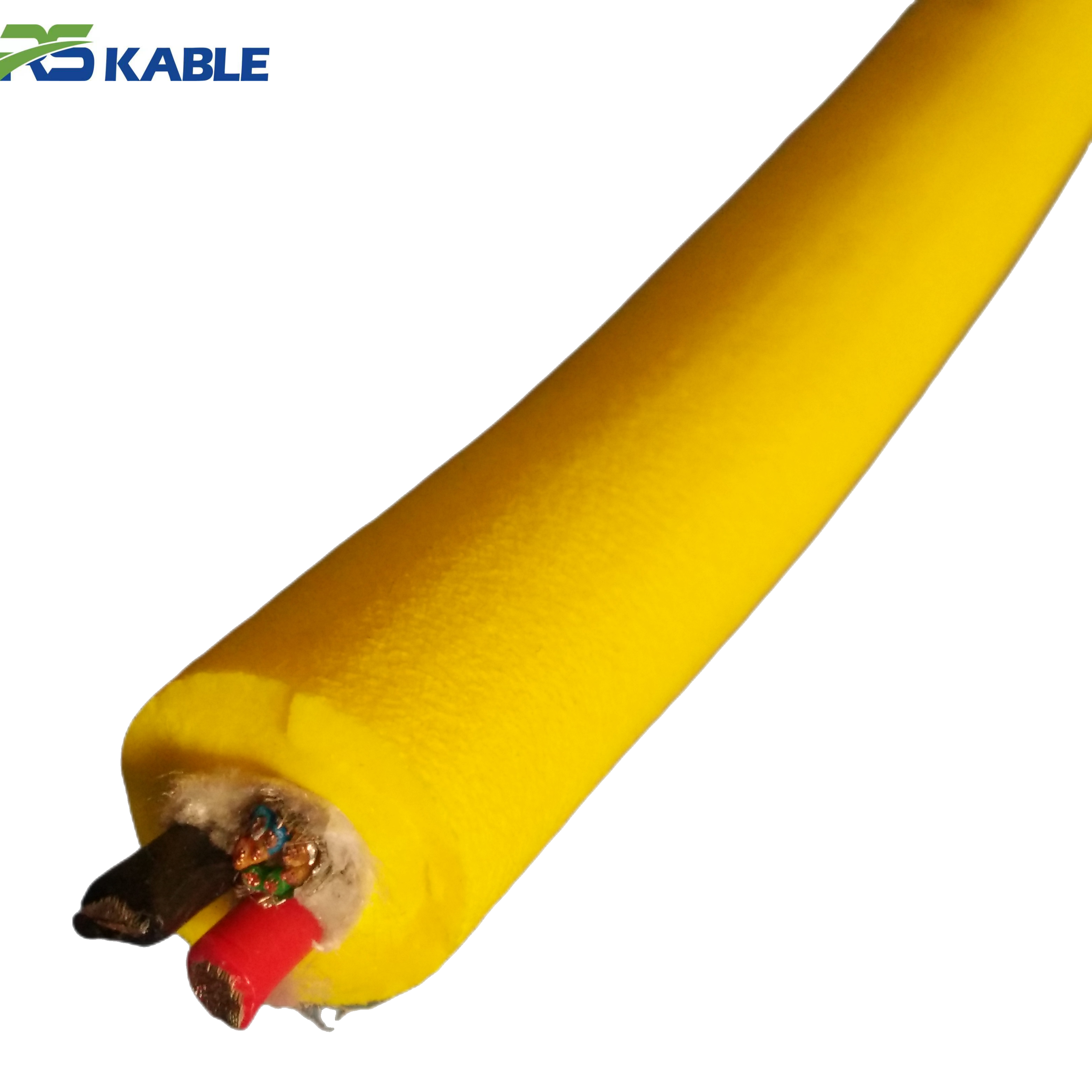
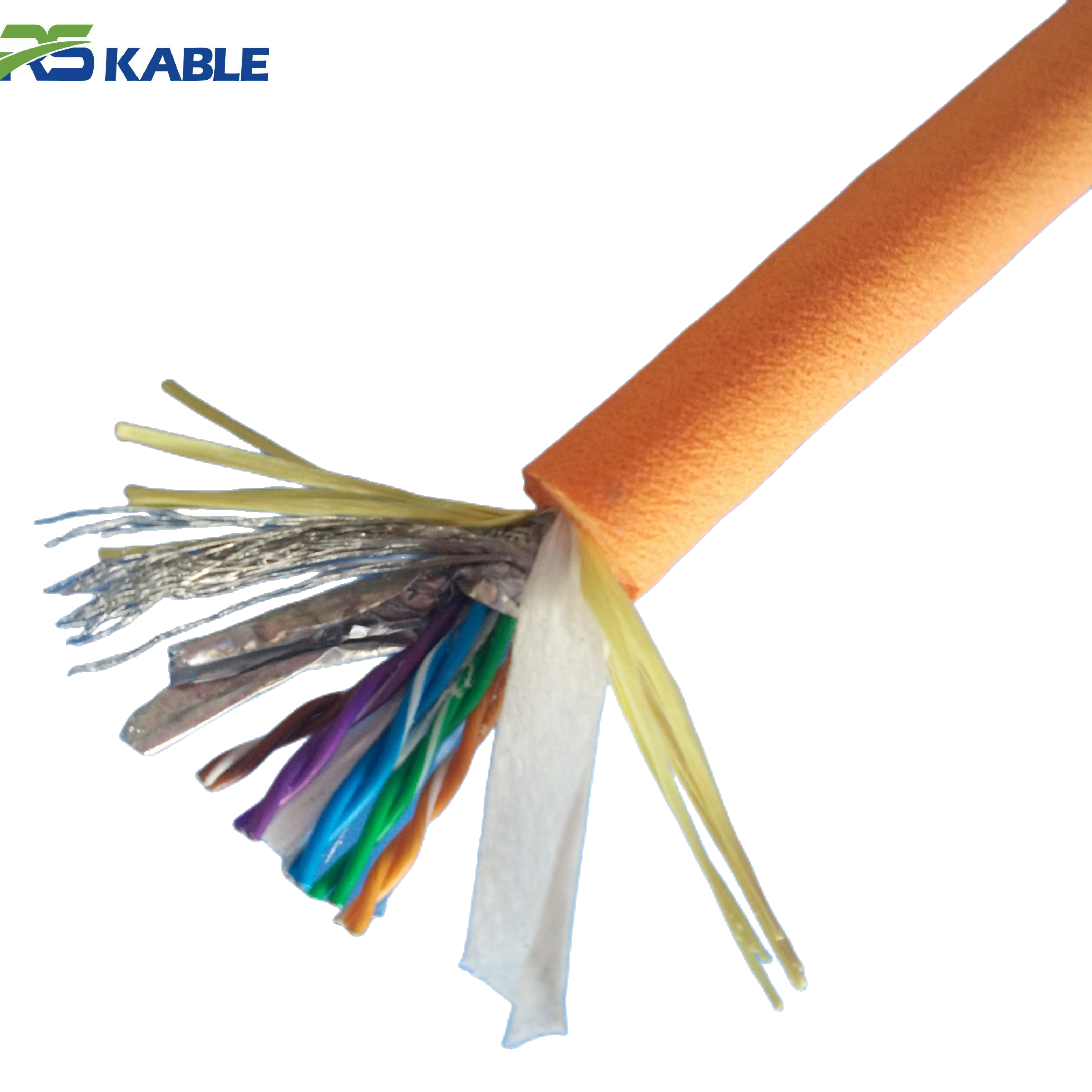
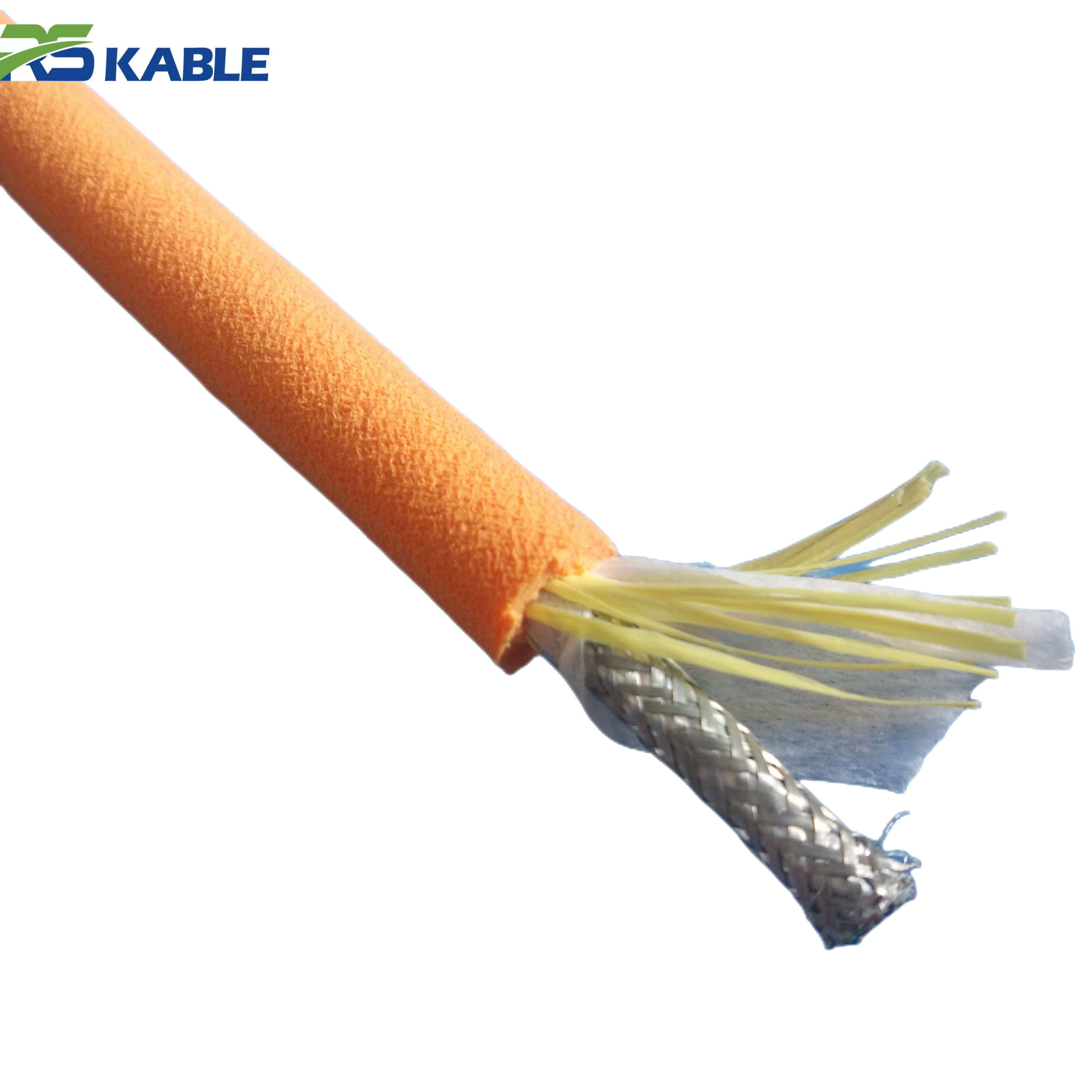
To appreciate why double armoring matters, it helps to understand the structure of a modern ROV tether. At its core sits the functional payload — copper conductors for power, shielded twisted pairs for signal, and increasingly, optical fiber bundles for high-bandwidth telemetry. These elements are delicate. They must be isolated from mechanical stresses that would quickly degrade signal integrity or fracture the conductor strands.
In a single-armor design, one layer of helically wound steel or stainless wire provides that isolation. This works well in calm, sandy environments or in shallow recreational ROV applications. The wires are wound at a specific lay angle, which governs the balance between tensile strength and torsional behavior.
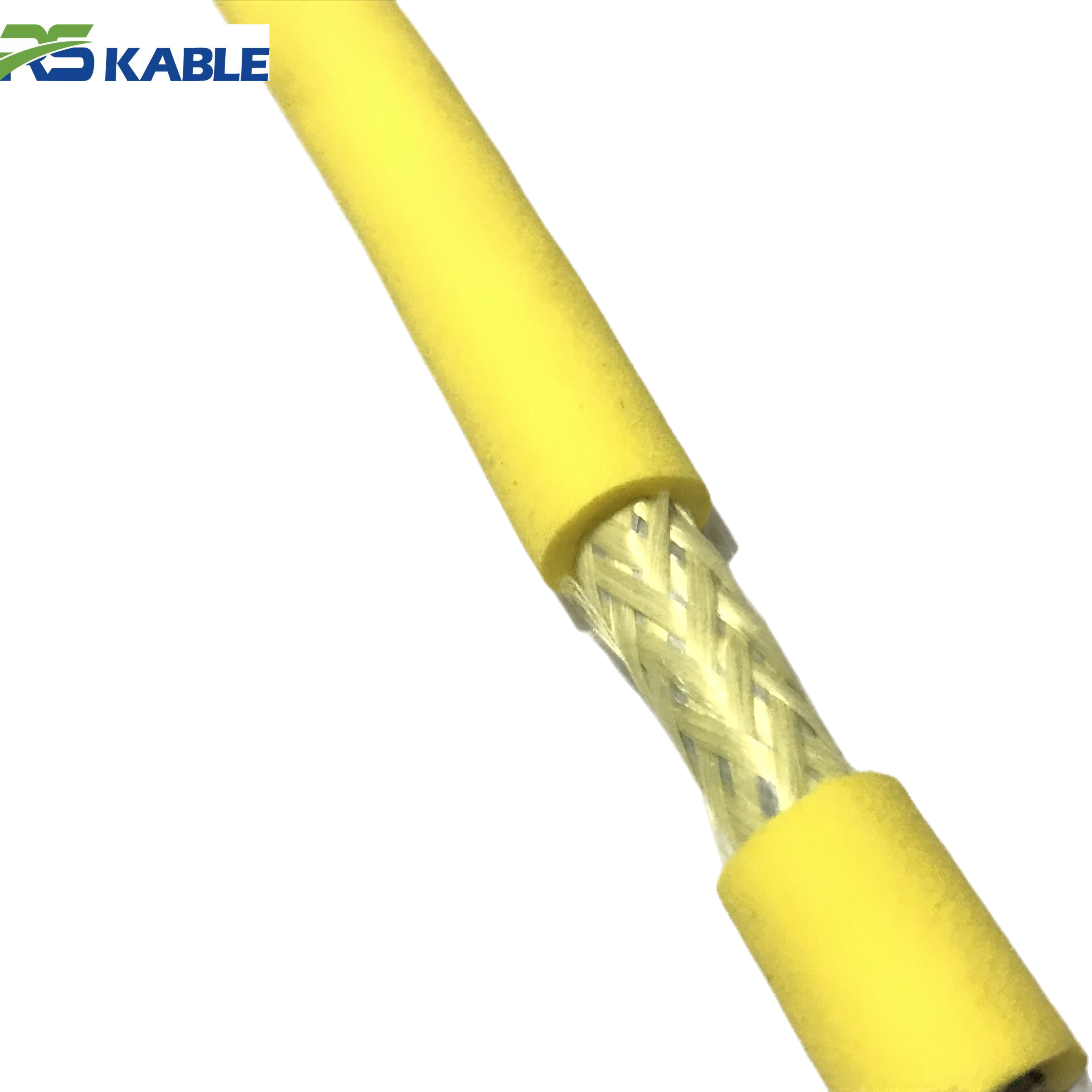
A double armored ROV cable adds a second concentric armor layer, wound in the opposite helical direction. This counter-helical geometry accomplishes several things simultaneously:
- Torque neutralization: the opposing lay angles cancel out the tendency to rotate under tensile load, a critical property for any cable that must deploy and recover without inducing twist into the ROV.
- Crush resistance: the outer armor layer shields the inner one from transverse point loads — the kind imposed when a cable jams in a deployment frame guide or pinches under a vessel fender.
- Abrasion protection: the outer wires bear the friction damage first, acting as a sacrificial layer that can sustain considerable wear before the inner armor — and ultimately the core — are compromised.
The Environments That Justify Double Armoring
Not every application requires the heavier construction of a double armored ROV cable. Understanding the specific conditions that push single-armor designs past their limits is key to making an informed procurement decision.
Offshore Oil and Gas Infrastructure Inspection
Subsea structures — wellheads, risers, pipeline spans, jacket legs — are unforgiving contact surfaces. An ROV working inside a congested jacket frame may repeatedly brush the cable across corroded steel edges. Jacket legs can have bolt stubs, marine growth, and barnacle-encrusted surfaces that act like files on an unprotected outer jacket. Double armor ensures the cable survives accidental contact that would slice through a single-armor construction within a single dive.
Rocky Seabed and Reef Environments
Scientific and survey ROVs working over hard-bottom geology face a constant risk of cable snag. When the vehicle moves laterally, the tether can drag across basalt, limestone, or coral substrate — all of which present sharp angular edges. The outer armor layer of a double armored ROV cable will show scoring after repeated contact, while the inner armor and core remain intact. This is exactly the failure mode it is designed to delay.
High-Current Tidal and Riverine Deployments
Strong currents impose dynamic tensile loads on the tether that are difficult to predict and nearly impossible to avoid. A cable scalloping in a 3-knot tidal current may experience cyclic tension spikes that cumulatively fatigue individual armor wires. The added wire count in a double armor construction distributes those loads across more paths, reducing per-wire stress and extending fatigue life substantially.
Material Choices: Steel, Stainless, and Beyond
The wire material used in each armor layer matters as much as the construction geometry. Galvanized steel offers the best strength-to-cost ratio and is suitable for freshwater or short-duration seawater use. However, galvanizing degrades over time in saline environments, and crevice corrosion between wire strands is a recognized failure mode in long-deployment offshore assets.
316L stainless steel wire is the preferred material for the outer armor layer in most marine-grade double armored ROV cable designs. Its chloride resistance prevents the progressive pitting that compromises galvanized wire, and its slightly lower tensile strength compared to high-carbon steel is offset by the presence of two armor layers. High-performance alternatives such as Vectran or Dyneema fiber strands are used where weight is a premium concern — deep-water systems where every kilogram of cable weight translates into reduced maneuverability and higher deployment drum requirements.
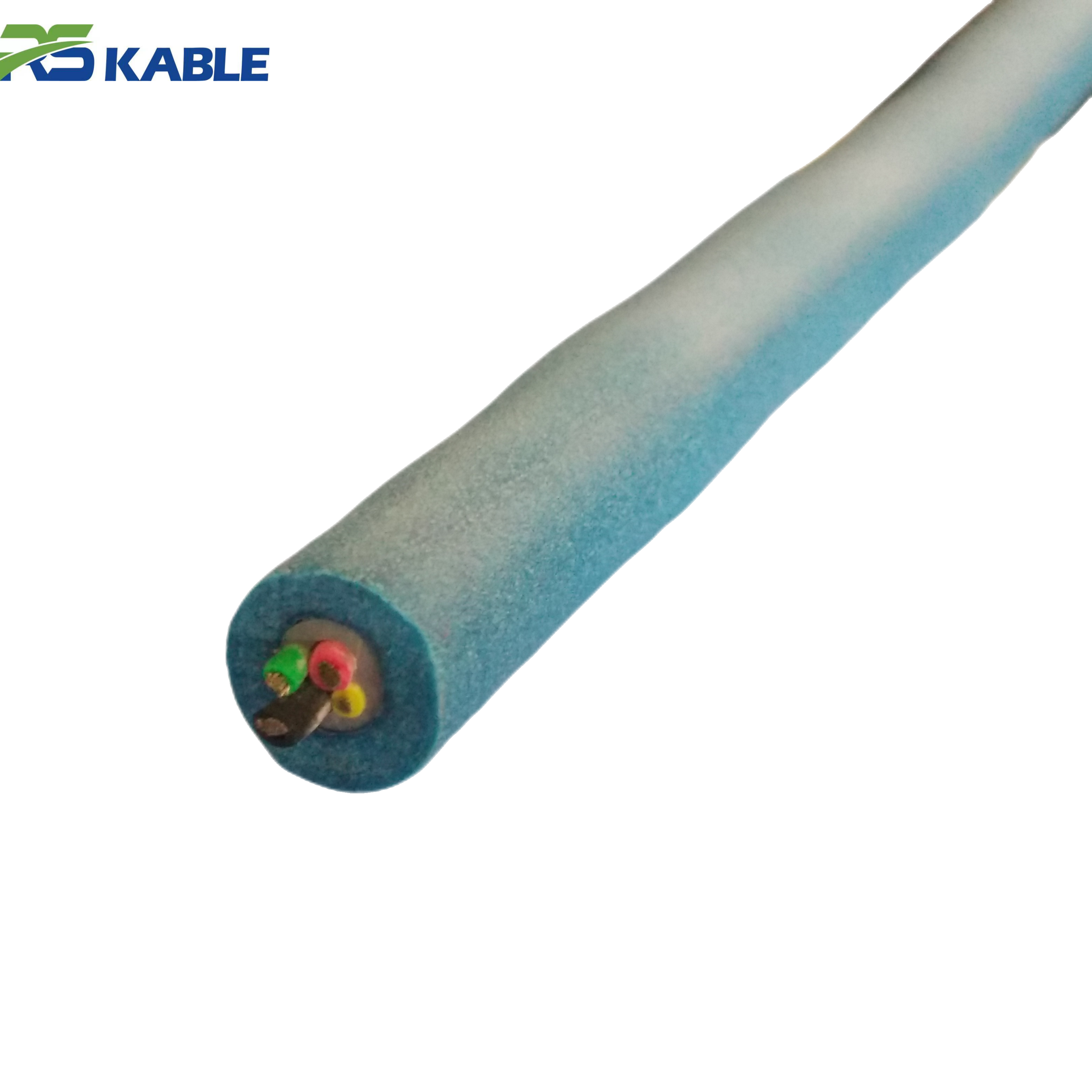
The outer jacket material also plays an important role. Polyurethane (PUR) is now the dominant choice over PVC for most professional ROV cables, owing to its superior abrasion resistance, hydrolytic stability, and ability to maintain flexibility at low temperatures. In double armored designs, the jacket serves as a first line of defense before the outer armor layer is even engaged — a thick PUR jacket can absorb scratches that would otherwise nick outer armor wires.
Key Specifications to Request from Your Manufacturer
When evaluating a double armored ROV cable, a datasheet alone is rarely sufficient. These are the parameters that determine whether the product is genuinely suited to your application:
|
Parameter |
What to Look For |
|
Minimum bend radius |
Should be ≤10× OD for dynamic applications; verify this under rated tensile load, not just unloaded |
|
Rated tensile strength (RTS) |
Ask for breaking strength AND safe working load — the ratio between them is the safety factor, typically 3:1 minimum for working cables |
|
Armor wire diameter and count |
More, thinner wires provide greater fatigue resistance than fewer, thicker wires at equivalent total cross-section |
|
Depth rating |
Confirm the pressure rating is validated by hydrostatic test, not just theoretical calculation |
|
Outer jacket wall thickness |
A minimum of 1.5–2 mm PUR over the outer armor is typical for professional marine grades |
|
Lay length / torsional balance |
Request proof of torque neutrality testing — an unbalanced cable will induce rotation and twist your umbilical spool |
Maintenance Considerations in Service
The additional protection of double armor does not eliminate the need for routine inspection — it simply changes what you are looking for. Single-armor cables often fail dramatically: a broken wire snags and the tether parts. Double armored ROV cable fails more gradually, which means the damage can progress significantly before it is visible.
After each operational period in abrasive conditions, run the cable through a clean, lint-free cloth at slow speed as it recovers onto the drum. Scoring on the outer jacket is expected and manageable. Wire breaks in the outer armor layer — felt as small protruding snags — require documentation and trend tracking. Two or more adjacent wire breaks in the same cross-section warrant cable retirement regardless of the inner armor’s condition.
Termination quality is equally critical. The transition from free cable to terminated end is a stress concentration point, and a poorly designed termination fitting can unravel both armor layers simultaneously under dynamic load. Work only with manufacturers who provide validated termination data for the specific double armored ROV cable model you are deploying.
Custom vs. Standard: When Off-the-Shelf Is Not Enough
Catalog double armored ROV cables cover many common configurations — typically 4-conductor or 6-conductor power plus two or four signal pairs, with or without a fiber optic element. For the majority of work-class ROV operators, a stocked cable in the correct diameter and length is available within a reasonable lead time.
Custom requirements arise when the core configuration is non-standard (high-voltage DC power, multiple hydraulic hose integrations, specific fiber count), when the operating depth demands a modified armor wire diameter, or when the application involves permanent installation rather than deployment-and-recovery cycles. A competent cable manufacturer will conduct a full application review before quoting a custom double armored ROV cable — be cautious of any supplier who quotes from dimensional specs alone without asking about operational context.
Choosing Protection That Matches Your Risk Profile
The decision to specify double armor is ultimately a risk management decision. It costs more per meter, adds weight to the drum, and slightly reduces flexibility compared to single-armor equivalents. In benign environments — a clear-water lake survey, a sandy-bottom pipeline inspection in calm conditions — this overhead may not be justified.
But in the environments described above — rocky geology, congested offshore infrastructure, strong currents, or high-consequence operations where a cable failure means vehicle loss — double armored ROV cable is not over-engineering. It is the appropriate tool. Match the protection level to the actual operating hazards, not to the minimum spec that will technically function. Your ROV, your crew’s time, and your client’s confidence are all well worth the additional investment.
Frequently Asked Questions
Q1: What is the main difference between single and double armored ROV cable?
Single armor uses one helical wire layer for tensile strength and basic protection. Double armor adds a second counter-wound layer, which provides torque neutralization, improved crush resistance, enhanced abrasion protection, and higher fatigue life under dynamic loading. The trade-off is a larger outer diameter, higher weight per meter, and a modest cost increase.
Q2: Can a double armored ROV cable achieve neutral buoyancy?
Yes, although it is more challenging to achieve than with unarmored designs because the steel wire layers add significant linear weight. Neutral buoyancy is typically accomplished by selecting low-density filler materials for the core and by using foamed polymer elements in the jacket formulation. The result is heavier in absolute terms but behaves near-neutrally in seawater. Some deep-water designs use Dyneema or Vectran fiber armor instead of steel precisely because of their density advantage.
Q3: How deep can a double armored ROV cable typically operate?
Depth rating depends on the specific design, not the armor type alone. Standard work-class double armored ROV cable is routinely rated to 3,000 m (approximately 4,350 psi hydrostatic). Specialized deep-rated versions can reach 6,000 m or beyond. The limiting factors are usually the connector terminations and the jacket compression behavior at depth, not the armor wires themselves.
Q4: At what point should a double armored ROV cable be retired?
Retirement criteria should be established before deployment, not in the field. Common thresholds include: any measurable reduction in insulation resistance below the manufacturer’s floor value; two or more adjacent broken outer armor wires in any 12-inch section; visible jacket penetration exposing inner armor; or any event-based criteria such as a known severe snag or overstress incident. Following a major incident, the cable should always be tested before the next deployment regardless of apparent external condition.
Q5: What jacket material works best with double armor in corrosive environments?
Polyurethane (PUR) is the standard choice for demanding marine applications due to its outstanding abrasion resistance, hydrolytic stability, and flexibility retention at low temperatures. Some extreme-environment designs use a composite jacket — a PUR outer skin over a polyethylene inner layer — to combine abrasion resistance with barrier-film chemical resistance. Rubber-jacketed double armored ROV cable remains in use for certain high-temperature or UV-exposure contexts where PUR may degrade faster.