



Company News
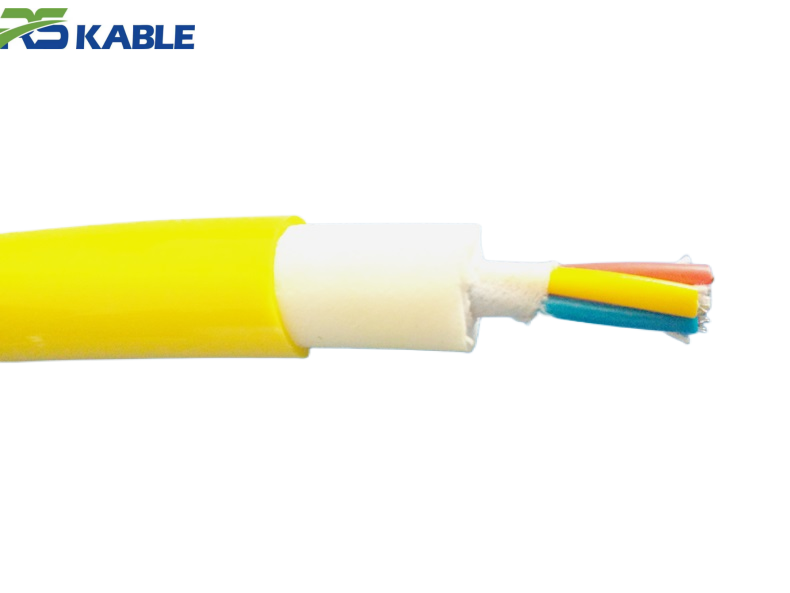
How Neutral Buoyancy Cables Can Improve Your Subsea Operations Efficiency
How Neutral Buoyancy Cables Can Improve Your Subsea Operations Efficiency Subsea efficiency is rarely about “going faster.” Offshore, efficiency means finishing the planned work inside the weather window with fewer interruptions—less repositioning, fewer recoveries, fewer troubleshooting stops, and fewer cable-related near-misses. When operations slip, …
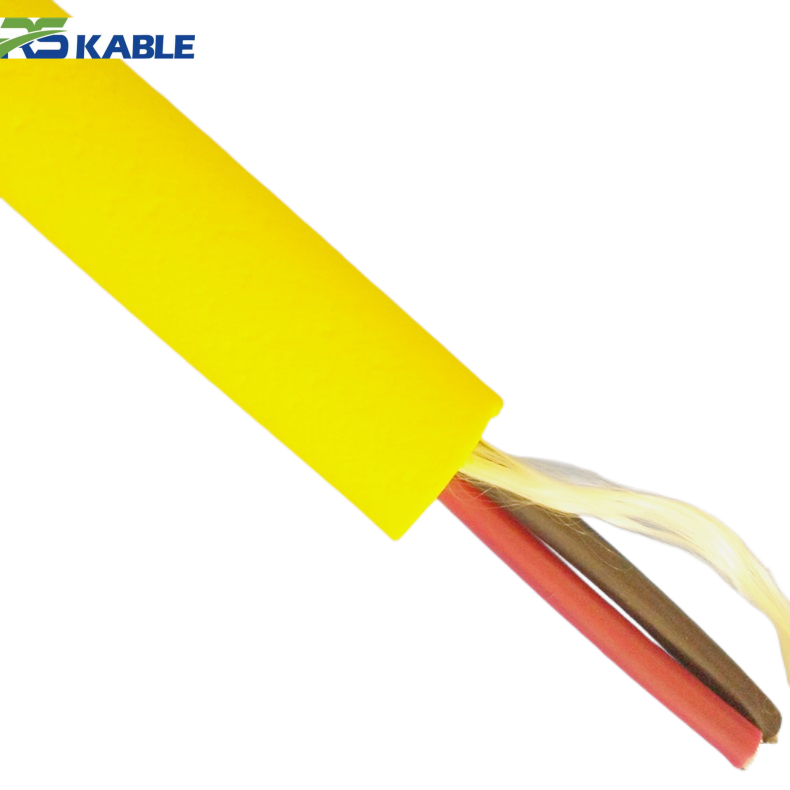
How Neutral Buoyancy Cables Prevent Cable Entanglement in ROV Operations
How Neutral Buoyancy Cables Prevent Cable Entanglement in ROV Operations Cable entanglement is one of the most disruptive “small failures” in ROV work. It usually begins quietly: a little slack behind the vehicle, a turn near a structure, a brief touch on the seabed, or a current shift that moves the tether into a snag zone. Then the cable crosses itsel…
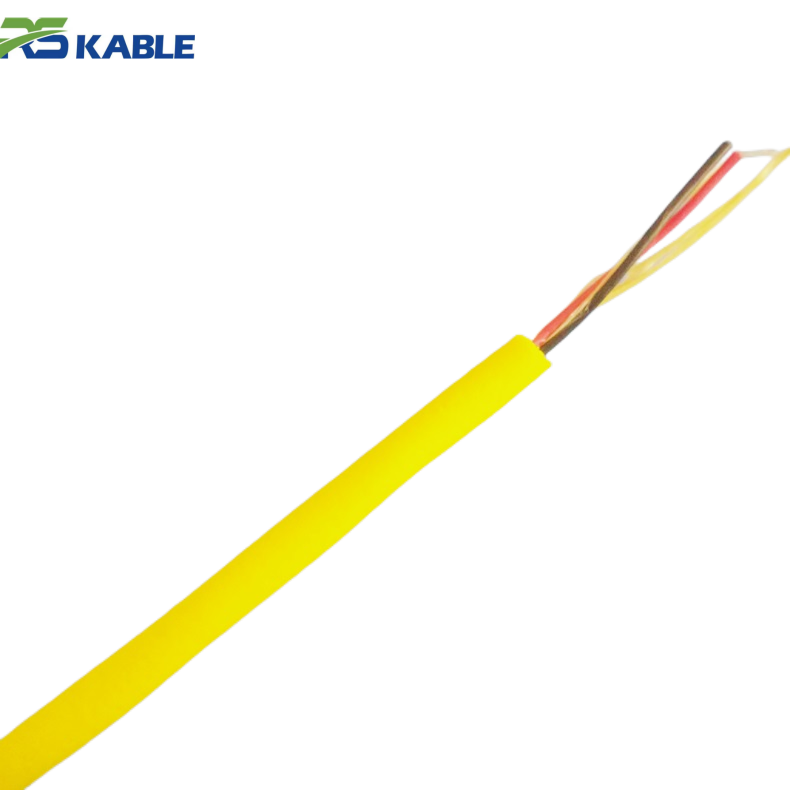
How Neutral Buoyancy Cables Improve Underwater Maneuverability
How Neutral Buoyancy Cables Improve Underwater Maneuverability Underwater maneuverability isn’t decided by thrusters alone. In real ROV and subsea operations, the tether often determines how “light” or “heavy” the system feels. A vehicle can be perfectly tuned, yet still struggle with station-keeping if the tether is pulling down, sweeping sideways in c…
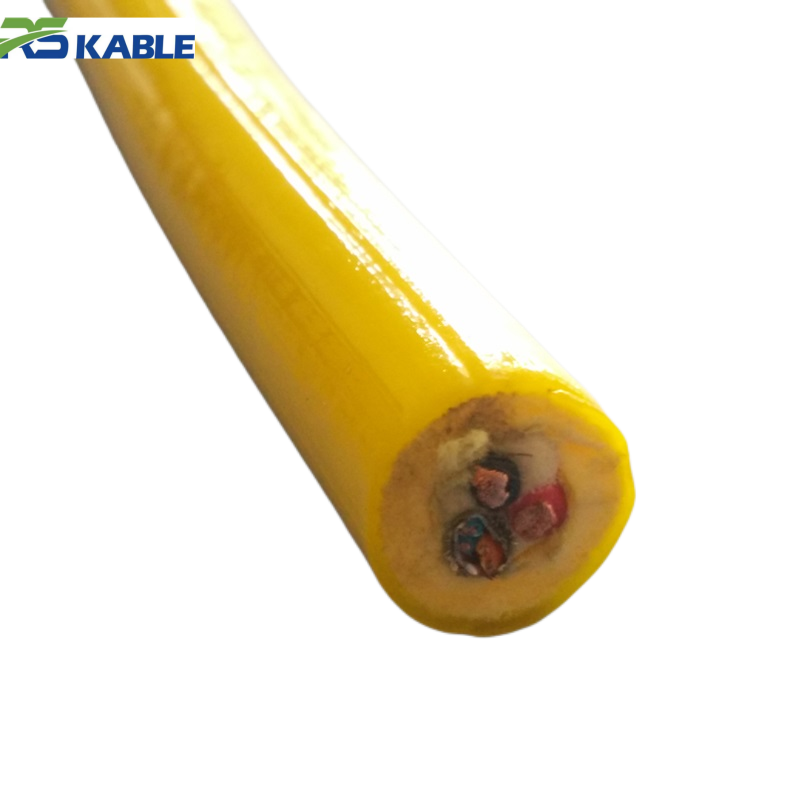
Choosing the Right Tether for Your ROV
Choosing the Right Tether for Your ROV Picking an ROV tether is one of the fastest ways to improve real-world performance without changing the vehicle. The tether affects station-keeping, pilot workload, seabed snag risk, connector lifespan, and whether video/telemetry stay stable throughout a shift. Many “ROV control problems” are actually tether probl…
Neutral Buoyancy Cables vs Traditional Underwater Cables: What You Must Know
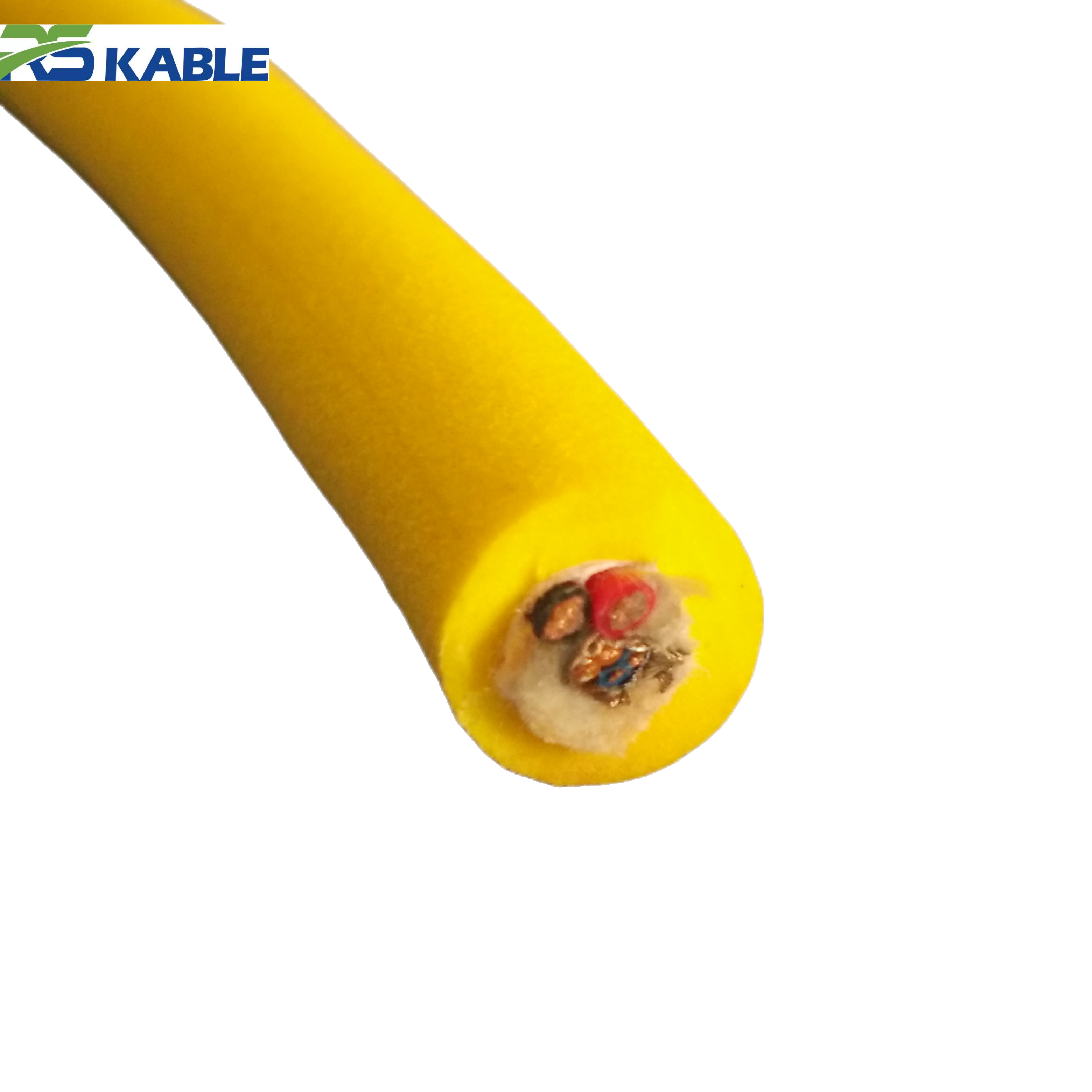
Neutral Buoyancy Cables vs Traditional Underwater Cables: What You Must Know Underwater cable selection is rarely “just a cable choice.” It affects how your ROV holds station, how stable your towed survey data looks, how often your crew fights tether drag, and how long terminations last before intermittent faults appear. Many teams discover this only af…
What is a neutral buoyancy cable?
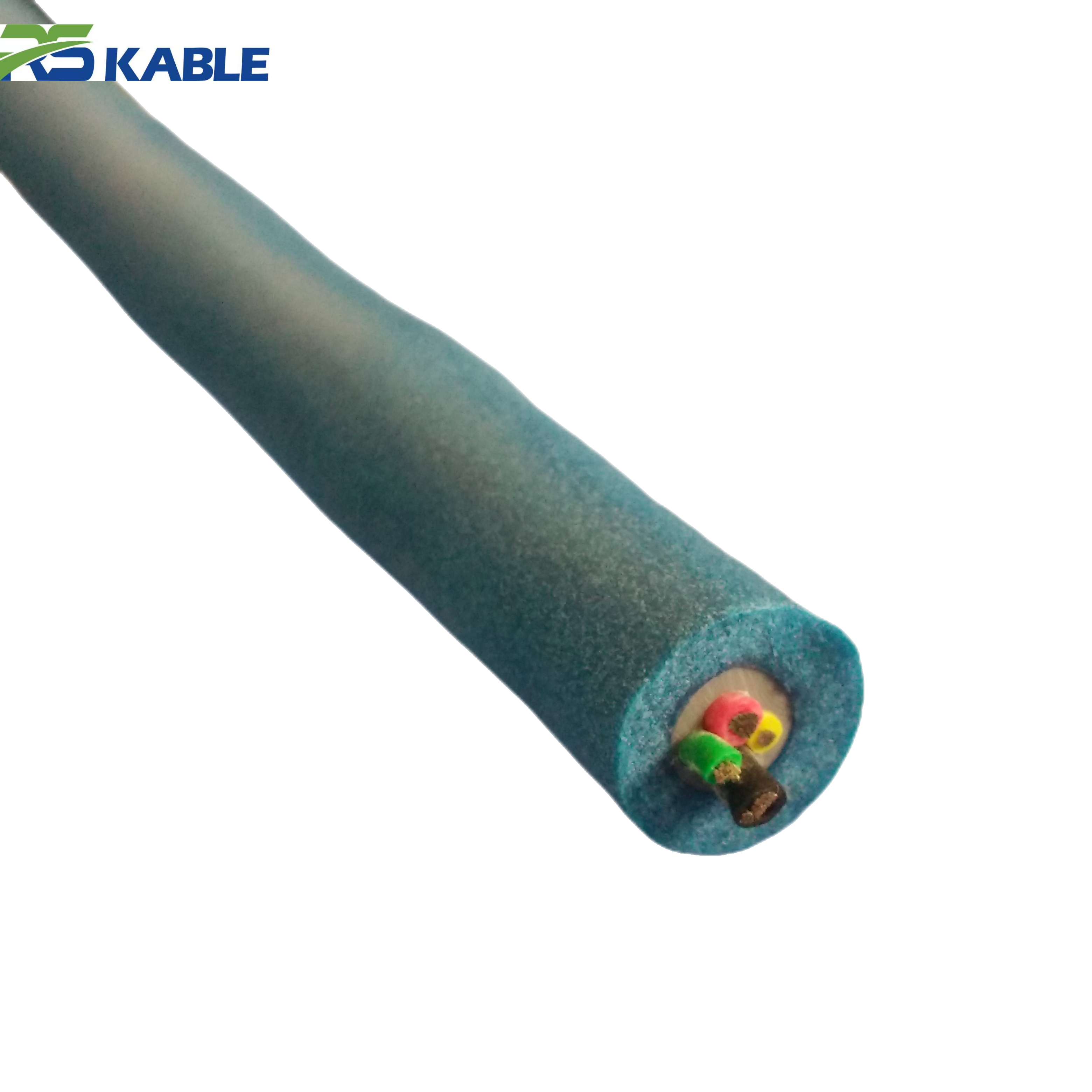
What Is a Neutral Buoyancy Cable? A Neutral Buoyancy Cable is an underwater cable engineered so its effective weight in water is close to zero—meaning it neither sinks heavily nor floats aggressively. In dynamic subsea operations, that one design goal can significantly improve handling, reduce unwanted loads on vehicles and sensors, and stabilize the en…
Cat 5 Elevator Traveling Cable for CCTV: Uses, Limits, and Selection Guide
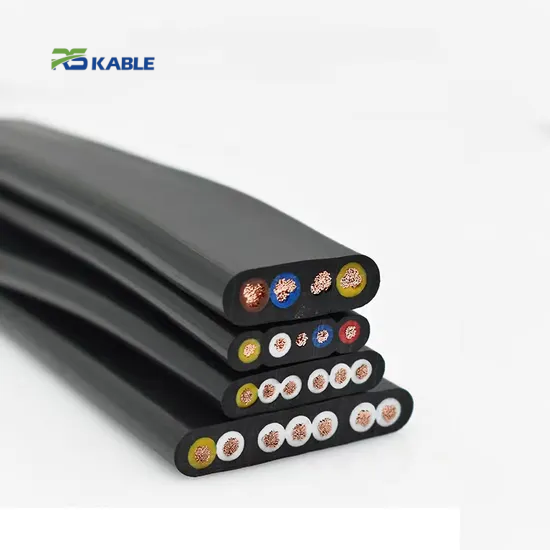
Cat 5 Elevator Traveling Cable for CCTV: Uses, Limits, and Selection Guide When people search for Cat 5 elevator traveling cable, they are usually not looking for a generic explanation of elevator cable. They are trying to solve a more specific problem: Can Cat 5 be used inside a moving lift system for CCTV or communication, and if so, when is it the ri…
How to Choose a Lift Traveling Cable for CCTV: Prevent Video Dropouts and Long-Term Wear
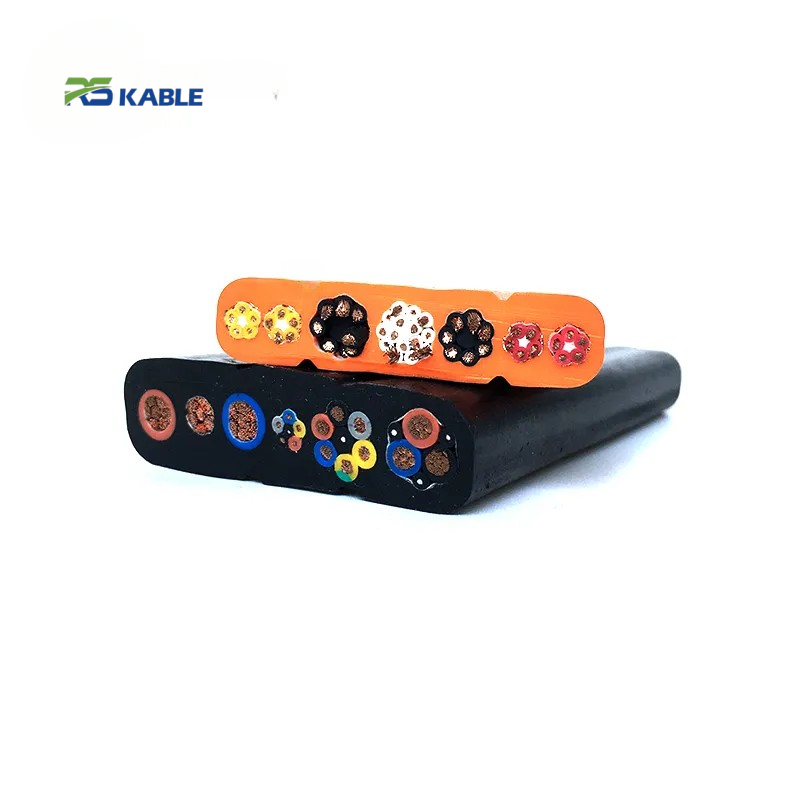
How to Choose a Lift Traveling Cable for CCTV: Prevent Video Dropouts and Long-Term Wear CCTV inside elevators is now a standard requirement in many residential towers, office buildings, hospitals, hotels, shopping centers, airports, and public facilities. Building owners want better passenger safety, incident recording, remote monitoring, and stronger …
Fiber Optic Elevator Traveling Cable: Benefits, Uses, and Selection Guide
Fiber Optic Elevator Traveling Cable: Benefits, Uses, and Selection Guide Fiber optic integration is becoming a practical upgrade path for modern elevator systems—but only when it’s done with the right cable design. Today’s elevators often carry far more than basic control signals. In many buildings, the elevator car is expected to support CCTV video, e…

What Is a Flat Cable Used For?
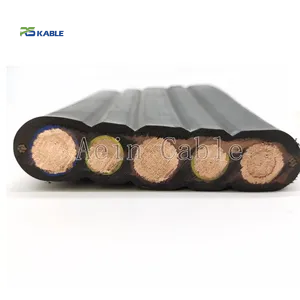
What Is a Flat Cable Used For? Flat cable is used when cable behavior and routing control matter as much as electrical performance. In practical terms, flat cables are chosen for moving industrial equipment, guided travel systems, festoon trolleys, elevators, compact machinery, and automation wiring—anywhere a round cable’s twisting, bulk, or unpredicta…