


Company News
Fiber Optic ROV Cable: Real-Time Video and Telemetry Transmission Explained
Fiber Optic ROV Cable: Real-Time Video and Telemetry Transmission Explained A stable live feed is the difference between efficient inspection and cautious guessing. When video stays clean during turns, the pilot works close to assets with confidence. When telemetry is continuous, the team trusts depth, heading, and system status. When the link drops onl…
ROV Cable Jacket Materials: Polyurethane vs Rubber for Abrasion and Seawater Resistance
ROV Cable Jacket Materials: Polyurethane vs Rubber for Abrasion and Seawater Resistance Most subsea cable problems don’t begin with a failed conductor or a broken fiber. They begin with the jacket. A small cut becomes an ingress path. A repeat rub point becomes thinning. A hard recovery leaves a barely visible nick that grows into a crack after enough r…
ROV Cable Tensile Strength Guide: Load Ratings, Safety Margin, and Real-World Use
ROV Cable Tensile Strength Guide: Load Ratings, Safety Margin, and Real-World Use A tensile number on a spec sheet doesn’t stop downtime. What stops downtime is understanding when peak loads happen, where load transfers fail, and how to build margin without making the tether so large and stiff that it becomes a control problem in current. This guide is …
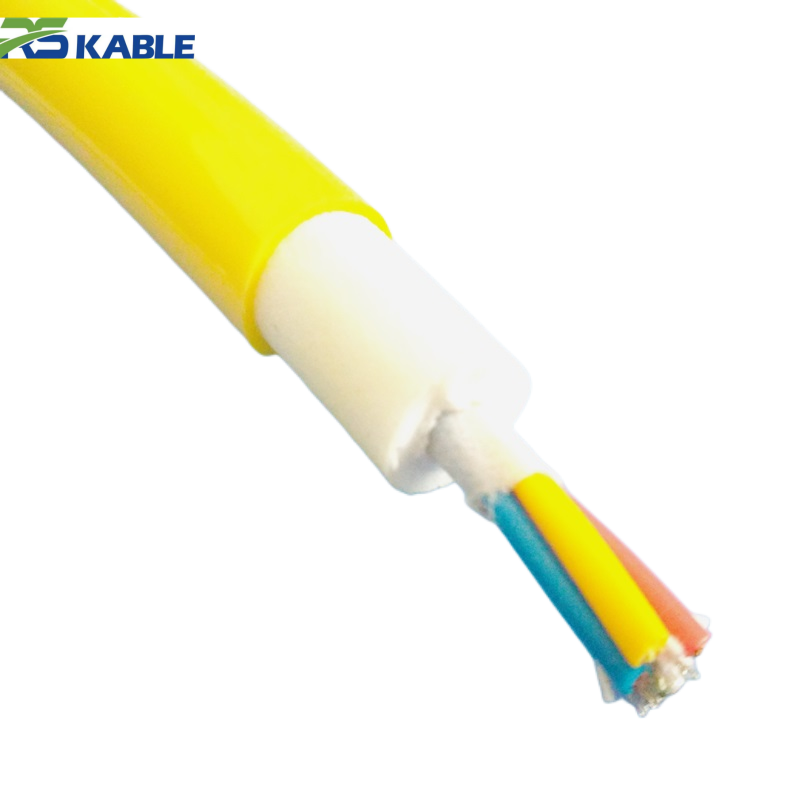
ROV Cable Diameter vs Drag: How to Reduce Pilot Workload in Strong Currents
ROV Cable Diameter vs Drag: How to Reduce Pilot Workload in Strong Currents In strong currents, many “piloting problems” are tether problems. When the tether carries most of the side load, the vehicle spends thrust just to stay in place, turns feel slow and springy, and the work zone becomes harder to keep clean near structures. The quickest improvement…
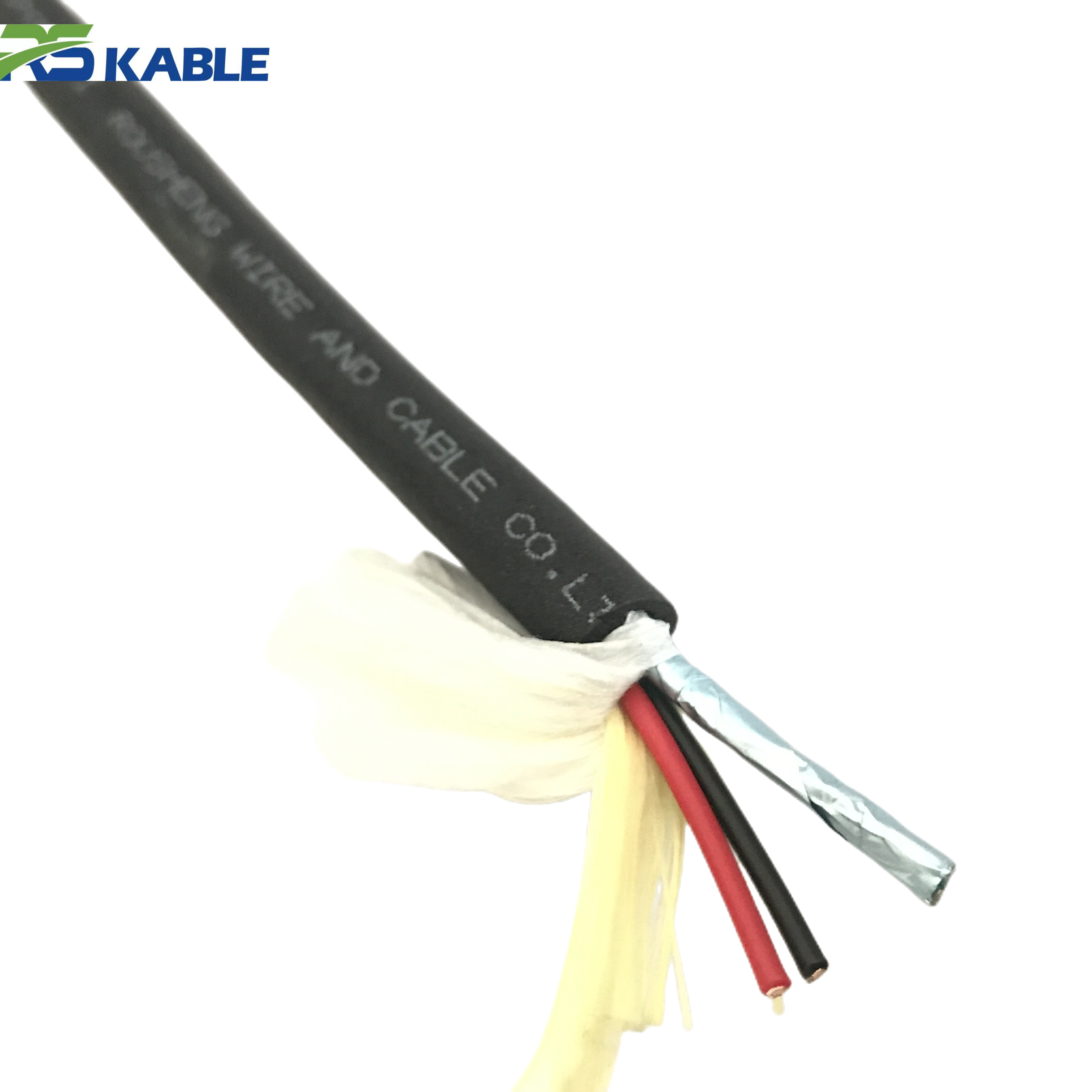
Neutral Buoyancy vs Negative Buoyancy ROV Cable: Which One Improves Control?
Neutral Buoyancy vs Negative Buoyancy ROV Cable: Which One Improves Control? Control problems offshore often get blamed on the vehicle: “thrusters feel weak,” “station-keeping is messy,” “turns are sloppy,” “we keep touching bottom.” In many jobs, the real culprit is the tether. Buoyancy changes the tether’s shape in the water, and that shape changes wh…
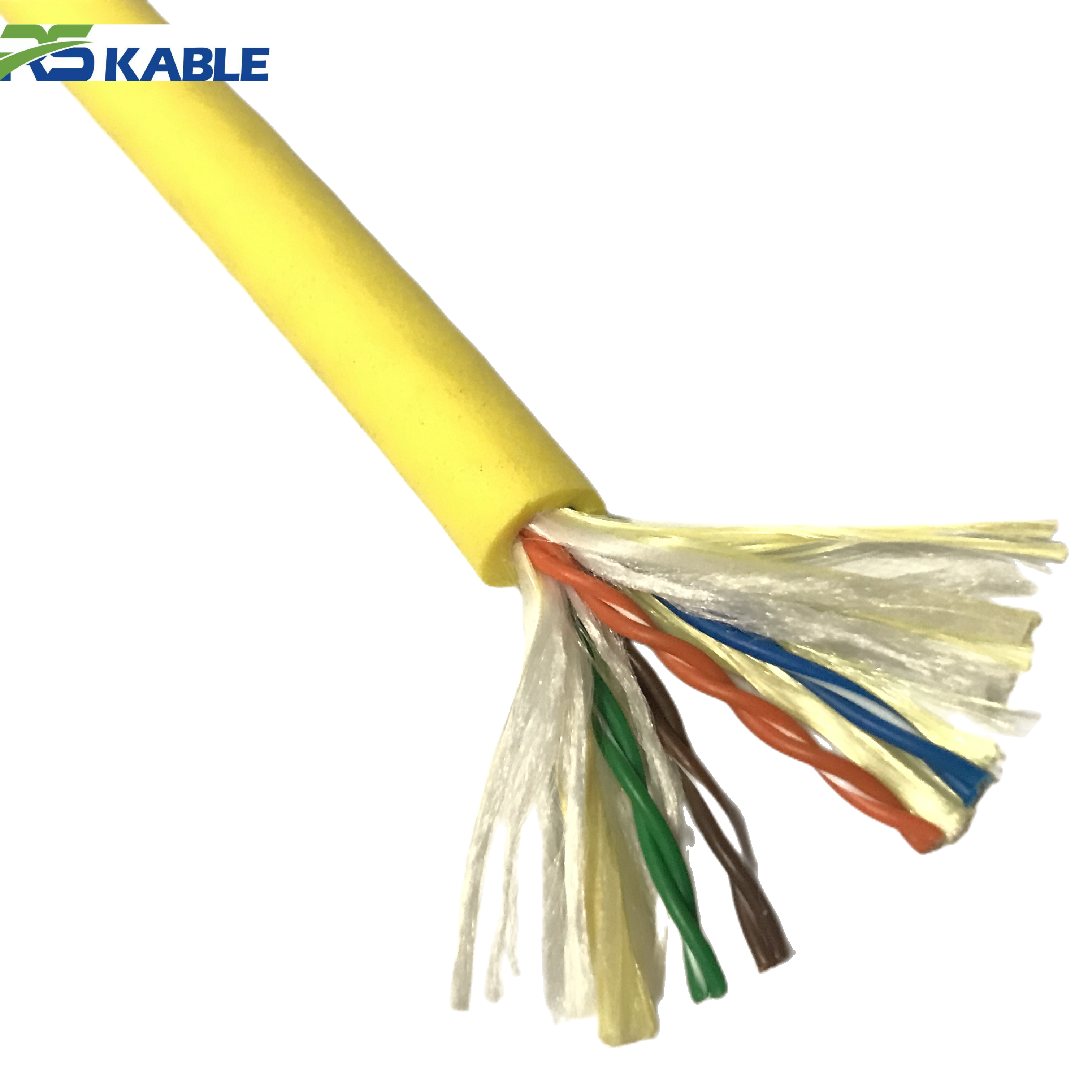
ROV Cable Failure Modes: Common Causes and Preventive Maintenance Checklist
ROV Cable Failure Modes: Common Causes and Preventive Maintenance Checklist Cable failures in ROV work almost never arrive with a clean, obvious break. They usually arrive as nuisance symptoms: a brief video glitch during a turn, a power reset that only happens under heavy thrust, a section of tether that suddenly feels “stiffer,” or jacket wear that ap…
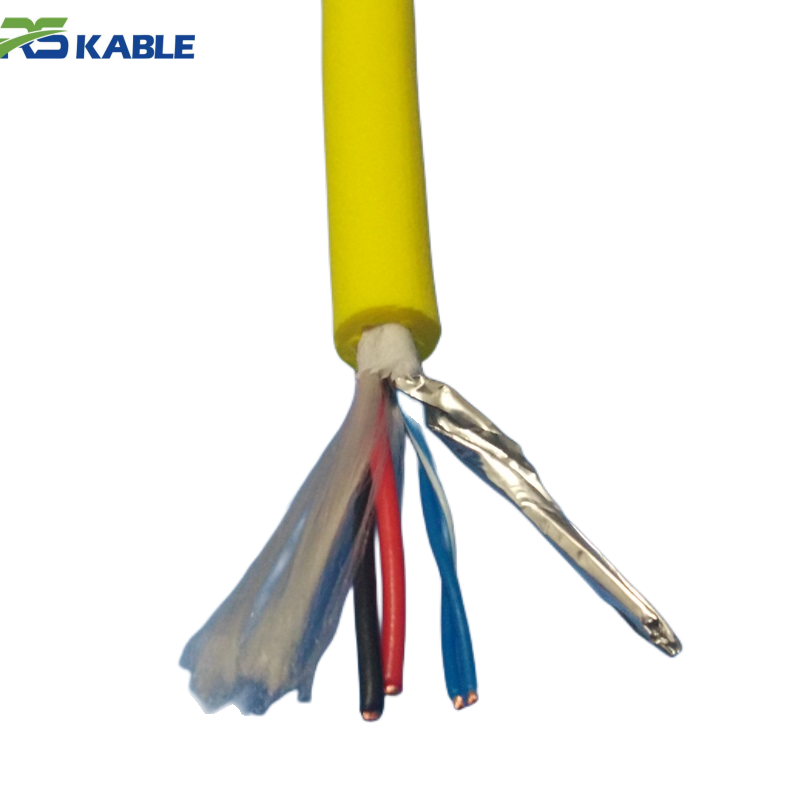
How to Select ROV Cable for Deep-Sea Operations: Depth Rating and Safety Factors
How to Select ROV Cable for Deep-Sea Operations: Depth Rating and Safety Factors Deep-water projects expose weak assumptions fast. A tether that performs perfectly in shallow water can become unreliable offshore for reasons that don’t look obvious at first: small jacket damage turns into water ingress under pressure, terminations that “passed” dock chec…
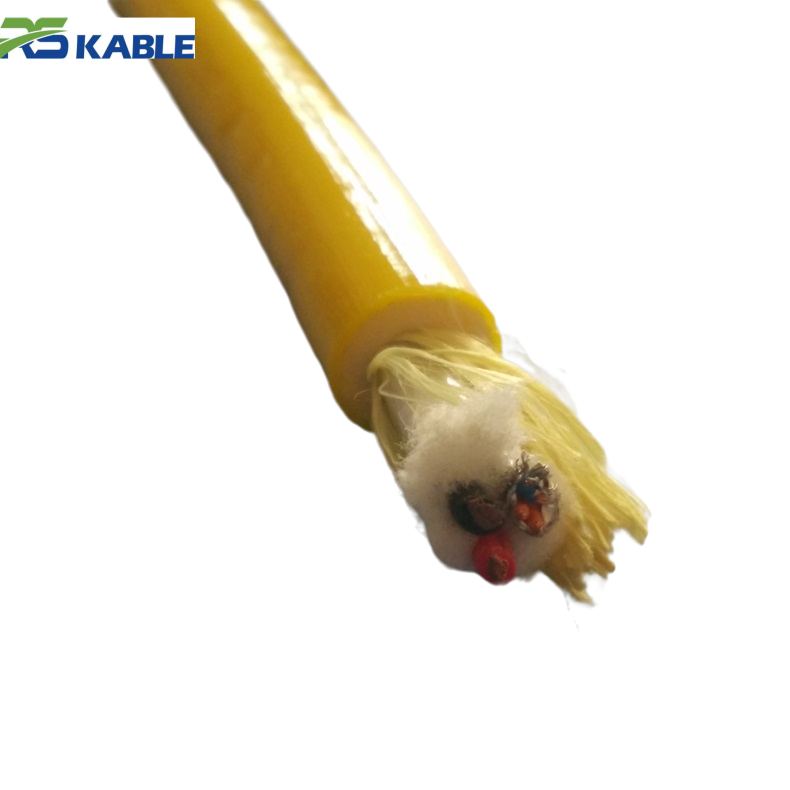
ROV Cable Types Explained: Power, Fiber Optic, and Hybrid Designs
ROV Cable Types Explained: Power, Fiber Optic, and Hybrid Designs Most teams don’t choose an ROV tether because they love cable catalogs. They choose one because the job demands it—and because the wrong choice shows up fast: the vehicle feels heavy in current, the tether drags and scuffs, video drops only during movement, or a termination fails in the m…
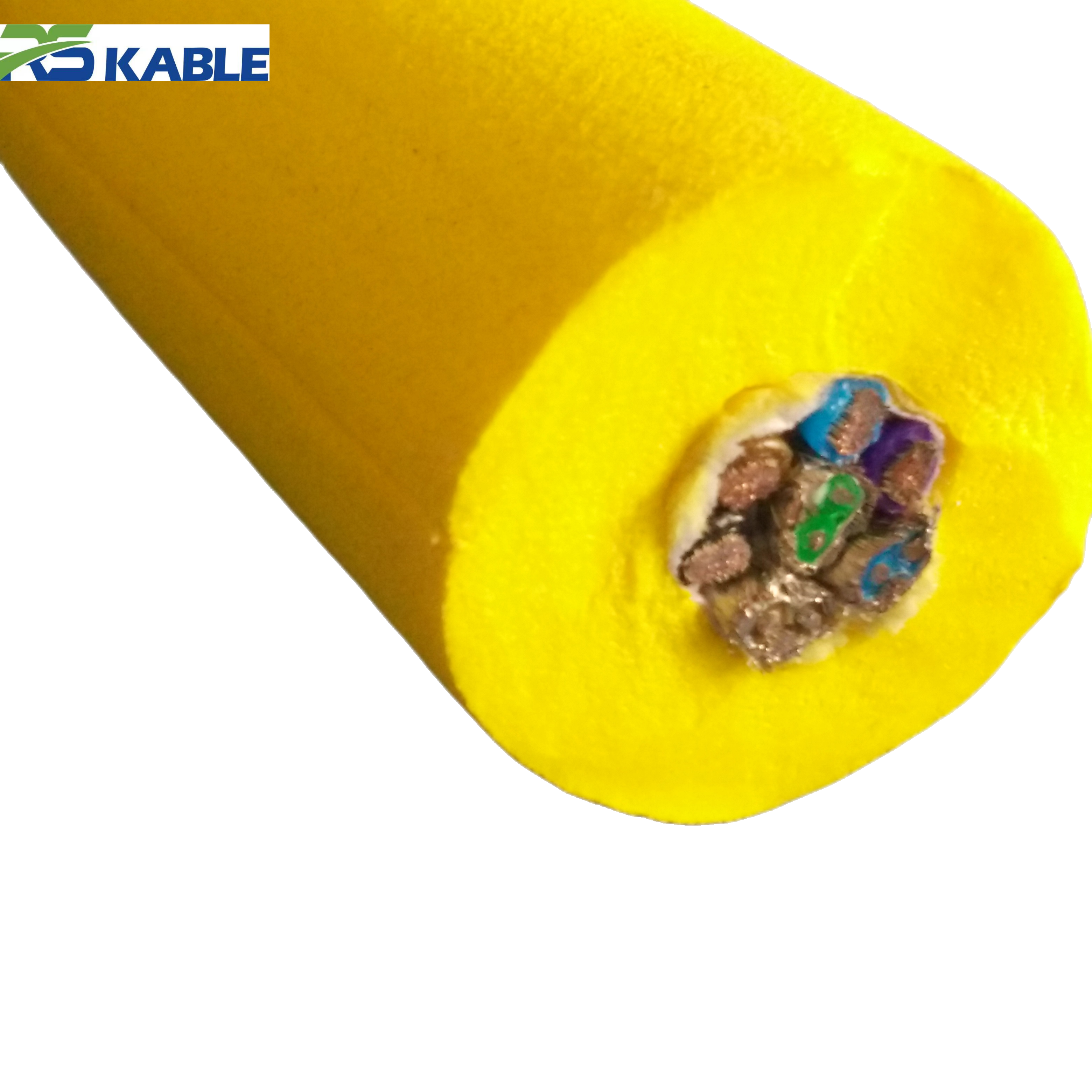
ROV Cable vs Umbilical: Key Differences for Power, Data, and Handling
ROV Cable vs Umbilical: Key Differences for Power, Data, and Handling A lot of subsea headaches start with one small misunderstanding: calling every line in the water an “umbilical,” or calling every line an “ROV cable,” and assuming the hardware will behave the same. On deck, both can look like “just a tether.” Under load, in current, near structure, d…
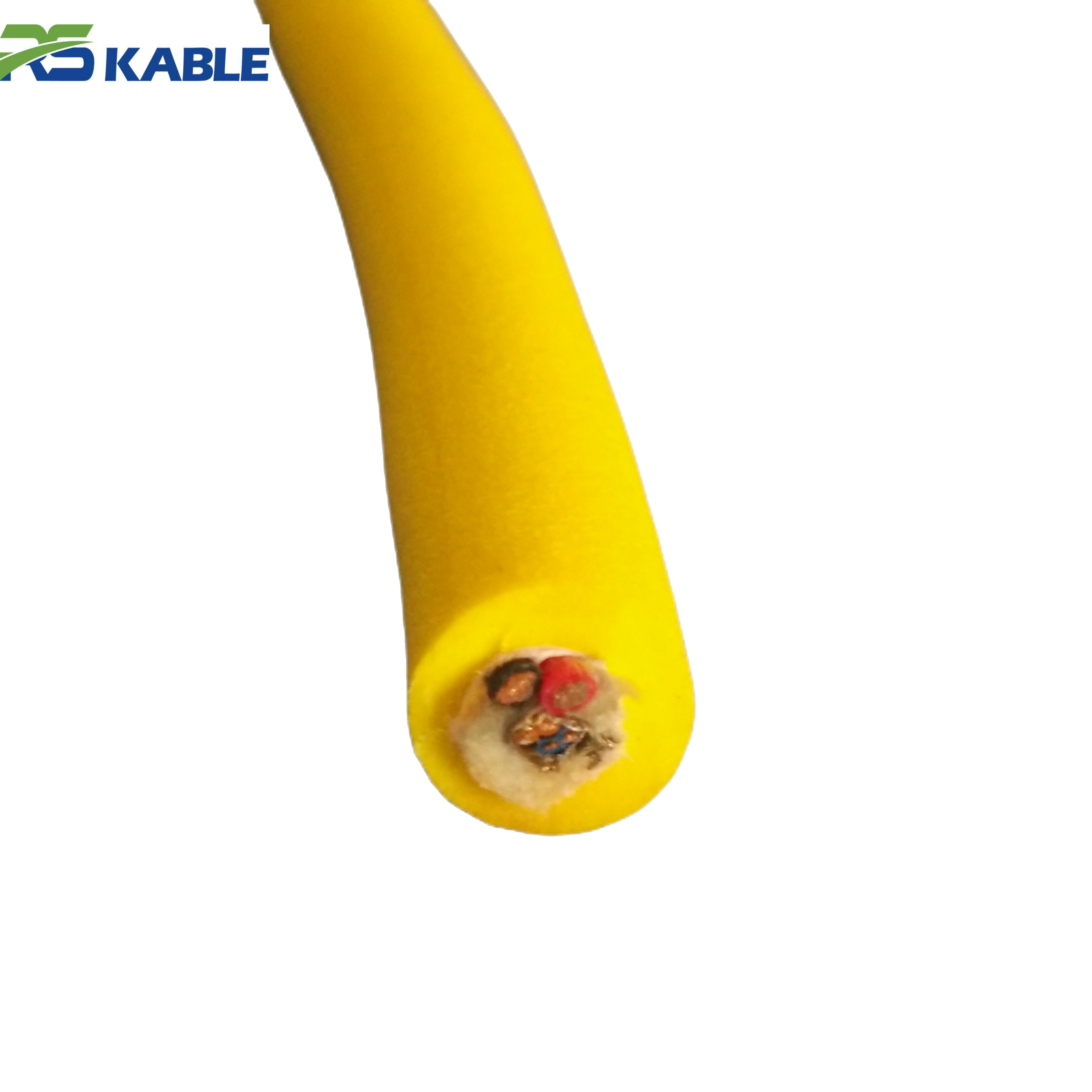
ROV Cable Buying Guide: How to Choose the Right Tether for Your Mission
ROV Cable Buying Guide: How to Choose the Right Tether for Your Mission If subsea jobs had a single “silent performance part,” it would be the tether. Teams can spend months tuning the vehicle, cameras, and tooling—then lose hours offshore because the tether drags, snags, sweeps into hazards, or starts dropping video only when the ROV moves. Those probl…