



Company News
Armored ROV Cable vs Unarmored: Pros, Cons, and Best Use Cases
Armored ROV Cable vs Unarmored: Pros, Cons, and Best Use Cases “Armored is safer” is only sometimes true. Offshore, the safer tether is the one that matches the damage mechanism you actually face. If your cables are being cut on sharp steel or crushed in tight corridors, armor can be the difference between finishing a campaign and stopping early. If you…
ROV Cable for Oil & Gas: Armor Options, Chemical Resistance, and Reliability Needs
ROV Cable for Oil & Gas: Armor Options, Chemical Resistance, and Reliability Needs Oil & gas subsea work punishes tethers in ways that “general inspection” doesn’t. You spend more time near sharp steel, you handle higher loads during recovery, you run tools that pull real power, and you expose the cable system—jacket, overmold, seals, connectors…
ROV Cable for Offshore Wind: Handling, Abrasion Risks, and Long-Life Selection Tips
ROV Cable for Offshore Wind: Handling, Abrasion Risks, and Long-Life Selection Tips Offshore wind is a repetition engine. The geometry changes from turbine to turbine, but the work patterns often don’t: approach the monopile or jacket, hold station in cross-current, work close to hard edges, then recover and move to the next asset. That repetition is ex…
ROV Cable for Underwater Inspection: How to Prevent Seabed Drag and Snagging
ROV Cable for Underwater Inspection: How to Prevent Seabed Drag and Snagging Inspection jobs don’t usually go sideways because the ROV can’t fly. They go sideways because the tether becomes a moving hazard: it drags, it scuffs, it catches, and then it tightens during a turn. The team loses time freeing a hold point, recovering, re-routing, and checking …

ROV Cable Bend Radius: How to Prevent Fatigue and Intermittent Signal Loss
ROV Cable Bend Radius: How to Prevent Fatigue and Intermittent Signal Loss Few things waste offshore time like intermittent faults. Video glitches that only appear during turns. Telemetry that flickers only when the tether is moving. A system that passes dock checks and then misbehaves in current. In many operations, the underlying cause is simple and r…

Hybrid Power + Fiber Optic ROV Cable: When It’s Worth the Upgrade
Hybrid Power + Fiber Optic ROV Cable: When It’s Worth the Upgrade A hybrid tether is not a trophy upgrade. It’s a business decision. If your offshore time is being burned by unstable video, movement-only dropouts, power sag under peak load, or the operational complexity of managing multiple lines, hybrid power + fiber can pay back quickly. If your main …
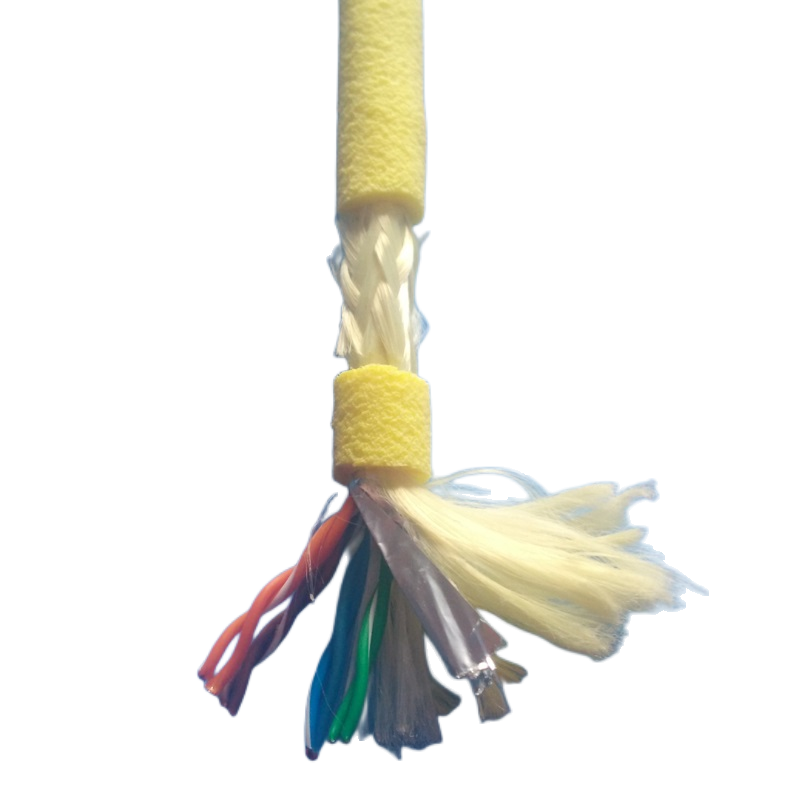
Fiber Optic ROV Cable: Real-Time Video and Telemetry Transmission Explained
Fiber Optic ROV Cable: Real-Time Video and Telemetry Transmission Explained A stable live feed is the difference between efficient inspection and cautious guessing. When video stays clean during turns, the pilot works close to assets with confidence. When telemetry is continuous, the team trusts depth, heading, and system status. When the link drops onl…
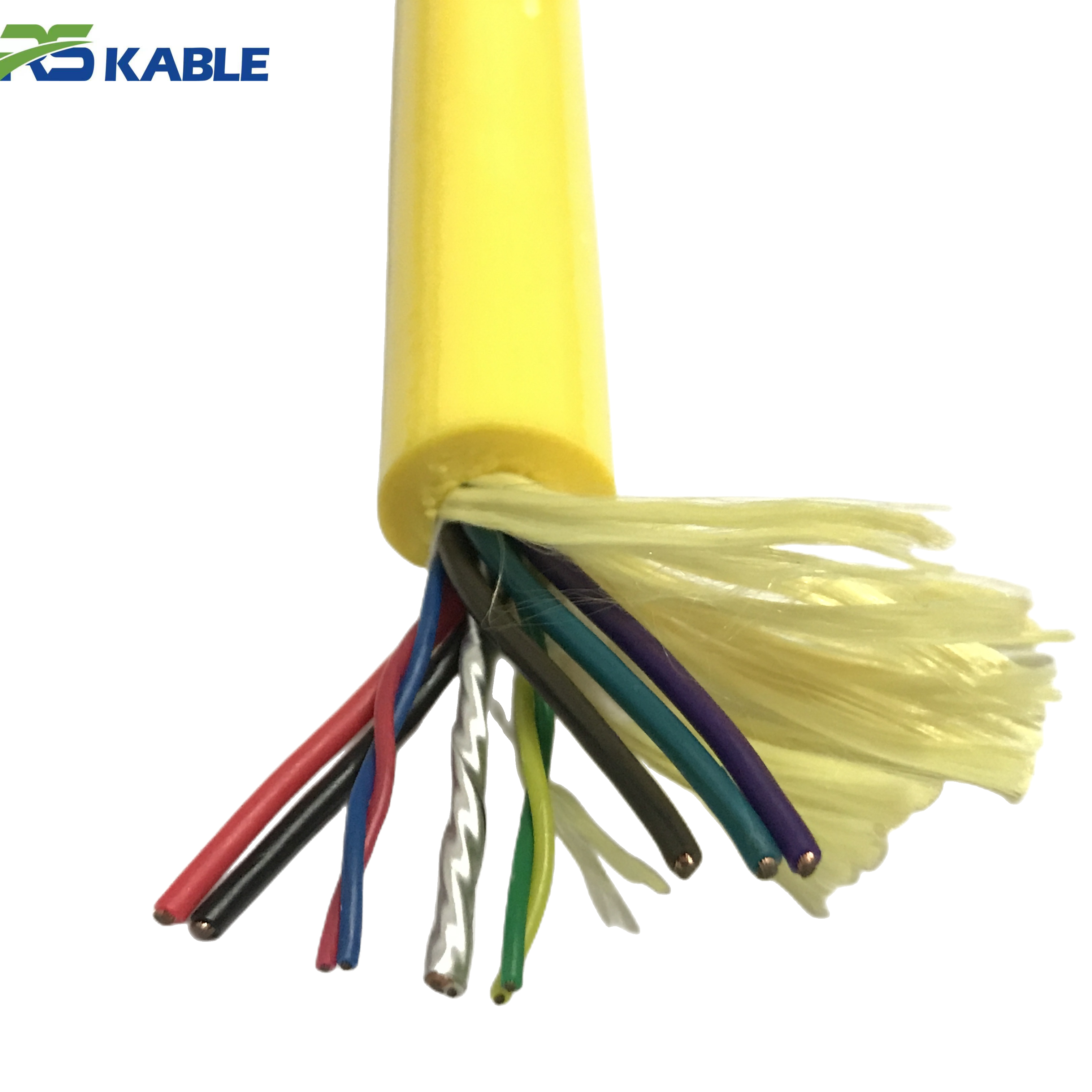
ROV Cable Jacket Materials: Polyurethane vs Rubber for Abrasion and Seawater Resistance
ROV Cable Jacket Materials: Polyurethane vs Rubber for Abrasion and Seawater Resistance Most subsea cable problems don’t begin with a failed conductor or a broken fiber. They begin with the jacket. A small cut becomes an ingress path. A repeat rub point becomes thinning. A hard recovery leaves a barely visible nick that grows into a crack after enough r…
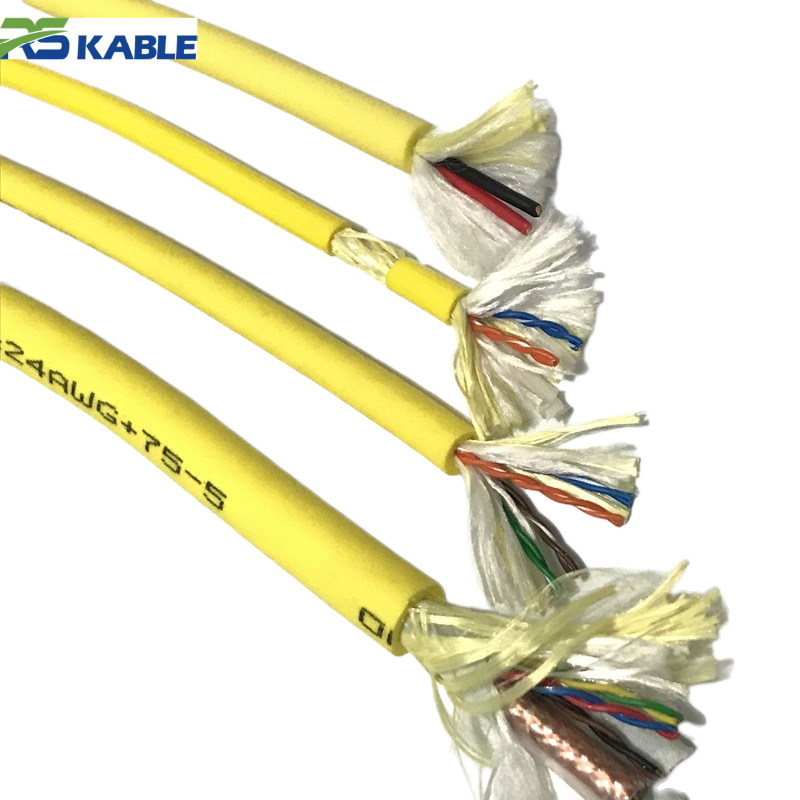
ROV Cable Tensile Strength Guide: Load Ratings, Safety Margin, and Real-World Use
ROV Cable Tensile Strength Guide: Load Ratings, Safety Margin, and Real-World Use A tensile number on a spec sheet doesn’t stop downtime. What stops downtime is understanding when peak loads happen, where load transfers fail, and how to build margin without making the tether so large and stiff that it becomes a control problem in current. This guide is …
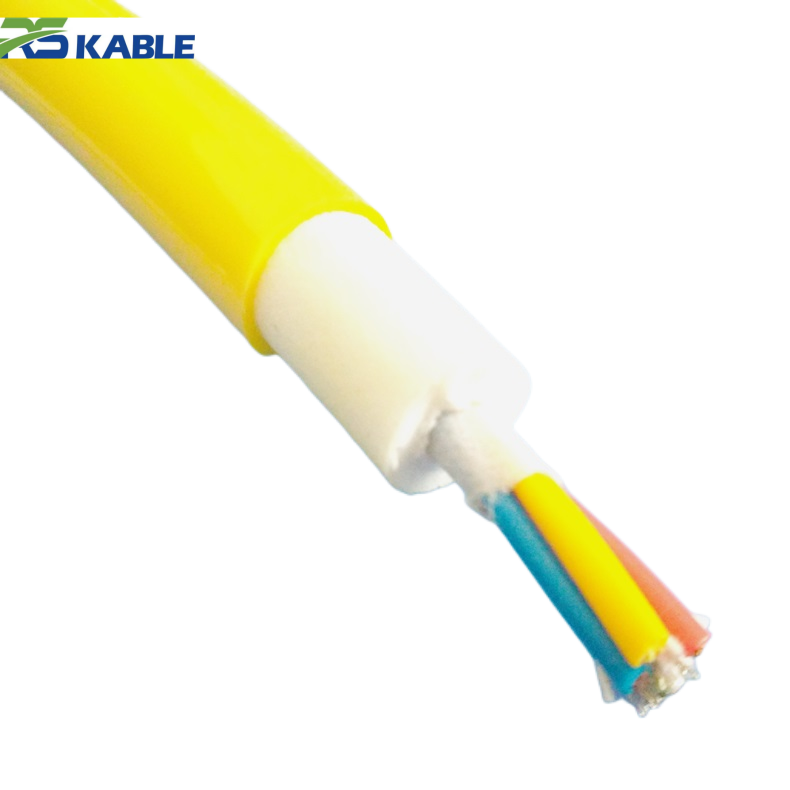
ROV Cable Diameter vs Drag: How to Reduce Pilot Workload in Strong Currents
ROV Cable Diameter vs Drag: How to Reduce Pilot Workload in Strong Currents In strong currents, many “piloting problems” are tether problems. When the tether carries most of the side load, the vehicle spends thrust just to stay in place, turns feel slow and springy, and the work zone becomes harder to keep clean near structures. The quickest improvement…