



Company News
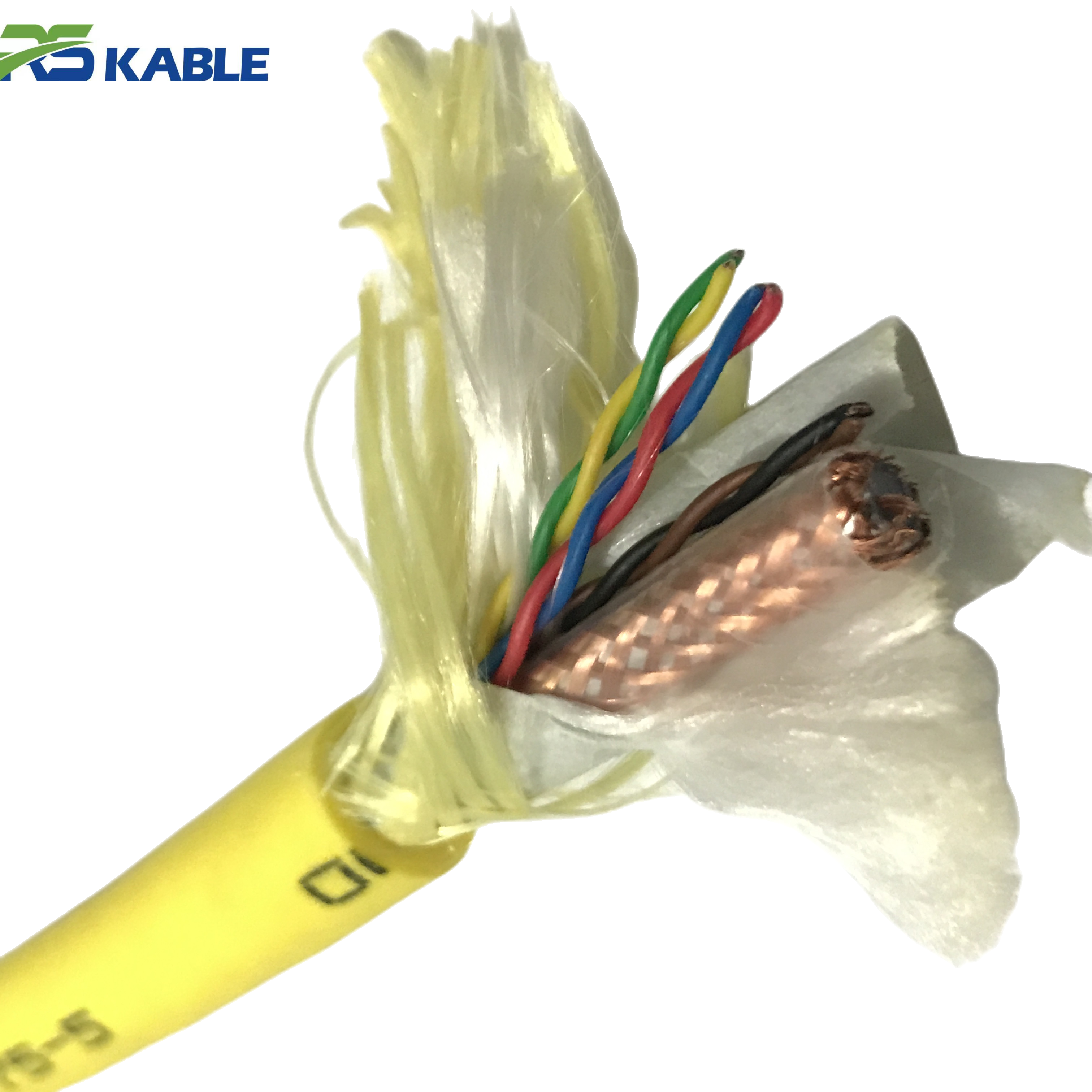
How to Choose ROV Cable for Long Missions: Fatigue Life, Abrasion, and Reliability Metrics
ROV Cable for Long Missions: Fatigue Life, Abrasion, and Reliability An offshore wind inspection operator came to us after losing their third tether in 26 months. Each cable had lasted between 7 and 11 months. Each had been specified as a standard marine ROV tether, purchased at a competitive price. The program ran 520 dives per year. By the time we rev…
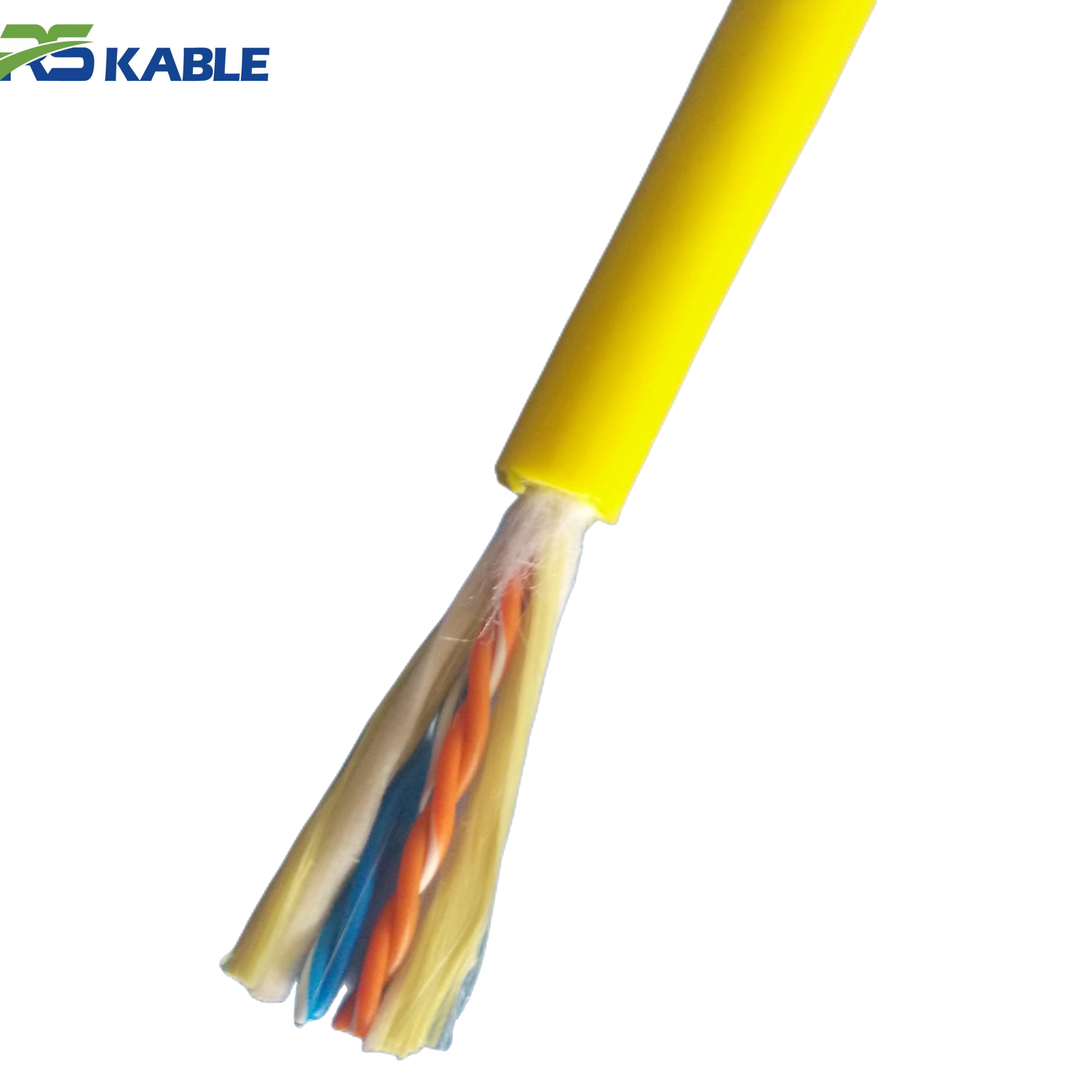
ROV Cable Cost Factors: Materials, Fiber Integration, Armor, and Depth Rating
ROV Cable Cost Factors: What Drives the Price of a Tether The first question in almost every ROV cable inquiry is price. It is also the question that is impossible to answer accurately without knowing what the cable must do. ROV cable cost spans an enormous range — from under USD 8 per metre for a basic observation-class tether to over USD 180 per metre…
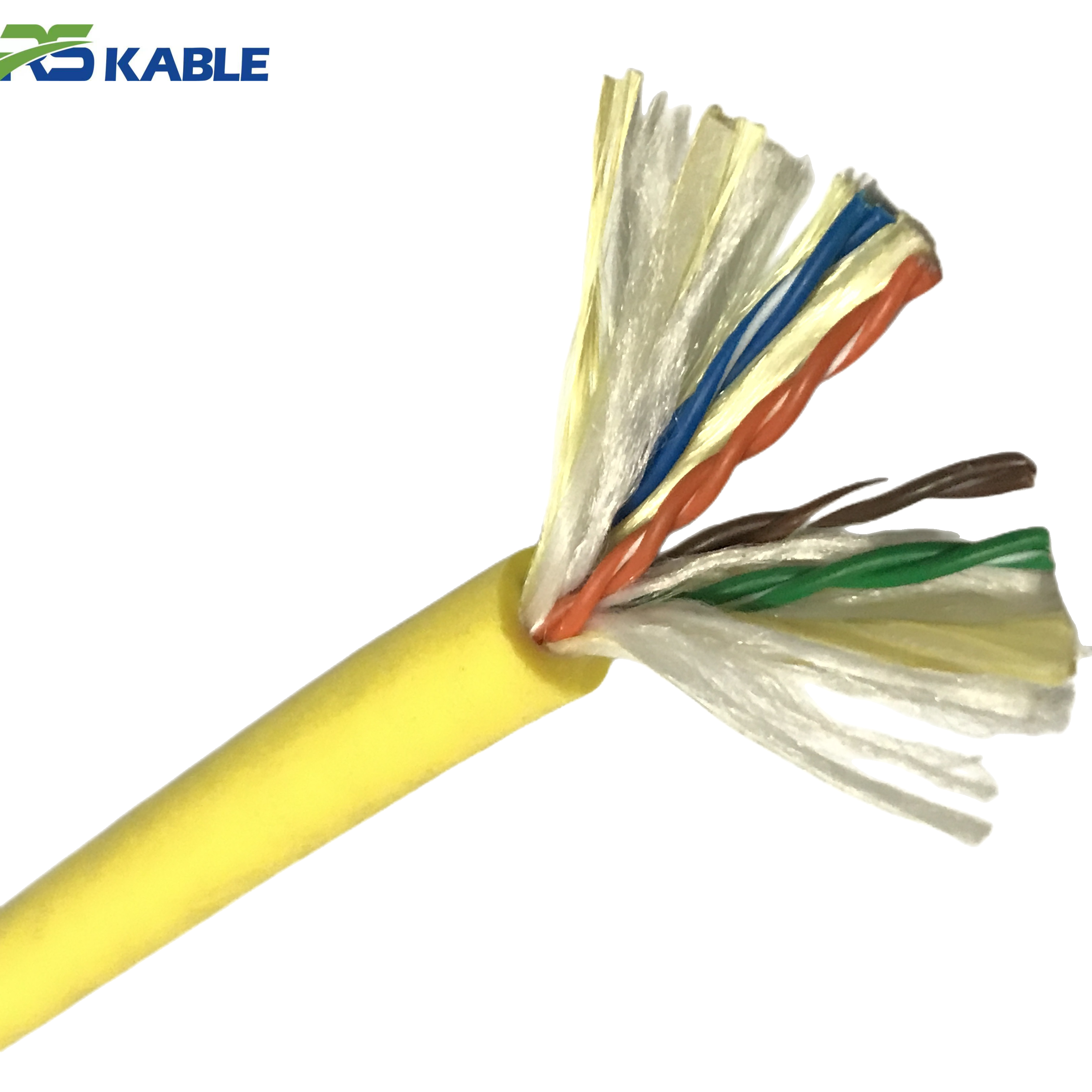
ROV Cable Customization Guide: Core Count, Fiber Options, and Strength Member Choices
ROV Cable Customization Guide: Core Count, Fiber Options, and Strength Member Choices ROV cable customization starts where catalog selection ends. Standard tethers cover the middle of the application envelope — a known depth, a typical load, a conventional sensor mix. Move outside that envelope and you are specifying a custom cable. The question is whet…
ROV Cable for Towed Systems: Catenary Control and Survey Stability Essentials
ROV Cable for Towed Systems: Catenary Control and Survey Stability A towed ROV cable behaves nothing like a vertical deployment tether. The moment the system moves through water, the cable adopts a curved shape governed by vessel speed, water depth, cable weight, and drag forces. That curve — the catenary — determines where the sensor payload sits relat…
ROV Cable Entanglement Prevention: Tether Management Tips for Structure-Heavy Sites
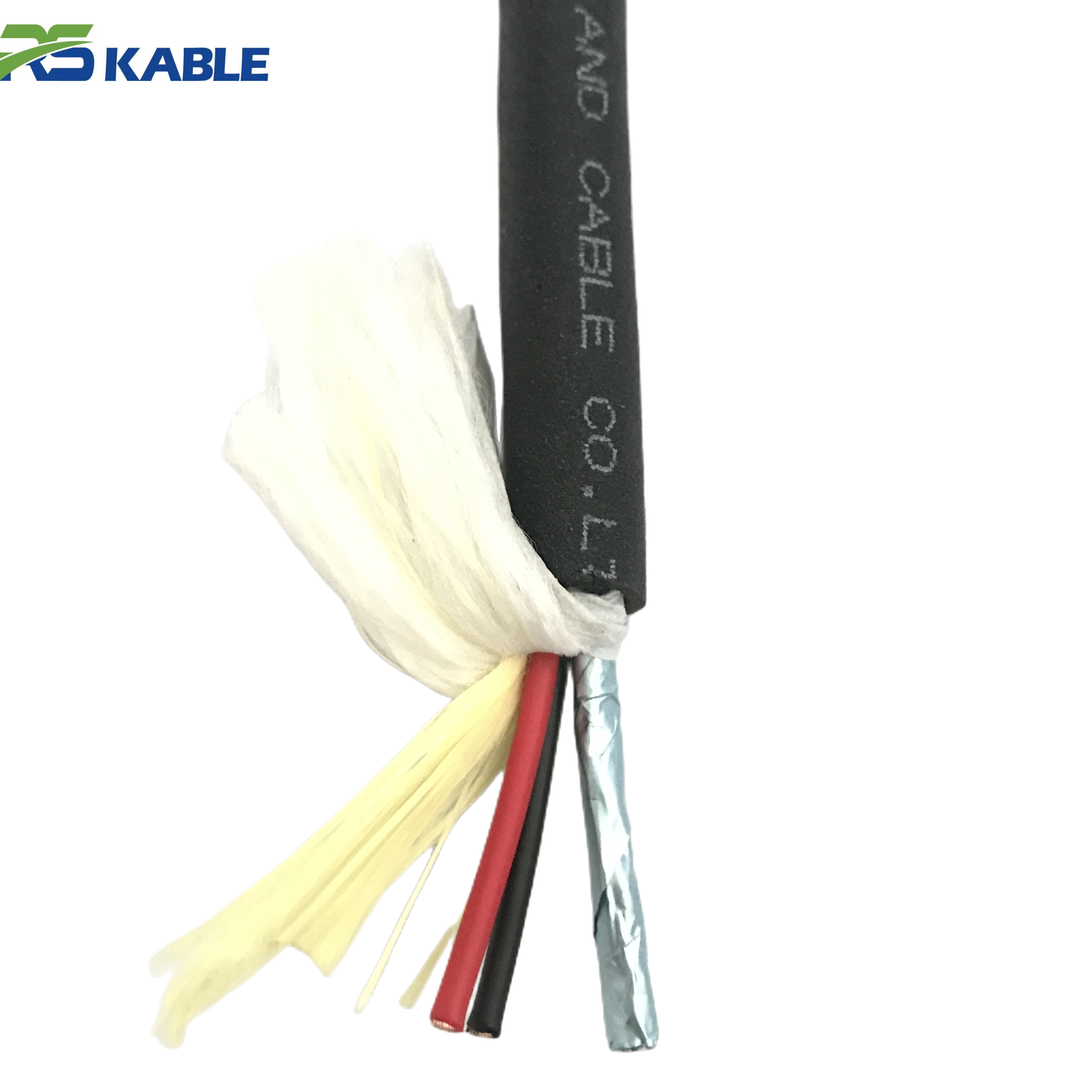
ROV Cable Entanglement Prevention: Tether Management Tips for Structure-Heavy Sites The dive brief said thirty minutes inside the jacket structure. The ROV was back on deck in nine — not because the inspection was finished, but because the tether had wrapped around a diagonal brace at 22 m depth and the pilot had run out of slack. Freeing it took two ho…
ROV Cable Video Dropout: Why It Happens During Movement
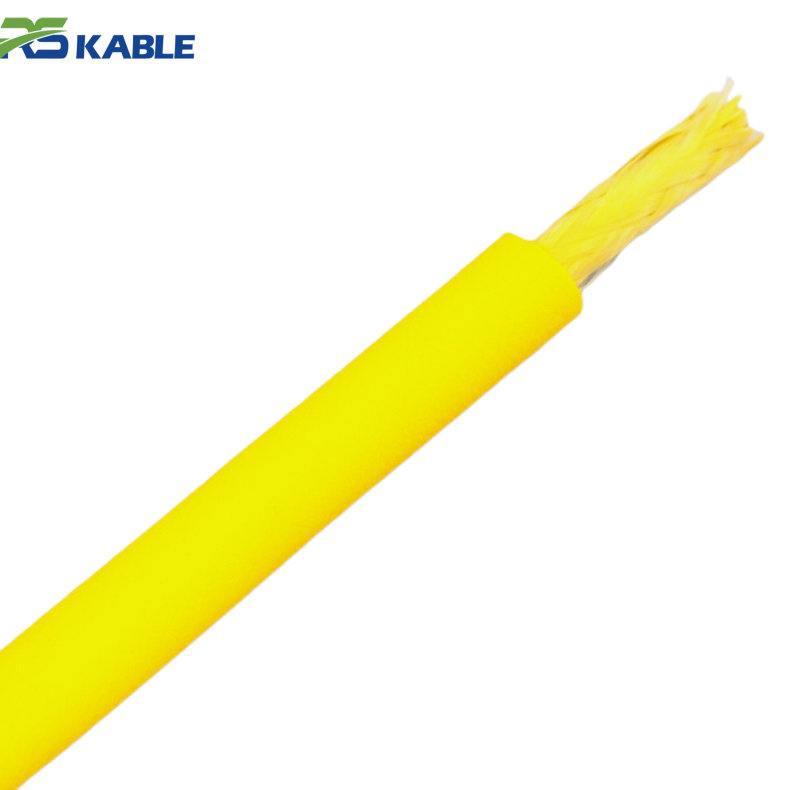
ROV Cable Video Dropout: Why It Happens During Movement ROV cable video dropout during vehicle movement is one of the most disruptive faults in subsea operations. The camera feed is clean at hover. The moment the pilot applies thrust, the image freezes, breaks into blocks, or cuts to black. This symptom has a specific diagnostic meaning. It tells you th…
ROV Cable Storage and Handling: Extend Tether Service Life
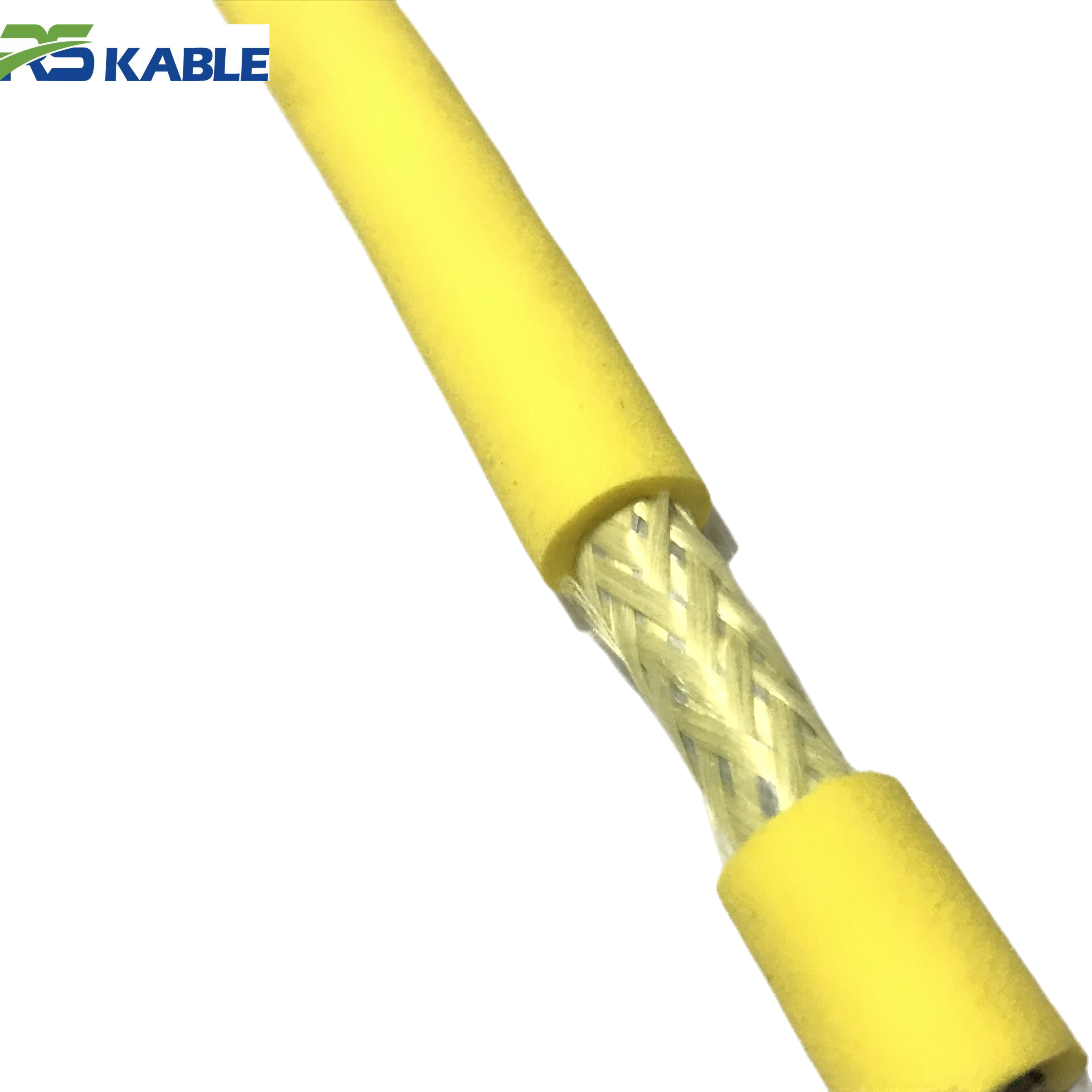
ROV Cable Storage and Handling: Extend Tether Service Life Poor ROV cable storage and handling practices are responsible for more tether failures than any subsea hazard. Crushing, kinking, UV exposure, and chemical contamination on deck cause damage that only shows up weeks or months later — often mid-dive. This guide covers every stage of tether lifecy…
Low vs High Voltage ROV Cable: Selection Guide
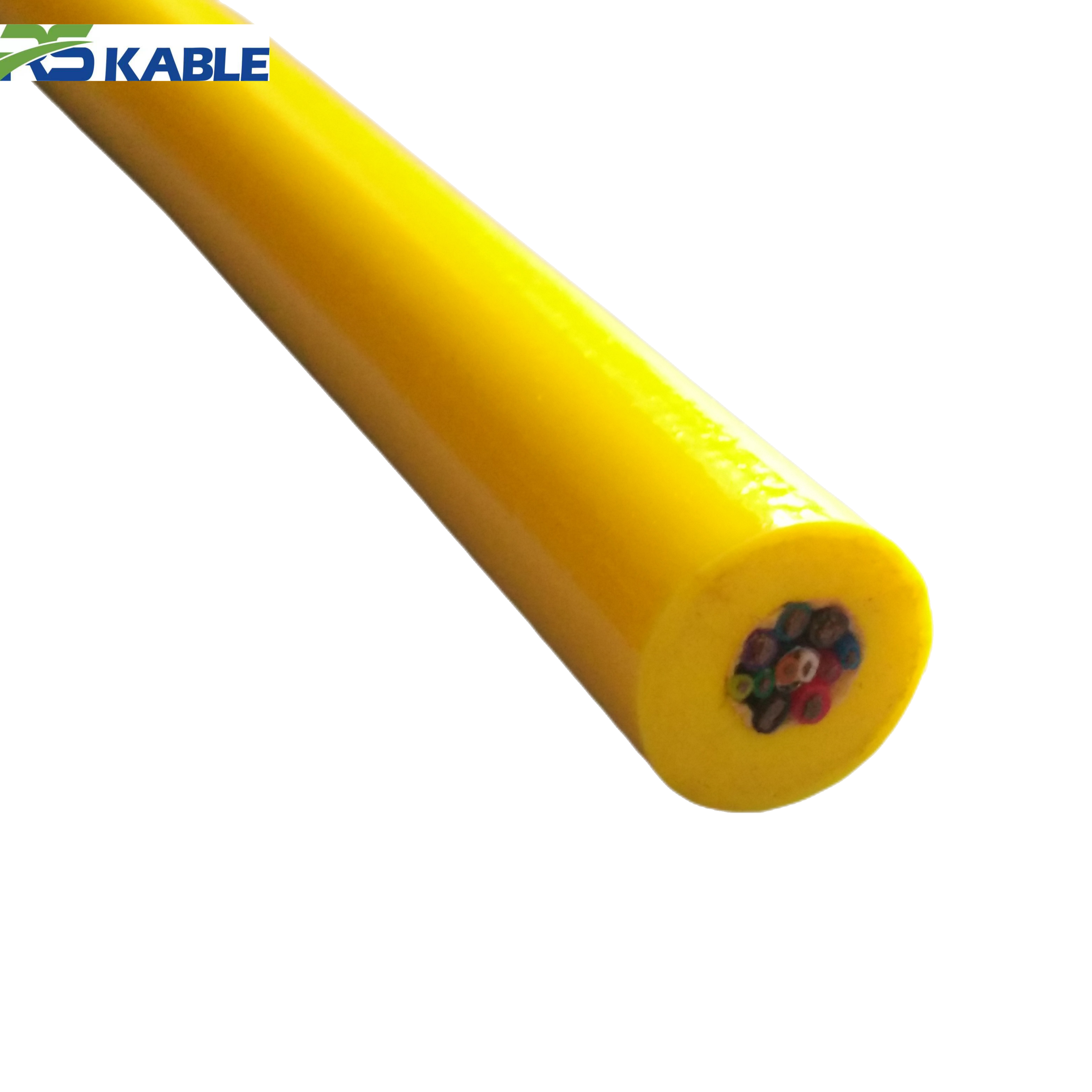
Low vs High Voltage ROV Cable: Selection Guide Choosing the right ROV cable voltage architecture is one of the most consequential decisions in any ROV system specification. Get it wrong, and the vehicle either cannot deliver full thrust at depth, or the system is over-engineered and overpriced for what it actually needs to do. This guide draws a clear l…
Why Your ROV Loses Power Before It Reaches the Seafloor — and What to Do About It
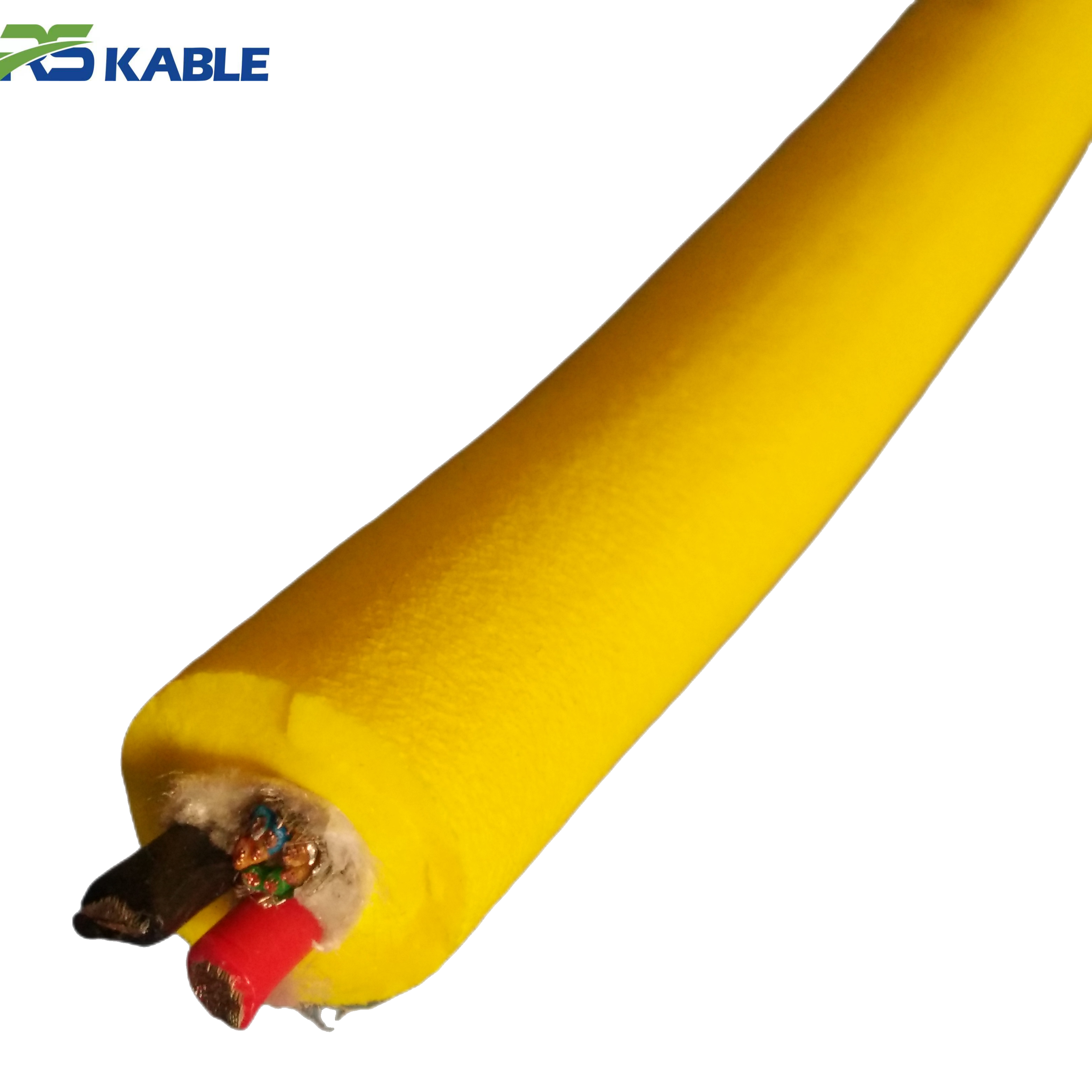
Why Your ROV Loses Power Before It Reaches the Seafloor — and What to Do About It A survey ROV we helped commission for a Norwegian offshore wind client showed puzzling behavior: thrusters responded sluggishly beyond 180 m depth, and the HD camera would intermittently drop frames even though the surface power supply was holding steady at 48 VDC. Three d…
Double Armored ROV Cable: When Harsh Marine Environments Demand Extra Protection
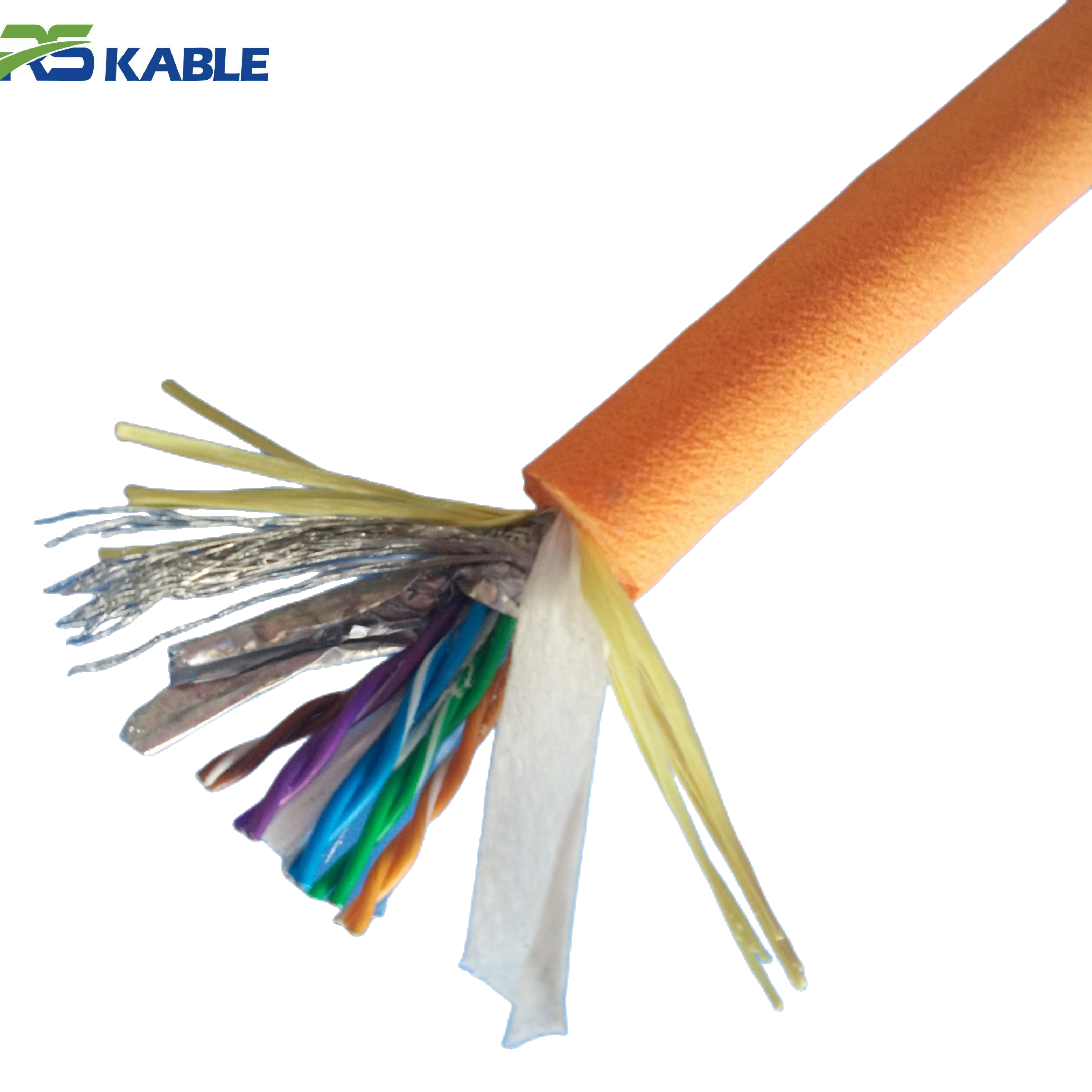
Double Armored ROV Cable: When Harsh Marine Environments Demand Extra Protection Operating an ROV in open water is already a high-stakes endeavor — but deploy that same vehicle into a rocky seabed, a fast-flowing tidal channel, or an offshore oil platform's moonpool, and every component faces exponentially greater mechanical stress. Of all the systems t…