

Common Elevator Cable Failures and How to Prevent Premature Wear
Elevator cables are the backbone of any high-rise elevator system, providing power, control signals, and safety connections to ensure smooth and safe vertical transportation. Despite advances in materials and design, elevator cable failures remain a common issue in both residential and commercial buildings. Premature wear can lead to operational downtime, safety risks, and costly repairs.
This guide explores the common failure modes of elevator cables, explains the underlying causes, and provides actionable strategies to extend cable life. It also includes modern solutions for flat elevator cables, elevator traveling cables, and dynamic flex cables, designed to withstand high-stress environments in tall buildings and industrial facilities.
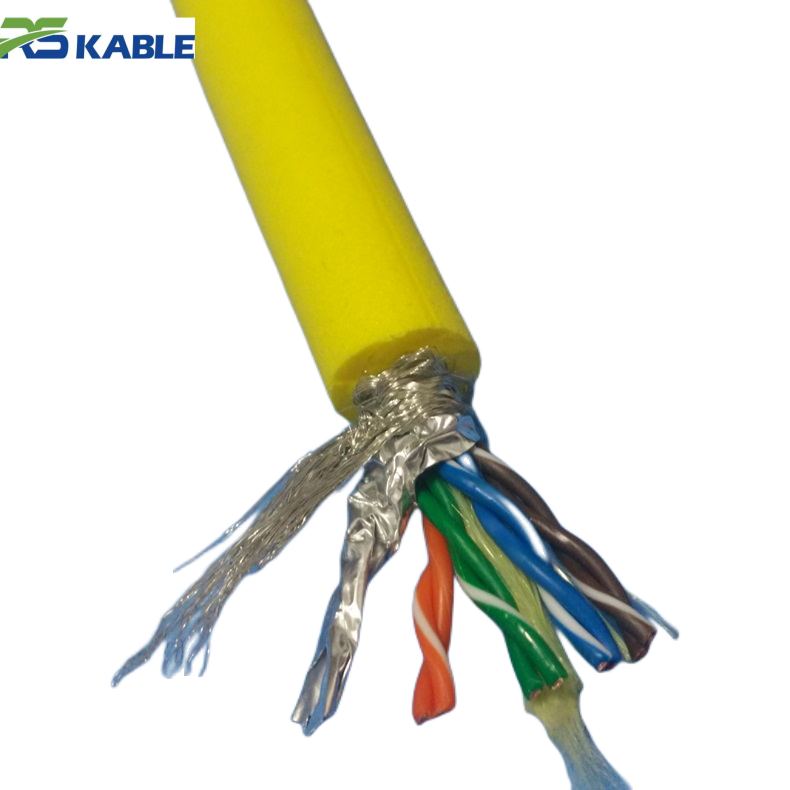
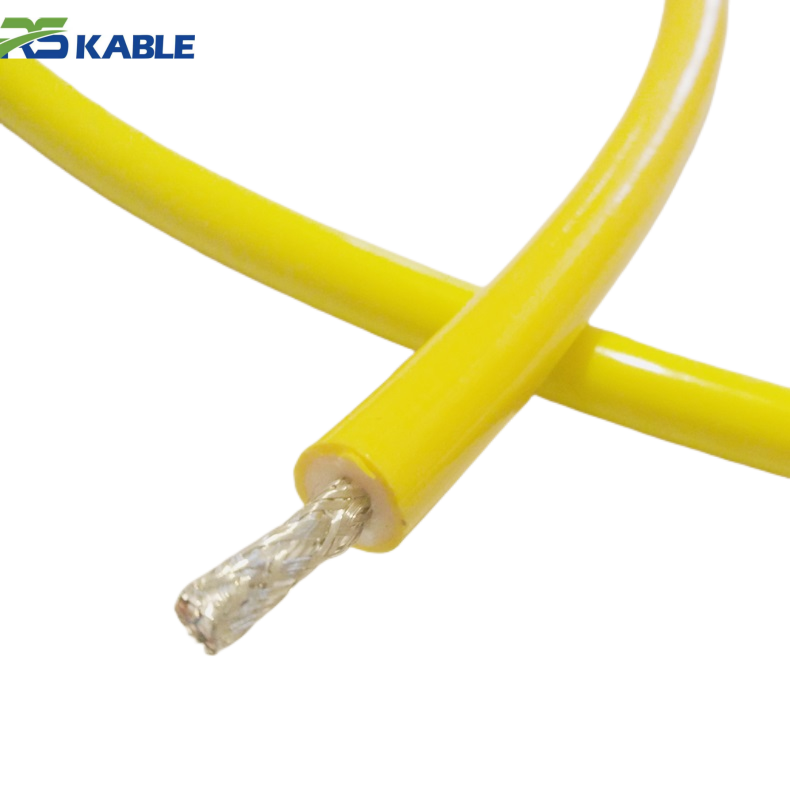
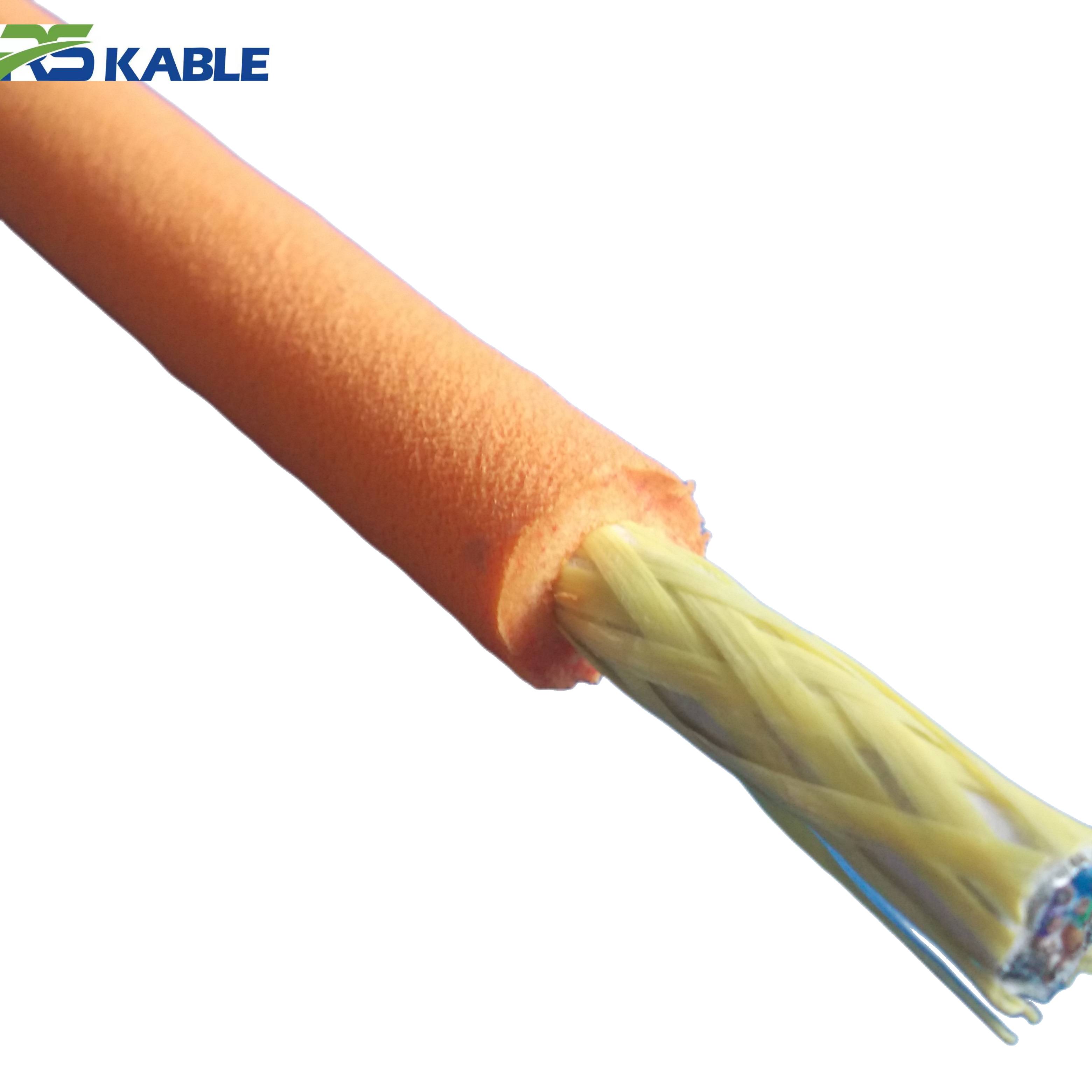
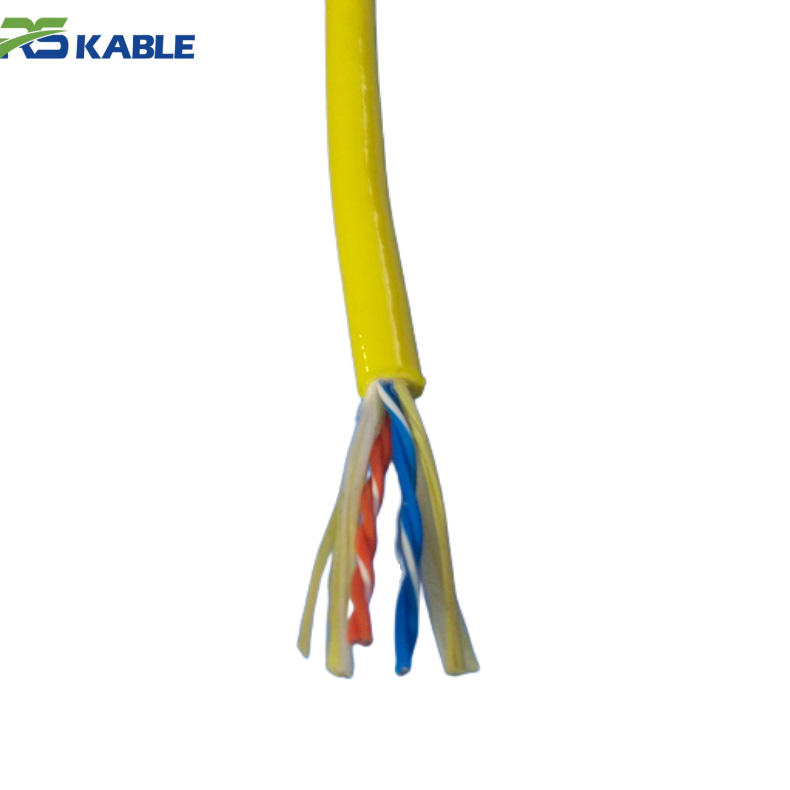
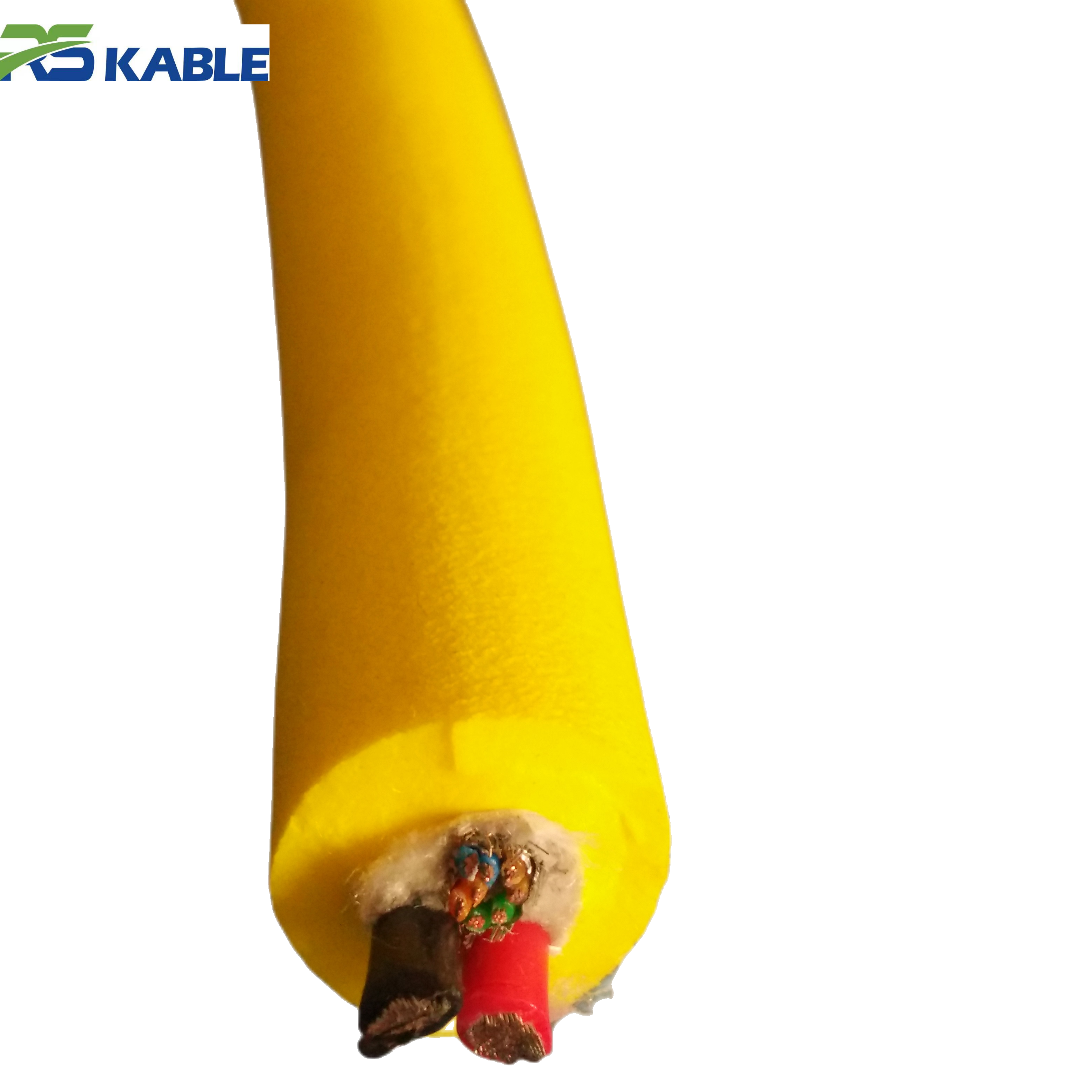
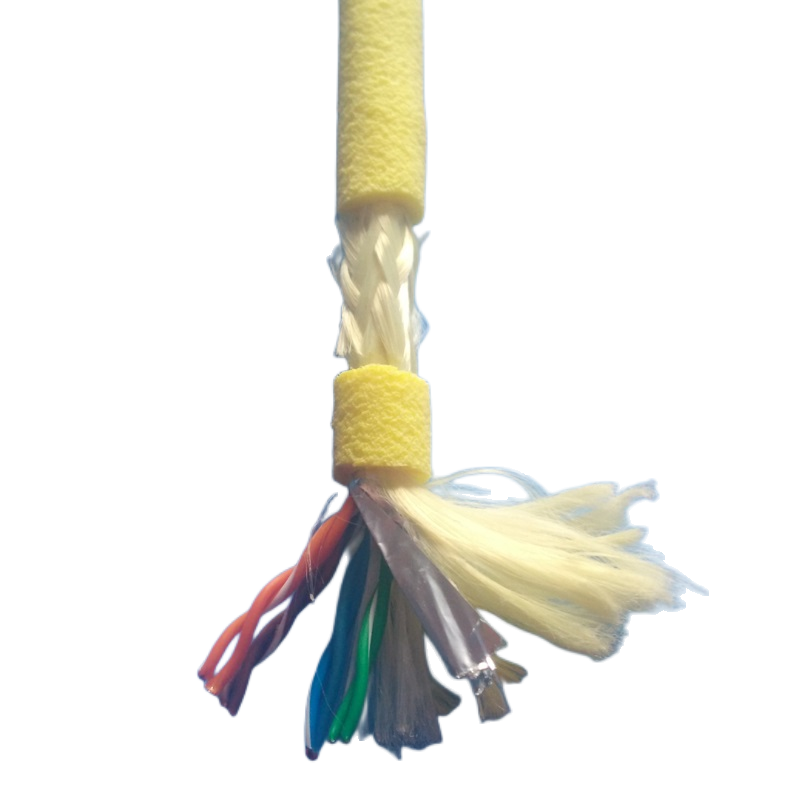
Integrated Power & Control Solutions ROV Cable – Power & Signal Combination, Efficient System Integration
This integrated ROV cable combines electrical power transmission and control signal communication into a single streamlined tether system for efficient subsea system integration. Designed for complex underwater operations requiring synchronized power and data delivery, it simplifies installation and enhances reliability for ROV platforms.:contentReference[oaicite:1]{index=1}
Why Elevator Cable Reliability Is Essential
A single cable failure in a lift system can have significant consequences:
-
Disruption of lift control cable systems, causing system errors
-
Increased maintenance costs due to repeated replacements
-
Safety hazards for passengers in high-rise or high-speed elevators
-
Operational interruptions in industrial or smart building facilities
Modern vertical transportation systems require cables that endure millions of bending cycles while maintaining electrical integrity. Using dynamic-rated elevator traveling cables is crucial to avoid fatigue, insulation damage, and signal interference.
Common Elevator Cable Failures
1. Conductor Fatigue
Conductor fatigue is one of the most frequent issues in elevator cables. Repeated bending and torsion can cause:
-
Breakage of individual strands
-
Increased electrical resistance
-
Overheating and reduced cable lifespan
Causes:
-
Using static-rated cables in dynamic applications
-
Long unsupported cable spans in tall shafts
-
Excessive torsion or twisting during installation
Prevention:
-
Choose high-flex flat elevator cables or elevator traveling cables
-
Follow manufacturer guidelines for bending radius
-
Use strain relief and proper cable guides
2. Insulation Damage
Damaged insulation exposes conductors to short circuits, signal interference, and fire risks. Common signs include:
-
Cracking, fraying, or peeling insulation
-
Discoloration due to heat
-
Wear caused by contact with pulleys or shaft walls
Causes:
-
Over-bending beyond minimum radius
-
Abrasion from pulley guides or sharp edges
-
Environmental exposure to heat, chemicals, or humidity
Prevention:
-
Select insulation material appropriate for the environment: PVC, XLPE, or TPE
-
Conduct routine inspections in lift shaft installation
-
Ensure proper alignment and spacing to avoid abrasion
3. Shielding Degradation
Modern elevators integrate digital systems, sensors, and IoT devices. EMI (electromagnetic interference) can compromise signals:
-
Faulty control or monitoring systems
-
Communication errors between elevator car and machine room
Causes:
-
Mechanical stress or repeated bending of shield layers
-
Corrosion in foil or braided shielding
-
Poor installation practices
Prevention:
-
Use shielded elevator cables with foil, braid, or hybrid shielding
-
Avoid crushing, bending beyond recommended radius, or twisting
-
Select cables rated for your high-rise elevator system
4. Outer Sheath Abrasion
The outer sheath protects both conductors and insulation. Damage can result in:
-
Exposure of inner cores
-
Reduced resistance to environmental hazards
-
Shortened cable lifespan
Causes:
-
Friction against guides or pulleys
-
Chemical exposure from oils or cleaning agents
-
UV degradation in partially exposed sections
Prevention:
-
Use abrasion-resistant materials such as PVC or PUR
-
Maintain alignment in lift shaft installation
-
Monitor high-stress points regularly
5. Overstretching and Tensile Failure
Elevator cables support their own weight and dynamic loads. Overstretching can cause:
-
Conductor elongation
-
Core deformation
-
Insulation cracking
Prevention:
-
Calculate tensile loads for shaft height and cable weight
-
Use reinforced cores or steel/textile strength members
-
Avoid excessive tensioning beyond manufacturer limits
6. Environmental and Chemical Damage
Environmental factors can accelerate cable wear:
-
Humidity, condensation, and temperature fluctuations
-
Exposure to dust, oils, and chemicals
-
Shaft contamination or improper maintenance
Prevention:
-
Choose LSZH (Low Smoke Zero Halogen) or flame-retardant cables for safety
-
Select materials rated for environmental conditions
-
Implement routine cleaning and inspection
Preventive Maintenance Strategies
Proper maintenance extends the life of elevator cables and reduces unexpected downtime. Recommended practices include:
-
Regular Visual Inspections
-
Look for insulation cracks, conductor exposure, frays, and mechanical damage
-
-
Electrical Testing
-
Measure resistance and check signal continuity in control circuits
-
-
Cleaning and Lubrication
-
Maintain pulleys, guides, and tensioning systems
-
Remove debris, dust, or chemical contaminants
-
-
Proper Installation
-
Adhere to manufacturer guidelines for bending radius
-
Avoid twisting and excessive torsion
-
Use compatible cable guides
-
-
Right Cable Selection
-
Use high-flex flat elevator cables or reinforced elevator traveling cables for long travel distances
-
Ensure correct voltage, insulation, shielding, and core reinforcement
-
Modern Elevator Cable Innovations
-
Hybrid Power + Data Cables for integrated lift systems
-
Fiber Optic Cores for high-speed monitoring and smart building integration
-
Lightweight, High-Strength Materials for ultra-high-rise applications
-
Advanced LSZH and Flame-Retardant Compounds to increase safety
These innovations reduce premature failures and ensure reliability in modern high-rise elevator systems.
FAQ: Common Elevator Cable Concerns
1. What causes premature wear in elevator cables?
Mechanical stress, improper installation, environmental exposure, and incorrect cable selection.
2. How can conductor fatigue be prevented?
Use high-flex elevator traveling cables, maintain bending radius, and install proper strain relief.
3. Why is shielding important?
Shielding prevents EMI, ensuring stable signals for lift control systems and smart building integration.
4. How often should elevator cables be inspected?
At least twice per year for high-rise lifts, more frequently for industrial or high-traffic applications.
5. Can environmental factors shorten cable life?
Yes. Temperature fluctuations, humidity, dust, chemicals, or mechanical stress accelerate wear if materials are unsuitable.
6. What is the difference between flat and round elevator cables?
Flat cables distribute stress evenly, fit narrow shafts, and are better suited for long-travel dynamic flex elevator cables.