

How to Select a Marine Grab Cable for Heavy-Duty Marine and Offshore Applications
Selecting the right cable for a crane system in a marine environment is not just a technical detail. In ports, offshore platforms, ship unloaders, coastal terminals, and marine bulk handling facilities, the cable is one of the most stressed moving components in the entire machine. It bends, hangs, twists, reels, and works under load every day while being exposed to salt-laden air, humidity, UV, oil, grease, dust, and weather. If the cable is not correctly matched to the real application, even a well-designed crane can suffer from unstable movement, premature wear, unplanned maintenance, and costly downtime.
That is why selecting a Marine Grab Cable should start with the actual duty profile, not just conductor count or voltage rating. In heavy-duty marine and offshore service, the cable must do far more than carry power. It must remain flexible through repeated bending, stay dimensionally stable over long hanging travel, resist abrasion in bulk cargo environments, and maintain predictable performance under outdoor conditions that are far harsher than standard indoor crane use.
This guide is written for buyers, crane manufacturers, project engineers, terminal operators, and maintenance teams who need a practical selection framework. It explains how to evaluate durability, flexibility, anti-twist stability, environmental resistance, and lifecycle value. It also shows the difference between true marine-duty applications and lighter outdoor crane use, highlights common selection mistakes, and outlines the failure modes most often caused by using the wrong cable.
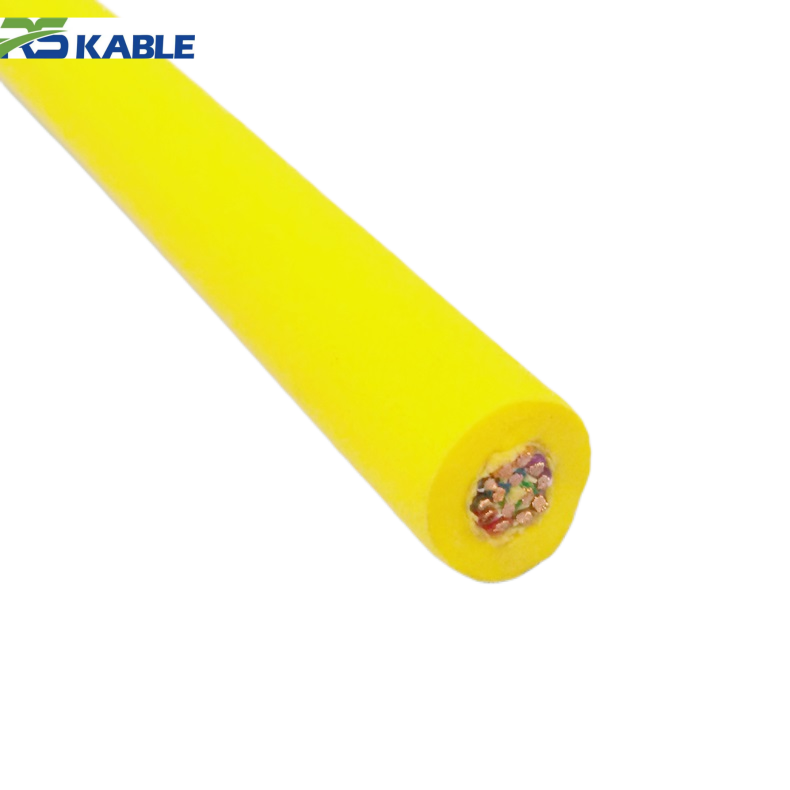
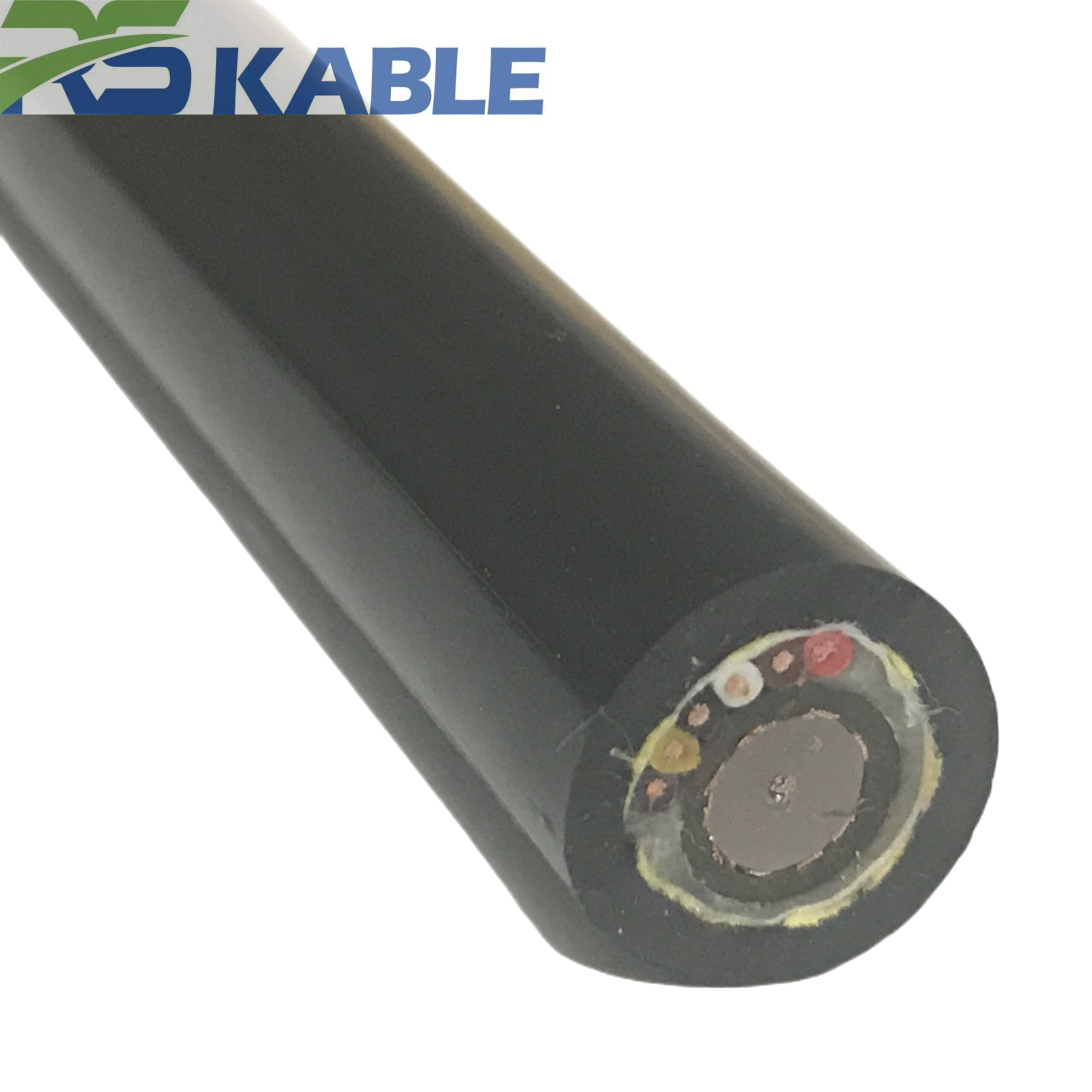
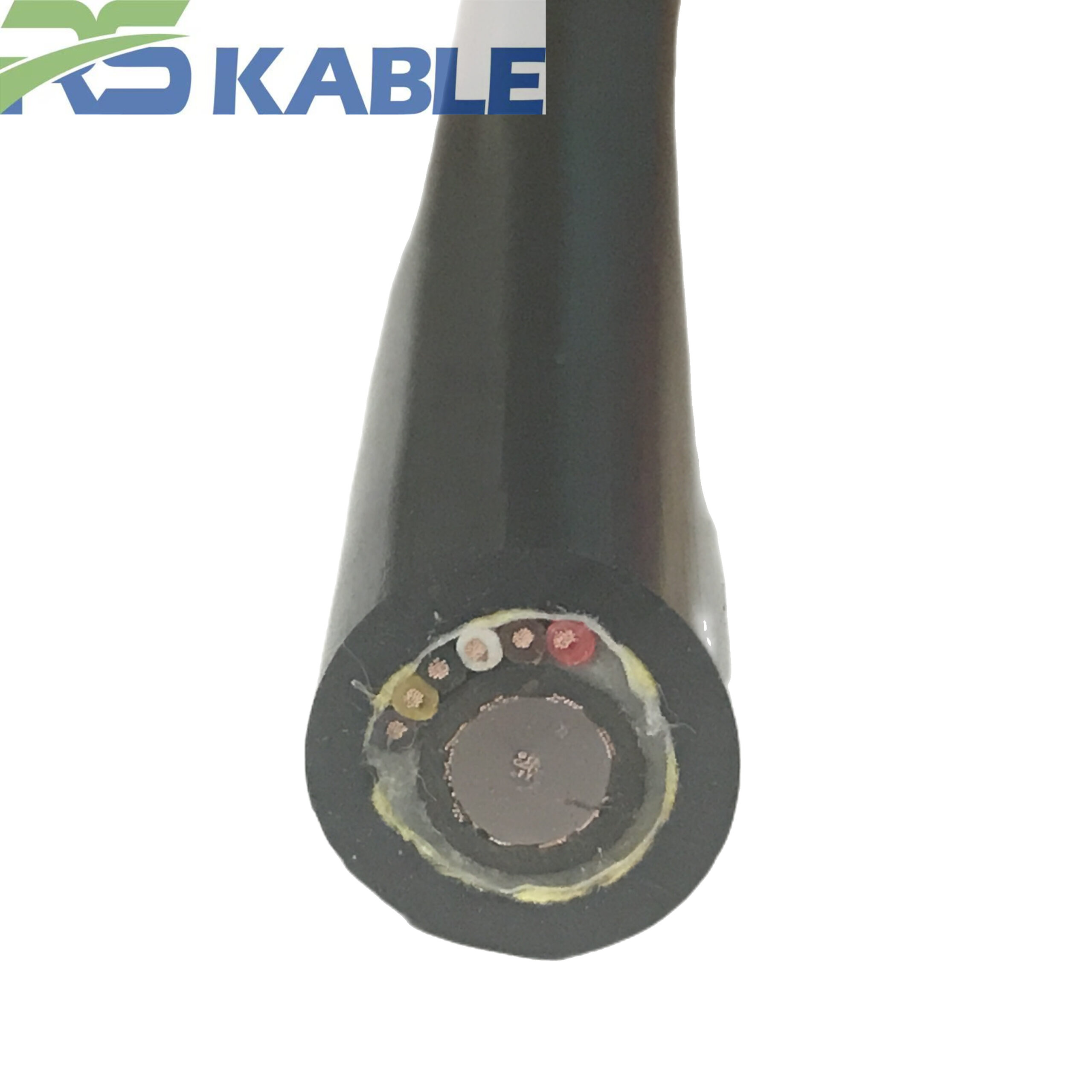
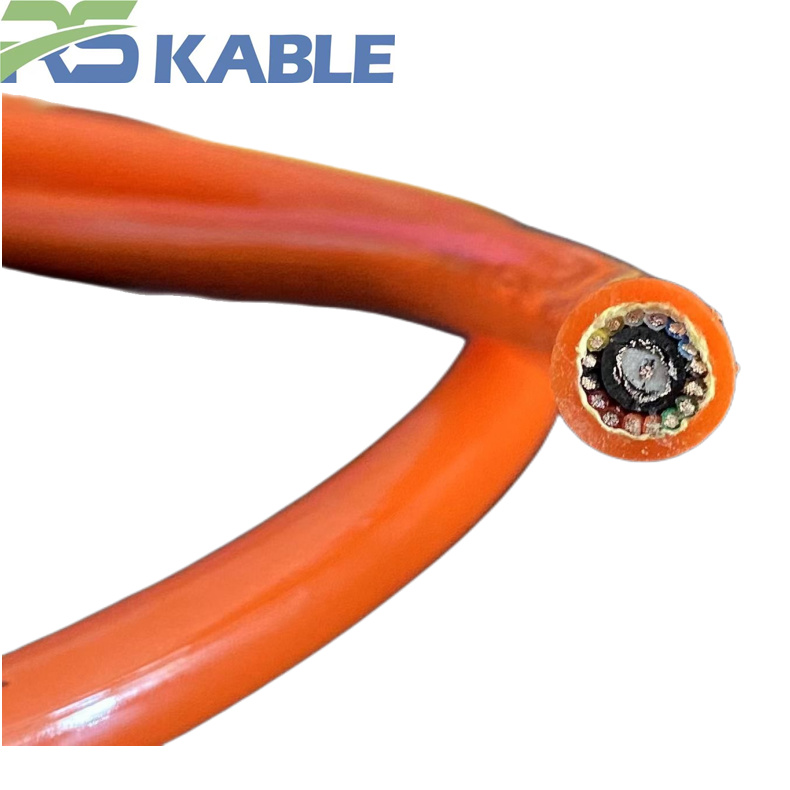
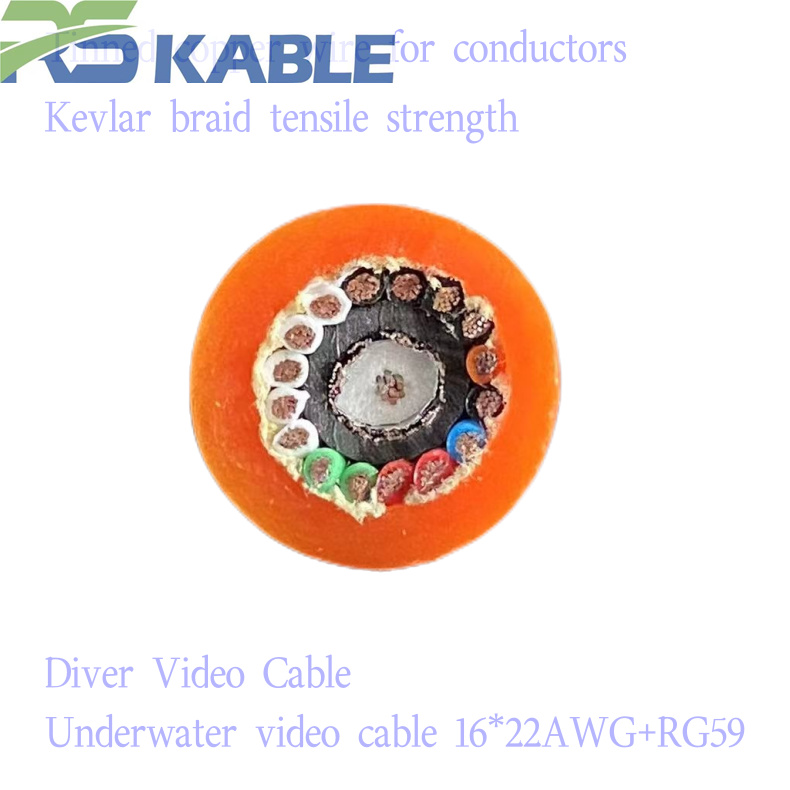
Deep Ocean Observation Stations – Neutral Buoyancy Cable – Long-Term Stability – Fixed Installation Ready
This neutral buoyancy cable is designed for **deep ocean observation stations**, featuring a **long-term stability-oriented structure** and **fixed-installation-ready design** to support reliable power and signal transmission in extended subsea monitoring deployments.
Why Heavy-Duty Marine and Offshore Applications Need More Than a Standard Crane Cable
A standard moving crane cable may work well in many industrial settings, but marine and offshore environments create a much more demanding combination of mechanical and environmental stress. The cable is not only moving; it is moving in a harsh, exposed, high-cycle environment where every weakness becomes visible faster.
In real heavy-duty applications, the cable is often exposed to:
-
repeated lifting and lowering cycles
-
long vertical travel under suspended load
-
drum reeling and unreeling
-
torsional stress during hanging motion
-
guide-point abrasion and surface contact
-
UV exposure, rain, and temperature variation
-
salt-rich humidity and coastal air
-
bulk cargo dust such as coal, ore, grain, or clinker
These conditions explain why a cable that looks acceptable in a datasheet can still fail much earlier than expected once installed in a ship unloader, harbor grab crane, or offshore deck crane.
Start with the Real Working Conditions, Not Just the Basic Specification
One of the most common purchasing mistakes is beginning with only electrical parameters. Voltage, conductor count, and outer diameter matter, but they are not enough to define suitability.
A better starting point is a real application checklist:
-
What type of crane is using the cable?
-
Is it a ship unloader, port grab crane, harbor crane, or offshore deck crane?
-
What is the hanging height or travel length?
-
Does the cable move vertically, reel on a drum, or both?
-
Is the crane high-cycle or occasional-use?
-
Does the grab open and close under frequent dynamic load?
-
Is the site exposed to salt-laden air all year?
-
Is bulk cargo dust or abrasion a major issue?
These questions matter because the same cable will behave very differently in different motion paths. A cable that performs well in a moderate-duty outdoor crane may not survive the reeling stress and twisting risk of a heavy-duty port crane.
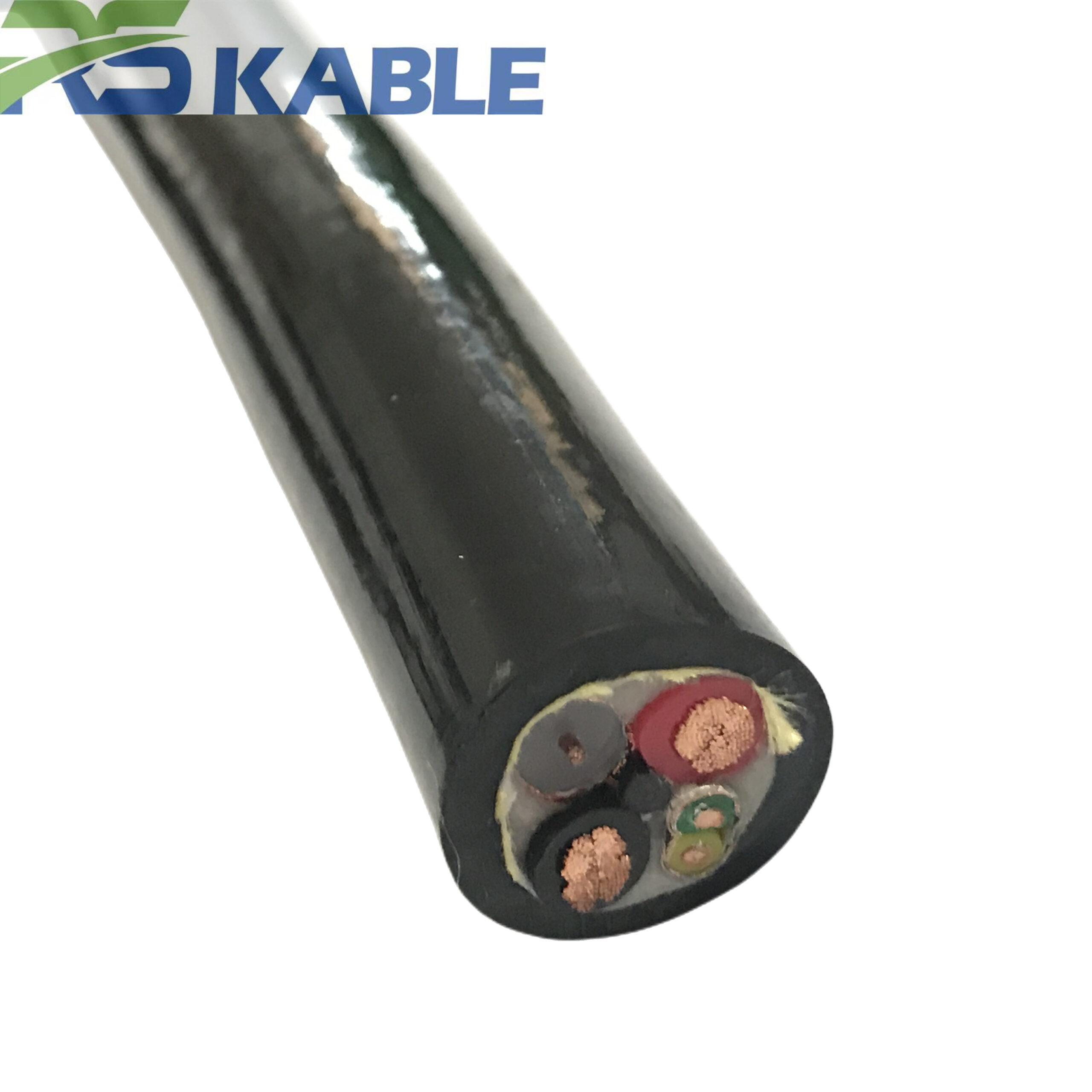
Real Marine Duty vs Light Outdoor Crane Duty
This distinction is one of the most important parts of the buying process.
Light Outdoor Crane Duty
This usually means:
-
moderate weather exposure
-
limited daily operating cycles
-
lower salt exposure
-
shorter hanging sections
-
less severe reeling stress
-
lower abrasion risk
In these conditions, a standard outdoor-rated crane cable may sometimes be acceptable.
True Marine or Offshore Duty
This usually means:
-
daily work in ports, harbors, coastal terminals, or offshore locations
-
constant humidity and salt-rich air
-
long hanging travel
-
repeated grab cycles
-
continuous drum reeling
-
abrasive dust from bulk handling
-
higher service-life expectations
-
greater downtime cost if failure occurs
Once an application falls into this second category, cable selection should be treated as marine-duty or offshore-duty selection, not just “outdoor use.”
1. Choose Durability Based on Real Wear Mechanisms
Durability is often the first concern, but it should be evaluated properly. In heavy-duty grab crane use, durability is not one single feature. It comes from how the cable resists the actual wear mechanisms of the site.
Outer Sheath Material
The outer jacket is the first layer to show whether the cable is suited to the job. In marine bulk handling applications, it may be exposed to abrasive dust, repeated guide contact, oil contamination, sunlight, and constant moisture.
When comparing products, ask:
-
What sheath material is used?
-
Is it intended for port or offshore service?
-
Is it suitable for abrasive cargo environments?
-
How does it handle UV, oil, and coastal humidity?
Polyurethane is often preferred where strong abrasion resistance is needed. Heavy-duty rubber compounds are also used where flexibility and proven crane-service behavior are especially important. The better choice depends on the site conditions, not on general product marketing.
Abrasion Resistance
This matters most in:
-
coal terminals
-
ore ports
-
clinker and cement handling sites
-
scrap and waste transfer cranes
-
ship unloaders with repeated guide contact
In many real installations, early jacket wear begins at the same guide point or drum contact area again and again. That is why abrasion resistance should be treated as a priority, not an afterthought.
Tensile Support
In long hanging travel, the cable body must handle continuous suspended load while still bending repeatedly. Internal reinforcement helps maintain shape and reduce stress concentration.
Useful supplier questions include:
-
Does the cable include tensile reinforcement?
-
What support material is used?
-
Is it intended for long suspended movement?
-
Is it suitable for heavy-duty vertical travel?
This is especially important for a ship unloader cable or any crane with long hanging operation.
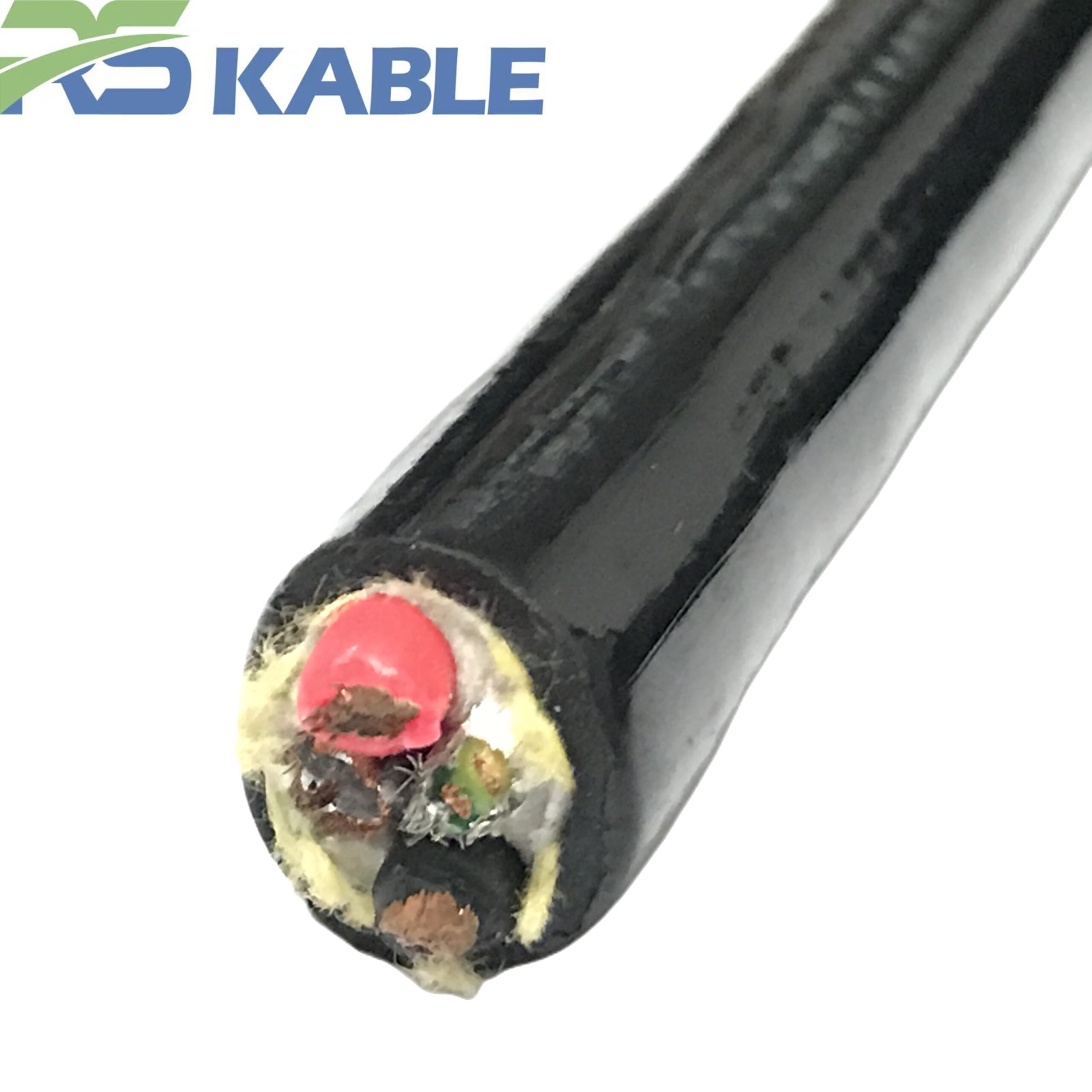
2. Select Flexibility That Matches the Reeling System
Flexibility is often misunderstood. A cable that feels flexible in the hand is not automatically the right cable for a demanding reeling system.
For heavy-duty crane use, useful flexibility means the cable can:
-
bend repeatedly without early conductor fatigue
-
move predictably through the reel path
-
tolerate the actual drum and sheave layout
-
maintain stable performance over many cycles
A Marine Grab Cable should therefore be judged not only by material softness, but by bending performance in the real motion profile.
Conductor Construction
Fine-stranded conductors are generally preferred for repeated flexing because they are better suited to dynamic movement than coarser conductor structures. In marine and offshore use, tinned copper is often favored because it offers better corrosion resistance in humid, salt-rich environments.
Ask clearly:
-
Are the conductors optimized for repeated flexing?
-
Are they tinned copper or bare copper?
-
Is this design meant for high-cycle movement?
Minimum Bend Radius
A cable can be mechanically overstressed very quickly if the reeling path is too tight. Buyers should confirm:
-
the recommended minimum bend radius
-
whether the cable matches the actual drum size
-
whether the design is suitable for repeated drum winding
This is where many premature fatigue problems begin.
3. Treat Anti-Twist Stability as a Core Requirement
For long hanging grab crane systems, anti-twist performance is often just as important as flexibility. A cable that twists too easily may create unstable hanging behavior, poor reeling, uneven wear, and extra mechanical stress during operation.
This matters most in:
-
harbor grab cranes
-
ship unloaders
-
bulk handling port cranes
-
offshore cranes with suspended lifting systems
In real projects, twisting problems are often blamed on operator handling or equipment layout, but the cable structure itself is frequently part of the cause.
Ask suppliers:
-
Is the cable designed for anti-twist performance?
-
Is it suitable for long vertical travel?
-
Has suspended torsional stability been considered?
If anti-twist performance is not clearly addressed, the cable may be better suited to moderate movement than to real grab crane duty.
4. Evaluate Offshore and Marine Environmental Resistance Honestly
Many buyers underestimate how aggressive marine environments are. “Outdoor” and “marine” are not the same thing.
A true marine or offshore cable should be assessed for:
-
salt-laden air
-
long-term humidity
-
UV exposure
-
rain and washdown conditions
-
grease and oil contact
-
abrasive cargo contamination
-
temperature variation
This matters because some cables are described as suitable for outdoor use but are still not designed for true coastal or offshore operation. In practice, that often shows up as early jacket hardening, surface cracking, corrosion risk near terminations, and shortened service life.
5. Match the Cable to the Duty Cycle
Duty cycle changes the whole buying decision. A cable for occasional lifting duty is not the same as a cable for continuous bulk handling.
Lower-Duty Use
May tolerate:
-
less aggressive abrasion protection
-
shorter hanging travel
-
less demanding fatigue life
-
more manageable maintenance intervals
High-Duty Marine Use
Usually requires:
-
stronger fatigue resistance
-
better abrasion resistance
-
more stable reeling behavior
-
stronger anti-twist control
-
longer expected service life
This is a key buying principle: do not ask only whether the cable can work. Ask whether it can keep working under the real daily cycle intensity.
Offshore Deck Crane vs Port Grab Crane: Different Cable Priorities
This is one of the most useful real-world comparisons.
Offshore Deck Crane Priorities
An offshore deck crane often places more emphasis on:
-
salt exposure
-
vessel motion
-
weather resistance
-
compact working spaces
-
reliable long-term behavior under marine humidity
Port Grab Crane Priorities
A port grab crane often places more emphasis on:
-
anti-twist hanging stability
-
abrasion from bulk cargo environments
-
long vertical travel
-
repeated drum reeling
-
high daily cycle frequency
Both are marine-duty environments, but the dominant stress factors are not always the same. This is why a one-size-fits-all recommendation is rarely the best answer.
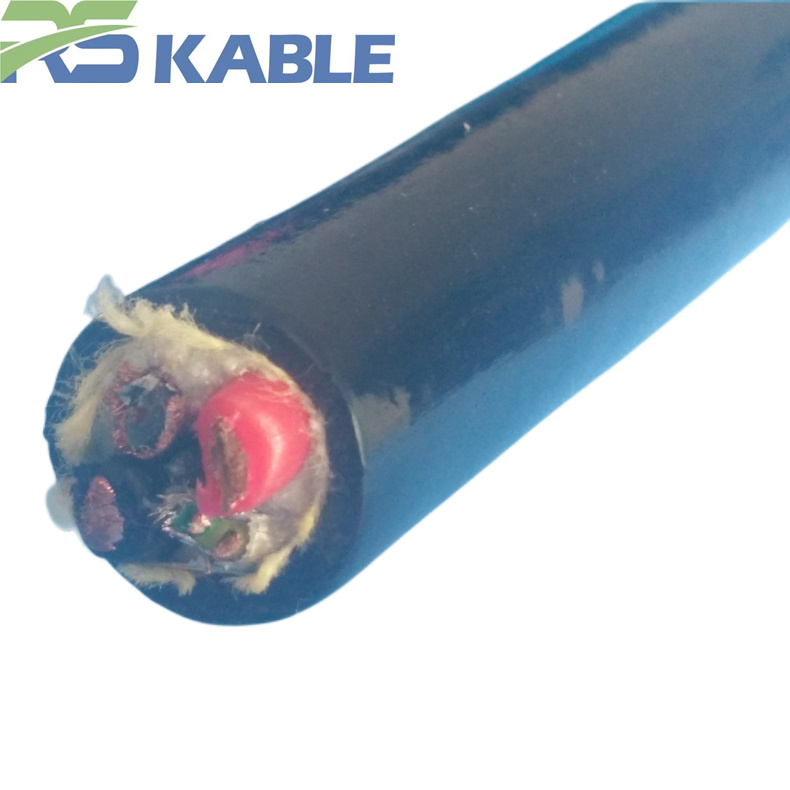
Common Mistakes When Selecting a Marine Grab Cable
A stronger buying guide should make selection errors obvious before the order is placed.
Mistake 1: Choosing by Voltage and Core Count Alone
A cable can meet the electrical requirement and still be mechanically wrong for the application.
Mistake 2: Treating Outdoor Cable as Marine-Duty Cable
Not every outdoor-rated cable is suitable for salt-rich, high-cycle crane duty.
Mistake 3: Ignoring Hanging Height
Long vertical travel significantly increases the importance of anti-twist behavior and tensile support.
Mistake 4: Not Defining the Reeling Path
If the reel, sheaves, and guide layout are not considered, fatigue life may be much shorter than expected.
Mistake 5: Focusing Only on Initial Price
A cheaper cable may lead to more downtime, more maintenance labor, and more frequent replacement.
Common Failures Caused by Wrong Cable Selection
This is where selection errors turn into visible field problems. A poorly matched cable in marine-duty crane service often fails through:
-
jacket wear at guide points
-
twisting during long suspended travel
-
conductor fatigue from repeated bending
-
unstable or uneven reeling
-
early hardening or cracking in coastal weather
-
shortened replacement intervals
-
intermittent electrical faults during movement
These are not random failures. In many cases, they are predictable outcomes of a cable that was never suited to the real motion profile or environment.
Compare Suppliers by Questions and Explanations, Not Just Claims
A good supplier should ask more than just voltage and length. Before making a recommendation, they should want to know:
-
the crane type
-
the hanging height
-
the reeling path
-
the daily operating cycle
-
the handled material
-
the environmental conditions
-
the importance of anti-twist behavior
-
whether longer service life is a priority
Also compare whether they can explain:
-
why a certain sheath material was chosen
-
why the conductor structure suits the motion profile
-
whether the design is for true marine duty or only moderate outdoor use
-
what the limitations of the product are
Suppliers who explain both strengths and limits tend to be more trustworthy than those who only say “high quality” or “heavy duty.”
Practical Selection Checklist
Before placing an order, review this list:
-
What exact crane type is involved?
-
Is the environment coastal, offshore, or only light outdoor?
-
What is the hanging height and travel path?
-
Is the duty cycle high, moderate, or low?
-
Does the system need strong anti-twist performance?
-
Is abrasion from bulk cargo or guide contact significant?
-
Is the sheath suitable for UV, oil, weather, and salt-rich air?
-
Are the conductors optimized for repeated flexing?
-
Does the design include enough tensile support?
-
Has the supplier matched the recommendation to the real application rather than only to the electrical spec?
FAQ
What is the first step when selecting a marine grab cable?
Start with the actual crane application, including motion profile, hanging height, environment, duty cycle, and reeling path.
Why is anti-twist performance important in marine grab cranes?
Long suspended cable sections can rotate during operation, causing unstable movement, extra wear, and poor reeling behavior.
Is tinned copper better than bare copper for marine use?
In many marine and offshore environments, yes. Tinned copper generally offers better corrosion resistance in humid, salt-rich conditions.
Can a standard crane cable be used in offshore applications?
Sometimes in lighter outdoor duty, yes. But for true heavy-duty marine or offshore crane use, a specialized design is usually the safer long-term choice.
What causes early failure in marine grab crane cables?
Common causes include poor sheath choice, weak anti-twist behavior, incorrect reeling compatibility, insufficient reinforcement, and mismatch with the real duty cycle.