

Coaxial Cable with Power for CCTV: How It Really Works and When It Makes Sense
When people talk about CCTV systems, cameras and recorders usually get all the attention. In practice, however, the long-term reliability of any surveillance system depends just as much on the cabling behind the scenes. One loose connector, undersized power wire, or poorly shielded run can turn a perfectly good camera into a constant source of trouble.
That is why coaxial cable with power for CCTV, often referred to as Siamese cable, is still widely used today. Despite the growth of IP cameras and PoE networks, this cable type continues to power millions of analog and HD-over-coax systems around the world.
In this article, we’ll look at what coaxial cable with power actually does, where it performs best, how to choose between RG59 and RG6, and—just as importantly—when it may not be the right solution. The goal isn’t to sell a product, but to help you understand the cable decisions that lead to stable, long-lasting CCTV installations.
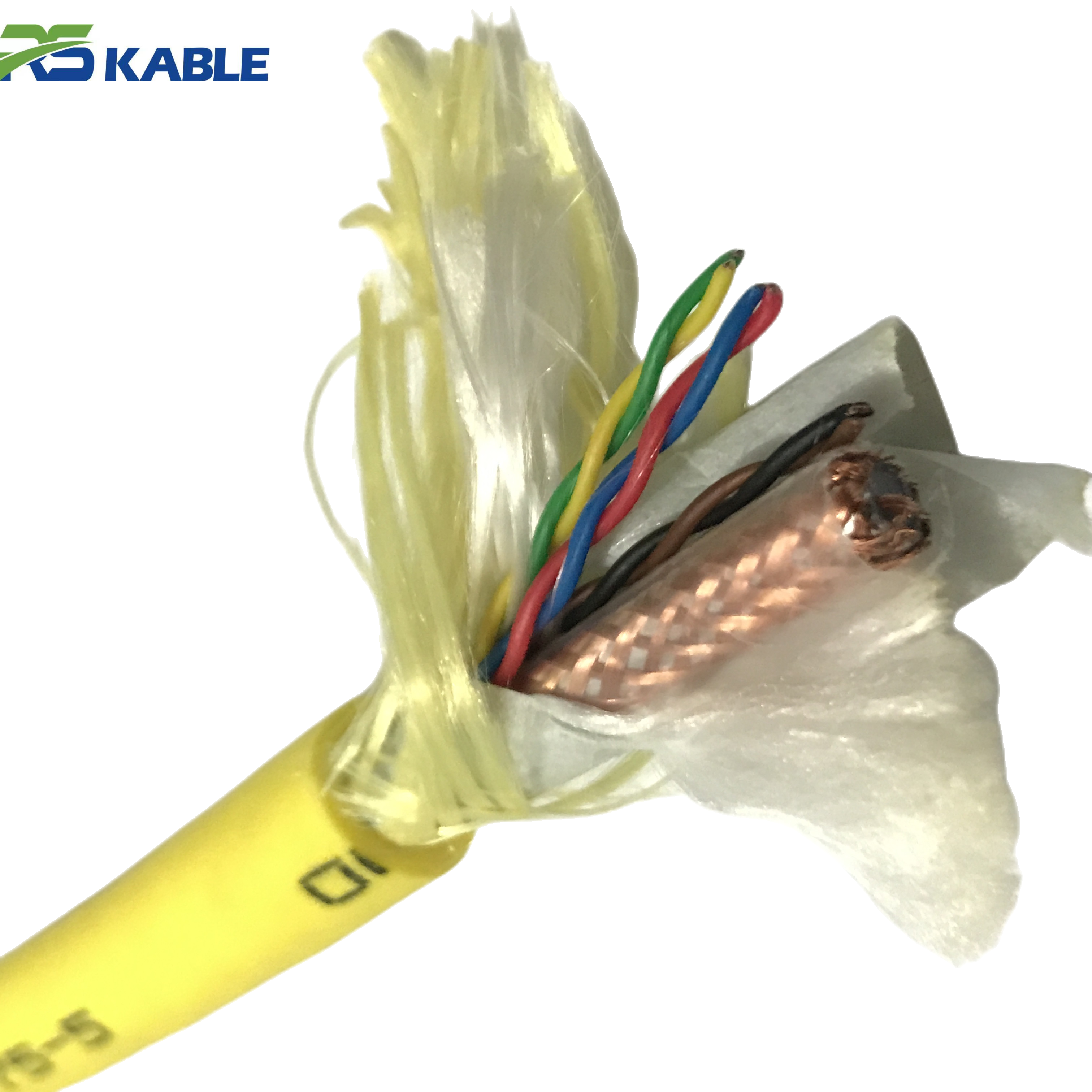
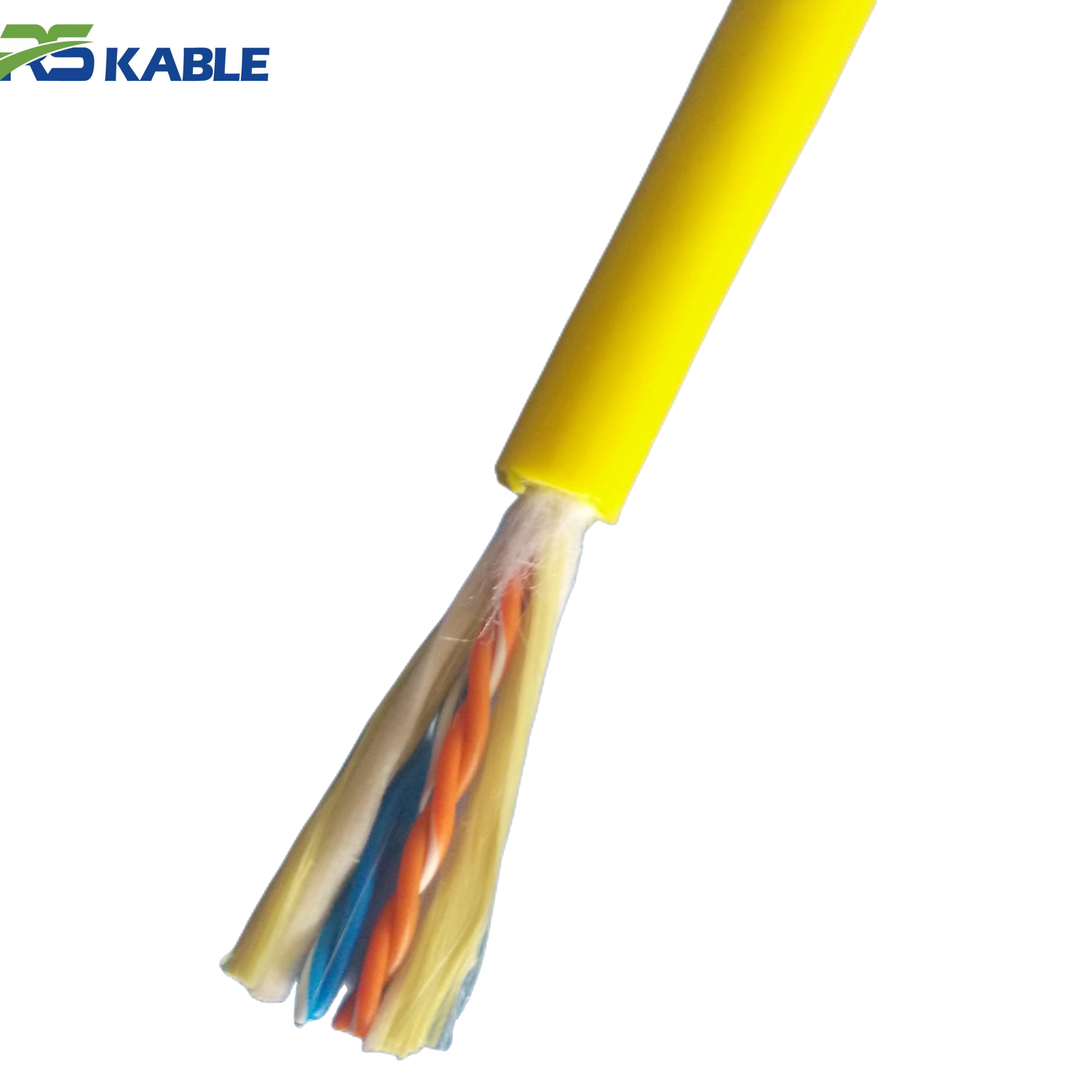
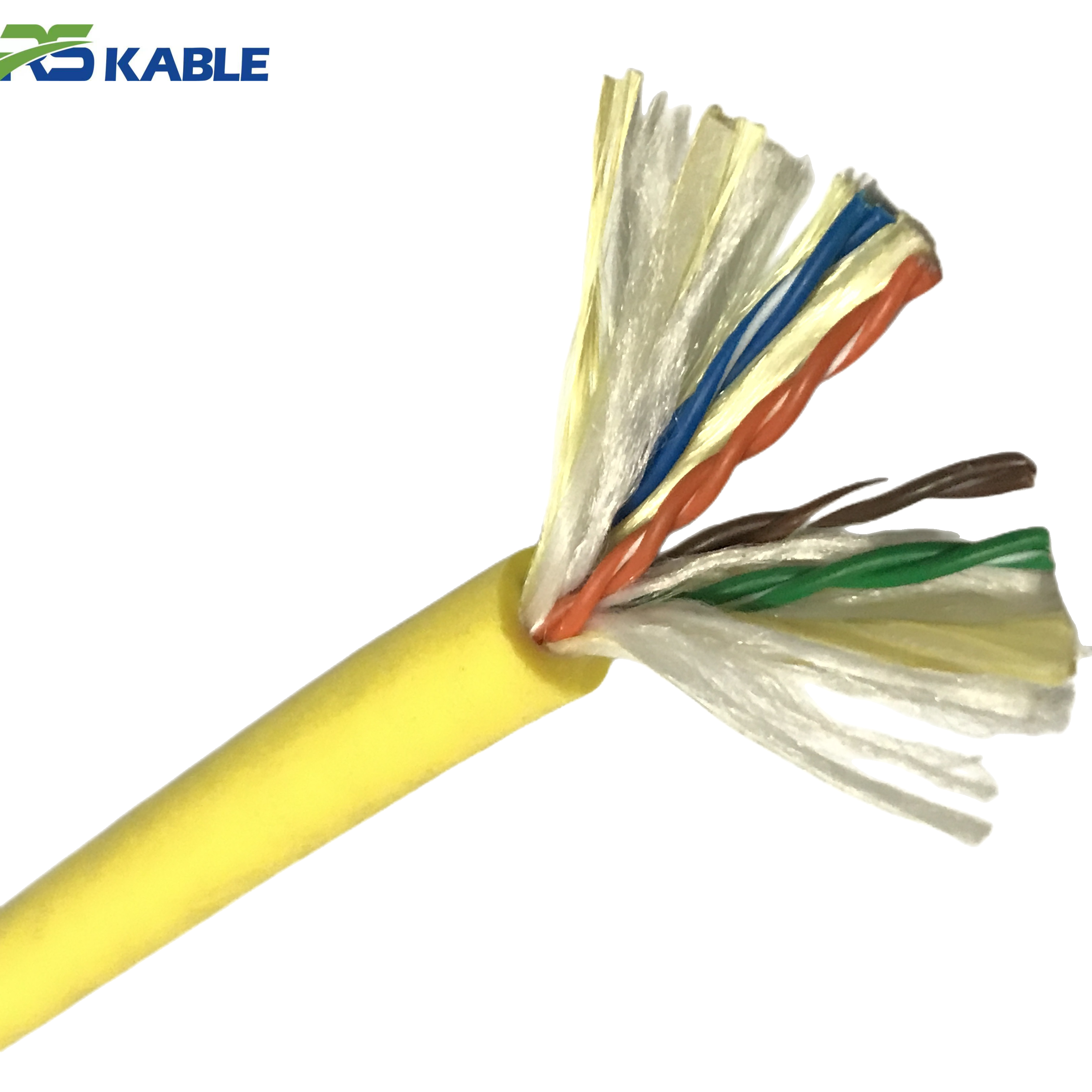
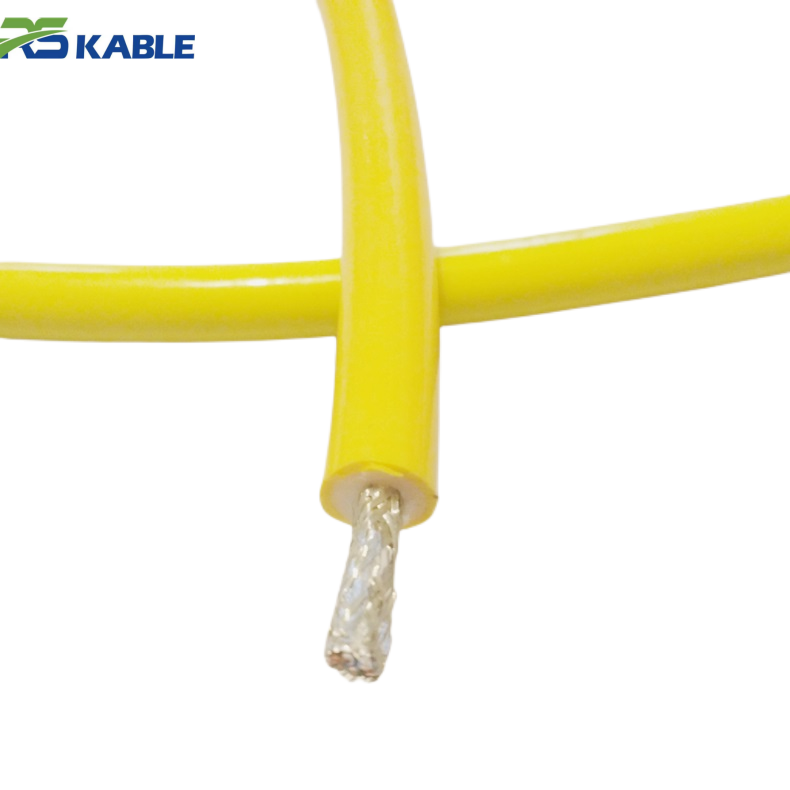
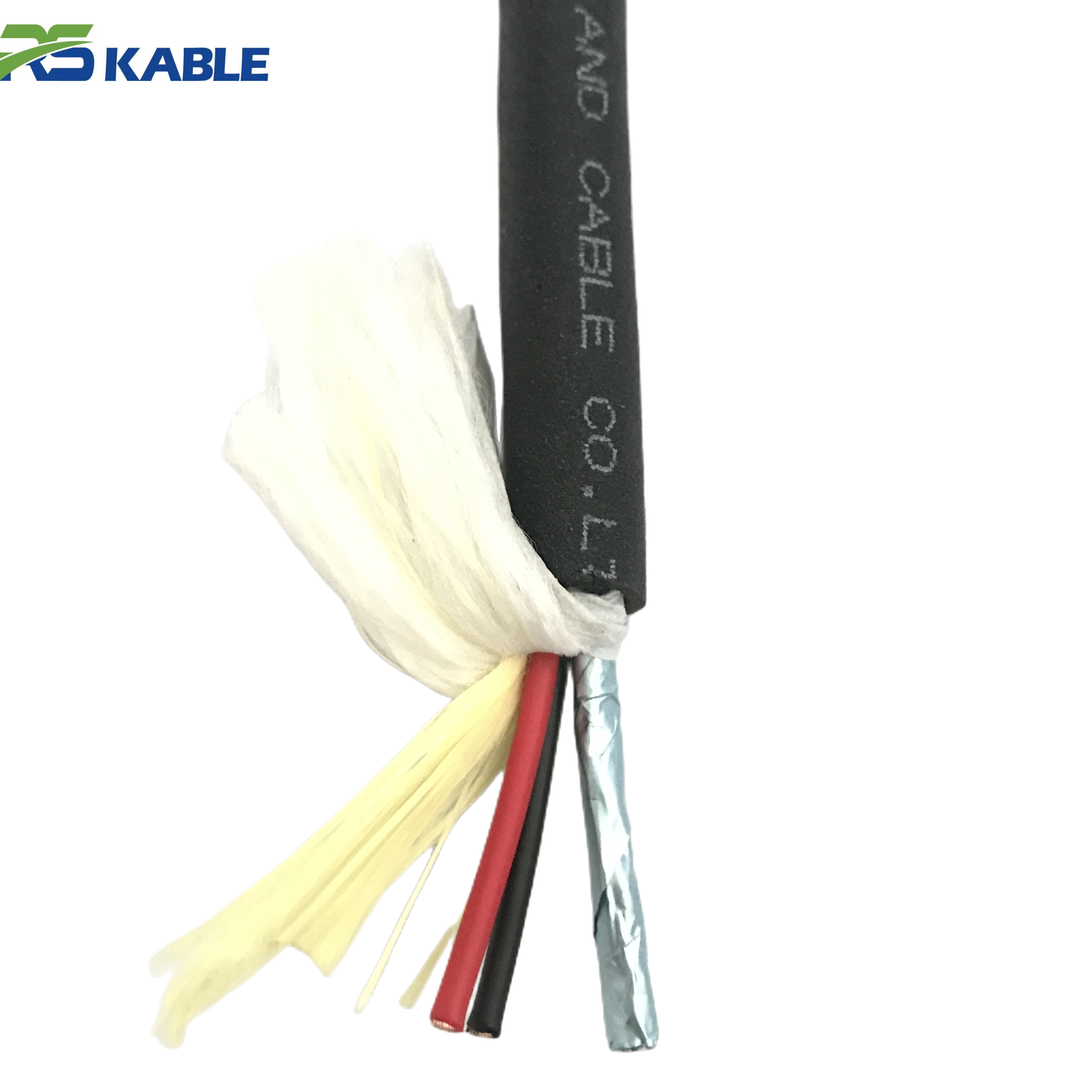
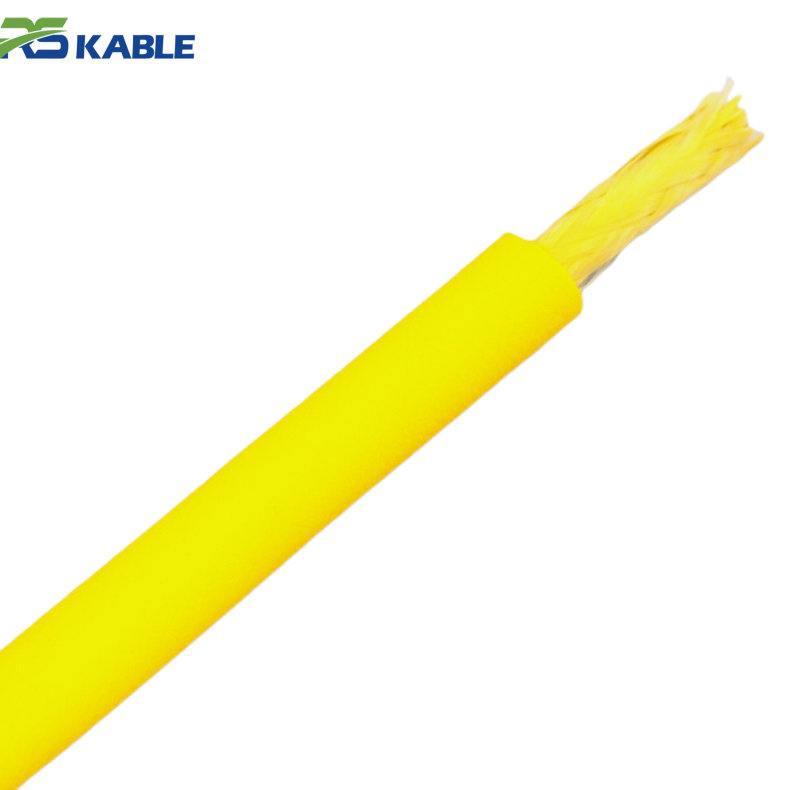
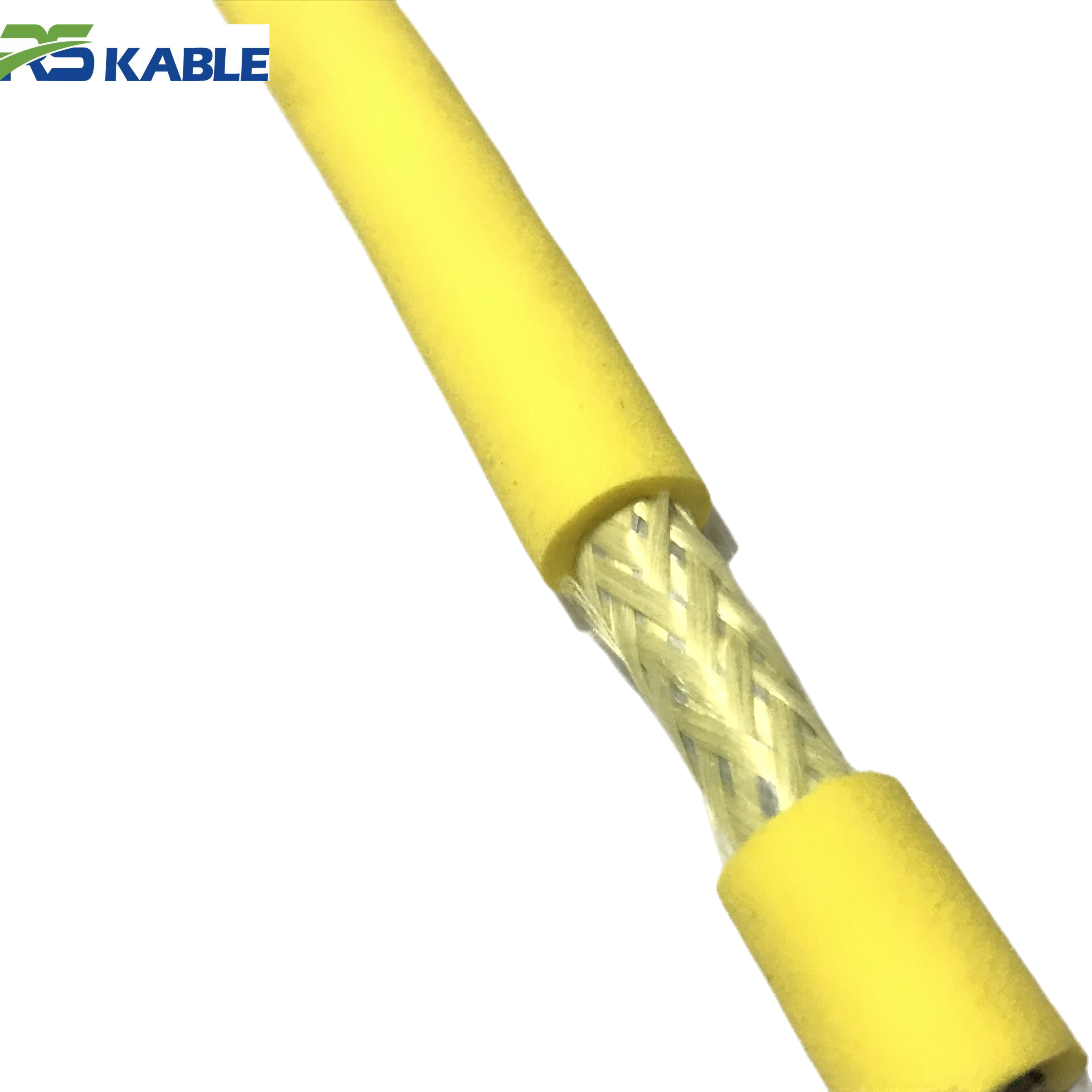
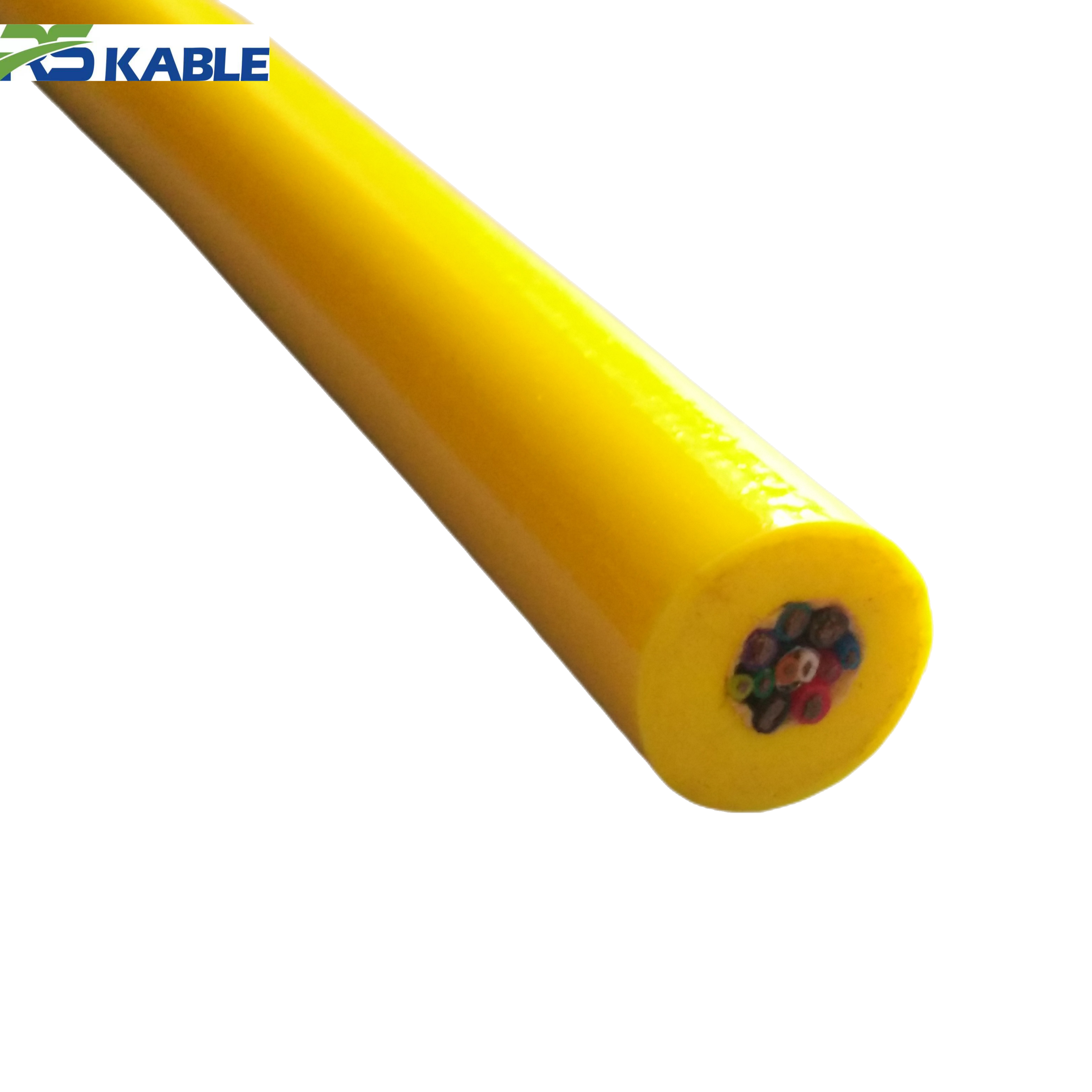
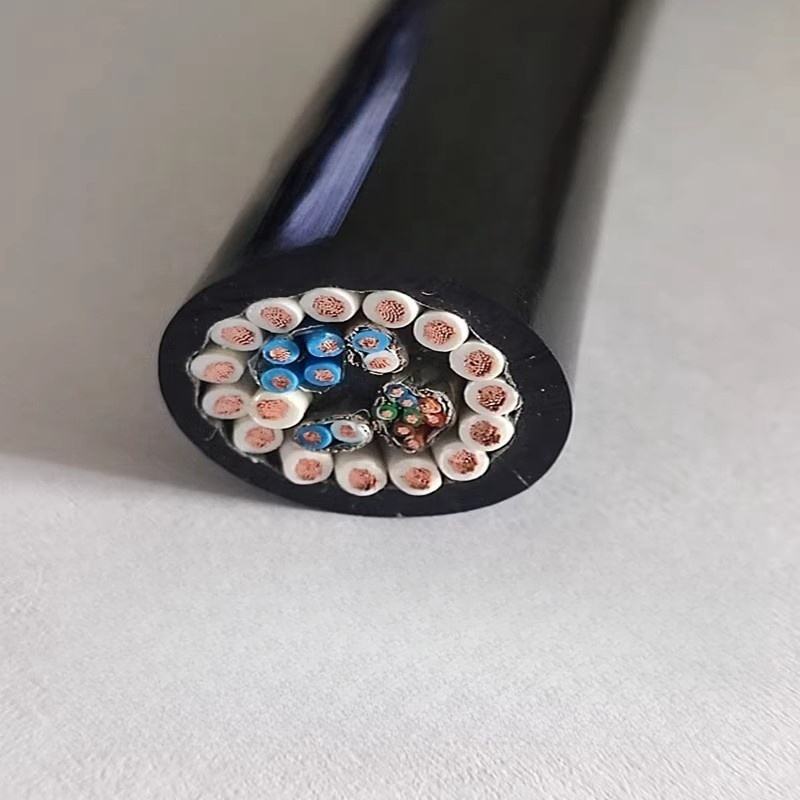
Pipeline Inspection & Maintenance Robot Cable with CCTV Signal and Power Coaxial Video Composite Cable
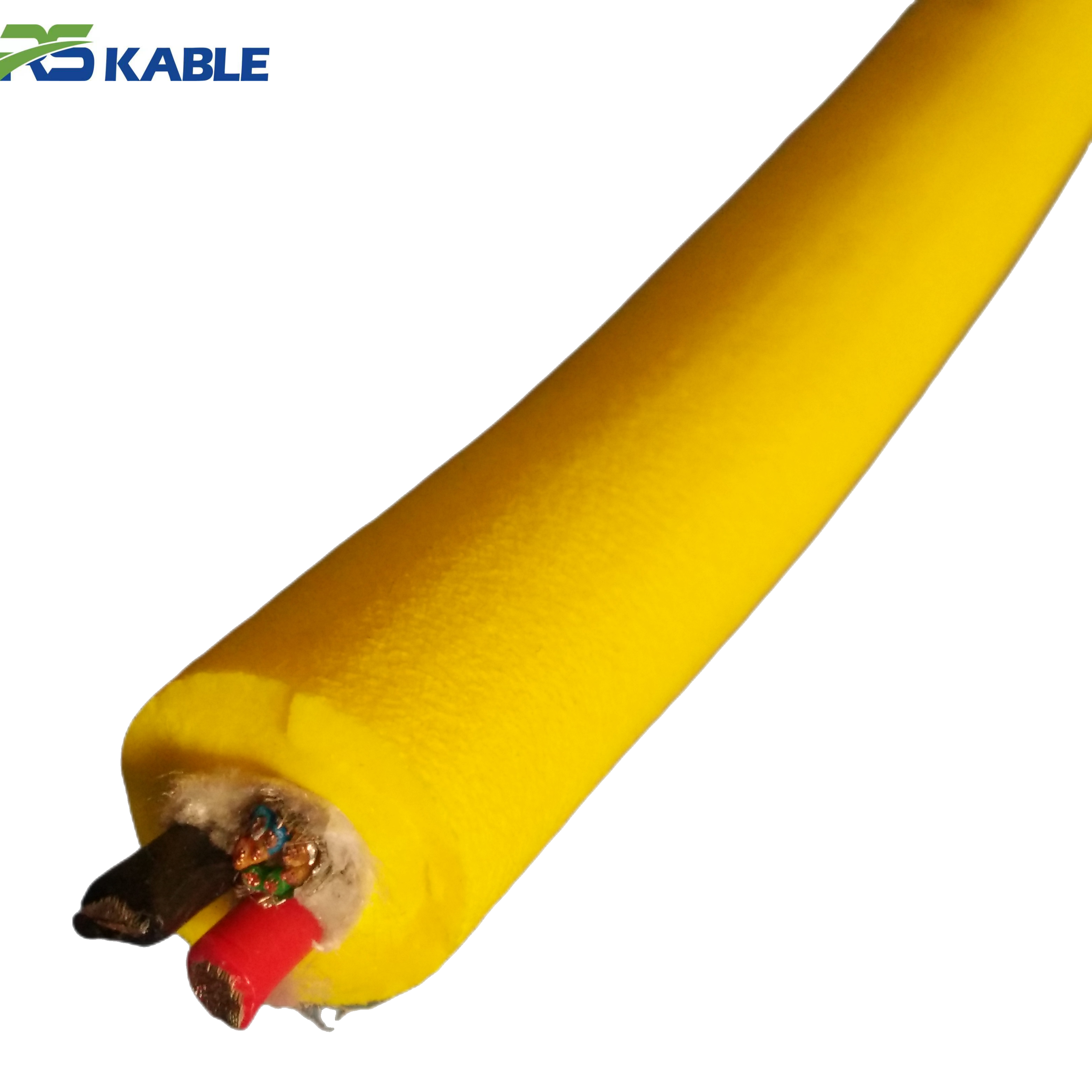
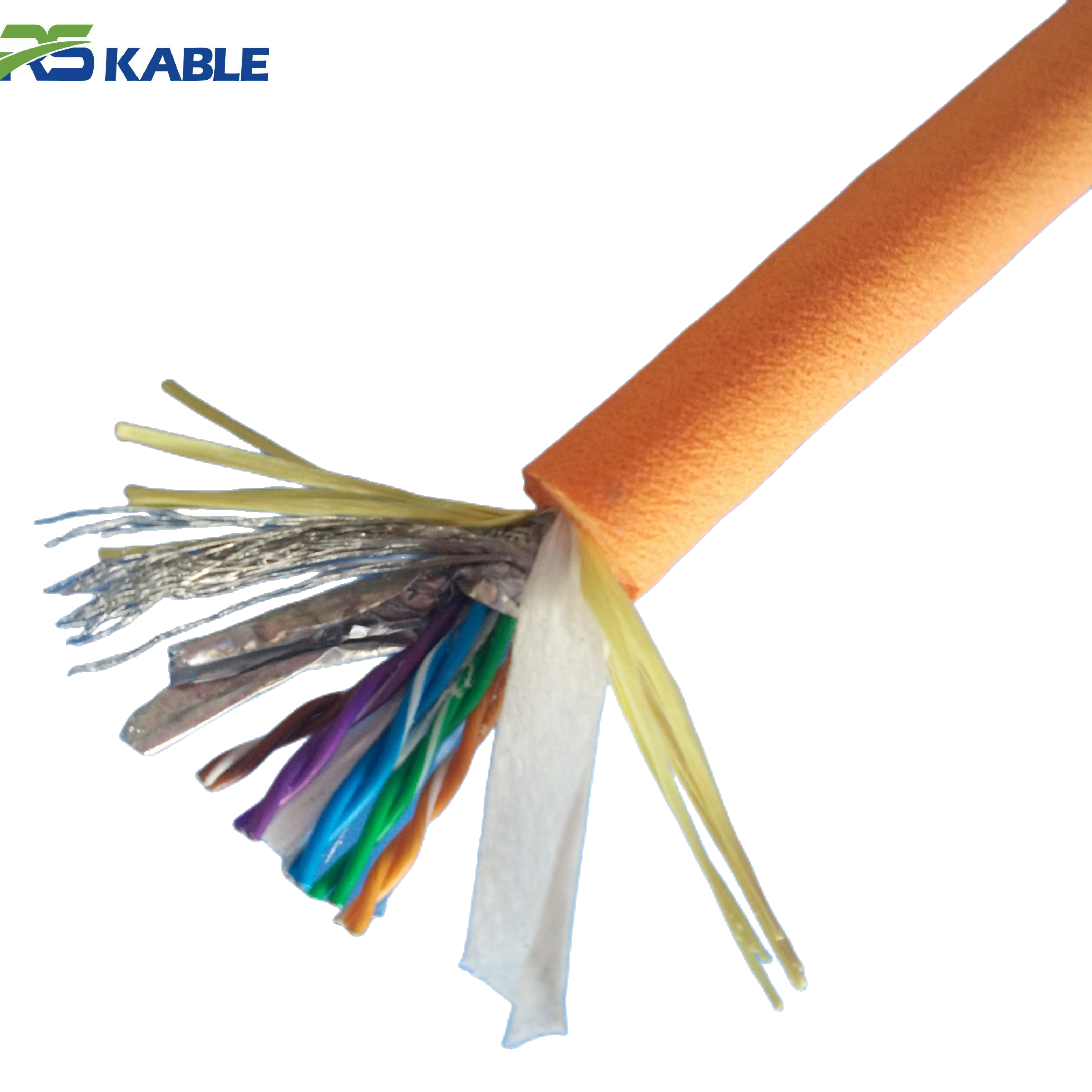
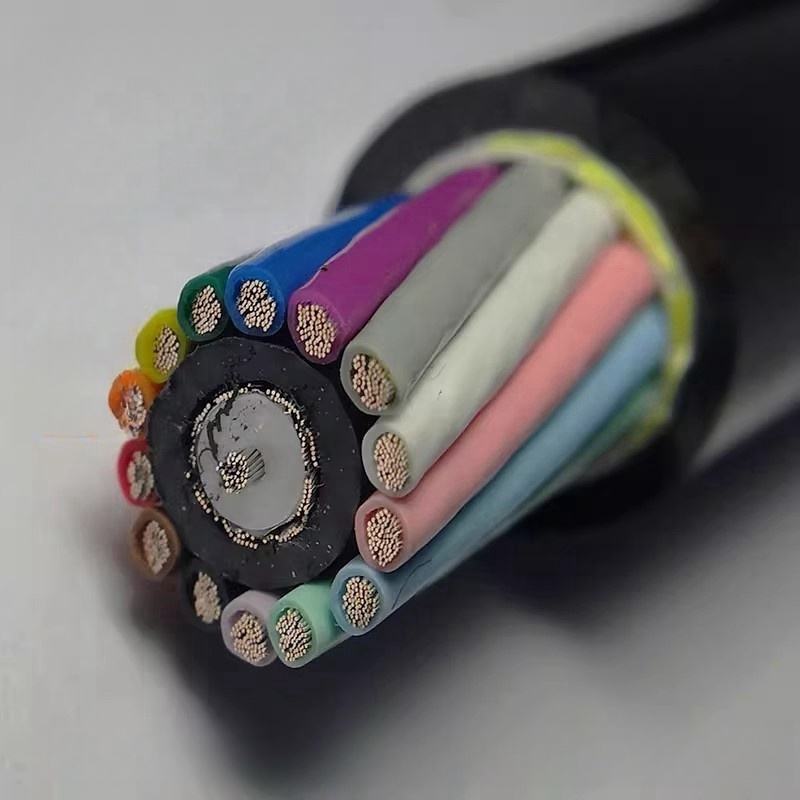
A specialized cable solution designed for pipeline inspection and maintenance robots, combining robust power conductors with CCTV coaxial video composite cable for reliable live video transmission and power delivery. Built for demanding industrial environments and continuous robot mobility.
What Makes Coaxial Cable with Power Different from Standard Coax
Traditional coaxial cable was designed for signal transmission only. In CCTV systems, that signal is the video feed traveling from the camera back to the DVR or monitor. The coax structure—center conductor, dielectric insulation, metallic shielding, and outer jacket—does an excellent job of protecting that signal from interference.
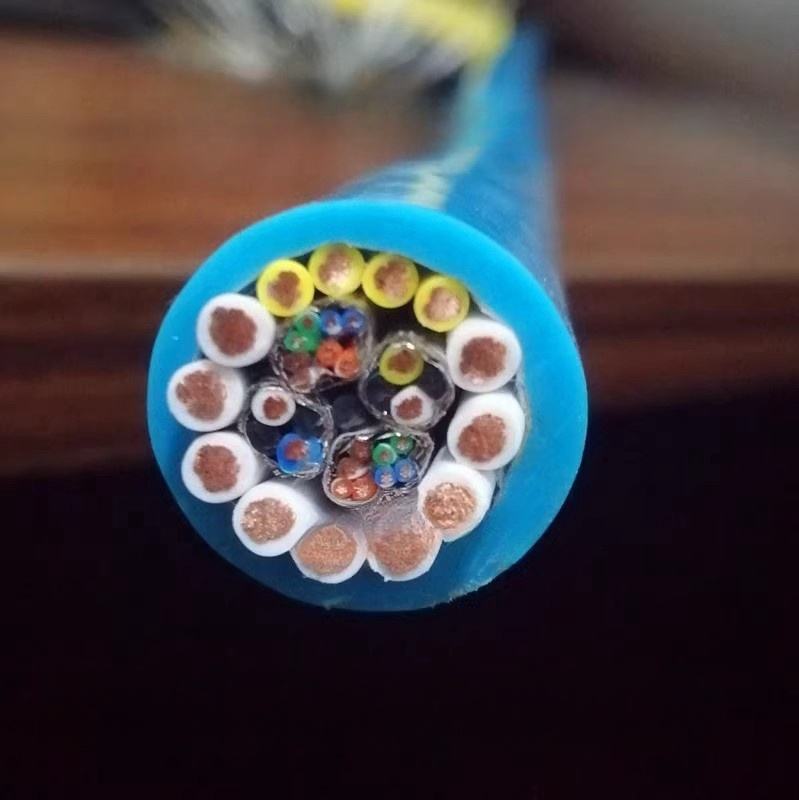
CCTV cameras, however, also require power. Running a separate power cable for each camera works, but it adds complexity, labor time, and failure points. Coaxial cable with integrated power solves this by placing two insulated power conductors alongside the coaxial line, all under one outer jacket.
In practical terms, this means:
-
One cable run per camera
-
Cleaner routing through walls or conduits
-
Fewer connections to troubleshoot later
This design is simple, but its impact on installation efficiency is significant—especially in multi-camera systems.
Why This Cable Is Still Common in Modern CCTV Systems
With Ethernet and PoE widely available, it’s fair to ask why coaxial power cables haven’t disappeared. The answer lies in real-world conditions, not spec sheets.
First, existing infrastructure matters. Many buildings already have coax runs in place. Upgrading an analog system to HD-over-coax often requires only new cameras and a DVR, not a complete rewiring.
Second, distance flexibility plays a role. Coaxial video can travel farther than standard Ethernet without switches or extenders. For warehouses, parking facilities, or campuses, that can simplify design.
Third, coaxial systems are predictable and stable. They don’t depend on network configuration, IP addressing, or switch compatibility. For installers and facility managers who value straightforward systems, that reliability still matters.
Understanding RG59 and RG6 in Real Installations
The RG59 vs RG6 discussion comes up in almost every CCTV project, but the decision is usually simpler than it sounds.
RG59 with Power: The Practical Standard
RG59 has been the default CCTV cable for decades. It’s thinner, easier to route, and flexible enough for tight spaces.
In real installations, RG59 works well when:
-
Cable runs stay under roughly 700–800 feet
-
Cameras are analog or 1080p HD-over-coax
-
Power consumption is moderate (standard IR cameras)
For homes, small offices, and retail stores, RG59 with solid copper conductors remains a sensible choice.
RG6 with Power: When Distance or Bandwidth Increases
RG6 uses a thicker center conductor and heavier shielding. That reduces signal loss over longer distances and provides more headroom for higher-frequency video formats.
RG6 is usually worth considering when:
-
Cable runs approach or exceed 800 feet
-
The environment has more electrical noise
-
The system is expected to handle higher resolutions over time
The trade-off is stiffness. RG6 is less forgiving during installation, so careful routing matters.
Power Conductors: The Part Most People Underestimate
Video issues are often blamed on cameras or recorders, but many problems actually originate on the power side of the cable.
Most Siamese cables include 18-gauge power conductors, which are adequate for many fixed cameras. Problems appear when:
-
Cable runs get long
-
Cameras use strong IR LEDs or heaters
-
Copper-clad aluminum (CCA) is used instead of solid copper
Voltage drop doesn’t always cause total failure. More often, it shows up as intermittent night-vision problems, cameras rebooting, or unstable images after dark. For professional systems, solid copper power conductors are worth the added cost.
Indoor vs Outdoor Cable Selection
The environment the cable runs through matters just as much as the camera resolution.
Indoor CCTV coaxial cables typically use PVC jackets designed for flexibility and flame resistance. Outdoors, that same jacket can crack under UV exposure or temperature swings.
For exterior runs, look for:
-
UV-resistant jackets
-
Moisture-blocking construction
-
Optional direct-burial ratings for underground routes
Using indoor cable outdoors may work temporarily, but it often leads to jacket failure and water ingress over time.
Installation Choices That Affect Long-Term Performance
Even high-quality cable can underperform if installed poorly. Some practices that consistently improve results include:
-
Avoiding sharp bends that deform the dielectric
-
Keeping CCTV cables away from high-voltage lines
-
Using compression BNC connectors instead of twist-on types
-
Testing voltage at the camera end, not just at the power supply
Many intermittent faults trace back to connectors rather than the cable itself.
Common Issues and What They Usually Mean
Certain symptoms appear again and again in coaxial CCTV systems:
-
Rolling lines or noise → grounding or shielding issues
-
Camera works during the day but fails at night → power drop under IR load
-
Fuzzy or unstable video → poor connectors or low-quality coax
-
No signal at long distances → cable type mismatch or excessive run length
Understanding these patterns saves time during troubleshooting.
When Coaxial Cable with Power Is Not the Best Option
Coaxial power cable is not universal. For some projects, alternatives make more sense.
-
Large IP-based systems benefit from PoE and network management
-
Sites requiring frequent camera relocation may prefer Ethernet
-
Smart analytics and AI-driven cameras often integrate better with IP platforms
Choosing coax isn’t about resisting change—it’s about matching the cable to the system’s real needs.
Why This Cable Still Has a Place in 2026
Despite newer technologies, coaxial cable with power continues to serve a clear purpose. It offers a balance of simplicity, distance capability, and predictable behavior that many surveillance projects still require.
For upgrades, budget-conscious installations, or locations where networking adds unnecessary complexity, it remains a practical and proven solution.
Final Thoughts
A CCTV system doesn’t fail all at once—it degrades quietly through poor connections, voltage loss, or signal interference. Choosing the right coaxial cable with power for CCTV, and installing it with care, removes many of those risks before they appear.
Whether you’re maintaining an existing system or planning a new one, understanding how these cables actually behave in the field leads to better decisions—and fewer service calls later.
FAQ
Is coaxial cable with power still relevant for CCTV today?
Yes. Especially for analog and HD-over-coax systems, it remains reliable and widely supported.
Should I choose RG59 or RG6?
RG59 works for most standard runs. RG6 is better for longer distances or higher bandwidth needs.
Does cable quality really affect image clarity?
Absolutely. Poor shielding, low-grade conductors, and weak power wires all impact performance.
Can I mix coaxial cable brands in one system?
You can, but consistent quality simplifies troubleshooting and maintenance.
Is solid copper necessary?
For professional installations, yes—especially on the power conductors.