

Choosing the Right Tether for Your ROV
Picking an ROV tether is one of the fastest ways to improve real-world performance without changing the vehicle. The tether affects station-keeping, pilot workload, seabed snag risk, connector lifespan, and whether video/telemetry stay stable throughout a shift. Many “ROV control problems” are actually tether problems: too much drag in current, the tether pulling the vehicle down, the cable sweeping into structures, or intermittent faults caused by fatigue at terminations.
A high-performing tether selection process looks less like catalog shopping and more like mission engineering. You define the water conditions and operating style first, then choose buoyancy strategy, drag profile, strength, fatigue life, and only then finalize power/data configuration. This guide adds the “missing pieces” many buyer articles skip: a practical decision matrix, symptom→diagnosis→fix field cues, and an acceptance checklist to reduce surprises at deployment.
The goal is simple: help you choose a tether that matches your mission and holds up offshore.
The Three Questions That Decide 80% of the Right Answer
Before you talk about conductor count or fiber channels, answer these three questions:
-
Will the tether be near the seabed or near structures?
If yes, snag/abrasion risk is high and cable behavior becomes critical. -
How strong are currents during real operations?
If currents are moderate to strong, drag and catenary control often dominate performance. -
Is this precision inspection or heavy work-class duty?
Precision inspection prioritizes handling and stability. Work-class often prioritizes power delivery, strength margin, and rugged terminations.
Once you answer these, tether selection becomes much clearer.
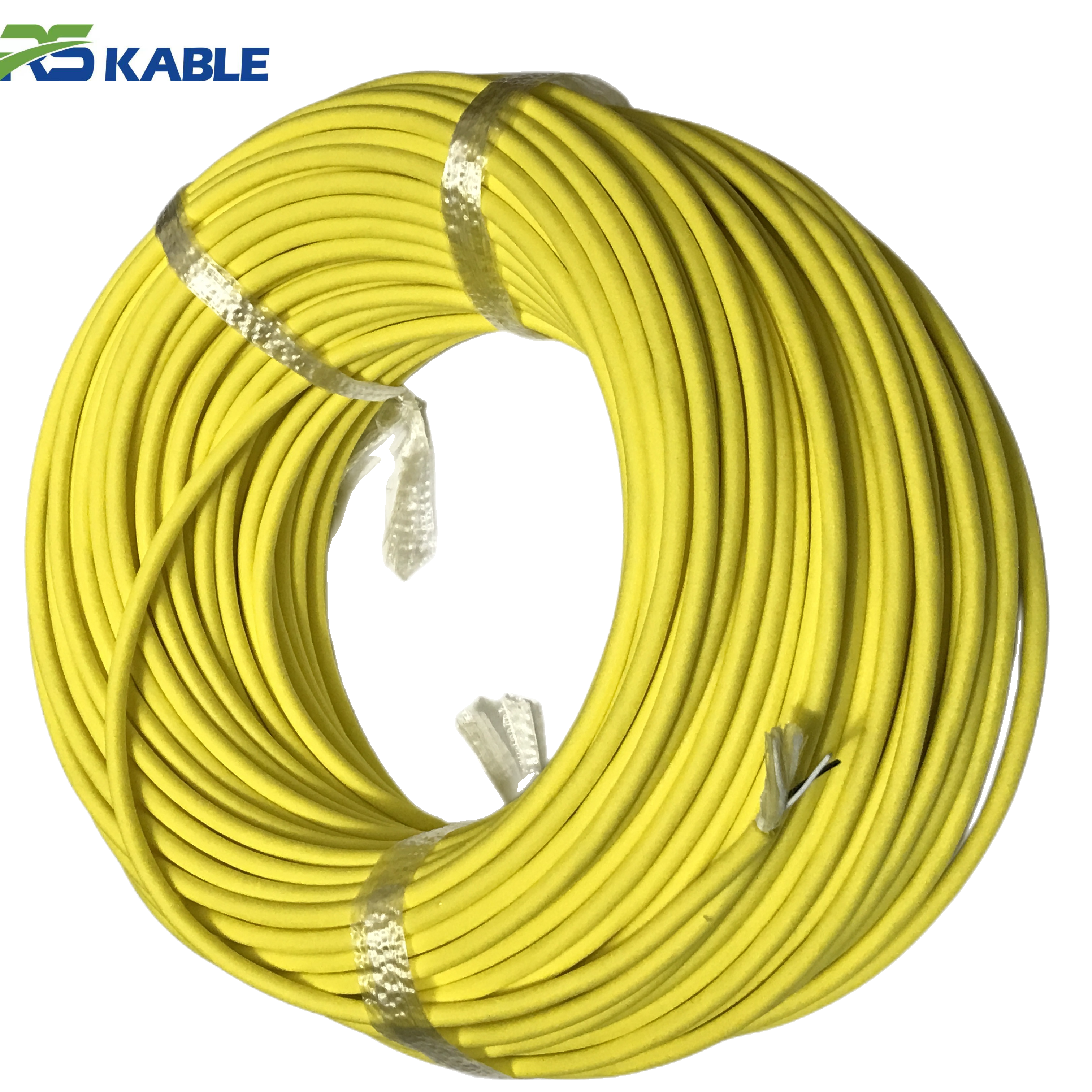
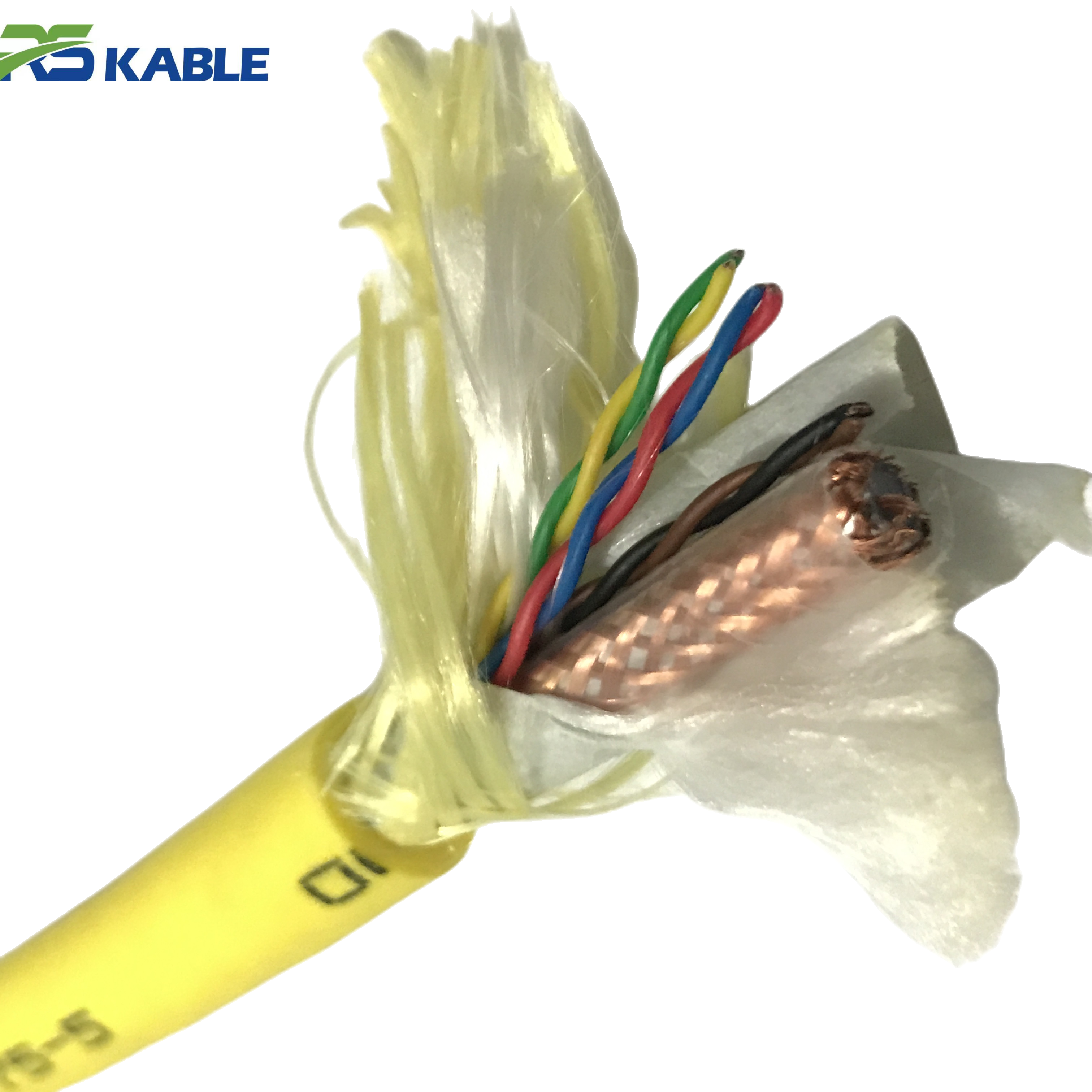
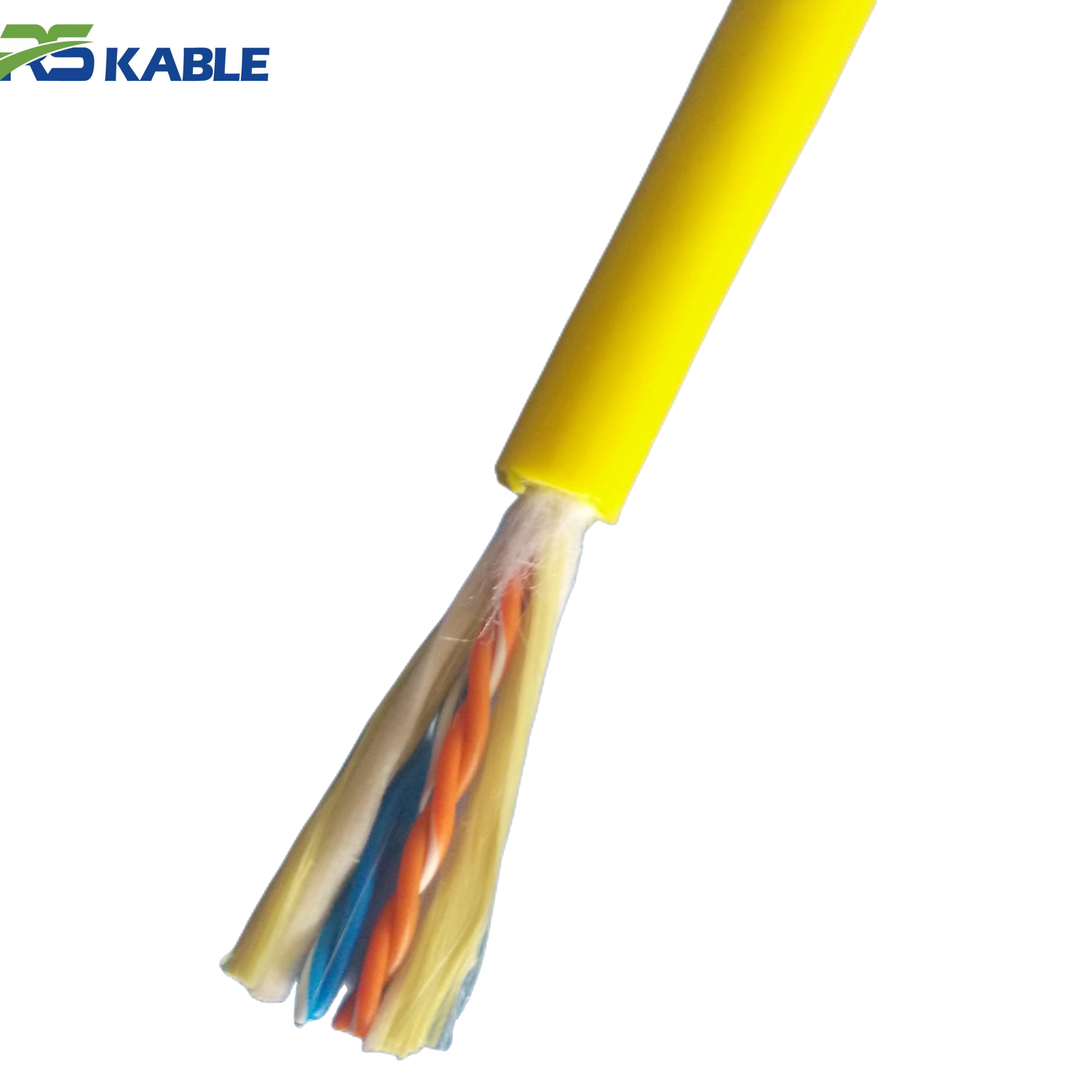
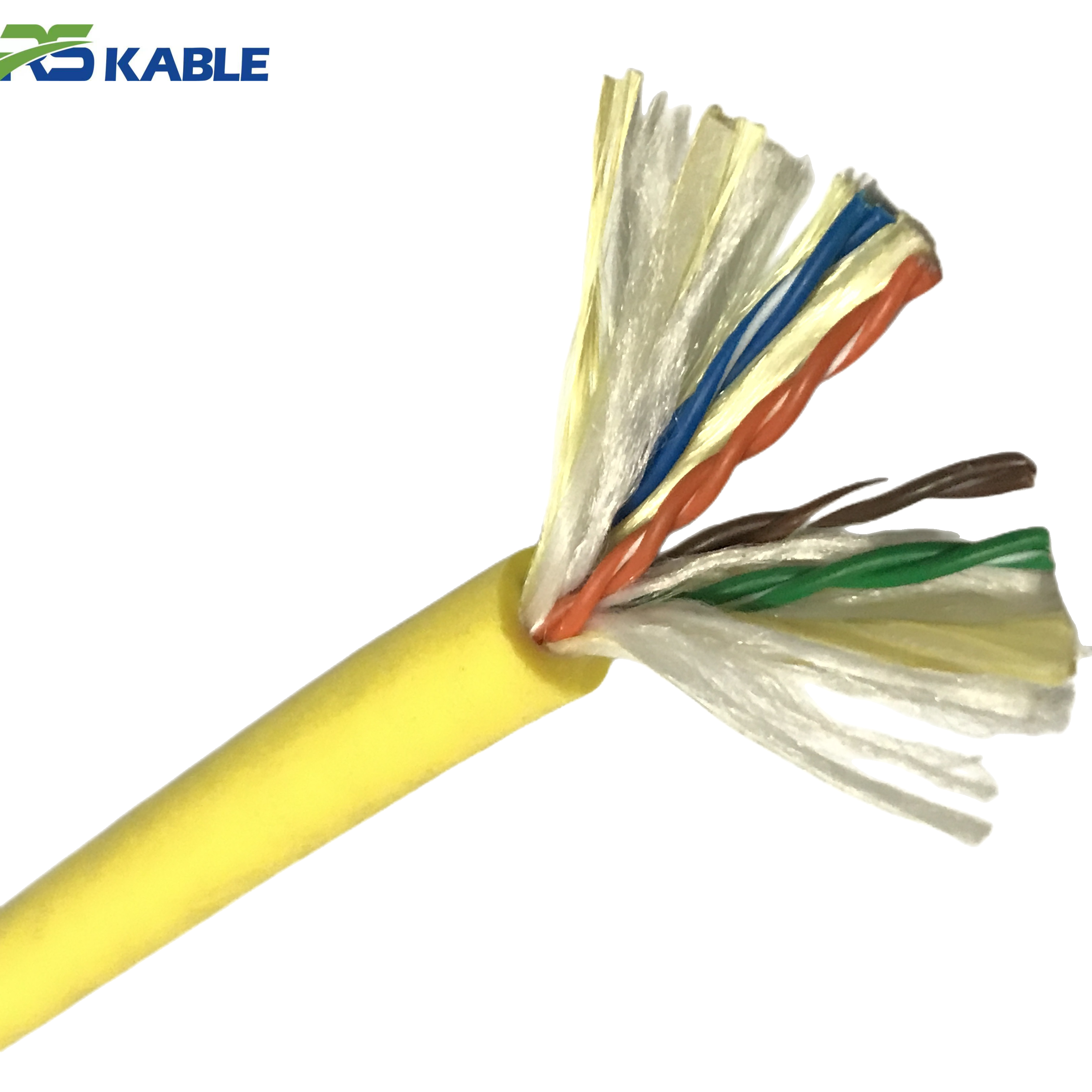
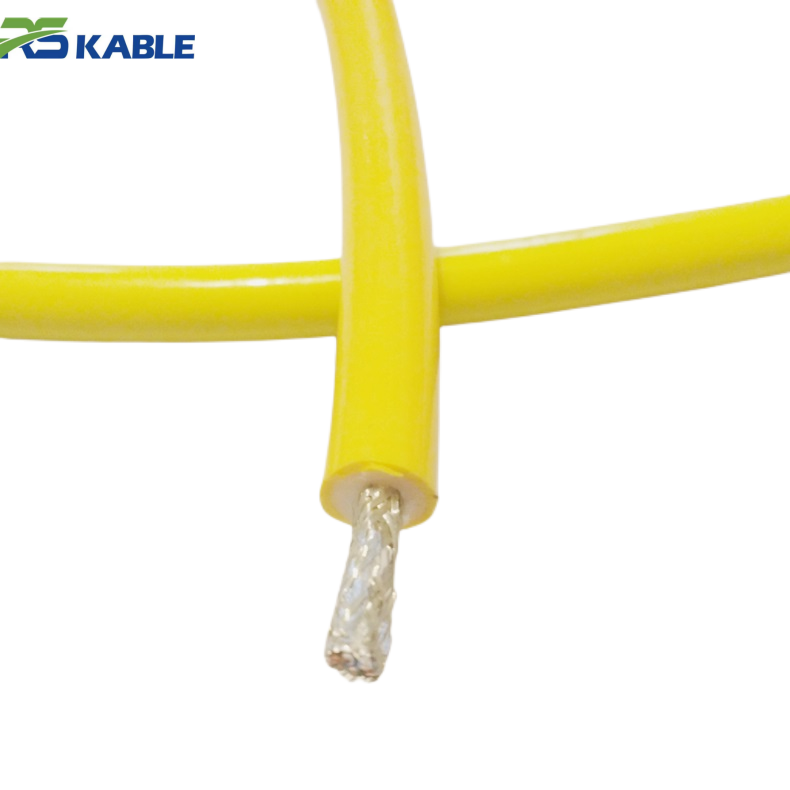
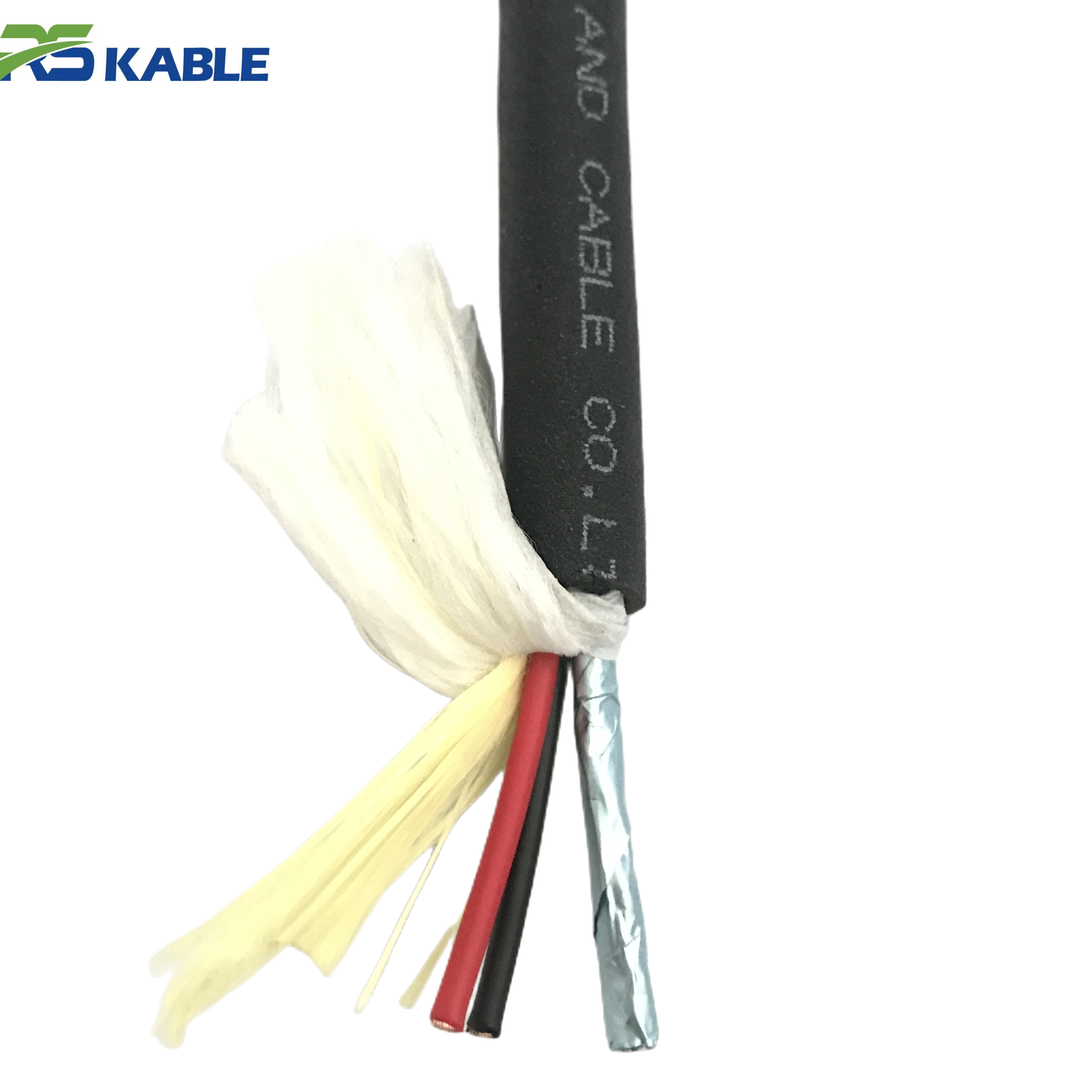
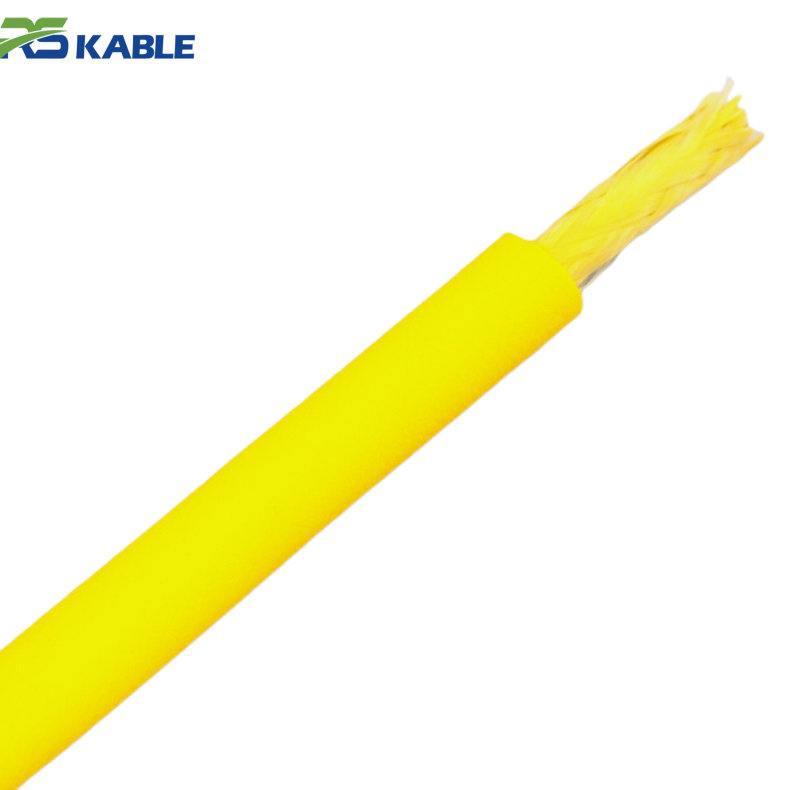
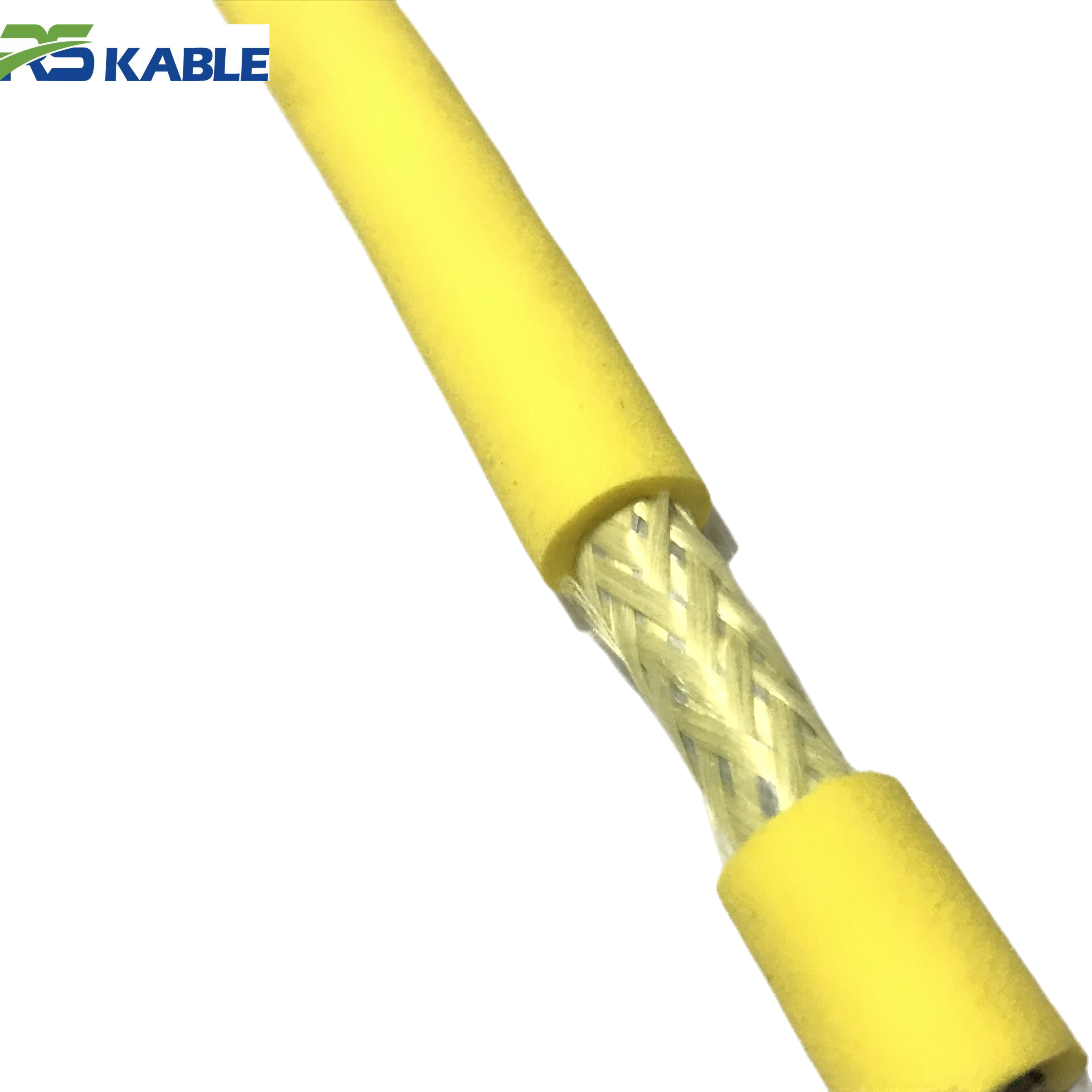
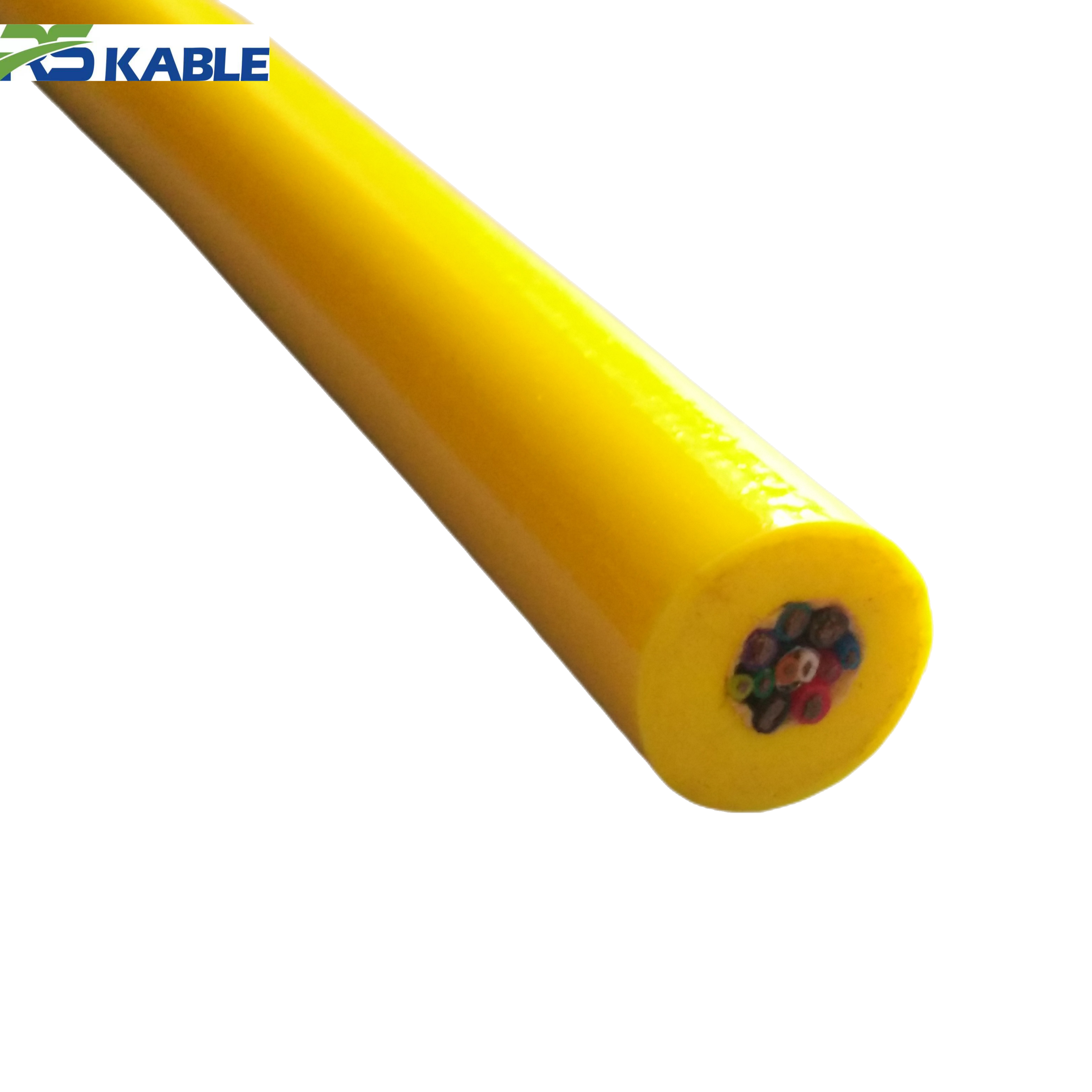
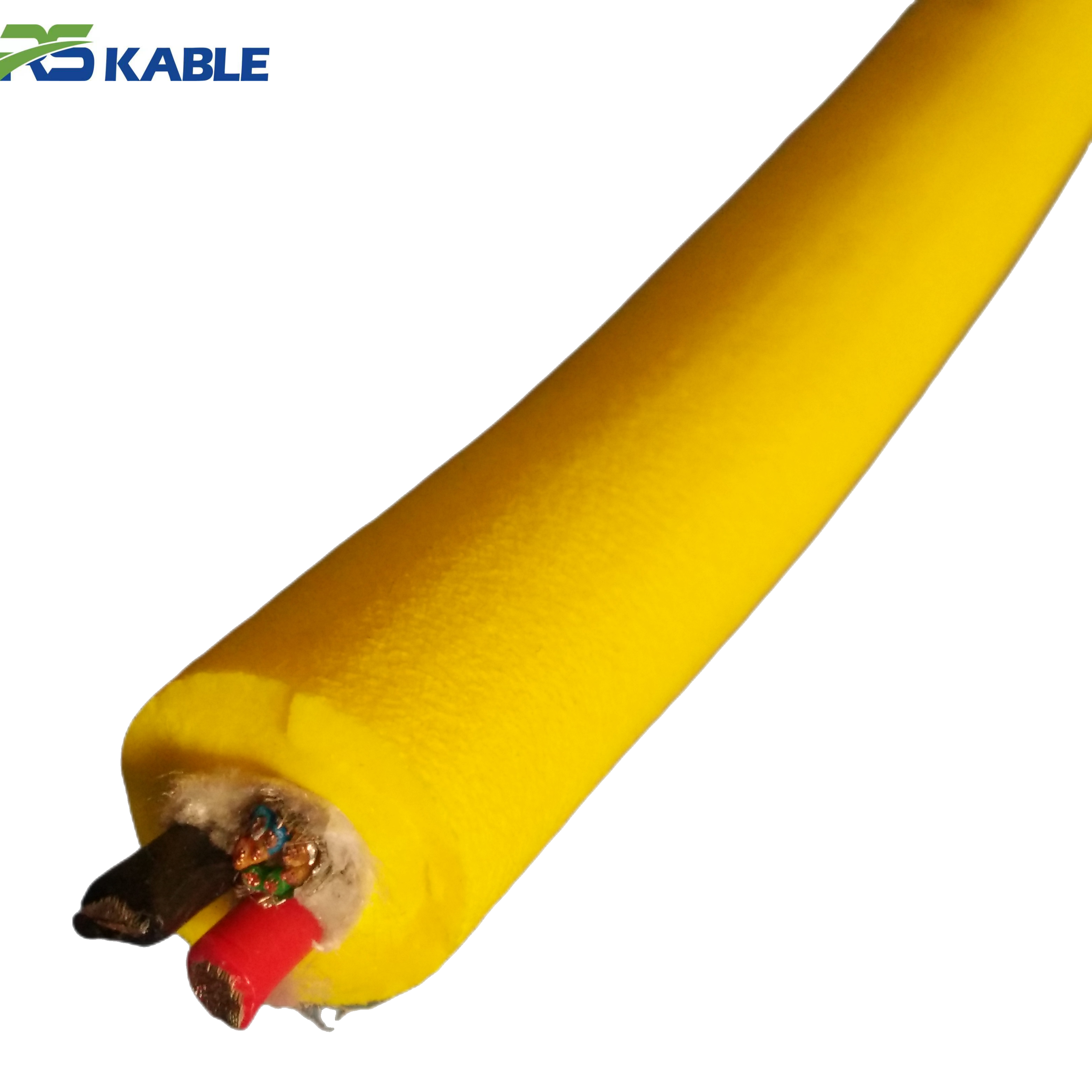
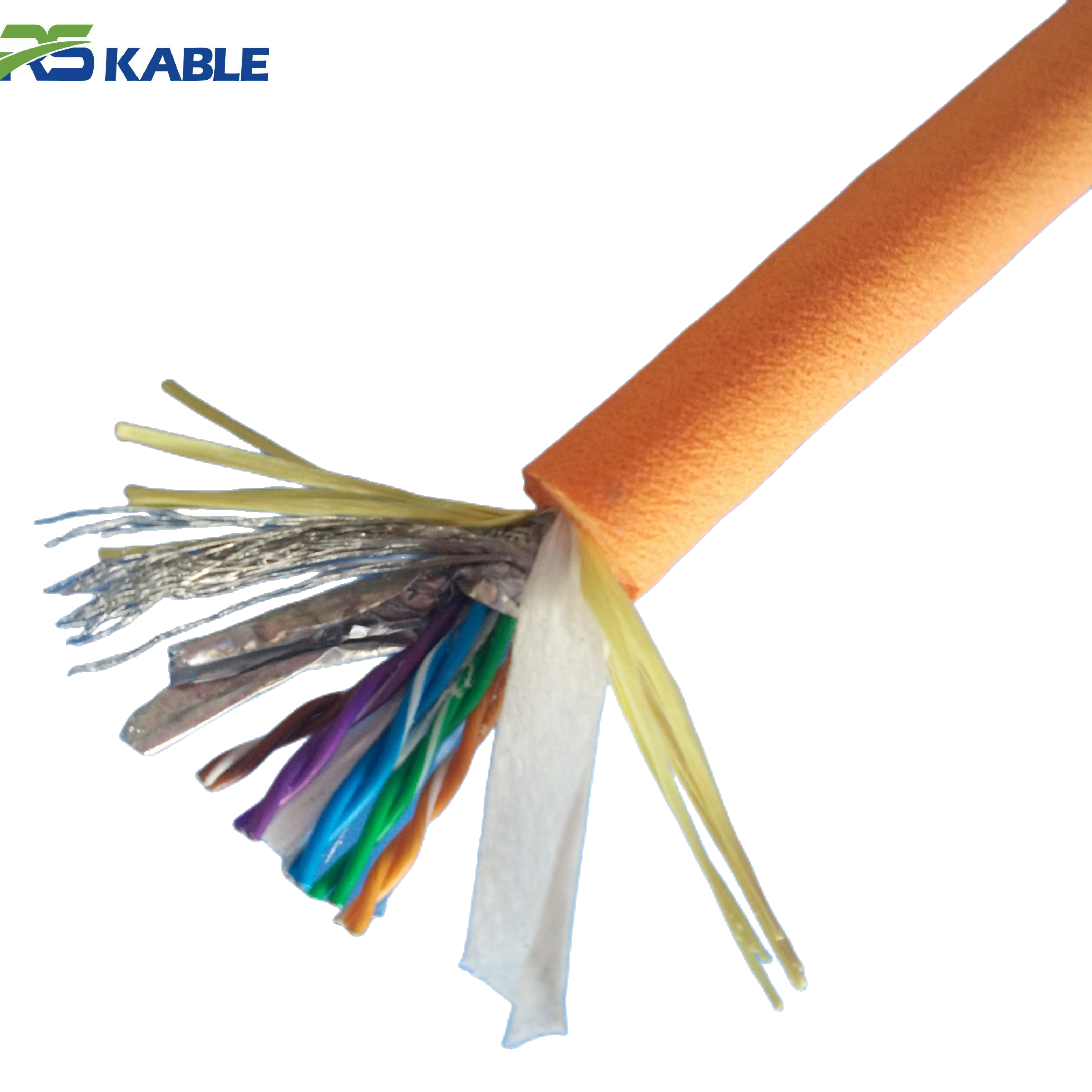
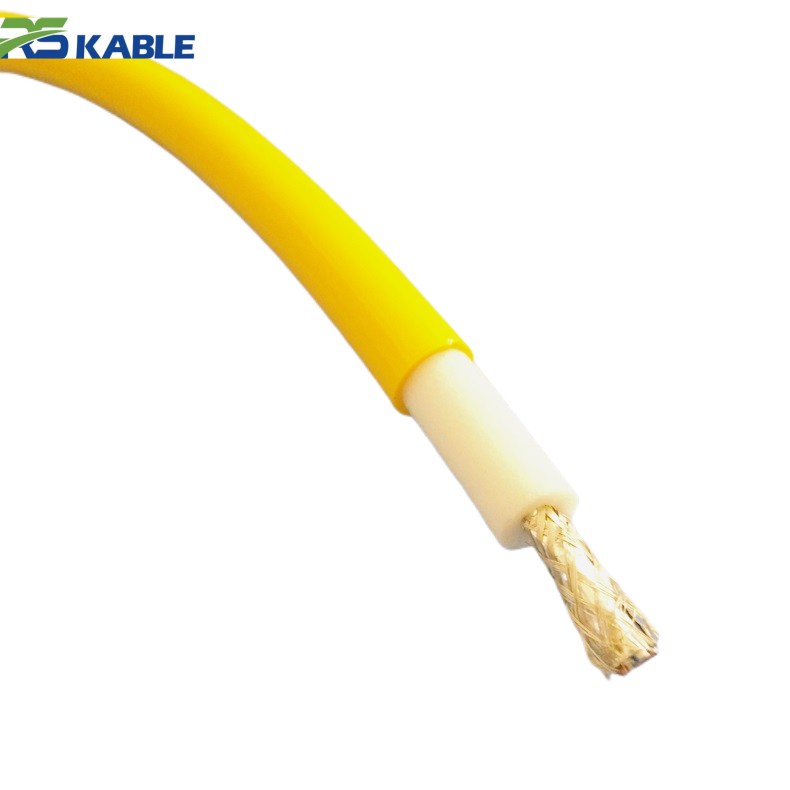
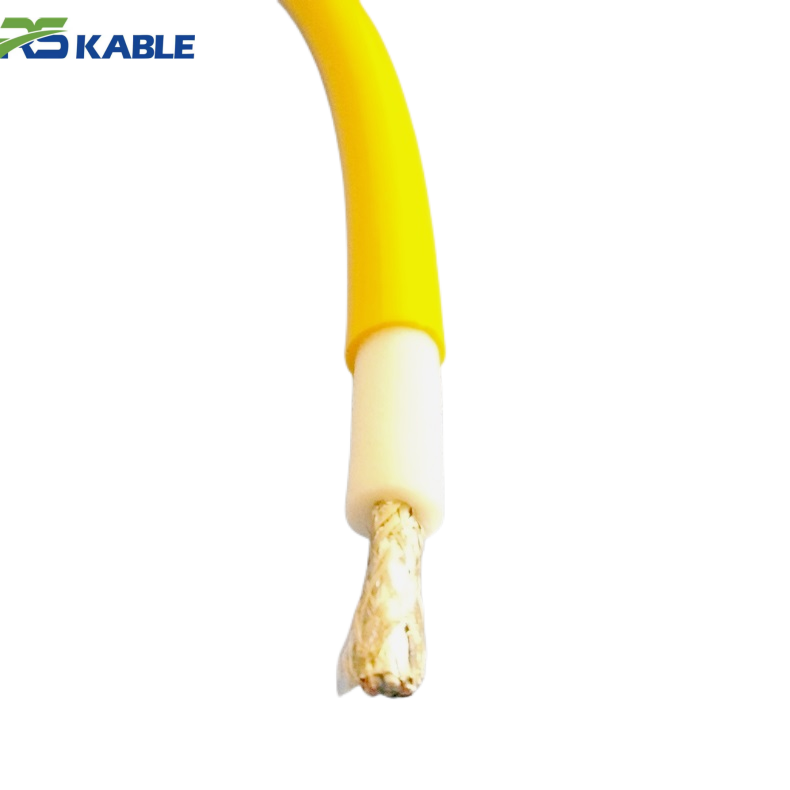
Oceanographic Research Equipment Neutral Buoyancy Cable | Lightweight Construction & Flexible Core
Engineered for **oceanographic research and deep-sea exploration**, this **lightweight neutral buoyancy cable** offers a highly **flexible core** and customizable lengths. Designed to withstand extreme underwater pressure while maintaining stable buoyancy, it is the ideal tether for scientific sensors and data collection instruments.
A Practical ROV Tether Decision Matrix
Use this matrix to choose a tether direction quickly. It’s designed for real-world decision-making, not marketing.
Scenario A — Precision inspection (close to structures, stable hovering)
Prioritize: low drag + stable catenary + abrasion protection + fatigue life
Best fit: near-neutral buoyancy designs are often preferred because they reduce unwanted vertical pull and help keep the cable off the bottom. A Neutral Buoyancy Cable can be a strong advantage here, especially when pilots need smooth close-in control.
Scenario B — Strong current operations (pilot fights drift and tether load)
Prioritize: reduced diameter/drag + controlled buoyancy + predictable catenary
Best fit: near-neutral or slightly negative buoyancy depending on sea state and surface influence. Don’t assume “neutral” always wins; in some strong-current shallow jobs, slightly negative can reduce surface looping while still minimizing bottom drag.
Scenario C — Debris/rough seabed environments (snag and abrasion are the enemy)
Prioritize: jacket durability + abrasion resistance + robust terminations + controlled slack
Best fit: buoyancy strategy should reduce dragging, but abrasion protection and handling discipline matter just as much.
Scenario D — Work-class tasks (higher power, heavier handling loads)
Prioritize: tensile strength + termination robustness + voltage drop management + fatigue life
Best fit: buoyancy remains important for handling, but strength, power delivery, and termination reliability are usually dominant.
Buoyancy Strategy: Neutral, Slightly Negative, or “Heavy”?
Buoyancy is the most underused lever in ROV tether performance. Cable behavior in the water column affects everything the pilot feels.
Neutral buoyancy (near-zero in-water weight)
A Neutral Buoyancy Cable reduces vertical load on the vehicle and lowers the tendency to drag on the seabed. In many inspection missions, it improves handling and reduces connector stress.
Slightly negative buoyancy (controlled downward-set)
Often useful when you must avoid surface interaction but still want to reduce bottom drag. This can be a practical compromise in some shallow operations with waves and currents.
Strongly negative (“heavy” cable)
Can make sense for fixed seabed routing, but for dynamic ROV operations it often increases pilot workload, bottom contact, and termination stress.
If your ROV frequently feels “pulled down,” or your tether keeps scraping the bottom, buoyancy selection is usually one of the first things to re-check.
What Matters Most in a Tether (In the Right Order)
Instead of starting with electrical specs, evaluate in this order:
1) Drag and diameter
Drag is what pilots fight in current. Larger diameter generally means more drag. Choose the smallest diameter that still meets power/data and strength needs.
2) Buoyancy and catenary control
Does the tether naturally hang into a stable shape, or does it sink hard, loop, or sweep unpredictably? A Neutral Buoyancy Cable often helps stabilize geometry in dynamic missions.
3) Tensile strength and reinforcement
Strength margin must cover real handling loads, recovery events, and worst-case tension. Reinforcement design matters as much as nominal rating.
4) Bend radius and fatigue life
Repeated bending on deck, at the vehicle, and near a TMS/termination is where many tethers fail over time.
5) Jacket and abrasion resistance
If you operate around structures, rubble, or rough seabed, jacket durability is a primary driver of service life.
6) Power delivery and voltage drop
Match power to real consumption, including peak loads. Don’t specify only nominal voltage.
7) Data architecture (fiber vs copper)
If you need stable high-quality video and telemetry over longer lengths, fiber optics become increasingly important.
Field Guide: Symptom → Likely Cause → Practical Fix
This is the “experience layer” that helps troubleshoot and refine selection.
Symptom 1: The ROV feels pulled downward and struggles to hold altitude
Likely cause: tether is too negatively buoyant, or slack/current is forcing a low catenary
Fix: shift toward a Neutral Buoyancy Cable strategy, reduce unnecessary slack, and improve pay-out discipline.
Symptom 2: The tether keeps dragging on the seabed and the jacket wears quickly
Likely cause: negative buoyancy + excess slack + current shifts
Fix: choose near-neutral or controlled buoyancy, tighten pay-out control, upgrade jacket abrasion performance, add protective sleeves in known contact zones.
Symptom 3: The pilot uses significantly more thruster power than expected to hold station
Likely cause: drag from diameter plus catenary sweep in current
Fix: reduce tether diameter where feasible, improve buoyancy strategy, adjust operating depth and tether management.
Symptom 4: Video or telemetry faults appear mainly during movement
Likely cause: fatigue near terminations, insufficient strain relief, bend radius violations
Fix: improve termination strain relief, confirm real bend radius during handling, choose a design rated for higher flex/fatigue duty.
Symptom 5: Problems appear near a specific part of the mission (e.g., near structures)
Likely cause: tether sweeping into obstacles or snag hazards
Fix: prioritize stable catenary control, reduce slack, consider near-neutral buoyancy, and adjust routing strategy around obstacles.
These patterns help you decide whether the issue is buoyancy, drag, handling practice, abrasion environment, or termination quality.
How Many Fibers and What Data Layout Do You Really Need?
A common mistake is overspecifying data without matching it to mission needs. Ask:
-
Do you need one high-quality video stream, or multiple?
-
Is latency critical for piloting?
-
Are you recording onboard or transmitting in real time?
-
Are you adding additional sensors later?
The right answer depends on the system design, but the key point is this: fiber adds capability, but termination quality and fatigue protection must match the operational duty.
Acceptance Checklist Before You Deploy
A tether can look perfect on the drum and still fail offshore if acceptance checks are skipped. Before deployment, verify:
-
buoyancy behavior is consistent along the length (no obvious “heavy sections”)
-
diameter and jacket are uniform, with no surface damage
-
minimum bend radius can be maintained during handling and routing
-
termination strain relief is robust and properly installed
-
connector compatibility is confirmed (mechanical + electrical constraints)
-
tensile rating and reinforcement documentation match your mission margin
-
a practical handling plan exists (pay-out, recovery, and storage)
These checks reduce the common “it worked during dock test” surprises.
Supplier Questions That Separate Good Recommendations From Generic Quotes
Ask suppliers:
-
What buoyancy window is targeted, and how consistent is it along length?
-
What mission type is this tether designed for (inspection vs work-class vs tow)?
-
What is the minimum bend radius and fatigue duty rating?
-
How is termination strain relief handled, and what are common failure points?
-
What jacket is recommended for abrasion environments?
-
How does diameter affect drag for my current profile?
A supplier who can answer these is usually more reliable than one who only asks voltage and length.
FAQ
Is neutral buoyancy always best for ROV tethers?
Not always. Near-neutral is often best for precision inspection, but slightly negative may be preferred in some shallow strong-current jobs to reduce surface looping.
Why does my ROV tether keep dragging on the bottom?
Common causes include too-negative buoyancy, excess slack, and current-driven catenary shifts. Buoyancy strategy and pay-out control usually fix it.
What causes video dropouts that happen only during movement?
Often fatigue near terminations, strain relief issues, or bend radius violations. Movement-related faults are frequently tether-related, not camera-related.
Does a thicker tether always perform better?
No. Thicker usually means more drag, which can reduce station-keeping performance in current. Balance diameter against power and strength needs.
What should I verify before buying a tether?
Buoyancy target window, diameter/drag profile, tensile rating, bend radius, jacket durability, termination method, and connector compatibility.