

Armored ROV Cable vs Unarmored: Pros, Cons, and Best Use Cases
“Armored is safer” is only sometimes true. Offshore, the safer tether is the one that matches the damage mechanism you actually face. If your cables are being cut on sharp steel or crushed in tight corridors, armor can be the difference between finishing a campaign and stopping early. If your biggest problem is cross-current sweep and structure contact, adding armor can increase diameter, drag, and stiffness—sometimes creating more contact events even though the cable is tougher.
This guide compares armored and unarmored tethers in the way field teams decide: what breaks first, how the tether behaves in current, and how to choose with a simple matrix. It includes mini case examples, “upgrade/no-upgrade” rules, and an RFQ section that prevents overbuilt quotes.
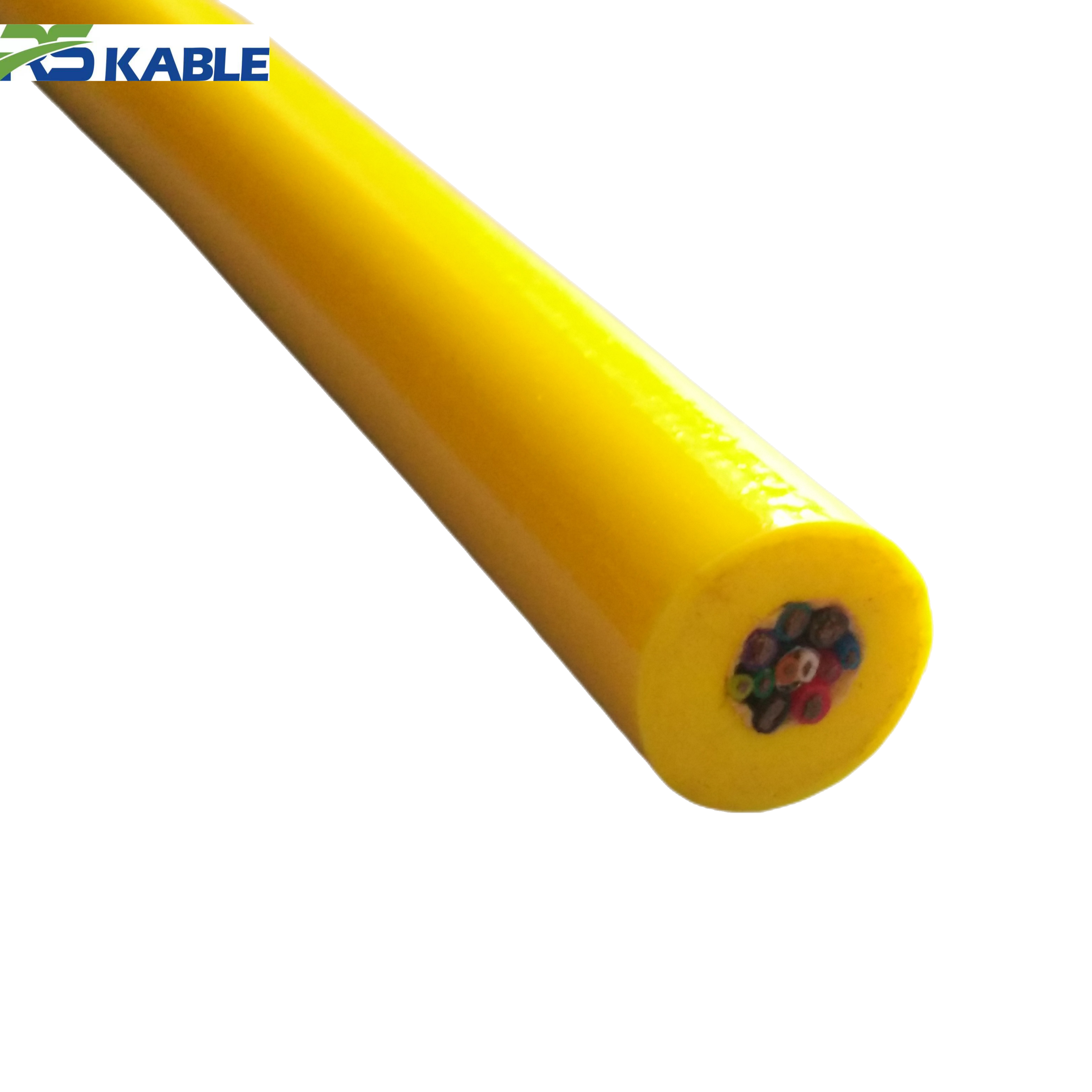
Dam Safety Inspection ROV Cable | Waterproof Sealed Design & Continuous Submersion Performance
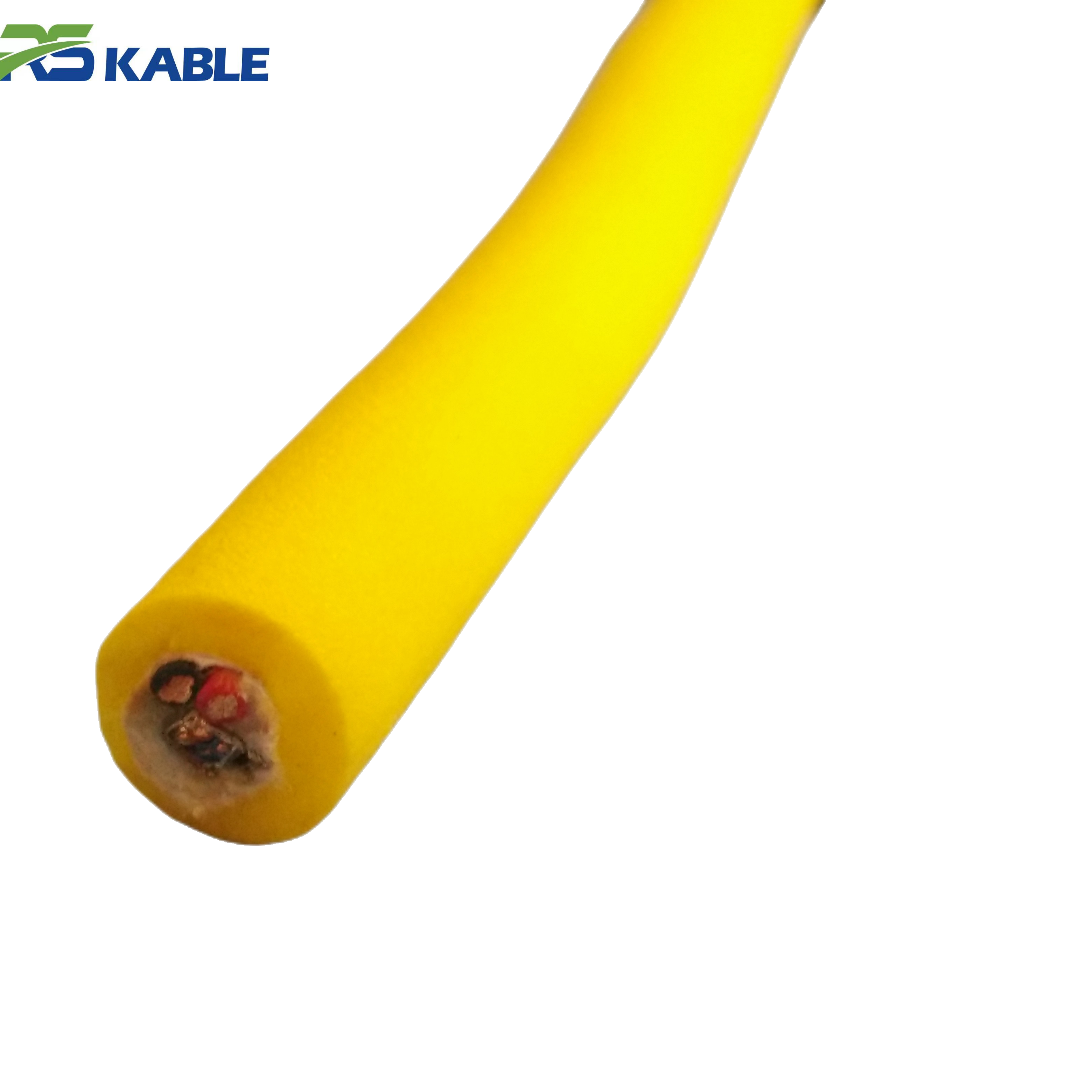
Engineered for **dam and reservoir safety assessments**, this **ROV cable** features an advanced **waterproof sealed design** for superior **continuous submersion performance**. It is built to withstand high hydrostatic pressure while providing reliable data and power transmission, ensuring the integrity of critical underwater inspections in large-scale hydraulic engineering projects.
Three quick stories that show why the “obvious” choice fails
Story 1: Double armor reduced damage—but increased incidents
A team upgraded to double armor after a cut event near steel structure. The next job had fewer jacket cuts, but the tether OD increased and cross-current sweep widened. Contact events became routine and pilots had to slow down.
Takeaway: armor can reduce damage severity while increasing contact frequency. In current-heavy work, OD control is part of safety.
Story 2: Unarmored worked perfectly—until one sharp edge ended the day
An unarmored tether performed well for weeks in moderate environments. One unexpected pinch point and a sharp edge contact caused immediate damage and forced an unplanned recovery.
Takeaway: when cut risk is real and unavoidable, unarmored can be a single-incident failure mode.
Story 3: Armor didn’t prevent “movement-only” faults
A project chose armor thinking it would prevent all reliability issues. Intermittent dropouts still appeared during motion. The root cause was a fixed tight bend point at a deck routing location and a hinge-like termination exit.
Takeaway: armor does not solve fatigue. Bend radius and termination flex control decide movement-only failures.
These three patterns cover most “we chose the wrong tether” stories.
Start with the right question: what is your dominant damage mechanism?
Pick the most common way your tethers get harmed:
-
Cut / edge contact (sharp steel, brackets, pinch zones)
-
Crush (drum crossovers, pinch points, heavy handling)
-
Abrasion (dragging/rubbing on seabed or rough surfaces)
-
Snag (loops tightening around features)
-
Fatigue (repeat bends at fixed points, termination hinge)
-
Drag-driven contact (cross-current sweep into structures)
Armor mainly helps with cut and crush. It can help with abrasion depending on design. It does not automatically help with fatigue, and it can worsen drag-driven contact by increasing OD.
What “armored” and “unarmored” mean in day-to-day behavior
Armored tether behavior (typical)
-
more resistant to sharp-edge and pinch damage
-
usually larger OD and stiffer
-
higher drag in current, wider sweep zone
-
requires better routing discipline to avoid fatigue at fixed bends
Unarmored tether behavior (typical)
-
lower OD and lower drag potential
-
easier to control in current and near structures
-
generally more flexible for high-cycle handling
-
less forgiving of sharp edges unless you add targeted protection
A mission-fit ROV Cable is not defined by “armored yes/no.” It is defined by the balance of protection and controllability your site needs.
The decision table (fast and usable)
Use this table to choose a starting point, then refine.
1) Cut risk level
Low: mostly smooth surfaces, minimal sharp-edge exposure
Medium: occasional steel proximity, manageable edge contact
High: frequent sharp edges, pinch zones, tight corridors
2) Current/drag sensitivity
Low: weak currents or wide open area
Medium: current matters sometimes
High: cross-current often pushes tether into hazards
Recommended starting choice
-
Low cut + High drag sensitivity: unarmored + sleeves/guards in hotspots
-
Low cut + Low drag sensitivity: unarmored or light protection, prioritize flexibility
-
Medium cut + Medium drag: single armor often best balance
-
Medium cut + High drag: unarmored or light single armor + strict OD target + sleeves
-
High cut + Low drag: double armor can be justified
-
High cut + High drag: start with single armor + aggressive hotspot protection; only go double if cuts persist
This approach prevents the two most common failures: over-arming a drag-limited mission and under-protecting a cut-limited one.
Pros and cons in real operations (not brochure language)
Armored ROV cable: where it wins
-
sharp-edge and pinch tolerance near steel structures
-
better survivability when contact is unavoidable
-
reduced risk of “one incident ends the day”
-
improved robustness during imperfect recoveries
Armored ROV cable: where it costs you
-
increased drag and sweep zone in cross-current
-
more stiffness, harder to maintain bend radius
-
higher fatigue risk if the same bend point repeats
-
heavier and more complex deck handling
Unarmored ROV cable: where it wins
-
lower drag potential and better controllability in current
-
smaller sweep zone, fewer contact events near structures
-
easier bend radius compliance and routing
-
often better for high-cycle campaigns
Unarmored ROV cable: where it costs you
-
less forgiving in sharp-edge environments
-
higher risk of catastrophic damage from pinch/cut events
-
may require sleeves/guards and stronger operational discipline in contact zones

“Upgrade rules” crews can actually apply
Upgrade to armor (or add stronger protection) if:
-
you have cut events that stop missions, not just scuffs
-
reinforcement exposure or deep jacket cuts are recurring
-
work routinely happens in tight steel corridors and pinch zones
-
damage clusters at edge-contact locations, not just wear bands
Do NOT add armor first if:
-
your incidents are mainly sweep-zone contacts in strong current
-
pilots report high workload and wide tether sweep already
-
most faults are fatigue-related (movement-only) near routing points
-
the tether is contacting more because it’s too draggy, not because it’s too weak
In those cases, the first fix is usually OD/drag control, slack discipline, and routing/bend compliance—then reassess whether armor is still needed.
How to prevent “armor regret” (the OD and routing check)
If you go armored, do two checks up front:
-
OD check: can your operation tolerate the added drag in current?
If current is common, include a maximum preferred OD in procurement and keep fiber count and conductor sizing realistic. -
Routing check: can your deck setup maintain bend radius with the stiffer cable?
If you can’t, you will trade cut protection for fatigue failures.
This is why “armored equals reliable” is incomplete. Reliability is a system outcome.
RFQ checklist (so quotes come back comparable)
Include:
-
mission type (inspection vs intervention vs mixed)
-
environment: cut risk description, structure density, pinch zones, debris
-
current profile and drag sensitivity
-
working length and max deployed length
-
armor preference (unarmored/single/double) + why
-
maximum preferred OD if current is significant
-
bend radius constraints and deck routing hardware details
-
termination and strain relief expectations (no hinge point at connector exit)
-
acceptance requirements: mechanical inspection + electrical/fiber baselines if used
If you want suppliers to optimize for your reality, you must state what limits your mission: cut events or drag-driven contact.
FAQ
Is armored always better near structures?
Not always. In strong current, added OD can widen sweep zone and increase contact events. Armor helps most when sharp-edge cut risk is dominant.
When is double armor justified?
When sharp-edge exposure and pinch zones are frequent and unavoidable, and current drag is not the primary limitation.
Can unarmored be used in oil & gas work?
Yes, in lower cut-risk areas or when OD/drag control is critical, but it often needs sleeves/guards and strict routing discipline.
Does armor prevent movement-only signal dropouts?
Not by itself. Movement-only faults are often fatigue and bend-management problems near terminations and fixed routing points.
What’s the best way to avoid overbuilt proposals?
State current profile, drag sensitivity, and a maximum preferred OD, then specify the dominant hazard (cut vs sweep).